Bigkis is the act of binding. In Tagalog, the word can refer to something used to bind or encircle, as well as a bundle formed by tying several separate elements together. Figuratively, it can also mean a bond, union, or unity. The meanings move from the physical act of joining things together to the connection […]
The Bunker: A Vehicle of Progress at Balanga, Bataan



Bataan stands as the hallowed ground of the Philippines’ last organized defense against the invading forces of World War II. While this legacy of courage continues to shape the peninsula’s identity, it also looks ahead to a future built with the same strength and resilience. The Bunker, the province’s Government center and business hub, serves as both a reminder of Bataan’s history and a strategic tool for progress–a place where innovation and development are cultivated.
Fostering Collaboration
Before The Bunker was constructed, the offices of the Provincial Government of Bataan were dispersed throughout the capitol compound in the city of Balanga. The old two-story capitol building at the heart of the compound could only house a few Provincial Government of Bataan departments and the Sangguniang Panlalawigan offices.
Recognizing this system’s inherent inefficiencies, then Governor Albert S. Garcia initially envisioned a five-floor “one-stop shop” as a transformative solution in 2014. The goal was to consolidate all provincial government offices under a single roof to streamline operations and enhance interdepartmental collaboration.
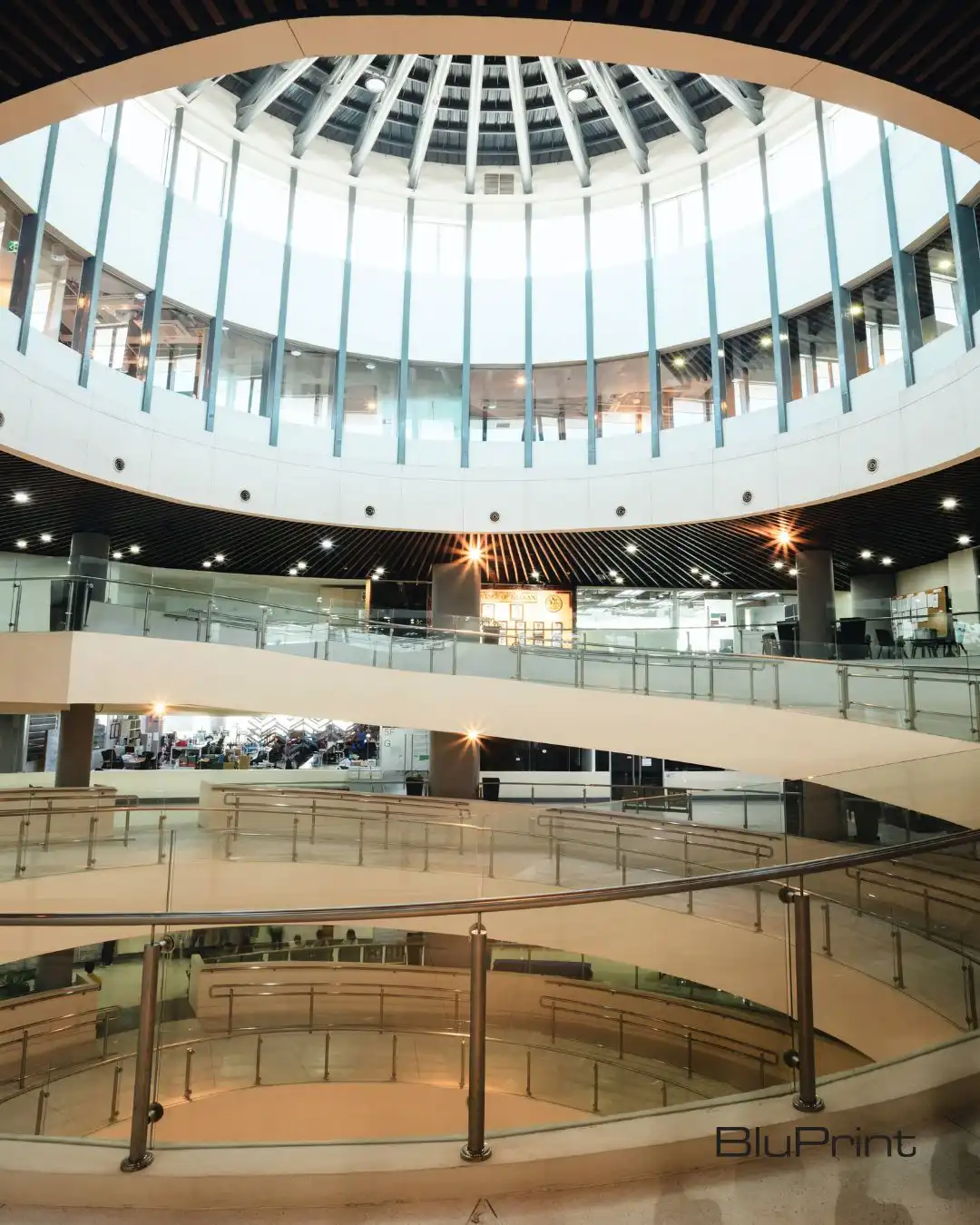
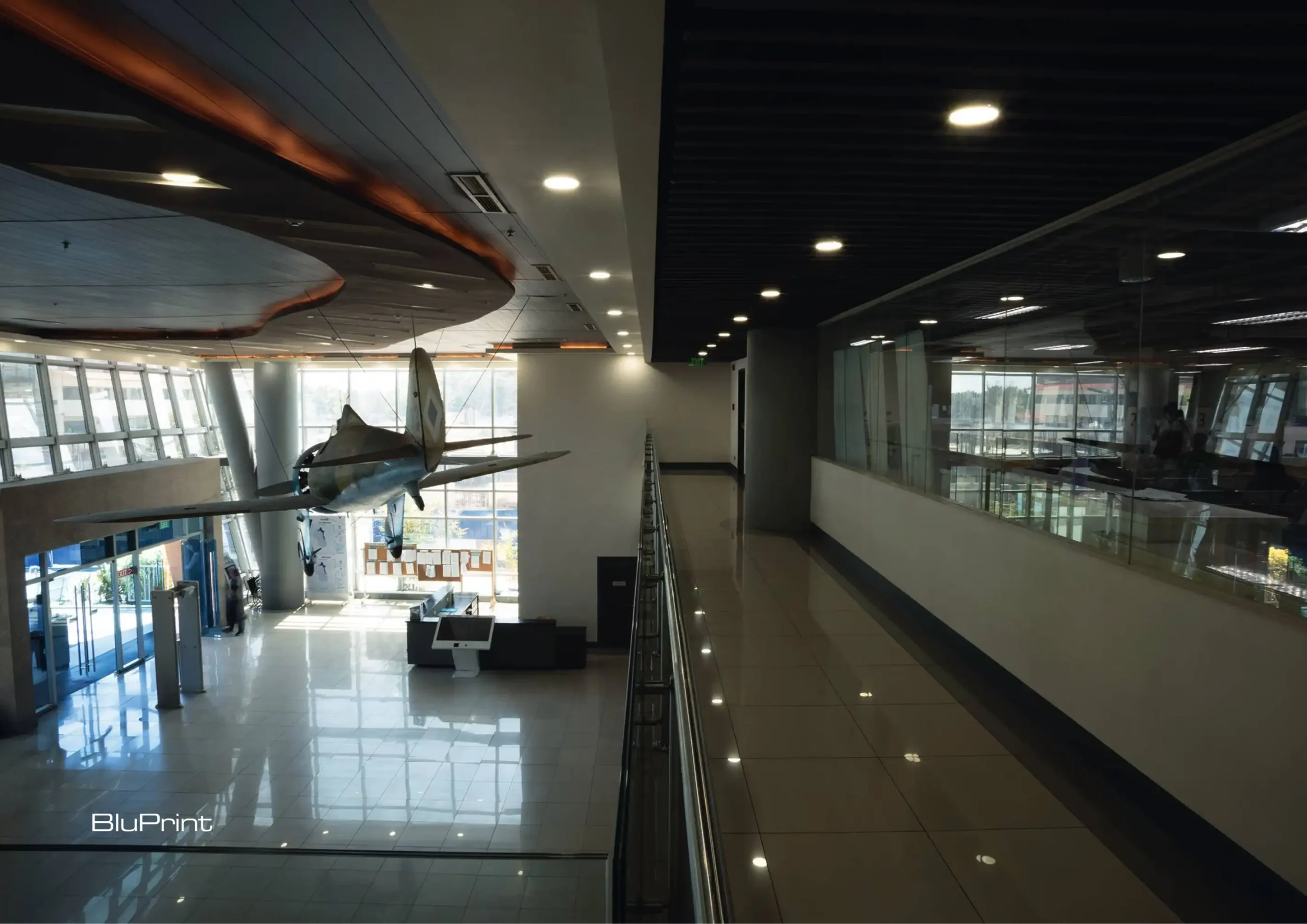
After meticulous benchmarking, it was deemed that a seven-story structure would be more optimal to accommodate 18 additional national agencies. To further deliver excellent public service, The Bunker has also clustered both provincial and national offices on each of its levels to create a seamless and efficient experience for the people of Bataan.
As the project was being planned, infrastructure conglomerate AlloyMTD proposed a public-private partnership with Bataan. Under this joint venture, AlloyMTD would fund and build the structure, while the provincial government would share in operating and maintaining it.
To develop the infrastructure, H.B. Mayuga & Associates shaped The Bunker’s modern brutalist architectural design. Meanwhile, Goudie Associates was engaged to take charge of the interior fit-out to create a conducive and aesthetically pleasing environment for employees and visitors.
A Stronghold of History and Hope
A tribute to Bataan’s wartime resistance and future resilience, The Bunker holds profound meaning, starting with its name. Castro explains that it could be interpreted as a fortification similar to a military pillbox, but it may also be seen as a safe storage space for valuable things.
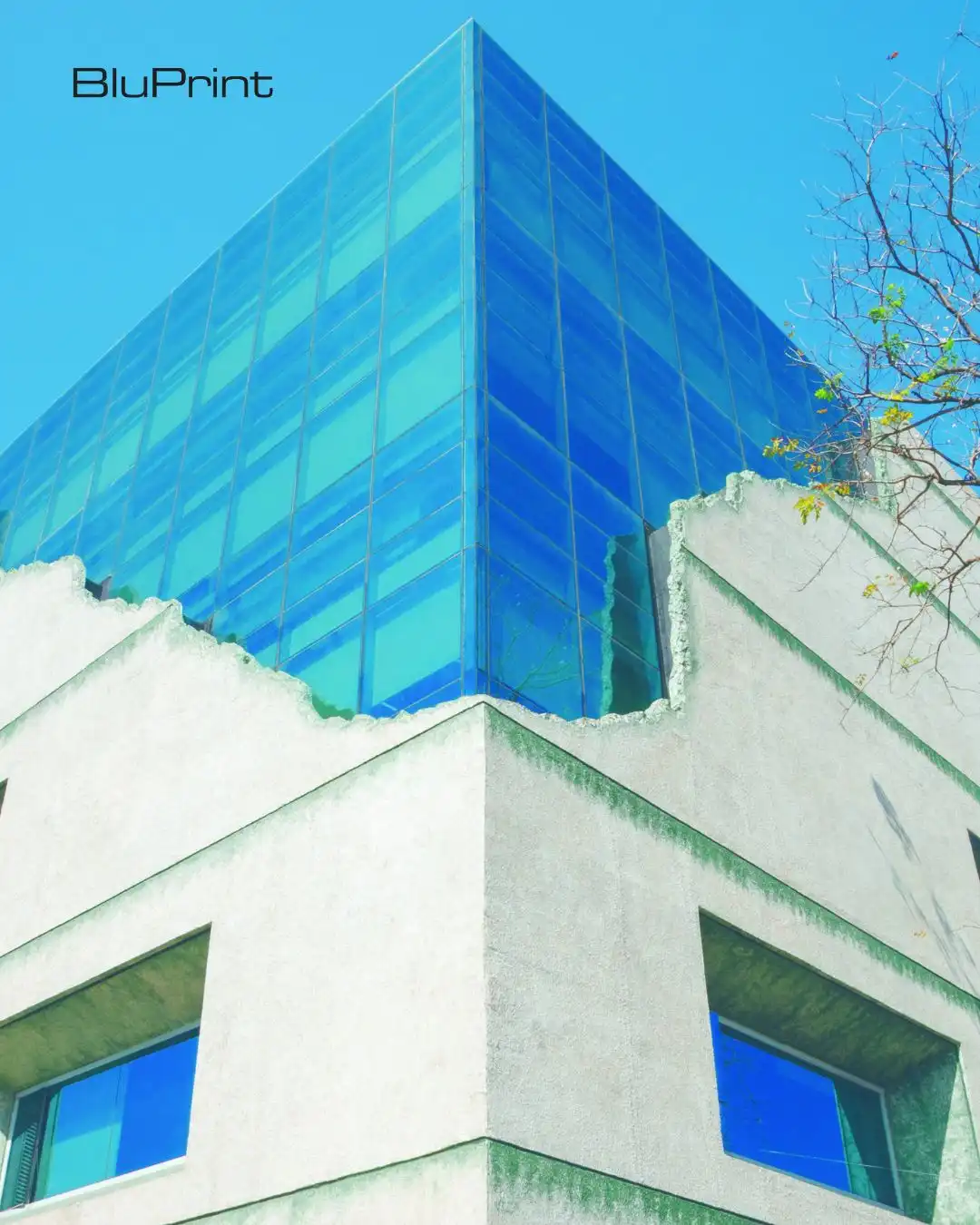
The Bunker’s concrete exterior evokes the bombed-out faux ruins from the aftermath of battle. Embrasure-like windows are scattered around its rectangular outer shell to closely resemble the defensive post that inspired the design.
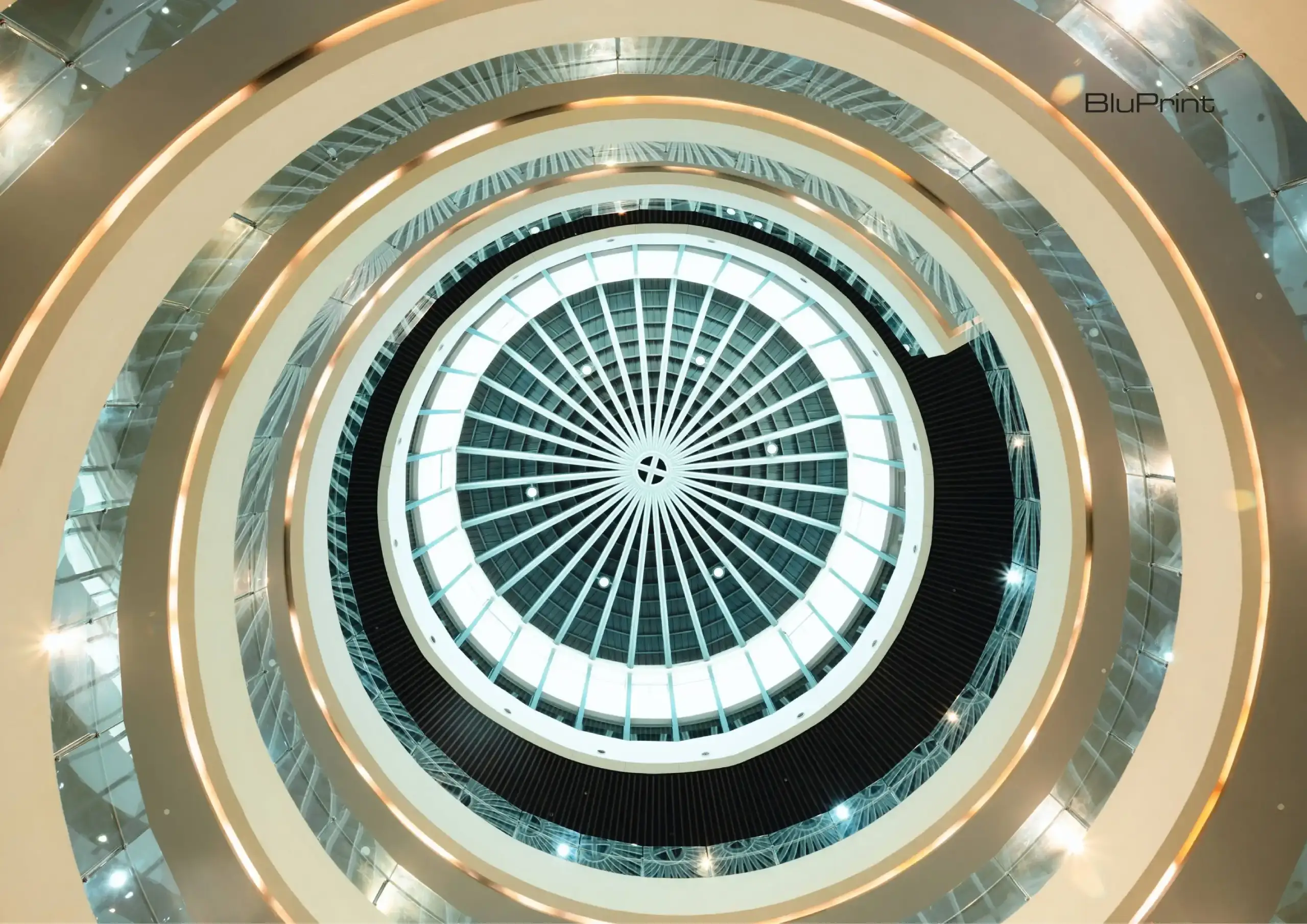
The Bunker’s structural pillars and steel-reinforced concrete are designed to withstand earthquakes of up to magnitude 8.0, as well as heavy foot traffic. When viewed from above, The Bunker follows a nautilus shape, which Castro likened to “the shape of weather patterns.” Given its dynamic double helix contour, H.B. Mayuga & Associates further described it as “the natural pattern of growth or movement.”
To fully encapsulate The Bunker’s military defensive fortification concept, the circumference of its roof-deck is painted green to depict the moss growth or vegetation used to camouflage traditional bunkers.
The Center of Community Building
The Bunker’s significance goes beyond its meaningful architectureArchitectureThe art and science of designing and constructing buildings, structures, and spaces that are functional, safe, and aesthetically pleasing. It encompasses the planning, design, materials, and techniques used to createGo to Architecture Glossary. It now serves as Bataan’s vehicle toward the fulfillment of the province’s 2030 vision under the leadership of Governor Jose Enrique “Joet” S. Garcia: to achieve meaningful growth and uplift families through strategic economic investments and effective governance.
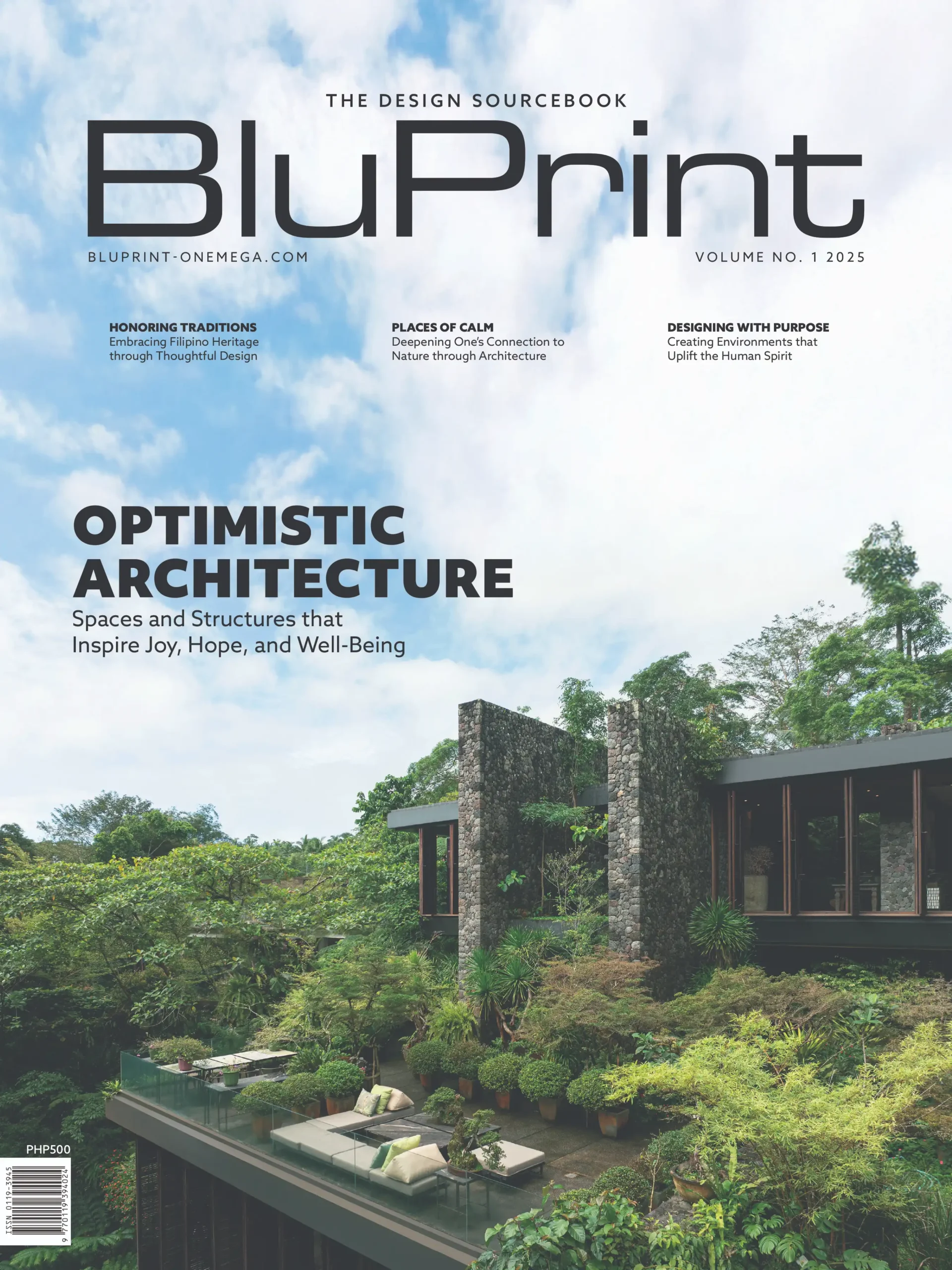
Read more about The Bunker by grabbing your copy of BluPrint Volume 1 2025, available at sarisari.shopping, Shopee, and Lazada.
E-magazines are available for download here or through Readly, Press Reader, and Magzter.
Photographed by Excel Panlaque.
Read more: Museo Pambata: A New Chapter of Creativity and Education
Frequently Asked Questions
Prior to the completion of The Bunker, the various offices of the Provincial Government of Bataan were scattered across the capitol compound in Balanga, leading to significant operational inefficiencies. Then Governor Albert S. Garcia envisioned a “one-stop shop” to consolidate these dispersed departments under a single roof, eventually expanding the plan to a seven-story structure that houses both provincial and national agencies. By clustering these offices on each level, the facility streamlines interdepartmental collaboration and provides a seamless, efficient service experience for the citizens of Bataan.
The modern brutalist design by H.B. Mayuga & Associates incorporates a concrete exterior that evokes the appearance of “bombed-out faux ruins,” serving as a literal and symbolic tribute to the province’s resistance during World War II. Its rectangular outer shell is punctuated with embrasure-like windows reminiscent of military defensive posts, while the roof-deck is painted green to mimic the moss and vegetation used for camouflage in traditional wartime bunkers. These elements transform the building into a landmark that bridges the gap between historical sacrifice and current stability.
When viewed from above, The Bunker follows a nautilus or double-helix contour, which architects describe as a representation of natural growth, movement, and the shape of weather patterns. This dynamic form is contrasted by a glazed glass facade that symbolizes the realization of the province’s modern vision and future aspirations. While the concrete portions look back at the peninsula’s history, the glass and the nautilus shape represent a forward-looking provincial government that is constantly evolving and growing.
The project was realized through a public-private partnership between the provincial government and the infrastructure conglomerate AlloyMTD. Under this joint venture, AlloyMTD provided the necessary funding and managed the construction, while the provincial government took on a shared role in the operation and maintenance of the facility. This collaborative model allowed for a sophisticated interior fit-out by Goudie Associates, ensuring that the 18 national agencies and various provincial departments have a conducive environment for public service.
The name serves as a dual metaphor for both a military fortification and a secure storage space for valuable assets, reflecting the province’s dual identity as a historical stronghold and a modern economic hub. Structurally, the building is engineered to be as resilient as its namesake, featuring steel-reinforced concrete pillars designed to withstand earthquakes of up to magnitude 8.0. This physical durability aligns with Governor Joet Garcia’s 2030 vision, positioning the building as a “vehicle of progress” intended to facilitate long-term economic investment and community resilience.
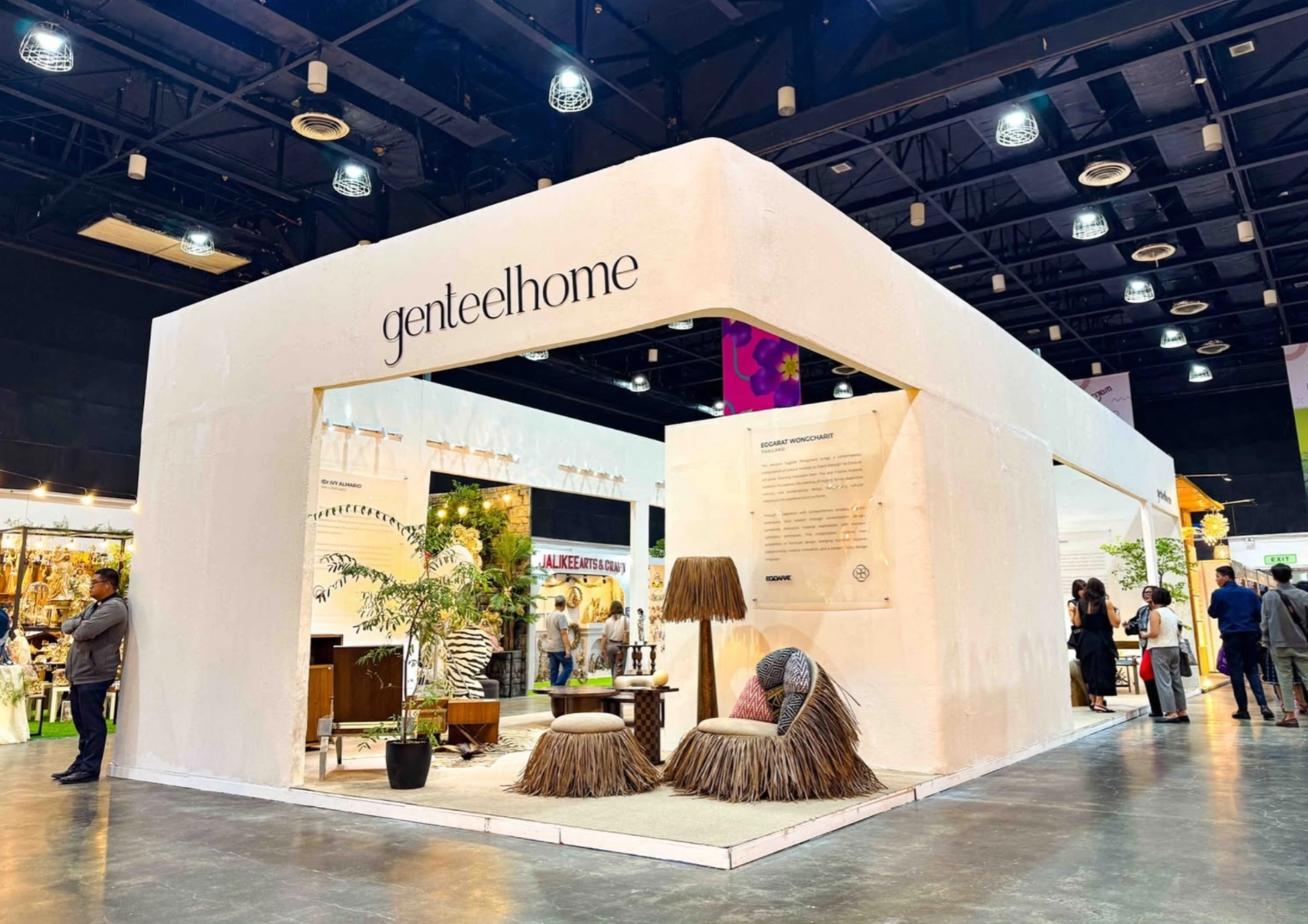
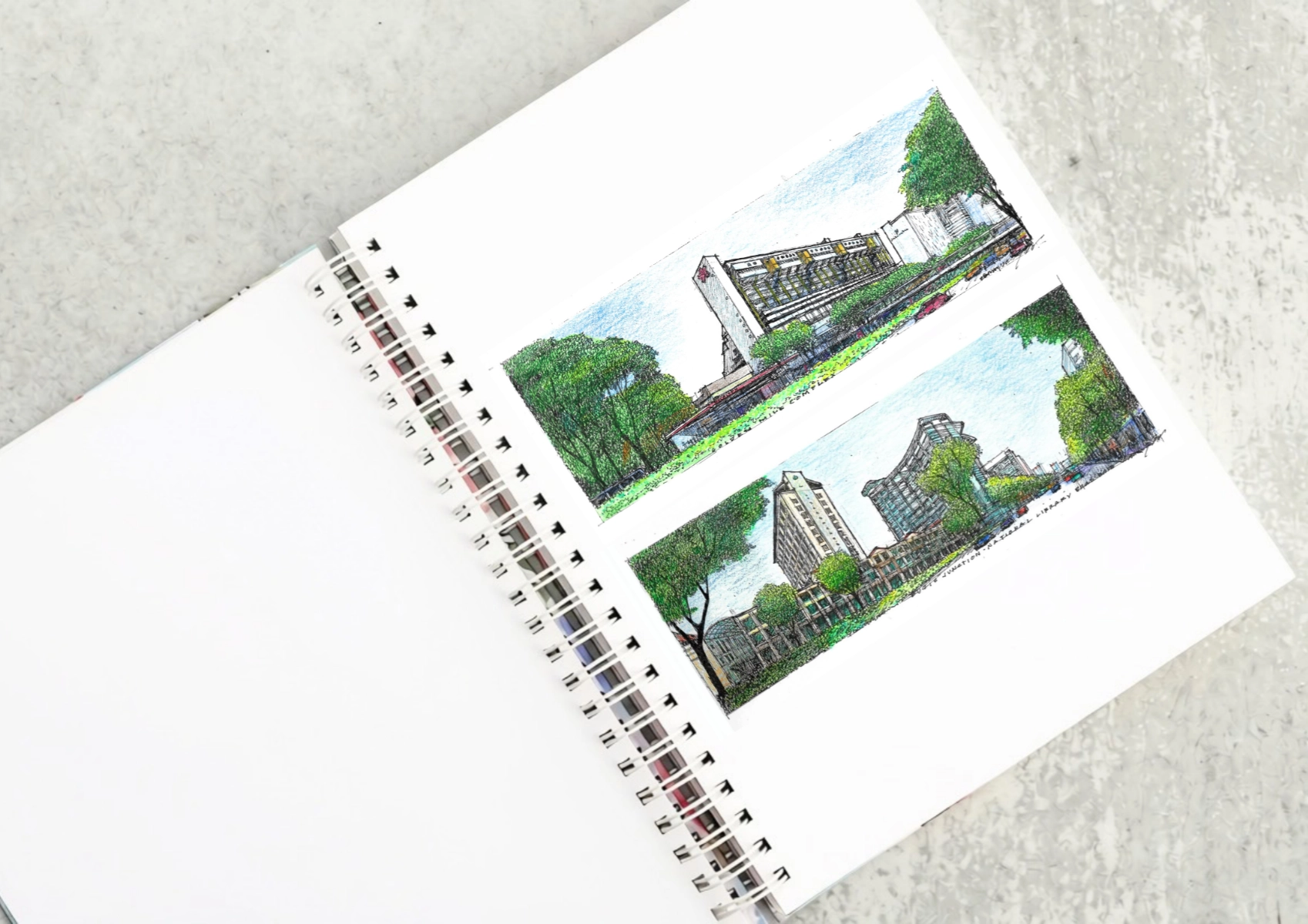
Two sketches of Singapore connect BluPrint Editor in Chief Paulo G. Alcazaren’s personal and professional history with Shared Ground: ArchitectureArchitectureThe art and science of designing and constructing buildings, structures, and spaces that are functional, safe, and aesthetically pleasing. It encompasses the planning, design, materials, and techniques used to createGo to Architecture Glossary of Care, Culture, […]
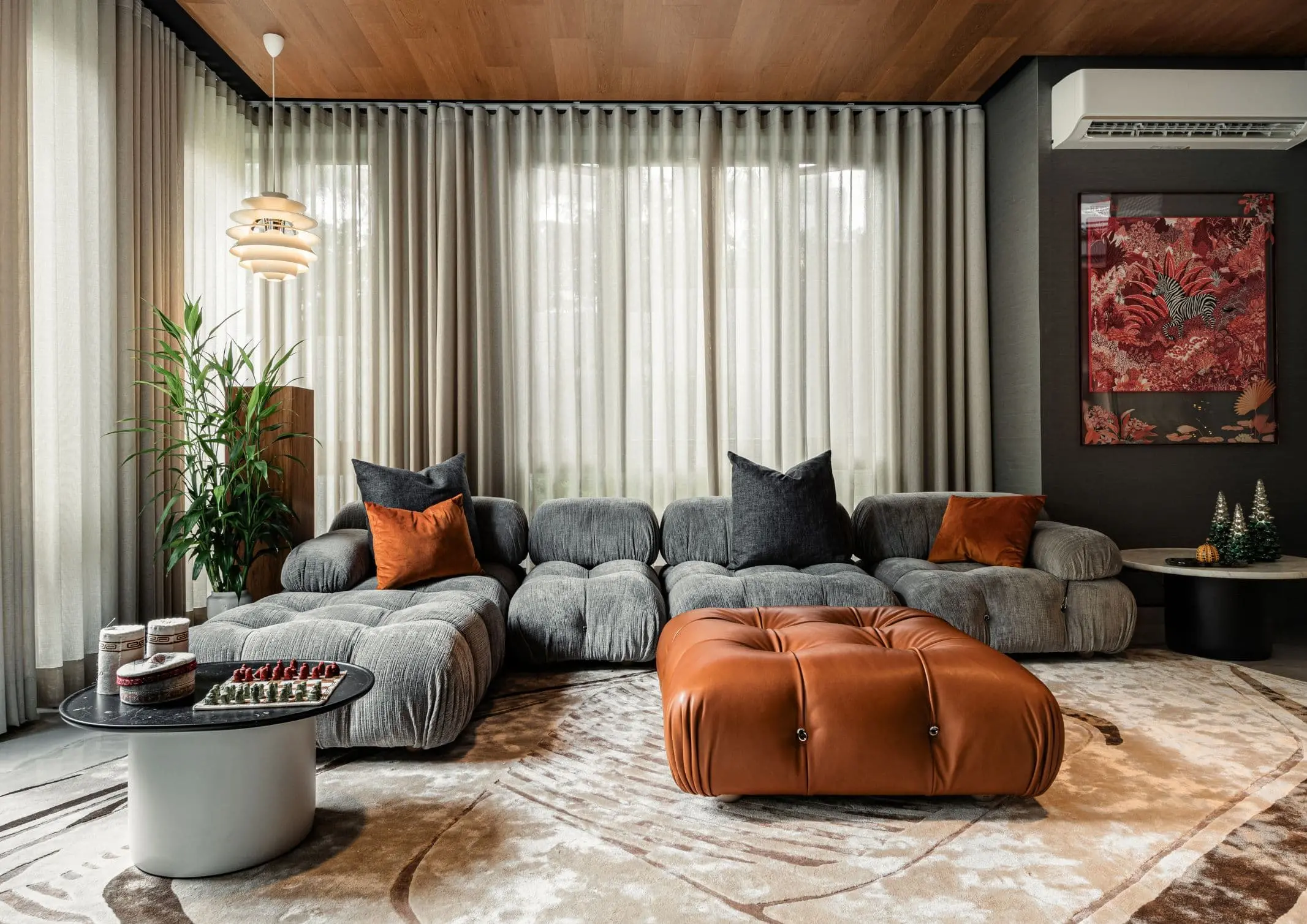
Some have become household names – Coleman, Oster, and KitchenAid – products that have found their way into Filipino kitchens, homes and family routines. In home furnishings, brands such as B&B Italia, Ethan Allen, Sub-Zero, Miele, SieMatic, Louis Poulsen, Hunter Douglas, Tempur, and Technogym, have helped shape the way Filipinos live. From everyday essentials to […]
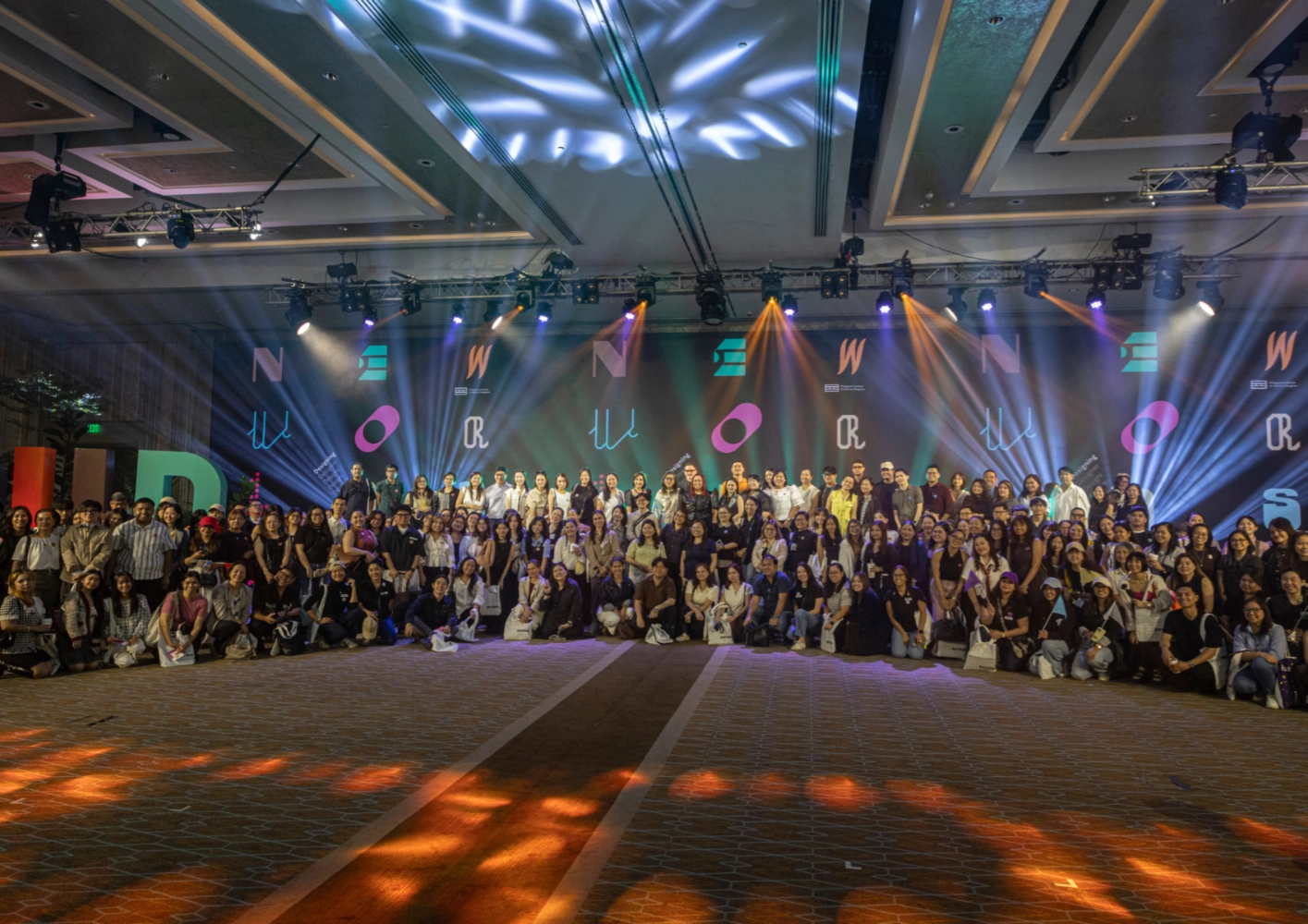
In a way, designers are the modern-day soothsayers and prophets. They design for the future, predicting how a room, a house, a building or a whole city will be used by people. They foresee how users will interact with a space, conjure exact shades of colors to elicit specific behavior and arrange furniture to build […]
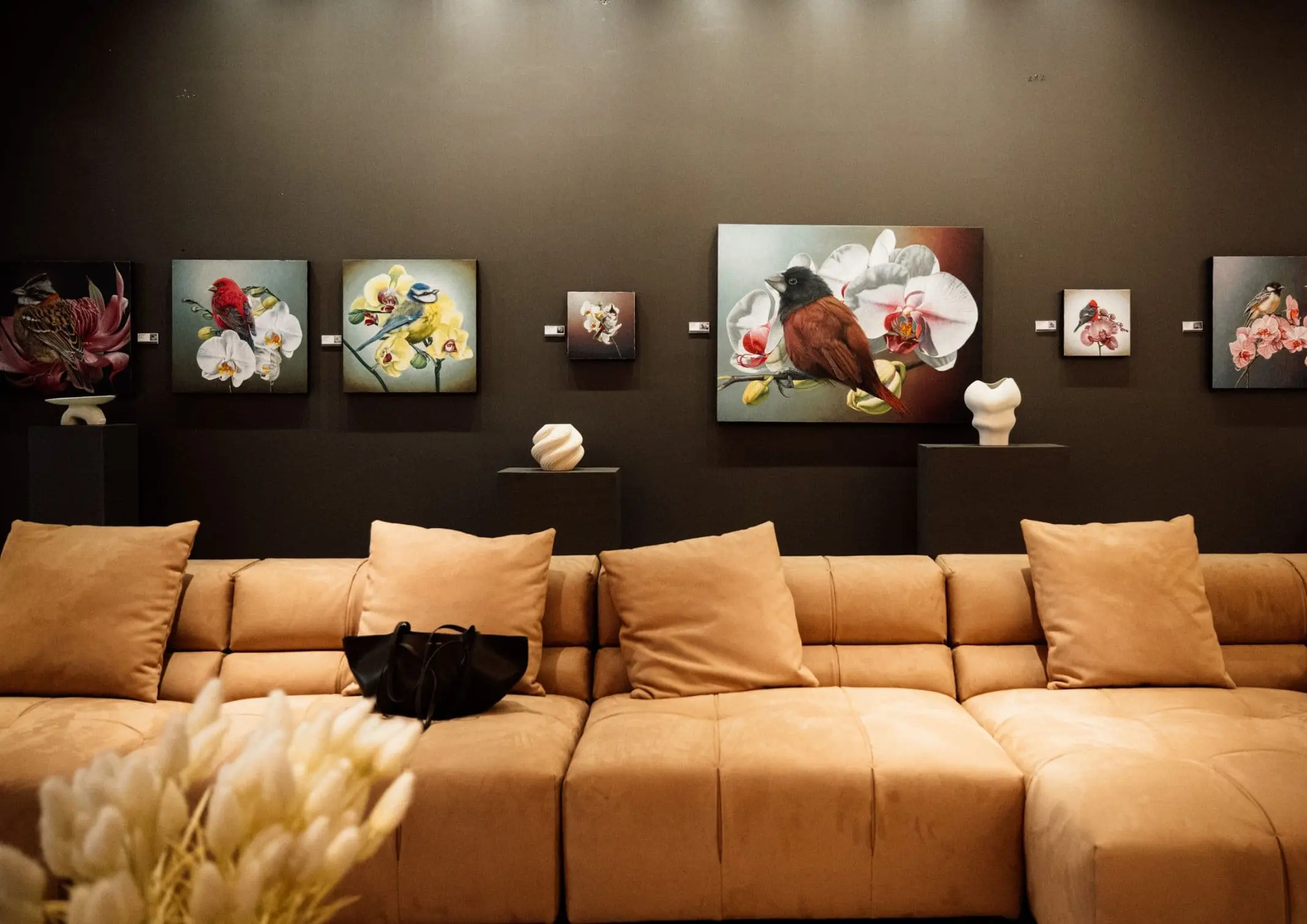
Art and furniture are often selected separately, yet their relationship can shape how a room looks and feels. The collaboration between Hooga and Galerie Joaquin explores how these elements can work together, bringing contemporary artworks into furnished residential settings at Hooga’s showroom in Uptown Mall, Bonifacio Global City. For Hooga, which curates furniture, lighting, and […]
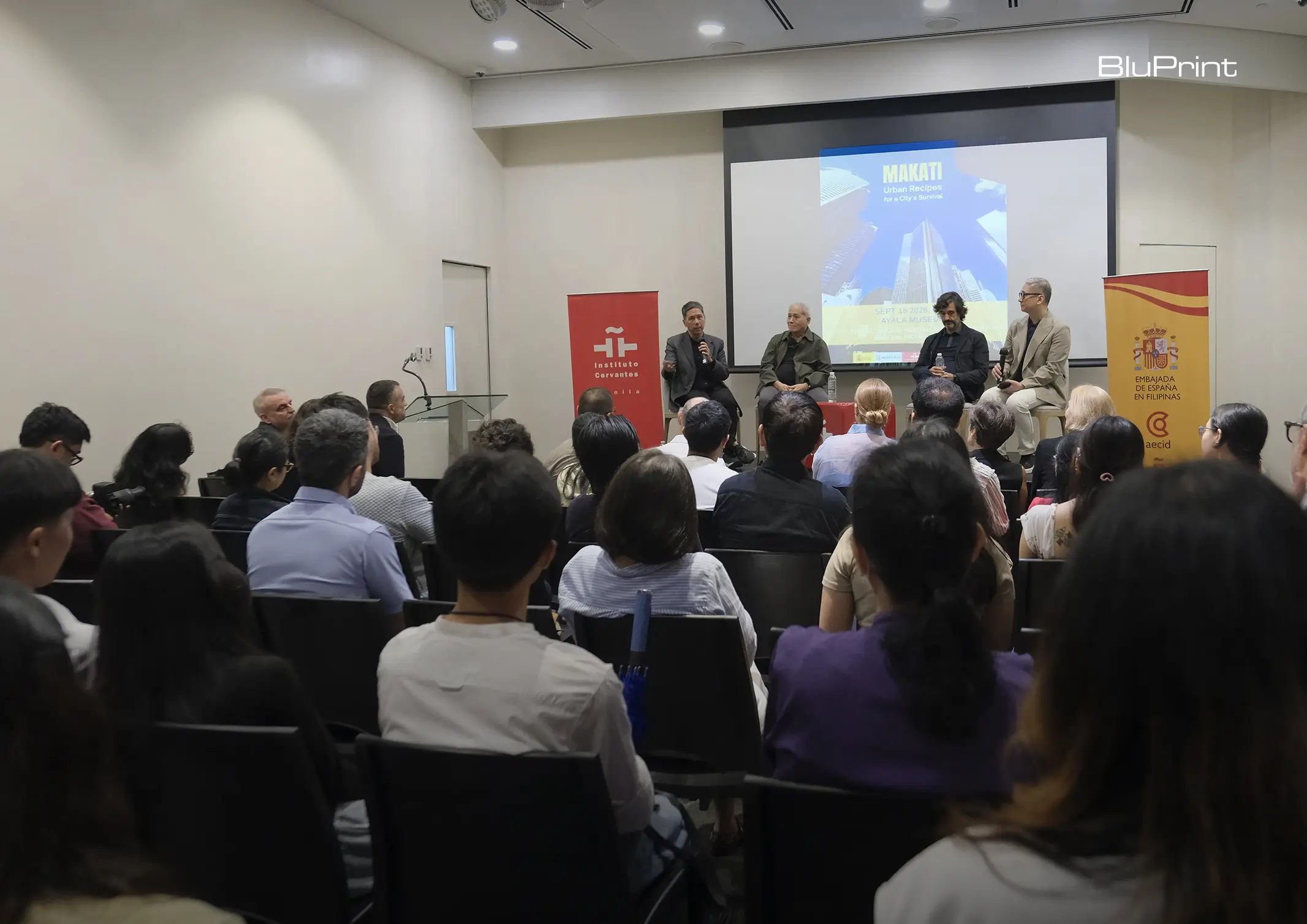
How can better-planned cities create the conditions for more creative, livable, and resilient urban environments? “Makati Urban Recipes for a City’s Survival,” a colloquium held at the Ayala Museum on September 15, brought together architects and practitioners from the fields of urbanism and the creative economy to discuss how design, planning, and collaboration can address […]
Read the issues.

Collect the volumes.

Recommended Video
Tap to Unmute
Unmute
0:00
0:00