Bigkis is the act of binding. In Tagalog, the word can refer to something used to bind or encircle, as well as a bundle formed by tying several separate elements together. Figuratively, it can also mean a bond, union, or unity. The meanings move from the physical act of joining things together to the connection […]
Artinformal Opens Three New Exhibits for January



In January, Artinformal Gallery in Makati debuted three new exhibits, inviting audiences to explore fresh perspectives shaped by the artists’ personal experiences. These emotional explorations offer refreshingly unique artworks that pose thought-provoking questions about selfhood and artistic expression.
‘Tethers of a whole’
Tosha Albor’s Tethers of a whole functions as the most exciting piece in the January lineup of Artinformal Gallery. Its singular monoprint work “Sea, me, and sandscapes” is huge and imposing, occupying almost half of the exhibit space.
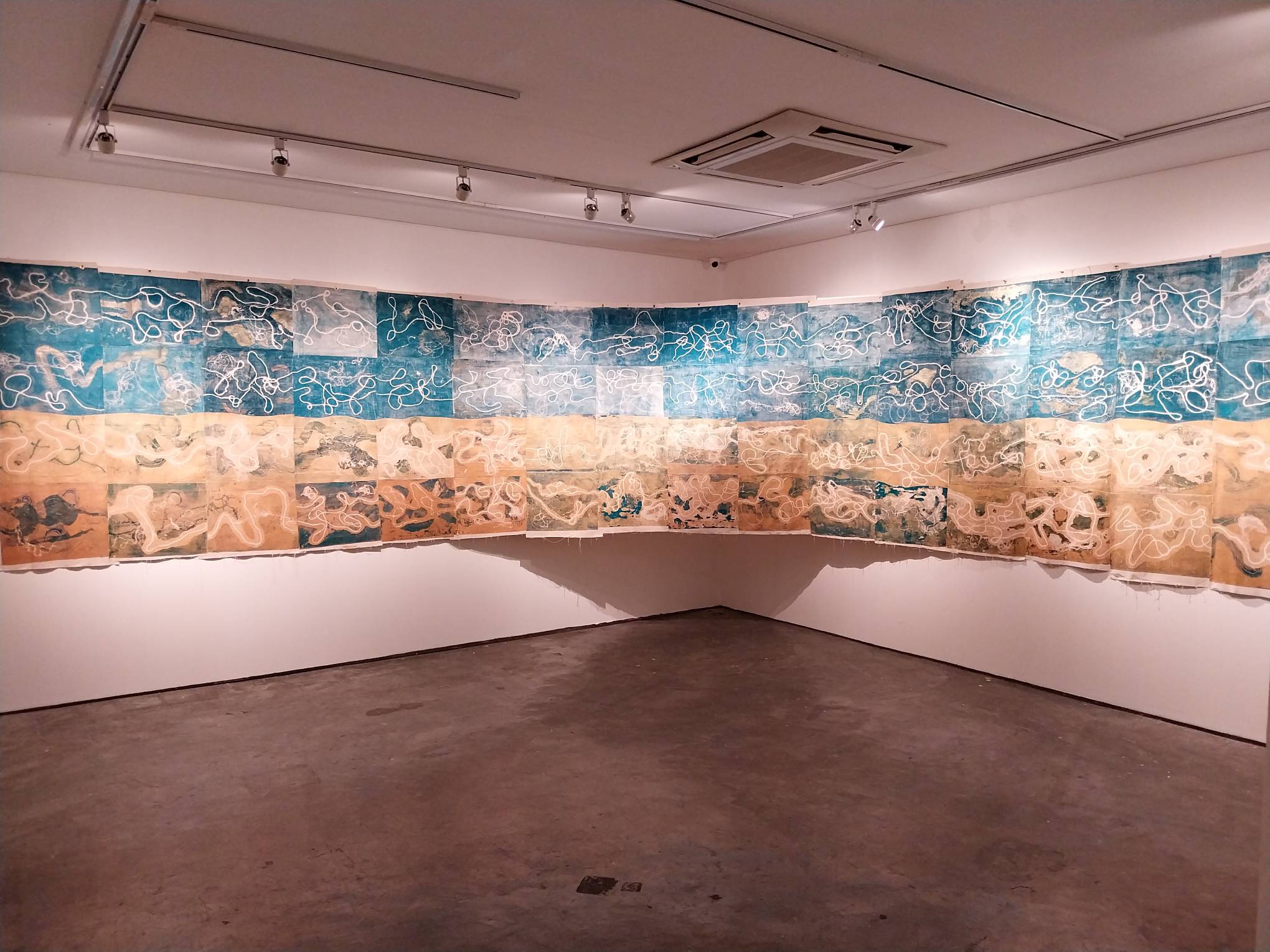
This painting can be divided into four sections—its top two sections are blue, while the bottom sections are yellow. Specks of green appear in some of the panels in yellow half. In all of them, an uninterrupted string of white swirls through each sections.
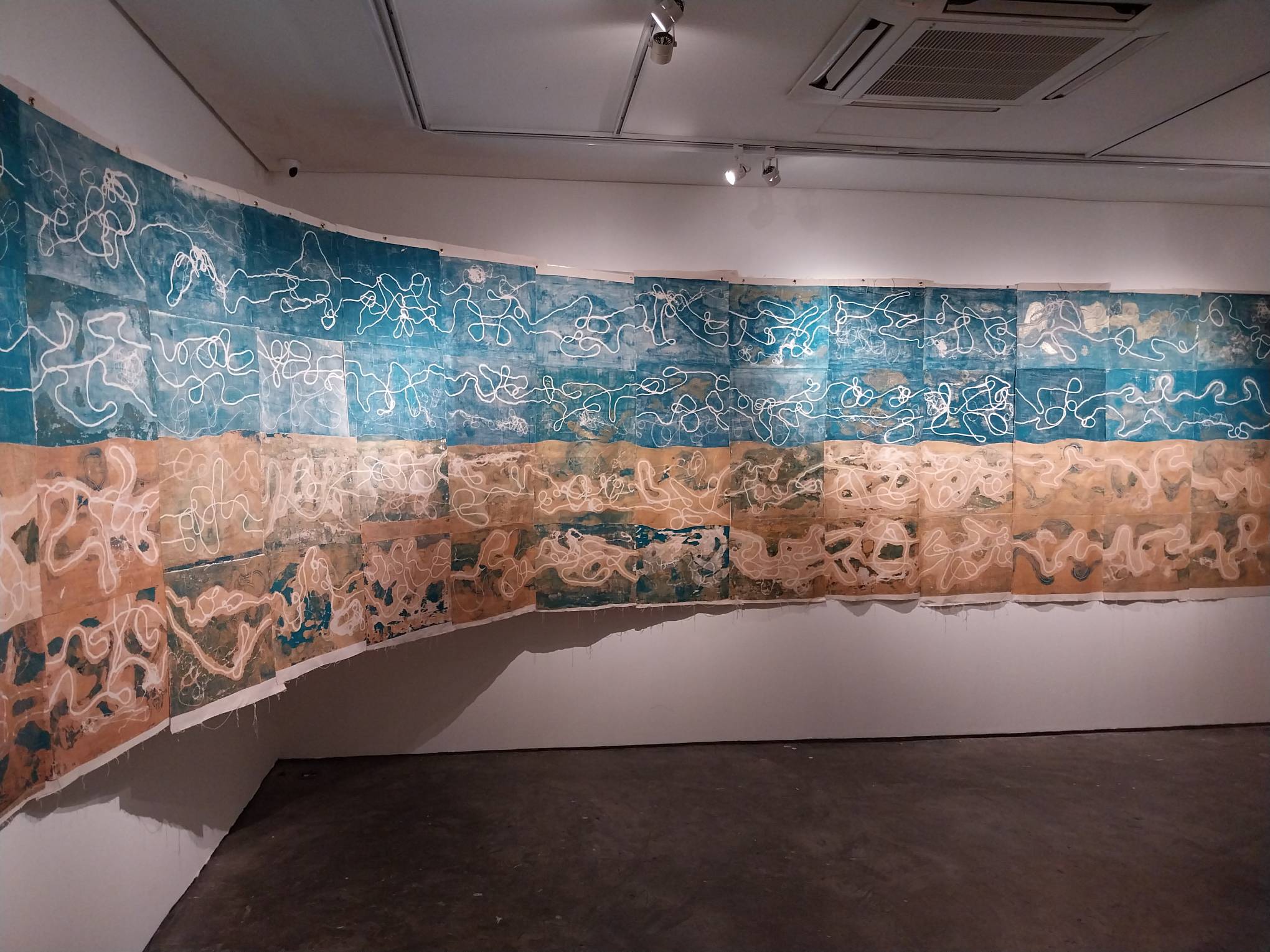
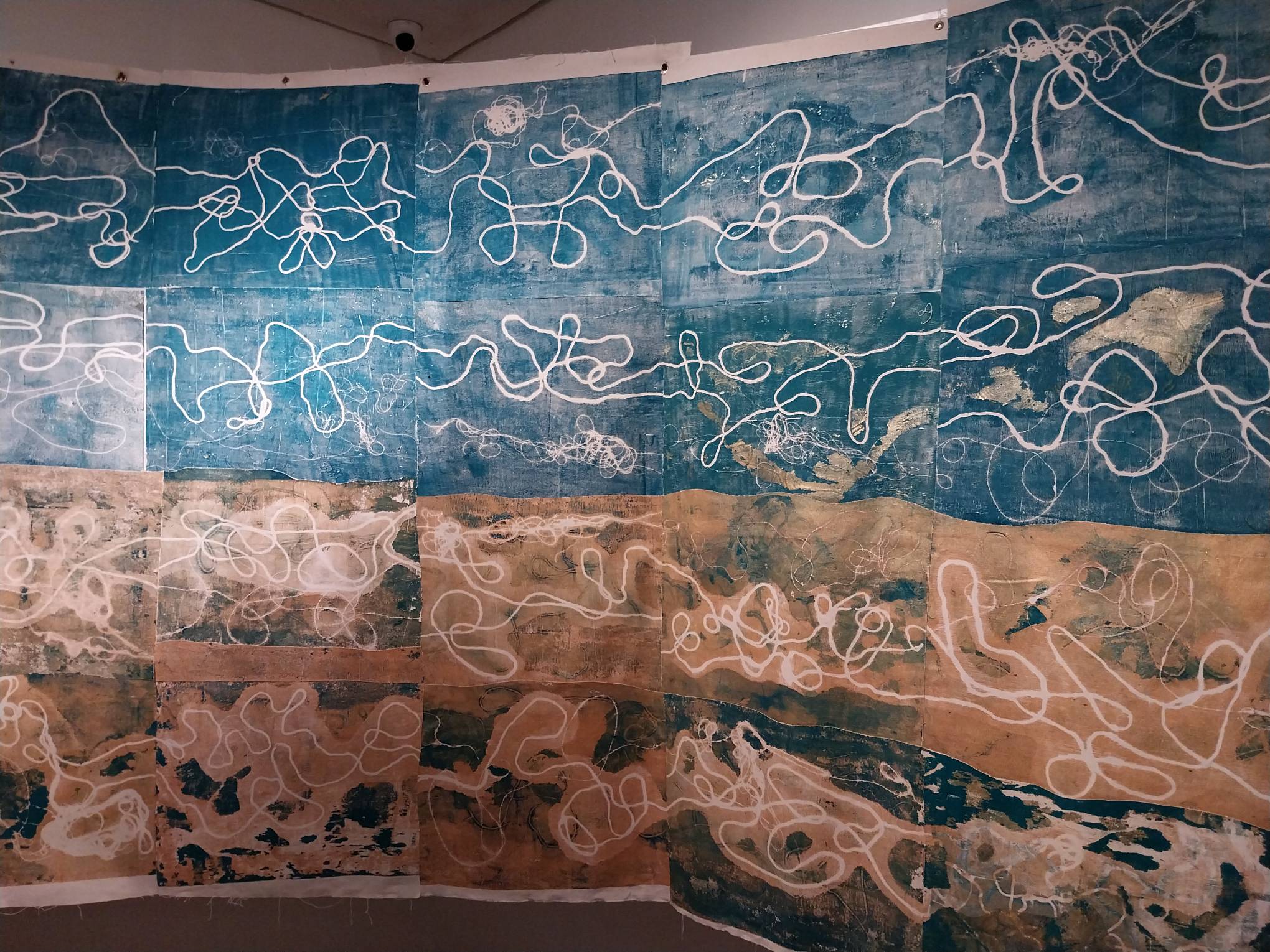
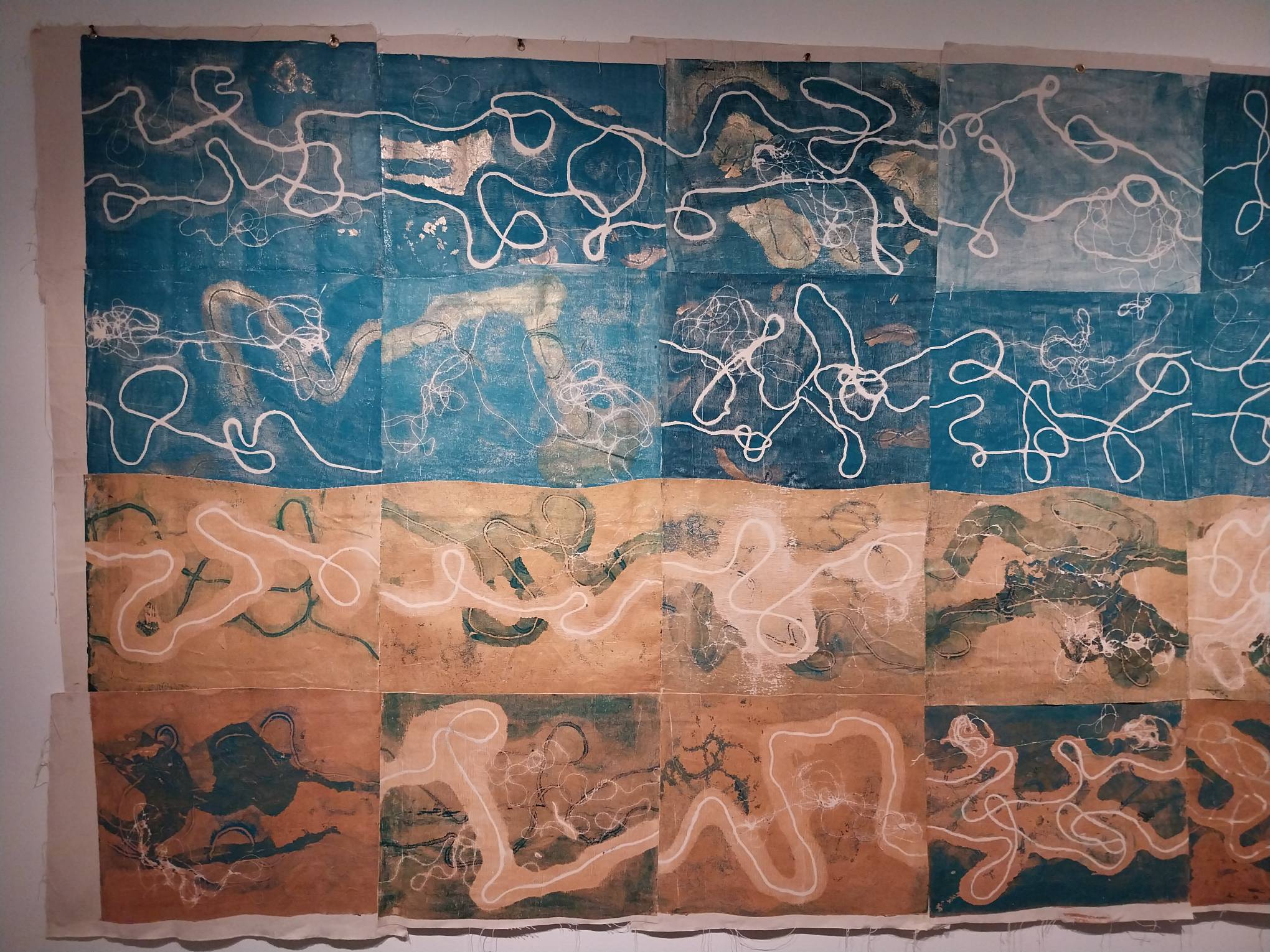
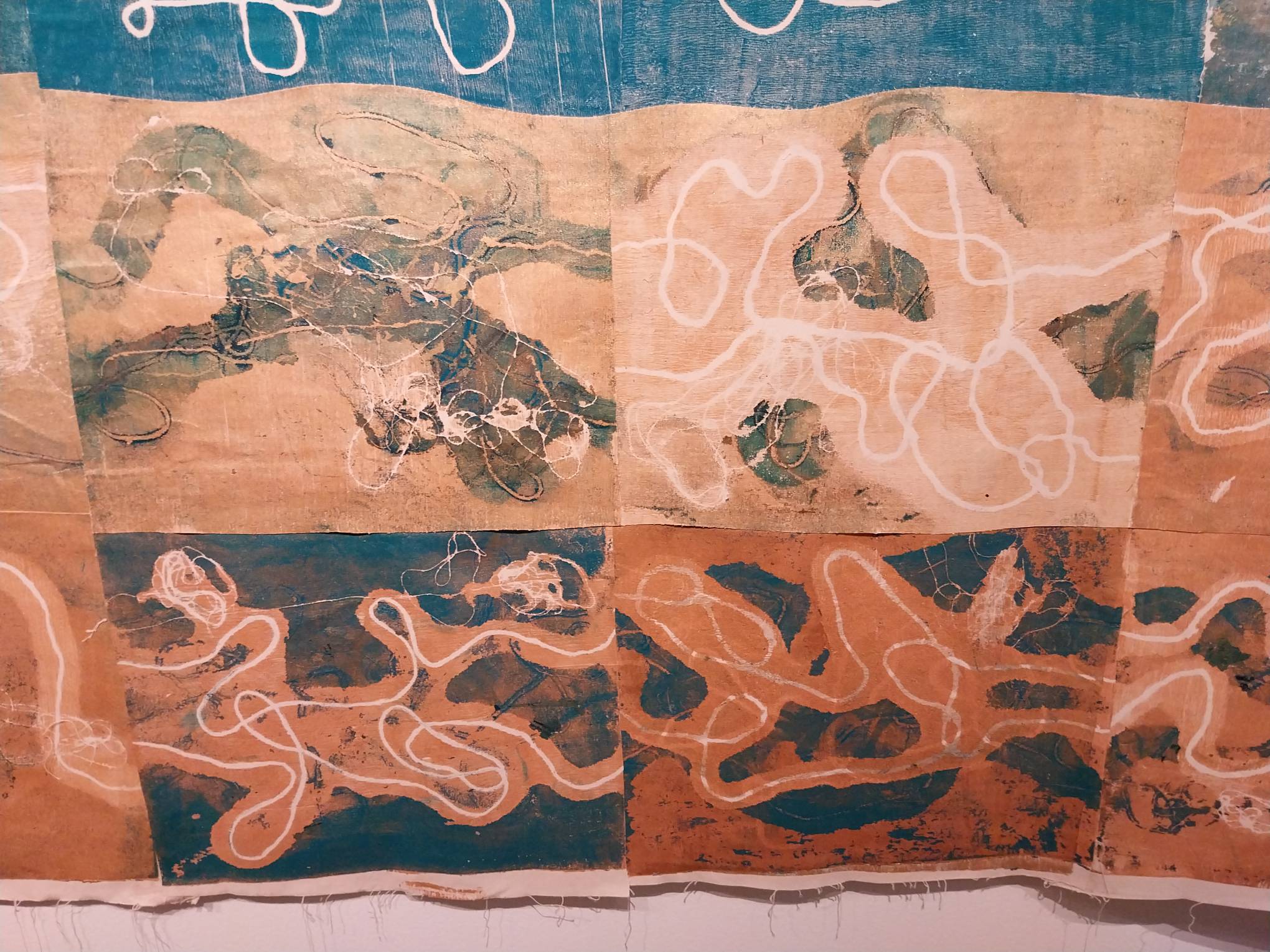
It operates like a provocative, charged work, mainly because of the wildness of how it looks. The white swirls around unencumbered, the colors seep through messily in different sections. Taken as a whole, it mixes the emotionality of the artist with the physicality that comes with crafting murals like this.
“I’m currently exploring the concept of wholeness and what it offers to my sense of self,” the artist said. “How does it feel to be whole? What are the sensations, tension, conflict or fantasies that bring me to it, or prevent me from getting closer? And how does this shape my relationship to self and others?”
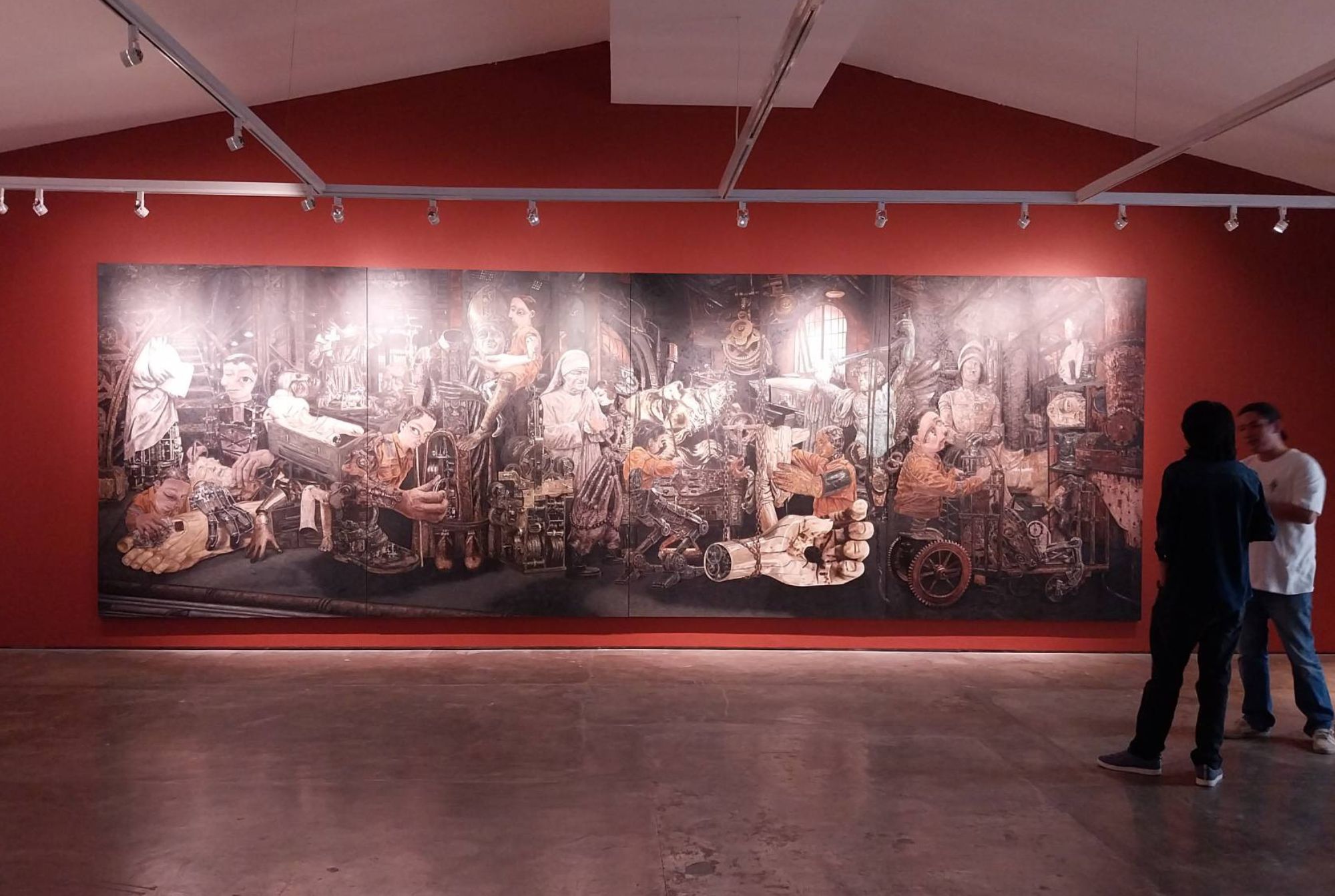
‘Tagpi-Tagpi, Dugtong-Dugtong’
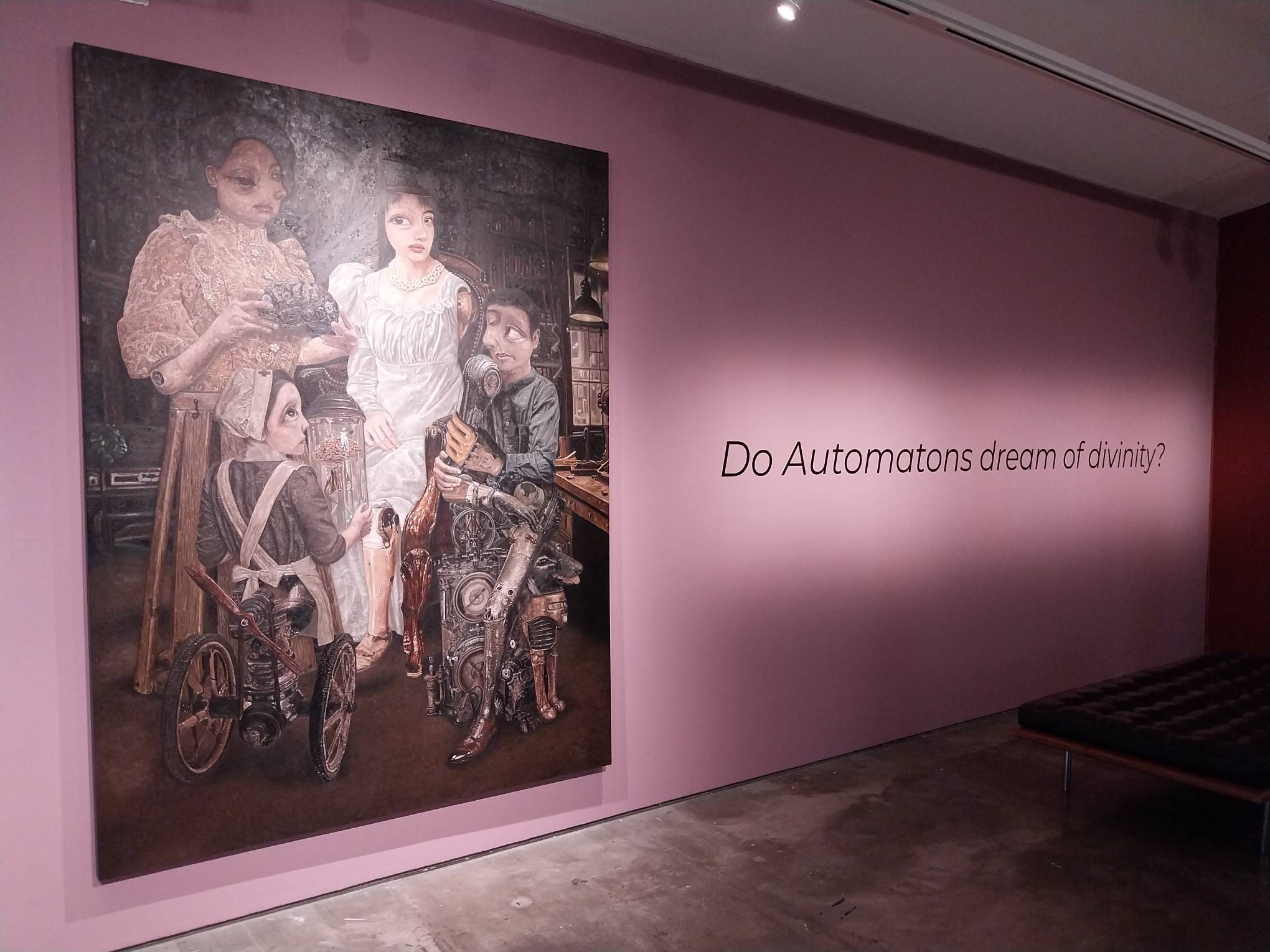
“Do automatons dream of divinity?”
For Ryan Jara’s latest exhibit at Artinformal Gallery, there’s a mix of styles and ideas that work to interrogate our relationships with religion and divinity. Many of the works combine a Victorian steampunk aesthetic and surrealistic weirdness to highlight the message of selfhood Jara wanted to communicate.
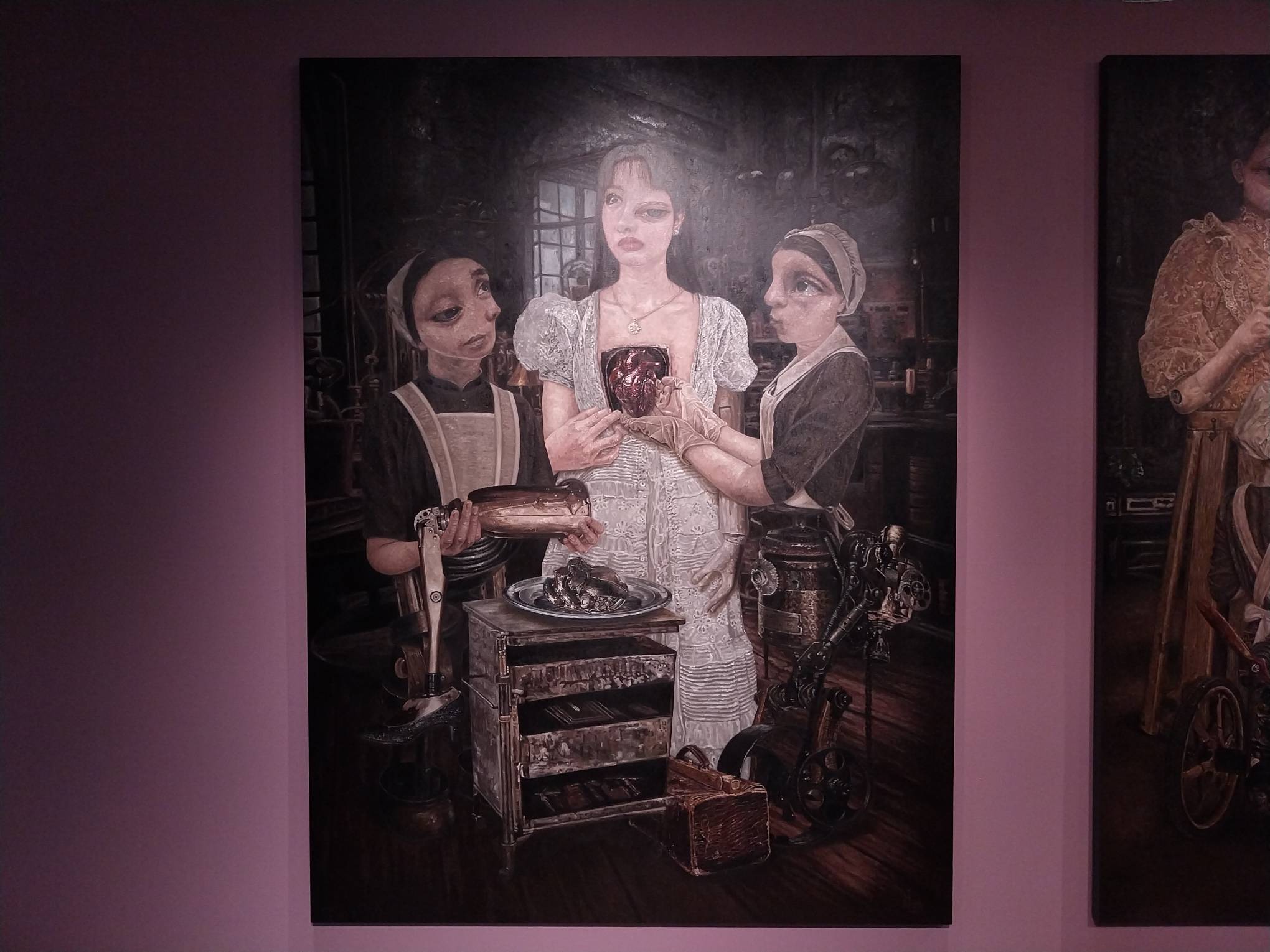
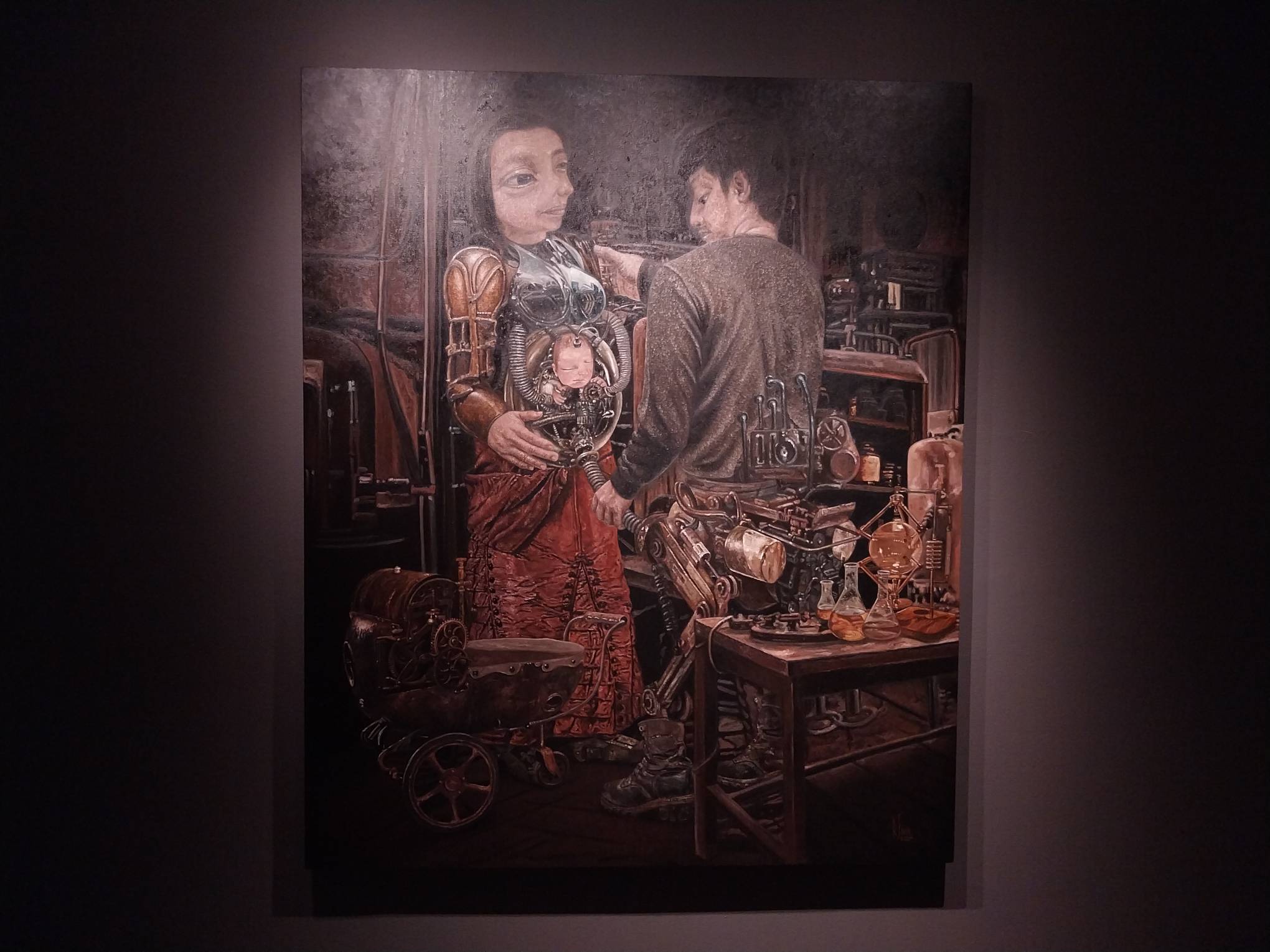
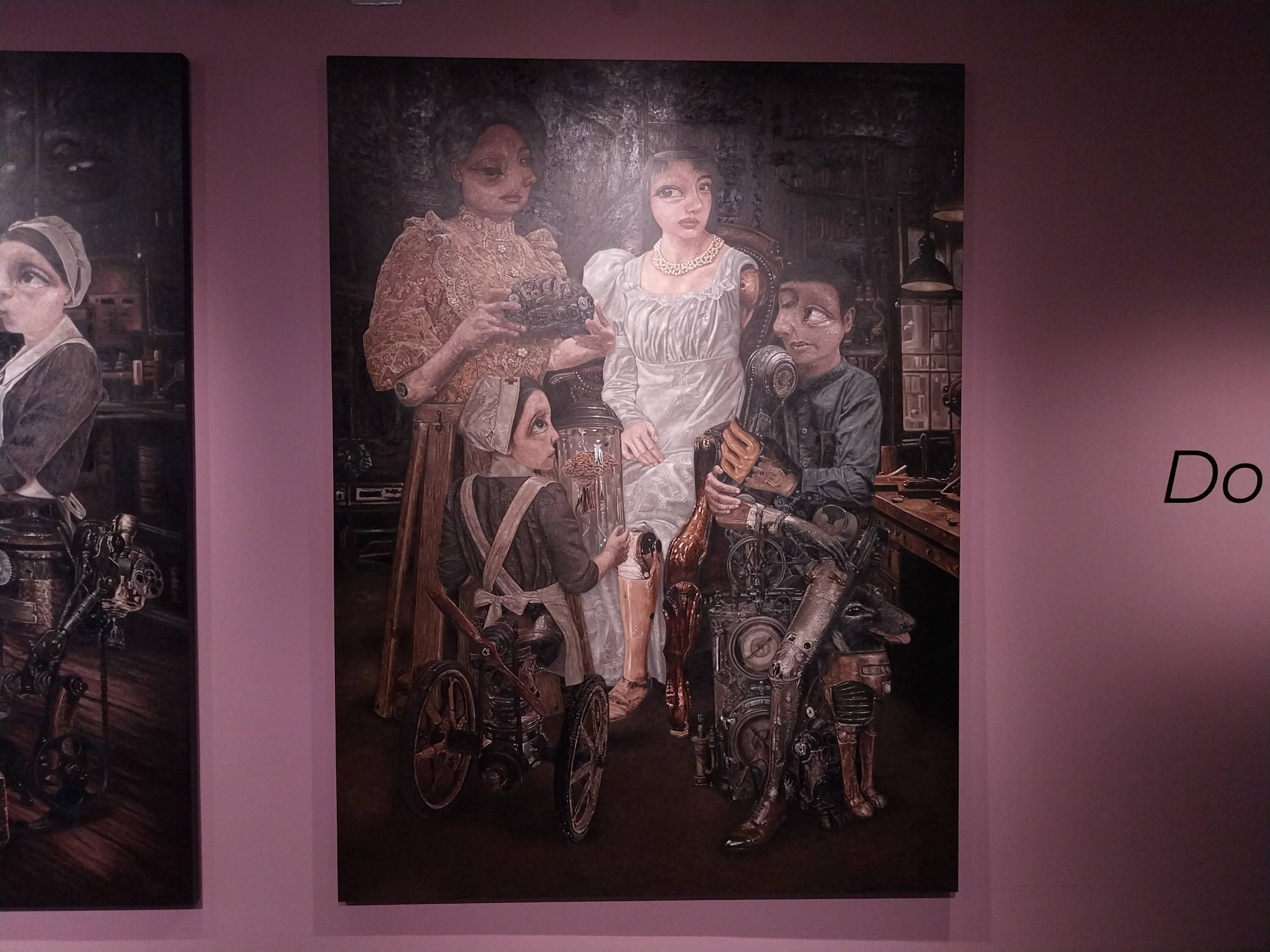
When he discussed his artworks in this exhibit with BluPrint, he said that he aimed to portray a sense of reconnection with the divine that today’s generation has lost, and the resilience of people who stand true to themselves despite opposition from the world.
Jara’s imagery here puts his subjects in a workshop, slowly being rebuilt piece by piece into a whole human being. We see them in different states of progress, their faces twisted around into contortions. Jara said that the facial imagery was inspired by sliding puzzle games, where the image looks distorted until it is assembled correctly.
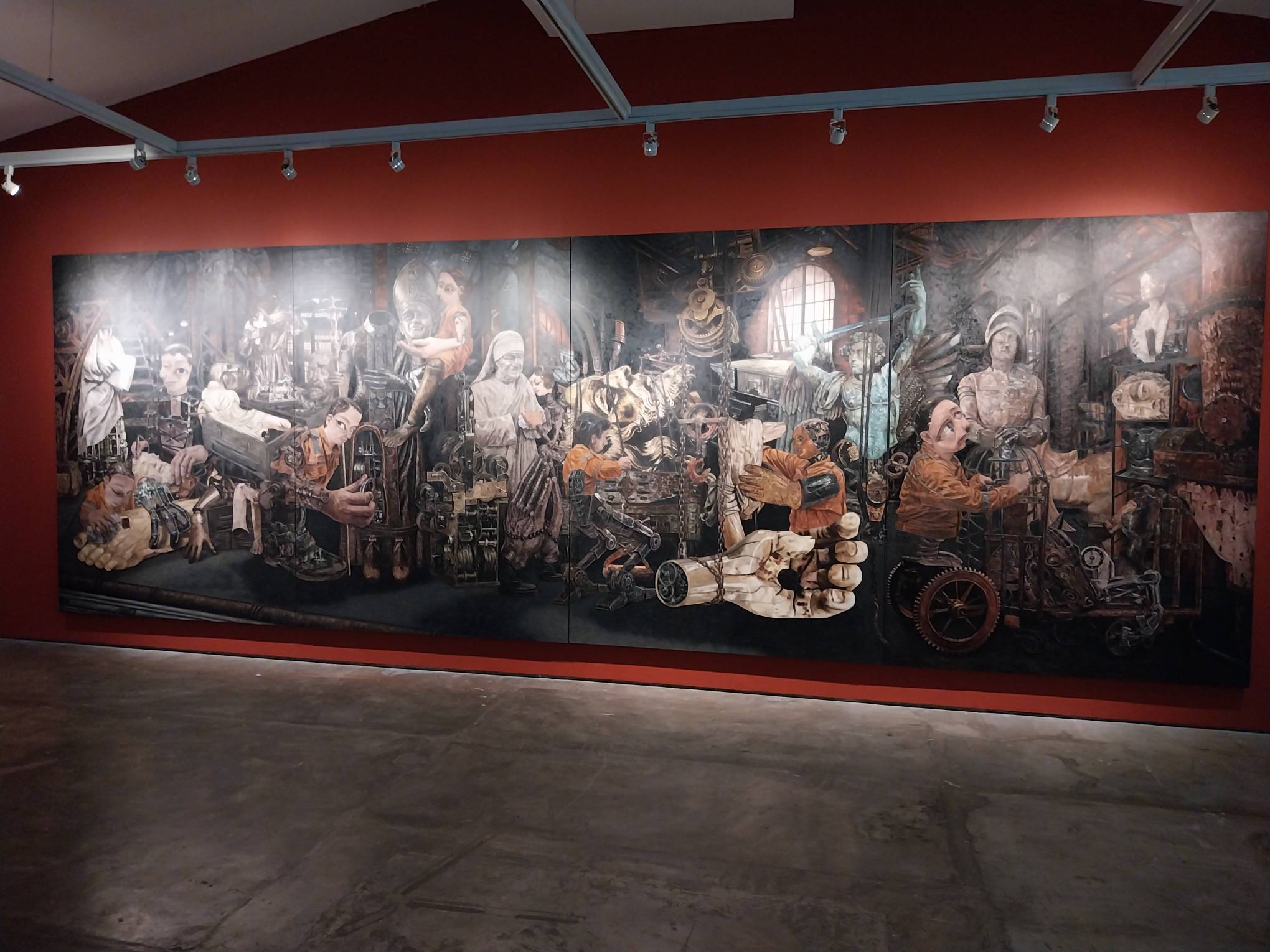
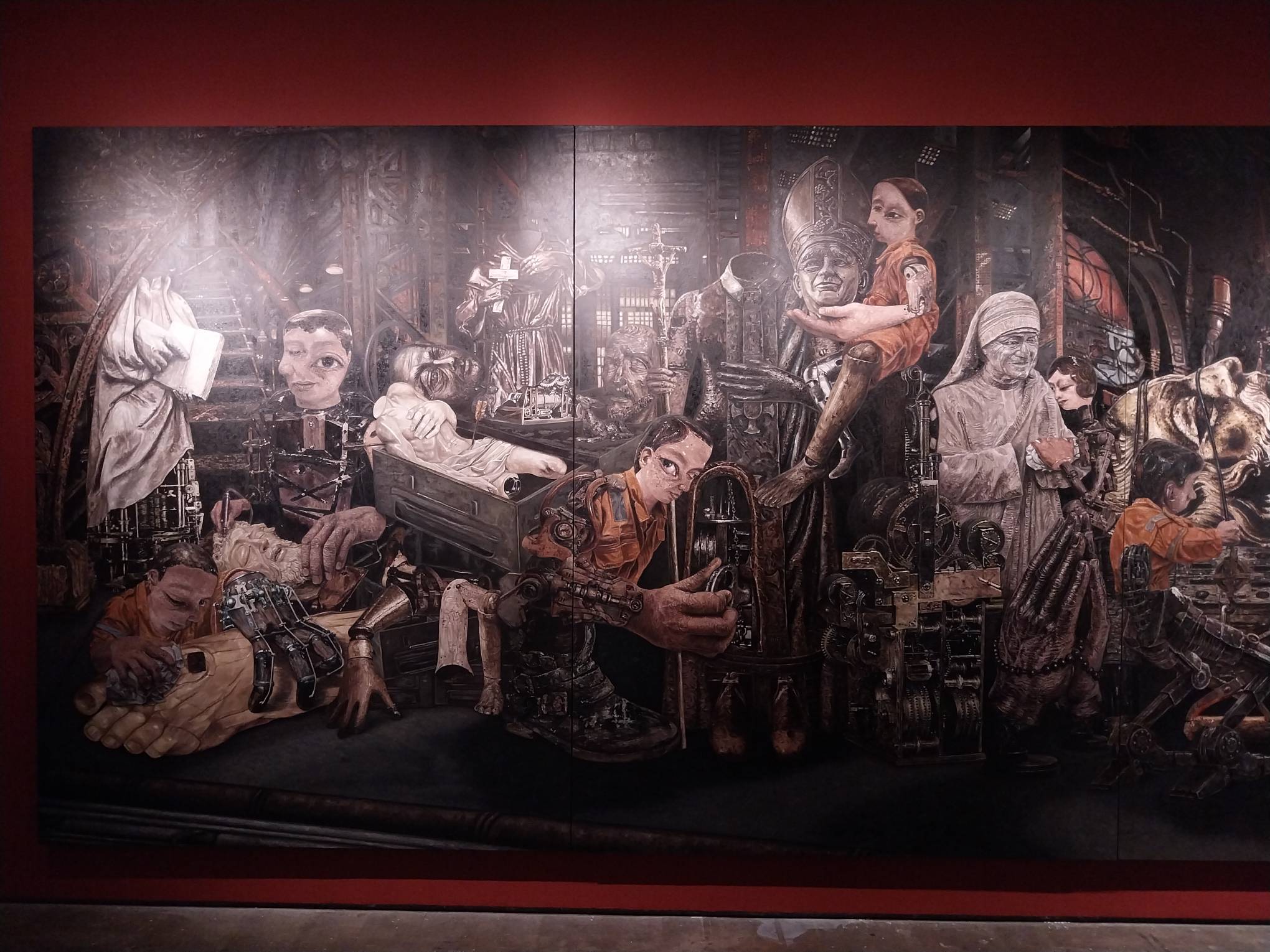
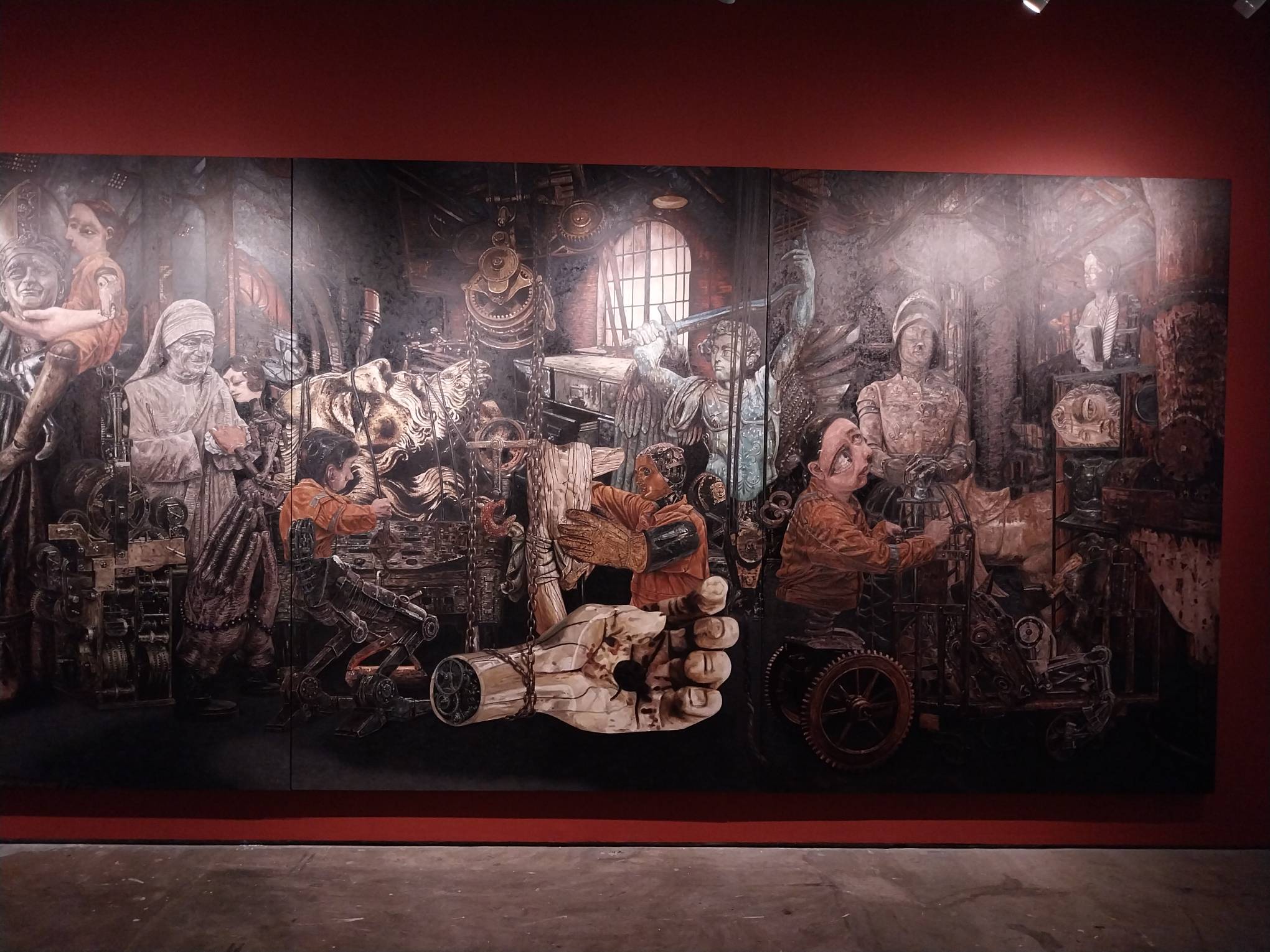
In some of the paintings, statues of iconic Catholic figures like Mother Teresa and Pope John Paul II litter the workshop. It represents the ways we craft our own way at times, separate from the expectation of others. It links the divine and the mortal together, a way of refining the self to create a new evolution of purpose in our world today.
‘Freak Off’
The first exhibit of former writer Masi Oliveria, Freak Off plays with popular notions of scientists and the scientific method, merging them with popular culture to forge a Frankenstein’s monster-esque amalgamation of the two.
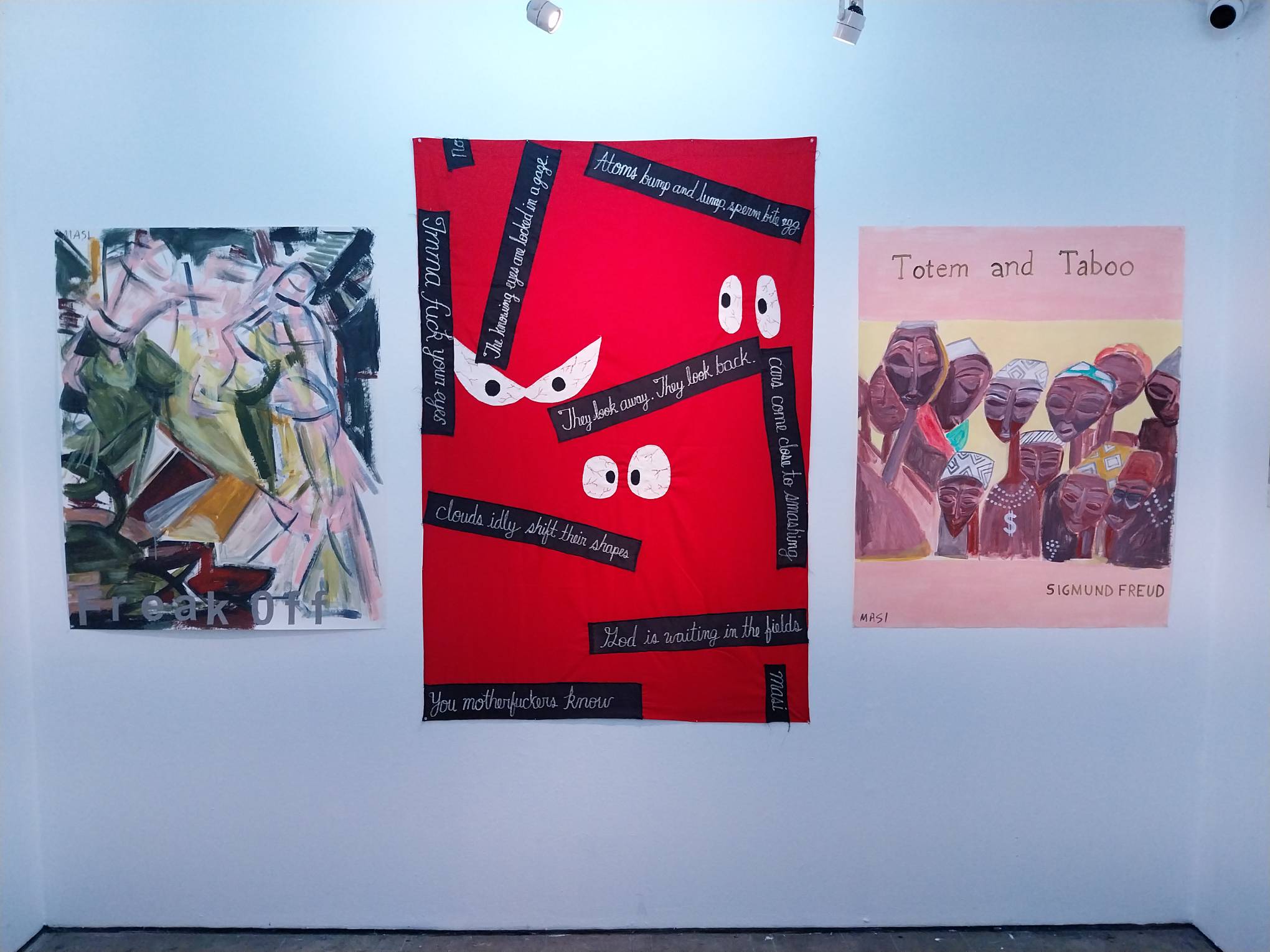
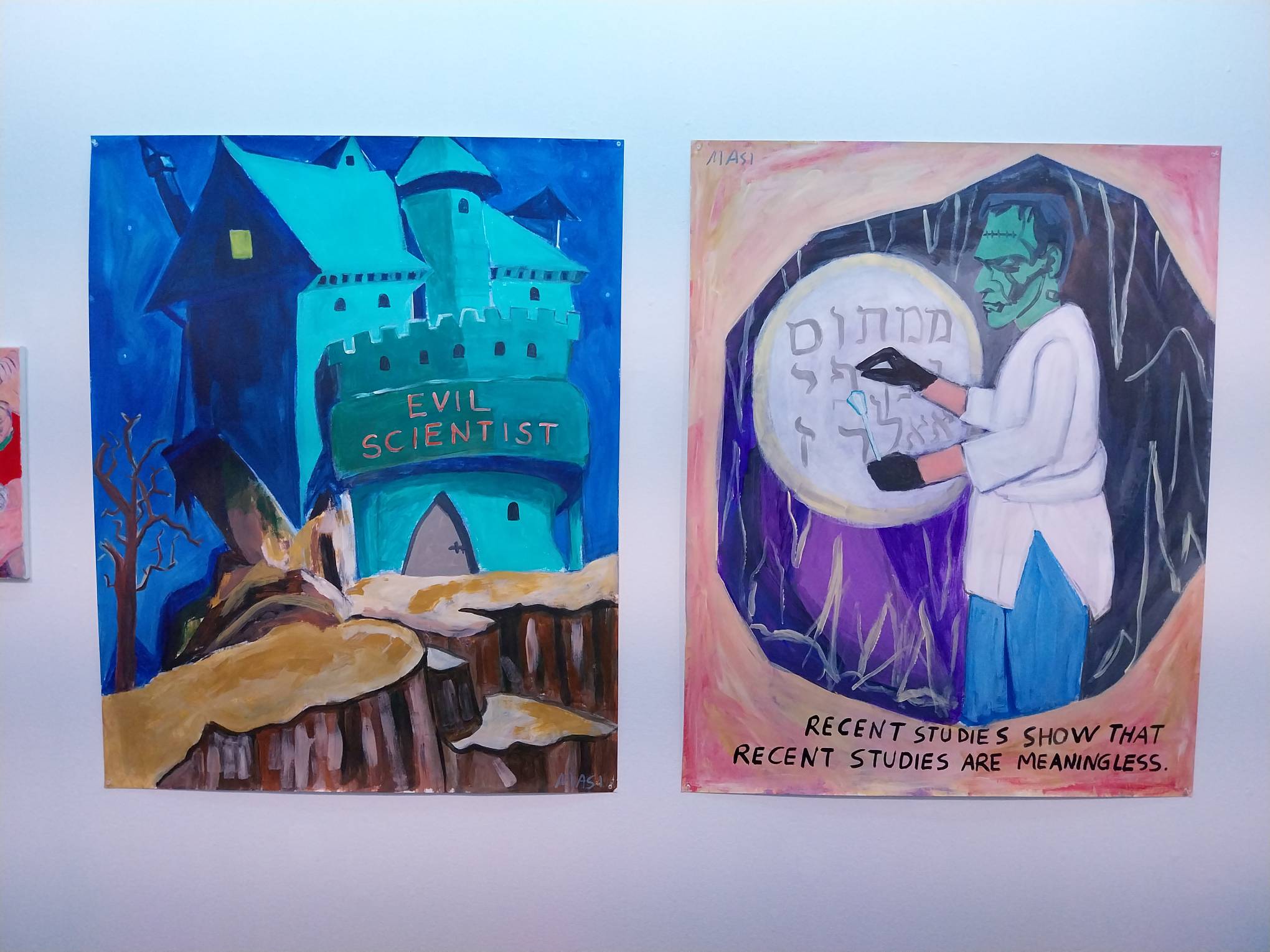
Oliveria’s exhibited works for Artinformal Gallery mixes so many different cultural touchstones that it feels dizzying to discuss. The exhibit includes depictions of scientists at Gothic castles, monster figures in mundane situations, philosophers, religious figures, and even mythological creatures posing in modern ways.
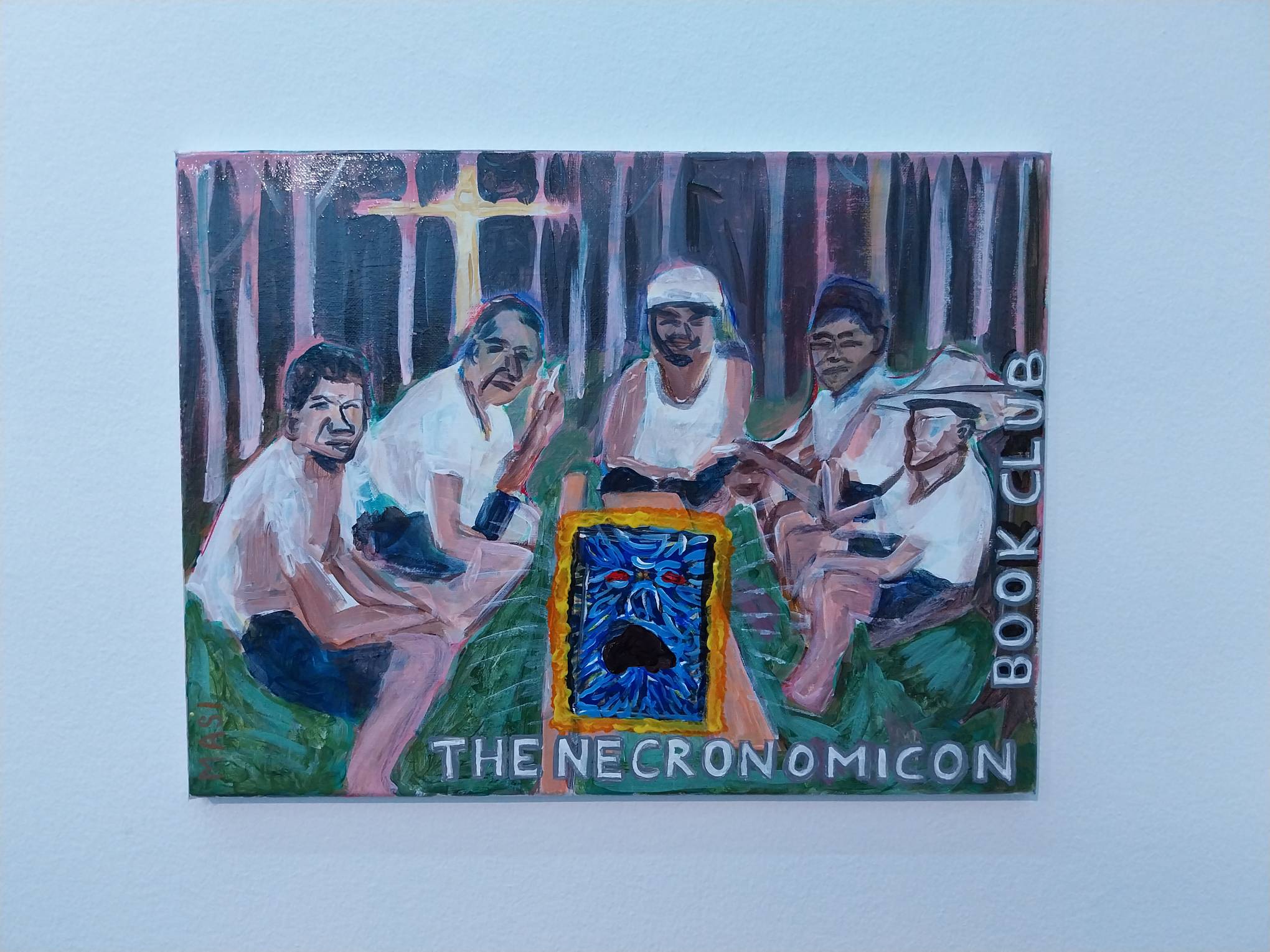
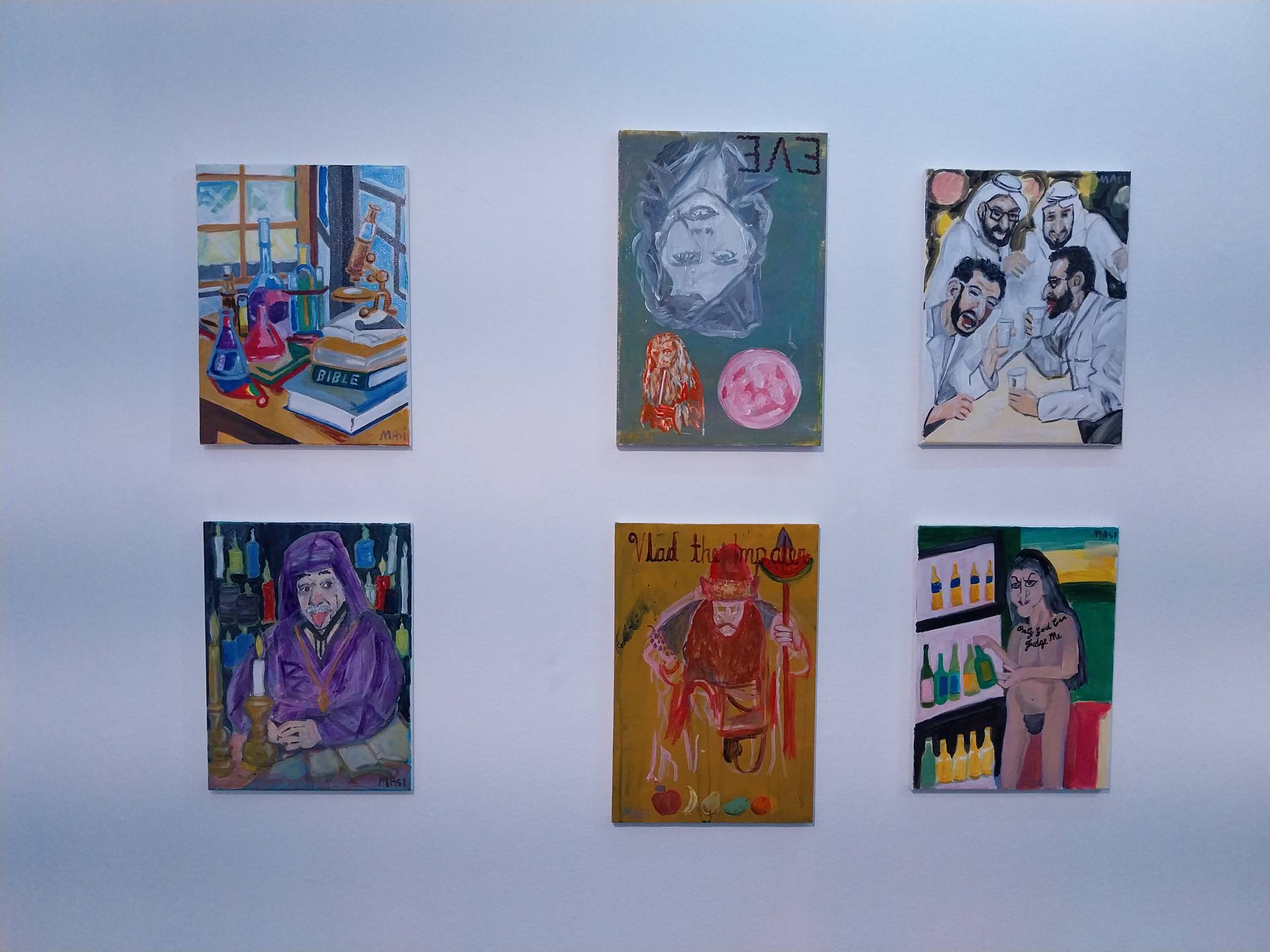
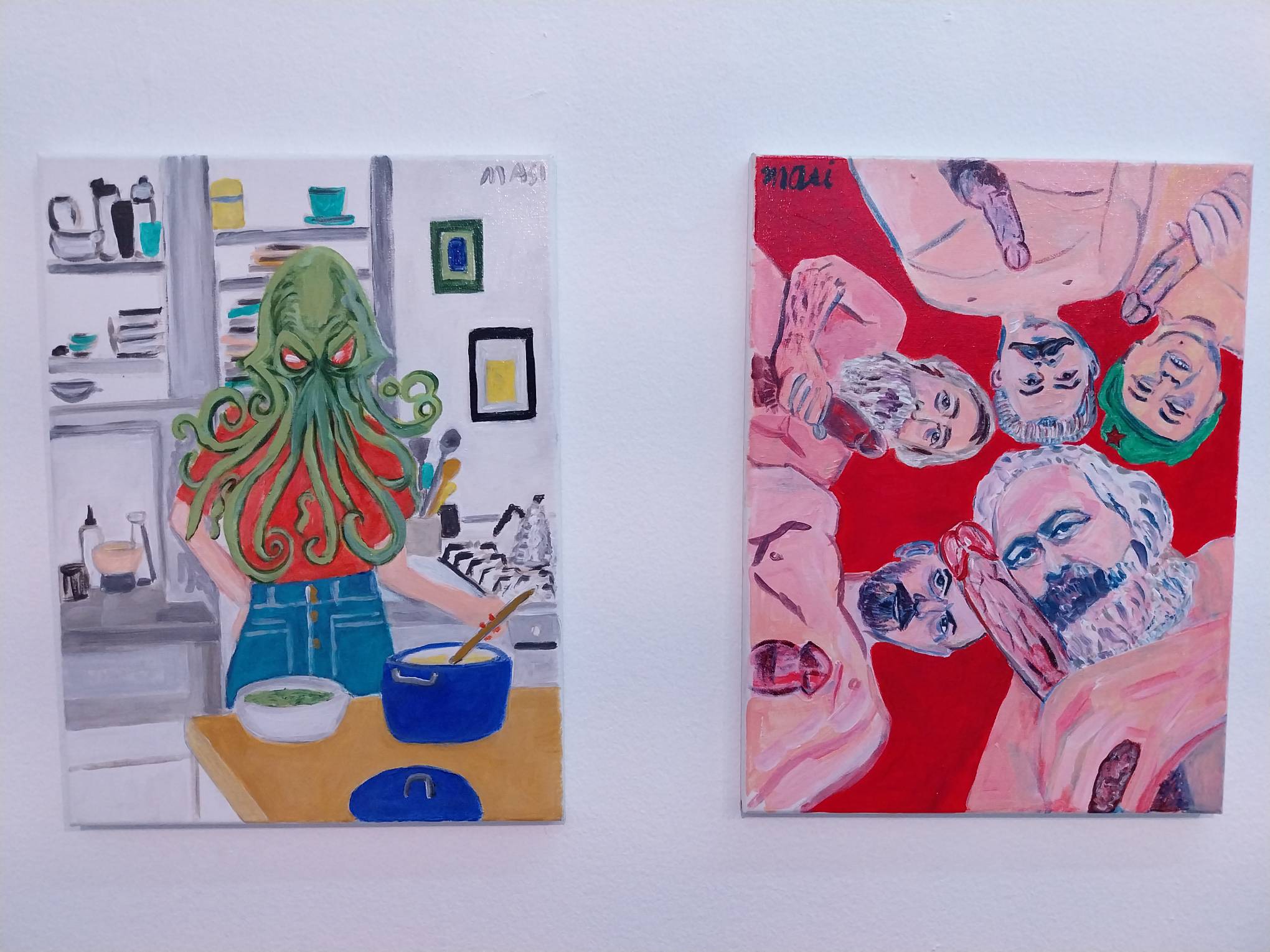
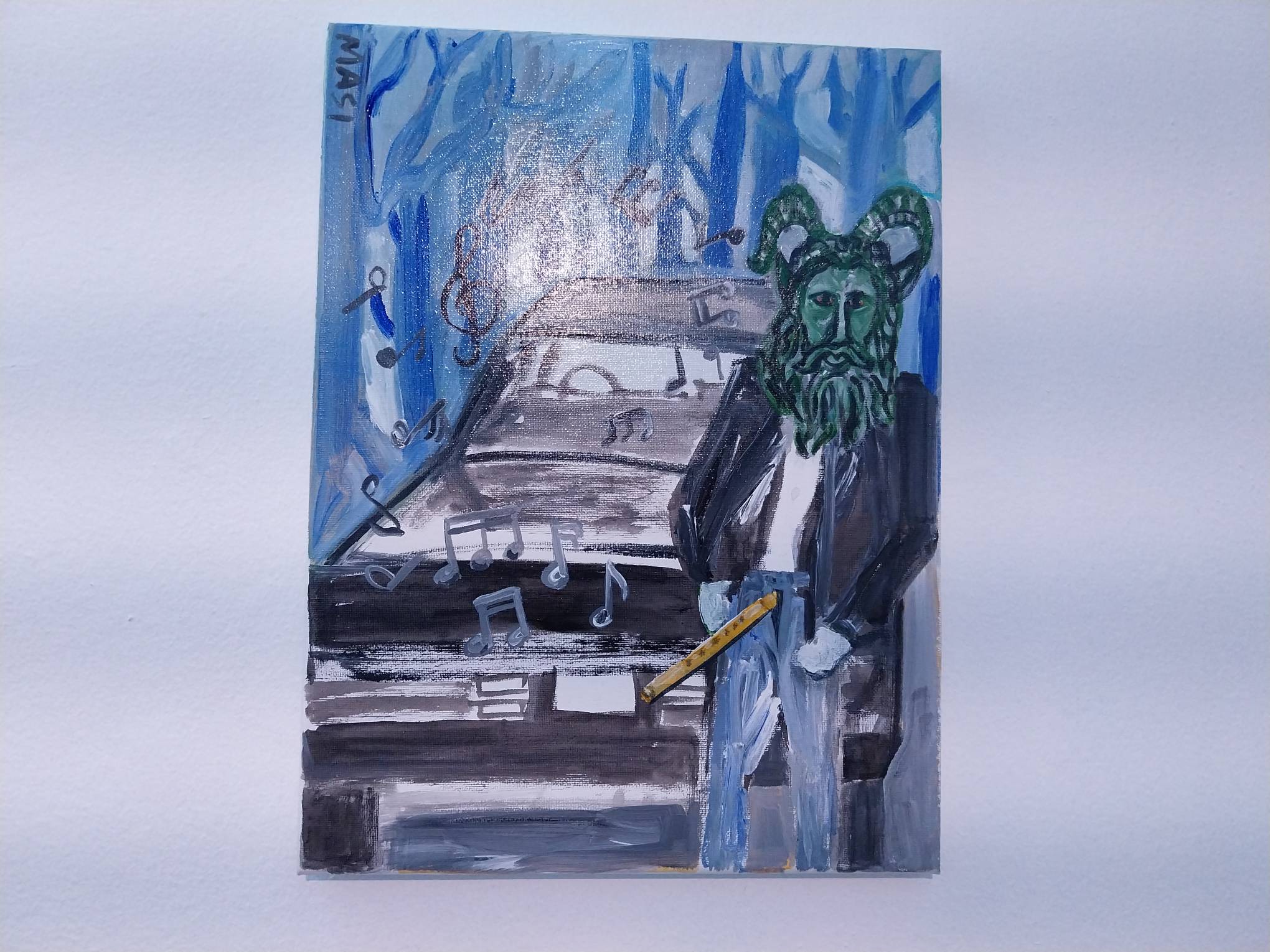
One work has the Greek god Pan posing in jeans and a shirt, mimicking Kendrick Lamar’s GNX cover. Another work has different philosophers seemingly looking at the viewers and masturbating. A Cthulhu figure bakes in the kitchen in one painting, while another shows people drinking around the Necronomicon.
Oliveria shared that the original concept centered around scientists, but as her inspirations veered towards different ideas, she saw it as a way of subverting the tendency of the scientific method to be straightforward. The exhibit certainly feels like an embrace of influences, intersecting them in unexpected ways.
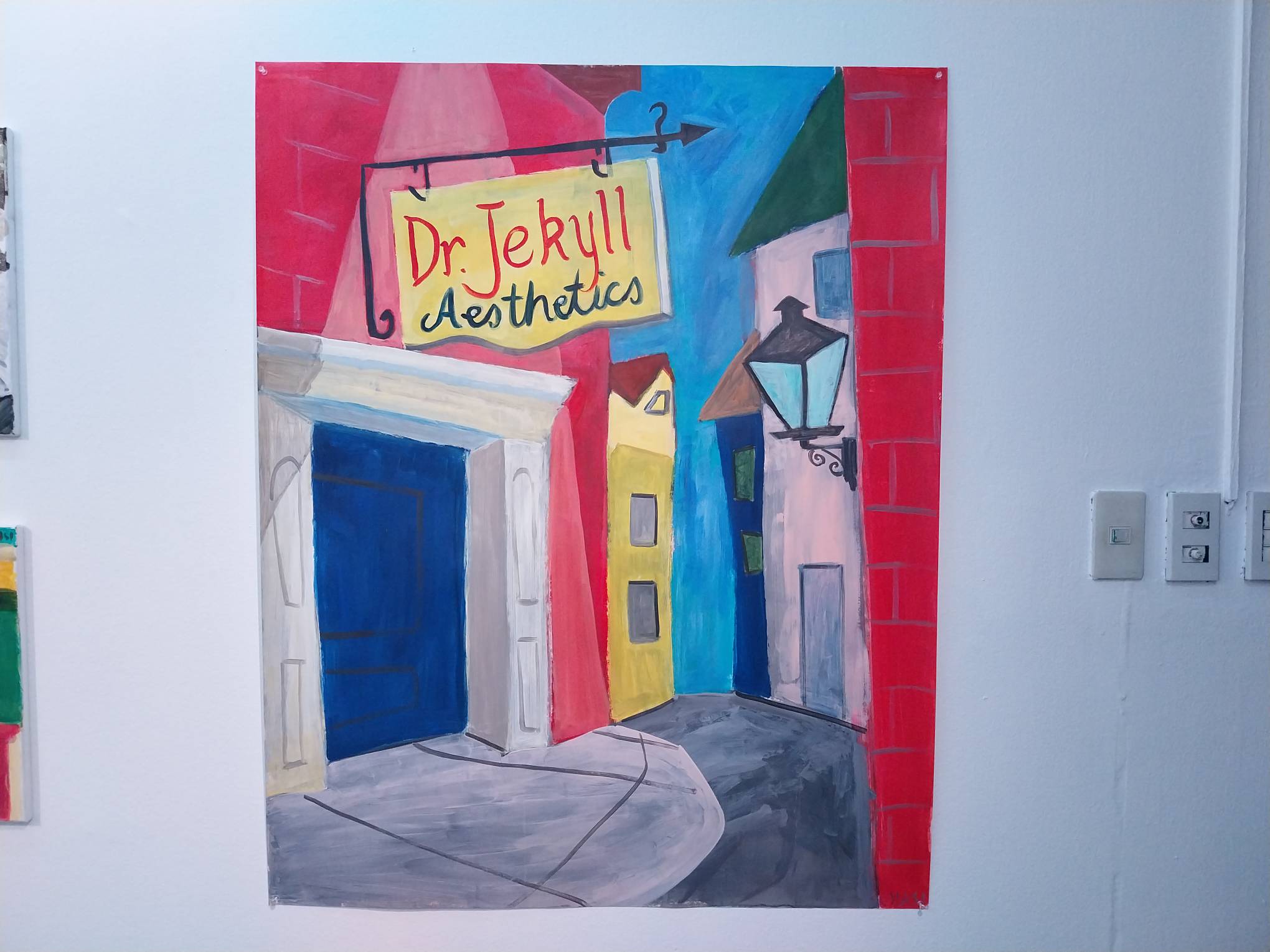
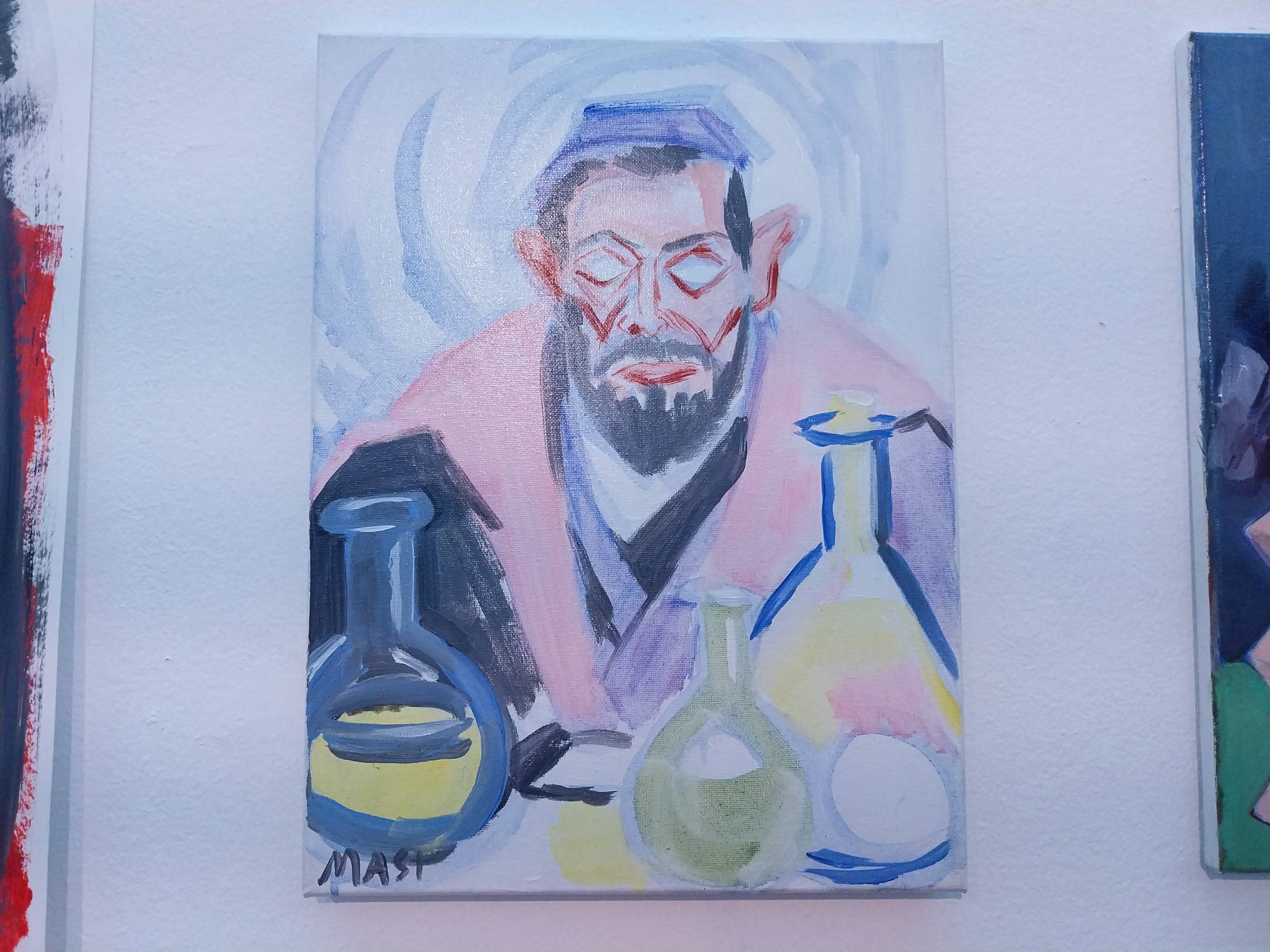
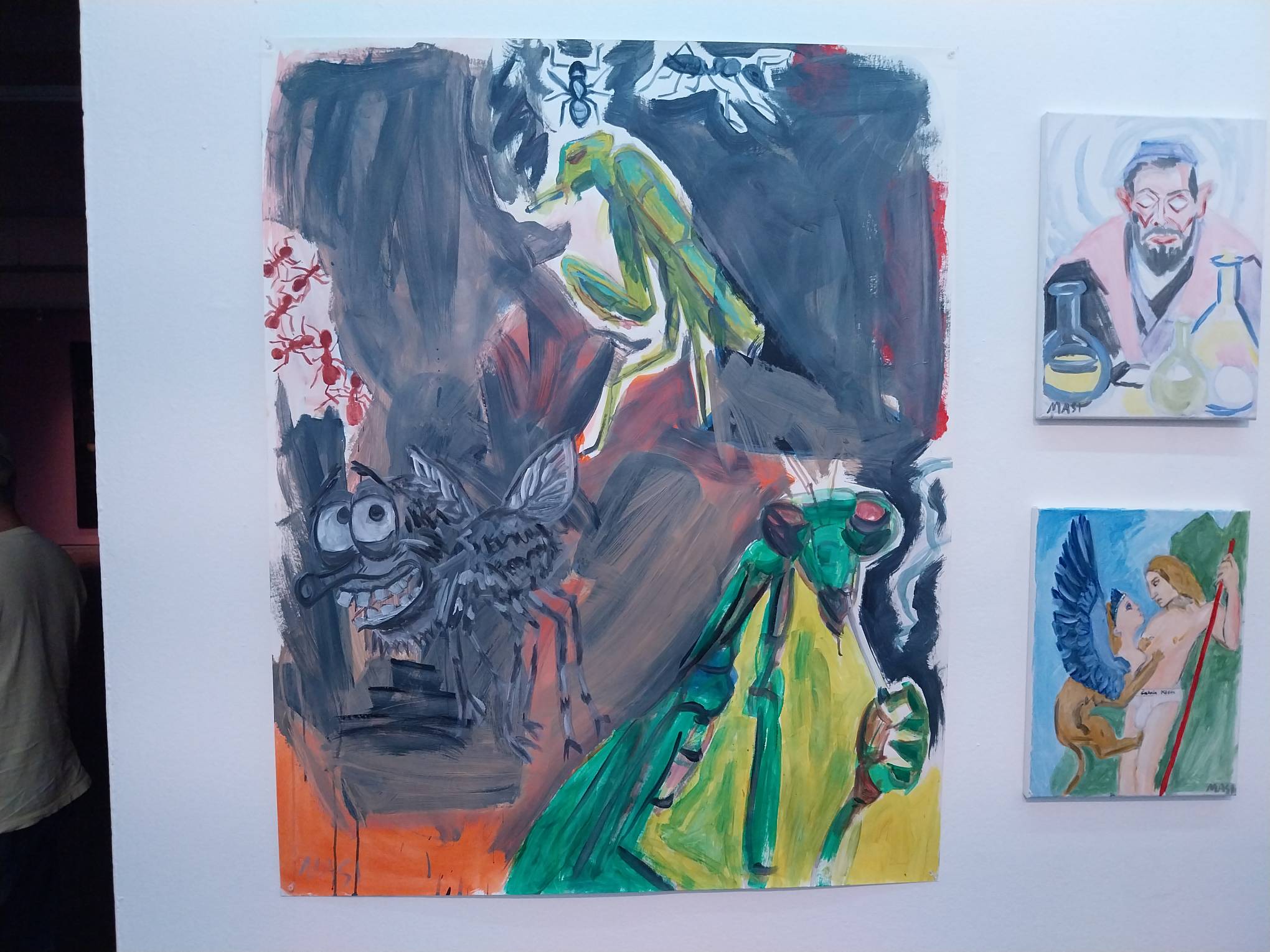
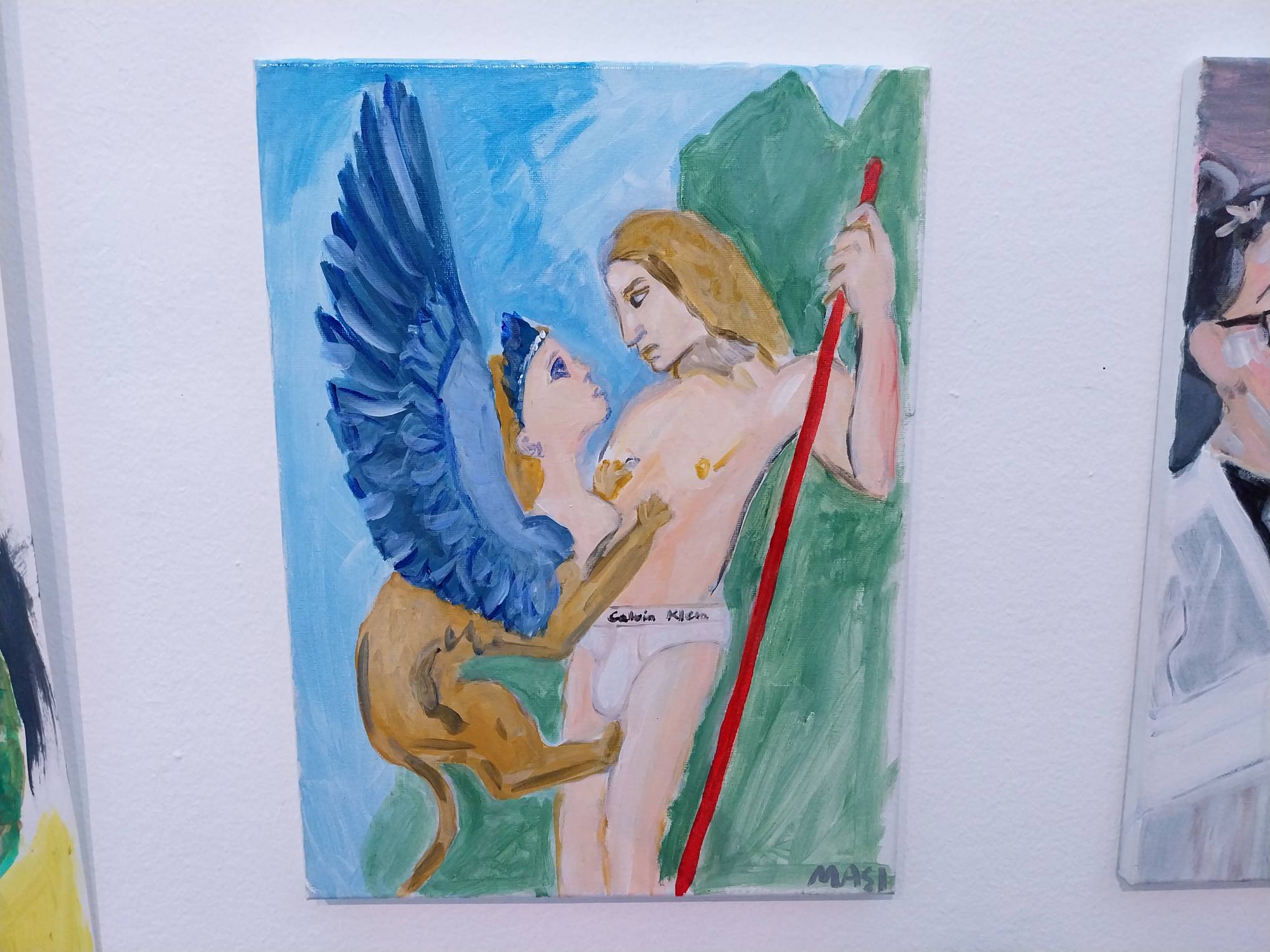
“ I used to write and I’m very interested in creating narratives,” she said. “Gusto ko yung painting kasi hindi siya dapat a narrative. You can’t really read the beginning and middle and end. […] What I [like] about painting is that you can actually make so many interconnections: you can jump from here to there and then it will have a different meaning if you go from there to here.”
New Scrutinies on the Self
These three exhibits at Artinformal Gallery revel in a sense of specificity in how each artist views their own experiences. The exhibits are enjoyably unique and oft-kilter, and many reveal the personal preoccupations of the artists, whether it’s pop culture or how we relate to ourselves or how we relate to our surroundings.
This varied broadness functions well to stimulate the minds of its audience, inviting them to seek new angles in forming and reforming our own identities to others (and ultimately, ourselves).
Photos by Elle Yap.
Related reading: ‘Revirescence’: Jill Paz Deconstructs Environmental Wonders in New Exhibit
Frequently Asked Questions
Artinformal Gallery in Makati is currently hosting three distinct solo exhibitions: Tosha Albor’s Tethers of a whole, Ryan Jara’s Tagpi-Tagpi, Dugtong-Dugtong, and Masi Oliveria’s Freak Off. Together, these showcases explore abstract themes of selfhood, divine reconnection, and the subversion of scientific and pop-culture narratives through diverse visual mediums.
As the centerpiece of the Tethers of a whole exhibit, this massive monoprint uses a singular white swirl to connect four distinct color panels of blue and yellow. The work represents the artist’s exploration of “wholeness,” physically manifesting the internal tensions and sensations that define one’s relationship with themselves and others.
Jara utilizes a Victorian steampunk and surrealist aesthetic to depict humans as “automatons” being rebuilt in a workshop. By including Catholic icons like Mother Teresa alongside distorted, puzzle-like facial imagery, the artist interrogates how modern individuals reconnect with the divine while asserting their own resilience against societal expectations.
Freak Off subverts the rigid nature of the scientific method by merging it with chaotic pop-culture influences, such as Kendrick Lamar and H.P. Lovecraft. Former writer Masi Oliveria uses painting to create non-linear narratives, allowing viewers to find unexpected interconnections between mythological figures, philosophers, and mundane modern settings.
All three exhibits examine the “reforming of identity” through different lenses: Albor through the physicality of emotional wholeness, Jara through the reconstruction of the self in a divine context, and Oliveria through the intersection of diverse cultural narratives. They collectively invite audiences to find new angles for viewing their own personal experiences.
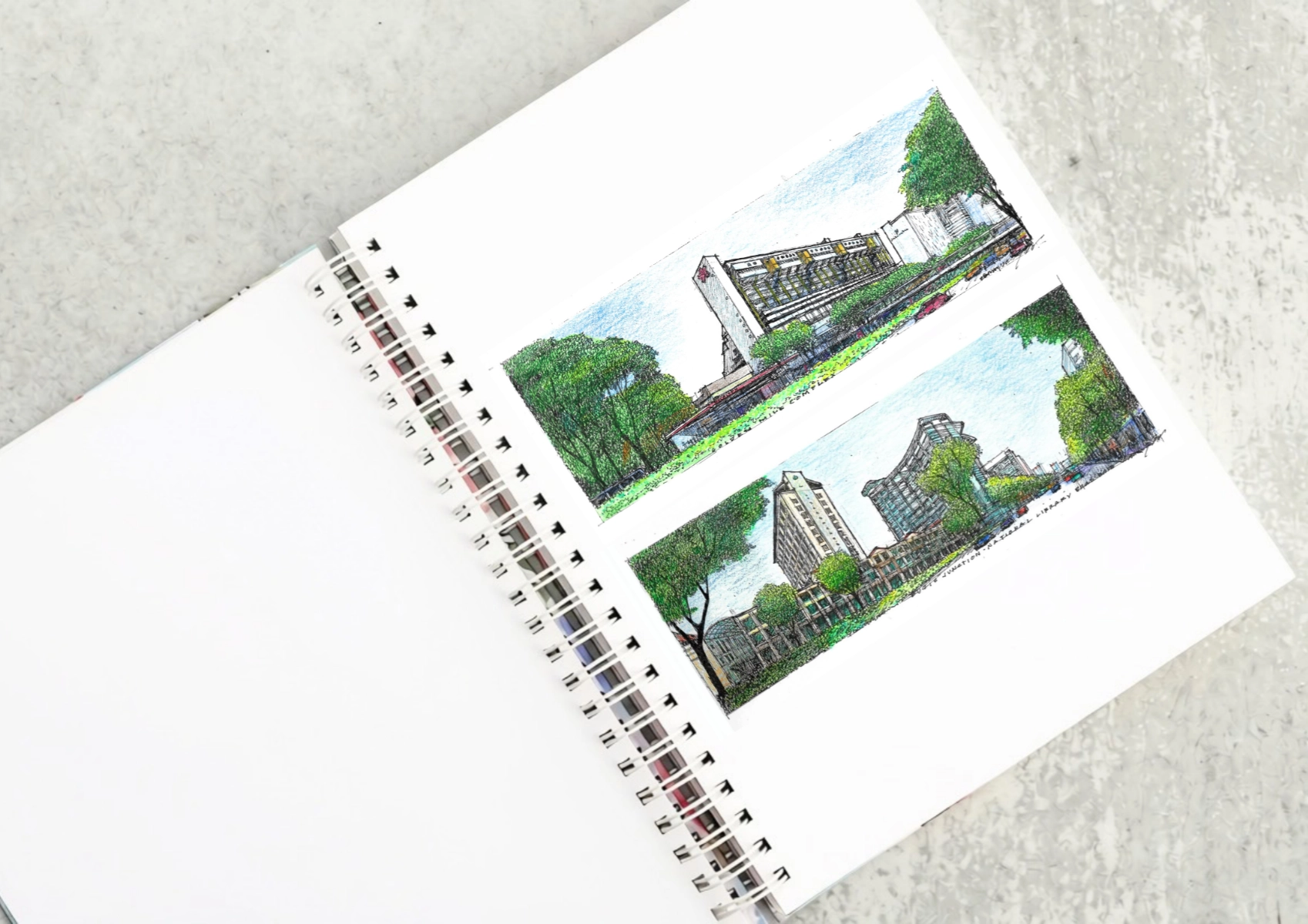
Two sketches of Singapore connect BluPrint Editor in Chief Paulo G. Alcazaren’s personal and professional history with Shared Ground: ArchitectureArchitectureThe art and science of designing and constructing buildings, structures, and spaces that are functional, safe, and aesthetically pleasing. It encompasses the planning, design, materials, and techniques used to createGo to Architecture Glossary of Care, Culture, […]
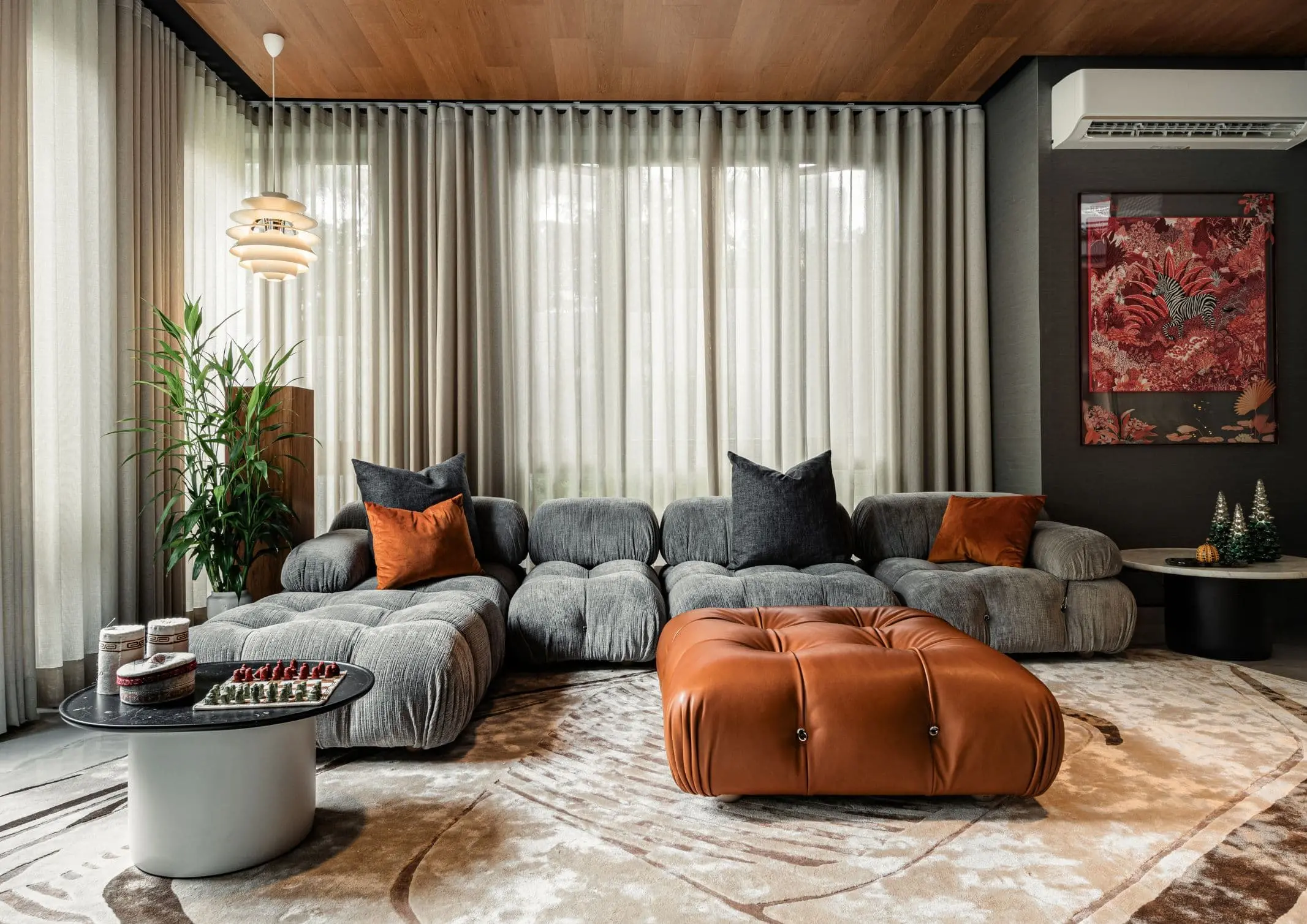
Some have become household names – Coleman, Oster, and KitchenAid – products that have found their way into Filipino kitchens, homes and family routines. In home furnishings, brands such as B&B Italia, Ethan Allen, Sub-Zero, Miele, SieMatic, Louis Poulsen, Hunter Douglas, Tempur, and Technogym, have helped shape the way Filipinos live. From everyday essentials to […]
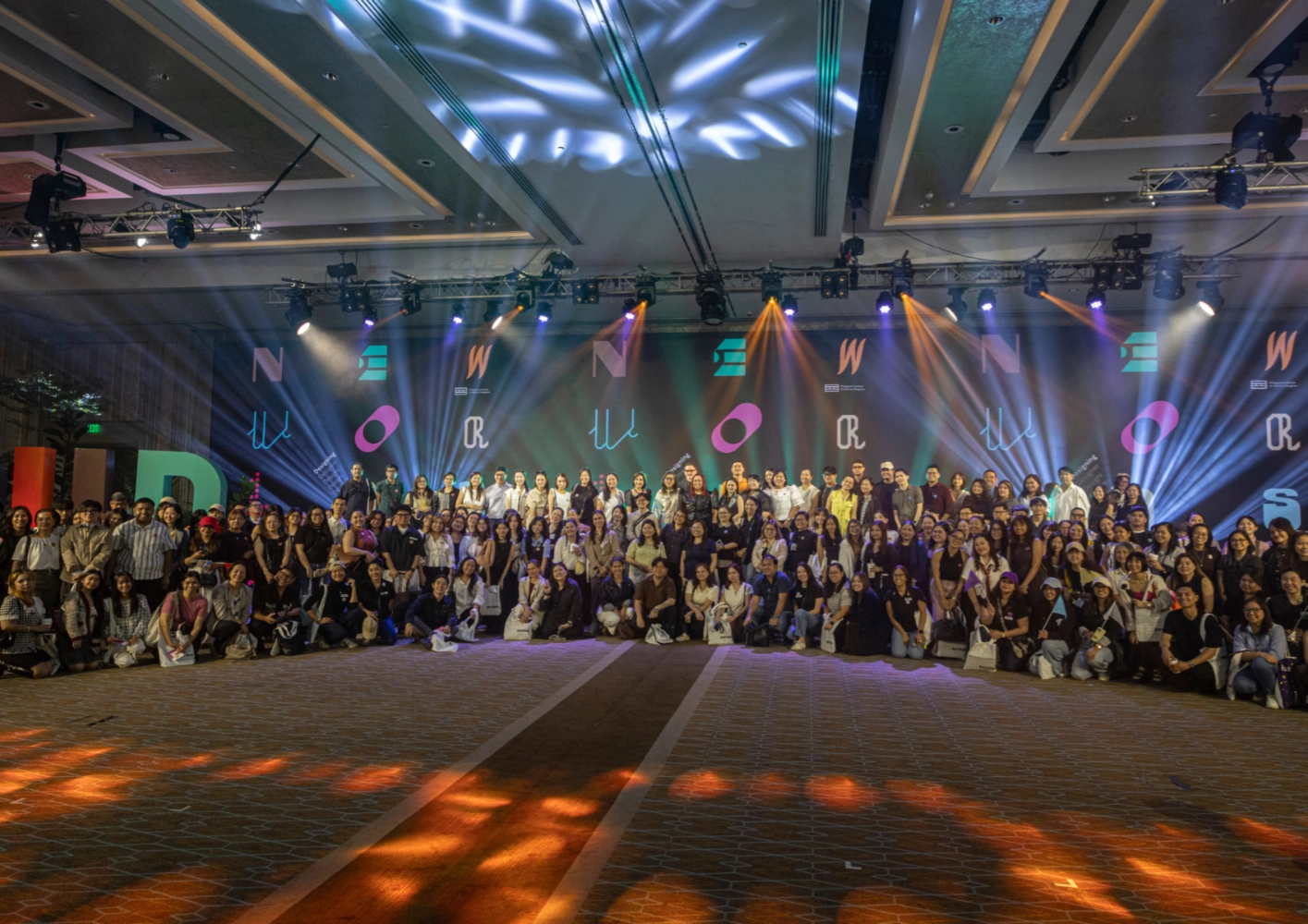
In a way, designers are the modern-day soothsayers and prophets. They design for the future, predicting how a room, a house, a building or a whole city will be used by people. They foresee how users will interact with a space, conjure exact shades of colors to elicit specific behavior and arrange furniture to build […]
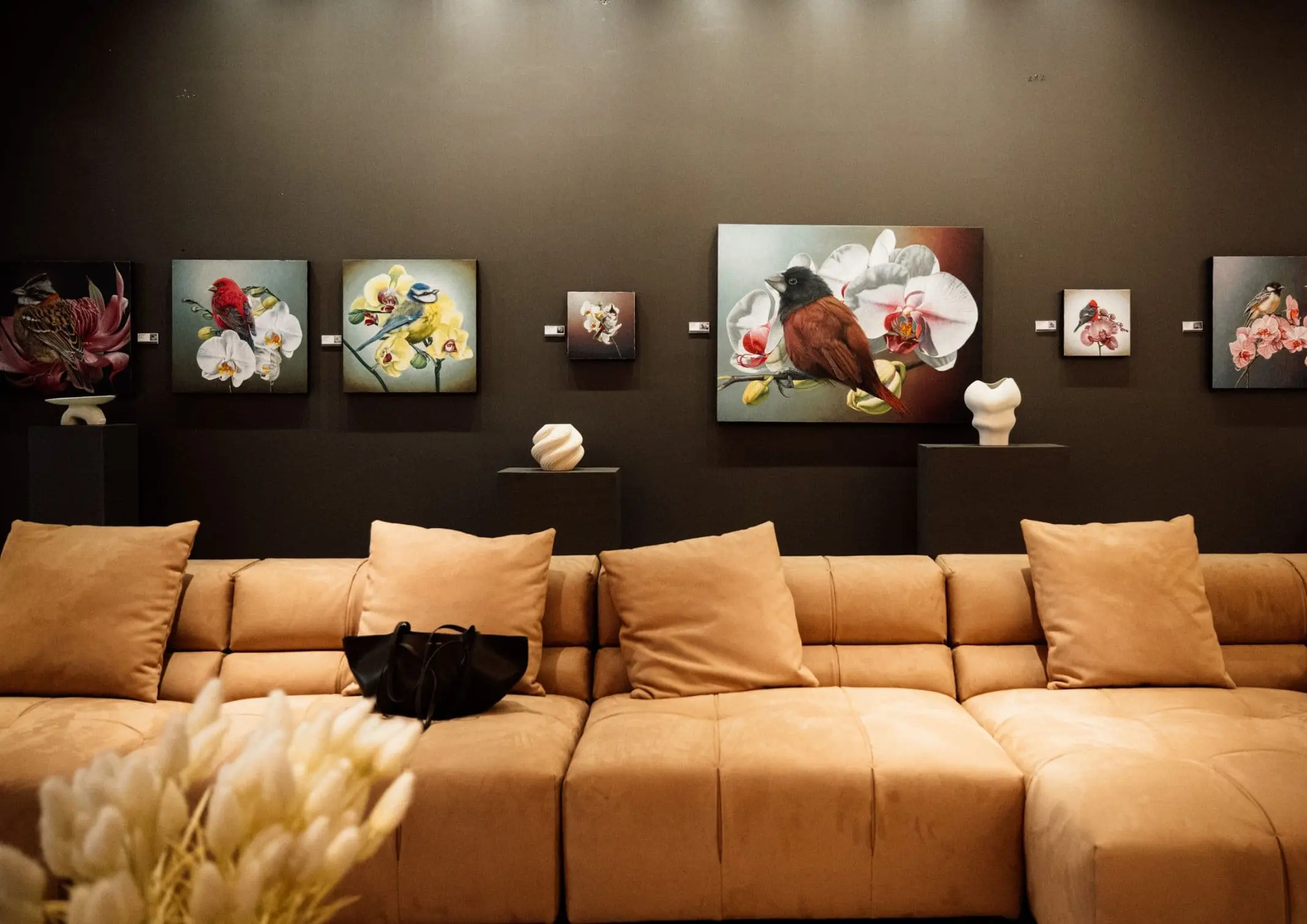
Art and furniture are often selected separately, yet their relationship can shape how a room looks and feels. The collaboration between Hooga and Galerie Joaquin explores how these elements can work together, bringing contemporary artworks into furnished residential settings at Hooga’s showroom in Uptown Mall, Bonifacio Global City. For Hooga, which curates furniture, lighting, and […]
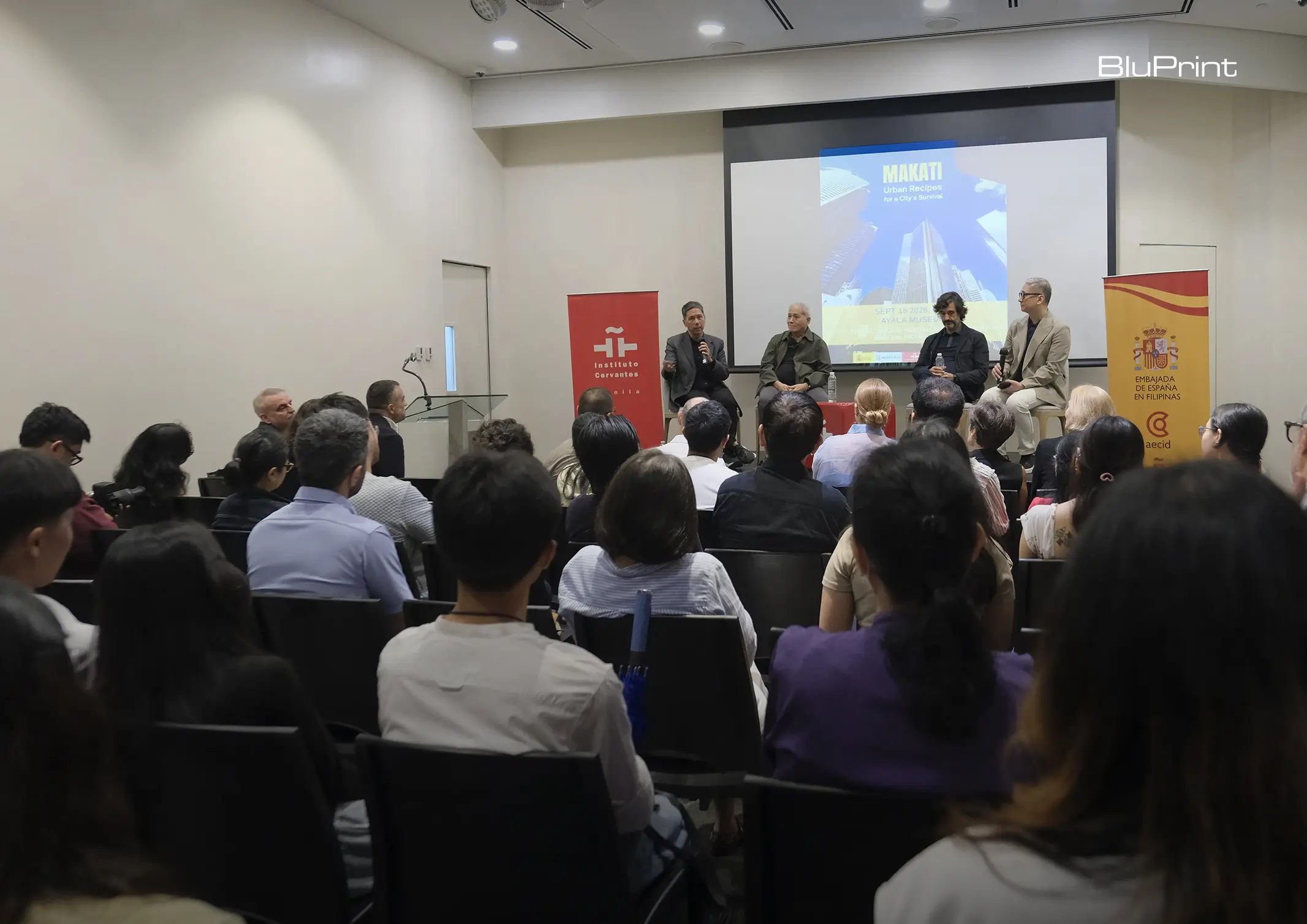
How can better-planned cities create the conditions for more creative, livable, and resilient urban environments? “Makati Urban Recipes for a City’s Survival,” a colloquium held at the Ayala Museum on September 15, brought together architects and practitioners from the fields of urbanism and the creative economy to discuss how design, planning, and collaboration can address […]
Read the issues.

Collect the volumes.

Recommended Video
Tap to Unmute
Unmute
0:00
0:00