In a curated event presented by Focus Global Inc. and co-hosted by BluPrint, Technogym unveiled its Sand Stone Collection to the Philippine market at Bigger Pictures in Mandaluyong City. The launch brought together over 100 guests, including architects, designers, and media representatives, for an introduction to the collection and its approach to fitness equipment. The […]

‘Flower Power’: Jesse Camacho Finds Inspiration in the Anti-War Movement


Flower Power by Jesse Camacho peers into the past to find escapism for the present. JT Gonzales’s new exhibit at Modeka Art is a nostalgic journey back to 1960s counterculture and the iconic Summer of Love, a period defined by the youth-driven Hippie movement.

The anti-war and anti-consumerist movement of the 1960s, fueled by the Vietnam War and inspired by the Civil Rights and Feminist movements, sought to challenge societal norms. Jesse Camacho, recognizing parallels between the turbulent 1960s and our current era, finds solace in the counterculture movement of the past.
“Ang meaning kasi ng mga ‘Flower Power,’ originally, isa siyang protest, or a phrase na binuo noong 70s na parang basically, ‘make love, not war.’ And then, parang naisip ko is, parang underrated ang word na iyon, pero sobrang powerful niya. Why not bring back ko ulit ang phrase at gamitin ulit natin?” he said.
(“The meaning of ‘Flower Power’ originally came as a protest, or a phrase made during the 1970s to denote ‘make love, not war.’ And then, I thought, ‘what an underrated but powerful phrase.’ Why not bring it back and use it again today?”)
Accuracy of Depiction
Flower Power was an idea that was stuck in Camacho’s head for a long while before he executed it. “Well, the concept ng ‘Flower Power’ is inspired siya, actually, sa isang song ng Eraserheads, which I’m a huge fan of. So, while listening to it, it sparked [inspiration],” he said. “Kasi matagal ko siyang ginagamit sa mga artworks, yung theme ng ‘Flower Power,’ but never in a whole show.”

The exhibit utilizes a character of Camacho, Jack, for many of the works, putting the figure in different poses and looks reminiscent of that movement. We see the character with flower braids in their hair, or with accessories like the rounded glasses and the unkempt facial hair associated with the time. Mostly, the figure is surrounded by colorful nature throughout the exhibit’s paintings and works.
JT Gonzales, who curated the exhibit, said that he aimed to ensure that Camacho represented the era properly in the works.


“[I told him], ‘if you want to explore [this theme], especially ‘Flower Power,’ then you have to go research into the 60s and 70s hippies generation and then you look at reference photos of like hippie girls and the combi Volkswagen over there,’” he said.
“These are the things that were prevalent in the sixties and seventies when the hippies were pursuing the message of peace. And so if he wanted to, then he can take elements from these [historical symbols].”
Positivity in a Time of Negativity
Camacho saw the exhibit as a place to push for positivity in our tumultuous and hectic times. He said the artworks had a “fairy tale vibe” to them that encouraged good feelings. Gonzales also saw the exhibit as a respite not just from the current bad news, but also from the general bad vibes of traffic, work deadlines, and other mundane stressors in our daily lives.


He discussed a bit of Camacho’s approach as playful and untroubled, reflected in the methods used in the paintings. “It’s [a] lighter palette than you would expect from somebody who just wants to explore angst,” he said. “I think they’re very soothing to the eyes. It’s not meant to cause alarm.”
Camacho’s playful spirit extends to the medium of his art. While most of the exhibit features paintings and sketches, he adds a fun twist with two skateboard decks, which are a nod to his past.

“I’m fond of making skateboard decks. Before pa sa mga shows, gustong-gusto kong gumawa ng skateboard deck,” he said. “[Inclined] din ako sa parang high risk culture before bago ako nag transitioned dito. So I wanted, parang, [a] small representation [of that past], kahit sa—di mismo sa artwork, kundi sa surface na ginagamit ko. And it’s fun, it’s fun to do.”

Flower Power gives audiences a warm breather from the stressors of life, with Jesse Camacho bringing to life a colorful world of harmony and unity. Taking lessons from movements of the past may help us unlock potential peace in ourselves and in society for the future.
Photos by Elle Yap.
Related reading: ‘safe up here with u’: Finding Peace in Created Sanctuaries

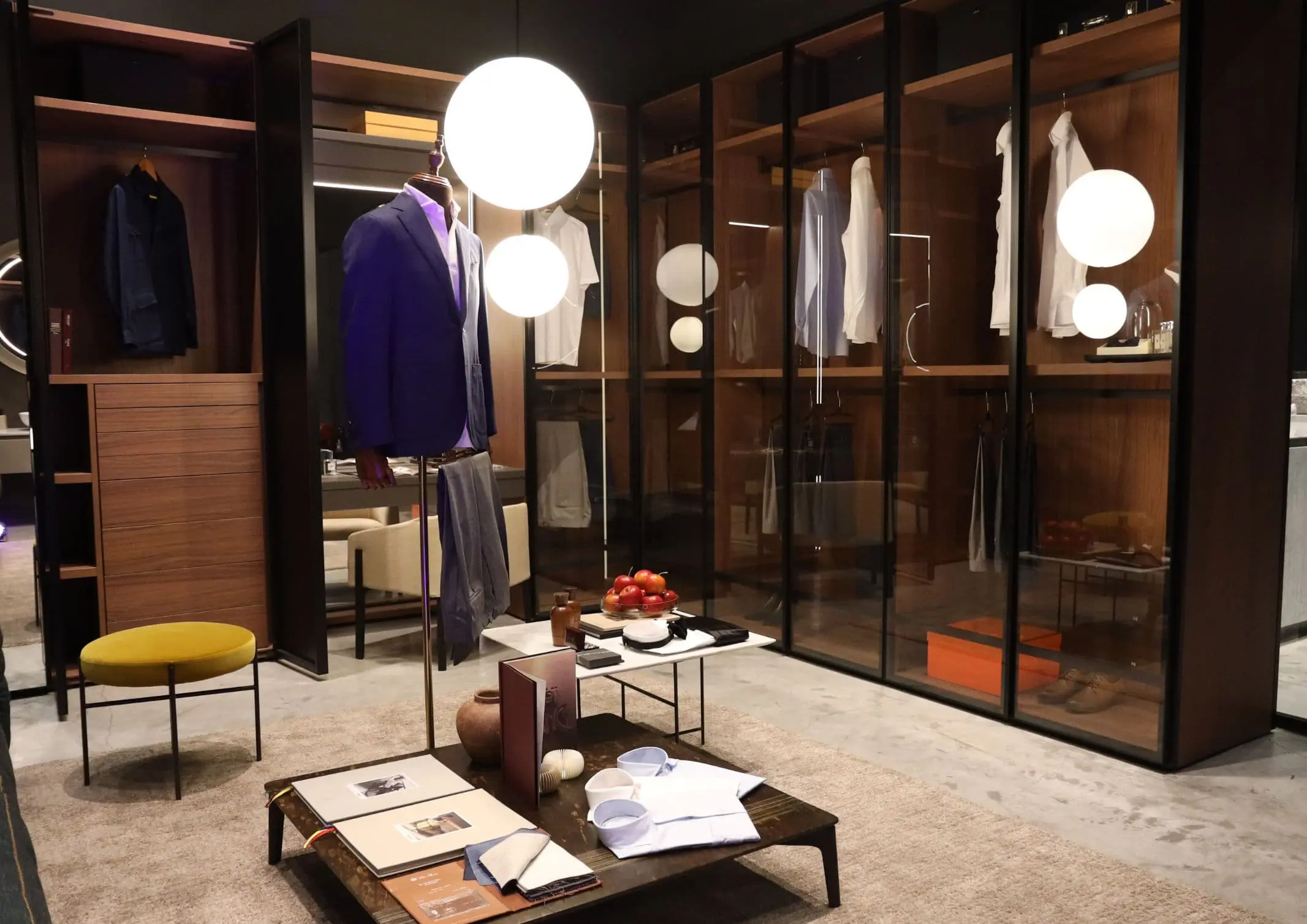
The principles behind a well-designed home are not unlike those behind a tailored garment. Both begin with an understanding of the individual, balancing proportion, material, and function to create something suited to its user. This shared approach informed “The Art of Bespoke,” an event hosted by Boffi | DePadova and Focus Global Inc., in collaboration […]
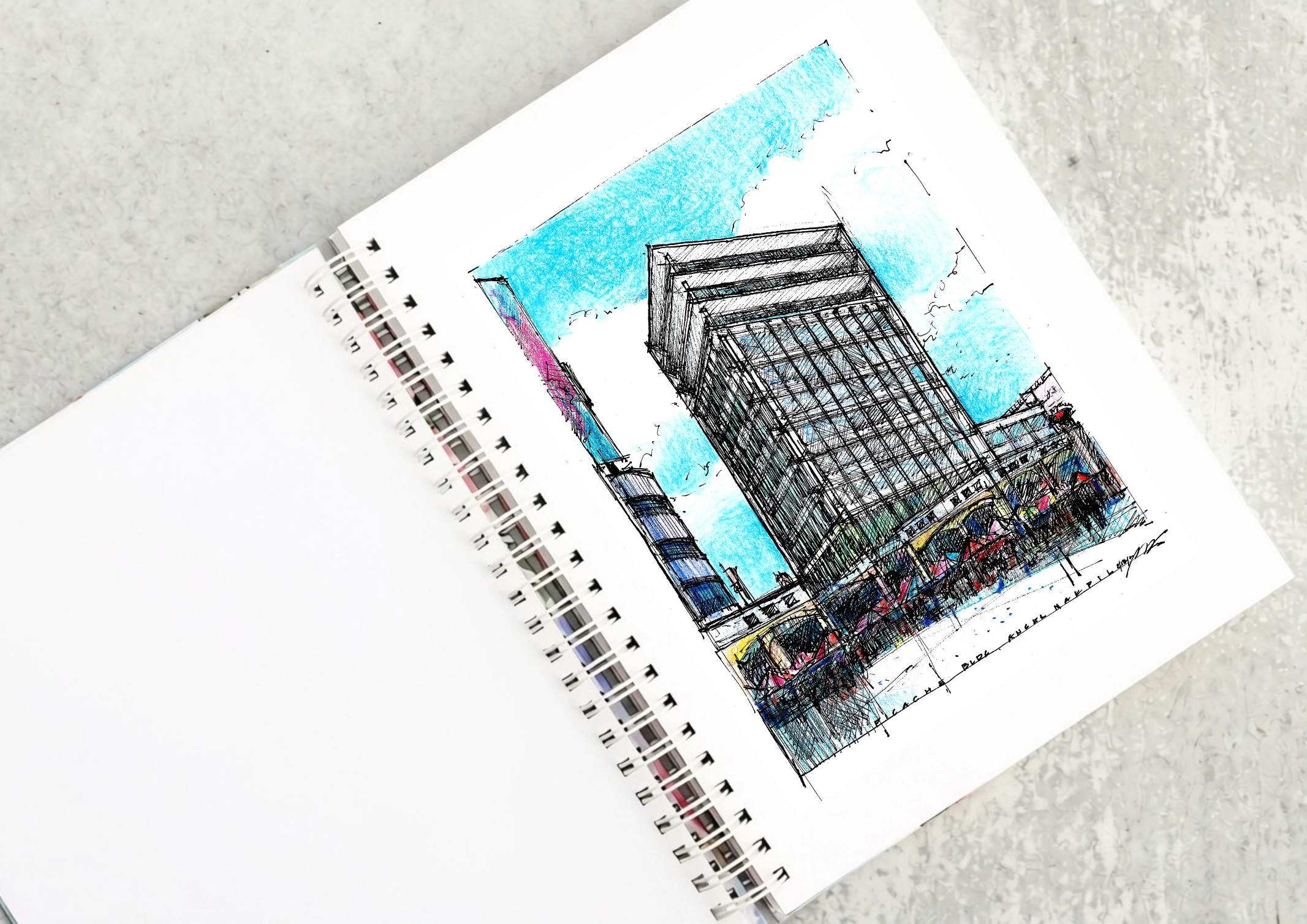
The Picache Building and the Rise of Manila’s First Skyscrapers Until Makati emerged as Metro Manila’s premier business, shopping, and entertainment district in the 1970s, downtown meant Quiapo in central Manila. From the Spanish colonial period to the late 1950s, the district was anchored by its historic Plaza Miranda and its eponymous church. It was […]
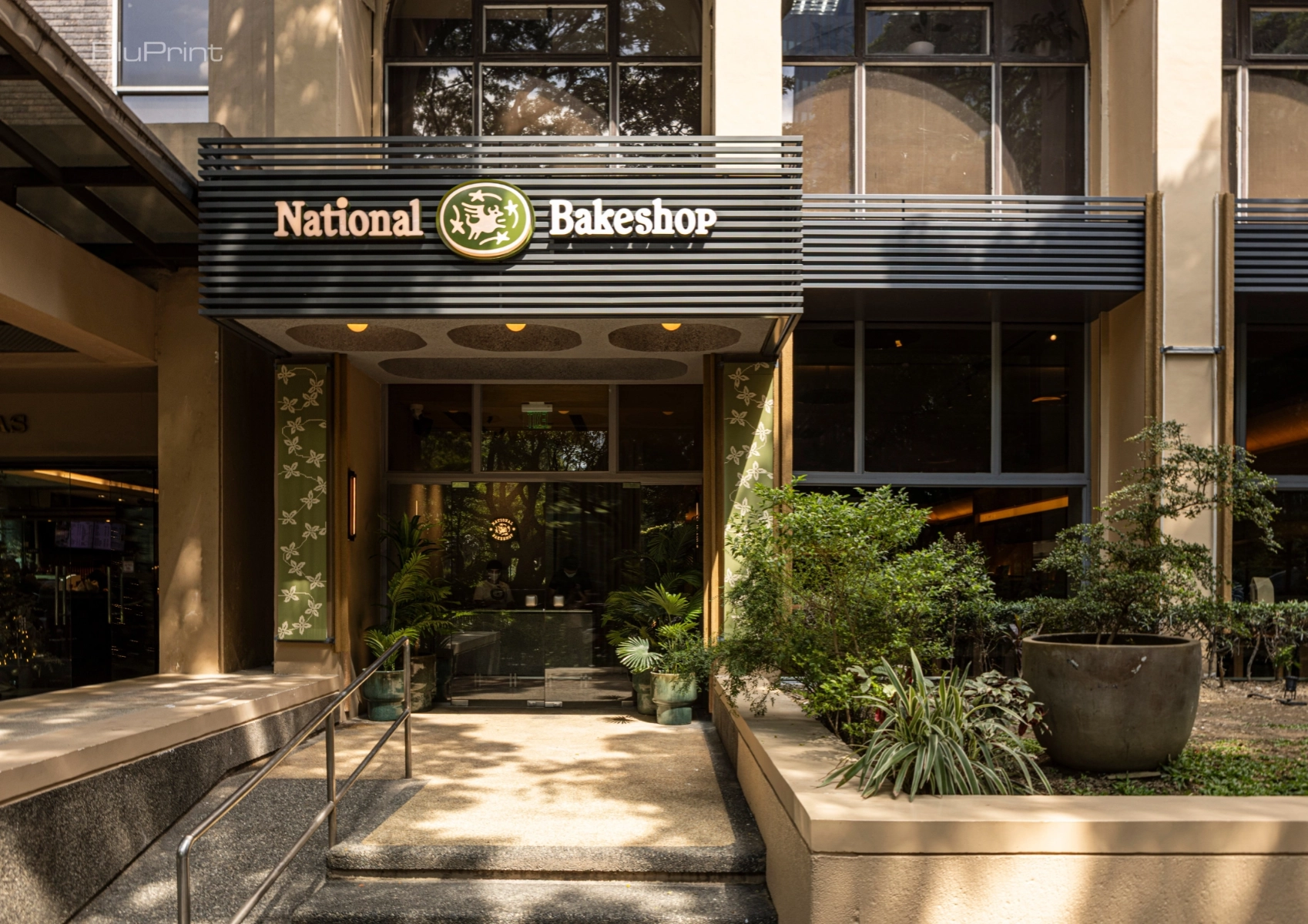
Architect Brian Ver was all set with the design for restaurateurs Dwight Co and Charlie Paw’s latest concept, National Bakeshop, when the contractor halted demolition. Brixter Builders, the general contractor of the project, discovered the original coffered ceilings after demolishing the drop ceiling of the previous tenant. The restaurant is located on the ground floor […]
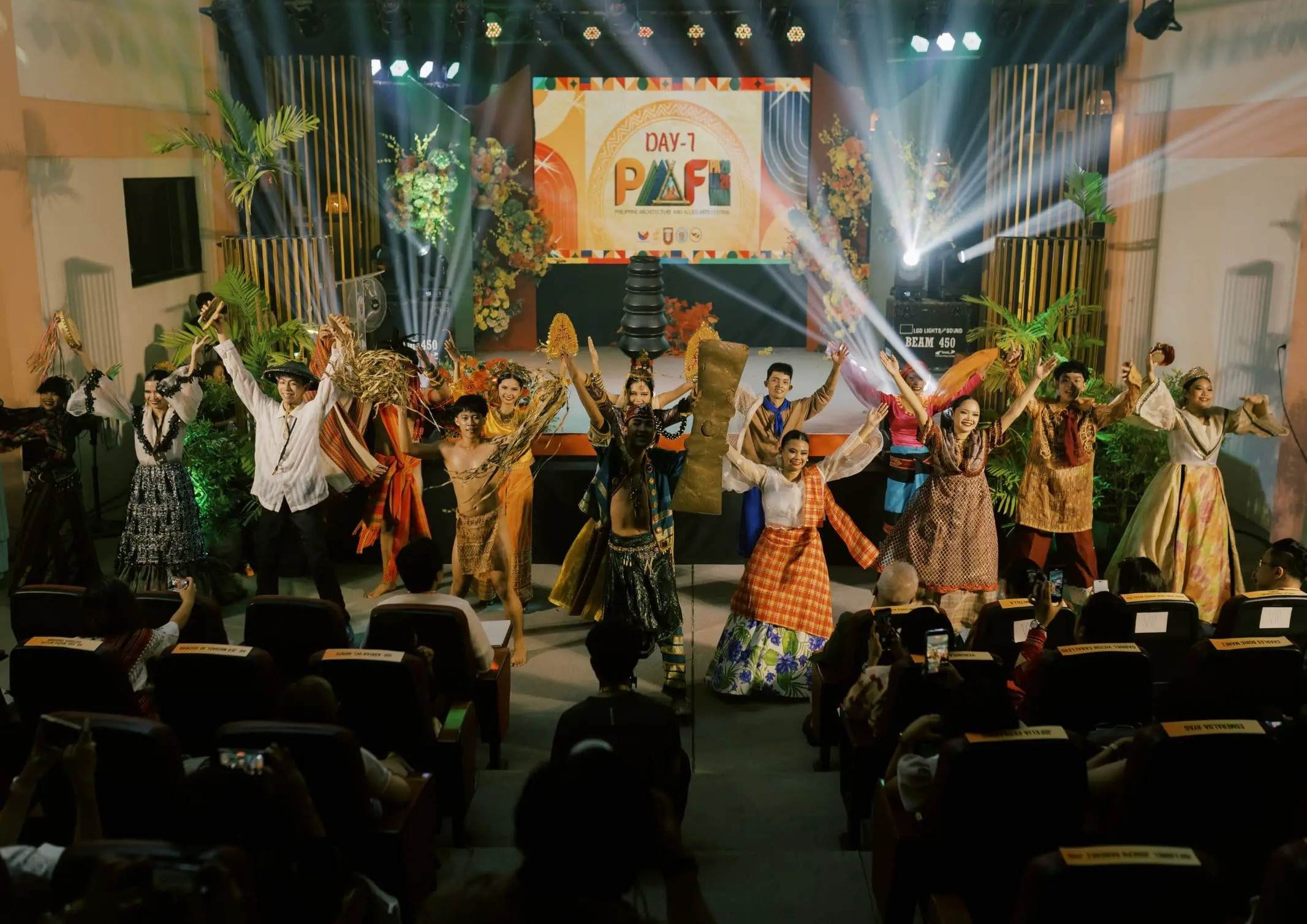
Back for its third edition, the Philippine ArchitectureArchitectureThe art and science of designing and constructing buildings, structures, and spaces that are functional, safe, and aesthetically pleasing. It encompasses the planning, design, materials, and techniques used to createGo to Architecture Glossary and Allied Arts Festival (PAAAF) brought conversations around architecture and its related creative fields to […]
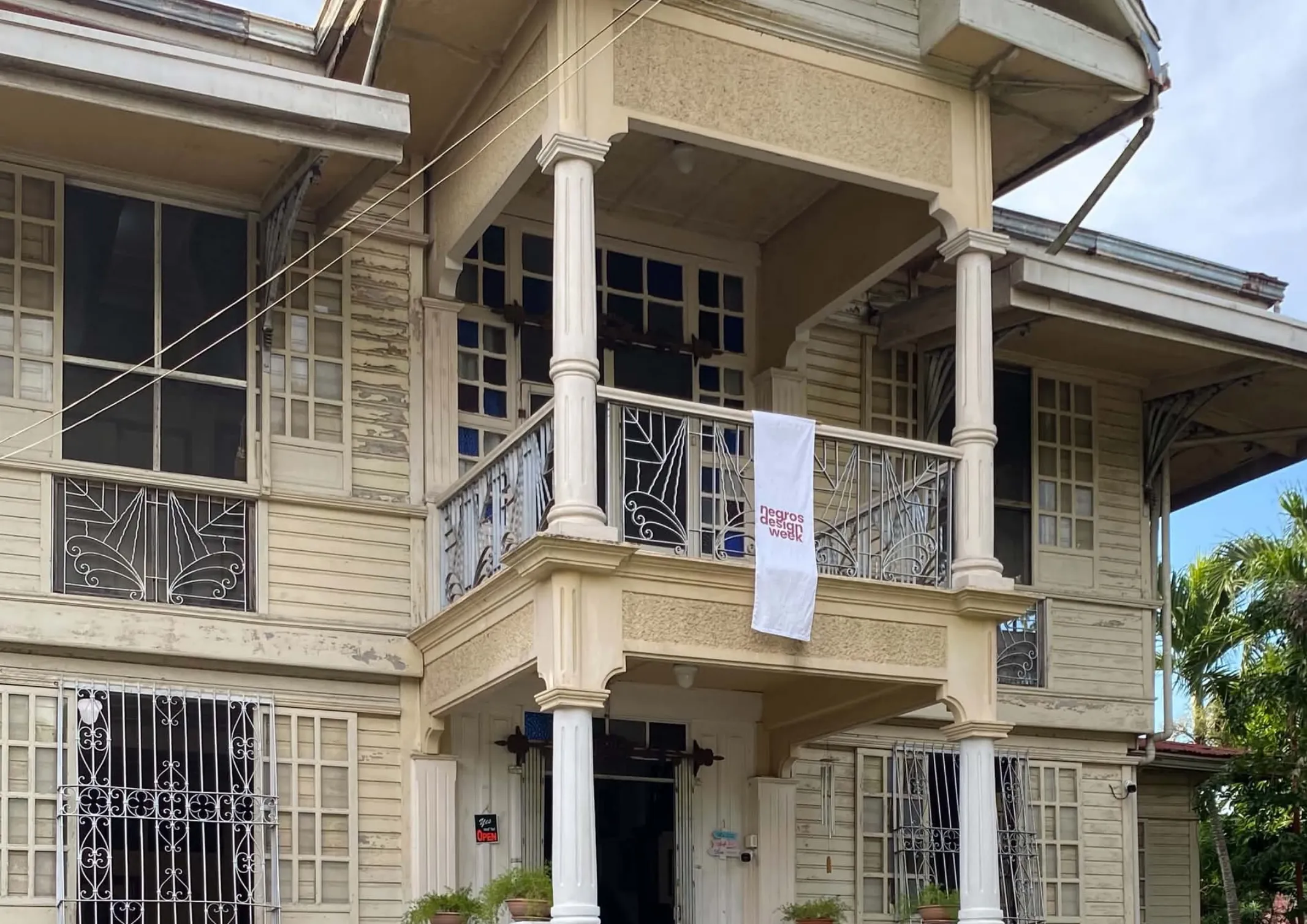
The future of design is not necessarily built by looking forward alone. Sometimes, it begins by looking back at the objects, traditions, and creative practices that have shaped generations. For Negros Design Week 2026, this relationship between the past and the future informed its theme, “50/50: A Hundred Years of Design.” The third edition of […]
Read the issues.

Collect the volumes.

Recommended Video
Tap to Unmute
Unmute
0:00
0:00