Bigkis is the act of binding. In Tagalog, the word can refer to something used to bind or encircle, as well as a bundle formed by tying several separate elements together. Figuratively, it can also mean a bond, union, or unity. The meanings move from the physical act of joining things together to the connection […]
Religion in Art: Five 2024 Exhibits That Questioned Our Beliefs



For BluPrint’s 2024 in Art series, we compile four different exhibitions that invert and subvert religious imagery as commentary on our world today. As a country with a Catholic majority, religion occupies a large space in Philippine society. Even for non-Catholics, these values seep through in different public views and practices.
There’s a need to interrogate these beliefs hardcoded into our country’s morality—and art remains one of the best ways to do so. With these exhibits, questioning beliefs allows us to form stronger ones that evolve with the people of our times. It crafts a perfect balance between faith and lived experiences, bringing a coexistence of lives with them.
‘Speak of the Devil’
This Modeka Art exhibit by Victoria Keet discussed an interesting phenomenon in how religion functions. Because, as much as we see Christianity—and Catholicism, in particular—as a monolith, many of the places that adopted them integrated them with local pagan faiths.
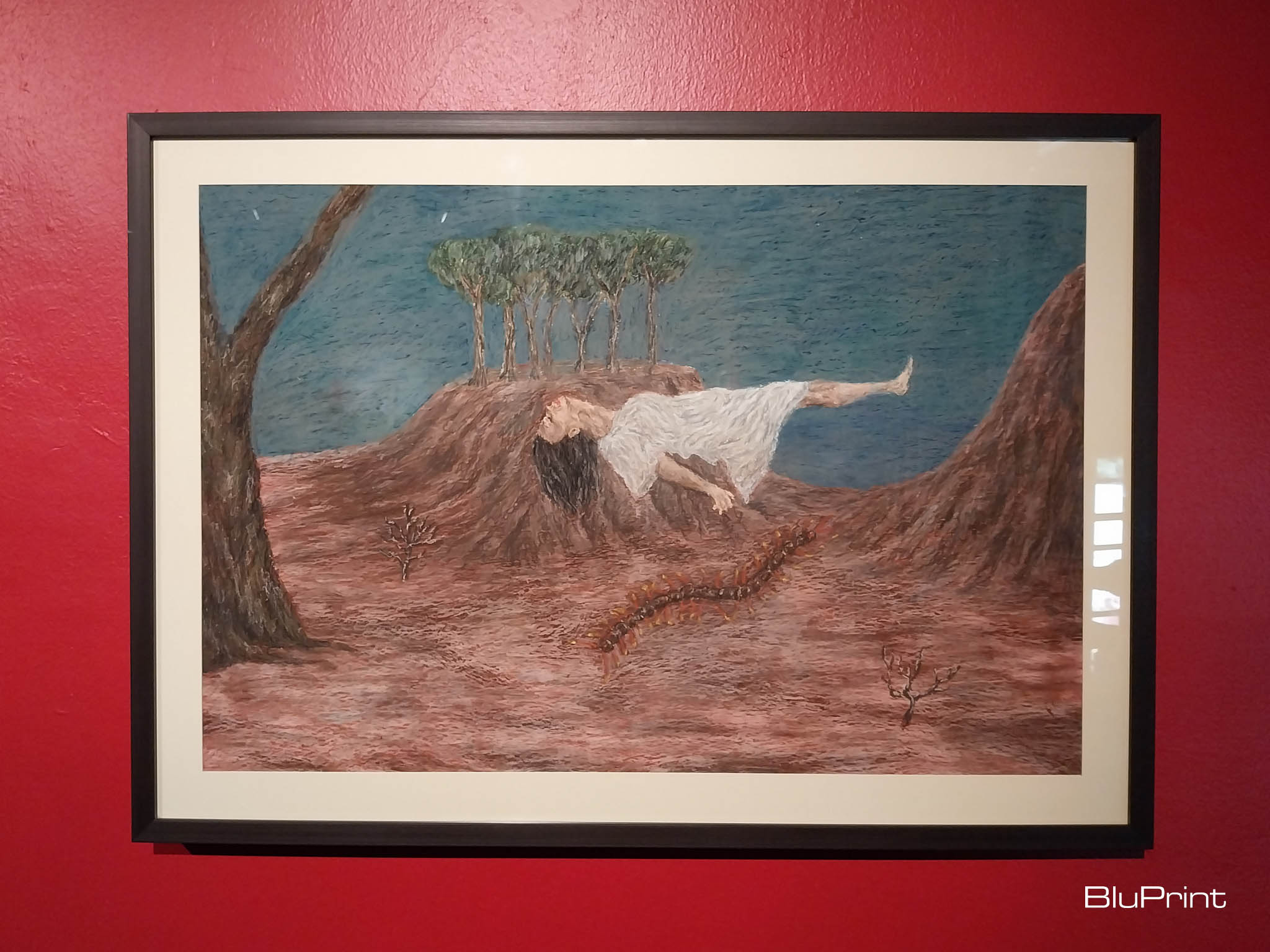
We see that in work like Mike de Leon’s Itim or Robin Hardy’s The Wicker Man. Instead of overtaking it, the cross becomes a part of the arsenal in local faiths. Religious imagery becomes another mantle on the shelf of gods. Which is what makes Keet’s works so interesting: it’s a very local, very pagan interpretation of Christian faith.
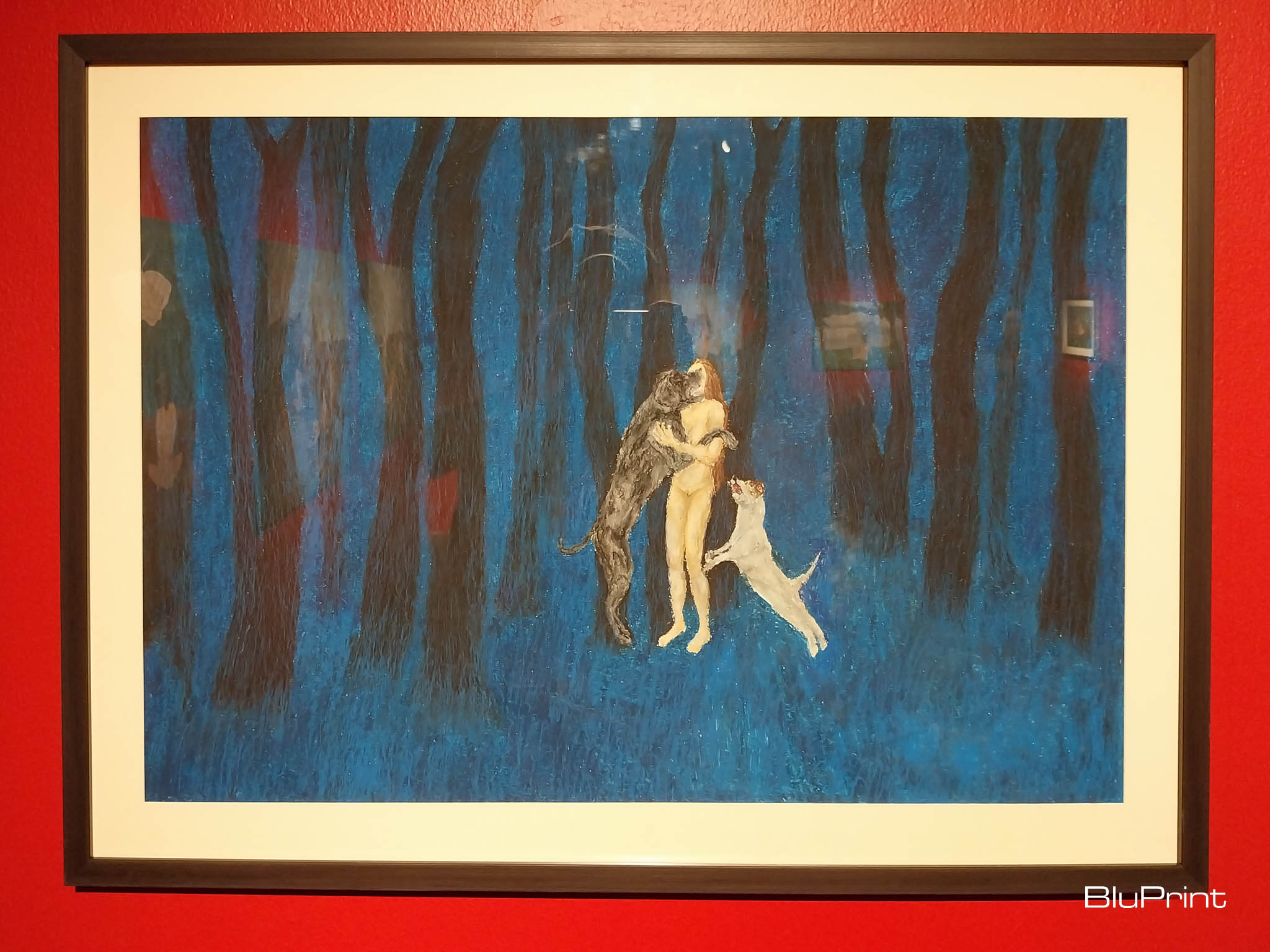
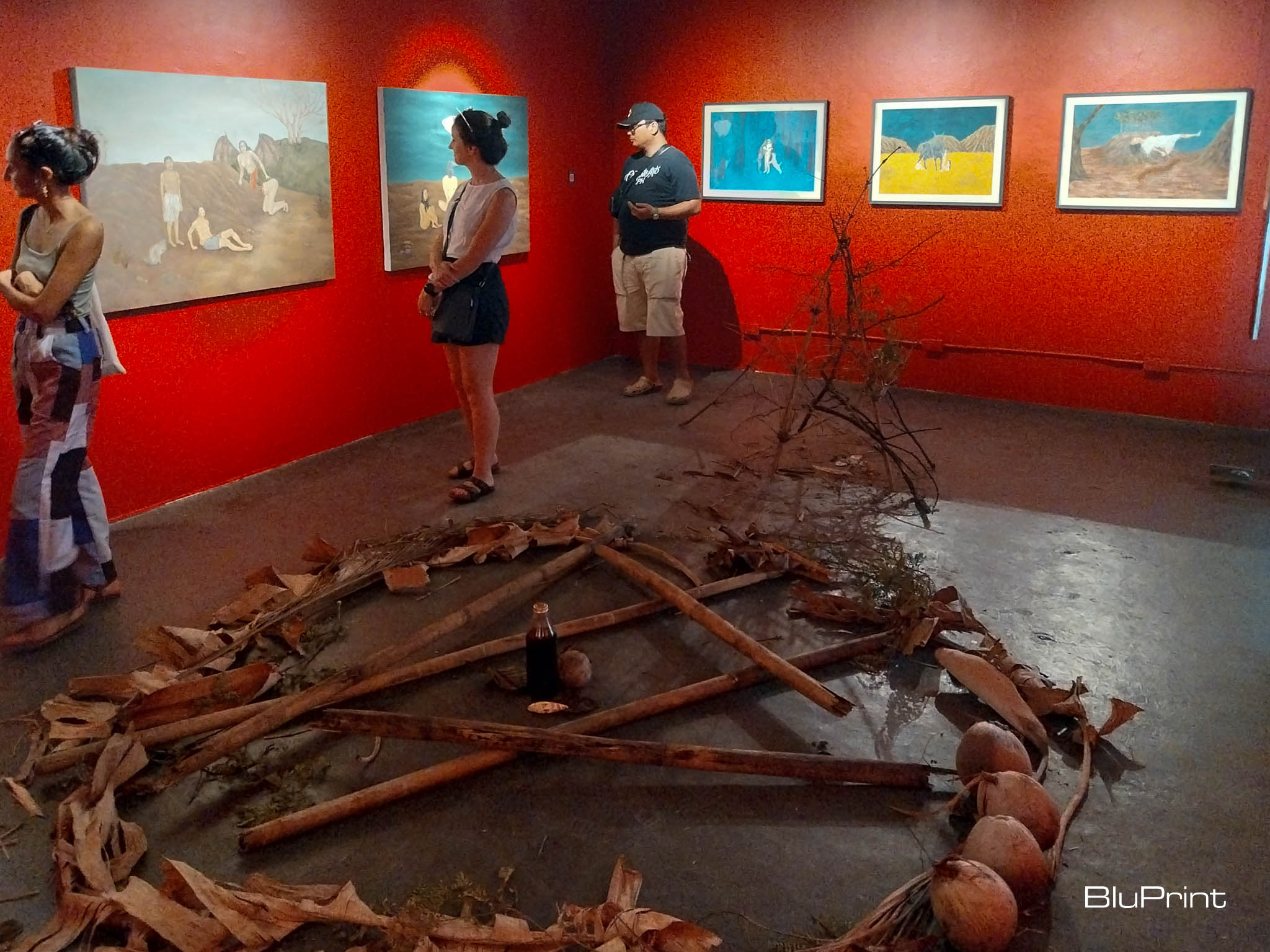
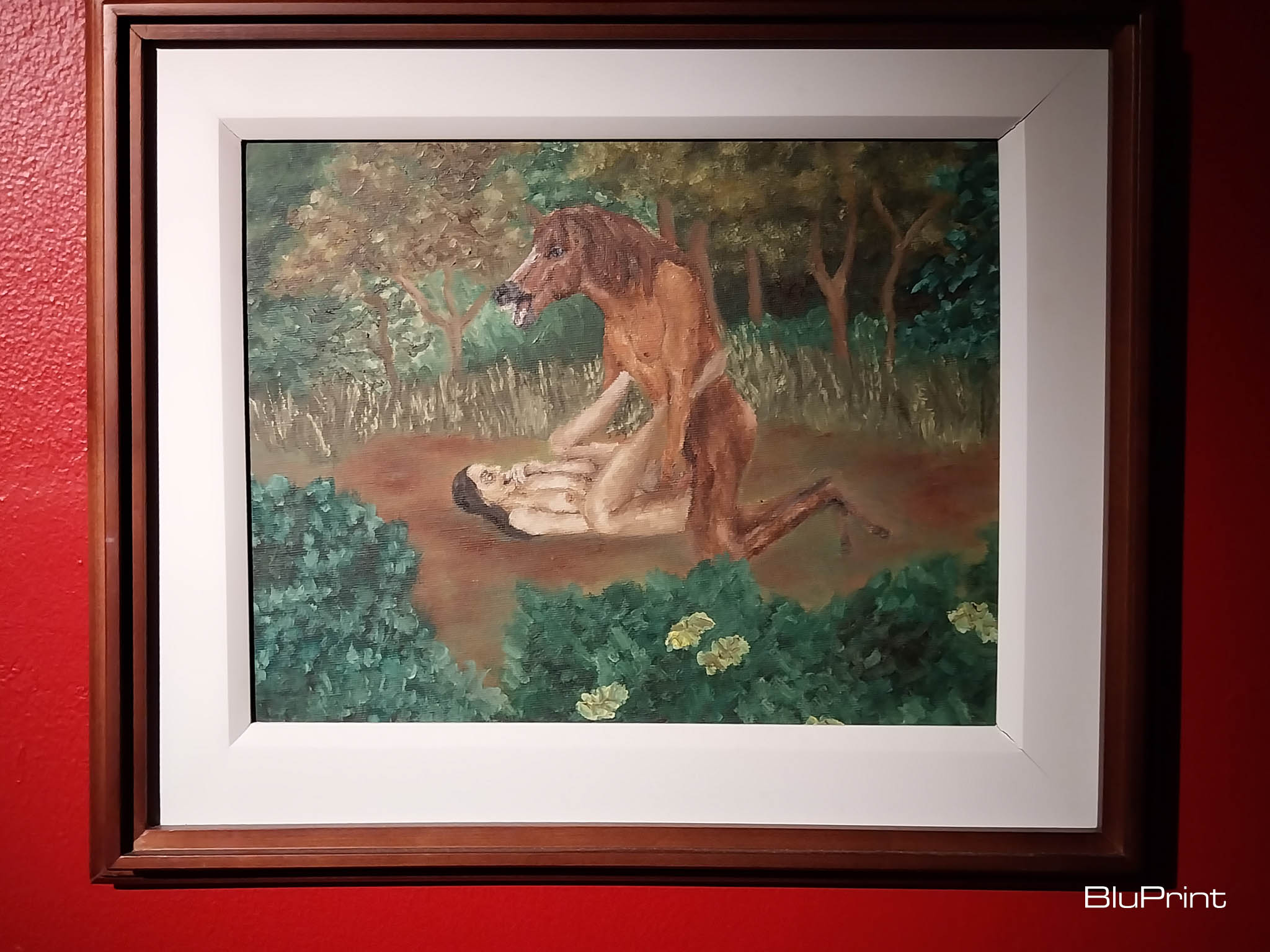
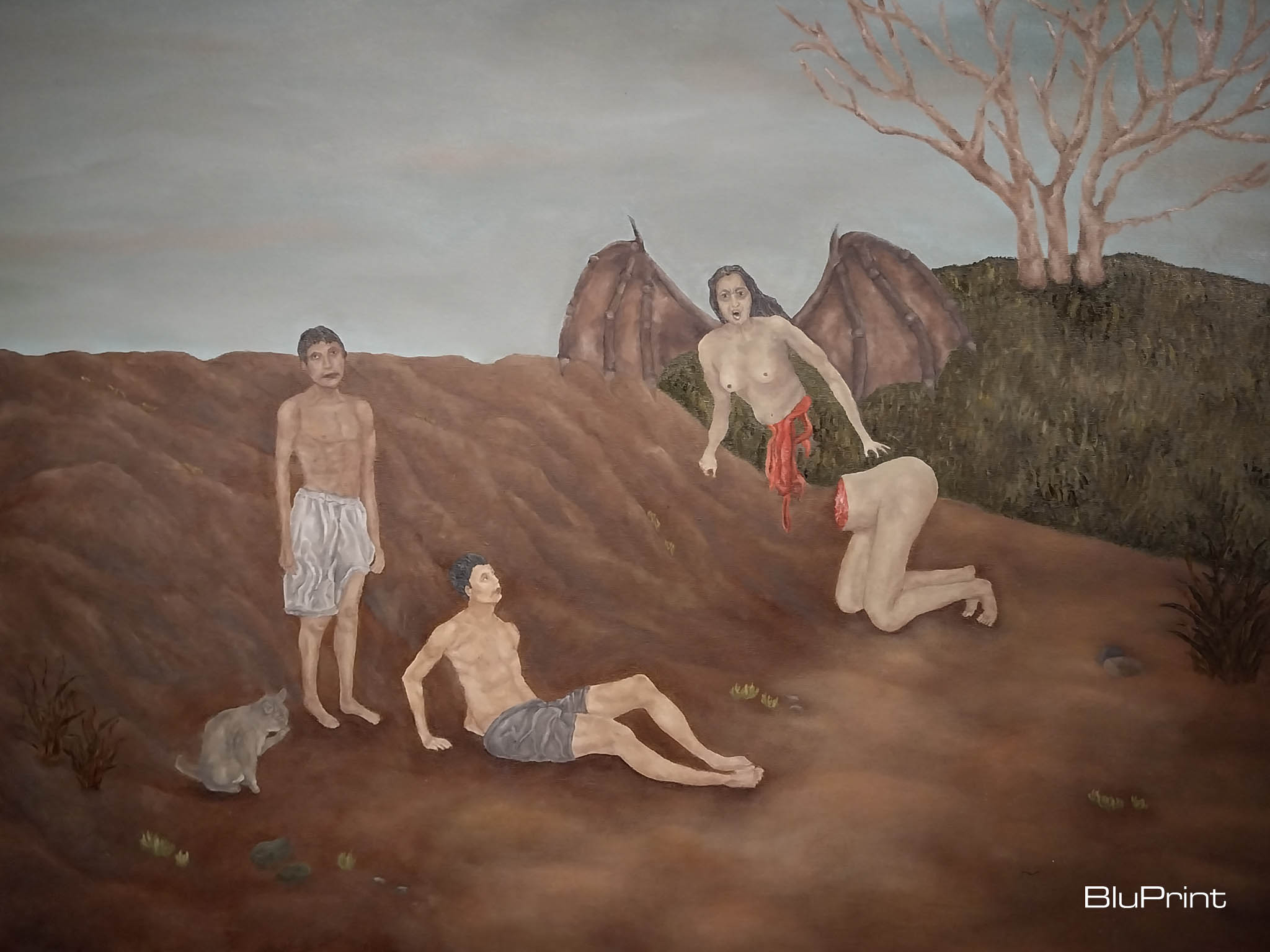
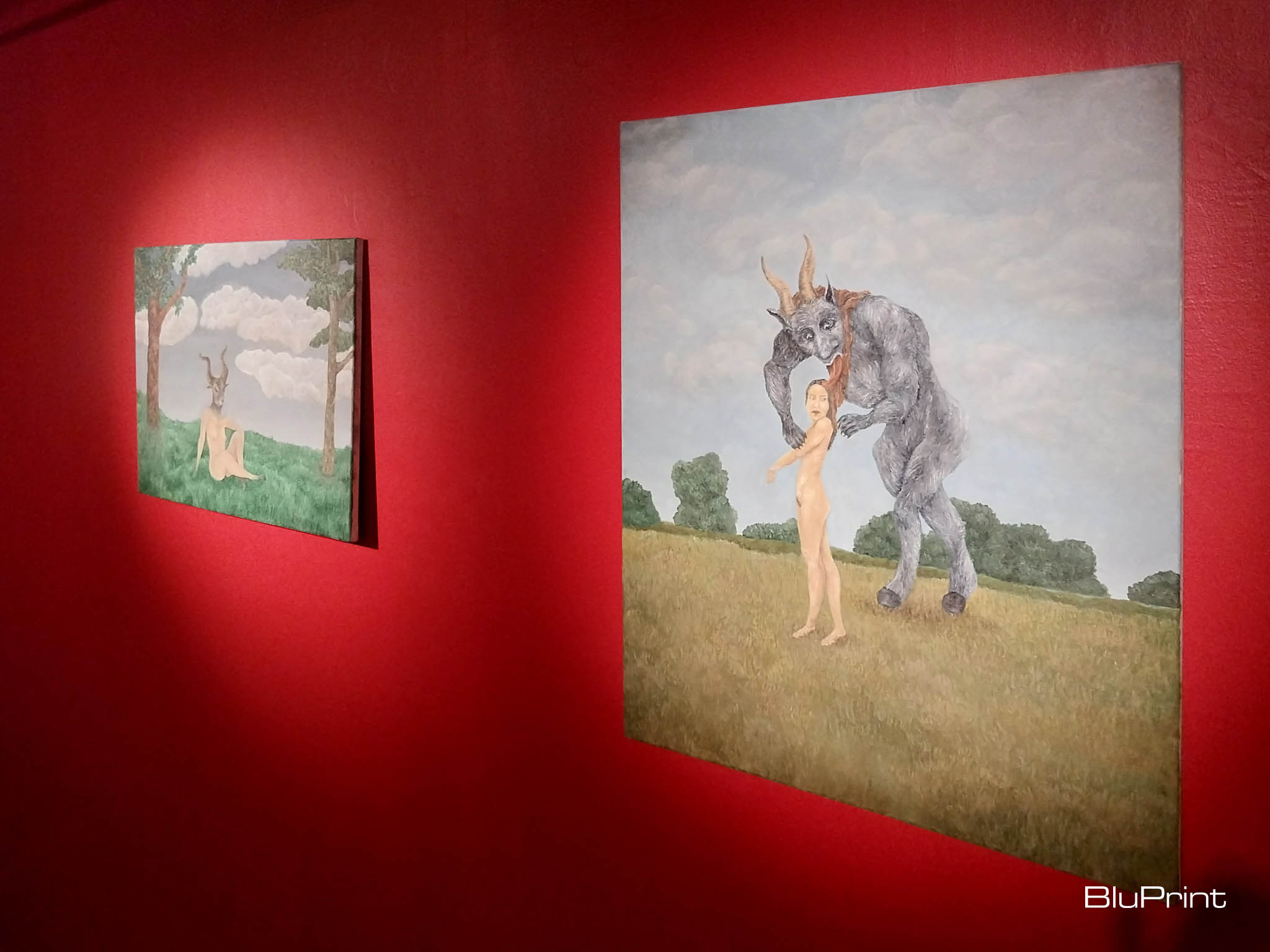
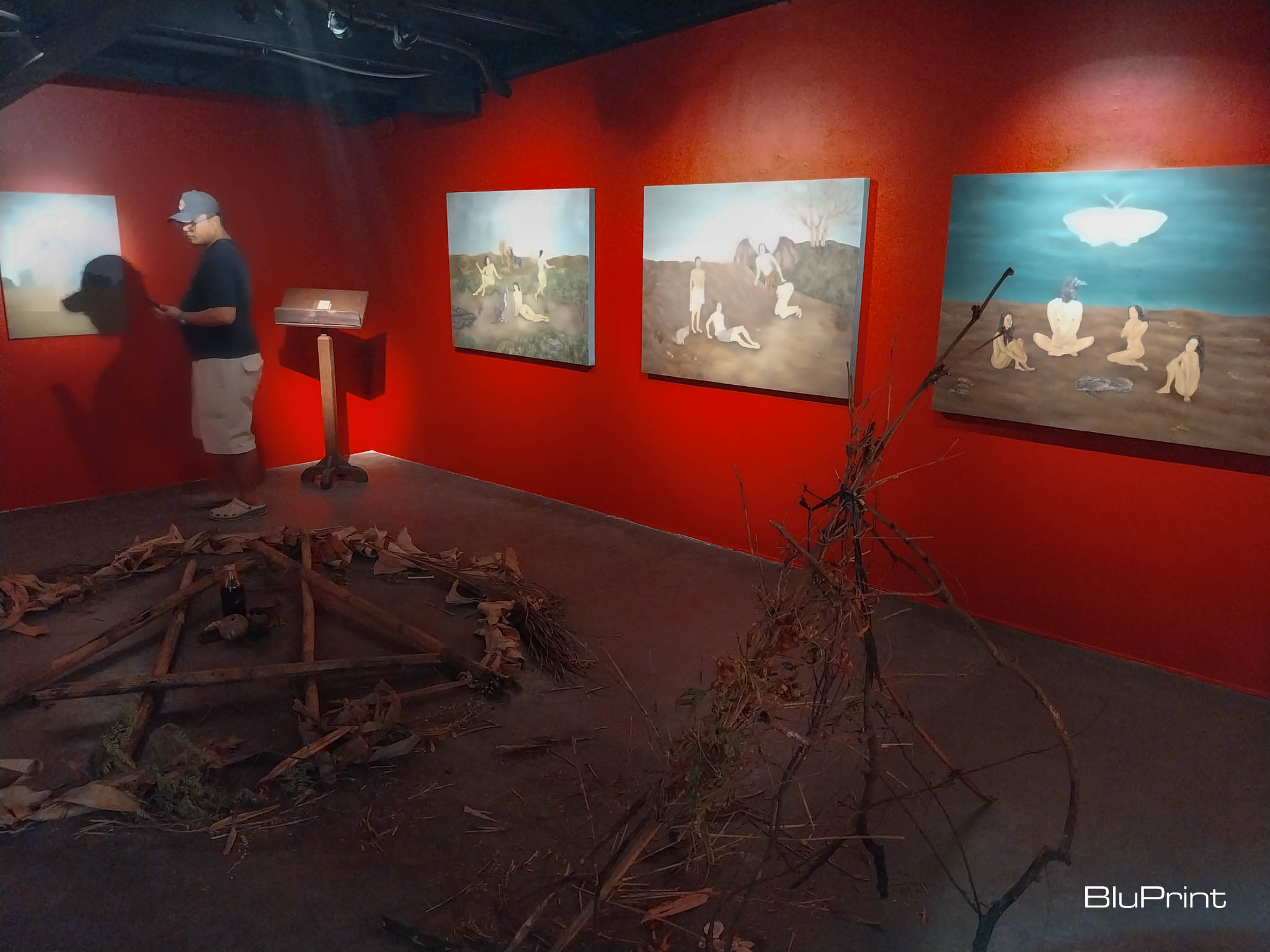
Here is a version of paganist Christianity where women are the central characters, where Jesus coexists with tikbalangs and goat men and ritualistic sacrifice. It caused viewers to question the need for a monotheistic society: maybe these things can coexist together, even when they aren’t meant to.
Read more: ‘Speak of the Devil’: Redefining Provincial Myths and Ideas
‘God Save The Queers, Bless The Badings’
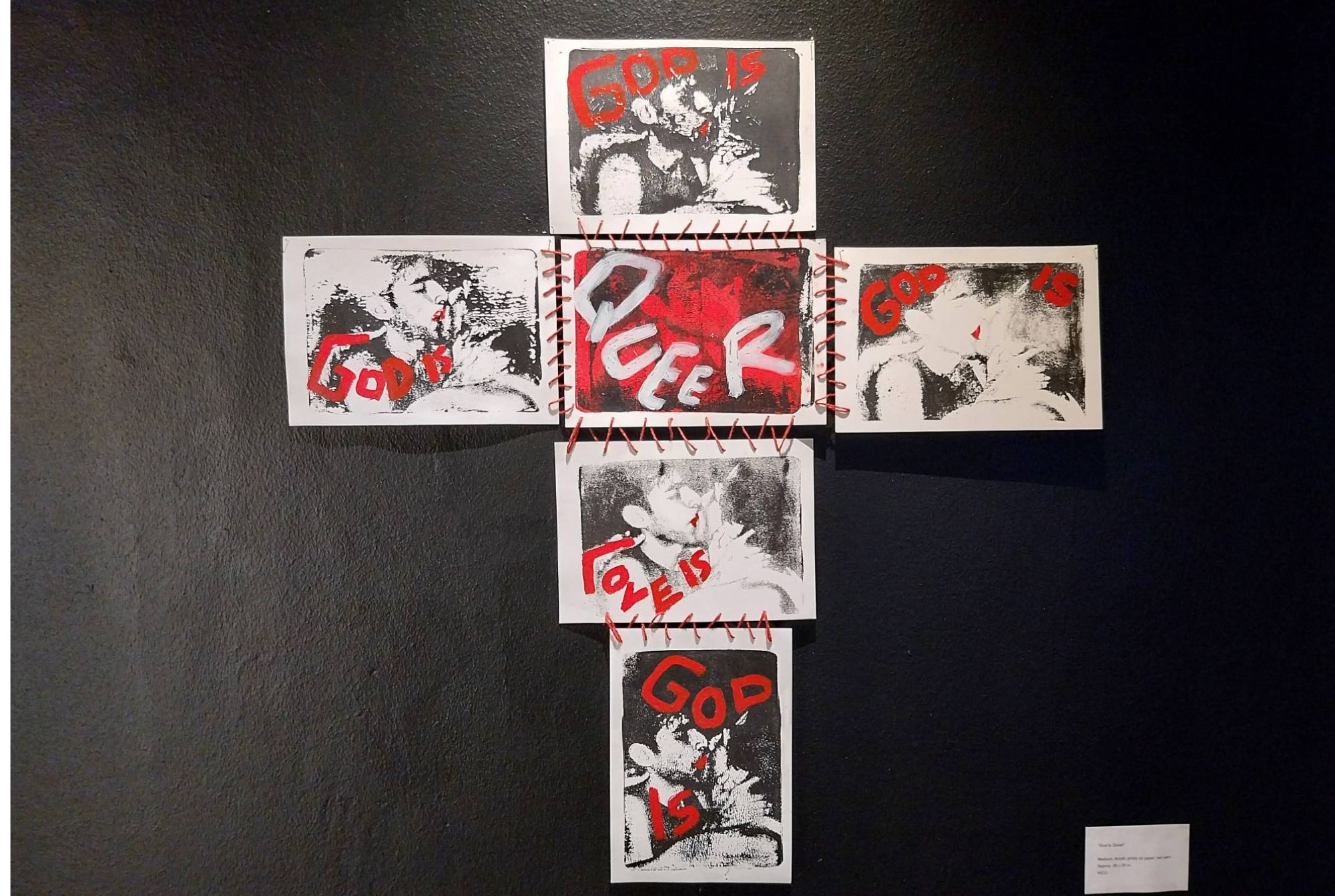
This exhibit, from Gravity Art Space, might have been the most sacrilegious of all the exhibits here. Part of that comes from how it recontextualized religious imagery towards queer iconography. In a country that still struggles with acceptance of queer lives, there’s something genuinely revolutionary in mixing queerness with religion.
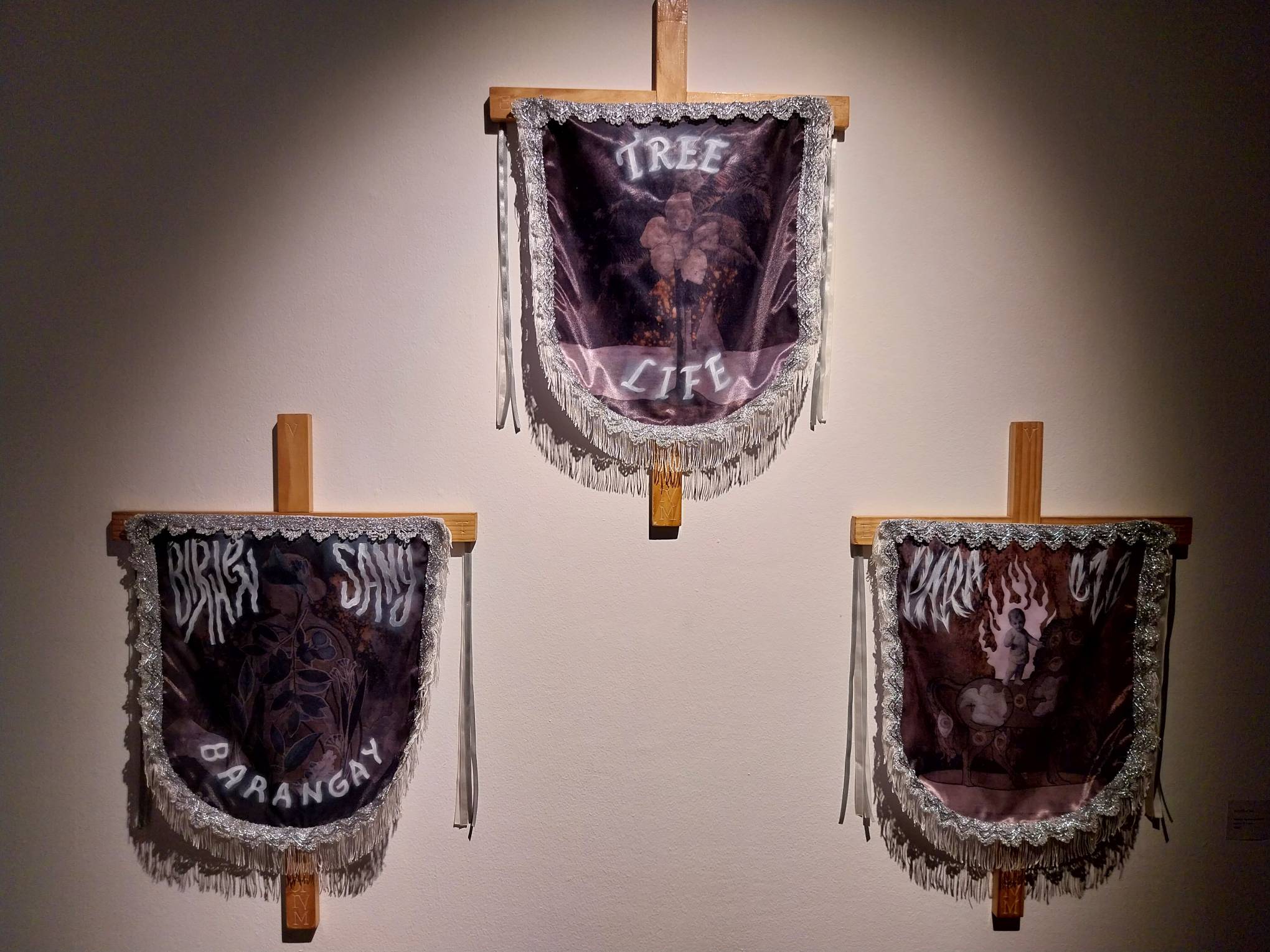
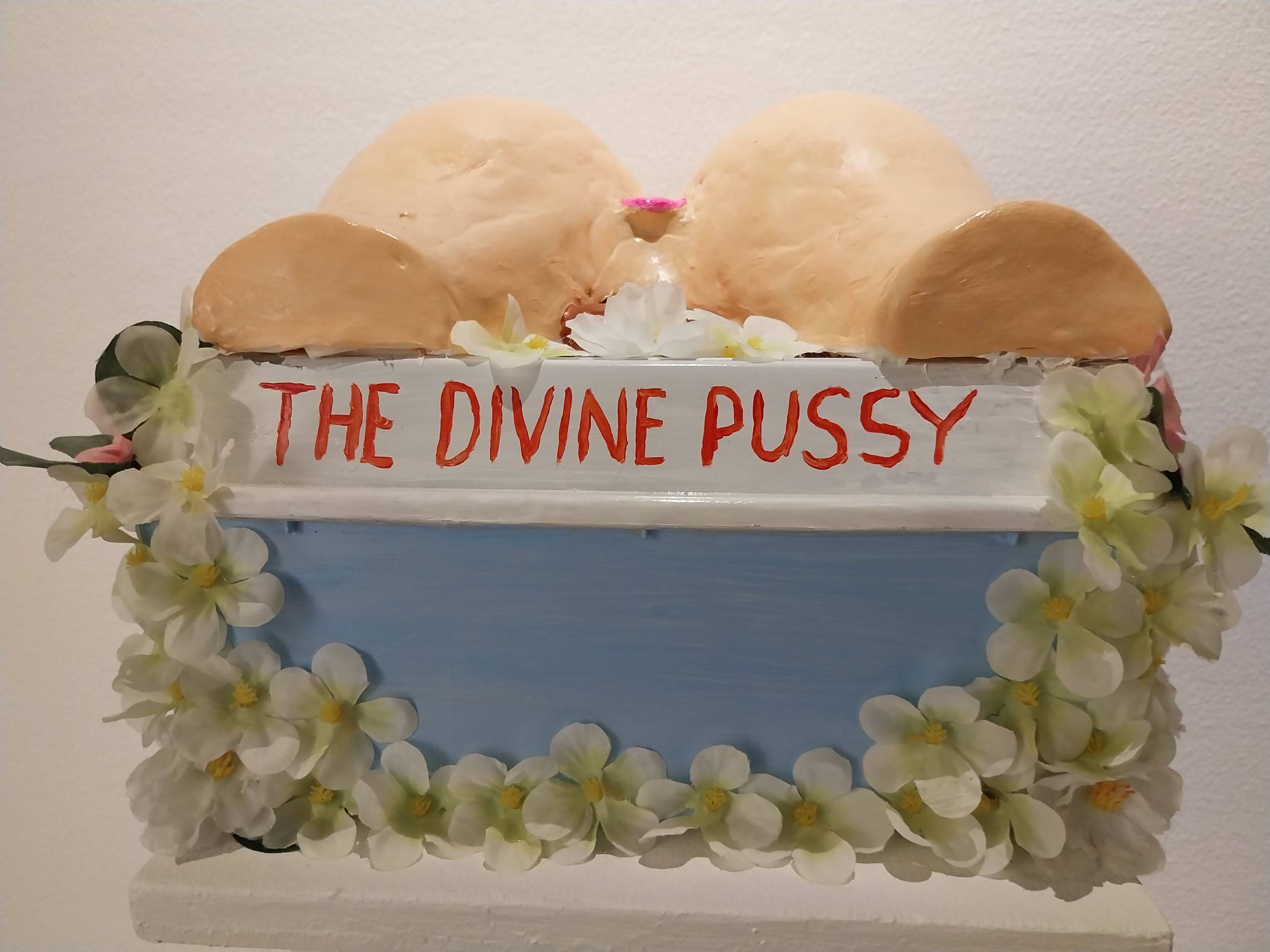
Much of the exhibit riffed on staples of Catholic iconography, from a rotting crucifix to banners mixing queer images with Christian slogans to a cake calling a butthole “the divine pussy.” They even had a shrine dedicated to queer individuals and different equipment related to the queer community like PReP and gender-affirming hormones.
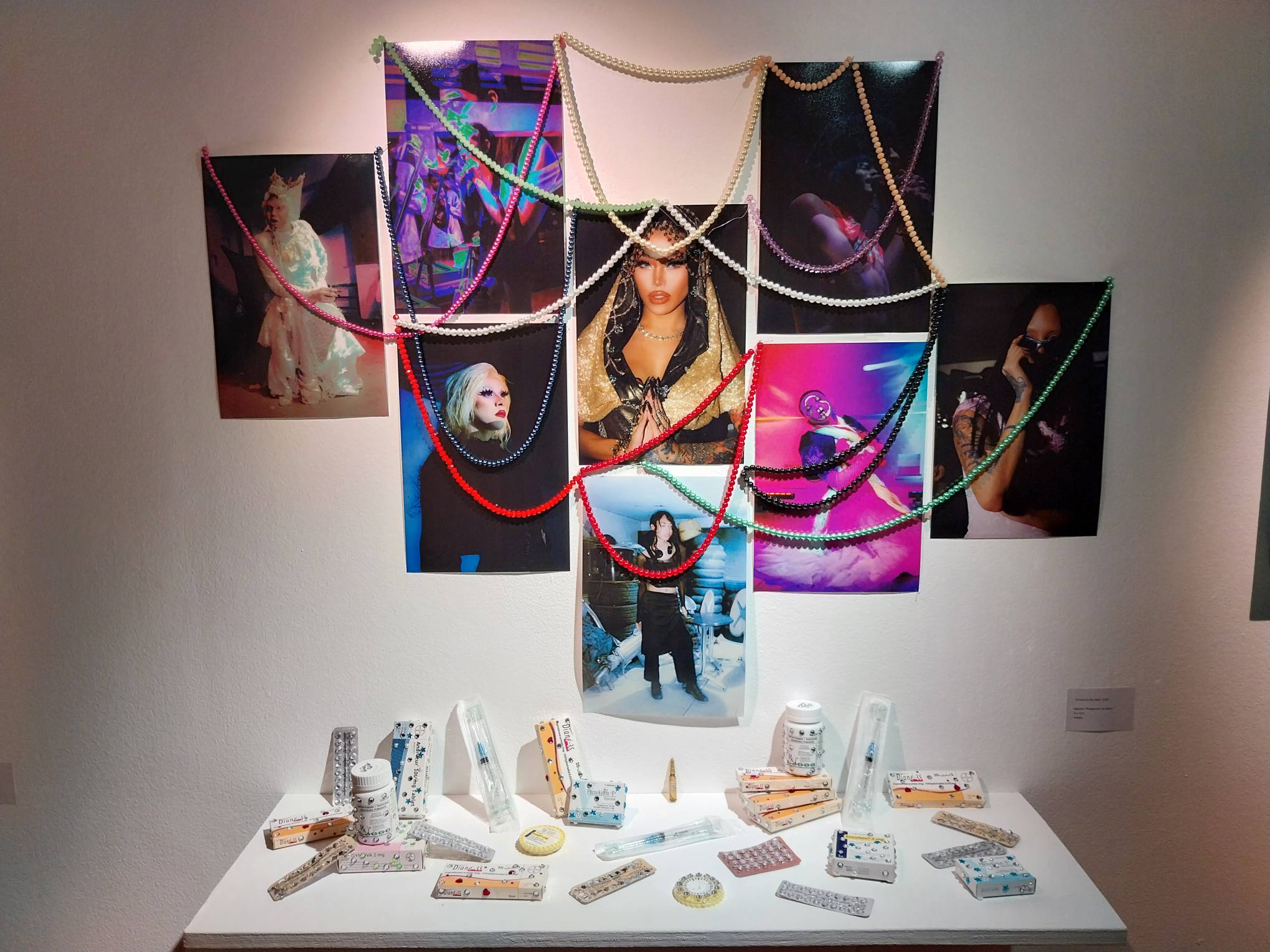
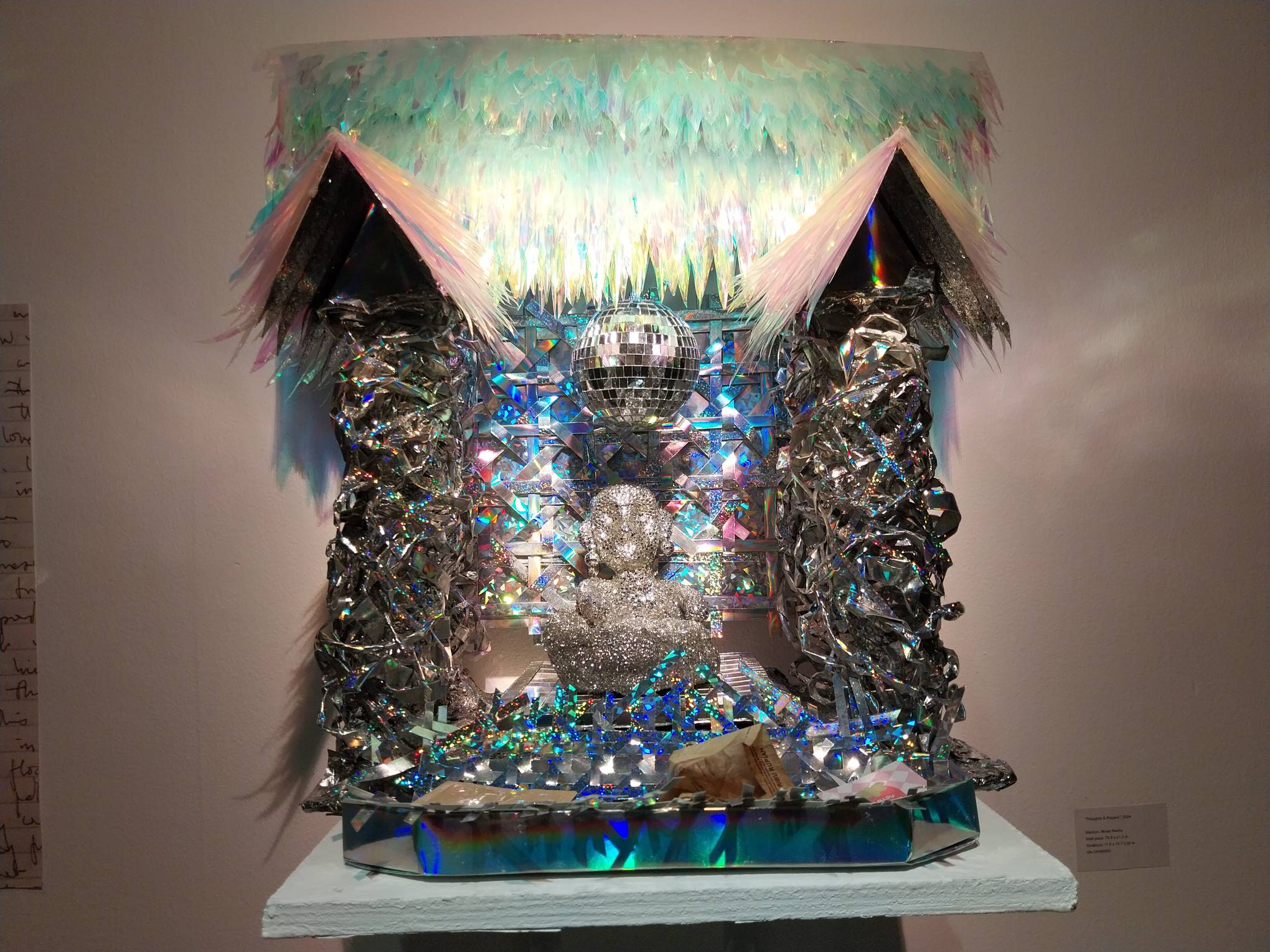
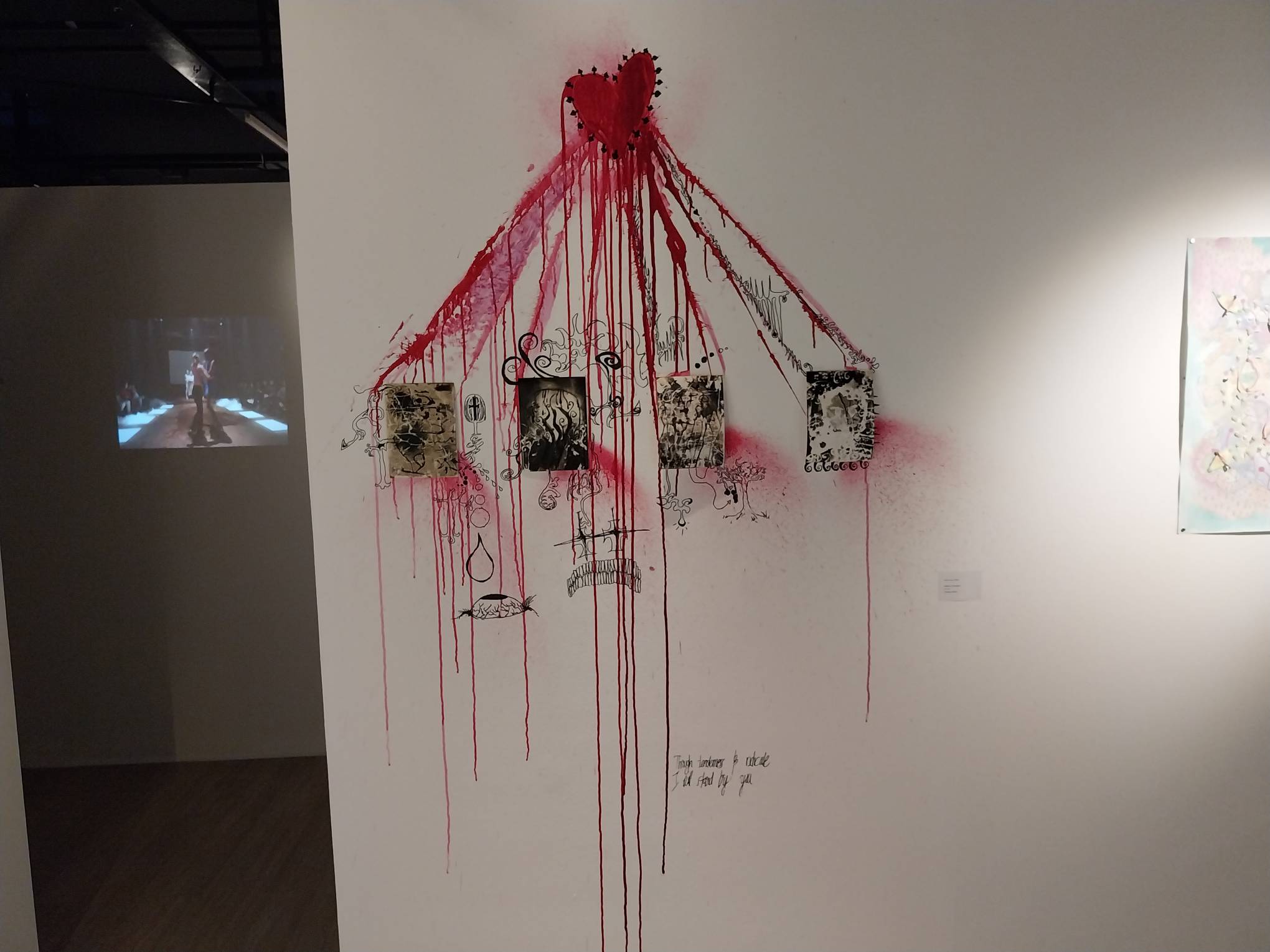
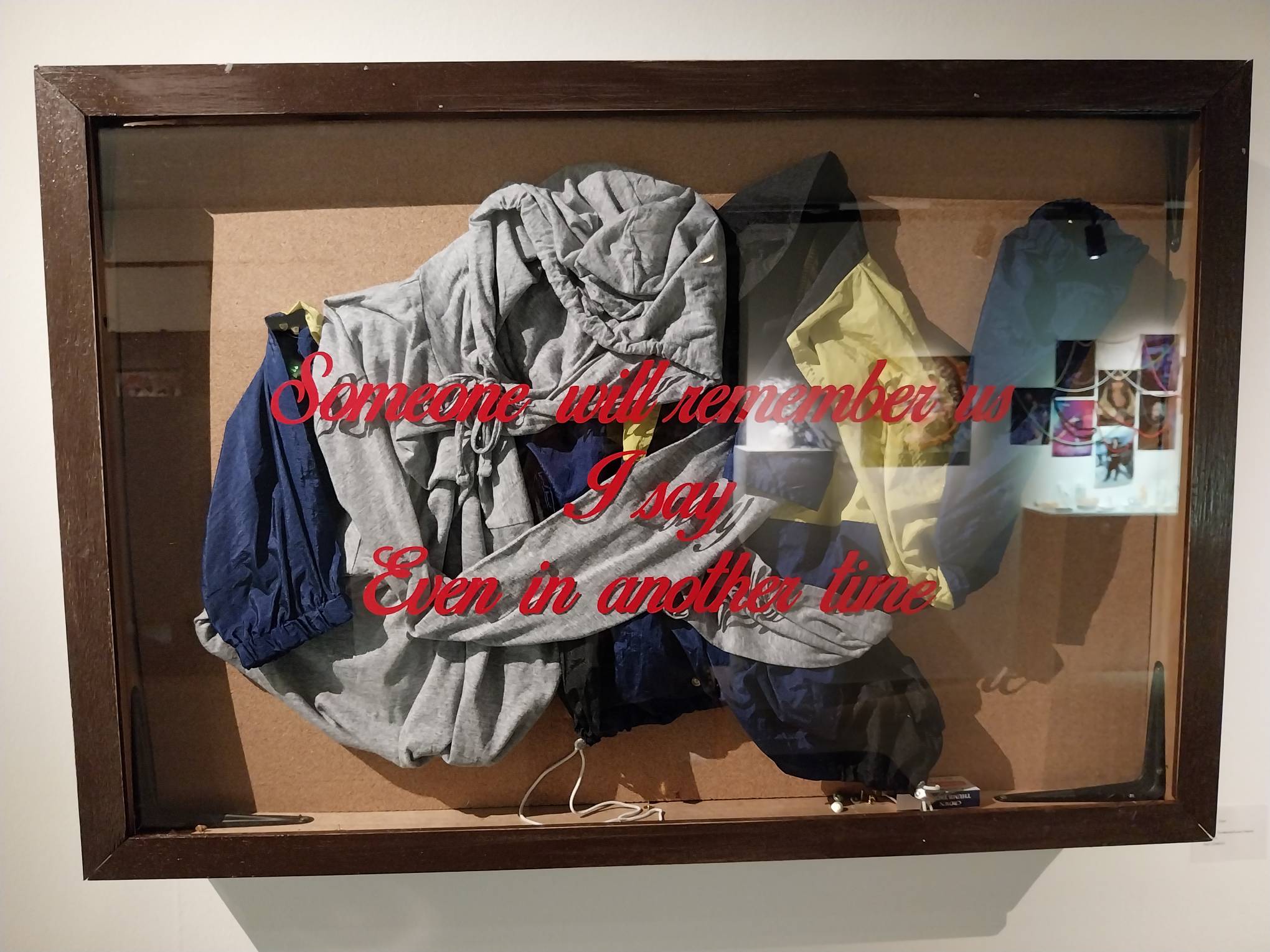
The glibness is the point: rejected by their communities, queer people have created their own version of religion and faith, circling around their experiences. It finds salvation and divinity from the moment, understanding that no god will save them but themselves.
Read more: Gravity Art Space’s New Exhibit Examines Ideas of Queerness
‘you were there from the beginning’
Another exhibit from Modeka Art, this one is a group exhibition focused on the incompleteness of life. Curated by Gary Ross Pastrana, the exhibit assembled multiple artists to craft nebulous imagery tackling the existence of life.
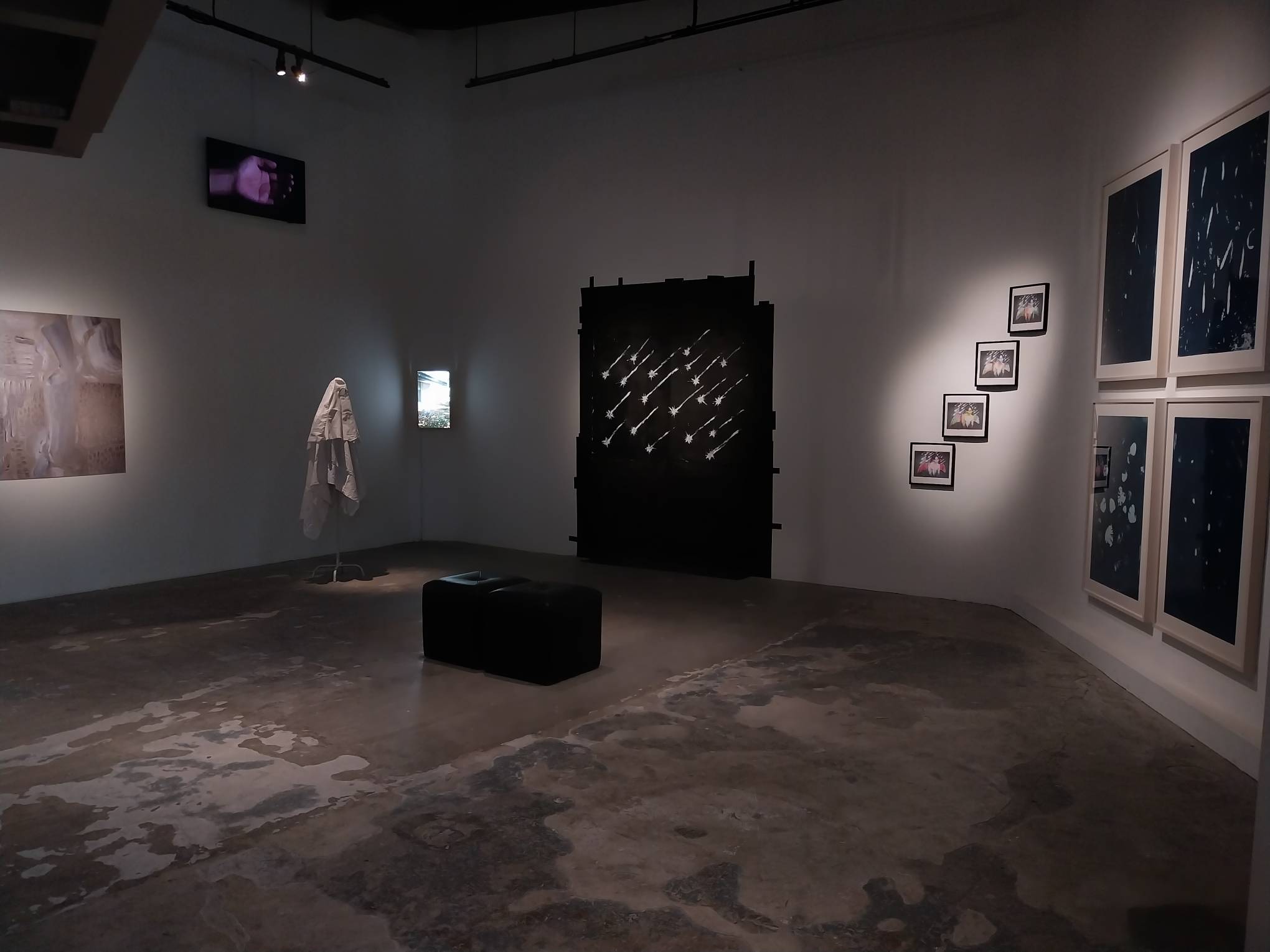
It was not particularly religious in comparison to the other exhibitions, except for Jed Gregorio’s artworks and video about a fallen angel. And yet it also explored that sense of religious angst for the nebulousness of faith. Being religious in any way means believing in something that can’t be proven until you die; that is what faith entails.
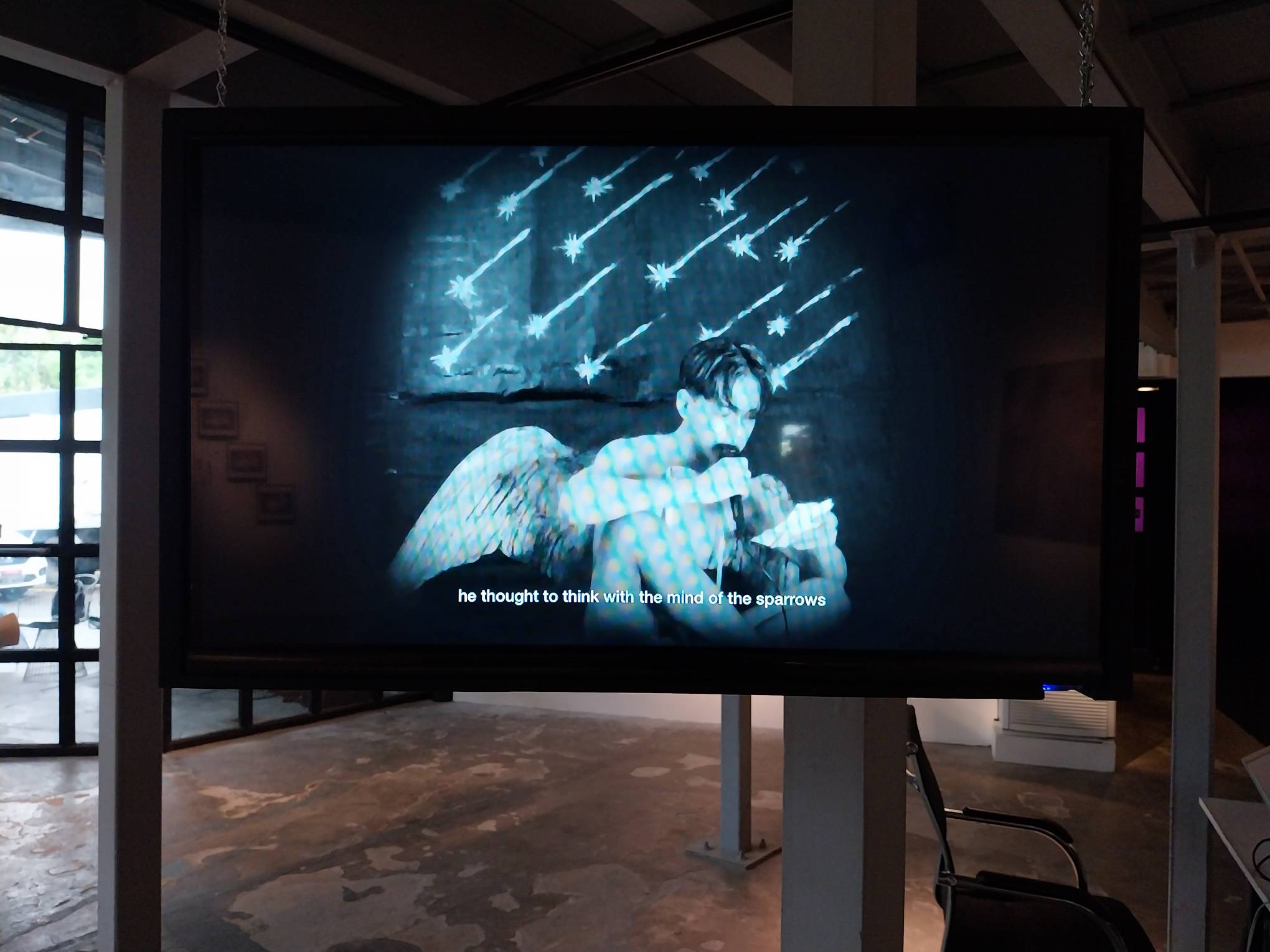
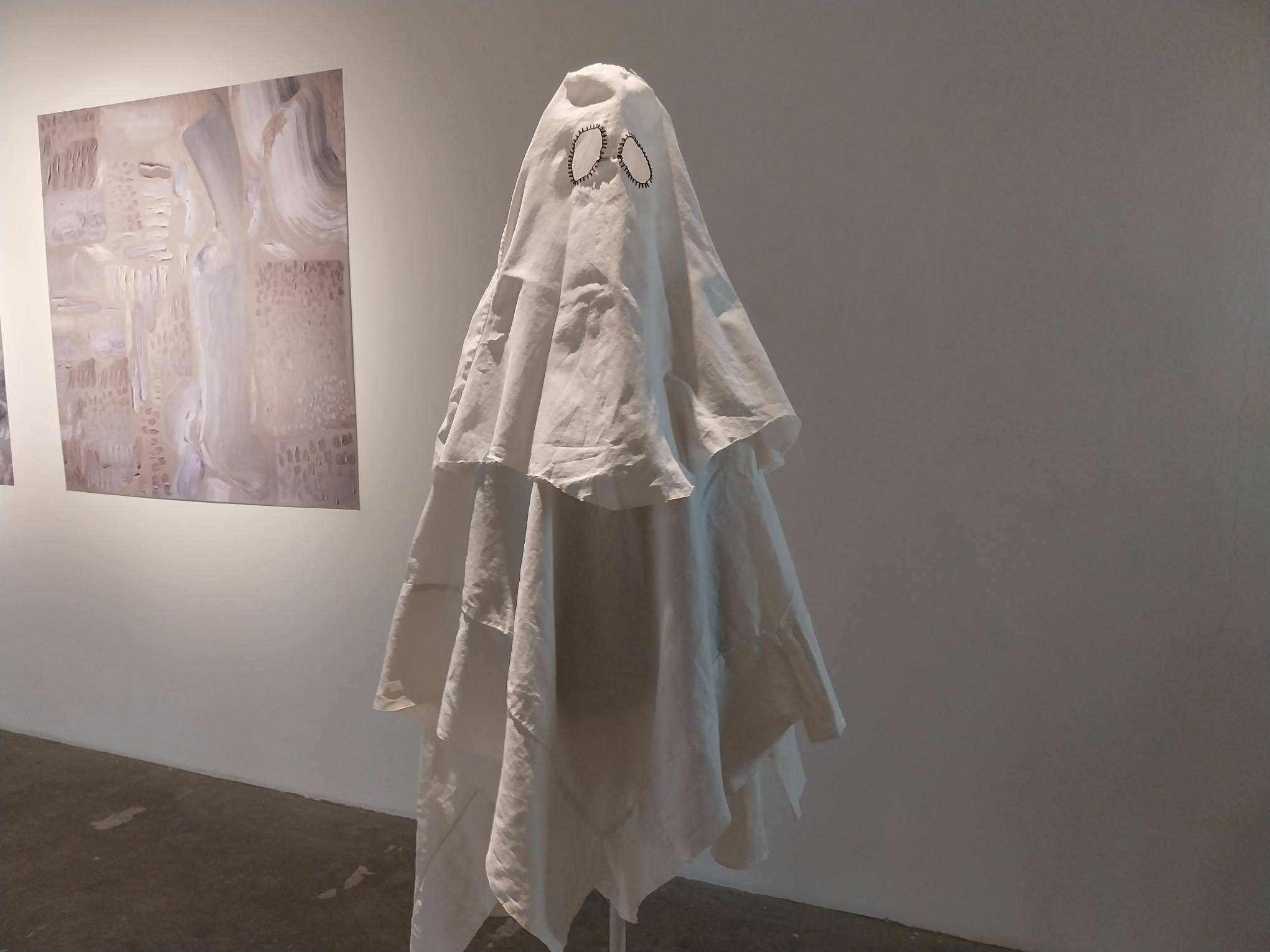
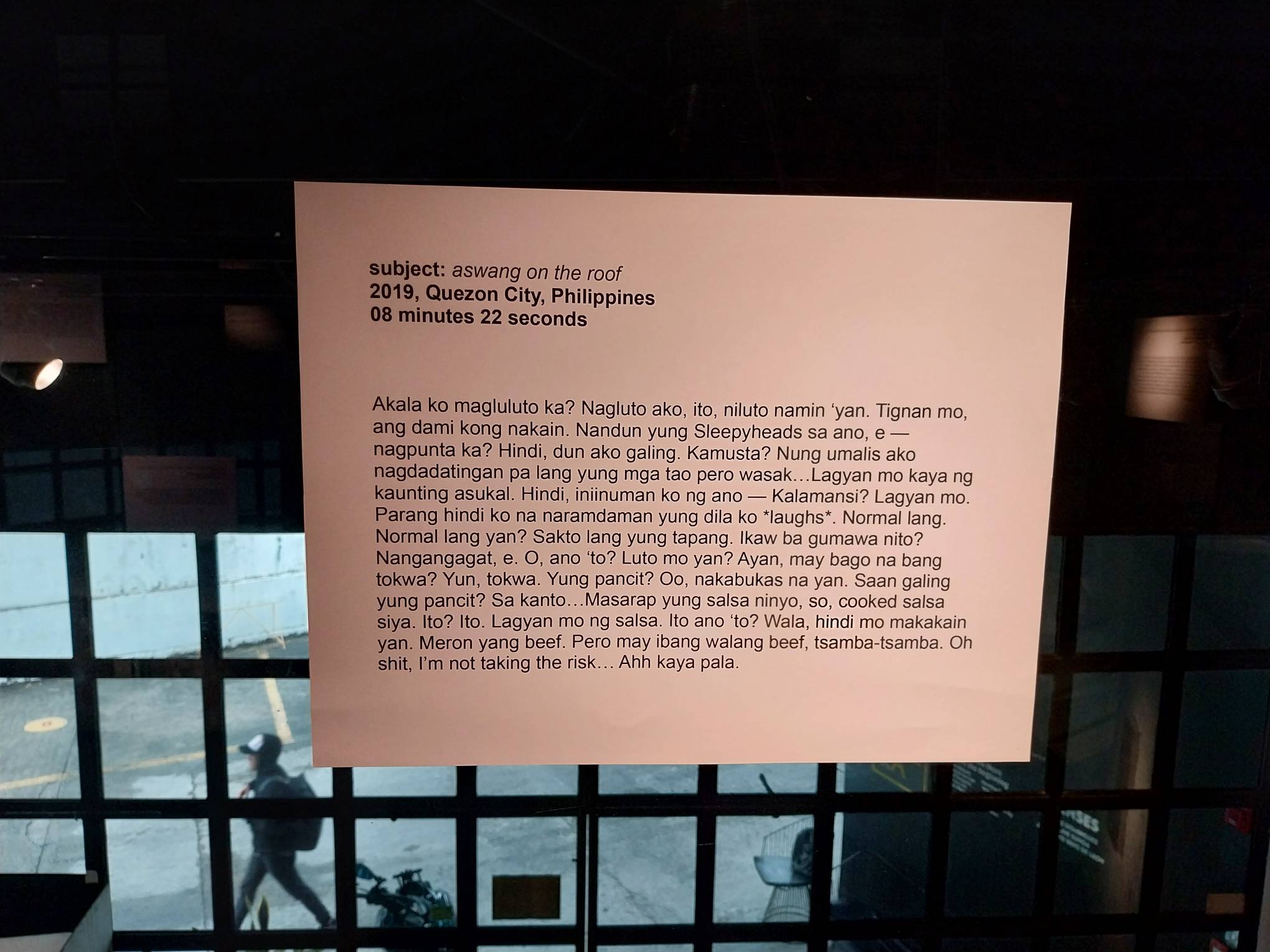
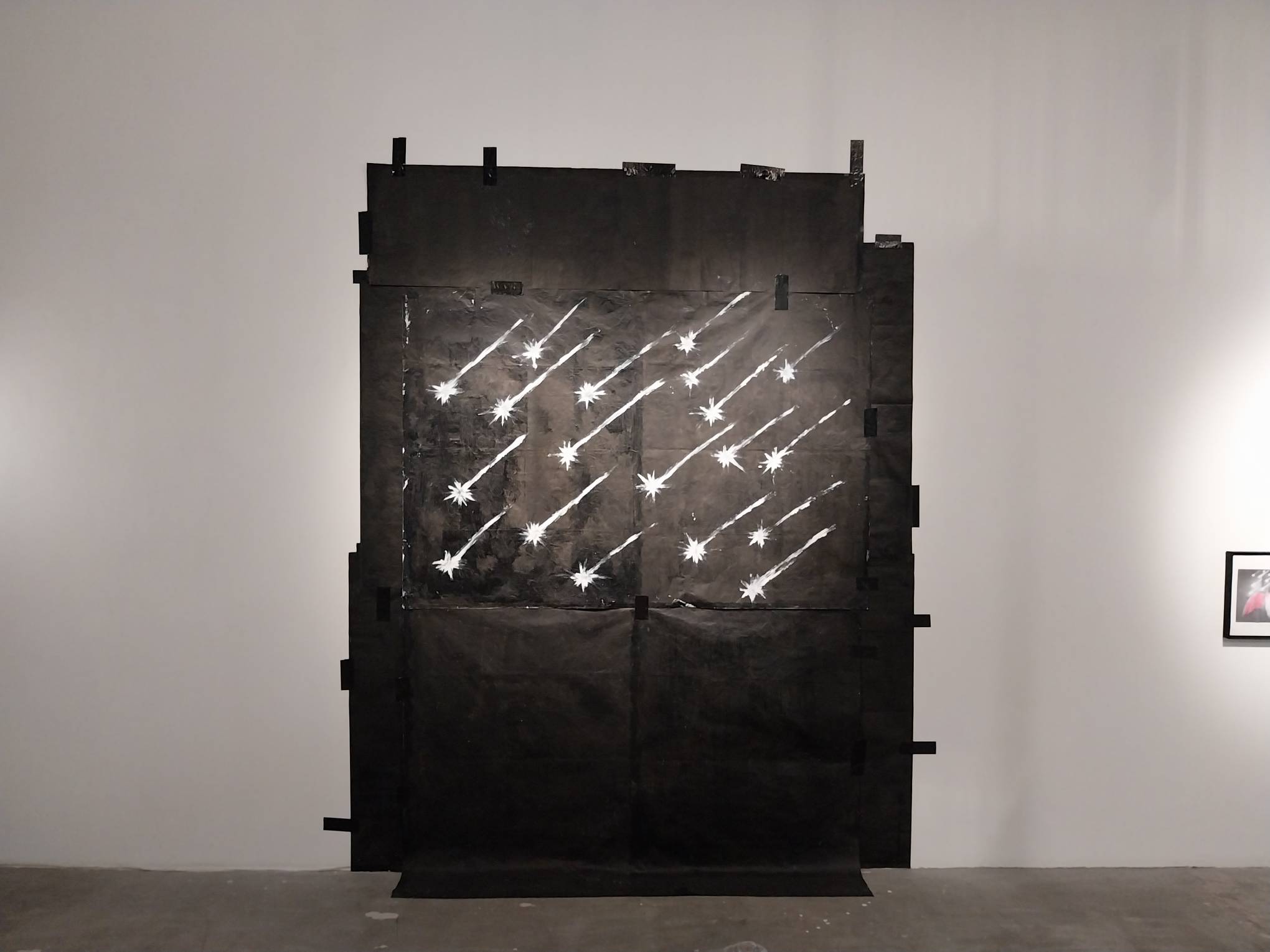
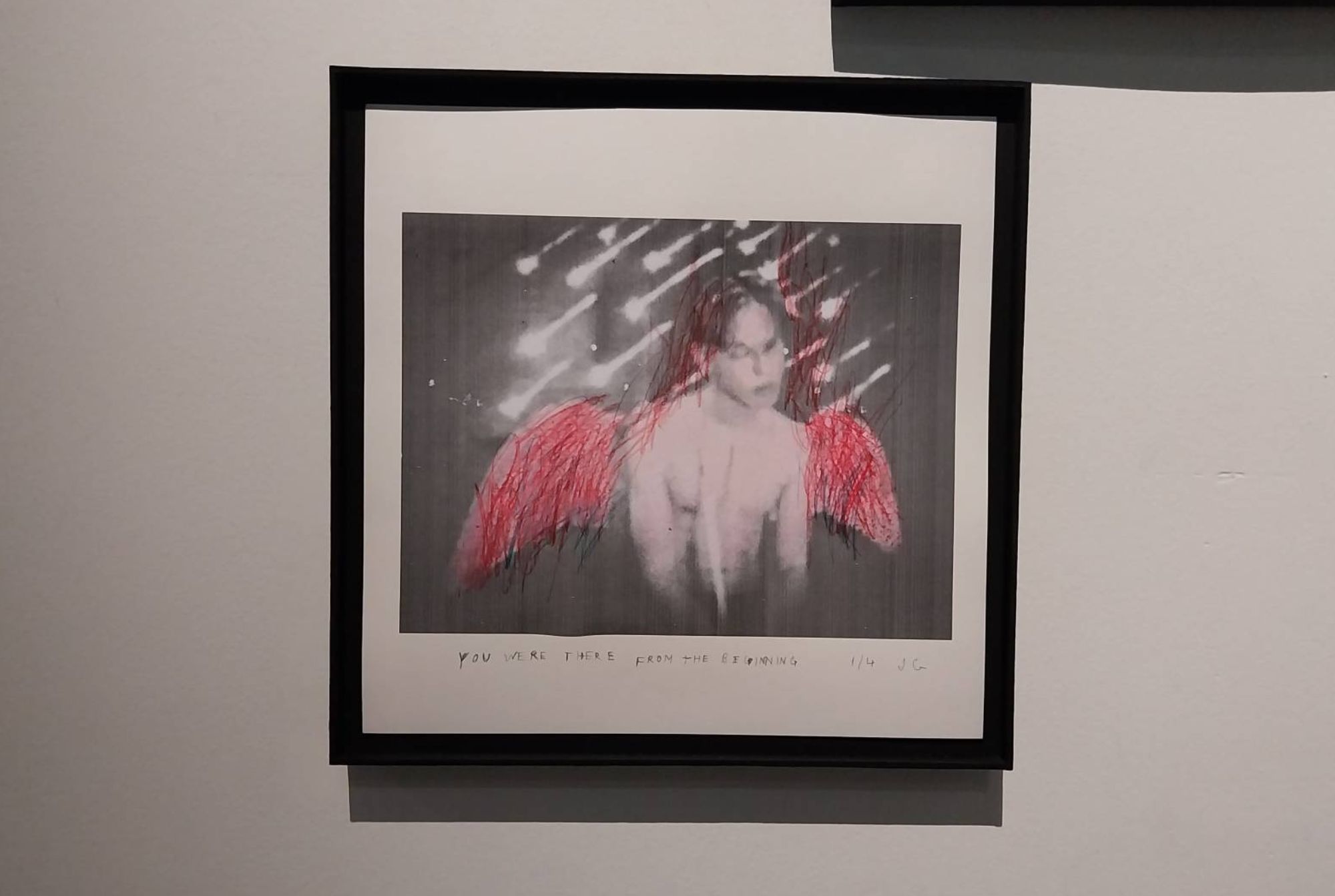
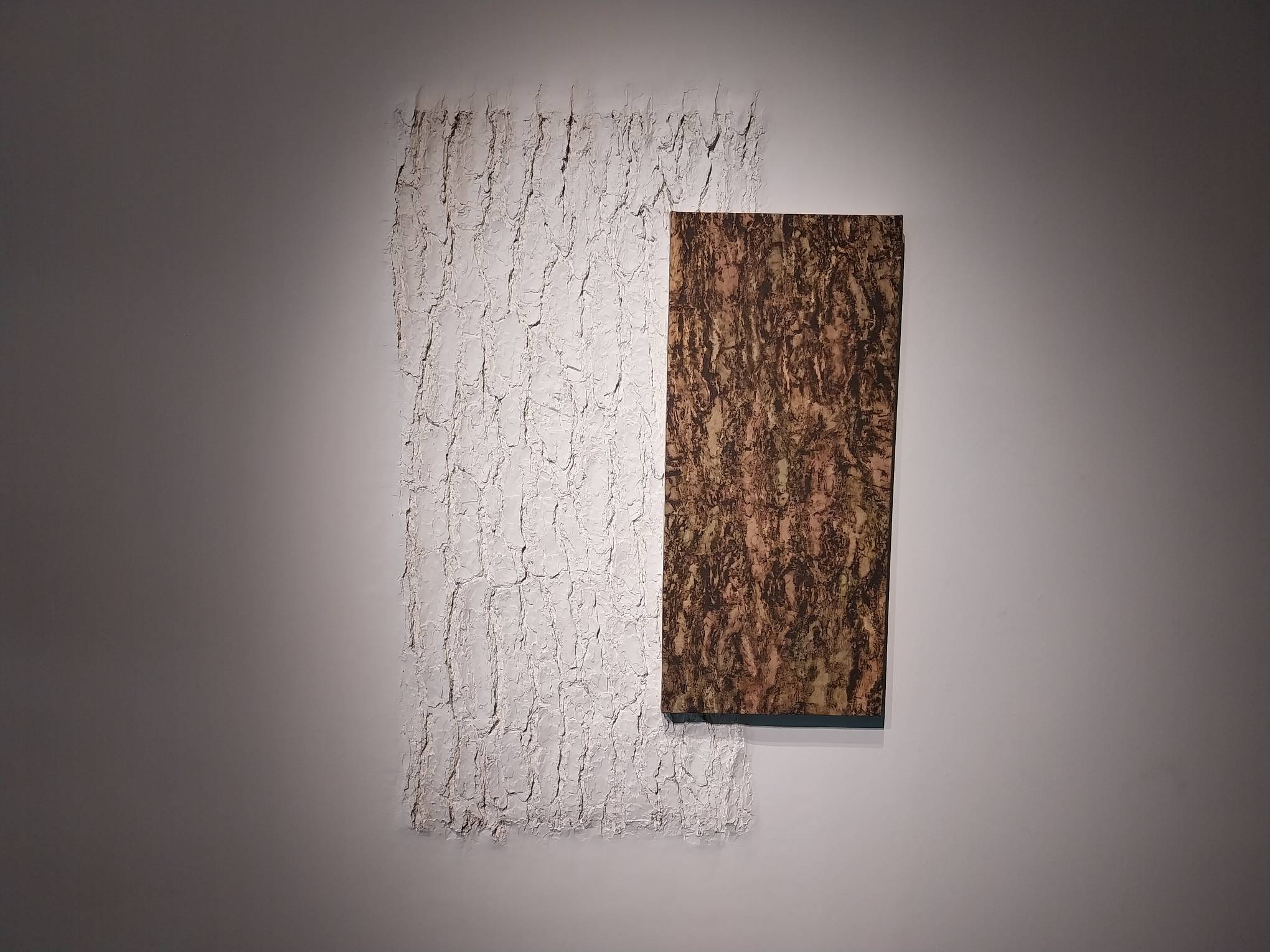
This exhibit straddled that line very well as it explored the nuances that exist in the vagueness of religious reality. The use of religious imagery comes at never knowing the full picture of meaning. It’s finding contentment in that incompleteness, crafting a fuller existence accepting that we’ll never really know everything even while we’re alive.
Read more: ‘you were there from the beginning’ Explores a New Take on Loneliness
‘Pwera Usog’
The final exhibit spotlighted here is another group exhibition from Gravity Art Space. This one revolved around the hypocrisy of society and the art world in general. It utilized religious imagery at times, showing how faith is used to exploit the masses.
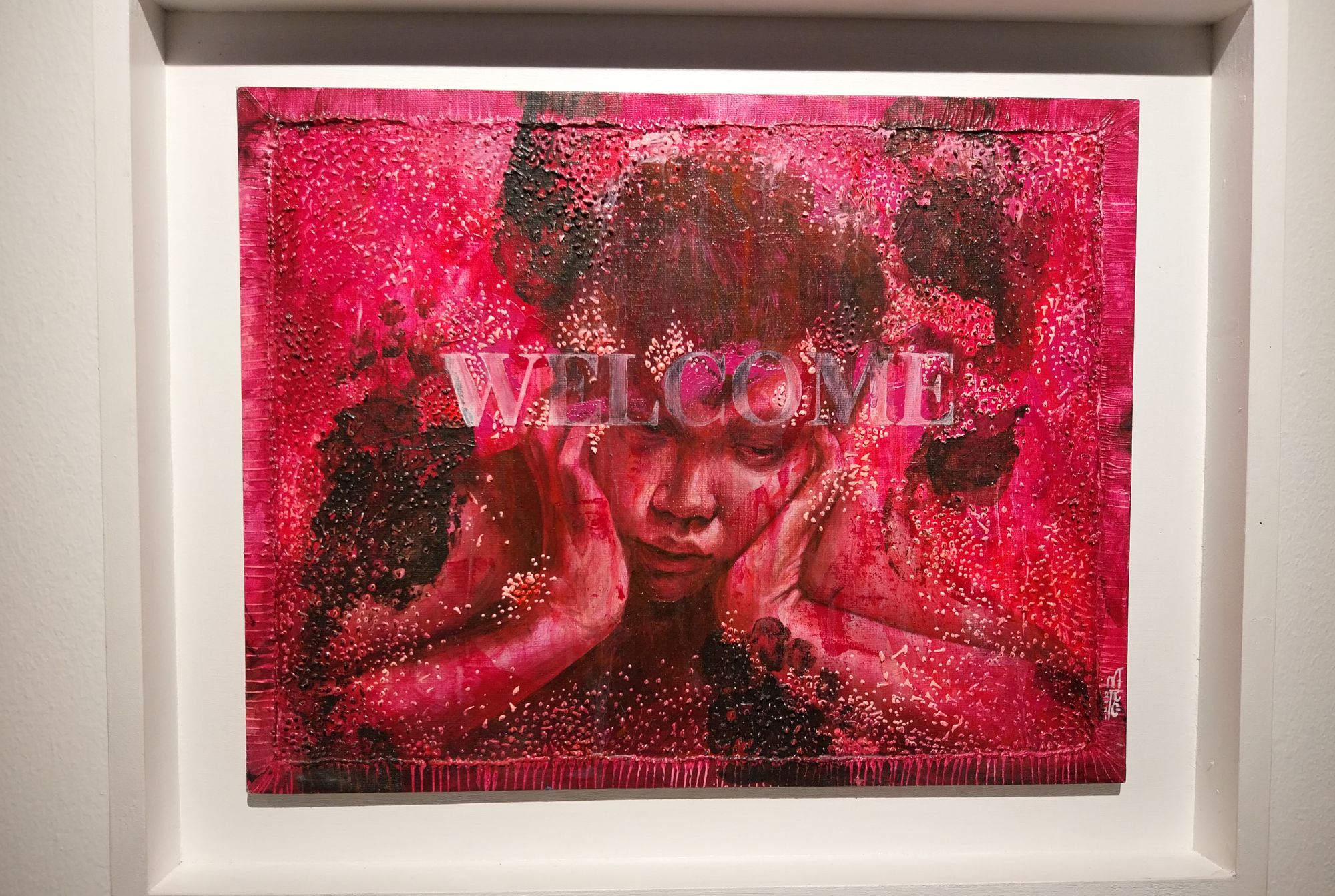
There’s a sense of helplessness in the exhibition, the artworks showing the suffering of people under the specter of religious beliefs. Not just in violence, but in classist attitudes as well: the rich are well-rewarded in a system and religion that teaches poverty as a noble status one must not upend.
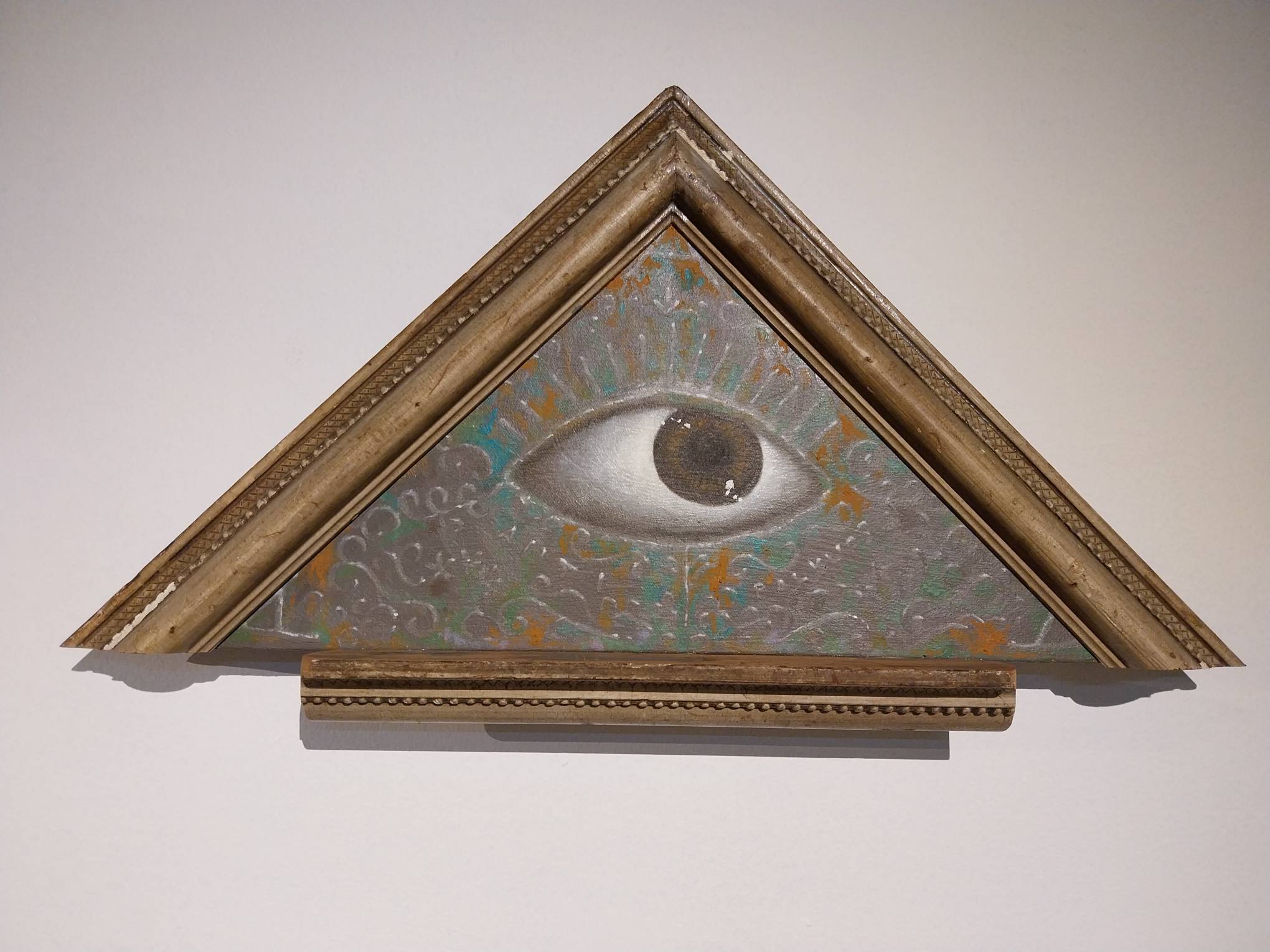
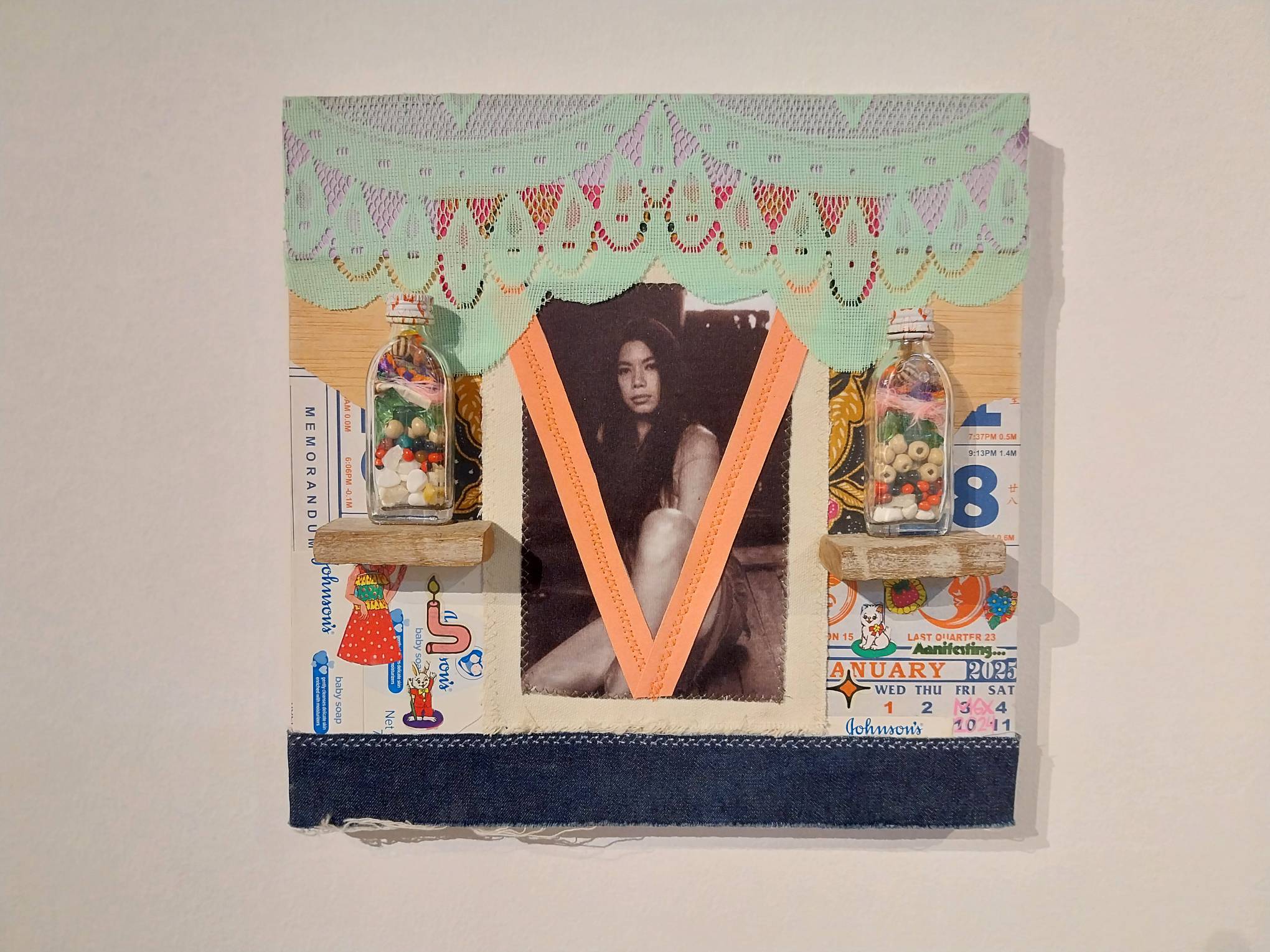
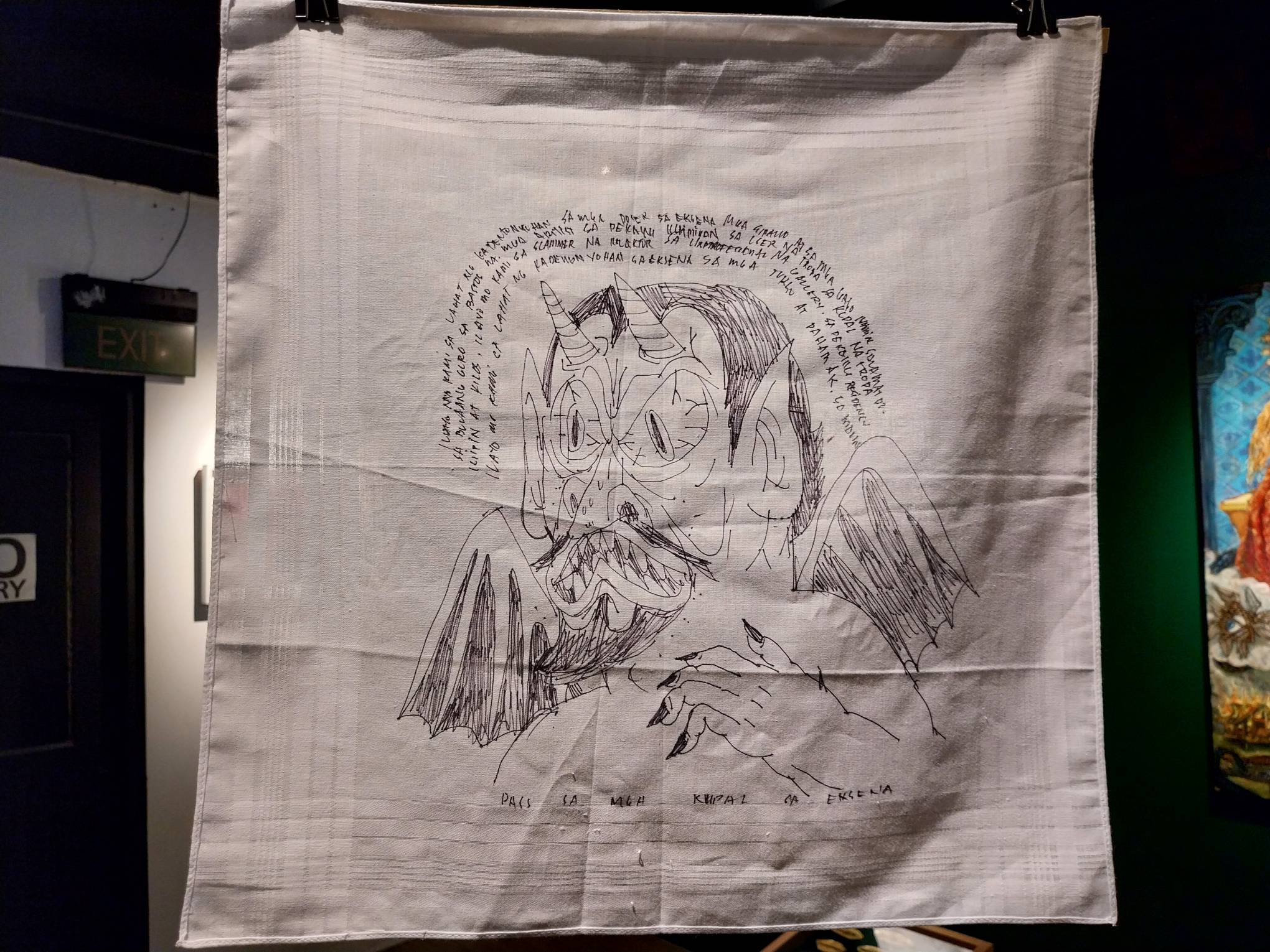
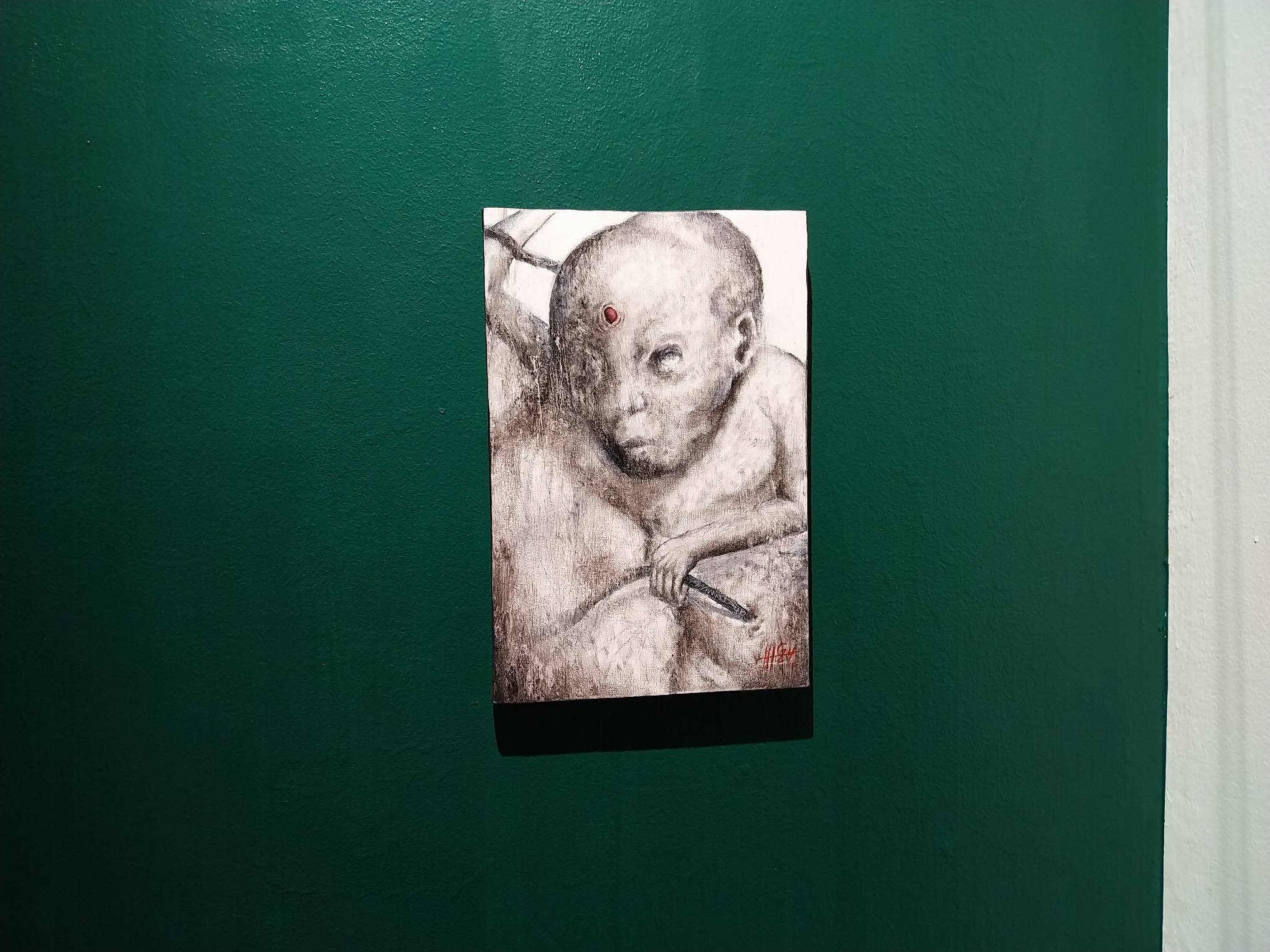
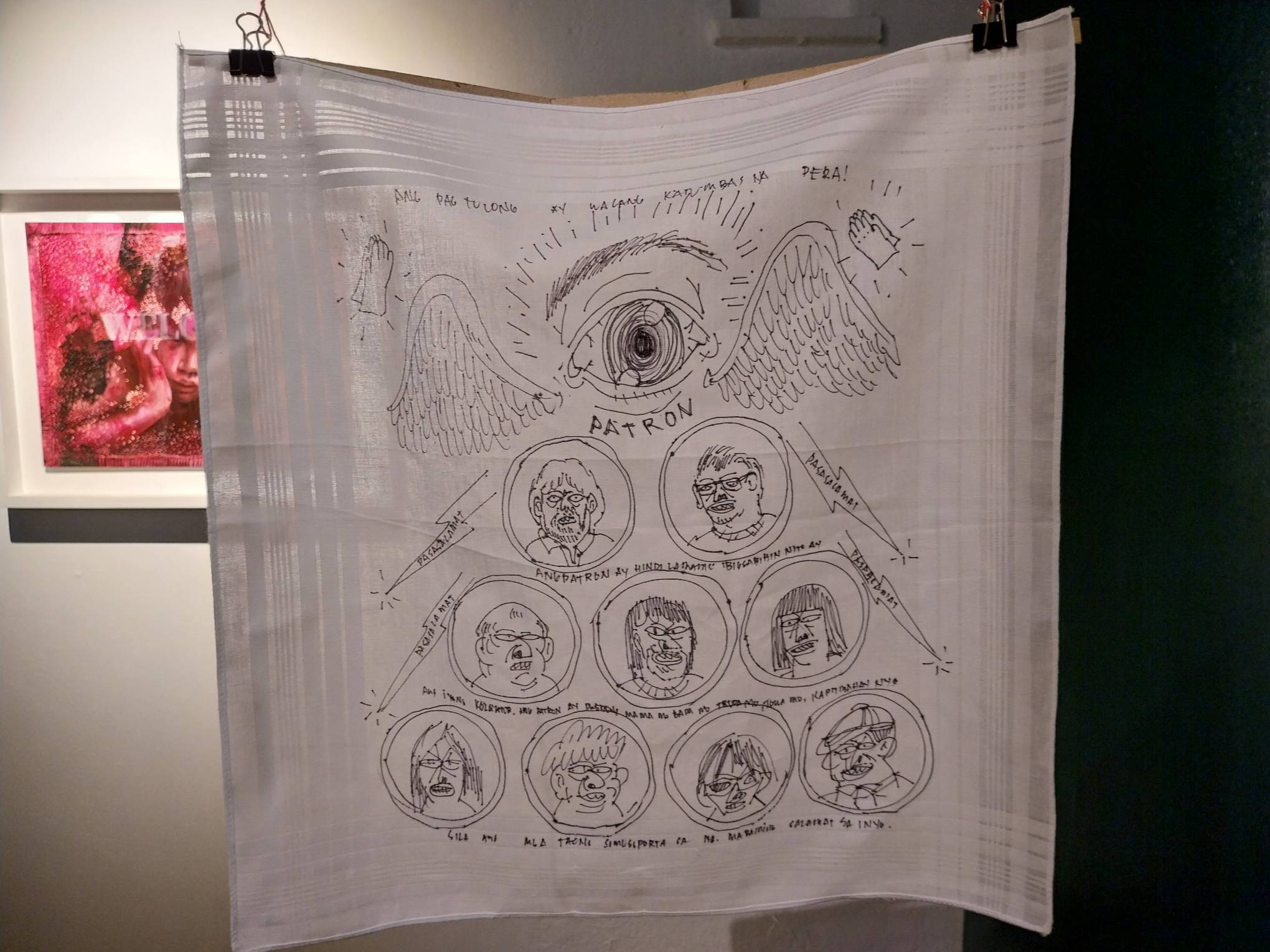
Pwera Usog is complicated, and it touches upon different aspects of society that one feels subjugated by. It rejects an “it is what it is” attitude, calling for change in between the mockeries of the present system.
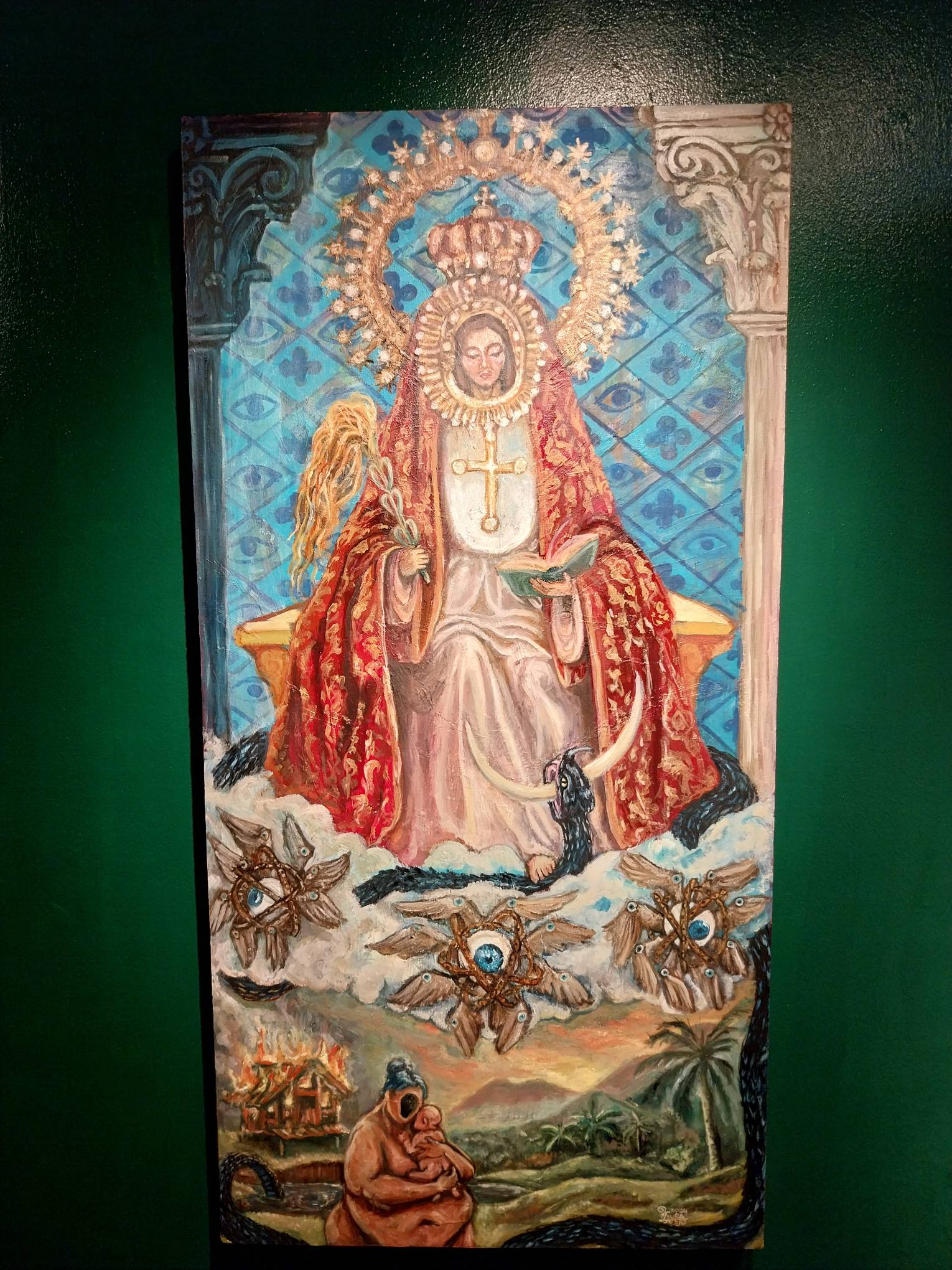
Read more: ‘Pwera Usog’: Finding Freedom from the Hypocrisy of Society
Complicating Religion
As these exhibits show, artists build on religious imagery to find a personal perspective that connects it together with reality. Especially in an age where people are being taught not to question their whole belief systems and instead live in stasis forever, questioning and reinterpreting things becomes an important tool to protect one’s self from blind acceptance of the status quo.
A better society starts with questioning what’s nakagawian na. And then, moving forward from questioning to finding something that creates a more equal and open society for all.
Photos by Elle Yap.
Related reading: 7 Famous Churches in the Philippines
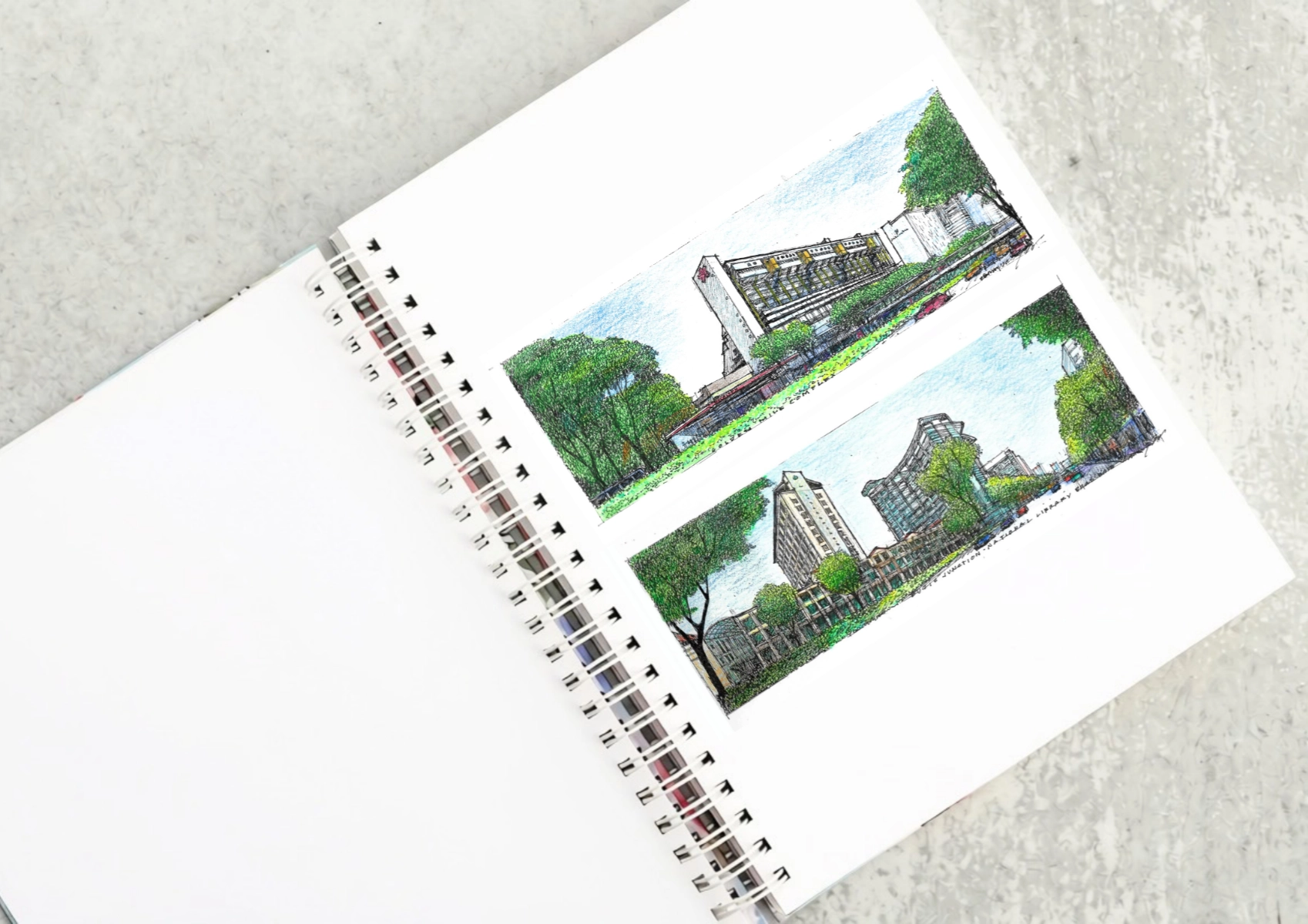
Two sketches of Singapore connect BluPrint Editor in Chief Paulo G. Alcazaren’s personal and professional history with Shared Ground: ArchitectureArchitectureThe art and science of designing and constructing buildings, structures, and spaces that are functional, safe, and aesthetically pleasing. It encompasses the planning, design, materials, and techniques used to createGo to Architecture Glossary of Care, Culture, […]
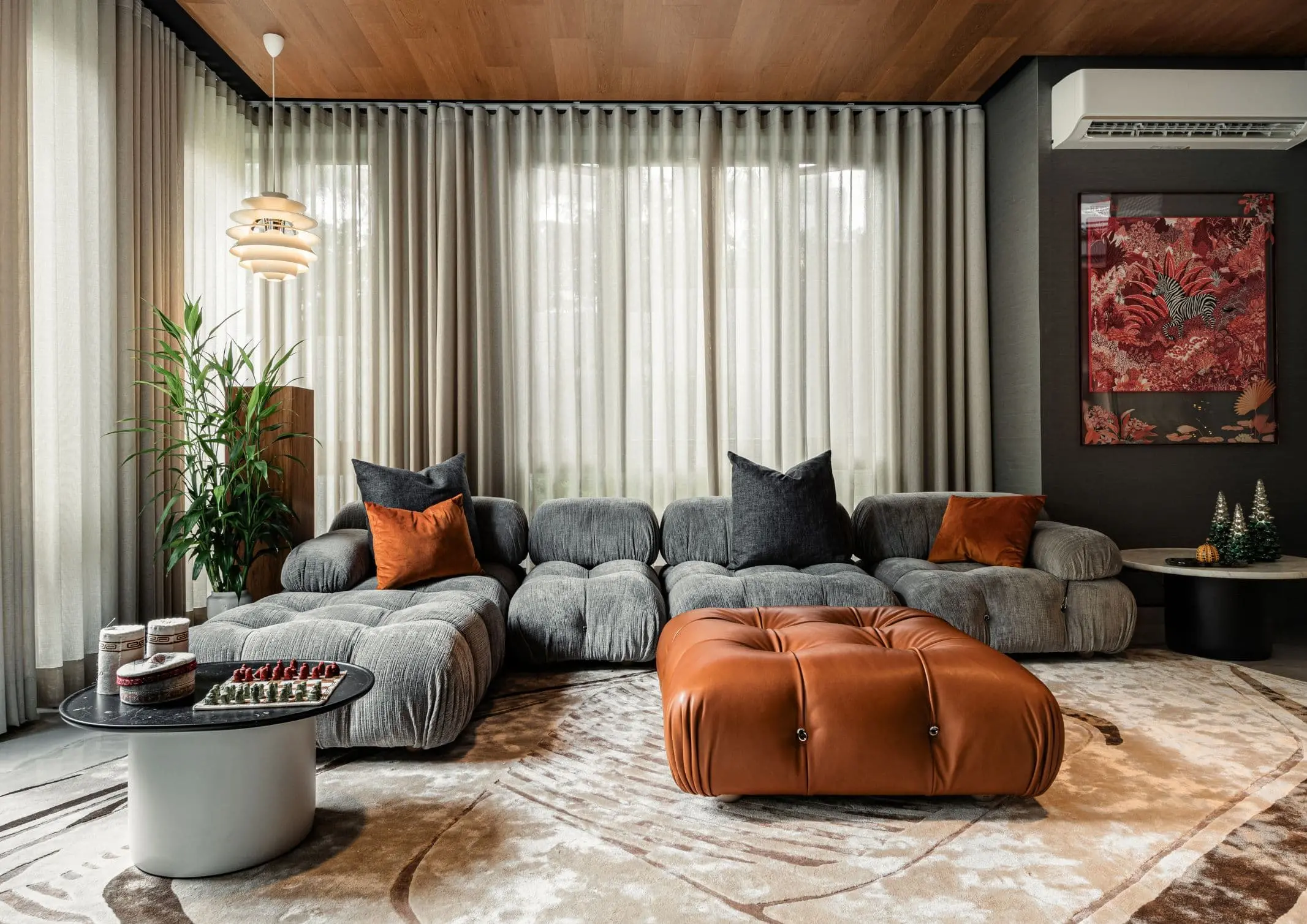
Some have become household names – Coleman, Oster, and KitchenAid – products that have found their way into Filipino kitchens, homes and family routines. In home furnishings, brands such as B&B Italia, Ethan Allen, Sub-Zero, Miele, SieMatic, Louis Poulsen, Hunter Douglas, Tempur, and Technogym, have helped shape the way Filipinos live. From everyday essentials to […]
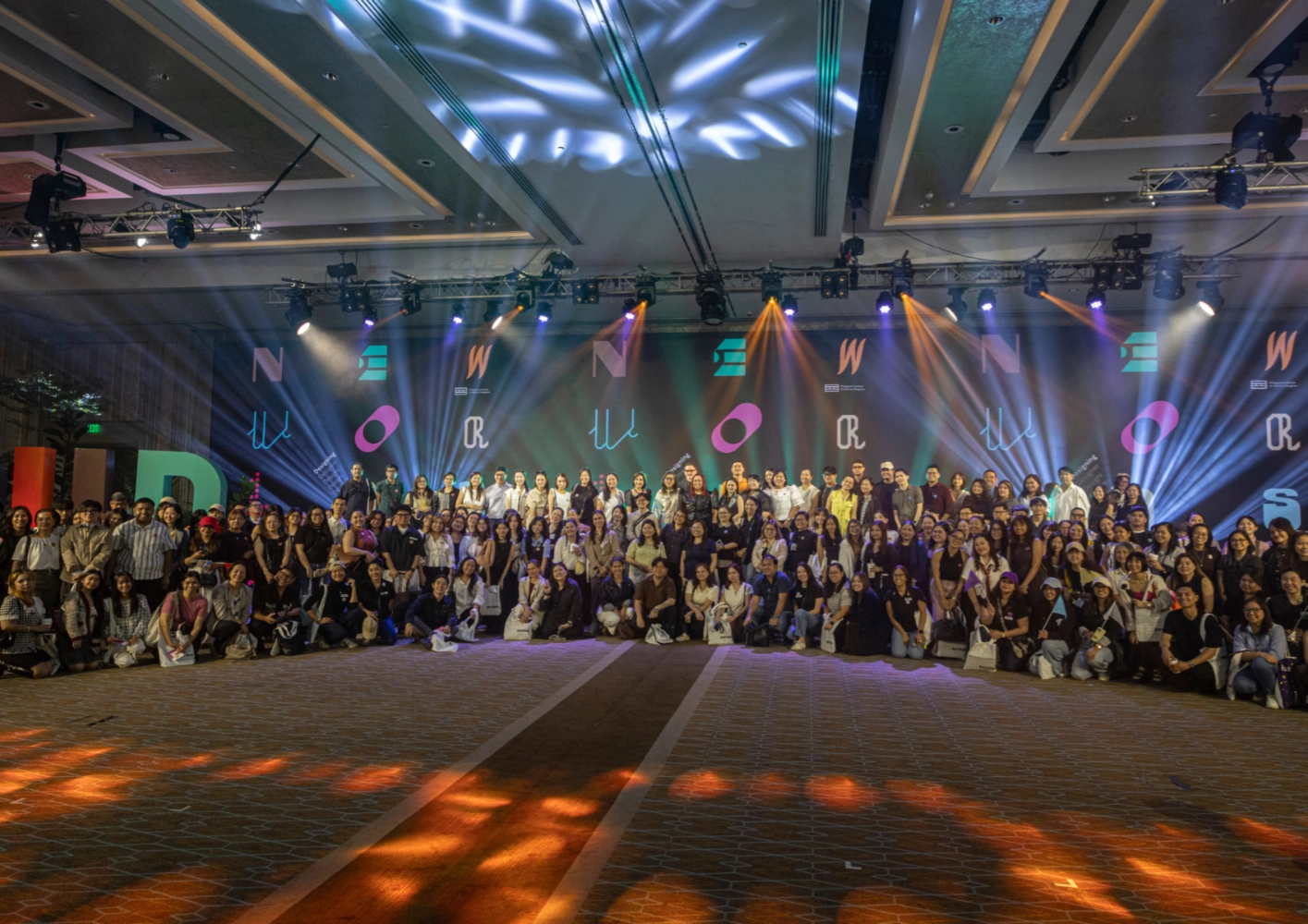
In a way, designers are the modern-day soothsayers and prophets. They design for the future, predicting how a room, a house, a building or a whole city will be used by people. They foresee how users will interact with a space, conjure exact shades of colors to elicit specific behavior and arrange furniture to build […]
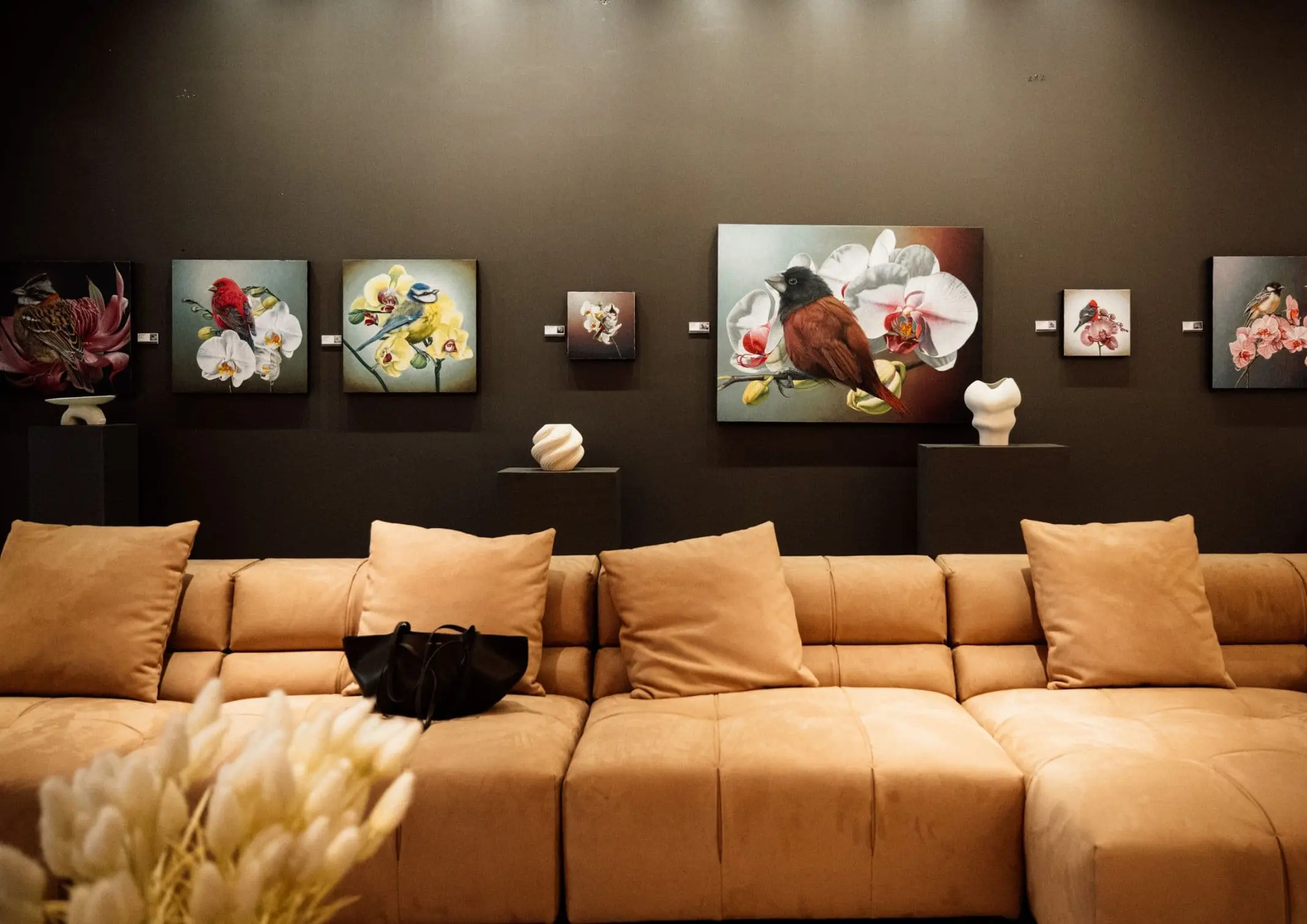
Art and furniture are often selected separately, yet their relationship can shape how a room looks and feels. The collaboration between Hooga and Galerie Joaquin explores how these elements can work together, bringing contemporary artworks into furnished residential settings at Hooga’s showroom in Uptown Mall, Bonifacio Global City. For Hooga, which curates furniture, lighting, and […]
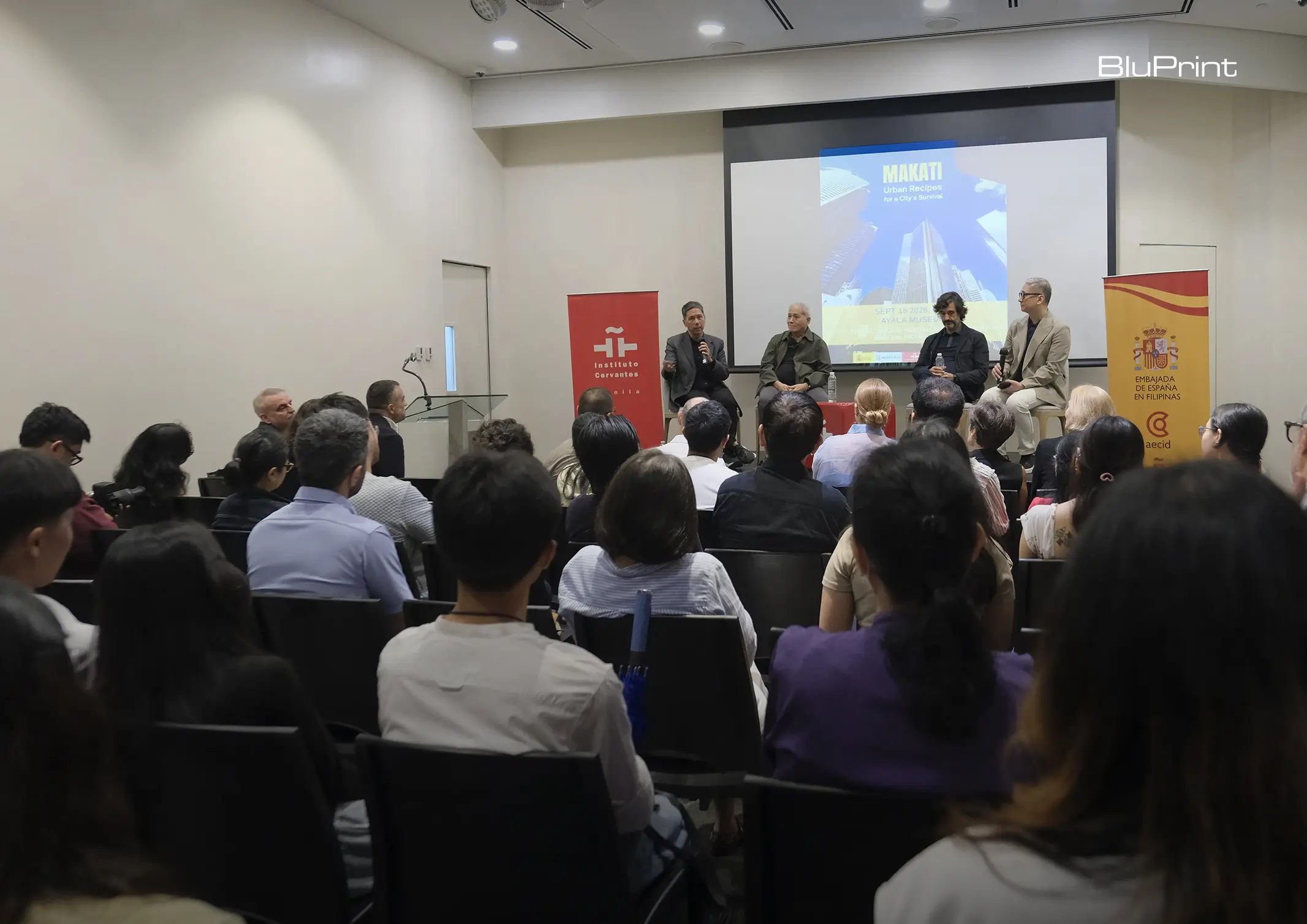
How can better-planned cities create the conditions for more creative, livable, and resilient urban environments? “Makati Urban Recipes for a City’s Survival,” a colloquium held at the Ayala Museum on September 15, brought together architects and practitioners from the fields of urbanism and the creative economy to discuss how design, planning, and collaboration can address […]
Read the issues.

Collect the volumes.

Recommended Video
Tap to Unmute
Unmute
0:00
0:00