Bigkis is the act of binding. In Tagalog, the word can refer to something used to bind or encircle, as well as a bundle formed by tying several separate elements together. Figuratively, it can also mean a bond, union, or unity. The meanings move from the physical act of joining things together to the connection […]
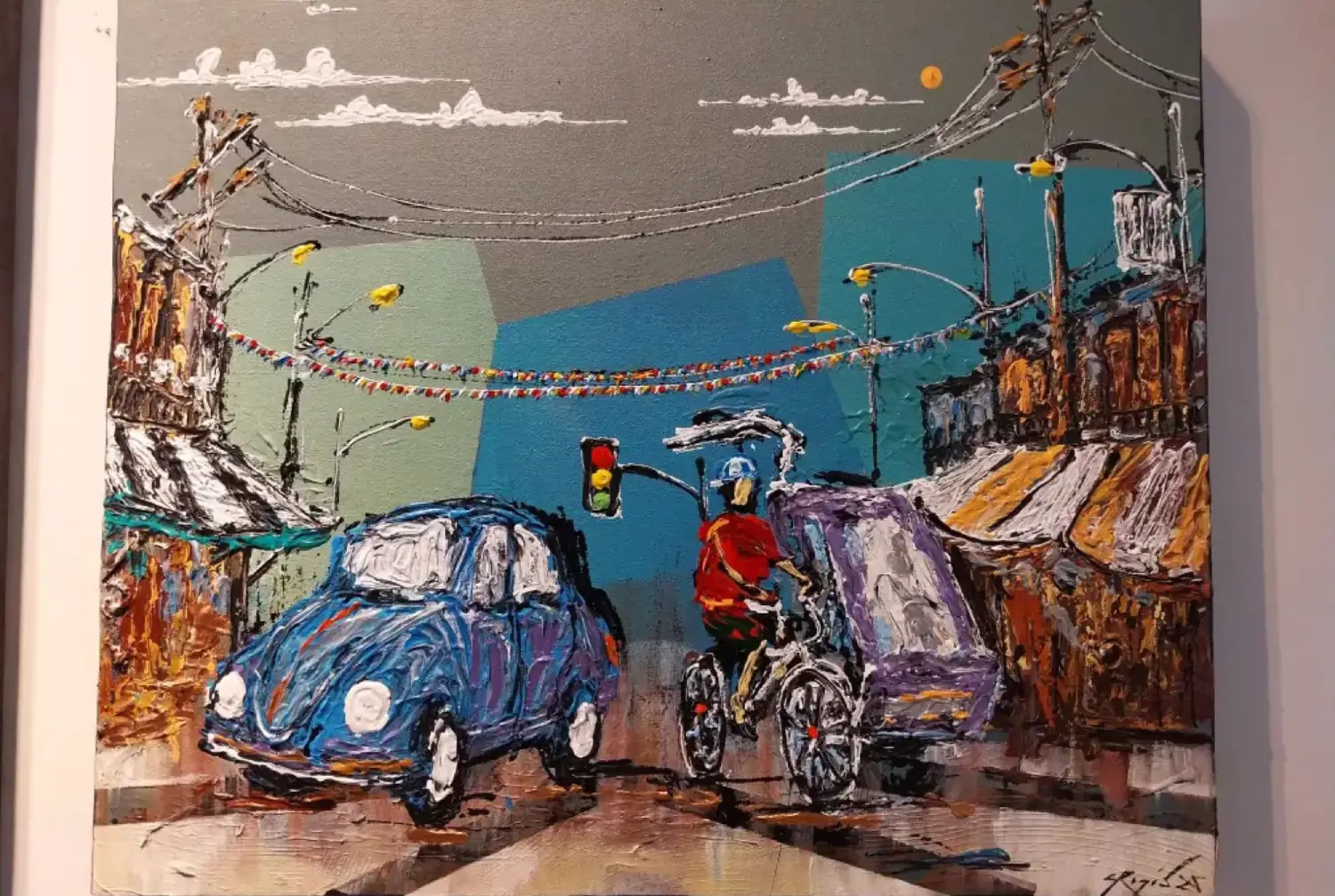
‘What Now?’: Christian Regis Transforms the Urban Landscape



The constant changes in society can be truly hard to deal with, a ruinous pain especially with how quickly things of the present become things of the past. What Now?, the new exhibit of artist Christian Regis at Kapitolyo Art Space, crafts a chaotic representation of our world, pondering upon the transformation of our city and the traditions we discard and keep.
Regis crafted this exhibit as something that’s in conversation with his 2024 exhibition, What If?. That exhibit explored more of the possibilities of the world before us, a look into how we see the future. What Now? appears to be in the same line of thought, but this time asking ourselves about how the past shapes the way we live today.
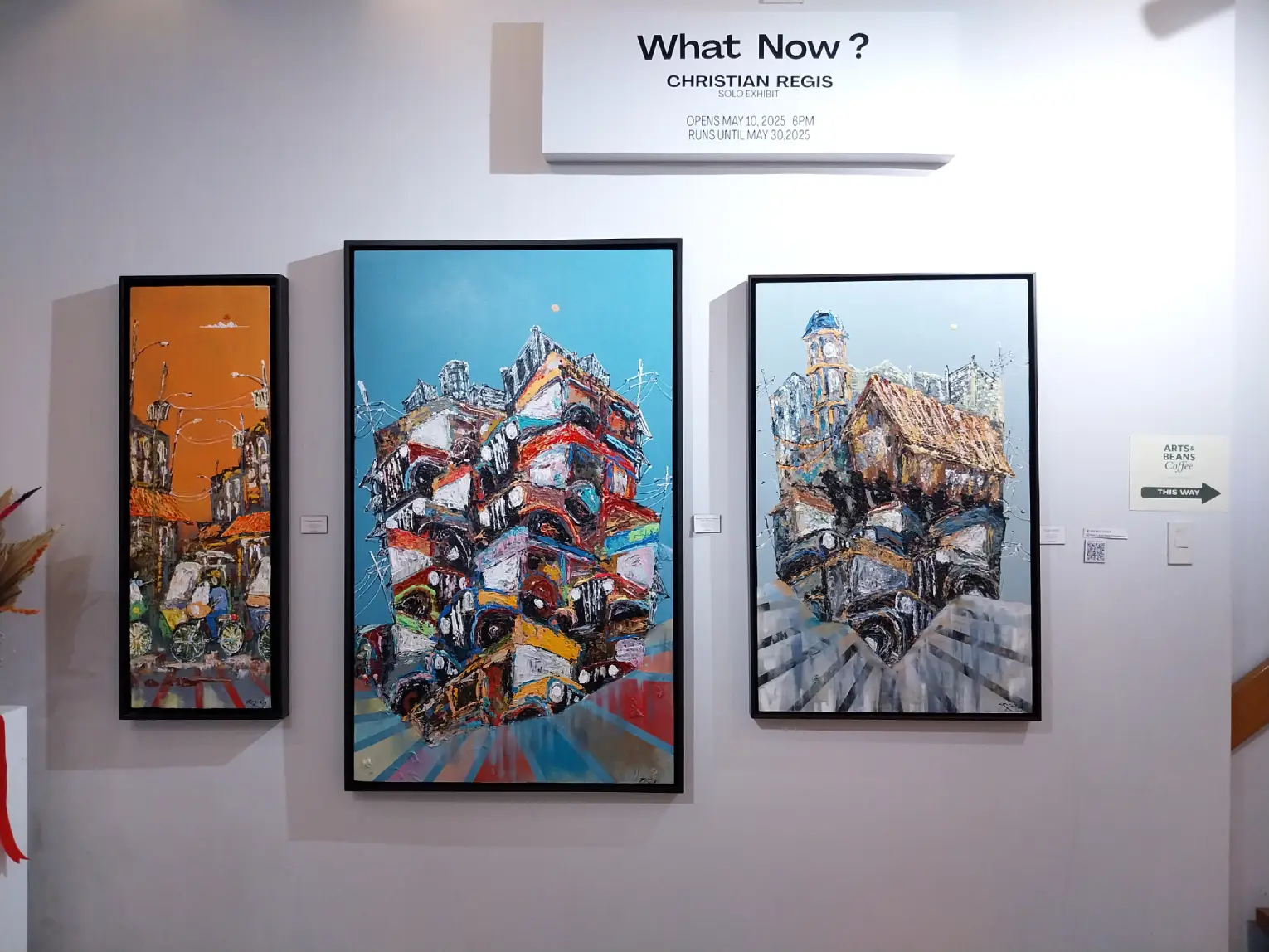
“His works trace the quiet tensions of a society in flux—where signs, gestures, and moments linger just long enough to remind us of what’s slipping away,” the exhibit write-up said. “They
confront the erasure of lived traditions and prompt a reckoning with what remains. Each piece is a testament to how culture teaches, resists, and dissolves in a world constantly reinventing itself.”
A Snapshot of Our Everyday Life
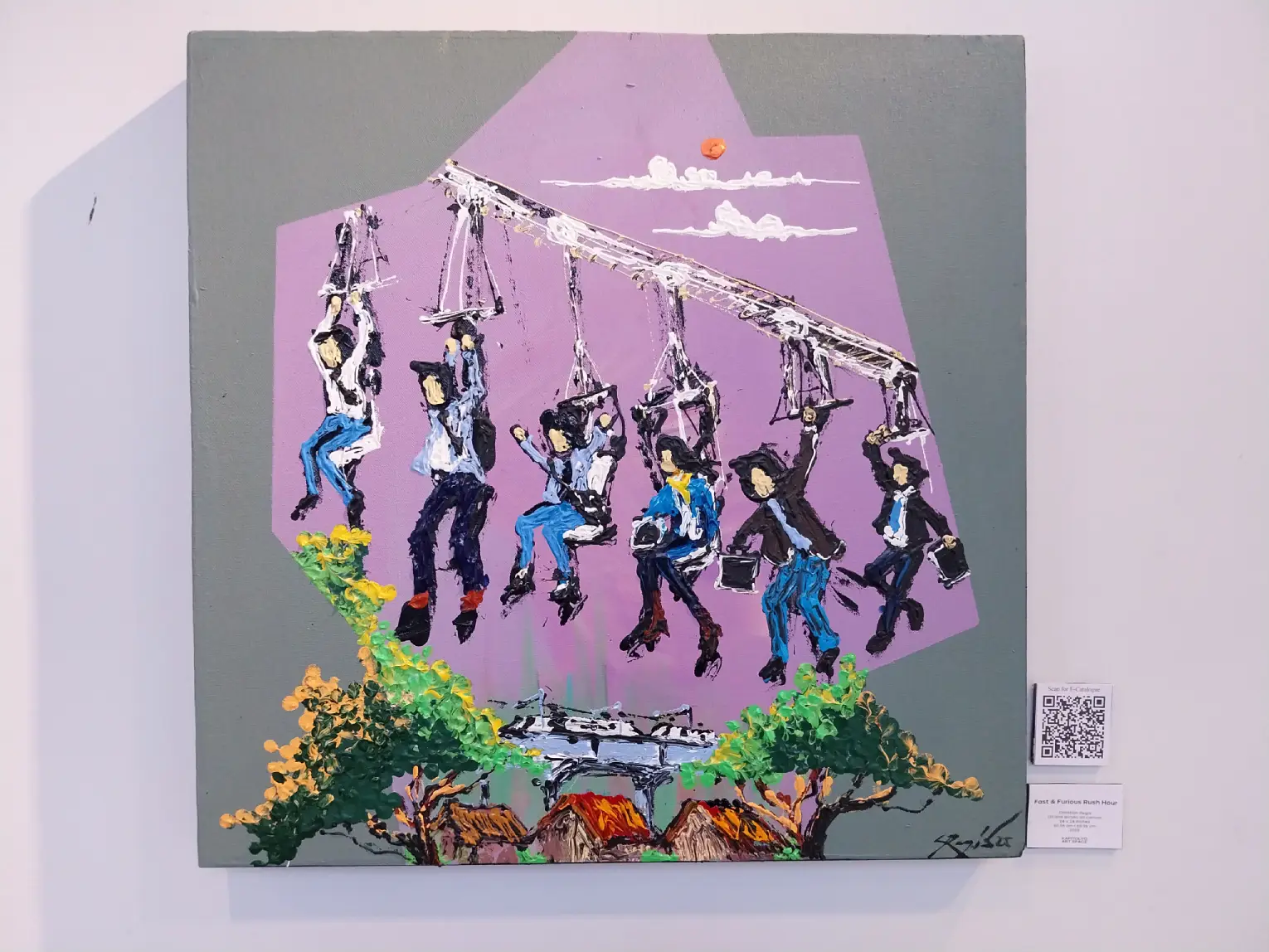
The artworks Christian Regis creates for What Now? pinpoints a wild sense of humor in depicting the Philippine commuting experience. Some of the paintings depict commuters in treadmills or ziplines as they attempt to navigate our notoriously bad traffic situation.
Others appear to contort the buildings and vehicles into strange shapes as if trying to fit through the miniscule nooks and crannies that commuting forces one to go through to escape the bedlam. There’s a zaniness in some of these paintings that can only be seen as frustration from having to experience a crumbling traffic infrastructure on a daily basis.
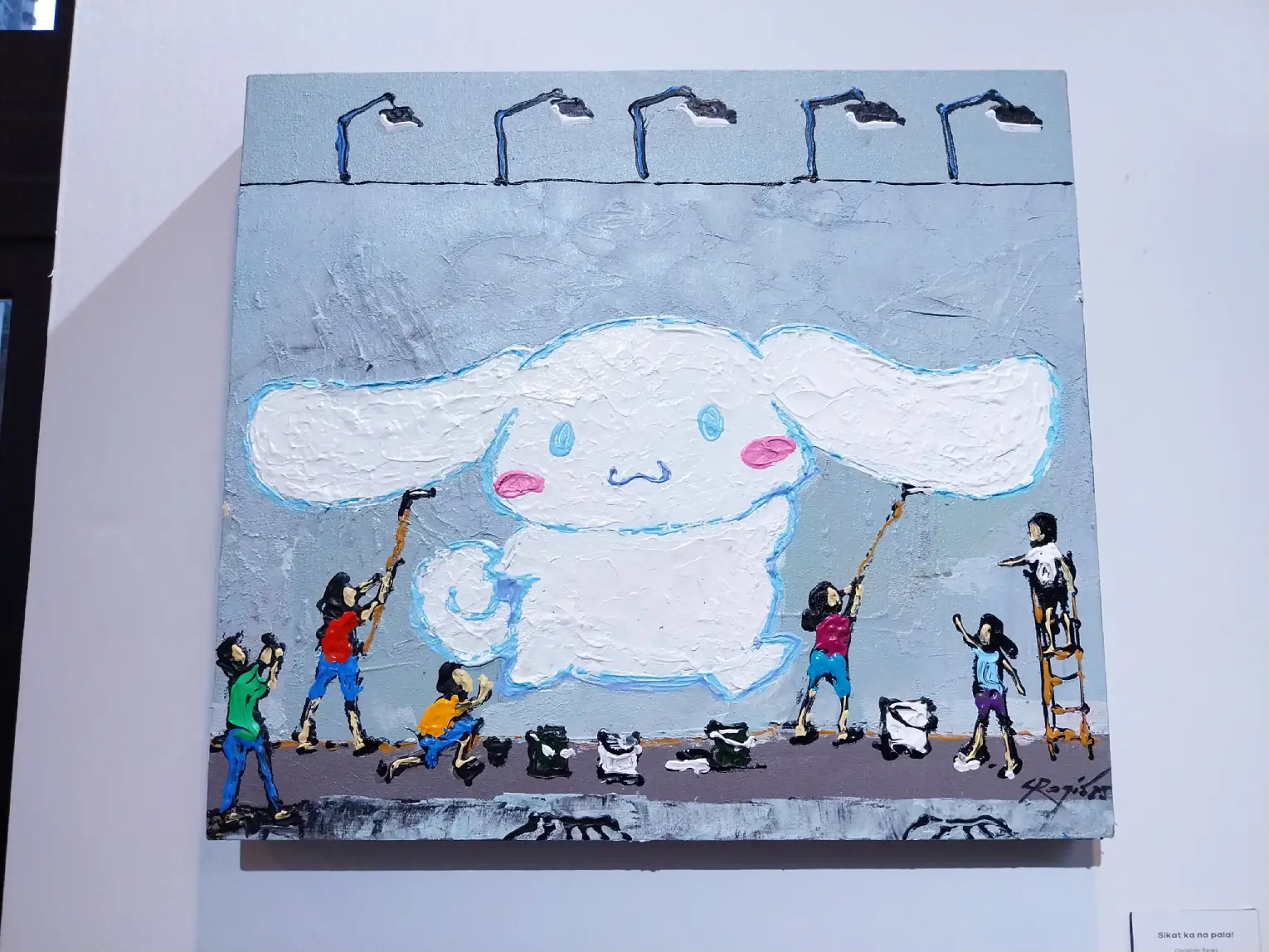
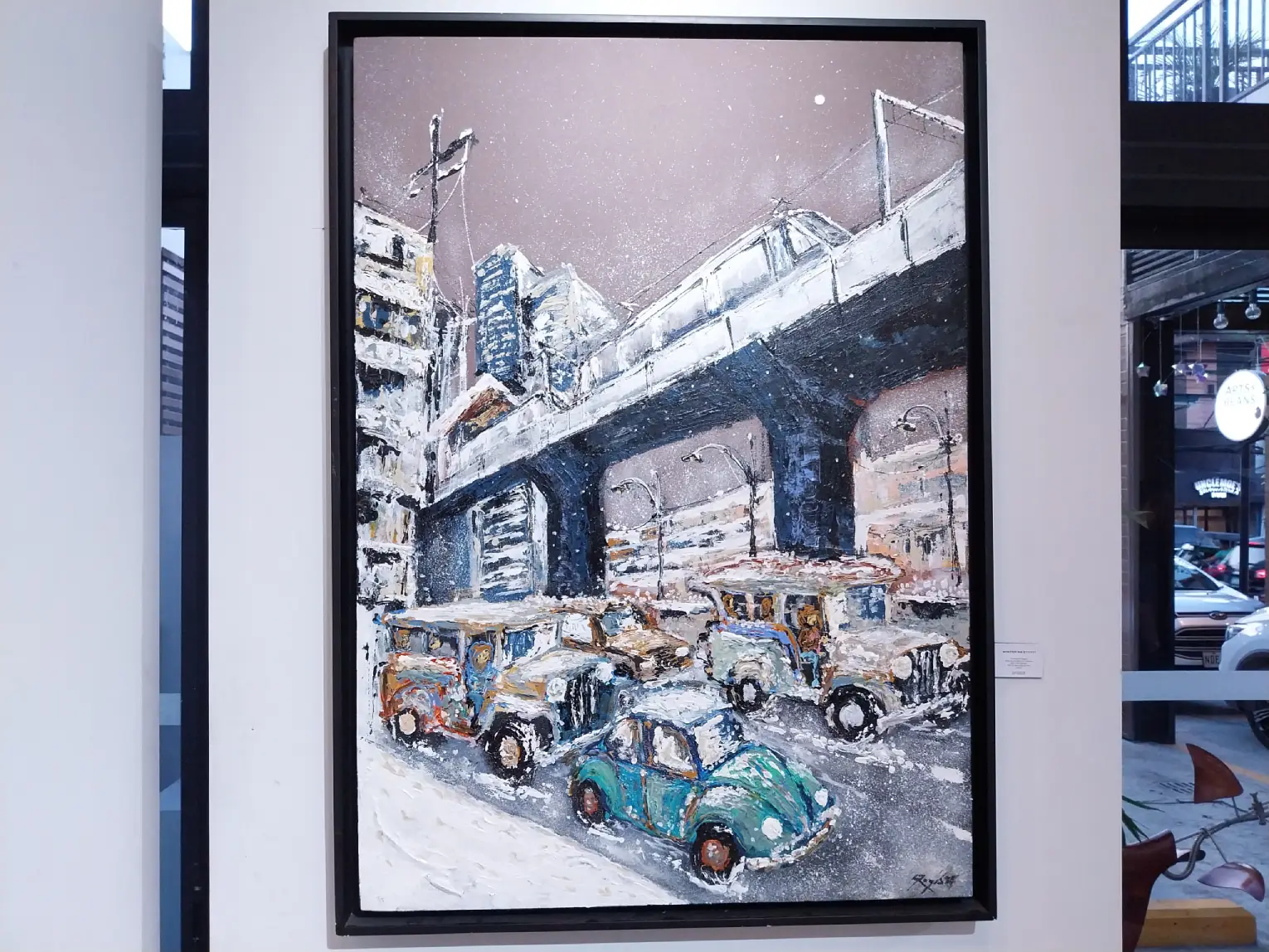
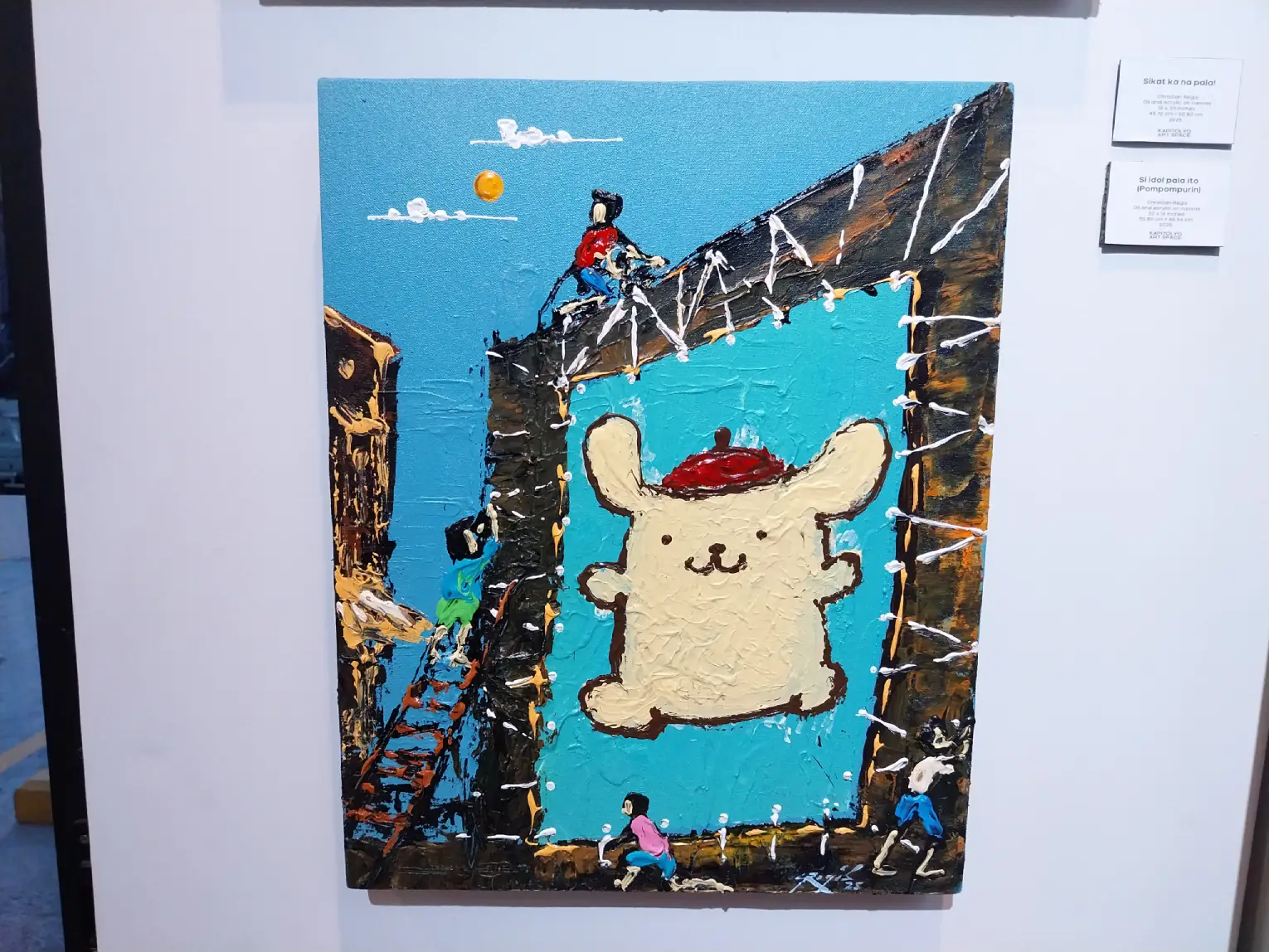
“Inspiration is more sa society natin. Some things aren’t meant to be neglected, pero I notice it nga, kaya this is what lumalabas sa canvas, yung mga things na hindi naman—na dapat bigyang pansin pero hindi binibigyang pansin,” the artist said. “Most of it, yung mga everyday life na nawala na, dapat nakikita pa rin.”
A prominent symbol that Christian Regis kept including within the exhibit is the jeepney; a colorful figure of a past that’s slipping away as our roads become more and more homogenized. With the traditional jeeps being replaced by mini-buses, his perspective on it is that maybe its design shouldn’t be changed; that it should exist as a monument of the past.
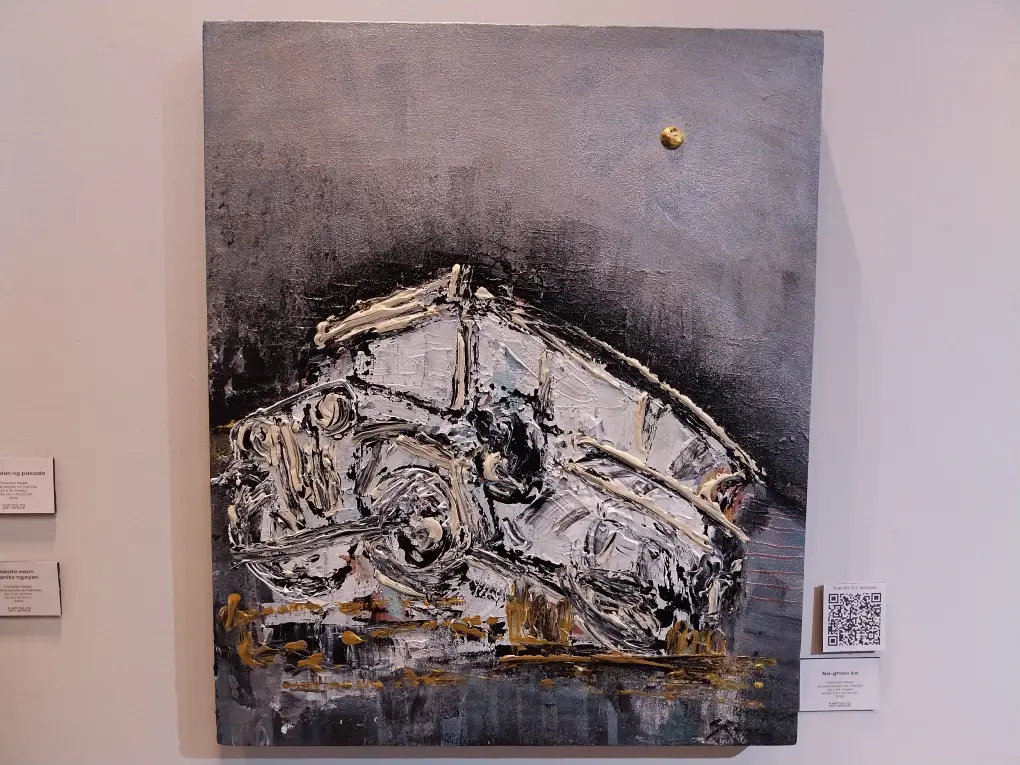
“Just one thing na nilagay ko sa painting na, ‘you cannot replace this icon. You can modernize it, but you cannot replace what it looks like.’ Pwede mo naman pagandahin, palitan ang makina or something, i-re-invent mo ang design, pero wag mo baguhin.”
(“You can make it prettier, change the engine or something, re-invent the design, but you shouldn’t change it.”)
Abstracting Our World to Dig New Layers
Tonally, What Now? utilizes both a zany sensibility in its depiction of Philippine commuting life and one that’s drenched in overtones of nostalgia. Some of the paintings feel more traditional, showing kalesas, ice cream vendors, and tricycle drivers plying through the streets as they work their trade, backgrounded by a dreamy depiction of buildings and colorful skies.
Despite their differences, the tones don’t clash with each other due to Regis’s painting style, where he uses palette knives and a direct application of paints from the tube to the canvas. It creates a distinctive abstract figurative look that makes the art look tactile and physical without removing a sense of whimsy within them.
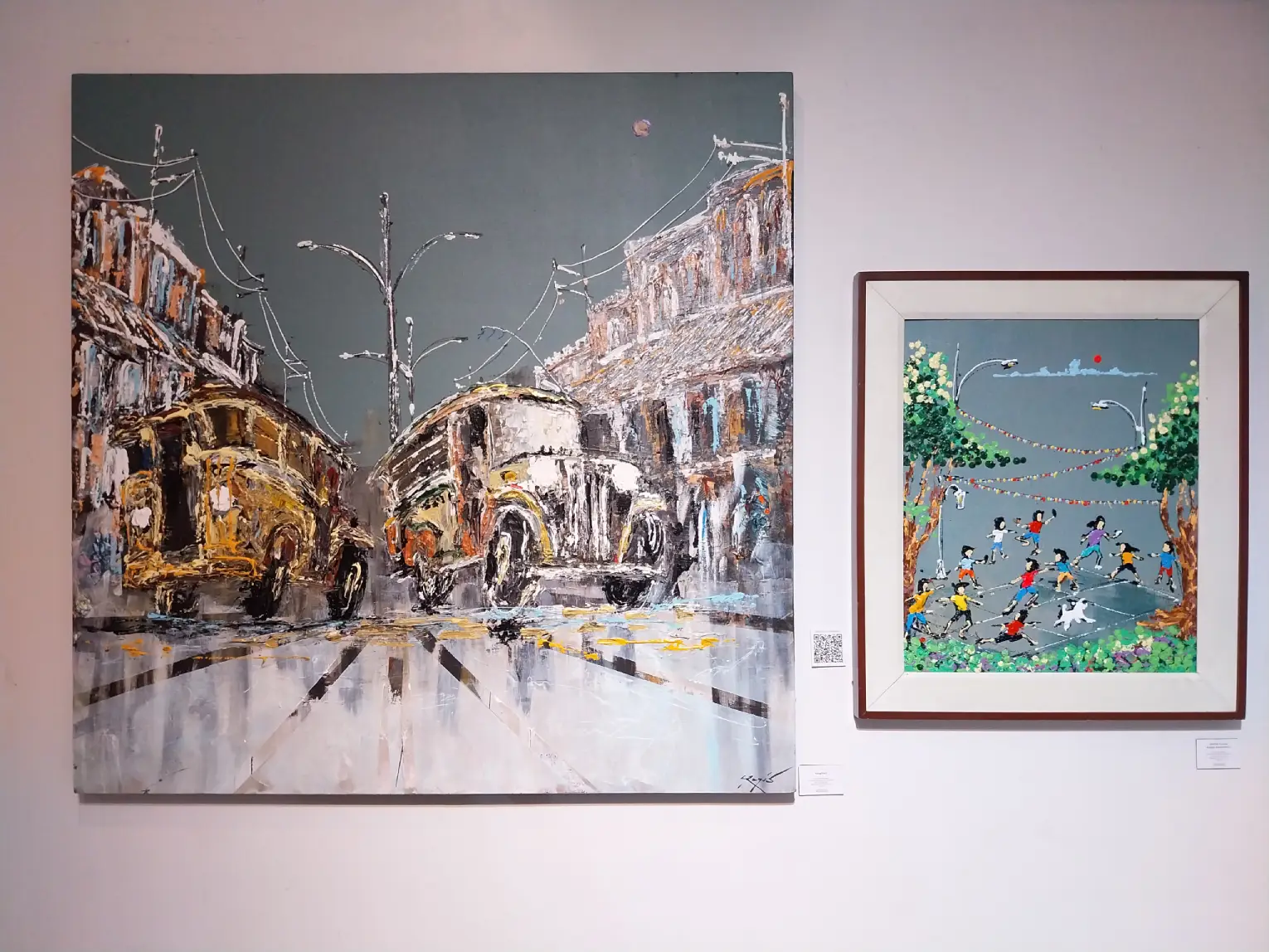
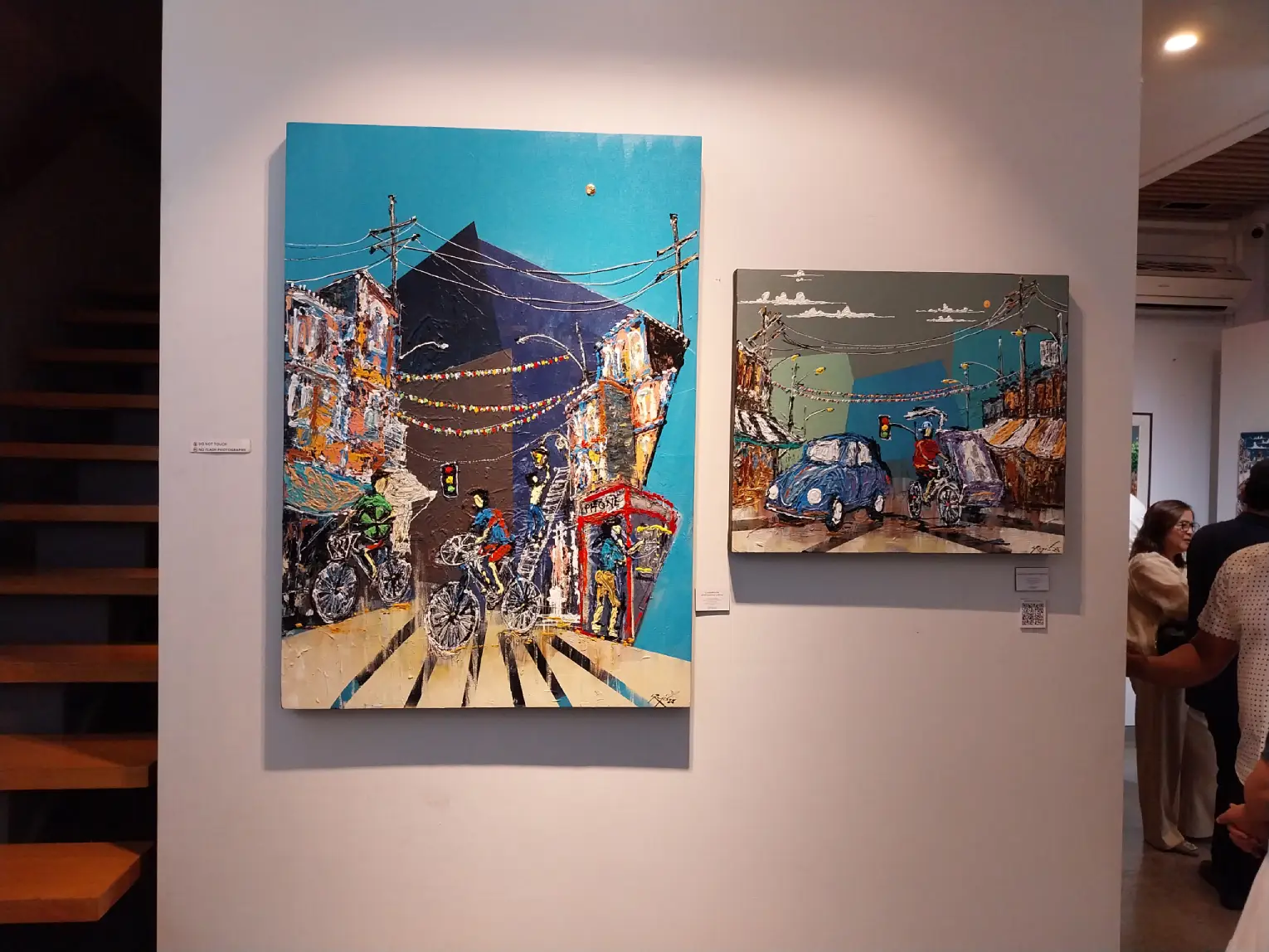
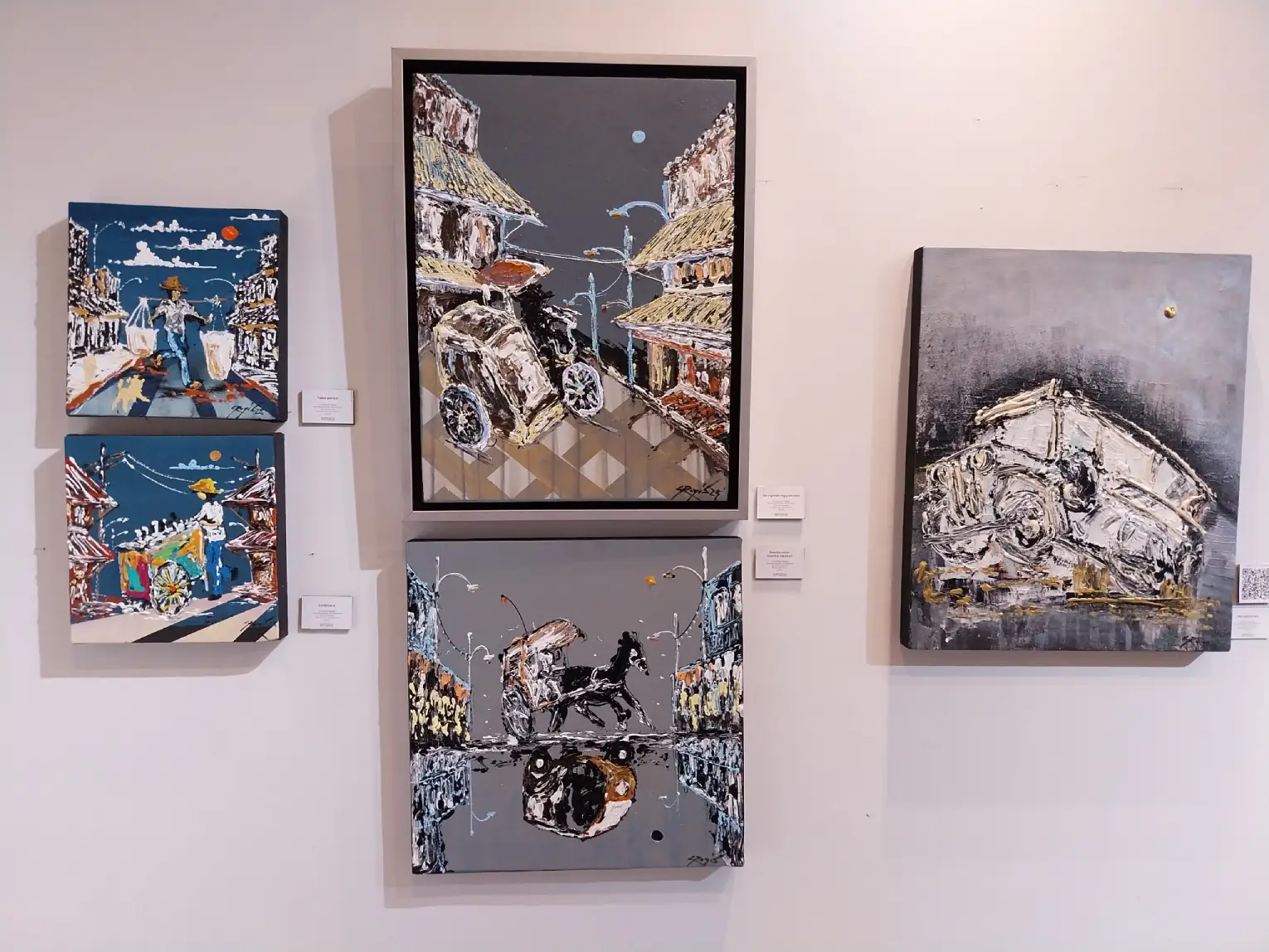
“This style is more of a building of colors then as you build, nakikita mo yung figures,” he said. “You’re building different kinds of colors through palette, direct tube, at saka a few brushes, brushstrokes; pero mostly palette.”
His use of colors construct the feeling of escalation, one on top of the other, as the colors match together without really fully blending in. The abstractness of his depiction of daily life in the Philippines sells us an environment where space and dimensions bend to the will of the user—things will only be as narrow or as broad as they need to be in any given moment, to best depict the feelings needed for the time.
What’s Next for Christian Regis?
The artist is already working on his next exhibition, which will feature several sculptures among the paintings. According to him, it will continue the line of thinking from his past two exhibits: “Parang magtatanong pa rin, ‘is it now?’ or ‘is it today?’ […] It also tackles the everyday problema ng society. Medyo abstract yun, meron na mga figures.”
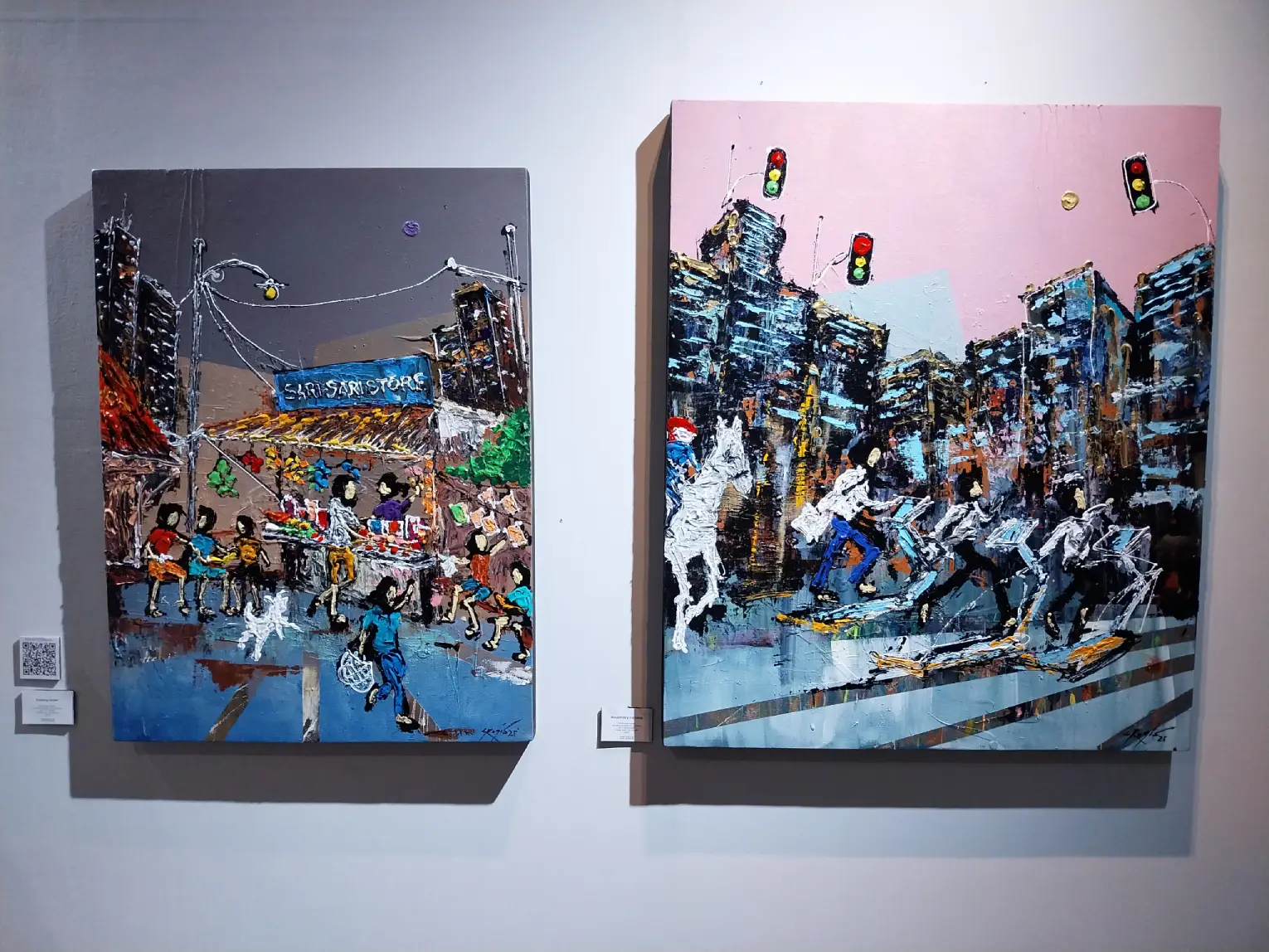
As for the current exhibit, What Now? exists as an encapsulation of the changing times, finding humor in the stressful quagmire our cityscape seems stuck in. It defamiliarizes our world, asking us whether the traditions we had in the past are worth preserving—or if the transformation is necessary for our survival.
Photos by Elle Yap.
Related reading: ‘Bloom’ Celebrates the Vibrant Freedom of Individuality
Frequently Asked Questions
“What Now?” serves as an abstract exploration of the quiet tensions within a society in flux, specifically focusing on how the past shapes our present urban landscape. The exhibit acts as a sequel to his 2024 show, “What If?,” shifting the focus from future possibilities to a reckoning with disappearing traditions and the erasure of lived experiences. Through his art, Regis prompts viewers to consider which cultural elements are worth preserving as the city constantly reinvents itself.
Regis utilizes a “zany” sensibility to illustrate the frustrations of navigating notoriously bad traffic, often placing commuters in surreal situations like using treadmills or ziplines to get to work. His paintings contort buildings and vehicles into strange, fluid shapes, mimicking the physical and mental gymnastics required to navigate the city’s crumbling infrastructure. This exaggerated style highlights everyday societal issues that are often neglected or taken for granted by the public.
For Regis, the jeepney is an irreplaceable cultural icon that represents a “past that’s slipping away” due to modernization and the introduction of homogenized mini-buses. He argues that while engines and mechanics can be updated, the distinct visual identity of the jeepney should remain untouched as a monument of Filipino heritage. By featuring them in his work, he asserts that certain icons are fundamental to the national identity and cannot be replaced by modern alternatives.
Regis employs a tactile “building” process, applying paint directly from the tube to the canvas and using palette knives rather than traditional brushes. This technique creates a physical layering of colors that do not fully blend, allowing figures to emerge from a textured, multidimensional background. This abstract approach effectively mirrors the chaotic energy of the urban environment, where space and dimensions feel as though they are bending to the will of the commuter.
The exhibit balances dreamy, nostalgic depictions of traditional street life—such as kalesas, ice cream vendors, and tricycles—with sharp critiques of modern urban struggle. This tonal blend suggests that even as society moves toward a “homogenized” future, the warmth and vibrancy of the past remain a vital part of the Filipino spirit. Regis uses this contrast to defamiliarize the world, asking the audience to decide if current urban transformations are truly necessary for survival or if they represent a loss of soul.
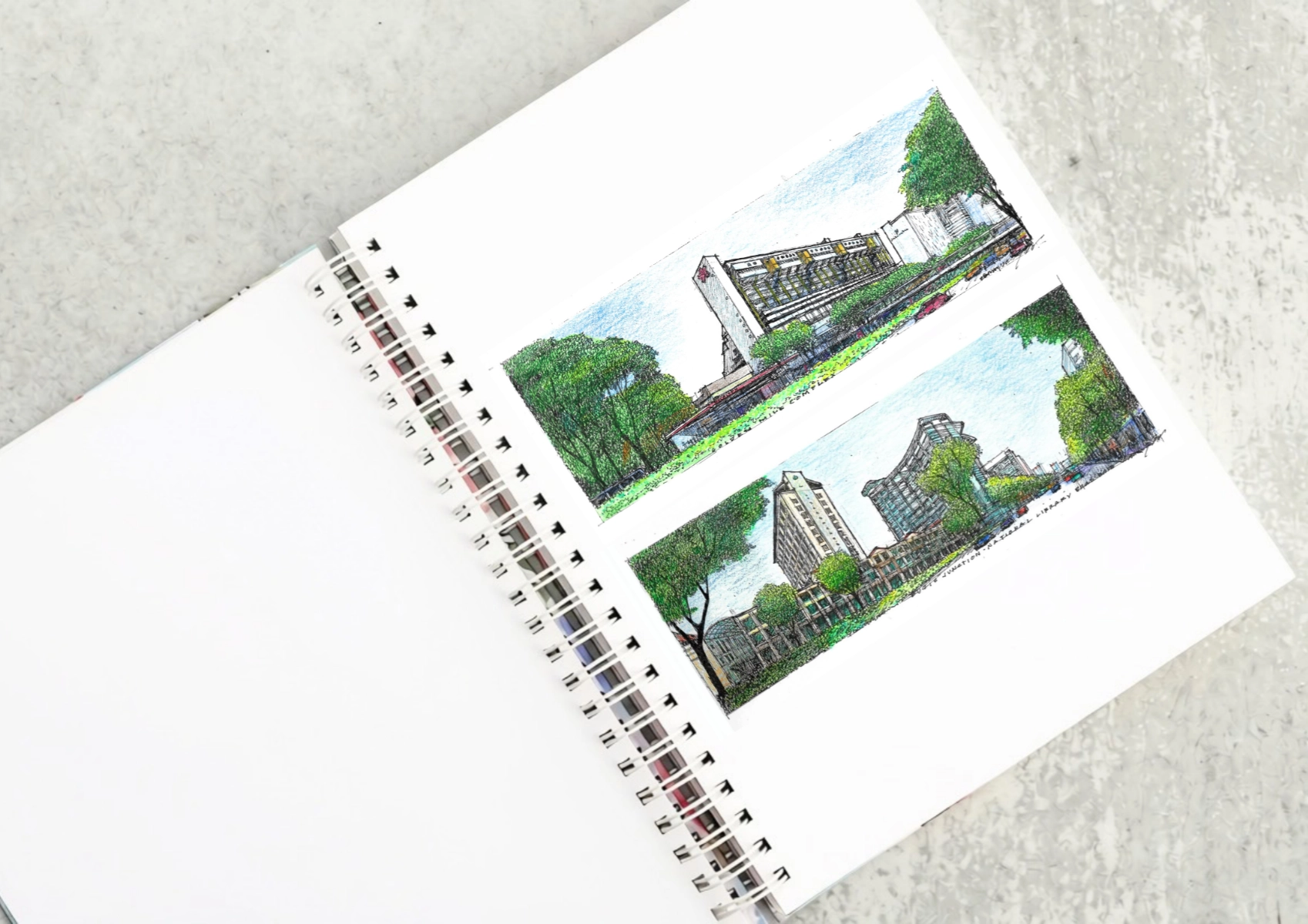
Two sketches of Singapore connect BluPrint Editor in Chief Paulo G. Alcazaren’s personal and professional history with Shared Ground: ArchitectureArchitectureThe art and science of designing and constructing buildings, structures, and spaces that are functional, safe, and aesthetically pleasing. It encompasses the planning, design, materials, and techniques used to createGo to Architecture Glossary of Care, Culture, […]
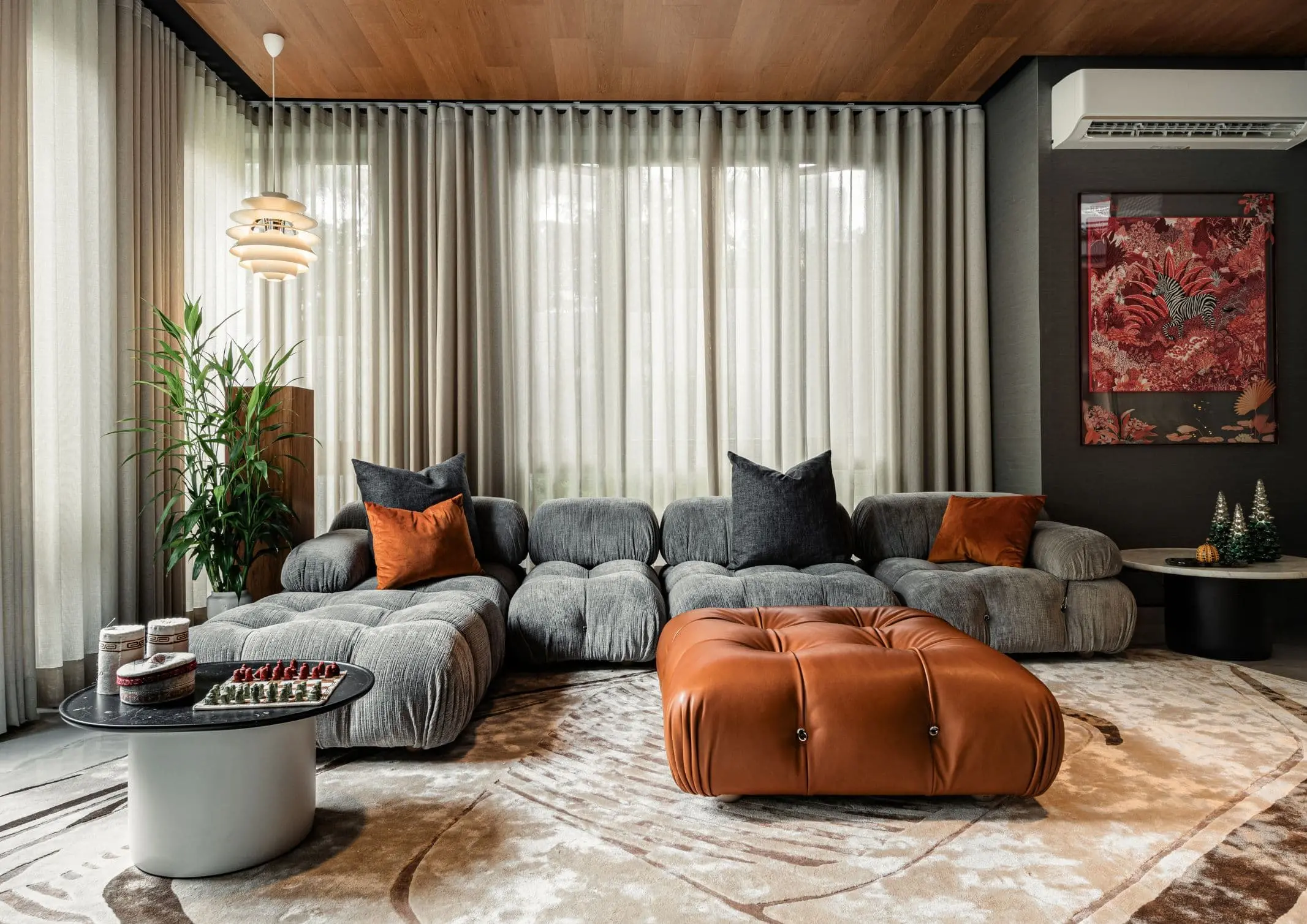
Some have become household names – Coleman, Oster, and KitchenAid – products that have found their way into Filipino kitchens, homes and family routines. In home furnishings, brands such as B&B Italia, Ethan Allen, Sub-Zero, Miele, SieMatic, Louis Poulsen, Hunter Douglas, Tempur, and Technogym, have helped shape the way Filipinos live. From everyday essentials to […]
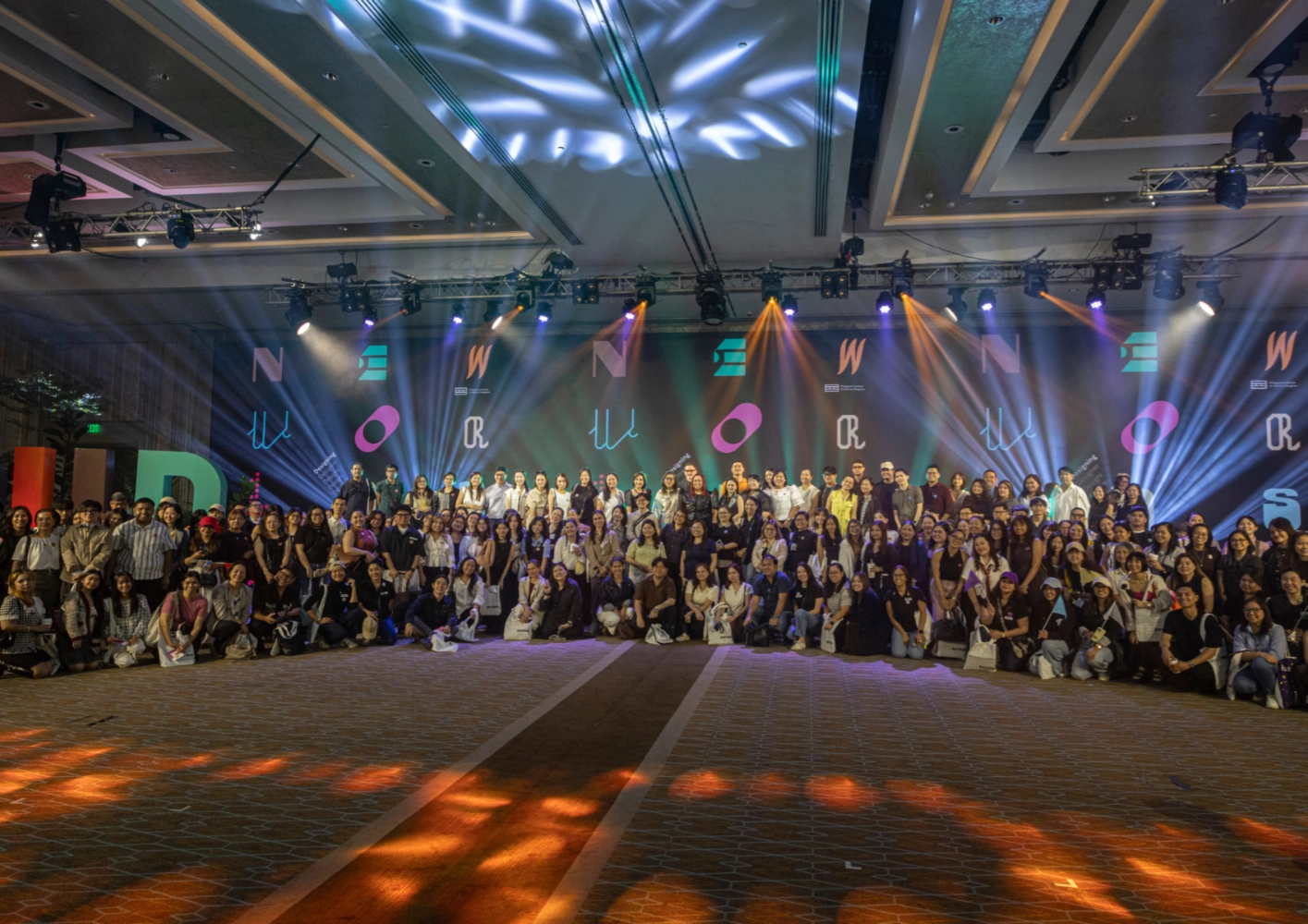
In a way, designers are the modern-day soothsayers and prophets. They design for the future, predicting how a room, a house, a building or a whole city will be used by people. They foresee how users will interact with a space, conjure exact shades of colors to elicit specific behavior and arrange furniture to build […]
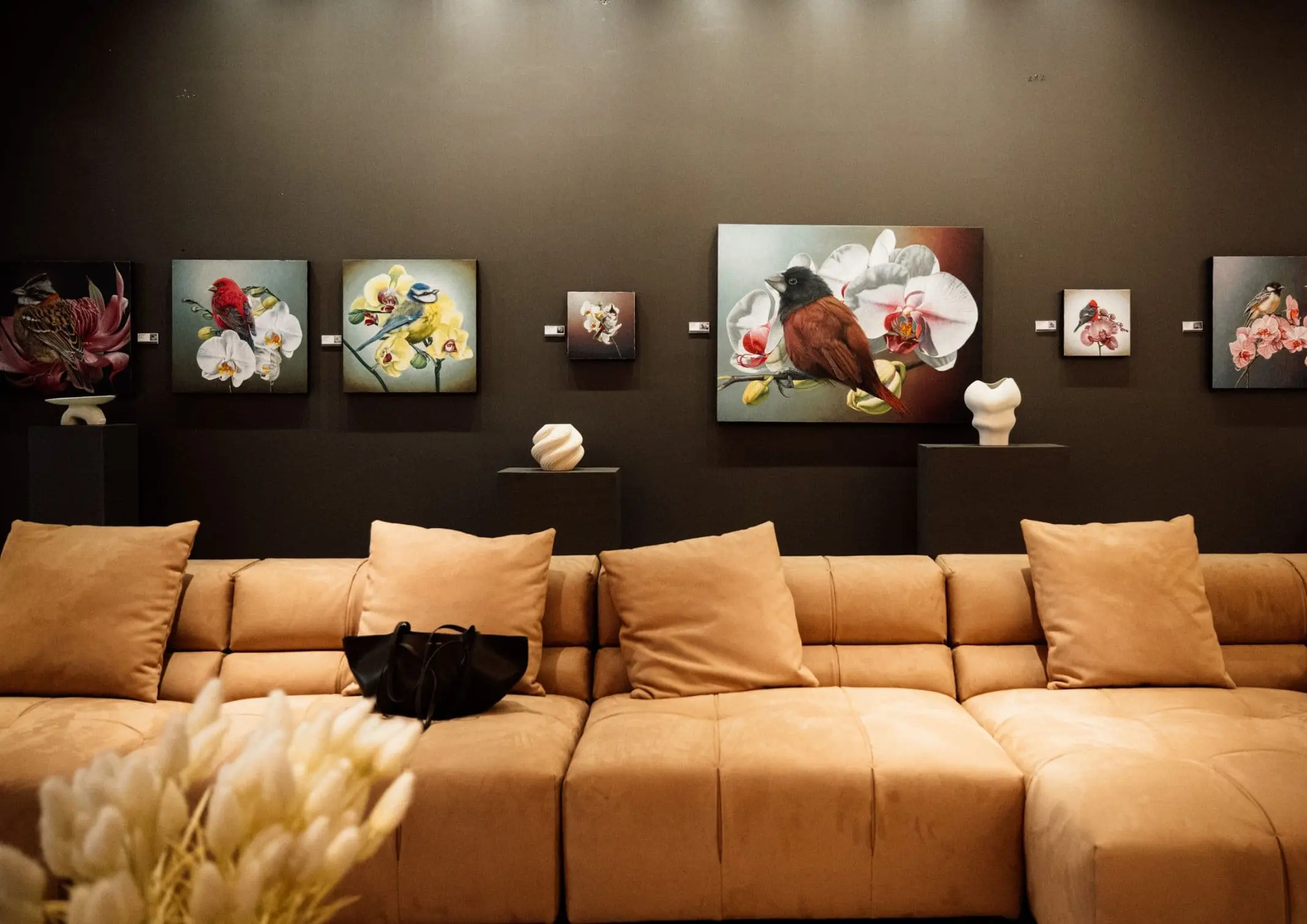
Art and furniture are often selected separately, yet their relationship can shape how a room looks and feels. The collaboration between Hooga and Galerie Joaquin explores how these elements can work together, bringing contemporary artworks into furnished residential settings at Hooga’s showroom in Uptown Mall, Bonifacio Global City. For Hooga, which curates furniture, lighting, and […]
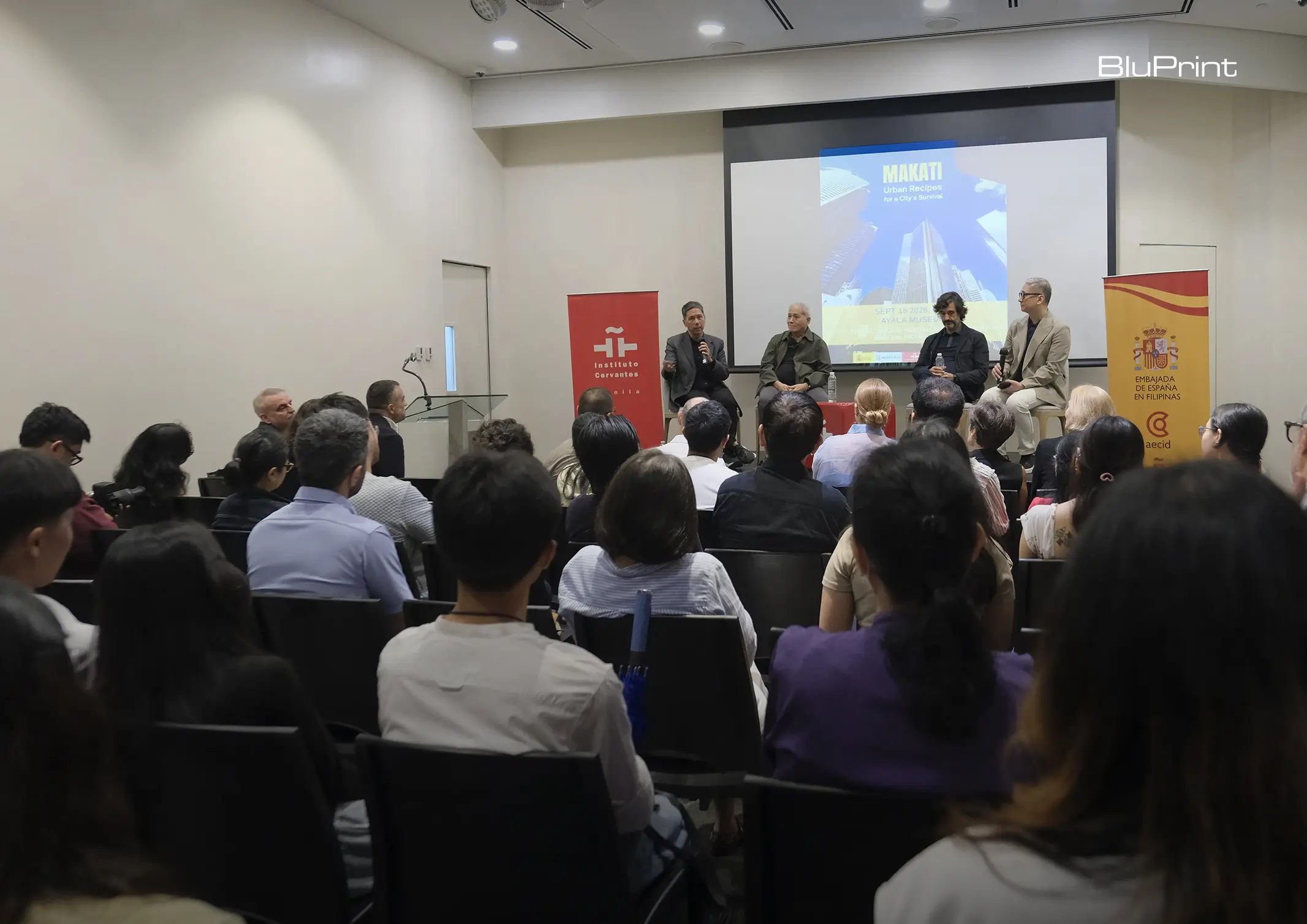
How can better-planned cities create the conditions for more creative, livable, and resilient urban environments? “Makati Urban Recipes for a City’s Survival,” a colloquium held at the Ayala Museum on September 15, brought together architects and practitioners from the fields of urbanism and the creative economy to discuss how design, planning, and collaboration can address […]
Read the issues.

Collect the volumes.

Recommended Video
Tap to Unmute
Unmute
0:00
0:00