Bigkis is the act of binding. In Tagalog, the word can refer to something used to bind or encircle, as well as a bundle formed by tying several separate elements together. Figuratively, it can also mean a bond, union, or unity. The meanings move from the physical act of joining things together to the connection […]
Artist-run Spaces: Voices From The Underground
Three artist-run galleries are on a mission to showcase the country’s new and up-and-coming artists.



The image of the fiercely independent artist often clashes with the practical realities of the art world. While we culturally value works that push boundaries and question our perspectives, an artist’s visibility and creative freedom are frequently linked to their financial sustainability. The importance of artist-run spaces spring into mind, because they value the artist first before commerce or profit.
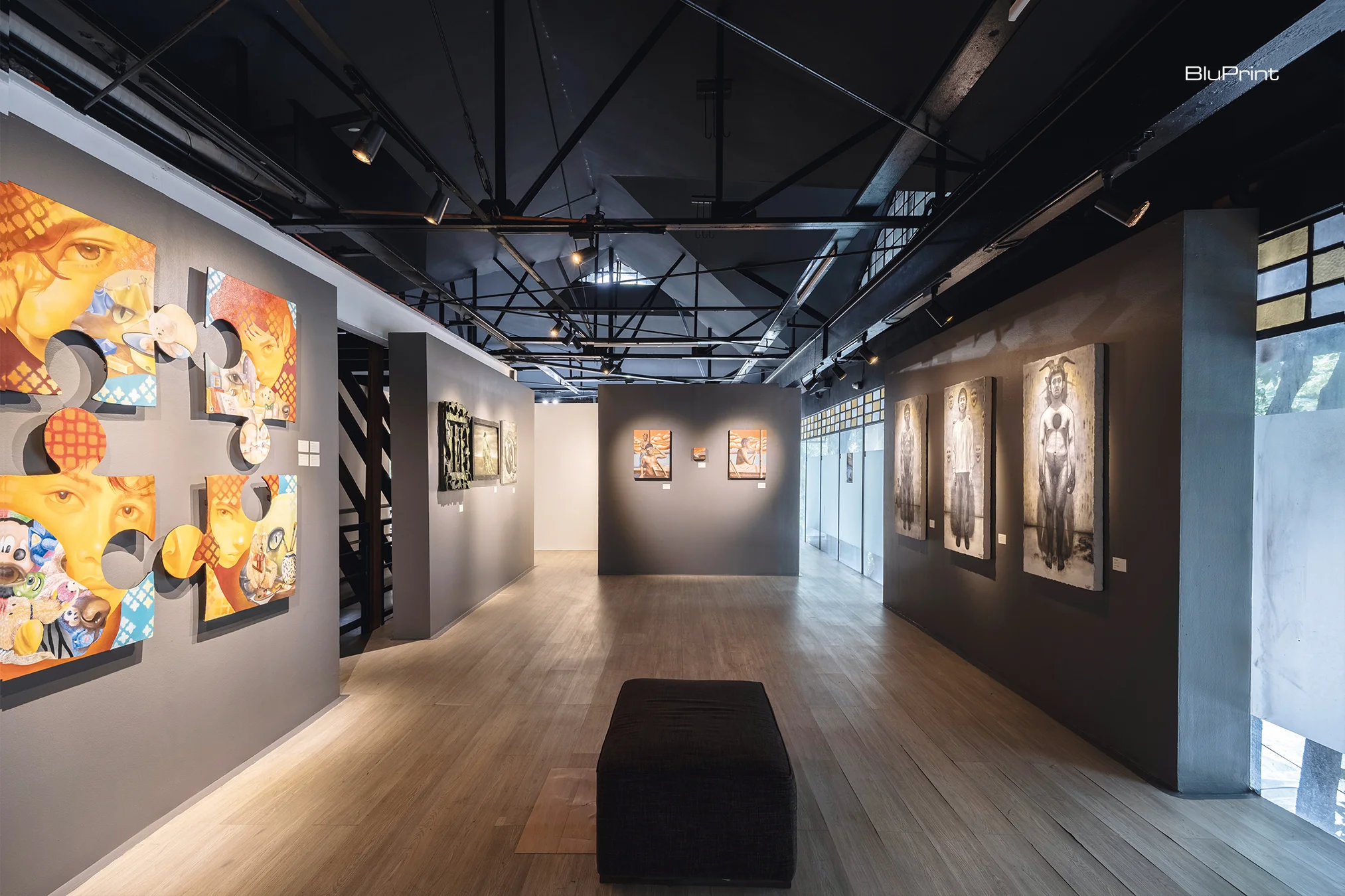
These become a safe place to test new ideas, work through personal concepts, or just create something that doesn’t necessarily cater to a mainstream audience. Artist-run spaces focus more on the feeling of the matter, rather than its importance in art history or profitability. It’s what makes them so essential in our art ecosystem today.
Cultivating the Underground
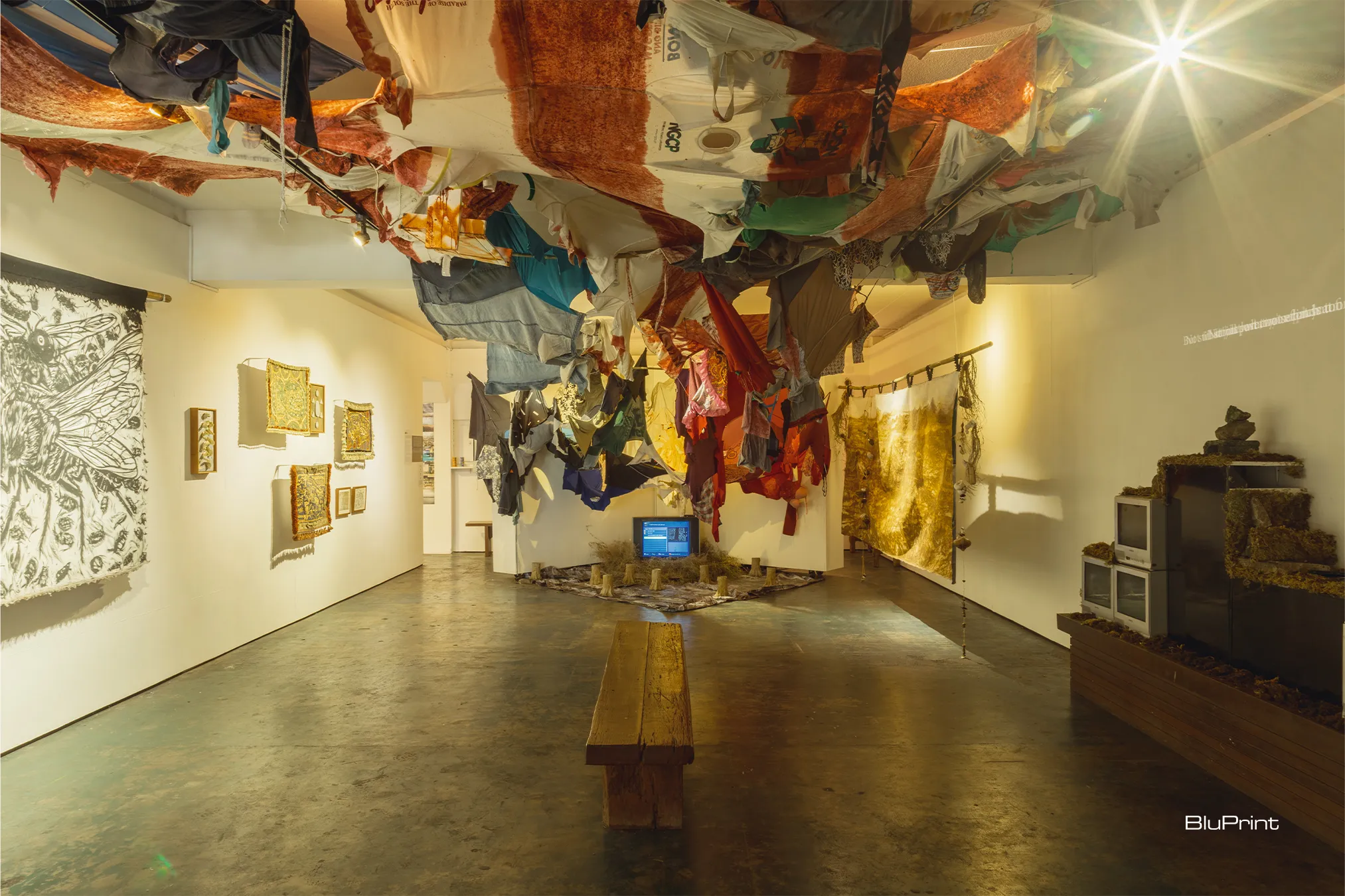
Kalawakan Spacetime at the Casa Bella Building in Quezon City, was founded in 2017 by Jan Sunday and Gabriel Naguiat. A gallery that has its ear to the underground by design, Naguiat originally created Kalawakan Spacetime as a venue for showing underground subcultures in a gallery context. Many who show here are not necessarily artists-by-trade; just people who want to say something about the world at large.
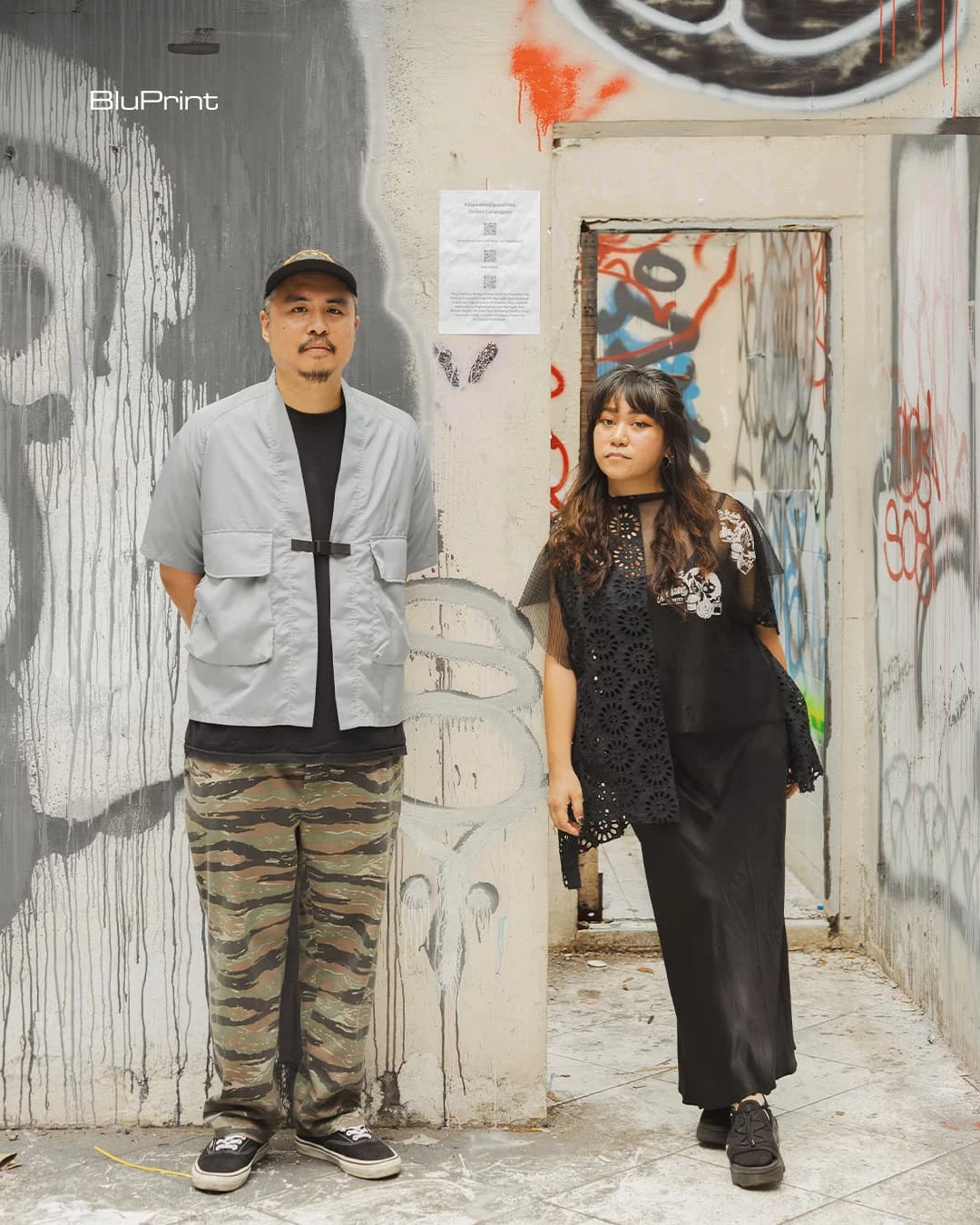
They are well-known for their different exhibits focusing on marginalized people and undersung subcultures, made for and by people within those communities. This year, in fact, a 2024 exhibition of theirs, Uri de Ger’s Beauty Is In The Eye of the Colonizer, won the Fernando Zóbel Prize for Visual Art.
Both Naguiat and Sunday come from different underground scenes: Sunday is an artist with roots to the hardcore punk scene while Naguiat was in the graffiti scene. With Kalawakan, both of them aspire to give support to different scenes and communities.
“I think being part of the community helps,” Sunday said. “I think we really felt the support throughout the years grow with the different communities meeting here. Nagkakakilalala sila.”
A Stable Community to Lean On
For MONO8 Gallery in BLK 113 at San Juan City, founder and gallery director Gwen Bautista’s focus differed. A former art journalist, she had opened MONO8 as a way of creating a venue that goes beyond showing art; rather, it fosters discussions on art and culture, from the art community and the visiting public that goes their way.
“The goal for us here is to be able to support them in realizing the full potential of their practice, or at least helping the process of developing their practice and their potential,” Bautista said. “So we help them develop their exhibitions by also presenting their works in public programs and work[ing] together with descriptions and form some publications in the process.”
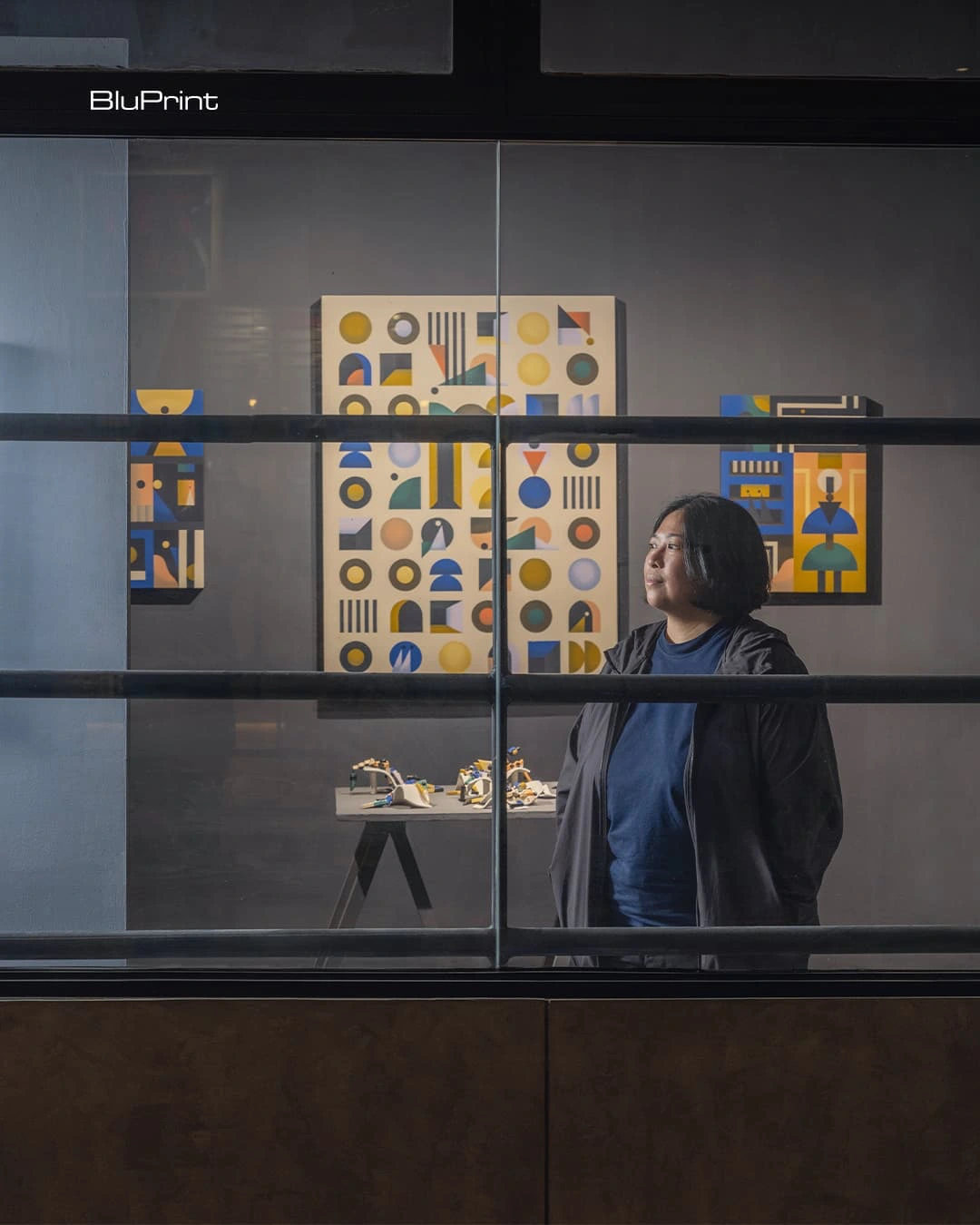
MONO8, unlike Kalawakan, does cater exclusively to artists. Bautista said that their focus is on emerging and mid-career artists, with the latter being people that Bautista have known as far back as when she was getting her Fine Arts degree in the University of the Philippines.
Regardless of whether it’s an artist that’s starting out and needs help creating their exhibits, or established artists who want to expand beyond what they’re known for, Bautista ensures that they get the support they need in order to achieve their goals.
A Place for Learning
With Gravity Art Space, co-founders Indy Paredes and Melai Matias don’t necessarily have a specific focus on the type of artist that they show. Their gallery, which opened in 2021 and located in Mother Ignacia Avenue in Quezon City, caters to artists of all persuasions, whether in painting,sculpture, video, or even mixed-media.
For Paredes, who does the programming of the exhibitions shown at Gravity Art Space, the stature of an artist does not matter as much. If the gallery can work together with them easily and they can submit their works on the timeline they committed, then they can exhibit in the gallery.
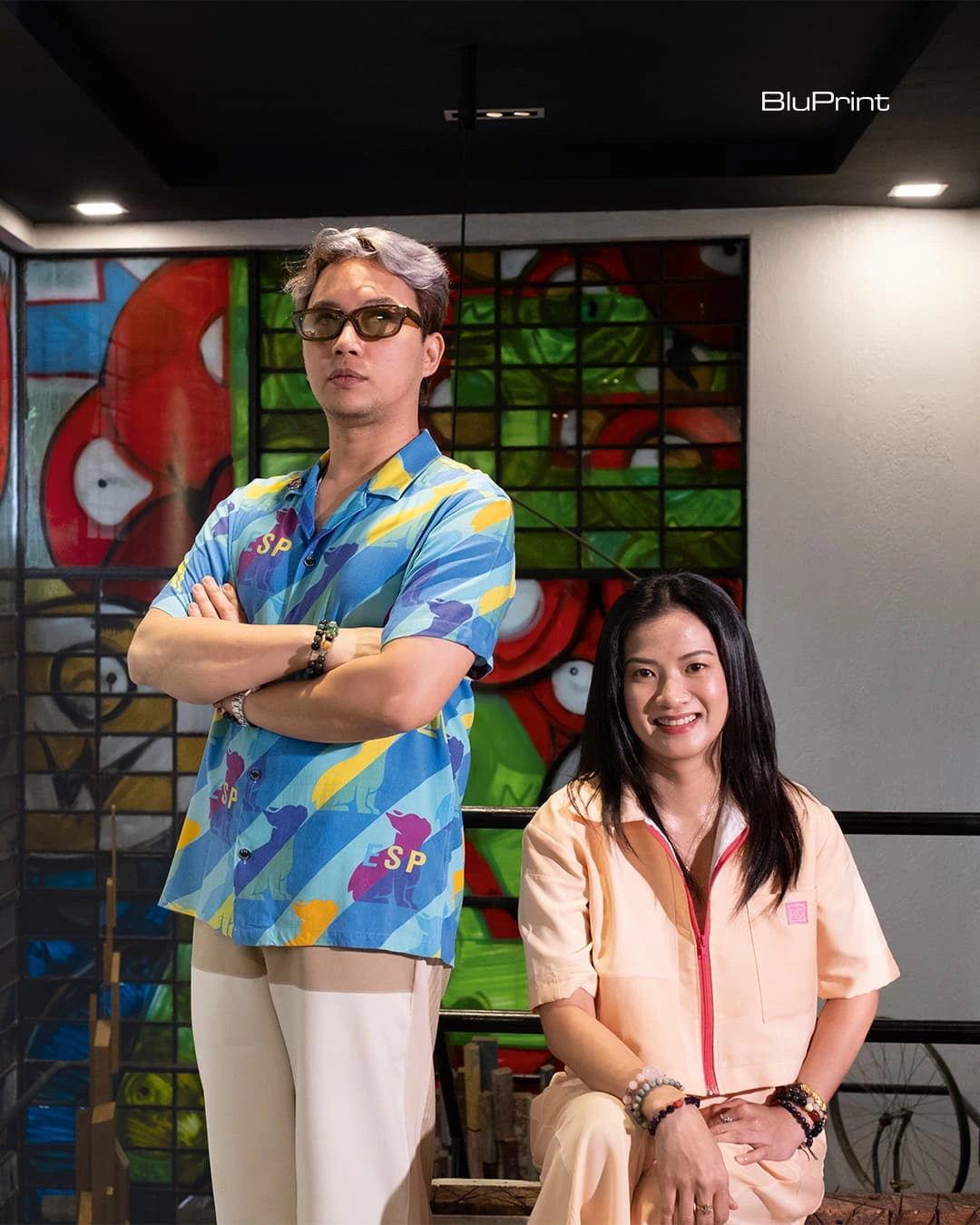
In fact, Paredes thinks that mixing the established artists with the emerging artists together teaches those emerging artists a lot more than if they were segregated. Gravity Art Space usually does up to six exhibitions each month, giving different artists opportunities to get to know each other during openings, talks, and other events within the space.
He harkened back to his own experiences as an artist, saying that he learned a lot of lessons and met a lot of people just by being exhibited side-by-side with elder artists.
The Importance of Artist-Run Spaces
At the end of it all, however, these artist-run spaces, regardless of the challenges of our world, see art’s importance well enough that they are willing to do the extra work to help it be shown in new venues. They take their roles as platforms very seriously, and see it as a higher calling to elevate Filipino art to the next level.
“I heard someone say, ‘sometimes structures are built by fascists, but you don’t exactly need to tear them down because buildings are structures but the people inside them make the ideology,’” Bautista shared. “A space is just a space, but the programming that runs the space, and the people that runs the space, what they want to do, their perspectives and the context of what it is that they do: that’s what makes a platform.”
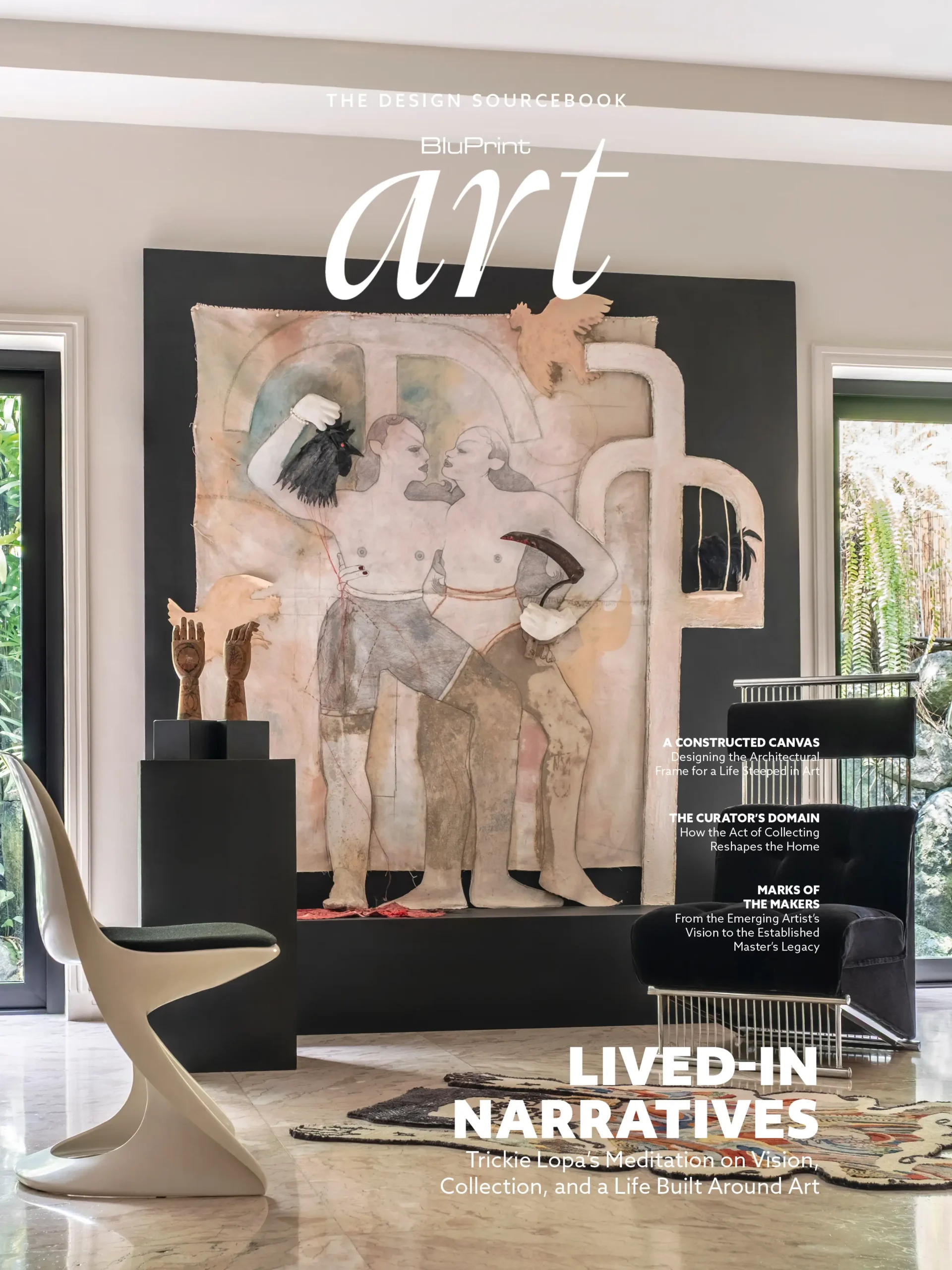
This article has been abridged for digital publication.
Read the full story behind Artist-Run Spaces: Voices From the Underground by ordering your copy of BluPrint Art at Sari Sari Shopping, Shopee, and Lazada. E-magazines are also available for download here or through Readly, Press Reader, and Magzter.
Dive into the captivating world of architectureArchitectureThe art and science of designing and constructing buildings, structures, and spaces that are functional, safe, and aesthetically pleasing. It encompasses the planning, design, materials, and techniques used to createGo to Architecture Glossary, interiors, and arts & culture by getting exclusive digital access to BluPrint’s past and upcoming issues. Click here to find out more.
Photos by Ed Simon.
Related reading: ‘Gyre Dominion’: Jose Olarte Digs Up Meta-Commentary for Industrial Progress
Frequently Asked Questions
Artist-run spaces prioritize the artist and the creative process over commerce or profit. They serve as safe environments to test new ideas and personal concepts that may not cater to mainstream audiences, focusing on the “feeling of the matter” rather than marketability or art historical importance.
Founded by Jan Sunday and Gabriel Naguiat—who come from the hardcore punk and graffiti scenes—the gallery focuses on marginalized communities and undersung subcultures. Many of their exhibitors are not artists-by-trade but individuals seeking to comment on the world, creating a space where different communities can meet and support one another.
Founder Gwen Bautista, a former art journalist, focuses on fostering critical discussions and supporting the long-term development of an artist’s practice. MONO8 exclusively caters to emerging and mid-career artists, helping them realize their full potential through public programs, professional descriptions, and curated publications.
The gallery utilizes a unique layout that allows up to six exhibitions to coexist simultaneously. Co-founder Indy Paredes intentionally mixes established and emerging artists in these spaces, believing that being exhibited side-by-side teaches younger artists more through proximity and shared events than segregated exhibitions would.
Unlike a traditional, sterile gallery, the “Living Canvas” philosophy views the home as a functional space where art is lived with daily. It embraces the idea of art coexisting with furniture and residents, allowing the pieces to absorb the history of the occupants and the texture of everyday life.
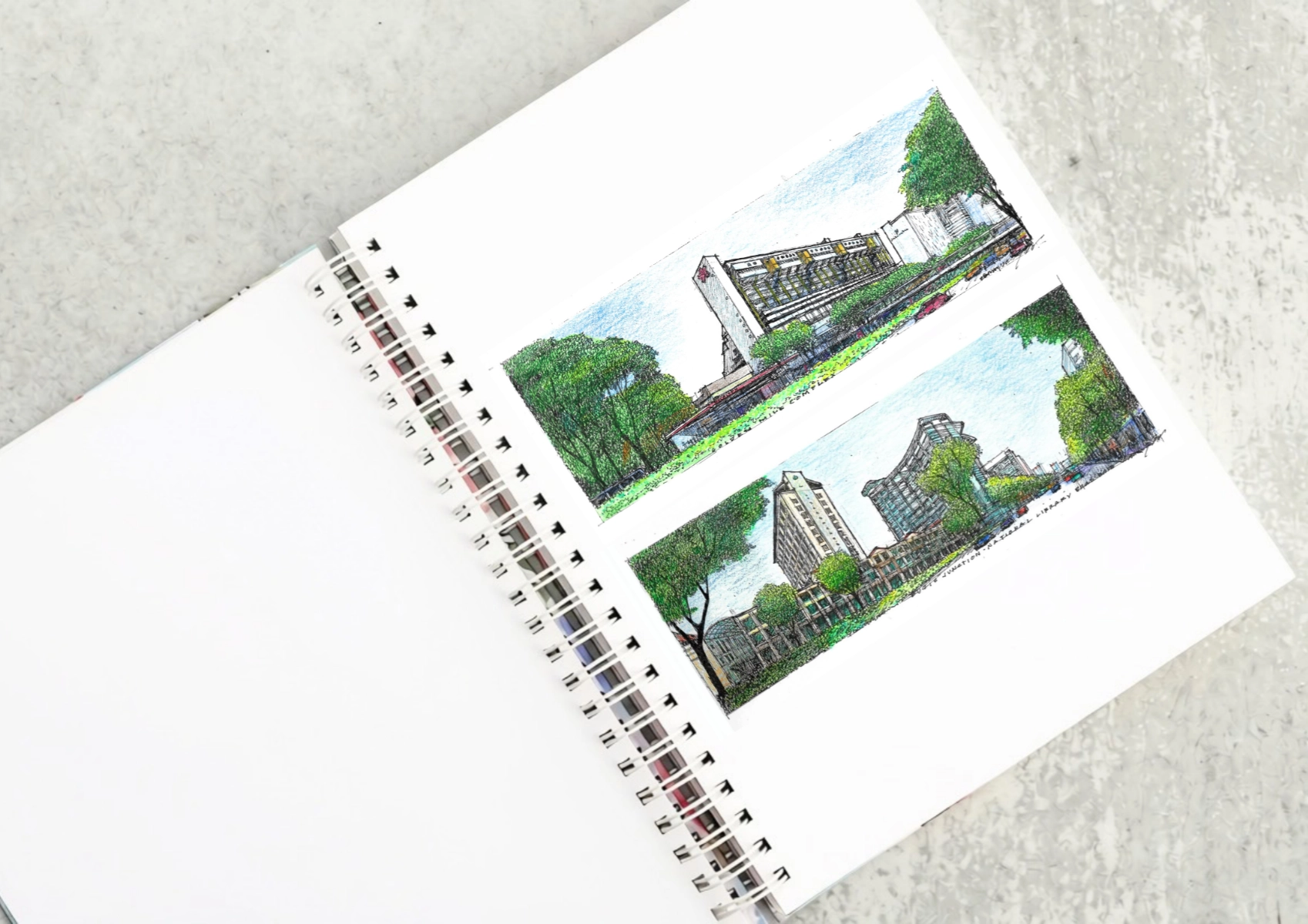
Two sketches of Singapore connect BluPrint Editor in Chief Paulo G. Alcazaren’s personal and professional history with Shared Ground: ArchitectureArchitectureThe art and science of designing and constructing buildings, structures, and spaces that are functional, safe, and aesthetically pleasing. It encompasses the planning, design, materials, and techniques used to createGo to Architecture Glossary of Care, Culture, […]
In a way, designers are the modern-day soothsayers and prophets. They design for the future, predicting how a room, a house, a building or a whole city will be used by people. They foresee how users will interact with a space, conjure exact shades of colors to elicit specific behavior and arrange furniture to build […]
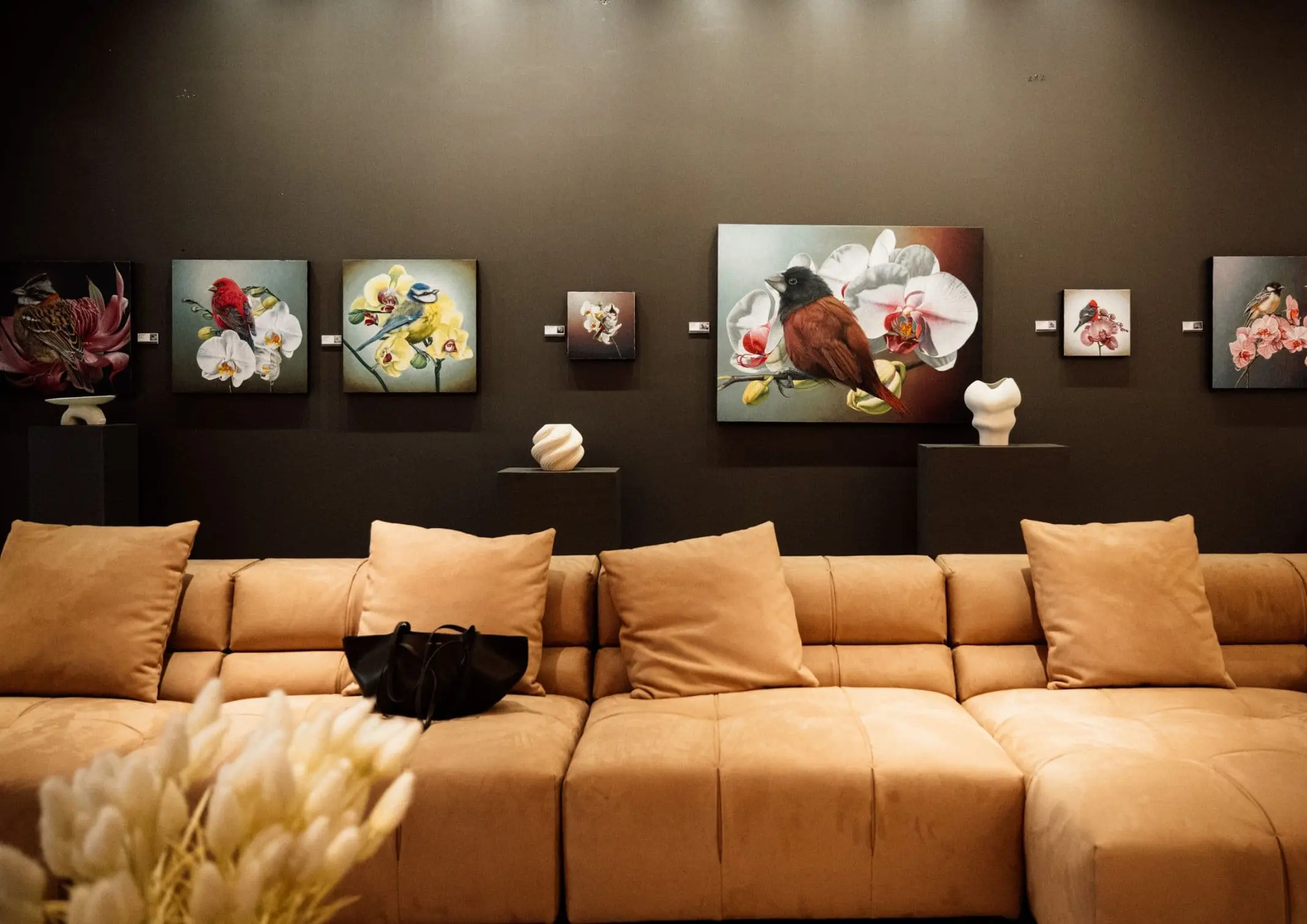
Art and furniture are often selected separately, yet their relationship can shape how a room looks and feels. The collaboration between Hooga and Galerie Joaquin explores how these elements can work together, bringing contemporary artworks into furnished residential settings at Hooga’s showroom in Uptown Mall, Bonifacio Global City. For Hooga, which curates furniture, lighting, and […]
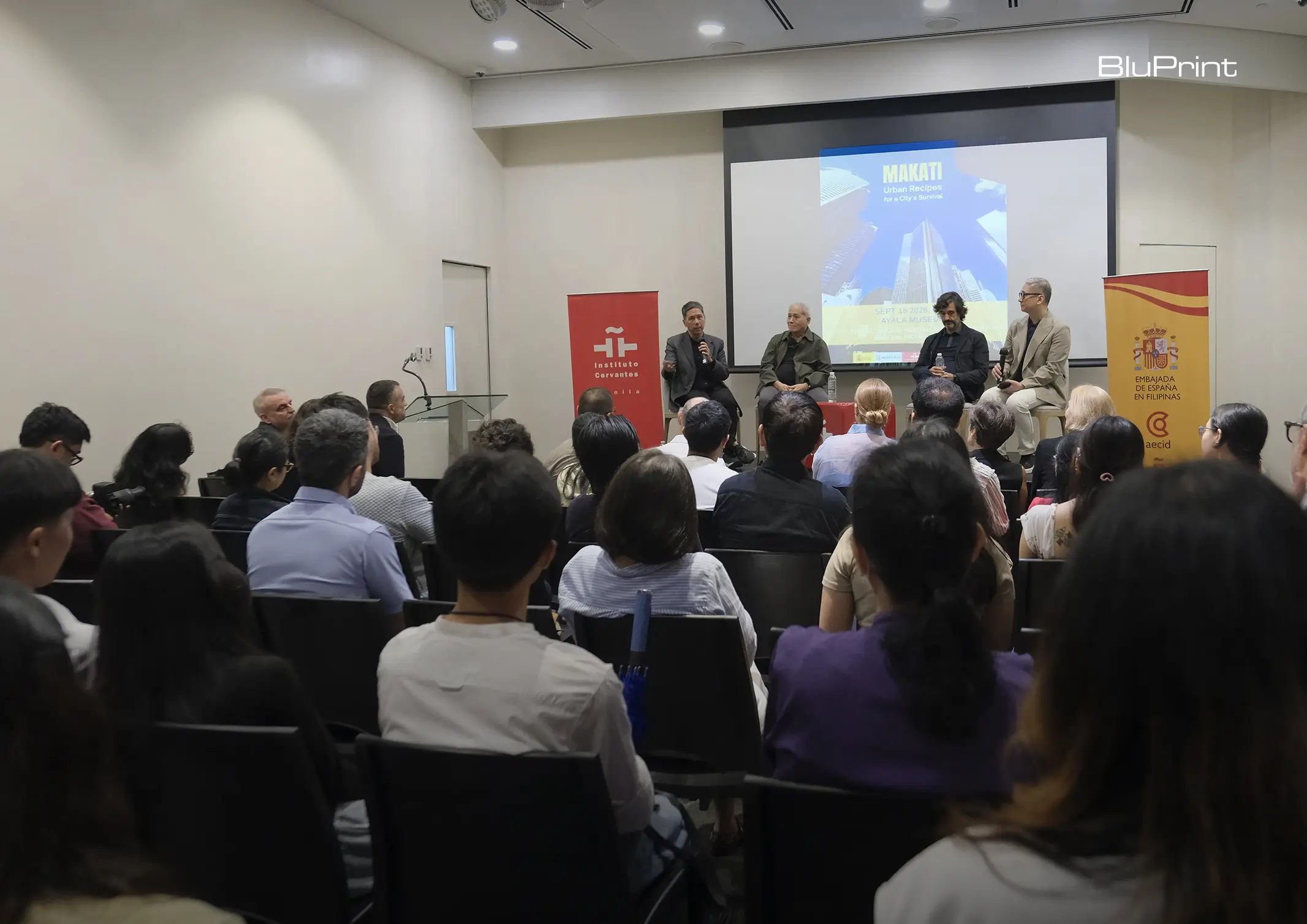
How can better-planned cities create the conditions for more creative, livable, and resilient urban environments? “Makati Urban Recipes for a City’s Survival,” a colloquium held at the Ayala Museum on September 15, brought together architects and practitioners from the fields of urbanism and the creative economy to discuss how design, planning, and collaboration can address […]
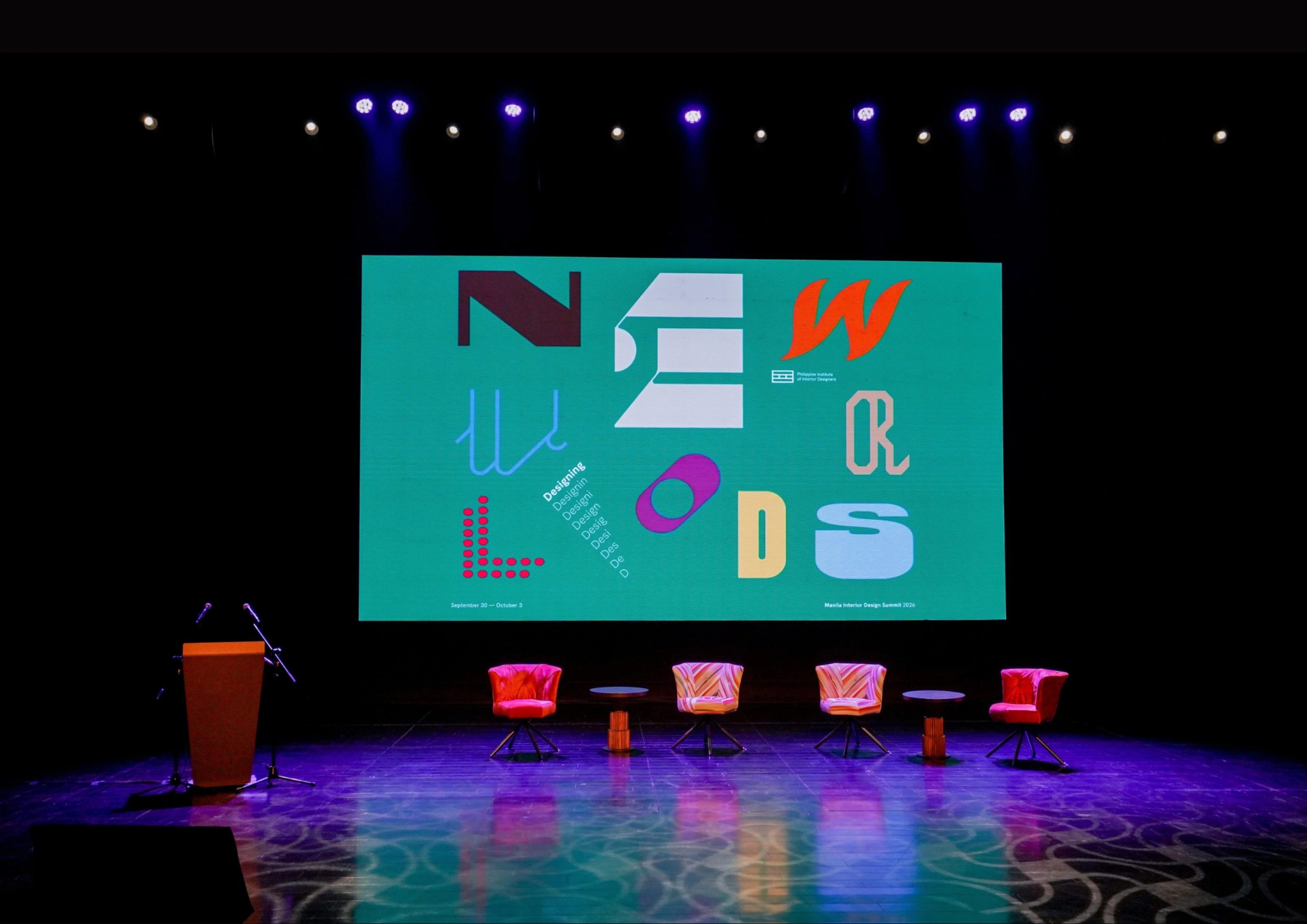
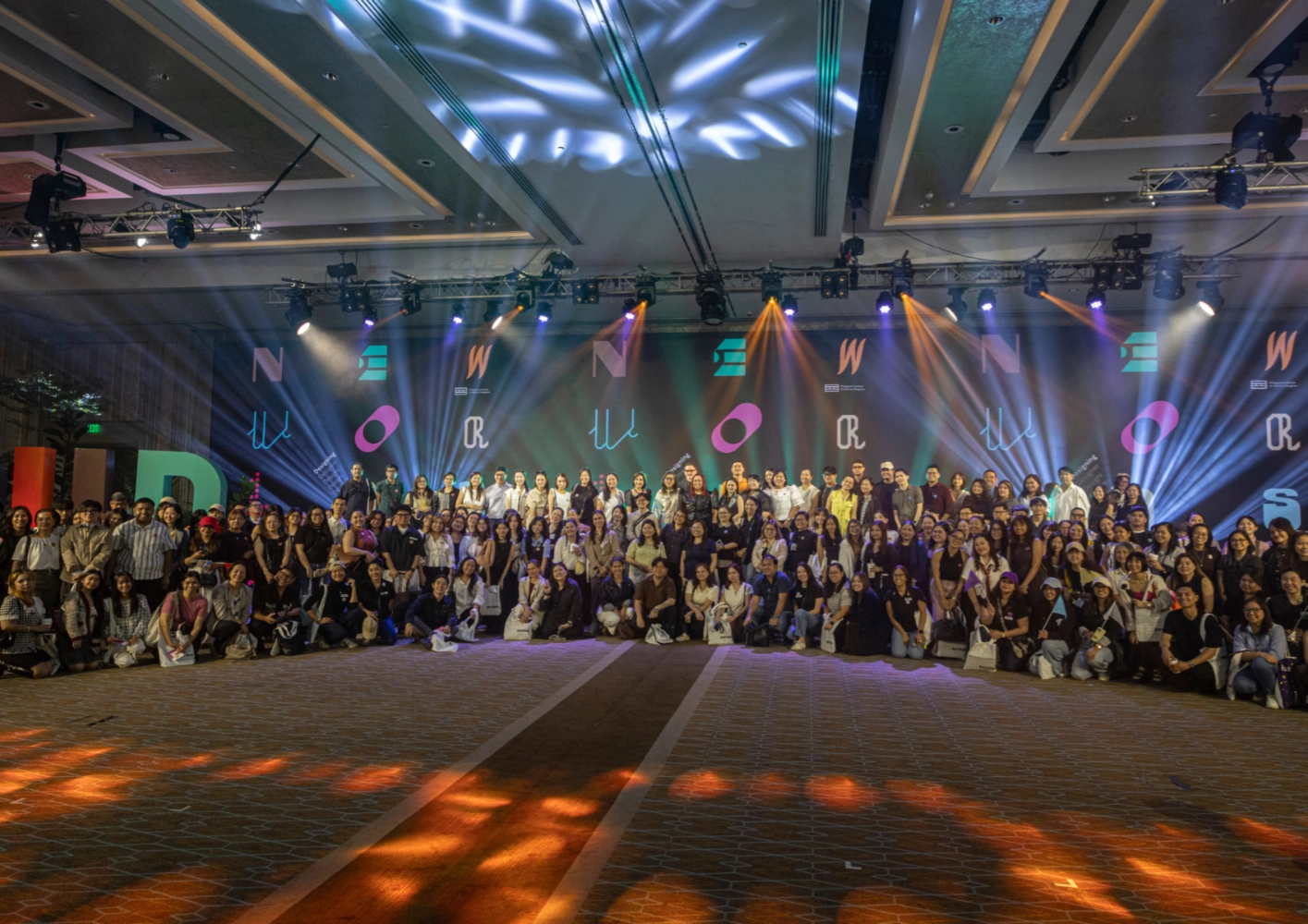
The fourth Manila Interior DesignInterior DesignThe discipline of planning and shaping interior spaces for function, comfort, safety, and beauty. It covers layout, lighting, materials, finishes, furniture, and color, and in the Philippines is a licensedGo to Interior Design Glossary Summit (MIDS) brought together more than 300 delegates for four days of conversations, exhibitions, and design […]
Read the issues.

Collect the volumes.

Recommended Video
Tap to Unmute
Unmute
0:00
0:00