Bigkis is the act of binding. In Tagalog, the word can refer to something used to bind or encircle, as well as a bundle formed by tying several separate elements together. Figuratively, it can also mean a bond, union, or unity. The meanings move from the physical act of joining things together to the connection […]
‘Canned Thoughts’ Explores Capitalism’s Influence on Morality



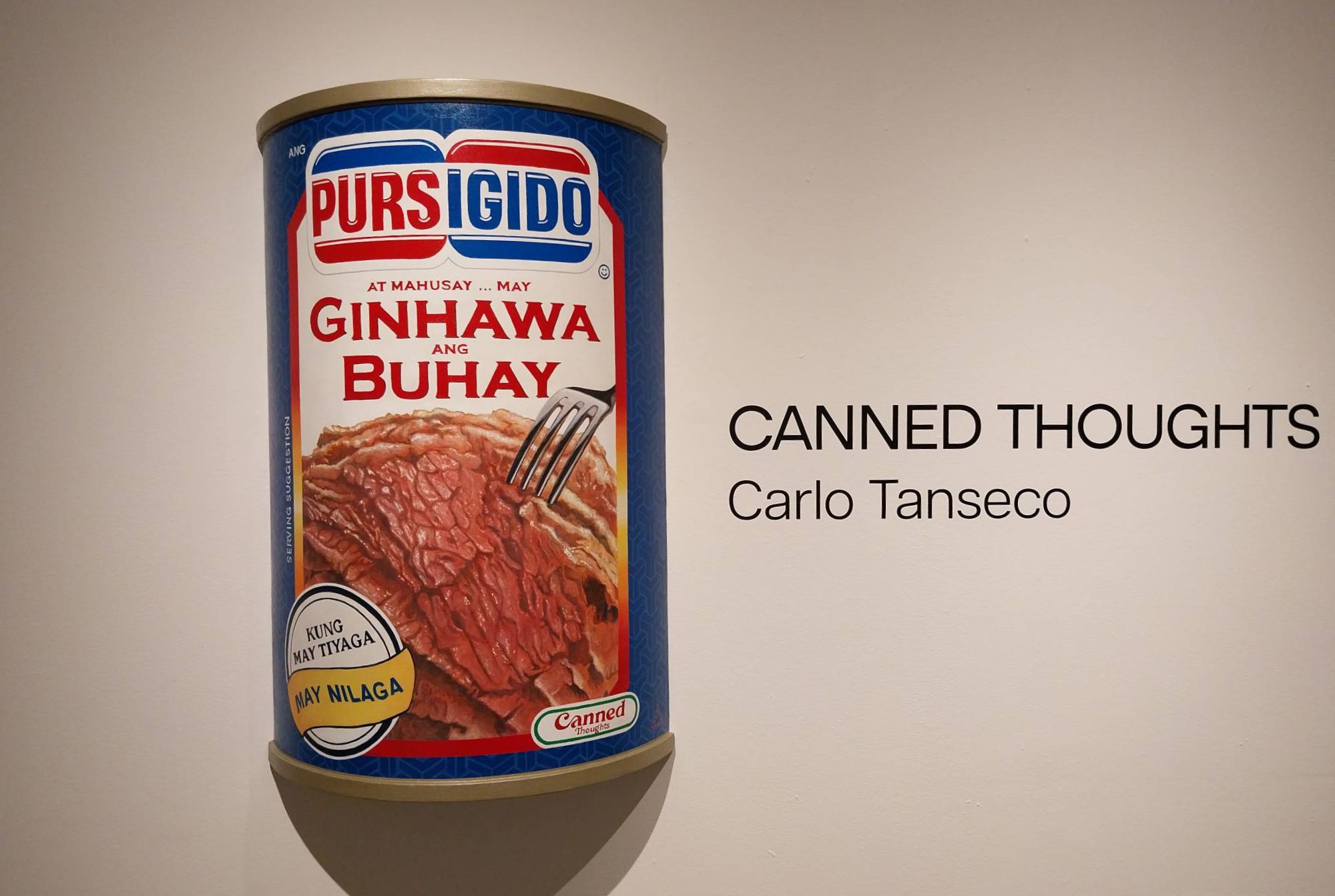
Carlo Tanseco’s Canned Thoughts, shown in Art Cube Gallery from May 4 to June 1, plays with Pop Art-esque styles in ways that question the way society influences our own personal moralities.
As interconnected as we are because of social media, it comes with the knowledge that society’s moral codes aren’t as definite as we once taught. We see governments and corporations spouting half-truths and lies to protect their own and their allies’ interests. We find ourselves inundated with talking points, forced to choose sides on topics which aren’t easy to define.
With Canned Thoughts, Tanseco tackles the topic with playful aplomb, using the formatting and design of different popular household brands as a way of taking shots at trending news items and the local traditions of today.
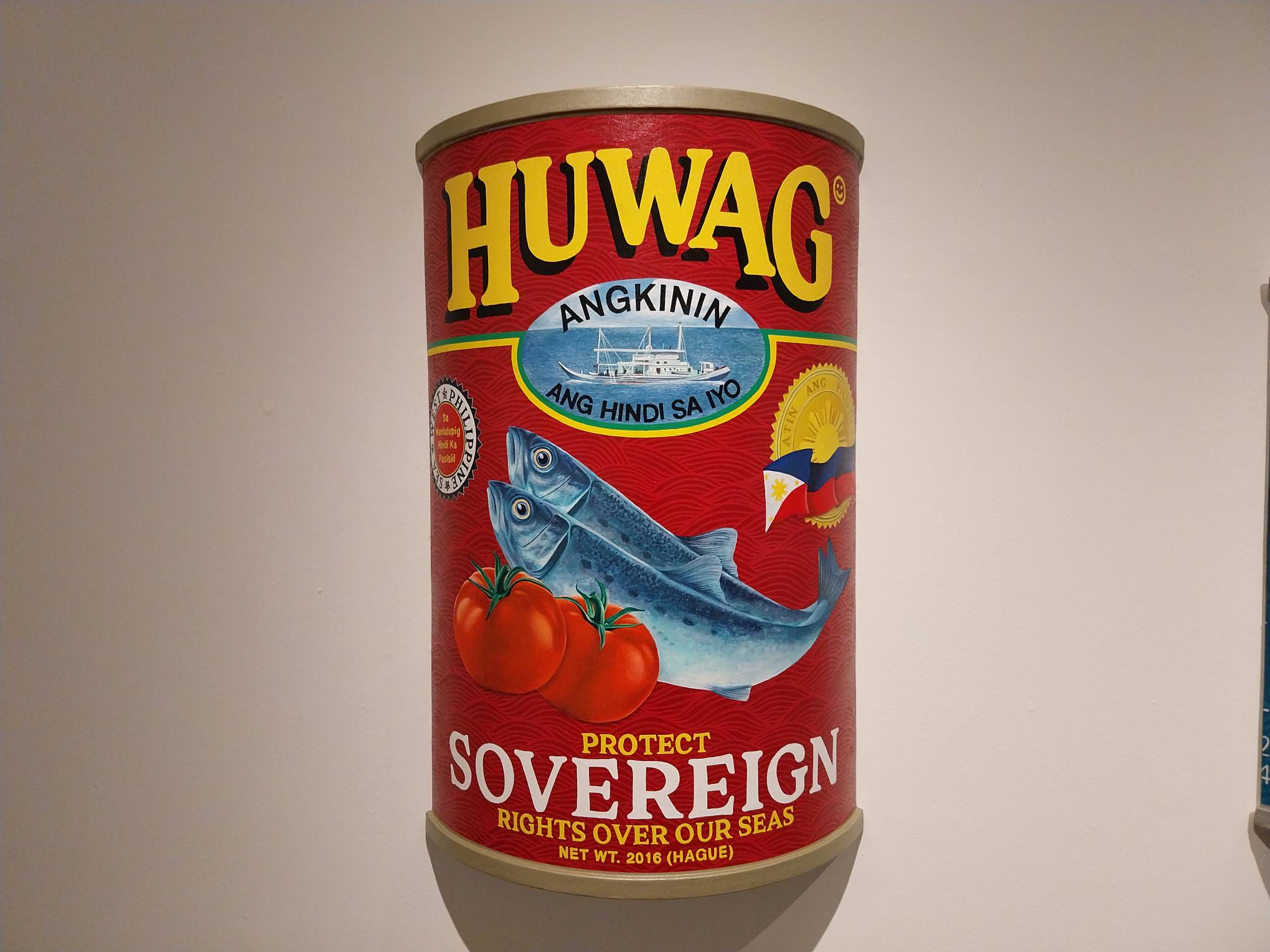
The cans’ humor and topicality has crossed over to slight virality on different portions of social media. The sardine brand parody, in particular, using the message of respecting a country’s maritime sovereignty, found an audience agreeing with the sentiment.
Pop Art and Relatability
Tanseco’s success in the exhibit comes from its relatable concept. Companies spend literal millions to create memorable logos that push consumers to buy their brands. One can find popular brands on shelves in supermarkets and pantries—literally their entire existence is to be easily-identifiable so that people choose their brands faster.
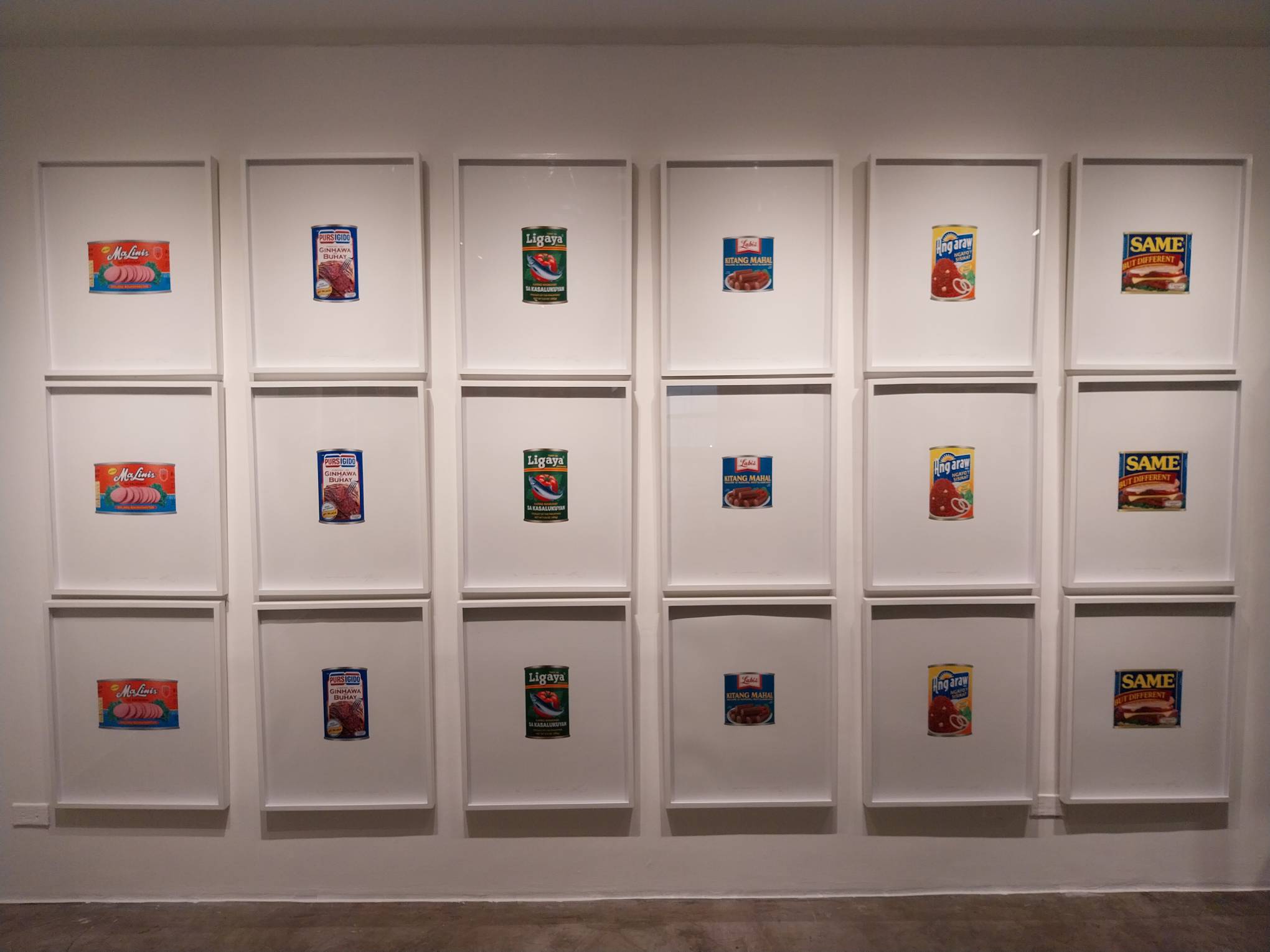
The exhibit write-up pointed to Pop Art as the inspiration for the project, akin to Andy Warhol’s “Campbell’s Soup Cans” where he painted each of the company’s offerings individually. But the artist’s approach differs from Warhol because there is no lingering affection for the branding itself.
Mirror of Society
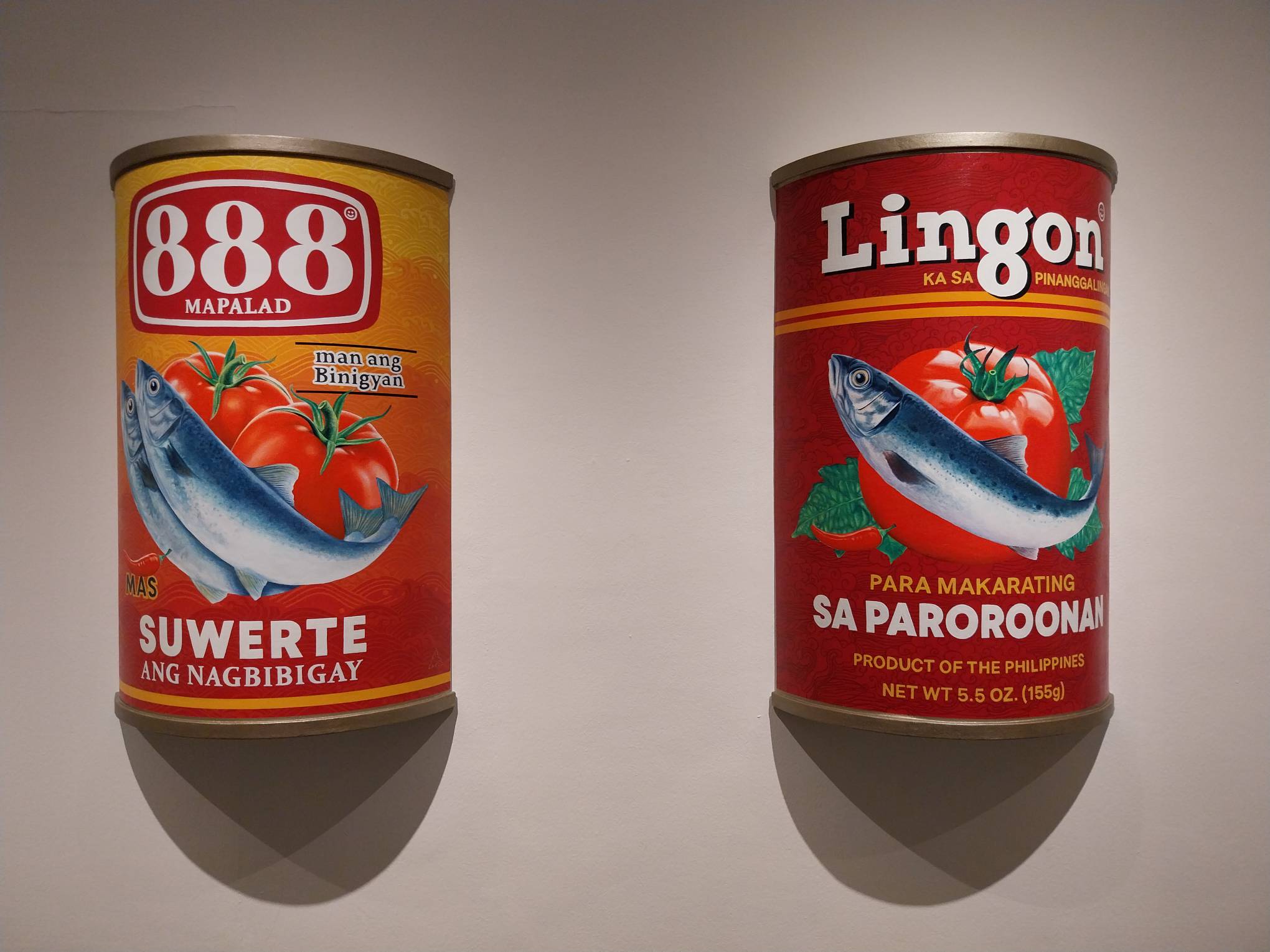
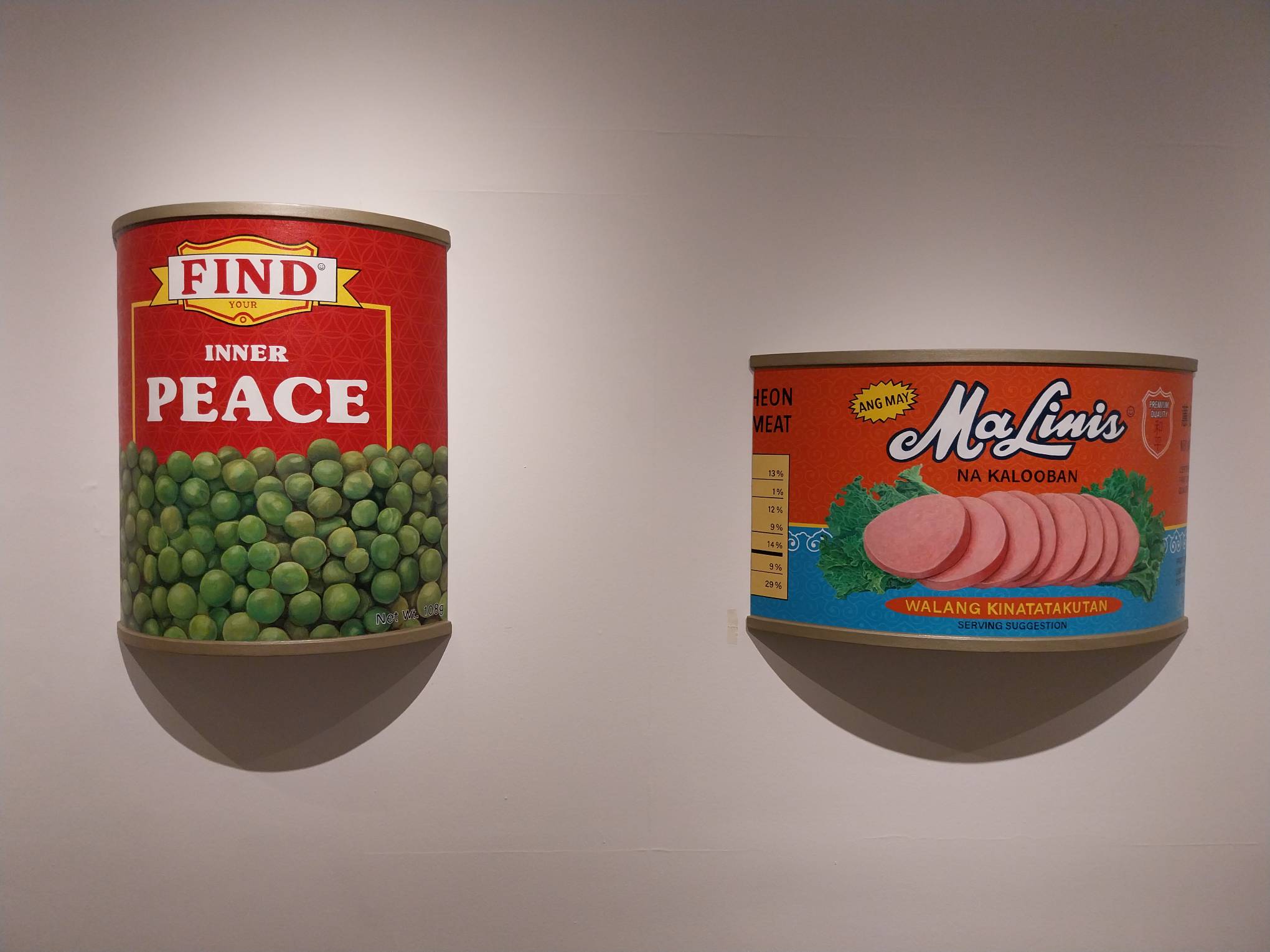
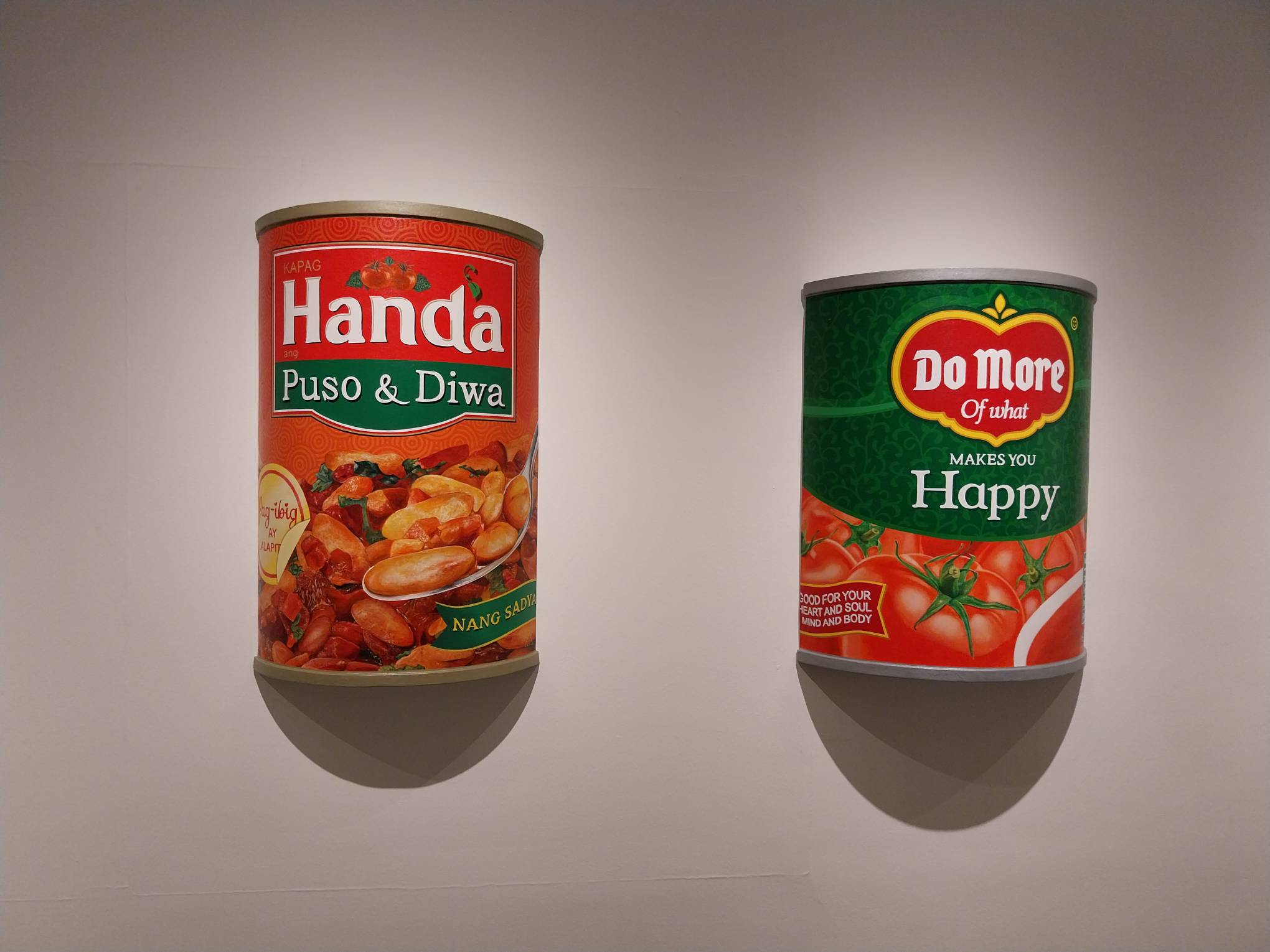
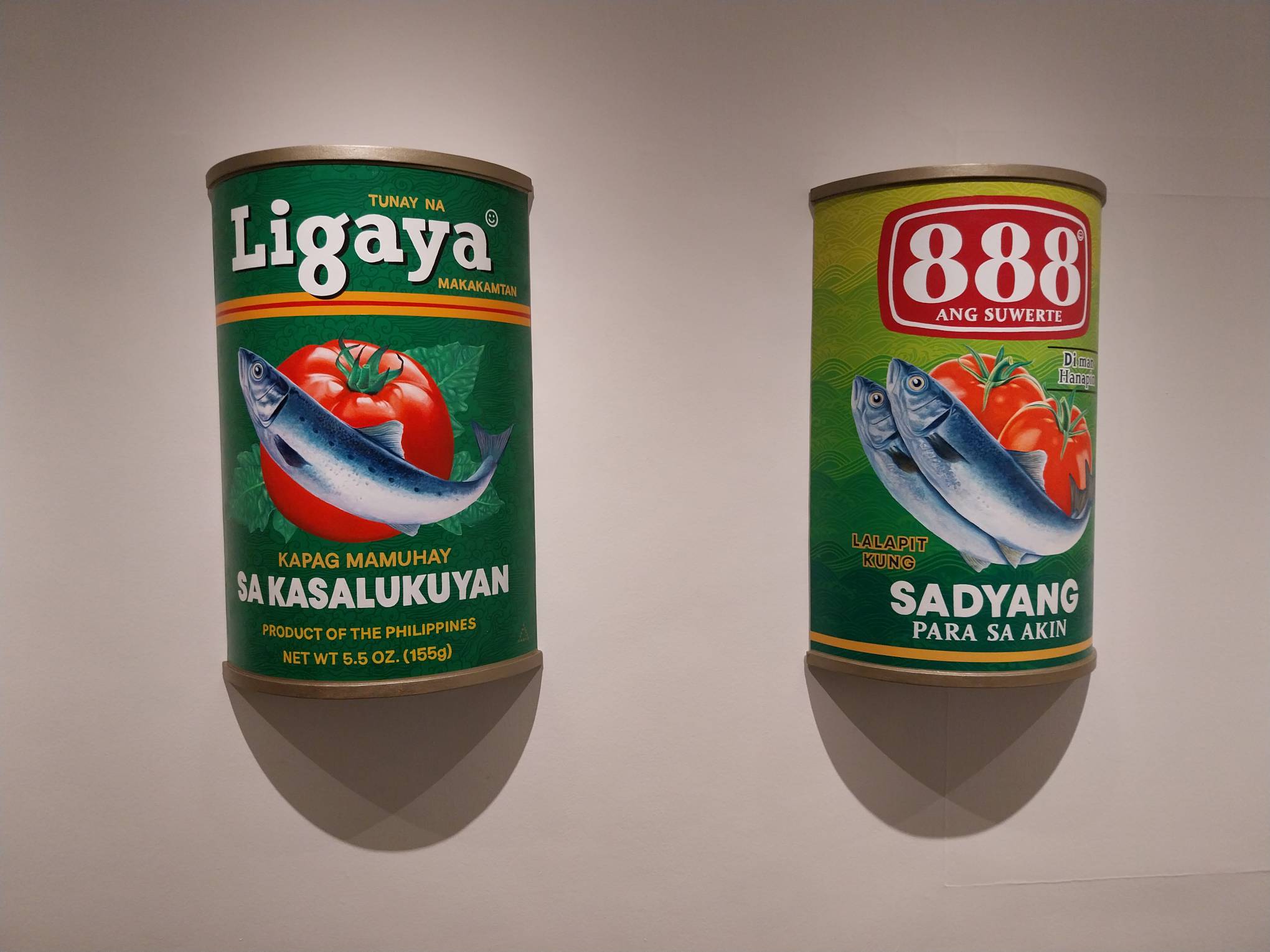
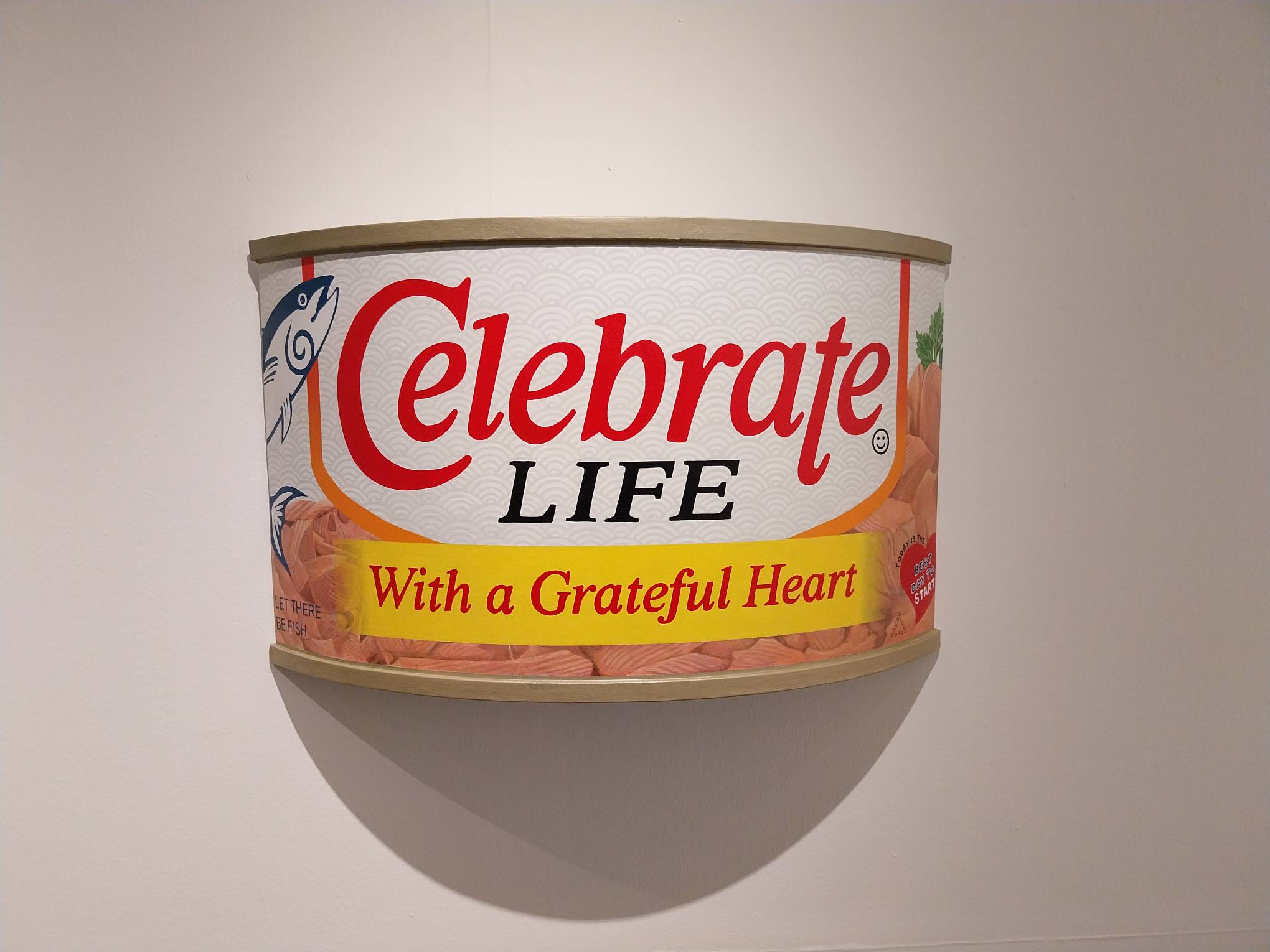
Rather, the approach centers a lot on using that brand recognition to create a mirror of ourselves and our society. One can see the exhibit and see that the artist treats the brand logos like conduits of ideas, a spell giving charge to ensure as many eyeballs to the sentiments as possible. In essence, the ubiquity of brand logos becomes a conduit to discuss what’s important to us—a way of giving a comfortable sheen to thorny ideas.
The sardine brand parody got traction online, but Tanseco gets some great shots in some of his works in the exhibit. The punchiest one is a parody of a prestigious canned meat brand’s simple white packaging where he talks about delicadeza and honor as a Filipino trait. It’s a great artwork on its own, but knowing the context behind it, that the brand is owned by the family of a certain former Senate President and architect of Martial Law, gives it a bite it otherwise wouldn’t have.
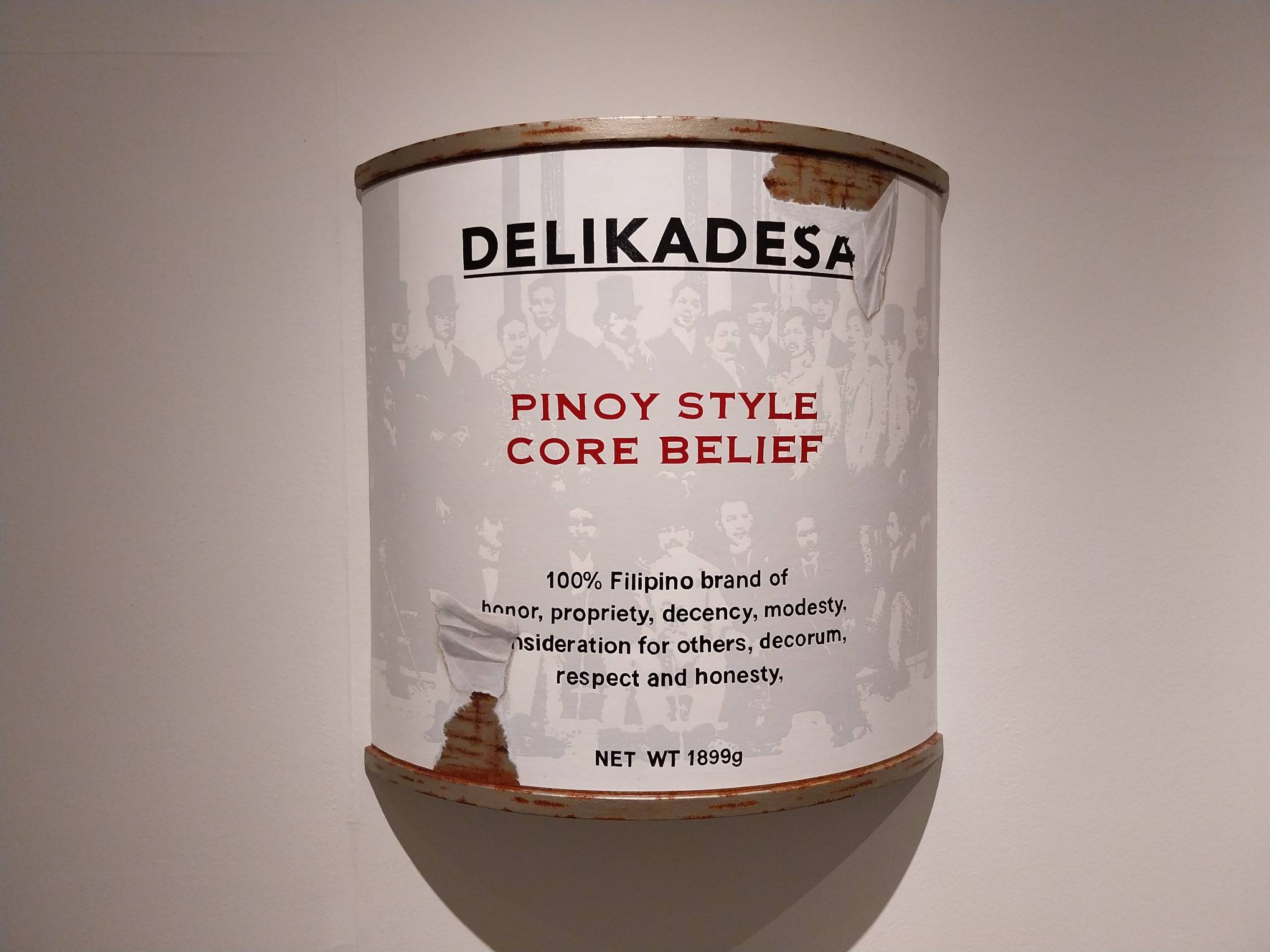
Brand Logos as Cultural Icons
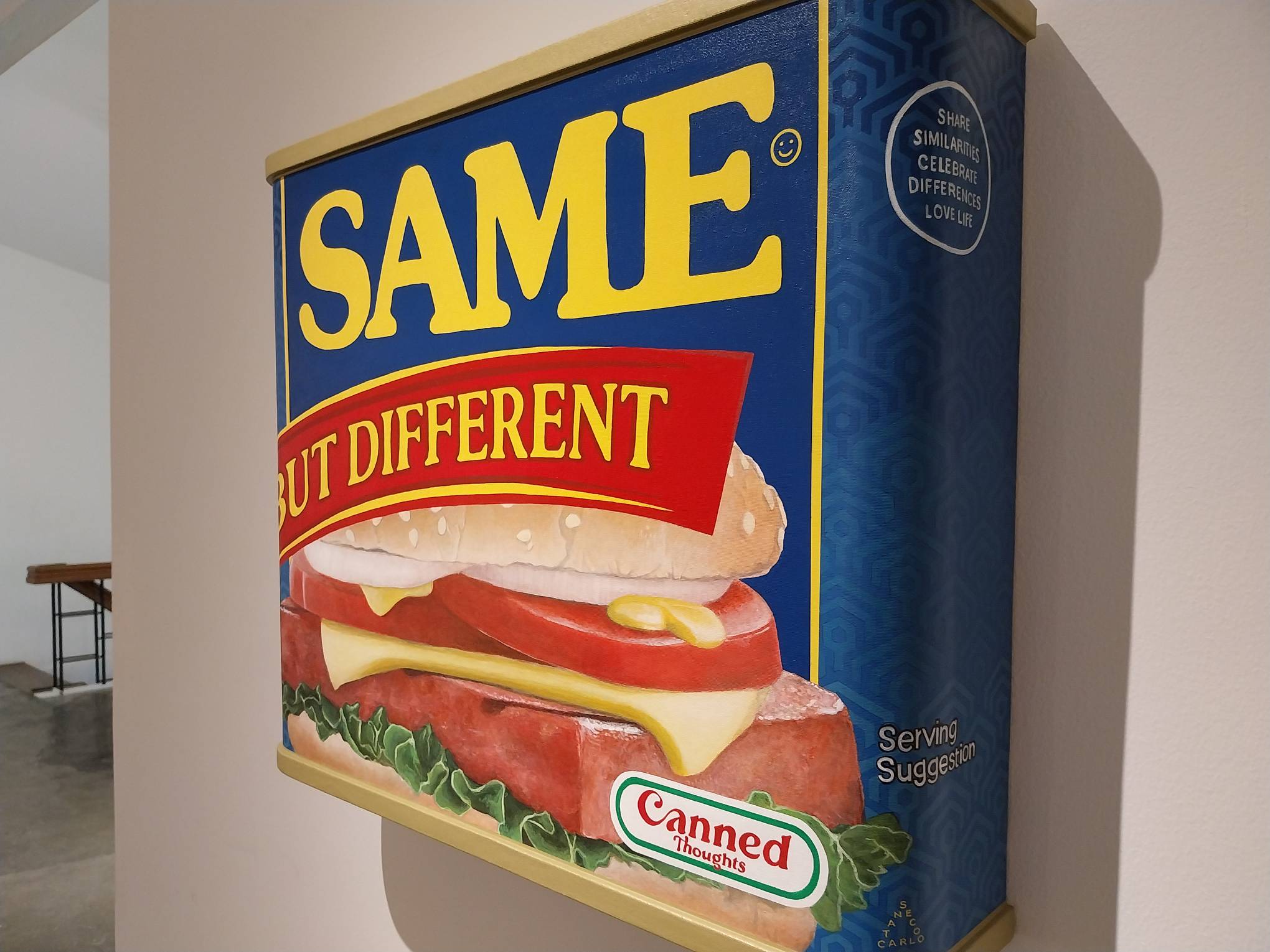
That tickle of recognition gives Canned Thoughts a lot of its charge. It feels funny to see someone repurposing a vienna sausage brand’s logo into a message about love, or the Spam brand being used to critique conformity. The approach is broad, but there’s a genuine subversiveness to the artist using these corporate entities as a way of speaking their thoughts on society.
The exhibit shows these parodies in the traditional framed paintings and in a painted half-can sculpture that’s mounted on the exhibit walls. There’s also a faux sari-sari store at the edge of the exhibit to complete the look of the typical Filipino household.
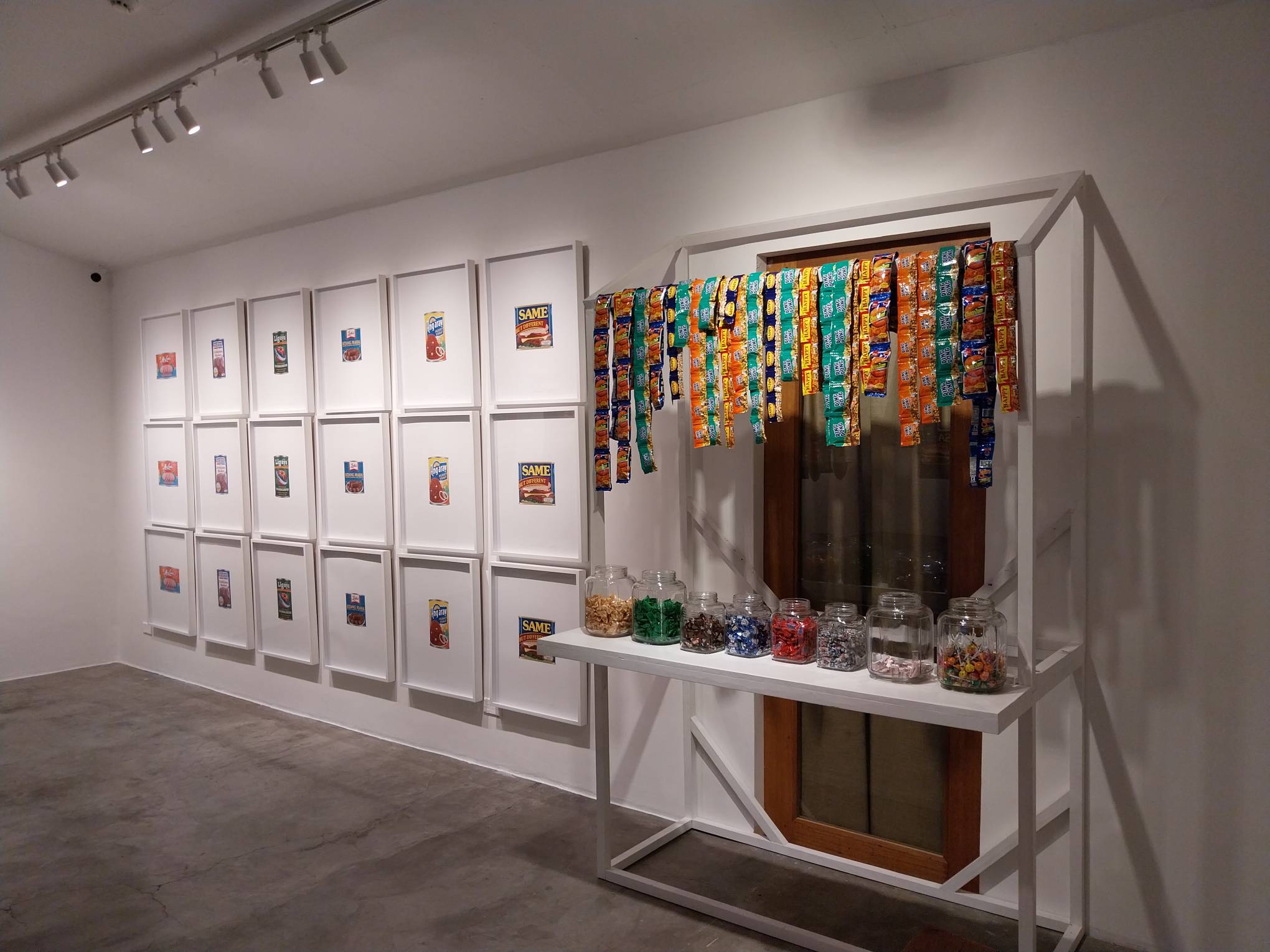
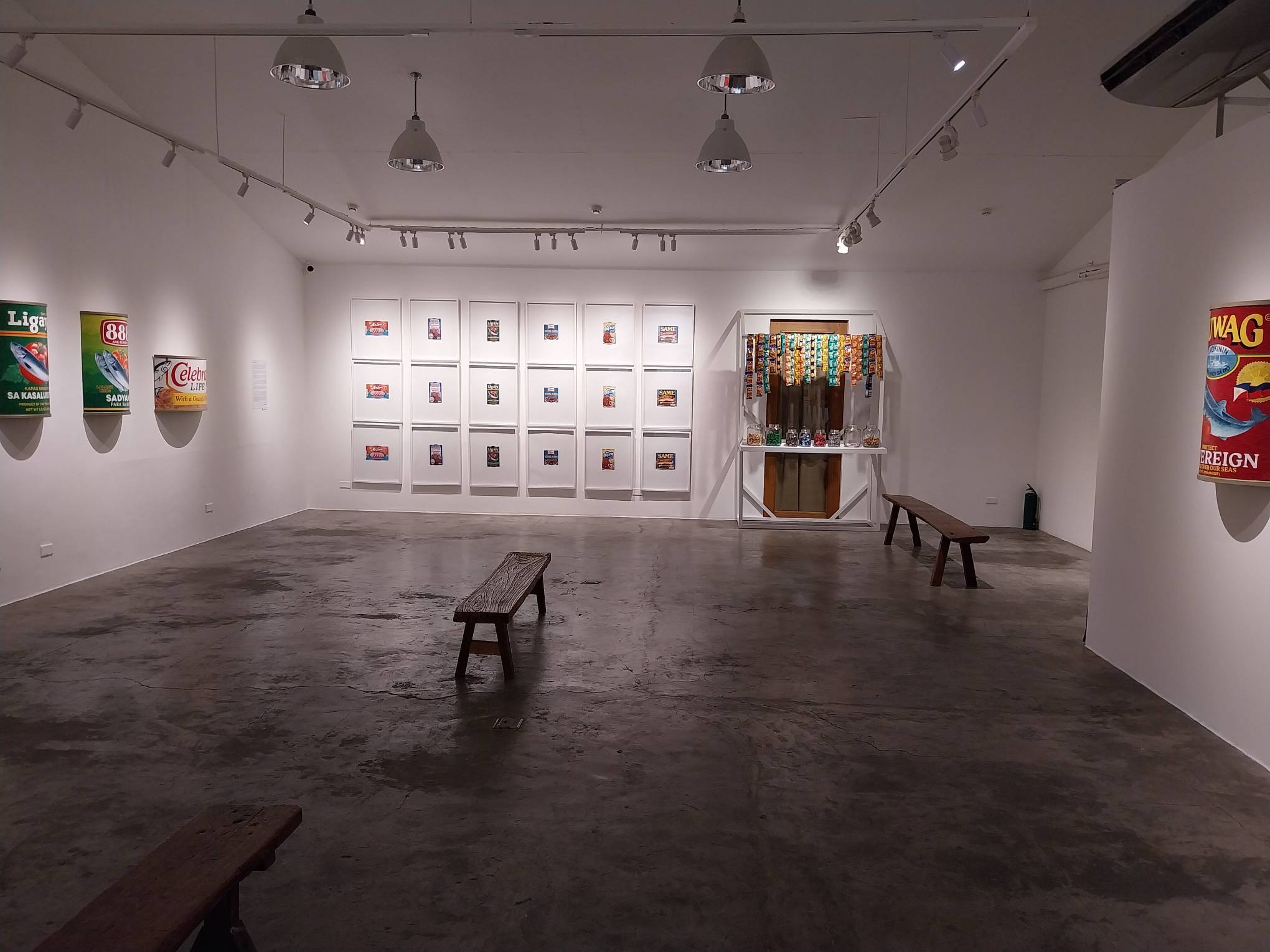
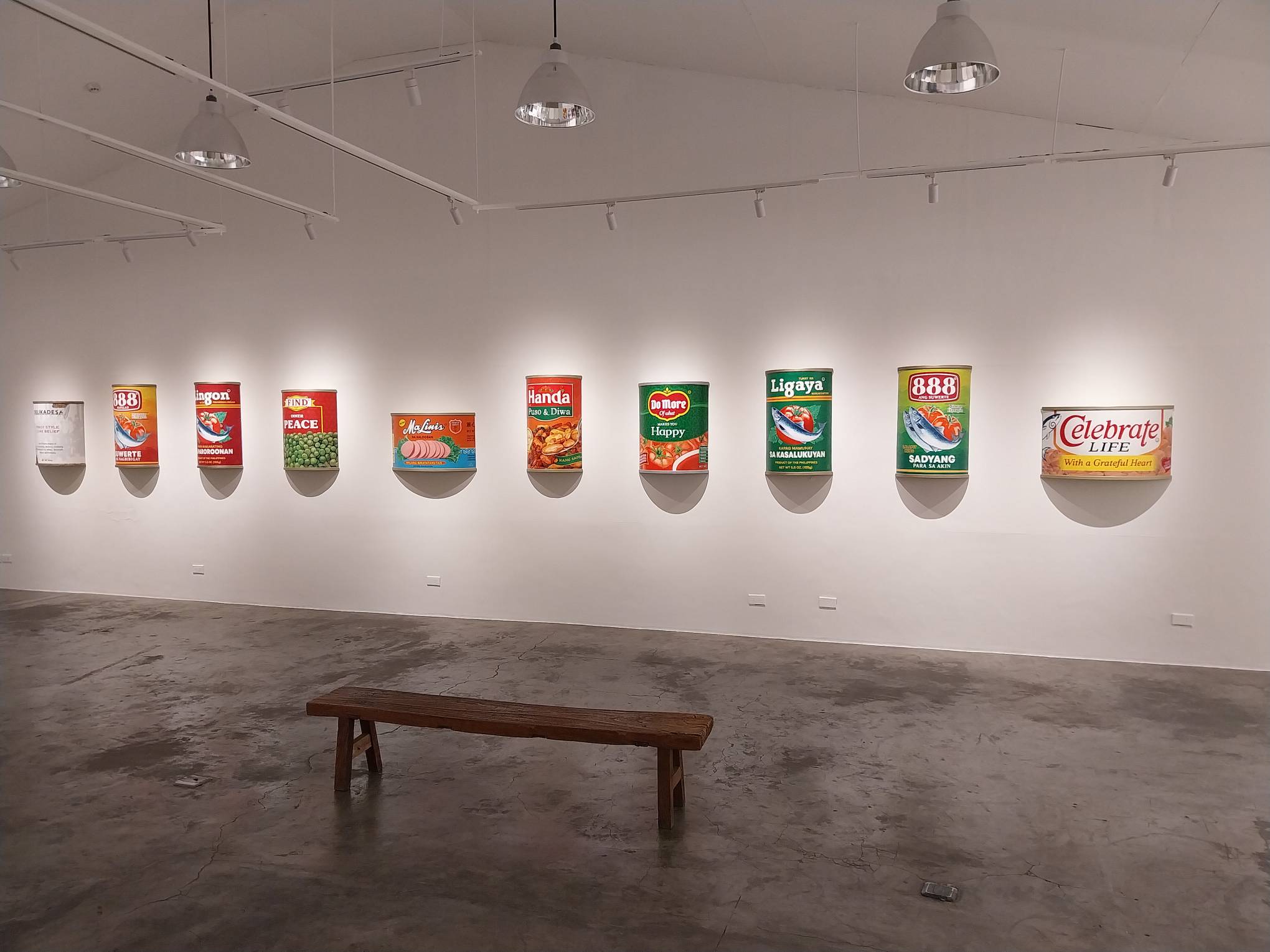
The mounted sculptures feel interesting because it evolves these brands beyond the pantry and into a larger-than-life position. Beyond the expressed sentiments of each work, it reminds us of the power of these marketed brands in our lives. We recognize them in an instant, we assign them their own spaces in our homes. In certain ways, the sculptures show their unspoken importance to our culture not unlike religious figures or posters of our favorite musicians.
Carlo Tanseco’s Canned Thoughts bring a simplicity of message to the forefront which utilizes the power of commercial ubiquity. It strikes into the heart of our human sentiment, and imparts these ideas in ways that’s both subversive and allows us into the heart of the matter.
Related reading: A Pop of Green: This Matcha Place Offers Minimalist Interiors with Unique Personality
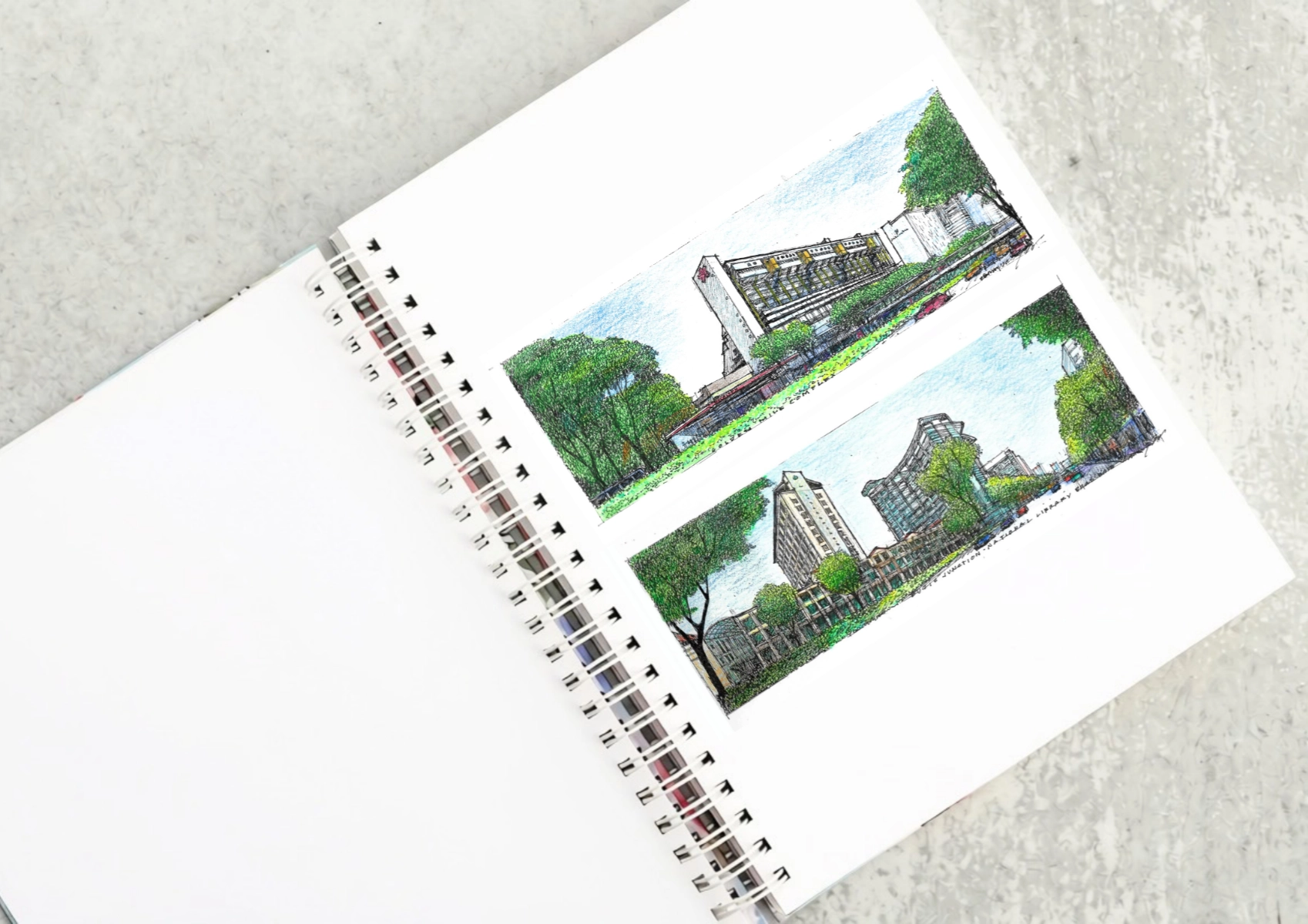
Two sketches of Singapore connect BluPrint Editor in Chief Paulo G. Alcazaren’s personal and professional history with Shared Ground: ArchitectureArchitectureThe art and science of designing and constructing buildings, structures, and spaces that are functional, safe, and aesthetically pleasing. It encompasses the planning, design, materials, and techniques used to createGo to Architecture Glossary of Care, Culture, […]
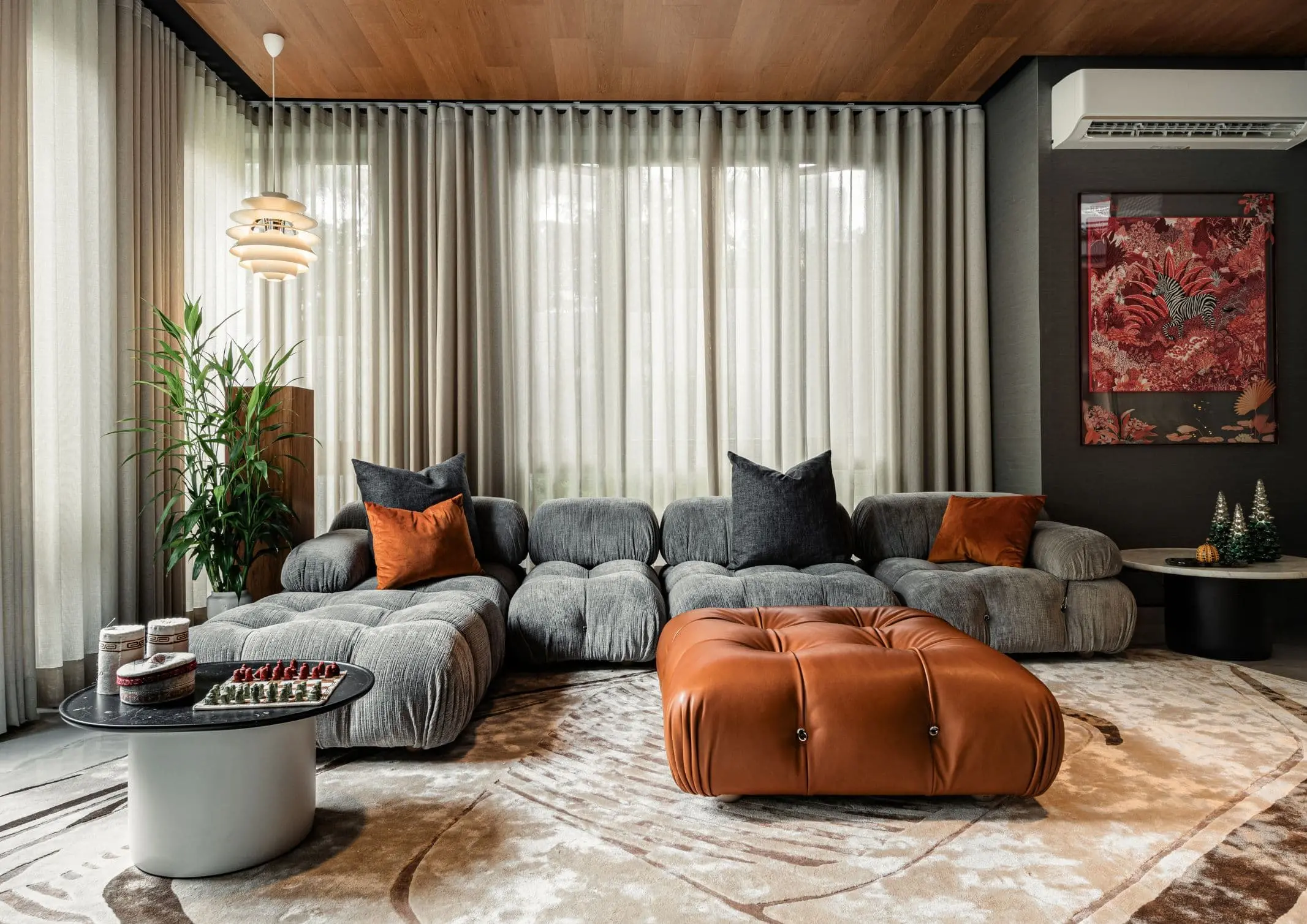
Some have become household names – Coleman, Oster, and KitchenAid – products that have found their way into Filipino kitchens, homes and family routines. In home furnishings, brands such as B&B Italia, Ethan Allen, Sub-Zero, Miele, SieMatic, Louis Poulsen, Hunter Douglas, Tempur, and Technogym, have helped shape the way Filipinos live. From everyday essentials to […]
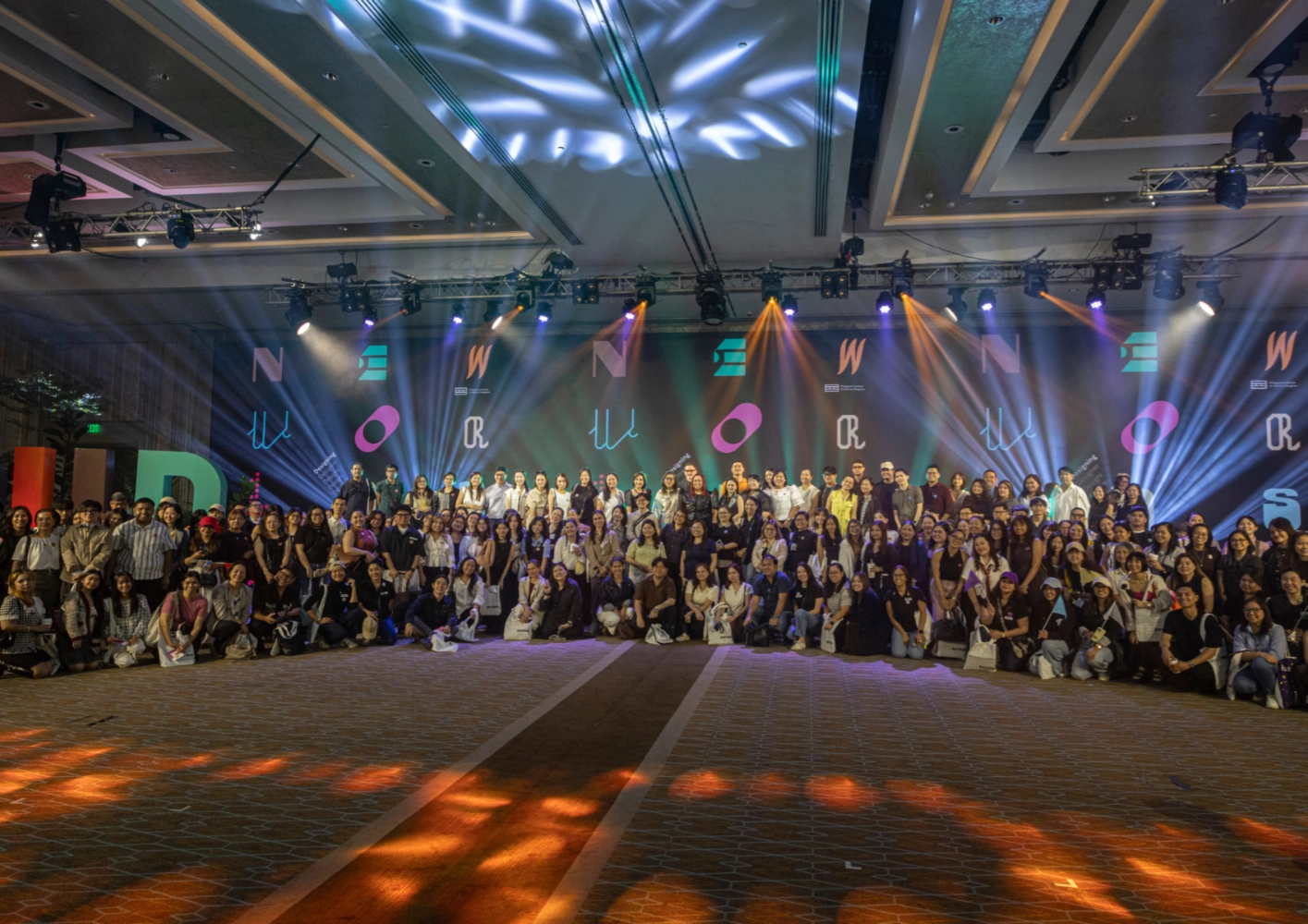
In a way, designers are the modern-day soothsayers and prophets. They design for the future, predicting how a room, a house, a building or a whole city will be used by people. They foresee how users will interact with a space, conjure exact shades of colors to elicit specific behavior and arrange furniture to build […]
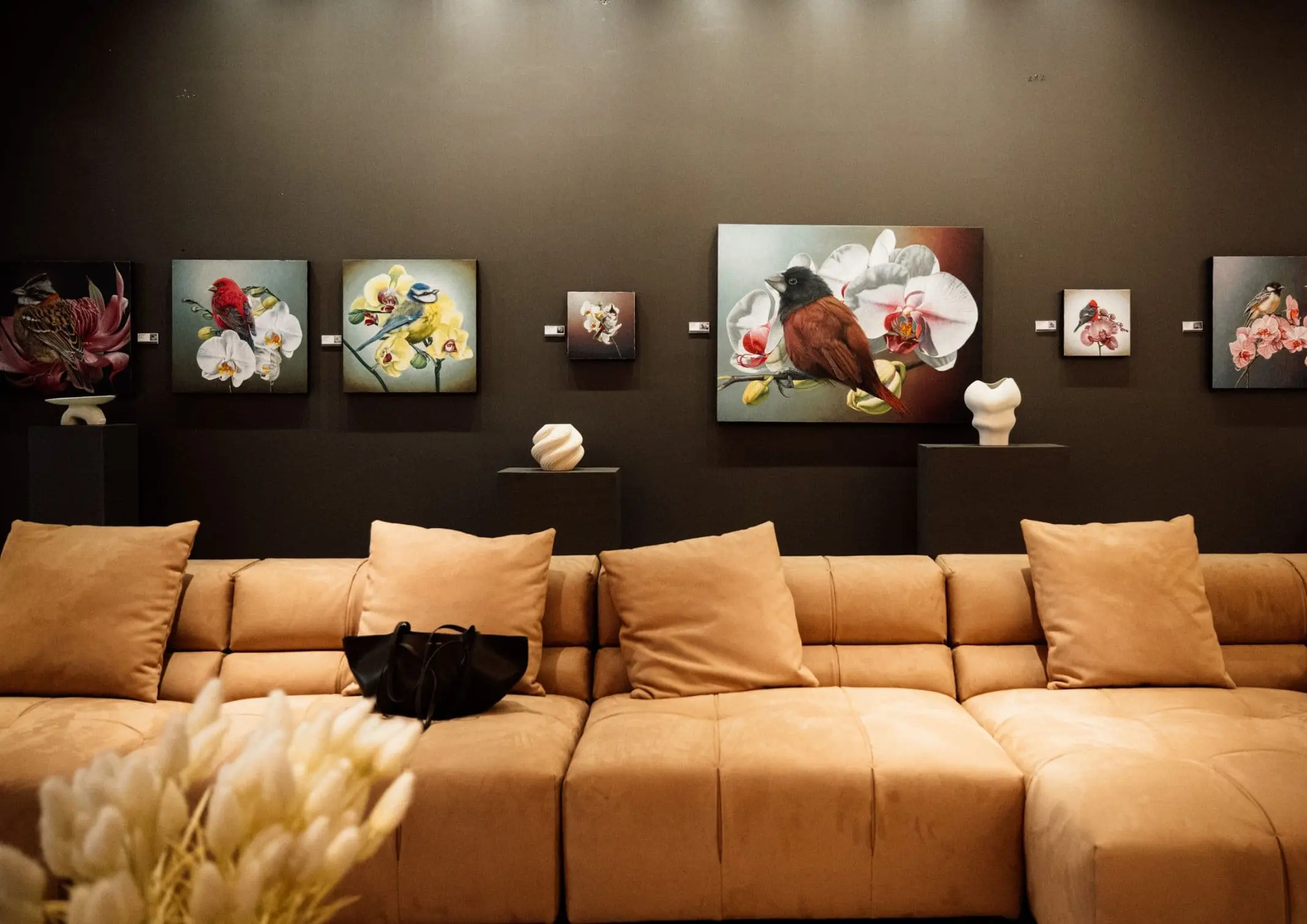
Art and furniture are often selected separately, yet their relationship can shape how a room looks and feels. The collaboration between Hooga and Galerie Joaquin explores how these elements can work together, bringing contemporary artworks into furnished residential settings at Hooga’s showroom in Uptown Mall, Bonifacio Global City. For Hooga, which curates furniture, lighting, and […]
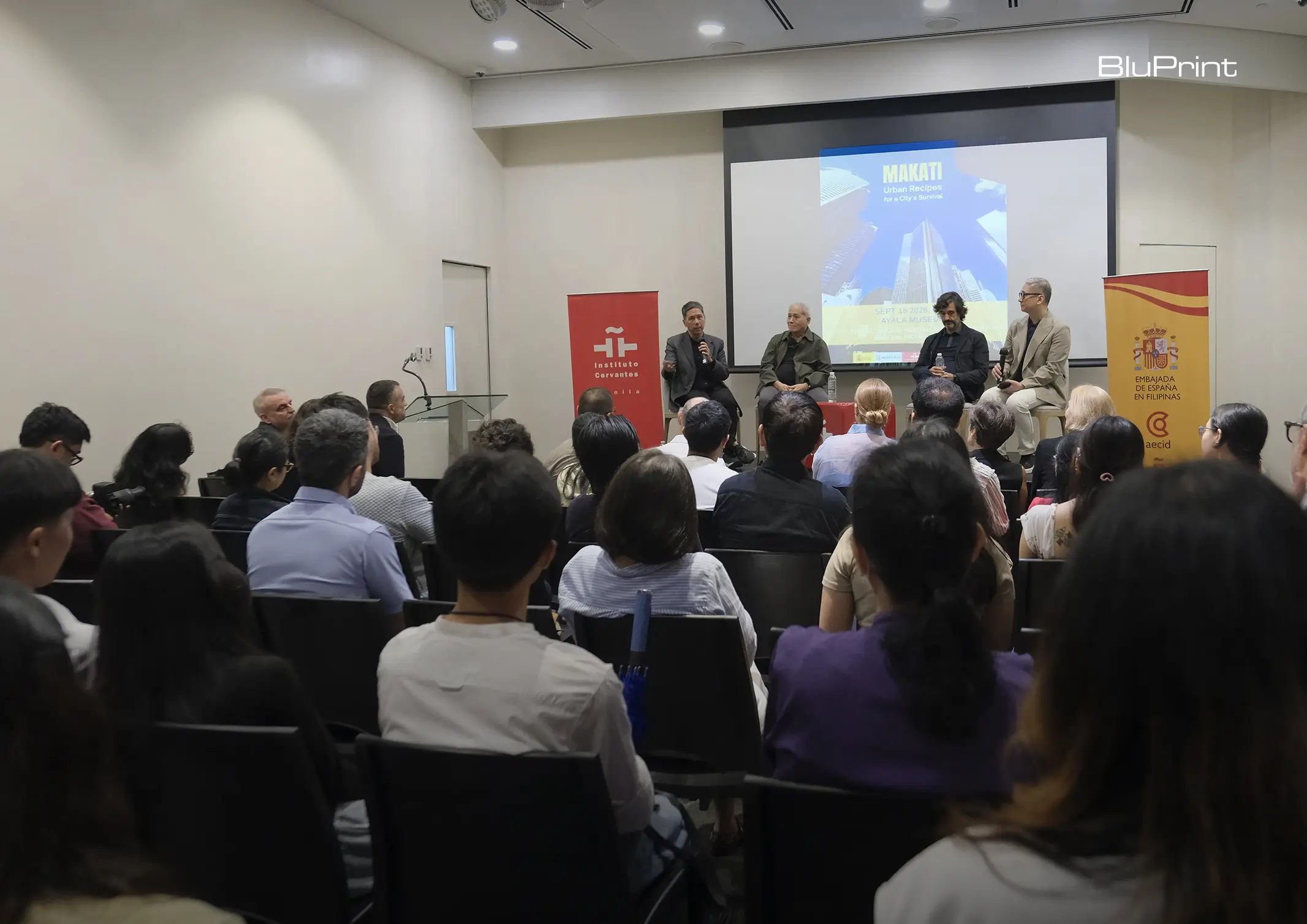
How can better-planned cities create the conditions for more creative, livable, and resilient urban environments? “Makati Urban Recipes for a City’s Survival,” a colloquium held at the Ayala Museum on September 15, brought together architects and practitioners from the fields of urbanism and the creative economy to discuss how design, planning, and collaboration can address […]
Read the issues.

Collect the volumes.

Recommended Video
Tap to Unmute
Unmute
0:00
0:00