Bigkis is the act of binding. In Tagalog, the word can refer to something used to bind or encircle, as well as a bundle formed by tying several separate elements together. Figuratively, it can also mean a bond, union, or unity. The meanings move from the physical act of joining things together to the connection […]
Designing ALT ART 2026 at SMX Manila: Baby Imperial on Building an Art Fair



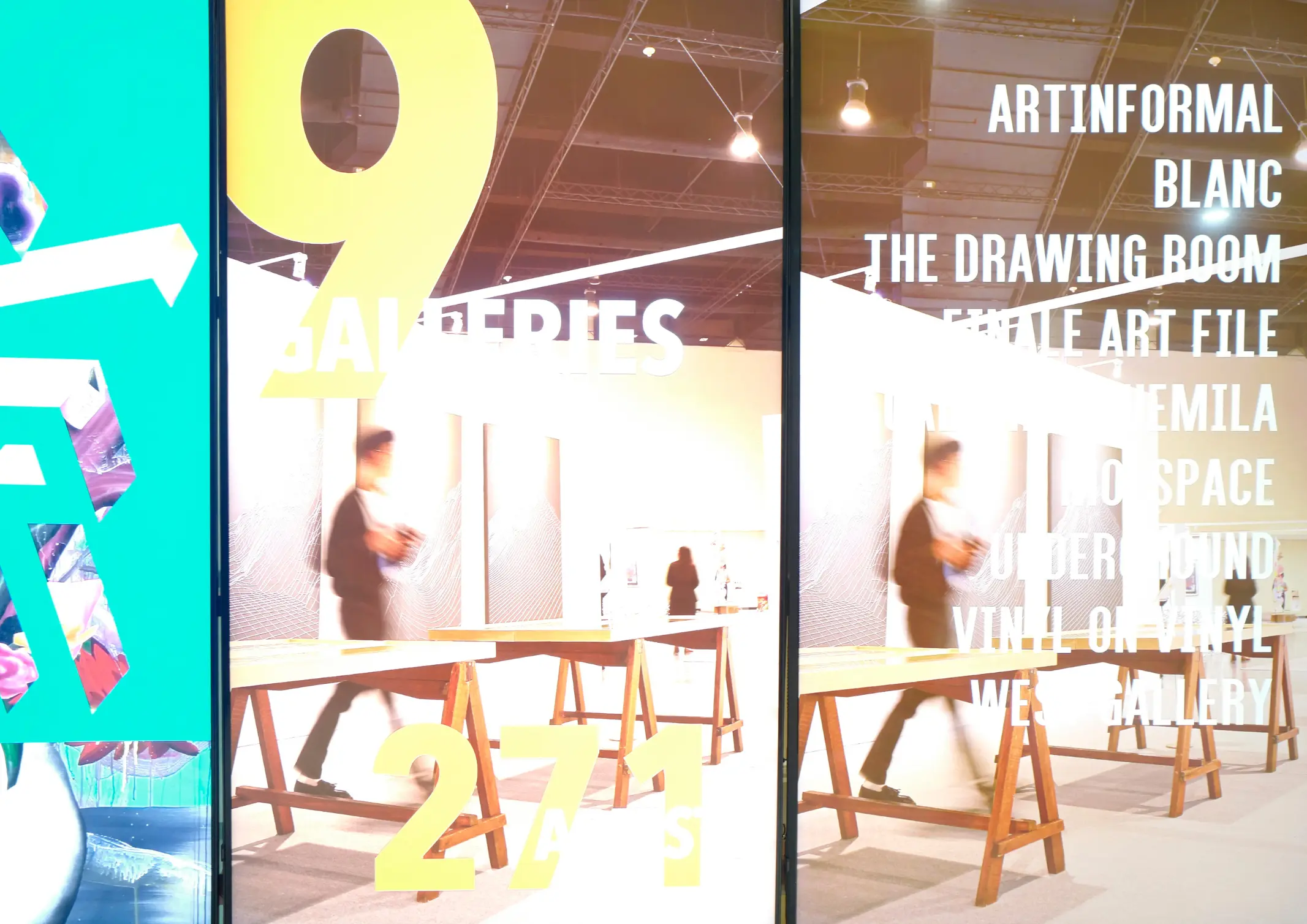
Exhibition designer Baby Imperial of All At Once shaped the spatial strategy of ALT ART 2026, its largest edition to date. The fair occupied Halls 1 and 2 of SMX Convention Center Manila, expanding in both footprint and ambition. Organized by the ALT Collective—Artinformal, Blanc, The Drawing Room, Galleria Duemila, Finale Art File, MO_Space, Underground, Vinyl on Vinyl, and West Gallery—the fair scaled up without losing its collaborative foundation.
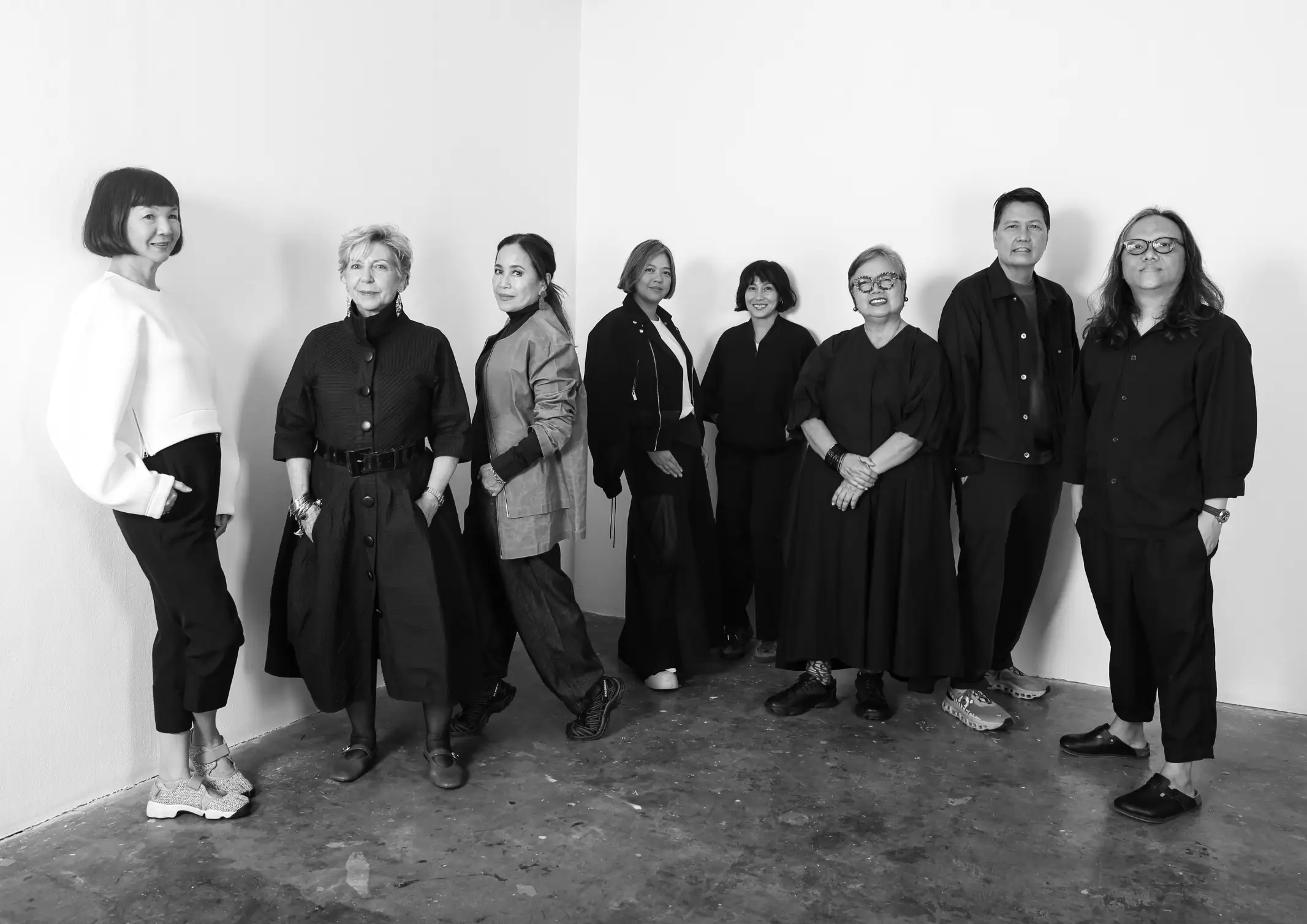
“ALT ART has been a labor of love by the 9 galleries to put this together. We didn’t want a space that was limiting because our priority is to be able to present the artist’s works as best as possible, because they work so hard to create these works,” Tina Fernandez, founder of Artinformal, says.
Turning a Blank Canvas into an Art Fair
ALT ART’s fourth edition features twice the floor area of its 2024 iteration–its walls rising to 5 meters high. “[The] 5-meter walls create visual impact and significantly alter the volume of the space with appropriate surfaces for art to be viewed in a compelling manner,” Imperial says in an email interview with BluPrint.
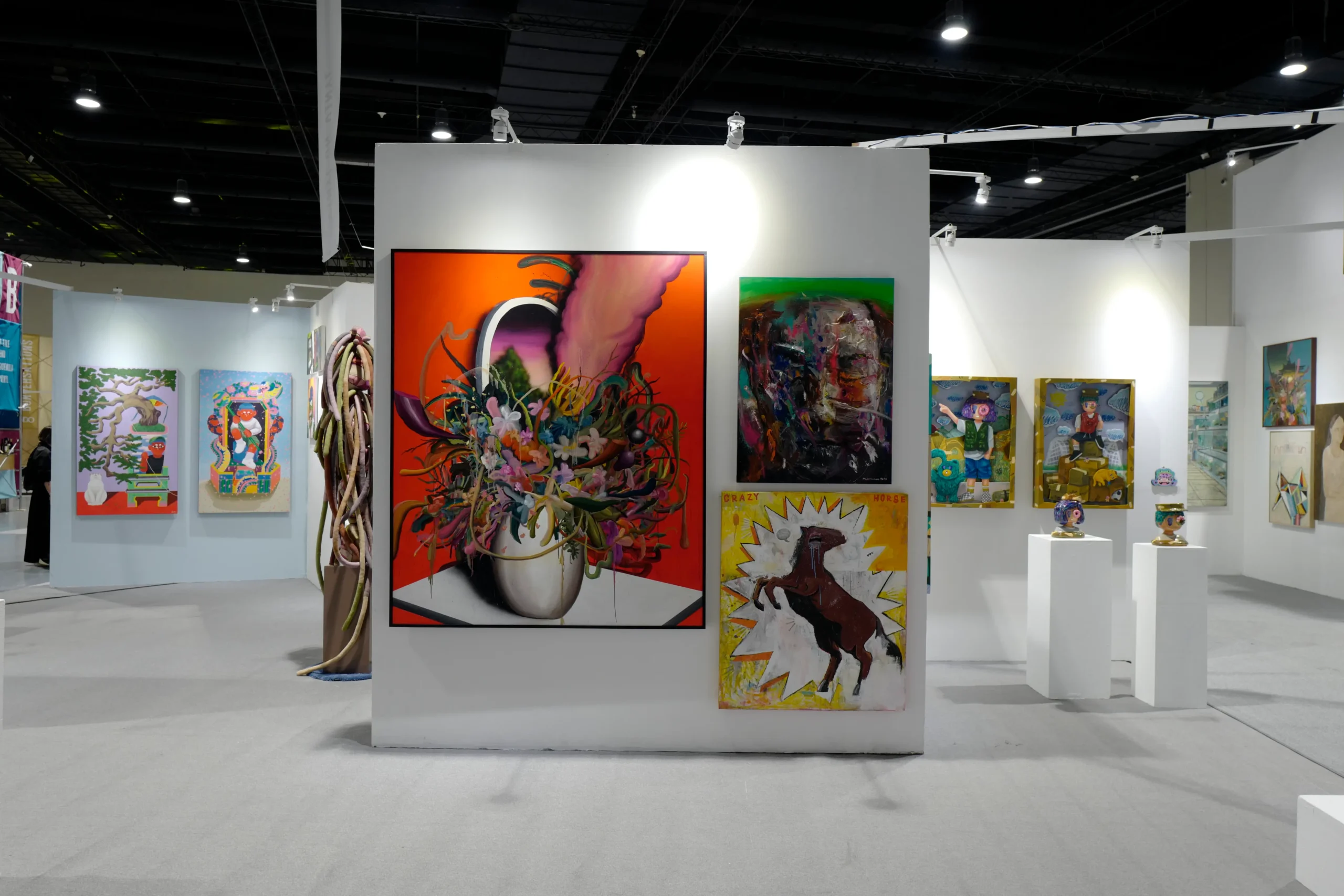
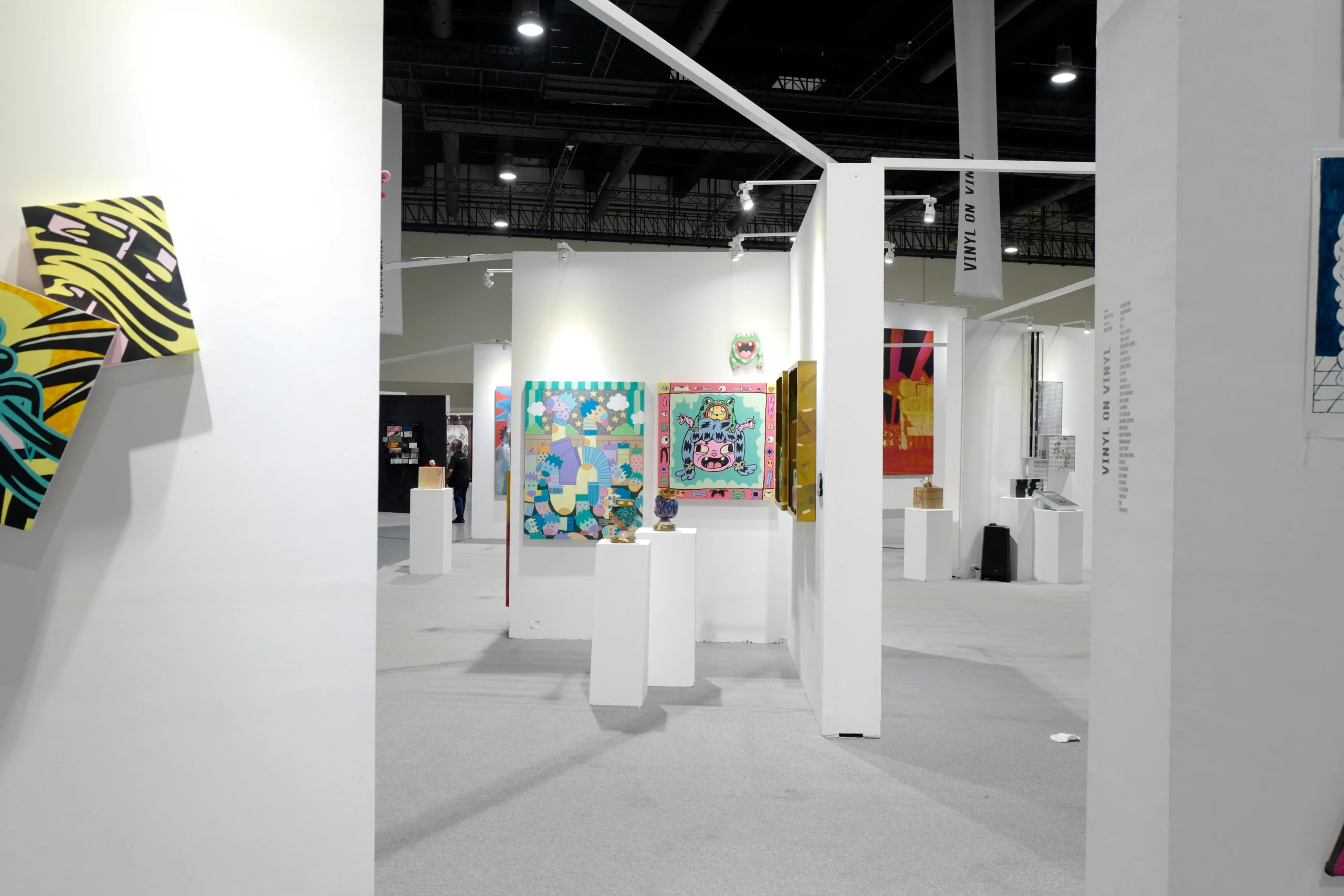
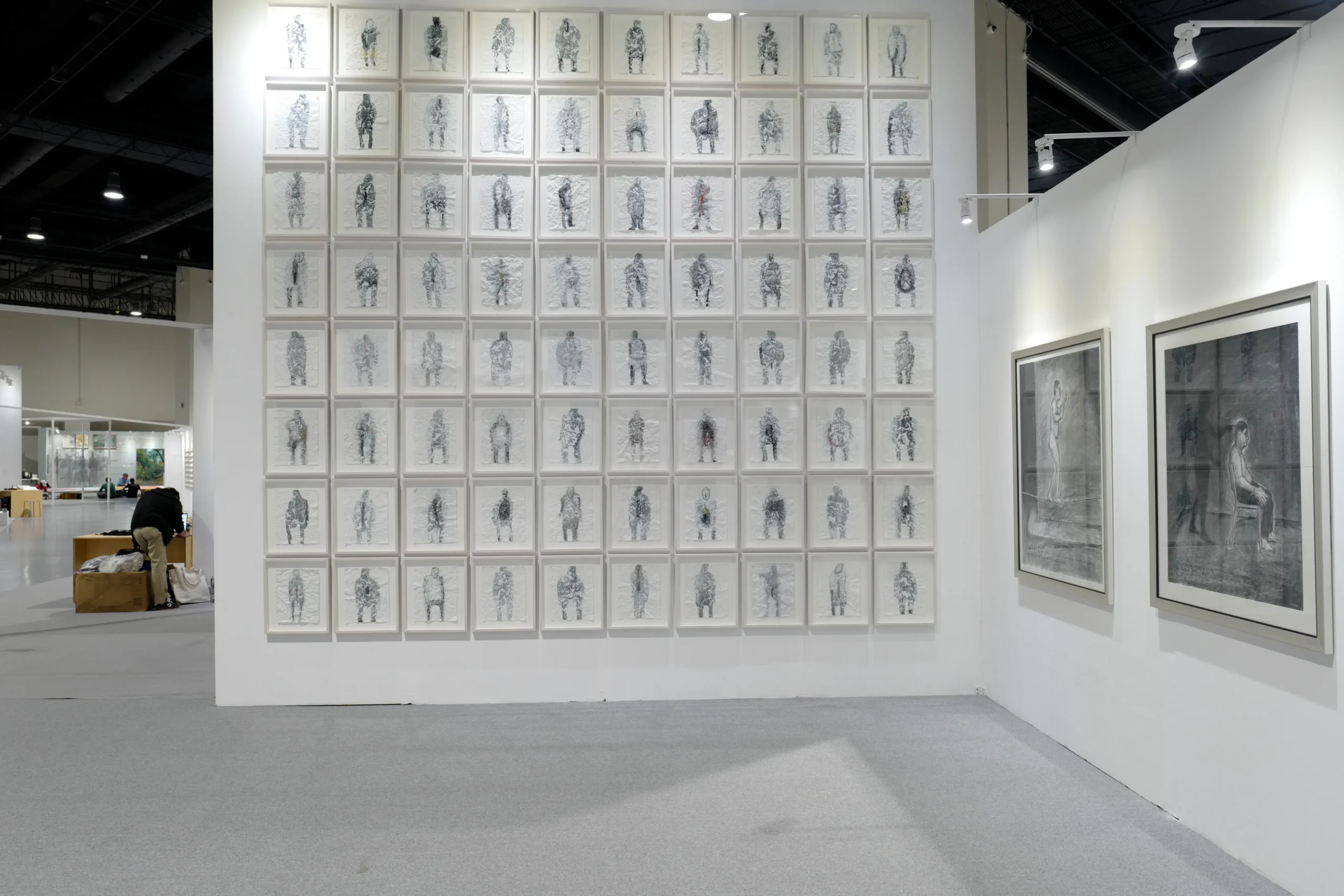
The venue began as a blank, cavernous hall, challenging Imperial to create a space that balanced sightlines, circulation, exchange, and dialogue. Imperial transformed the hall into one of engagement and inclusivity. “An environment showcasing art is necessarily about artists and their work, located front and center. Equally important is the audience, the public, and their ease in accessing the art both visually and physically,” Imperial says.
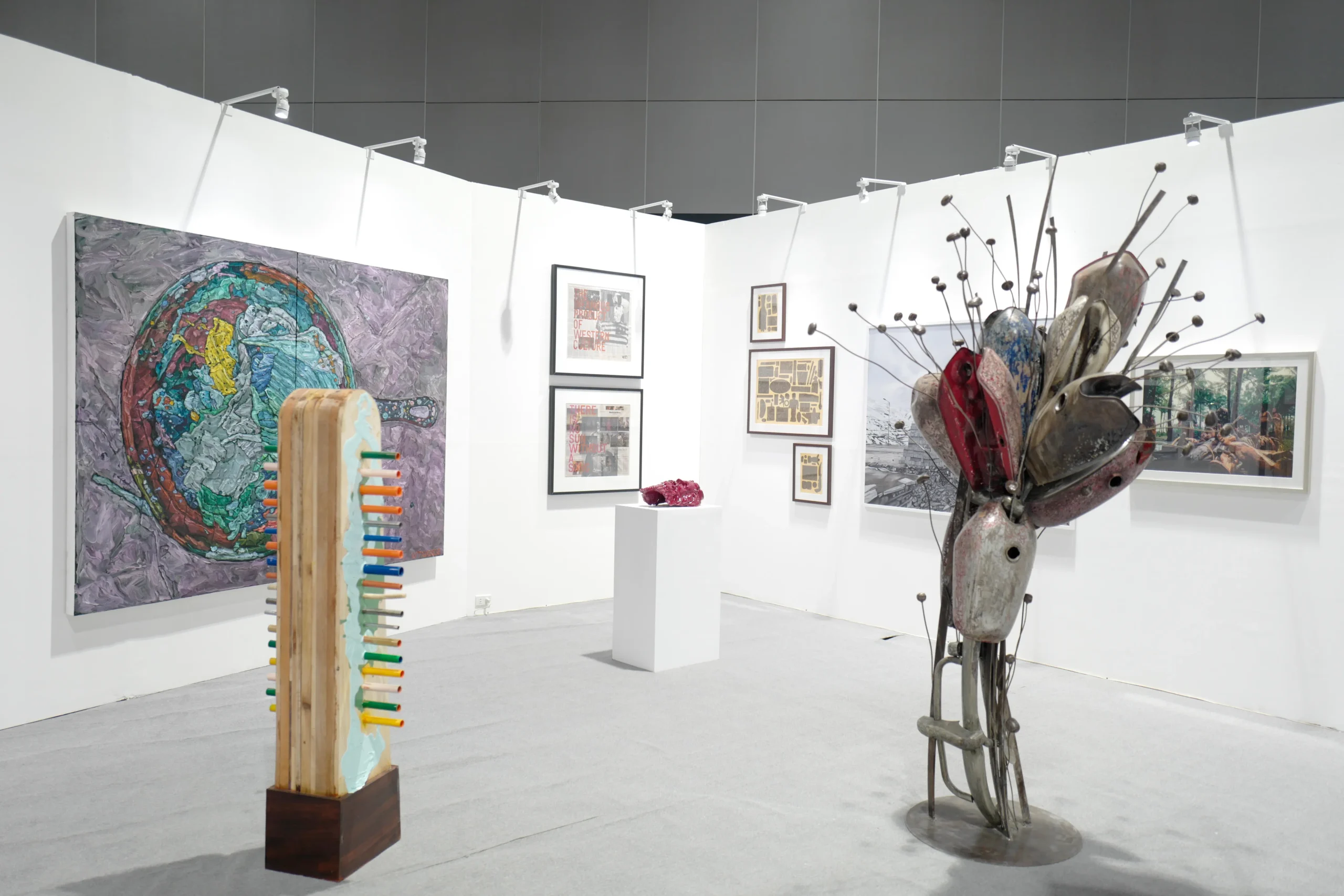
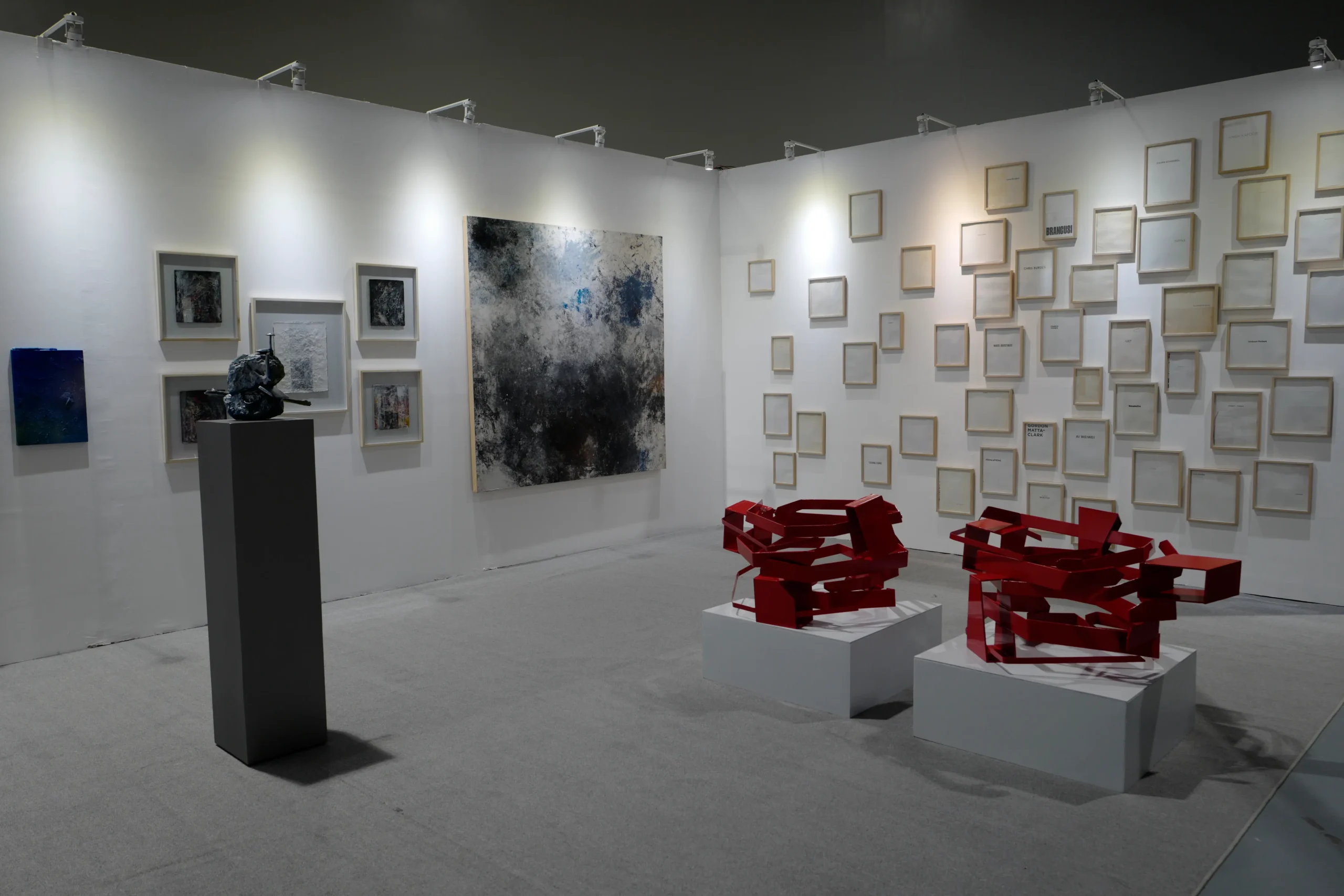
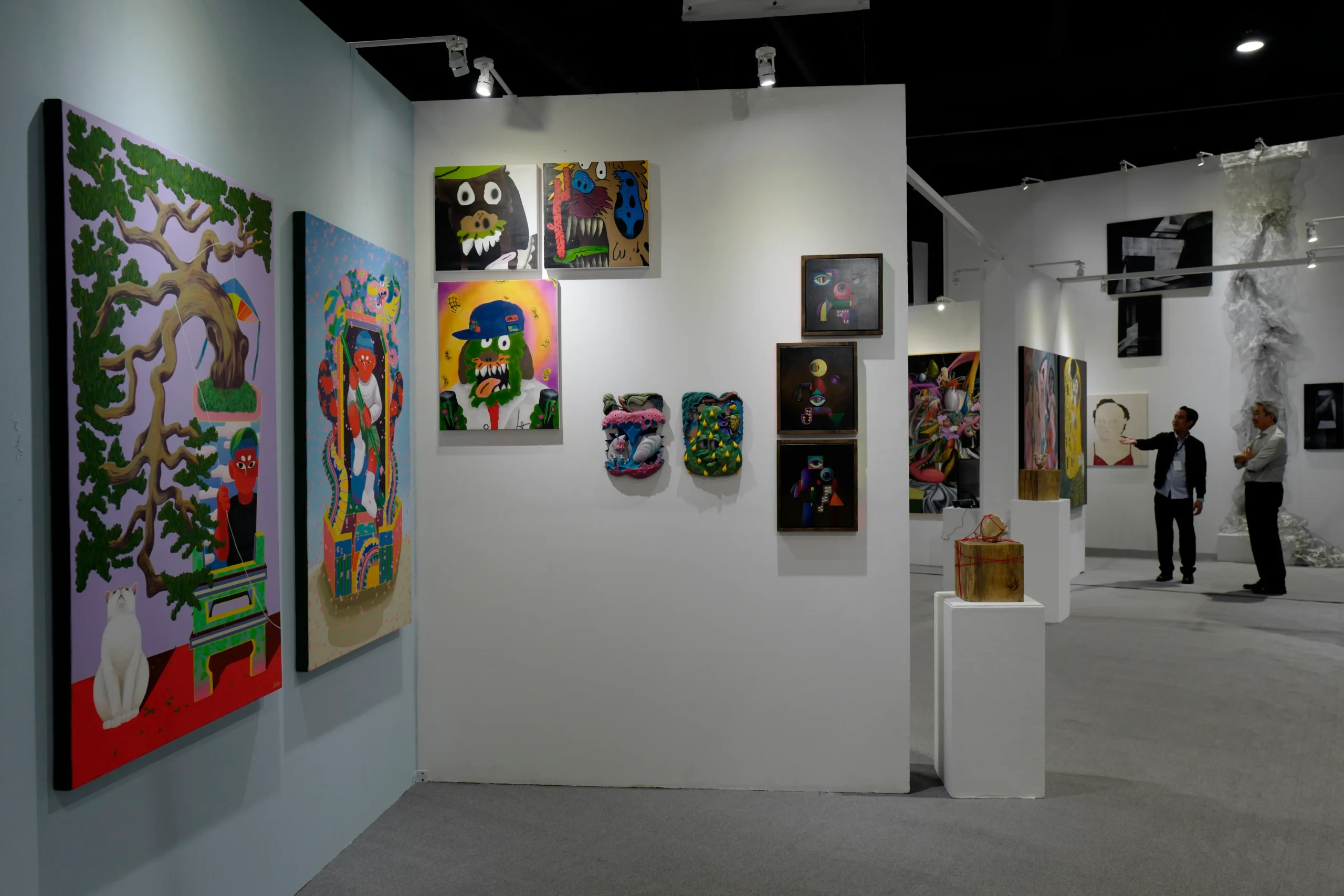
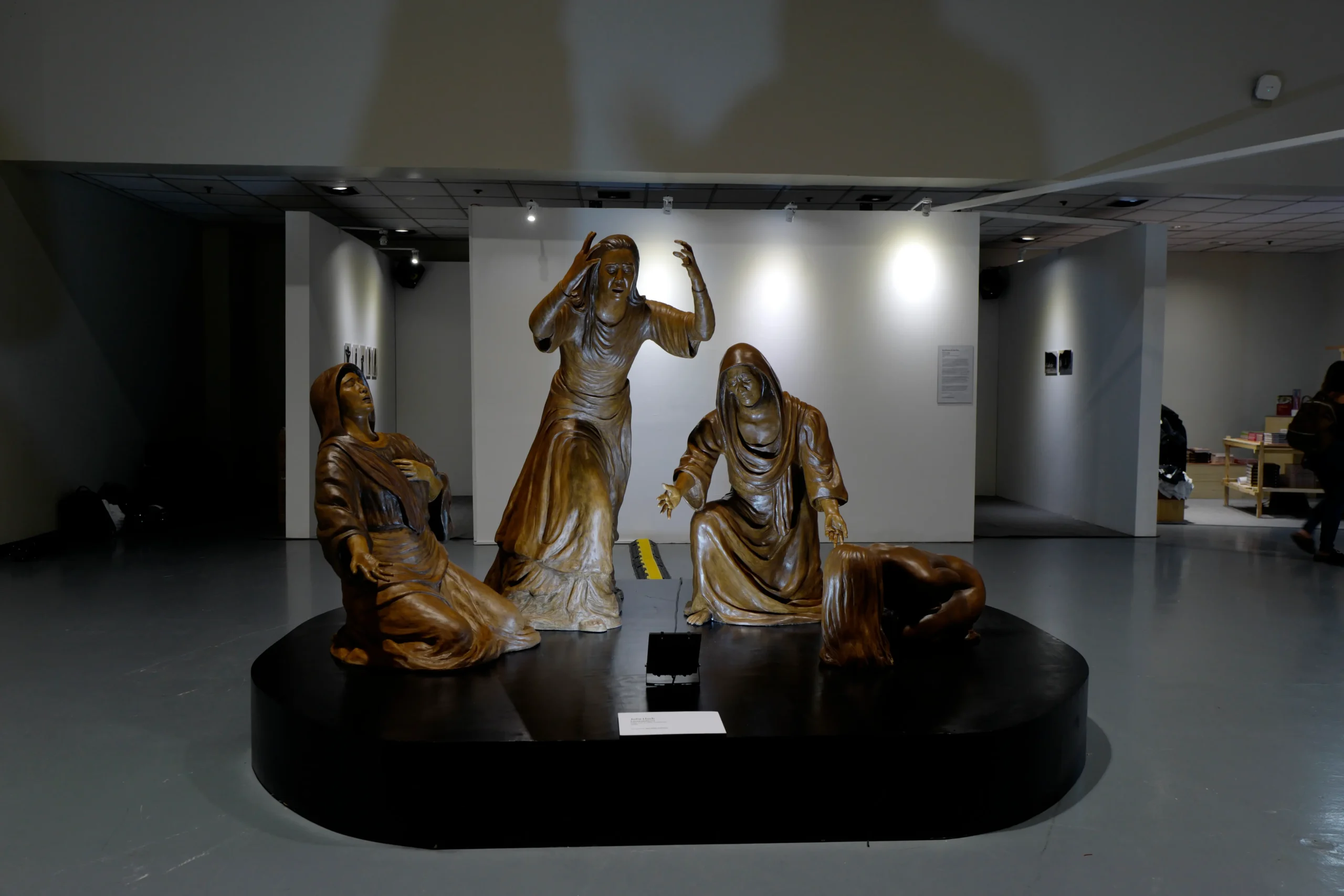
For ALT ART, she positioned the discovery section and project spaces generously and organically throughout the space. This ensures an immersive experience across diverse media (film, video, and sound) while leveraging scale and materiality. This programming strategy, tailored to each artwork’s specificity, creates a seamless experience that erases “booth boundaries.”
An Open Space for Open Conversations
The walls were angled to create a circular formation, with the café placed at the center of the venue. This space was designed for people from all walks of life to connect and converse. “And finally, it is critical to provide a central convergence space where art is visible from every angle,” Imperial says.
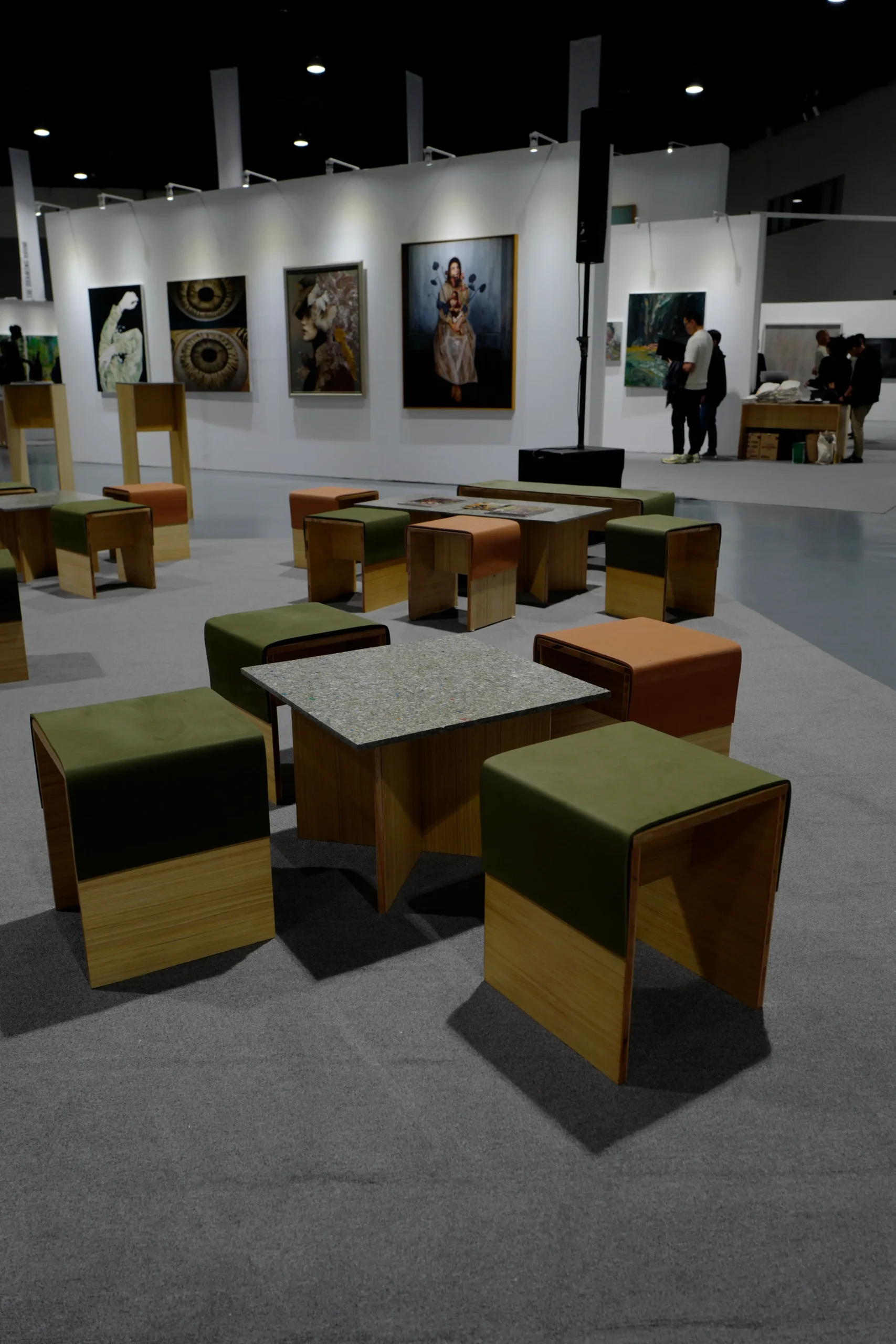
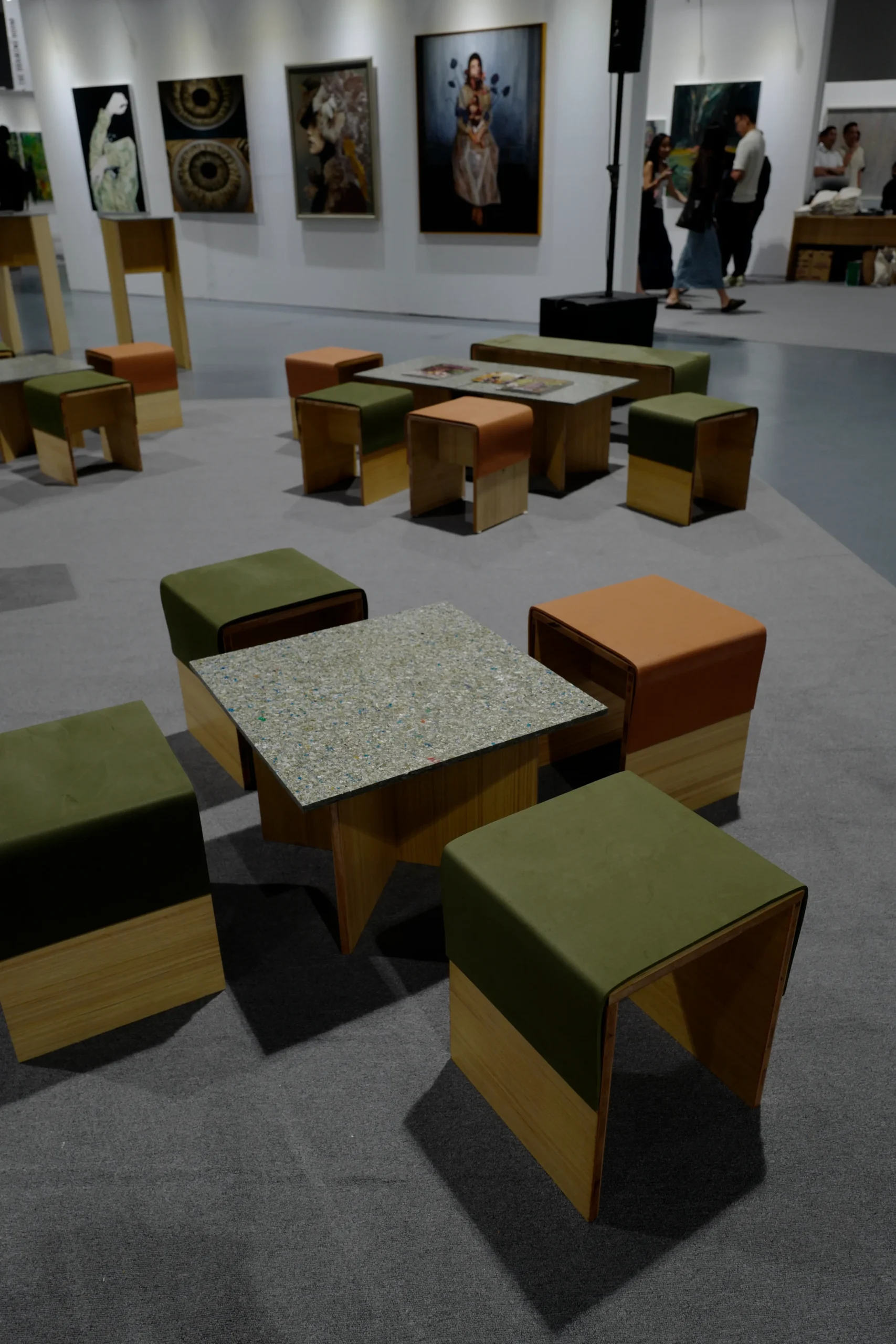
With audience comfort in mind, Imperial introduced a quiet seating area for reflection and engagement with the artworks. Food and beverage areas are strategically placed nearby to encourage social interaction.
In Collaboration with the Galleries
While Imperial led the exhibition design, the galleries retained autonomy in curating their own sections. “A dynamic partnership with gallerists, artists, and curators working together to generate spaces that cohere with curatorial intention and focus is de rigueur,” she says.
Cesar H. Villalon, founder of Manila-based gallery The Drawing Room, presented around seventy-five artists. “We decided to include a lot of artists because it’s not often that they have art fairs in the Philippines.” He was intentional in organizing the works, particularly in pairing Filipino artists Vermon Coronel Jr. and Troy Ignacio.
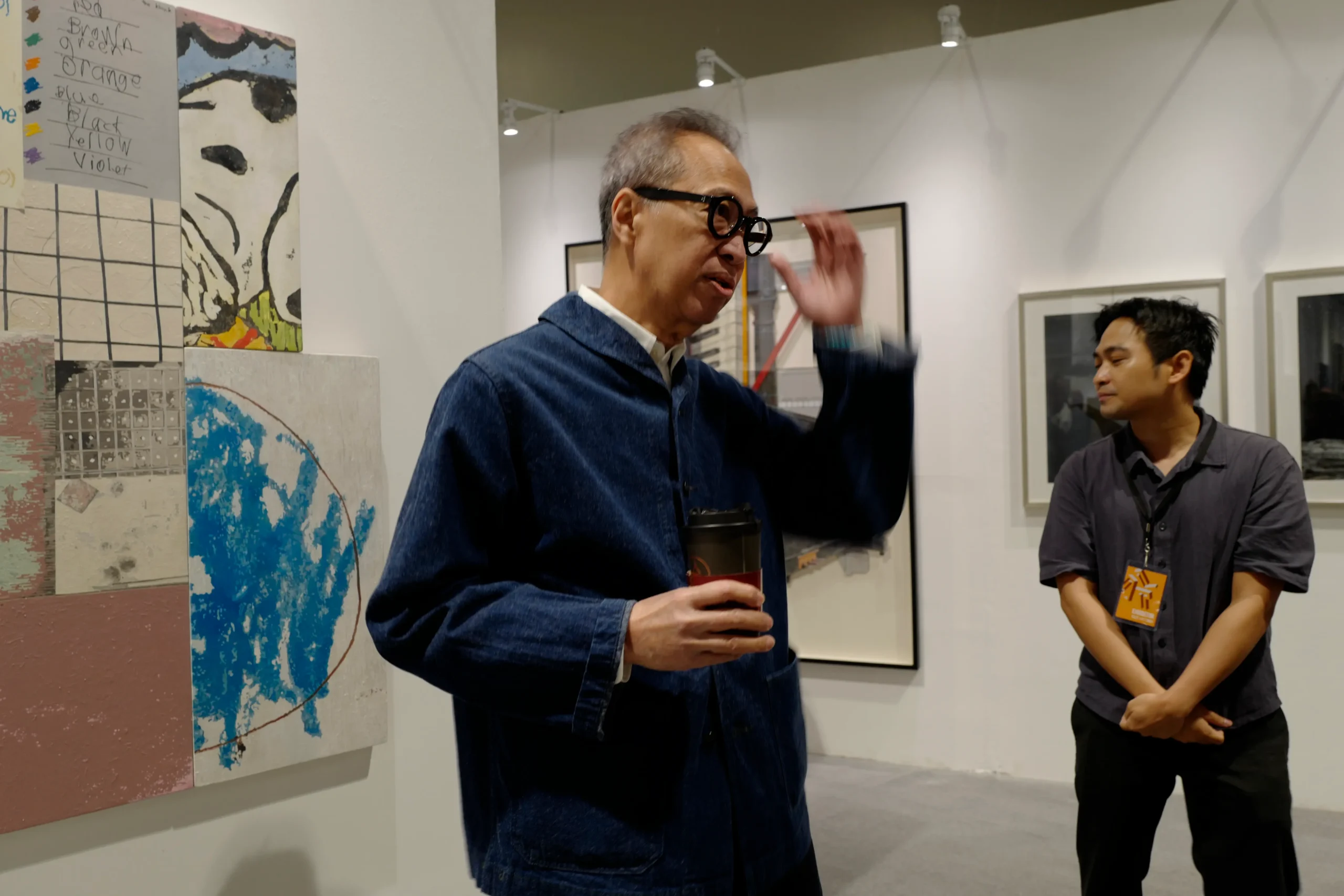
“Their works speak to each other. The medium would be paper—four to five layers of manually cut stencil paper. Then Troy would do birds in watercolor. If you see Troy’s handling of watercolor, it’s very different from others. It’s almost like paint. Ito naman, layers of hand-cut, manually cut work,” Villalon explains.
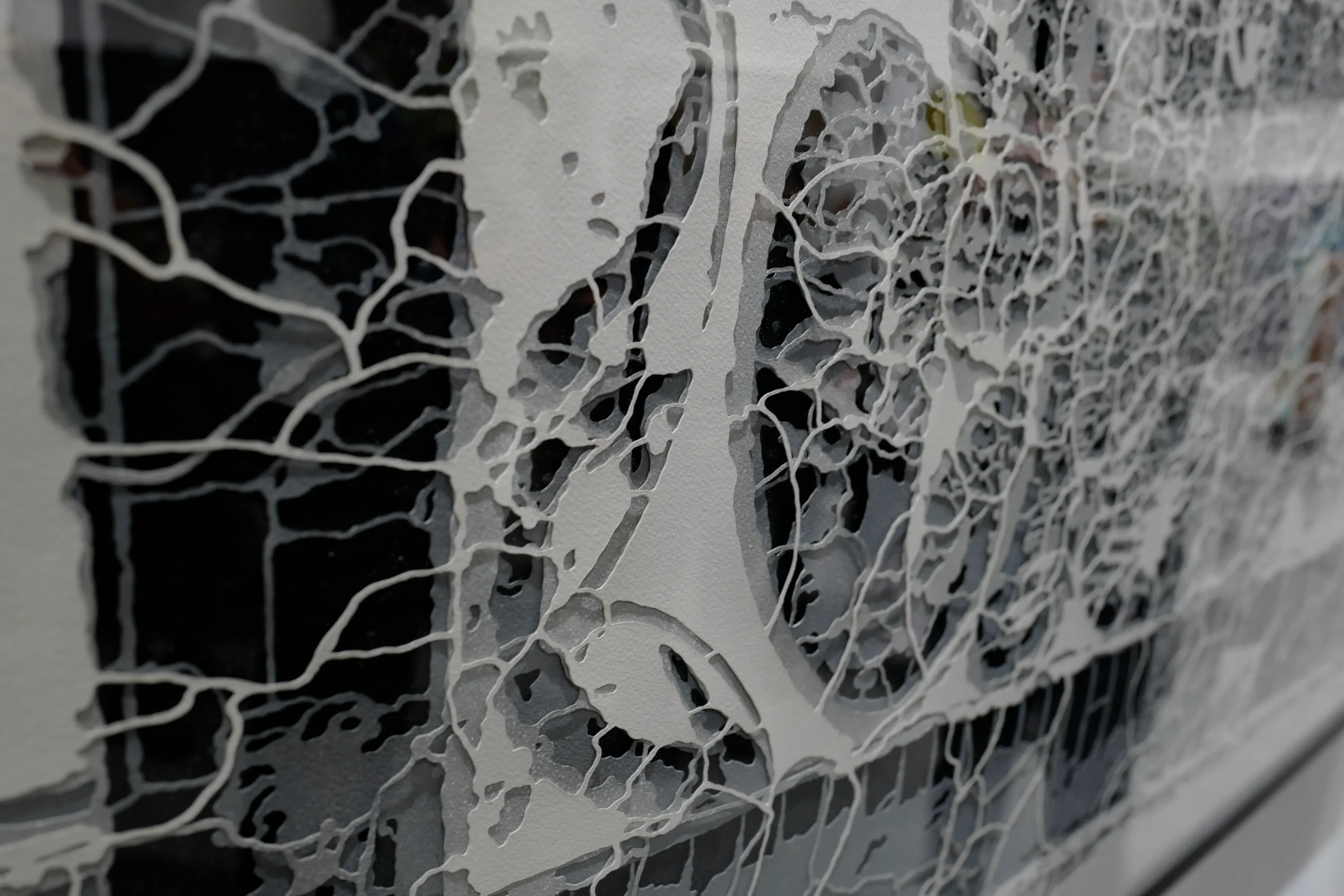
The ALT Collective and Baby Imperial shaped an environment that foregrounds both the artwork and the experience of encountering it. At its core, ALT ART remains about encountering art with generosity and inclusivity, reinforced by a long-term commitment to nurturing the art ecosystem.
Photographed by Ed Simon.
Read More: ART 2026: A Major Expansion for Contemporary Philippine Art
Frequently Asked Questions
The 2026 edition was its largest to date, occupying Halls 1 and 2 of the SMX Convention Center Manila. The floor area was doubled compared to the 2024 iteration, featuring massive 5-meter-high walls. Designer Baby Imperial utilized this increased volume to create high visual impact and provide appropriate surfaces for viewing art in a more compelling, monumental manner.
Imperial’s goal was to transform a “blank, cavernous hall” into an inclusive space of engagement. She focused on eracing traditional “booth boundaries” by positioning discovery sections and project spaces organically throughout the venue. This layout was designed to balance sightlines and circulation, ensuring the audience could access artworks—ranging from traditional media to film and sound—both visually and physically with ease.
The fair featured an “open space” philosophy where walls were angled into a circular formation. At the absolute center of the venue, Imperial placed a café as a central convergence point where art is visible from every angle. This was complemented by quiet seating areas for reflection and strategically placed food and beverage zones to encourage conversation among visitors from all walks of life.
While Imperial managed the overall spatial strategy, the nine galleries of the ALT Collective retained full control over the curation of their specific sections. For example, Cesar H. Villalon of The Drawing Room curated a section featuring seventy-five artists, intentionally pairing specific creators like Vermon Coronel Jr. and Troy Ignacio to ensure their different mediums—hand-cut stencil paper and watercolor—could “speak to each other” within the assigned space.
The ALT Collective is a collaborative group of nine prominent galleries that organized the fair as a “labor of love” to support the Philippine art ecosystem. The members include Artinformal, Blanc, The Drawing Room, Galleria Duemila, Finale Art File, MO_Space, Underground, Vinyl on Vinyl, and West Gallery. Their priority was to create a space that wasn’t limiting, allowing artists’ hard work to be presented as effectively as possible.
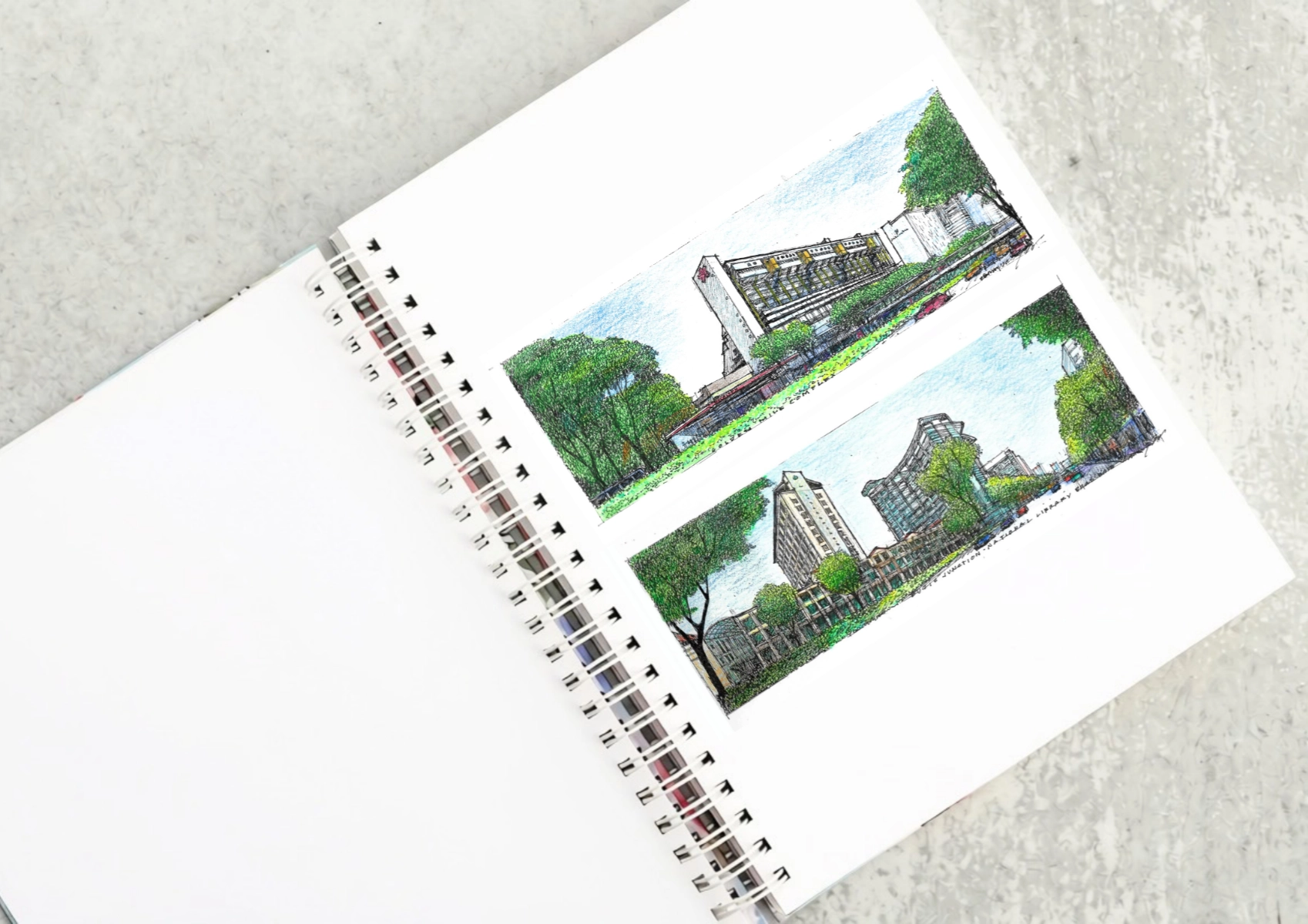
Two sketches of Singapore connect BluPrint Editor in Chief Paulo G. Alcazaren’s personal and professional history with Shared Ground: ArchitectureArchitectureThe art and science of designing and constructing buildings, structures, and spaces that are functional, safe, and aesthetically pleasing. It encompasses the planning, design, materials, and techniques used to createGo to Architecture Glossary of Care, Culture, […]
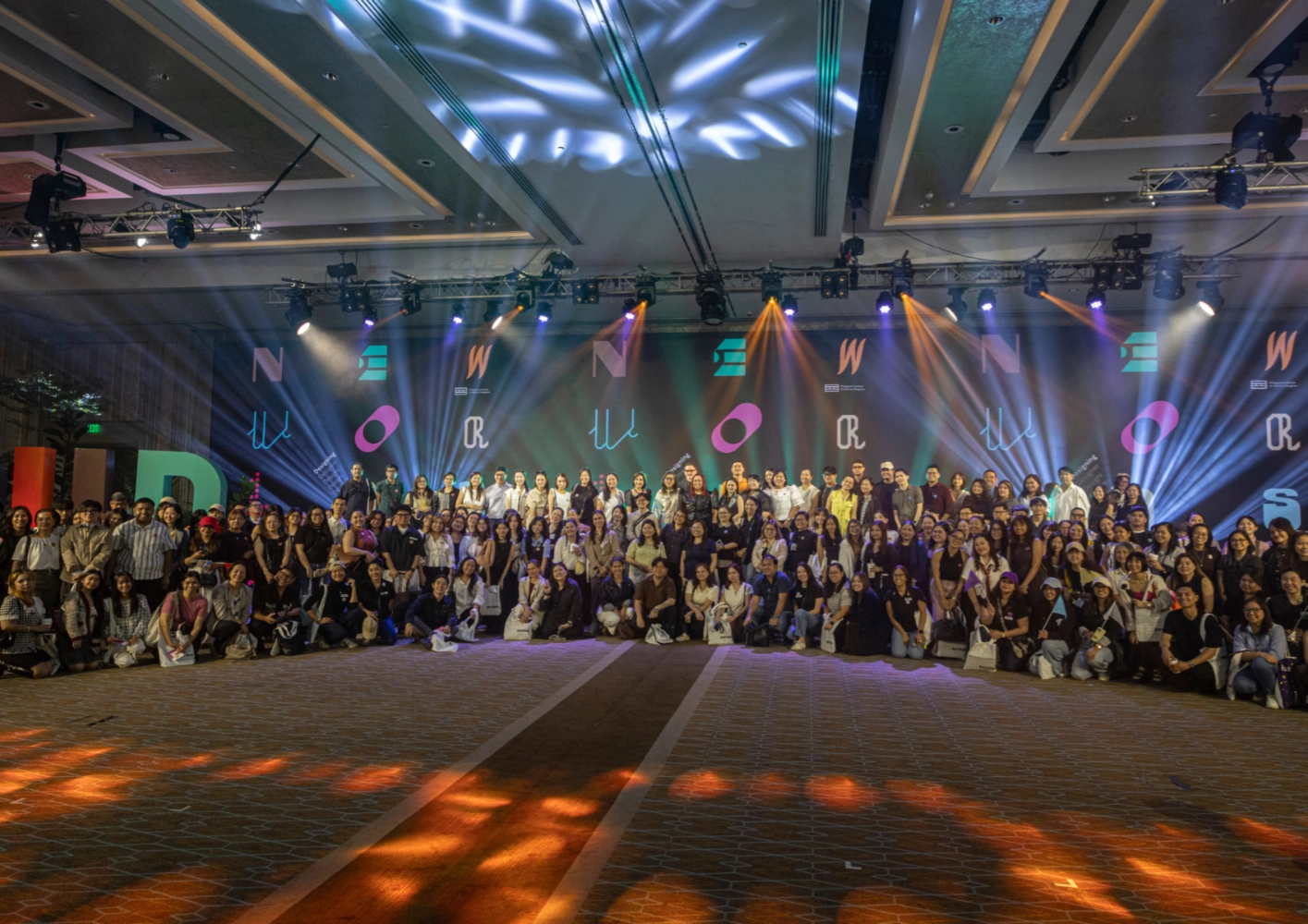
In a way, designers are the modern-day soothsayers and prophets. They design for the future, predicting how a room, a house, a building or a whole city will be used by people. They foresee how users will interact with a space, conjure exact shades of colors to elicit specific behavior and arrange furniture to build […]
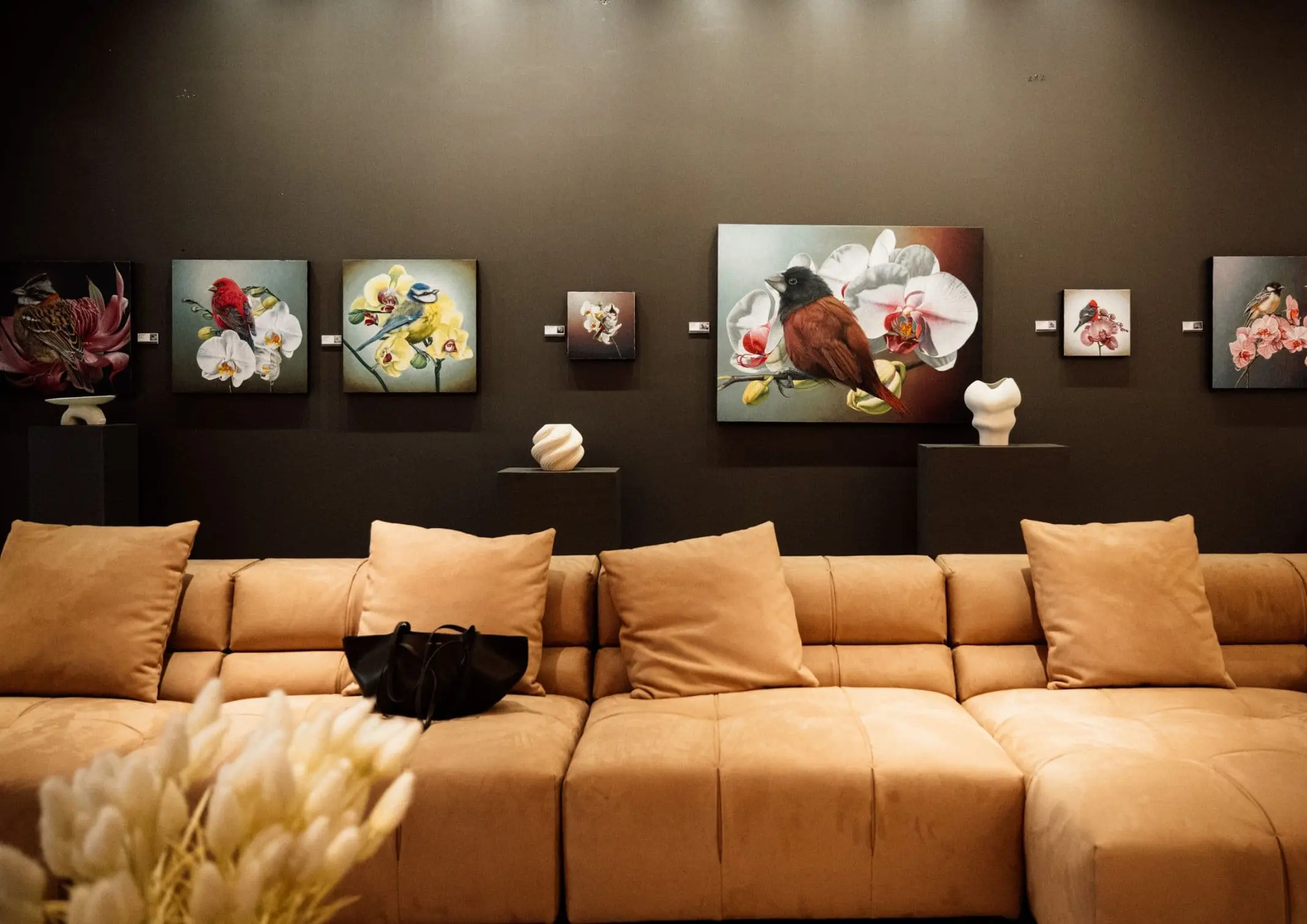
Art and furniture are often selected separately, yet their relationship can shape how a room looks and feels. The collaboration between Hooga and Galerie Joaquin explores how these elements can work together, bringing contemporary artworks into furnished residential settings at Hooga’s showroom in Uptown Mall, Bonifacio Global City. For Hooga, which curates furniture, lighting, and […]
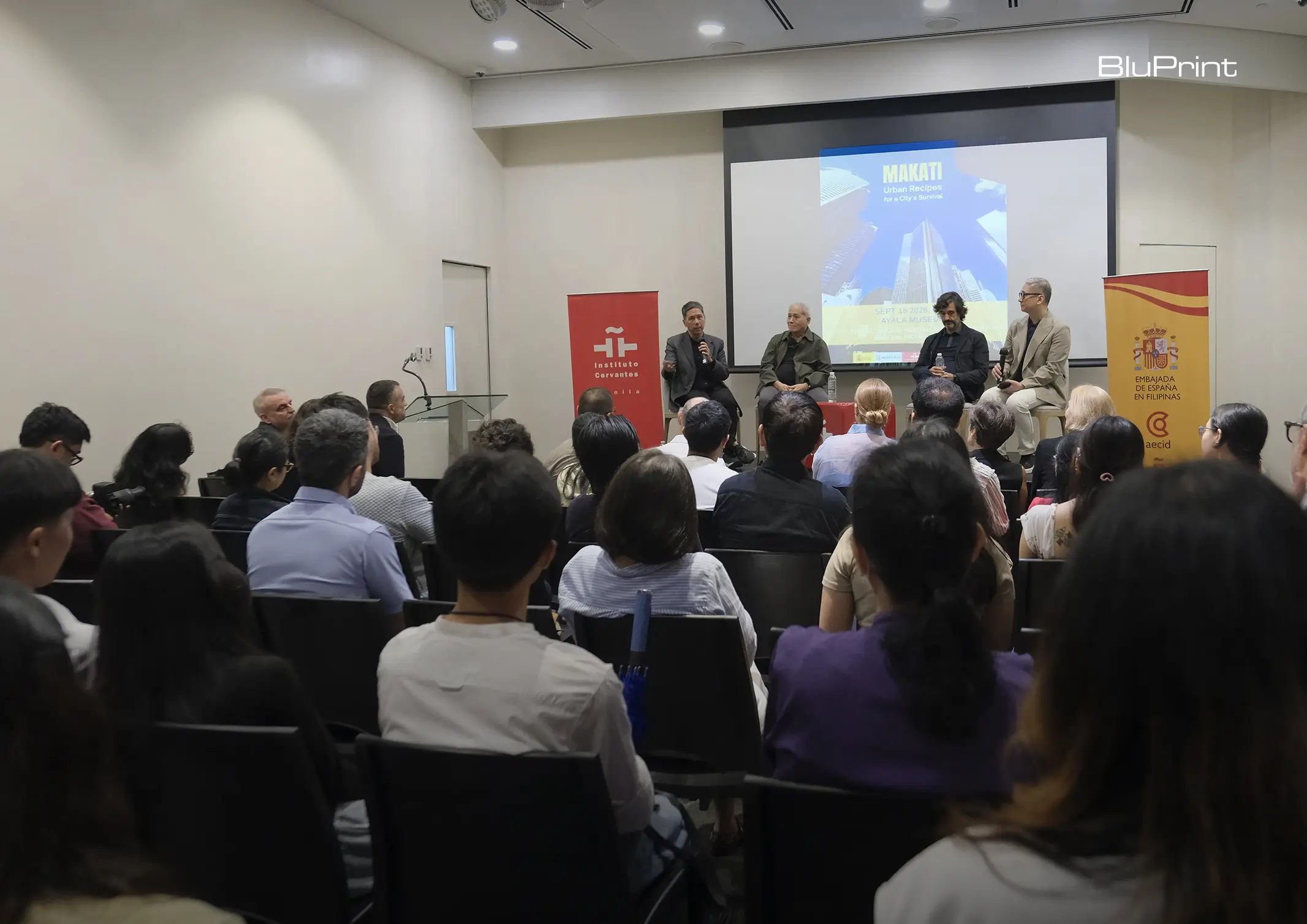
How can better-planned cities create the conditions for more creative, livable, and resilient urban environments? “Makati Urban Recipes for a City’s Survival,” a colloquium held at the Ayala Museum on September 15, brought together architects and practitioners from the fields of urbanism and the creative economy to discuss how design, planning, and collaboration can address […]
Read the issues.

Collect the volumes.

Recommended Video
Tap to Unmute
Unmute
0:00
0:00