Bigkis is the act of binding. In Tagalog, the word can refer to something used to bind or encircle, as well as a bundle formed by tying several separate elements together. Figuratively, it can also mean a bond, union, or unity. The meanings move from the physical act of joining things together to the connection […]
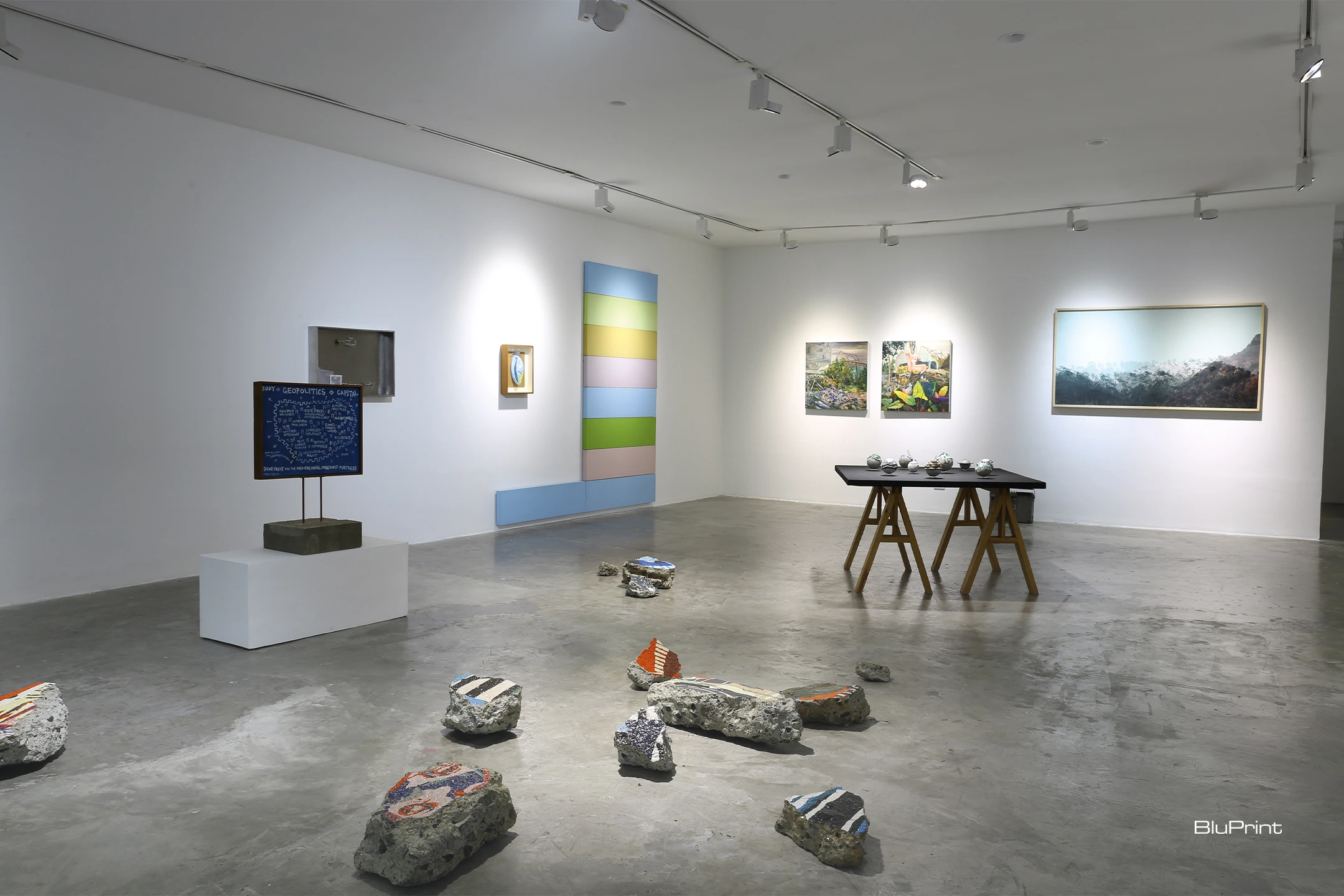
Curators of Culture: Galleries and Institutions that Showcase Art



True authority cannot be claimed—it must be built. It is the result of years serving a community, applying expertise, and meeting the culture where it stands. These three galleries, each with more than a decade under their belt, use their authority to uplift newer artists and secure the legacy of established ones.
They do not focus on trends or profitability; rather, their survival and authority comes from a deep knowledge of artistry that only years of work and history with the art community can provide. Their longevity within the ever-changing art landscape has allowed them to guide our local cultural conversations.
Finding Their Footing as Galleries
Artinformal at Karrivin Plaza, Makati City, did not start as a gallery at all, but as an art workshop. Founder Tina Fernandez started it in 2004 mostly to allow artists to teach interested people art. It became an art gallery in 2006 because the people being taught were guided into either making art or buying the works of their teachers.
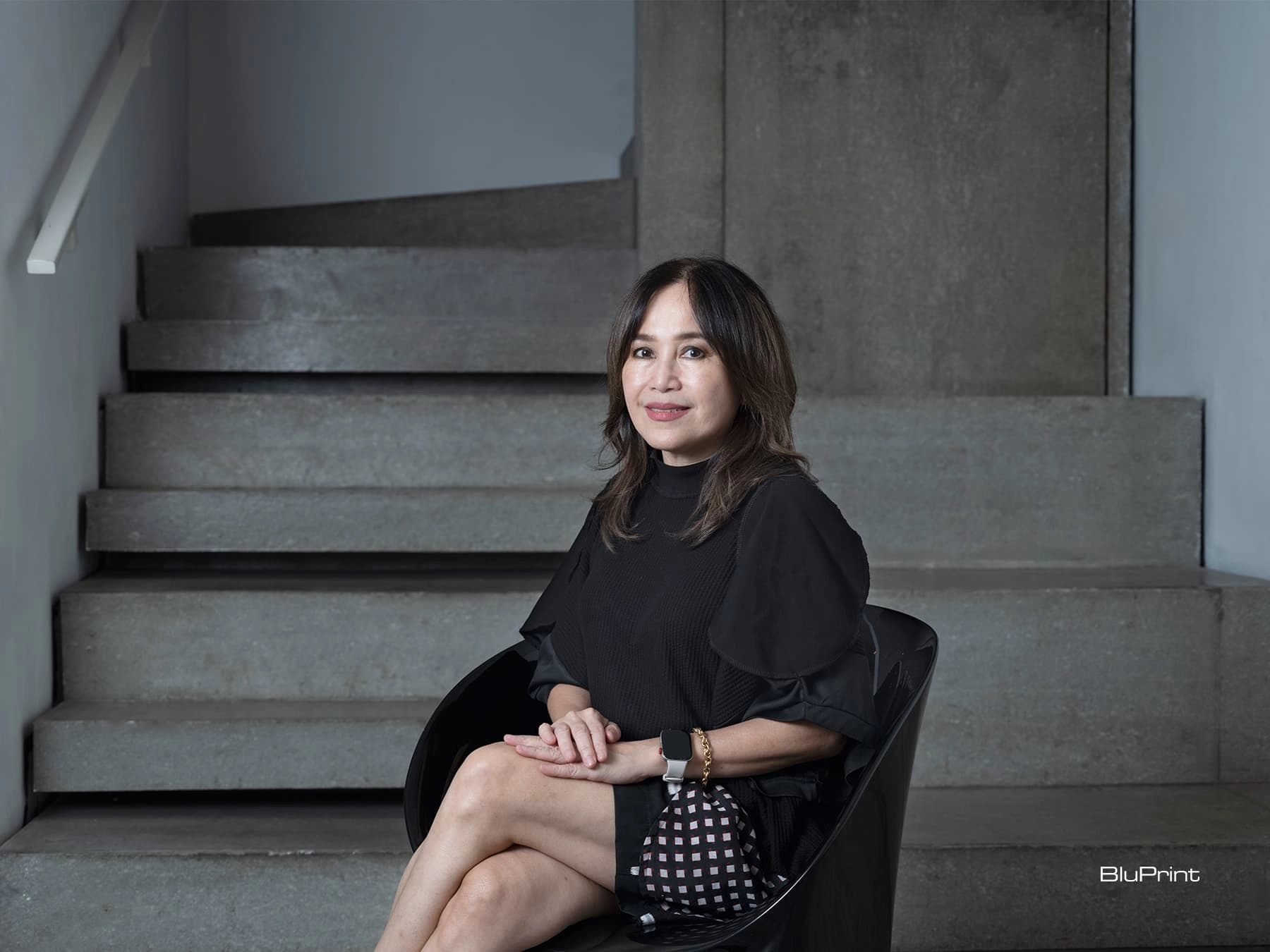
This guided the curatorial decisions of the gallery to this day. Fernandez said that her approach differed from commercial galleries because she sought a broader variety of exhibitions. She sought new ideas to showcase, and never pressured artists to conform to the trends of today.
MO_Space, located in Bonifacio High Street in Taguig, was founded by Mawen Ong in 2007 as an artist-run space that was taking advantage of the then-emerging economic hub of Bonifacio Global City. She already had relationships with artists, and the plan was to showcase what was happening in Cubao X at the time at a different location. Originally planned for three years, MO_Space has been running strong for eighteen and counting.
Silverlens at Chino Roces, Makati City, was founded by Isa Lorenzo in 2004 before she was joined by her co-director Rachel Rillo in 2007. Starting out as a photography gallery, it has expanded into artists of multiple mediums and ideas, committed to showing contemporary art within the Philippine, Asian, and international art landscape.
Nurturing Talent and Artistic Instinct
Their exhibitions have varied over the years, ranging from traditional paintings to tactile mixes of sculpture and canvas, to more experimental artforms like video, virtual reality, and sound art. That variety serves them well, allowing them to be at the forefront of Filipino contemporary art conversations more than most galleries in the country. Rillo believes that their gallery nurtures a sense of authenticity from their artists that people respond to.
As these three galleries endured over the decades, their directors found a strong pattern of ideas not just to sustain their gallery business, but to make it flourish. A big part of this is that they took the time to look after their stable of artists—whether emerging or established—to ensure that they feel safe to follow their muses regardless of where it leads them.
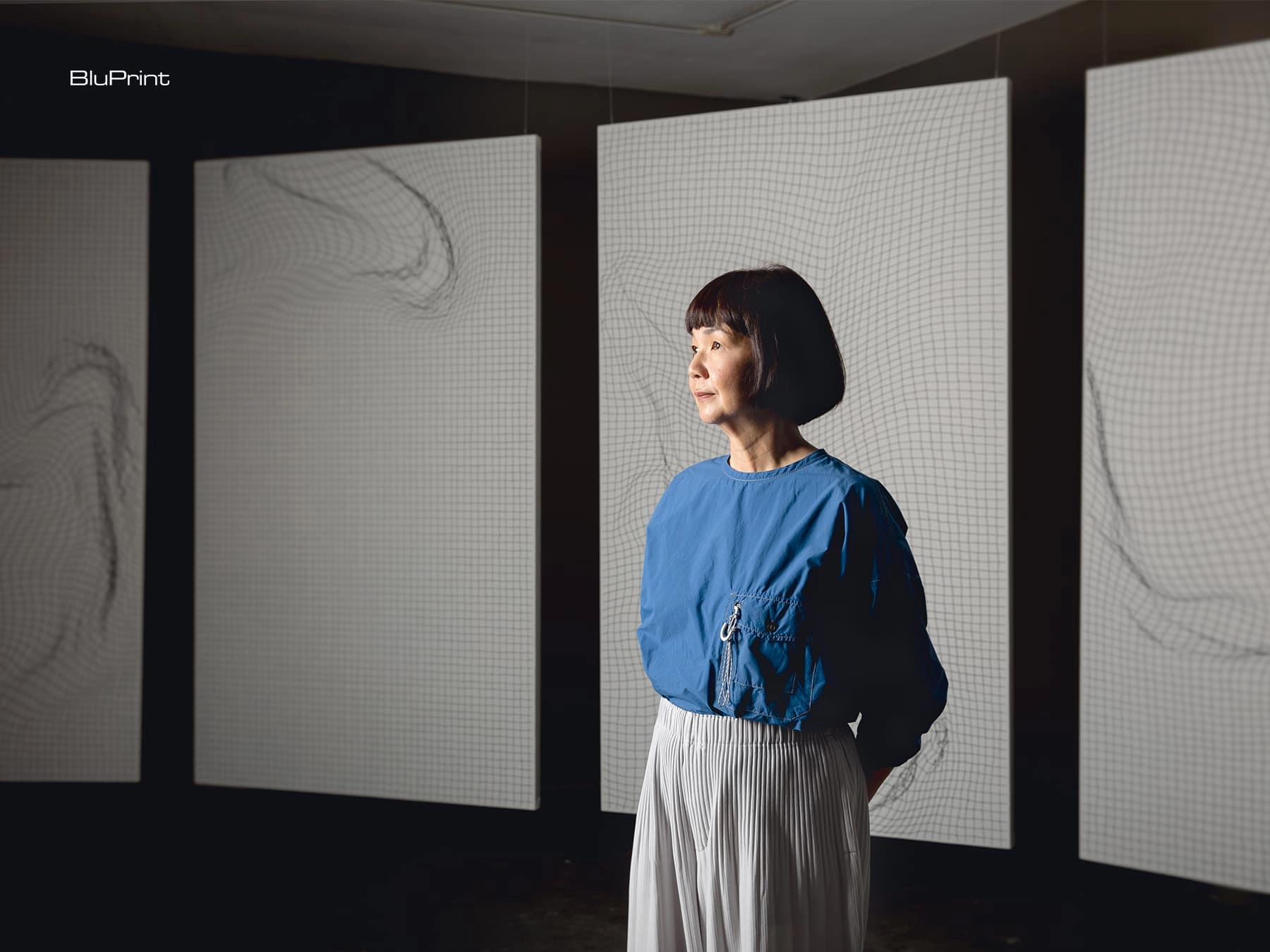
“A gallery’s relationship with an artist isn’t static, it evolves as the artist matures,” Tina Fernandez of Artinformal said. “We recognize these shifts and adapt accordingly.”
The Role of A Gallery
Ong sees her relationship with the artists as almost-familial. Her approach in helping these artists is to provide them what they need to allow an idea to flourish, whether it’s a sounding board to bounce ideas off of, or people who will tell them the truth on whether an exhibition needs more work or not. Galleries, for her, represent the artist’s ideas in the best way possible; they don’t dictate what an artist must or mustn’t do.
Rillo, meanwhile, sees the role of the gallery as the people who can advocate for the artistic instincts of an artist. The gallery’s job for the artists that they represent, she said, is not just to show art, but to encourage the artists to pursue their ideas and to give them confidence in the material they’re creating and working on.
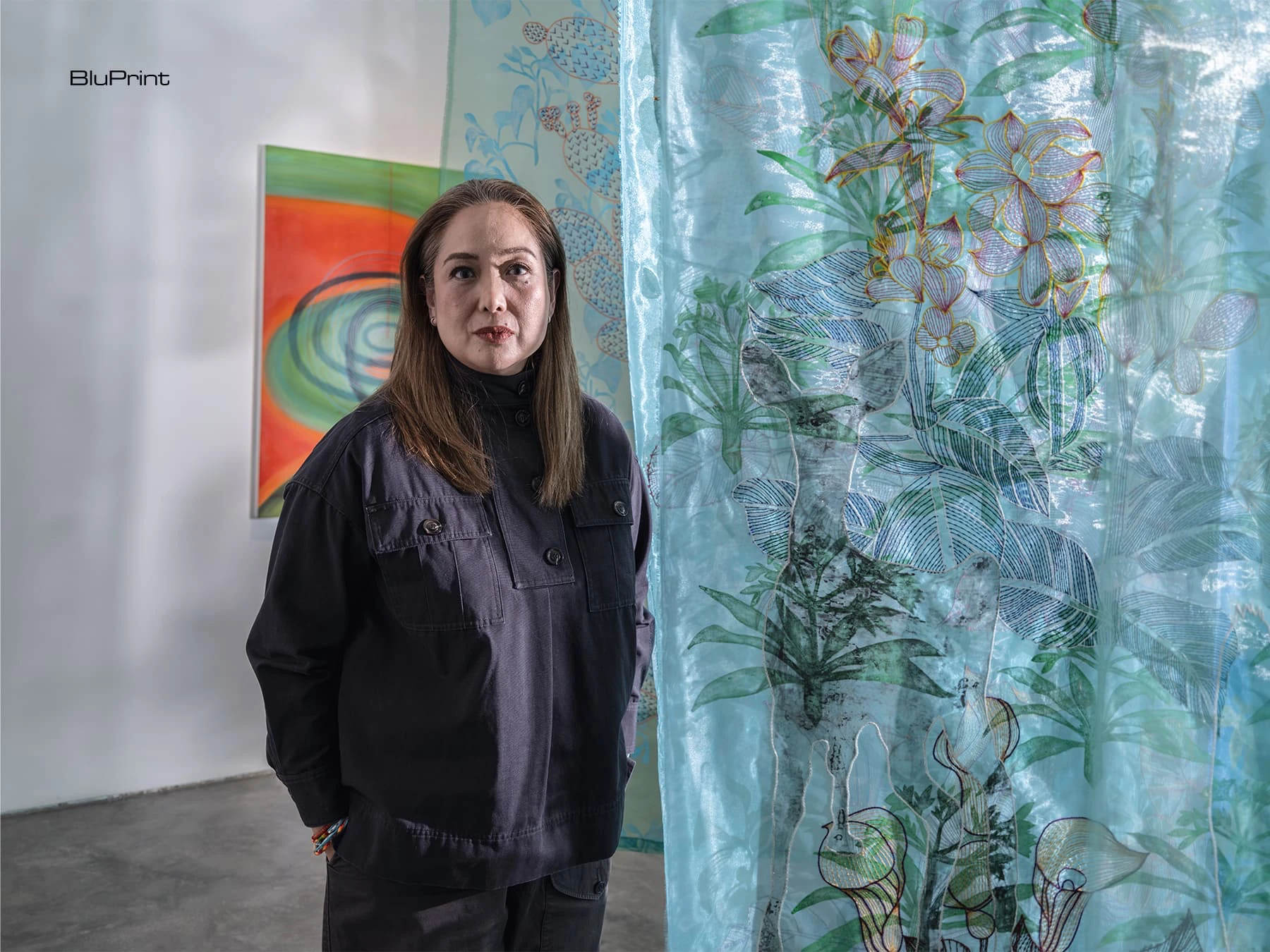
However a gallery director approaches their work, one thing is certain: it’s necessary for them to cultivate that trust between artist and gallery to make everything work. The more an artist trusts an institution behind them, the more they can develop into making more honest and personal artworks that they wouldn’t otherwise be able to create.
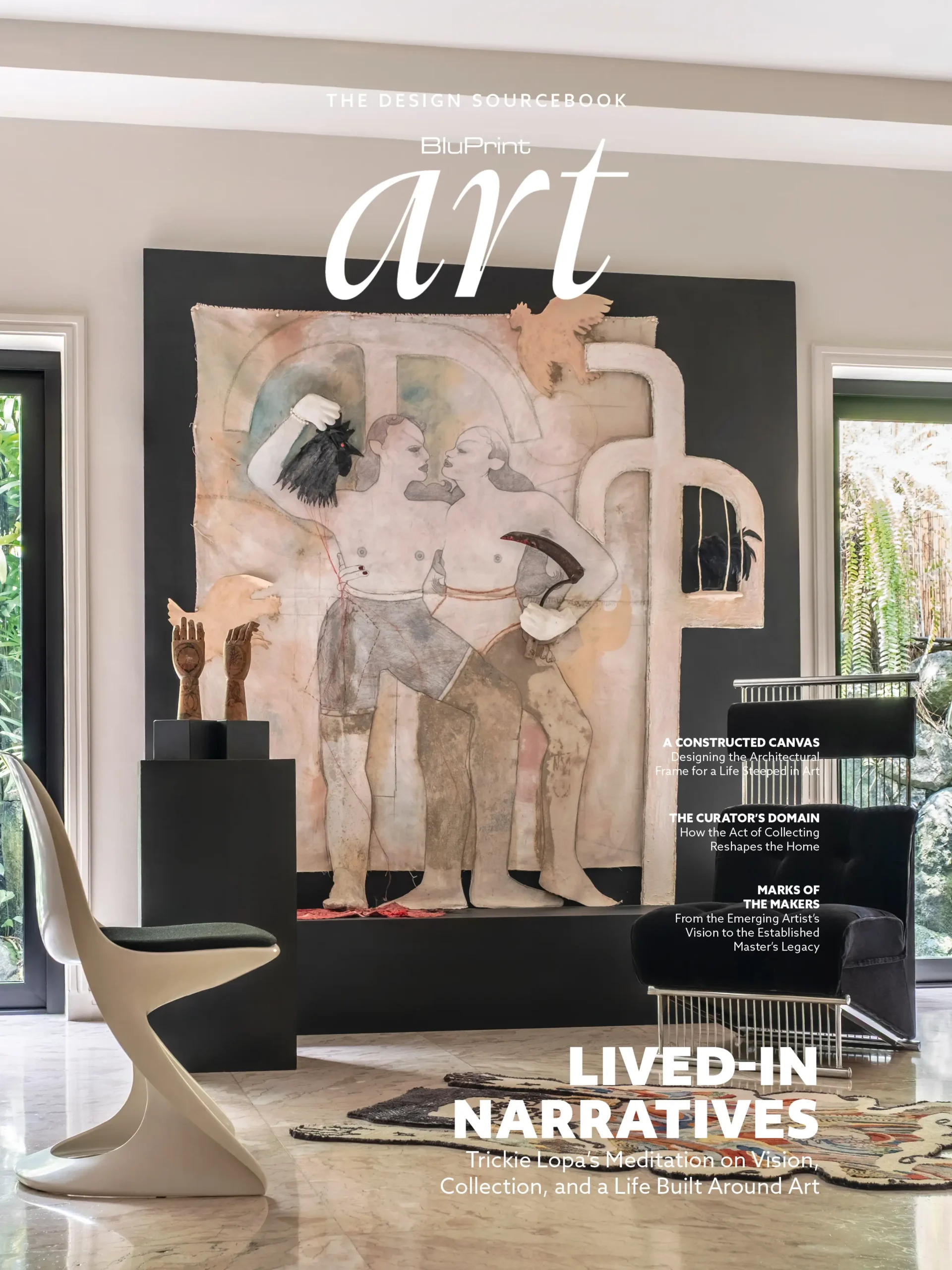
This article has been abridged for digital publication.
Read the full story behind Curators of Culture by ordering your copy of BluPrint Art at Sari Sari Shopping, Shopee, and Lazada. E-magazines are also available for download here or through Readly, Press Reader, and Magzter.
Dive into the captivating world of architectureArchitectureThe art and science of designing and constructing buildings, structures, and spaces that are functional, safe, and aesthetically pleasing. It encompasses the planning, design, materials, and techniques used to createGo to Architecture Glossary, interiors, and arts & culture by getting exclusive digital access to BluPrint’s past and upcoming issues. Click here to find out more.
Photos by Ed Simon.
Related reading: Art Galleries and Building a Legacy for Artists
Frequently Asked Questions
Artinformal’s transition was an organic shift from pedagogy to patronage. Founded by Tina Fernandez in 2004 as a workshop space, it initially focused on artists teaching various mediums to the public. By 2006, the relationship between teachers (artists) and students (prospective collectors) necessitated a gallery structure to facilitate the acquisition of works. This educational foundation remains a technical hallmark of the gallery, as it prioritizes curatorial decisions that showcase new, non-commercial ideas over market-driven trends.
Founded in 2007 by Mawen Ong, MO_Space was strategically positioned to bridge the gap between the alternative, “underground” art scenes of places like Cubao X and the then-emerging high-end economic hub of BGC. By introducing experimental, artist-run sensibilities into a commercial district, the gallery provided a platform for avant-garde practices to reach a burgeoning class of collectors. This location choice allowed for a “connective tissue” to form between experimental evolution and economic sustainability, sustaining the institution for over 18 years.
Originally established as a specialized photography gallery by Isa Lorenzo, Silverlens expanded its technical scope by incorporating multi-medium artists specializing in video, virtual reality, and sound art. Under the co-direction of Rachel Rillo, the gallery institutionalized rigorous documentation practices, creating long-form records of their artists’ growth. This evolution has allowed the gallery to move beyond local exhibitions to become a major player in the international art landscape, representing the Philippines in global contemporary conversations.
The familial model, championed by directors like Mawen Ong, views the gallery as a non-dictatorial “sounding board” for the artist. Rather than commanding specific outputs for profitability, the gallery acts as a trusted advocate that provides honest critiques and emotional support. This trust allows the artist’s relationship with the institution to be dynamic rather than static, adapting as the artist matures. Technically, this results in more honest, personal, and high-quality artworks because the artist feels “safe” to pursue their muse regardless of commercial risks.
In an ever-changing art landscape, longevity signals that a gallery’s reputation is built on expertise rather than trends. Institutions that have survived for more than a decade possess a deep knowledge of artistry and community history that allows them to guide cultural conversations with authority. This long-term presence enables them to effectively bridge the gap between emerging voices and established legacies, providing the stability necessary for a professionalized art market to flourish.
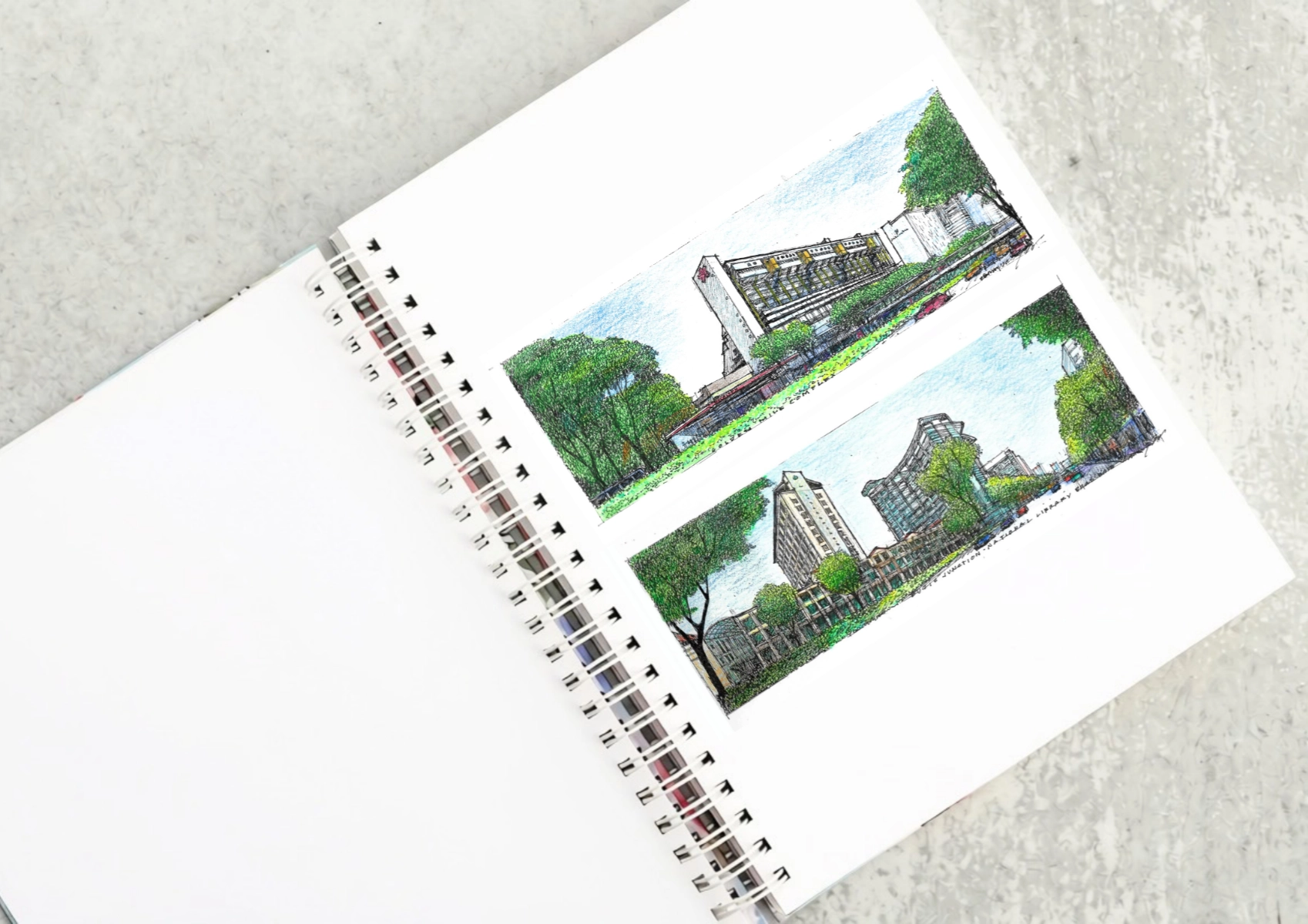
Two sketches of Singapore connect BluPrint Editor in Chief Paulo G. Alcazaren’s personal and professional history with Shared Ground: ArchitectureArchitectureThe art and science of designing and constructing buildings, structures, and spaces that are functional, safe, and aesthetically pleasing. It encompasses the planning, design, materials, and techniques used to createGo to Architecture Glossary of Care, Culture, […]
In a way, designers are the modern-day soothsayers and prophets. They design for the future, predicting how a room, a house, a building or a whole city will be used by people. They foresee how users will interact with a space, conjure exact shades of colors to elicit specific behavior and arrange furniture to build […]
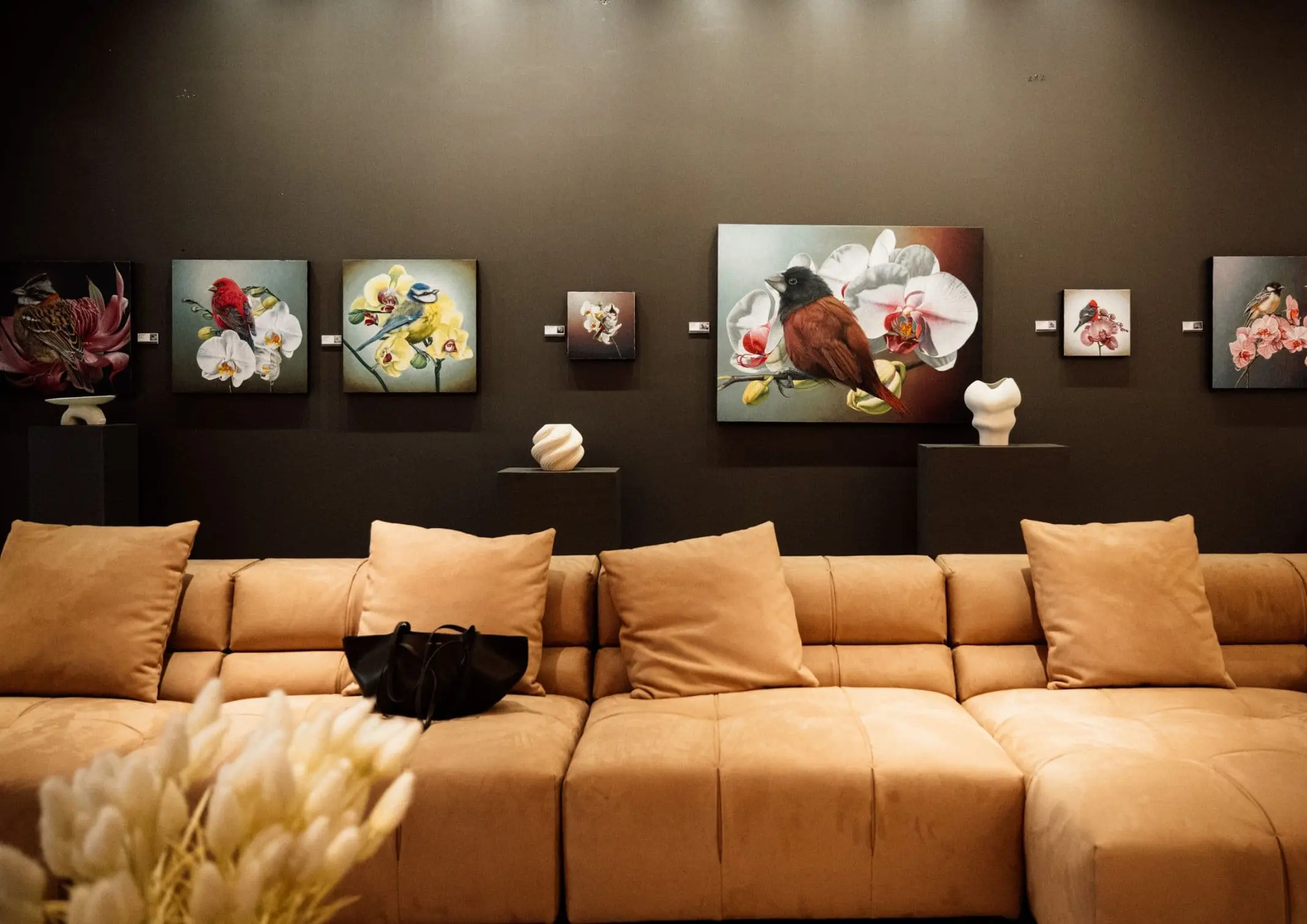
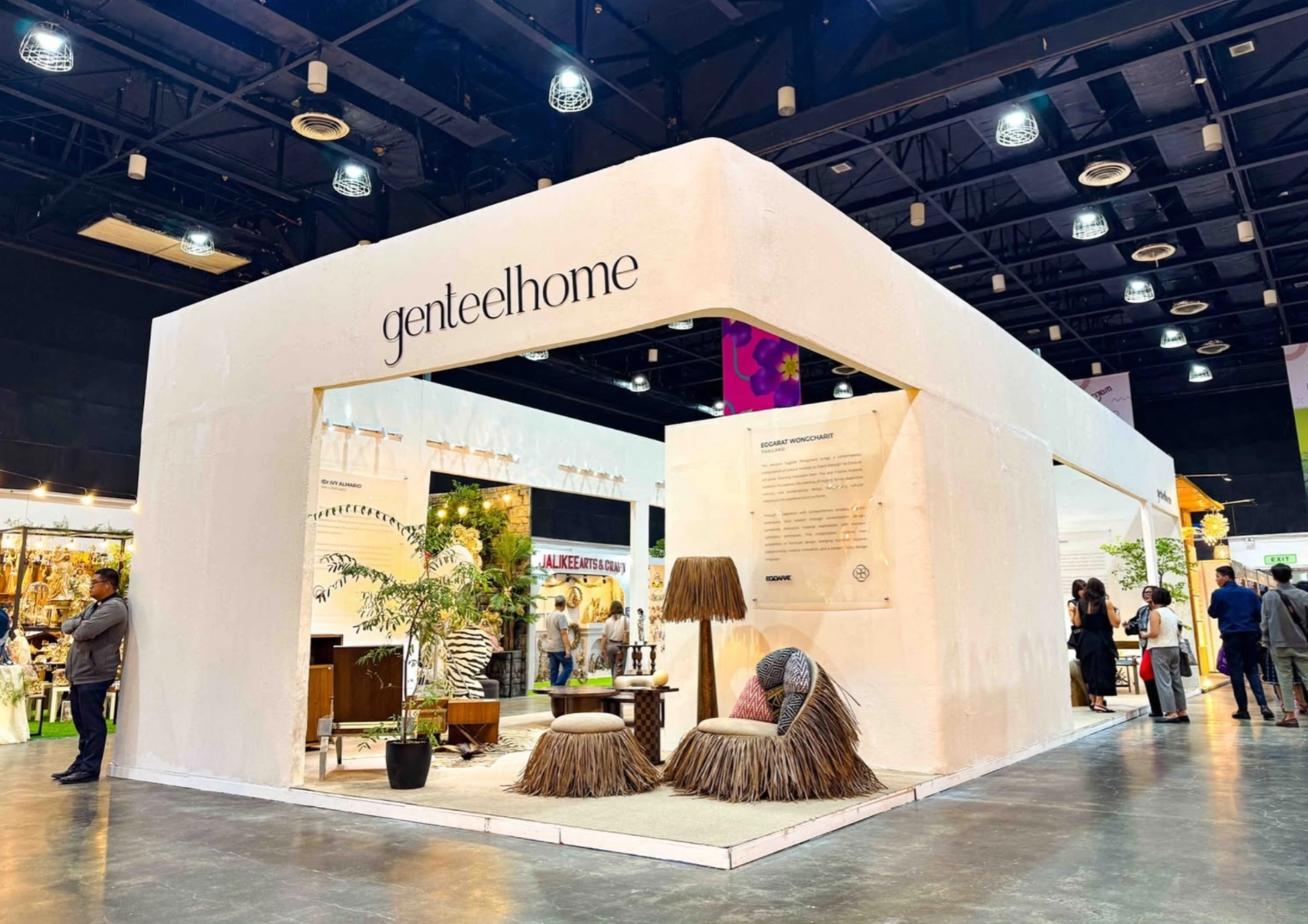
Art and furniture are often selected separately, yet their relationship can shape how a room looks and feels. The collaboration between Hooga and Galerie Joaquin explores how these elements can work together, bringing contemporary artworks into furnished residential settings at Hooga’s showroom in Uptown Mall, Bonifacio Global City. For Hooga, which curates furniture, lighting, and […]
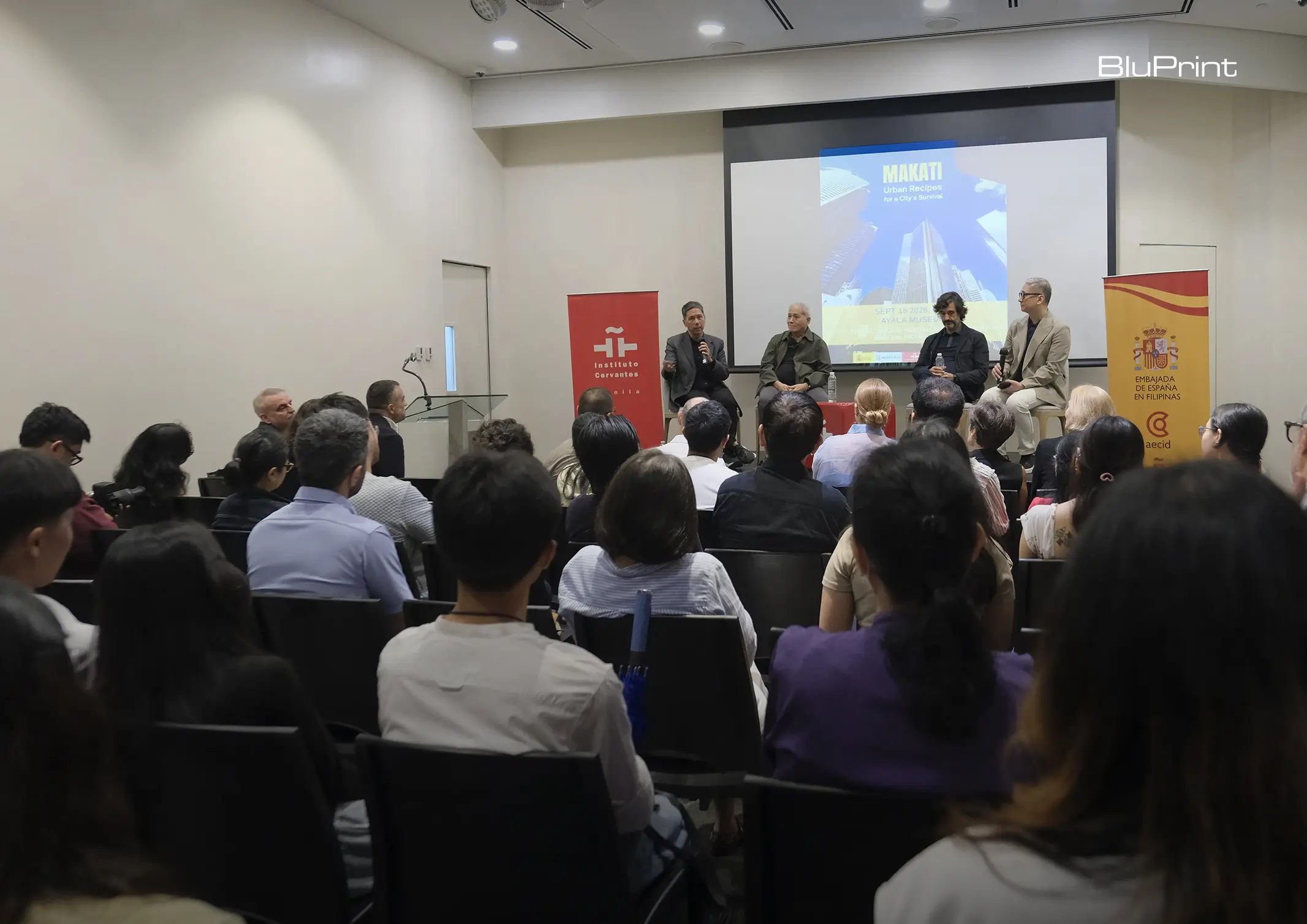
How can better-planned cities create the conditions for more creative, livable, and resilient urban environments? “Makati Urban Recipes for a City’s Survival,” a colloquium held at the Ayala Museum on September 15, brought together architects and practitioners from the fields of urbanism and the creative economy to discuss how design, planning, and collaboration can address […]
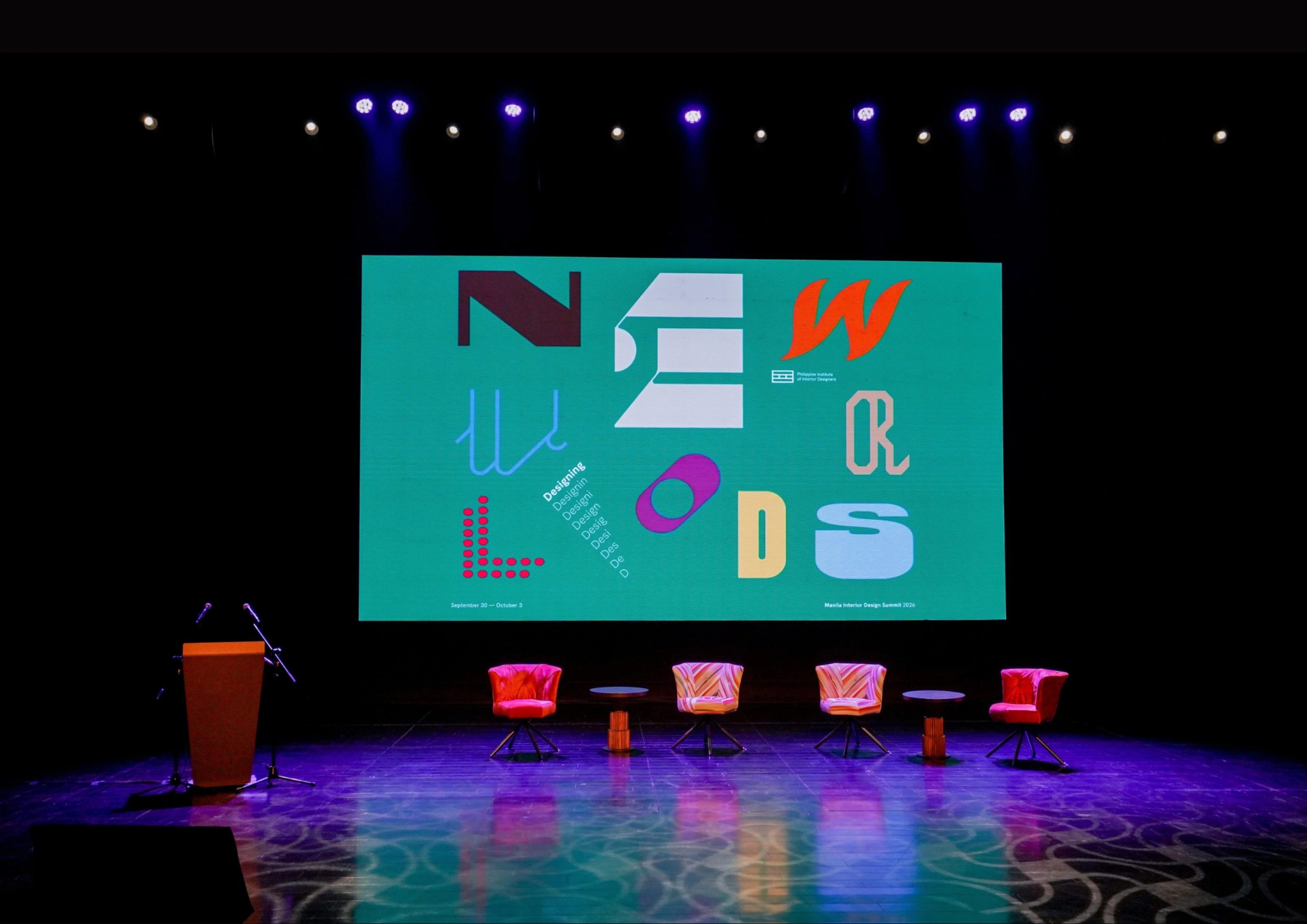
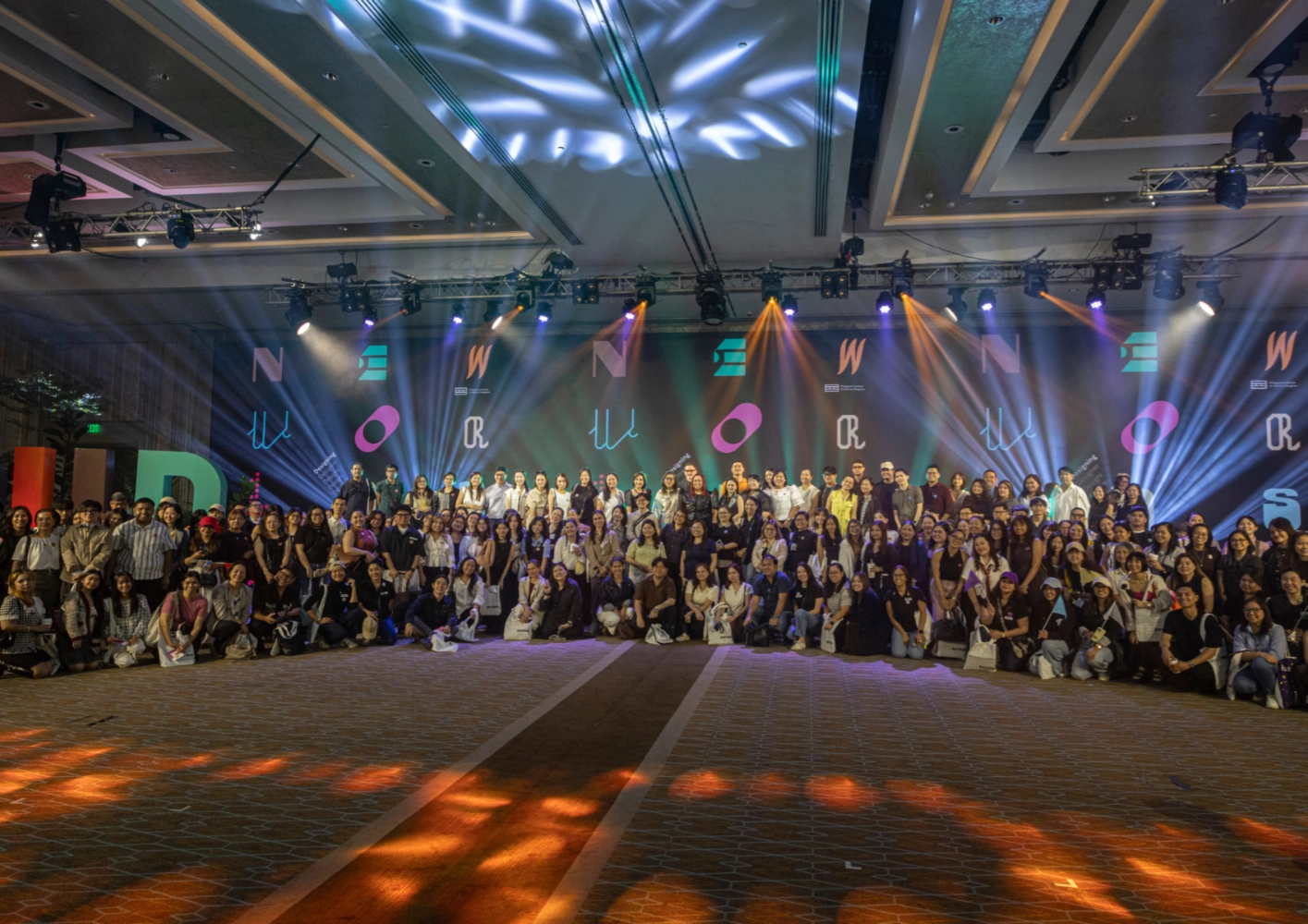
The fourth Manila Interior DesignInterior DesignThe discipline of planning and shaping interior spaces for function, comfort, safety, and beauty. It covers layout, lighting, materials, finishes, furniture, and color, and in the Philippines is a licensedGo to Interior Design Glossary Summit (MIDS) brought together more than 300 delegates for four days of conversations, exhibitions, and design […]
Read the issues.

Collect the volumes.

Recommended Video
Tap to Unmute
Unmute
0:00
0:00