There is no excerpt because this is a protected post.

Filipino Designers Shine at FINOPINAS and Tokyo International Gift Show


Over 20 Filipino brands took part in the recently concluded FINOPINAS and Tokyo International Gift Show, held earlier this month in Tokyo, Japan. DesignPHILIPPINES, a movement promoting Philippine design globally, showcased a variety of handmade and sustainable home decor and fashion pieces. The Philippine manufacturers crafted the items specifically for the Japanese market.
Among the participants in the two exhibitions were furniture and decor manufacturers Aerostone, Artisana Island Crafts, Contemporaneo, CSM Philippines, Jed Yabut Furniture and Design, Jireh Forge, Larone Crafts, Obra Cebuana, Orient Meadow Export Corp., ORO Handmade Innovations Inc., Paperbound, Shelmed, That One Piece Enterprise, Triboa Bay Living, and Vito Selma.
The Philippine’s Finest
FINOPINAS brings the country’s premier designs to the international stage. Held in September 2 to 13 at the Tokyo Midtown Design Hub, this year’s exhibition featured emerging and multi-awarded artists and designers. The participants came from various fields, including fashion, furniture, interiors, and visual arts.

Design and sustainability experts also conducted talks, which enriched the event. Topics included the collaboration between the Philippines and Japan on interior products aimed to help community development. Another presentation focused on National Living Treasures and contemporary Philippine art.
The Philippine Trade and Investment Center Tokyo, Manila Fashion Festival, Center for International Trade Expositions and Missions (CITEM), and Provenance Art Gallery jointly organized FINOPINAS. The Philippine Embassy in Japan and the ASEAN-Japan Centre also support the event.
Curated Decor and Gift Items
Meanwhile, the Tokyo International Gift Show (TIGS) is an exhibition featuring lifestyle goods, fashion accessories, gifts, and decor items. Over 200,000 visitors—buyers, designers, and business owners—visit this semi annual event.

The Tokyo Big Sight Convention Center hosted this season’s show from September 4 to 6. With the theme “A Gift of Love that Conveys the Heart,” it showcased current trends, product innovations, and creativity. Designers Wataru Sakuma and Stanley Ruiz curated the pieces in the DesignPHILIPPINES pavilionPavilionA pavilion is a lightweight, open-sided structure designed for a specific temporary or recreational function, distinct from a building's permanent main structure. Philippine landscape and exhibition architecture frequently employs pavilions,Go to Pavilion Glossary at TIGS.
Filipino Craftsmanship, Japanese Aesthetics
BluPrint spoke to Jed Yabut, founder of Jed Yabut Furniture & Design and a first-time exhibitor at FINOPINAS and TIGS, about his experience in participating in both shows.

“I have studied, worked and lived in Tokyo for a few years. And coming back to Tokyo as a trade show exhibitor is like a homecoming with a bigger purpose. Apart from allowing friends, ex-colleagues, classmates to see our pieces first-hand, having the Japanese audience see Filipino-made products create visibility and credibility of the Philippines as a design-centric market in Asia,” he shared.
Yabut also added that both exhibitions also gave his team the opportunity to network with Japanese industry peers, potential clients, suppliers, and partners for future collaborations.
In the Jed Yabut Furniture & Design booth at FINOPINAS and TIGS, Yabut showcased the brand’s classic designs such as the Anahaw accent chair, Kweba mirror, and Tasa stool. He also displayed the brand’s new collection, which included the Pinya stool, Tansan mirror, and the Alon tray—all of them made in collaboration with Sakuma and Ruiz.
“These new pieces were designed specifically to have Japanese features and looks in mind in order to appeal to the Japanese audience but at the same time, still carrying the Filipino artistry and influence,” Yabut explained.
Designs Worth Sharing
For Yabut, both FINOPINAS and TIGS helped the Philippines make a mark on the global creative landscape. “We were able to highlight and share the rich cultural heritage of the Philippines to the Japanese audience—who may or may not be familiar with Filipino designs,” he said.
Yabut also added that the exposure on the global stage allowed Filipino designers to engage with and learn from their Japanese peers, leading to innovative collaborations.
“We hope that the Japanese audience sees the Philippines beyond the beaches and our friendly smiles to lasting, impactful, marketable works of art and handicrafts that makes our heritage unique and worth sharing to Japan and the world,” Yabut added.
Read more: ICanServe Foundation Opens The Pink Room: Gallery for Good
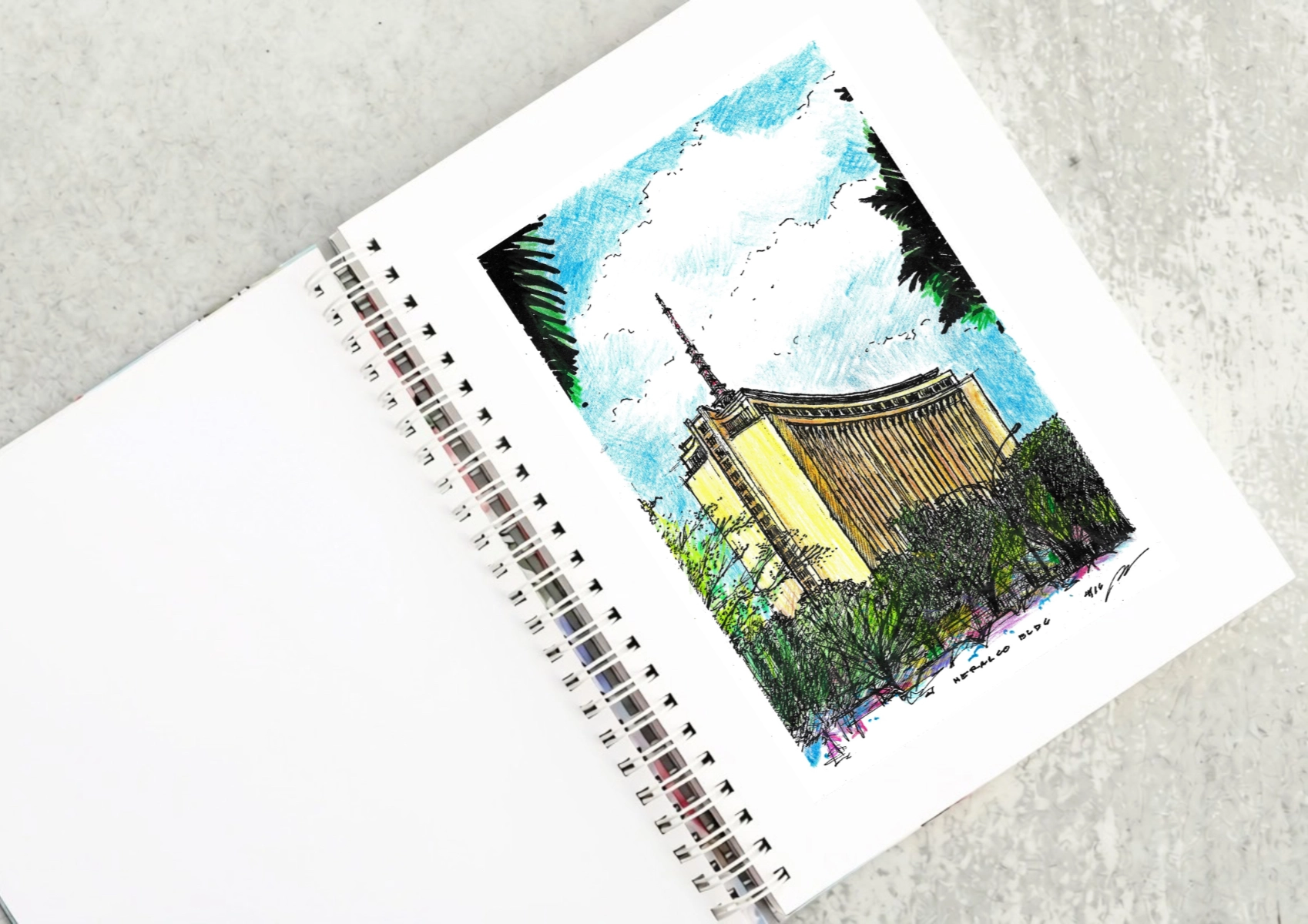
Revisiting Jose Maria Zaragoza’s 1969 modernist landmark on Ortigas Avenue, where corporate architectureArchitectureThe art and science of designing and constructing buildings, structures, and spaces that are functional, safe, and aesthetically pleasing. It encompasses the planning, design, materials, and techniques used to createGo to Architecture Glossary, performing arts, and personal memories come together. The Meralco Building […]
There is no excerpt because this is a protected post.
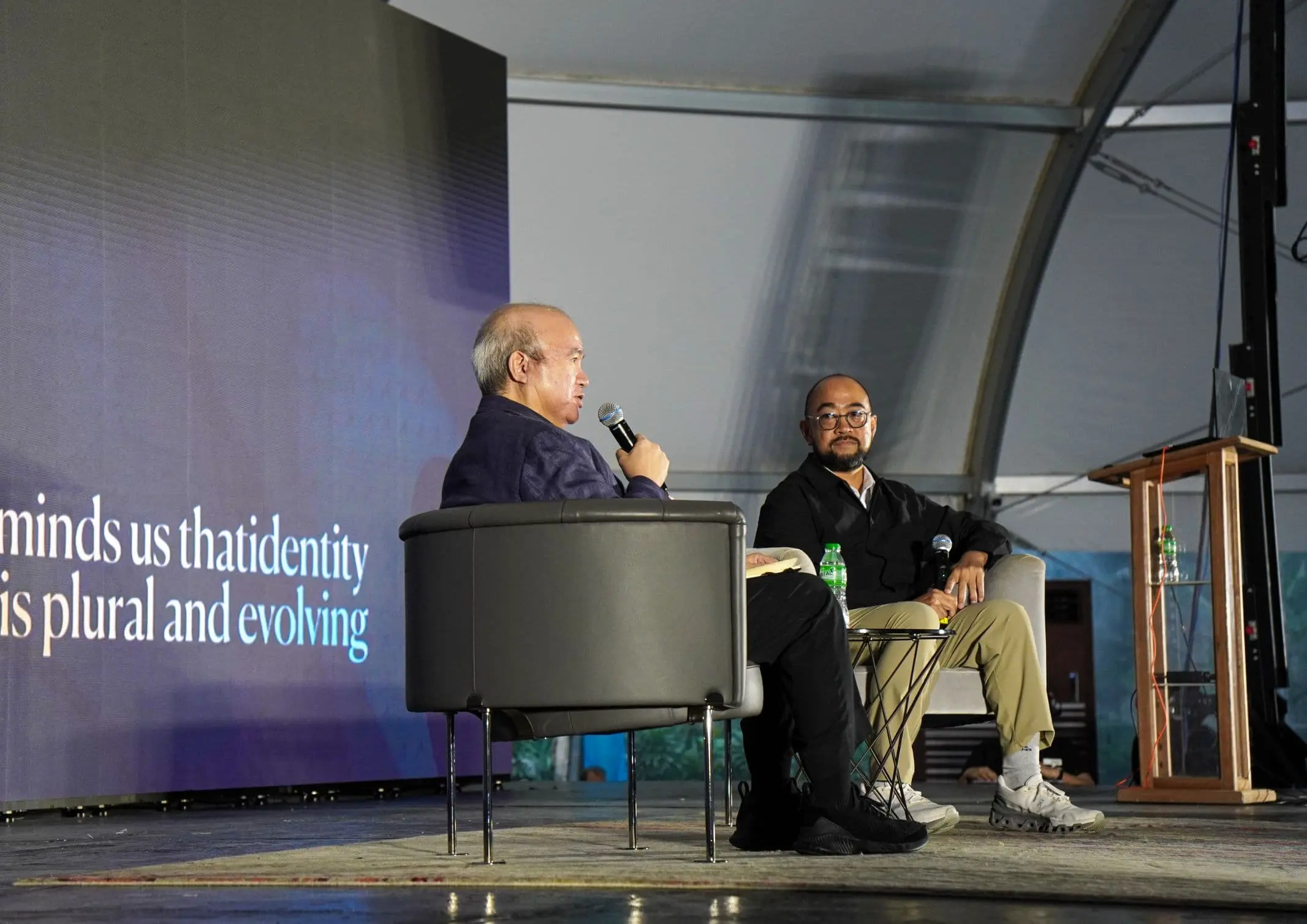
Culture is not just a motif incorporated into architectureArchitectureThe art and science of designing and constructing buildings, structures, and spaces that are functional, safe, and aesthetically pleasing. It encompasses the planning, design, materials, and techniques used to createGo to Architecture Glossary and interior design. It is shaped by people, places, and shared experiences. On the […]

The idea of home extends beyond the walls of the house. It also considers the spaces and environments people share—the larger setting that supports everyday life. At Yume at Riverpark, these considerations begin with individual homes and lots, extend to the shared landscape of an 18-hectare residential development in General Trias, Cavite, and ultimately connect […]
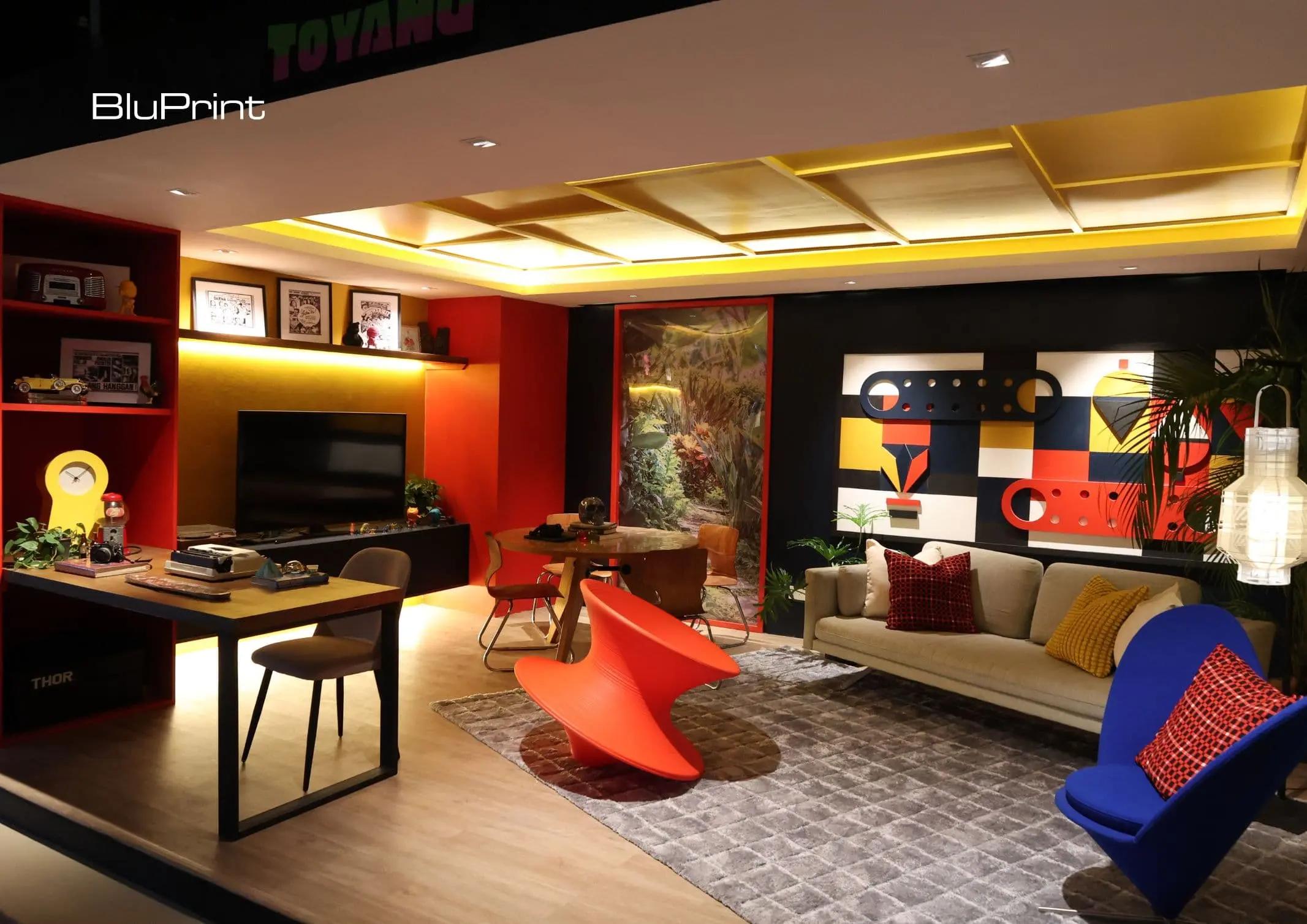
PSID presents “What the Pop!,” an exhibition opened on the third floor of V-Mall in Greenhills, San Juan City, that examined how popular culture shaped Filipino homes and lifestyles. Through spaces representing four generations—Baby Boomers, Generation X, Millennials, and Generation Z—the exhibit explored how each era’s experiences inform its approach to interior designInterior DesignThe discipline […]
Read the issues.

Collect the volumes.

Recommended Video
Tap to Unmute
Unmute
0:00
0:00