


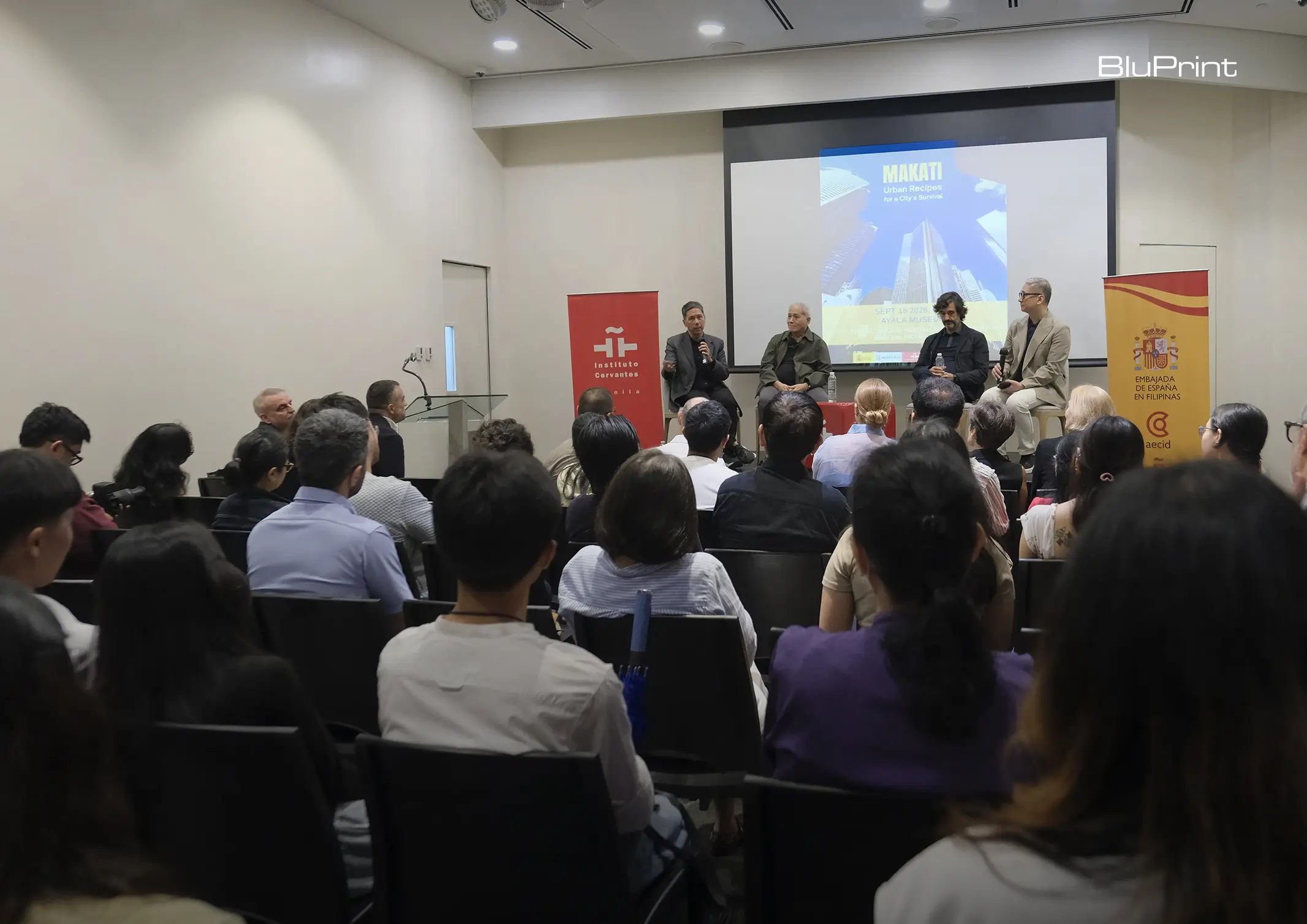
How can better-planned cities create the conditions for more creative, livable, and resilient urban environments? “Makati Urban Recipes for a City’s Survival,” a colloquium held at the Ayala Museum on September 15, brought together architects and practitioners from the fields of urbanism and the creative economy to discuss how design, planning, and collaboration can address […]
Long before found objects and conceptual installations became mainstays in Philippine galleries, Joe Bautista—known as Joe Bau to those closest to him—was already redefining what art could be. As a key member of the influential “Shop 6” collective, he was a pioneering force in the 1970s, known for his audacious use of unconventional materials and politically charged work.
But at the height of his influence, he stepped away, leading to a decades-long hiatus from the art scene. Now, he has returned. The rediscovery of Joe Bautista’s work reveals more than just a forgotten chapter of art history; it uncovers a model for artistic courage whose relevance in today’s world is more potent than ever.
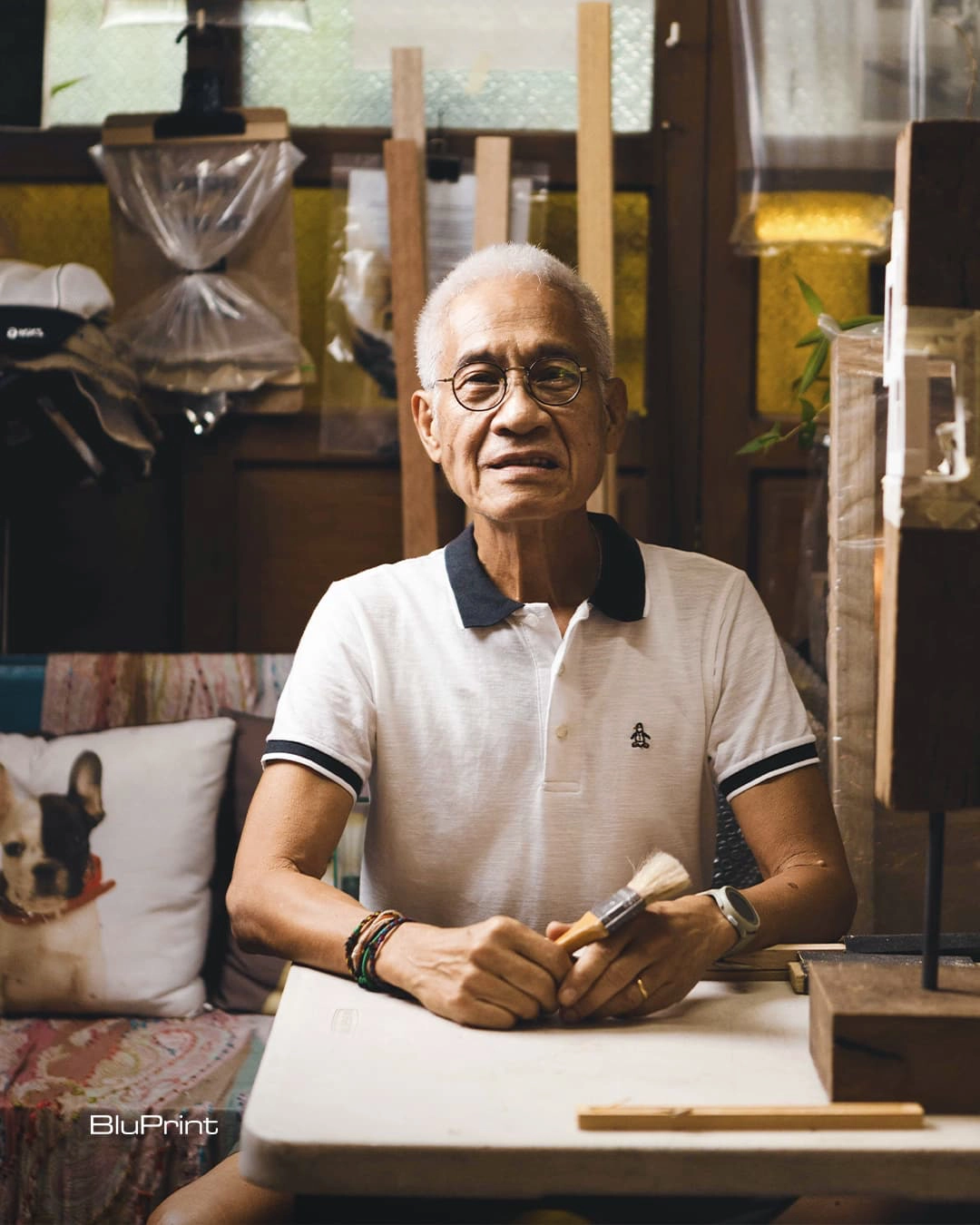
Roots of a Radical
As an advertising major at the University of the East (UE), Bautista joined national art competitions, including the Shell National Art Competition, where he won first place in the sculpture category.
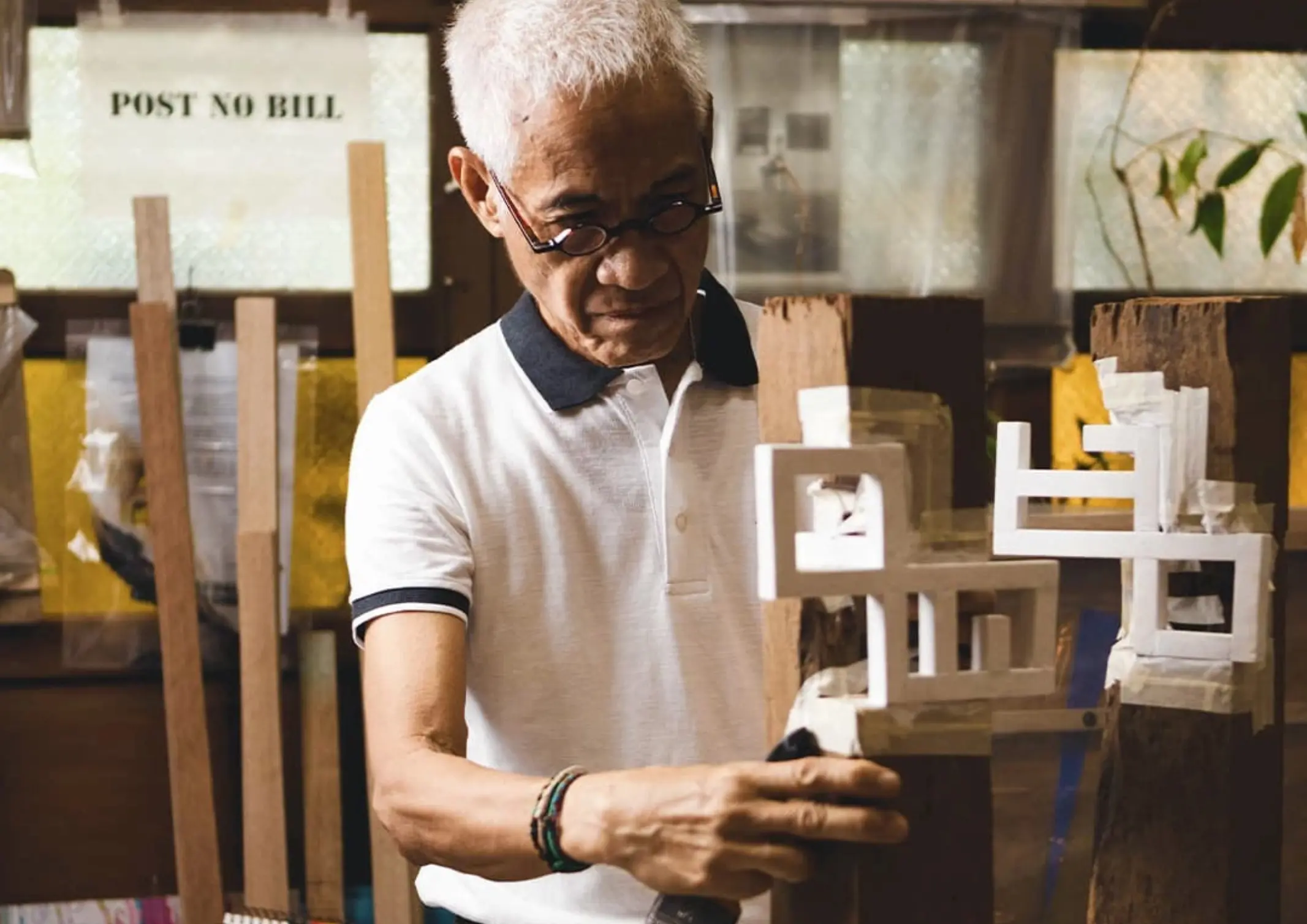
After graduation, Bautista received an opportunity to exhibit at the Cultural Center of the Philippines (CCP). Through the introduction of his friend and fellow artist Rodolfo Gan, he approached then CCP director Roberto Chabet with an audacious idea. He arranged 12 boxes in a line stretching 12 feet, then threaded a dextrose tube glowing with light through each one, culminating in a plastic knot at the end.
His CCP debut kick-started his impact on the art scene, where he was eventually chosen as one of the recipients of the Thirteen Artists Awards (TAA).
Bautista was referred to as a “kutong lupa” who seemingly emerged out of nowhere. However, this strong sense of self and confidence in his work laid the foundation for his career. It was his audacity that helped expand the definition of art in the Philippines, encouraging experimentation with found objects.
Pioneer of Conceptual and Installation Art
Bautista was most active during the 1970s and 1980s. As a key member of the “Shop 6” collective, he was at the forefront of the Philippines’ conceptual art movement. The group challenged traditional notions by focusing on the idea behind the art rather than classical painting or sculpture.
But his decades-long stint in the art scene came to a halt in the 90s. “I stopped because I got married, and I needed to earn a living. You know, I needed to work at one company as an artist,” Bautista shares. It was only decades later, in 2019, when he reentered the art scene with Shop 6 Revisited.
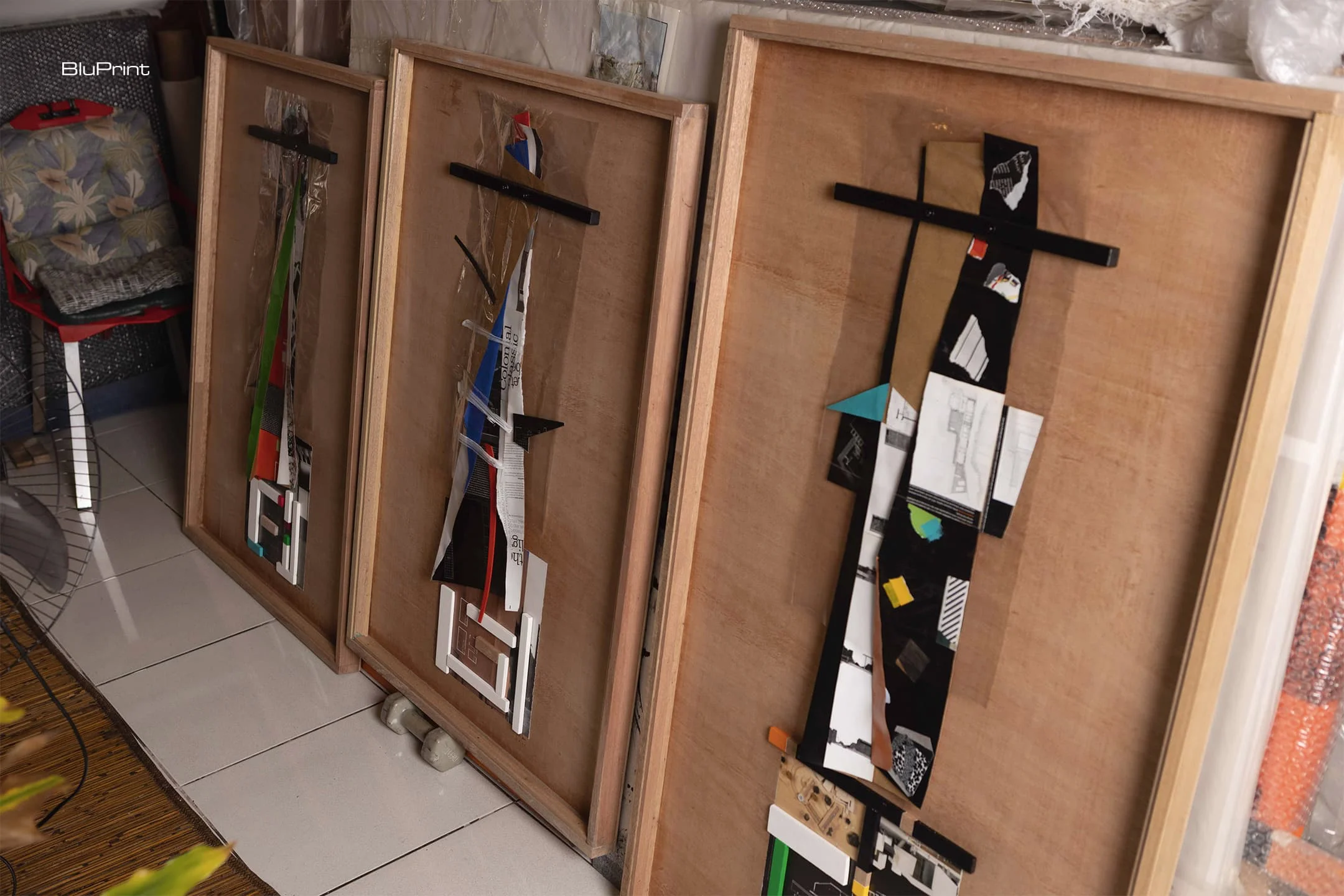
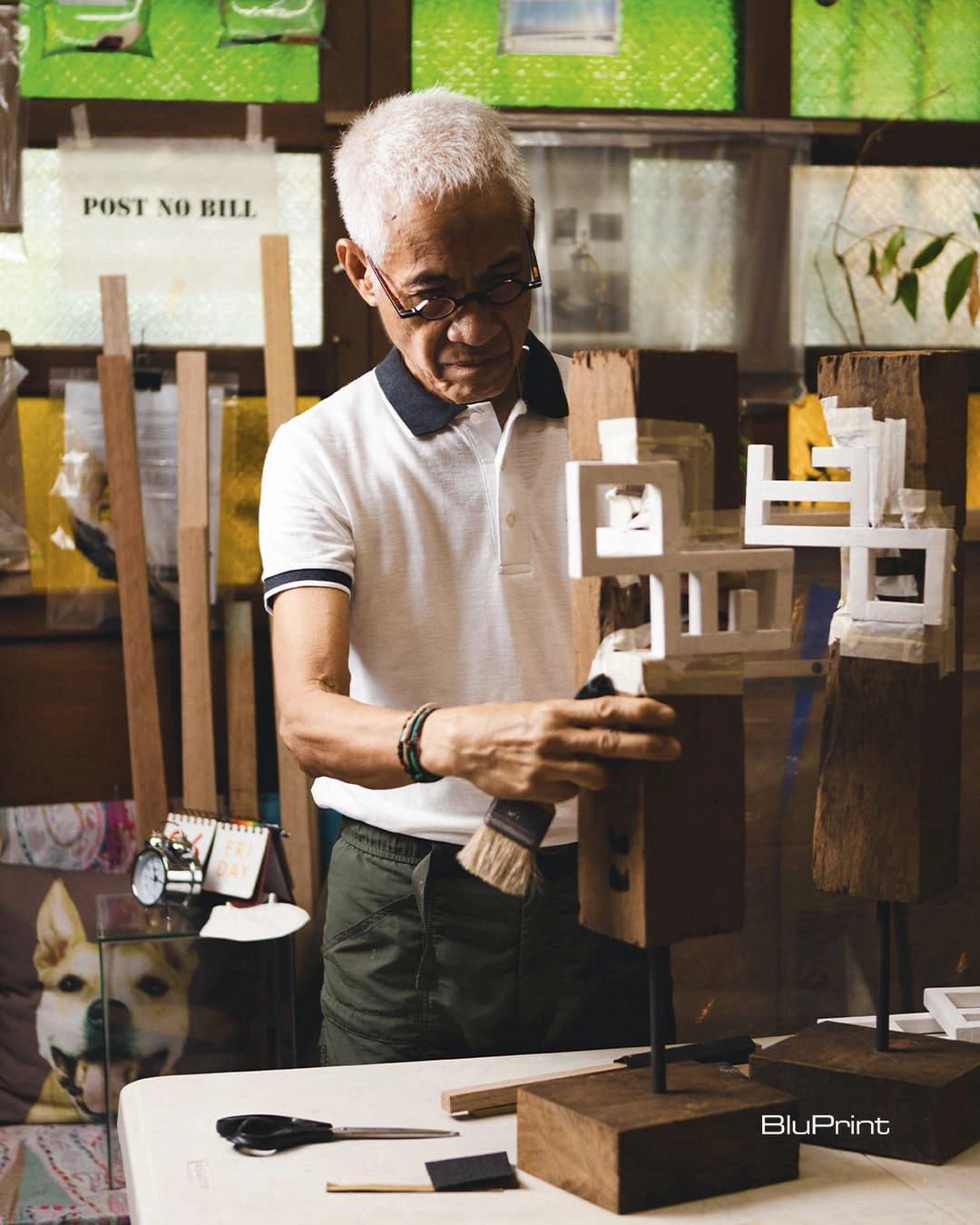
In the same year, he presented Vertical and Horizontal Dreams, drawing inspiration from Japanese architect Tadao Ando. He took materials from construction sites, such as plywood and cement. The work deconstructed and reconstructed architectural forms, mimicking the structural forms of Ando, which are defined by their vertical and elongated design.
Bautista describes art as the food of his soul. Even after decades away from the art scene, his hunger for the unconventional continues.
Political Commentary During a Restrictive Era
In his 1979 CCP exhibition, Five Contemporary Sculptors, Joe Bautista exhibited his work entitled “Bubong.” His sculpture utilized large sheets of corrugated iron, resembling the rooftops found in working-class Filipino homes. The artist leaned the sculpture against that wall to create the illusion of a sloped roof. “Bubong” only became a political statement when it provoked a negative reaction from Imelda Marcos.
Bautista recalls the First Lady’s reaction, “I heard the voice of Mrs. Romualdez Marcos: ‘We don’t have squatters here. I’m promoting the Philippines, and we don’t have squatters here.” His work was incongruent with the mores of the cultural elite. Through the use of local materials, he recreated a common scene often found in the slums of Manila. Exhibited inside the CCP, it stood in juxtaposition with the structure’s representation of national progress and development.
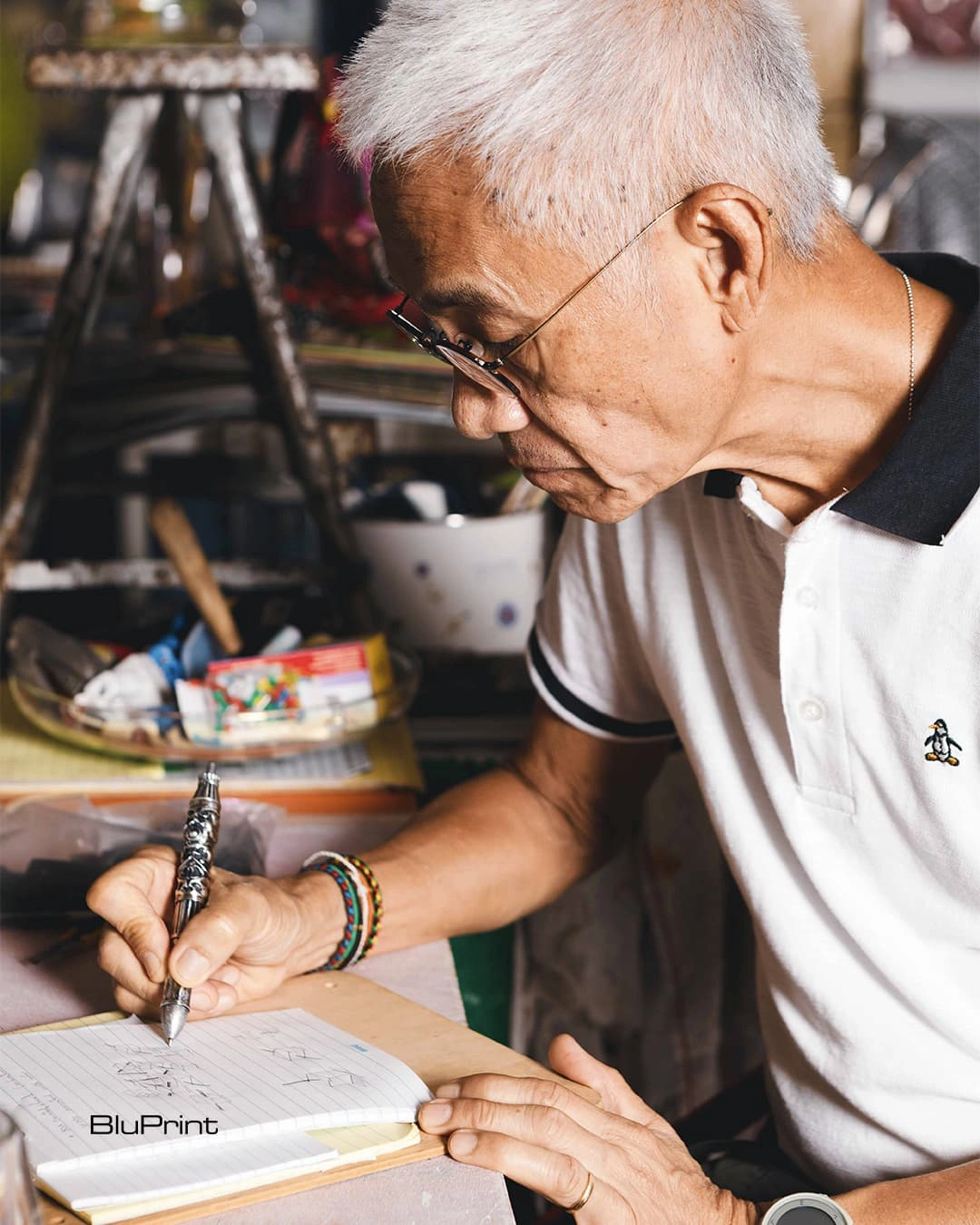
In contrast, the installation Frigidaire was deliberately subversive, hiding protest materials within the piece. Opening the refrigerator revealed shelves of water bottles clouded by condensation, encouraging audiences to wipe the moisture away and uncover the hidden contents: photographs of the then-First Lady, protest pamphlets (polyetos), and clippings of current events.
From the conceptual provocations of Shop 6 to the subversive commentary hidden in Frigidaire, Joe Bautista’s legacy is one of fearless exploration. His journey—from a radical young artist who challenged the establishment, to a quiet hiatus, to his recent return—is a powerful affirmation of a persistent creative spirit.
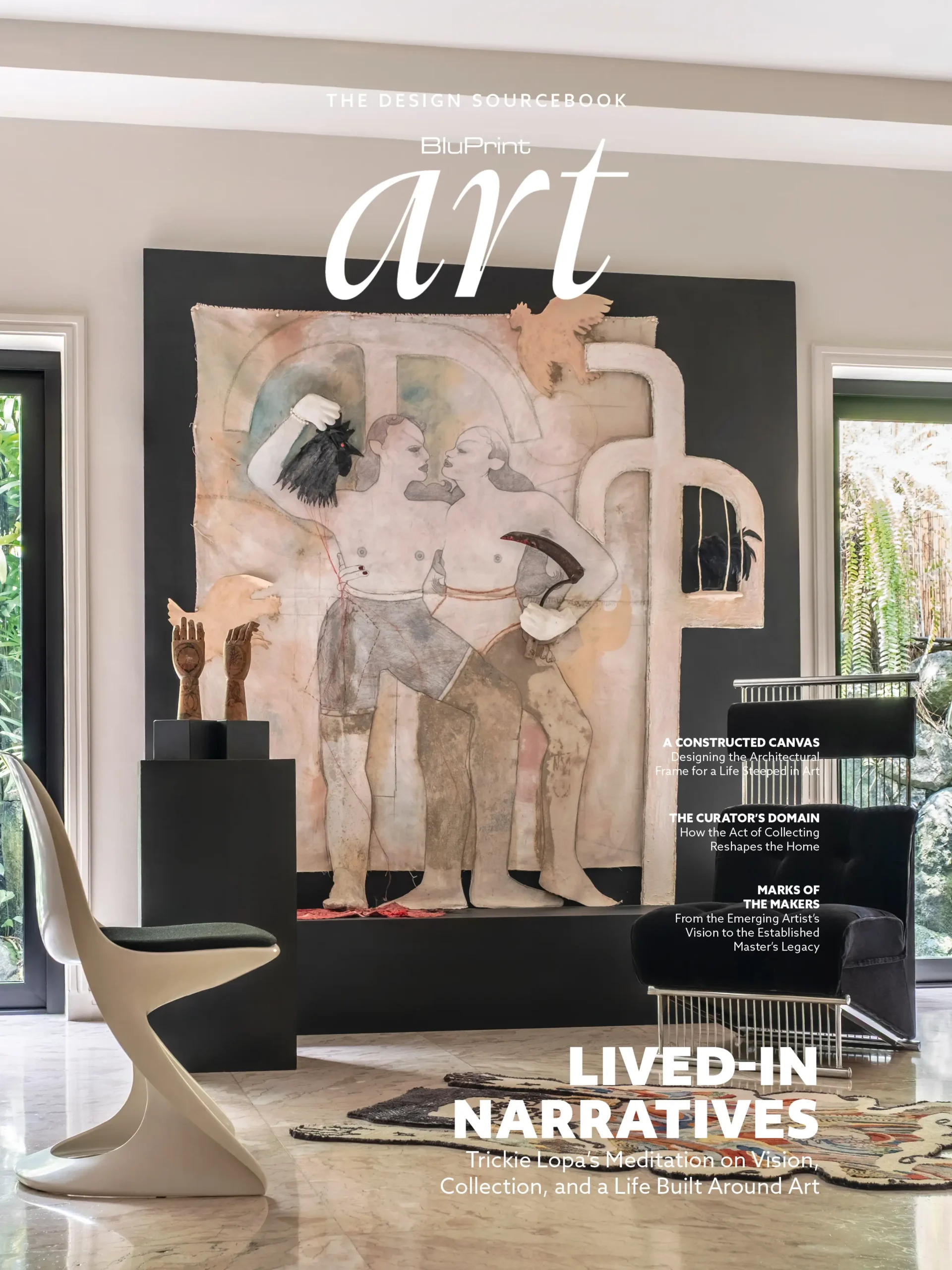
This article has been abridged for digital publication. Read the full story behind Every Room a Chapter by ordering your copy of BluPrint Art at Sari Sari Shopping, Shopee, and Lazada. E-magazines are also available for download here or through Readly, Press Reader, and Magzter.
Dive into the captivating world of architectureArchitectureThe art and science of designing and constructing buildings, structures, and spaces that are functional, safe, and aesthetically pleasing. It encompasses the planning, design, materials, and techniques used to createGo to Architecture Glossary, interiors, and arts & culture by getting exclusive digital access to BluPrint’s past and upcoming issues. Click here to find out more.
Photos by Excel Panlaque.
Frequently Asked Questions
Shop 6 was a radical artist collective in the 1970s, led by Roberto Chabet, that pioneered conceptualism in the Philippines. The group shifted the focus from classical techniques (like representational painting and sculpture) to the “idea” behind the work. They utilized found objects, temporary installations, and non-traditional materials to challenge the commercial and institutional definitions of art, effectively de-centering the object in favor of the process and the concept.
Exhibited at the Cultural Center of the Philippines (CCP) in 1979, “Bubong” utilized corrugated iron sheets to mimic the roofs of slum dwellings. By placing these “squatter” aesthetics inside the “Sanctuary of the Filipino Soul” (the CCP), Bautista created a sharp juxtaposition. The work challenged the state-sponsored narrative of national progress, famously provoking Imelda Marcos by physically manifesting the poverty that the administration sought to hide from the cultural elite.
The term “kutong lupa” (literally “land louse”) refers to an underdog or someone who emerges from obscurity. In Bautista’s context, it described his sudden, audacious entry into the art scene as a radical UE advertising major. This ethos defines his career: a confidence to experiment without formalist constraints, using “ground-level” materials like construction debris, plywood, and cement to build high-concept architectural narratives.
“Frigidaire” was a masterclass in hidden dissent. It required the audience to physically interact with the piece—wiping condensation off water bottles—to reveal hidden protest pamphlets (polyetos), photographs of the First Lady, and news clippings. This technical choice made the viewer a “co-conspirator” in the act of uncovering truth, reflecting the secretive nature of political resistance during the restrictive era of the 1970s and 80s.
Inspired by the minimalist Japanese architect Tadao Ando, this 2019 series deconstructed architectural forms using raw construction site materials like cement and plywood. Bautista focused on Ando’s signature vertical and elongated design, treating the structural elements of a building as a sculptural language. This work demonstrates his “re-entry” strategy: applying his 1970s conceptual roots to modern architectural theory, proving that the hunger for unconventional “food for the soul” remains persistent despite a decades-long hiatus.
Related reading:
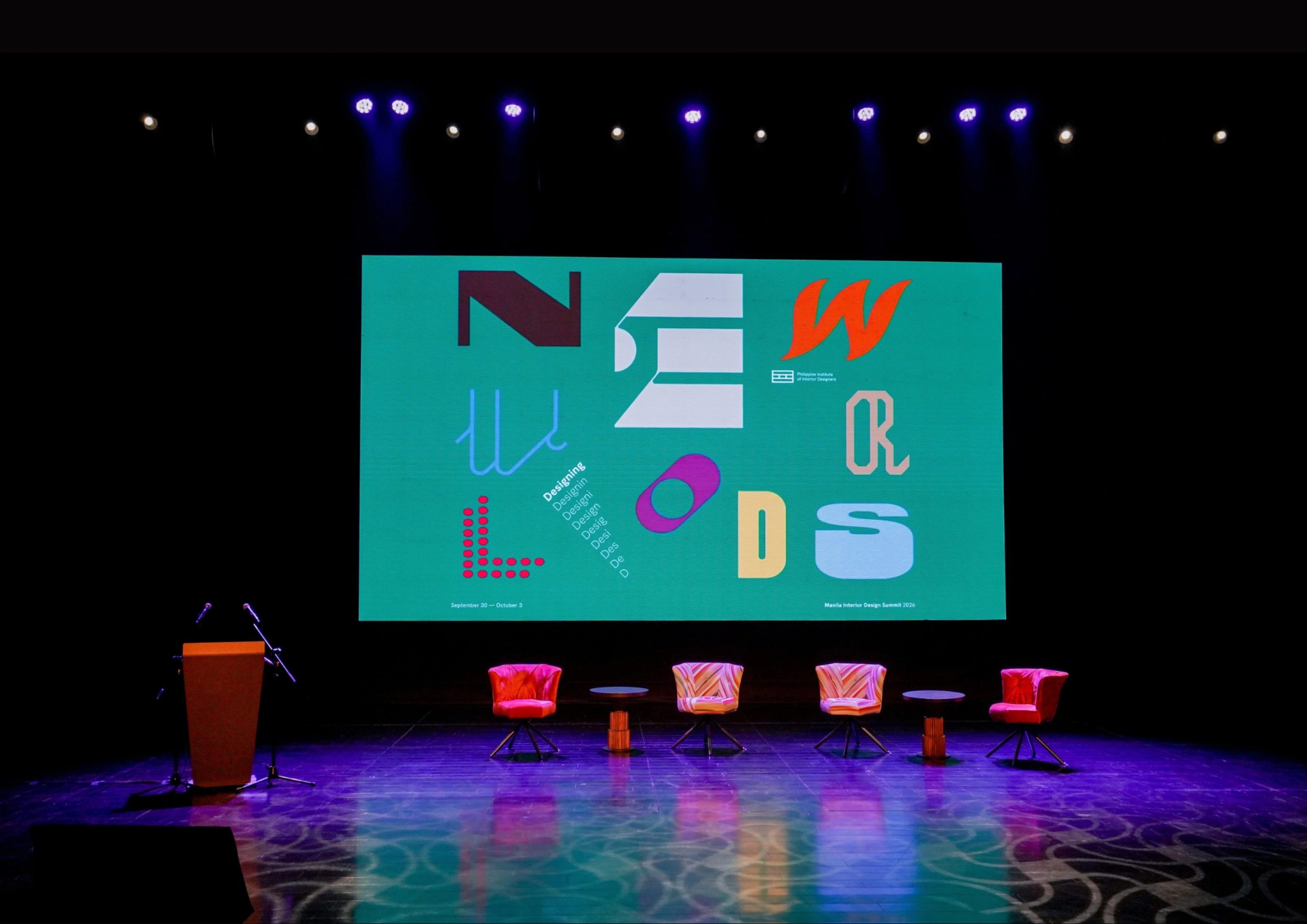
The fourth Manila Interior DesignInterior DesignThe discipline of planning and shaping interior spaces for function, comfort, safety, and beauty. It covers layout, lighting, materials, finishes, furniture, and color, and in the Philippines is a licensedGo to Interior Design Glossary Summit (MIDS) brought together more than 300 delegates for four days of conversations, exhibitions, and design […]
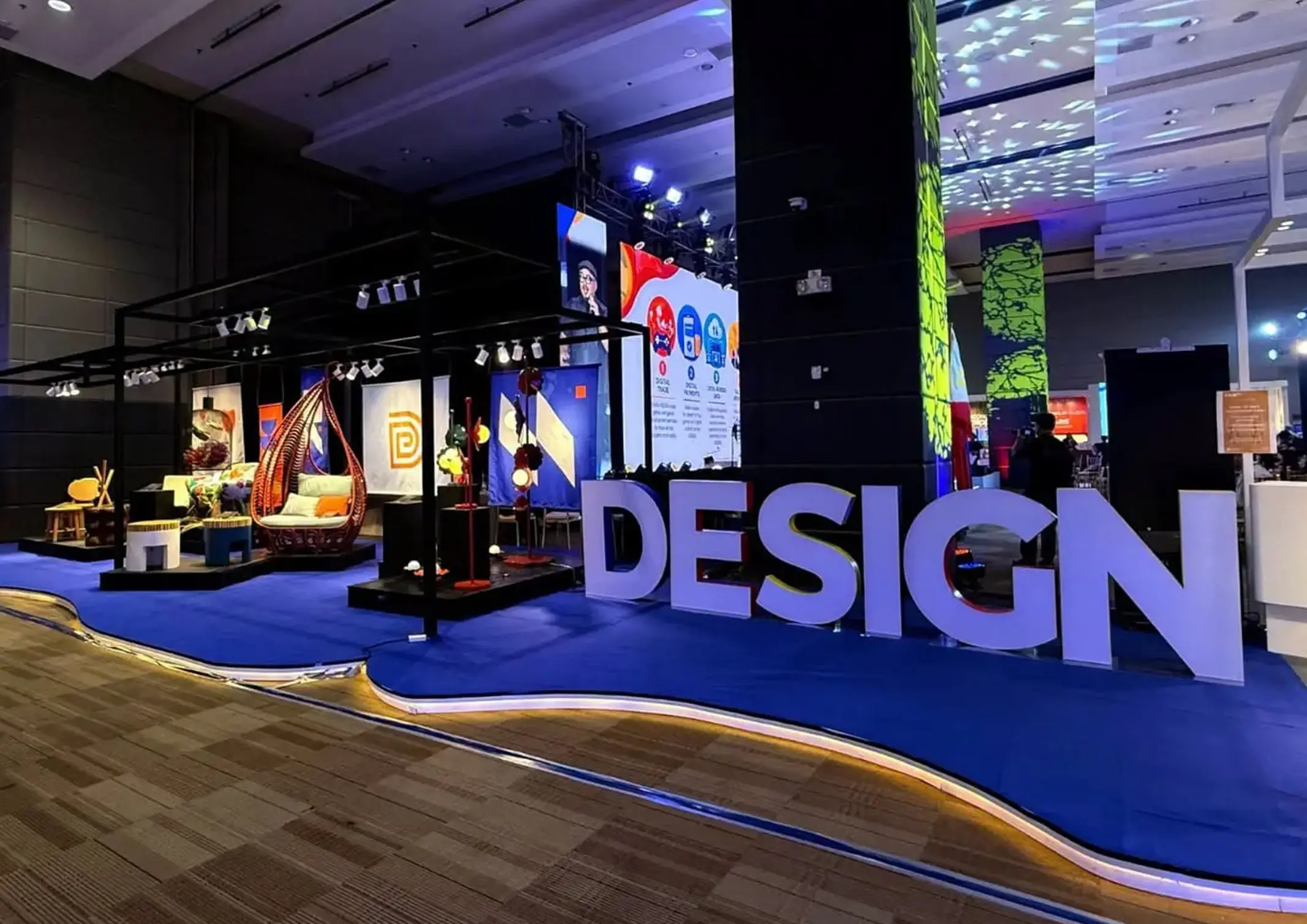
Held at the SMX Convention Center Aura in Taguig City, the first ASEAN Creative Industries Expo by Malikhaing Pinoy (ASEAN MPEx) features nine creative domains, including design, visual arts, digital interactive media, and performing arts. Organized by the Department of Trade and Industry (DTI), the event includes exhibitions, cultural performances, industry talks, and pitching sessions […]
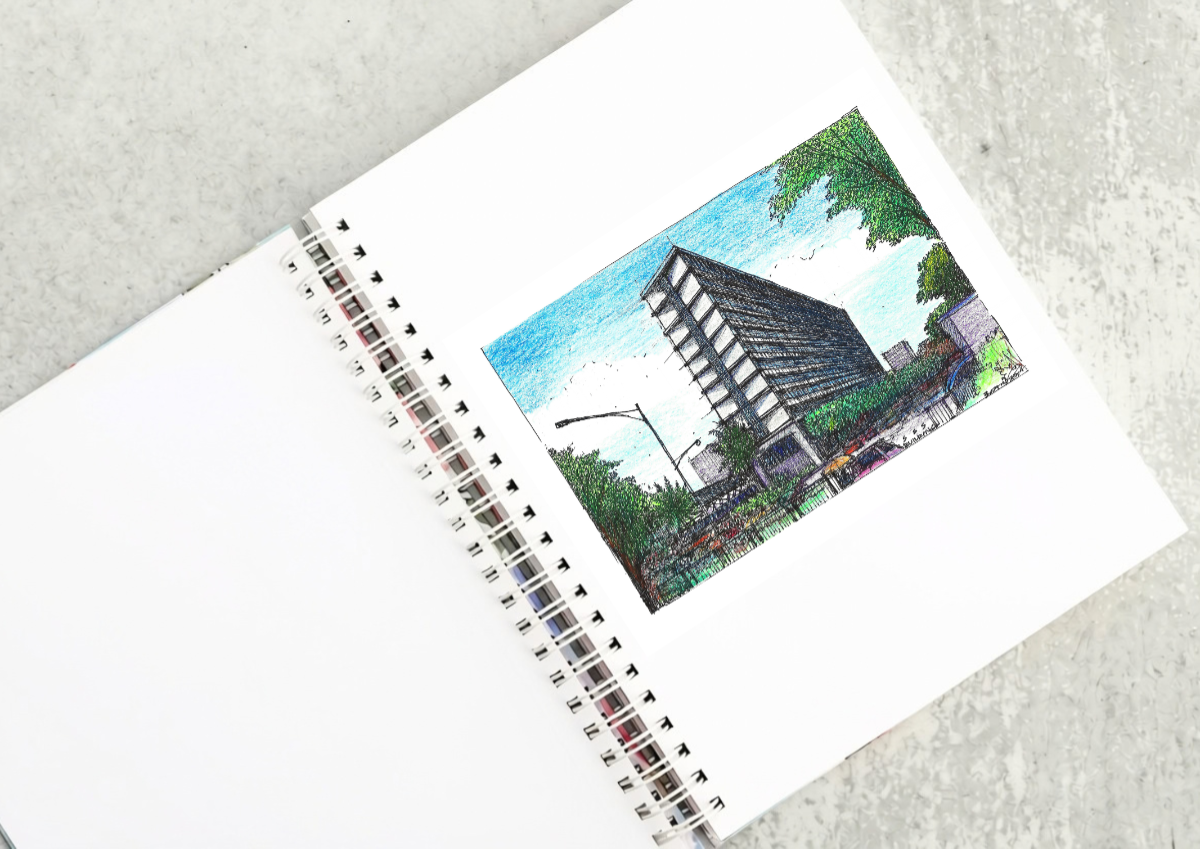
The SSS Building as an Expression of Civic Modernism My favorite modernist landmark in Quezon City is the SSS building on East Avenue. Designed by National Artist for ArchitectureArchitectureThe art and science of designing and constructing buildings, structures, and spaces that are functional, safe, and aesthetically pleasing. It encompasses the planning, design, materials, and techniques […]

Archie G. Carrasco, Chairman and CEO of AGC Power Holdings Corp. (AGC PHC), has been named to The BoF 500 Class of 2026 under the Media category, joining The Business of Fashion’s global community of individuals shaping the fashion industry. Carrasco is among 100 new members from 33 countries and 48 nationalities selected for the […]
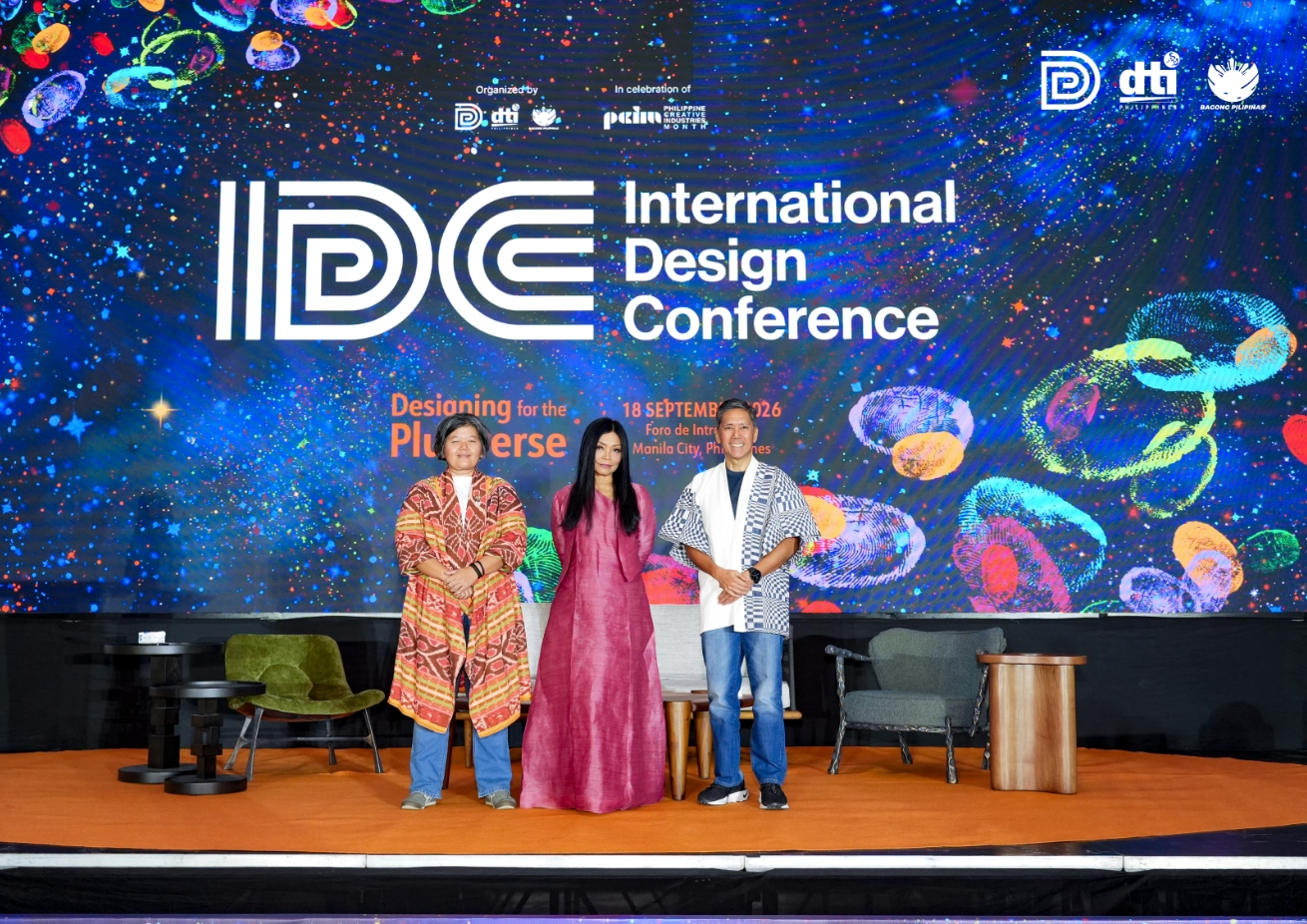
Culture in design does not always announce itself through a recognizable motif, material, or symbol. It can also be embedded in the relationships designers build, the knowledge they listen to, the materials they choose, and the decisions they make in response to communities and their environments. This distinction emerged throughout the 2026 International Design Conference […]
Read the issues.

Collect the volumes.

Recommended Video
Tap to Unmute
Unmute
0:00
0:00