Bigkis is the act of binding. In Tagalog, the word can refer to something used to bind or encircle, as well as a bundle formed by tying several separate elements together. Figuratively, it can also mean a bond, union, or unity. The meanings move from the physical act of joining things together to the connection […]
Julieanne Ng Portrays Humanity’s Decaying Ambition in New Exhibit



From Ash We Came, Julieanne Ng’s new exhibit at Art Cube Gallery in Makati, captures the essence of life in its simplest form, with a minimalistic approach that appears scientific. This collection portrays the marvelousness of existence and its futility, echoing shared ideas from a well-known myth.
Ng drew inspiration from the iconic story of Daedalus and Icarus. Daedalus, a master craftsman, created wings out of wax and feathers that allowed him and his son Icarus to escape captivity from the island of Crete. However, Icarus flew too close to the sun despite his father’s warning, the wax melted and Icarus fell into the sea and drowned.
It’s a tragic tale, and Ng found herself contemplating the tragedy as she created this exhibit.
“Ng breathes to life a series of abstract iterations that mirror the pearl of wisdom embedded in the narrative,” J. Jose said in their exhibit write-up. “No matter its antiquated origin, the veracity resting within it about our finiteness reverberates, crawling and seeping through a universal threat that connects all of mankind.”
Fingerprints in Everything
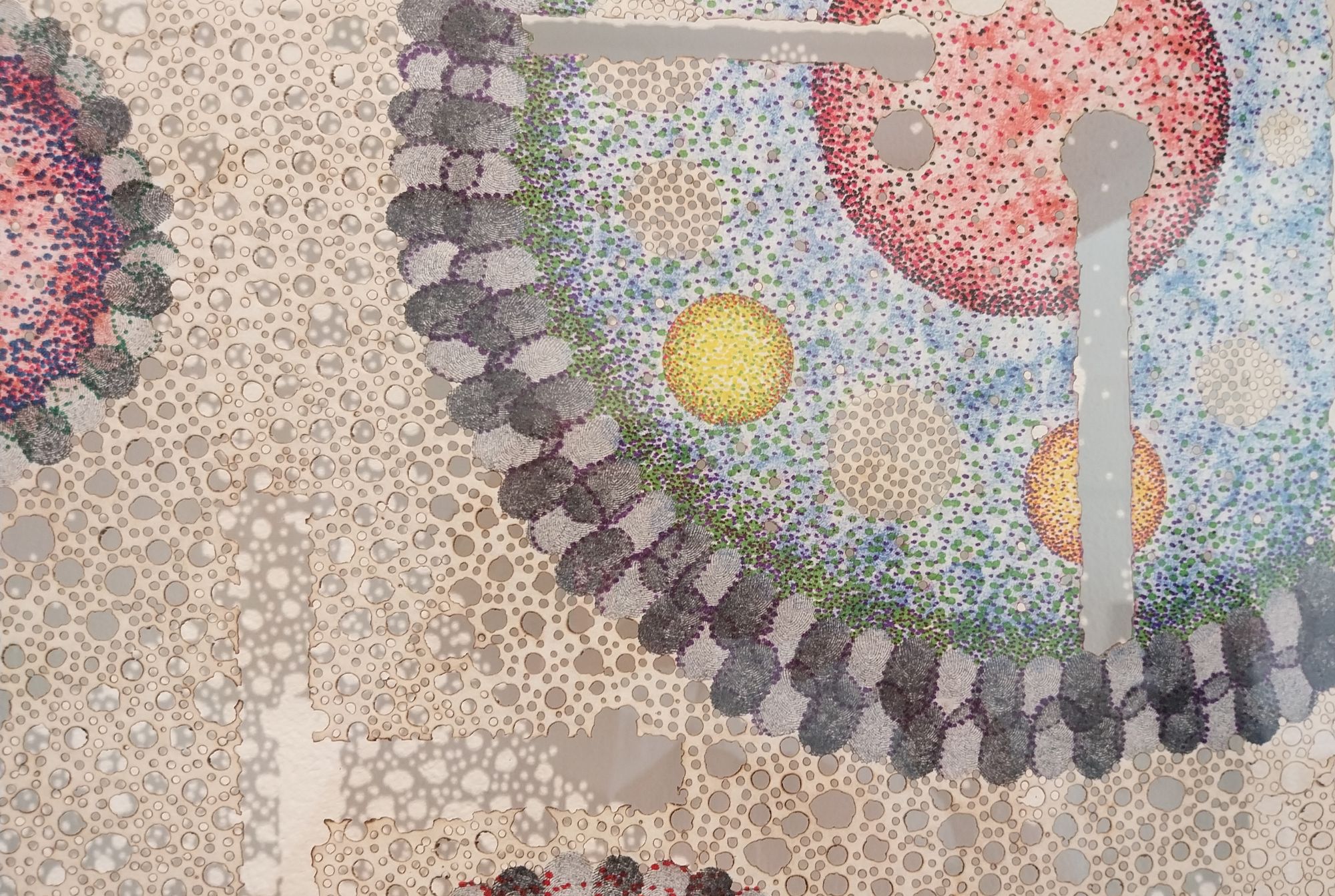
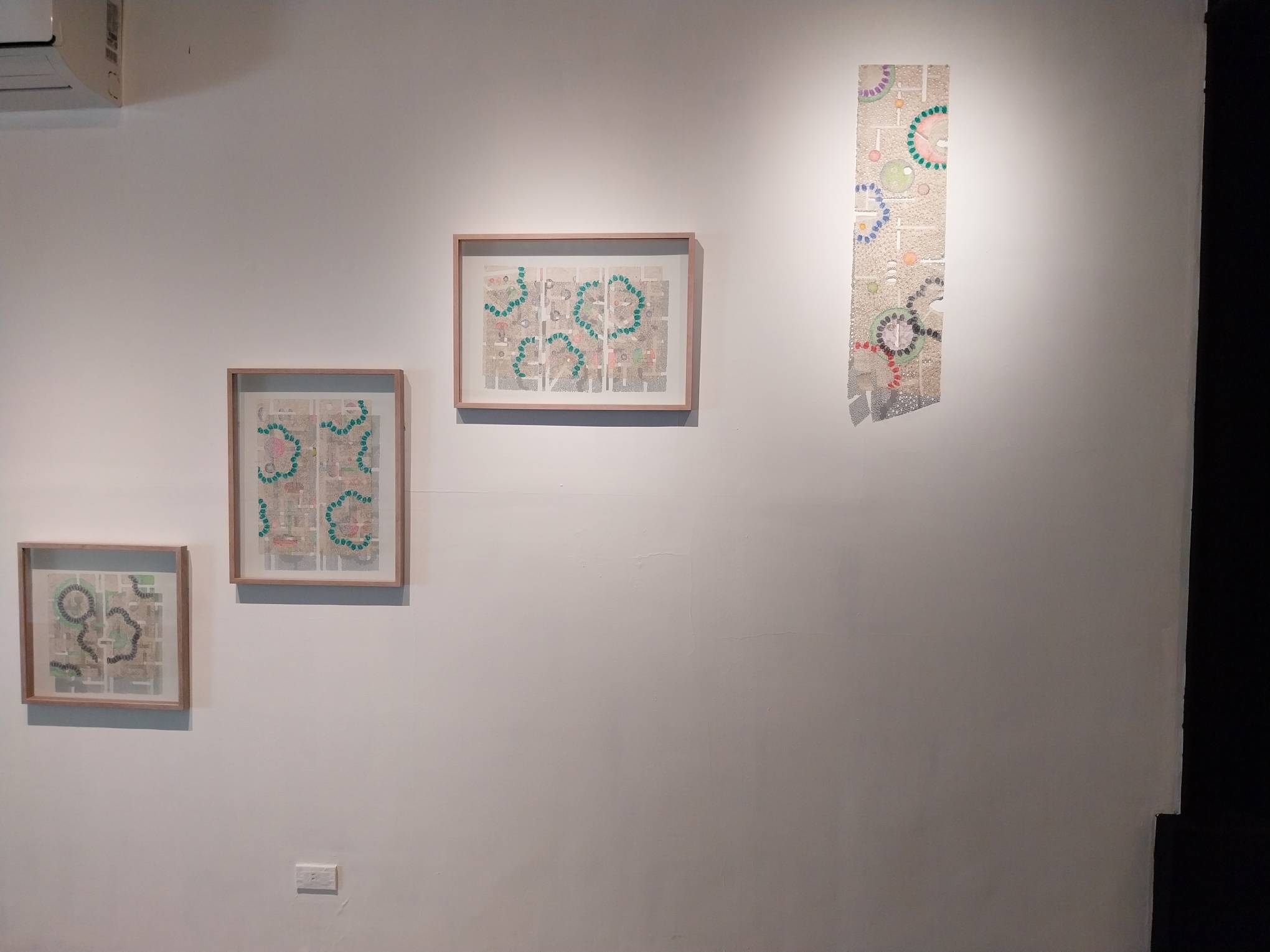
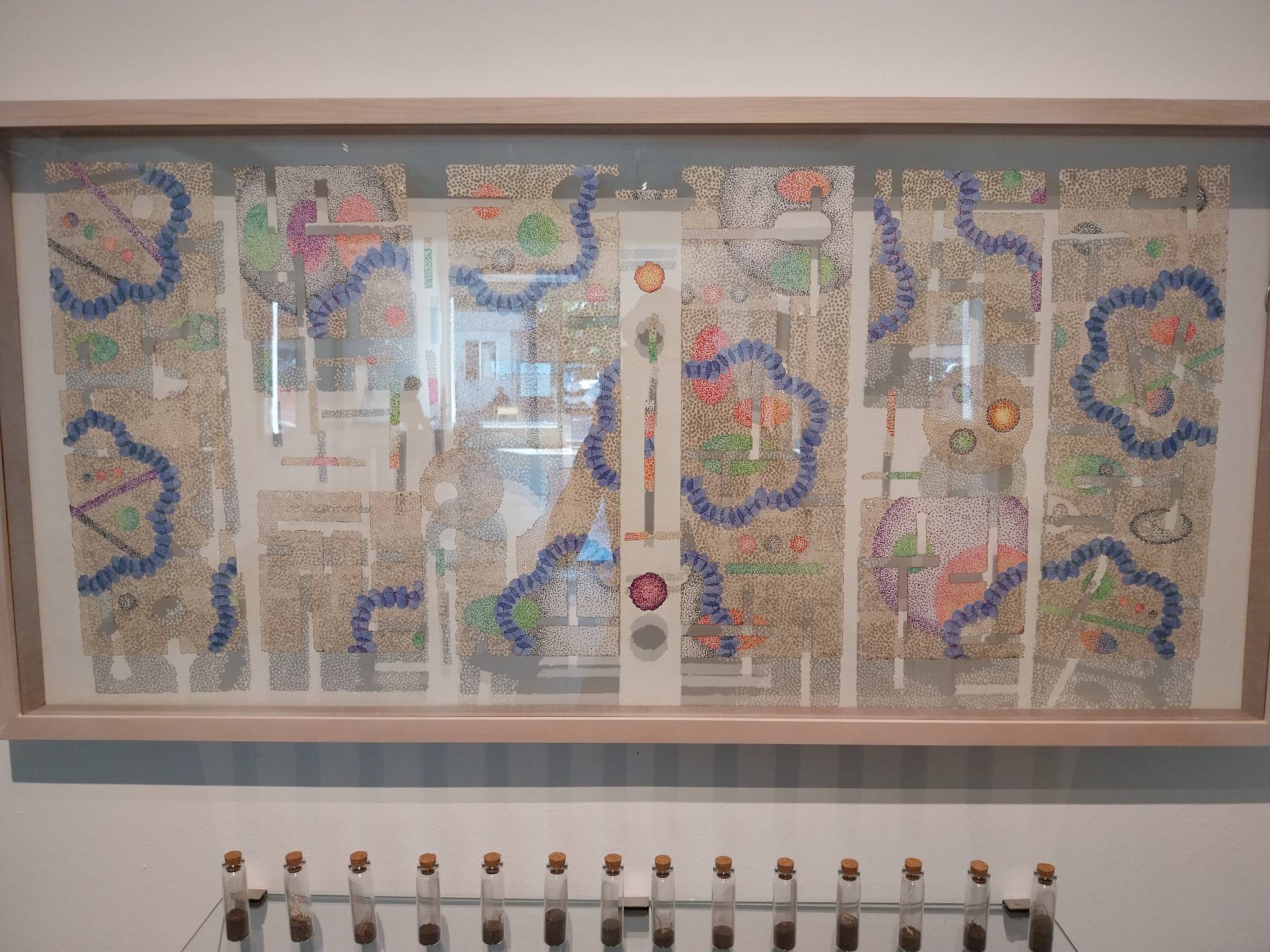
From Ash We Came interprets the lessons of hubris and ambition of Icarus’s tale and thrusts us into a micro-scale look at humanity. Ng utilizes her style of incense-burning paper art here to create images mimicking cells in a microscope. Elaborate, colorful patterns appear on the works, creating flowery curves and circles within a transparent glass background.
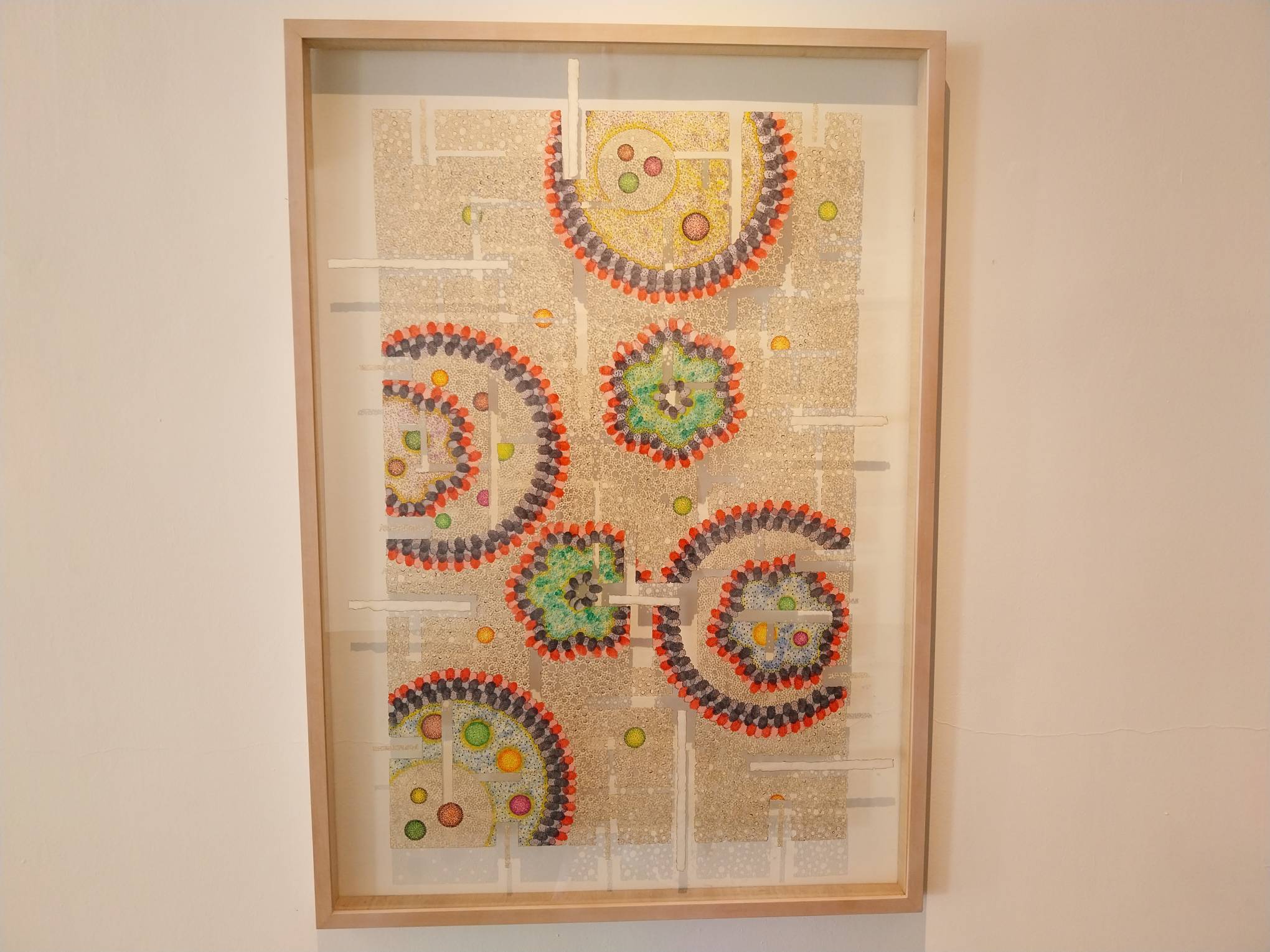
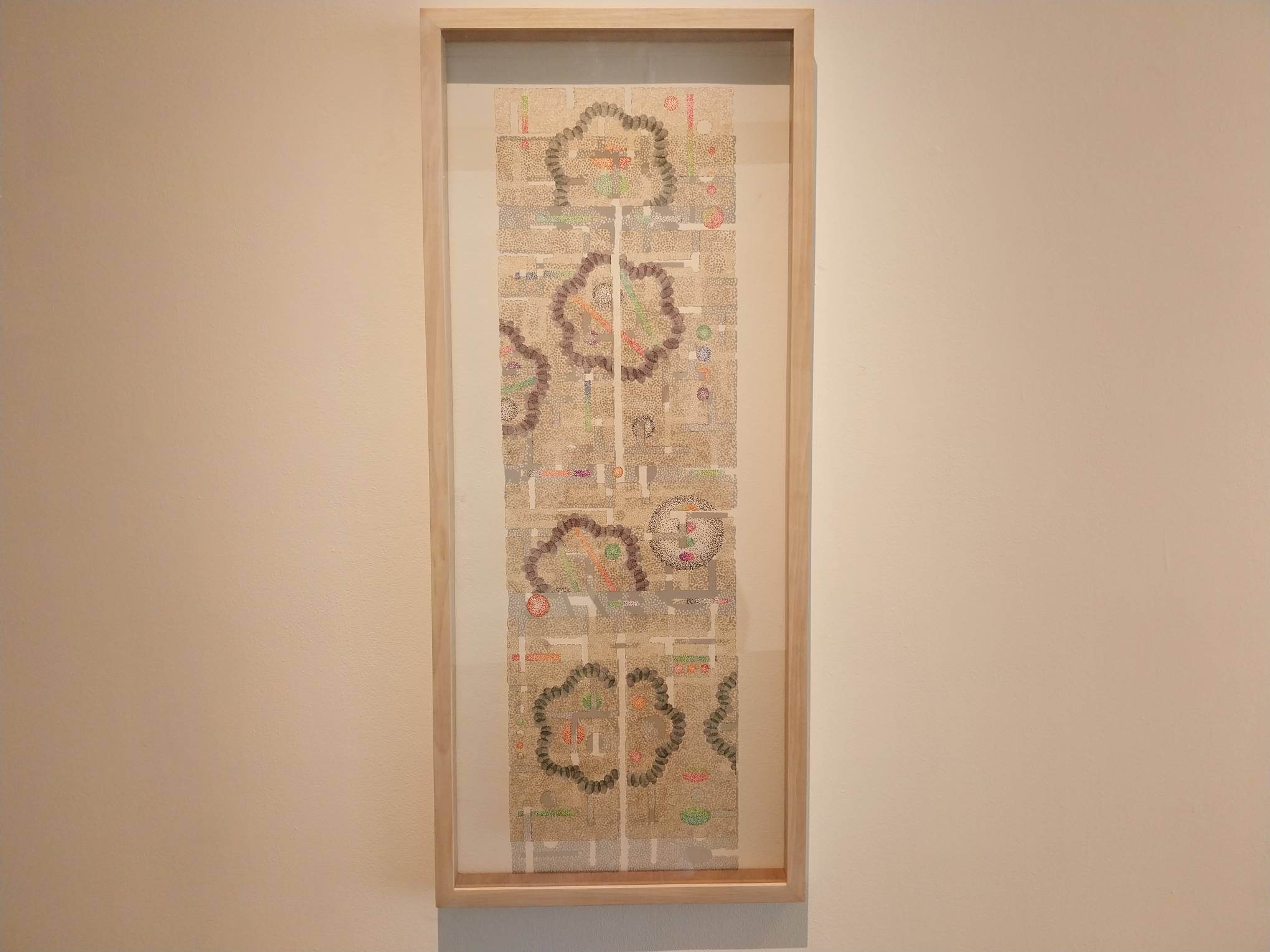
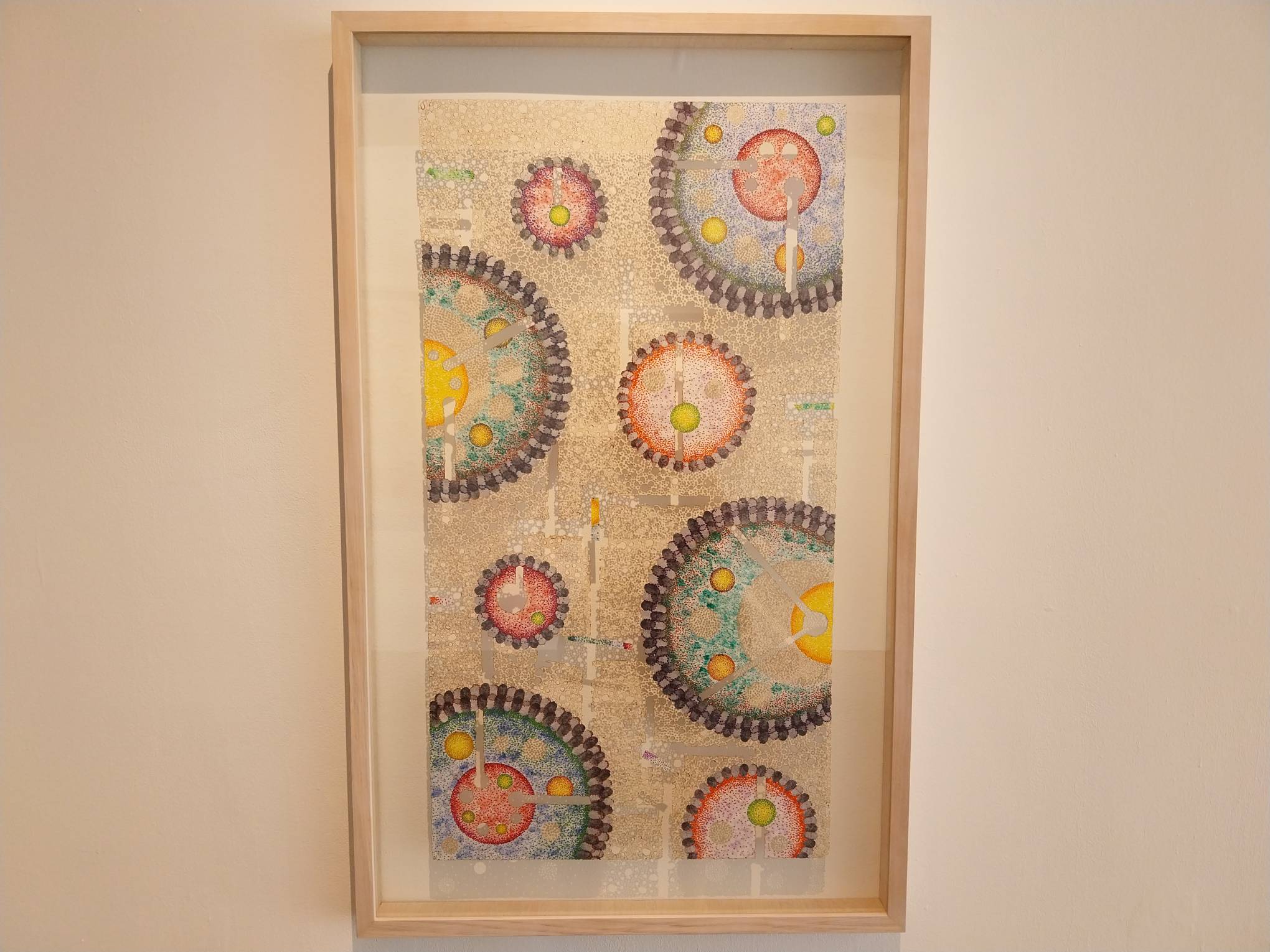
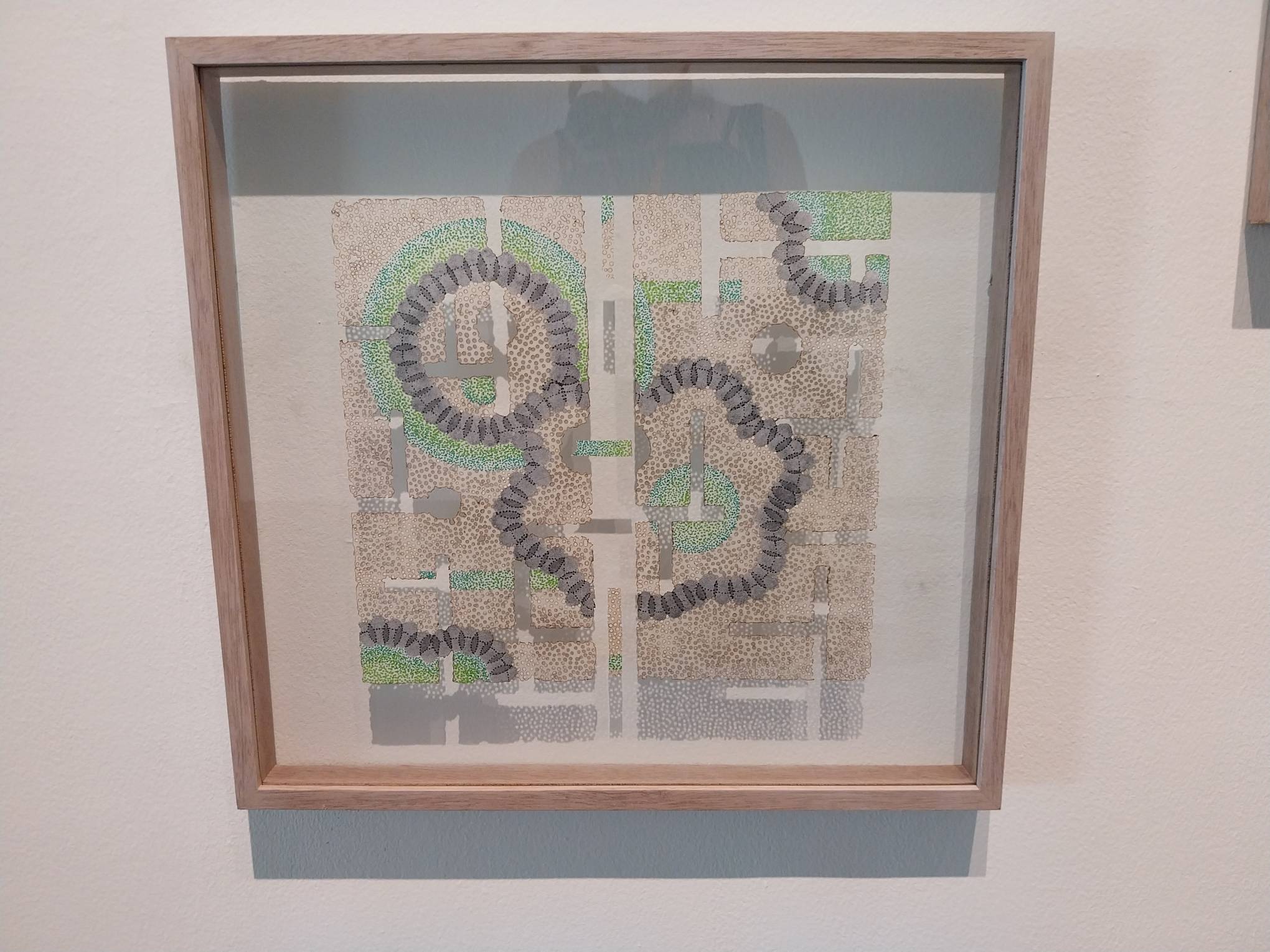
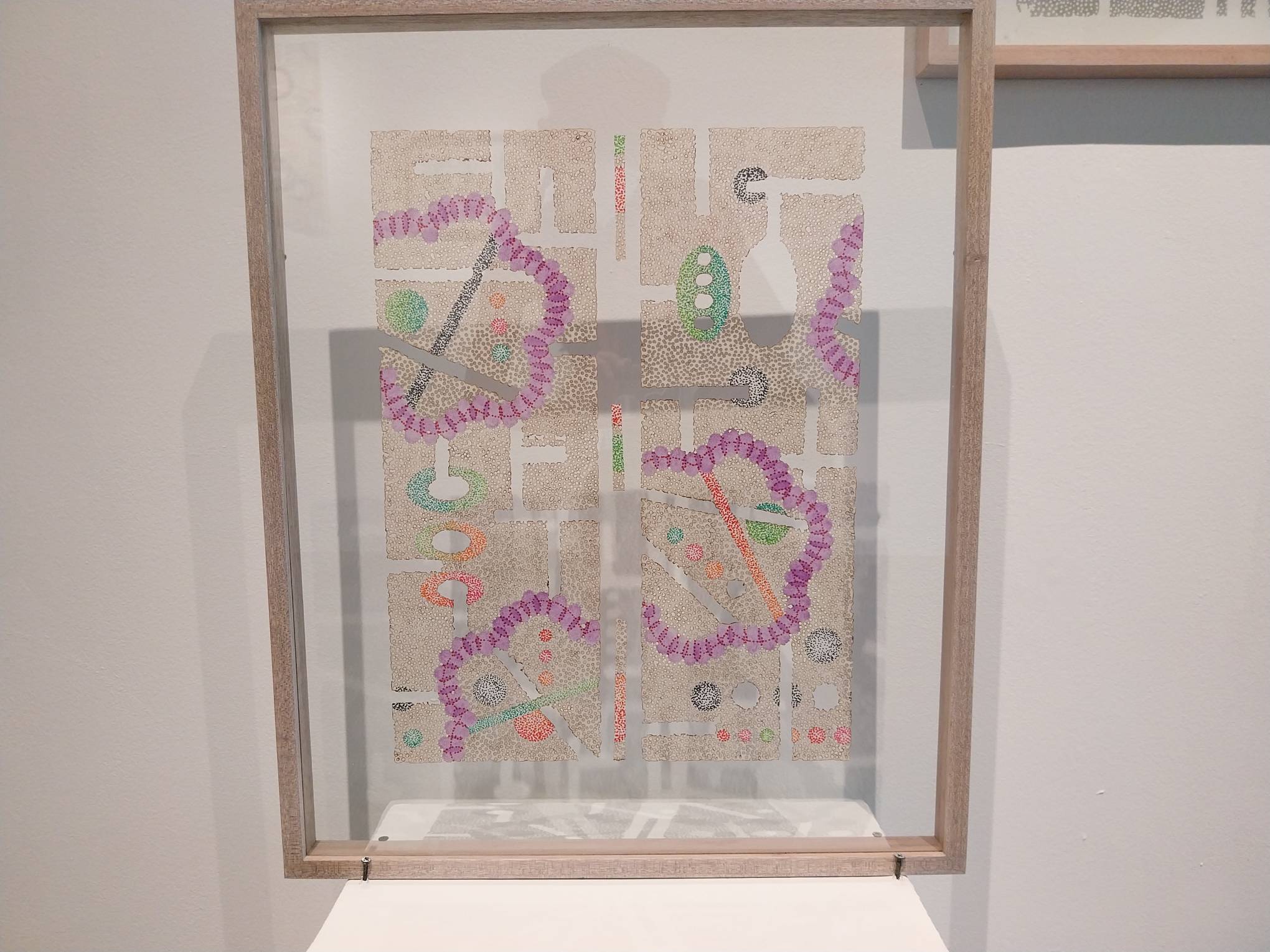
Beyond the burns that dot the paper, the artist also adds fingerprints in most of the works. These portions work within the pieces like cell walls, creating a vibrant new texture that adds definition to the shapes formed within the papers.
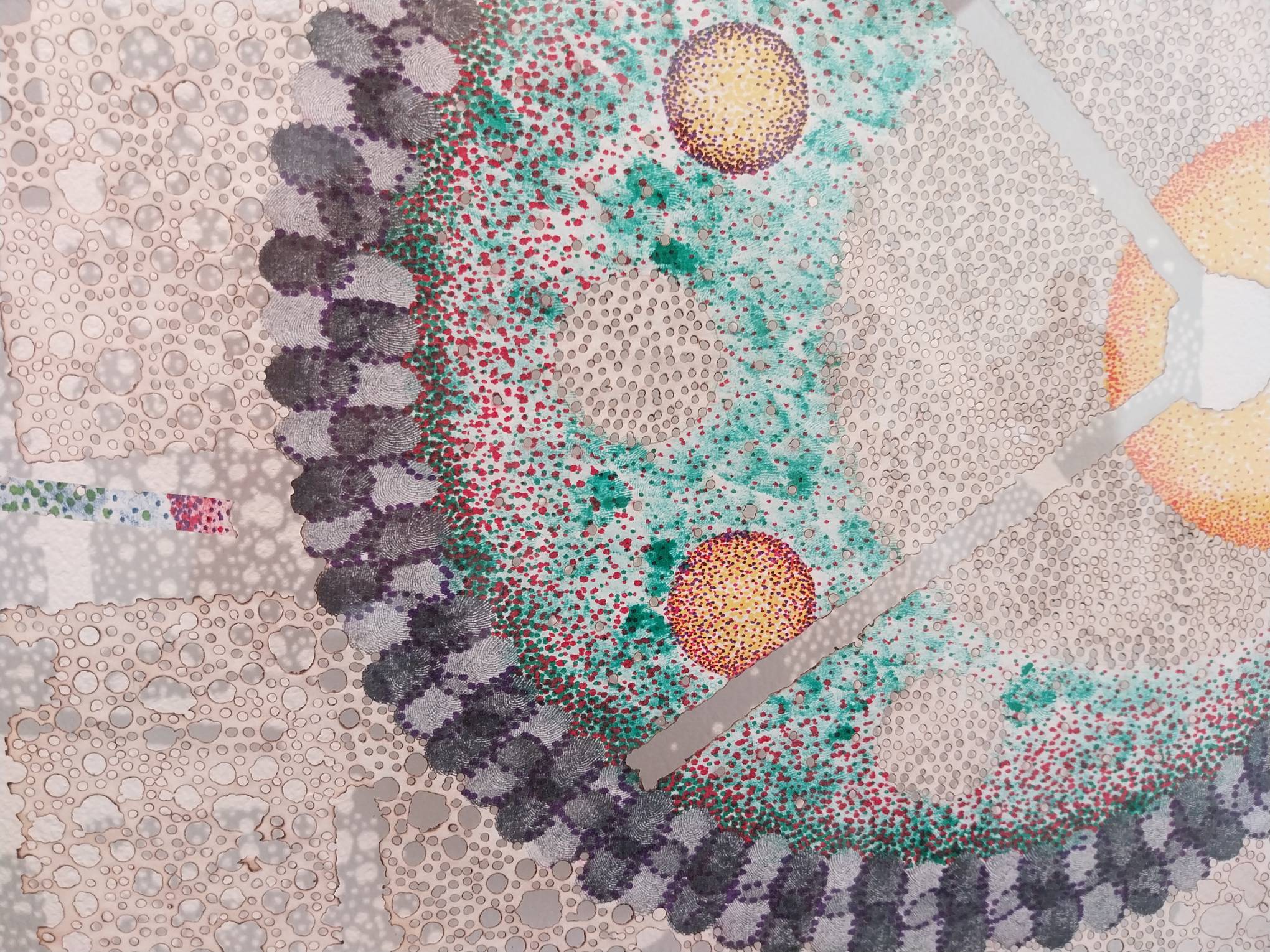
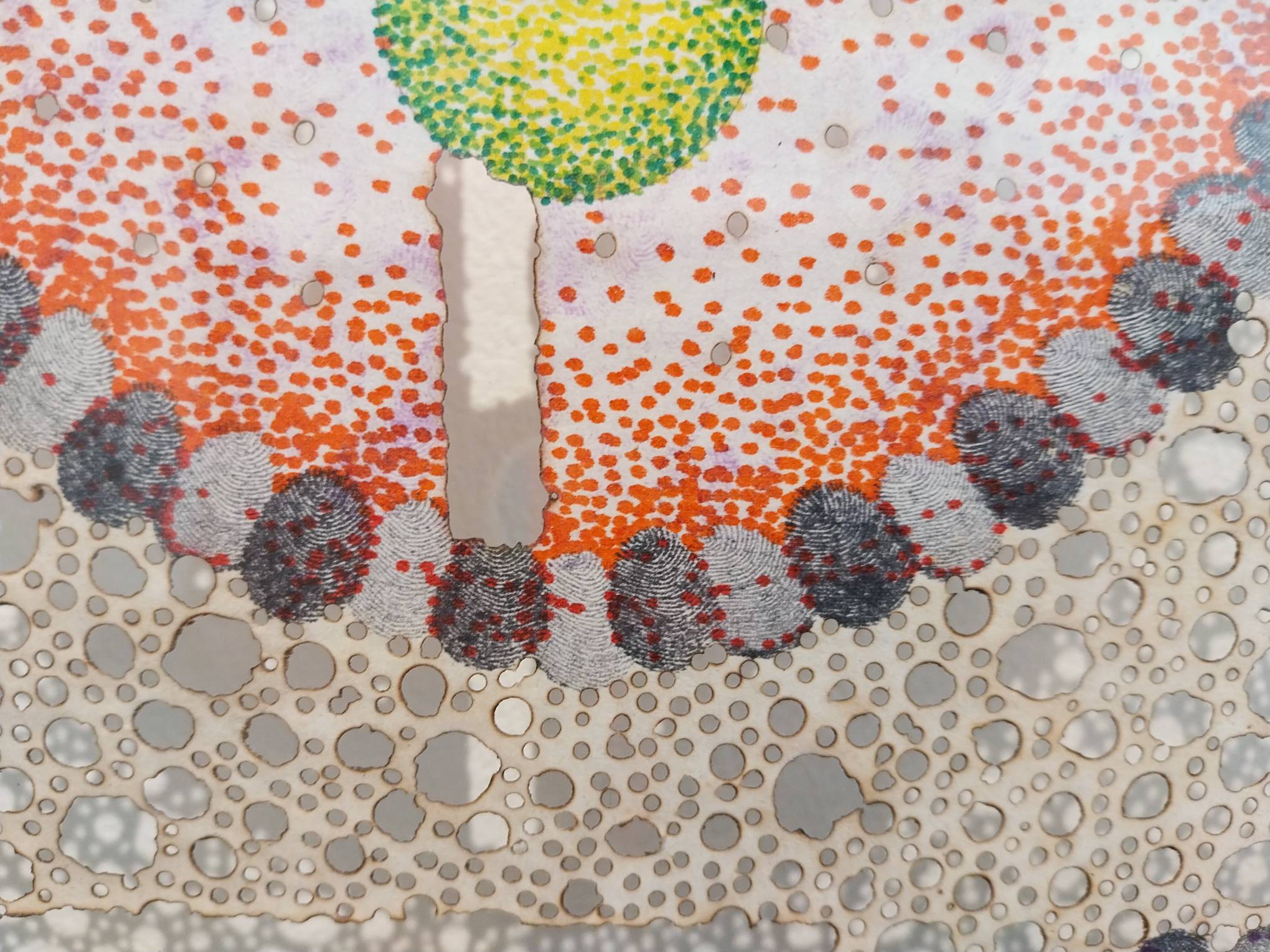
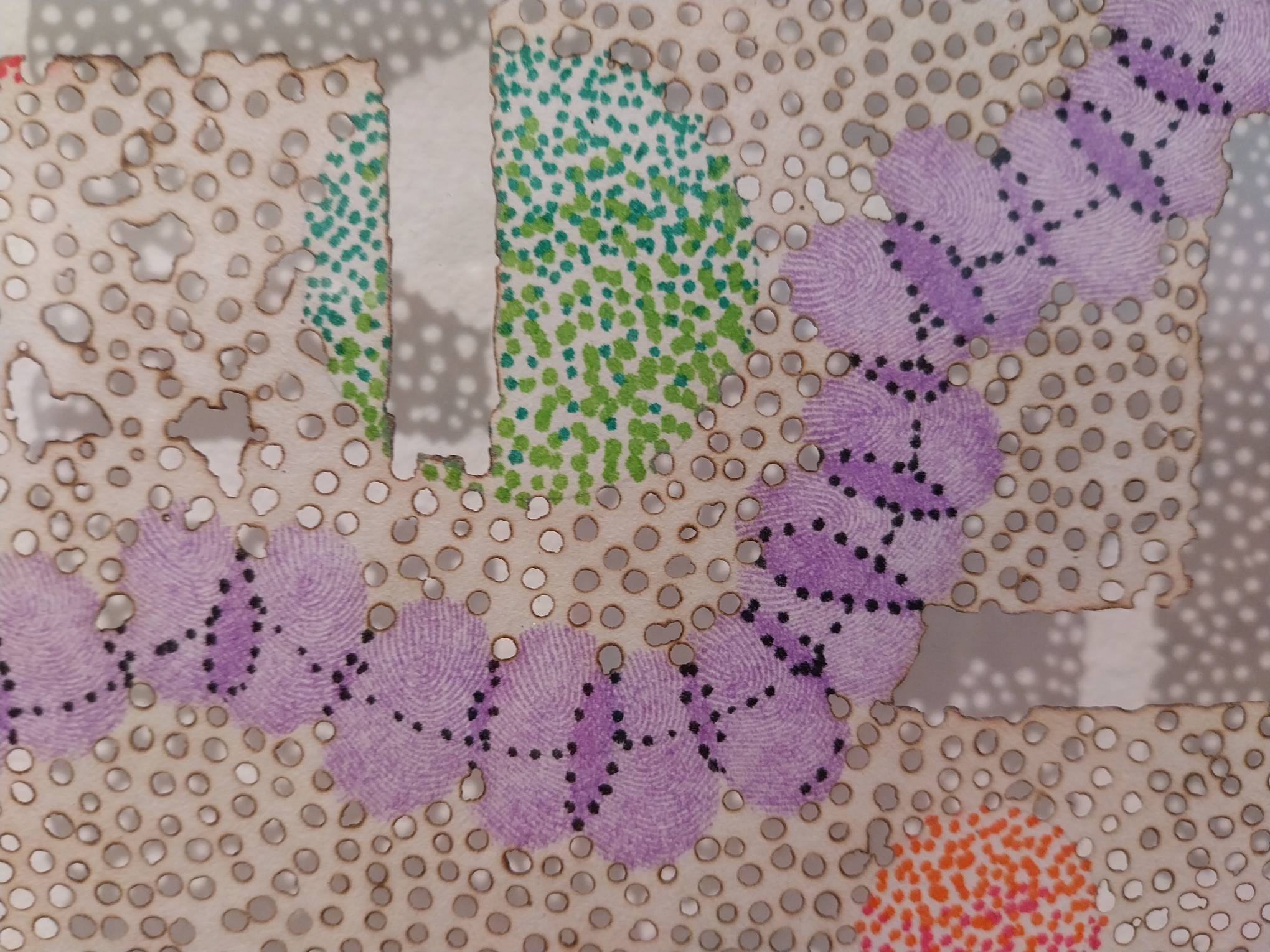
Ng’s works in this exhibit come together in a way that creates a distinctive and intriguing push-and-pull motion. The shapes feel like they’re floating in an endless space, interrupted only by the sudden sharp breaks from the paper. These create a disjointed picture that aids in the illusion, as if we’re only seeing small snapshots instead of the whole picture.
The Language of Decay
Ng’s awareness of the finiteness of humanity appears here plenty. An inspired move from her—and one that probably led to the exhibit’s title—is saving up the ashes from the incense burns into the paper and storing them in small jars. Some of the jars even contain actual paper fragments inside of them, preserved in their half-burned state.
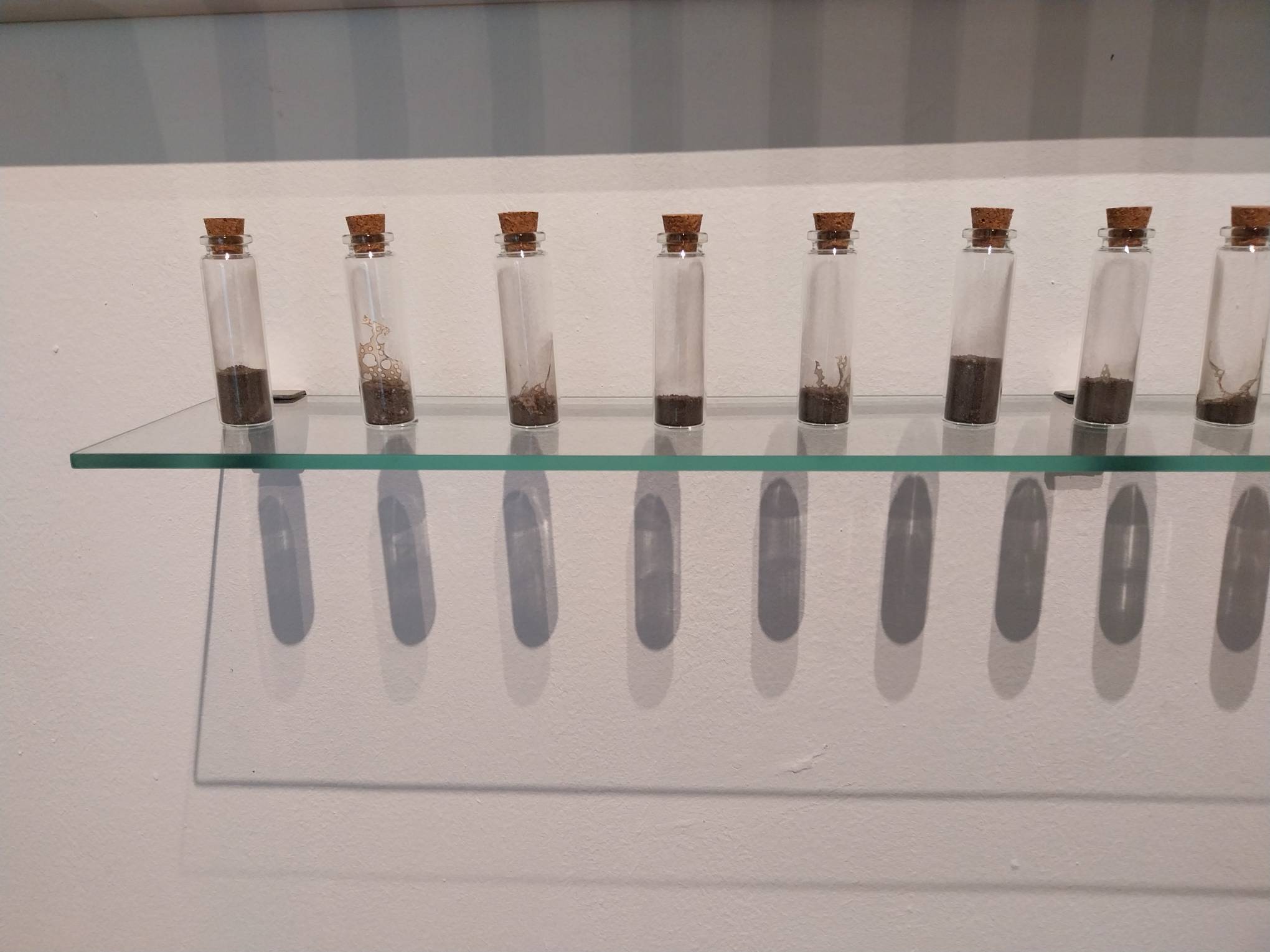
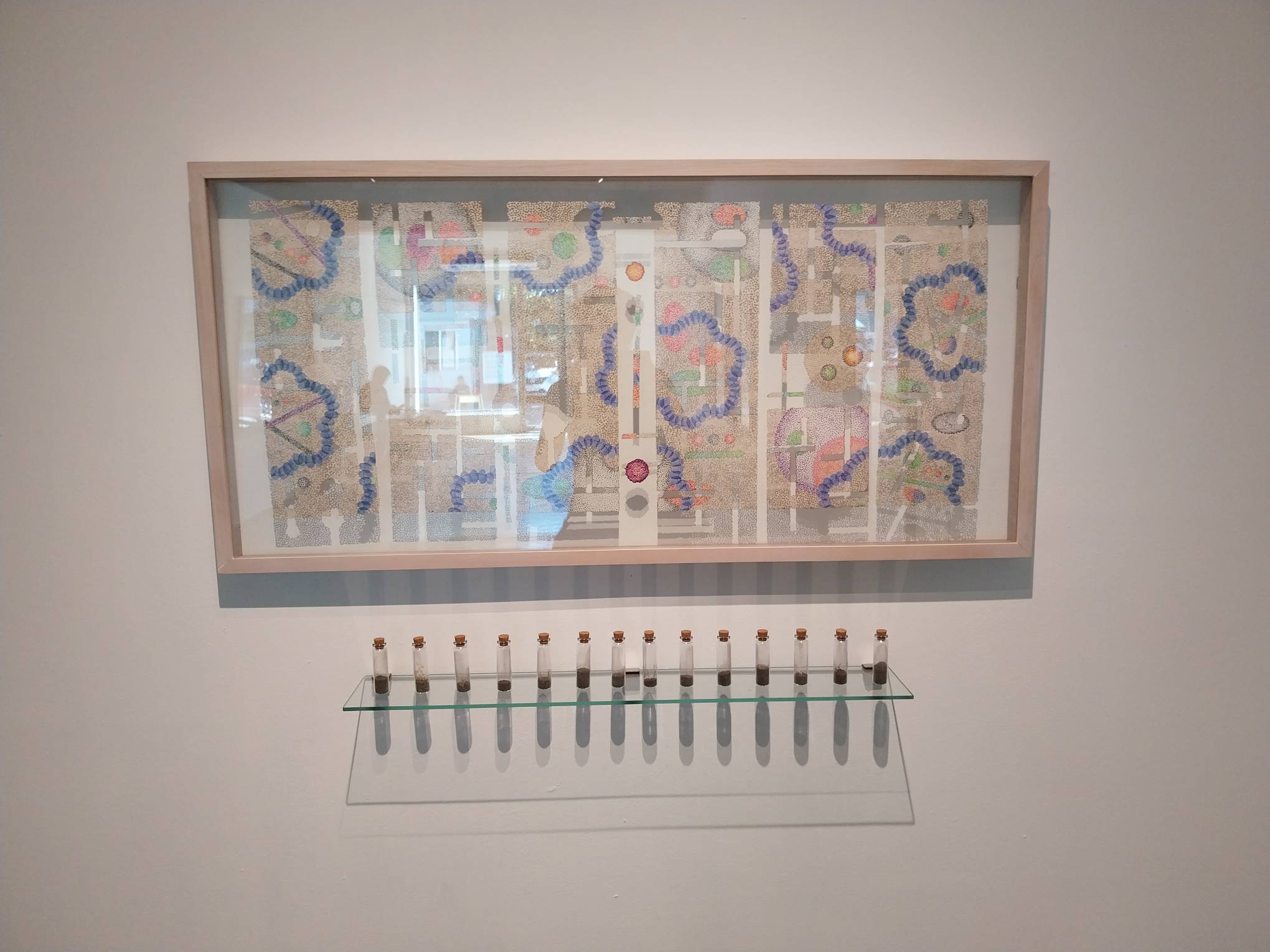
She showcases fourteen of these jars as the de-facto centerpiece of the exhibit, and the ashes give another layer of analysis to the exhibit’s facsimile of cells and biology. It tells us that these living tissues portrayed in these works will eventually give way to death. Nothing lasts forever, not even the ambitions of the living.
From Ash We Came gives us an interesting, biocentric perspective on humanity and ambition, a literal look at ourselves from a facsimile at the microscopic level. More importantly, it utilizes Julieanne Ng’s unique stylings to birth a new-yet-familiar look into the images we know. The exhibit will be available for public viewing until June 1.
Related reading: ‘More|Less’: Portraying the Hecticness of the Information Age
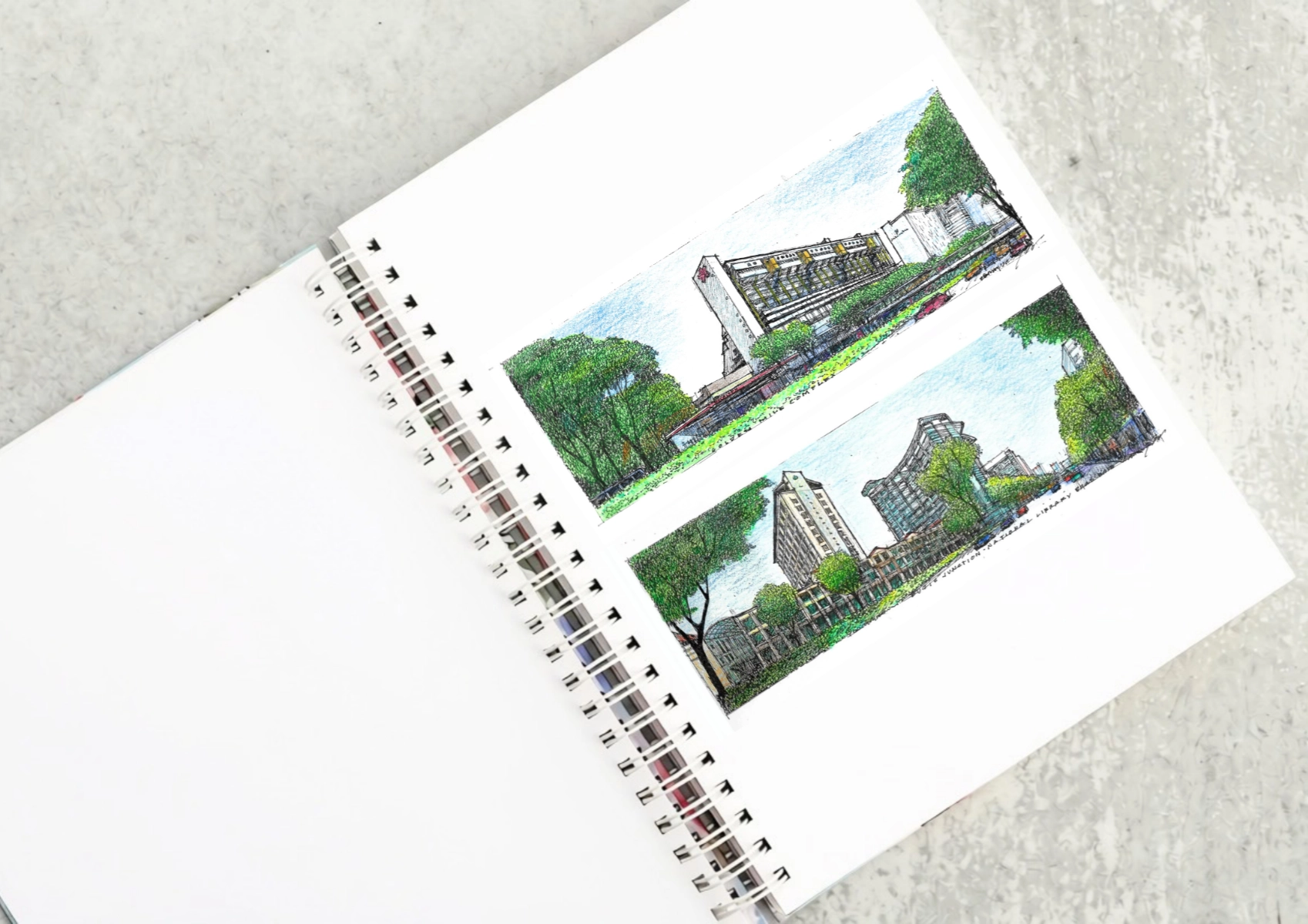
Two sketches of Singapore connect BluPrint Editor in Chief Paulo G. Alcazaren’s personal and professional history with Shared Ground: ArchitectureArchitectureThe art and science of designing and constructing buildings, structures, and spaces that are functional, safe, and aesthetically pleasing. It encompasses the planning, design, materials, and techniques used to createGo to Architecture Glossary of Care, Culture, […]
Some have become household names – Coleman, Oster, and KitchenAid – products that have found their way into Filipino kitchens, homes and family routines. In home furnishings, brands such as B&B Italia, Ethan Allen, Sub-Zero, Miele, SieMatic, Louis Poulsen, Hunter Douglas, Tempur, and Technogym, have helped shape the way Filipinos live. From everyday essentials to […]
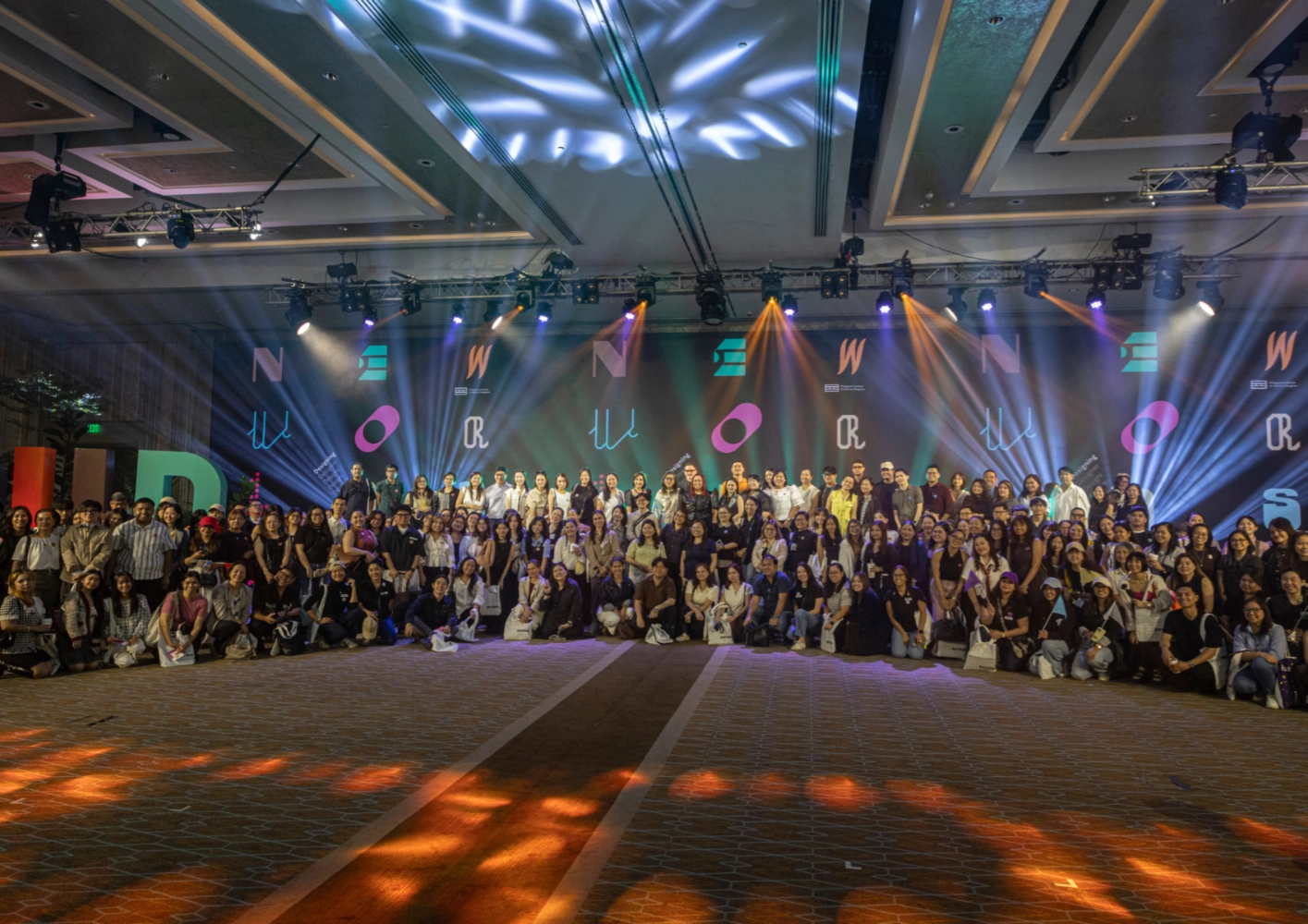
In a way, designers are the modern-day soothsayers and prophets. They design for the future, predicting how a room, a house, a building or a whole city will be used by people. They foresee how users will interact with a space, conjure exact shades of colors to elicit specific behavior and arrange furniture to build […]
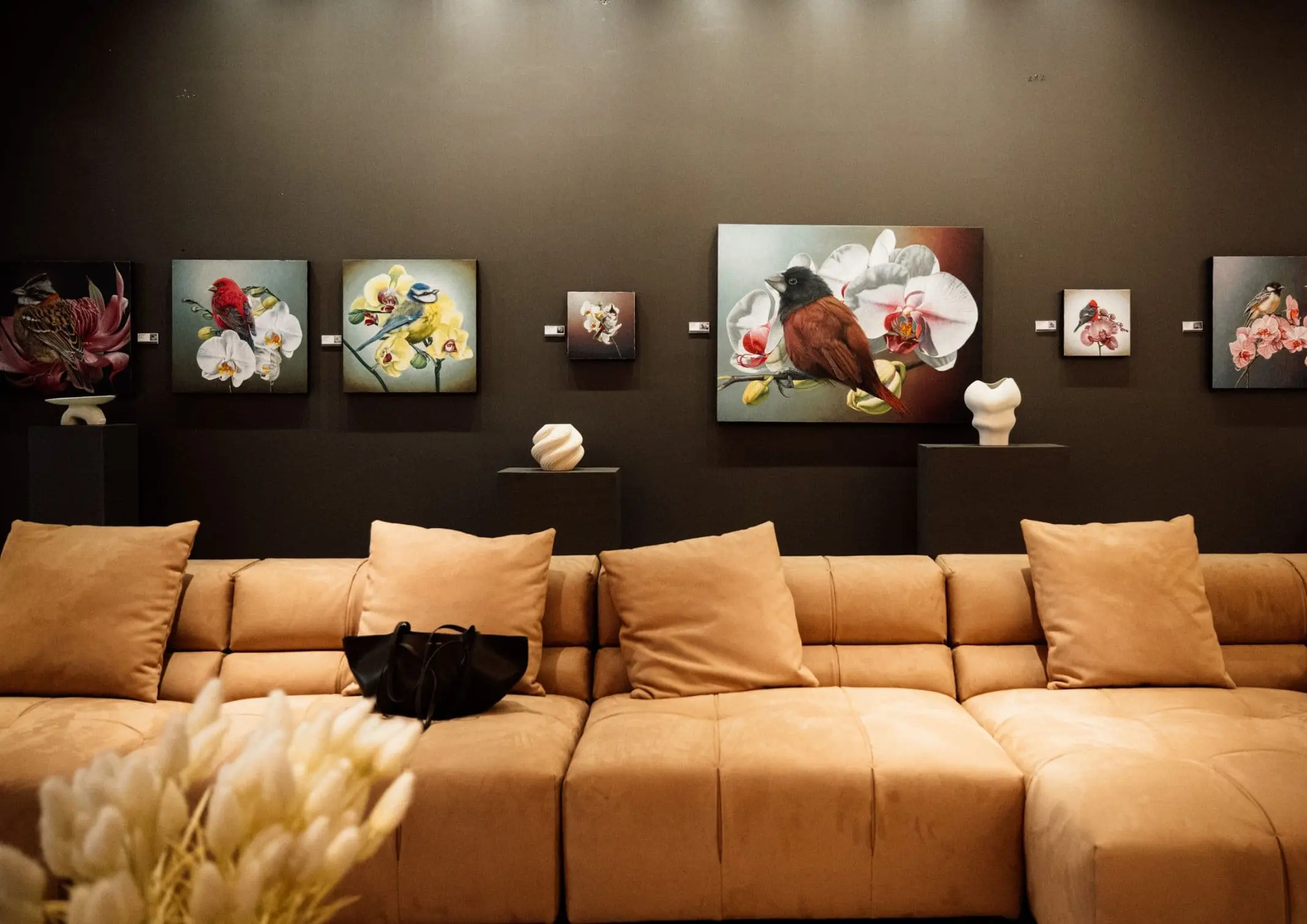
Art and furniture are often selected separately, yet their relationship can shape how a room looks and feels. The collaboration between Hooga and Galerie Joaquin explores how these elements can work together, bringing contemporary artworks into furnished residential settings at Hooga’s showroom in Uptown Mall, Bonifacio Global City. For Hooga, which curates furniture, lighting, and […]
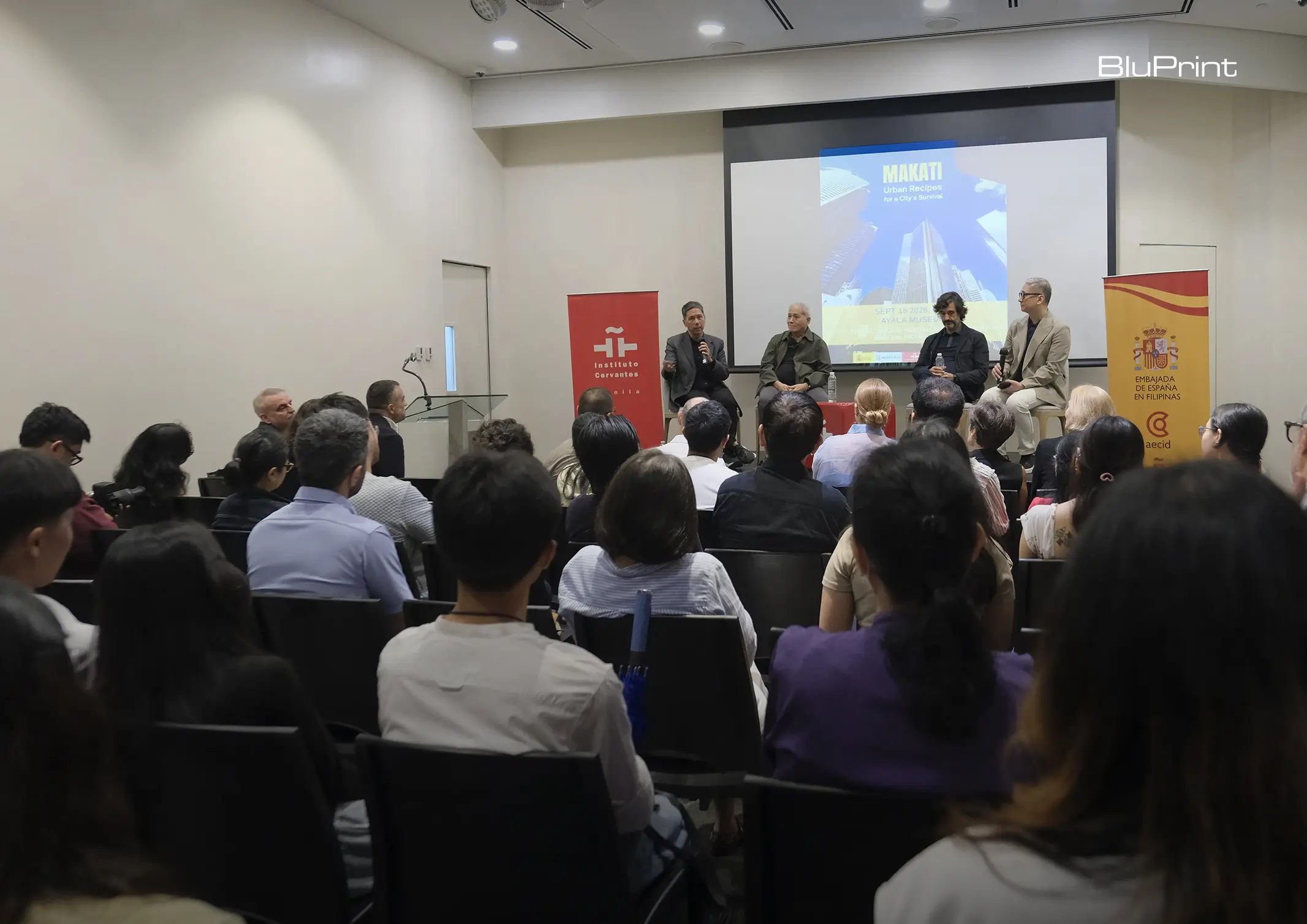
How can better-planned cities create the conditions for more creative, livable, and resilient urban environments? “Makati Urban Recipes for a City’s Survival,” a colloquium held at the Ayala Museum on September 15, brought together architects and practitioners from the fields of urbanism and the creative economy to discuss how design, planning, and collaboration can address […]
Read the issues.

Collect the volumes.

Recommended Video
Tap to Unmute
Unmute
0:00
0:00