Bigkis is the act of binding. In Tagalog, the word can refer to something used to bind or encircle, as well as a bundle formed by tying several separate elements together. Figuratively, it can also mean a bond, union, or unity. The meanings move from the physical act of joining things together to the connection […]
Manila Illustration Fair and Serving the Interests of the Artist



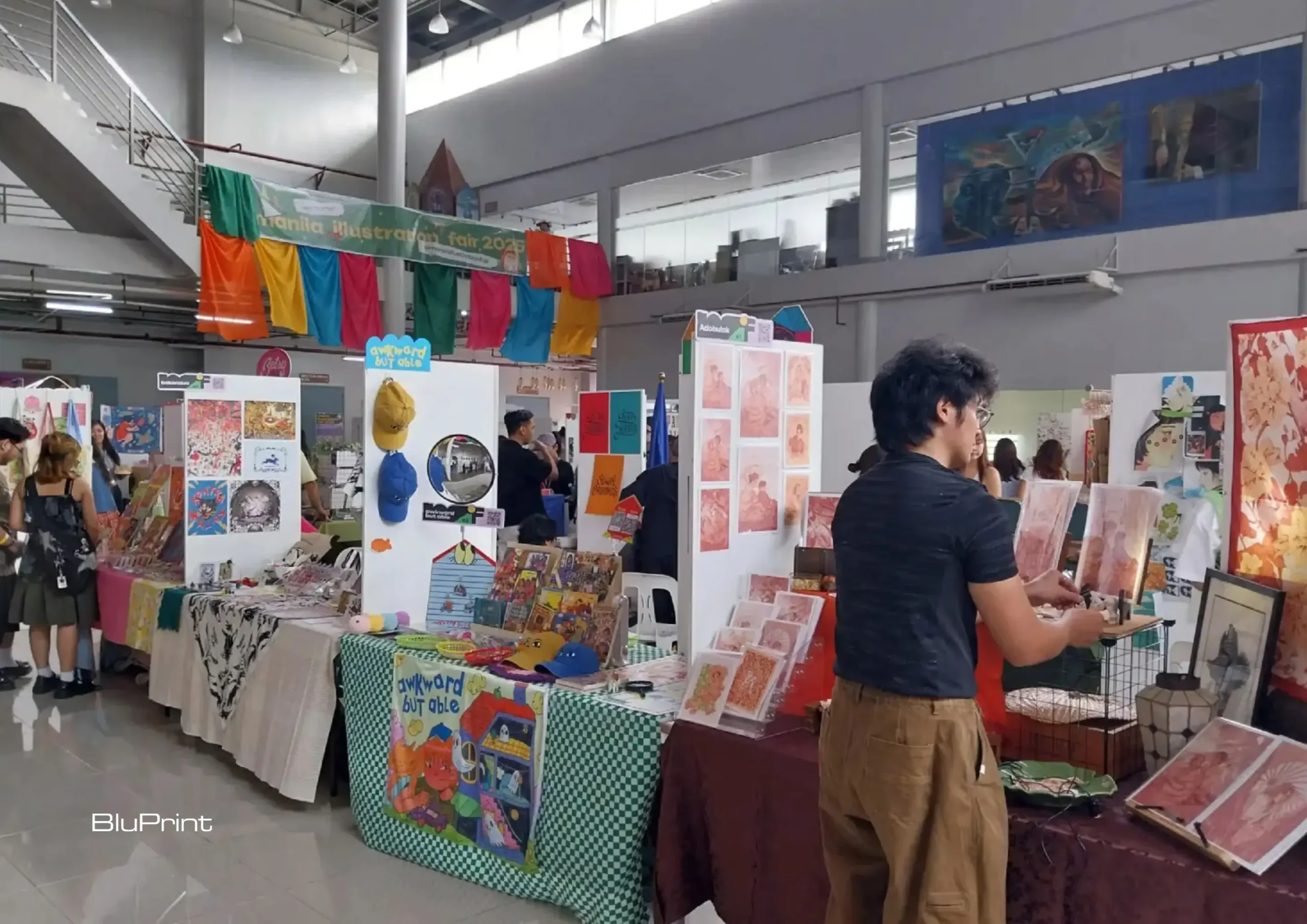
Culture and tradition is not manifested out of thin air; it is created. People have a collective vision of the future, and they set out working it into reality. It manifests itself in big ways, like government programs, and in small ways, like supportive avenues for people to congregate. An example of the latter is the Manila Illustration Fair, a volunteer-run fair made to proliferate a safe space for artists to spread their wings and showcase their creativity fully.
The History of the Manila Illustration Fair
The Manila Illustration Fair (MIF) was the brainchild of Dan Matutina of Plus63 Studios. iIt started in 2023 as a venue for illustrators specifically to showcase their work to the public. Since then, the organization has expanded its purview to help train illustrators in bettering their art through programs like portfolio reviews, workshops, talks, and more.
This year’s event happened at the University of the Philippines College of Fine Arts Gallery Parola from September 12 to 14, with over thirty curated illustrators and art collectives participating in the event. It is a comparatively smaller art event compared to something like Art Fair Philippines or Art in the Park. But this is intentional, a way to foster a more open and collaborative environment within the illustration community.
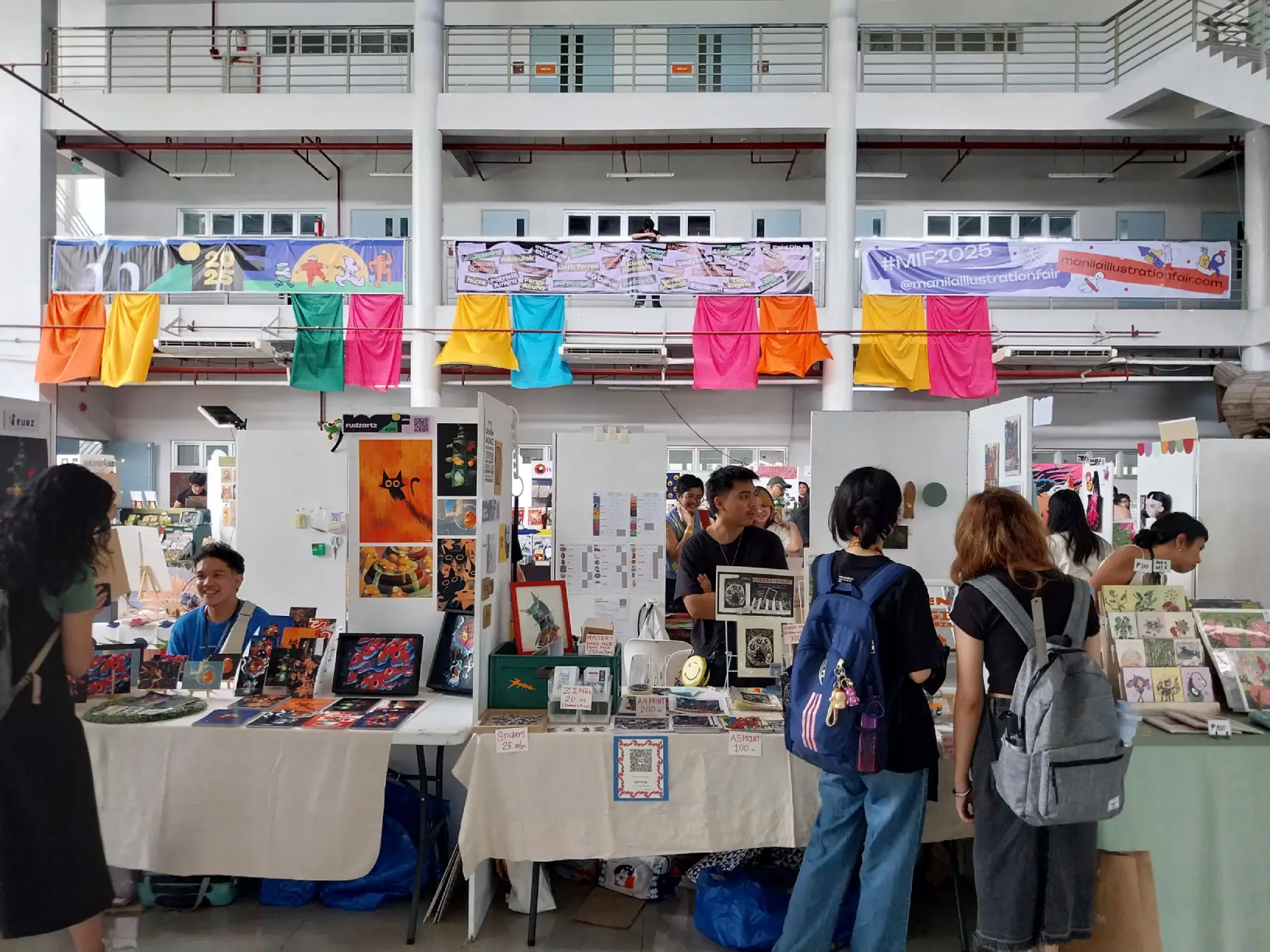
“What makes us a bit different from the other ones is that we’re independent and we like to keep our event intimate and scaled down,” Elle Shivers, committee head of MIF, said. “Instead of having maybe hundreds and hundreds of exhibitors, we really value having a curated lineup of artists and also championing especially more up-and-coming artists that maybe haven’t had the reach or like the large platform in general.”
“I think the more that we have a collaborative mindset in art and design, the more creative solutions can be made in our society, outside the visual arts as well,” Ross Du, the Head of Artist Relations, added.
As an avenue not just for established artists but emerging ones, BluPrint took the time to cover the opening day of the fair, and found artists hungry for independence—for places to practice their craft sustainably while pushing forward the possibilities of art towards something personal and uniquely theirs.
A Fully-Independent Art Fair
While Dan Matutina founded the first fair, the Manila Illustration Fair as it exists today is a nonprofit run by volunteers, many of them coming from the University of the Philippines themselves.
“MIF is completely independent,” Shivers said. “We have sponsors, but we’re a completely independent nonprofit fair run by volunteers. The organizers are also technically volunteers because we all have our full-time jobs or full-time practices.”
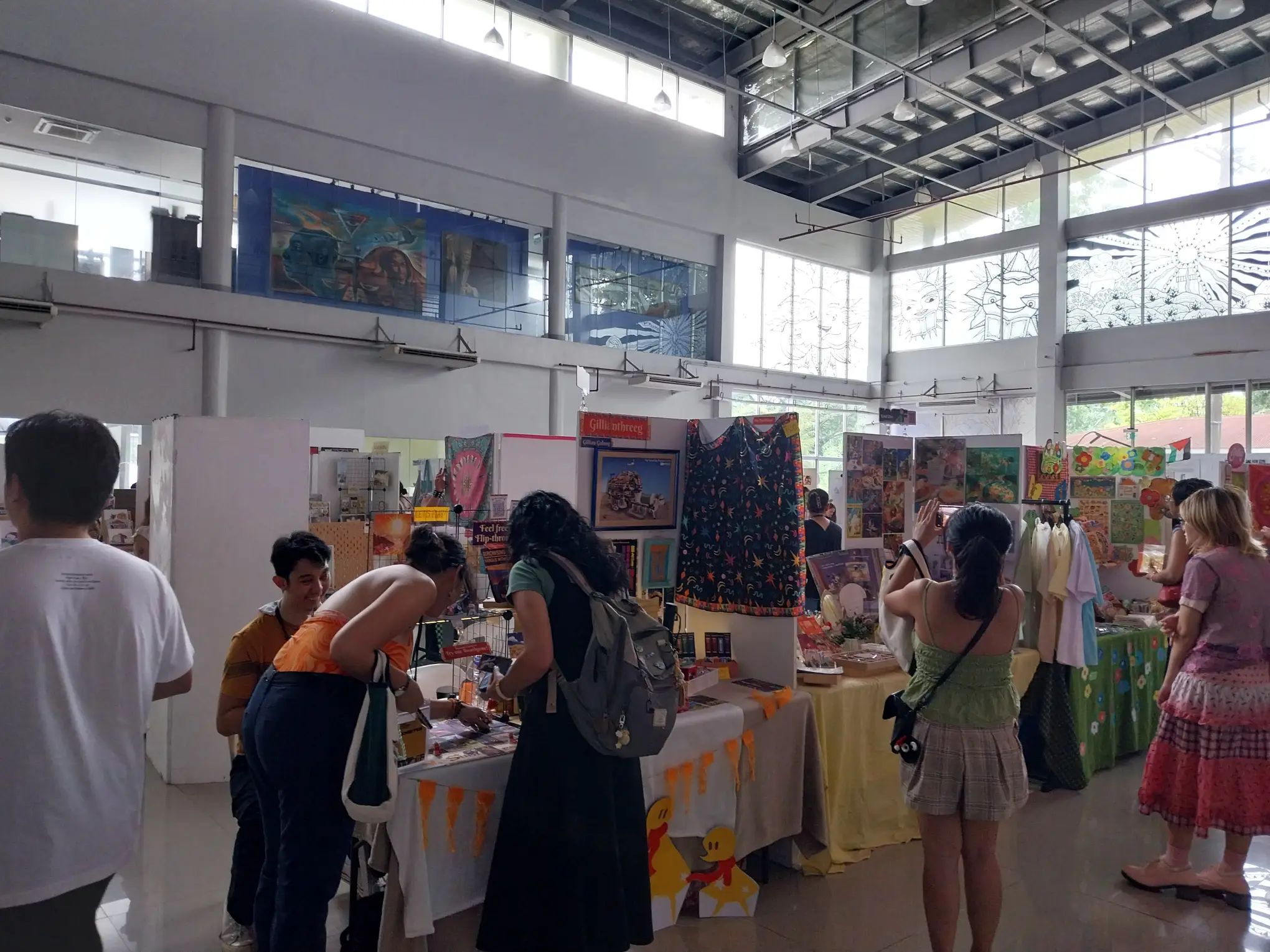
That spirit of independence is something that Shivers believes is an important component of what makes the Manila Illustration Fair different from other fairs. Unlike bigger fairs, they believe that they can focus more on artist welfare, making sure that everyone is satisfied with what they’re getting from the fair.
“I think being an independent-run fair is really important and really our main goal, because we feel like we can be more hands on organizing with the artists and taking care of everyone’s needs,” she added.
A Venue for the People
This manifests itself from the small curated list of artists and partners, to its choice of venue. While the first iteration of the fair happened in Comuna in Makati, the last two iterations have happened in UP Parola, primarily because of the freedom afforded by the institution, and its proximity to students, which is the fair’s primary audience.
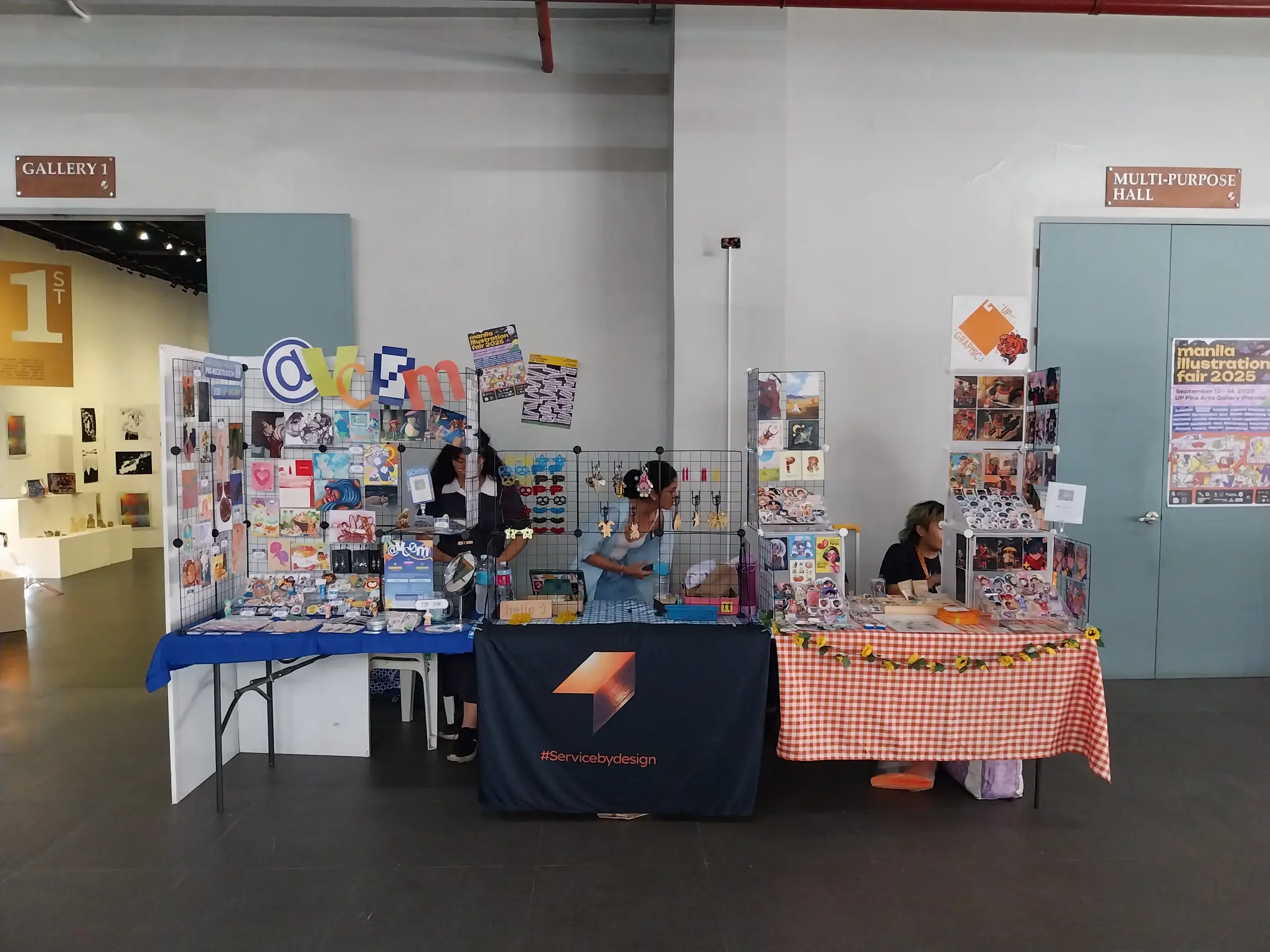
“The Parola admin, they were really happy with how the fair went last year,” she explained. “The foot traffic, the types of buyers or patrons that came here to exhibit and everything. They were really impressed with the scale even if it might be a bit more low key or a bit more DIY than other big art events. They felt that it attracted a lot of the people that they wanted to attract.”
“We, along with UPCFA, aim to create an inclusive community where young artists and more established illustrators can learn from each other, and where we can all continue creating in an environment that is encouraging, dignified, and safe for all,” Du added.
A Curated Art Market
One of the most interesting things about the Manila Illustration Fair is, indeed, its pared-down list of artist vendors, especially compared to similarly-scaled fairs like BLTX, which would have at least fifty to seventy vendors participating in the scene. Here, they have about thirty artists, which Shivers said was pared down from an estimated 350 applicants.
“The number of 30 tables or 30 highlighted illustrators was intentionally kept the same in order to have each illustrator have an equal amount of spotlight, so that the audience can have time and energy to view and interact with their art,” Du explained.
“This gave new and unestablished artists the chance to be shown alongside more established ones,” Jill Arteche, the head of programming, said. “I think this grounds everyone and creates a fairer, more inspiring mix for both artists and audiences.”
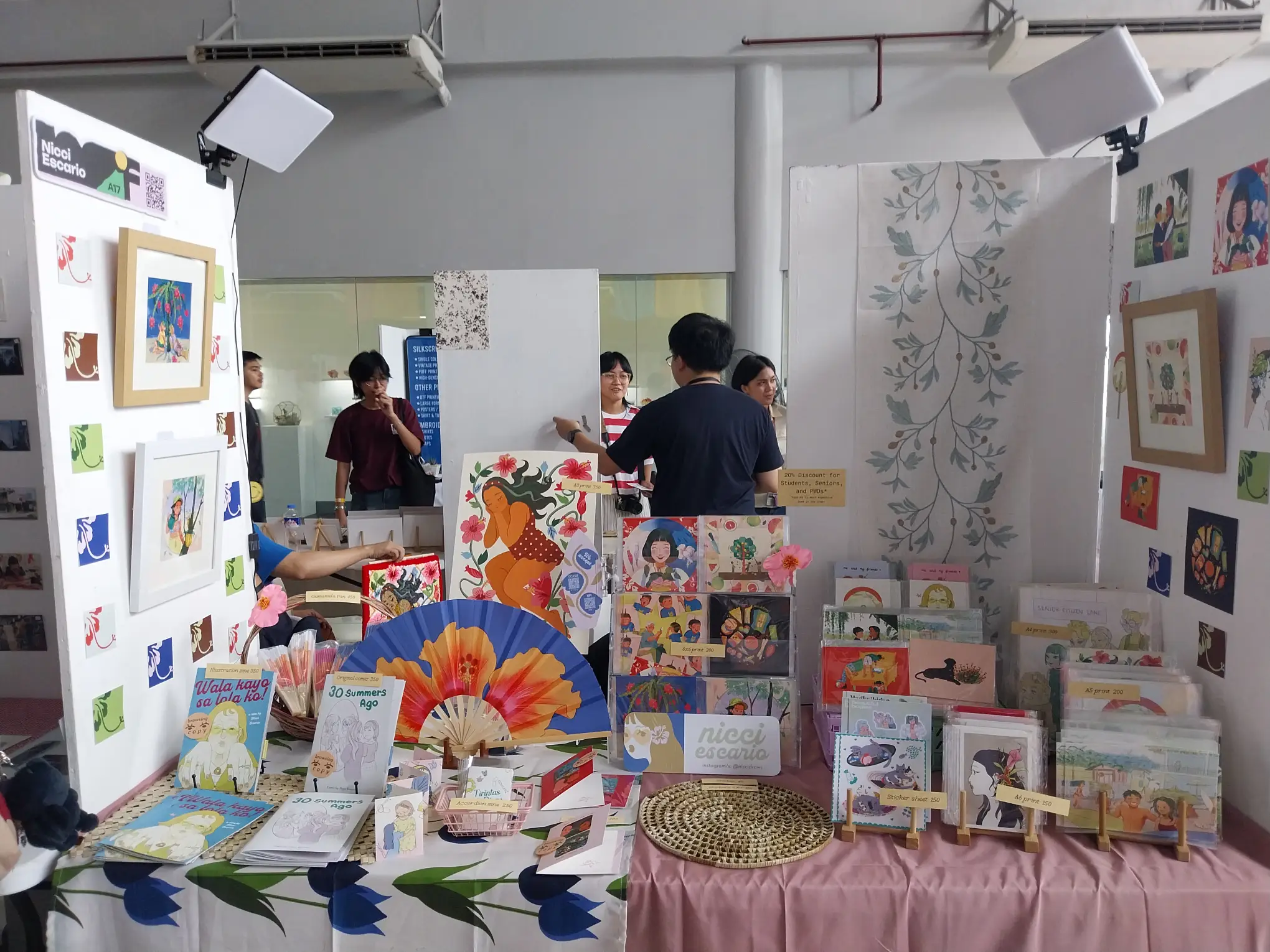
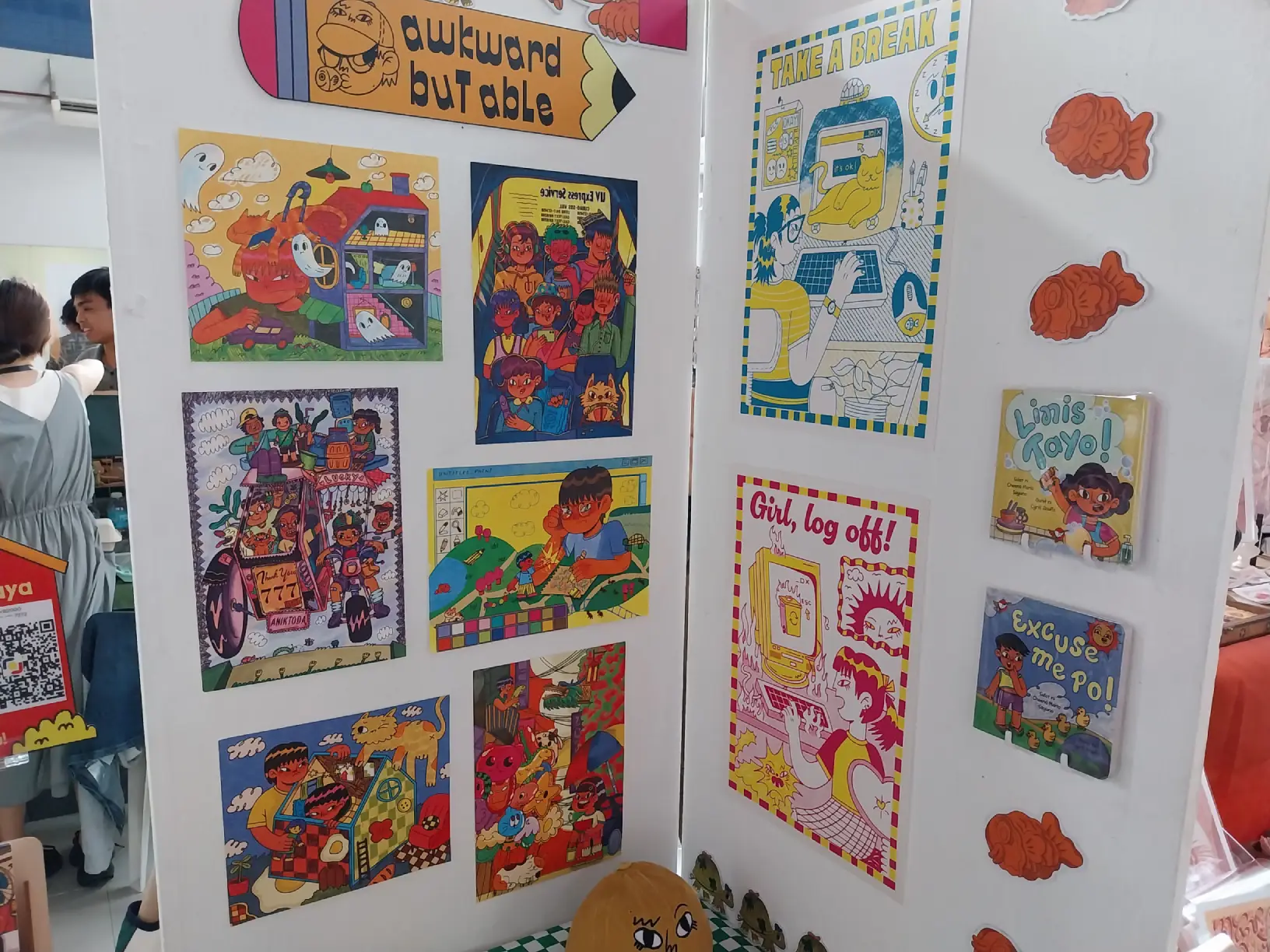
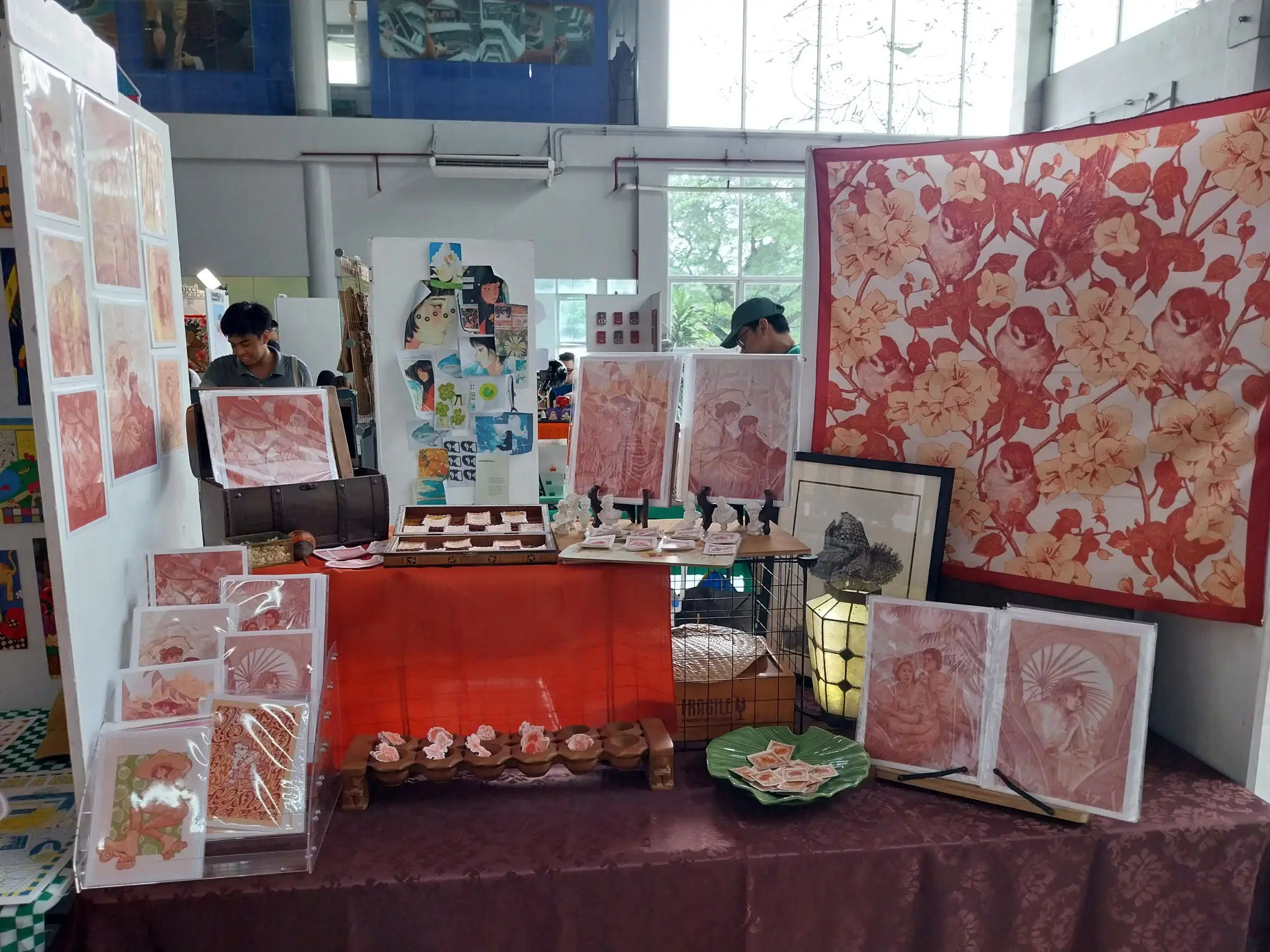
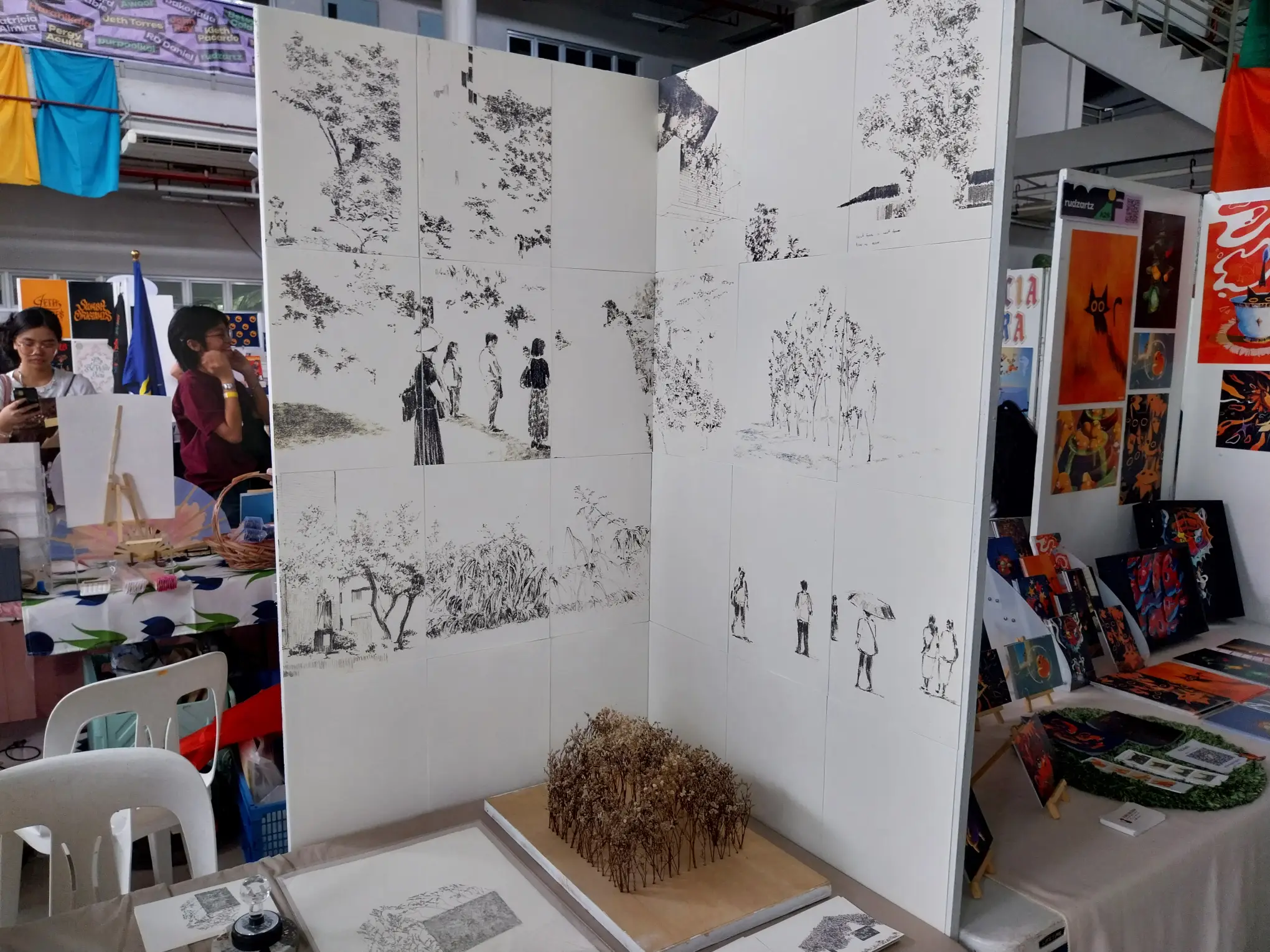
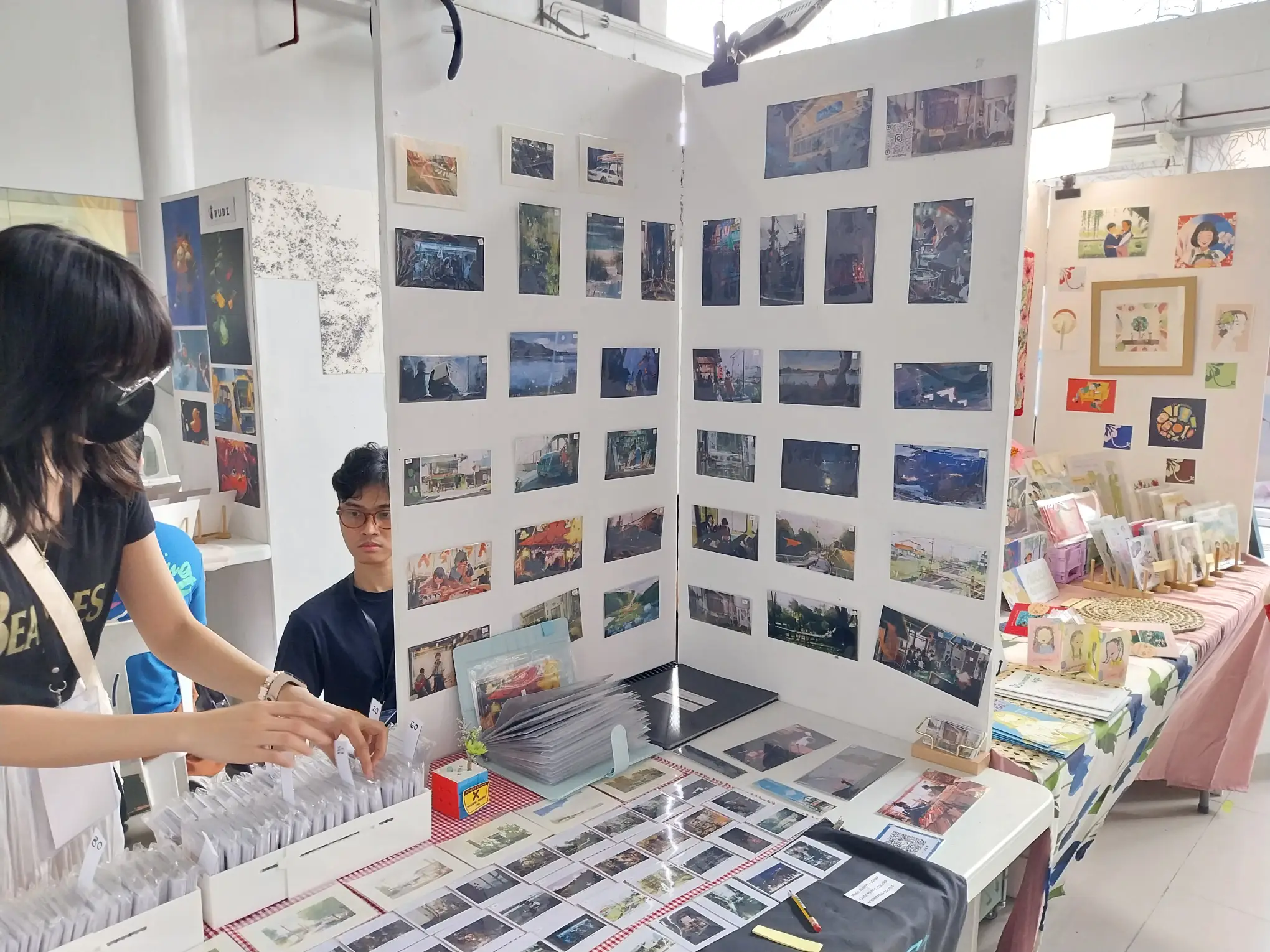
The curation was important, both Shivers and Du shared. They had to balance what their audience would like to buy while still spotlighting up-and-coming artists from different places in the country.
“We invited a jury of 8 established illustrators, half of them being MIF alumni and half having experienced organized illustration fairs,” Du said. “With their experience, we trusted that they could choose the thirty artists that would best represent the possibilities and freshness in the illustration world today, especially locally and in nearby regions.”
“Our criteria for choosing featured illustrators doesn’t require any certain follower count or published work,” Du continued. “Our jury chooses them based on work alone. We believe this is an inclusive way of choosing who gets represented in the fair.”
Providing an Equal Playing Field
In an effort to ensure proper representation of different underprivileged sectors, the organizers also provided booths for student organizations and discounts for artists who are coming from the province. It provides a more equal playing field for the artists, Shivers said, allowing them more freedom to create the work they want.
“[For] a lot of [artists], a big barrier for entry is like financial,” she said. “Financial barriers, like maybe the only space to really showcase your work is really at events, at conventions, [at] art fairs, that it’s still quite expensive to take part in even if you are selling.”
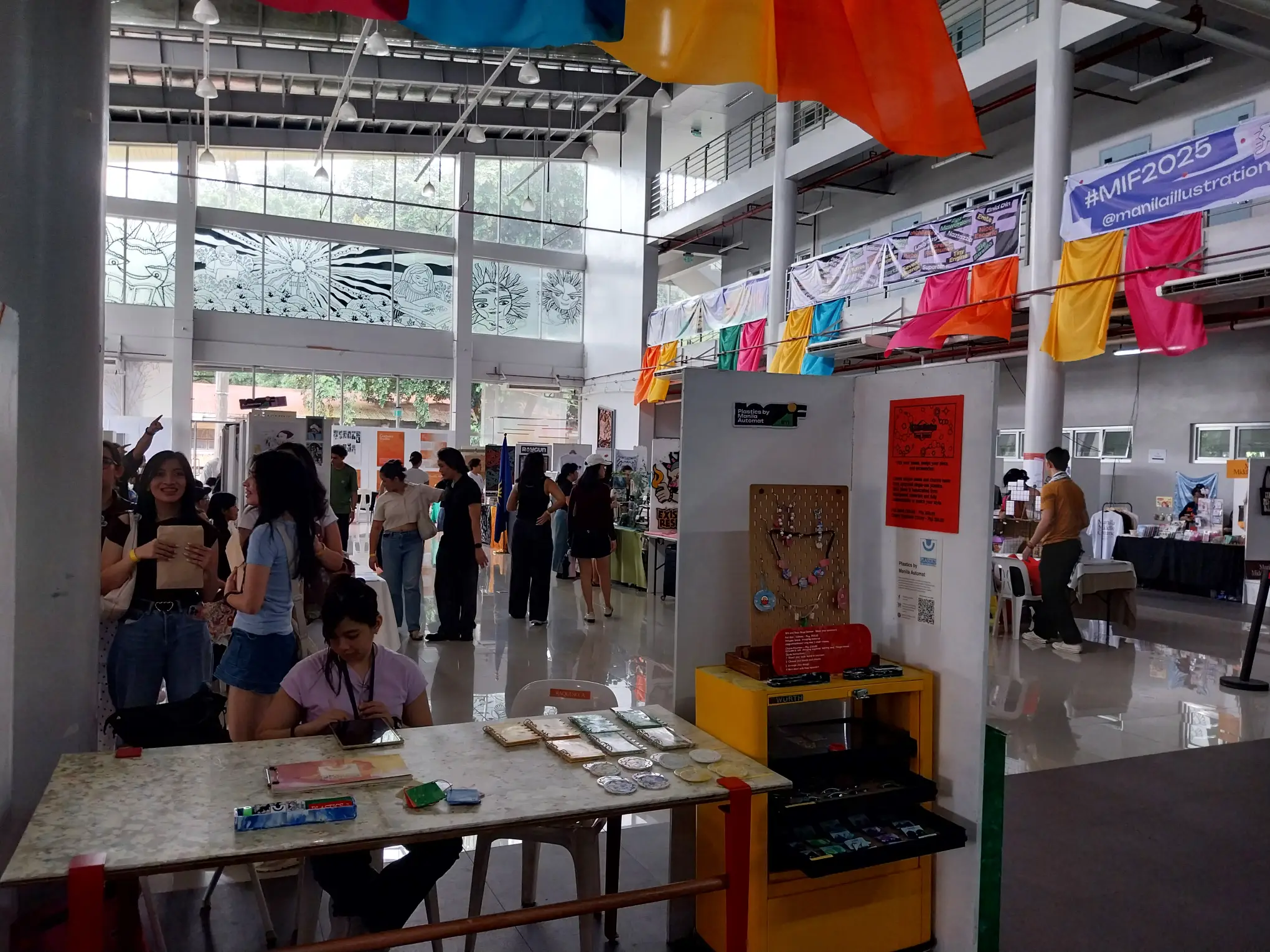
“For artists who are outside Metro Manila, we have a lower table rate” she continued, “because we know and we acknowledge that coming to Metro Manila isn’t cheap. So it was really important [for] us on a financial level to make sure artists are able to afford to actually come here in the first place so they can have more freedom to produce the work that they can’t or they want to produce.
“Because I feel like if you’re so caught up in trying to afford [things] to actually create your work in the first place, you’re so limited by just financial capacity.”
That, more than anything else, showcases the Manila Illustration Fair’s principles on the matter. They want to create a community, and if it means keeping it small and providing help to artists so that they can sell in the fair, then that is what they will be doing.
Photos by Elle Yap.
Related reading: Manila Illustration Fair Partners With UP Fine Arts for Annual Event
Frequently Asked Questions
The primary difference lies in the intent of the scale. While general art markets or conventions often host hundreds of vendors to maximize foot traffic and sales volume, a curated fair like the MIF intentionally limits its participants—maintaining a strict lineup of approximately 30 illustrators from over 350 applicants. This high degree of curation ensures that each artist receives an equal amount of “spotlight,” preventing audience fatigue and allowing for deeper engagement and professional networking between the artist and the patron.
In the context of the MIF, artistic independence is defined by its nonprofit, volunteer-run structure. Because the organizers are technical volunteers with their own full-time practices, the fair is not beholden to commercial sponsors or corporate agendas that might dictate content. This independence allows the fair to focus exclusively on artist welfare, providing a “dignified and safe” venue where up-and-coming illustrators can showcase experimental or personal work that might not fit the commercial trends of larger, profit-driven art events.
For artists residing outside Metro Manila, the primary barriers include high transportation costs, lodging, and significant table fees. The MIF addresses these technical economic hurdles by implementing a tiered pricing system, offering lower table rates for regional artists. By reducing these overhead costs, the fair allows artists more financial “freedom to produce,” ensuring that their creative output is not limited by their immediate financial capacity to afford the exhibition space itself.
A blind jury process—where established alumni and illustrators select participants based on the quality of work alone—removes biases related to social media follower counts or professional publishing history. This technical approach to selection ensures that “freshness and possibility” are prioritized. It allows unestablished student artists to be exhibited alongside industry veterans, creating a level playing field where the narrative is driven by visual merit rather than commercial clout or previous industry connections.
The UP Gallery Parola provides a strategic intersection between academia and the professional art scene. Unlike commercial malls or private event spaces, an academic gallery attracts a specific demographic of students and educators who are the “primary audience” for illustration. This “DIY” yet “encouraging” environment allows for a symbiotic relationship where student organizations are given space to learn from established practitioners, fostering a collaborative mindset that extends beyond the visual arts into broader creative problem-solving for society.
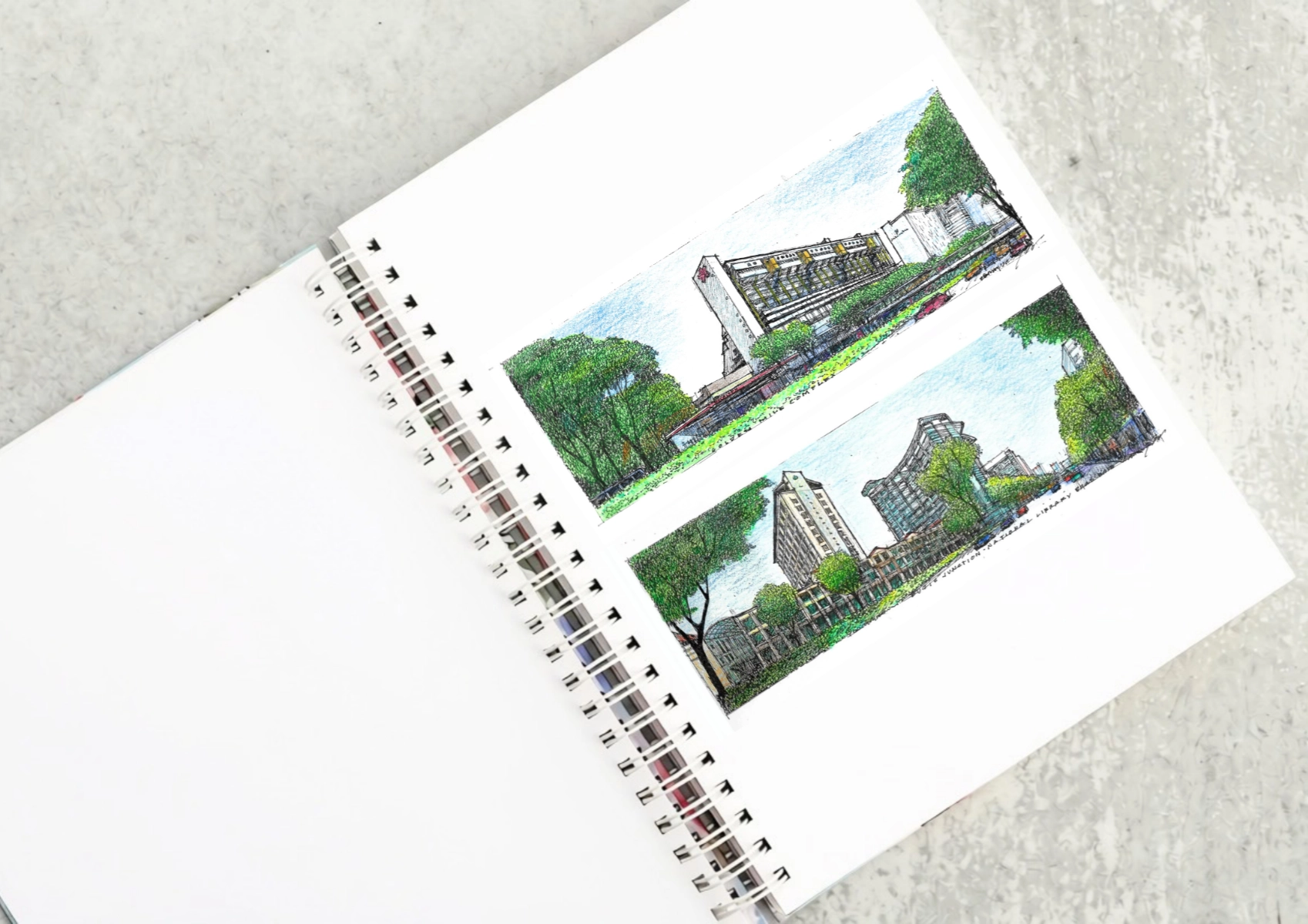
Two sketches of Singapore connect BluPrint Editor in Chief Paulo G. Alcazaren’s personal and professional history with Shared Ground: ArchitectureArchitectureThe art and science of designing and constructing buildings, structures, and spaces that are functional, safe, and aesthetically pleasing. It encompasses the planning, design, materials, and techniques used to createGo to Architecture Glossary of Care, Culture, […]
In a way, designers are the modern-day soothsayers and prophets. They design for the future, predicting how a room, a house, a building or a whole city will be used by people. They foresee how users will interact with a space, conjure exact shades of colors to elicit specific behavior and arrange furniture to build […]
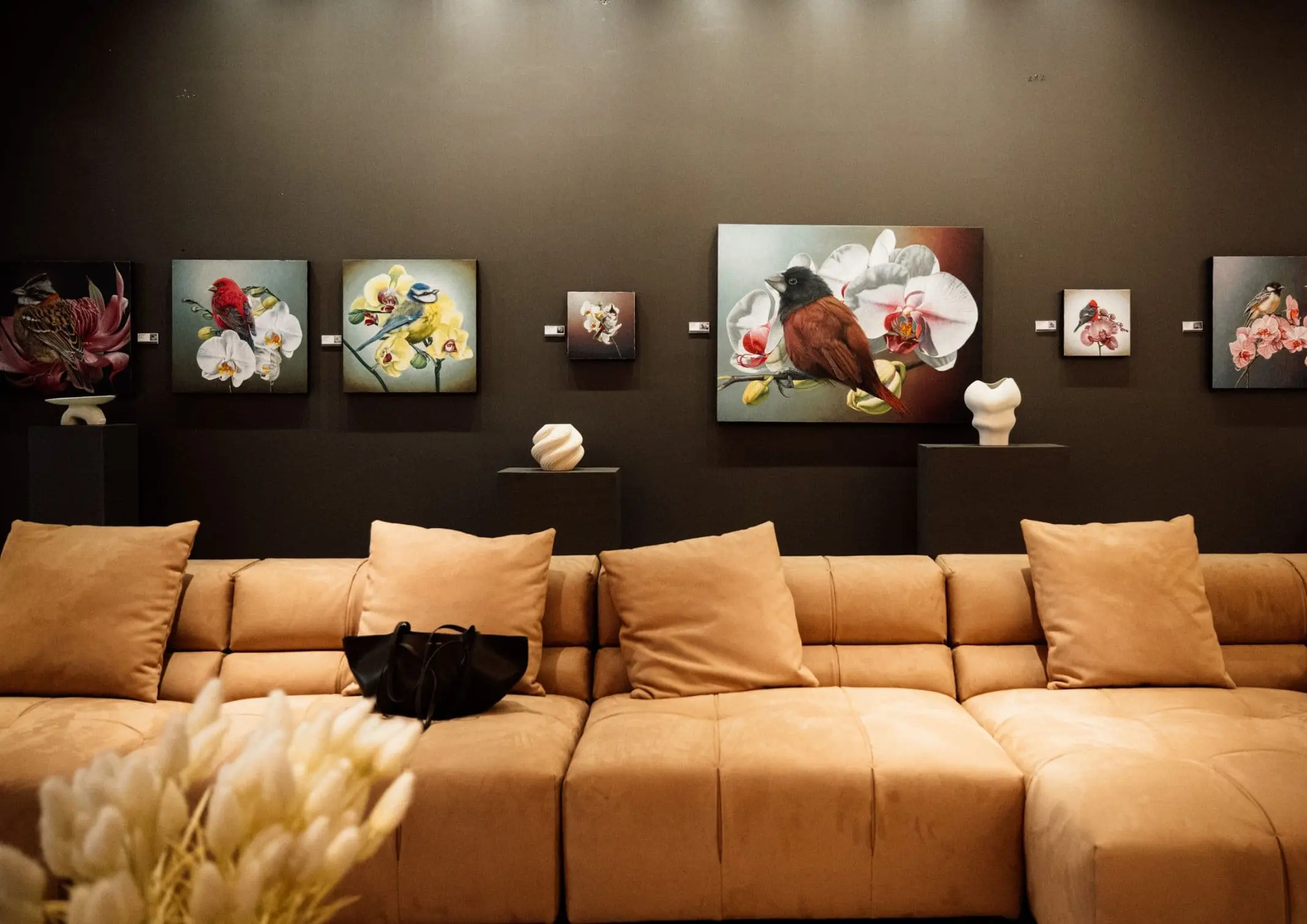
Art and furniture are often selected separately, yet their relationship can shape how a room looks and feels. The collaboration between Hooga and Galerie Joaquin explores how these elements can work together, bringing contemporary artworks into furnished residential settings at Hooga’s showroom in Uptown Mall, Bonifacio Global City. For Hooga, which curates furniture, lighting, and […]
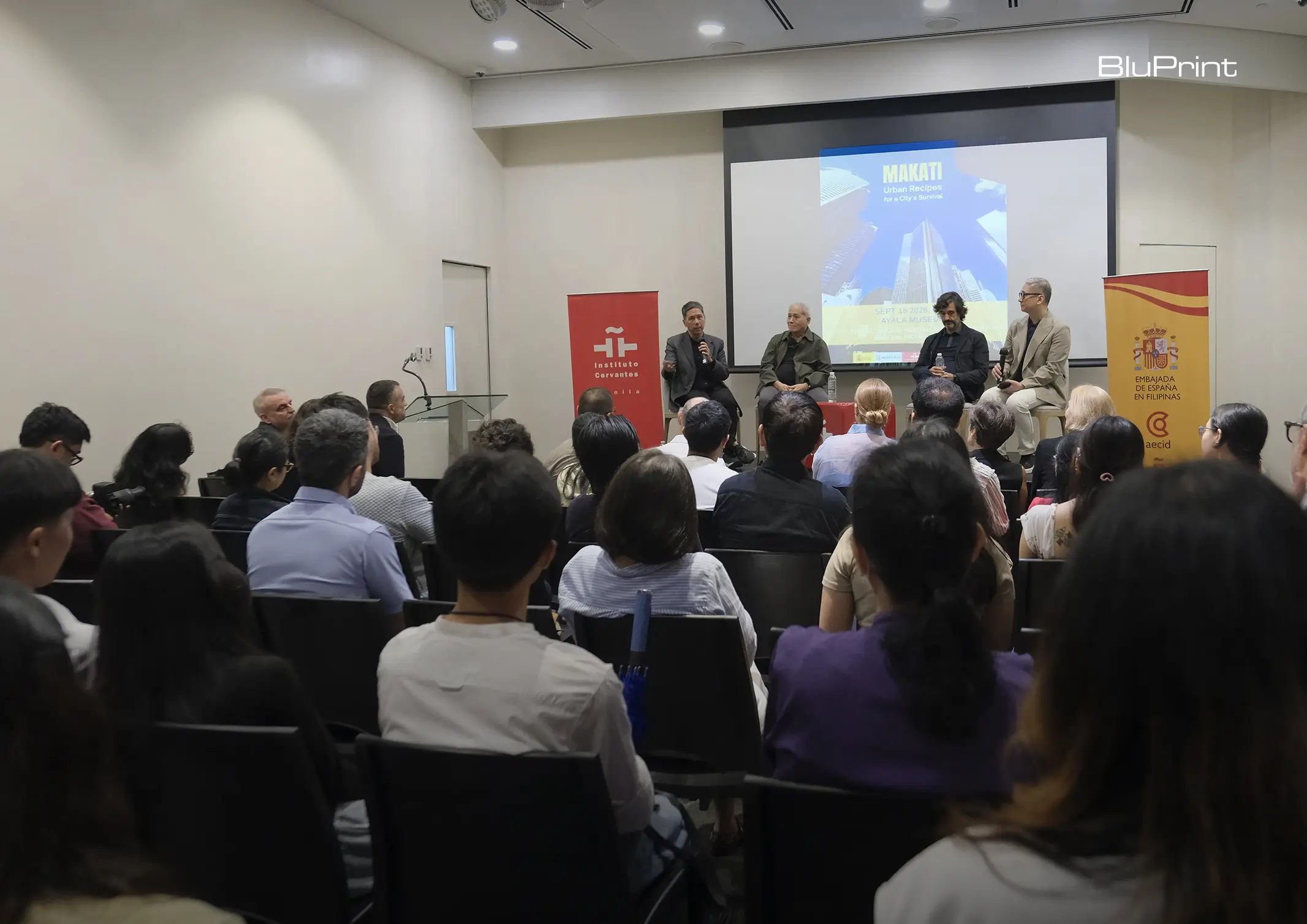
How can better-planned cities create the conditions for more creative, livable, and resilient urban environments? “Makati Urban Recipes for a City’s Survival,” a colloquium held at the Ayala Museum on September 15, brought together architects and practitioners from the fields of urbanism and the creative economy to discuss how design, planning, and collaboration can address […]
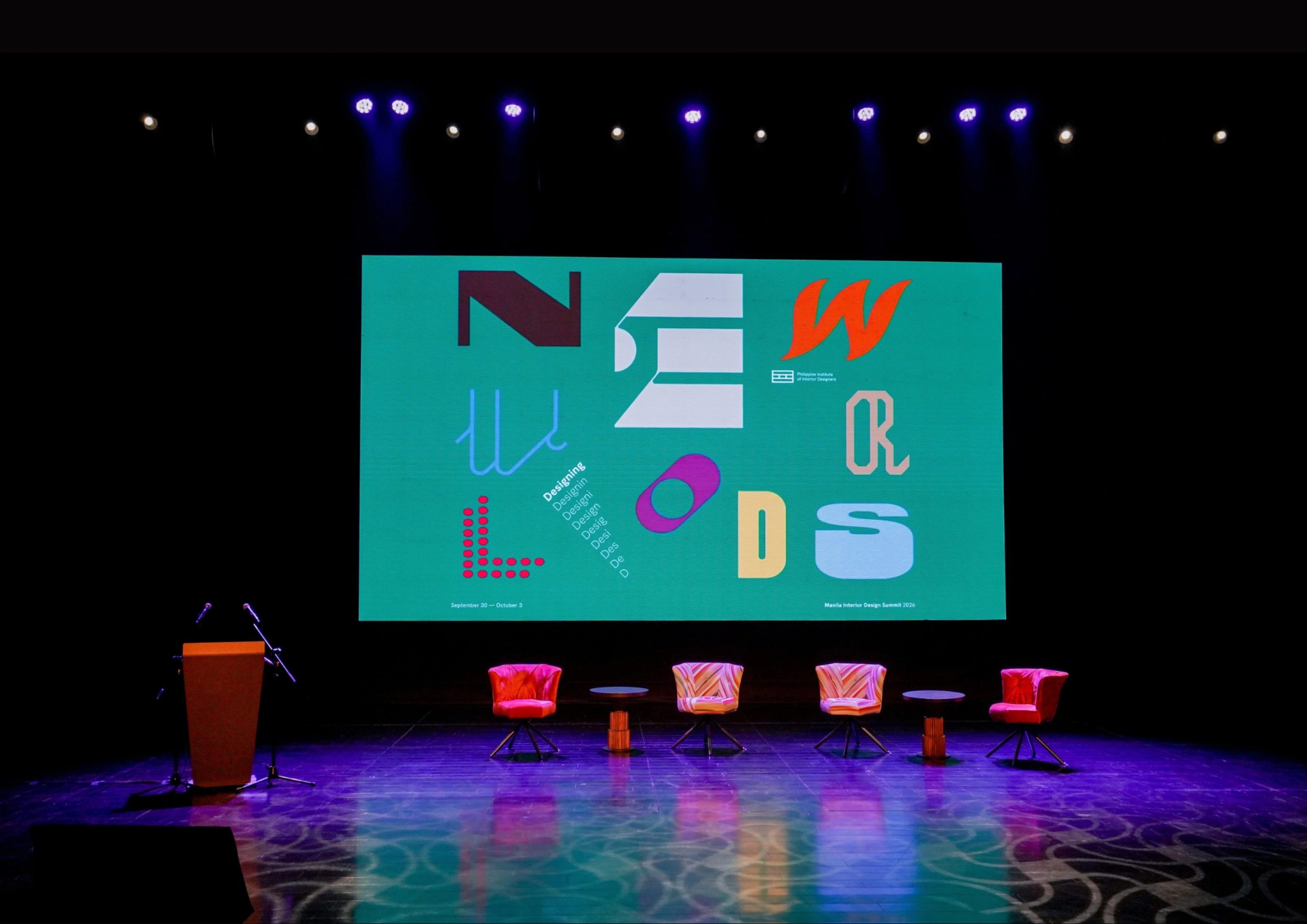
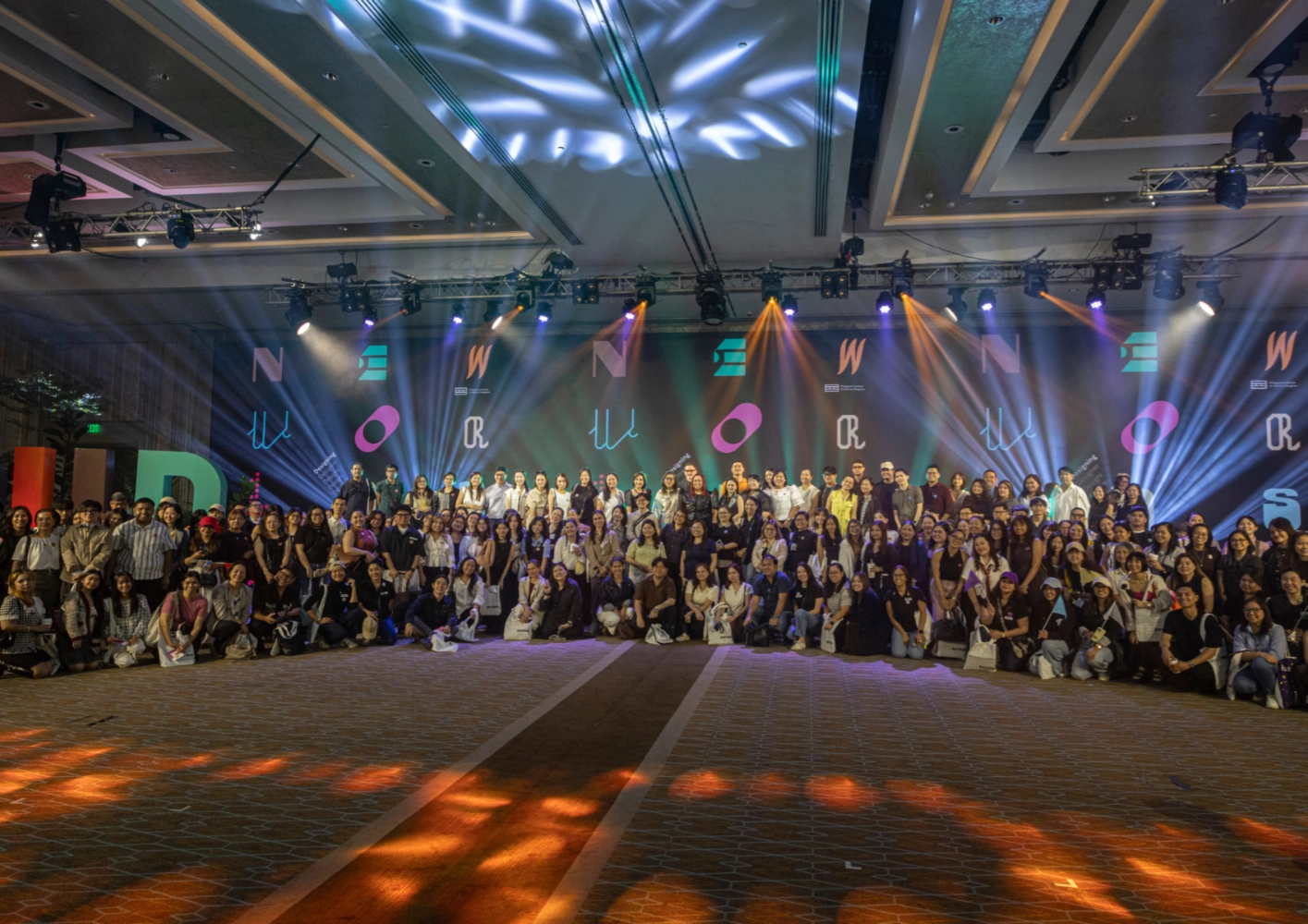
The fourth Manila Interior DesignInterior DesignThe discipline of planning and shaping interior spaces for function, comfort, safety, and beauty. It covers layout, lighting, materials, finishes, furniture, and color, and in the Philippines is a licensedGo to Interior Design Glossary Summit (MIDS) brought together more than 300 delegates for four days of conversations, exhibitions, and design […]
Read the issues.

Collect the volumes.

Recommended Video
Tap to Unmute
Unmute
0:00
0:00