Bigkis is the act of binding. In Tagalog, the word can refer to something used to bind or encircle, as well as a bundle formed by tying several separate elements together. Figuratively, it can also mean a bond, union, or unity. The meanings move from the physical act of joining things together to the connection […]
Natee Utarit Explores the Blurred Boundaries Between East and West



STPI Creative Workshop & Gallery sits along Robertson Quay in Singapore near the Alkaff Bridge – a 55 meter long bridge painted in vibrant, colorful circles by previous STPI artist in residence Pacita Abad. STPI operates its own paper mill and uses master printmaker Ken Tyler’s original printing equipment, including a custom 500-tonne printing press, known as the “elephant press”. A tour around their facilities revealed some of the equipment and techniques that made their current exhibit of Thai artist Natee Utarit possible.
What if the Buddha Visited the Western World?
Entitled “Déjà vu: Buddha is Hiding”, the exhibit features 40 artworks by Utarit curated by John Tung. “One of the most interesting things about this particular exhibition is that it’s the conclusion of a body of work that Natee Utarit has been working on for six years now. It was something that started in 2018 when he first visited Naples for a residency,” Tung shares.
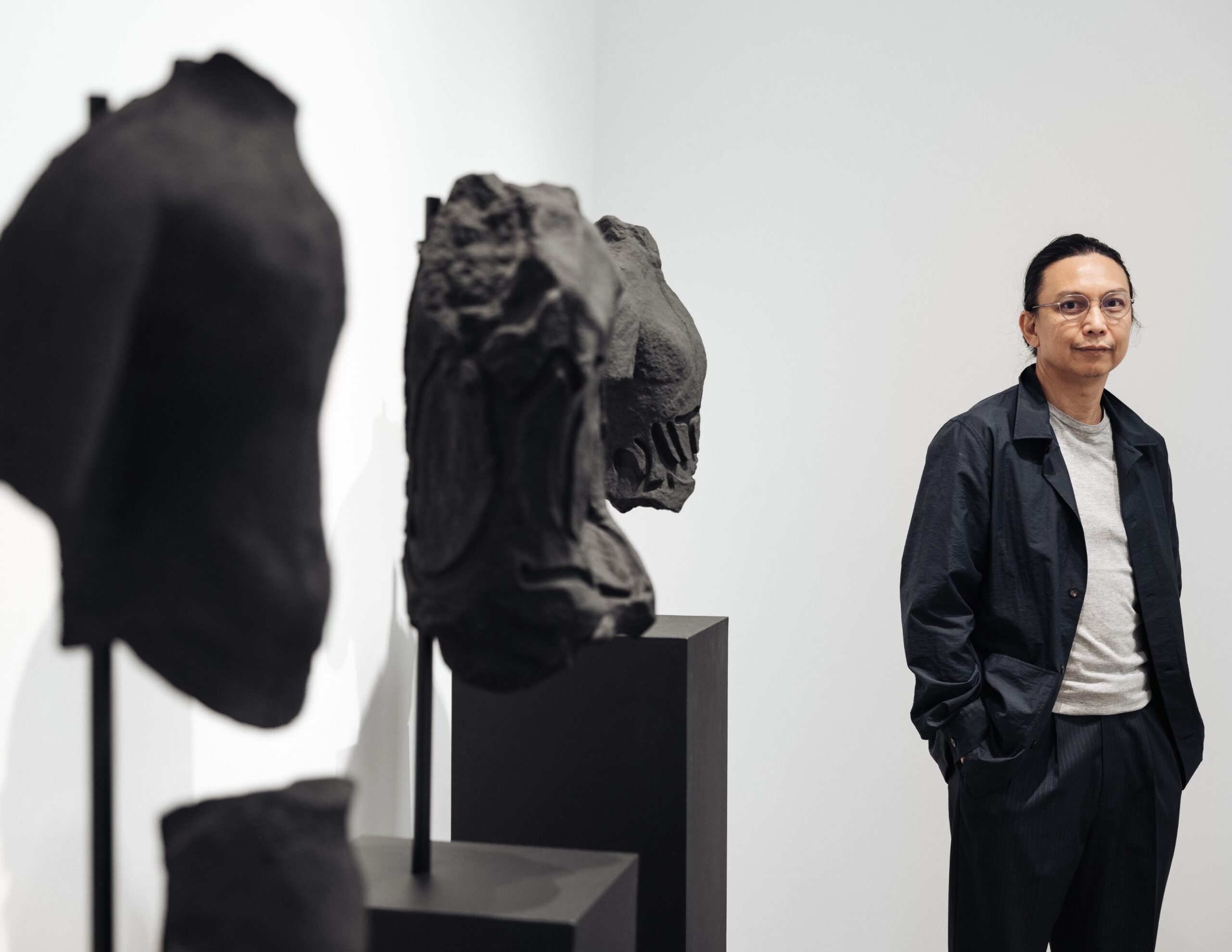
In Naples, Utarit spent a lot of his time visiting museums and archaeological sites. This sparked an epiphany for this body of work exhibited at STPI. “When he saw the Western sculpture – the torsos – it suddenly hit him like déjà vu. It was like the sculptures that he had grown up with – the sculptures of Buddha,” Tung adds. “So the body of work really started with a speculative narrative that he concocted: what if the Buddha had actually visited Europe before the advent and the meteoric rise of Western civilization?”
Flocking and Screenprints: A Unique Take on Buddha in the West
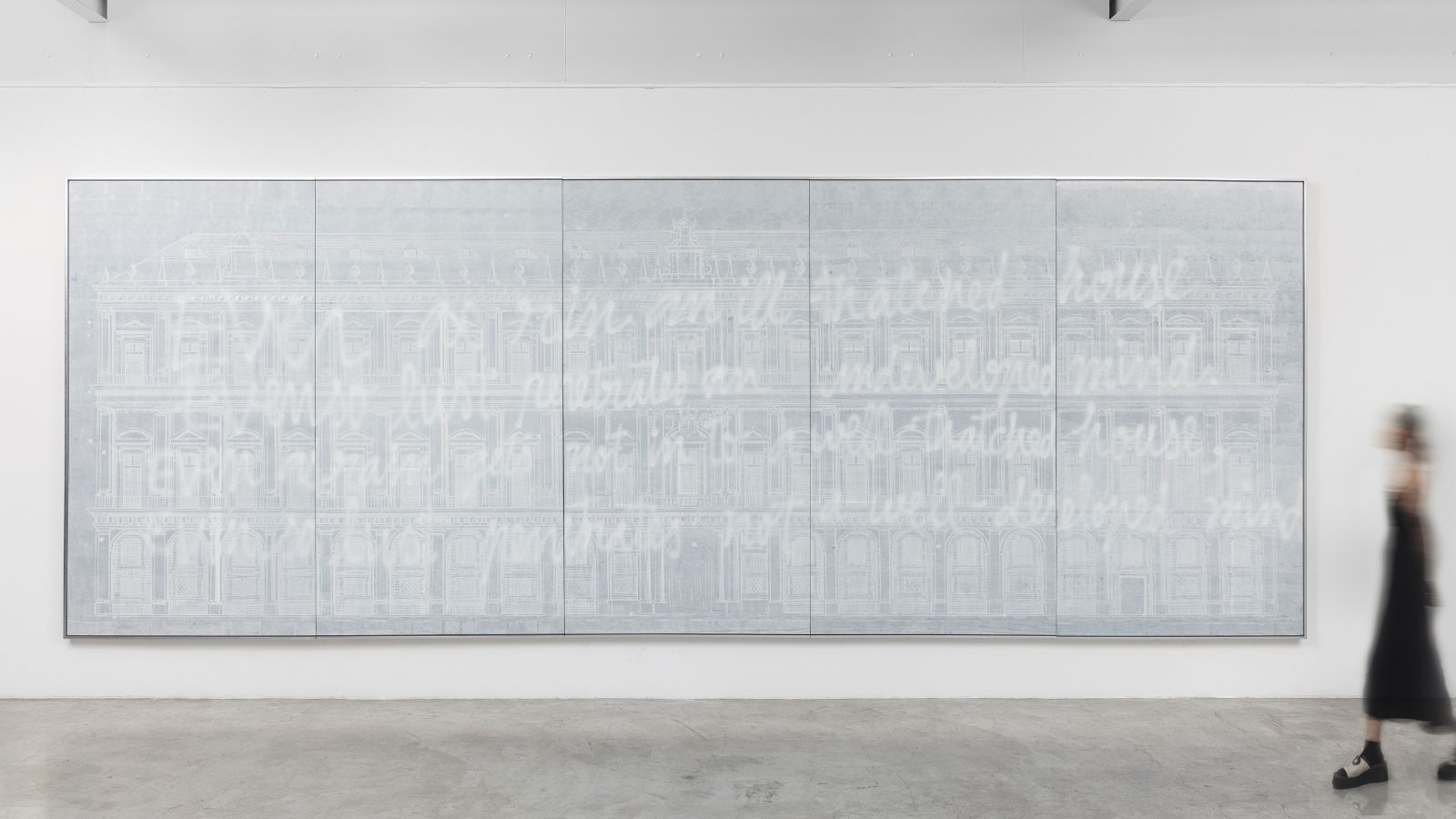
Natee Utarit’s largest work is a 5 panel screenprint and flocking artwork. It spans six meters long, presented in two versions: BUDDHA PALAZZO (a.m.) (2024) and BUDDHA PALAZZO (p.m.) (2024). The artwork features a structure resembling the Royal Palazzo in Naples. Created using a technique called flocking, small fibers resembling the texture of felt adhere to a surface with adhesive.
What if this grand palace, fit for a king, was Buddha’s residence? The piece amplifies this blending of Eastern and Western ideologies with graffiti-style text painted across it – a play on classic and modern, serious and tongue-in-cheek.
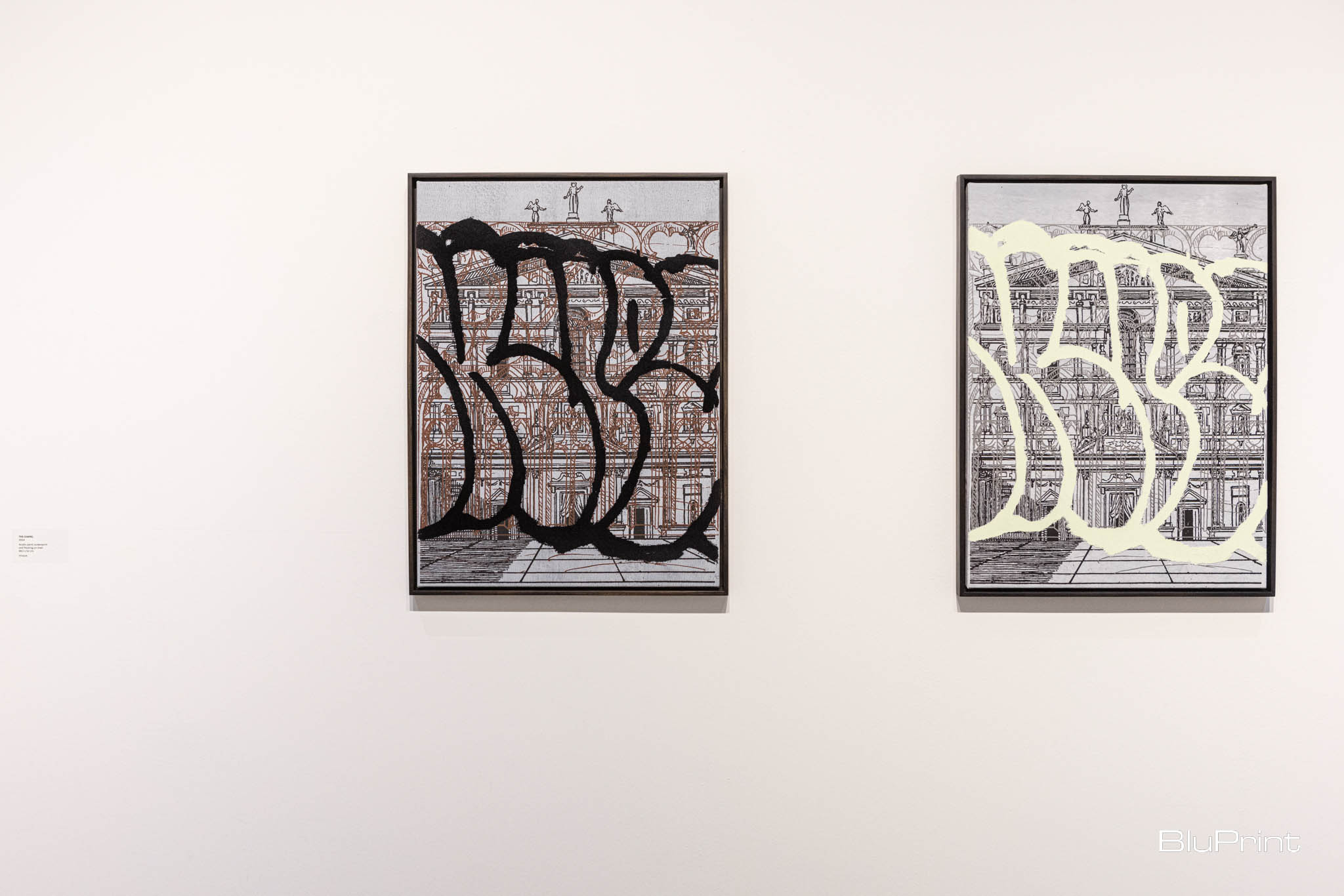
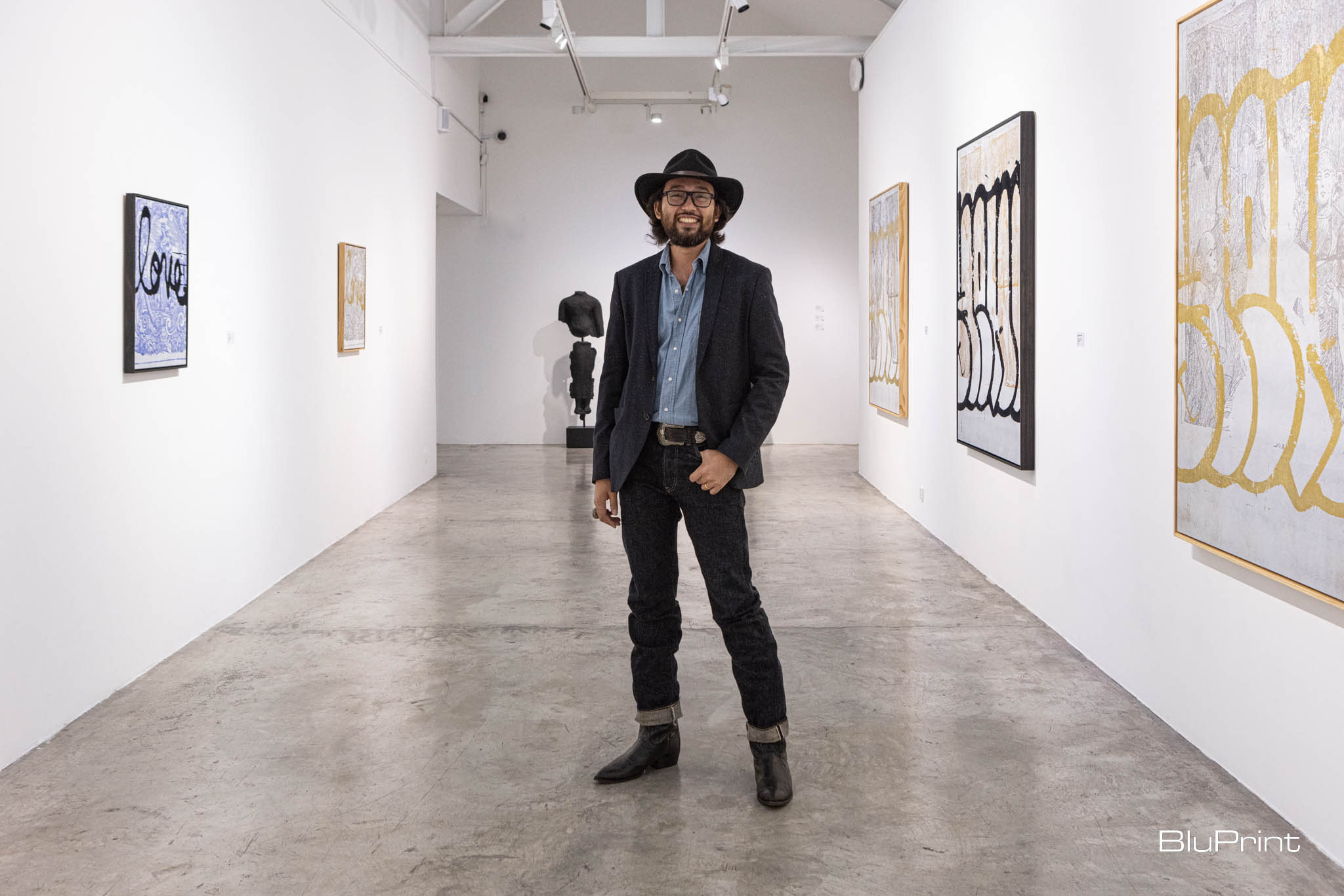
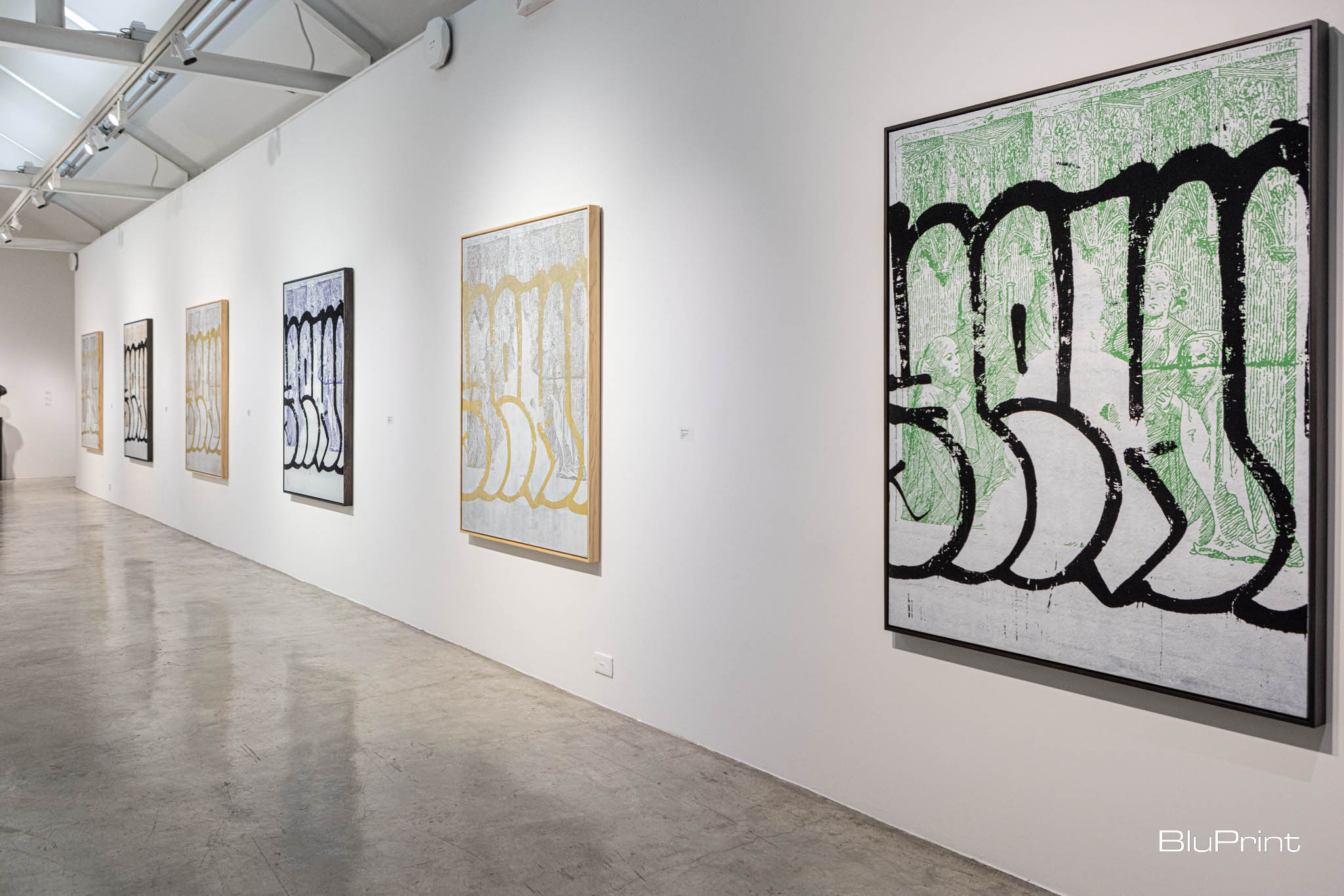
Graffiti in itself straddles the fine line of art, freedom of speech, and vandalism, so it makes total sense for Utarit to use in this body of work. The artist encountered graffiti during his stay in Naples and took photographs of them. Some he could not understand as he did not speak Italian.
An illegible word in block letters is spray painted over Utarit’s series entitled BUDDHA NAPOLI. “I think what’s most interesting about the inclusion of the graffiti is that it is also a marker – a reminder – that every type of visual also has its own history. We think graffiti as like tagging with a spray can – which is what’s here,” Tung explains. “But the fact is that graffiti is actually as old as some of the oldest Greek statues that we know of when Pompeii was unearthed. They discovered that even then people were vandalizing public toilets and scratching the walls.”
Natee Utarit Explores Paper as a Medium at STPI
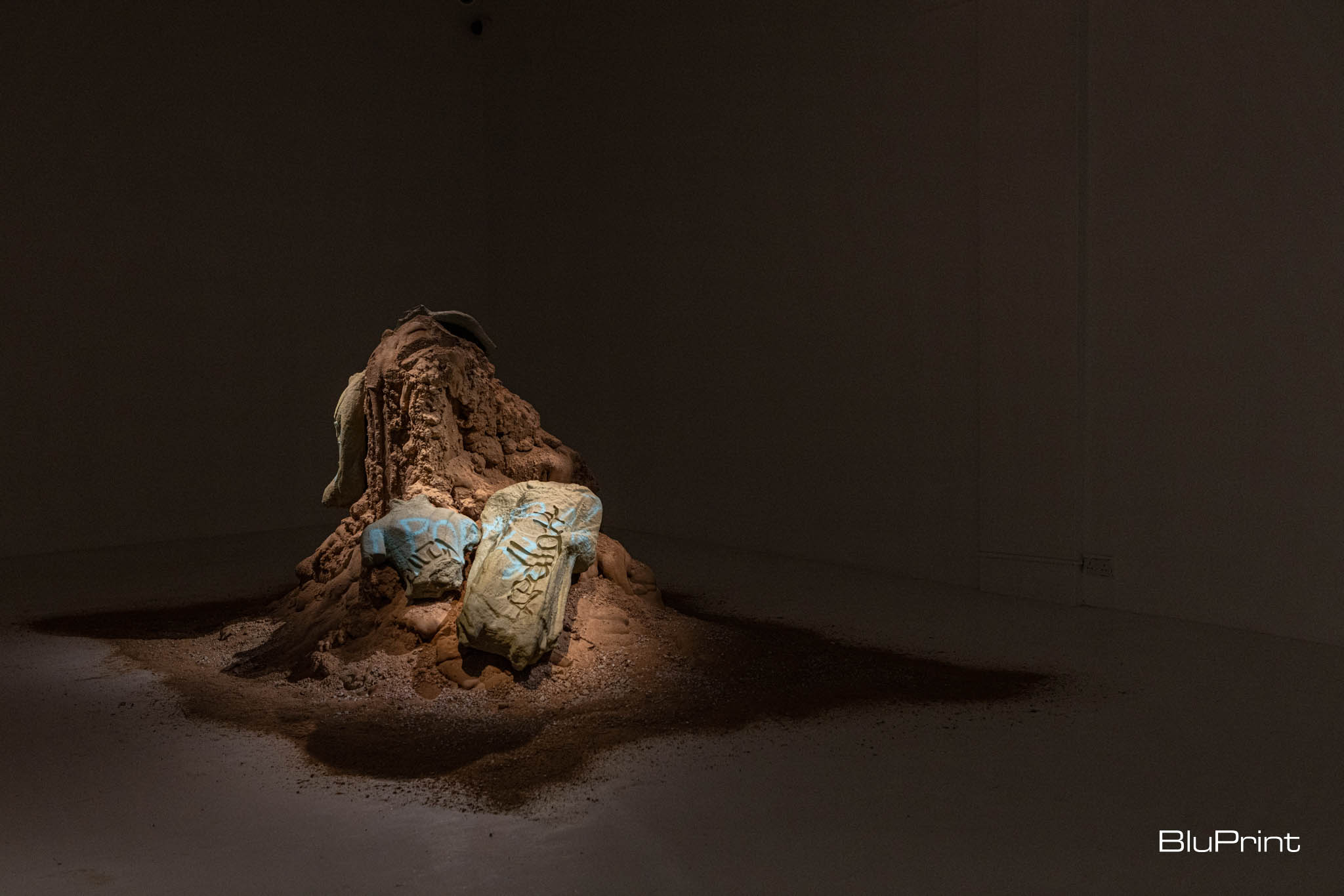
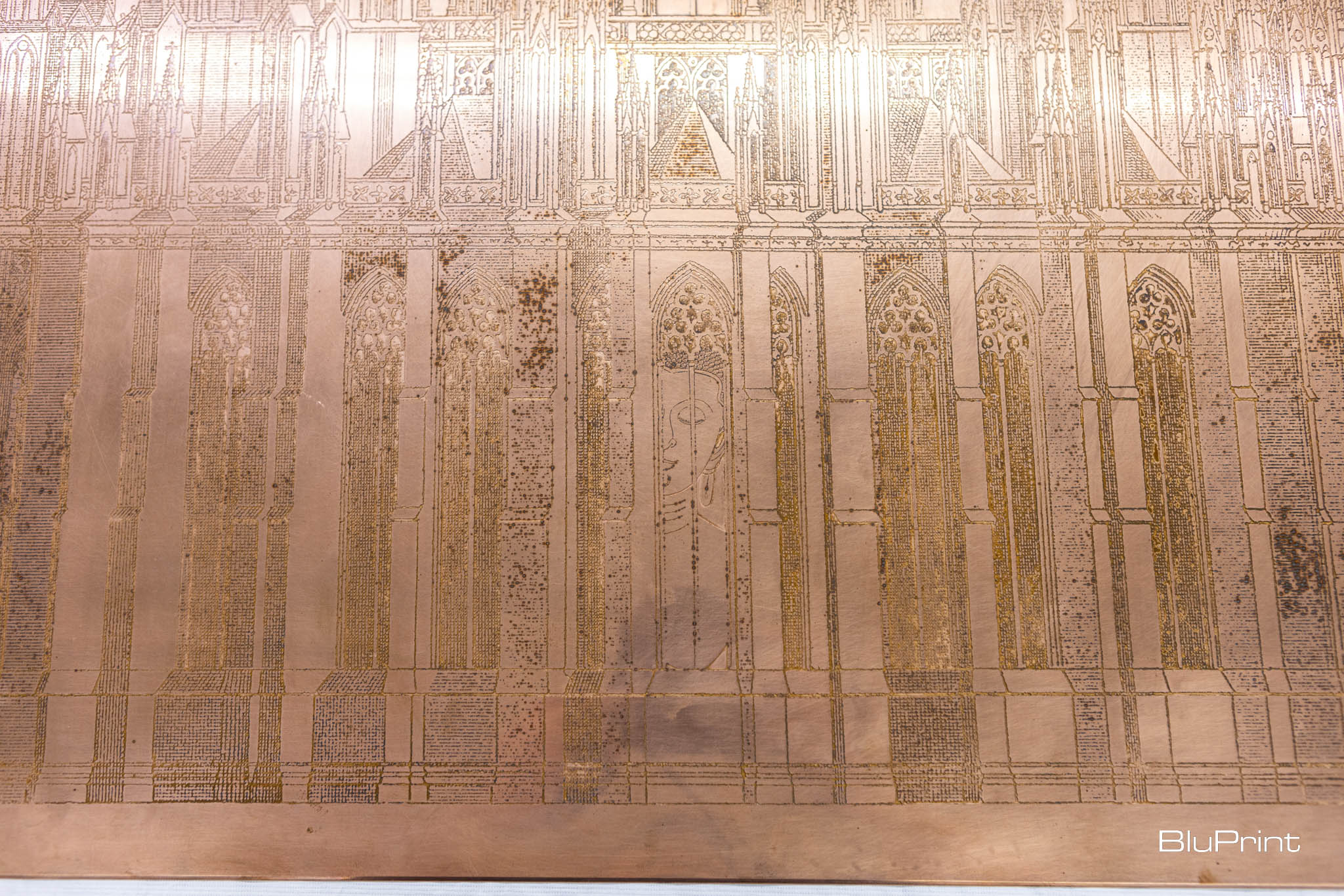
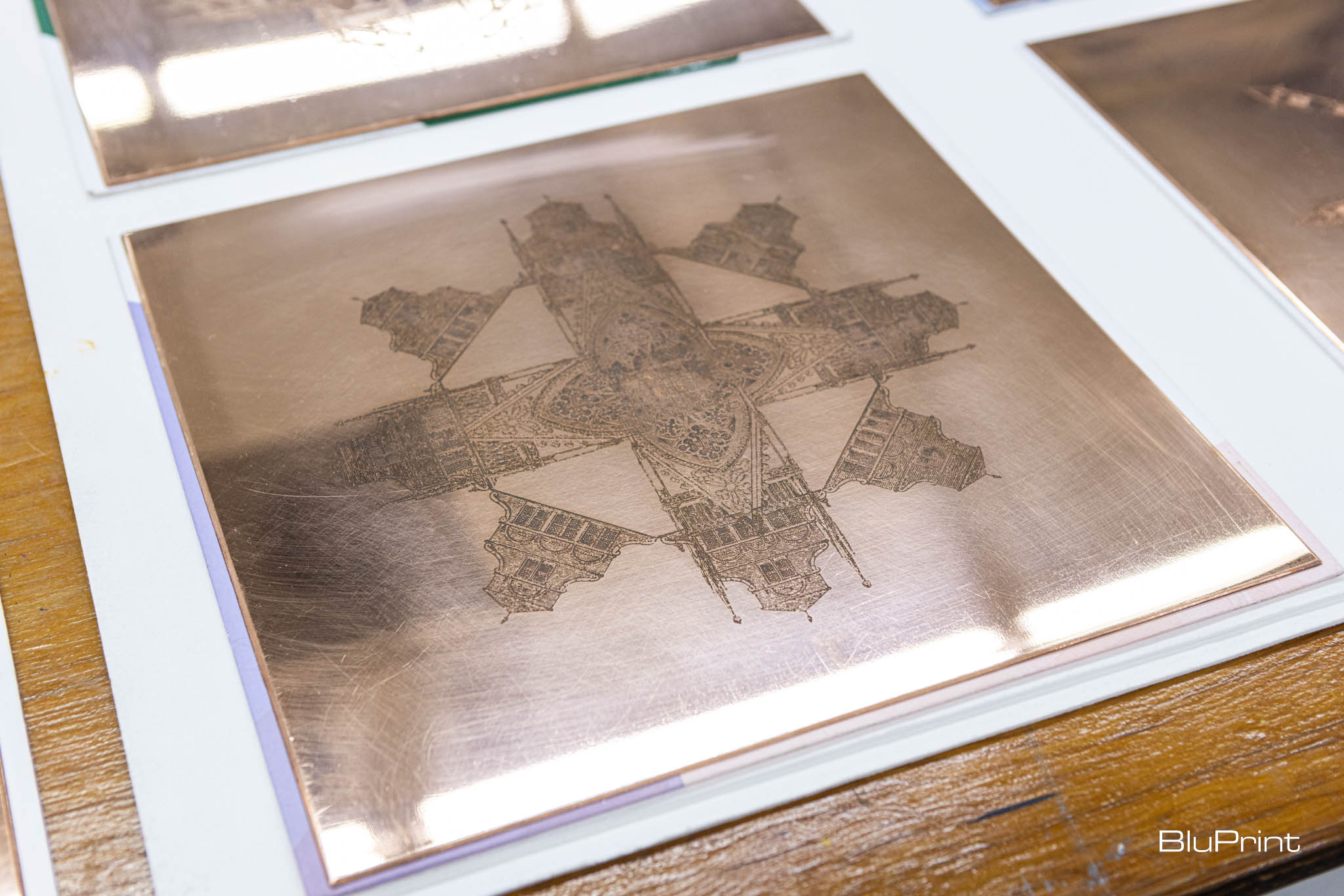
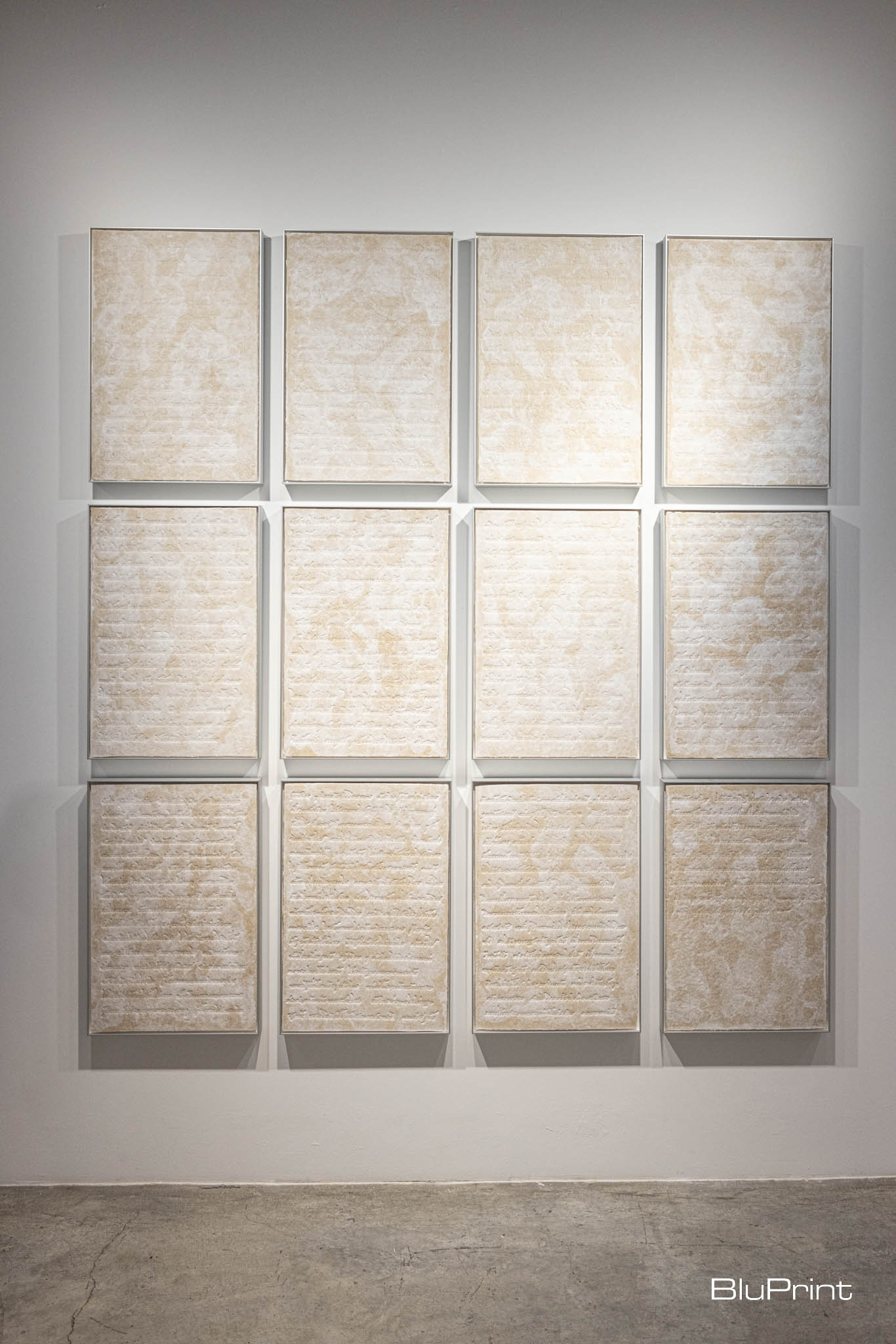
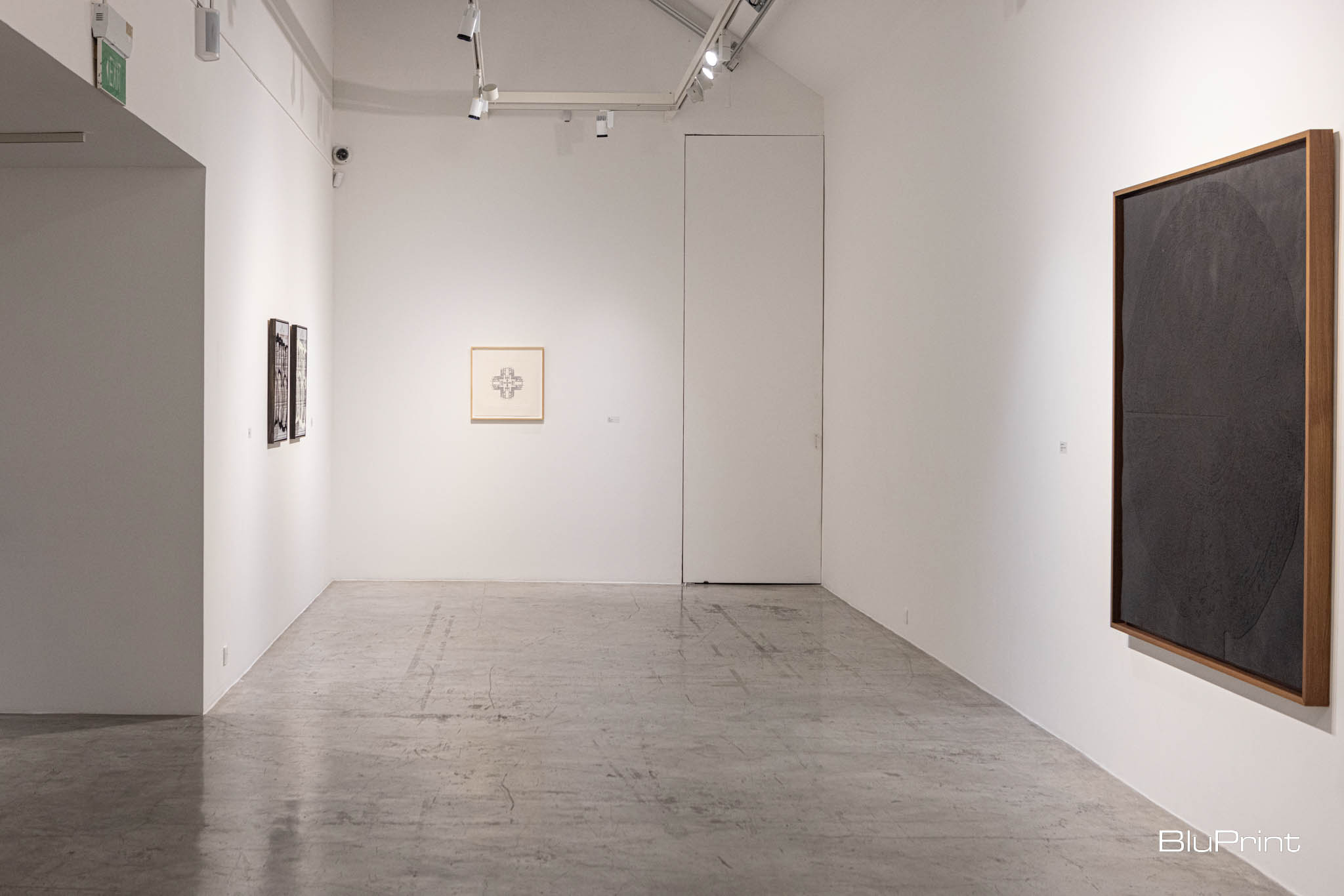
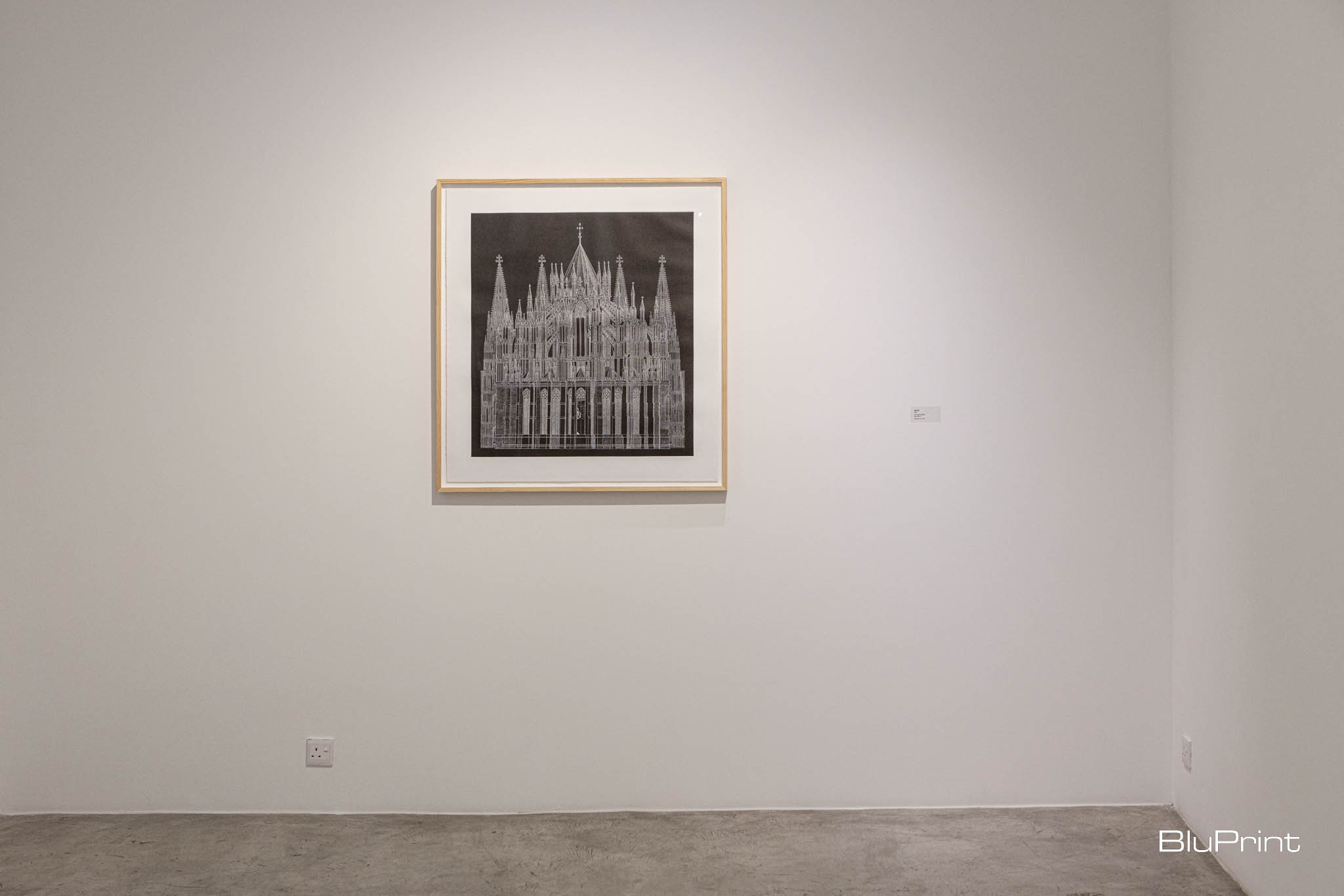
Utarit plays with different iterations of paper thanks to STPI’s capabilities. HEAVEN is an etching on paper of a gothic cathedral with the face of Buddha on the front door. THE WHEEL relies on the intricate textures of the paper to subtly reveal the wheel of Dharma. THE VERSE is compressed paper made to look like tablets of stone with gold writing debossed on to them.
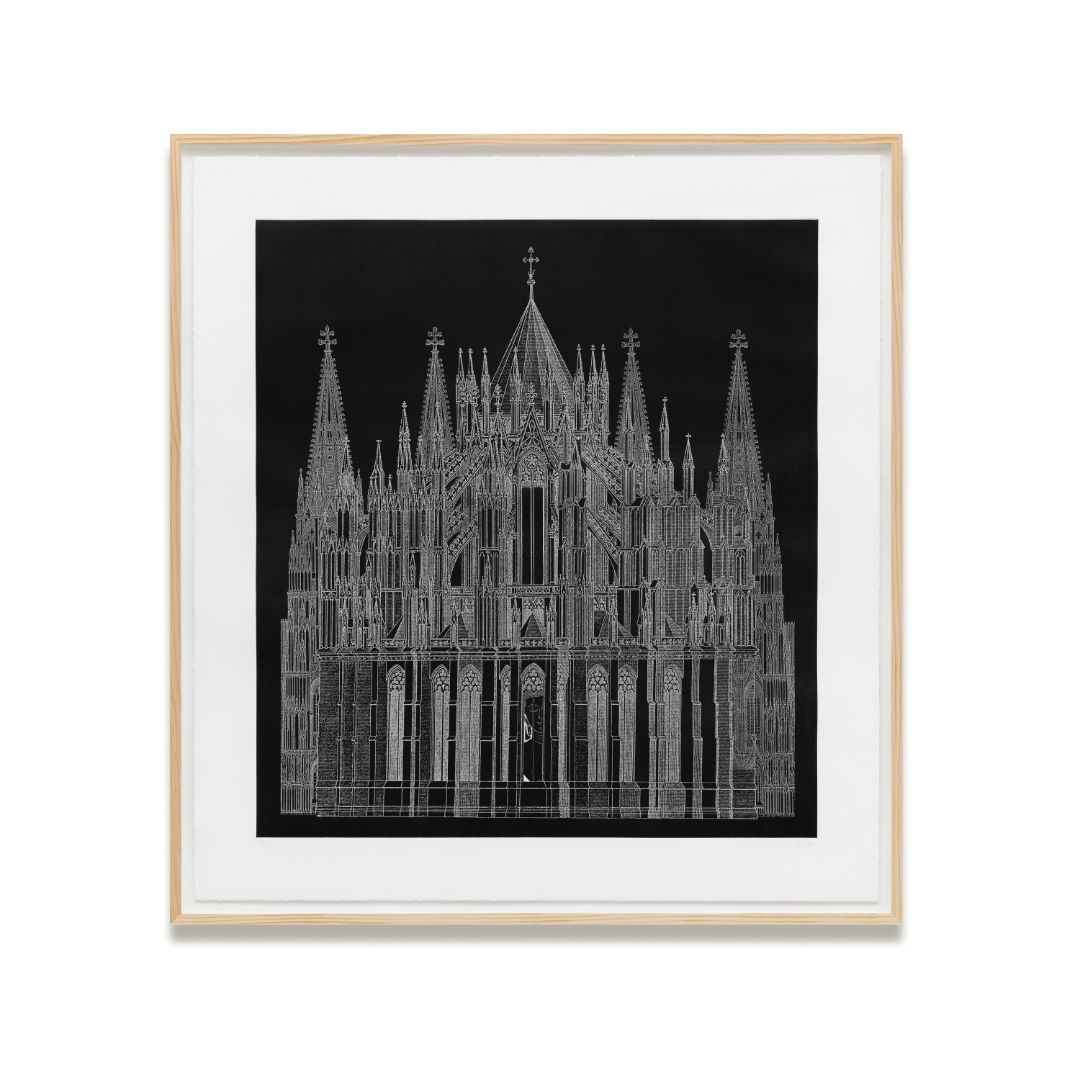
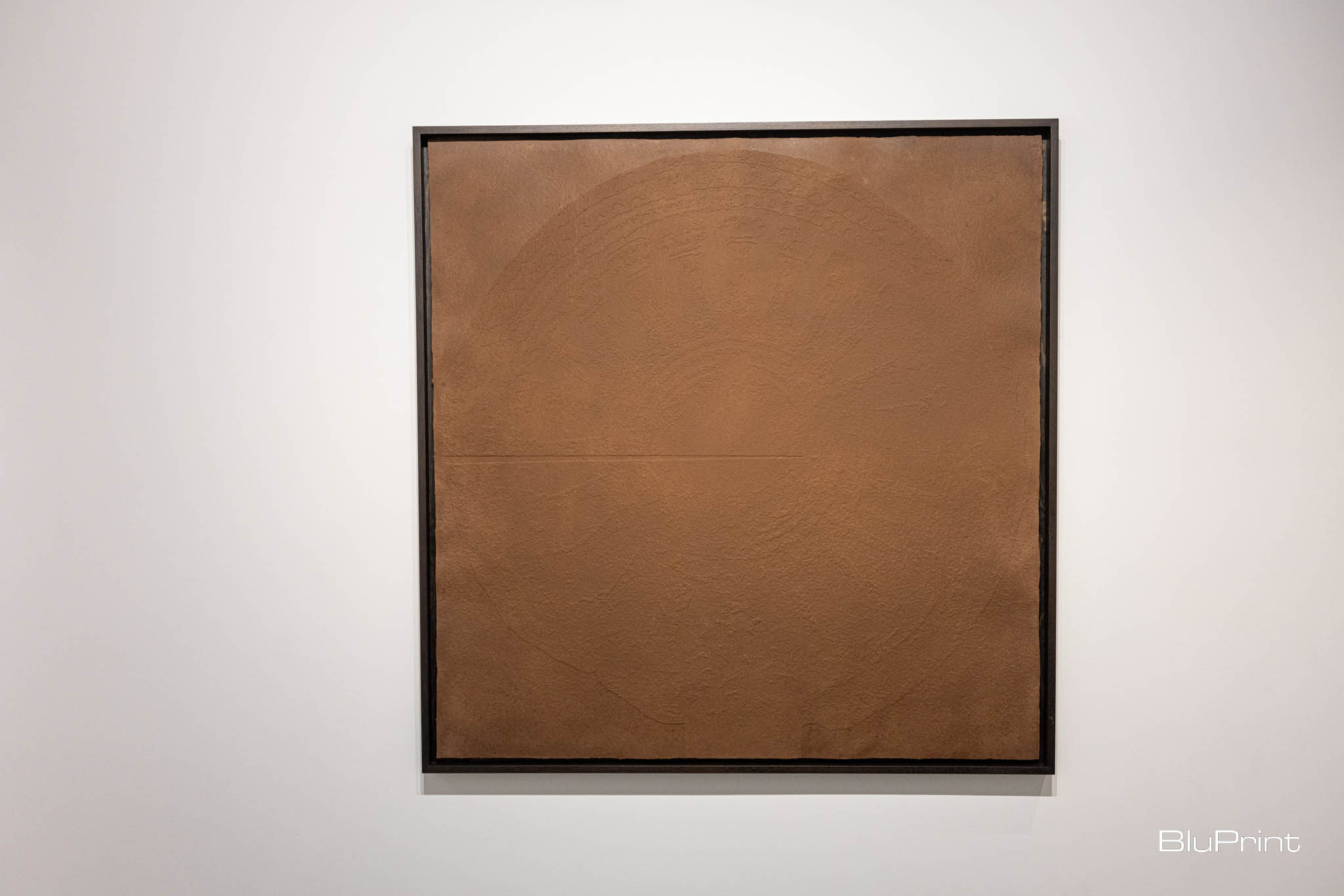
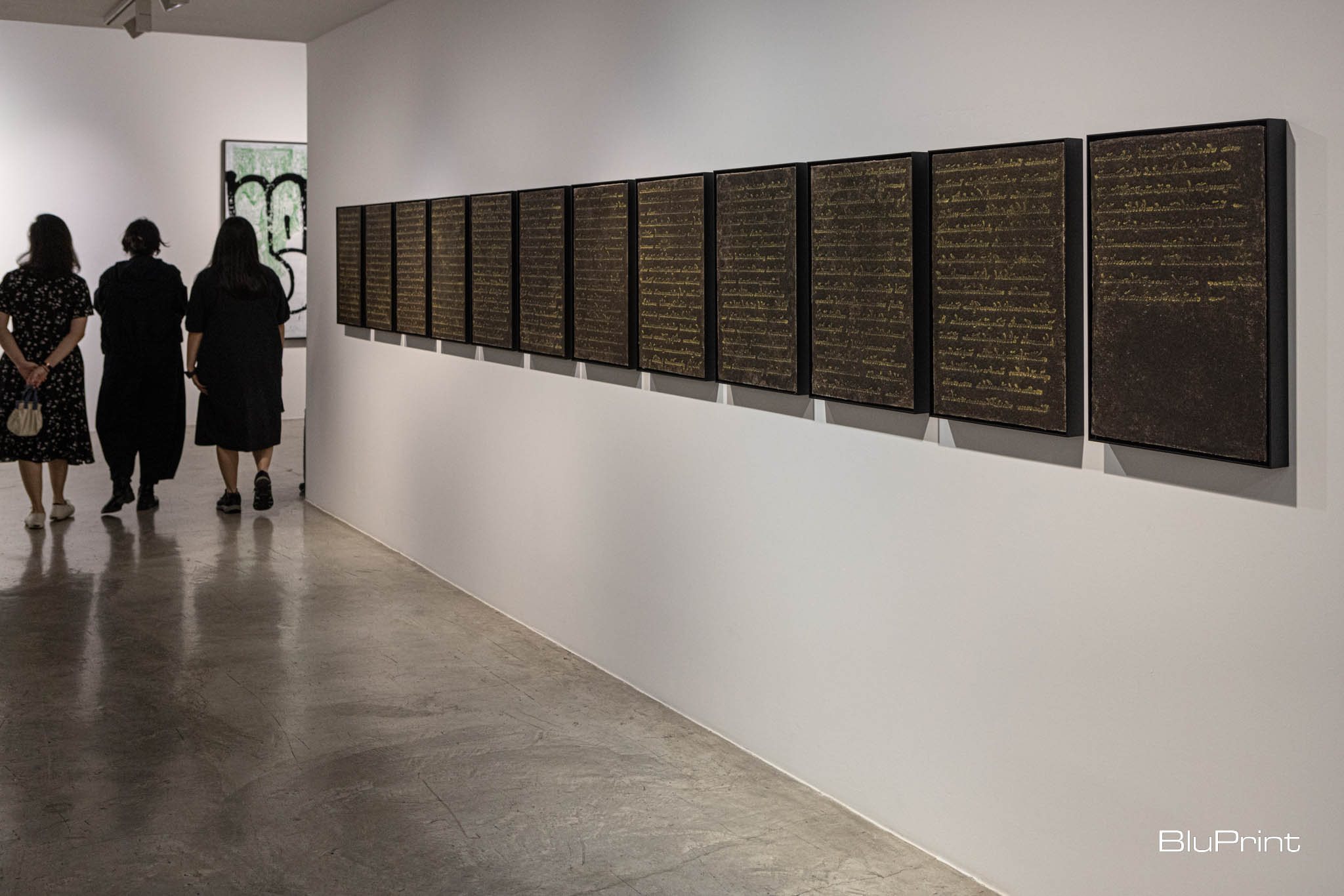
“All of these works are works on paper. It really demonstrates the capacities that STPI has. It allows artists to really reimagine what paper means and push the limits of paper,” Tung says.
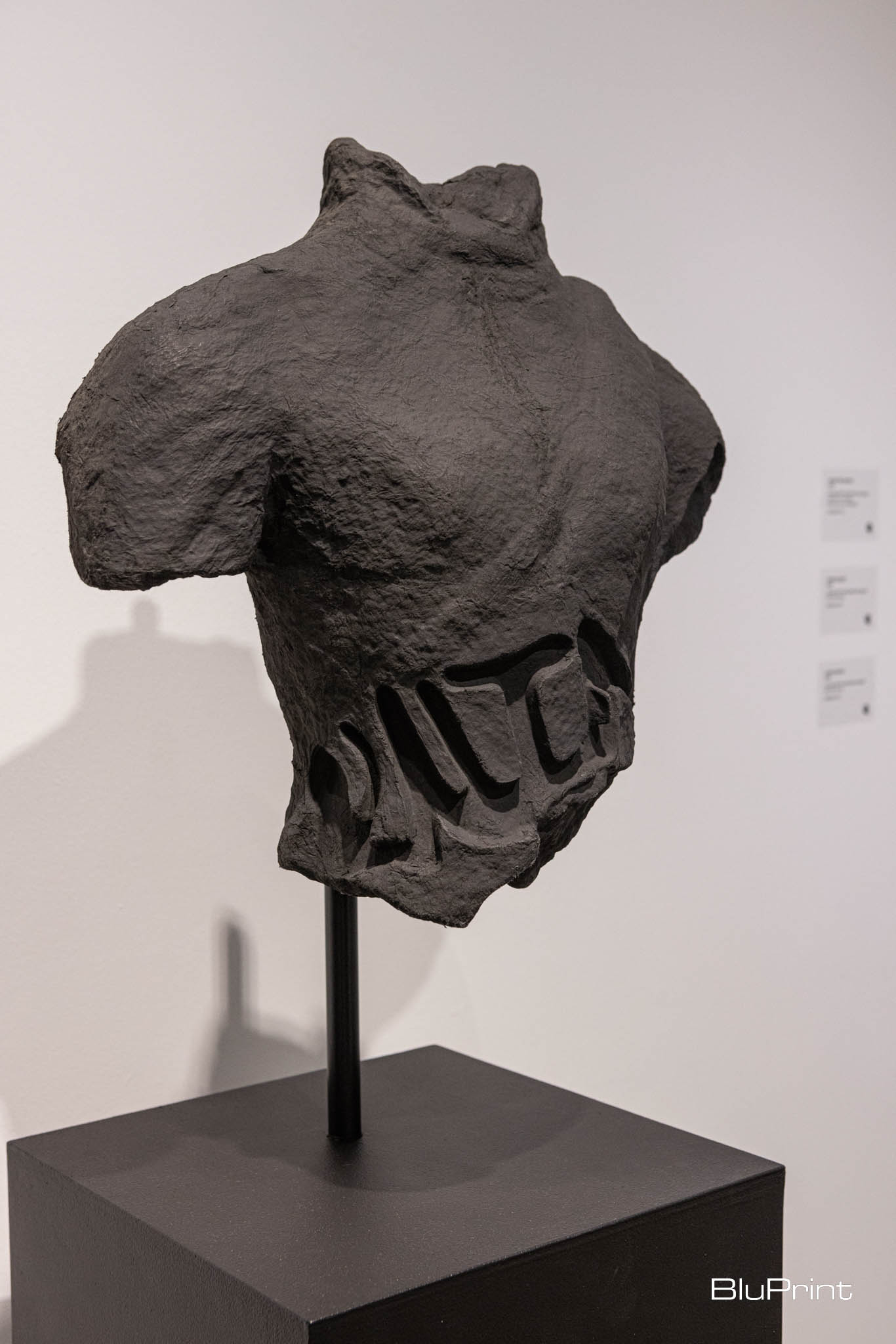
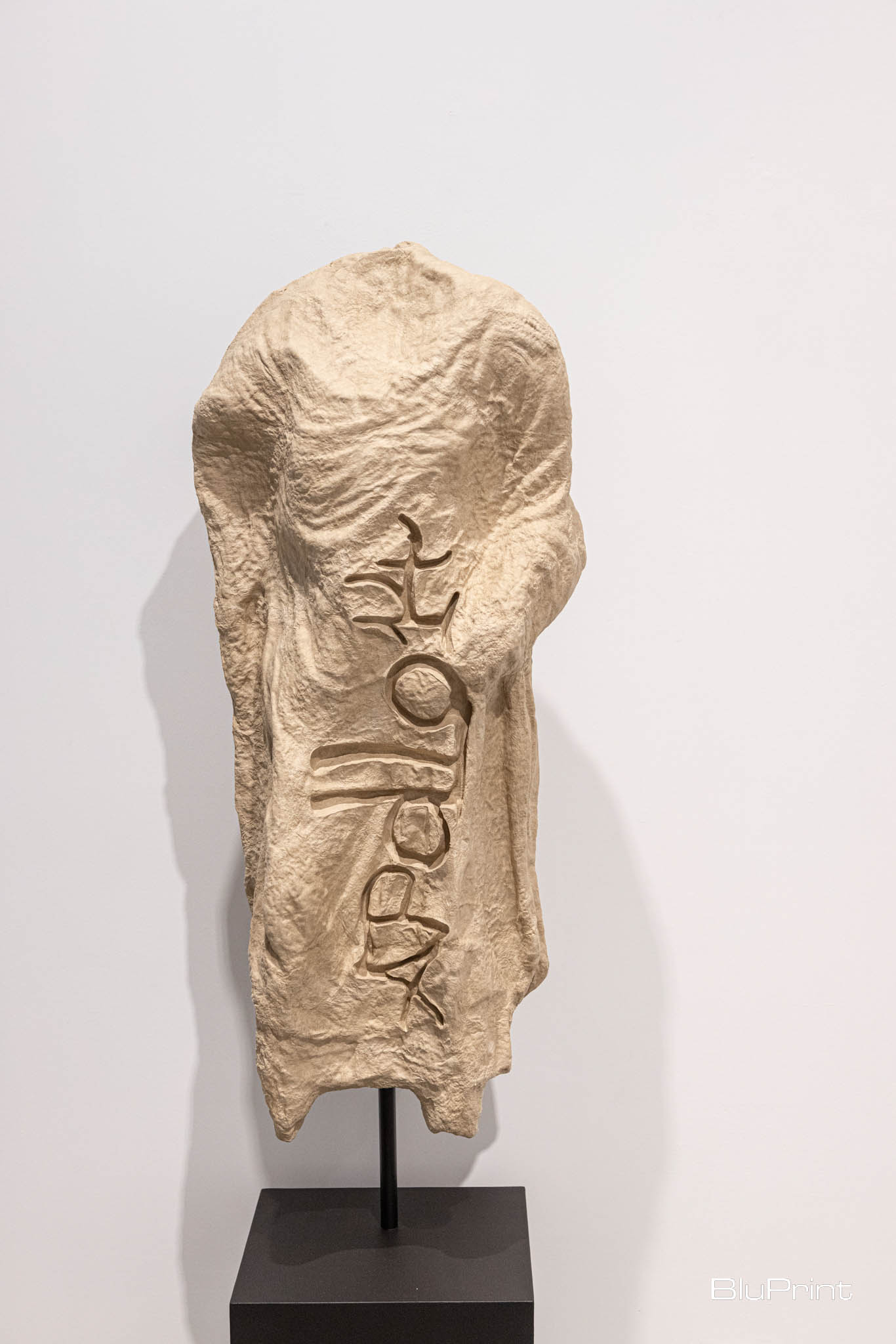
Just like the torsos Natee Utarit saw in the museums in Naples, he makes his version for this exhibit using paper from STPI’s own paper mill. The torsos wear what seem to be robes and suggest they belong to Buddha. “The first sculptures of the Buddha were actually made in a place in Gandhara, present day Afghanistan. And this was probably something like the third century A.D.. The only reason sculptures of the Buddha were being made was because of Alexander the Great’s incursion into Asia 300 years prior to that,” Tung makes the connection. “So the earliest Buddhist sculpture was actually bearing strong influence from Greek sculpture.”
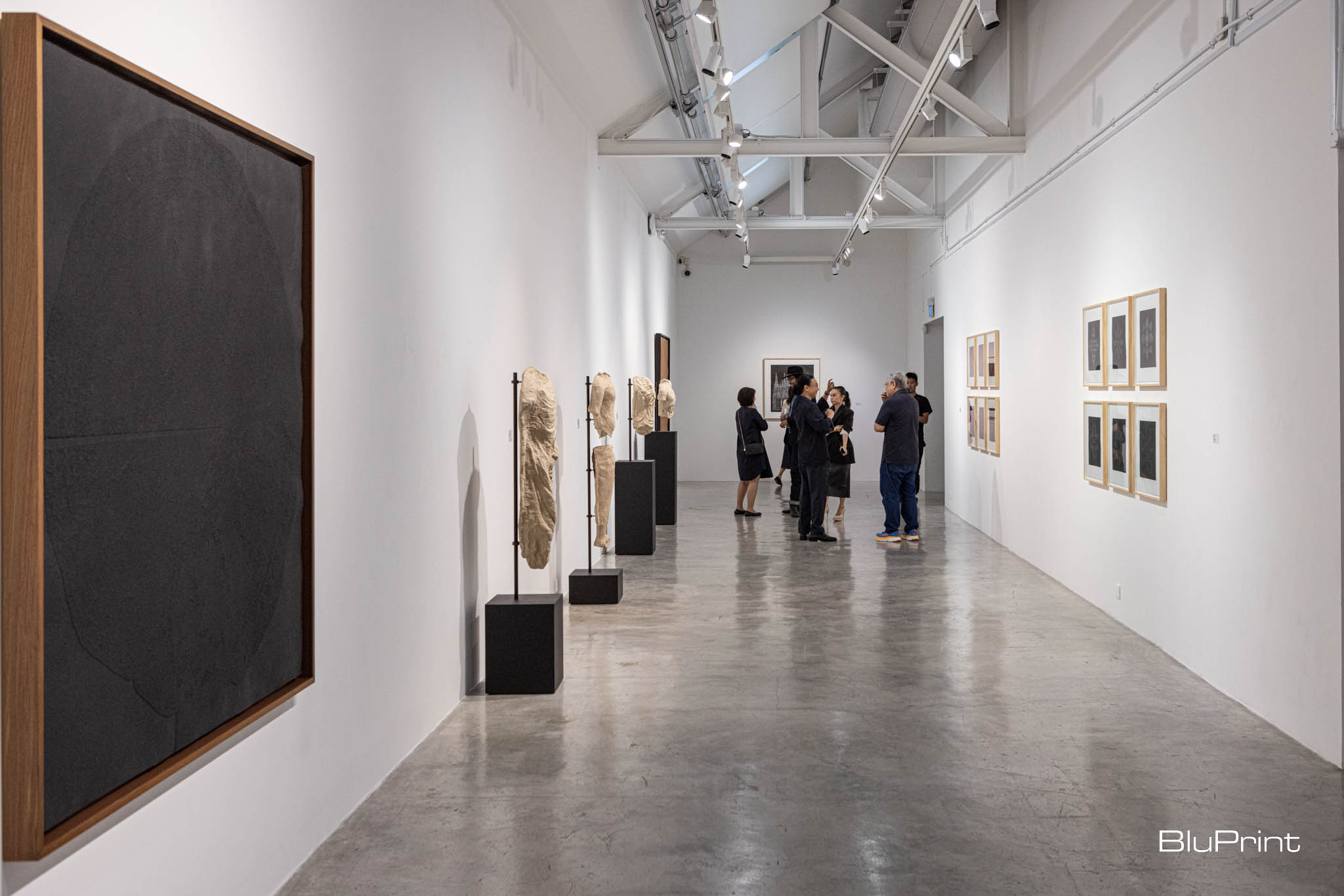
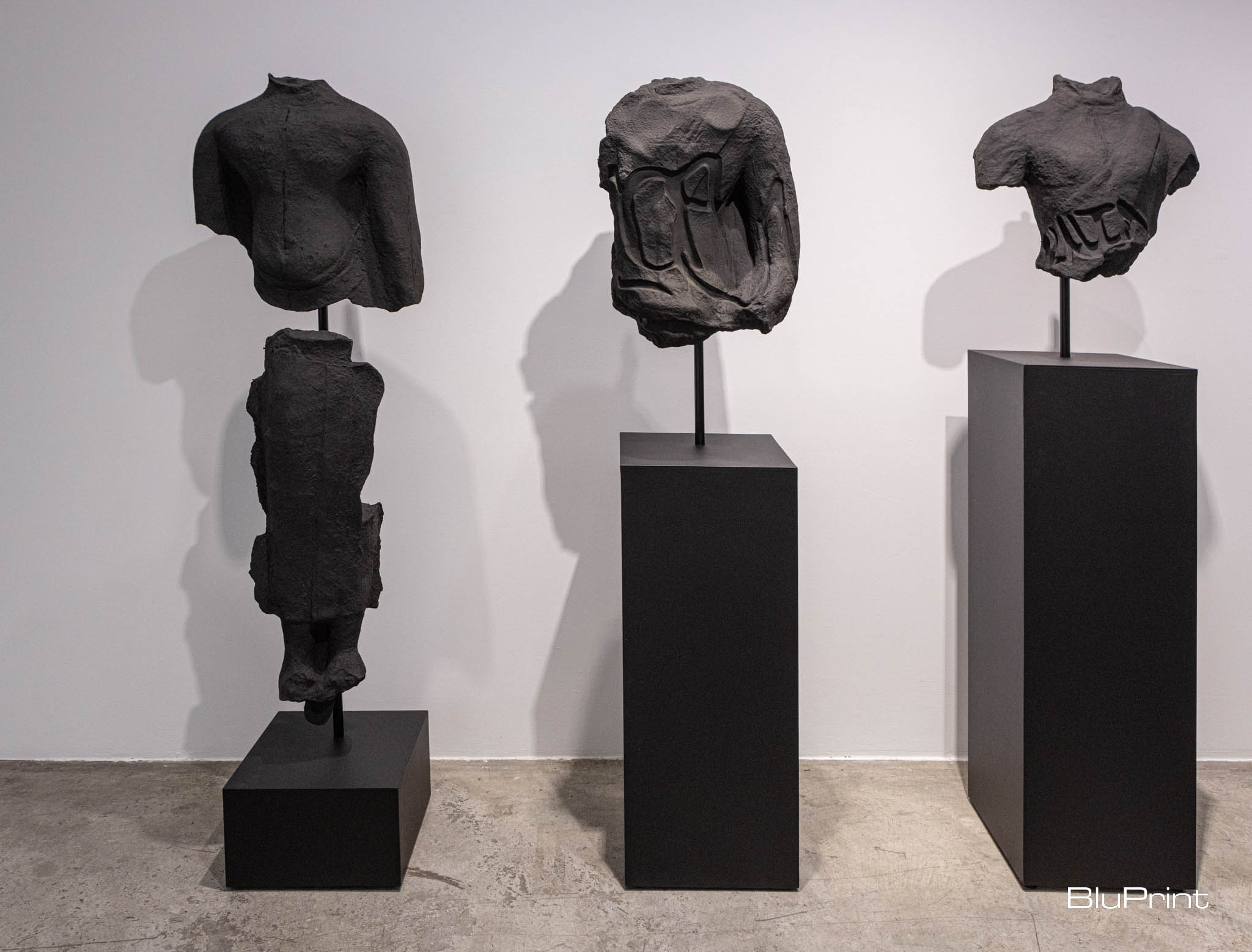
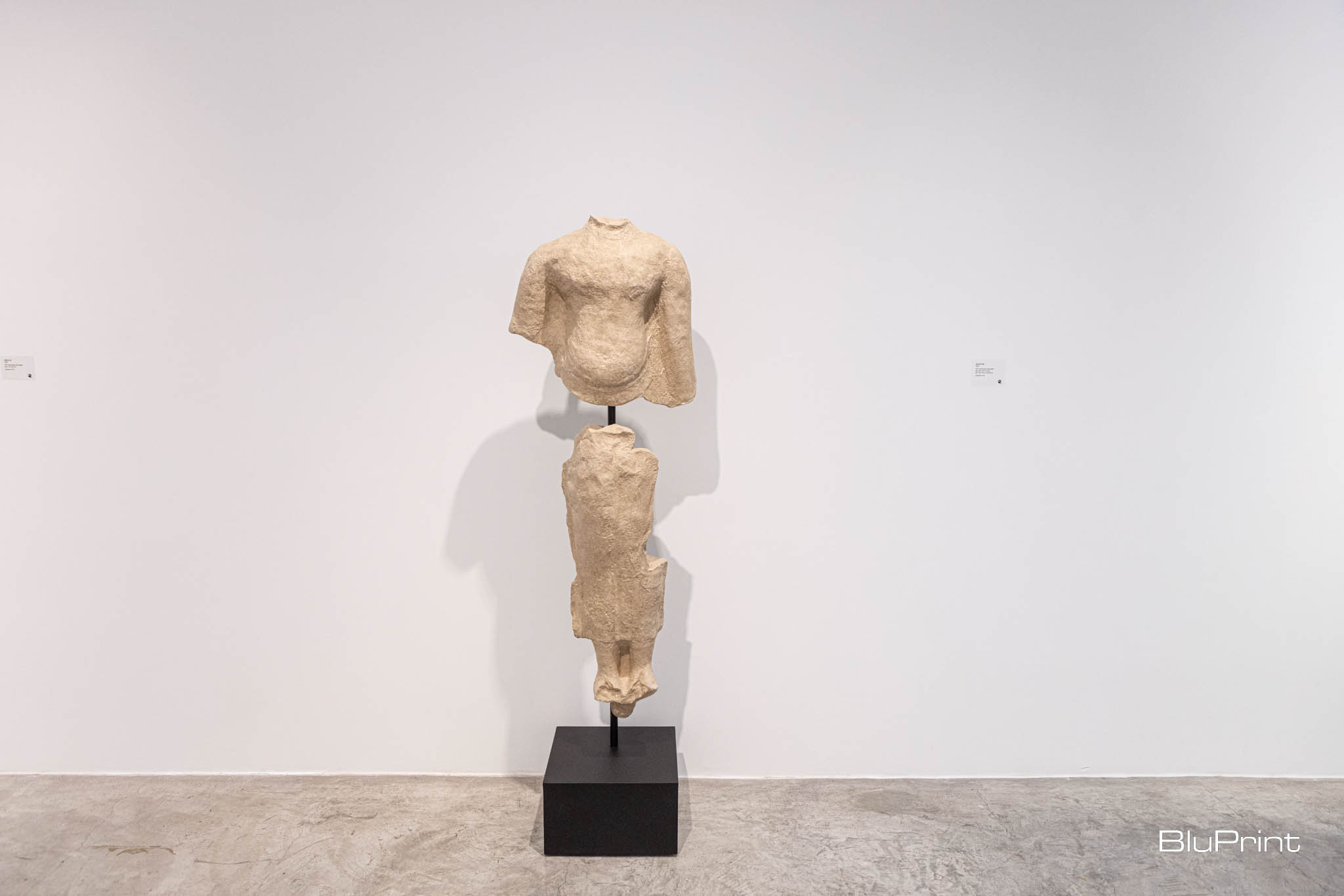
Maybe Utarit being reminded of Buddha when looking at Roman and Grecian torsos in Naples isn’t so farfetched after all. “When one starts to consider these sort of elements, then we realize that the East and the West are not that different. The line that separates the two is not a hard line. It makes us want to consider what similarities we actually have,” Tung adds.
A Dramatic Presentation of Buddha’s Hypothetical Journey West
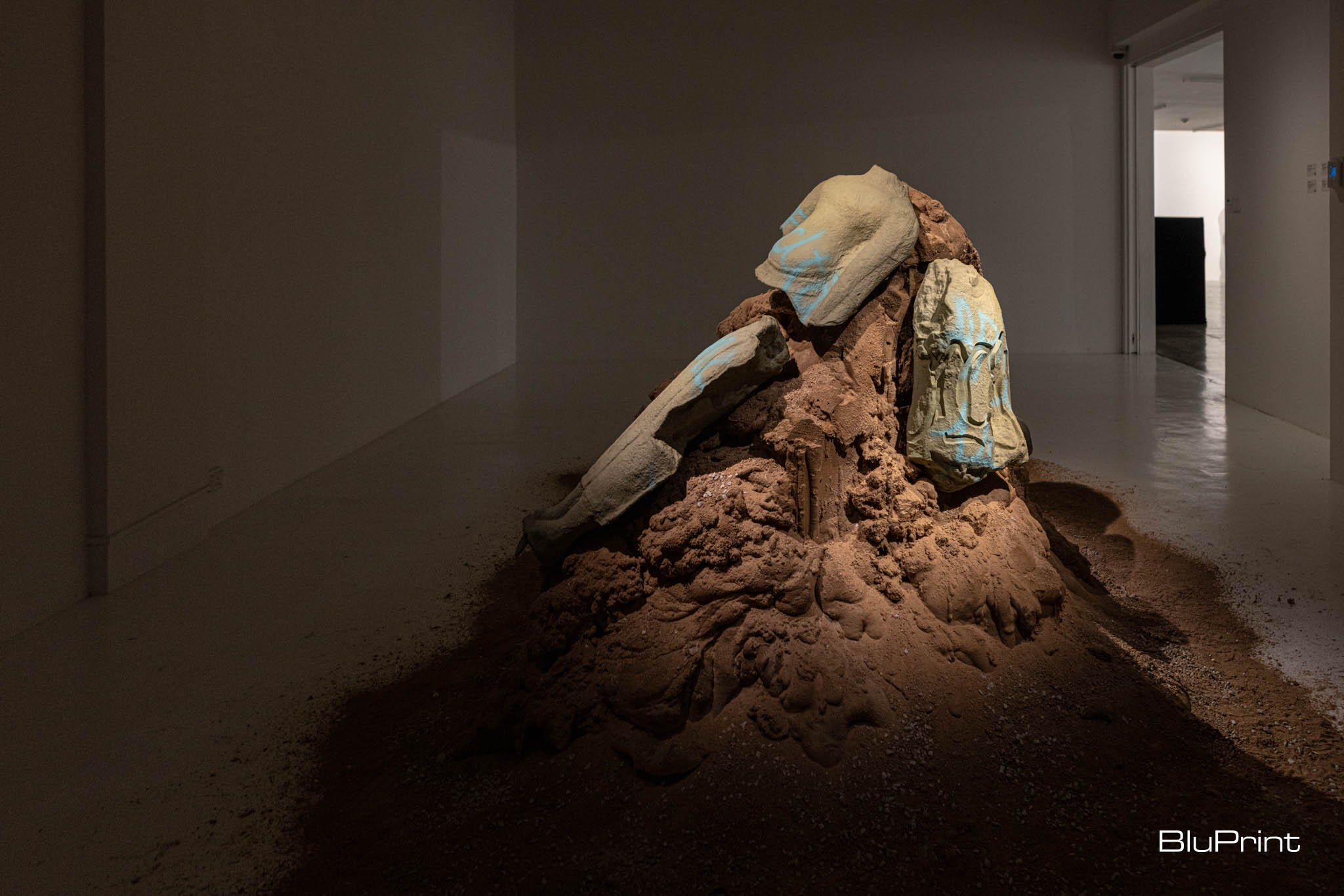
The exhibit transforms one room to look almost like an archeological dig site set under much dimmer lighting. Torsos lie on a mound of dirt with Apollo 14 etched on one of the statues with light blue graffiti sprayed across it. “I’m also like a bit of a paradox. I love very clean curation but at the same time I like a lot of drama! You know, scenography,” he says. “Given that this was the longest body of work that was going to be produced for Déjà vu, I wanted to have a presentation that would really almost concretize the speculation that Natee started with – that the Buddha had gone to the west.”
For Tung, the best way to concretize this notion was illustrated in this presentation that these Buddha sculptures were seemingly being unearthed in an archeological site, perhaps on Roman soil. What if Buddha did visit the western world? Is the eastern world that much different than the western world? What if we aren’t all that different after all? It’s a hypothesis and story that the artist poses and the curator helps bring to life.
Déjà vu: Buddha is Hiding by leading Thai contemporary artist Natee Utarit runs from 28 September 2024 to 1 December 2024 at STPI – Creative Workshop & Gallery.
Photographed by Jar Concengo.
Read more: STPI and The Met Inaugurate New Exhibit, ‘Chances of Contact’
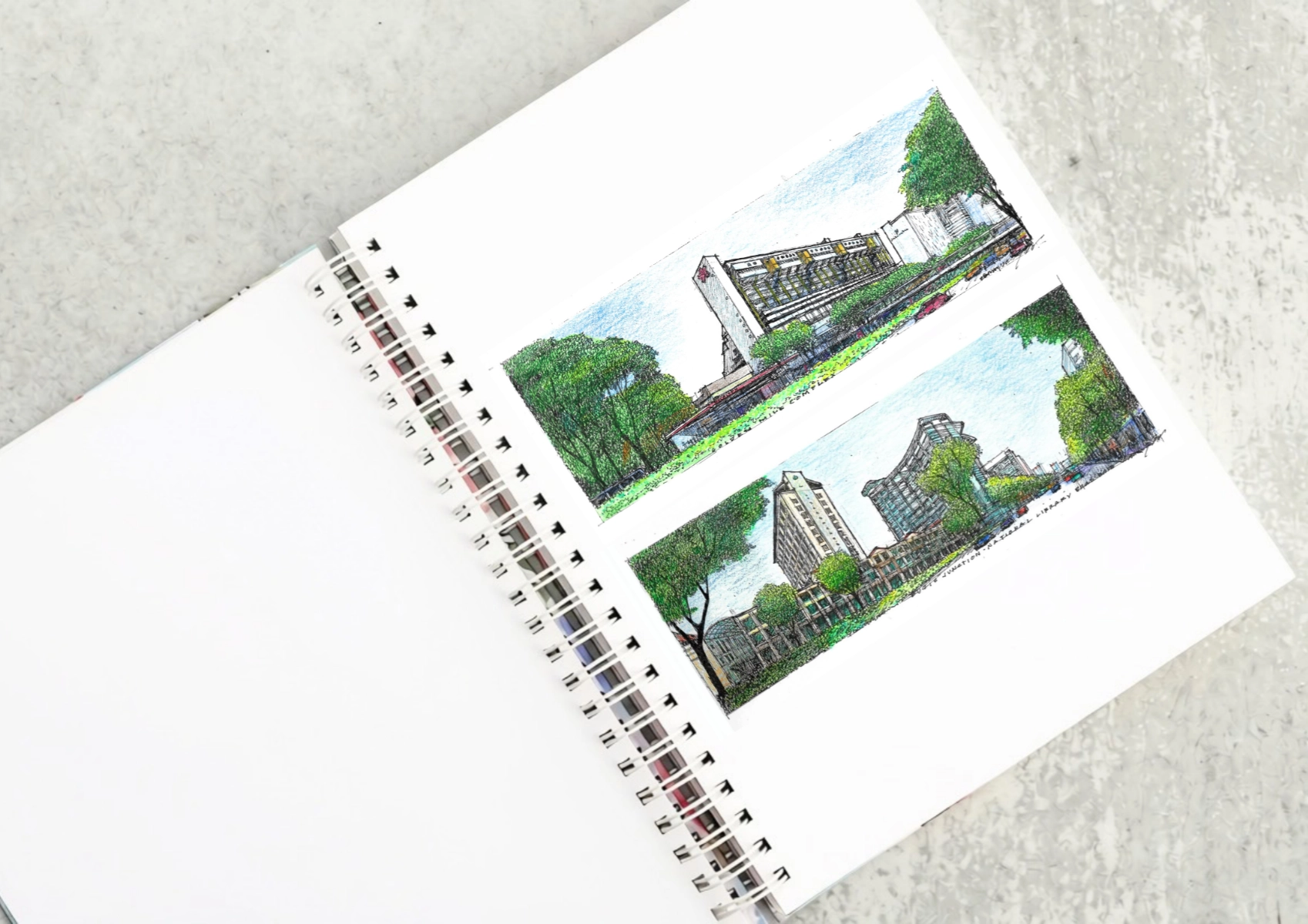
Two sketches of Singapore connect BluPrint Editor in Chief Paulo G. Alcazaren’s personal and professional history with Shared Ground: ArchitectureArchitectureThe art and science of designing and constructing buildings, structures, and spaces that are functional, safe, and aesthetically pleasing. It encompasses the planning, design, materials, and techniques used to createGo to Architecture Glossary of Care, Culture, […]
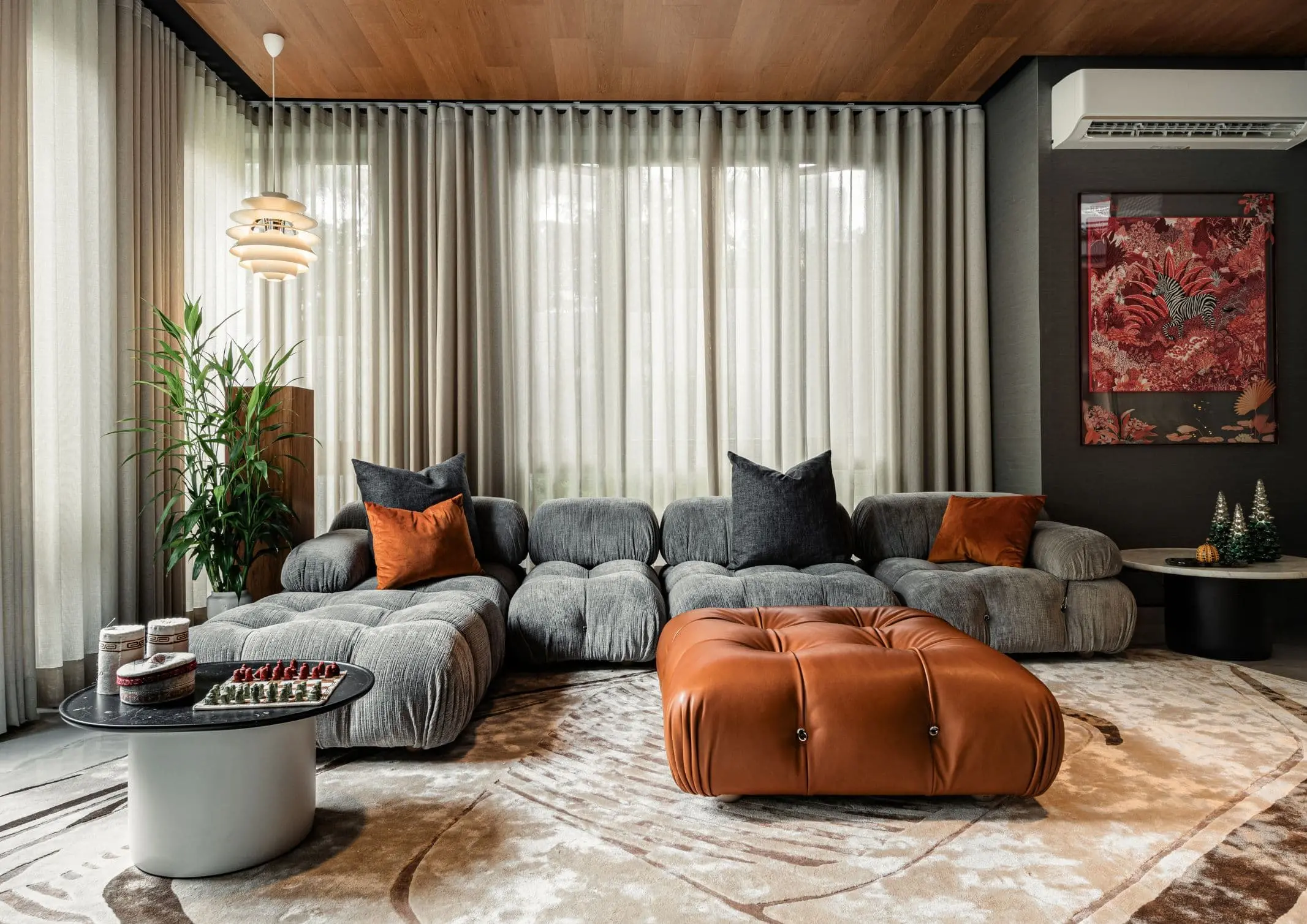
Some have become household names – Coleman, Oster, and KitchenAid – products that have found their way into Filipino kitchens, homes and family routines. In home furnishings, brands such as B&B Italia, Ethan Allen, Sub-Zero, Miele, SieMatic, Louis Poulsen, Hunter Douglas, Tempur, and Technogym, have helped shape the way Filipinos live. From everyday essentials to […]
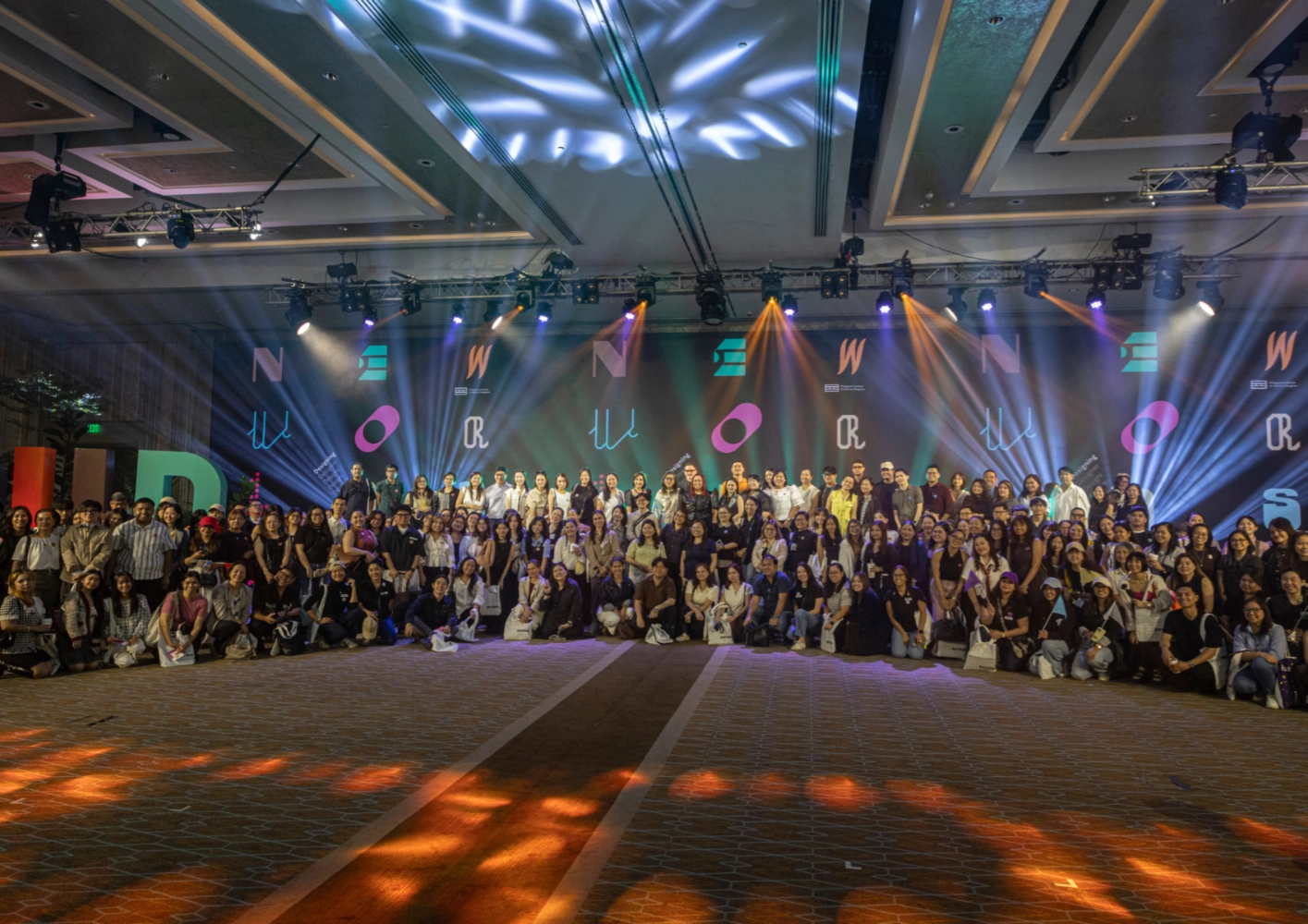
In a way, designers are the modern-day soothsayers and prophets. They design for the future, predicting how a room, a house, a building or a whole city will be used by people. They foresee how users will interact with a space, conjure exact shades of colors to elicit specific behavior and arrange furniture to build […]
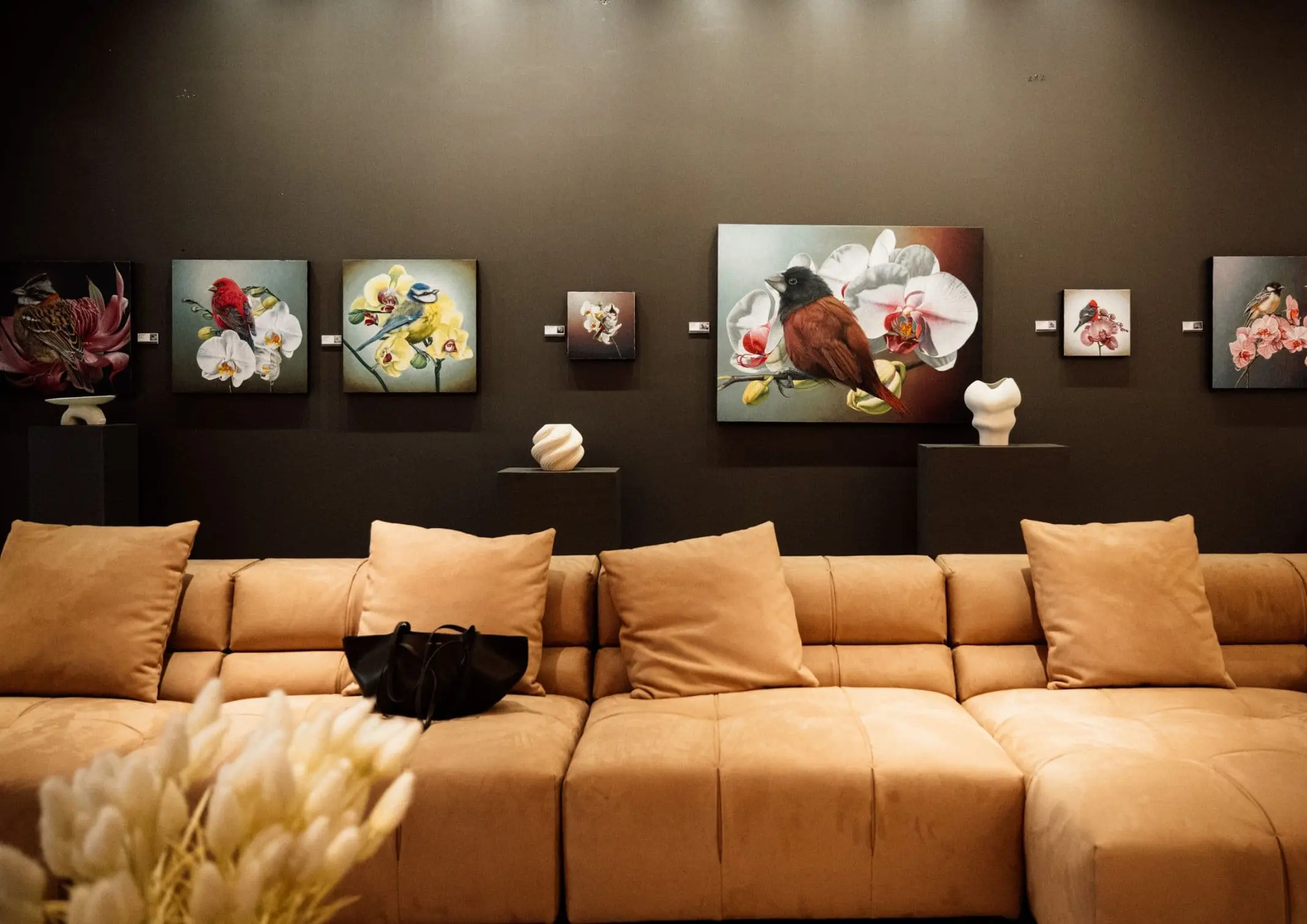
Art and furniture are often selected separately, yet their relationship can shape how a room looks and feels. The collaboration between Hooga and Galerie Joaquin explores how these elements can work together, bringing contemporary artworks into furnished residential settings at Hooga’s showroom in Uptown Mall, Bonifacio Global City. For Hooga, which curates furniture, lighting, and […]
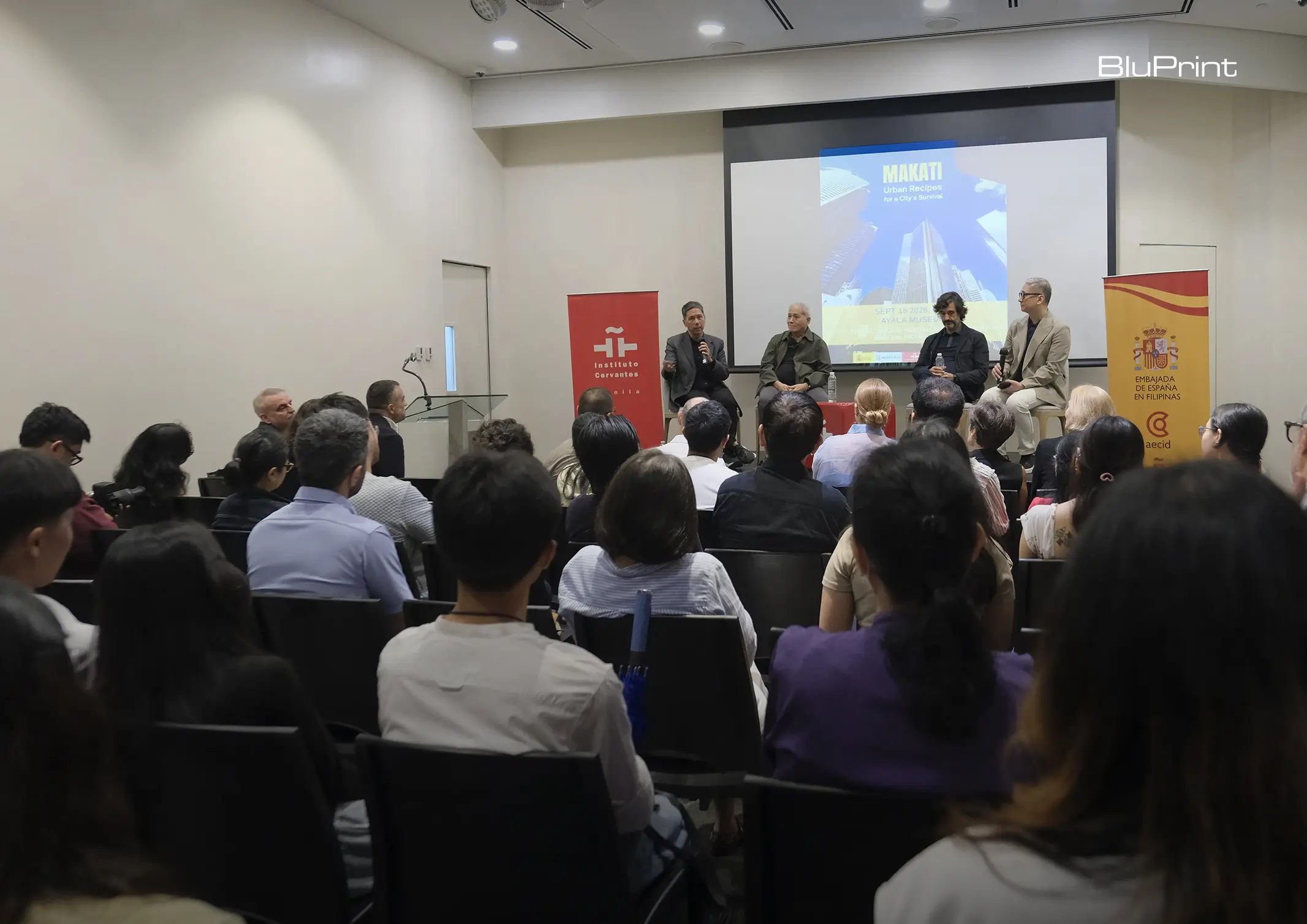
How can better-planned cities create the conditions for more creative, livable, and resilient urban environments? “Makati Urban Recipes for a City’s Survival,” a colloquium held at the Ayala Museum on September 15, brought together architects and practitioners from the fields of urbanism and the creative economy to discuss how design, planning, and collaboration can address […]
Read the issues.

Collect the volumes.

Recommended Video
Tap to Unmute
Unmute
0:00
0:00