Bigkis is the act of binding. In Tagalog, the word can refer to something used to bind or encircle, as well as a bundle formed by tying several separate elements together. Figuratively, it can also mean a bond, union, or unity. The meanings move from the physical act of joining things together to the connection […]
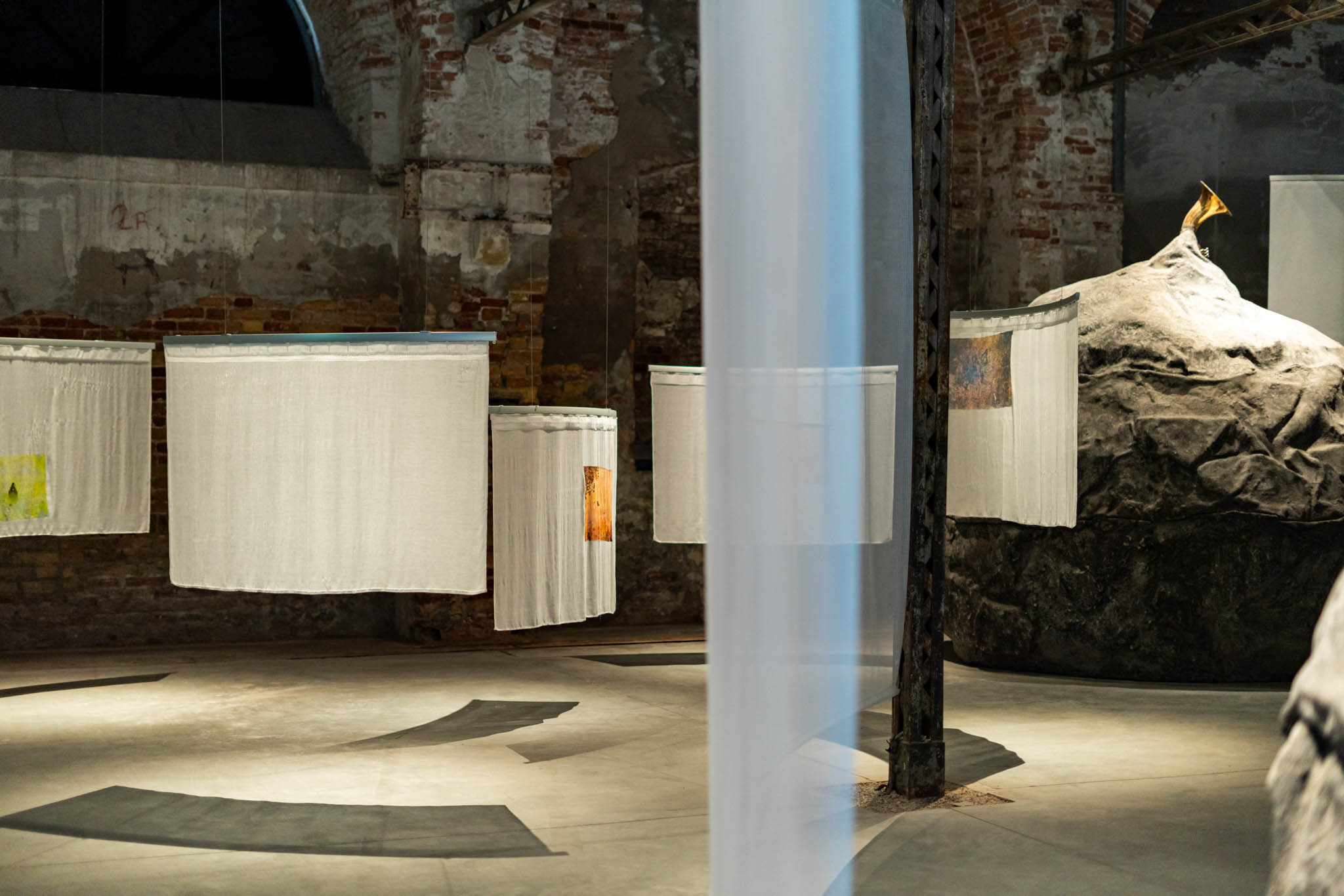
Philippine Pavilion Has Triumphantly Unveiled at 60th Venice Art Biennale



The Philippine Pavilion made a striking debut at the 60th International Art Exhibition – La Biennale di Venezia last April 18, 2024, showcasing an immersive exploration of art, history, and environment in the exhibit titled “Sa kabila ng tabing lamang sa panahong ito / Waiting just behind the curtain of this age.”
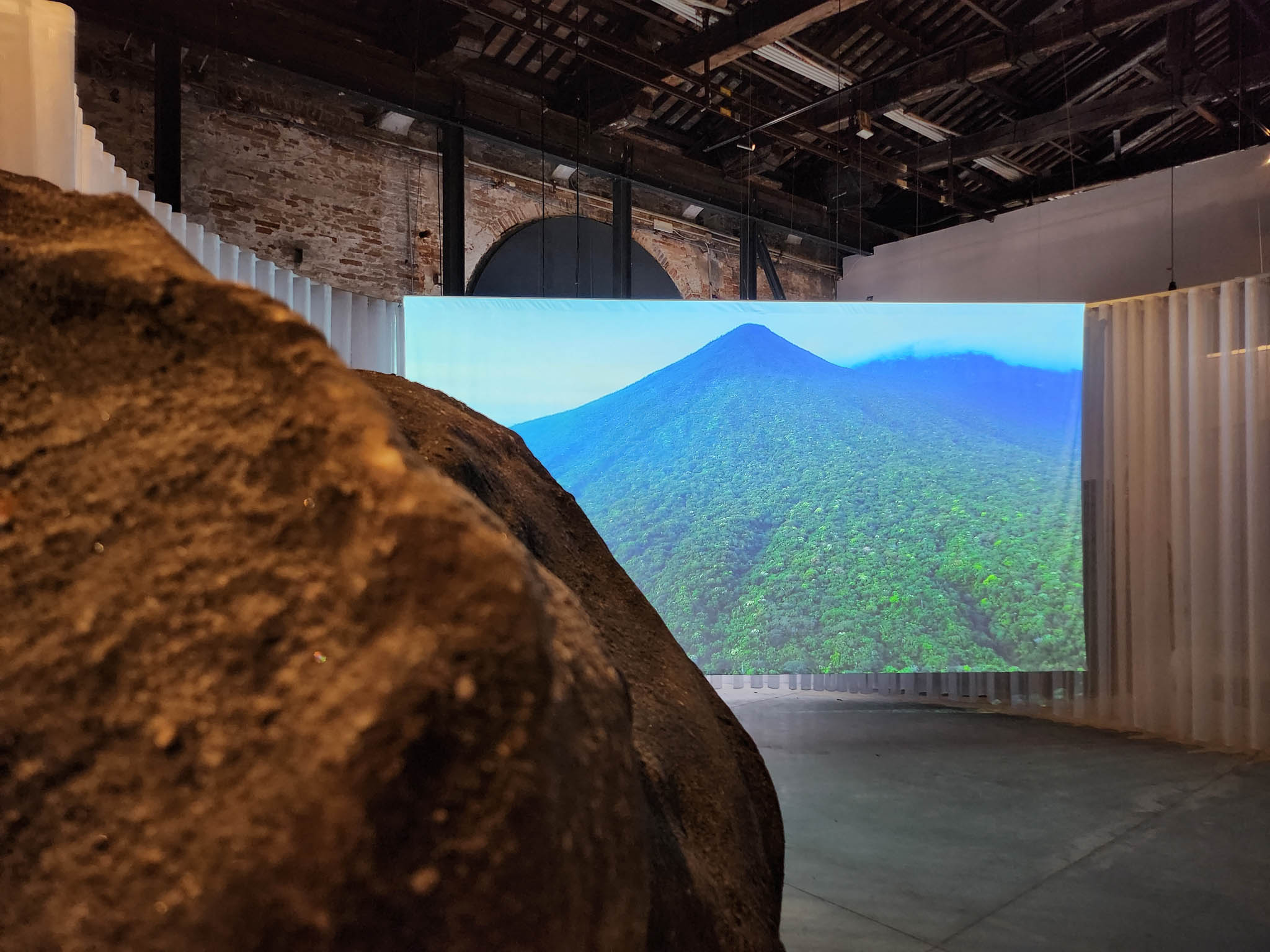
Renowned artist Mark Salvatus and esteemed curator Carlos Quijon, Jr. collaborated to craft an experiential journey delving into the ethno-ecologies of Mt. Banahaw and Lucban. Drawing inspiration from the mystical allure of the mountain and its deep cultural roots, the exhibition invites visitors to explore Mt. Banahaw’s essence through a newly-commissioned video installation, unraveling its significance in narratives of faith, mysticism, and revolution.
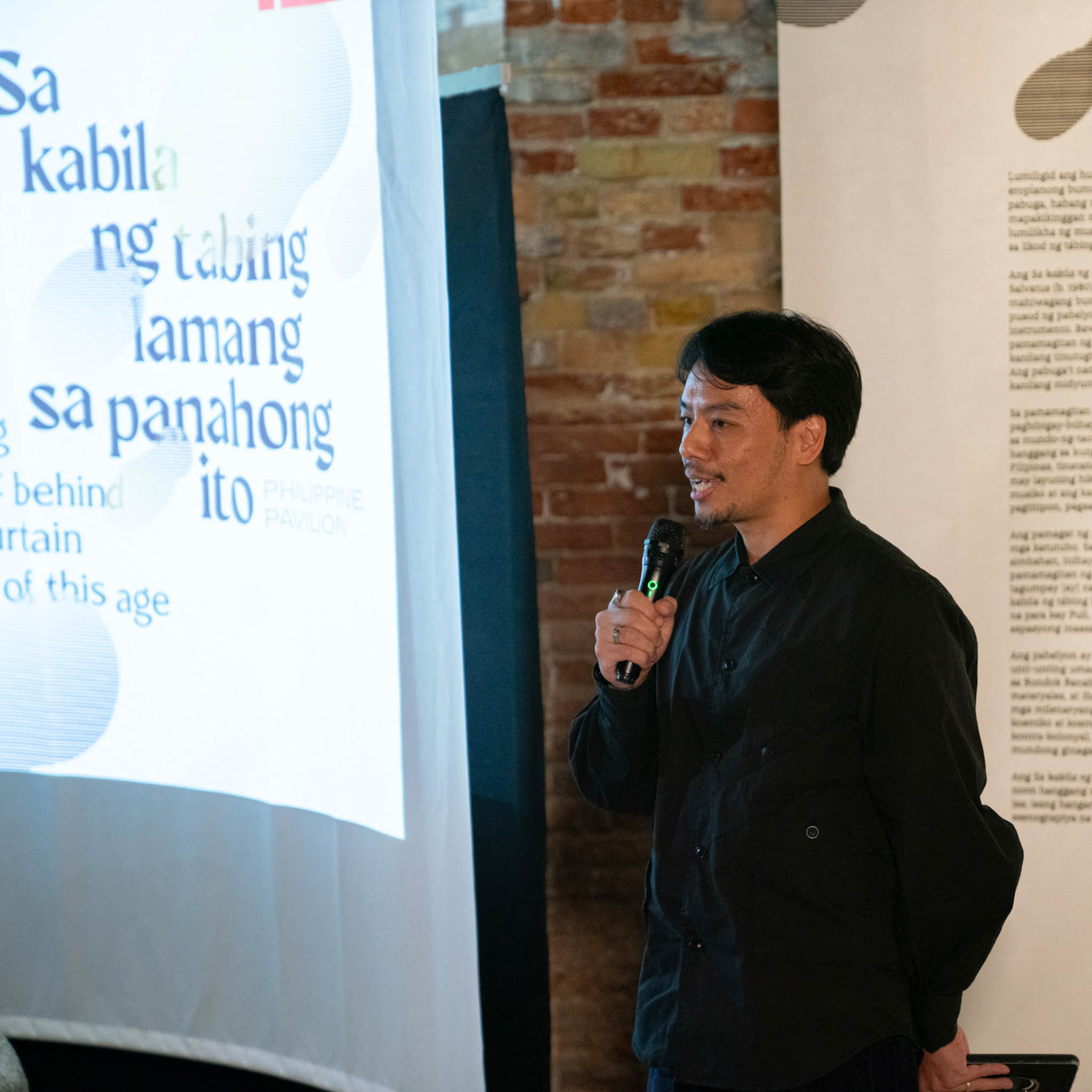
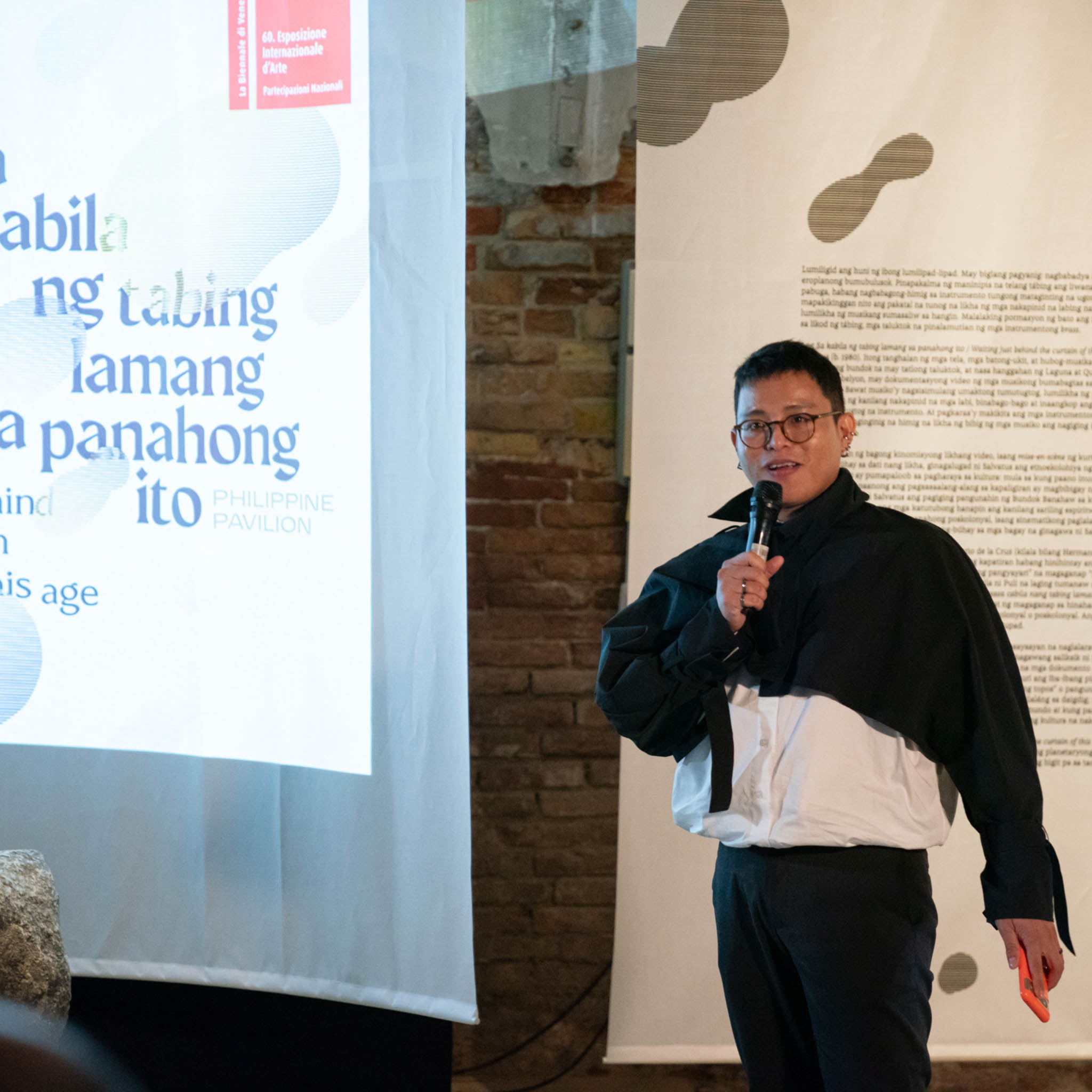
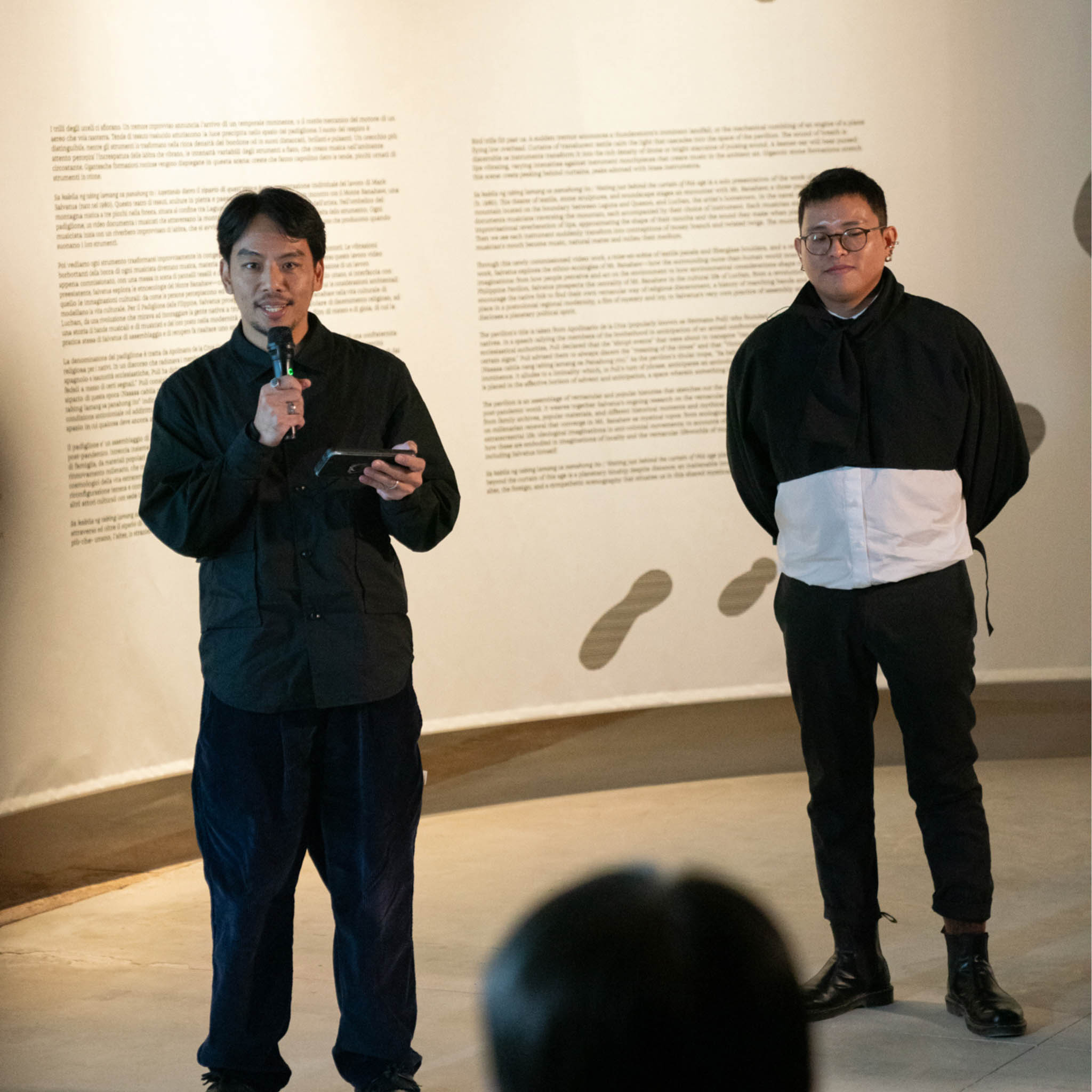
At the core of the showcase lies the enigmatic persona of Hermano Puli, whose prophetic words lend both title and spirit to the exhibition. Puli’s revolutionary legacy as a lay preacher is interwoven with tales of anti-colonial resistance, envisioning a future that transcends cultural boundaries and embraces the interconnectedness of all life forms.
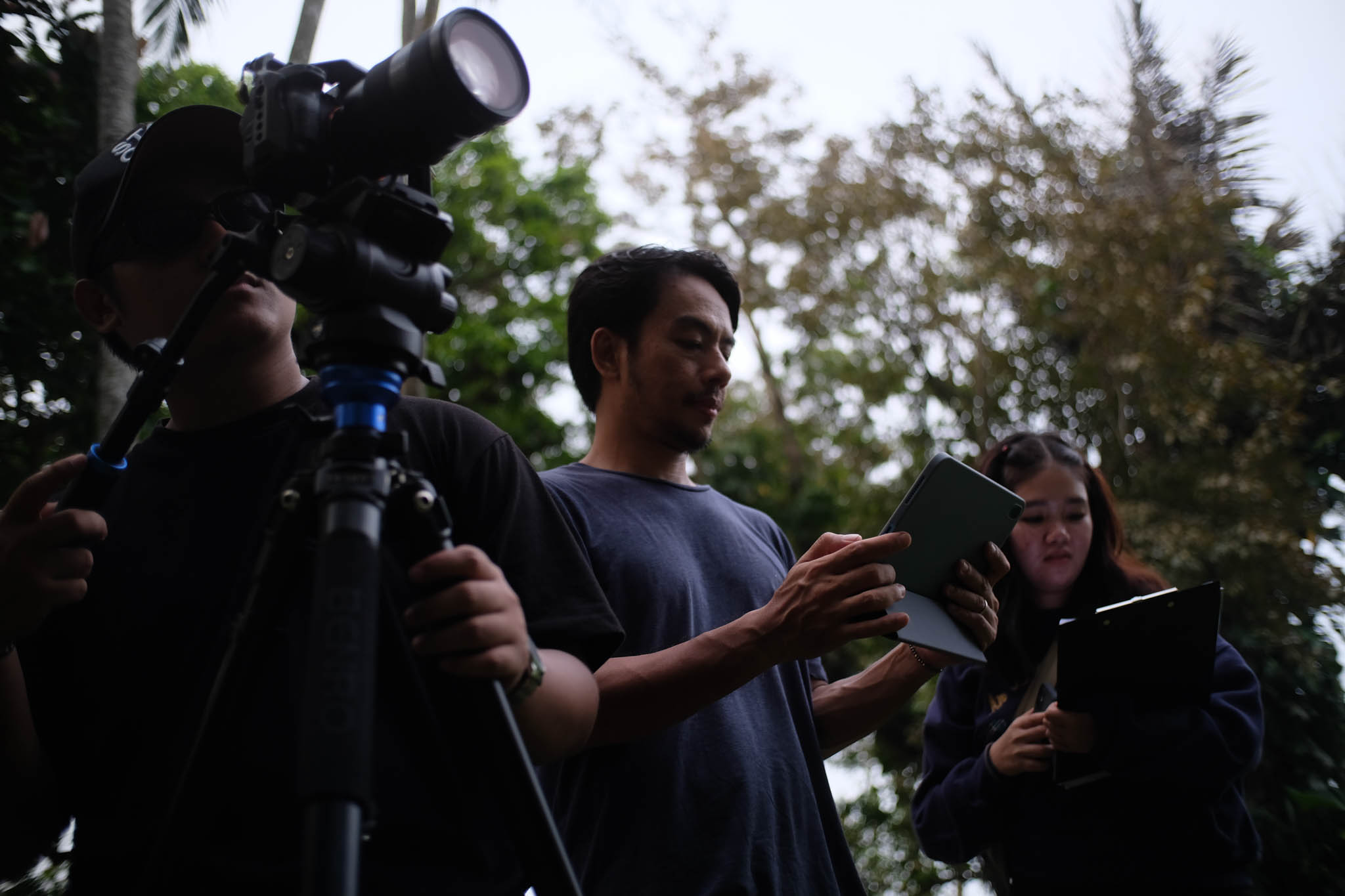
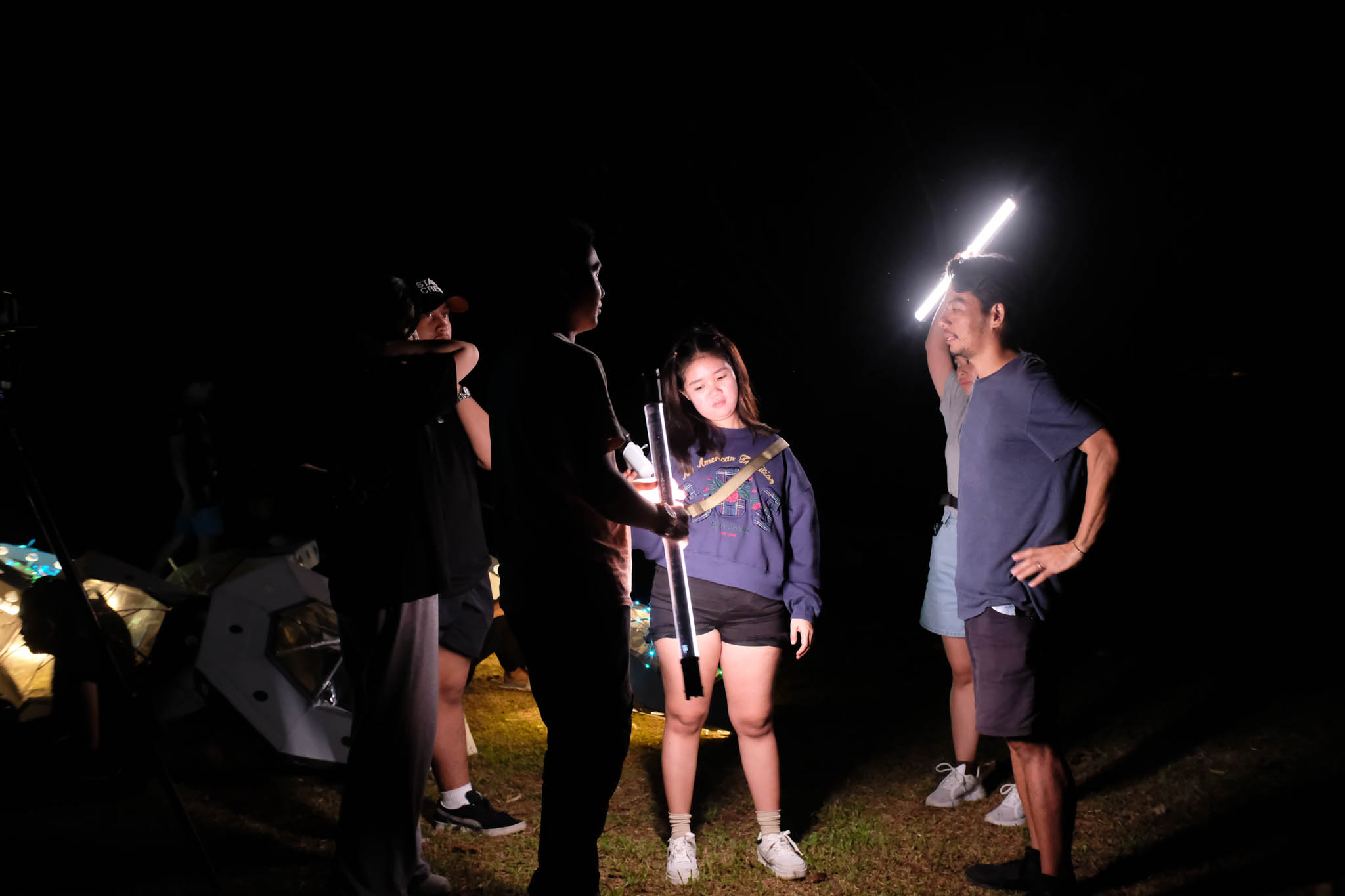
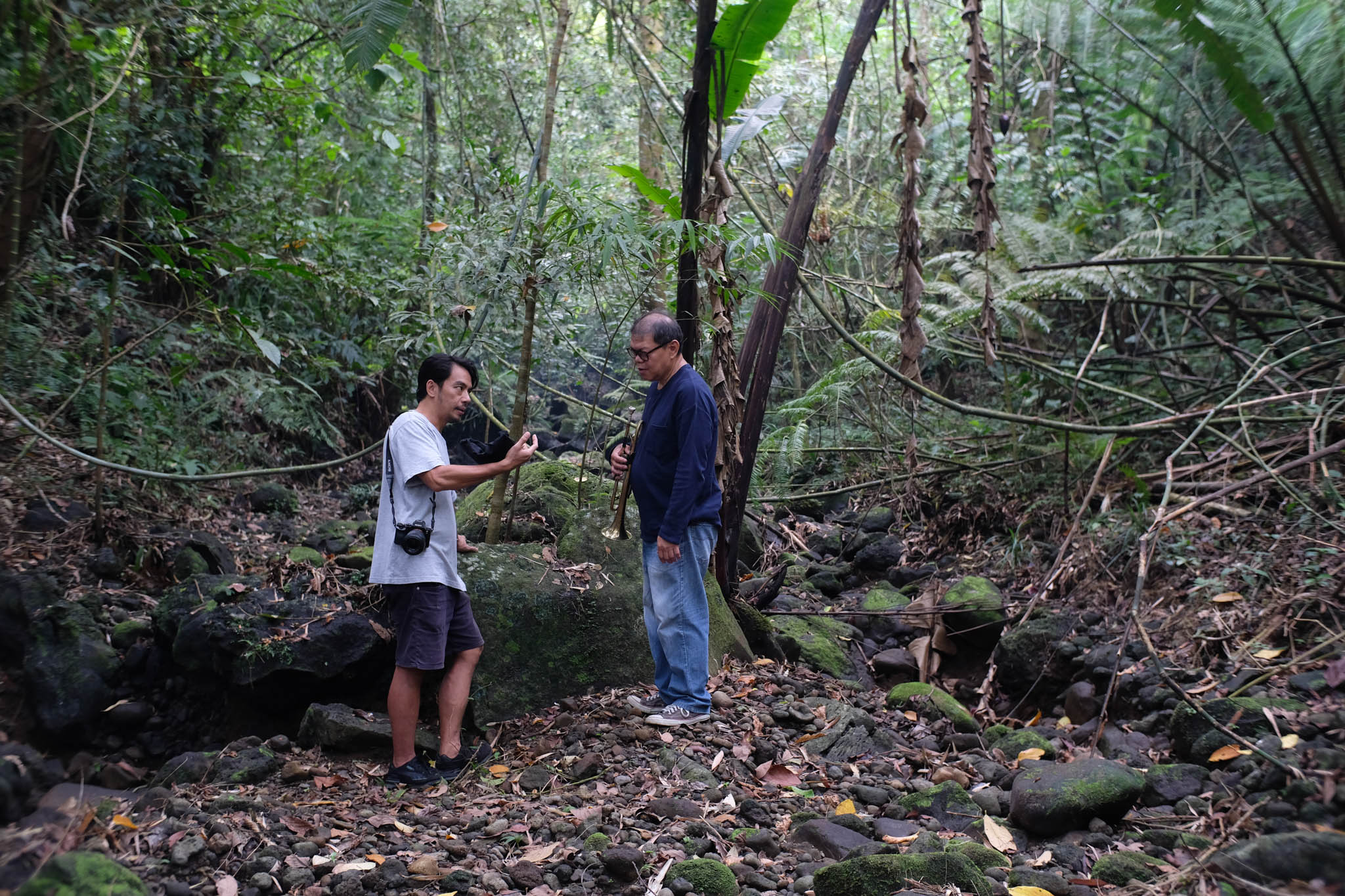
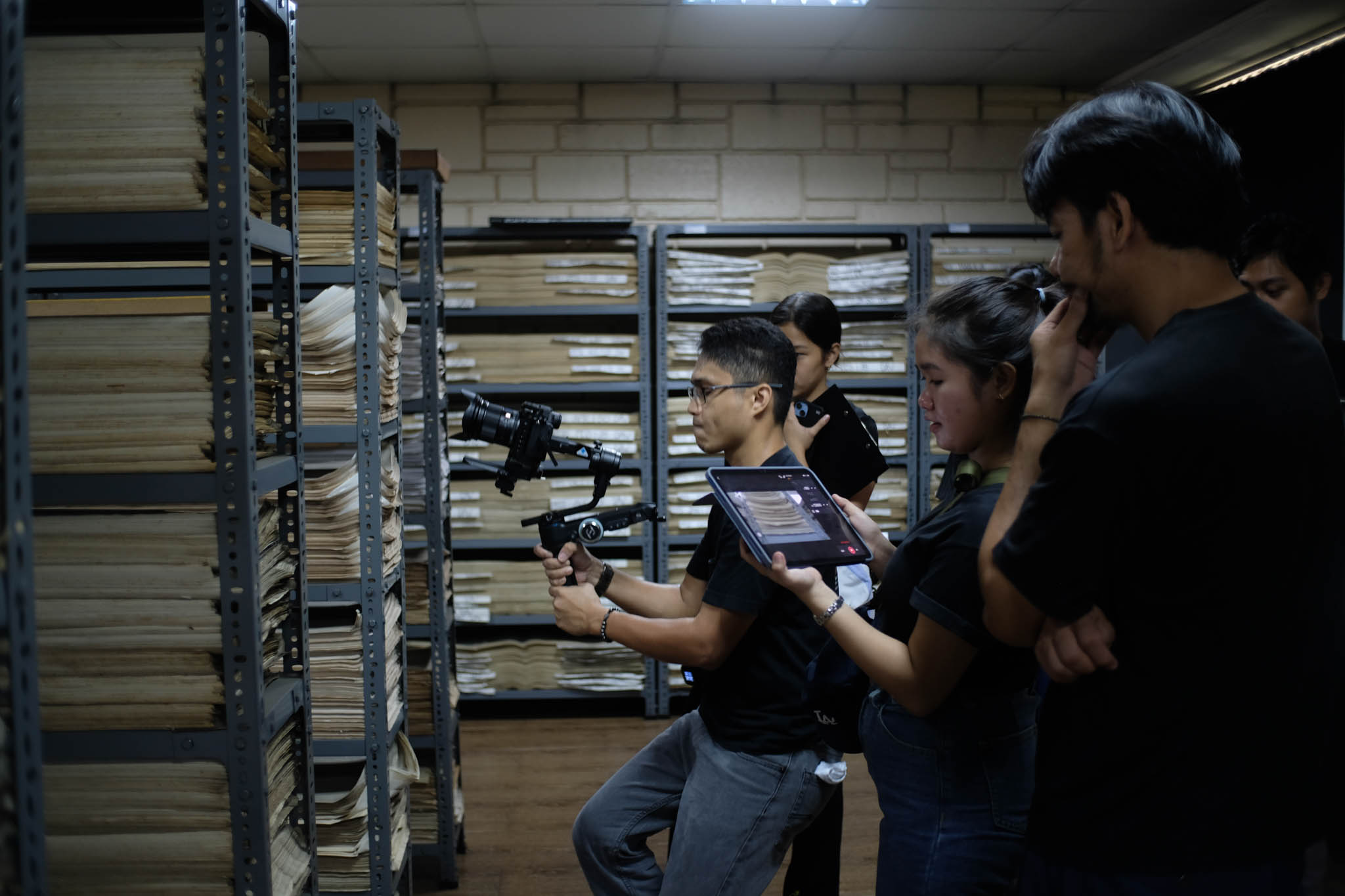
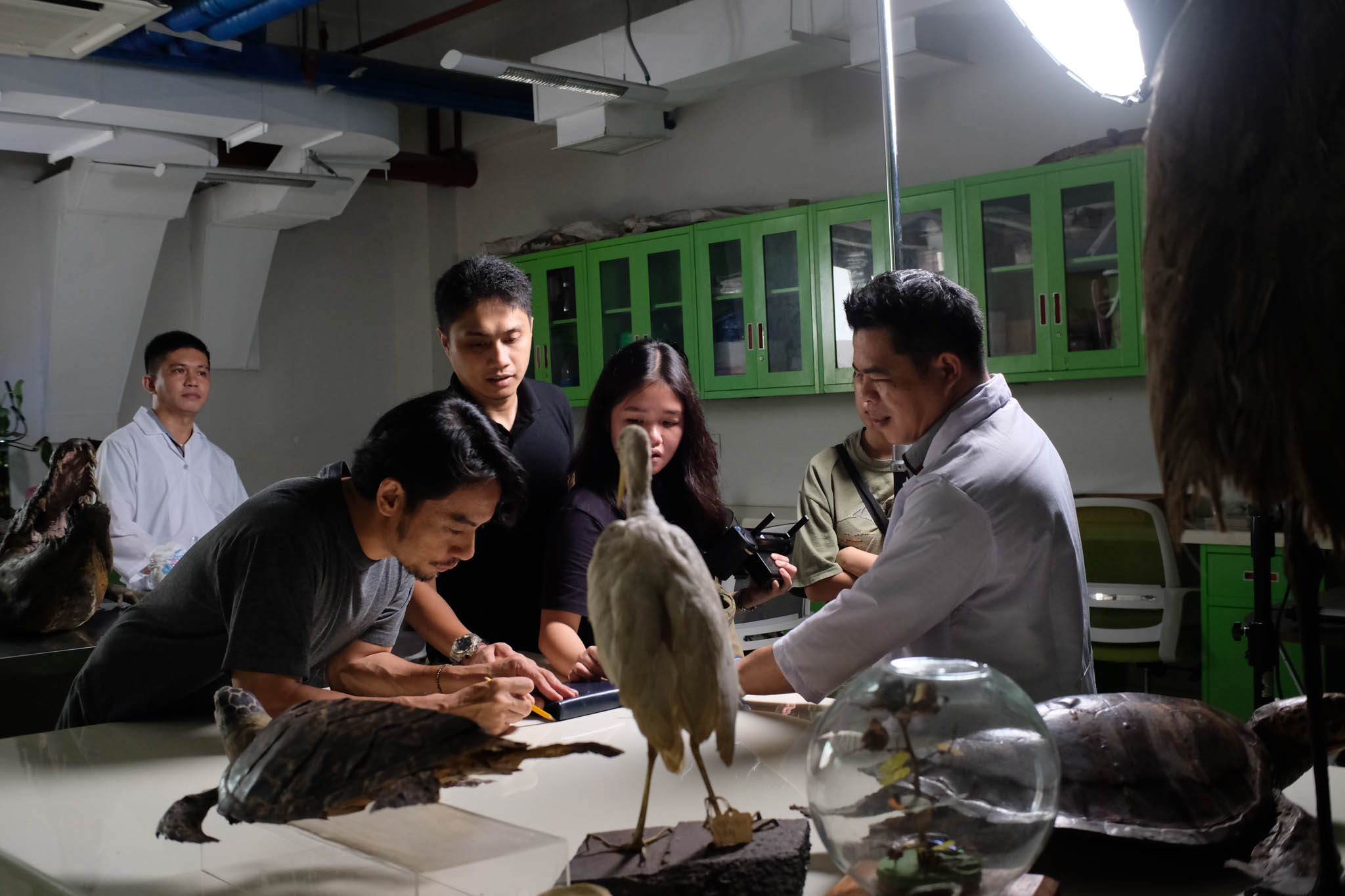
Salvatus’s exploration extends to the vibrant musical traditions of Lucban, spotlighting the Young Banahaw Orchestra and the Babat Orchestra. Through their narratives and musical legacy, the exhibition broadens the discourse on migration, identity, and the evolution of modern soundscapes in the Asia Pacific region.
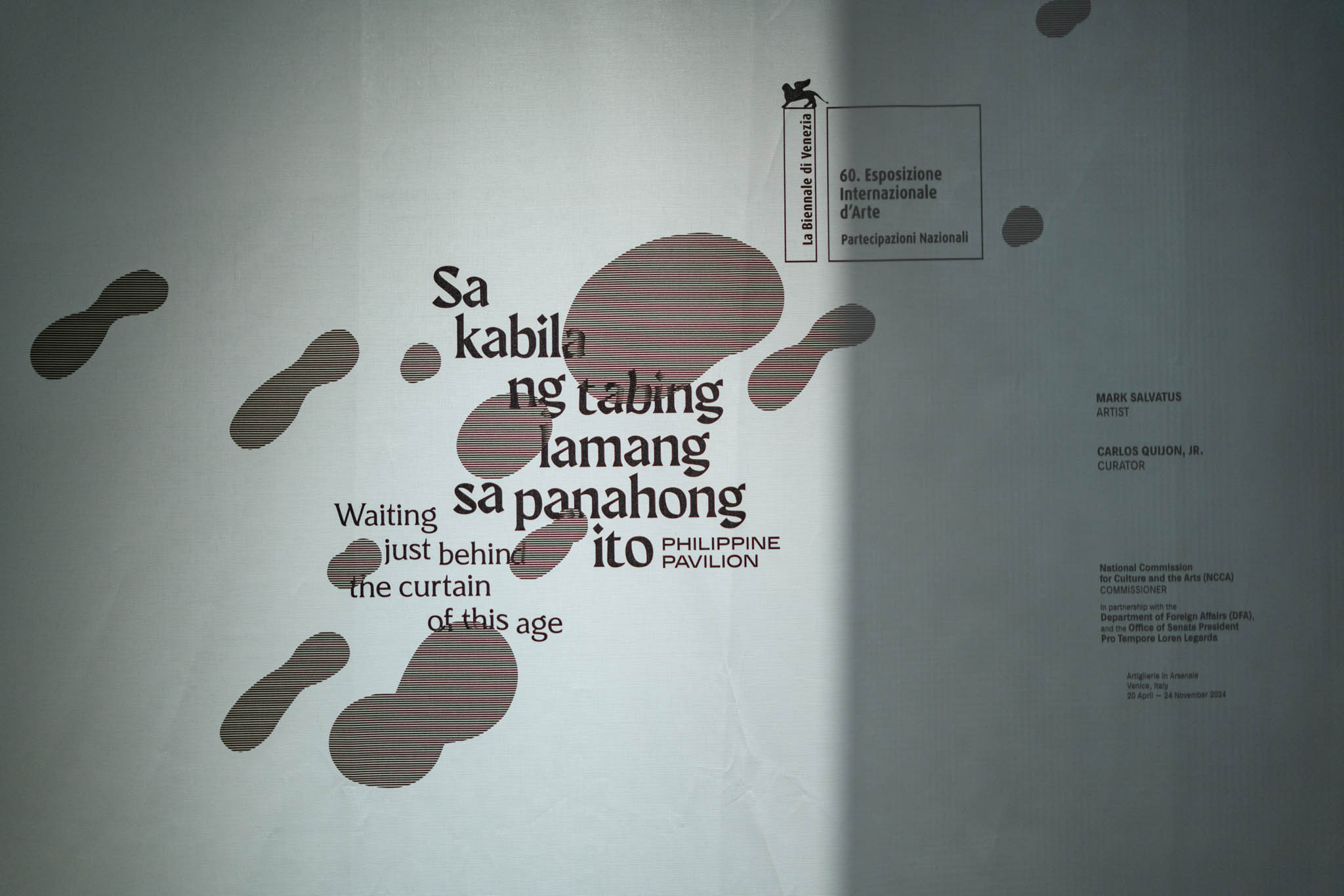
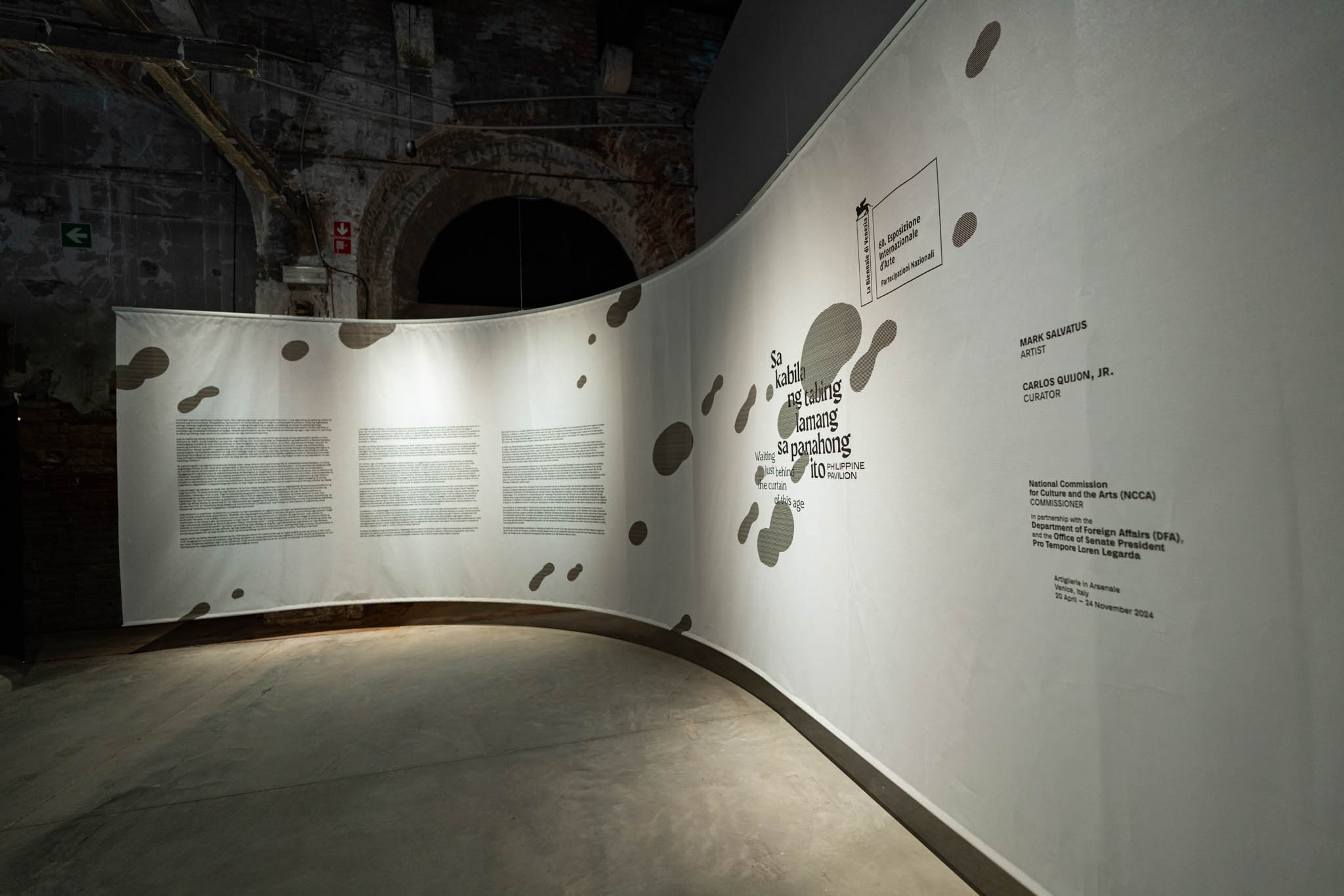
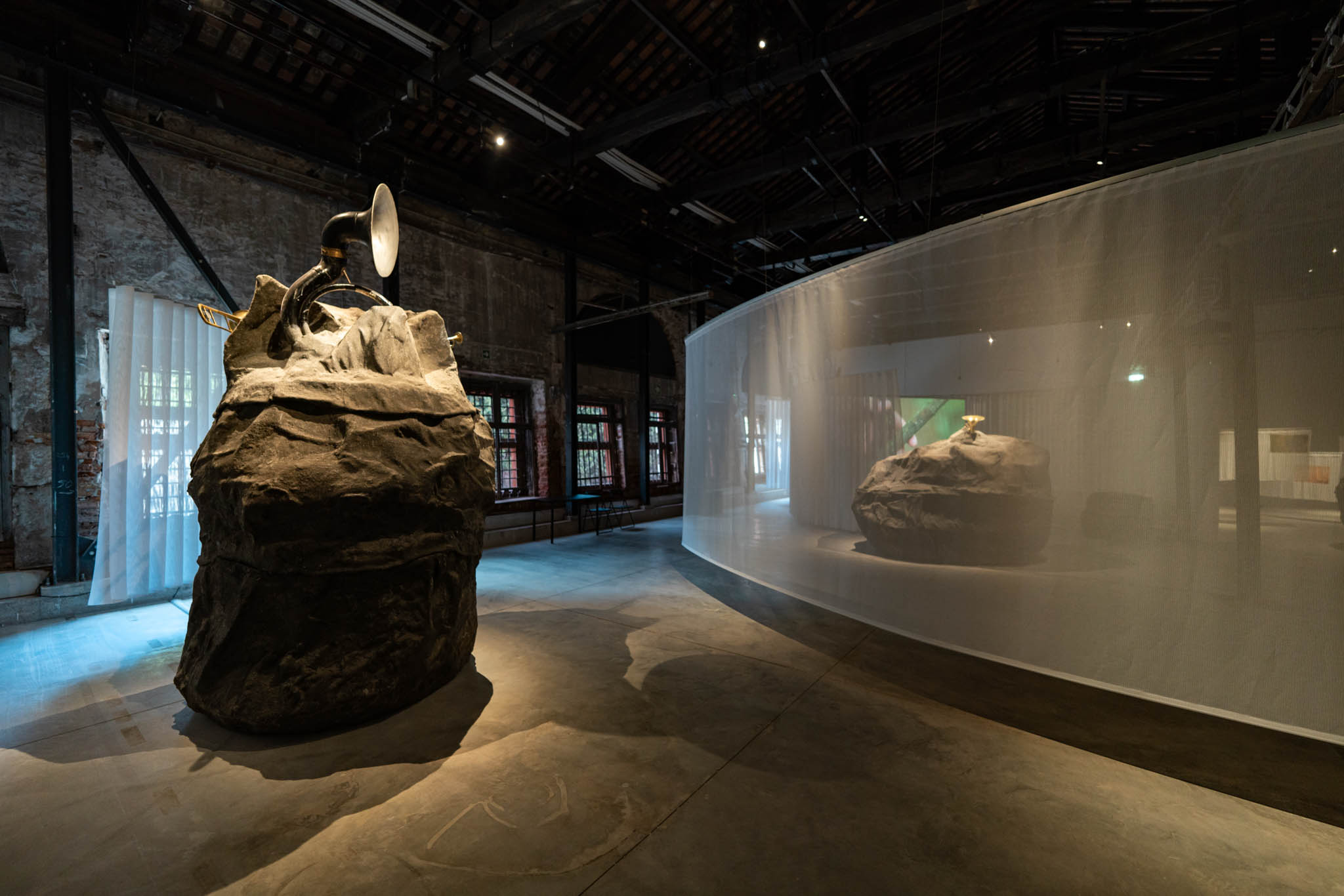
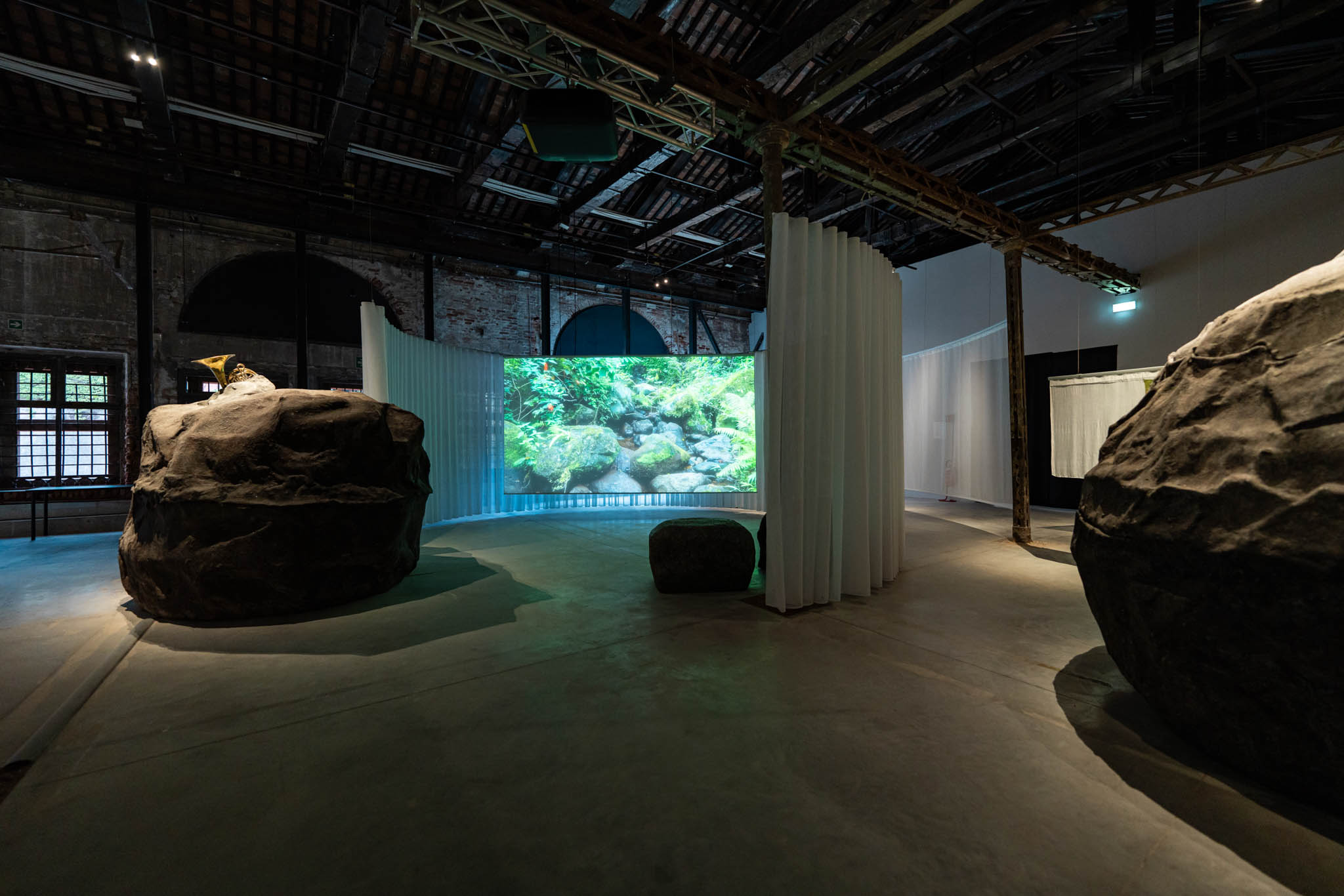
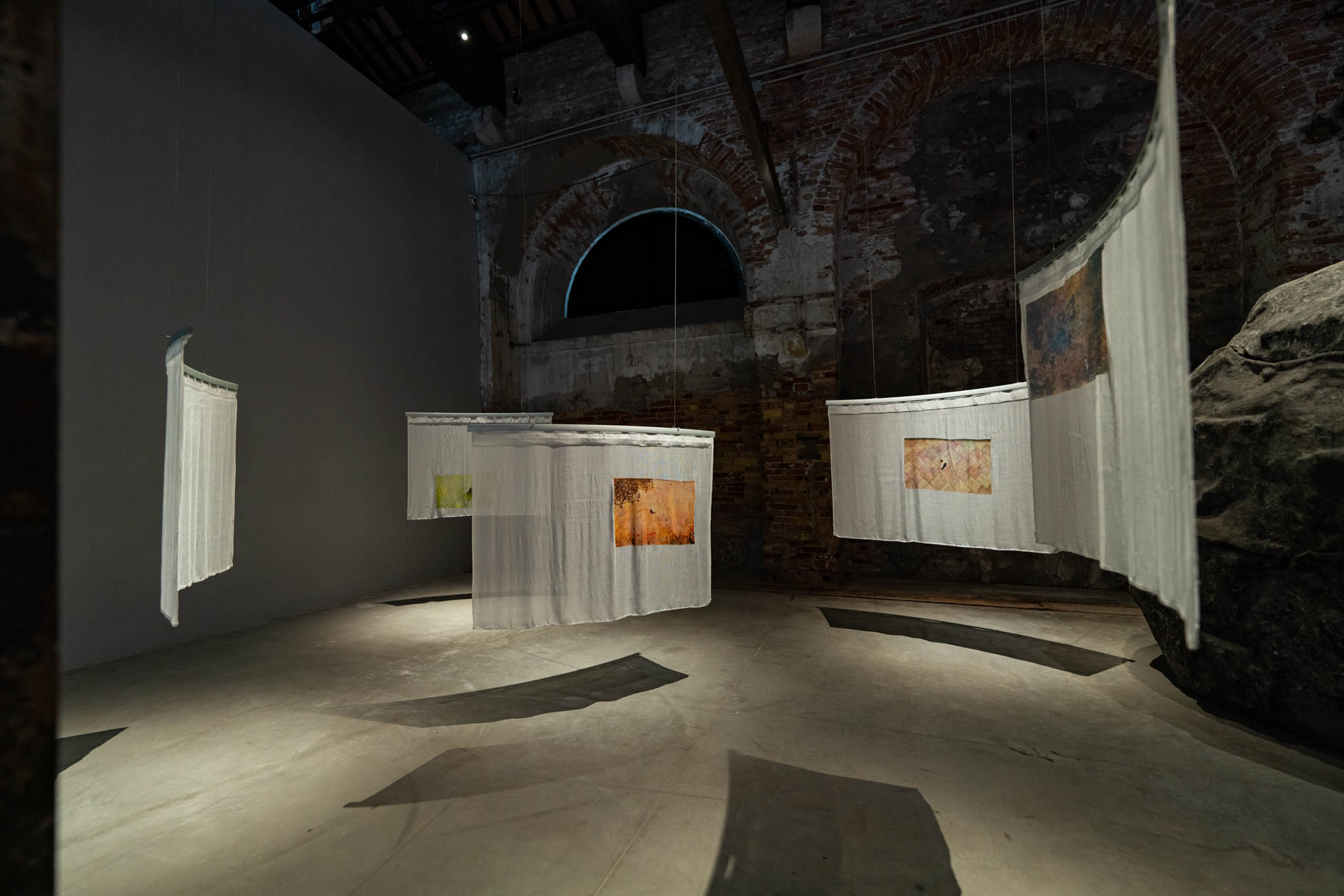
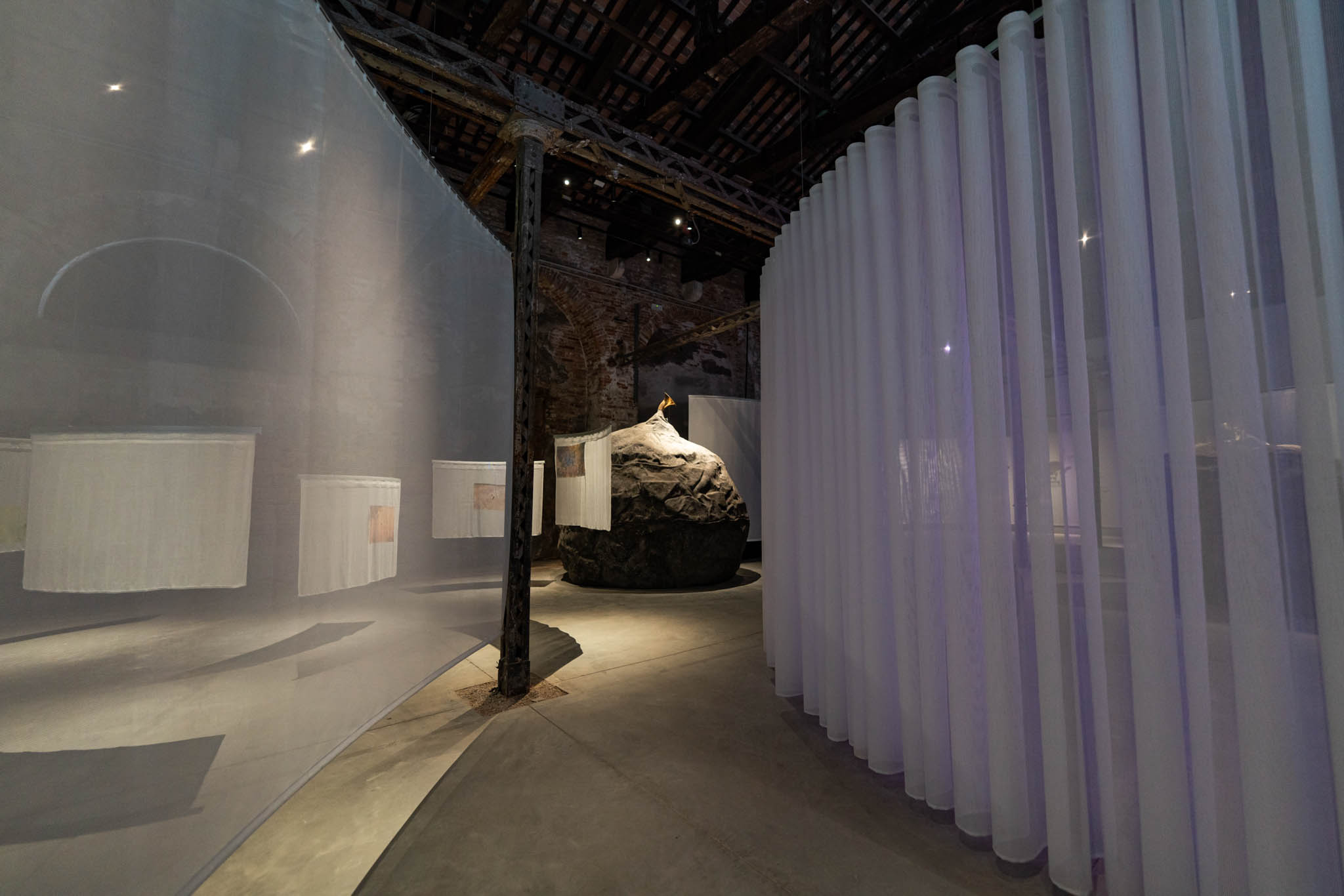
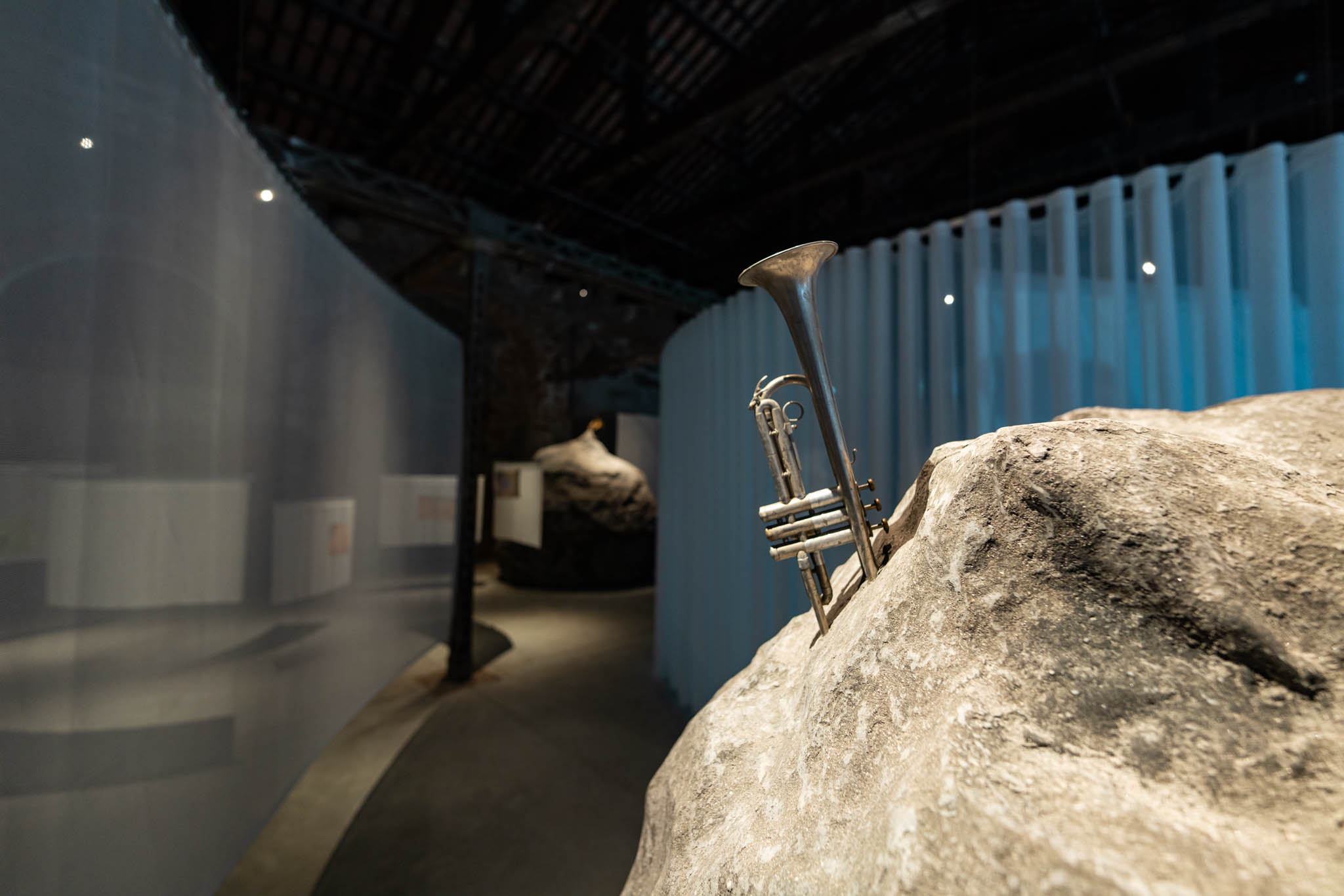
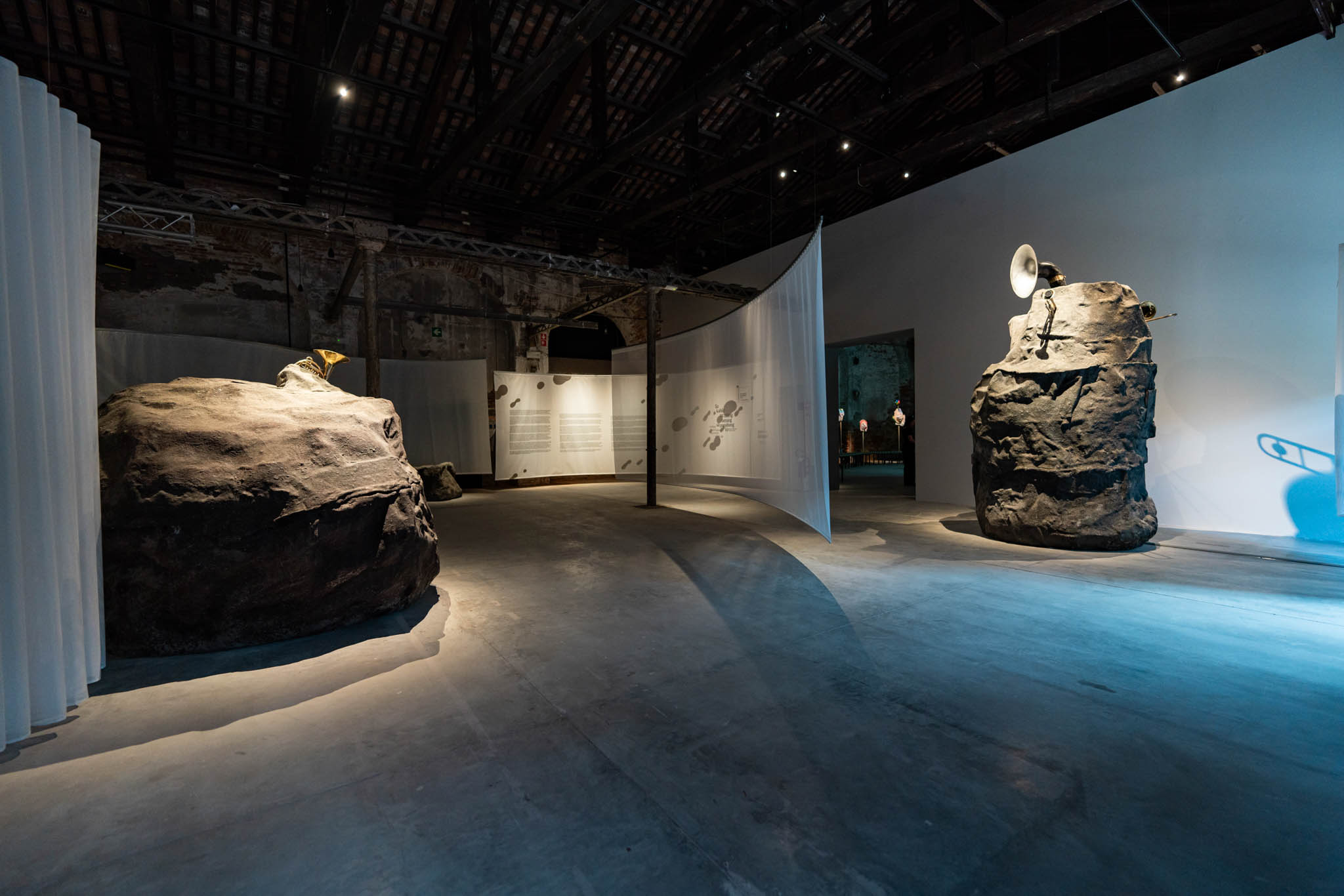
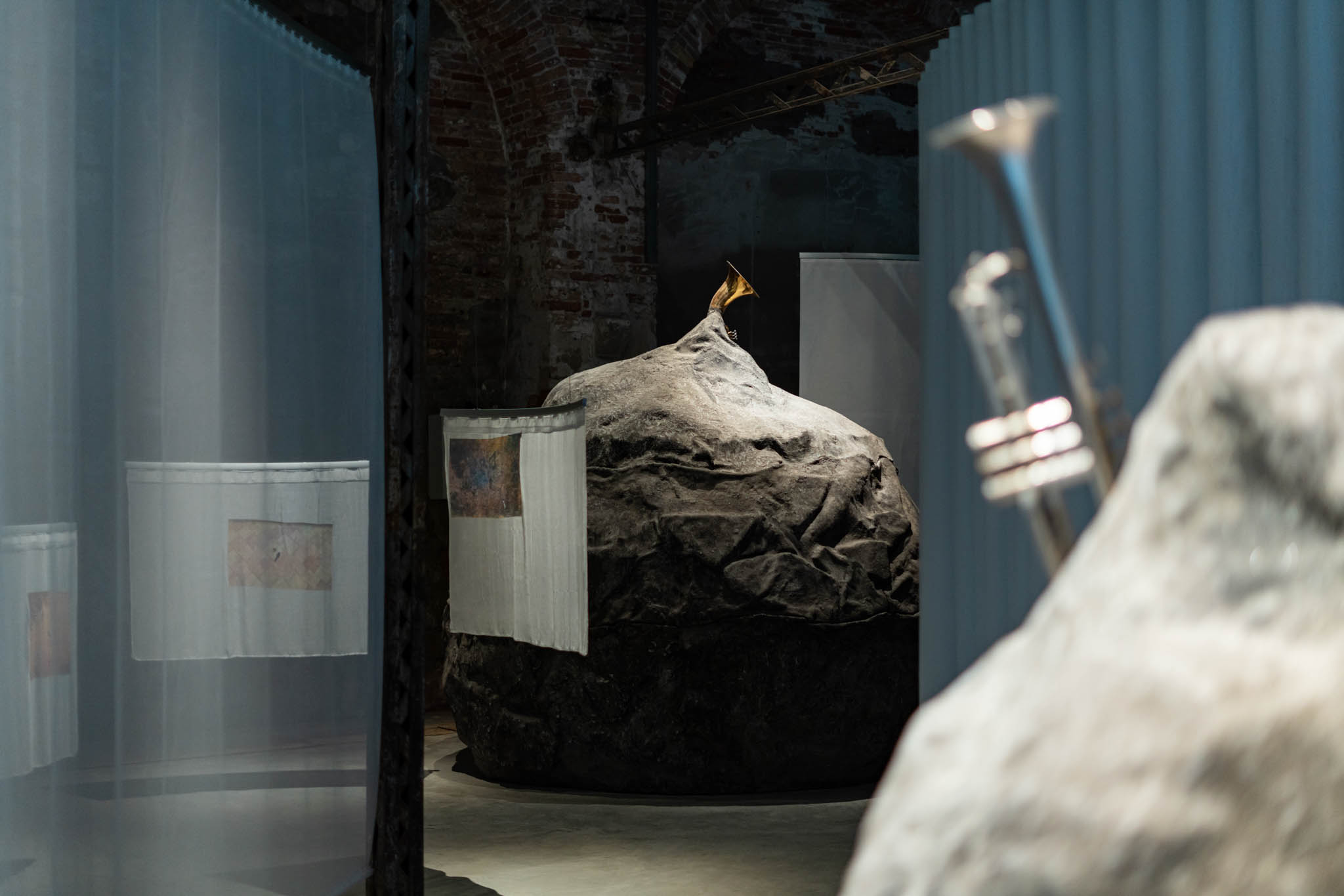
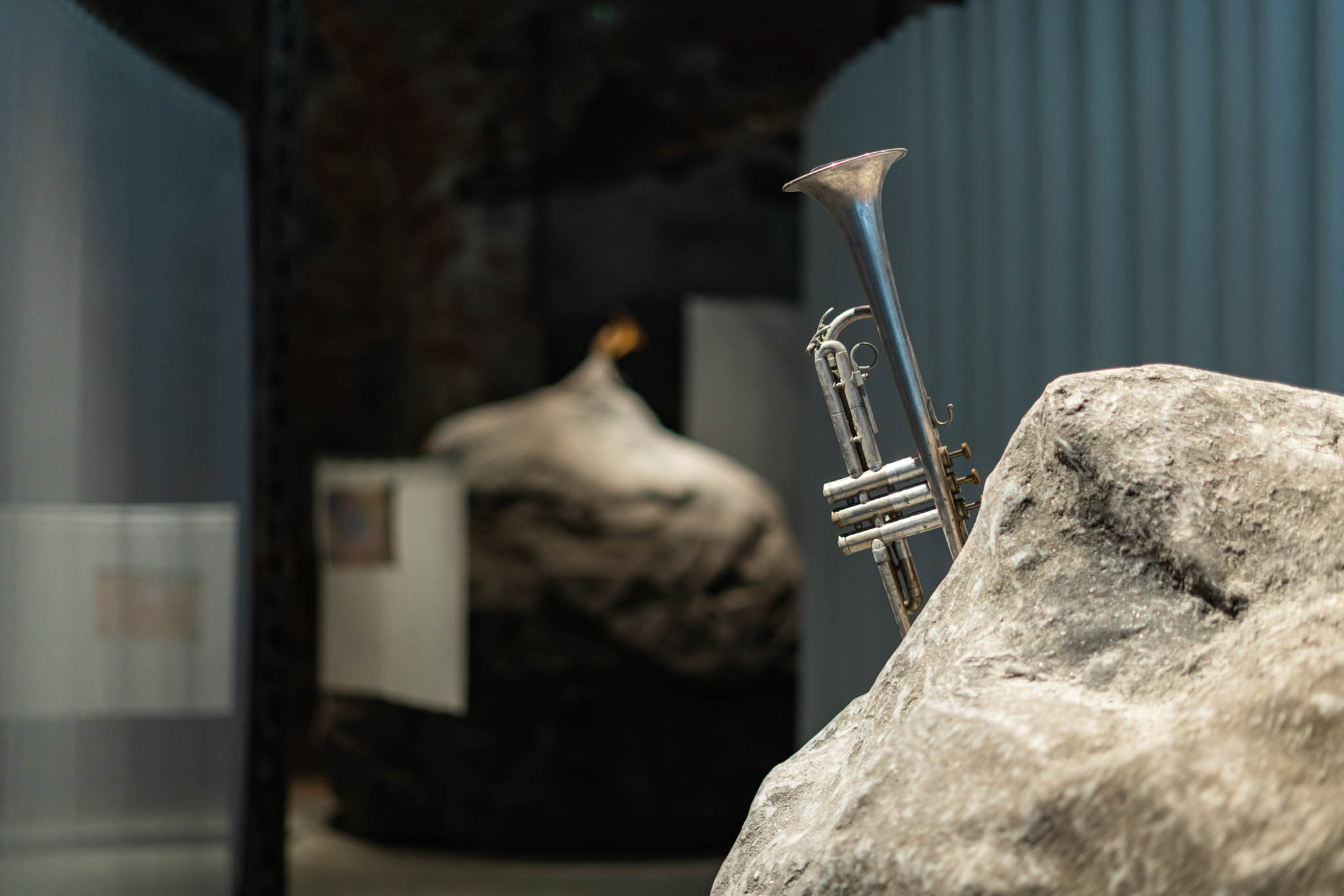
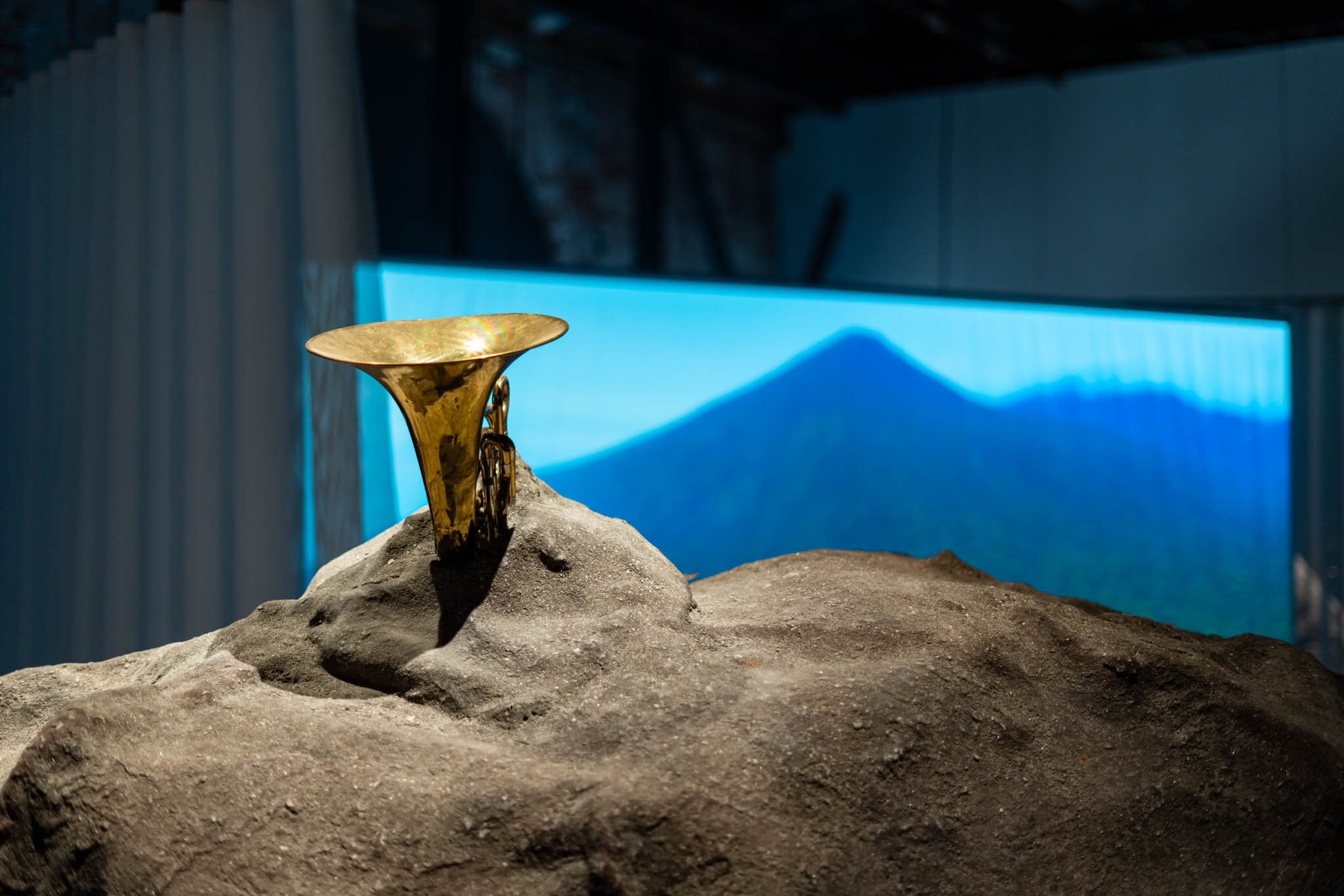
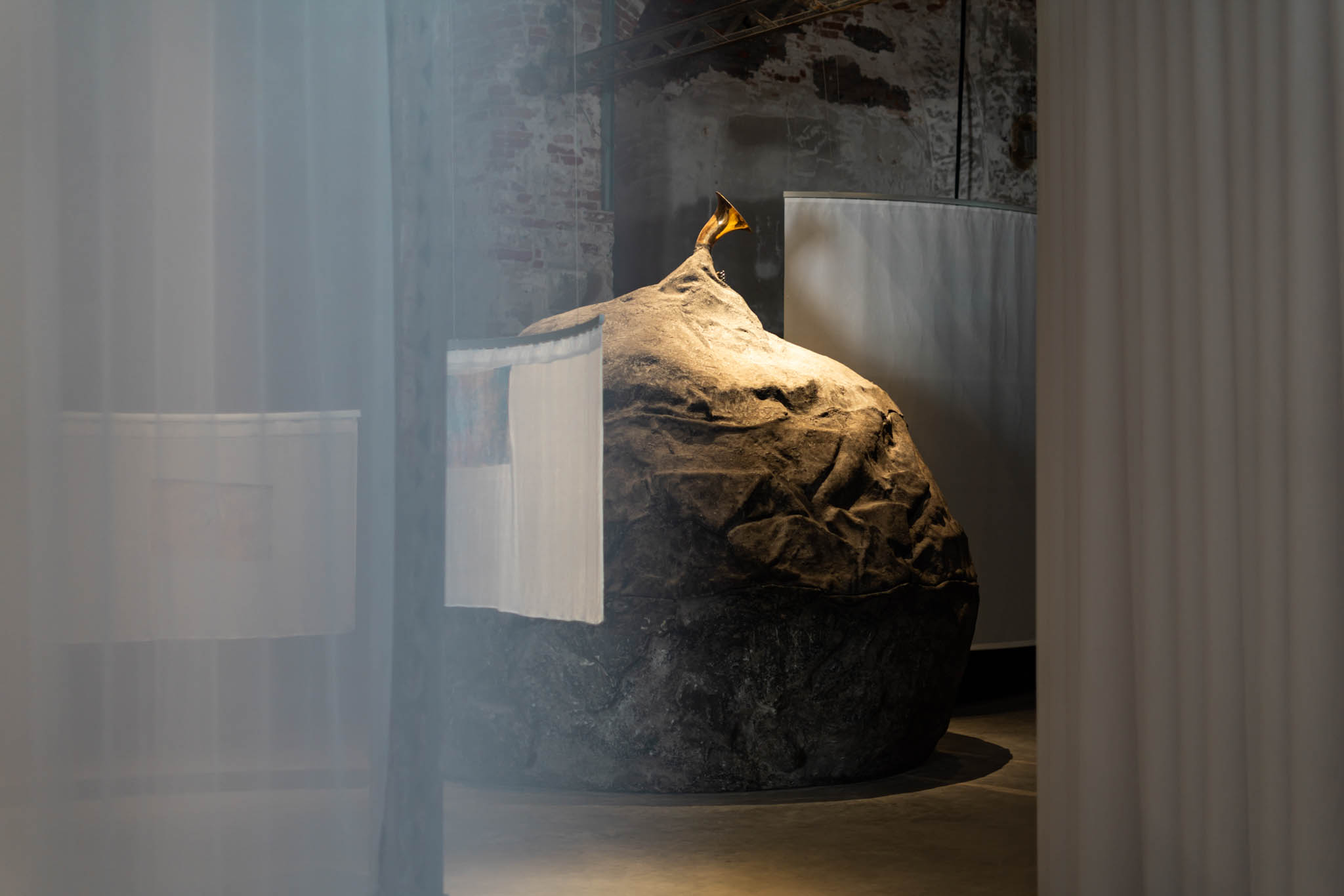
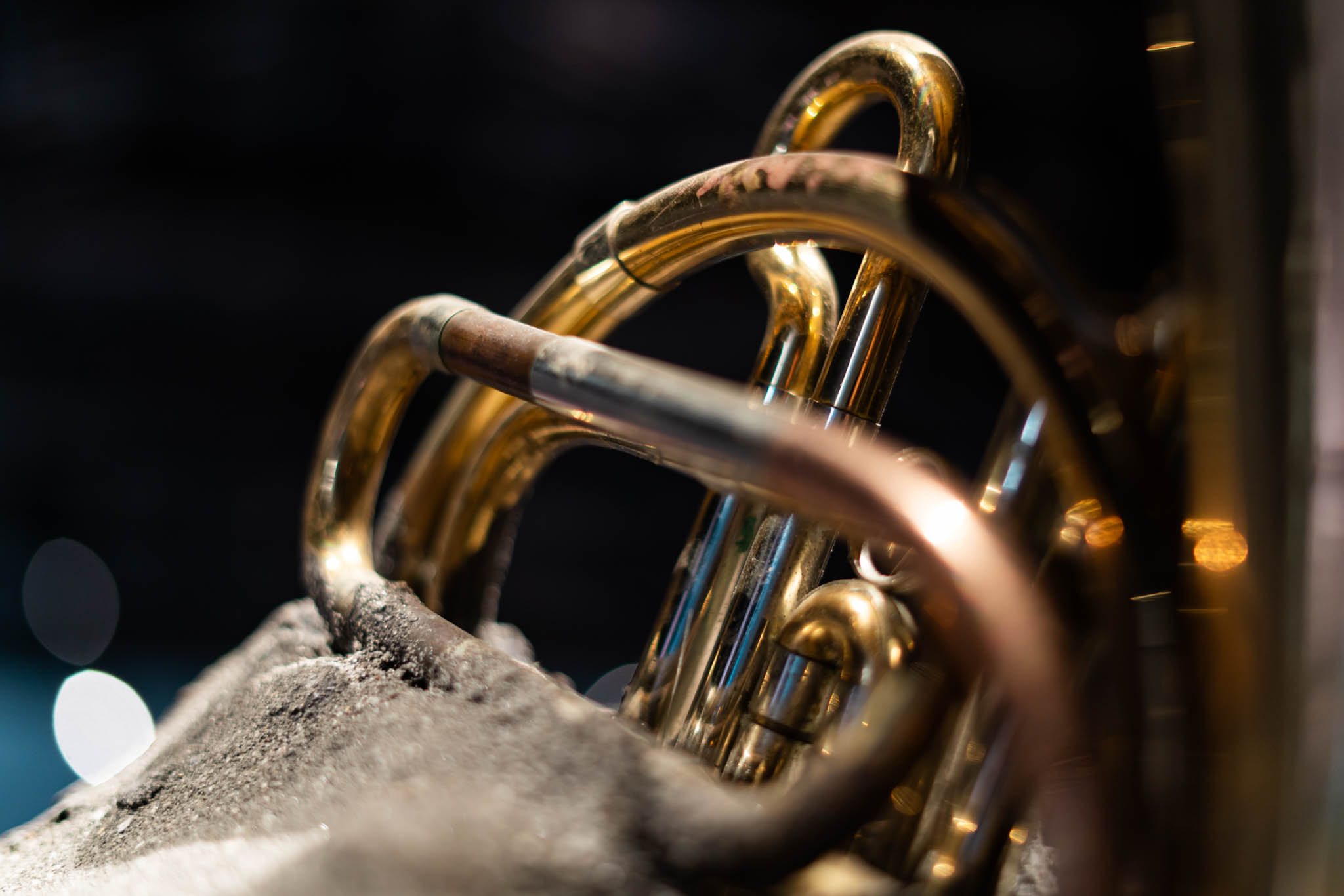
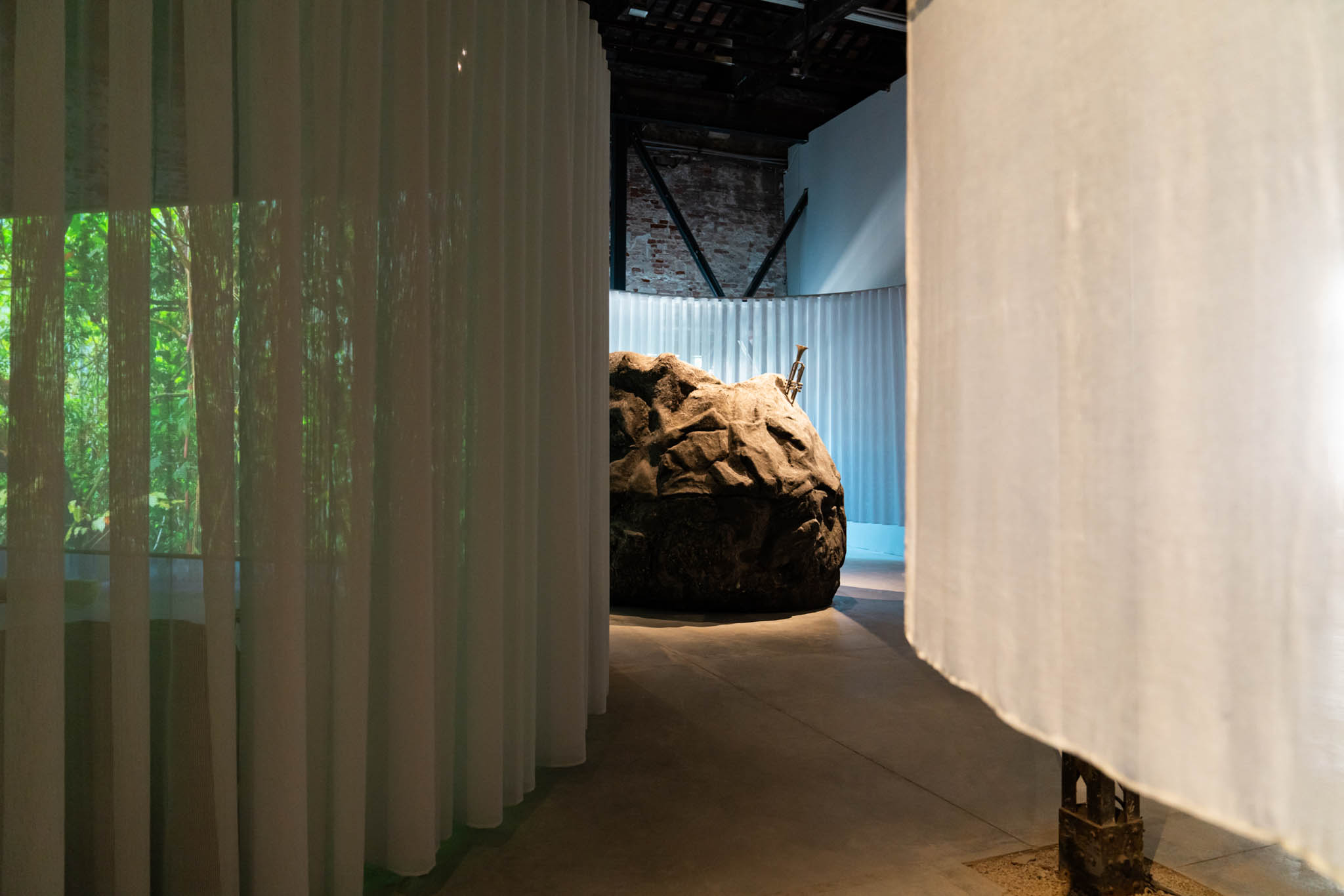
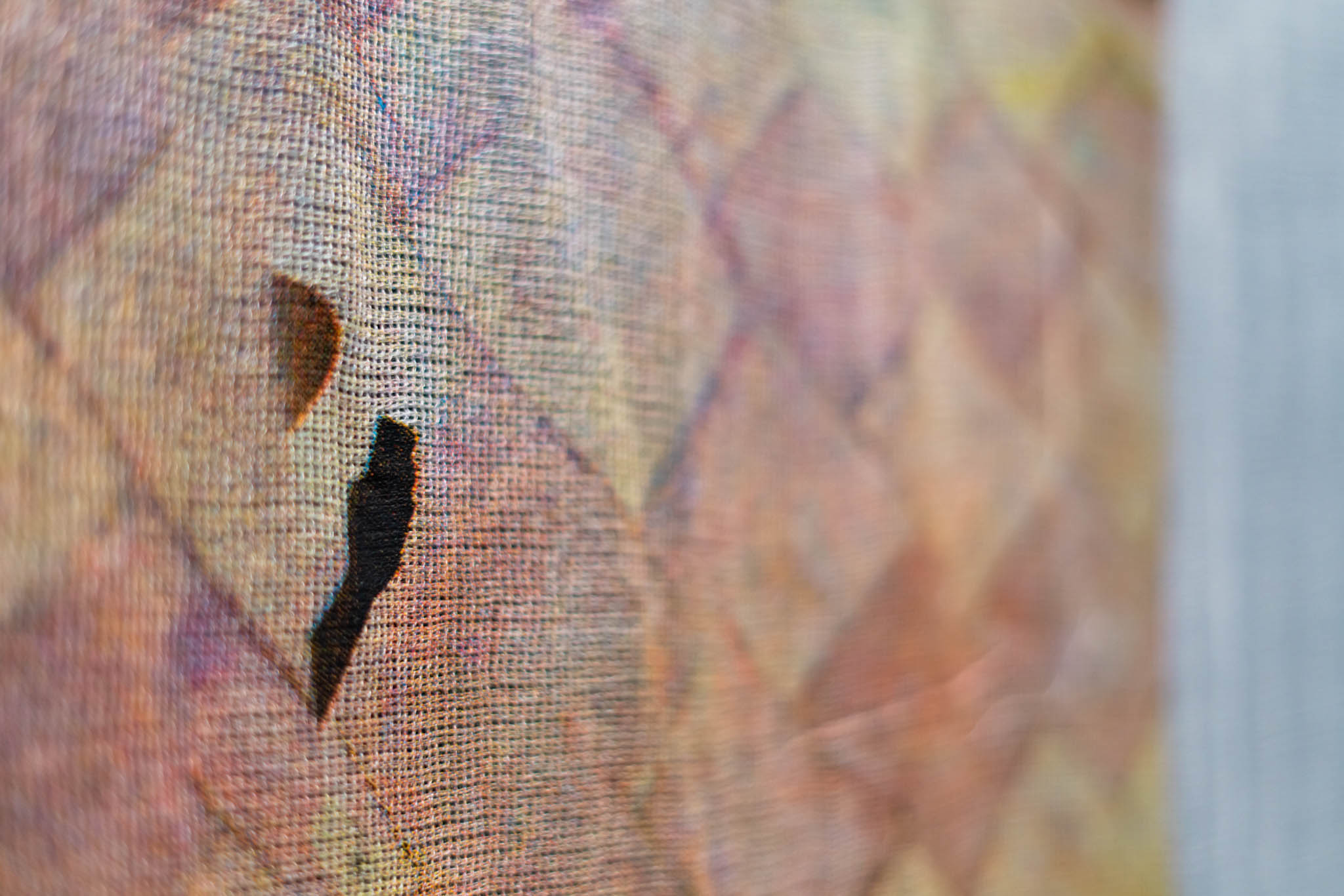
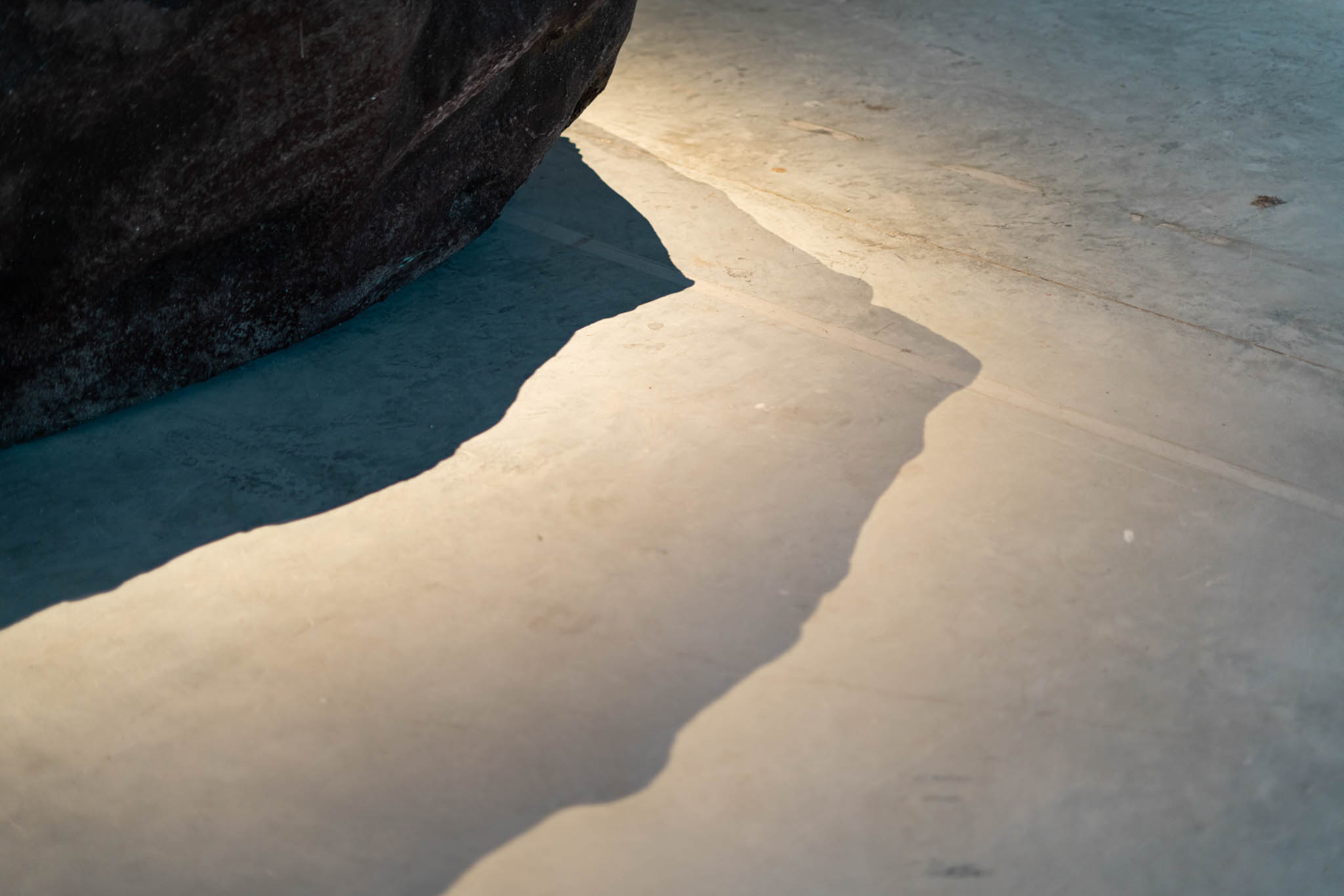
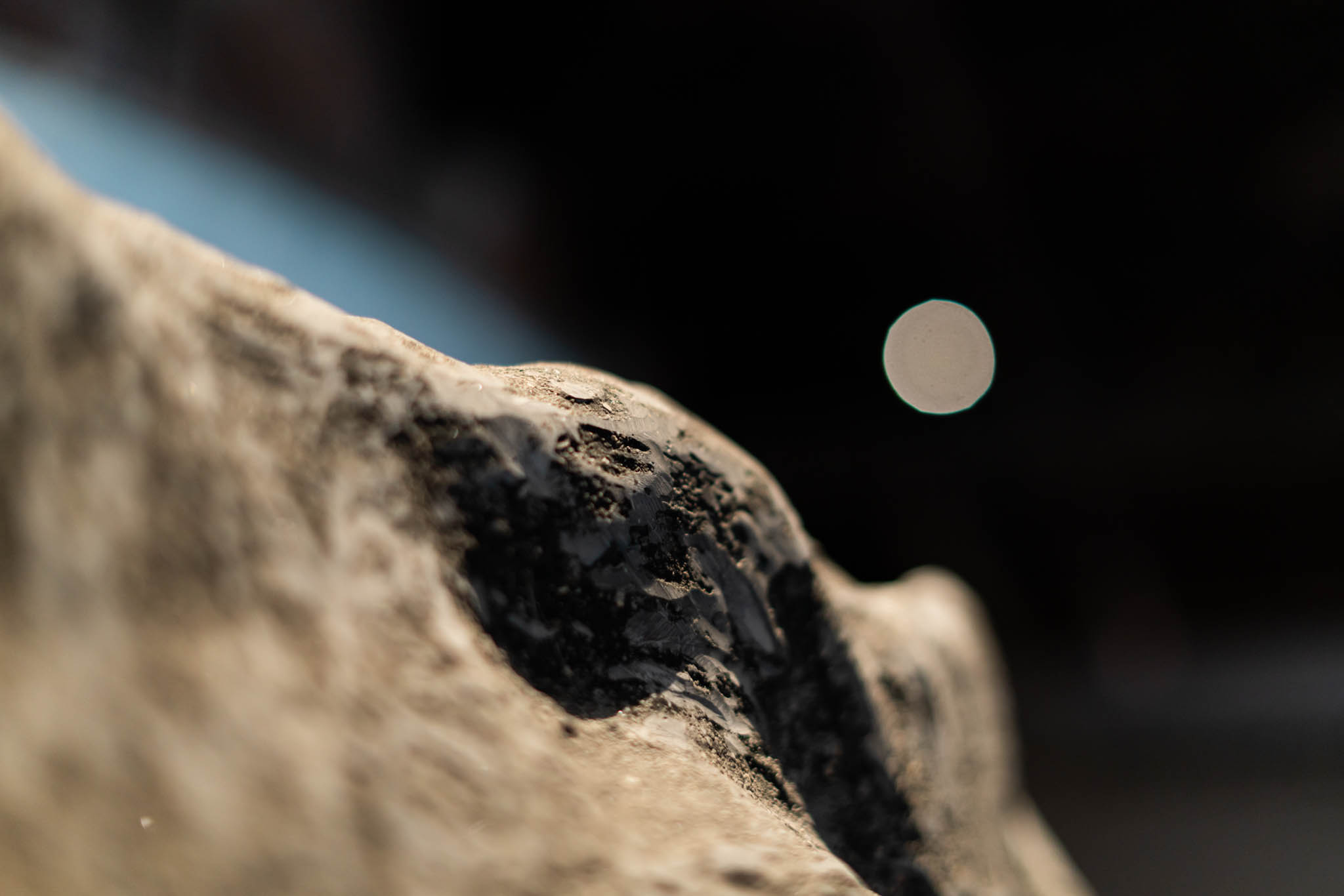
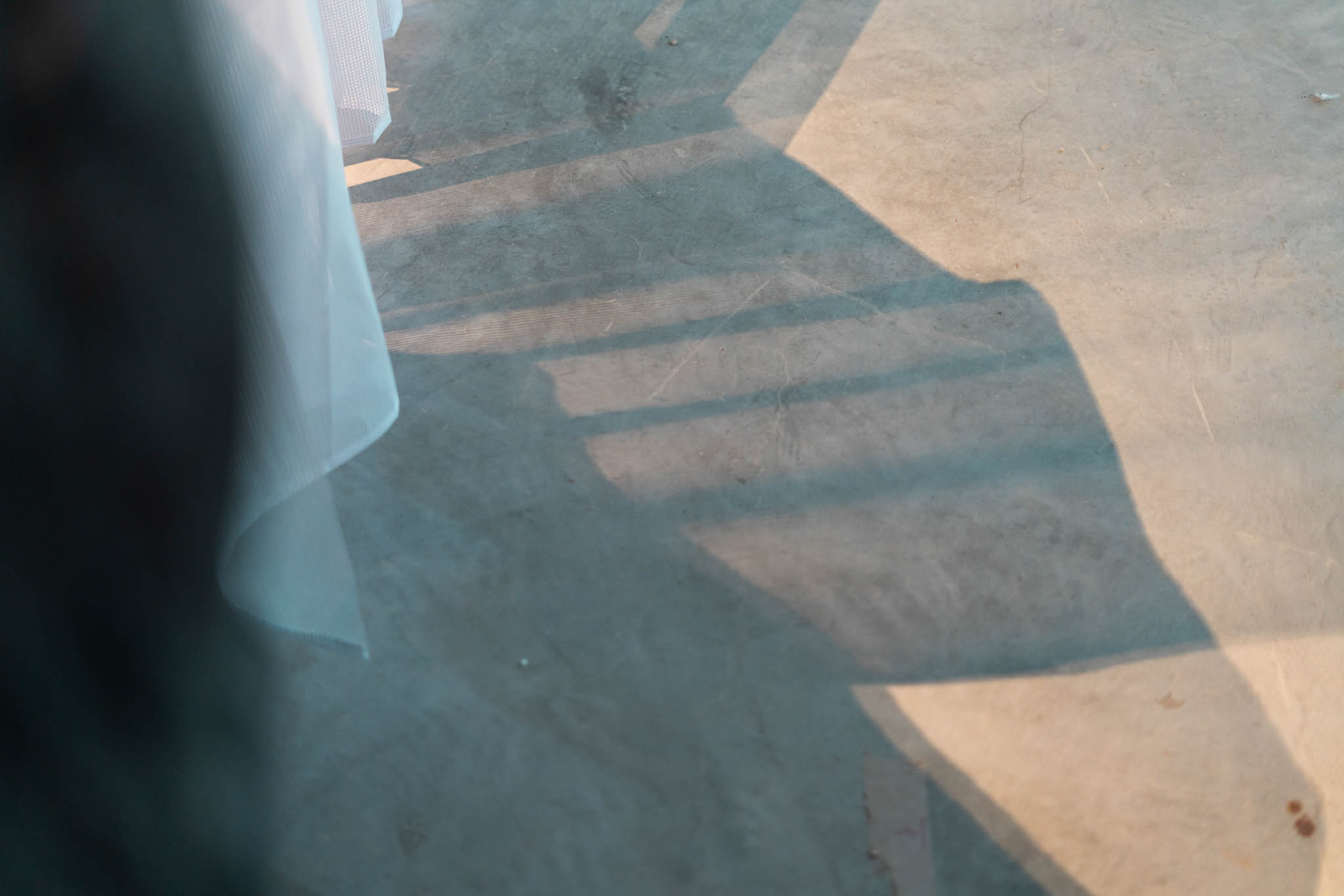
With meticulous attention to detail and a profound sense of purpose, Salvatus unveils stories of renewal, environmental stewardship, and the transformative power of local imagination.
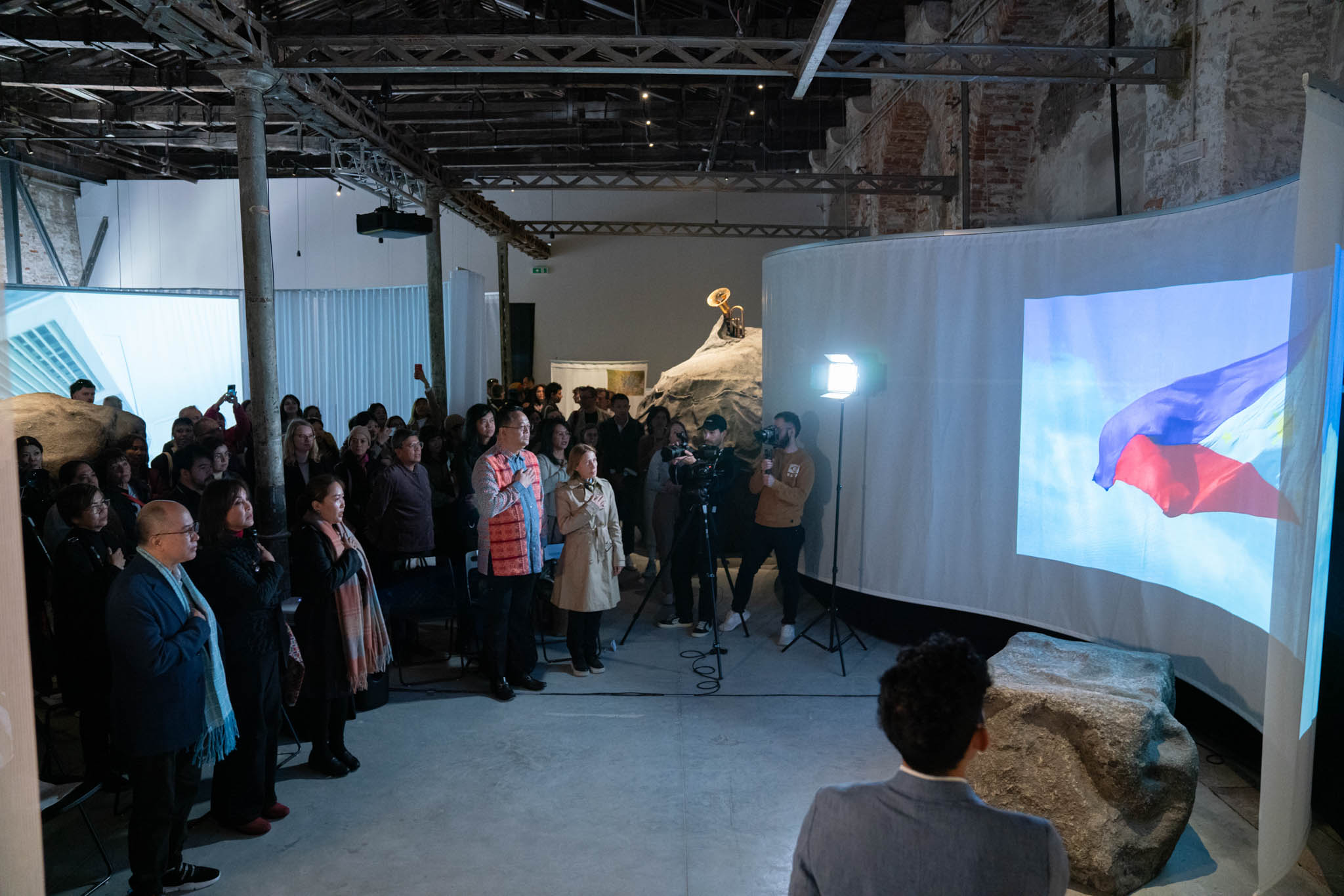
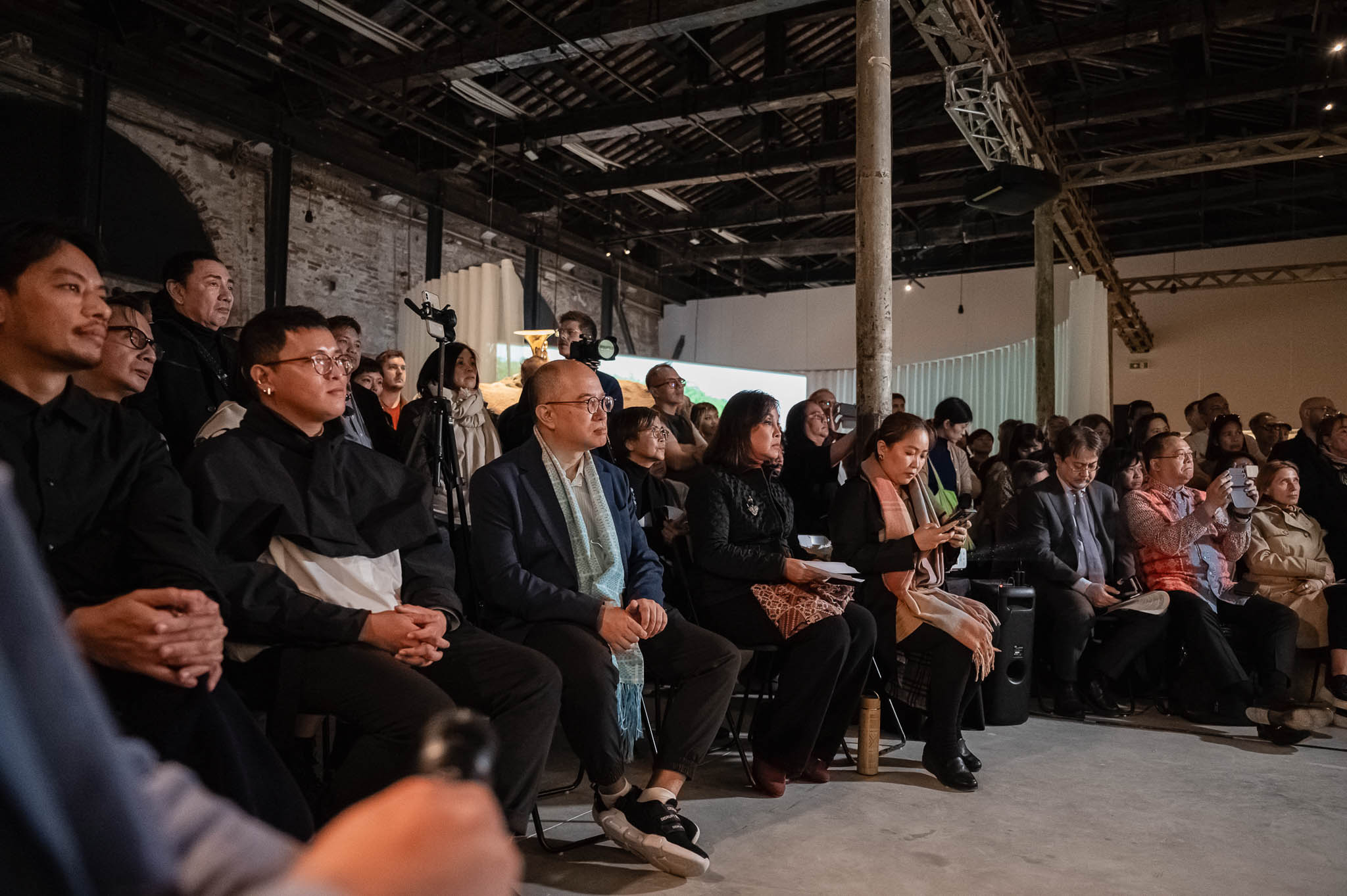
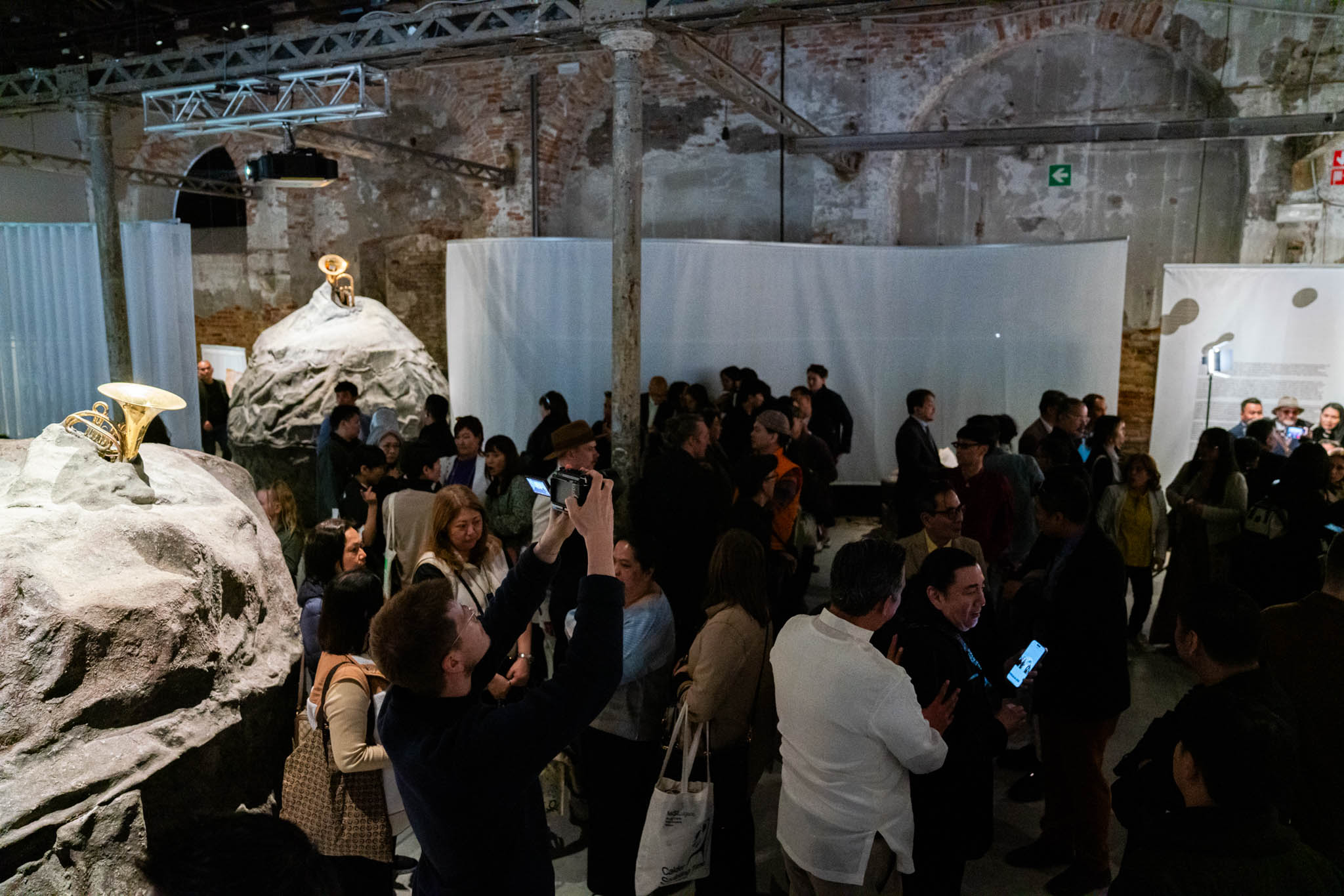
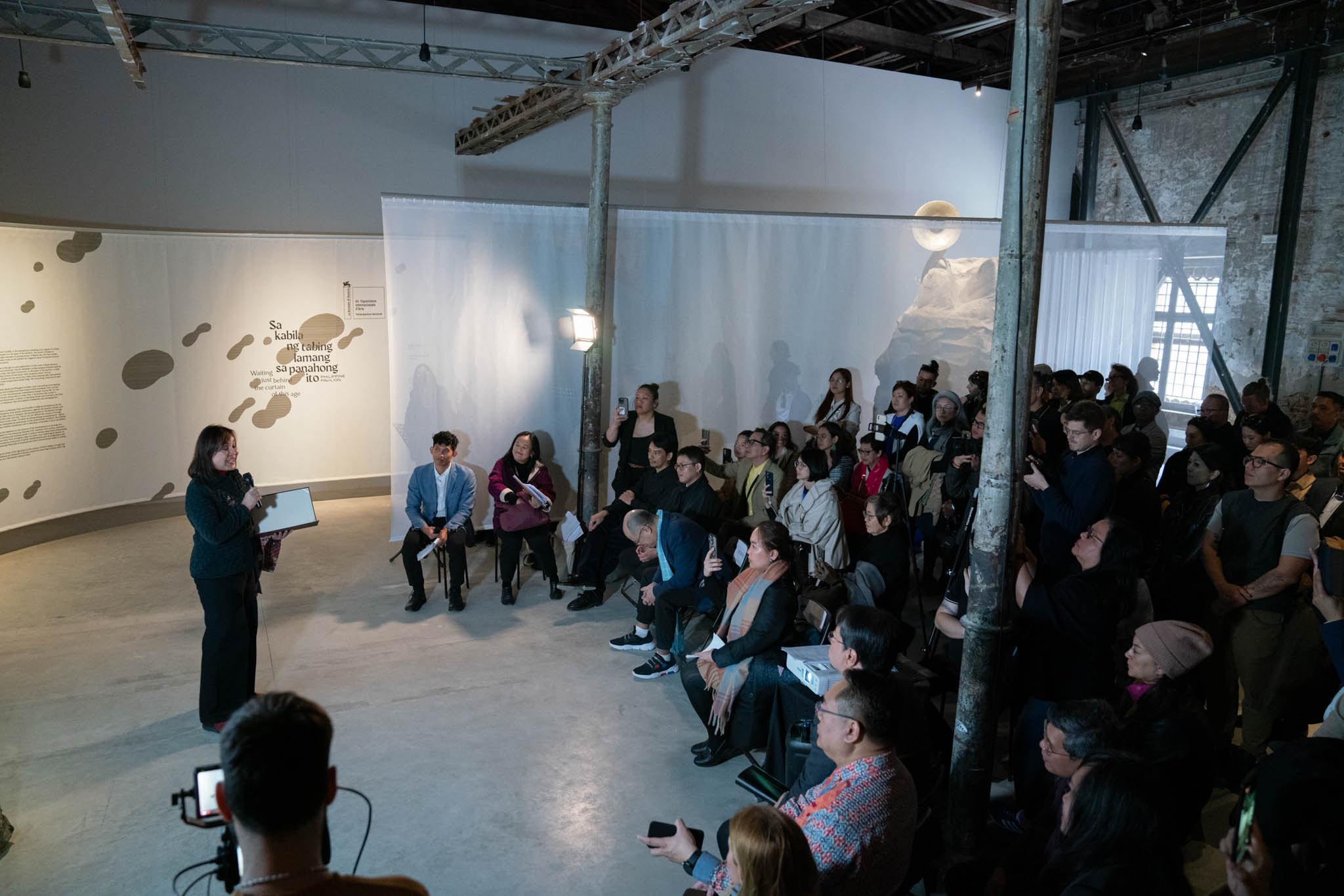
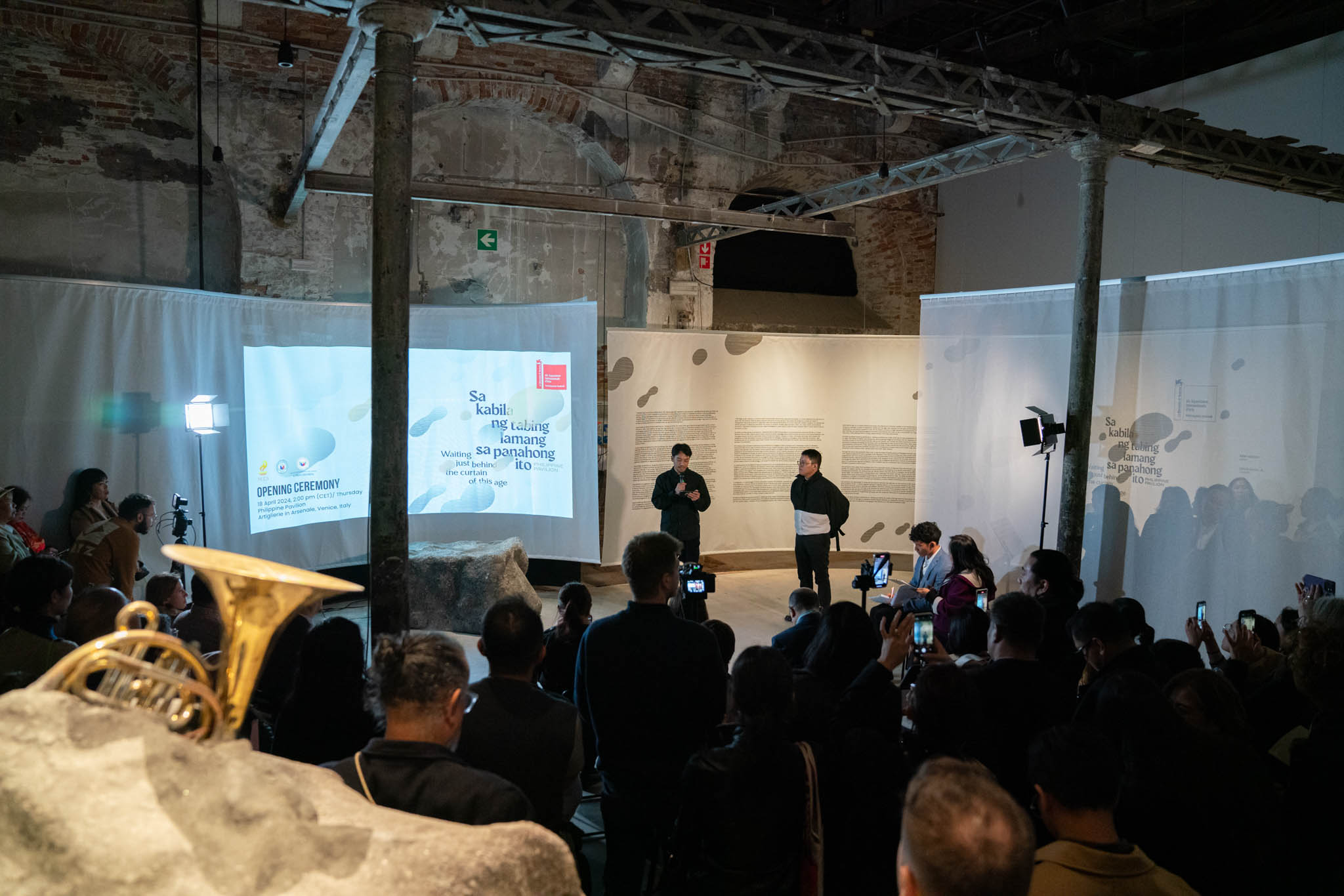
The inauguration of the Philippine Pavilion drew art enthusiasts, dignitaries from around the globe, and members of the Filipino community in Italy to the Artiglierie of the Arsenale in Venice, one of the main exhibition spaces of the Venice Biennale.
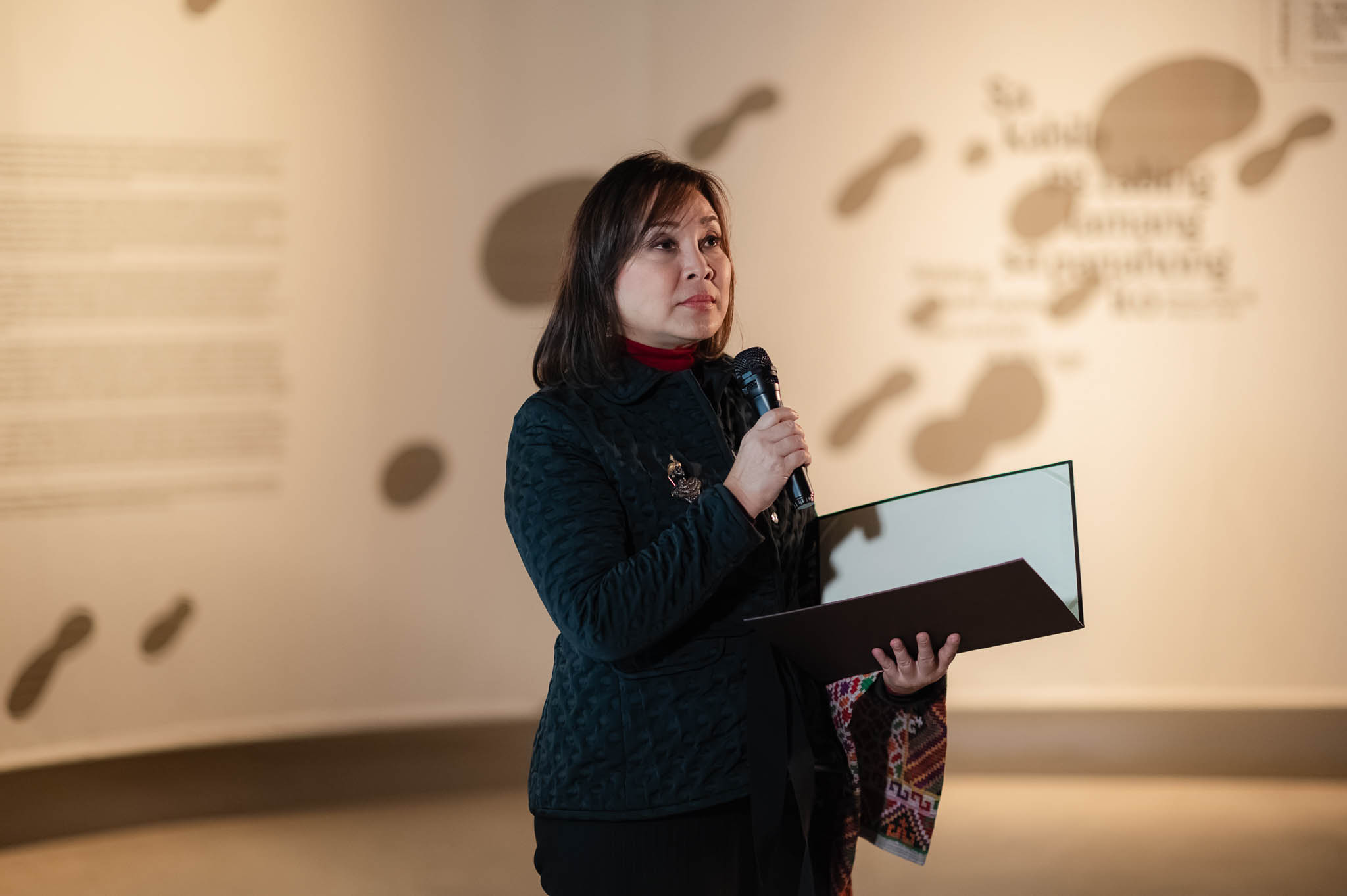
Senate Pro Tempore Loren Legarda, a visionary and key figure behind the Philippine participation at the Venice Biennale, graced the opening ceremony, expressing her hopes that the exhibition would spark dialogue and inspiration, fostering a renewed appreciation for the profound connection between humanity and the environment.
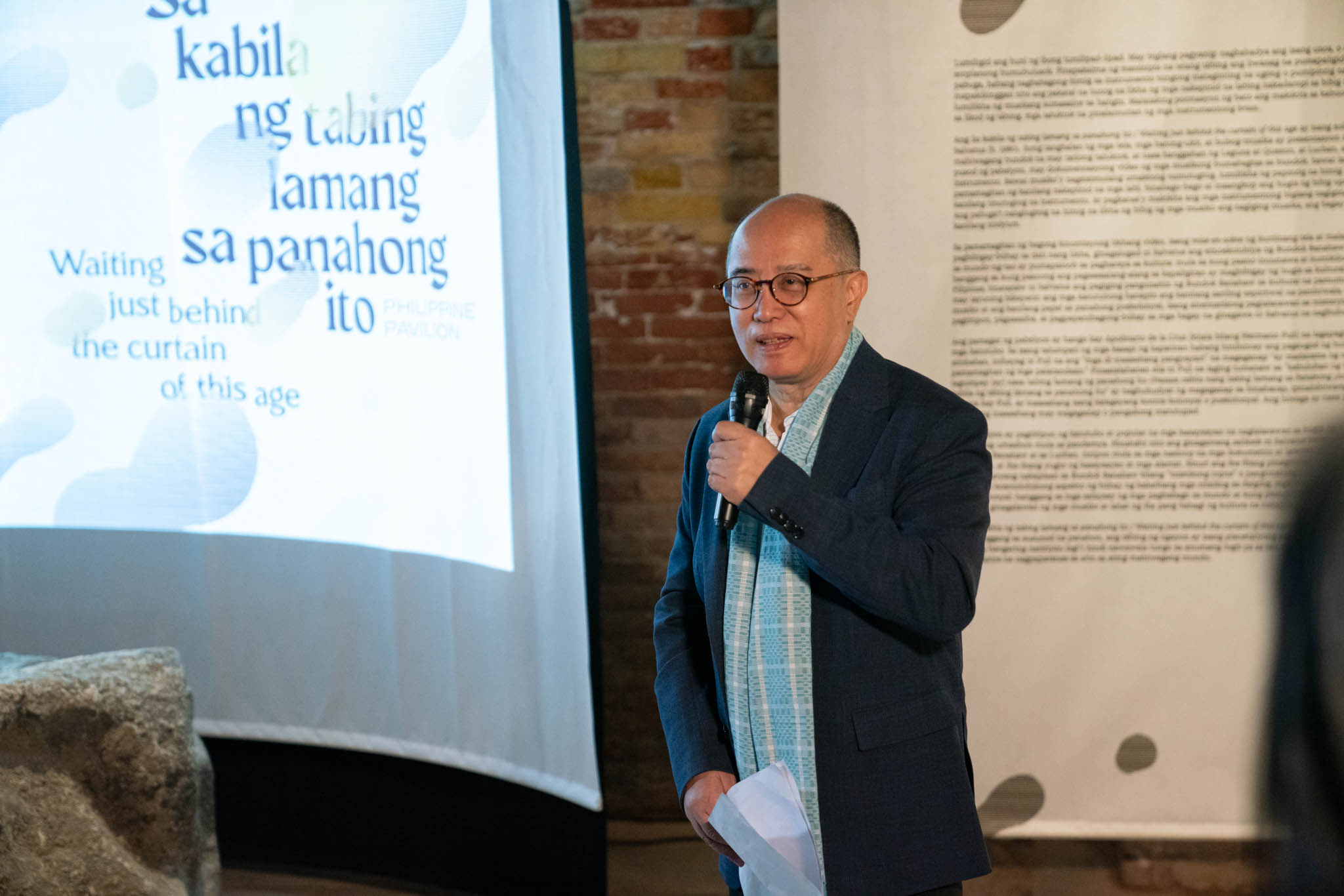
Chair Victorino M. Manalo of the National Commission for Culture and the Arts (NCCA) and Commissioner of the Philippine Pavilion, paid homage to Hermano Puli’s enduring spirit, emphasizing the exhibition’s role in honoring unsung heroes who have shaped the nation’s history.
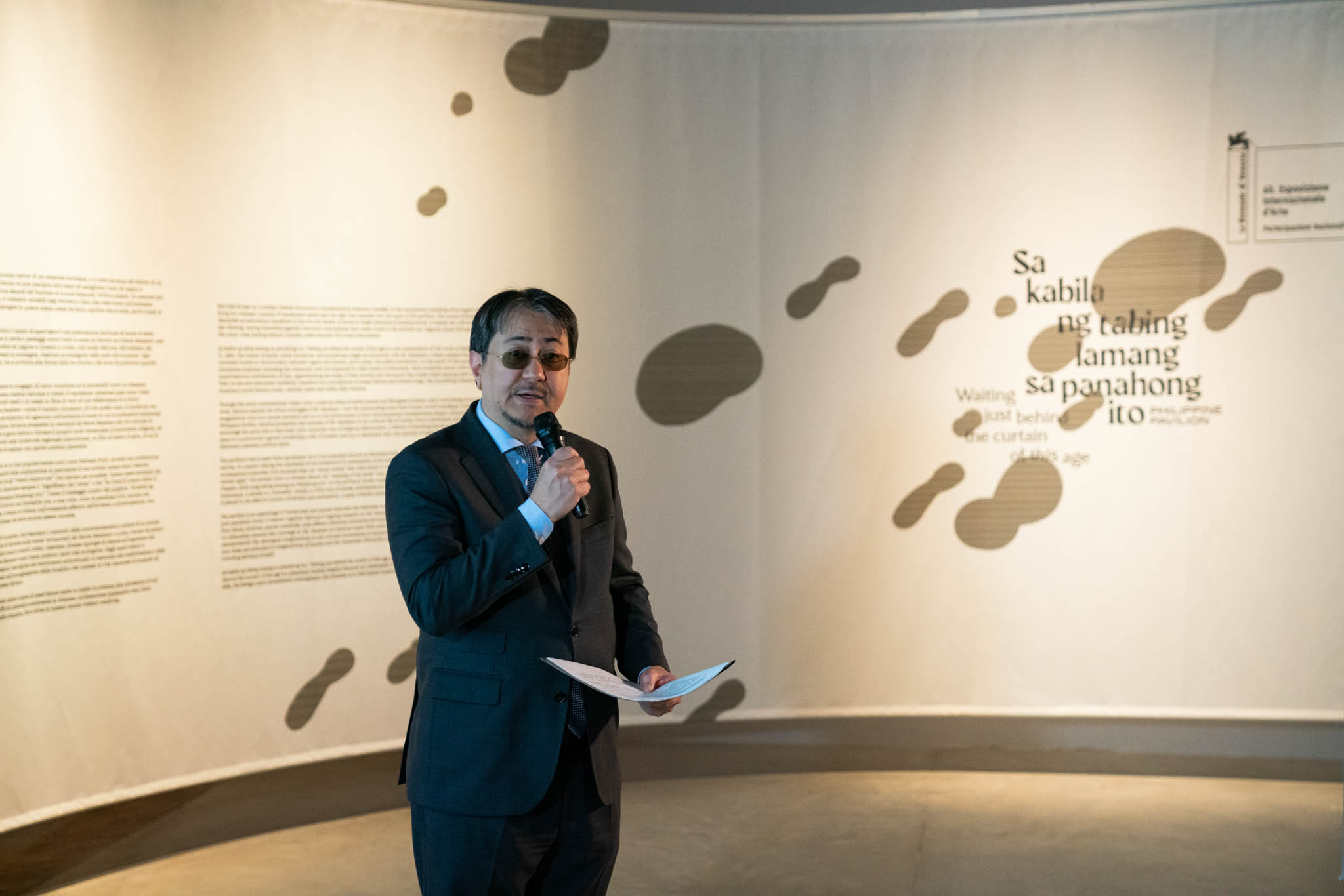
His Excellency Nathaniel G. Imperial of the Philippine Embassy in Rome encapsulated the exhibition’s essence, reminding attendees that cultural heritage serves not merely as a reflection of the past but as a guiding light toward a more hopeful future.
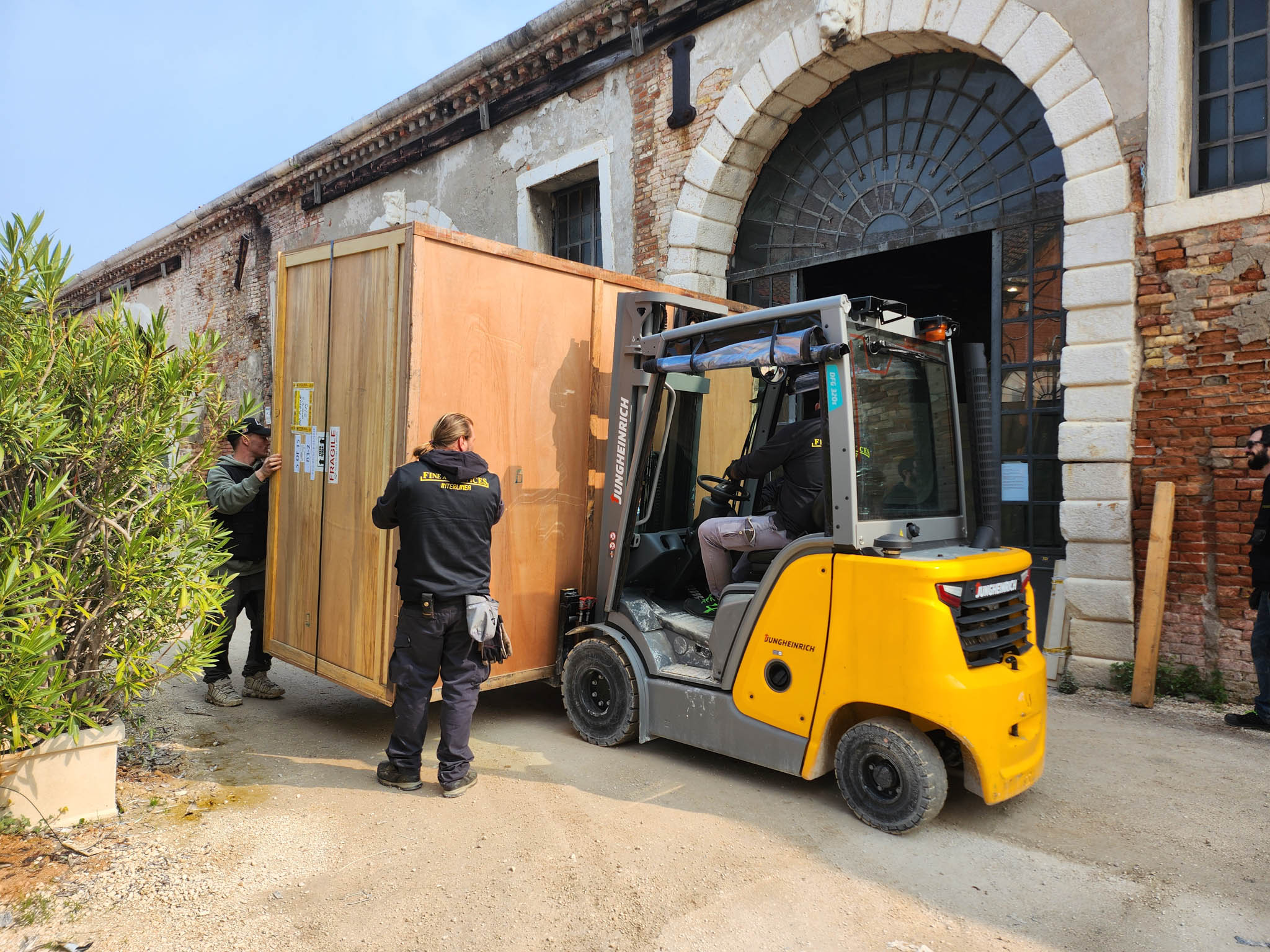
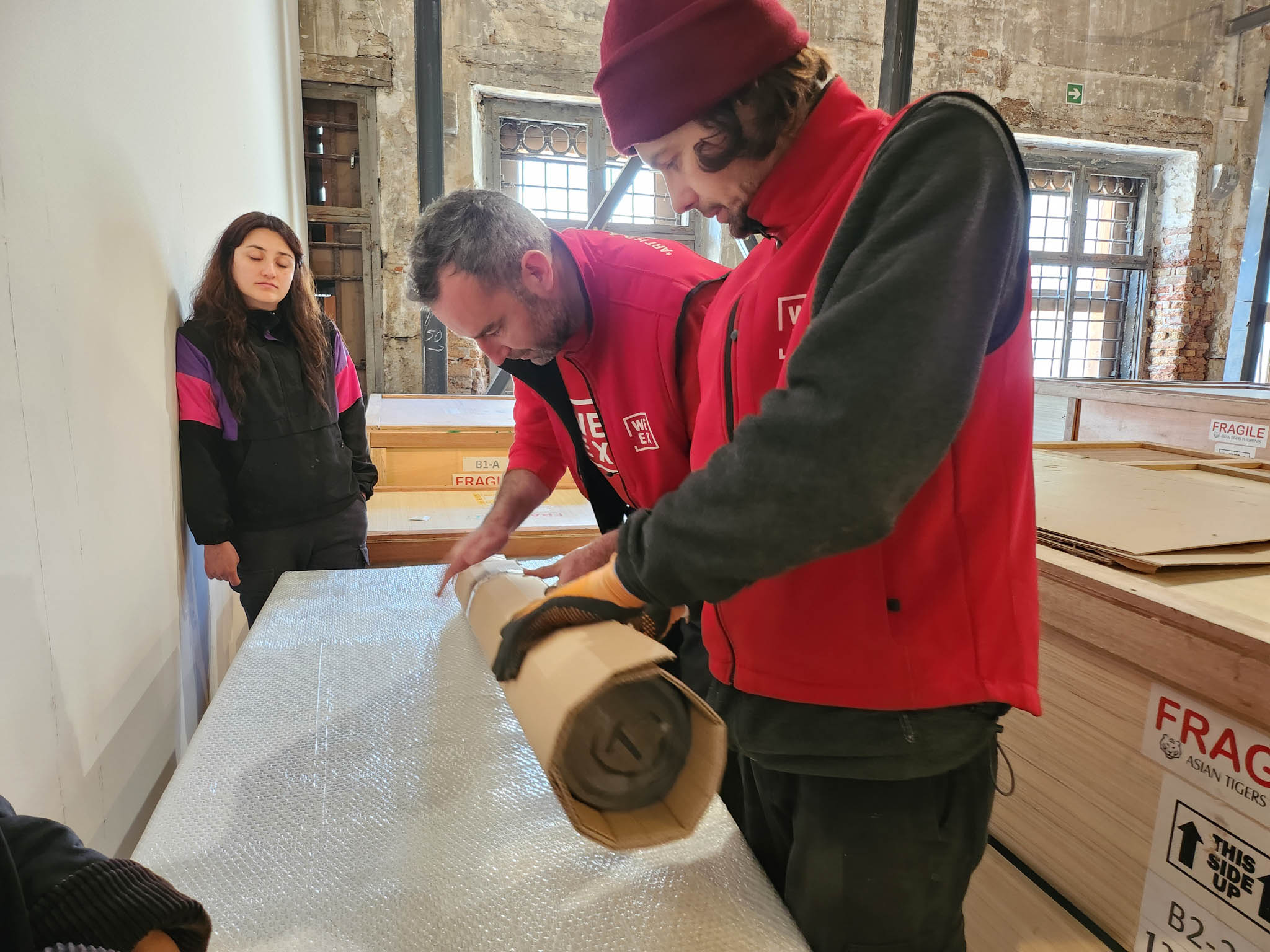
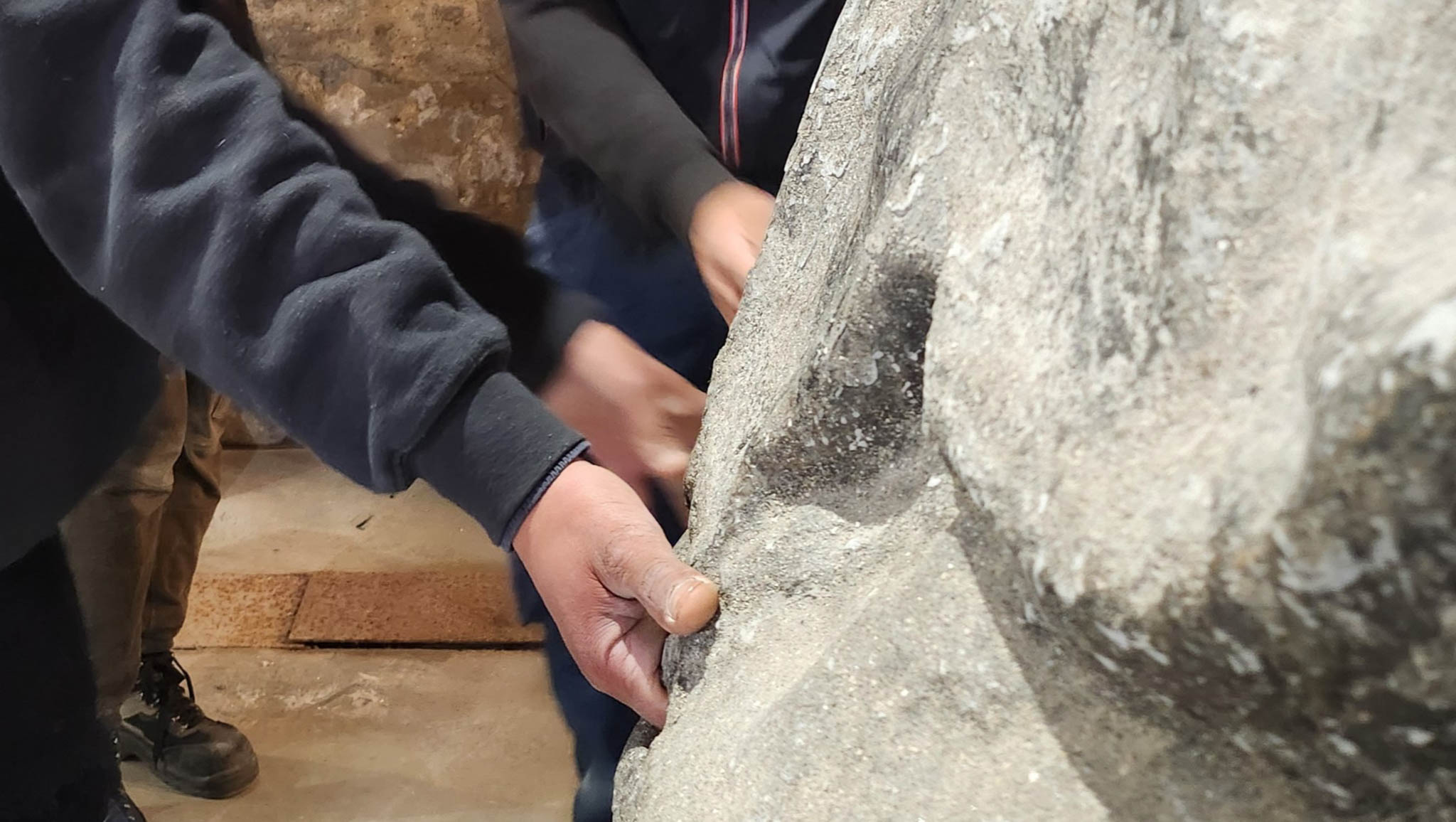
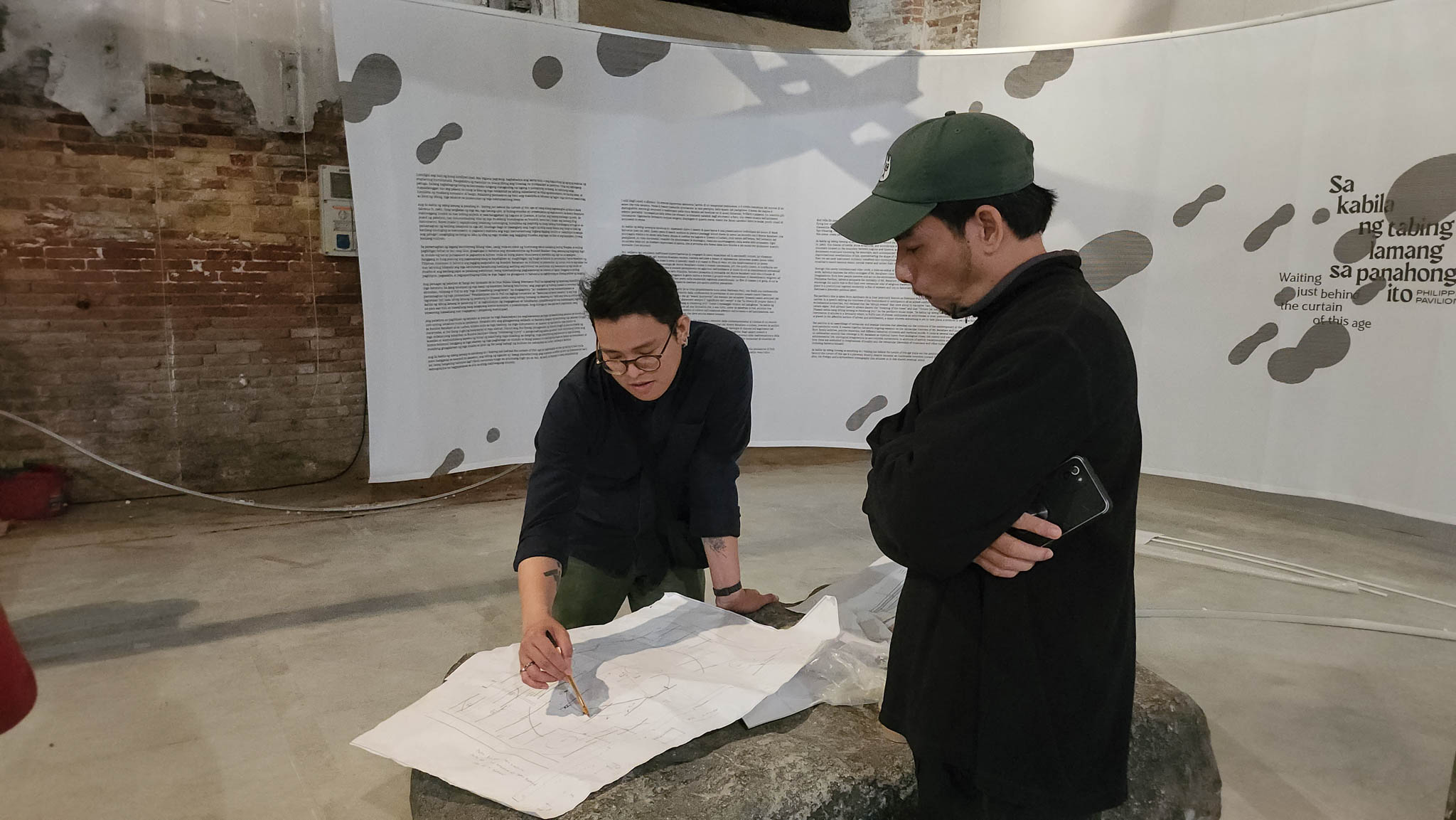
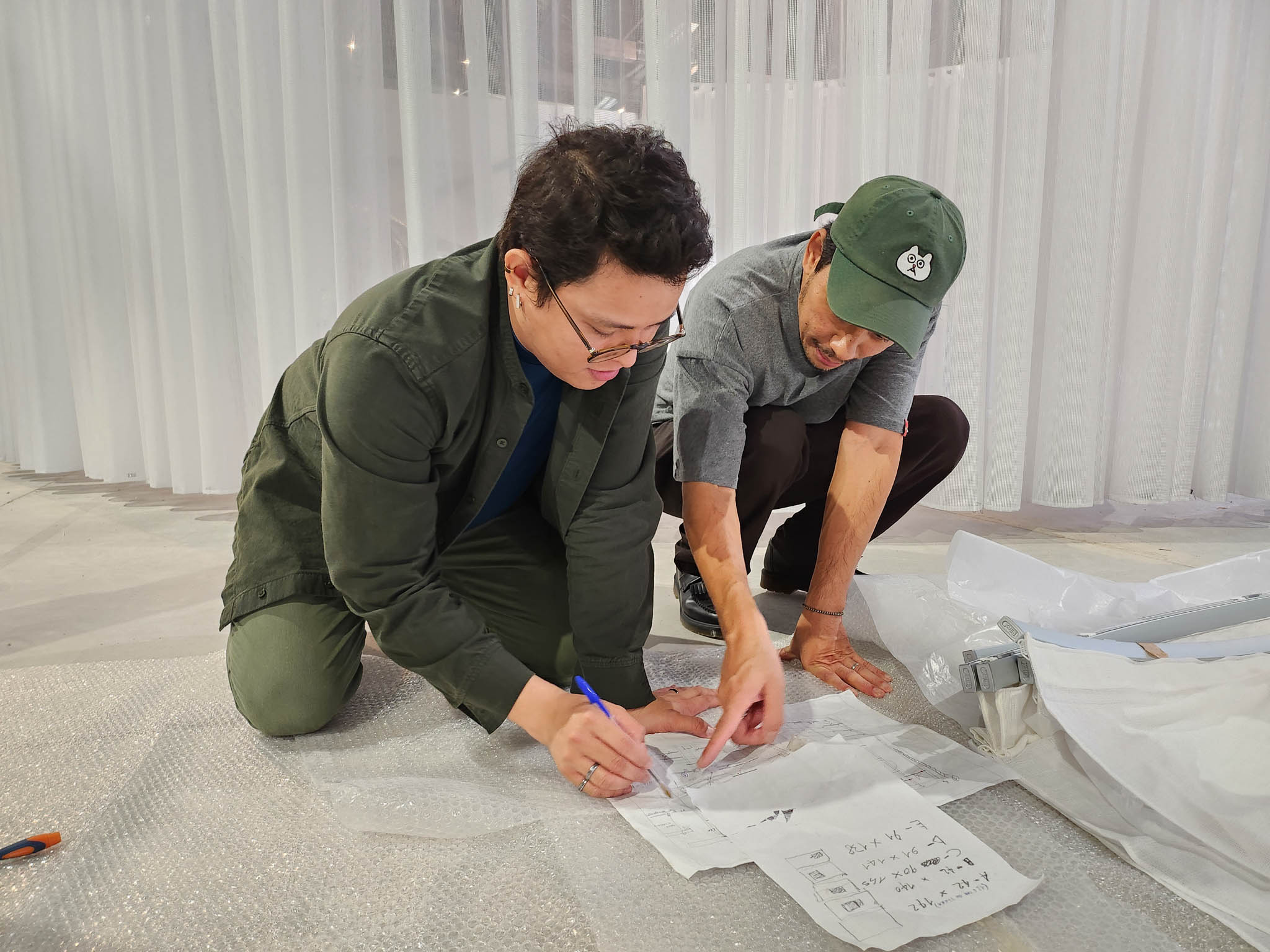
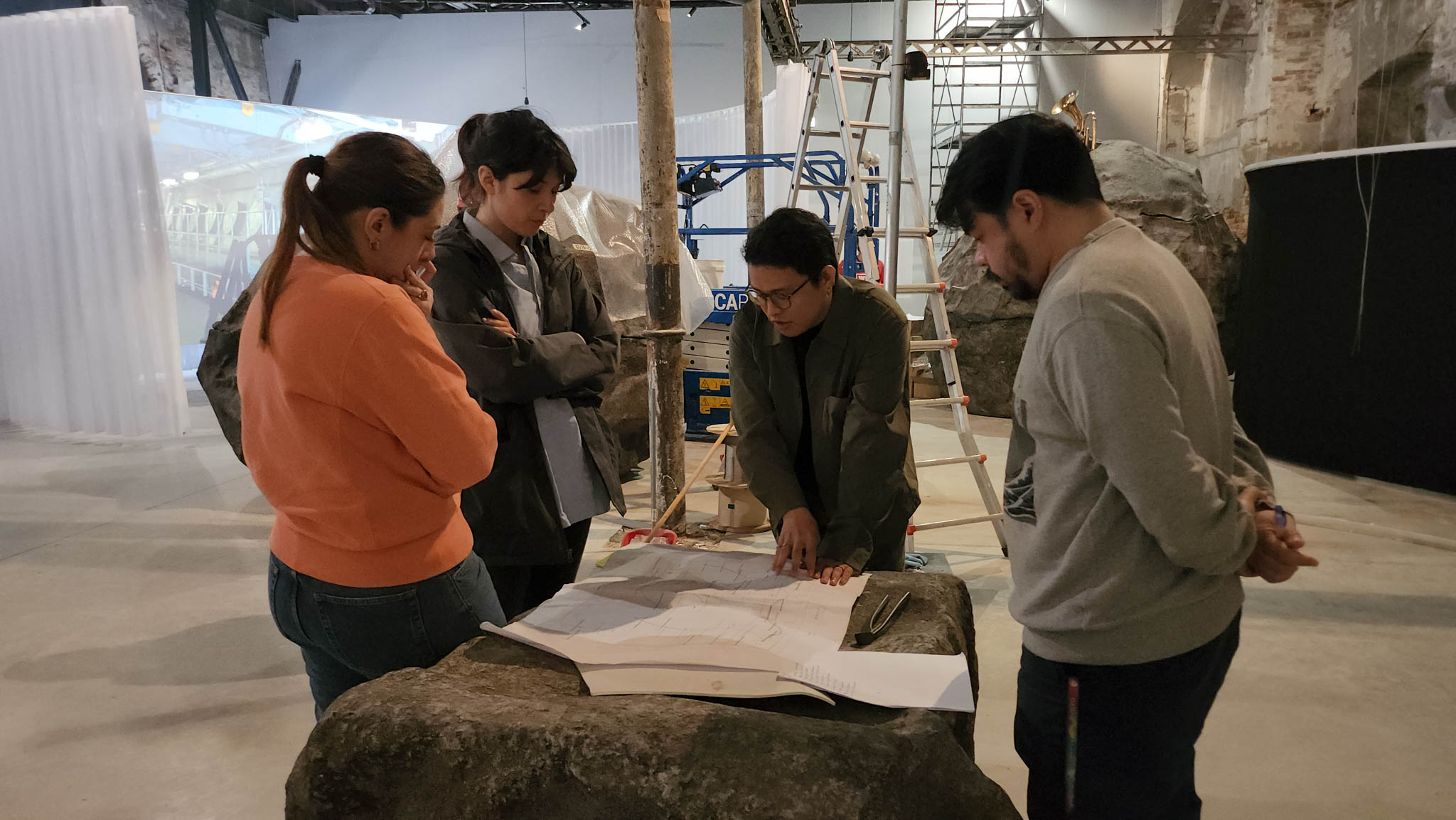
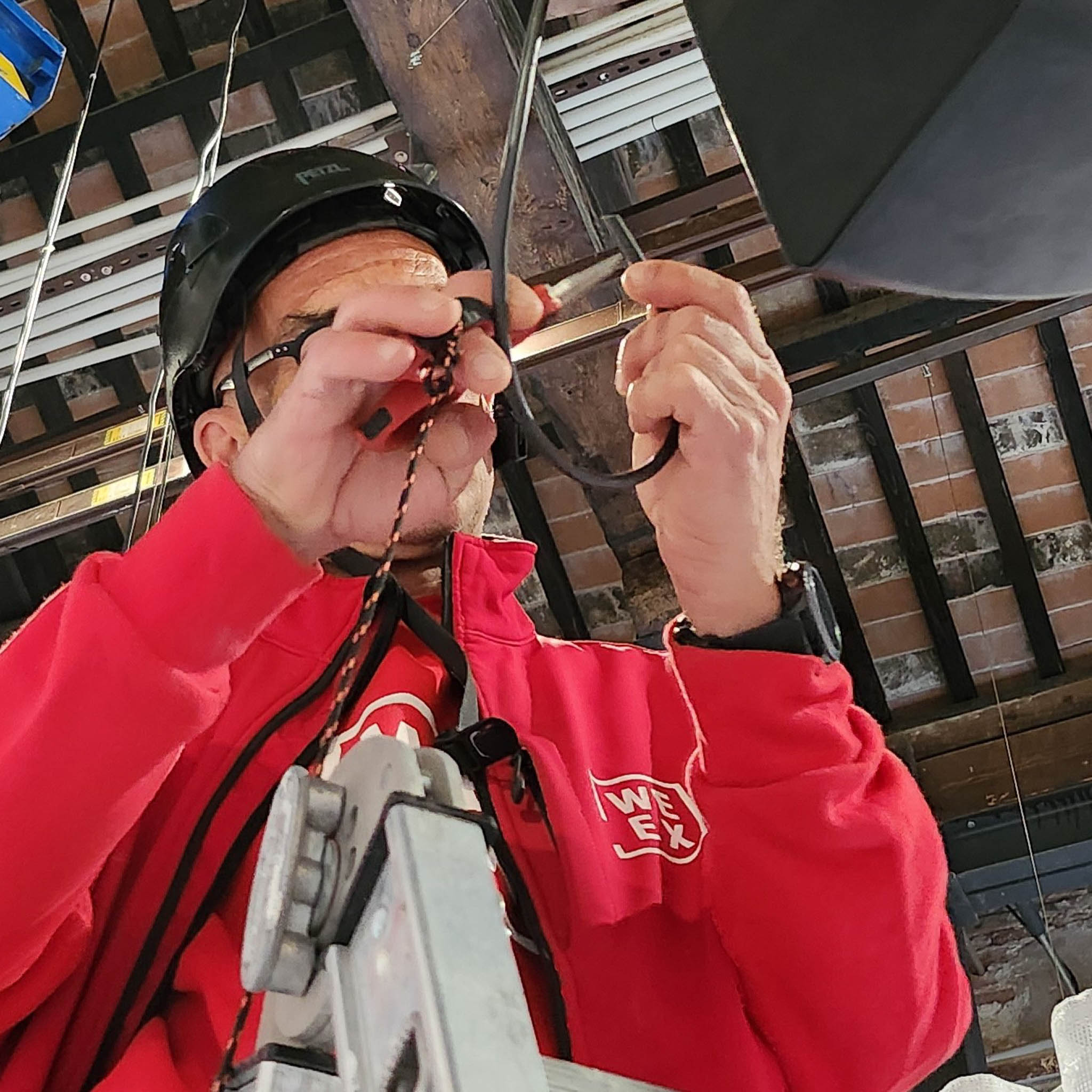
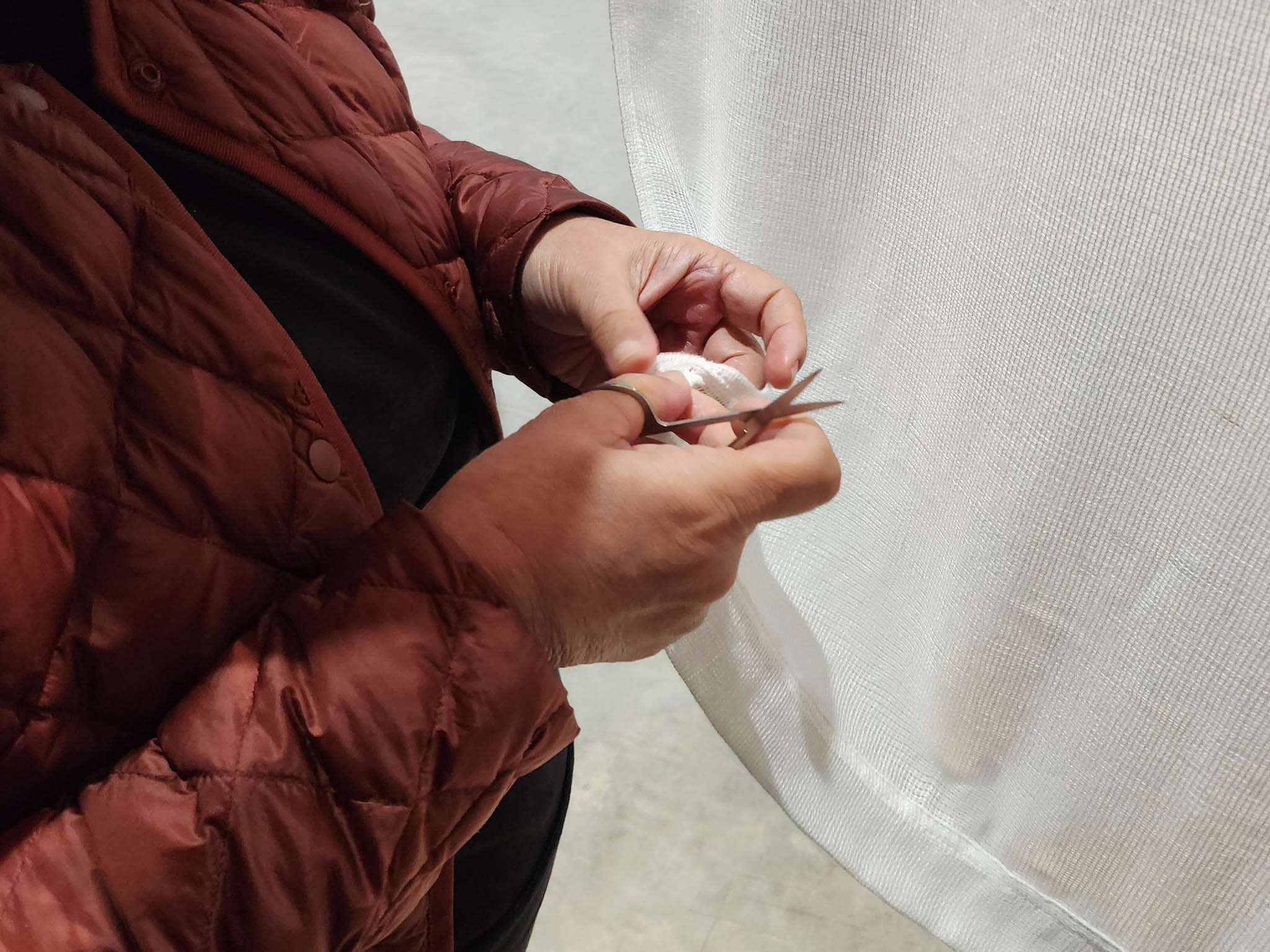
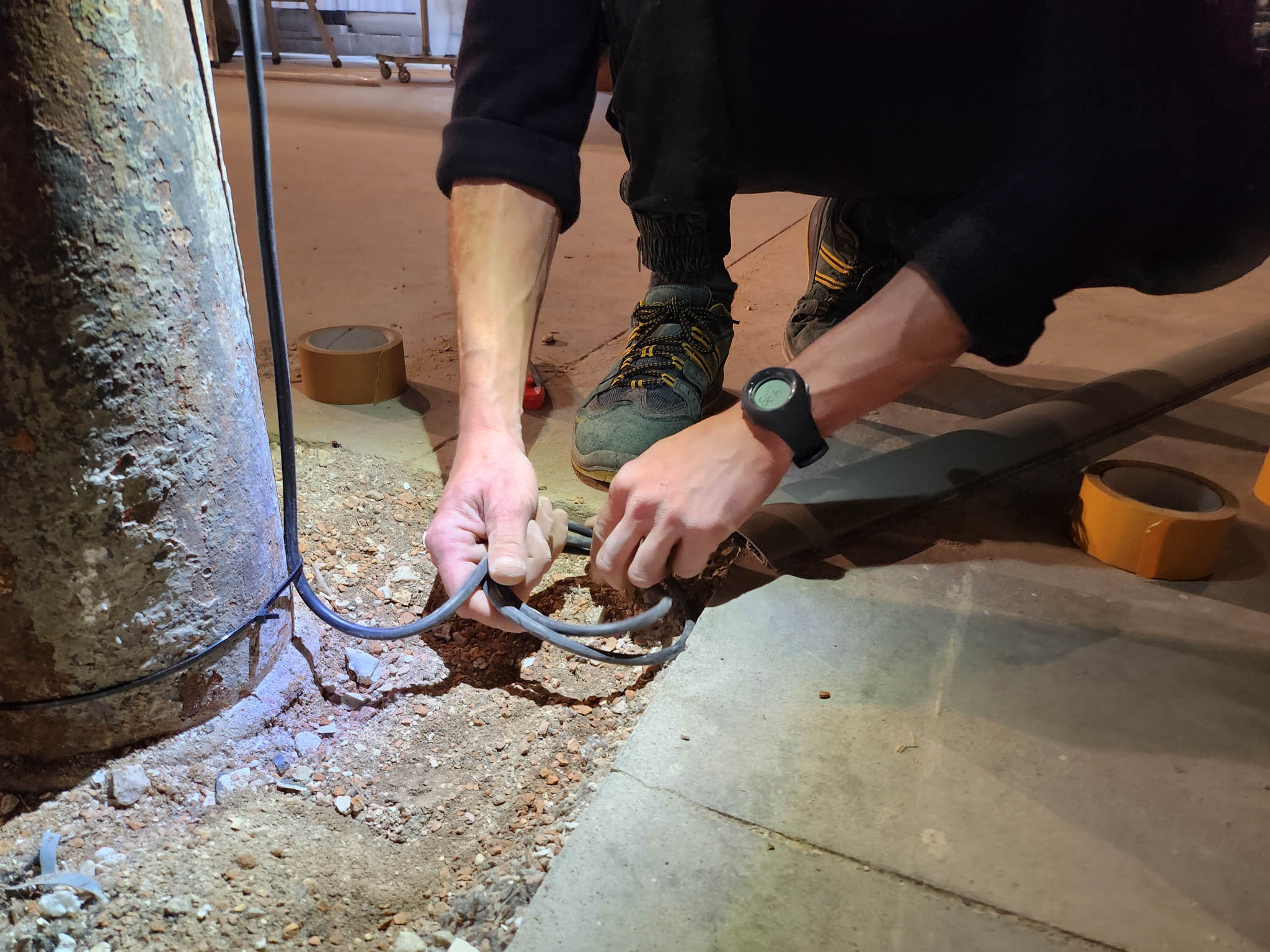
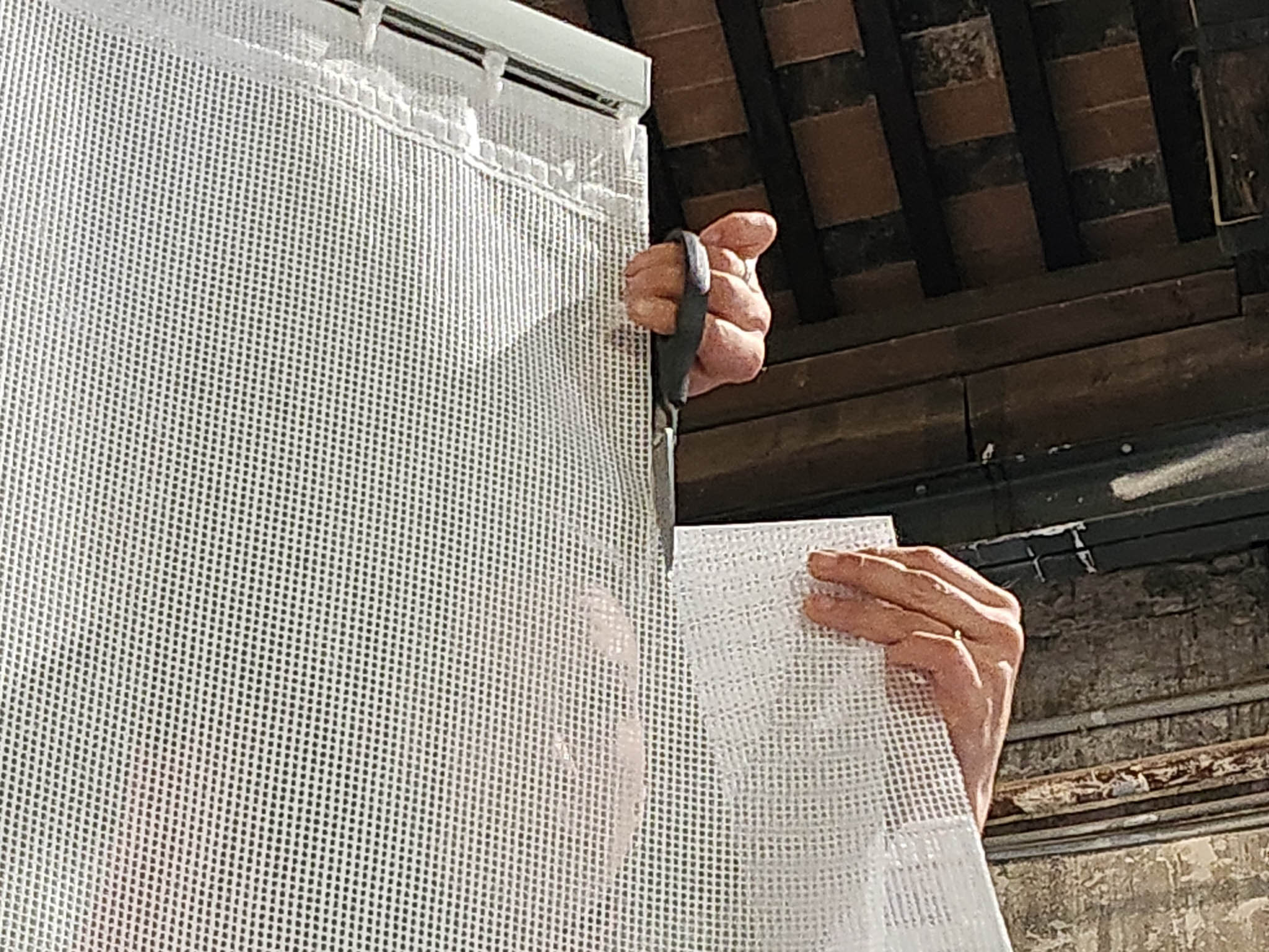
The sustained participation of the Philippine Pavilion at the Venice Biennale is a collaborative effort of the National Commission for Culture and the Arts (NCCA), the Department of Foreign Affairs (DFA), and the Office of Senate President Pro Tempore Loren B. Legarda.
“Sa kabila ng tabing lamang sa panahong ito / Waiting just behind the curtain of this age” is open to the public at the Arsenale from April 20, 2024, to November 24, 2024.
About the Artist
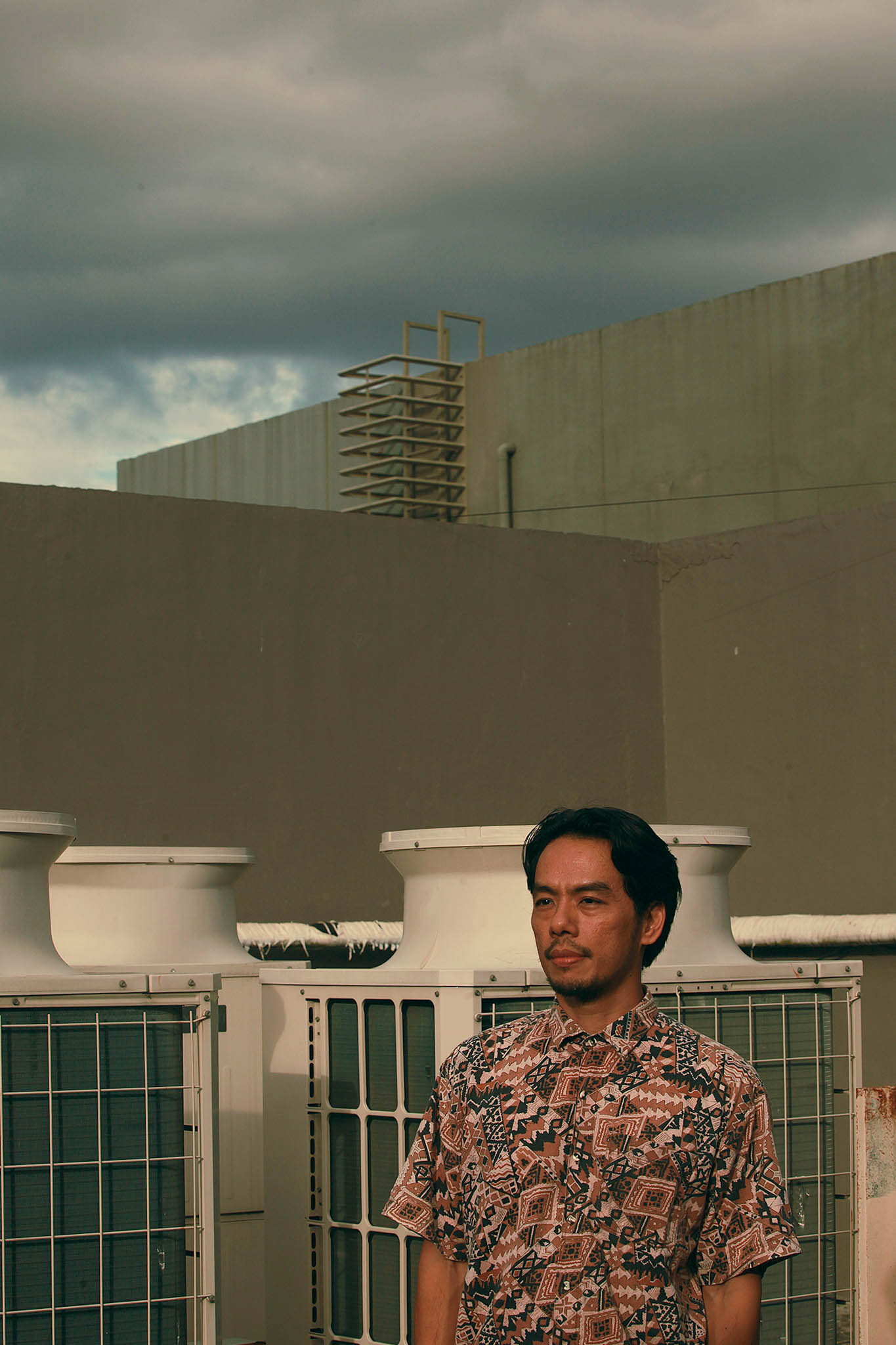
Mark Salvatus (b. 1980) is a Lucban and Quezon City-based artist whose creative endeavors span various mediums and platforms. His extensive body of work, presented under the banner of “Salvage Projects,” has been showcased in prestigious venues worldwide, including museums, galleries, and biennales. Salvatus’s artistic journey is marked by a commitment to exploring themes of renewal, identity, and environmental consciousness.
About the Curator
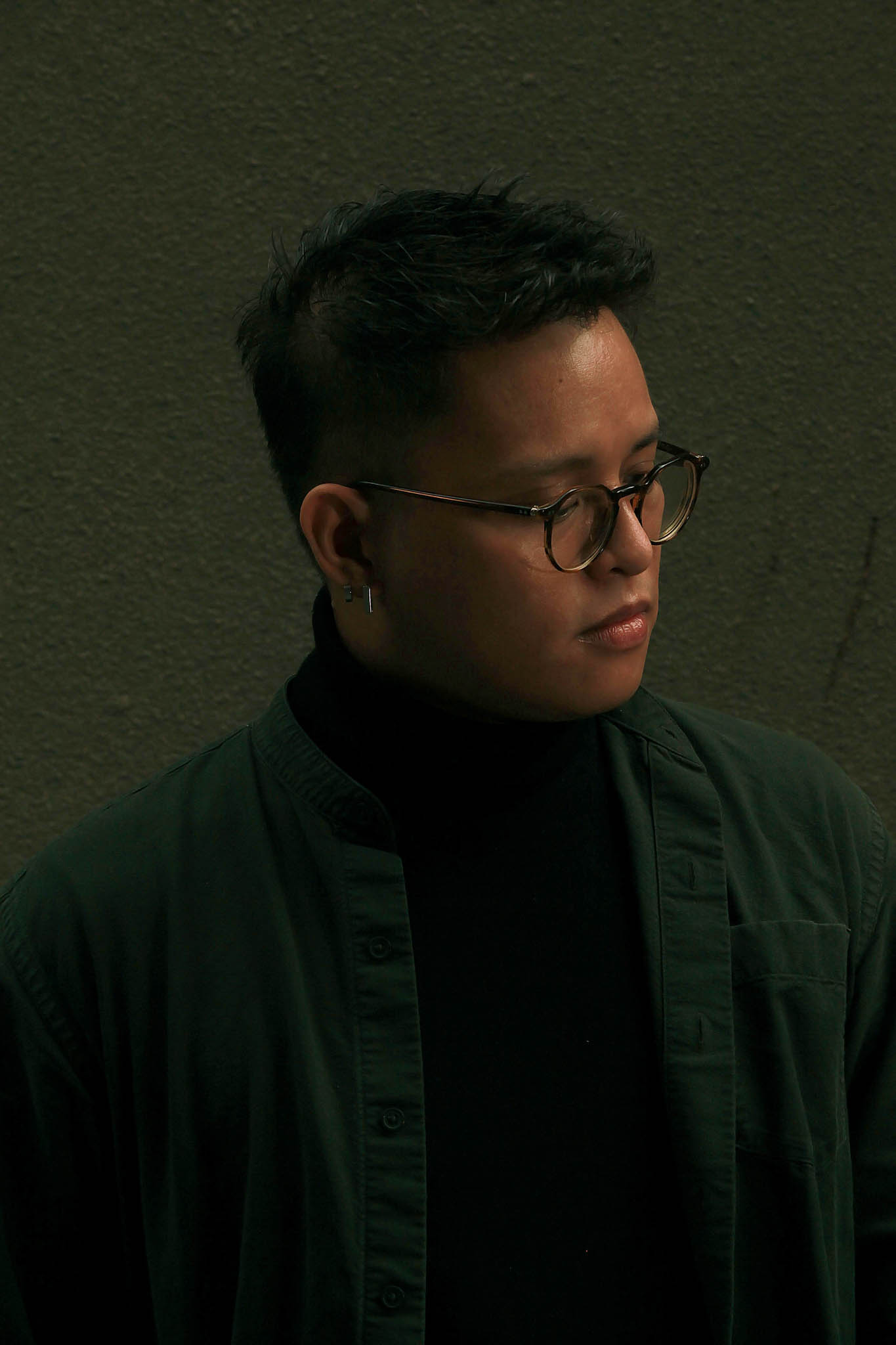
Carlos Quijon, Jr. (b. 1989) is a distinguished art historian, critic, and curator with a global footprint. His curatorial practice, rooted in Manila and New York, is characterized by a deep engagement with contemporary art and its intersections with history, culture, and society. Quijon’s thought-provoking exhibitions have garnered international acclaim, contributing to the discourse on art and its transformative potential.
Photos courtesy of the Philippine Pavilion at Venice Art Biennale
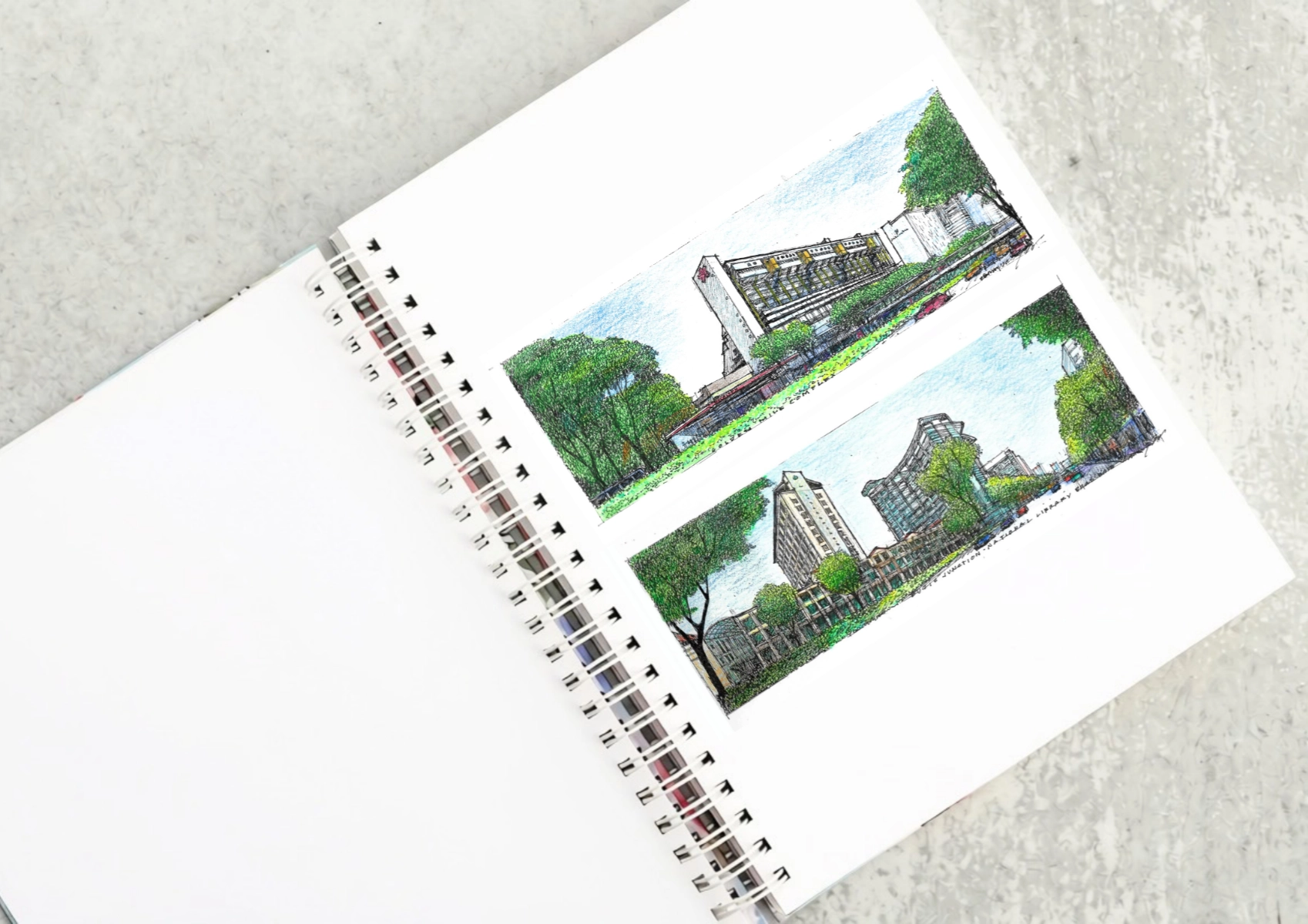
Two sketches of Singapore connect BluPrint Editor in Chief Paulo G. Alcazaren’s personal and professional history with Shared Ground: ArchitectureArchitectureThe art and science of designing and constructing buildings, structures, and spaces that are functional, safe, and aesthetically pleasing. It encompasses the planning, design, materials, and techniques used to createGo to Architecture Glossary of Care, Culture, […]
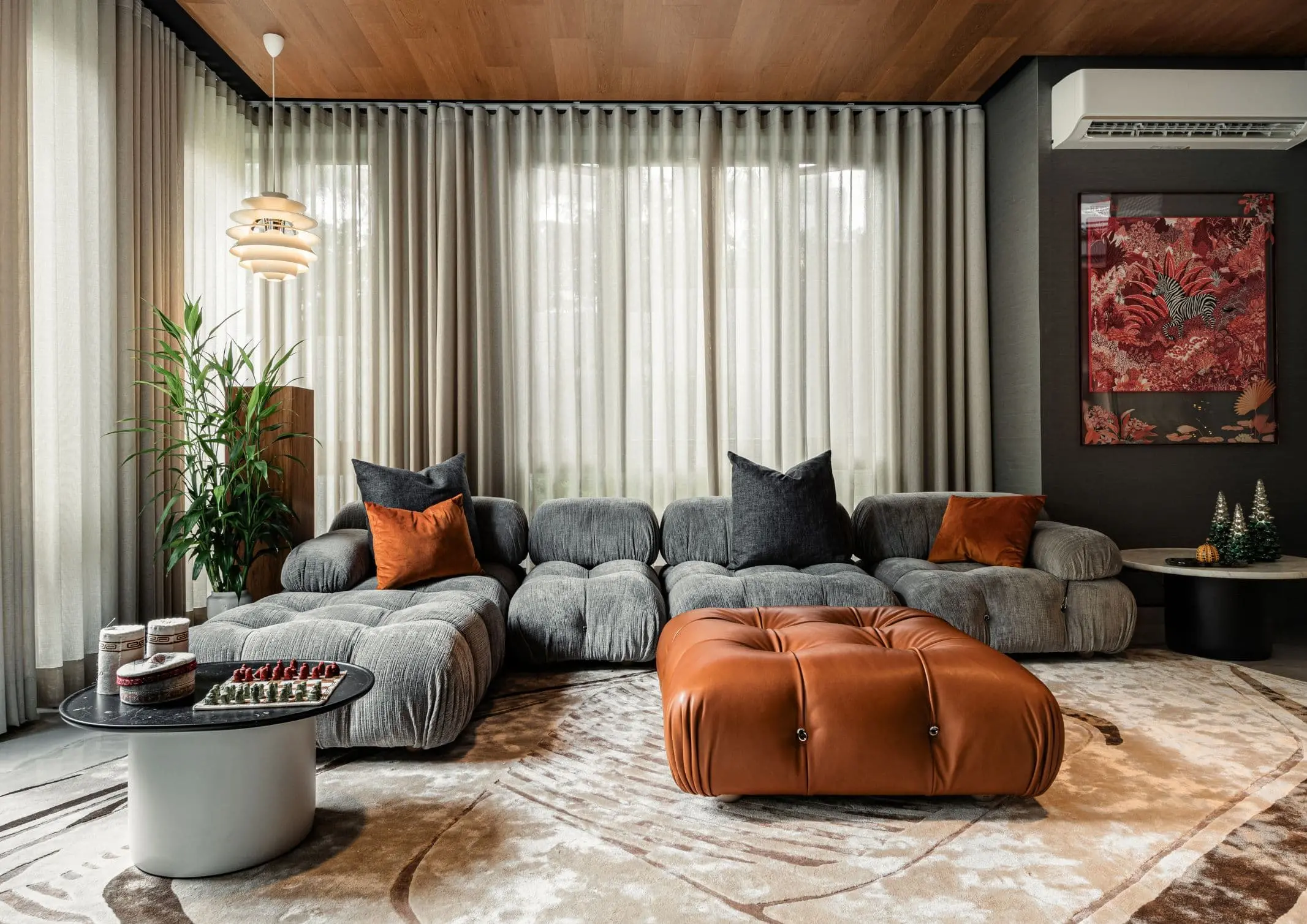
Some have become household names – Coleman, Oster, and KitchenAid – products that have found their way into Filipino kitchens, homes and family routines. In home furnishings, brands such as B&B Italia, Ethan Allen, Sub-Zero, Miele, SieMatic, Louis Poulsen, Hunter Douglas, Tempur, and Technogym, have helped shape the way Filipinos live. From everyday essentials to […]
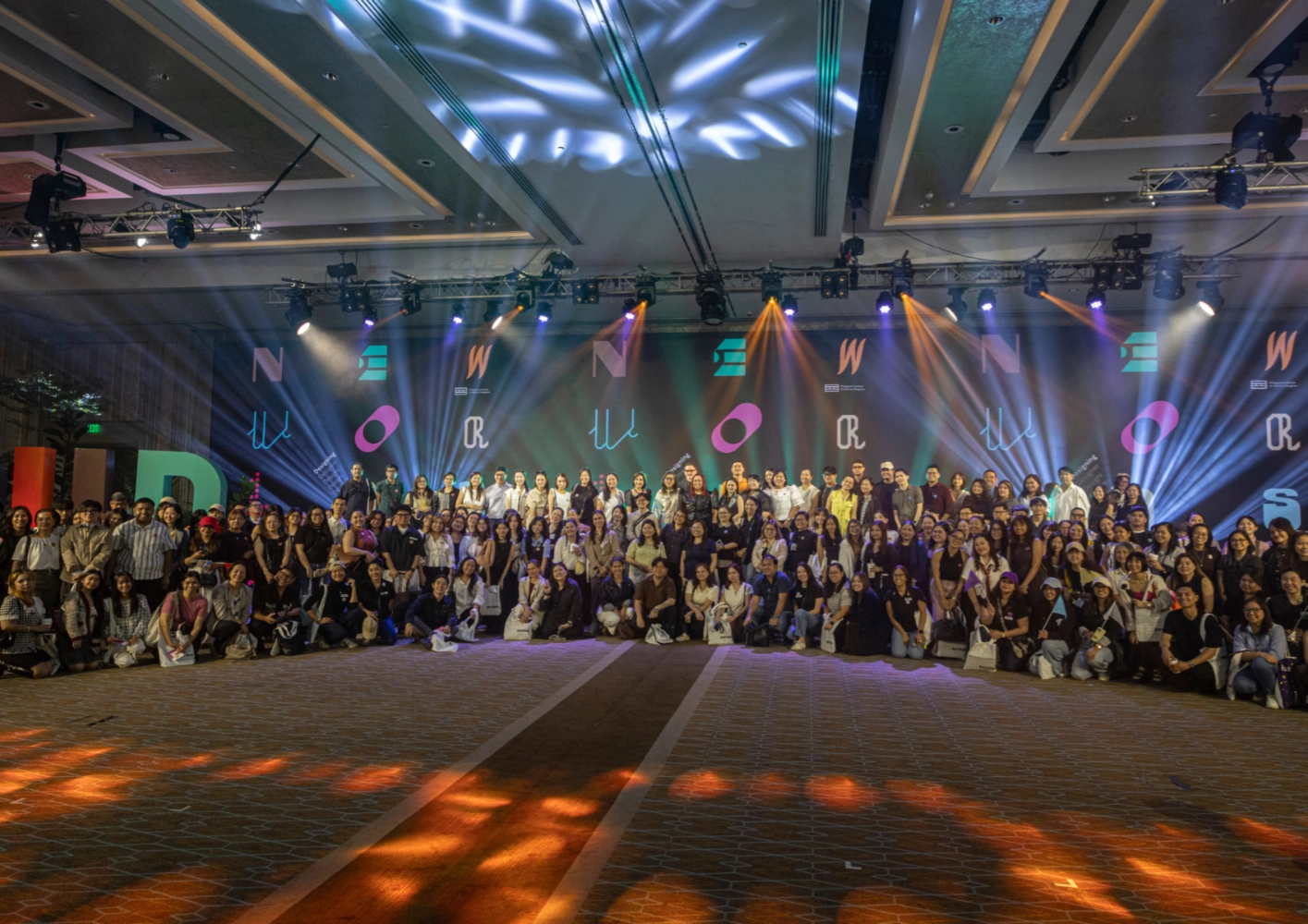
In a way, designers are the modern-day soothsayers and prophets. They design for the future, predicting how a room, a house, a building or a whole city will be used by people. They foresee how users will interact with a space, conjure exact shades of colors to elicit specific behavior and arrange furniture to build […]
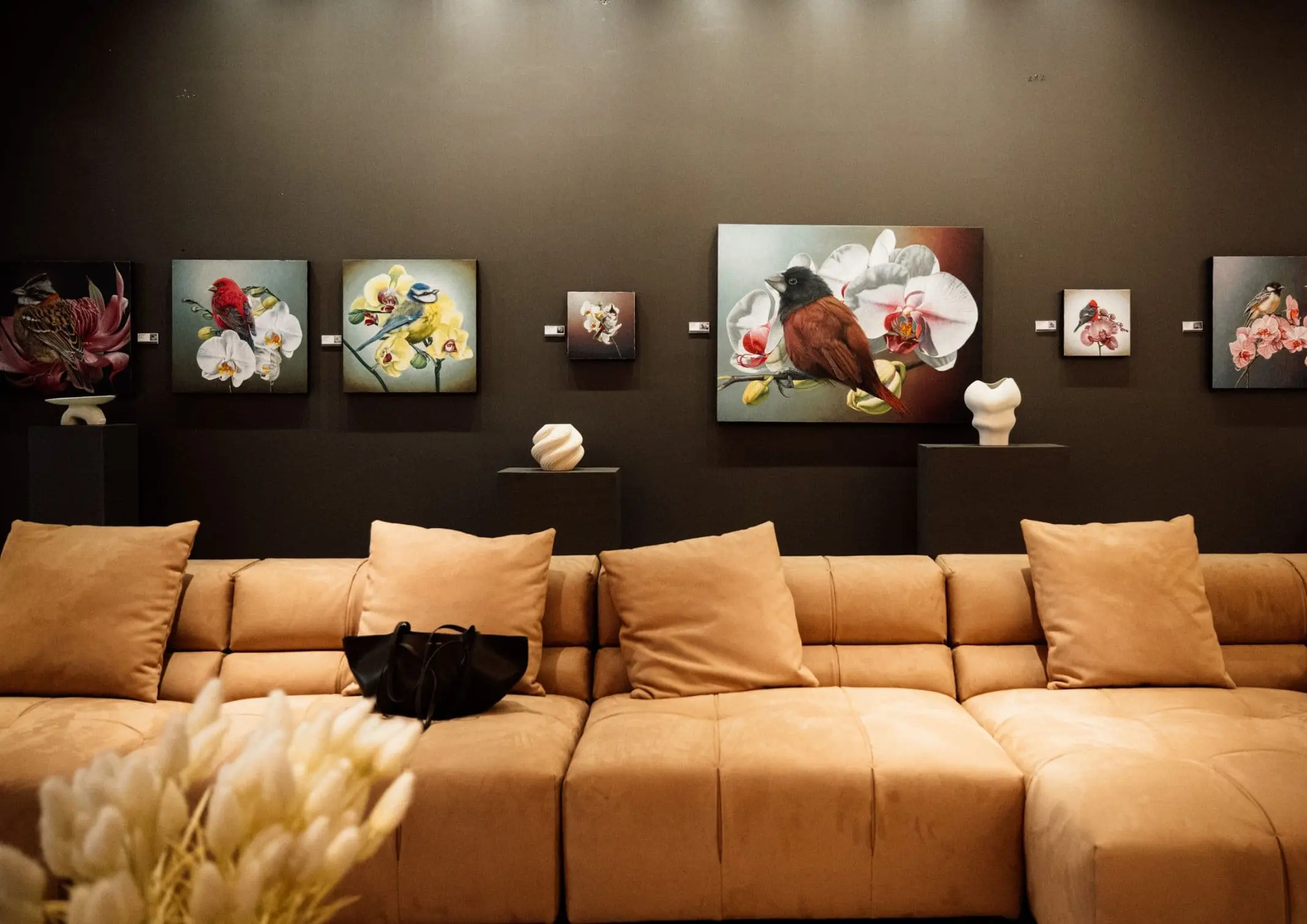
Art and furniture are often selected separately, yet their relationship can shape how a room looks and feels. The collaboration between Hooga and Galerie Joaquin explores how these elements can work together, bringing contemporary artworks into furnished residential settings at Hooga’s showroom in Uptown Mall, Bonifacio Global City. For Hooga, which curates furniture, lighting, and […]
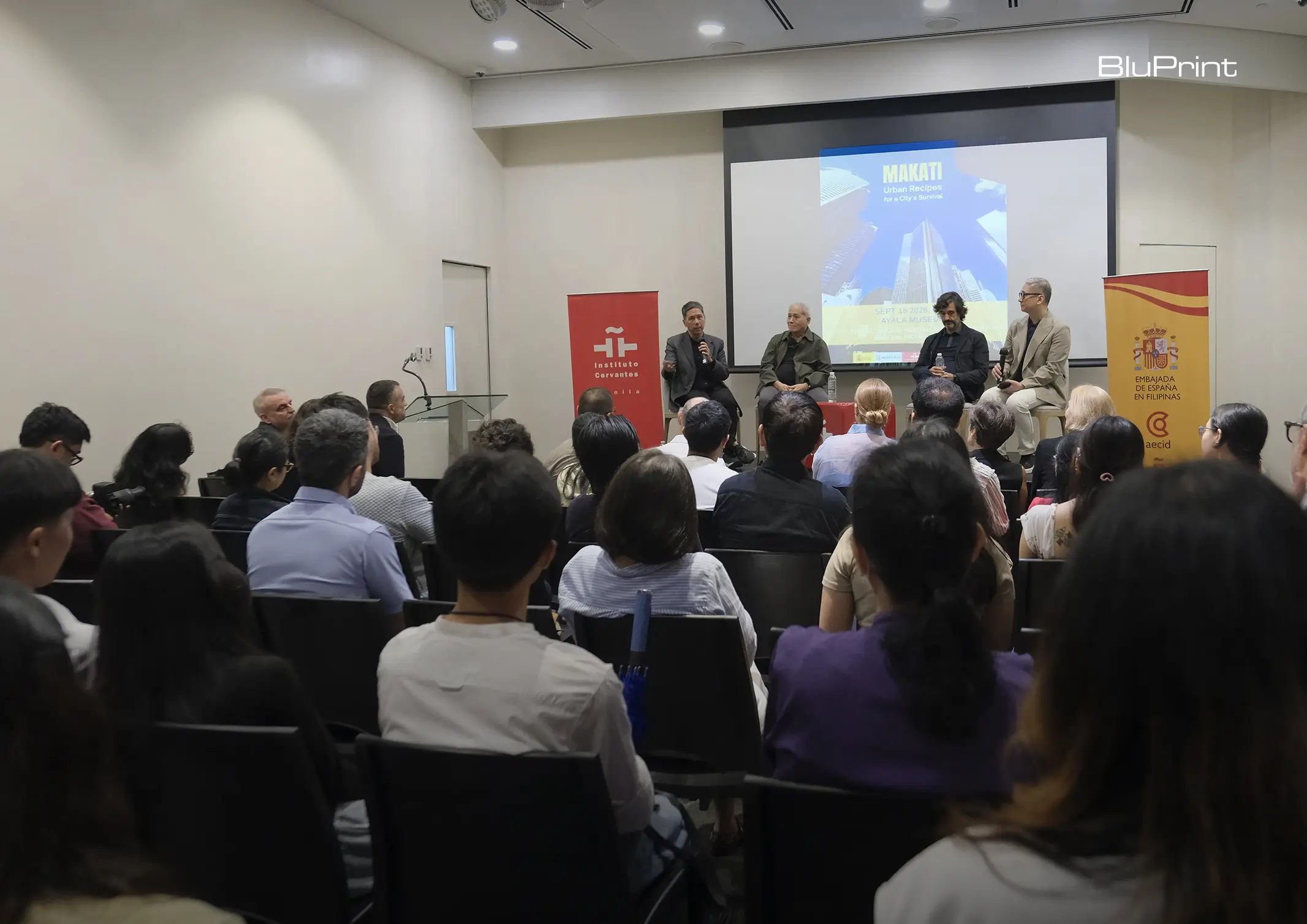
How can better-planned cities create the conditions for more creative, livable, and resilient urban environments? “Makati Urban Recipes for a City’s Survival,” a colloquium held at the Ayala Museum on September 15, brought together architects and practitioners from the fields of urbanism and the creative economy to discuss how design, planning, and collaboration can address […]
Read the issues.

Collect the volumes.

Recommended Video
Tap to Unmute
Unmute
0:00
0:00