Bigkis is the act of binding. In Tagalog, the word can refer to something used to bind or encircle, as well as a bundle formed by tying several separate elements together. Figuratively, it can also mean a bond, union, or unity. The meanings move from the physical act of joining things together to the connection […]
‘Resurrect’: Jethro Jocson Paints to Revive the Inner Child



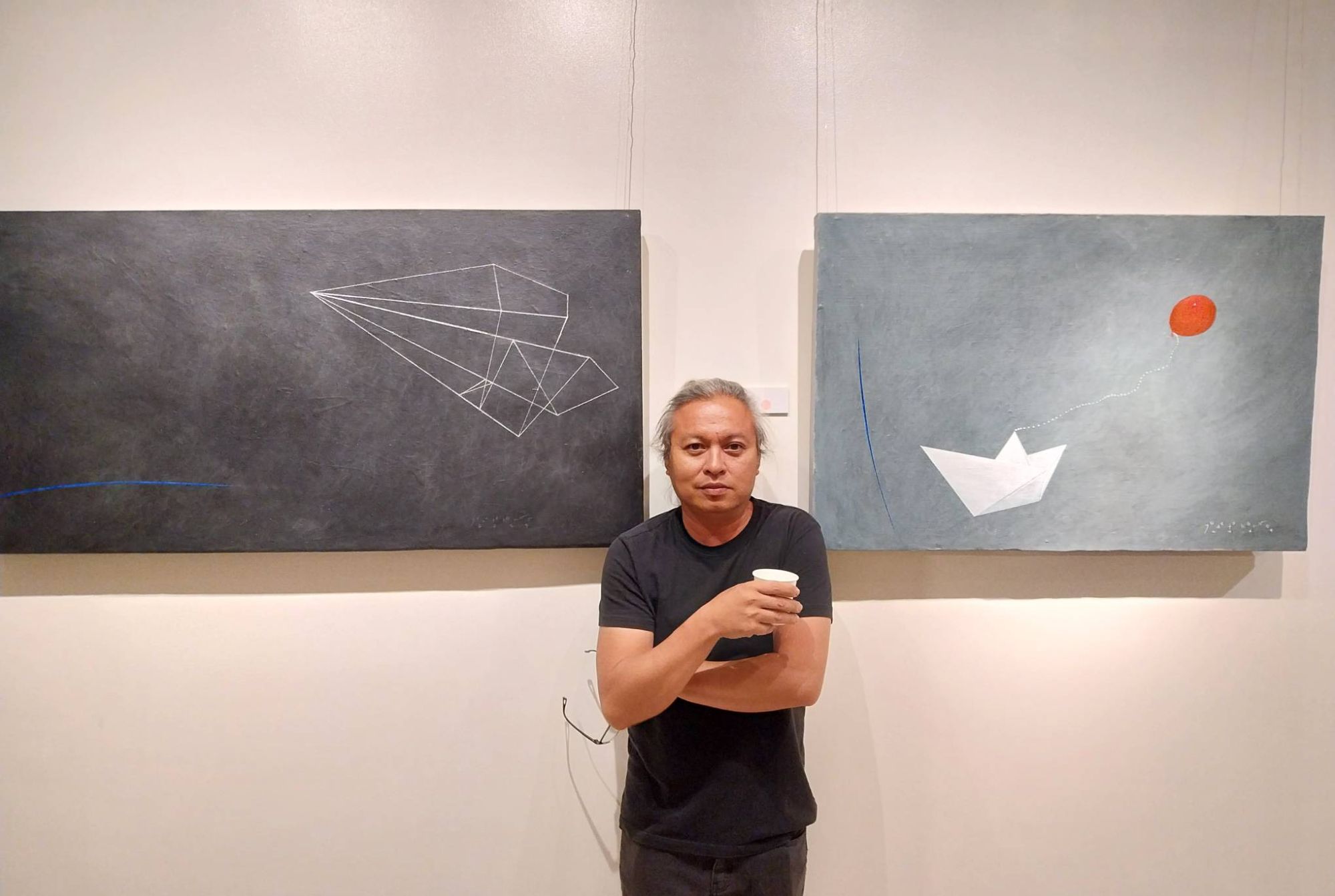
Resurrect, Jethro Jocson’s newest exhibit, is on display at Alliance Française de Manille from July 4 to 24. Jocson’s works portray strange, illusionary ideas in stark backgrounds. Many of the paintings depict these fairy tale-like characters in hazy worlds, staring curiously at gigantic origami shapes like paper boats and airplanes looming in the distance.
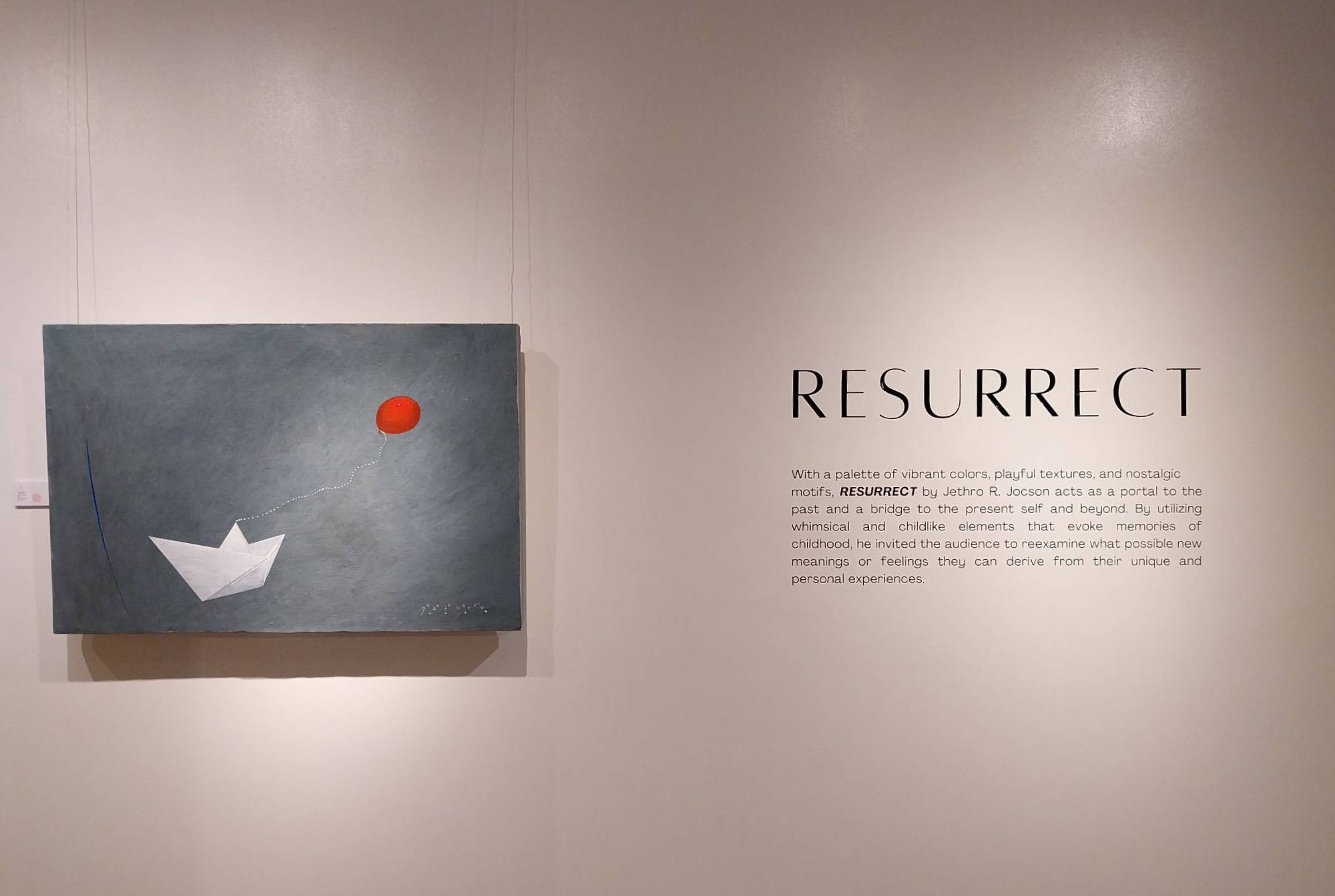
“Subjects are constructed through the lens of vibrant colors, textured spaces and origami-esque forms alongside some medieval characters that make their appearances throughout the fairytale stories we grew up with,” the exhibit write-up said.
Existing Towards Wonder
Resurrect utilizes what Jocson calls a “minimalist-surrealist pattern.” Some of the paintings surround its figures with a multicolored aura made with watercolor. Most of the paintings, however, have a smokey, dreamlike texture around them, done with acrylic paint and dominated by a singular color.
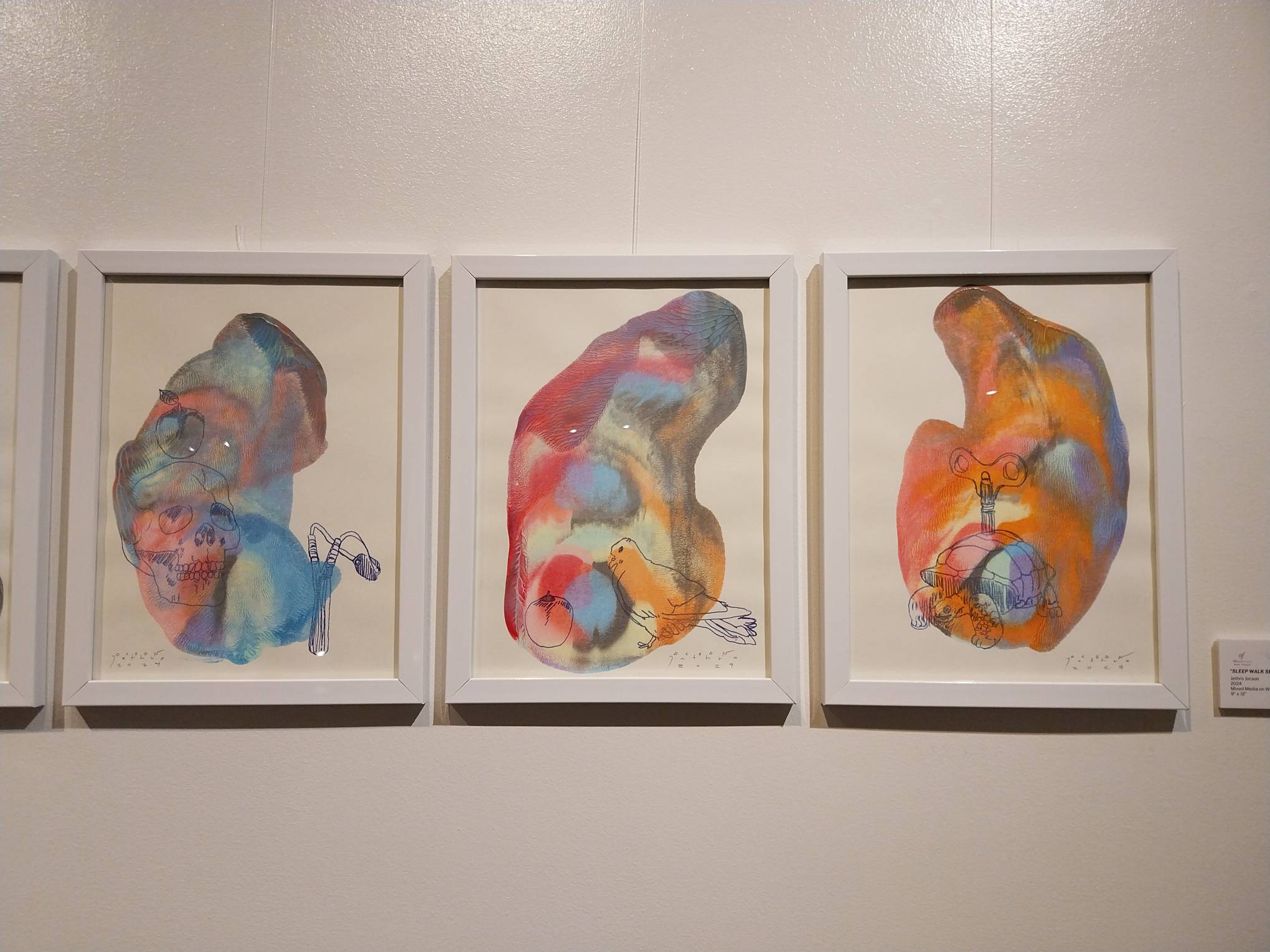
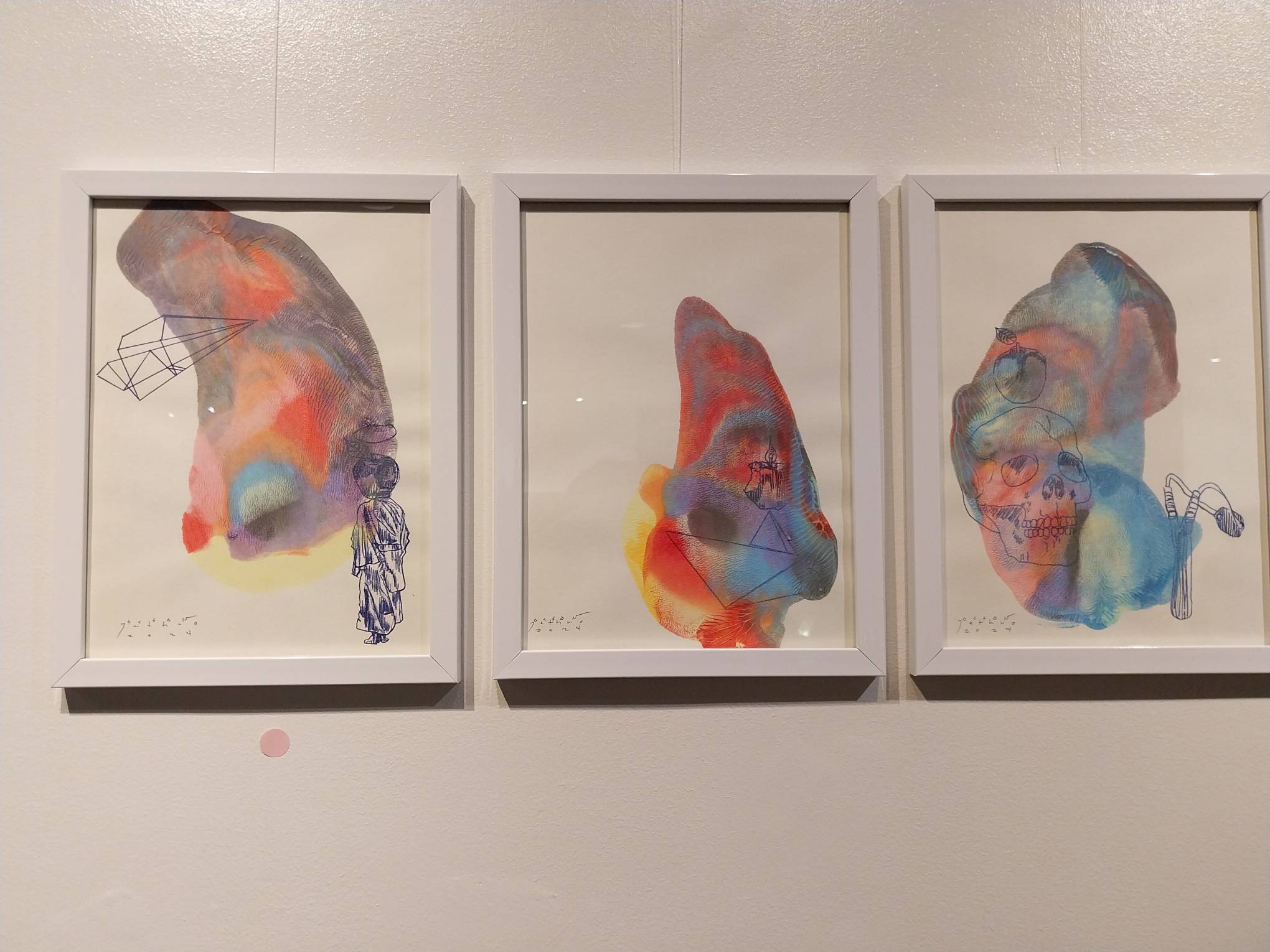
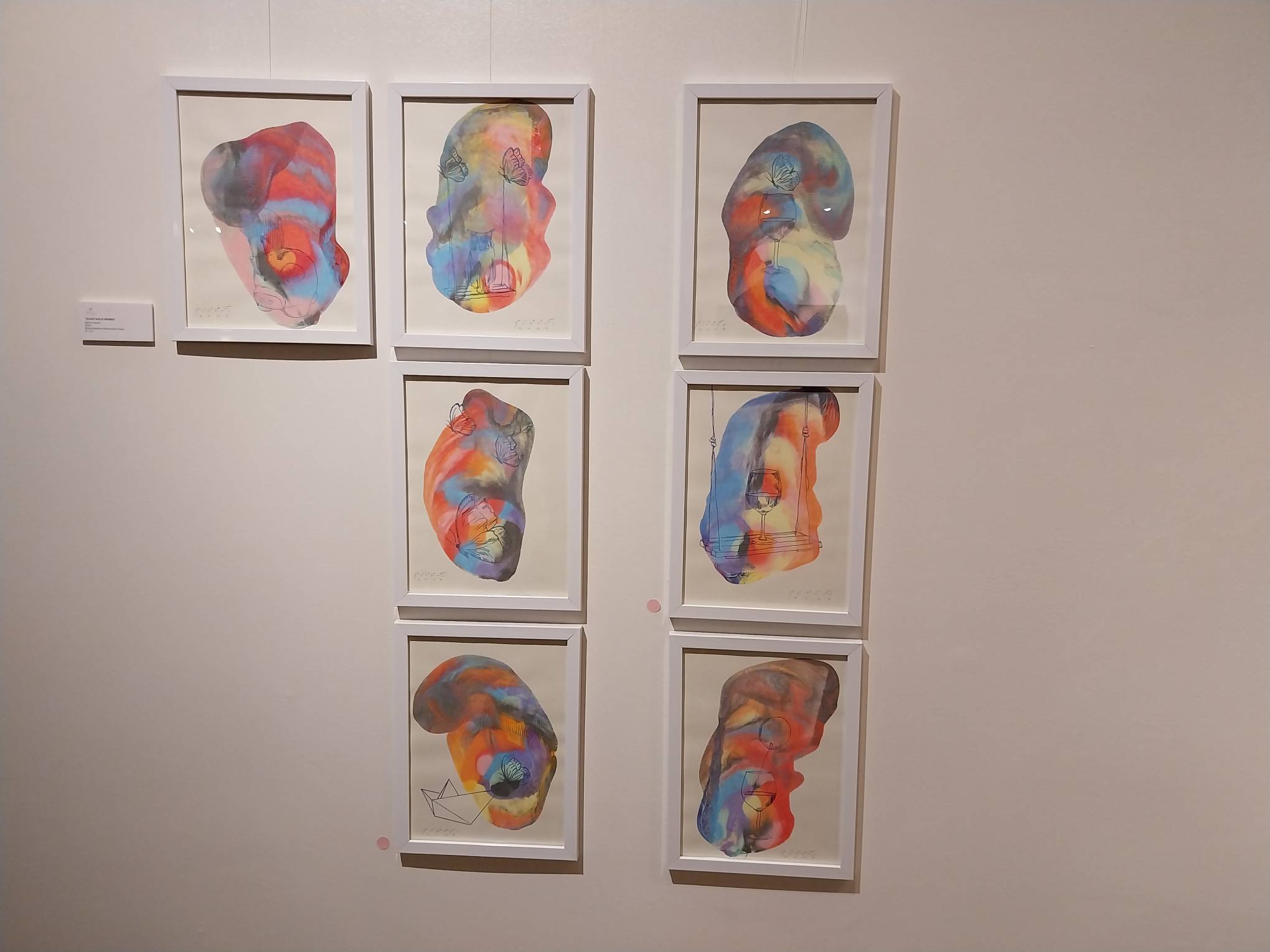
The stylistic influence that Jocson employs creates a simplified, dreamlike environment that focuses on the subjects rather than the surroundings.
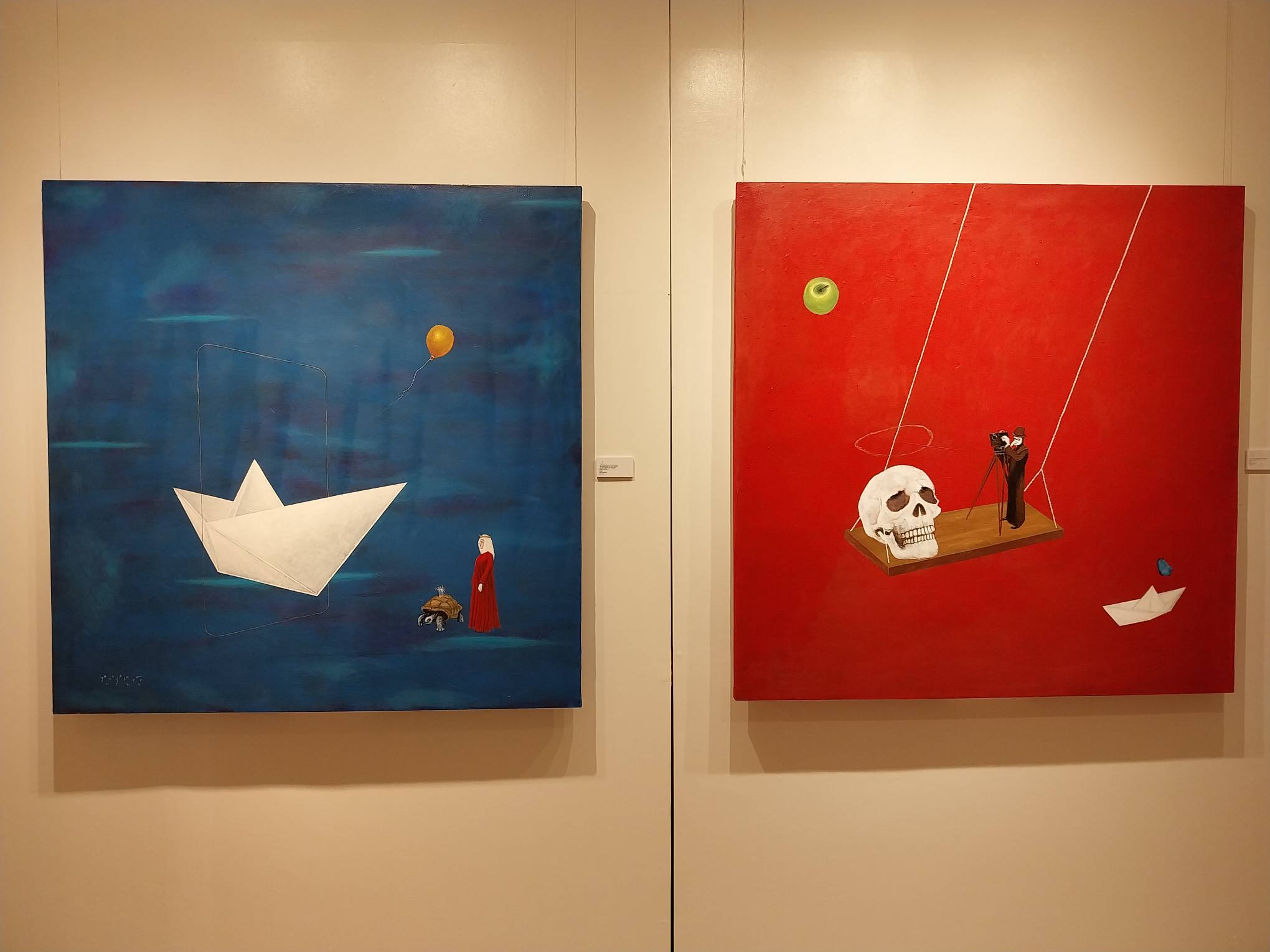
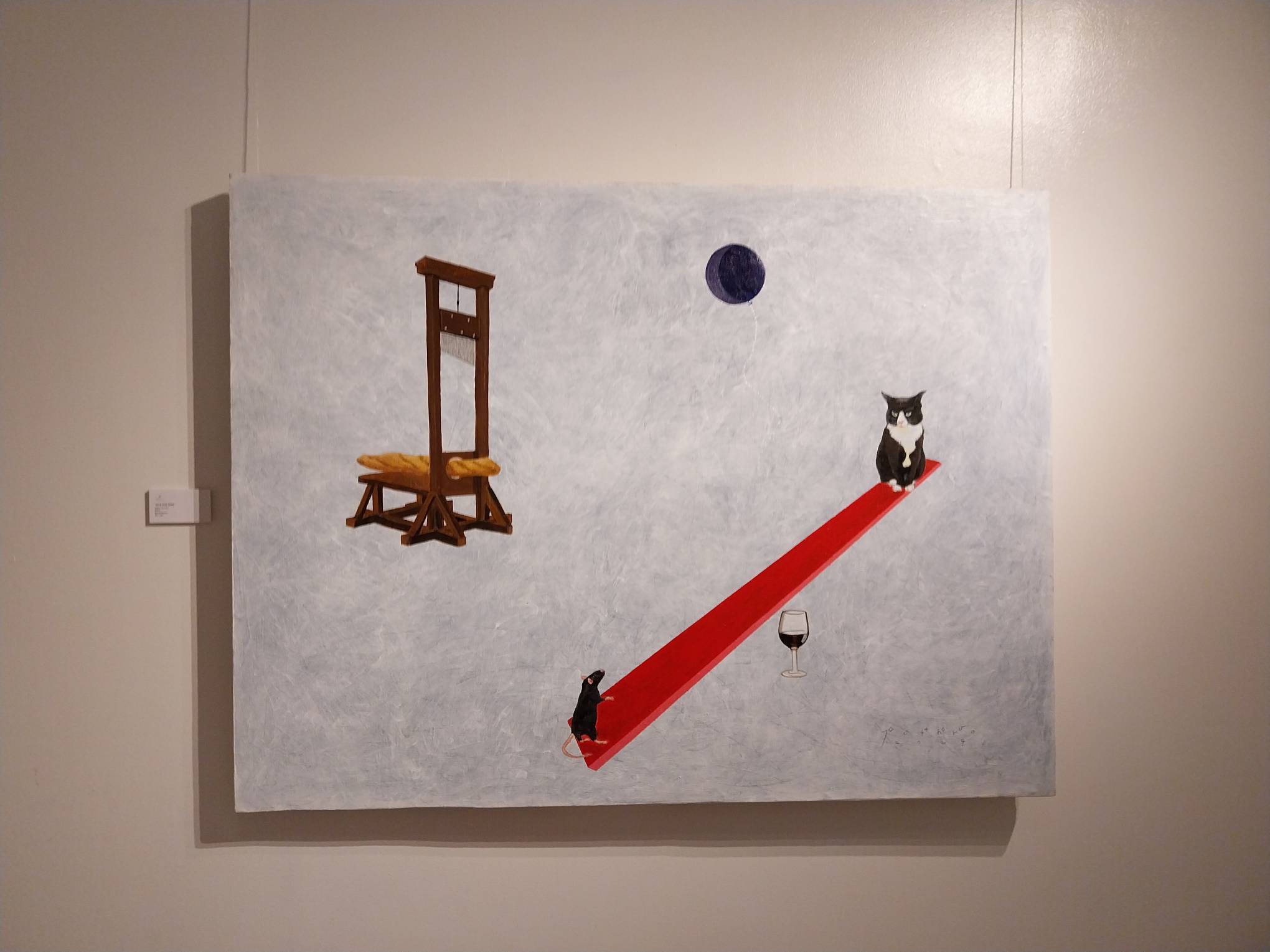
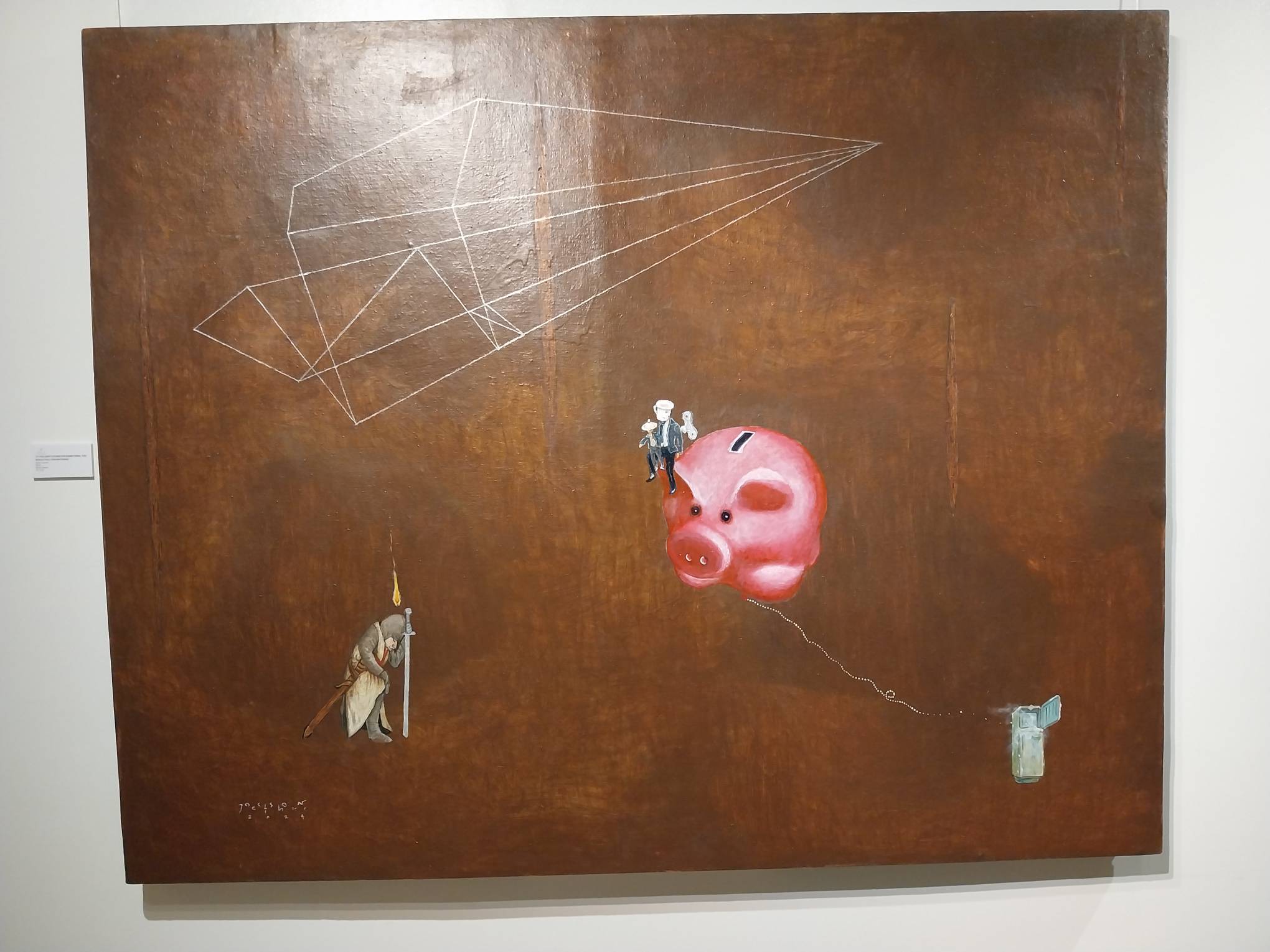
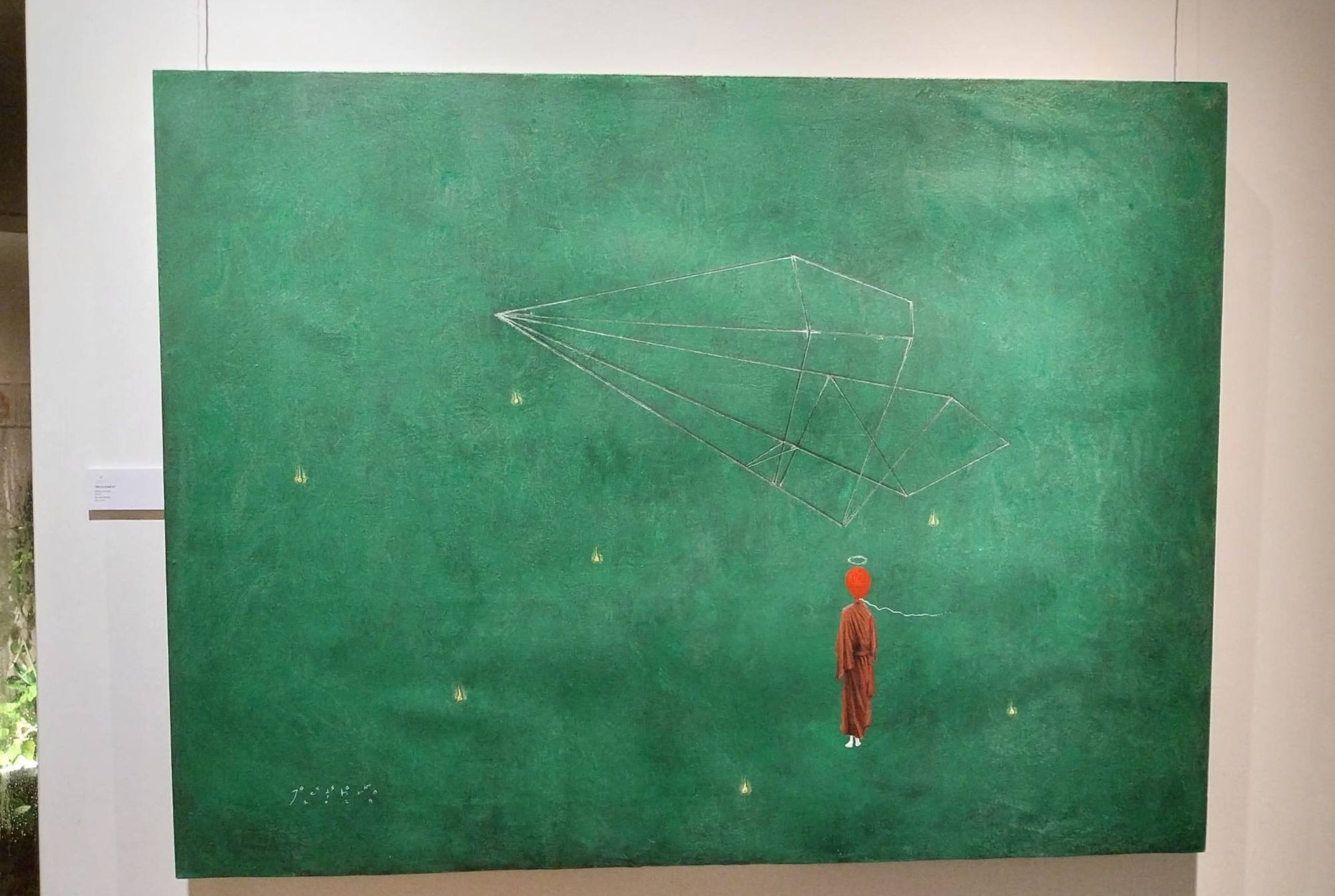
“I don’t work on a maximalist approach and composition. [My approach is] used to simplifying forms, subjects, symbols. I used to simplify it to create more mind-bending solutions to your experience,” he said.
Different characters populate Jocson’s paintings, which he calls “fairy tale” characters. Knights and nuns, birds and cats, skulls and plague doctors inhabit the surreal world he creates and tether us to the familiarity of our childhood.
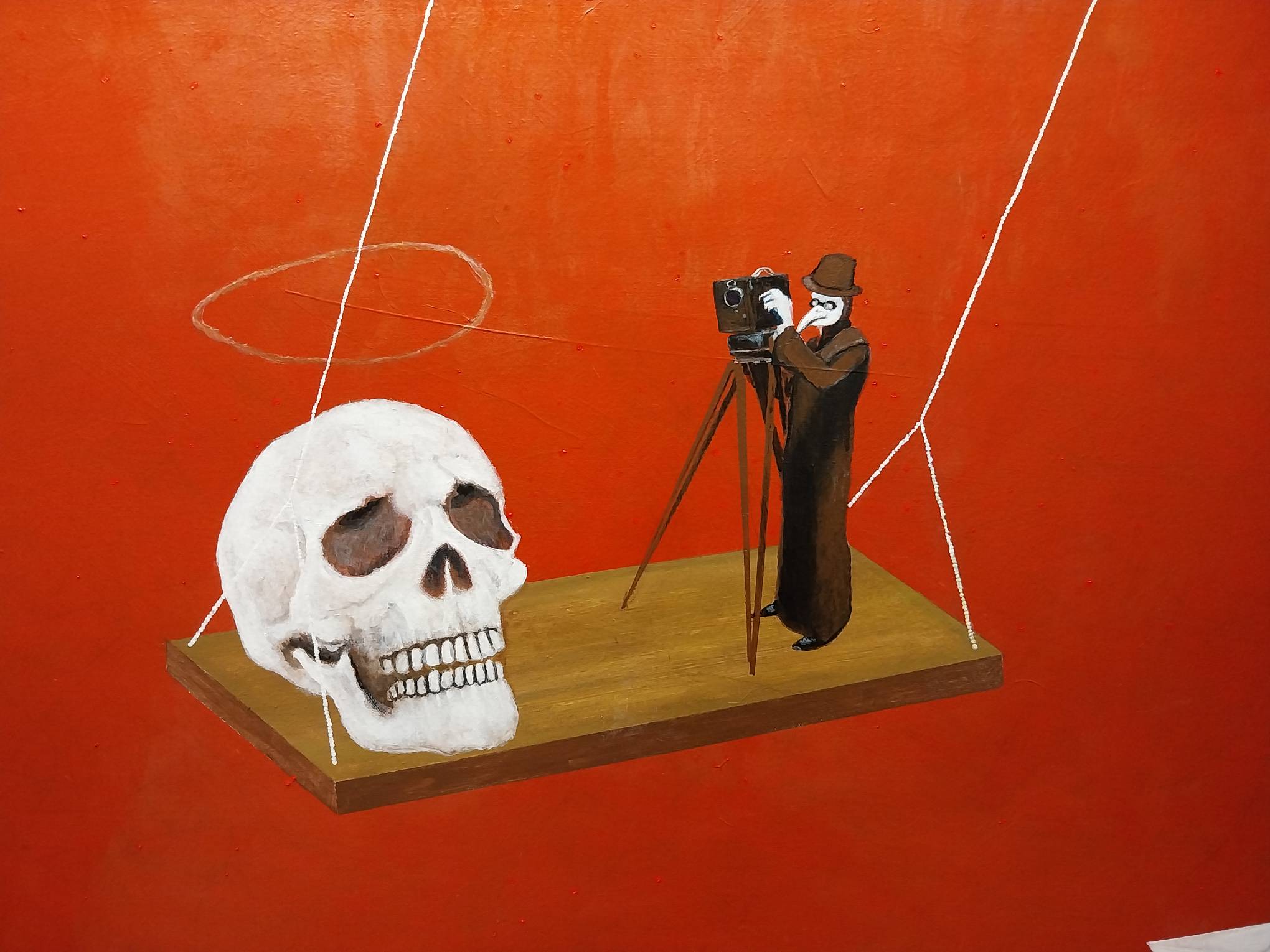
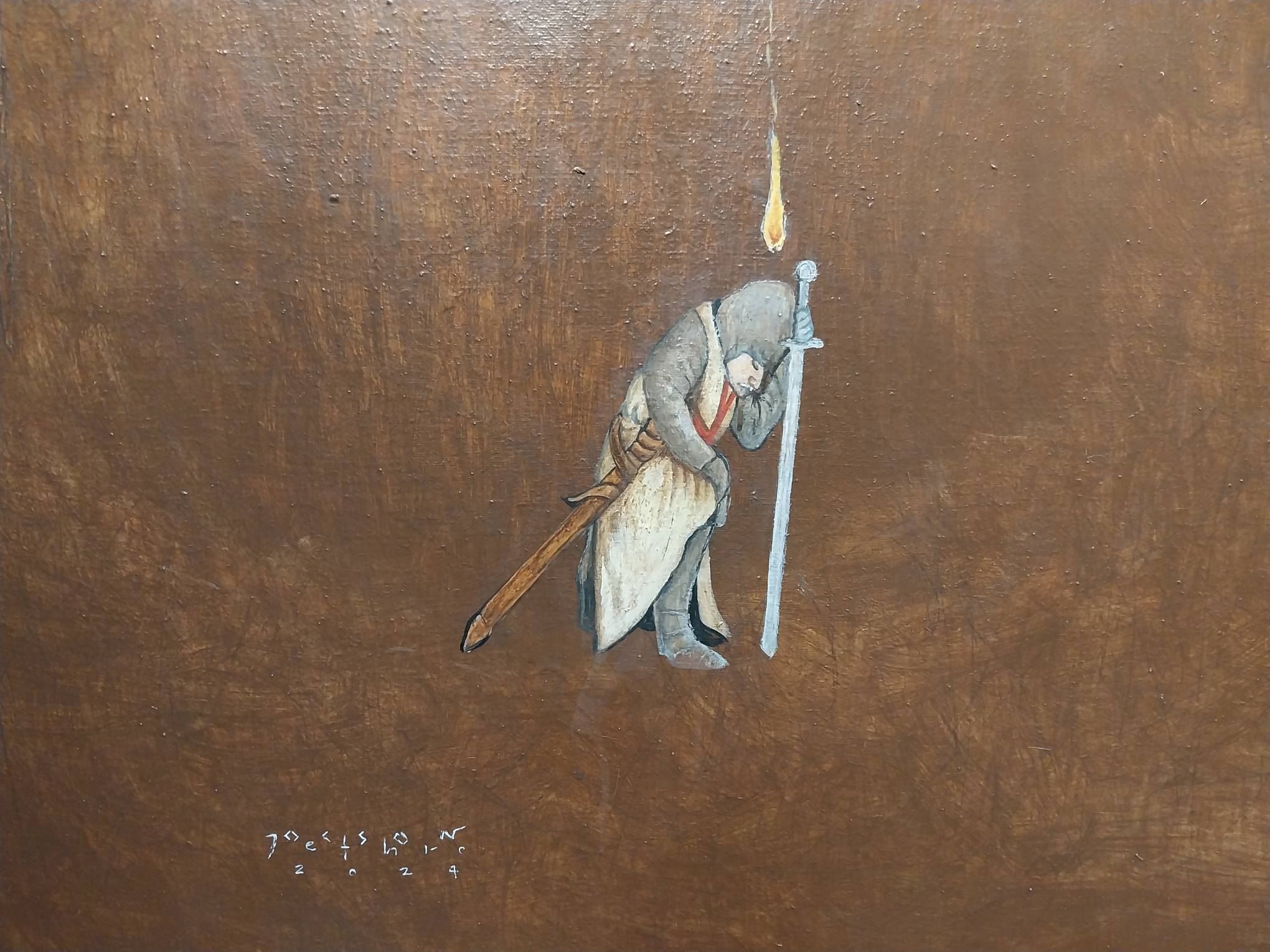
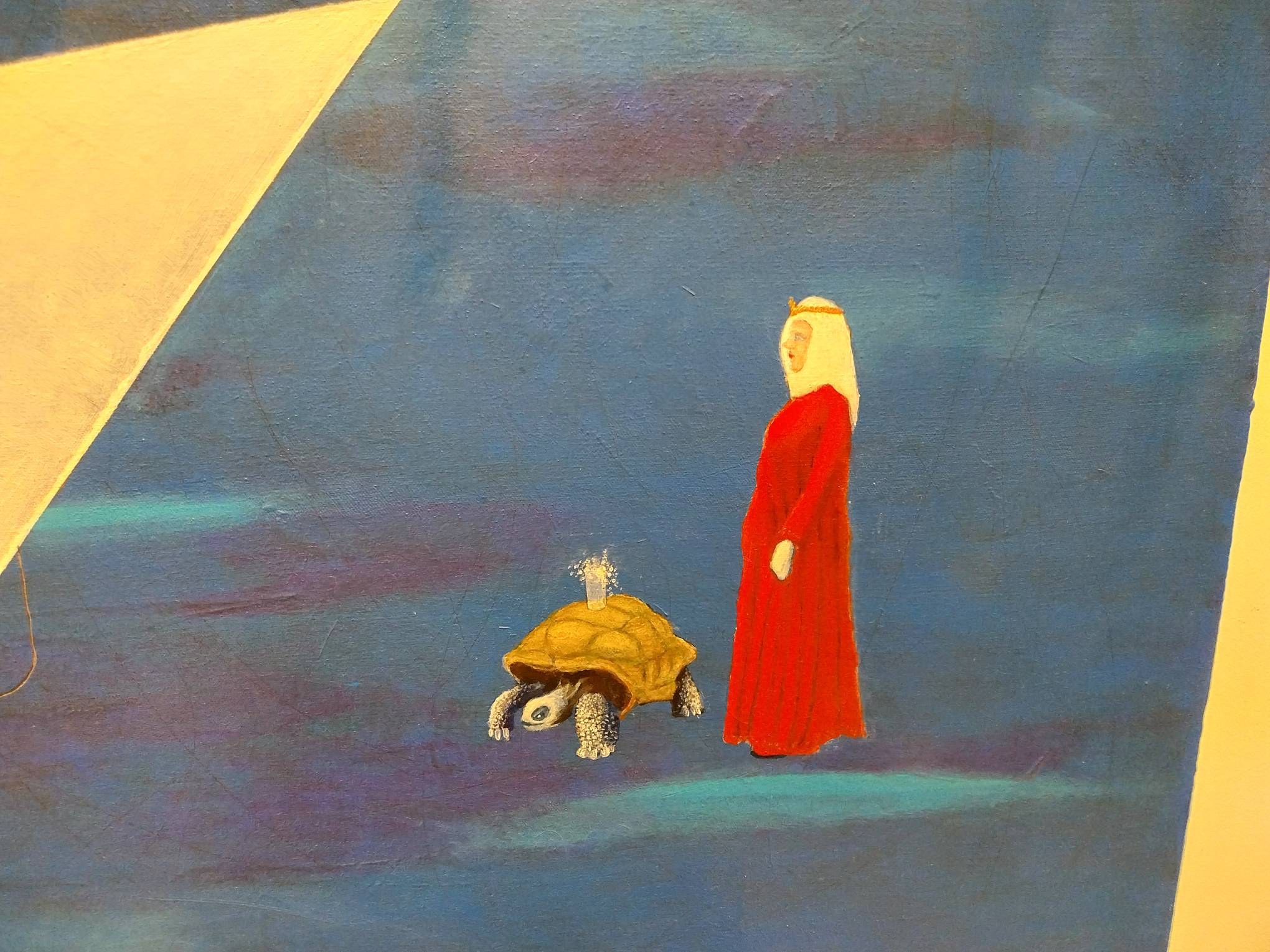
“[How] would I express the world of every moment that people [exist] in our contemporary reality? [By going] back to that childlike images, subjects, and symbols, to create freedom to express something that would create solutions to the problem of our cultural ways,” Jocson said.
Crafting a Personal Metamorphosis
The importance of childhood in defining the self is a key observation in these works. It revolves around characters growing up and bravely facing their problems, as if to suggest that bridging the gap between adulthood and childhood allows us the freedom to explore ourselves in the present day.
Two repeating motifs appear in the paintings: origami figurines like paper airplanes or boats, and balloons. Both symbolize flight and freedom, and the paper airplanes represent the need to be able to go with the flow in life, just like a paper airplane whooshes around in any direction.
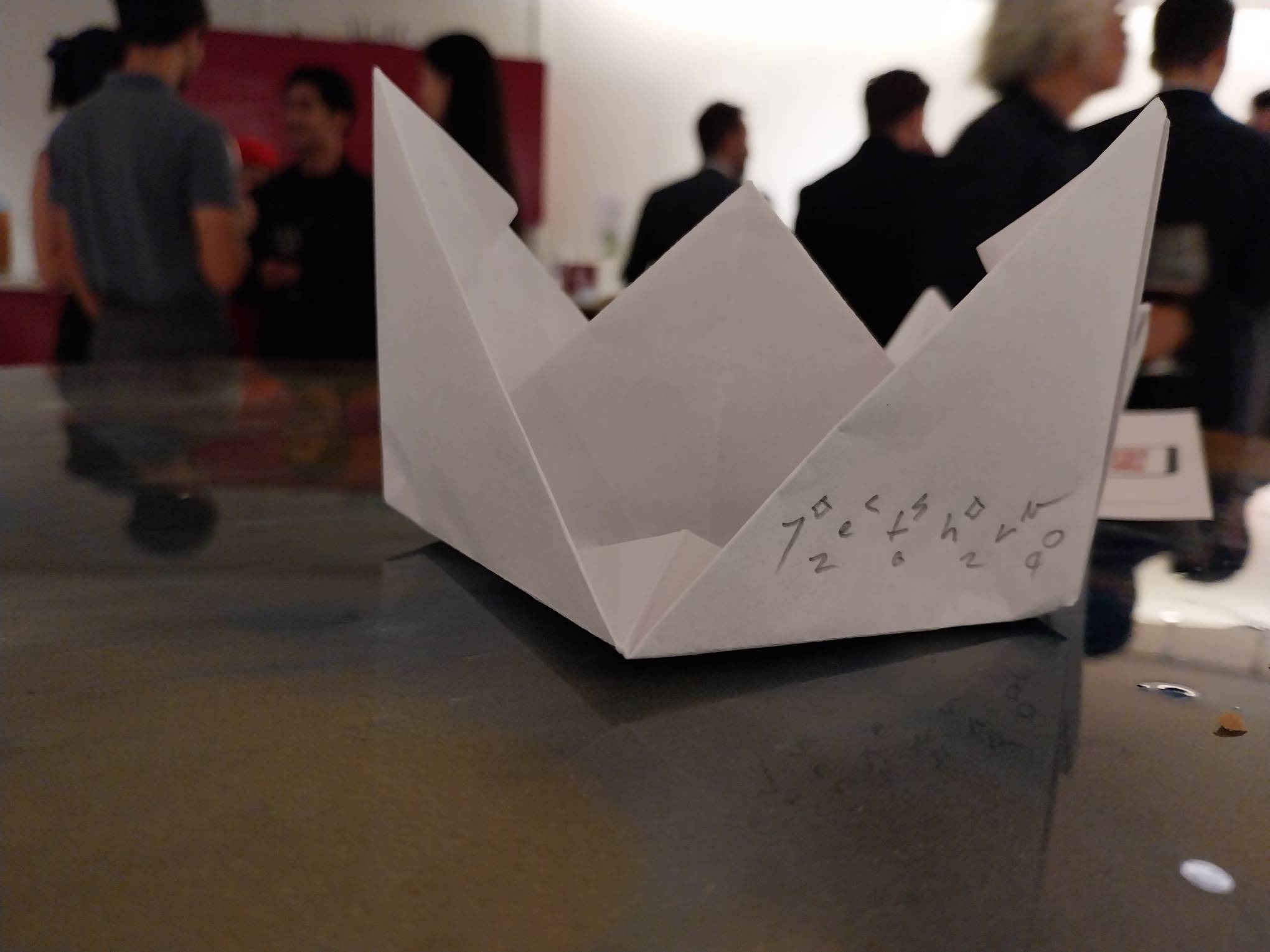
“Resurrect is all about that. The metamorphosis of us being human, of how we exist in this world, and how we capture those moments. [This is] now [what] I am sharing, those visual images of being [a] child and on a whimsical pattern,” he said.
Finding Freedom in Childhood
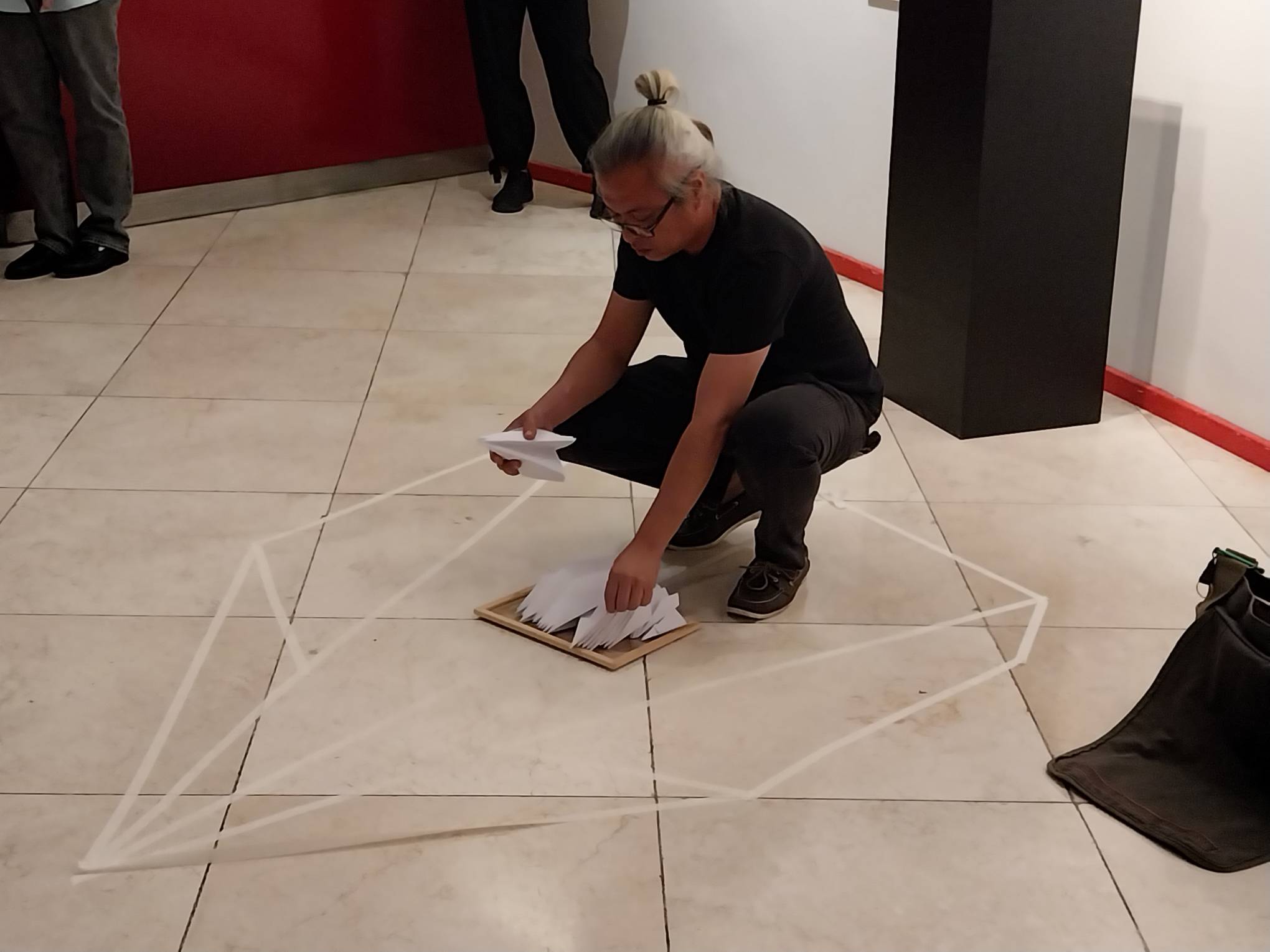
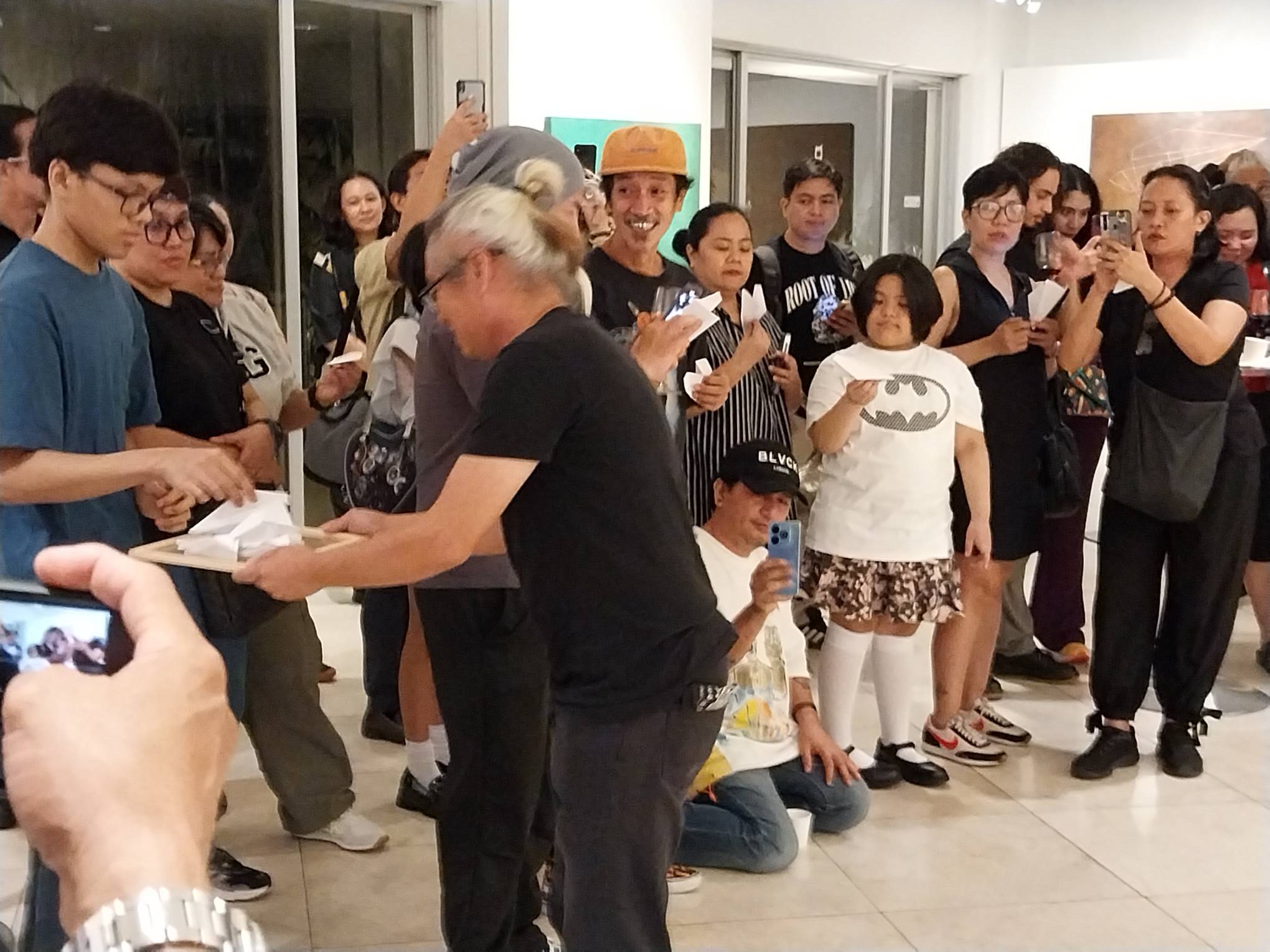
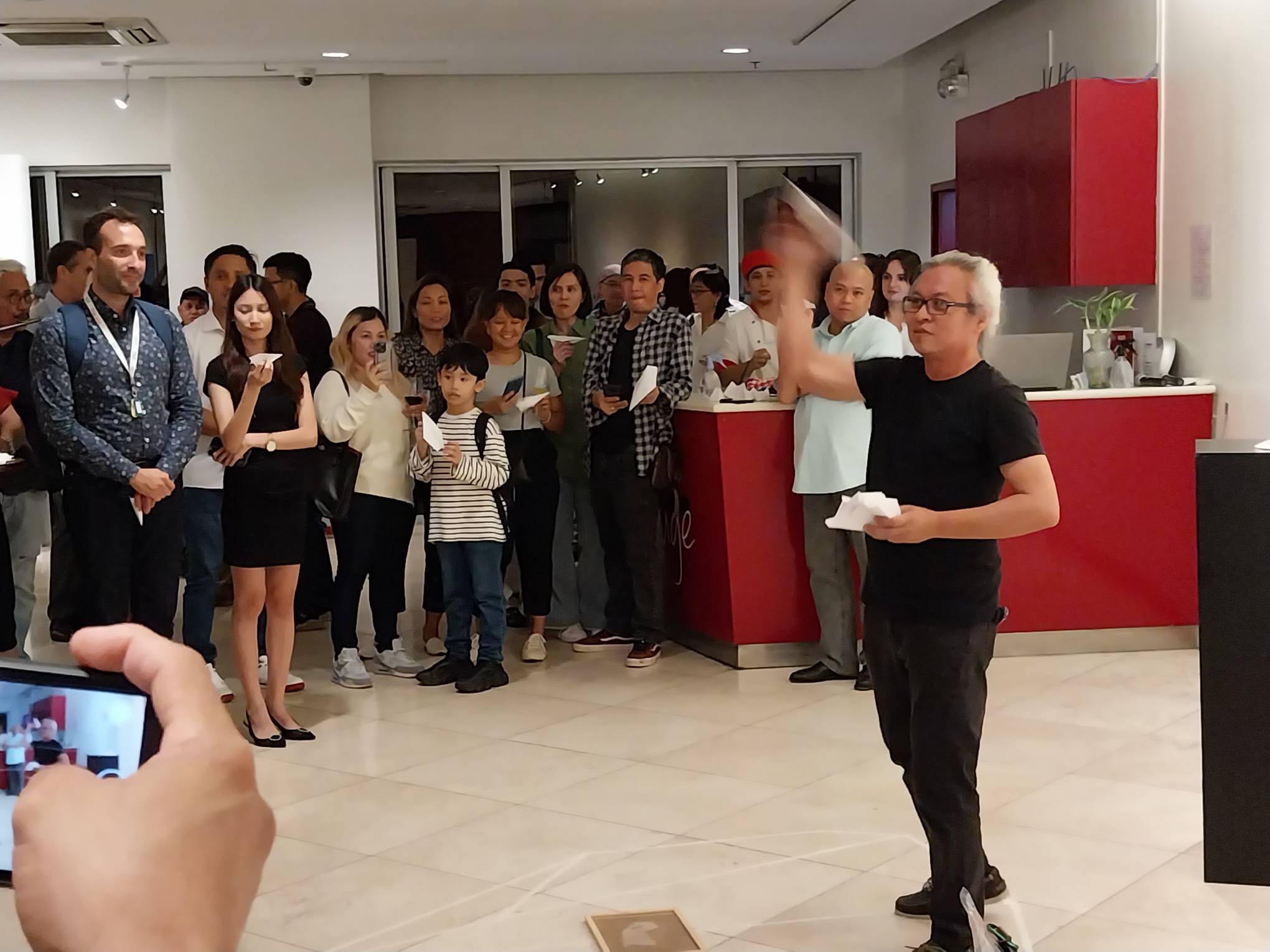
Jocson even demonstrated this with a performance during the exhibit opening. He utilized tape to create an outline of a paper plane on the floor, before giving the audience paper planes to let loose around the exhibit space—all to the sound of jazz music in the background.
Jethro Jocson’s Resurrect imparts an always timely lesson to remember and cultivate love for the inner child. It is, more than anything, a reminder that the brave characters of our past need not be stuck in our subconscious; that they can help guide us in our journey today to find meaning in how we live our lives.
Related reading: Jomike Tejido’s ‘Manifesto of Play’ Taps into the Inner Child
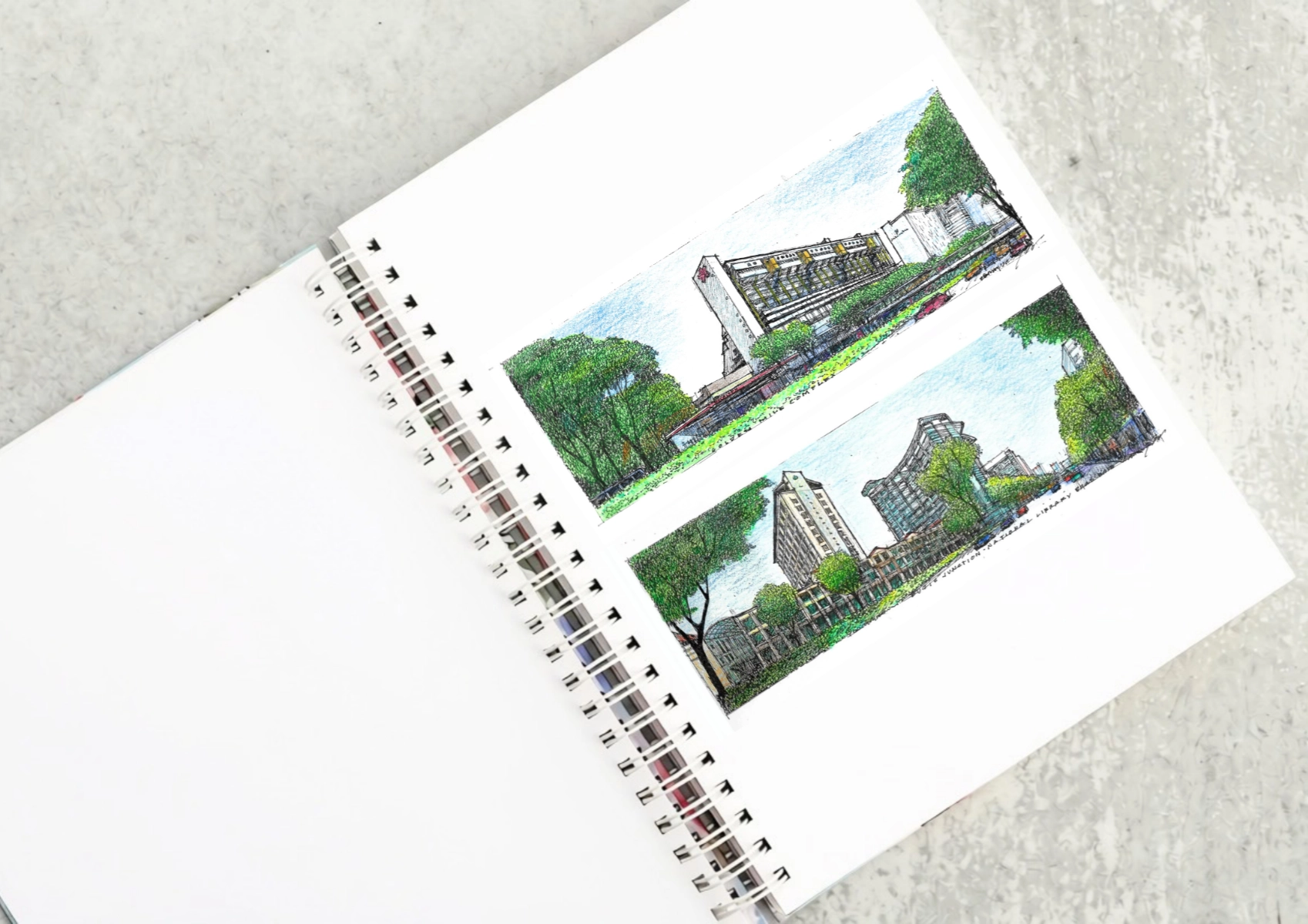
Two sketches of Singapore connect BluPrint Editor in Chief Paulo G. Alcazaren’s personal and professional history with Shared Ground: ArchitectureArchitectureThe art and science of designing and constructing buildings, structures, and spaces that are functional, safe, and aesthetically pleasing. It encompasses the planning, design, materials, and techniques used to createGo to Architecture Glossary of Care, Culture, […]
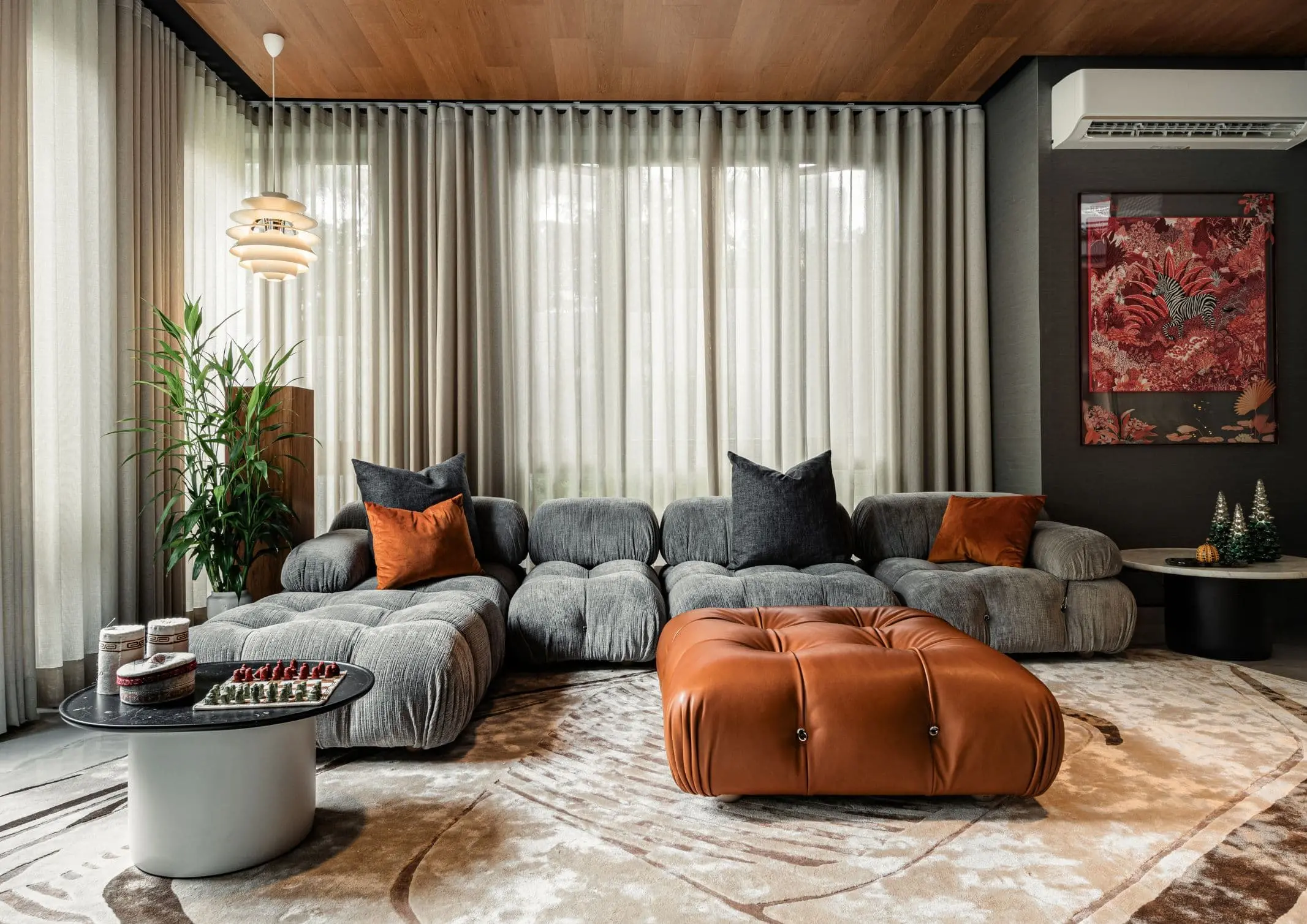
Some have become household names – Coleman, Oster, and KitchenAid – products that have found their way into Filipino kitchens, homes and family routines. In home furnishings, brands such as B&B Italia, Ethan Allen, Sub-Zero, Miele, SieMatic, Louis Poulsen, Hunter Douglas, Tempur, and Technogym, have helped shape the way Filipinos live. From everyday essentials to […]
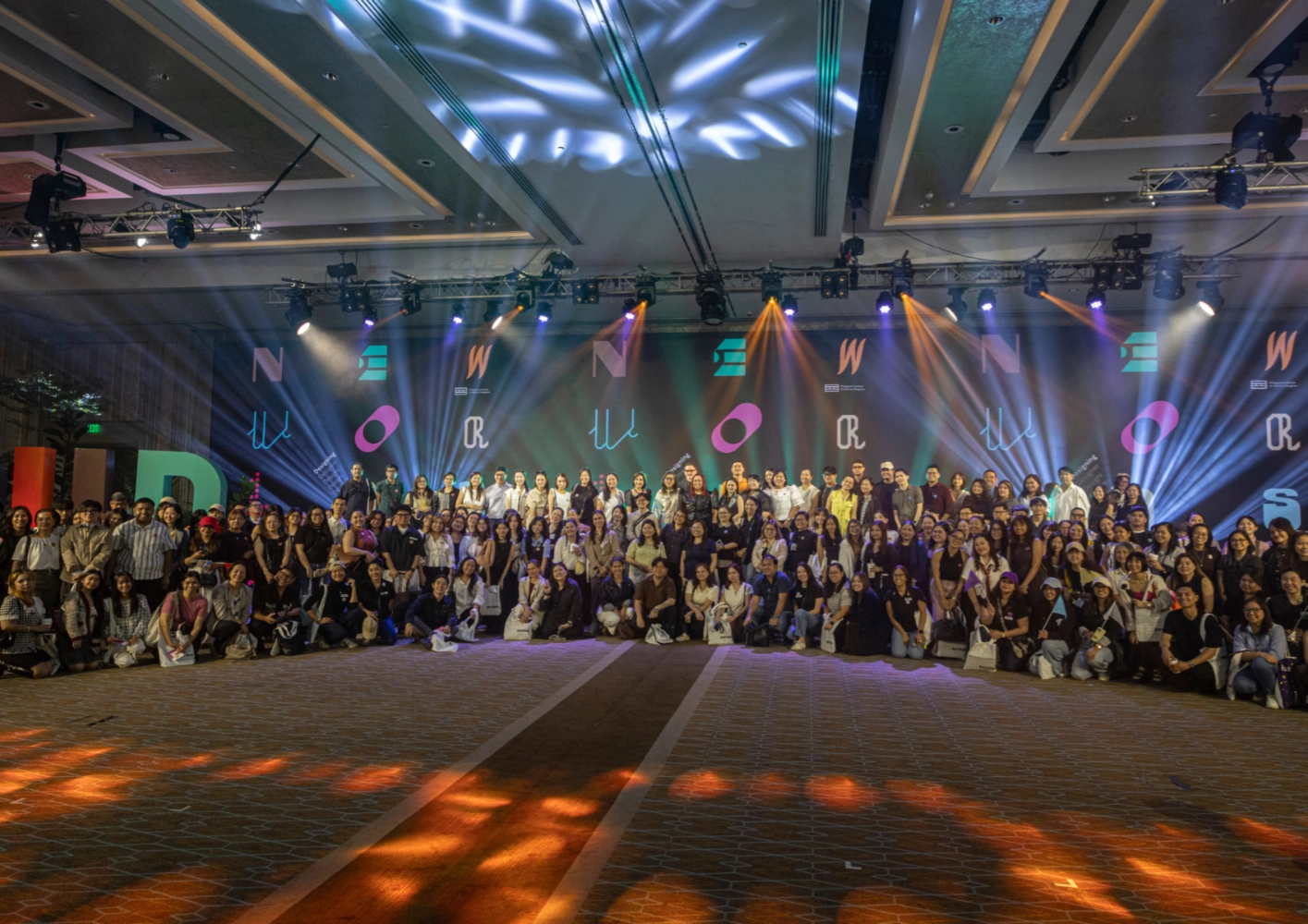
In a way, designers are the modern-day soothsayers and prophets. They design for the future, predicting how a room, a house, a building or a whole city will be used by people. They foresee how users will interact with a space, conjure exact shades of colors to elicit specific behavior and arrange furniture to build […]
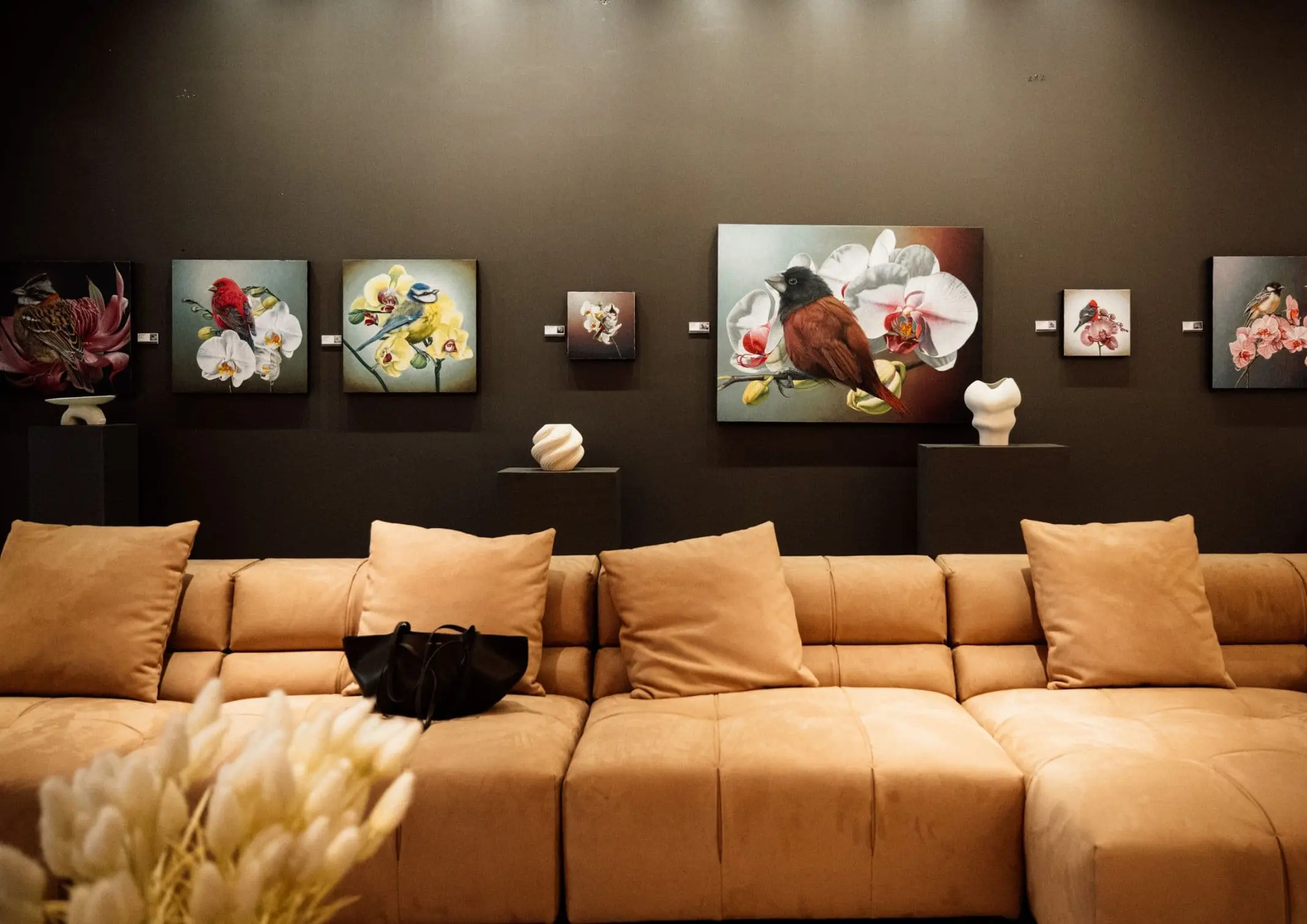
Art and furniture are often selected separately, yet their relationship can shape how a room looks and feels. The collaboration between Hooga and Galerie Joaquin explores how these elements can work together, bringing contemporary artworks into furnished residential settings at Hooga’s showroom in Uptown Mall, Bonifacio Global City. For Hooga, which curates furniture, lighting, and […]
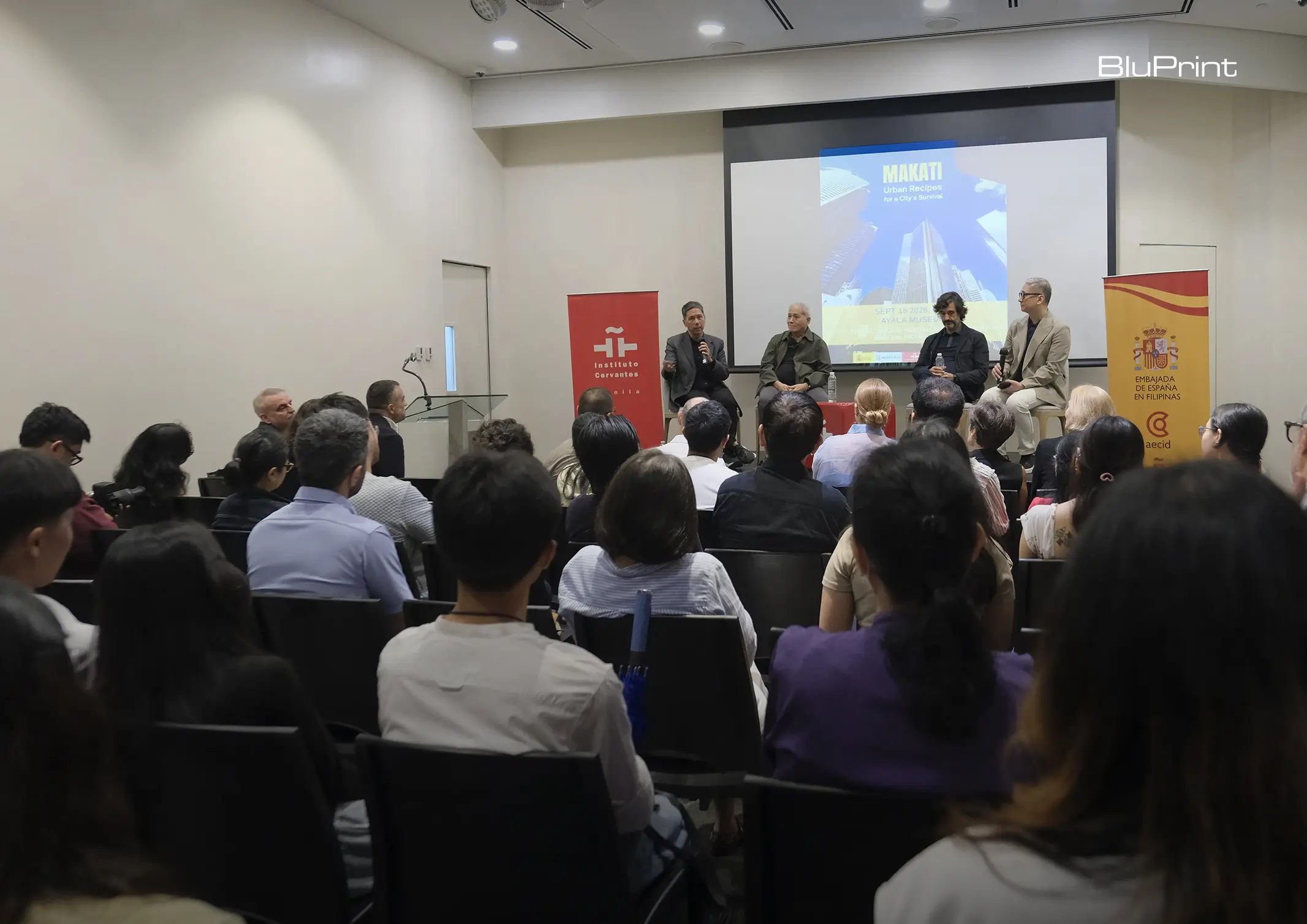
How can better-planned cities create the conditions for more creative, livable, and resilient urban environments? “Makati Urban Recipes for a City’s Survival,” a colloquium held at the Ayala Museum on September 15, brought together architects and practitioners from the fields of urbanism and the creative economy to discuss how design, planning, and collaboration can address […]
Read the issues.

Collect the volumes.

Recommended Video
Tap to Unmute
Unmute
0:00
0:00