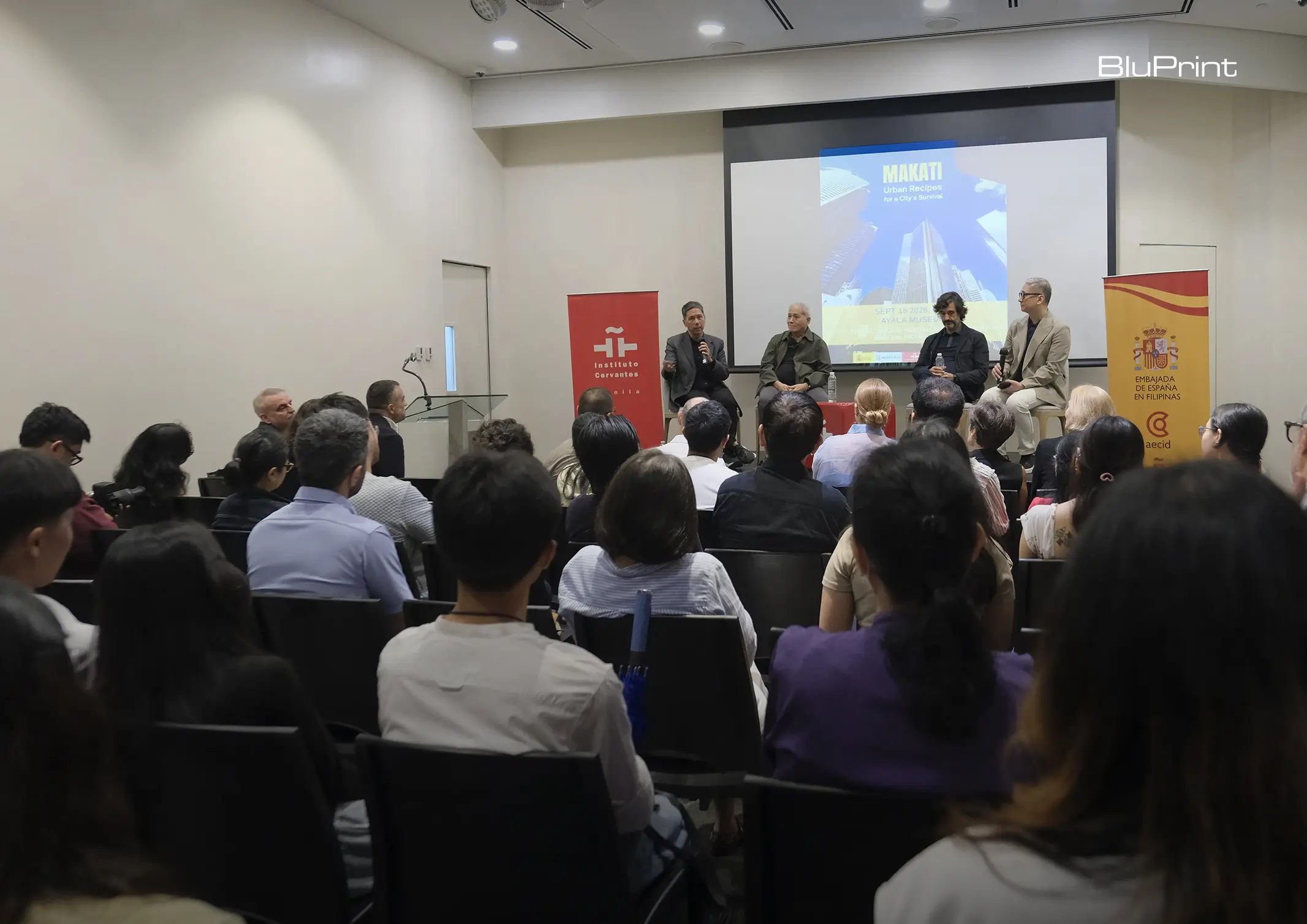
How can better-planned cities create the conditions for more creative, livable, and resilient urban environments? “Makati Urban Recipes for a City’s Survival,” a colloquium held at the Ayala Museum on September 15, brought together architects and practitioners from the fields of urbanism and the creative economy to discuss how design, planning, and collaboration can address […]
This New Pardo de León Exhibit Shows Humorous, Emotional Spectacles



The Crack, the Gap, the Alleyway, the new exhibit at MO_Space, combines new and previously unreleased works of artist Pardo de León and finds the thematic connections she maintained throughout her artistic career.
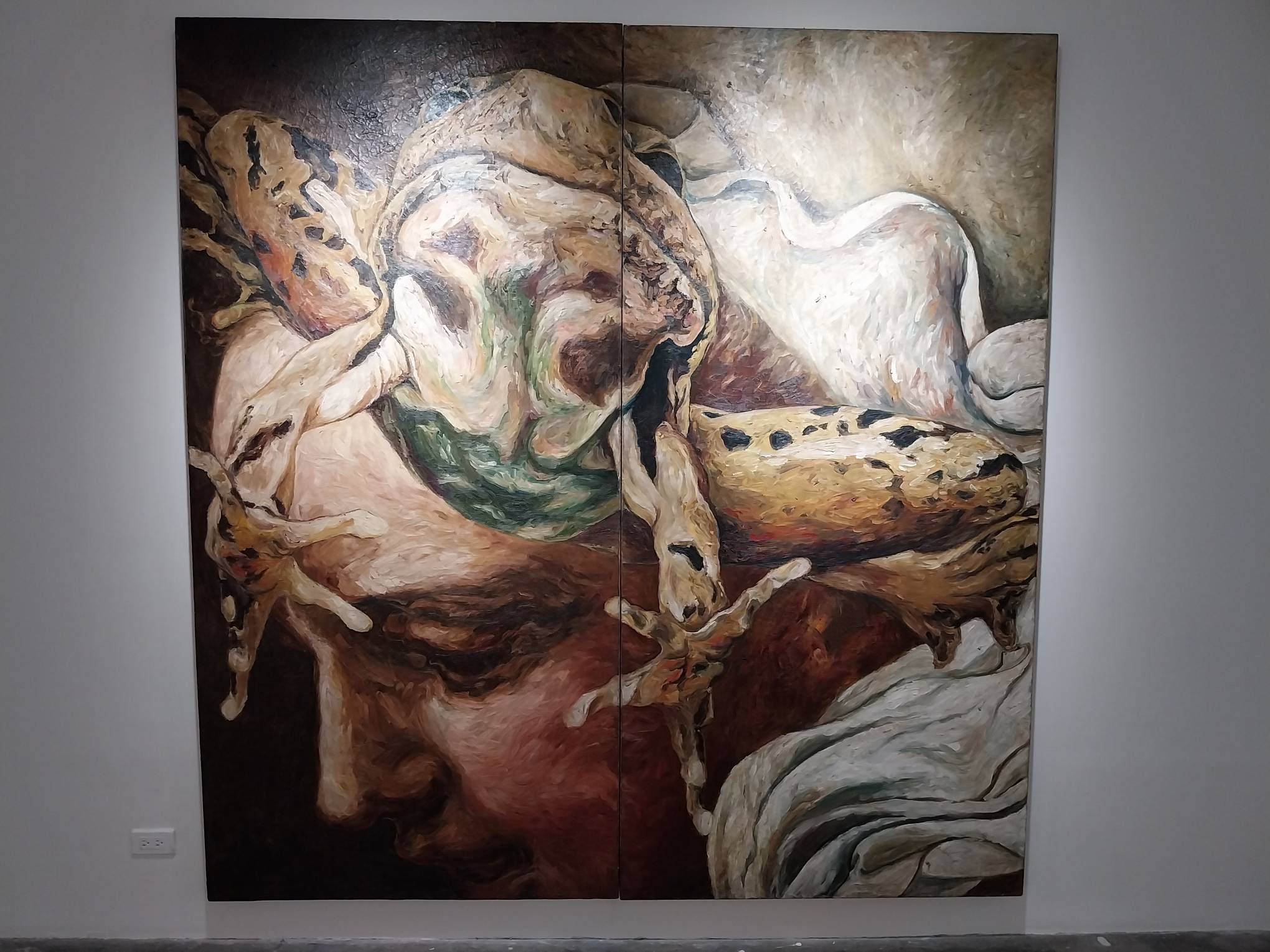
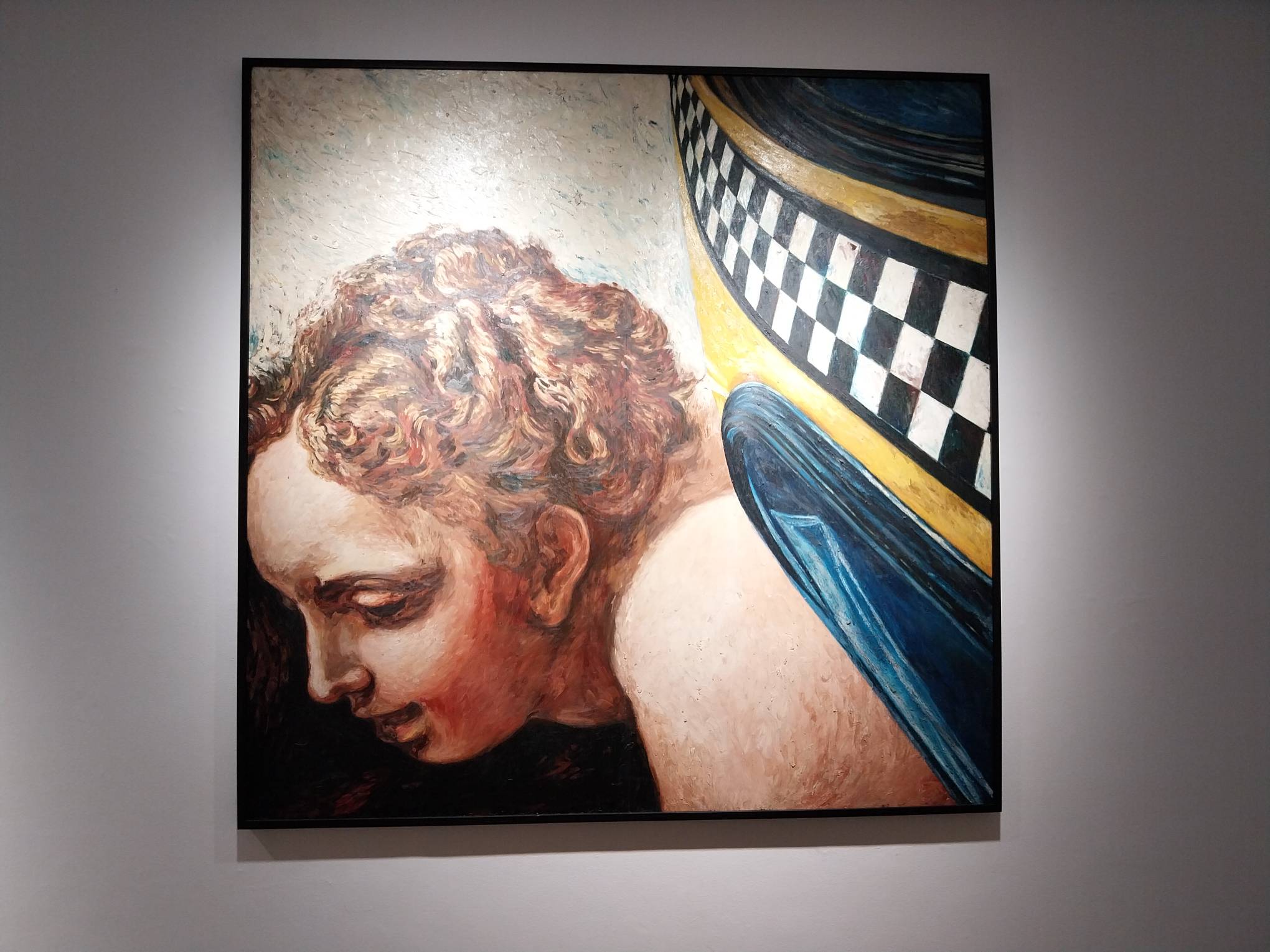
The background of some of the artworks are exciting, with Jet Melencio’s write-up covering the interesting history of how one of the paintings, “Stitched Frog,” ended up not being shown in its 1989 exhibition in Riga due to the Armenian earthquake. The other painting of note, “Angel & Taxicab,” did not get exhibited due to the First EDSA Revolution.
Cherubian Faces Skewed
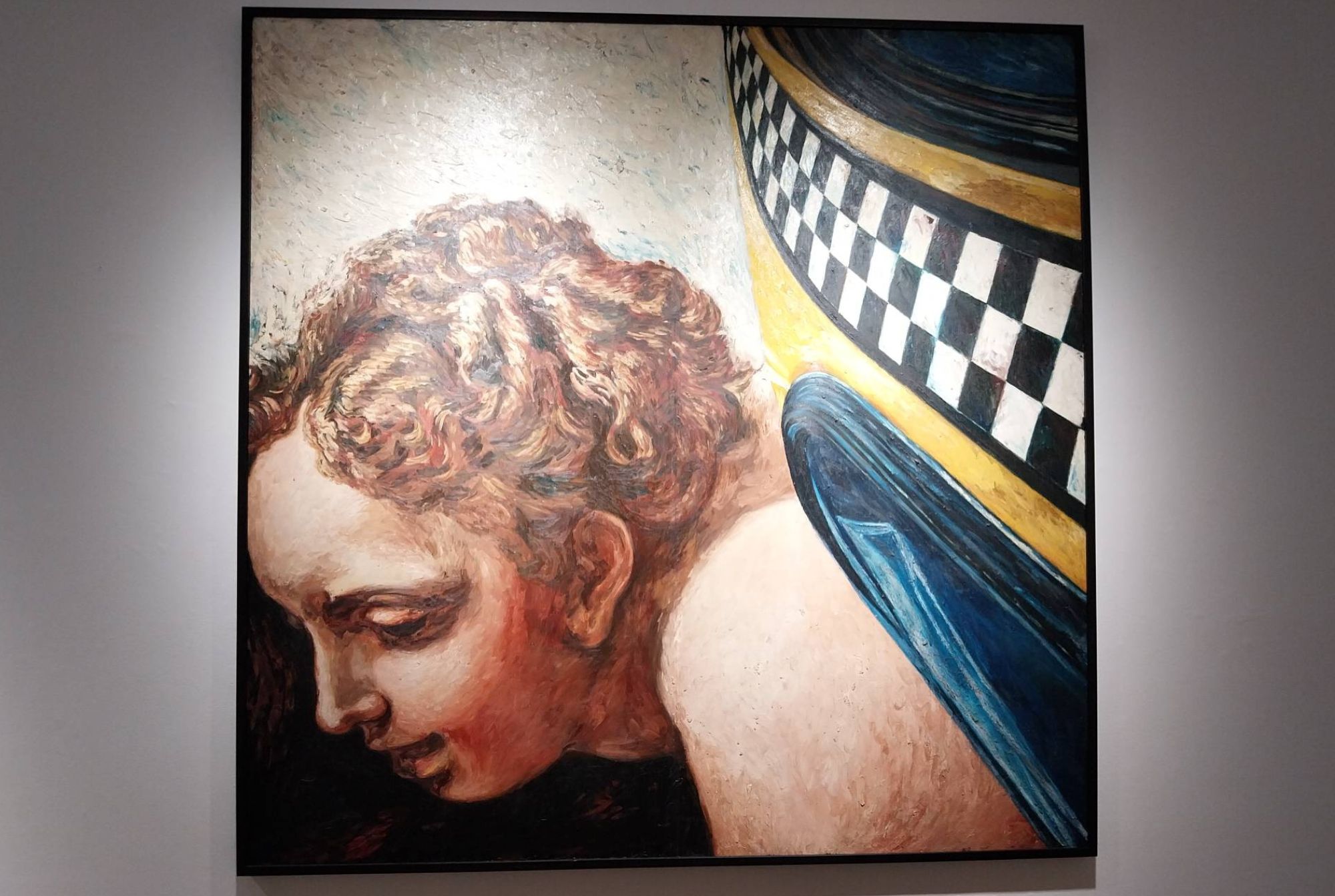
The Crack, the Gap, the Alleyway demonstrates Pardo de León’s interest in finding ways to flip old-fashioned angelic faces into strange contexts that finds the humor and emotions within what seems like “perfect” faces. Melencio describes the looks of the women in the paintings as “Caravaggio head,” but de León puts her paintings in stranger situations than Caravaggio ended up doing.
“Stitched Frog” and “Angel & Taxicab” exemplifies these qualities well. The first painting has a person in a state of shock as a frog seems to stand on their head. It’s a close-up face of disgust and surprise, as if the person doesn’t know how to react to the situation. The face being mostly covered by this arrogant-looking frog gives it an even more absurdist edge overall.
“Angel & Taxicab,” meanwhile, shows a person’s resigned look as they appear to be hit by a taxicab. It’s much less absurd than the previous painting, as de León captures the befuddlement of the person getting hit. Still, there’s a hint of deadpan humor to it, a Wes Anderson-esque understatement of emotion to what appears to be a painful event happening to the person.
The newer paintings also contain absurdist touches that feel like Pardo de León deliberately subverts the ideals of beauty by presenting them in incomplete or skewed perspectives.
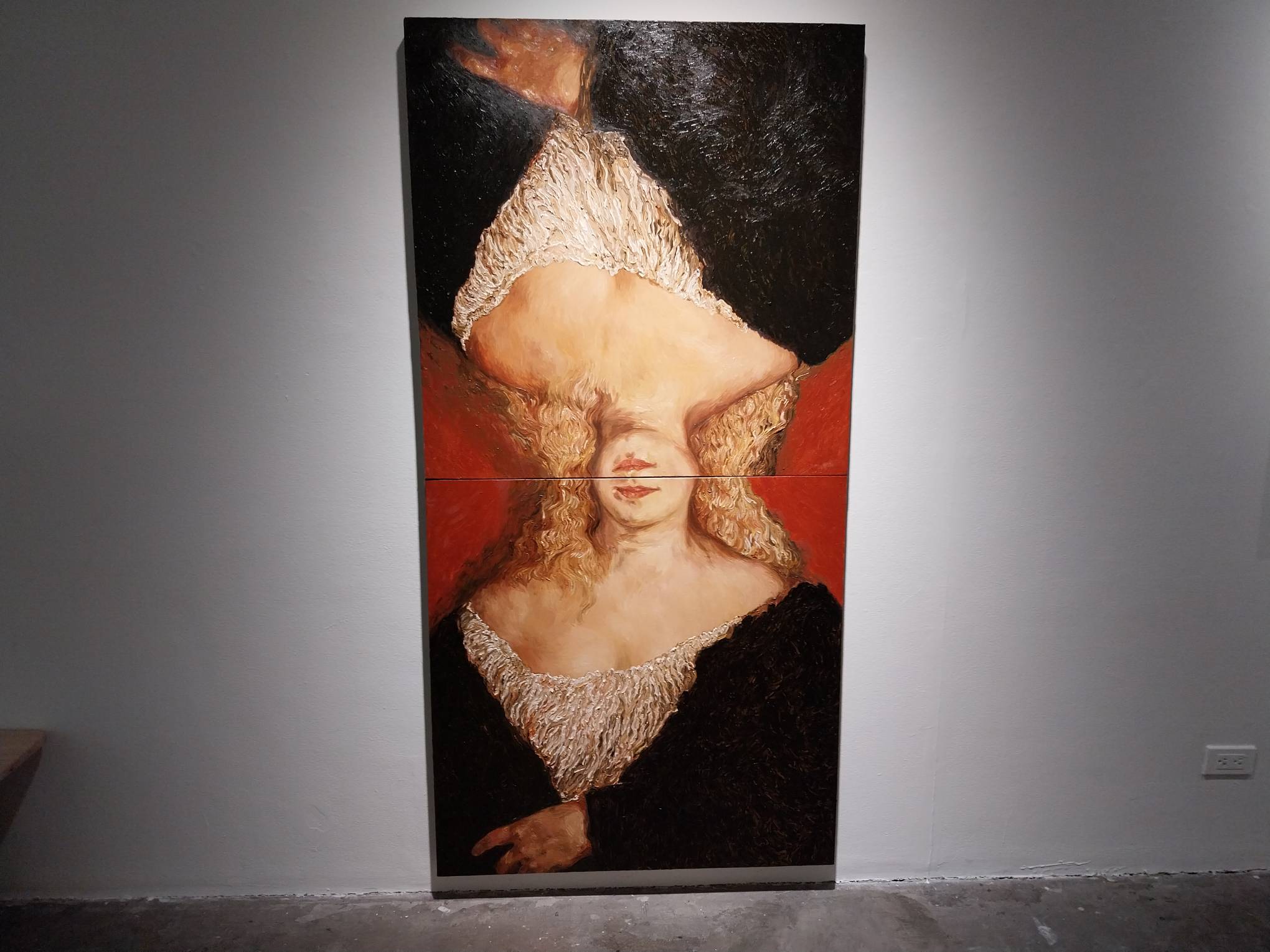
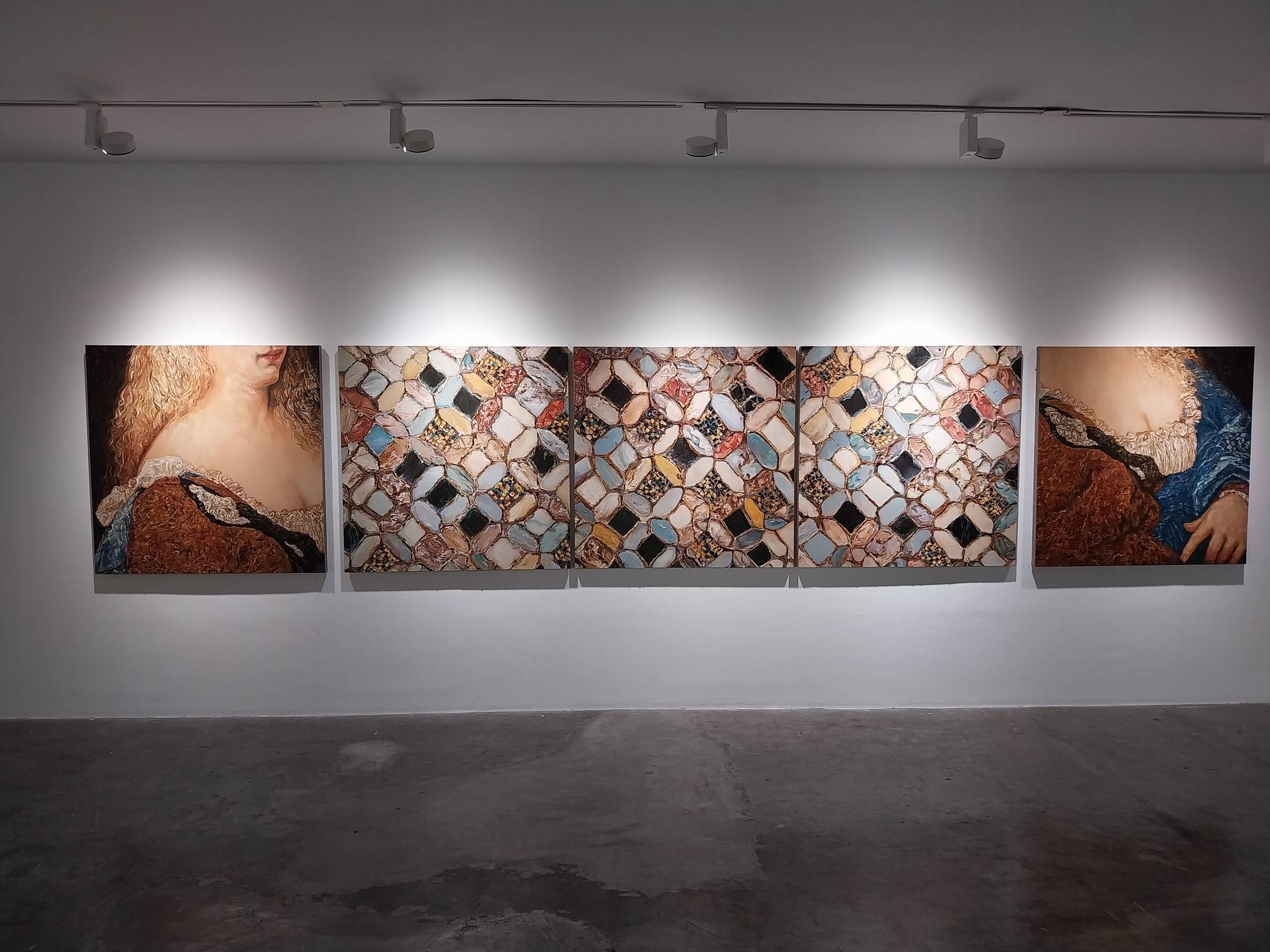
“Black Coat,” for example, are two paintings of a smirking woman’s profile from the mouth down, except that, as exhibited, the two paintings are put on top of each other to create mirror images. It’s very deconstructive, and put together, creates a distinct, idiosyncratic view of beauty as a whole.
Abstracting Emotions
Other paintings in the collection have an abstract, mathematical methodology towards their approach. They don’t have faces, and yet they seem to be a delicately-painted, kaleidoscopic deconstruction of the paintings they come from. Looking at them feels like Pardo de León put her paintings through a funhouse mirror and painted the results.
“Black Coat Series 1-3” and “From the Blue Girl Series 1-3” uses elements from their respective parent paintings and puts them in boxes, deriving new patterns from the differing motifs of the paintings. “From the Blue Girl Series” kind of looks like church tiles from a certain perspective, while the “Black Coat Series” paintings mimic the look of sand put in boxes at certain patterns.
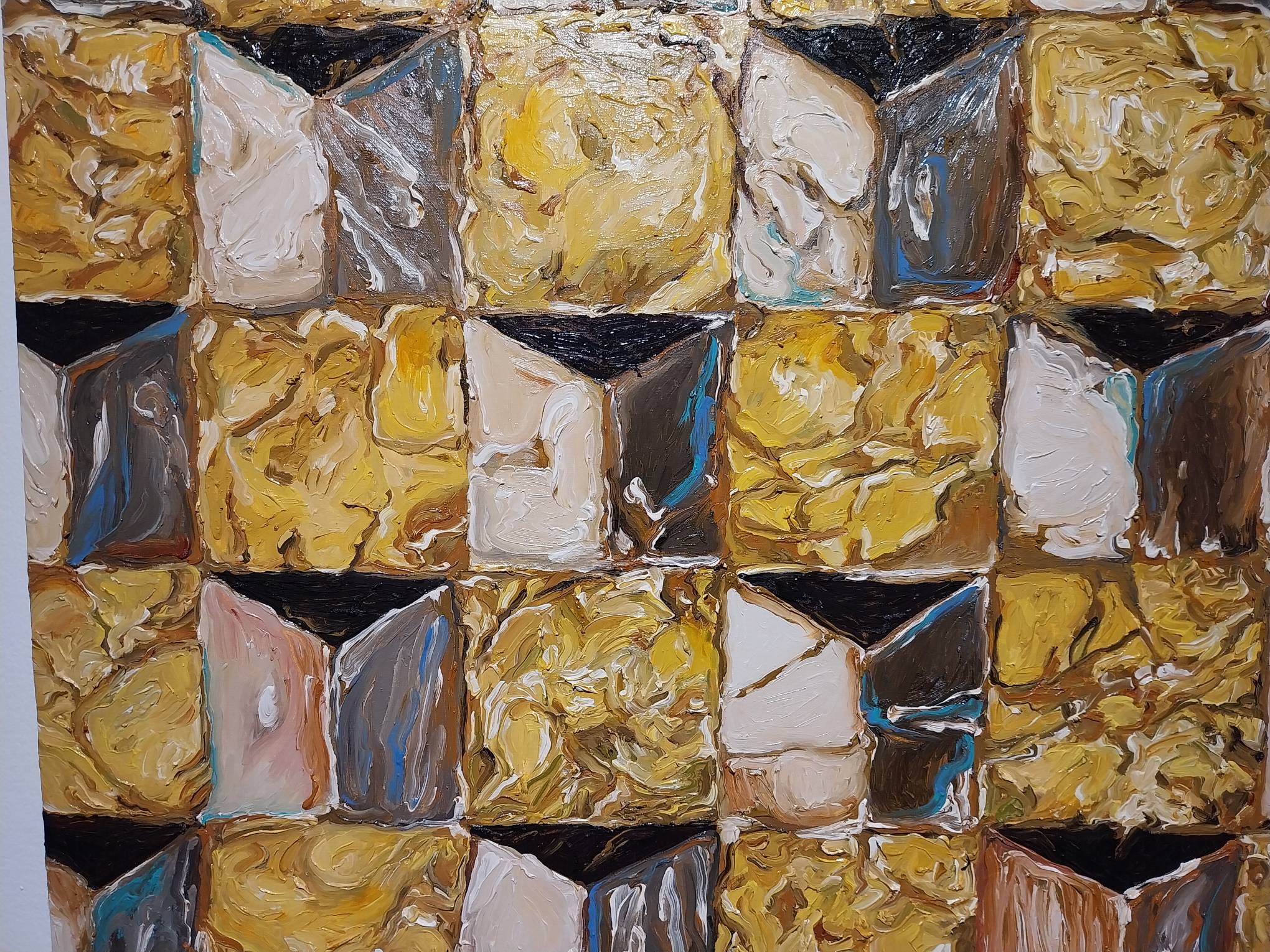
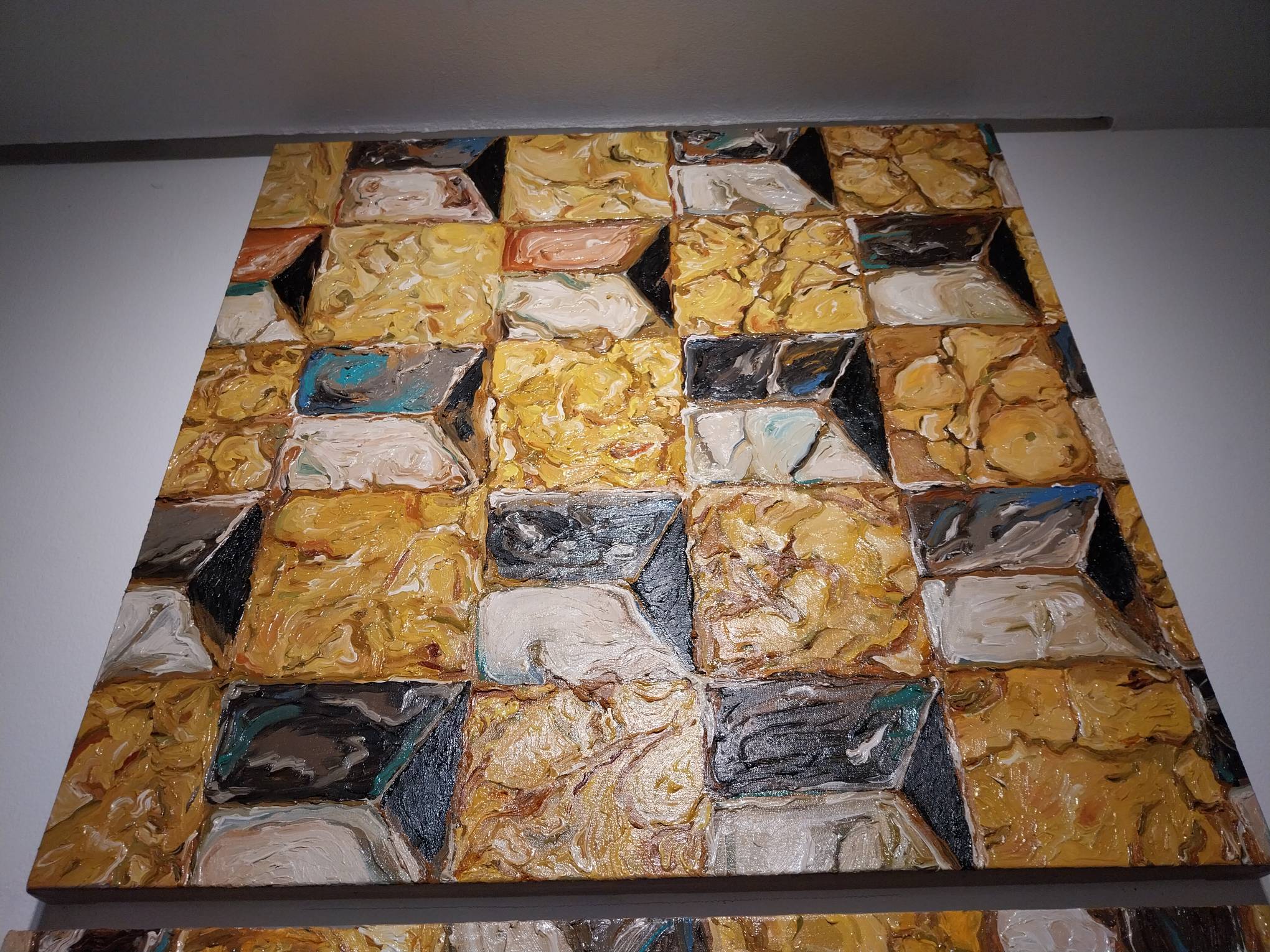
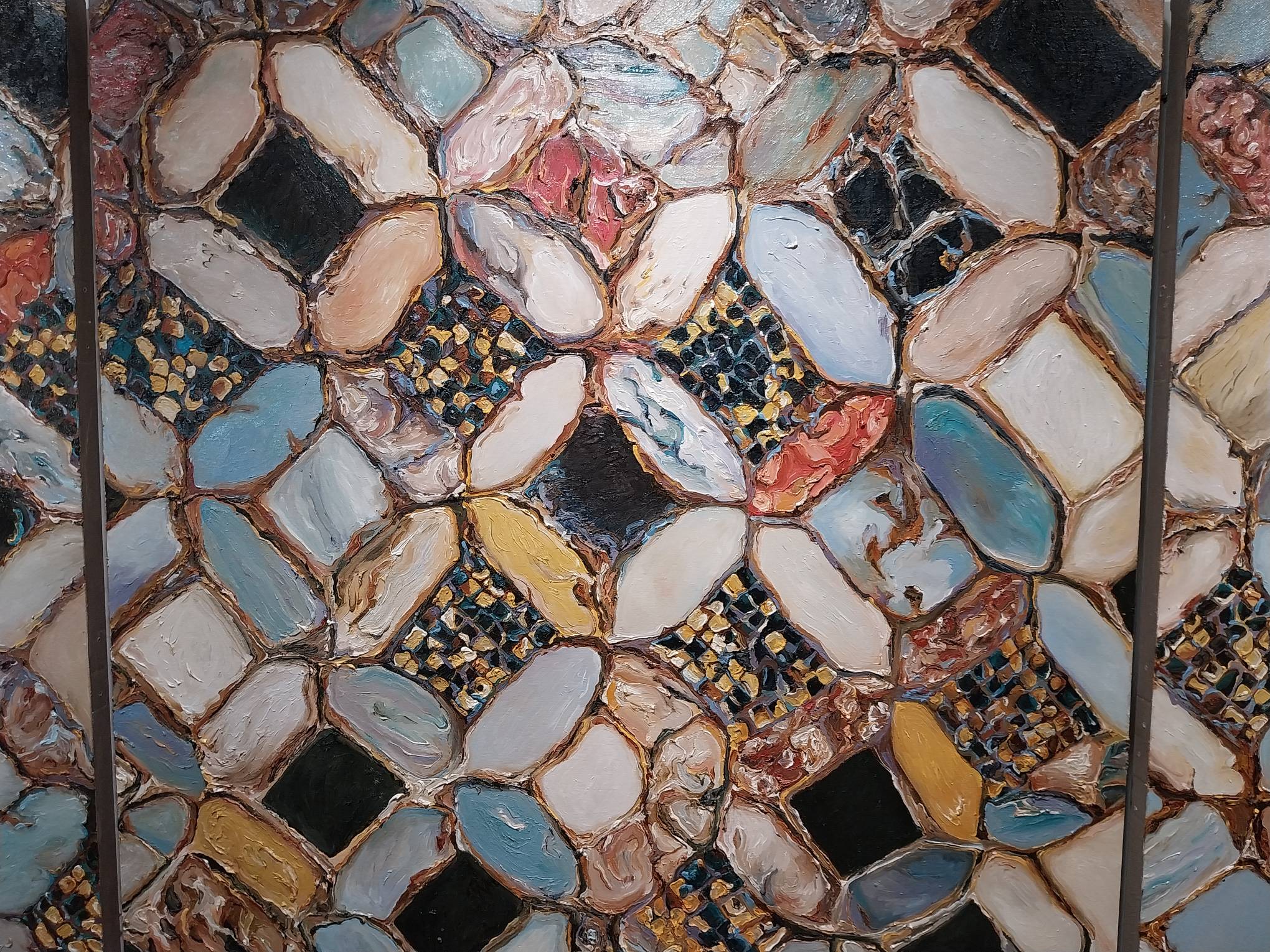
“In harmony, she integrates floor patterns that structurally mimic the women in both composition and palette—a fugue faintly echoed in the pixellations of these ancient mosaics,” Melencio said of these paintings.
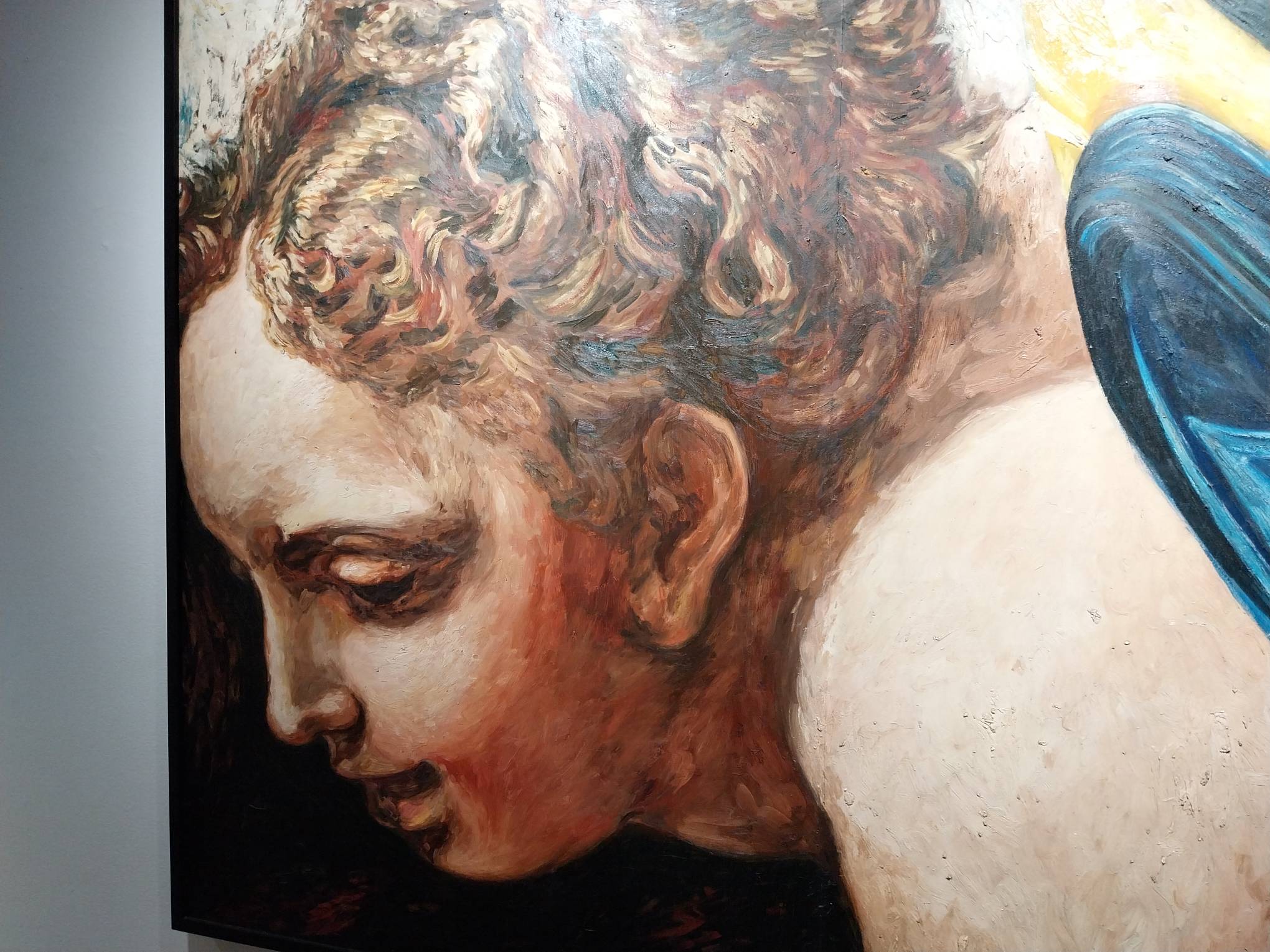
The Crack, the Gap, the Alleyway has a deliberate aesthetic to the works featured that subverts the expectations and standards of artworks not just in the artist’s past but in art’s past as a whole. One can derive a whole lot of humorous pleasure from the playful yet calculated choices that Pardo de León utilizes, and this exhibit showcases these motifs and themes well.
Related reading: Contemporary Arts in the Philippines: An Introduction
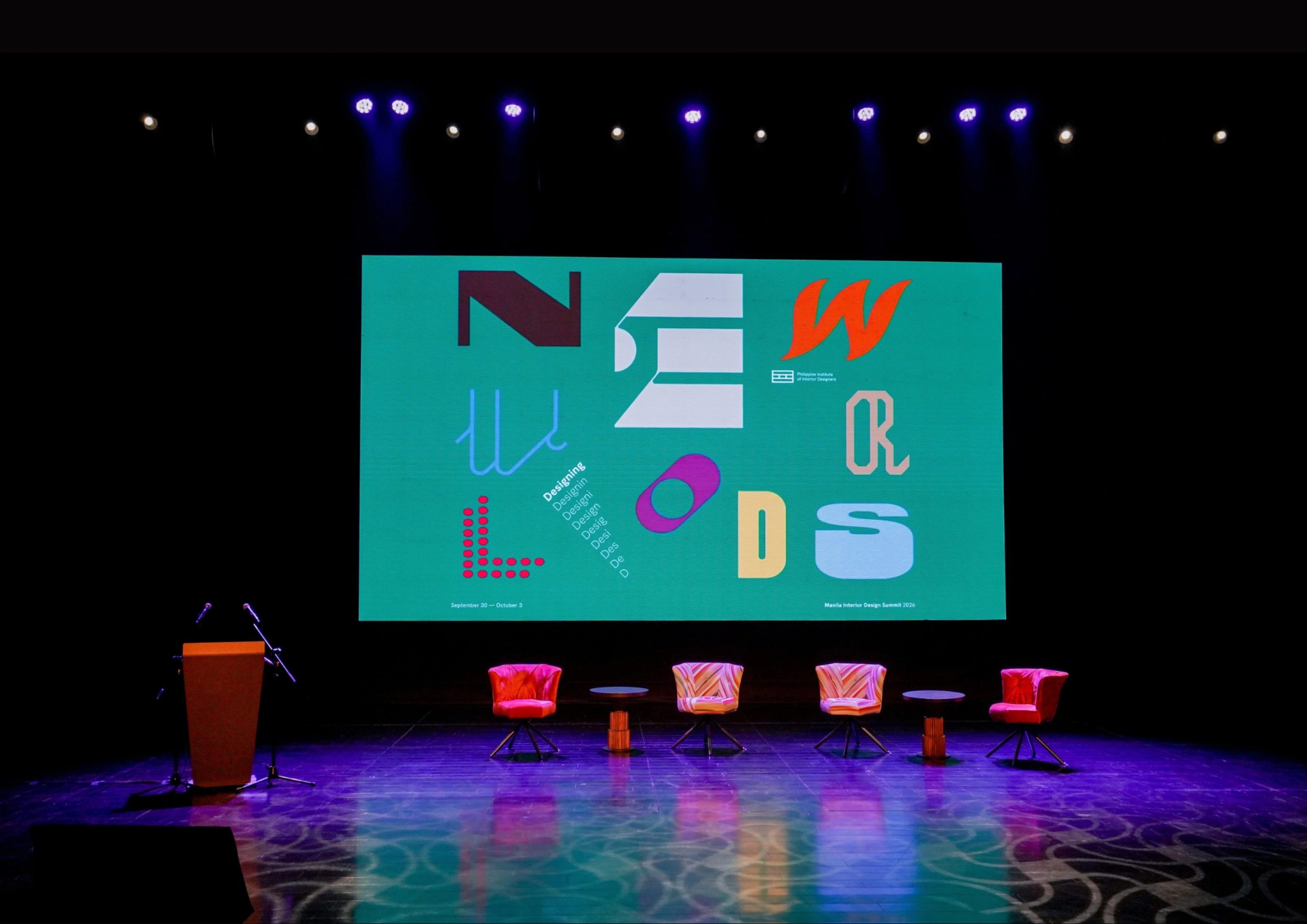
The fourth Manila Interior DesignInterior DesignThe discipline of planning and shaping interior spaces for function, comfort, safety, and beauty. It covers layout, lighting, materials, finishes, furniture, and color, and in the Philippines is a licensedGo to Interior Design Glossary Summit (MIDS) brought together more than 300 delegates for four days of conversations, exhibitions, and design […]
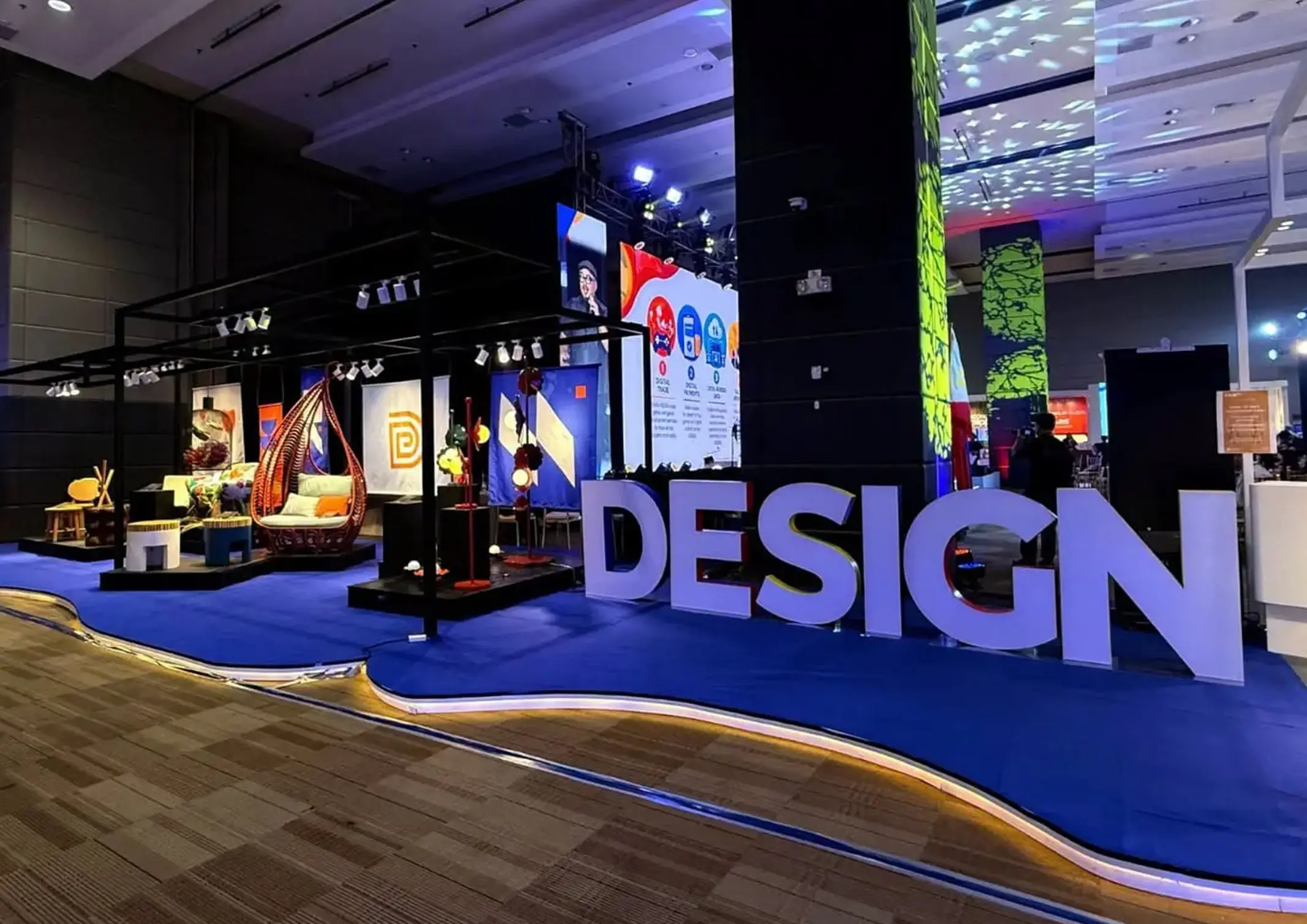
Held at the SMX Convention Center Aura in Taguig City, the first ASEAN Creative Industries Expo by Malikhaing Pinoy (ASEAN MPEx) features nine creative domains, including design, visual arts, digital interactive media, and performing arts. Organized by the Department of Trade and Industry (DTI), the event includes exhibitions, cultural performances, industry talks, and pitching sessions […]
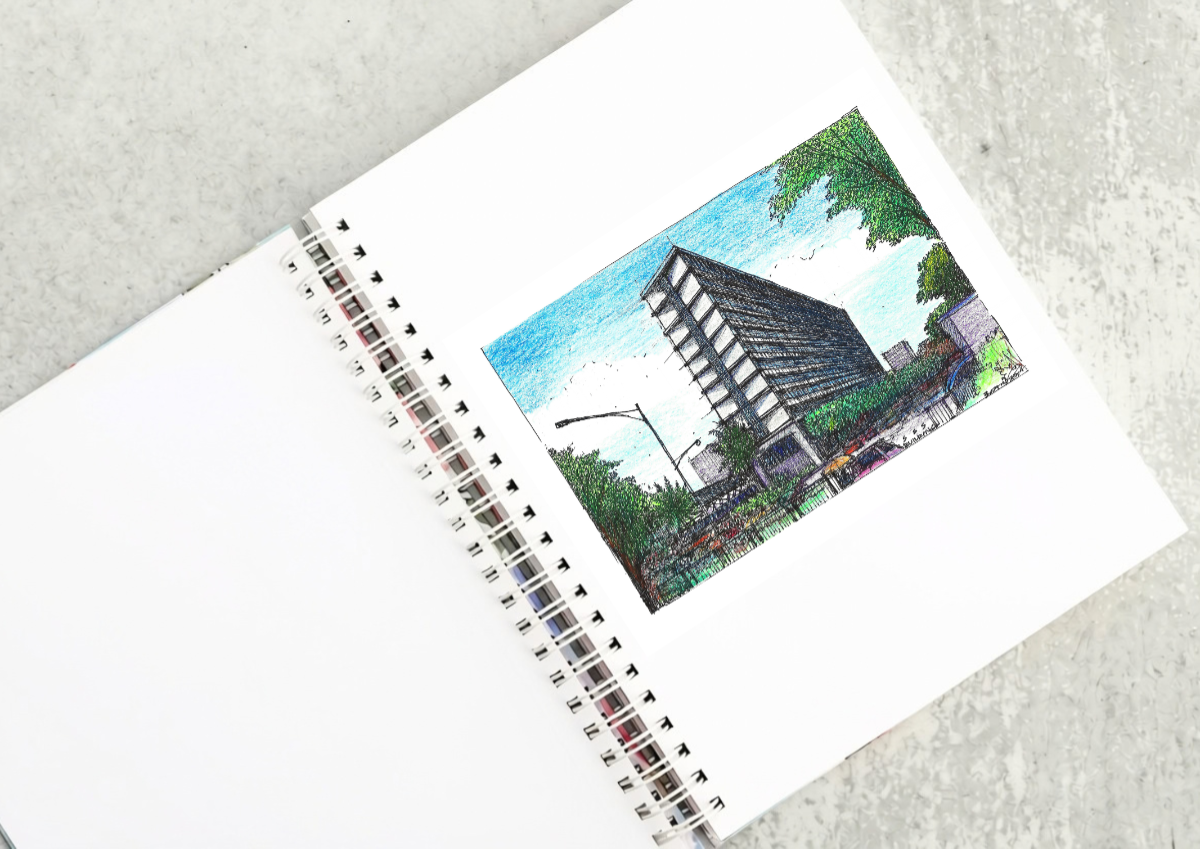
The SSS Building as an Expression of Civic Modernism My favorite modernist landmark in Quezon City is the SSS building on East Avenue. Designed by National Artist for ArchitectureArchitectureThe art and science of designing and constructing buildings, structures, and spaces that are functional, safe, and aesthetically pleasing. It encompasses the planning, design, materials, and techniques […]

Archie G. Carrasco, Chairman and CEO of AGC Power Holdings Corp. (AGC PHC), has been named to The BoF 500 Class of 2026 under the Media category, joining The Business of Fashion’s global community of individuals shaping the fashion industry. Carrasco is among 100 new members from 33 countries and 48 nationalities selected for the […]
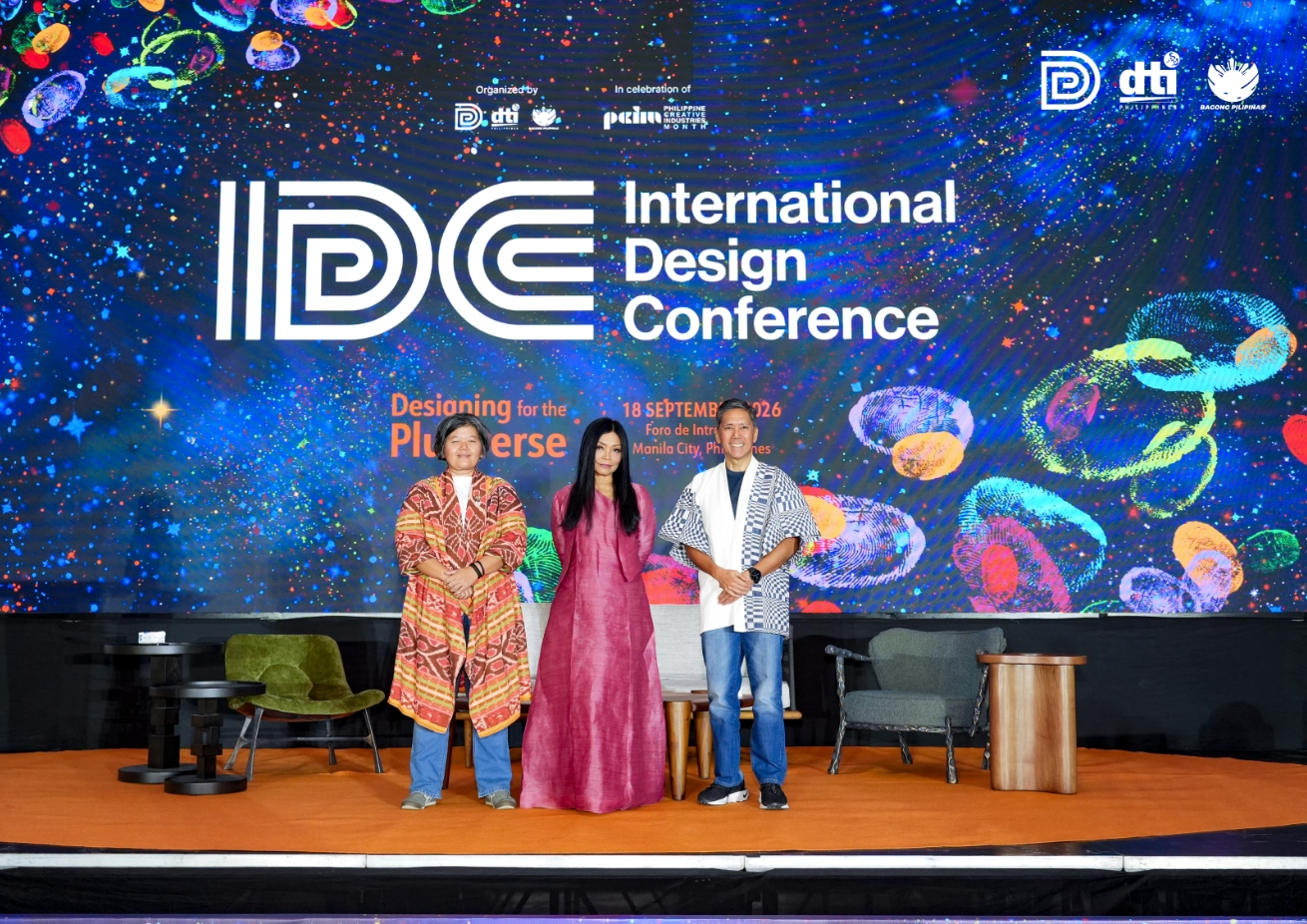
Culture in design does not always announce itself through a recognizable motif, material, or symbol. It can also be embedded in the relationships designers build, the knowledge they listen to, the materials they choose, and the decisions they make in response to communities and their environments. This distinction emerged throughout the 2026 International Design Conference […]
Read the issues.

Collect the volumes.

Recommended Video
Tap to Unmute
Unmute
0:00
0:00