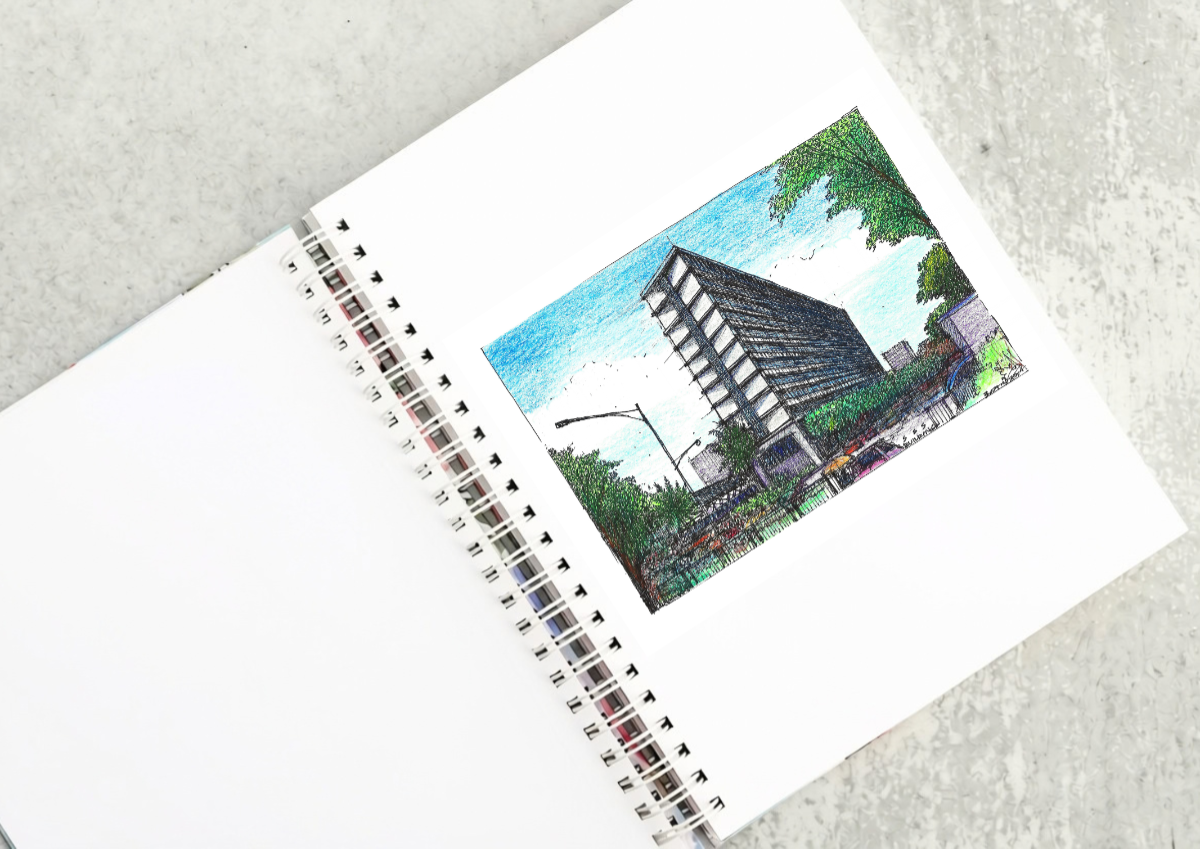
The SSS Building as an Expression of Civic Modernism My favorite modernist landmark in Quezon City is the SSS building on East Avenue. Designed by National Artist for ArchitectureArchitectureThe art and science of designing and constructing buildings, structures, and spaces that are functional, safe, and aesthetically pleasing. It encompasses the planning, design, materials, and techniques […]
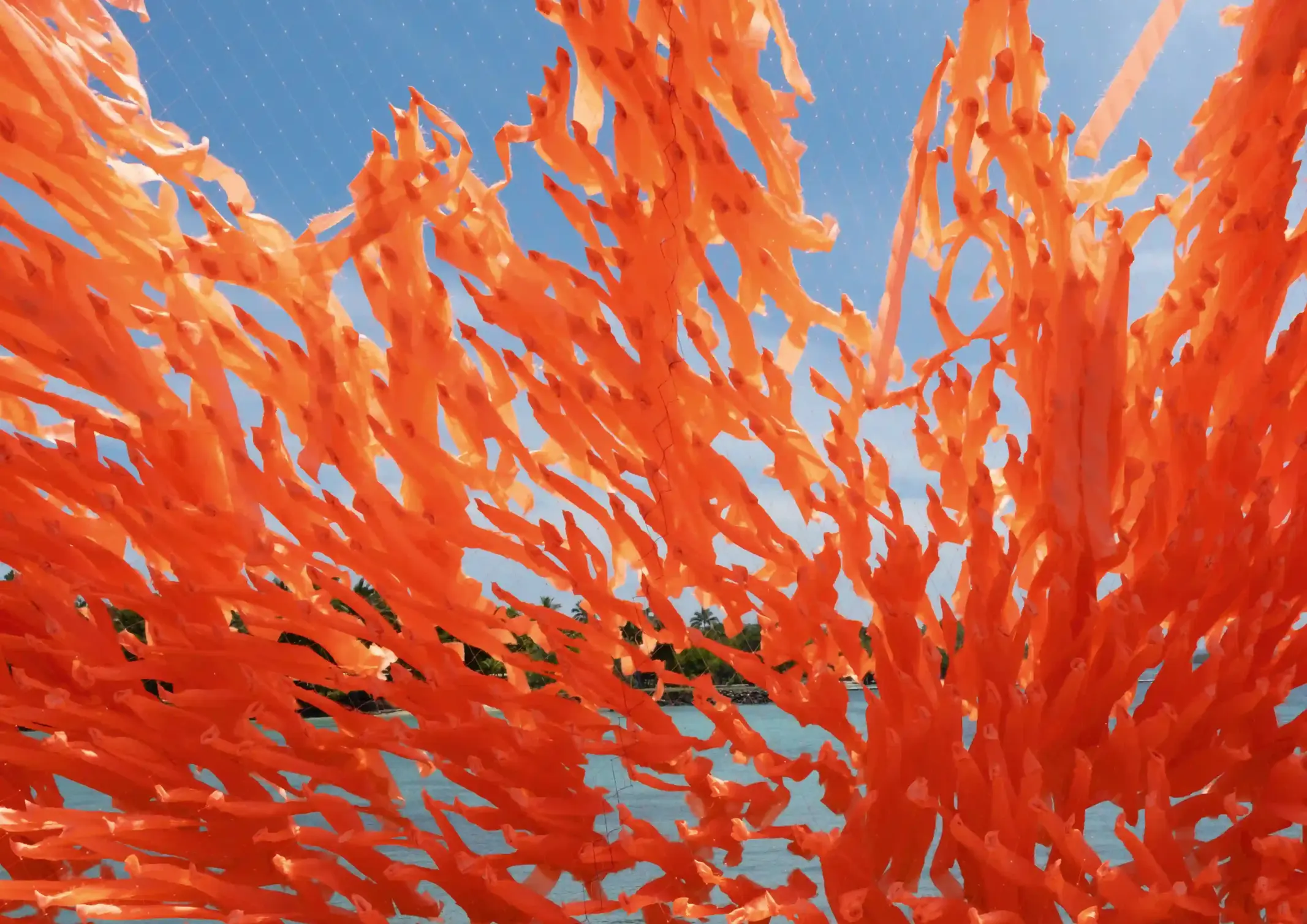
The Lubi Art Project: Where Art Meets Island



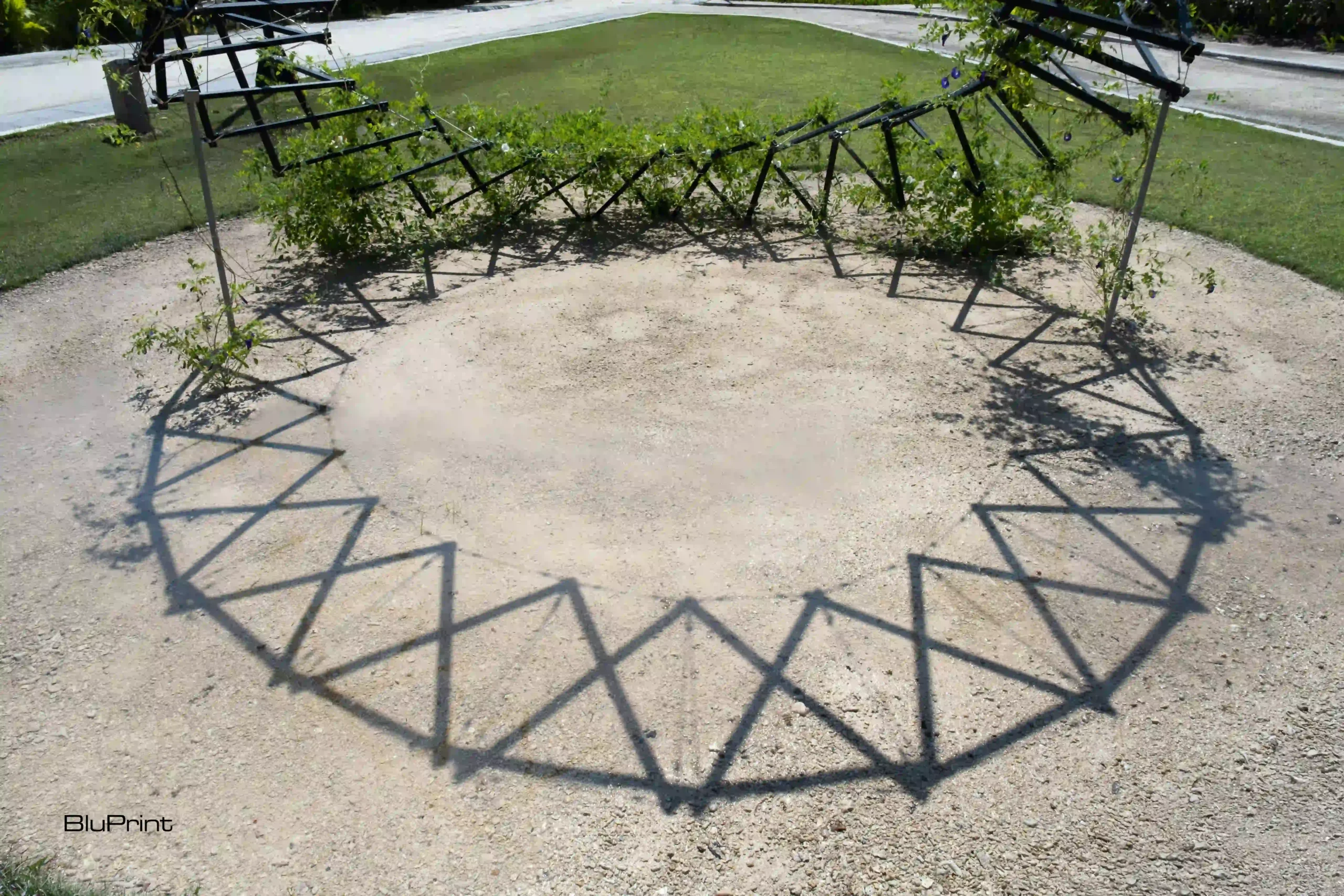
There’s a moment when you first encounter art at Lubi where something fundamental shifts. You realize you’re not looking at artworks positioned on the landscape but you’re walking through art that has grown from it.
Nine contemporary installations scattered across this former plantation don’t sit on land like objects on a table. They emerge from it, woven into the place with such seamlessness that the boundary between natural and constructed begins to dissolve.
This is art that remembers what galleries often forget: that we experience the world through more than just our eyes. Here, creative work engages every sense: touch, hearing, smell, and those unnamed sensations that exist beyond the conventional five. It’s a return to visceral memory, that powerful force that can transport us through time with a single trigger.
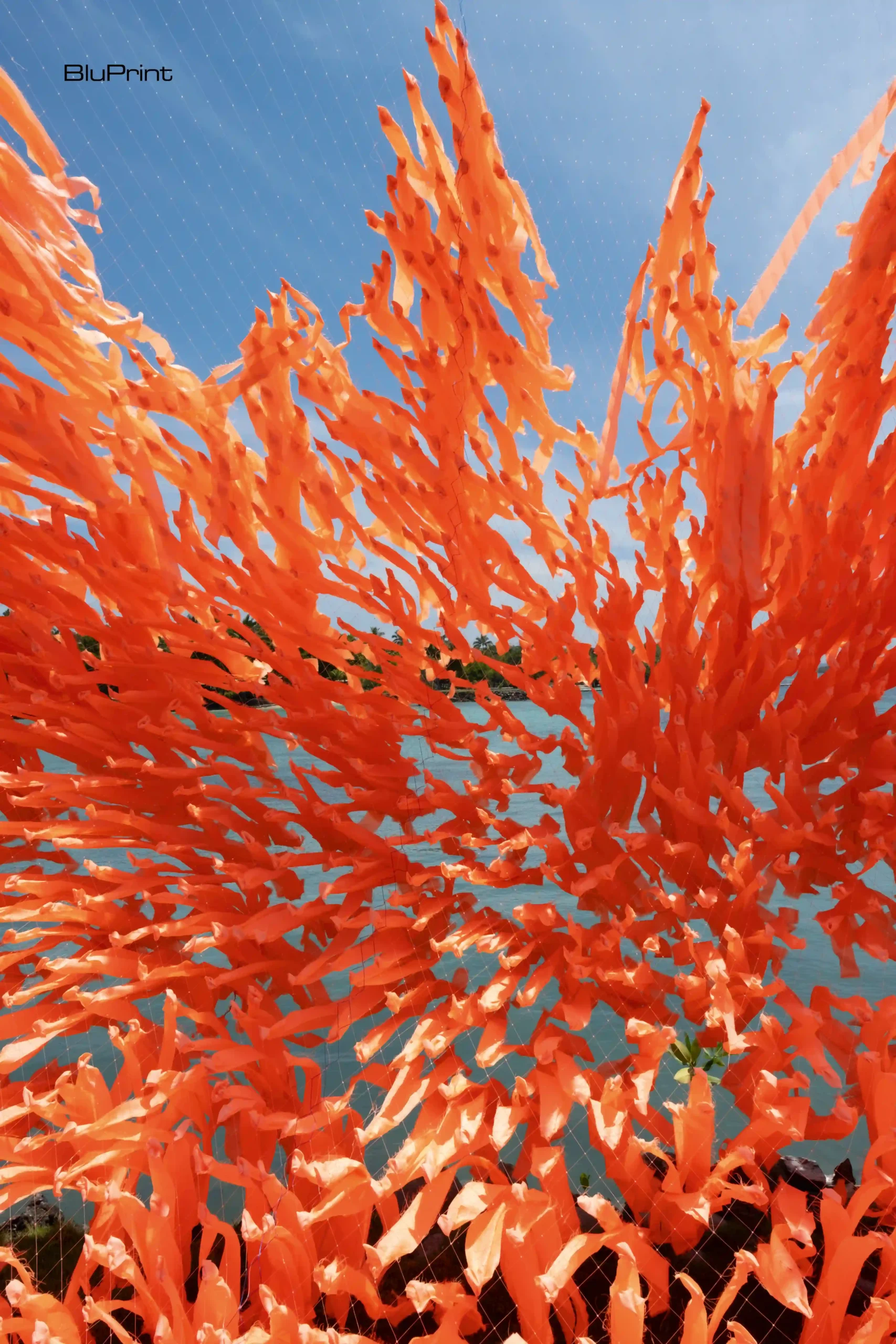
On Impermanence
The methodology behind this transformation is quietly radical. Artists are required to work exclusively with materials the island offers: driftwood, bamboo, whatever debris washes ashore. But more significantly, they must collaborate with the people who call this place home.
It acknowledges a truth contemporary practice tends to overlook: that local communities understand their own ecosystems better than any outside expert, including unintended costs of well-meaning solutions. A stranger attempting to fix someone else’s home makes little sense, whether that home is physical, cultural, or creative.
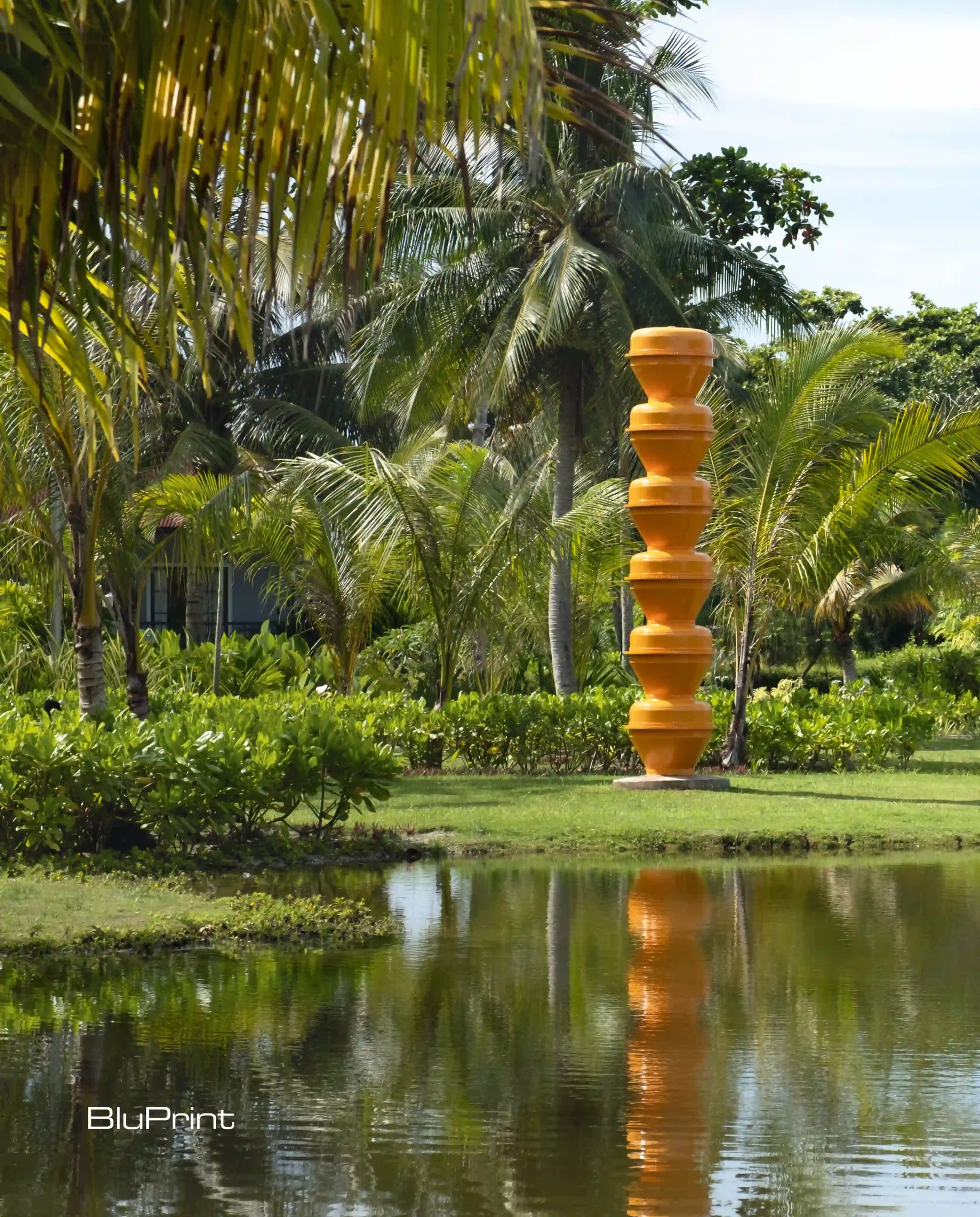
These works aren’t meant to last forever, and that’s not a compromise—it’s the point. Like the island’s natural cycles, the installations acknowledge temporality as integral to meaning. They weather, transform, eventually return to the environment that birthed them.
Lubi suggests an alternative model. By requiring collaboration between visiting artists and local craftspeople, the program creates space for genuine exchange of knowledge and techniques preserved through practice rather than documentation.
A Contemporary Biennale
Temporary, catalytic, designed to spark imagination rather than provide definitive answers, the art at Lubi operates indirectly, playing with shapes, colors, textures to translate meaning while leaving interpretation entirely open. The question isn’t whether artists successfully delivered their intended message. The purpose is purely to let imagination run free, to create conditions where new possibilities become visible.
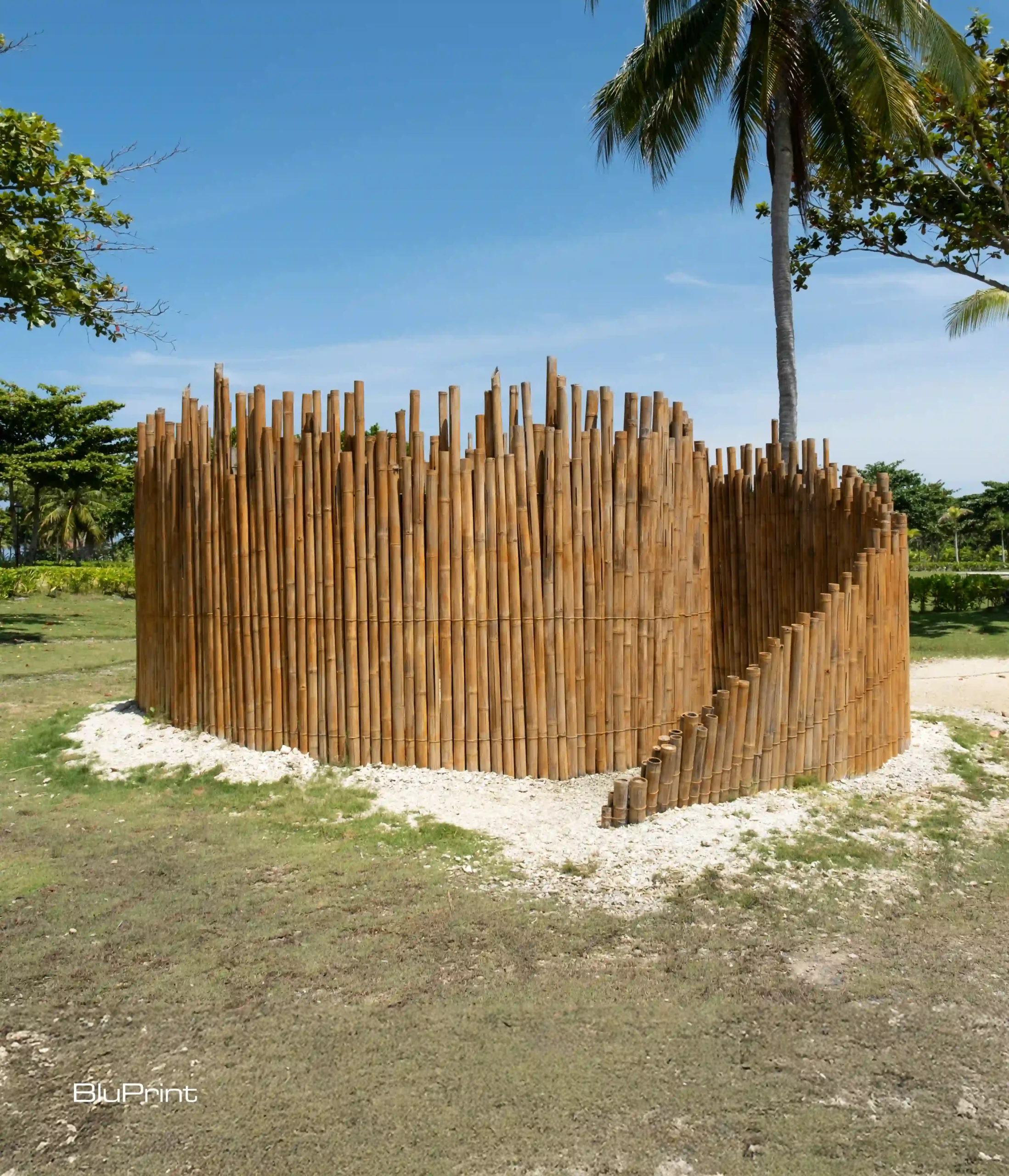
Perhaps what makes materials disposable or meaningful isn’t inherent to the materials themselves, but determined by the attention and labor we’re willing to give them, whether we see waste or potential for transformation.
Standing among these works, watching how they negotiate the space between human intention and natural force, something becomes clear: the most meaningful art might be that which doesn’t attempt to dominate its context but learns to dance with it.
What Comes After Lubi
These installations will fade, shift, transform, but what they demonstrate – about what becomes possible when creativity works with rather than against natural systems. About art’s capacity to create new forms of shared experience, about what happens when art stops trying to last forever and focuses instead on being fully present, those insights persist.
The island creates a space that changes how people see not just this particular place, but all the places they move through afterward. You leave understanding something new about impermanence and collaboration, about how art can function as both mirror and window, reflecting our relationship with the natural world while opening possibilities for different ways of being within it.
Art that functions like the best stories: it changes you in ways you only recognize later, when you find yourself seeing the world through different eyes, hearing healing frequencies in unexpected places, noticing the beauty in decay.
This article has been abridged for digital publication. Read the full story behind Where Art Meets Island by ordering your copy of BluPrint Art at Sari Sari Shopping, Shopee, and Lazada. E-magazines are also available for download here or through Readly, Press Reader, and Magzter.
Dive into the captivating world of architectureArchitectureThe art and science of designing and constructing buildings, structures, and spaces that are functional, safe, and aesthetically pleasing. It encompasses the planning, design, materials, and techniques used to createGo to Architecture Glossary, interiors, and arts & culture by getting exclusive digital access to BluPrint’s past and upcoming issues. Click here to find out more.
Photos by Anjelika Orui.
Related reading:
Frequently Asked Questions
The project requires artists to work exclusively with materials provided by the island—such as driftwood, bamboo, and washed-up debris—while collaborating directly with the local community. This approach acknowledges that local residents understand their ecosystem better than any outside expert, ensuring the art is a collective expression rooted in both place and process.
Unlike traditional galleries that prioritize visual observation, Lubi engages every sense, including touch, hearing, and smell. The installations are not positioned on the landscape but are woven into it, dissolving the boundary between the natural and the constructed to trigger visceral memories and sensory experiences.
Impermanence is a deliberate design choice rather than a compromise. By allowing the works to weather and eventually return to the environment, the project mirrors the island’s natural cycles. This temporality emphasizes that the art’s meaning is found in its presence and transformation over time, rather than in its physical preservation.
The project operates as a temporary, catalytic force designed to spark imagination rather than provide definitive answers. By playing with shapes and textures to translate meaning while leaving interpretation open, it creates conditions where new possibilities become visible, encouraging the viewer to engage in a “dance” with the natural context.
This model creates a space for a genuine exchange of knowledge between visiting artists and local craftspeople. It prioritizes techniques preserved through practice rather than formal documentation, fostering a decentralized creative hub where the art reflects the specific cultural and ecological narratives of the coastal community.
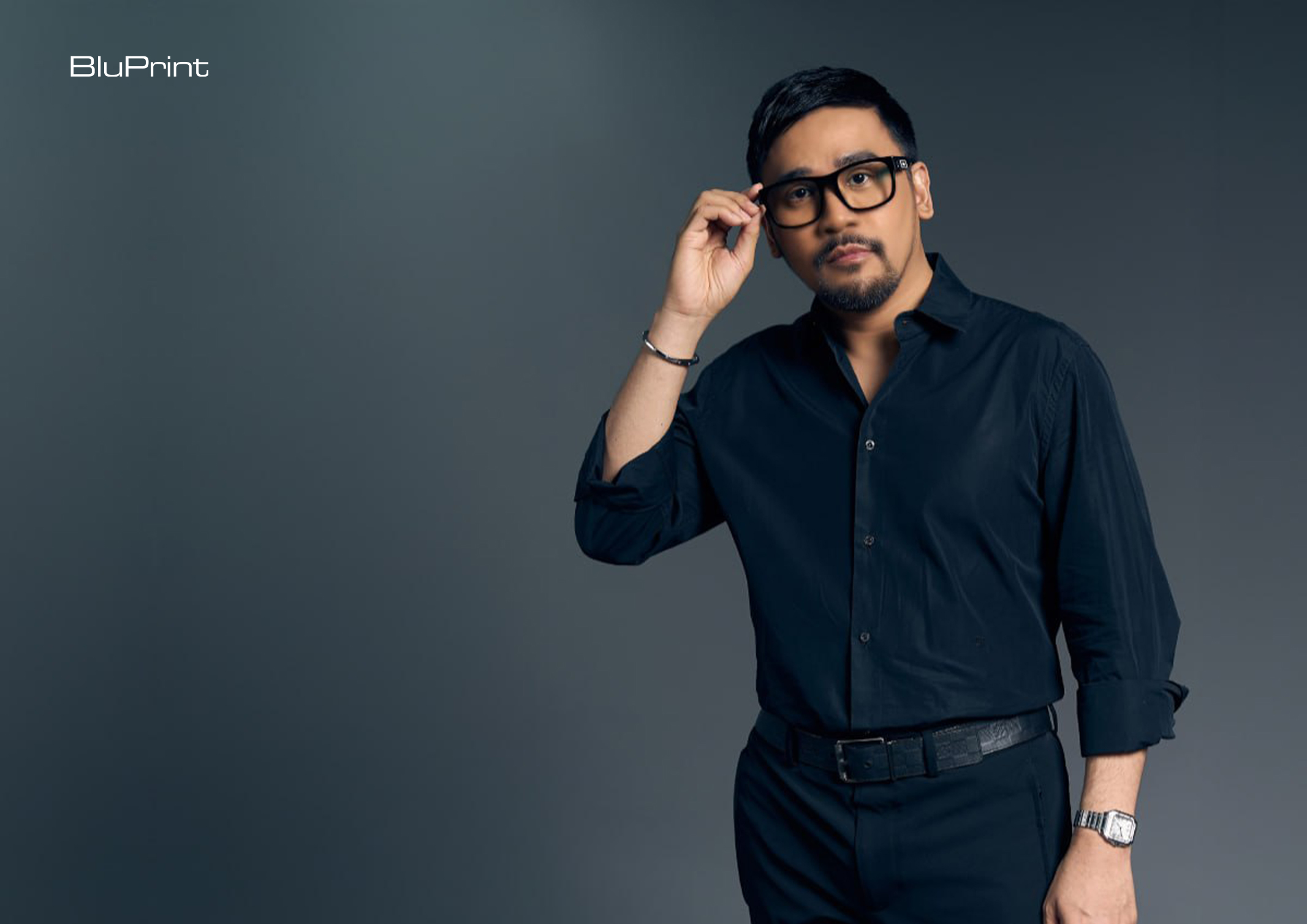
Archie G. Carrasco, Chairman and CEO of AGC Power Holdings Corp. (AGC PHC), has been named to The BoF 500 Class of 2026 under the Media category, joining The Business of Fashion’s global community of individuals shaping the fashion industry. Carrasco is among 100 new members from 33 countries and 48 nationalities selected for the […]
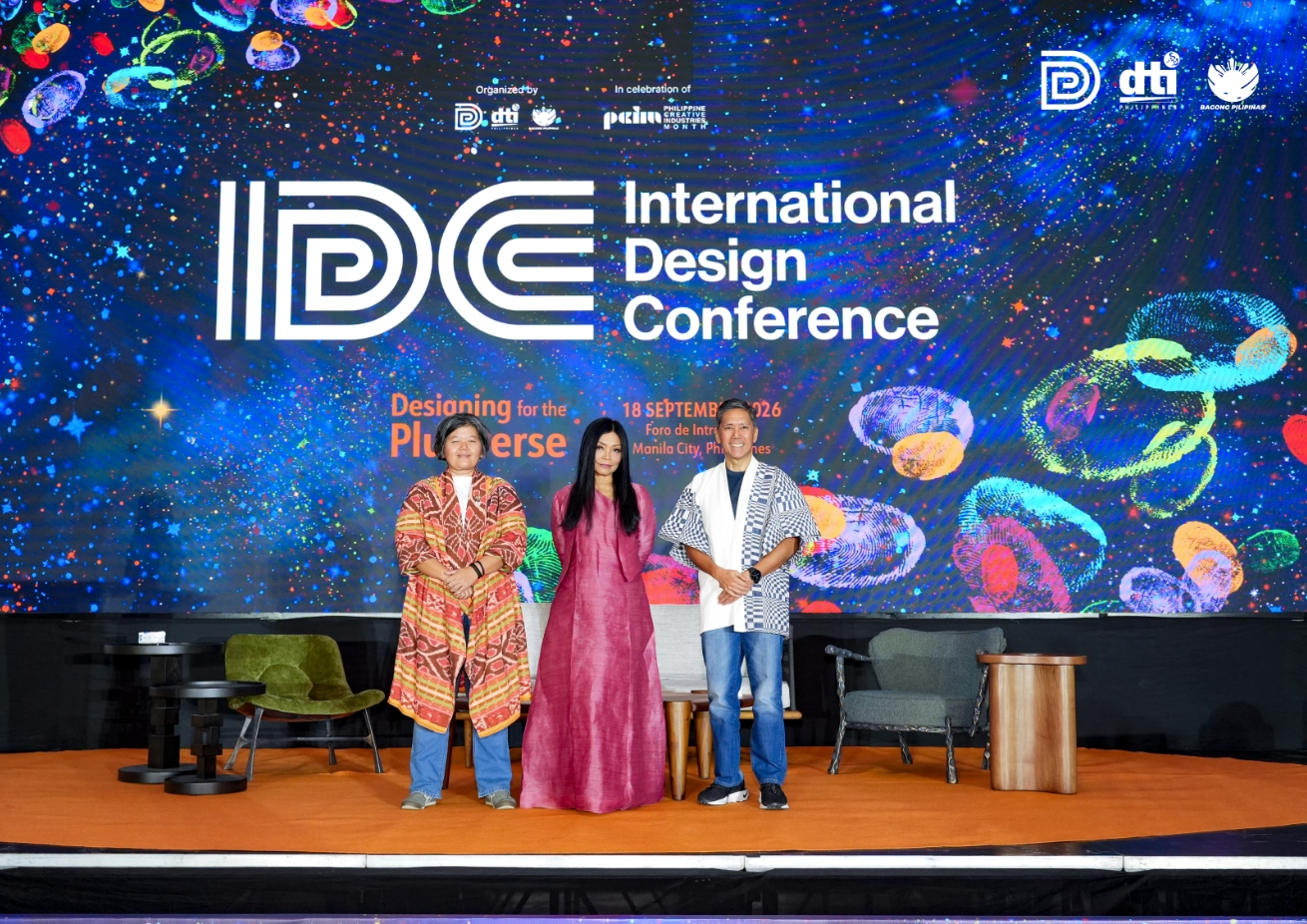
Culture in design does not always announce itself through a recognizable motif, material, or symbol. It can also be embedded in the relationships designers build, the knowledge they listen to, the materials they choose, and the decisions they make in response to communities and their environments. This distinction emerged throughout the 2026 International Design Conference […]
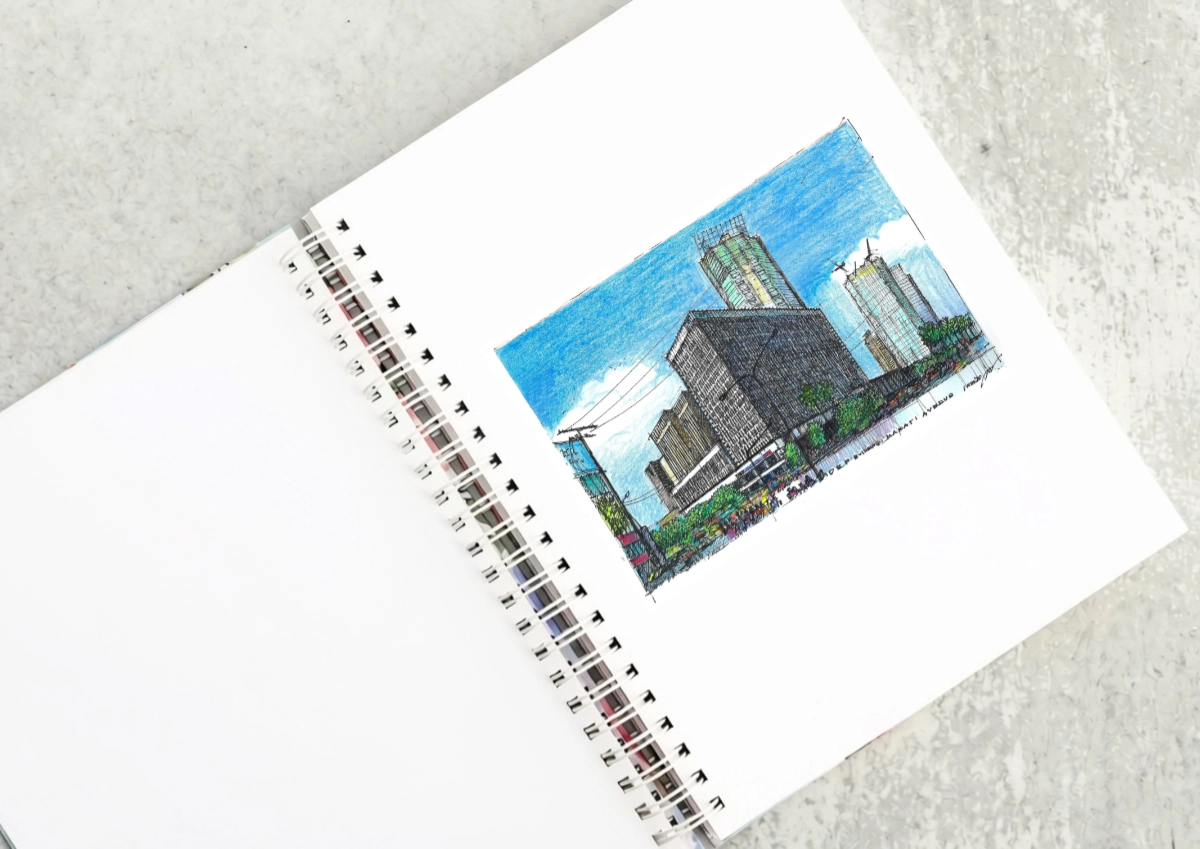
The DBP Building as a Landmark of the International Style At the corner of Sen. Gil Puyat Avenue and Makati Avenue stands a landmark of the Makati Central Business District. It is one of the last still standing that were built in the first wave of construction in district fifty years ago. The Development Bank […]
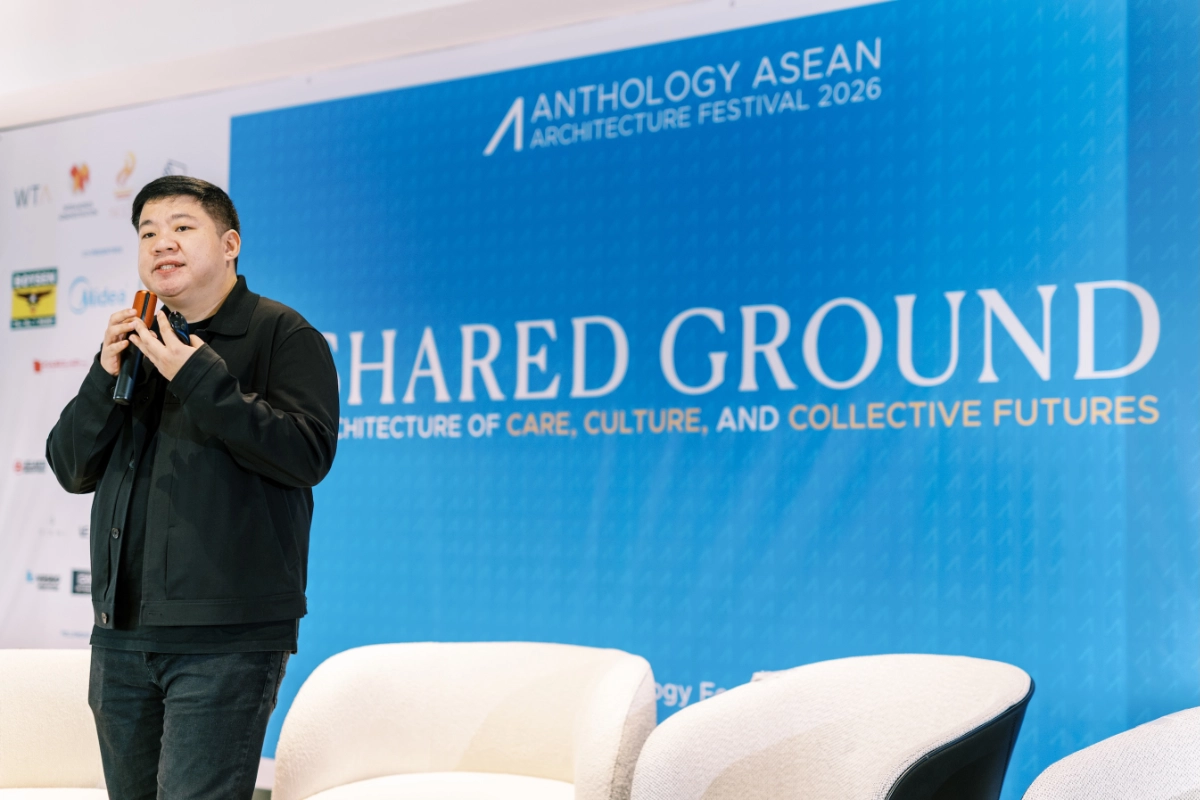
“Buildings only become architectureArchitectureThe art and science of designing and constructing buildings, structures, and spaces that are functional, safe, and aesthetically pleasing. It encompasses the planning, design, materials, and techniques used to createGo to Architecture Glossary when they are shared,” said William Ti Jr., founder of the Anthology Festival and WTA Architecture and Design Studio, […]
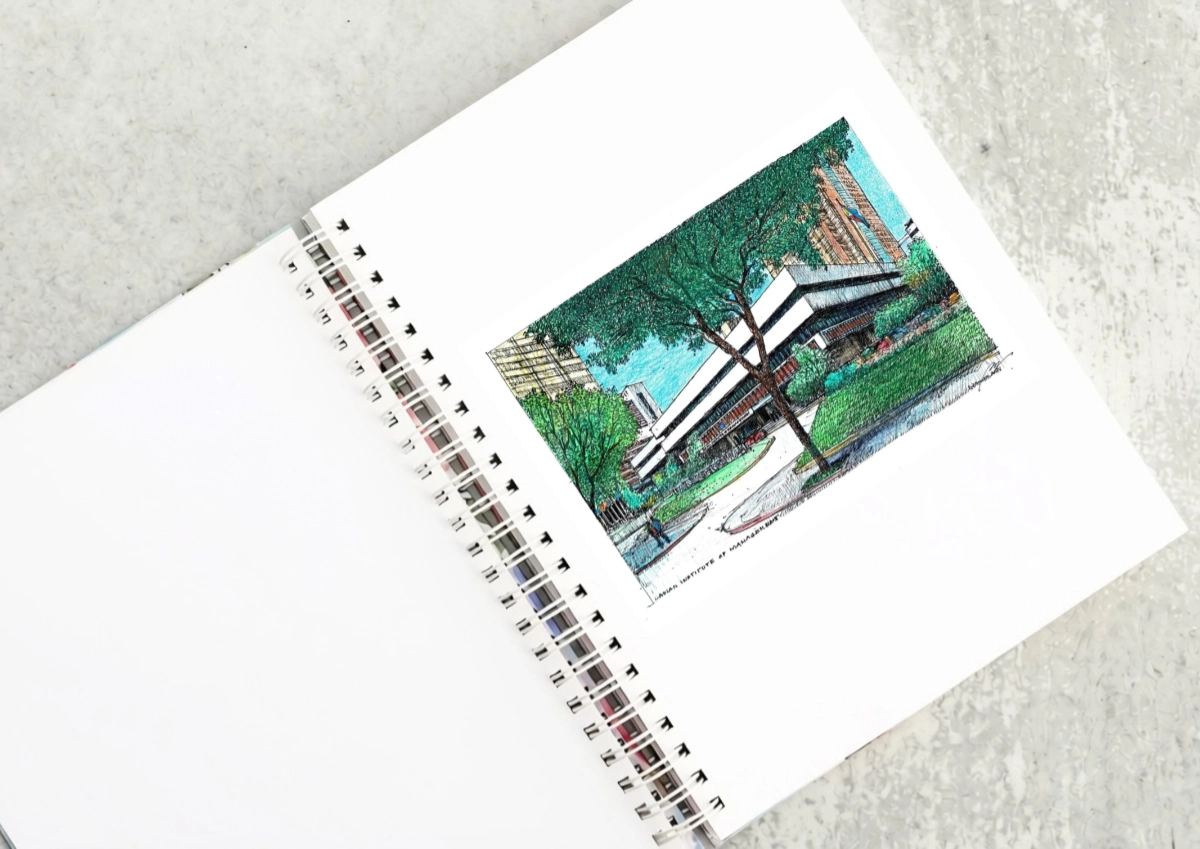
A Filipino Interpretation of Modernist Architecture Unlike the rest of Makati today, the northern end of Paseo de Roxas in Makati is anchored by a low complex rather than a tall skyscraper. This is the elegant Asian Institute of Management, designed by architect Gabriel Formoso and completed in 1971. In my opinion, the building is […]
Read the issues.

Collect the volumes.

Recommended Video
Tap to Unmute
Unmute
0:00
0:00