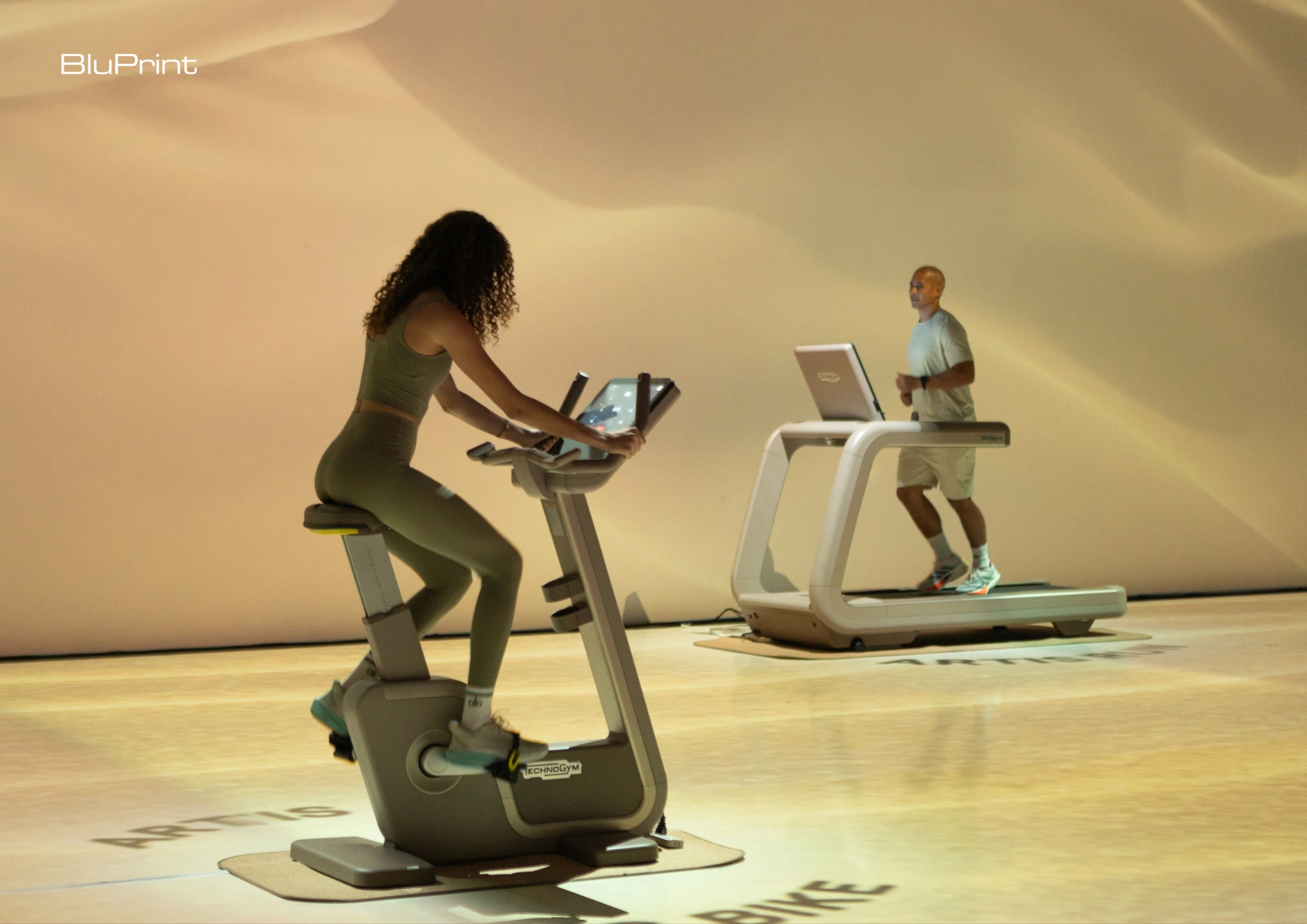
In a curated event presented by Focus Global Inc. and co-hosted by BluPrint, Technogym unveiled its Sand Stone Collection to the Philippine market at Bigger Pictures in Mandaluyong City. The launch brought together over 100 guests, including architects, designers, and media representatives, for an introduction to the collection and its approach to fitness equipment. The […]

‘Visual Odyssey’: A Playful Exploration of Style and Strangeness


Visual Odyssey, now showing at Gravity Art Space and organized by Angelica So, showcases works from twelve artists using various mediums, each exploring their unique visions. The exhibit dives deep into the idea of creation, allowing them to experiment and explore their styles and ideas.


“The artists play the role of transient beings who embark on an odyssey of realization,” So wrote. “Things may not always be as they seem and sometimes a journey is needed to shed light on hidden truths.”
So drew inspiration from the ancient Greek epic “The Odyssey,” where the protagonist is waylaid by various ordeals on their quest to return home. In their reasoning, “detours and setbacks are sometimes needed to get to the destination.” This exhibit allows artists to exercise that idea of exploration without needing to fear veering from their established norms.
Striking Divergence
As expected from a project with such a broad goal, Visual Odyssey demonstrates the ingenuity and obsessions of the artists featured. The materials range from traditional acrylic paint to fabric tapestries to painted glass. There’s no limitations; the variety of styles matches the freedom suggested by the title and goals of the exhibit.
One can see this in works like Zuh Dai’s “Gab,” which uses folded glass and acrylic paint to create a multi-colored cartoony work. It also shows up in Jan Sunday’s “Proof of Life 1-2,” both of which use fabric materials and a vintage, custom-made frame to create what appears to be a Biblically-accurate angel.


The works hop from different materials and dimensions, creating an array of color that’s dazzling to see altogether. Bea Aben’s “Soul Space” is a colorful, three-dimensional work made out of well-crafted and painted paper folded on top of each other.


Patthpiha, meanwhile, molds two tablets and paints close-up portraits for “Fading Memories” and “Pressure.” Both use surreal imagery to commentate on how people today get their complexities flattened. The two protagonists both appear in disturbed states, as one feels their past fade away while the other is forced to play up whatever branding they’ve established online.
Art for Art’s Sake
Art needs no social commentary or use to make it “necessary.” Rather, it stands on its own, a testament to the personhood and individuality of the people who create them. The exhibit showcases a lot of works that project the individuality of these artists. The variety of the works allows viewers to roam through different stylistic obsessions and ideas.

Some of the artworks just go for unencumbered personal weirdness. Nichole Fern, for example, paints a fluffy dog with bizarre dimensions for “Field Day.” Fickle Friends’ “The Awakening” and “My Shadow, My Friend” really goes for an unreality image, crafting portraits seen through kaleidoscopic lenses.

Jopet Arias contributed the pentaptych multi-media work, “On Letting Go.” That work shows a combination of lines, colors, and images growing more and more abstract with each painting. But Arias utilizes technology from phone app Artivive so that one can see an interactive image overlaid in some of the works itself.


These overlaid images, one of which is a man in a chair and another being mold-like lines flickering over the images, shows us a new tech-aided dimension in how we can pursue our works. It does feel unclear what the work is trying to say, but maybe its use of technology to augment the work is statement enough.
Harnessing Our Individuality

Two standouts in the exhibit are “This must be the place” by Paulu Bruselas and Clint Policarpio’s “Panginoon ko ang dagat, ulap, bundok at mga puno.” Both have differing styles—Bruselas has an ‘90s indie-comic watercolor style while Policarpio leans more towards traditional watercolor vibes. But they both comment on a sense of personhood and community that scans personal when staring at the paintings.

Visual Odyssey traverses in strangeness. The works are appropriately experimental in style and in subject matter. And, like So desired, it gives us a more intimate perspective on the wildness of the artistic mind—and how sometimes getting lost in the craft can make great works.
Related reading: Gravity Art Space’s Artist Talks Demystify the Creative Process
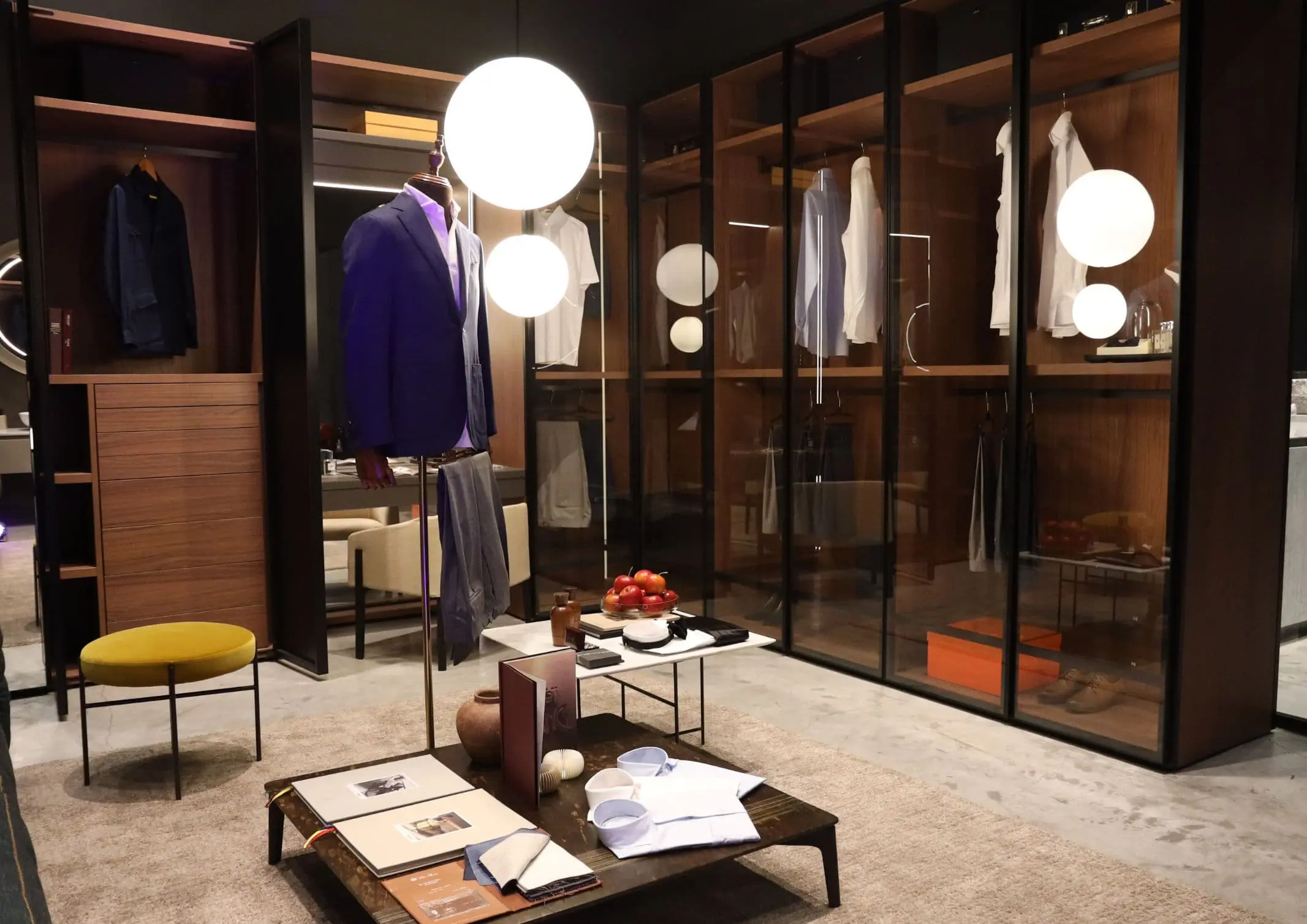
The principles behind a well-designed home are not unlike those behind a tailored garment. Both begin with an understanding of the individual, balancing proportion, material, and function to create something suited to its user. This shared approach informed “The Art of Bespoke,” an event hosted by Boffi | DePadova and Focus Global Inc., in collaboration […]
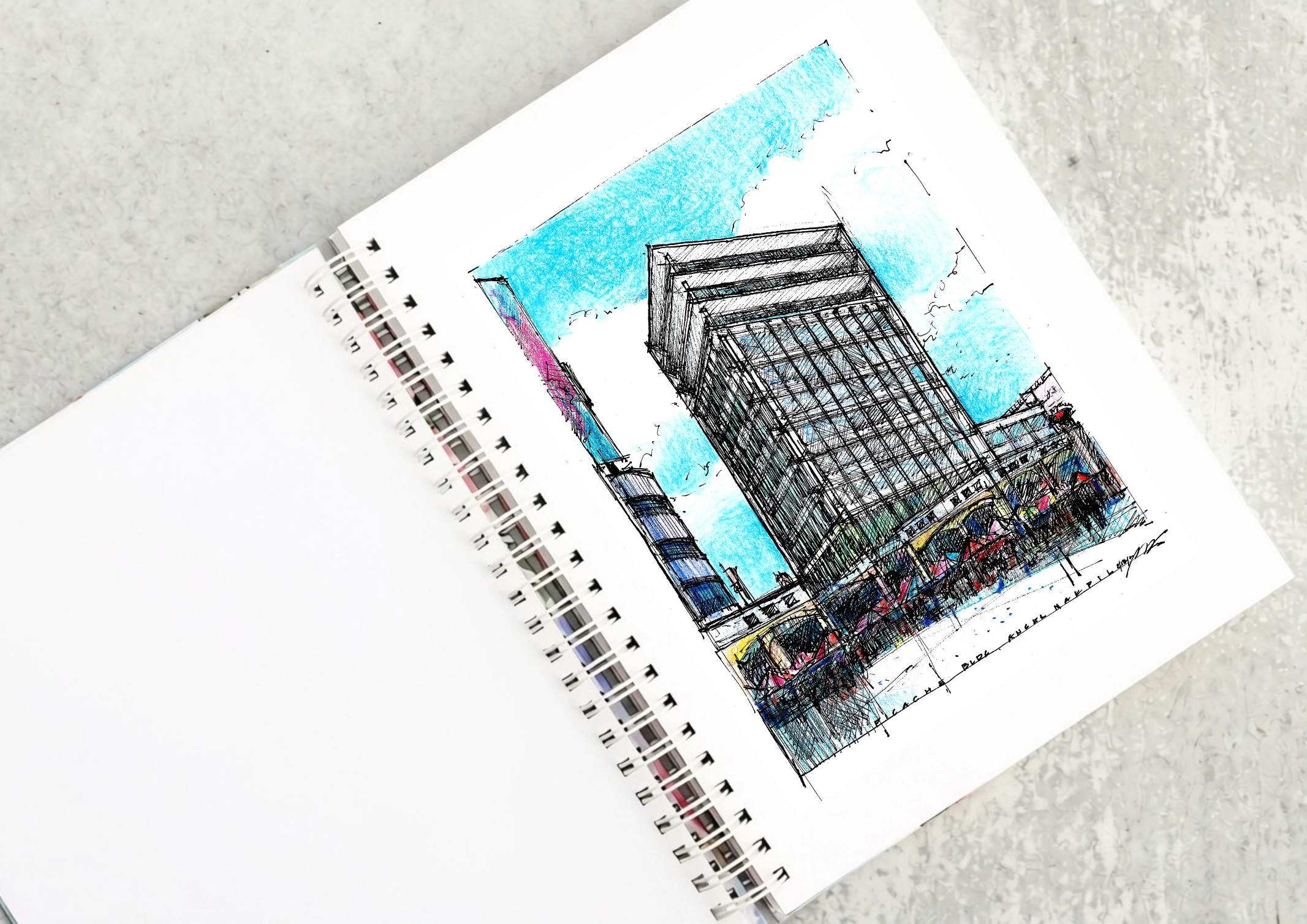
The Picache Building and the Rise of Manila’s First Skyscrapers Until Makati emerged as Metro Manila’s premier business, shopping, and entertainment district in the 1970s, downtown meant Quiapo in central Manila. From the Spanish colonial period to the late 1950s, the district was anchored by its historic Plaza Miranda and its eponymous church. It was […]
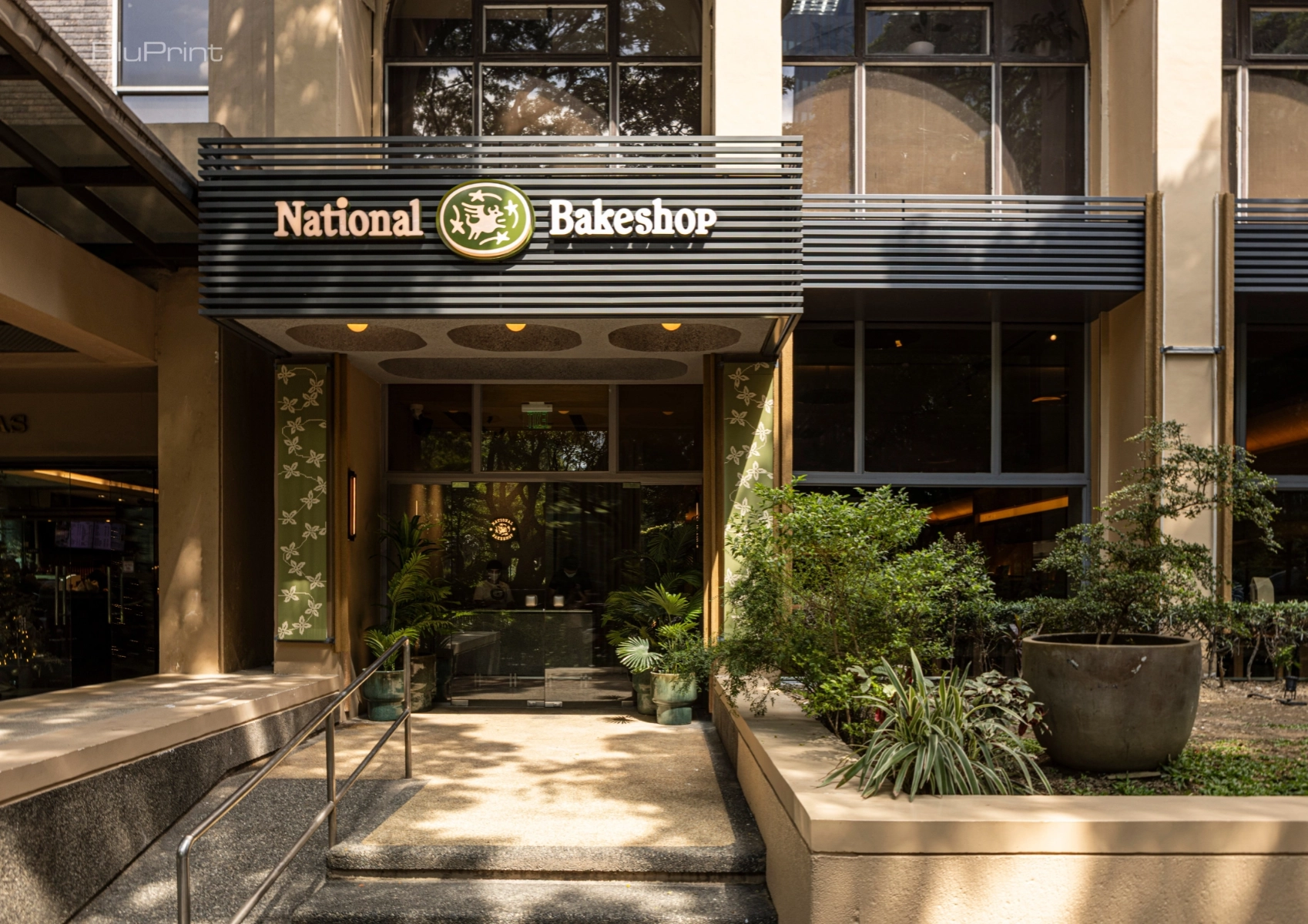
Architect Brian Ver was all set with the design for restaurateurs Dwight Co and Charlie Paw’s latest concept, National Bakeshop, when the contractor halted demolition. Brixter Builders, the general contractor of the project, discovered the original coffered ceilings after demolishing the drop ceiling of the previous tenant. The restaurant is located on the ground floor […]
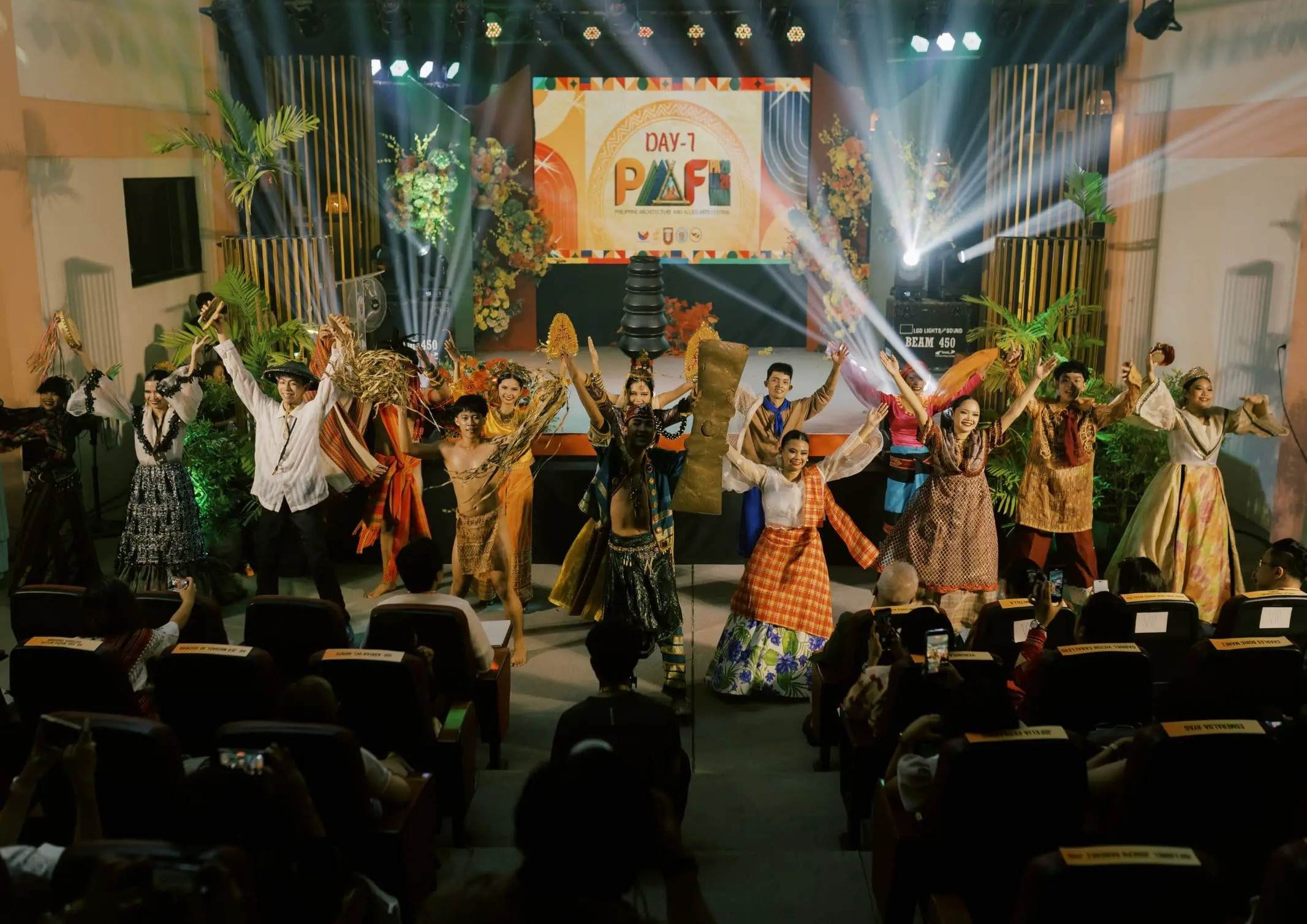
Back for its third edition, the Philippine ArchitectureArchitectureThe art and science of designing and constructing buildings, structures, and spaces that are functional, safe, and aesthetically pleasing. It encompasses the planning, design, materials, and techniques used to createGo to Architecture Glossary and Allied Arts Festival (PAAAF) brought conversations around architecture and its related creative fields to […]
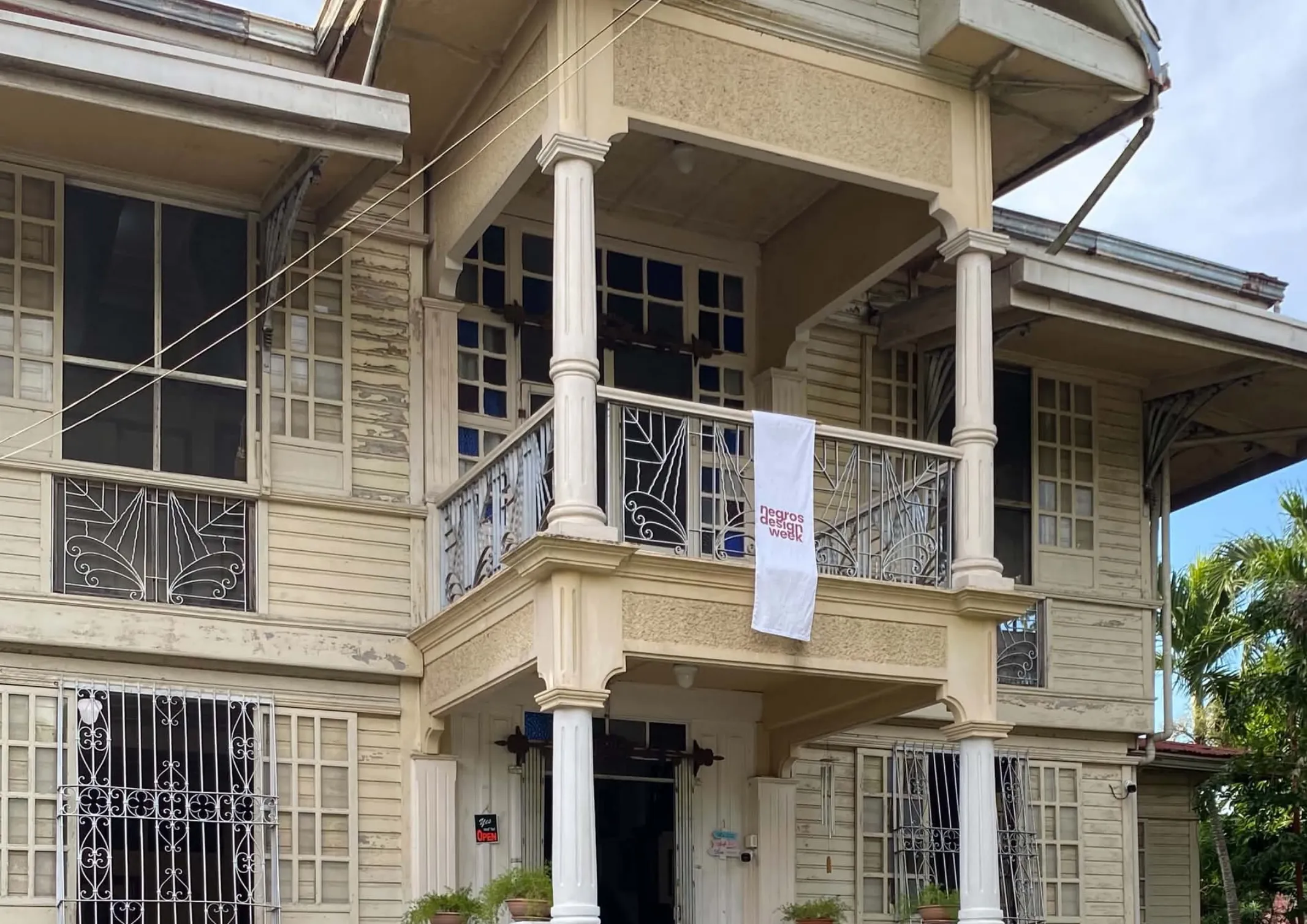
The future of design is not necessarily built by looking forward alone. Sometimes, it begins by looking back at the objects, traditions, and creative practices that have shaped generations. For Negros Design Week 2026, this relationship between the past and the future informed its theme, “50/50: A Hundred Years of Design.” The third edition of […]
Read the issues.

Collect the volumes.
Recommended Video
Tap to Unmute
Unmute
0:00
0:00