Bigkis is the act of binding. In Tagalog, the word can refer to something used to bind or encircle, as well as a bundle formed by tying several separate elements together. Figuratively, it can also mean a bond, union, or unity. The meanings move from the physical act of joining things together to the connection […]
Instituto Cervantes Opens New Exhibit with Enrique Marty and Kidlat Tahimik



Wolves at the Door. Cosmic Encounters. invites viewers to the tumultuous and often-nebulous process of creation. The Instituto Cervantes exhibit by Spanish artist Enrique Marty with special participation by Philippine National Artist Kidlat Tahimik embodies a sense of weirdness in its explorations of what an artist is, and the evolution of ideas over time.
The new exhibit comes under the Espacios Ocupados program by Instituto Cervantes. This program allows Spanish artists to dialogue with local artists and contexts and create a melding of cultures and contemporary art between the two.
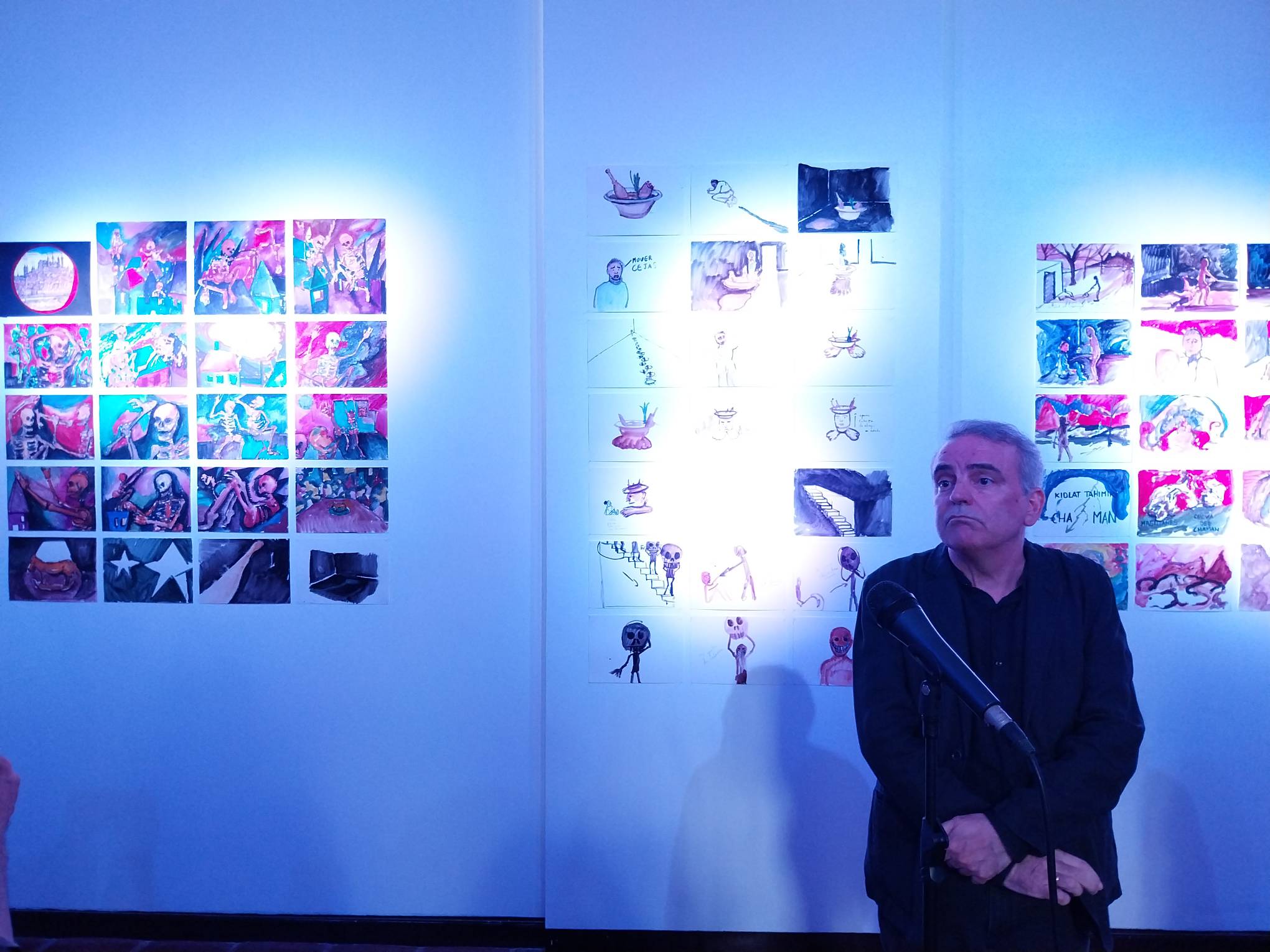
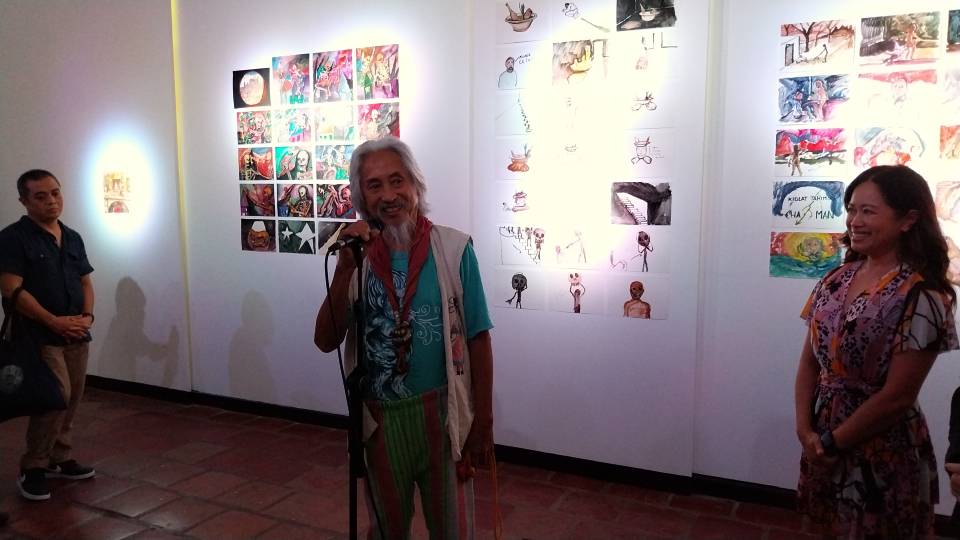
The exhibit’s curator, Kristine Guzman, said that the idea for the exhibit came from what she describes as a “cosmic coincidence” between the two artists. Marty, being in the Philippines for Project Belonging at Ateneo Art Gallery, was convinced by Guzman to visit Tahimik in Baguio.
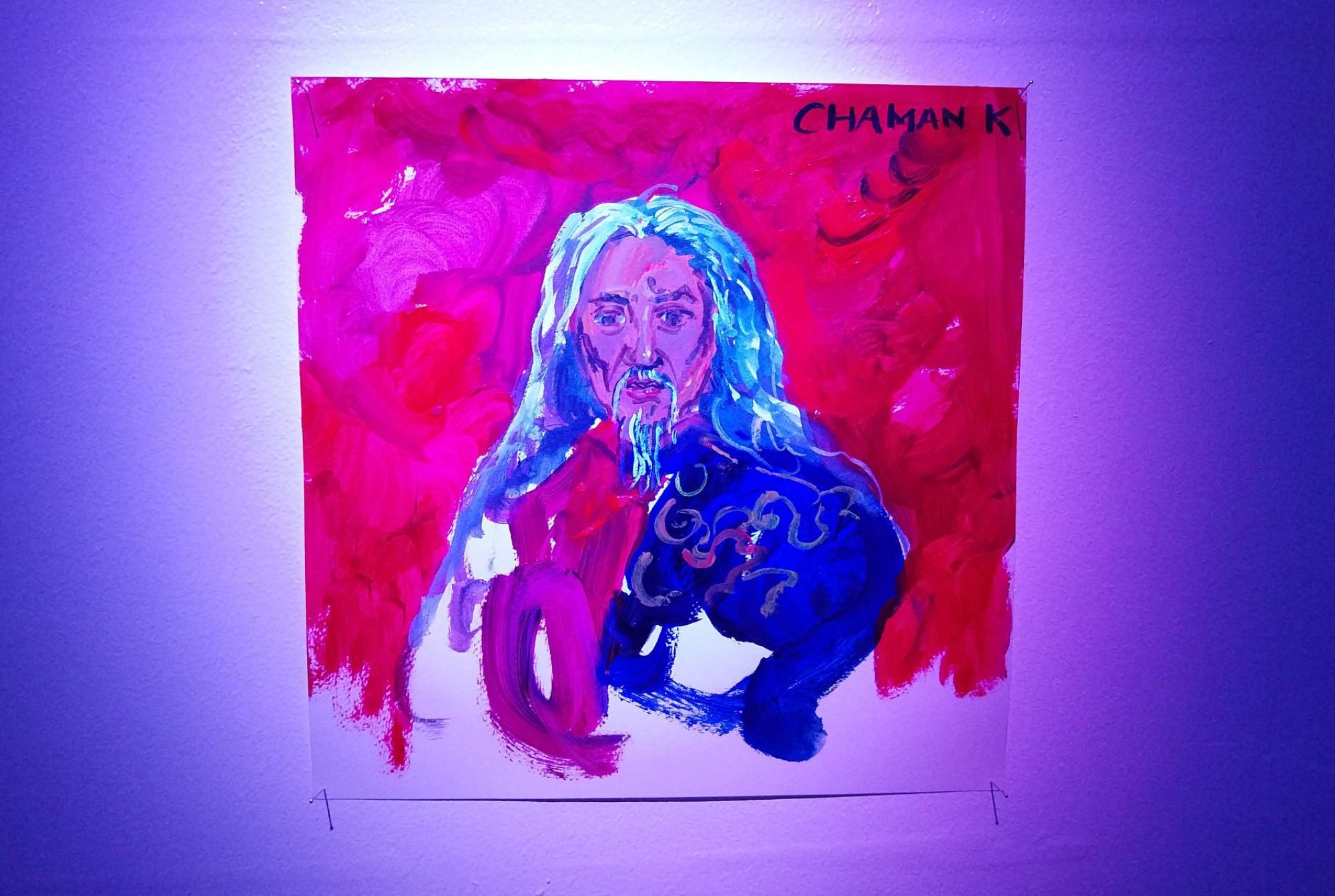
Enrique Marty was working on a video about Casper Hauser, and one of Tahimik’s early roles as an actor was The Enigma of Kaspar Hauser by Werner Herzog in 1974. Guzman suggested a possible interview with Tahimik related to a video series by Marty. The artist ended up incorporating Marty as a character in one of his works-in-progress, shown here.
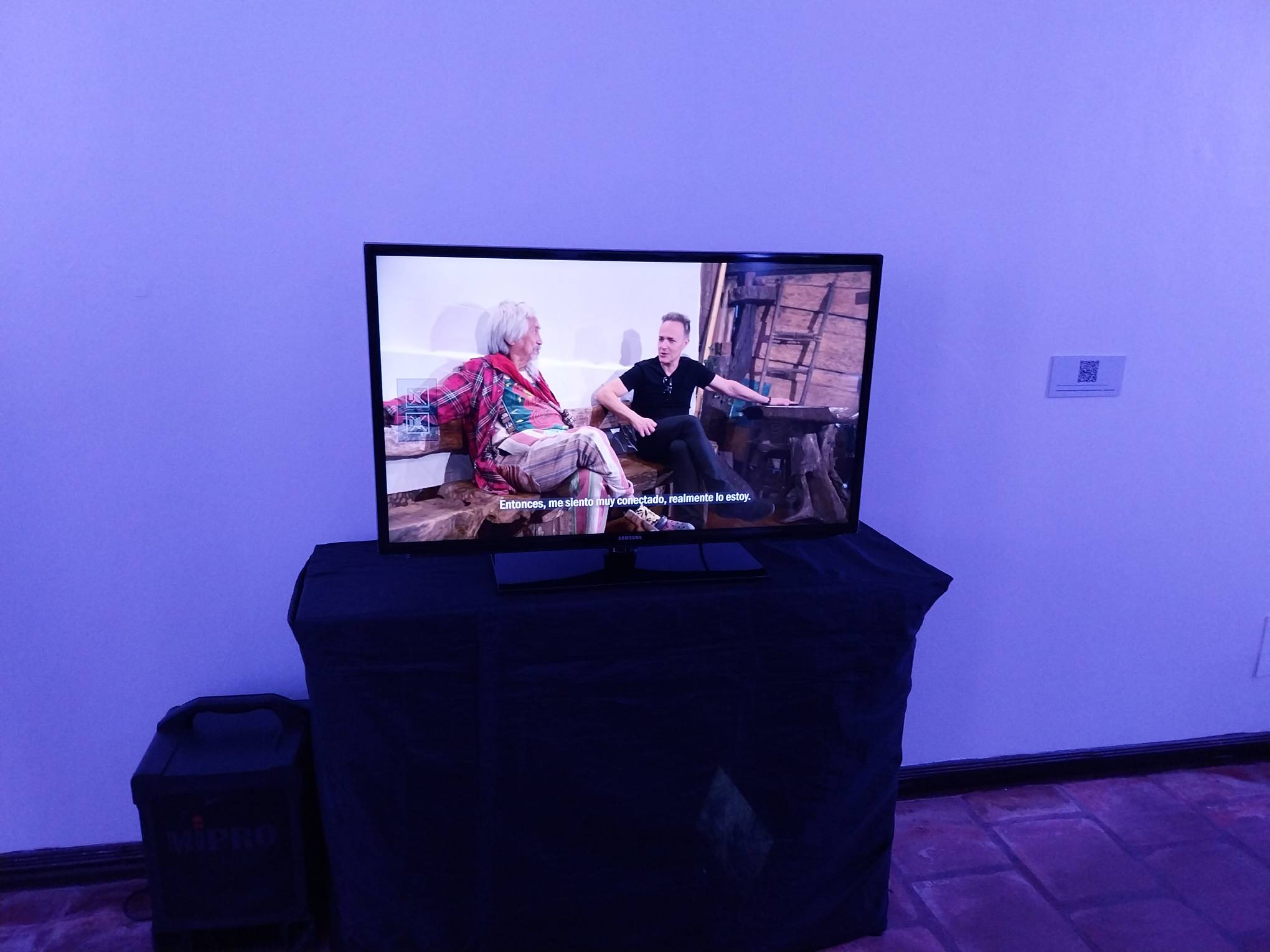
“We got the chance to visit Kidlat in Baguio and have a conversation with him,” Guzman said. “And we recorded our conversation. It was over 4 hours, I think; it was over 2 days [worth of conversation]. And we made a short video, a 5 minute video about that conversation and a longer version of 30 minutes for Enrique, Kidlat, and myself.”
Exploring the Artistic Impulse
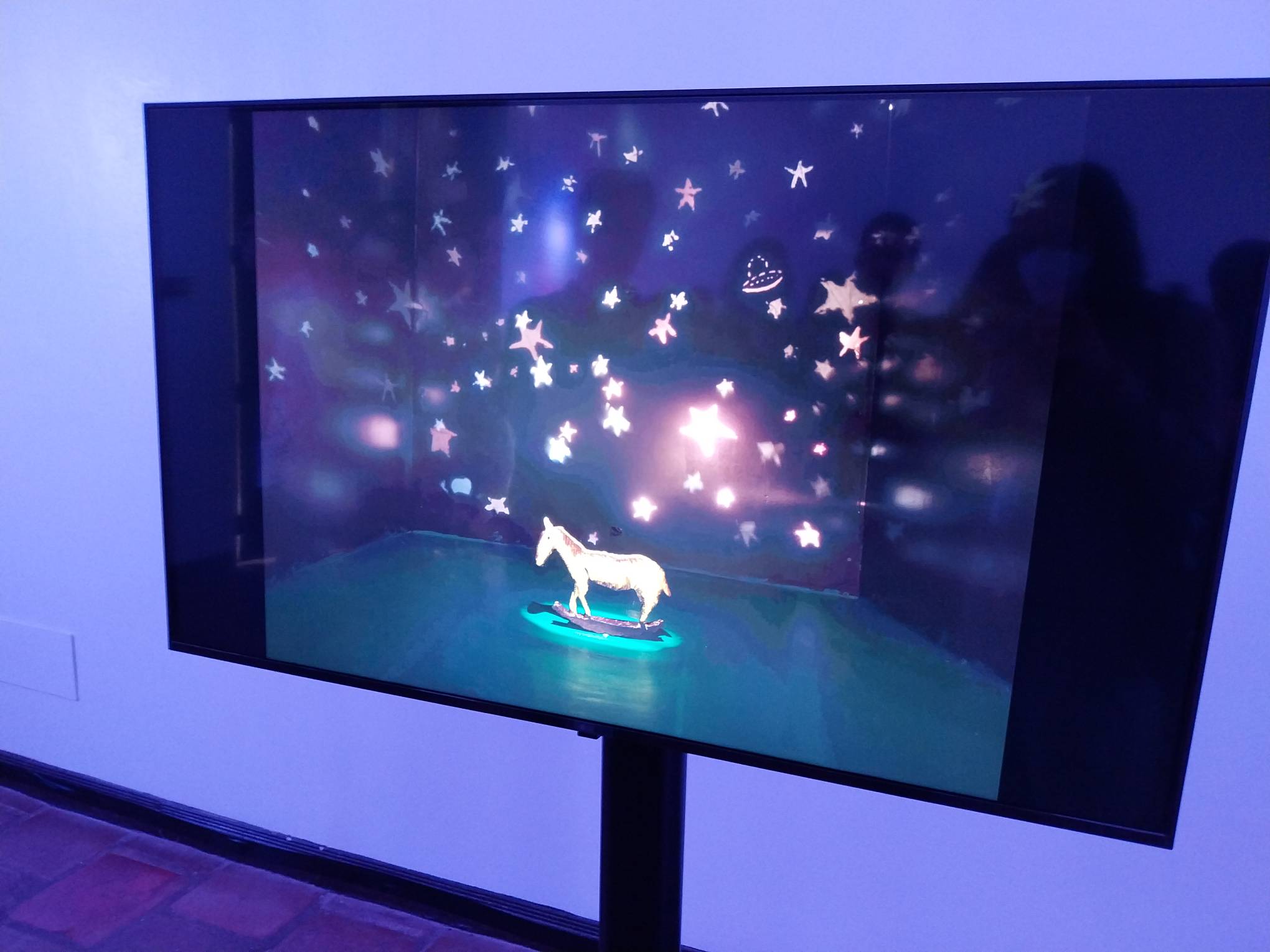
The exhibit contains a showing of two work-in-progress animated films by Enrique Marty. The first is the interview between the three, entitled “Cosmic Encounters.”
The second, “Wolves at the Door,” is an animated short utilizing “volume animation” techniques from Eastern Europe that depicts Casper Hauser. It utilizes stop-motion, wooden figures, and other methods to create a surreal depiction of Hauser’s story, wildly different from Herzog’s 1974 version.
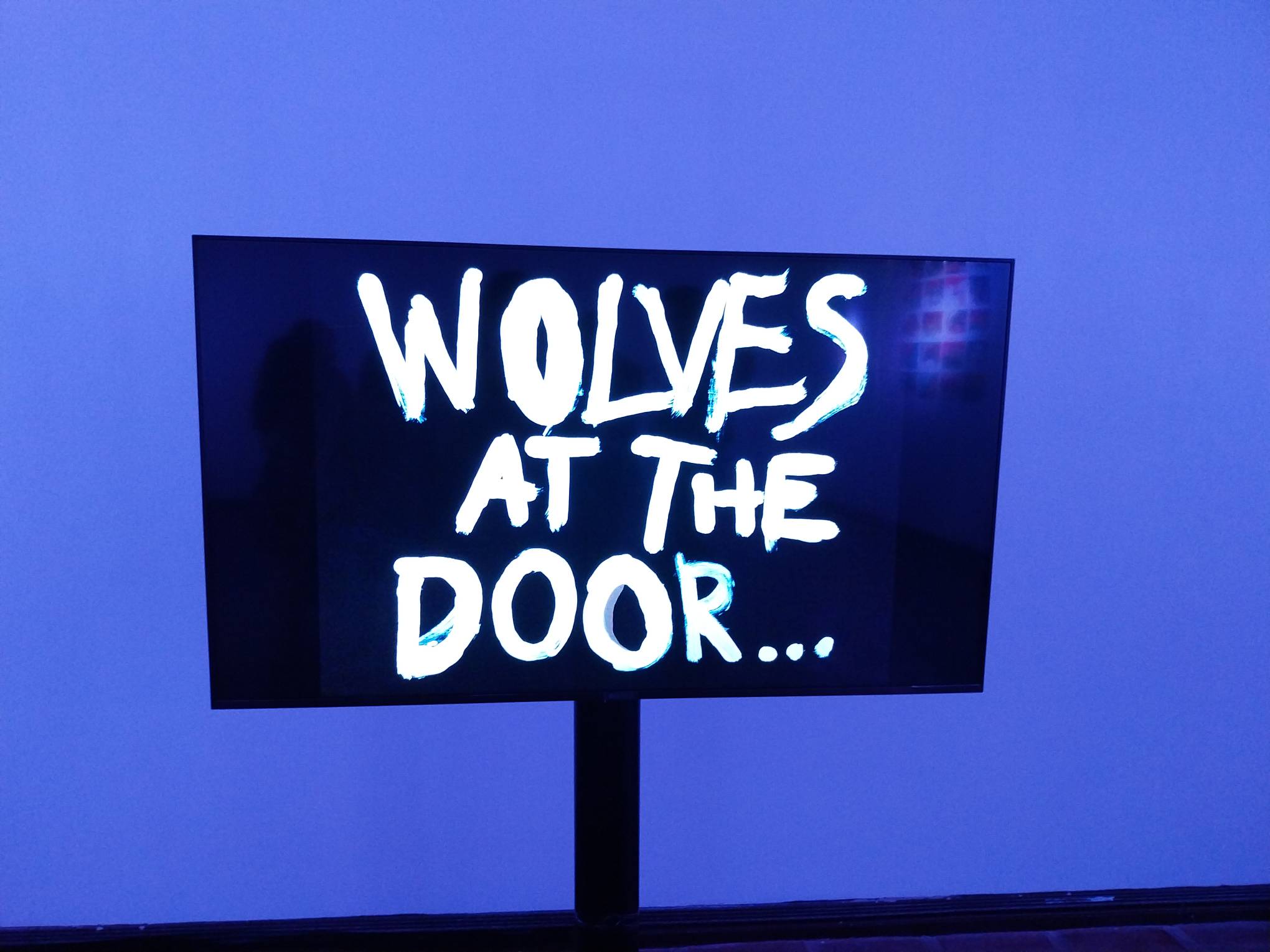
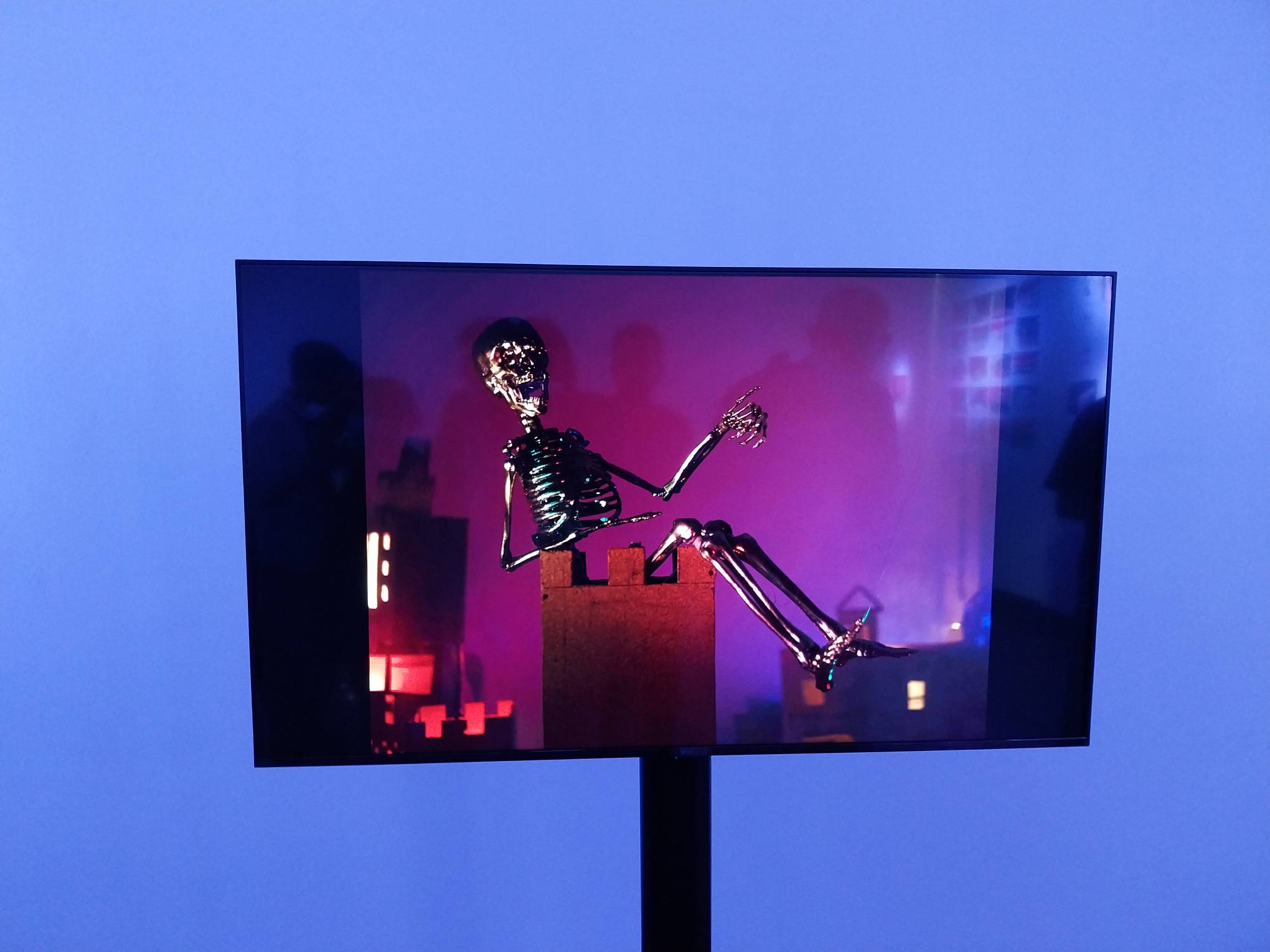
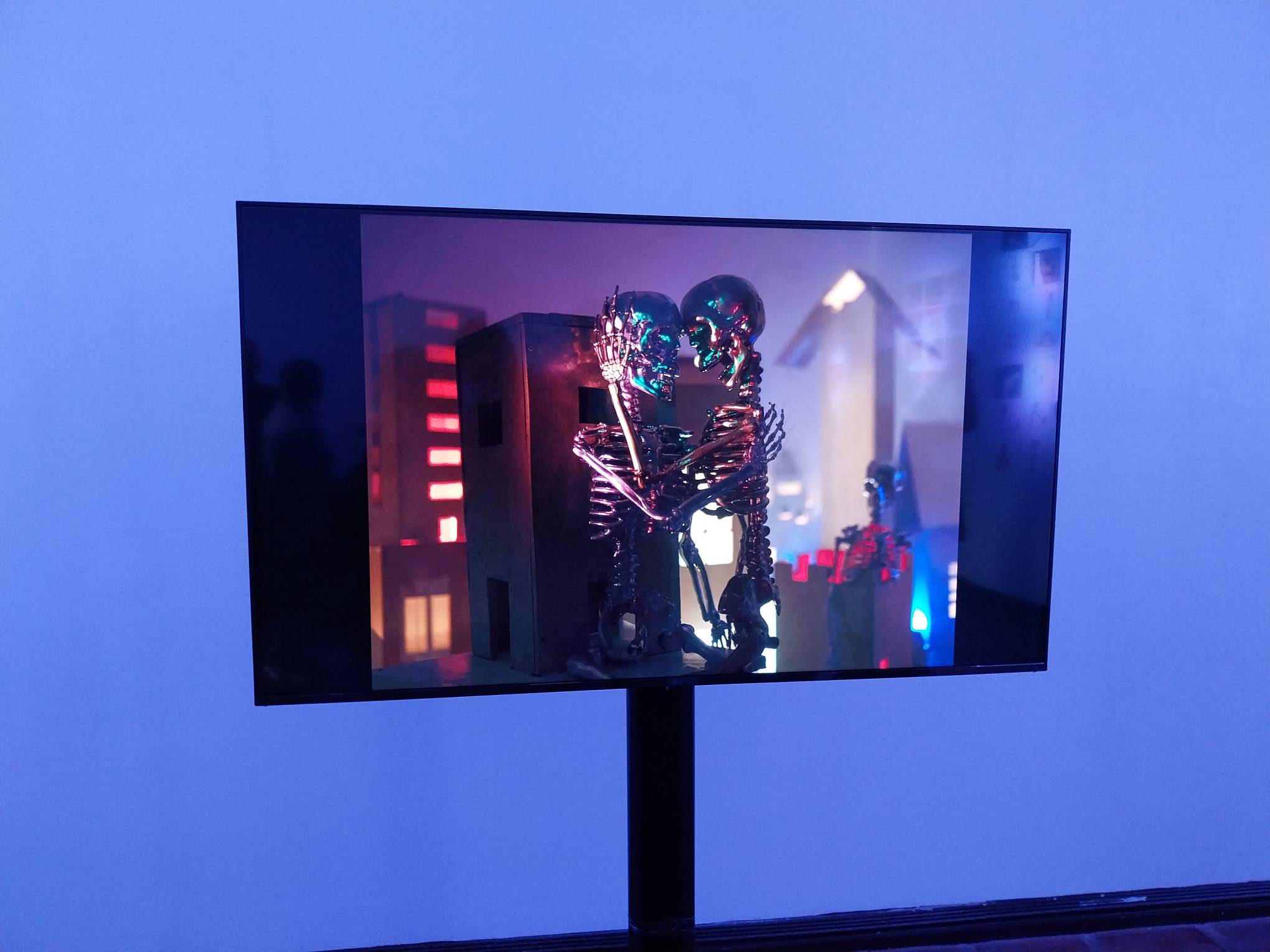
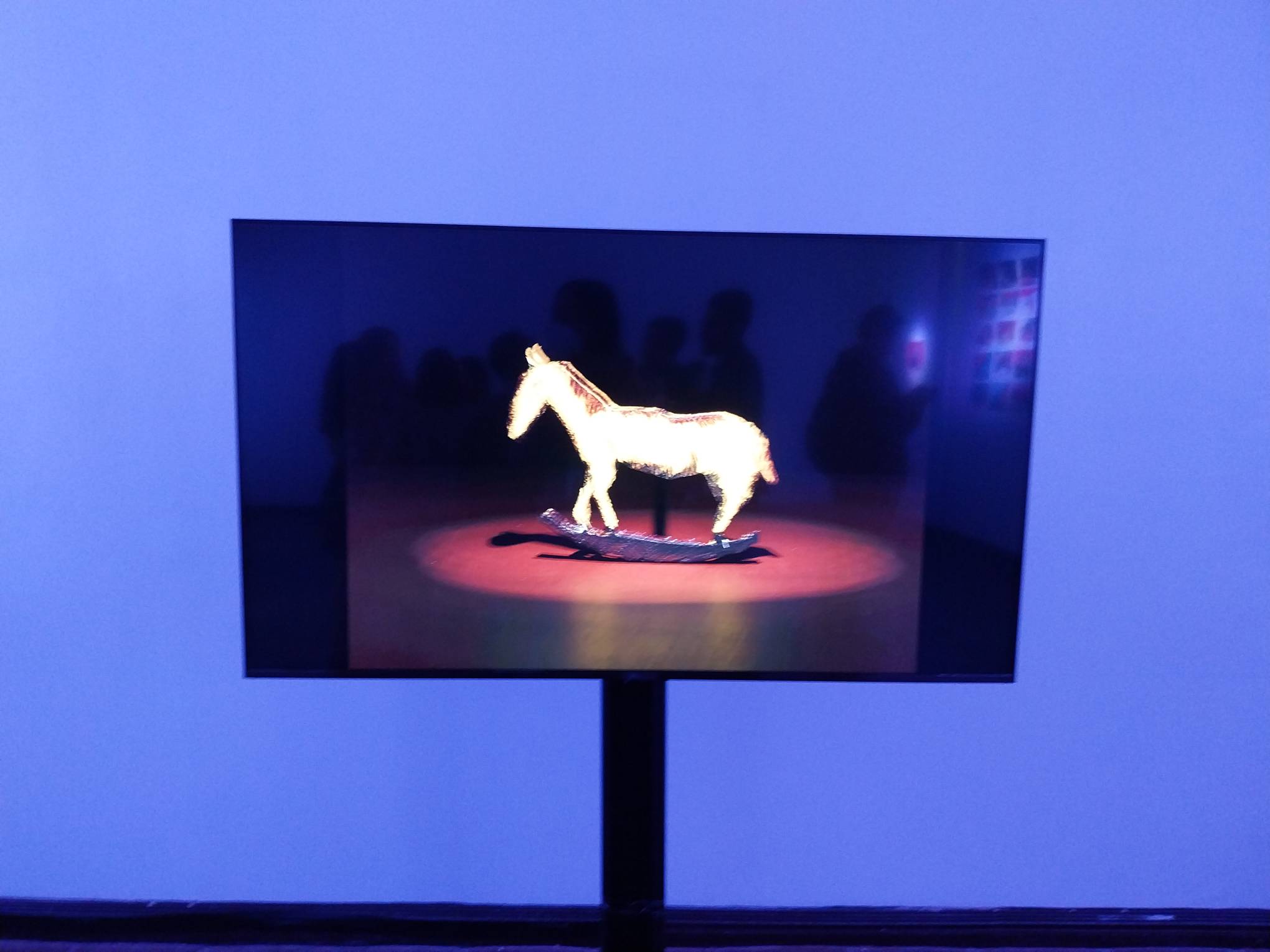
Showcased here as well are watercolor storyboards from Enrique Marty that integrate Tahimik in the film. But instead of reprising the “freak” role that Tahimik played in the original 1974 movie, Marty incorporates a shaman character to the film instead.
“I gave him the idea,” Guzman said. “And he liked it, and he featured Kidlat Tahimik in the film, but not in the character that Kidlat portrayed in the film, because there, he portrayed a freak. It also goes back to Enrique’s previous study of freaks, about the monsters within us. But in the film, the new film of this work in progress of Enrique, he featured Kidlat as a shaman.”
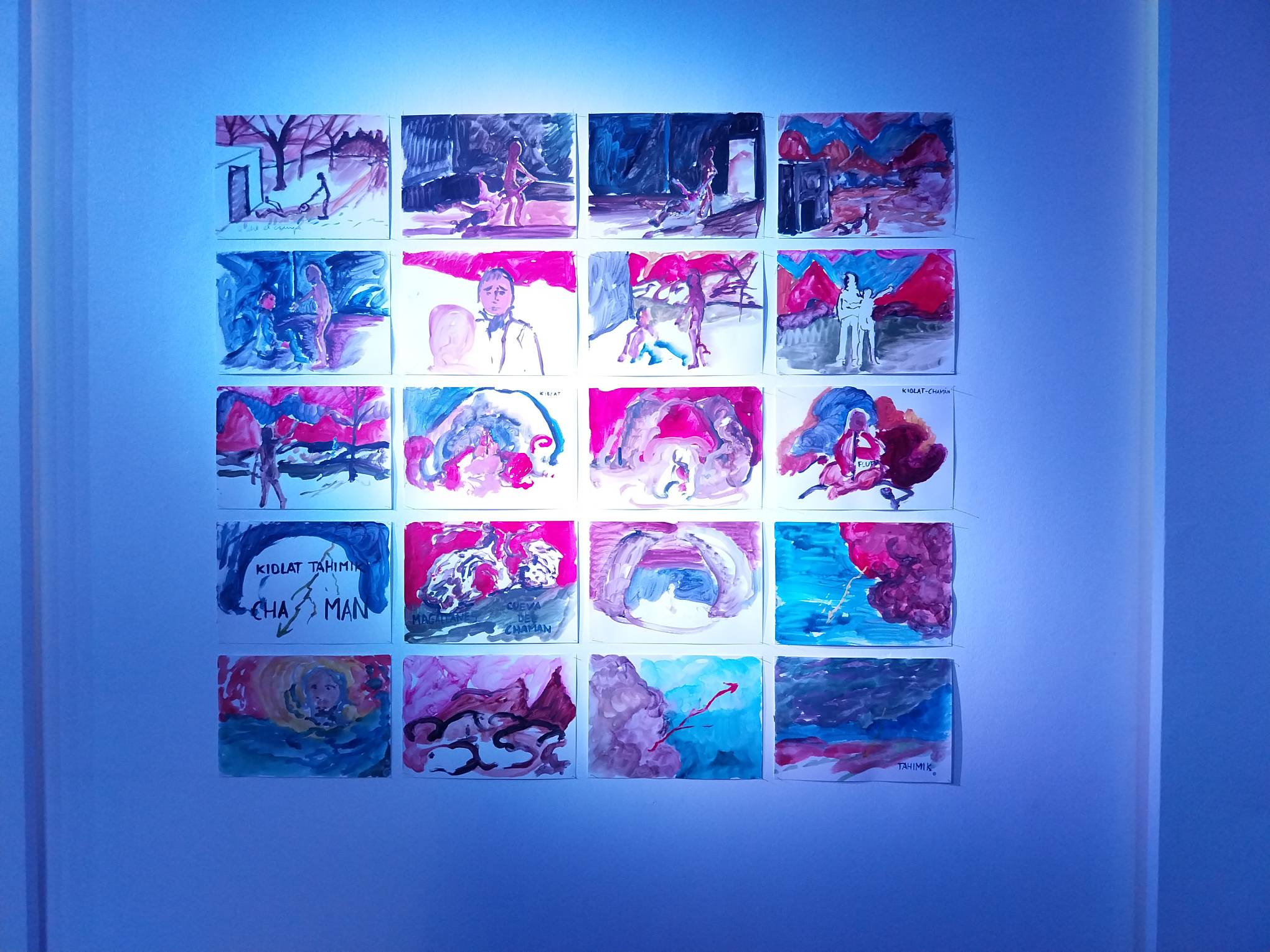
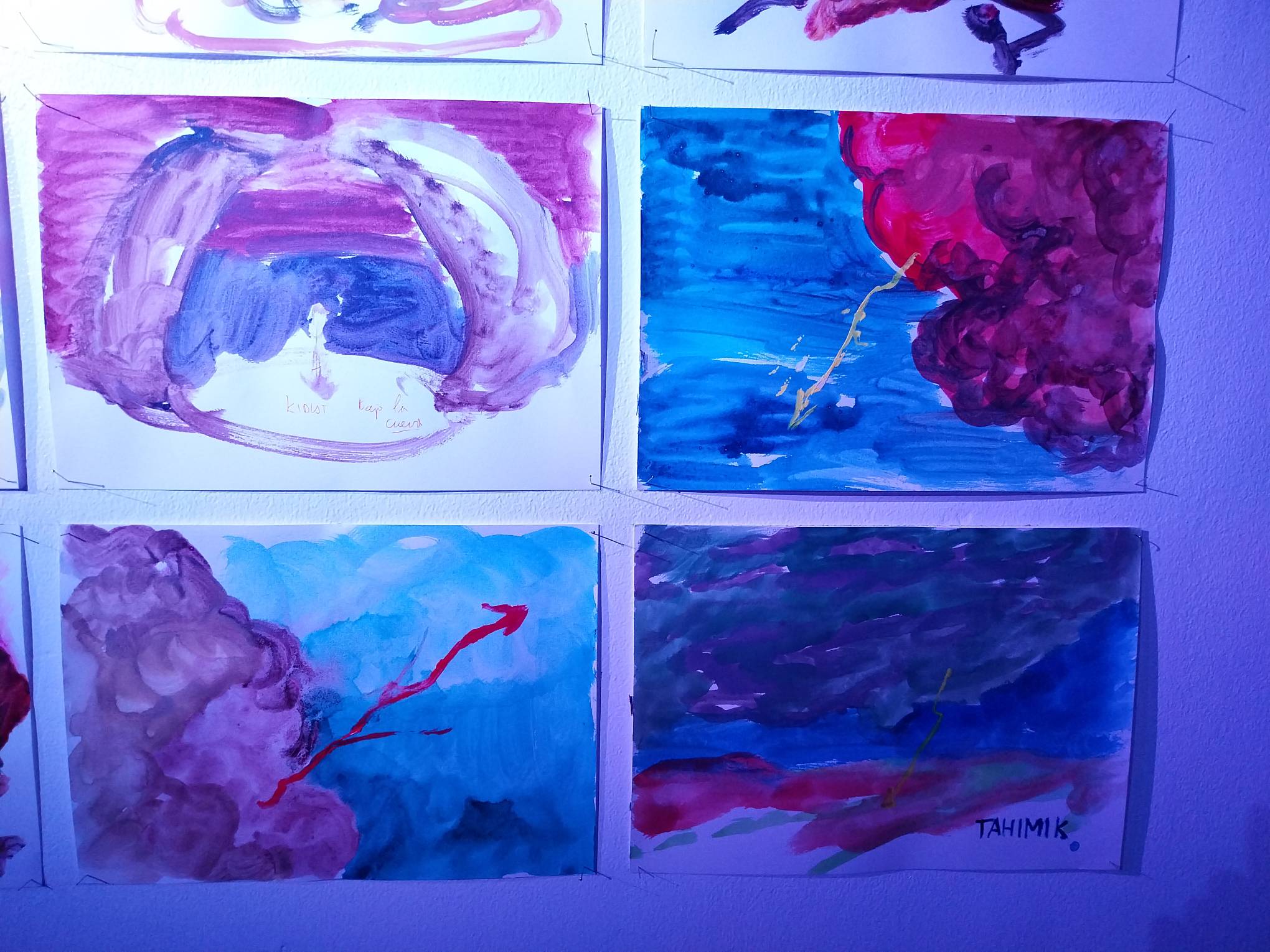
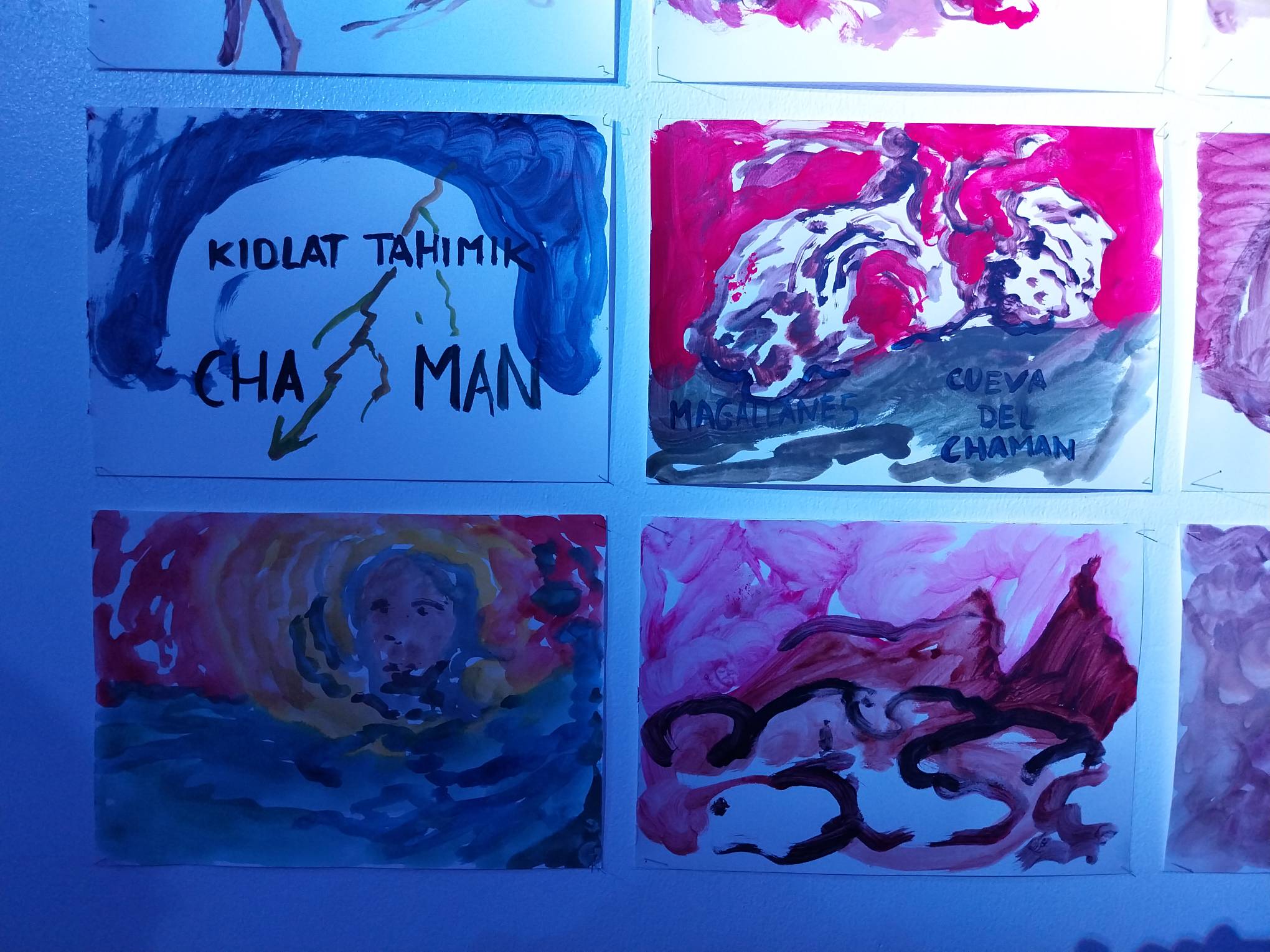
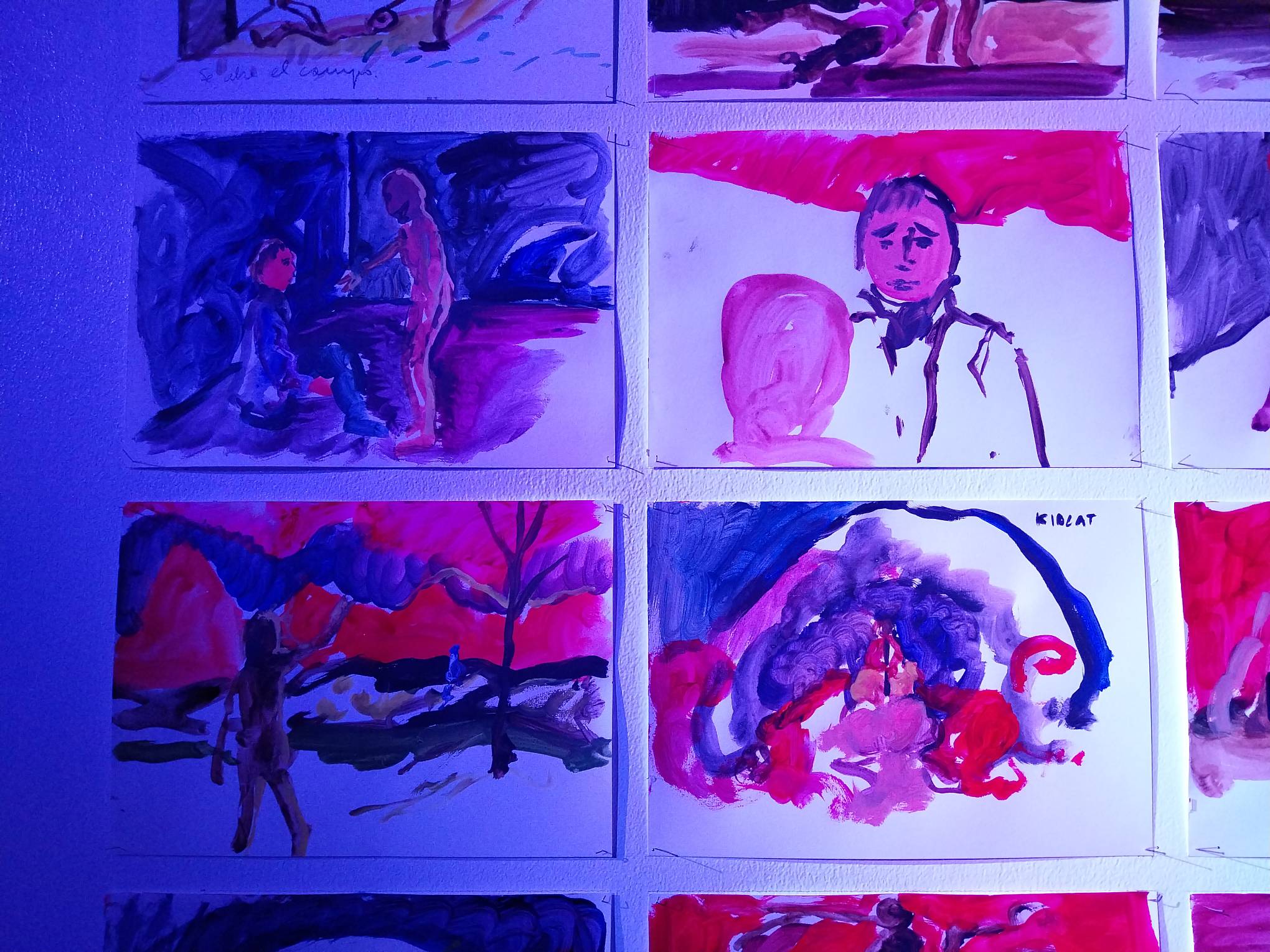
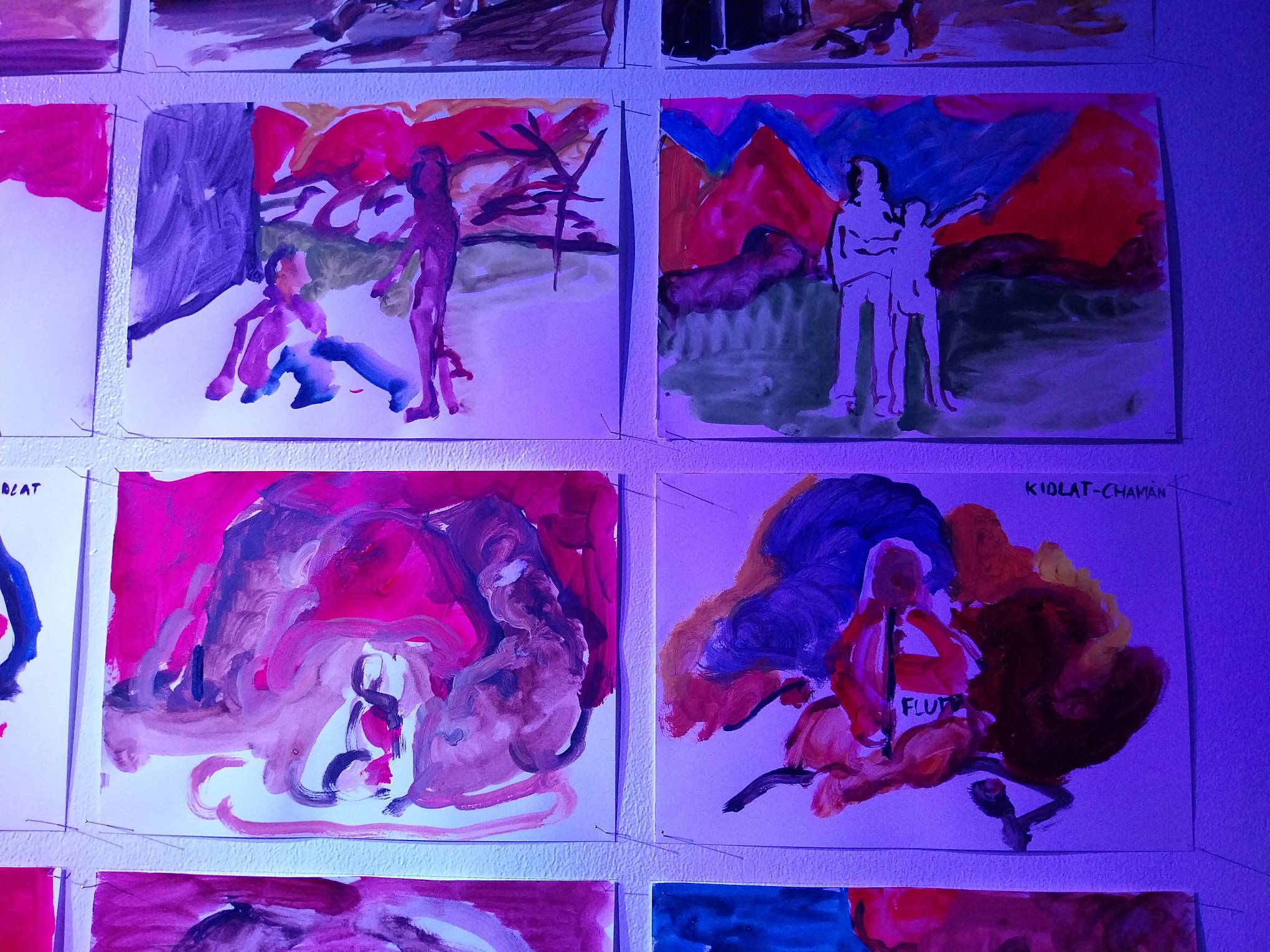
“I’m very flattered,” Tahimik said about his integration into the film. “I see my likeness in so many watercolors. Of course, I only met him [a] few months ago, but I could see the certain craziness, a certain kalog which I think I identify with.”
Enrique de Malacca
During the exhibit opening, Kidlat Tahimik showed a 12-minute cut of his long-gestating film, Memories of Overdevelopment. The film’s storyline focuses on the misadventures of Enrique de Malacca, a companion of Ferdinand Magellan during his attempted circumnavigation of the Earth.
While Magellan gets the credit for proving the Earth is round, he died in the Philippines and never fully sailed around the world. Many historians speculate that Enrique ended up being the first person to do this, but this is unconfirmed by official records.
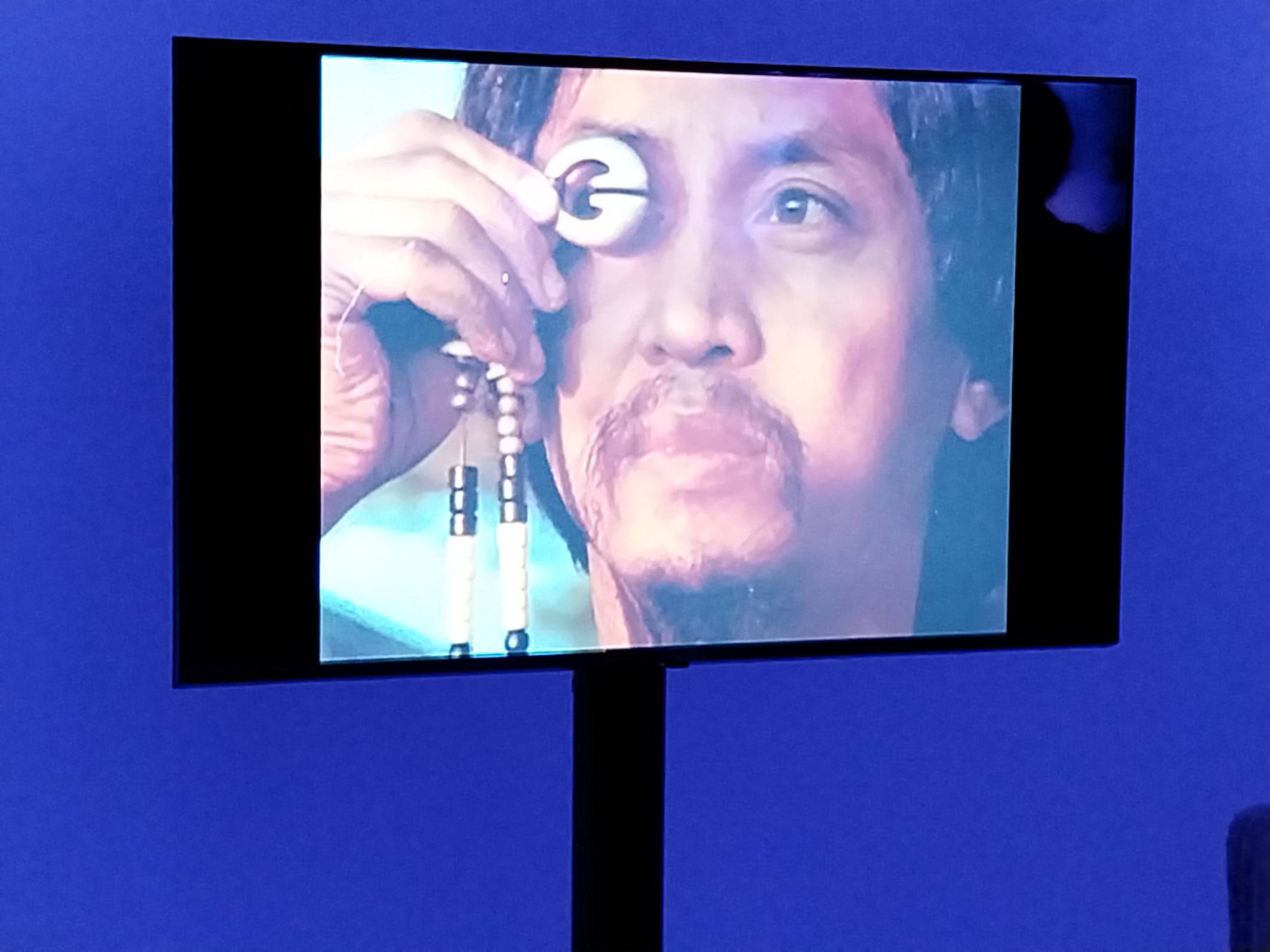
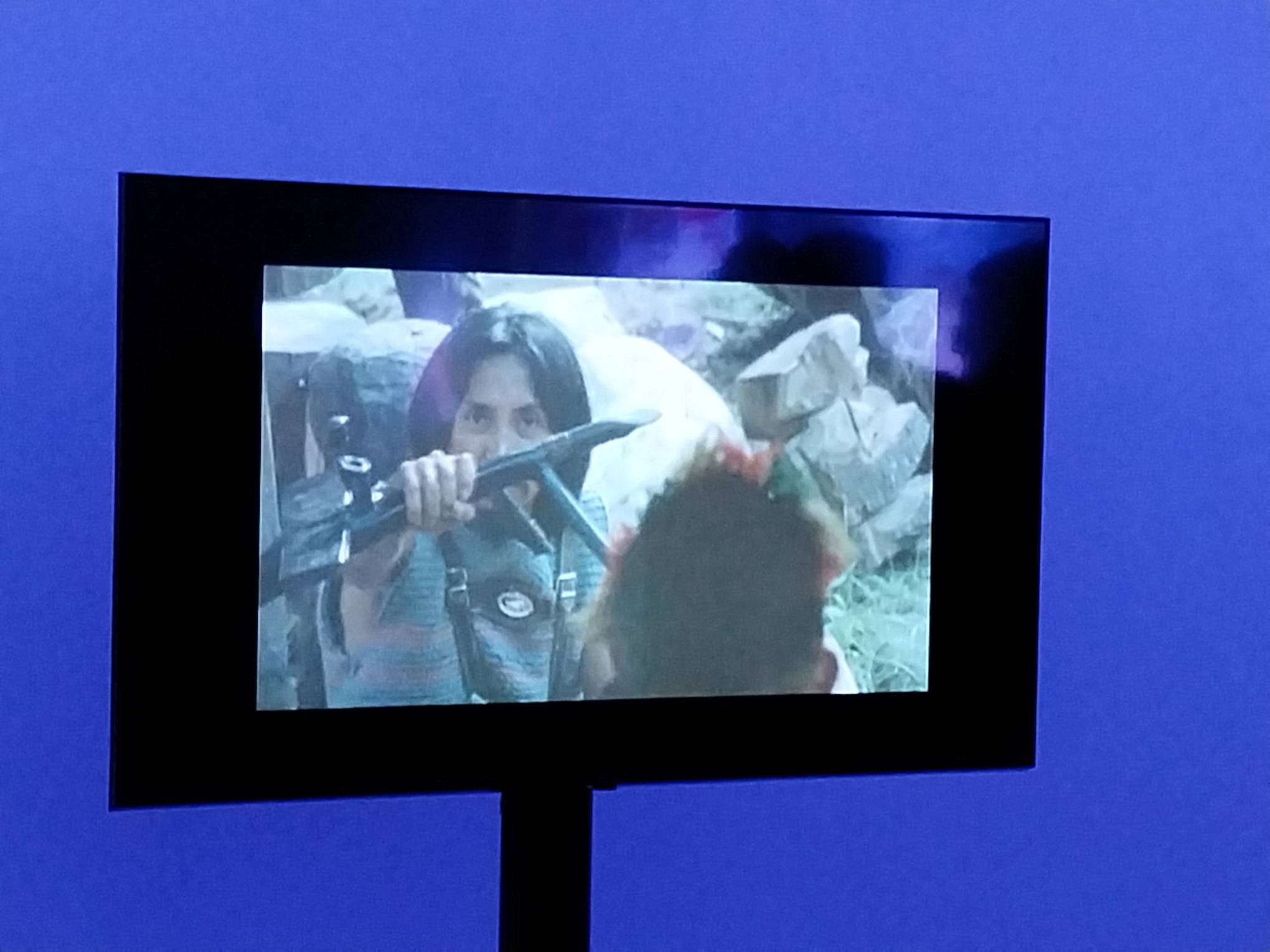
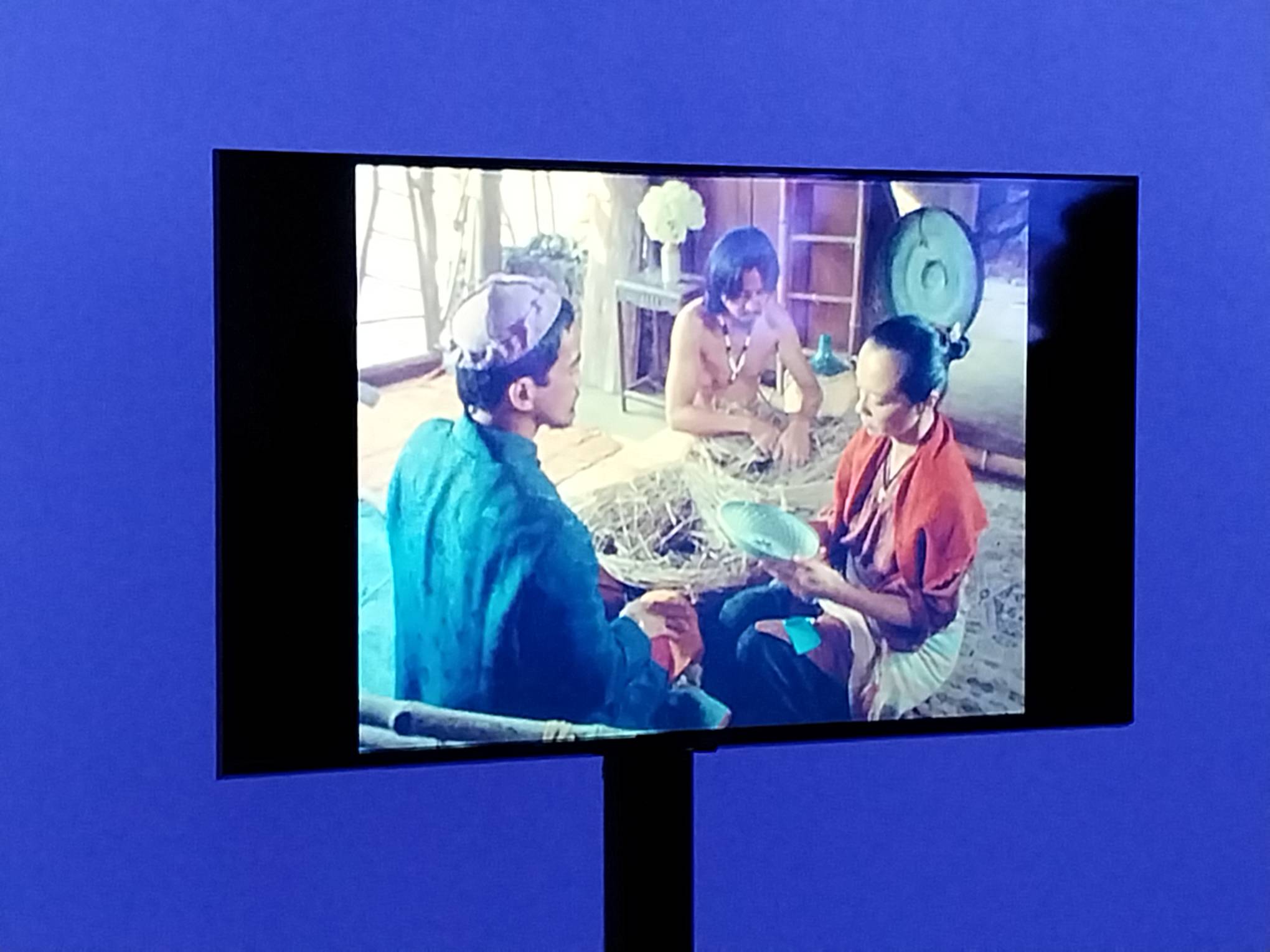
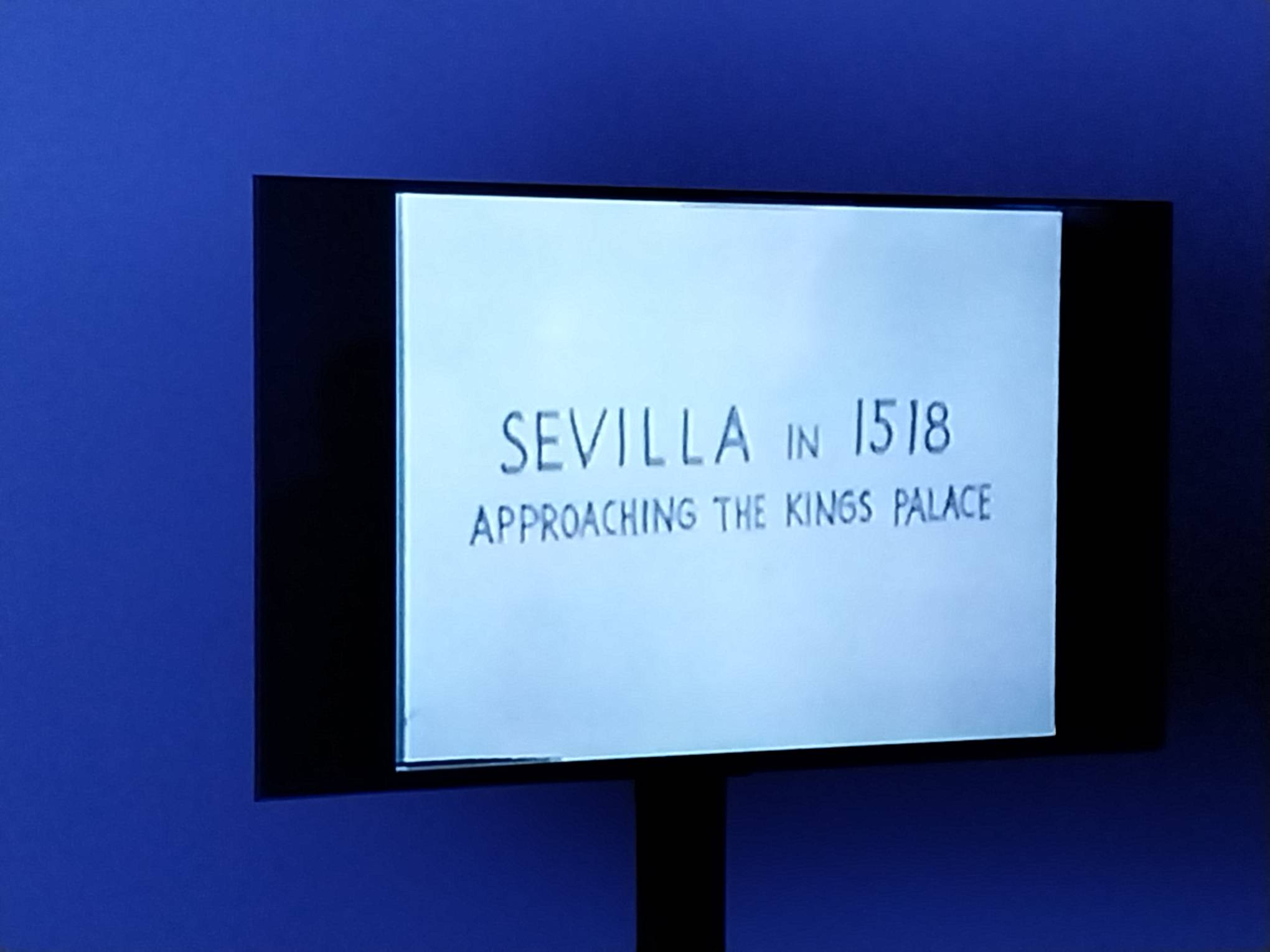
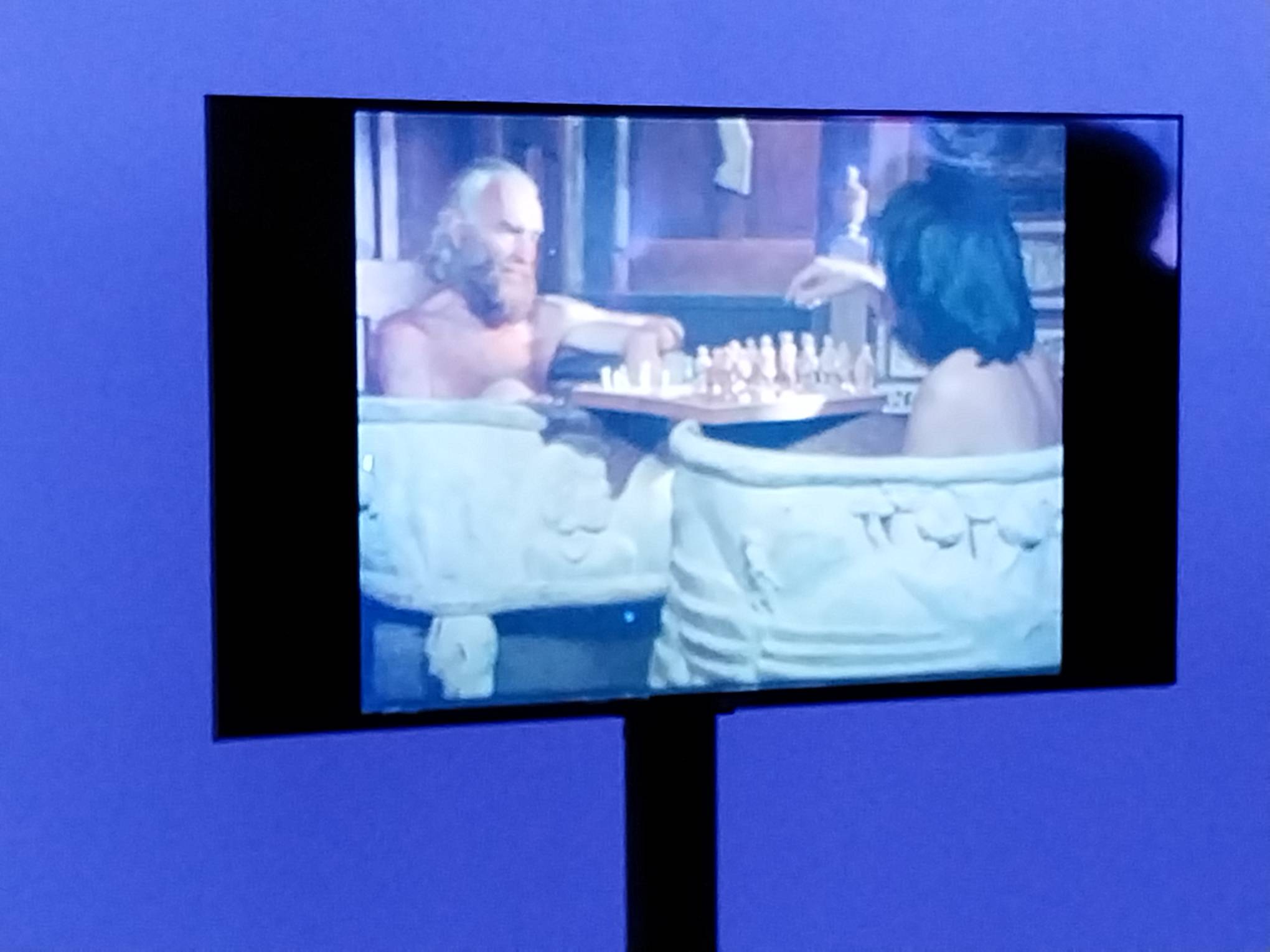
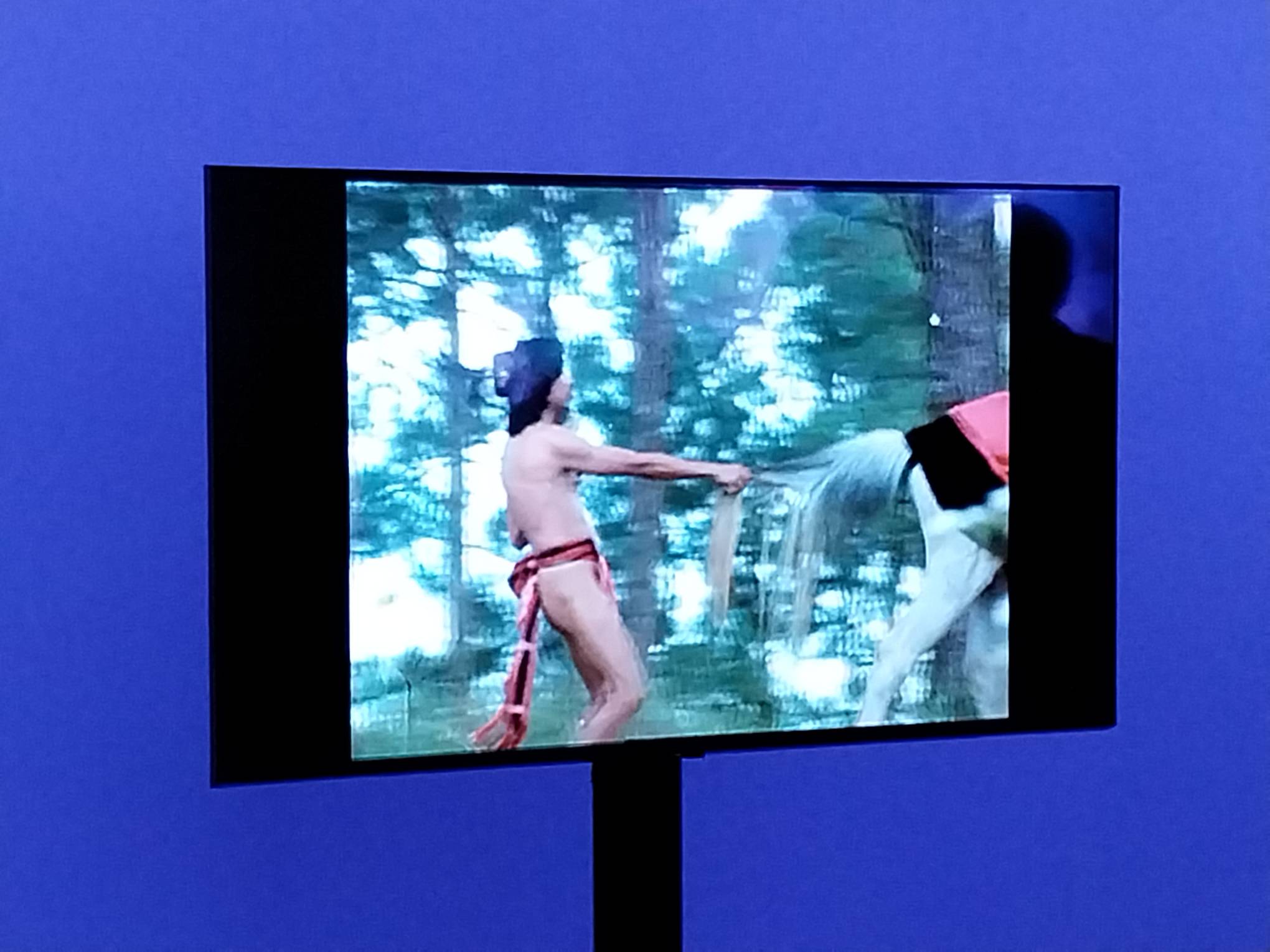
“Magellan said, ‘Look, Enrique, the natives have brown skin and black hair like you. Try to talk to them. Maybe these are the spice islands that we’re looking for.’ And then, lo and behold, Enrique understands and speaks Bisaya with the Cebuanos,” Kidlat Tahimik said.
“What does that mean for me? It means, for me, [that Enrique was] the first man to go around the world and return to the island of his mother tongue. That is the proof. The proof is not in the pudding. The proof is in how you speak Bisaya well with your accent. And for me, the proof that maybe the first man to go around the world was Enrique.”
Indigenous Stories for Local Culture
The film depicted Enrique’s indigenous life, enslavement, and his companionship with Magellan. Tahimik fills the film with interesting and anachronistic details, adding lots of goofy humor and observations that flesh out Enrique’s unique characteristics within the film.
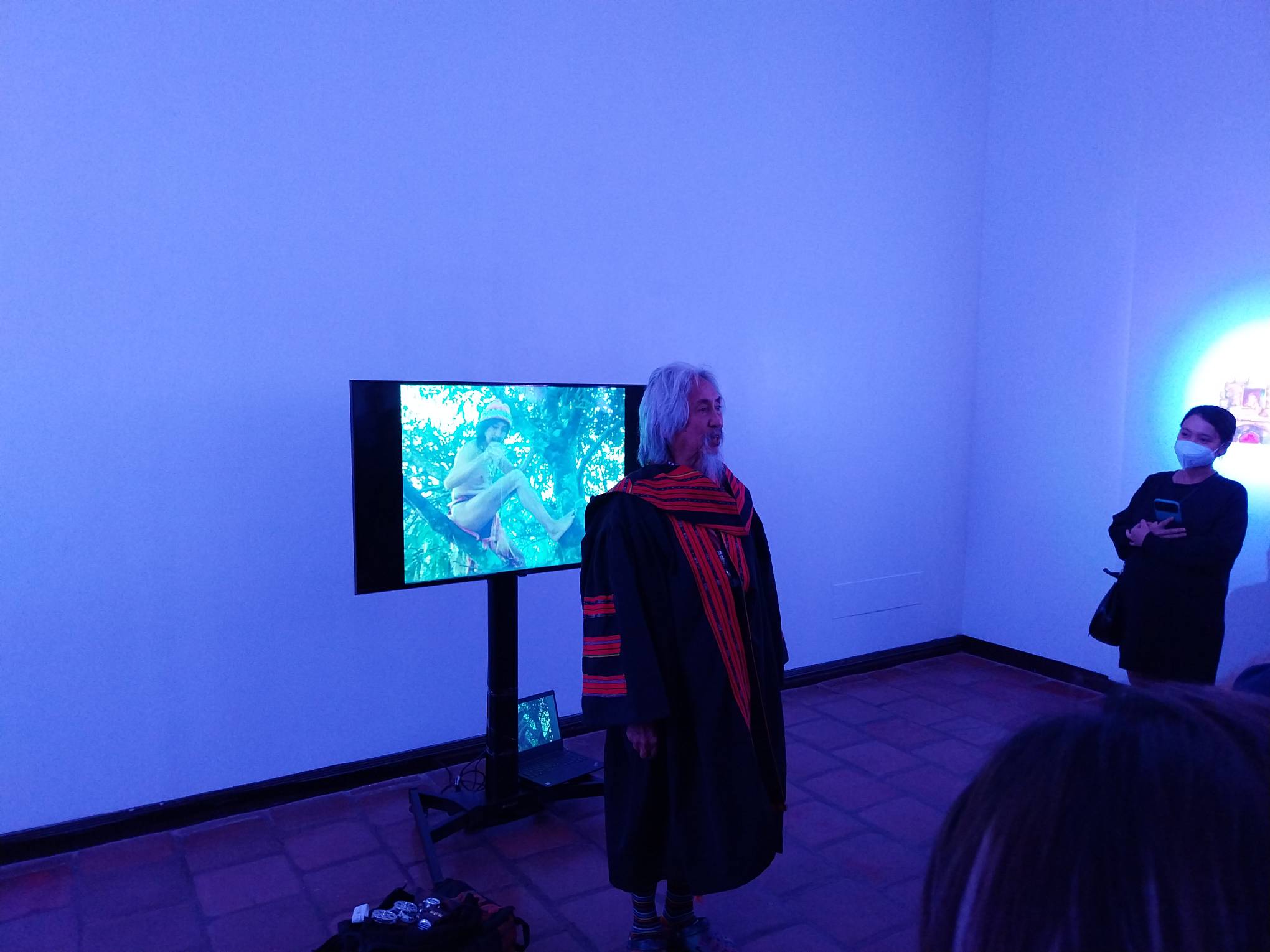
After showing the film, Kidlat Tahimik spoke extensively about the necessity of telling the stories of indigenous peoples and their ways and traditions. He advocates breaking away from Western standards to instead tell local stories that matter more for our culture in the long run. To illustrate this, he took out a bamboo camera during the opening and exclaimed, “With this bamboo camera, we can tell our bamboo stories.”
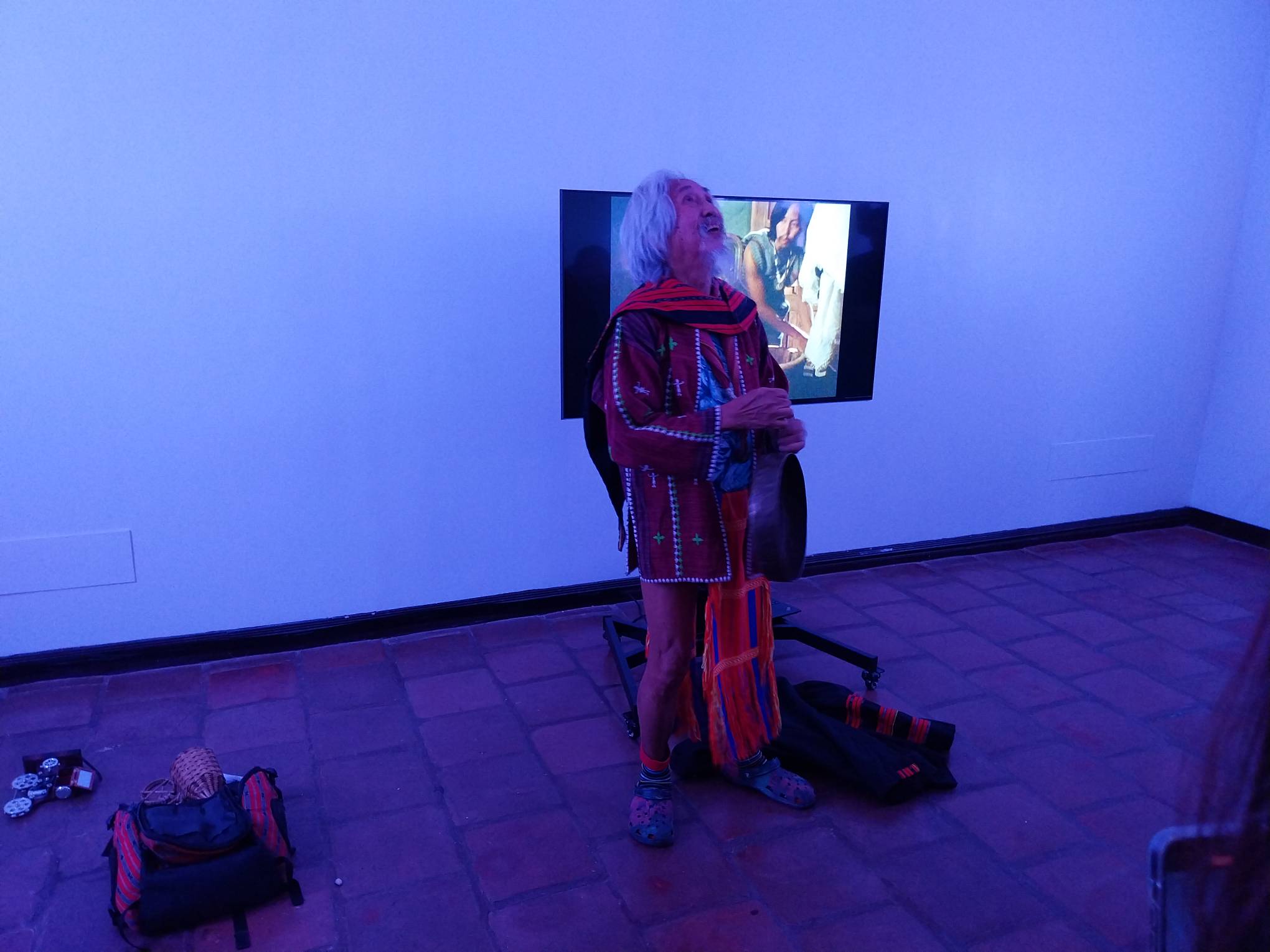
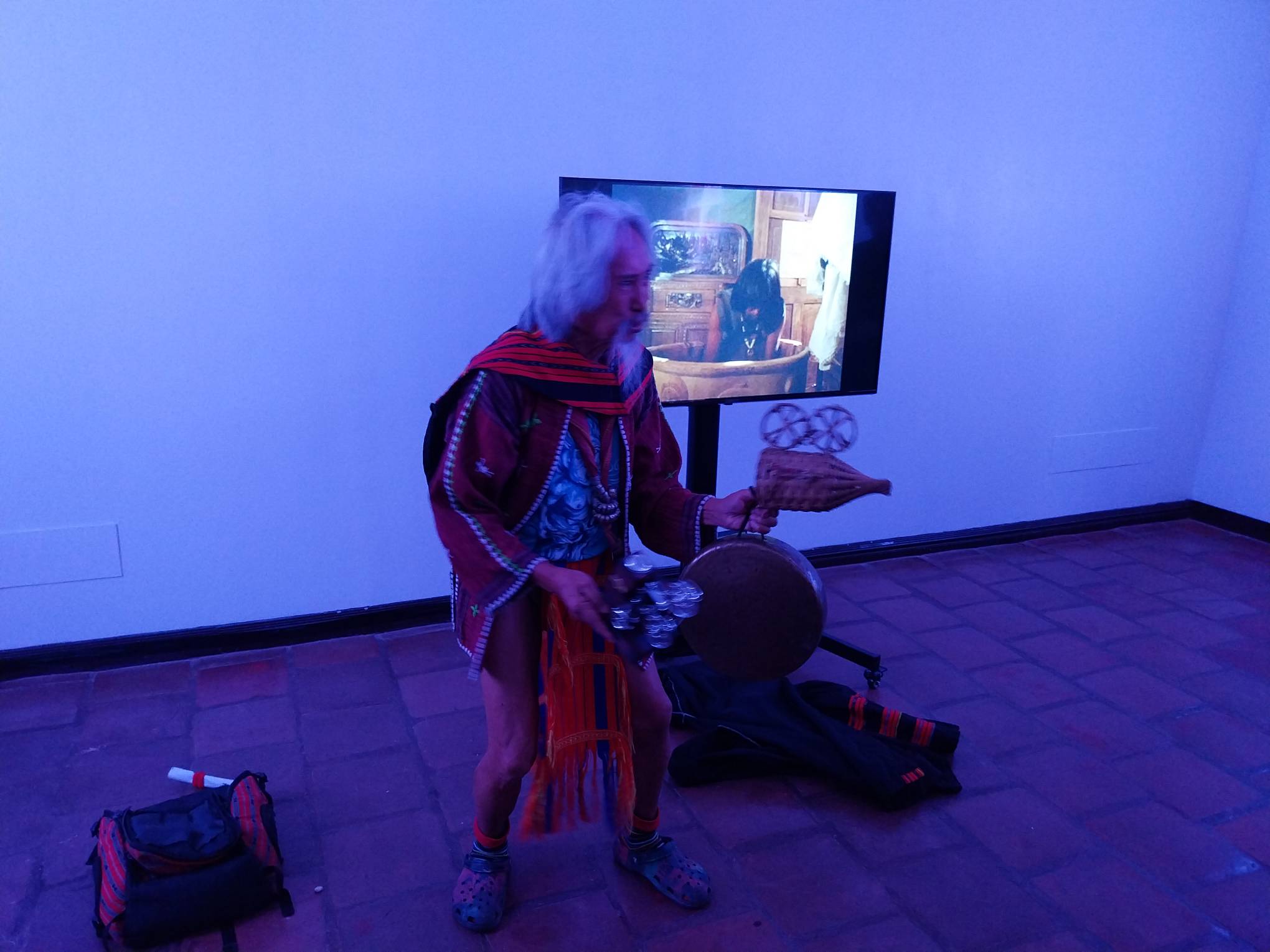
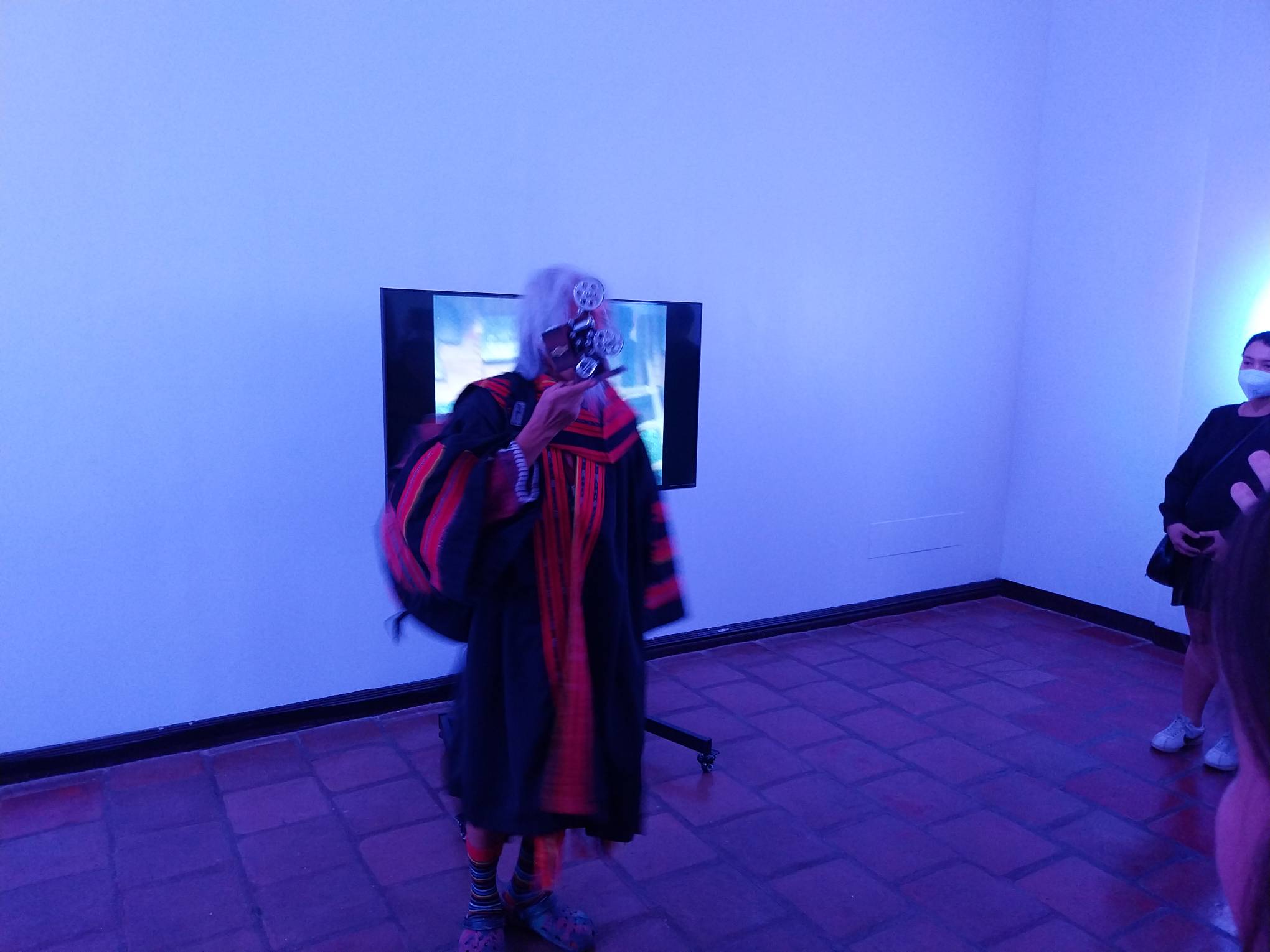
Later on, he said that he hopes to have a final version of the film out soon. “Over the years I’ve been working and working on it, and it’s now two and a half hours long,” he said. “But I think I will have a final, final version soon. I think this year, I hope, or within the next six months, I hope to give it a final editing. You know, my films are not fast and exciting like a Hollywood film. But, I mean, to give it a little pacing and a little cleaning up. It’s like somebody putting [on] makeup for the final.”
Going Where Muses Lead
Guzman celebrated the meet-up of Enrique Marty and Kidlat Tahimik for the exhibit. She sees them as kindred spirits both observant in the ways of humanity and its nature. Their collaboration ended up bringing out these aspects to the work presented.
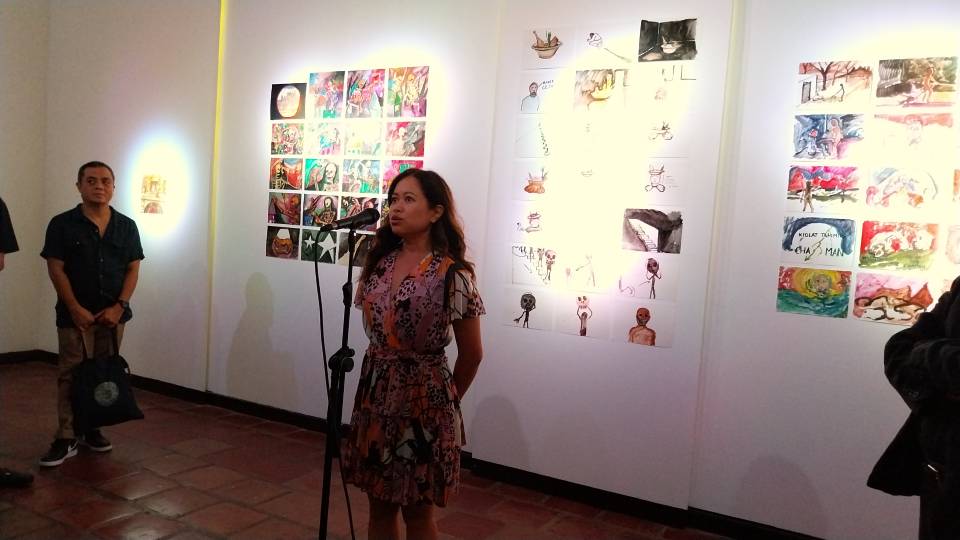
“I found so many parallels between the work of the two artists. Both of them are multifaceted artists, multidisciplinary. Their work evolves. They work by chance. They make do with what they have at that moment,” she said. “It was a very magical encounter for us.”
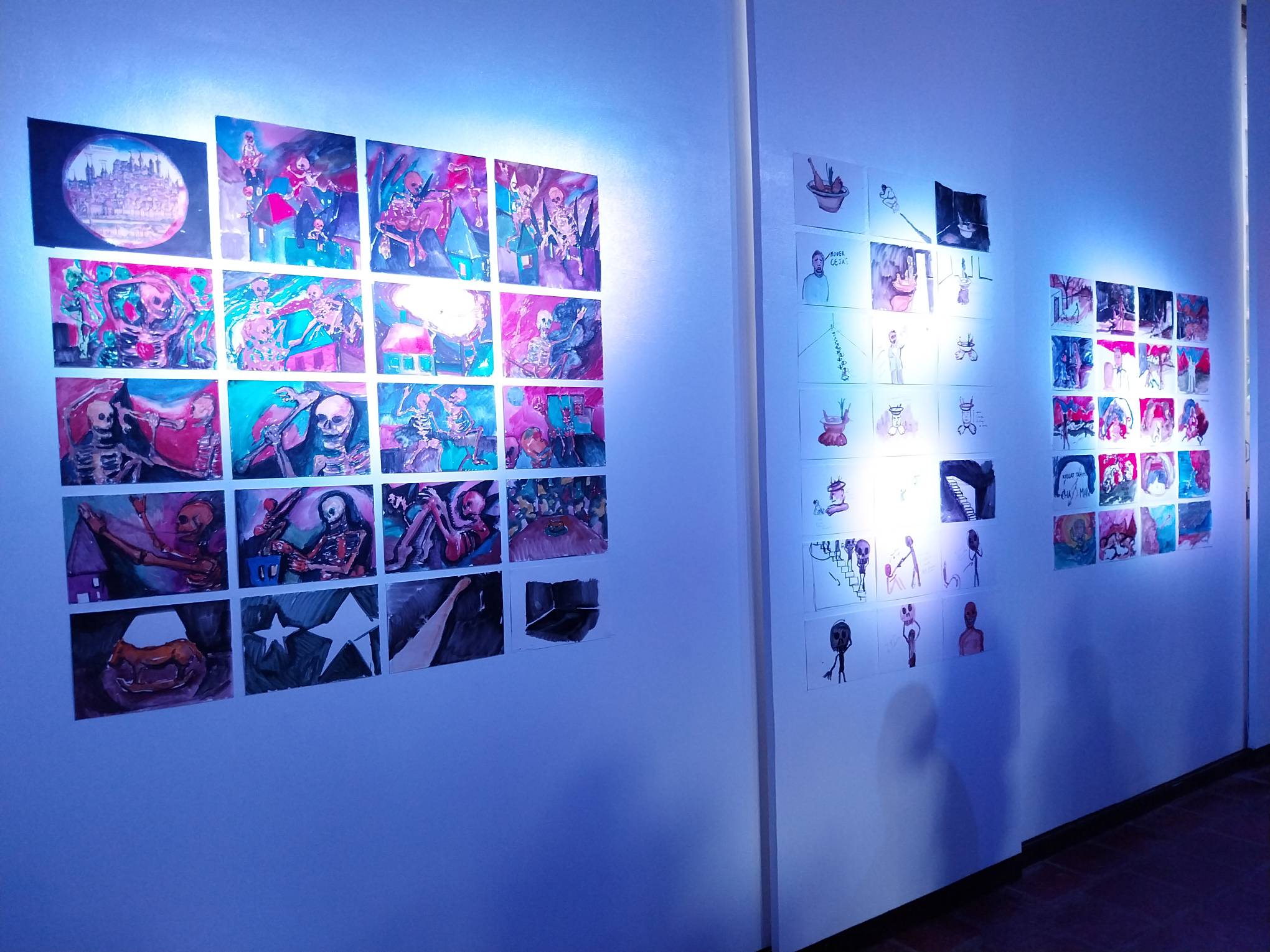
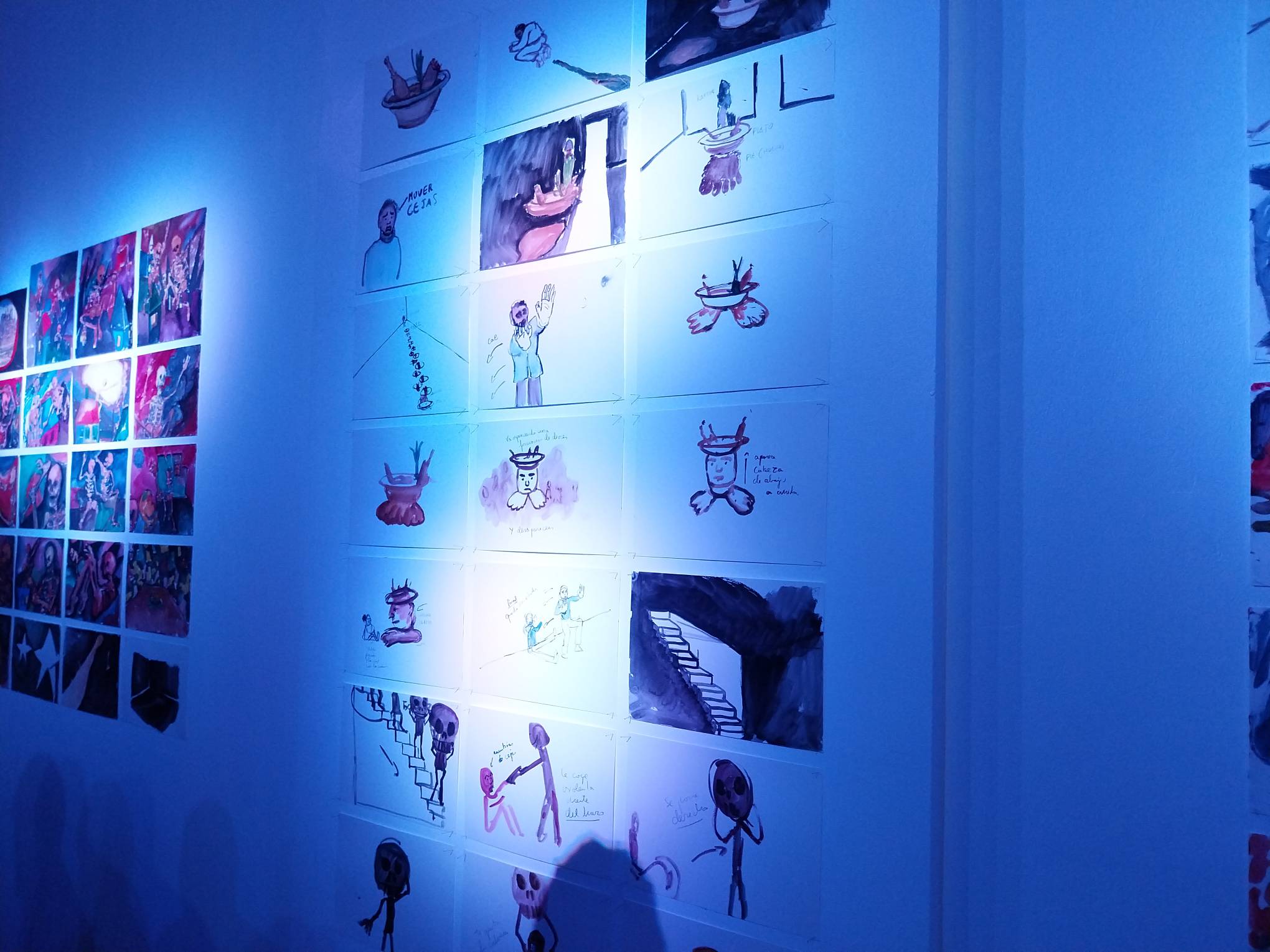
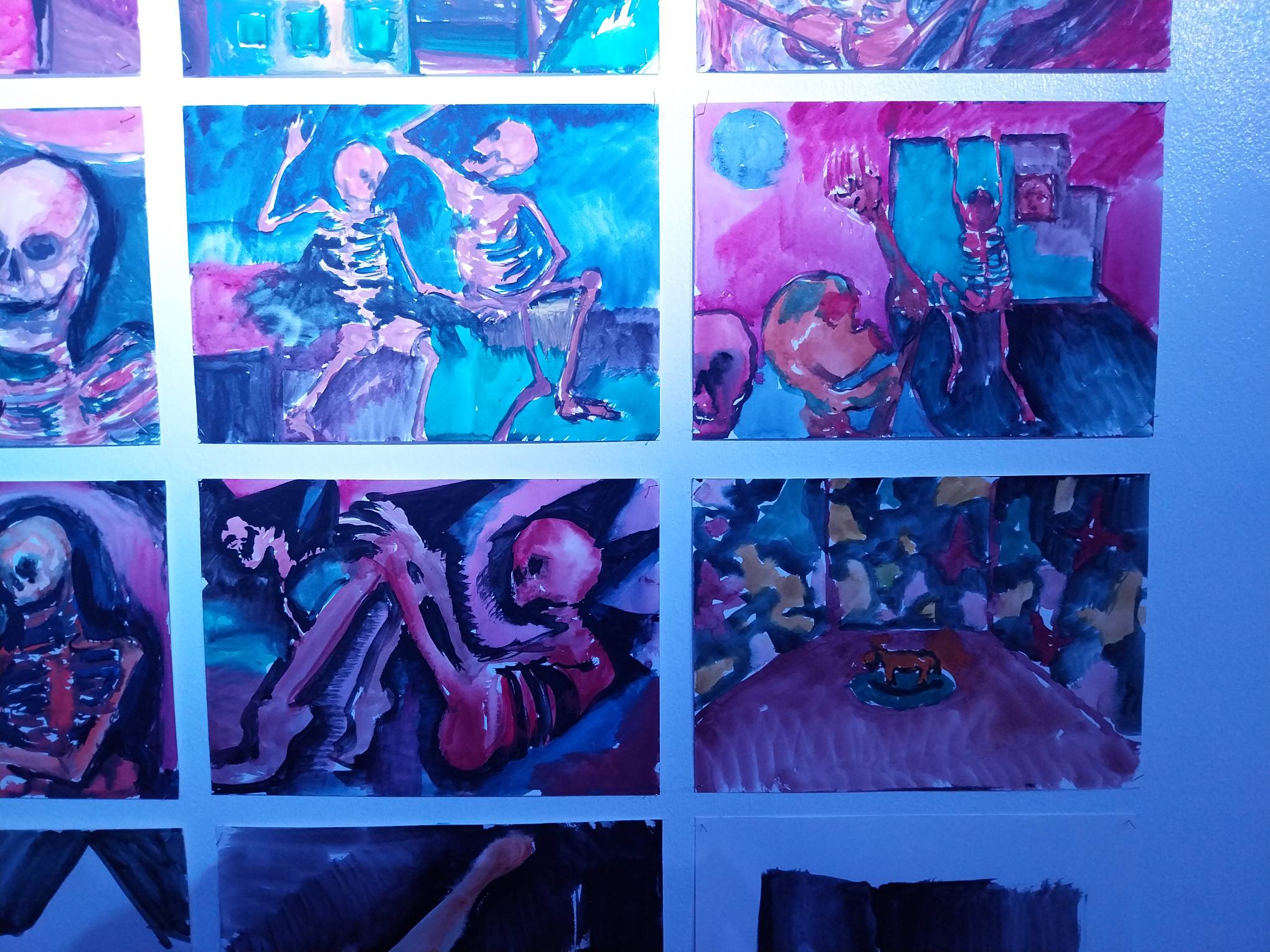
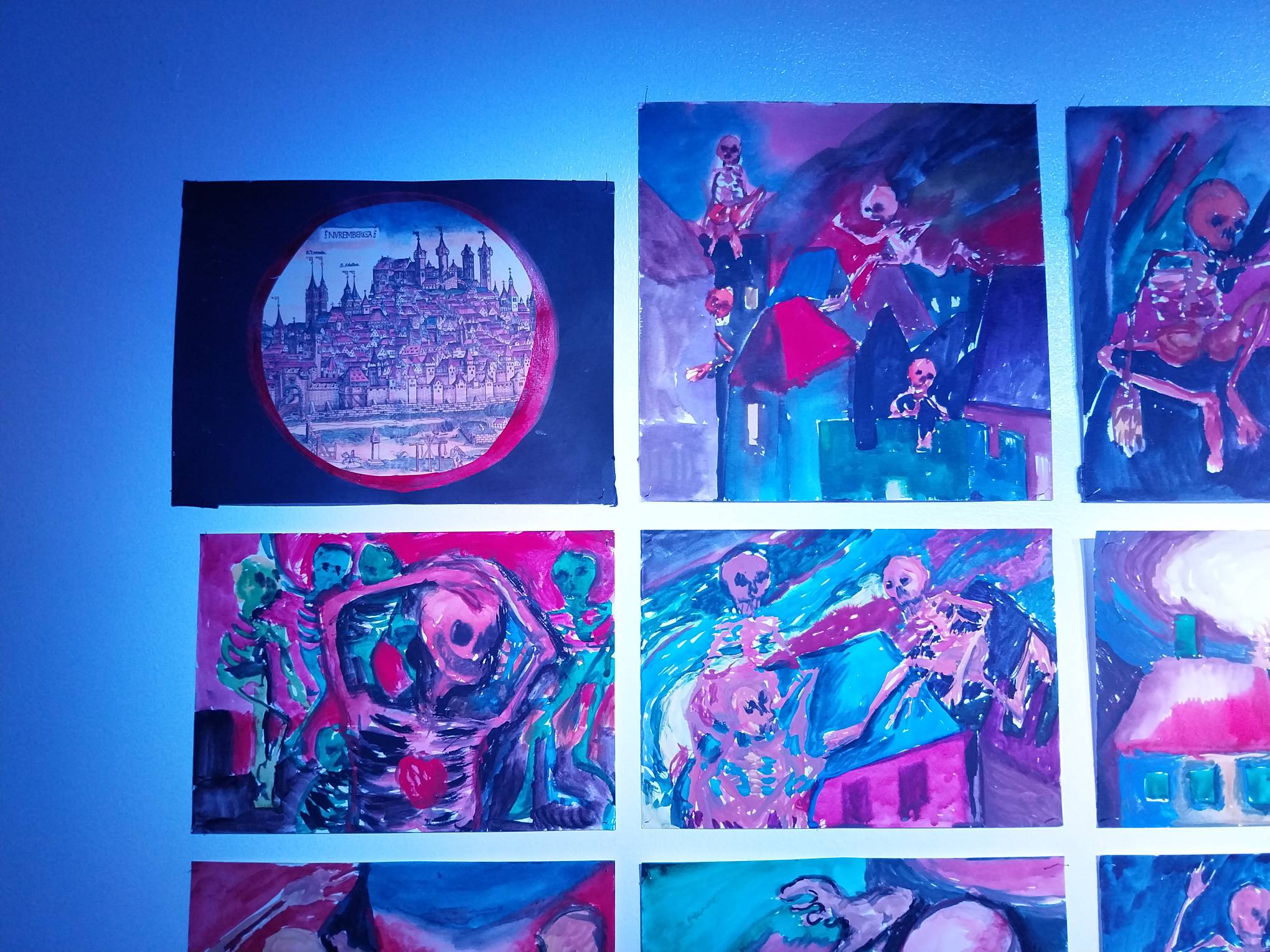
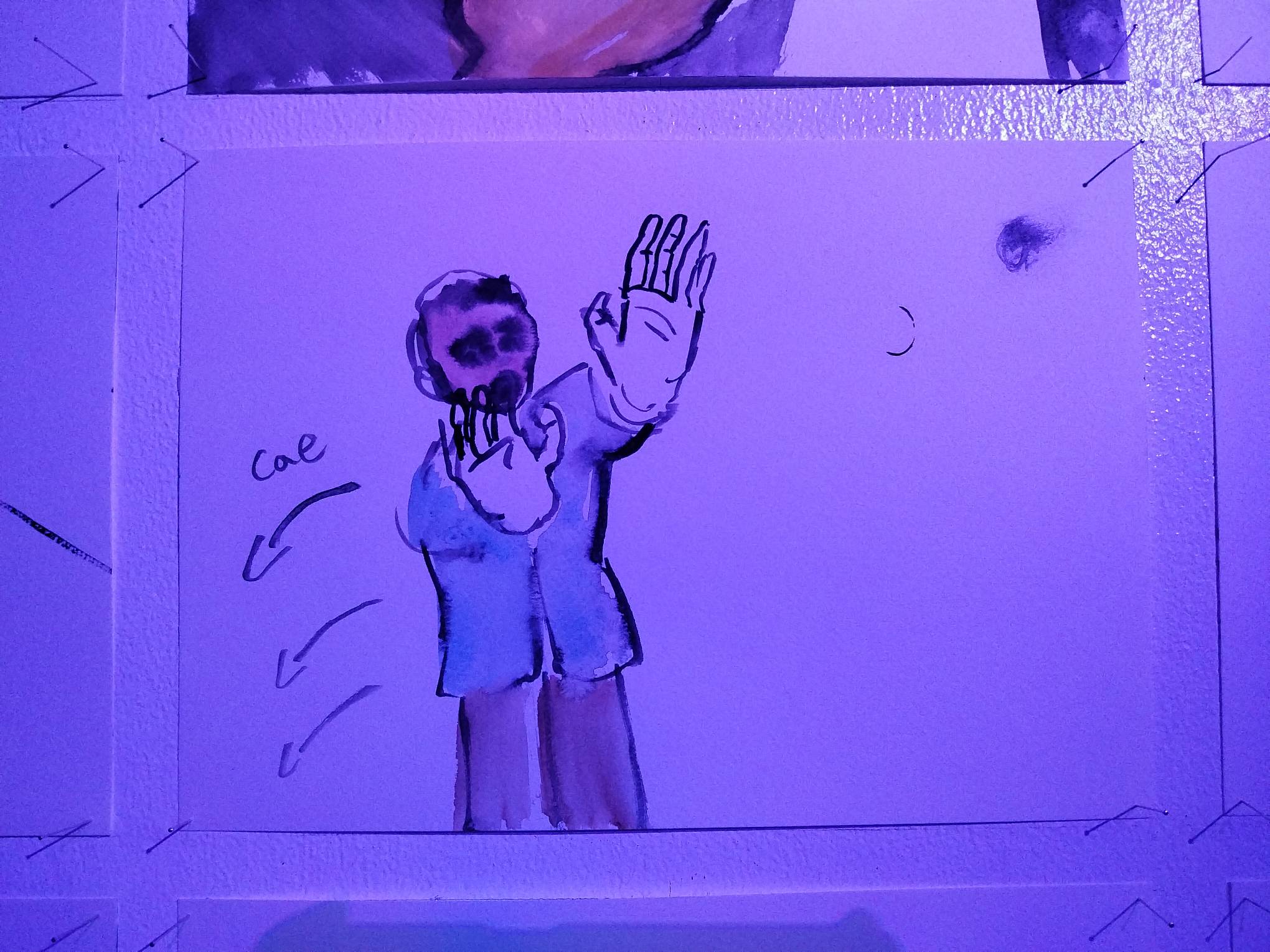
Wolves at the Door. Cosmic Encounters. gives two venerated and well-honored artists from two different countries an opportunity to explore new ideas in their medium, utilizing a different perspective from the ones they typically observe to flesh out their works in different ways.
Photos by Elle Yap.
Related reading: ‘Project Belonging’: Enrique Marty Unveils the Hidden Layers of Family
Frequently Asked Questions
The exhibition explores the nebulous and surreal process of artistic creation through a “cosmic coincidence” between Spanish artist Enrique Marty and Philippine National Artist Kidlat Tahimik. It focuses on the evolution of ideas, the “monsters within us,” and the bridging of Spanish and Filipino contemporary art contexts.
The connection stems from Marty’s animated film project about Kaspar Hauser; interestingly, Kidlat Tahimik acted in Werner Herzog’s 1974 film on the same subject. This shared history led to a collaborative dialogue where Marty integrated Tahimik into his new work-in-progress, transitioning him from a “freak” character to a “shaman.”
Marty utilizes “volume animation” techniques derived from Eastern Europe for his short film. This surreal approach involves stop-motion photography and the use of handcrafted wooden figures, creating a visual experience that is wildly different from traditional cinema and highlights the multidisciplinary nature of his practice.
The film focuses on Enrique de Malacca, the slave and companion of Ferdinand Magellan. Tahimik proposes that Enrique, rather than Magellan, was the first person to circumnavigate the globe, citing the “proof” as Enrique’s ability to speak Bisaya and return to the island of his mother tongue.
Tahimik uses the “bamboo camera” as a metaphor for indigenous storytelling that breaks away from Western or Hollywood standards. He advocates for local artists to use their own cultural lenses and traditions to tell authentic, indigenous stories that prioritize local heritage and “bamboo-paced” narratives over fast-paced global media.
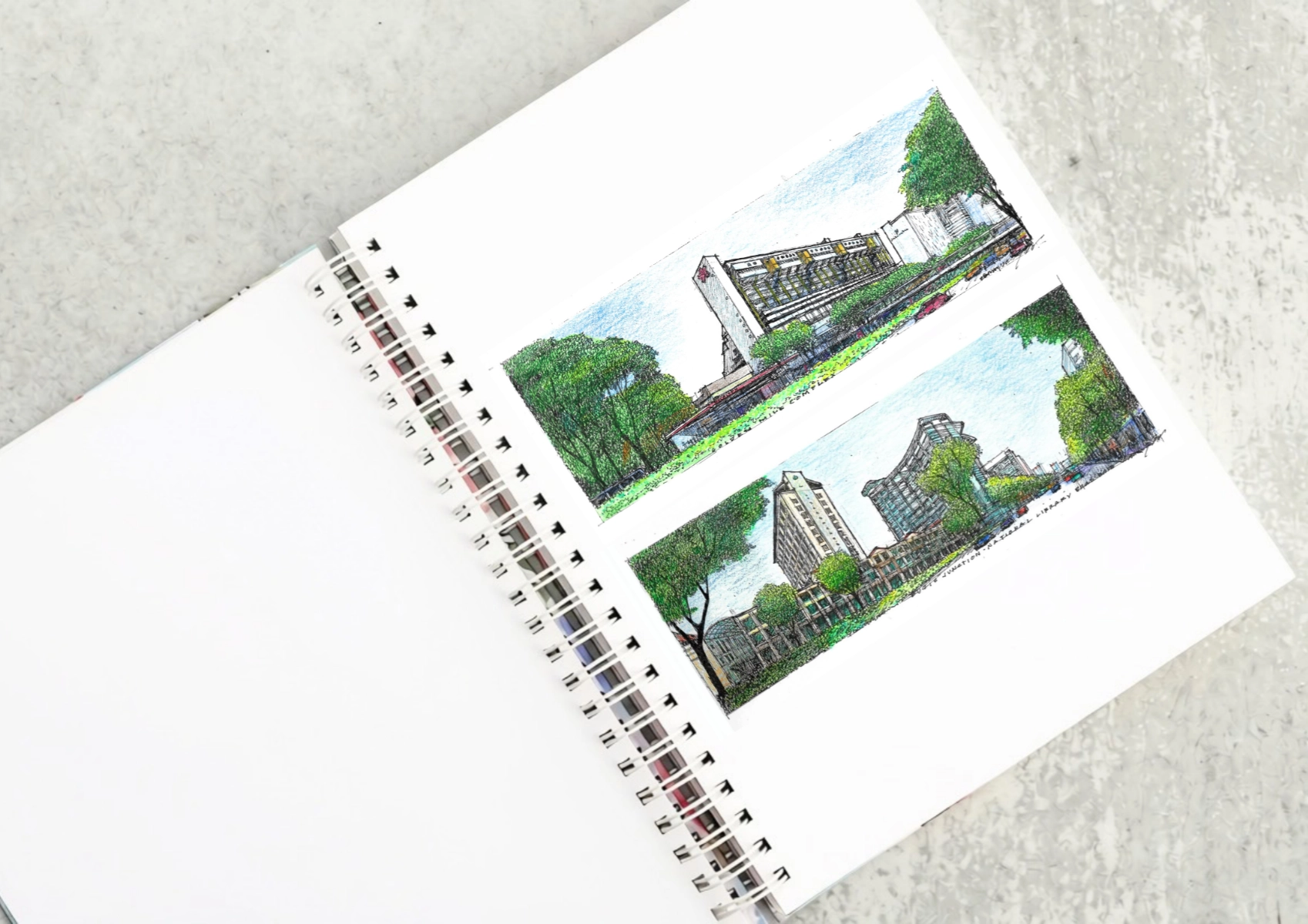
Two sketches of Singapore connect BluPrint Editor in Chief Paulo G. Alcazaren’s personal and professional history with Shared Ground: ArchitectureArchitectureThe art and science of designing and constructing buildings, structures, and spaces that are functional, safe, and aesthetically pleasing. It encompasses the planning, design, materials, and techniques used to createGo to Architecture Glossary of Care, Culture, […]
In a way, designers are the modern-day soothsayers and prophets. They design for the future, predicting how a room, a house, a building or a whole city will be used by people. They foresee how users will interact with a space, conjure exact shades of colors to elicit specific behavior and arrange furniture to build […]
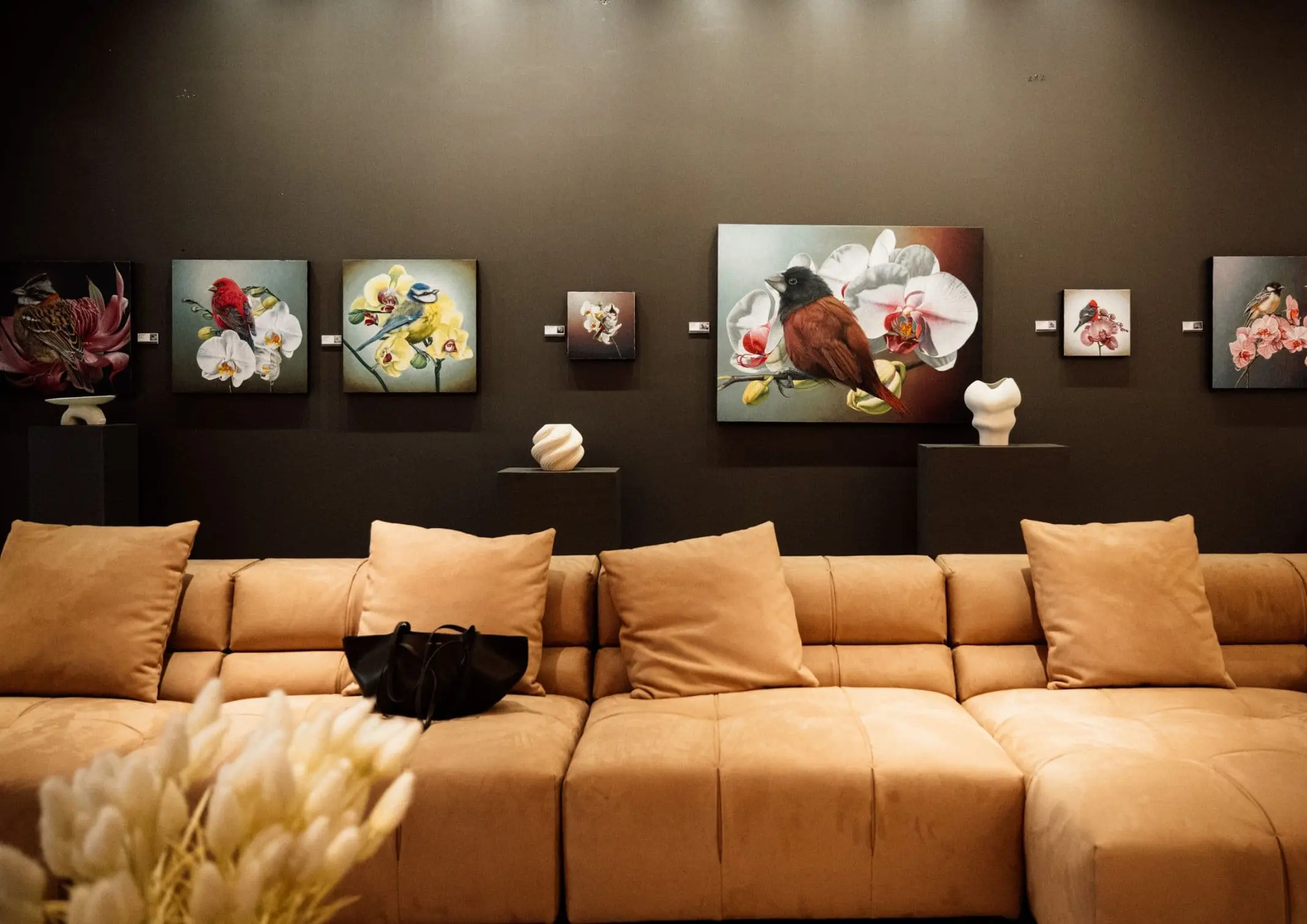
Art and furniture are often selected separately, yet their relationship can shape how a room looks and feels. The collaboration between Hooga and Galerie Joaquin explores how these elements can work together, bringing contemporary artworks into furnished residential settings at Hooga’s showroom in Uptown Mall, Bonifacio Global City. For Hooga, which curates furniture, lighting, and […]
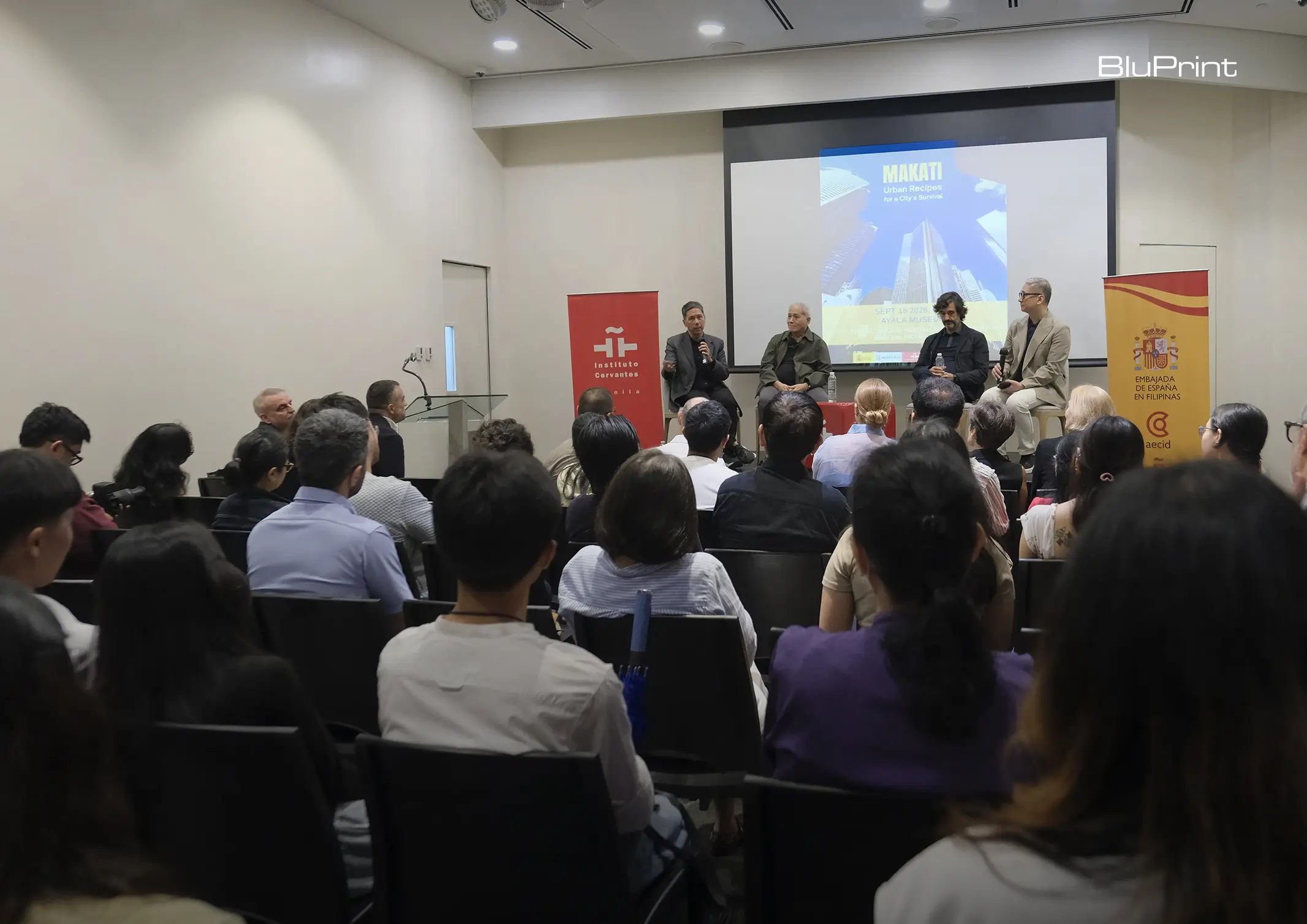
How can better-planned cities create the conditions for more creative, livable, and resilient urban environments? “Makati Urban Recipes for a City’s Survival,” a colloquium held at the Ayala Museum on September 15, brought together architects and practitioners from the fields of urbanism and the creative economy to discuss how design, planning, and collaboration can address […]
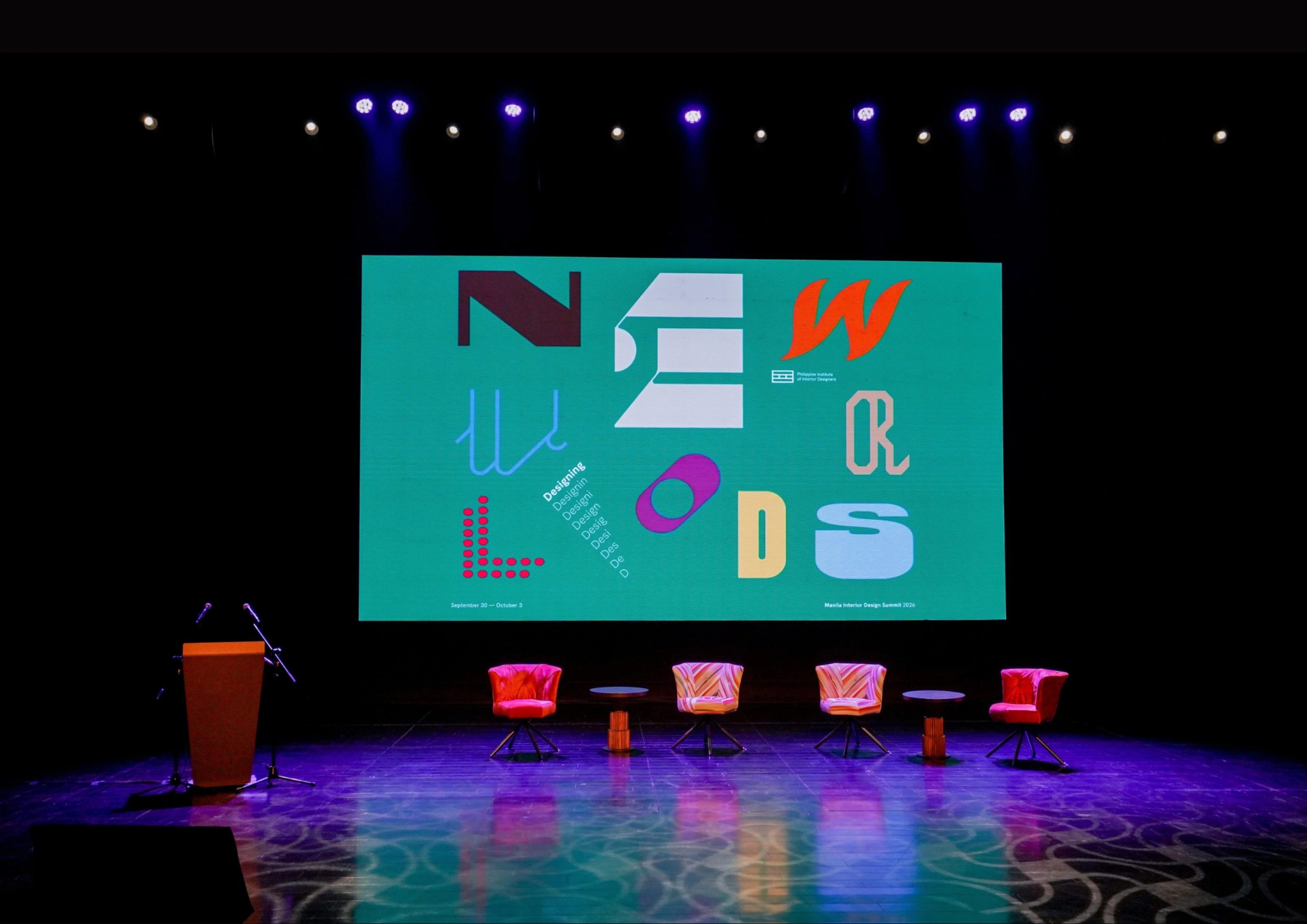
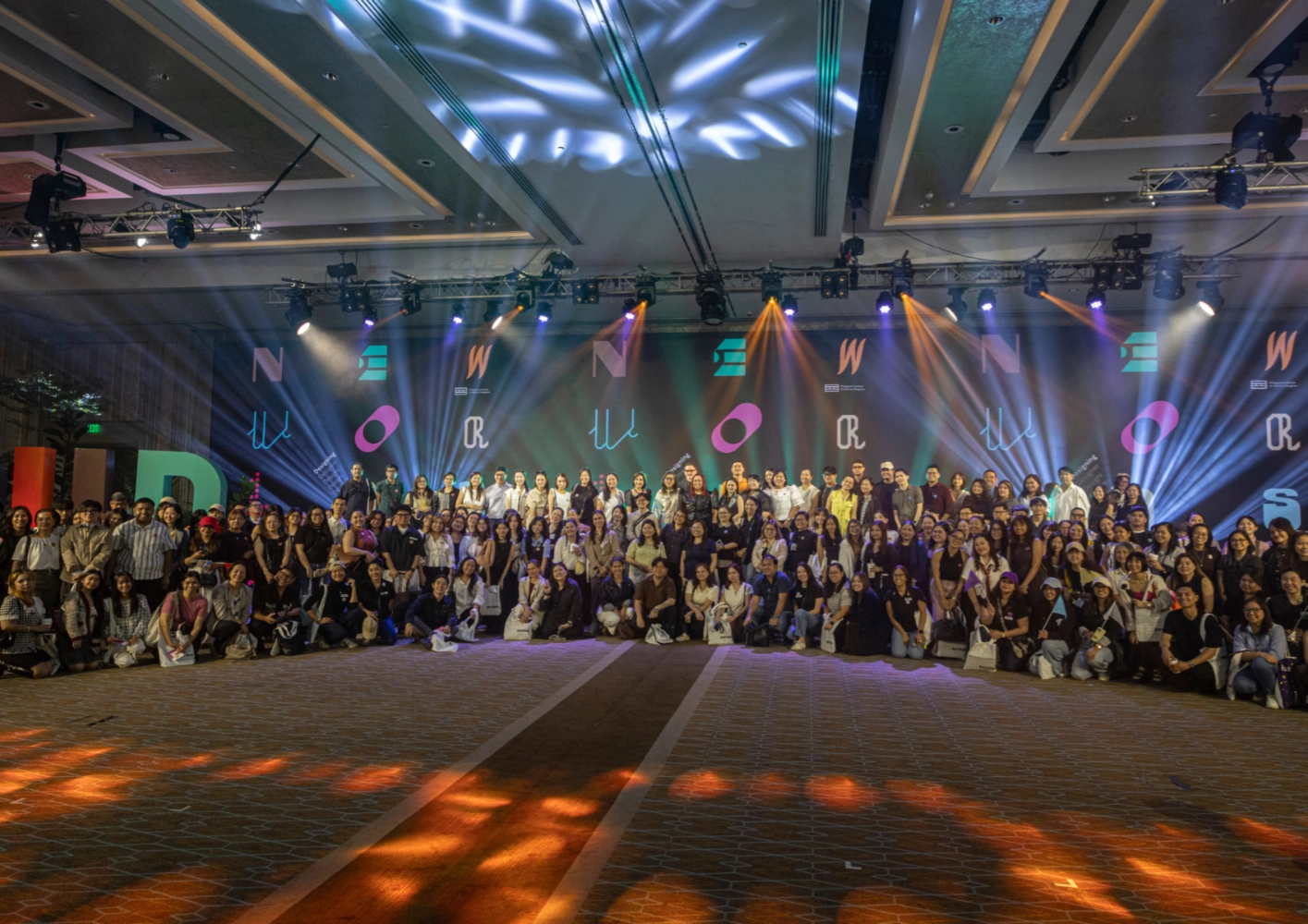
The fourth Manila Interior DesignInterior DesignThe discipline of planning and shaping interior spaces for function, comfort, safety, and beauty. It covers layout, lighting, materials, finishes, furniture, and color, and in the Philippines is a licensedGo to Interior Design Glossary Summit (MIDS) brought together more than 300 delegates for four days of conversations, exhibitions, and design […]
Read the issues.

Collect the volumes.

Recommended Video
Tap to Unmute
Unmute
0:00
0:00