There is no excerpt because this is a protected post.
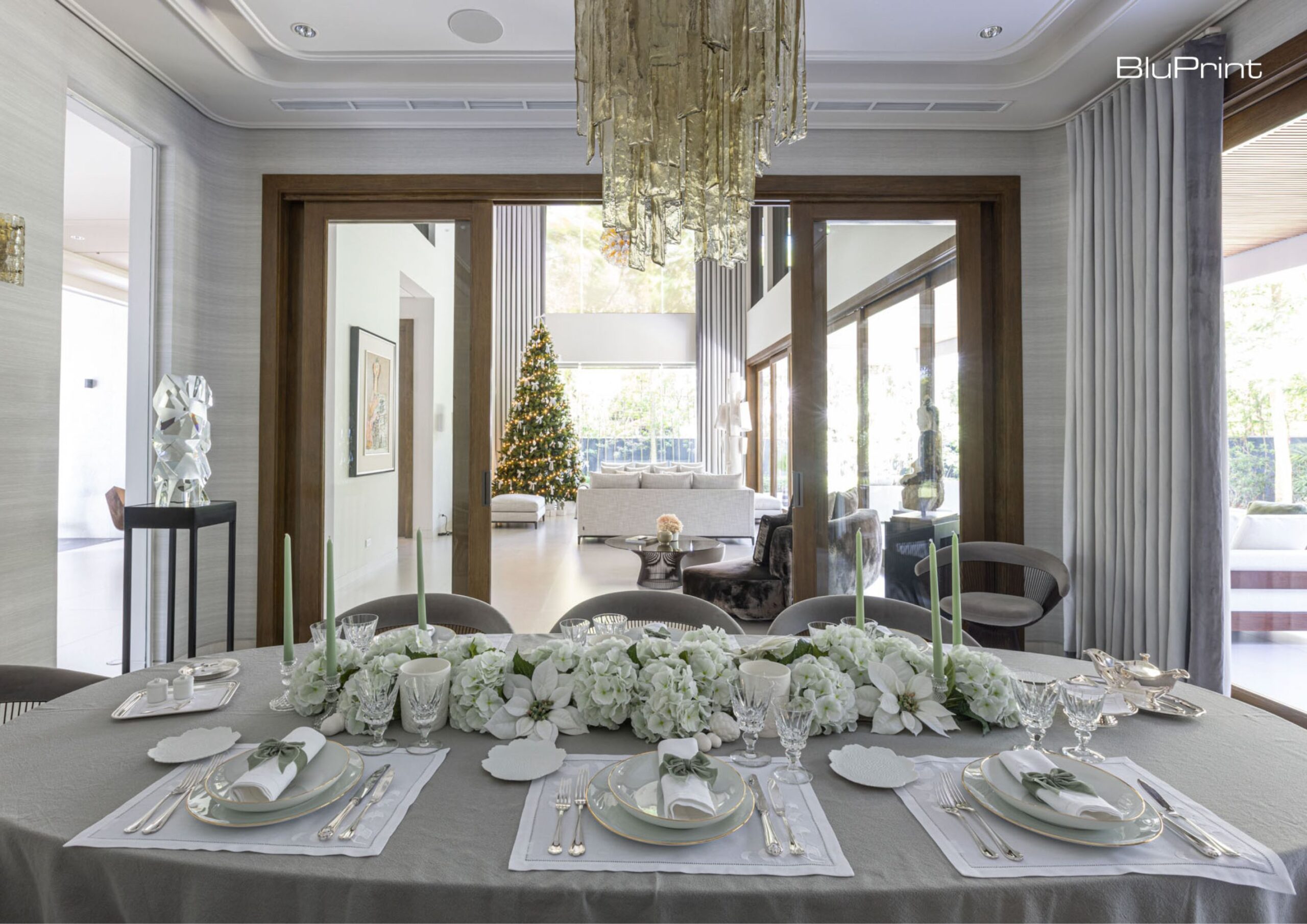
Tablescaping 101: Your Ultimate Guide to an Inviting Table Setting



This holiday season, a beautifully set table can transform even the simplest meal into an extraordinary dining experience. Tablescaping, as the art of arranging tableware and decor, takes a huge part in making celebrations and gatherings more memorable. It’s one way to express your personal style and show your family and guests you care. But before you think of fancy dishes and details, creating a good and inviting table setting lies with its properly layered basic elements.
Dress the Table with Linens
The first step to tablescaping is decorating with linens, which mostly include tablecloths and runners. Aside from protecting the dining table from stains and scratches, they set the foundation of the tablescape’s entire theme. Since they occupy most of the table’s surface area, they effectively unify other elements regardless of their form and texture.
For instance, if you opt for a white Christmas-themed tablescape, a white linen tablecloth pairs perfectly with a gold-lace runner. On the other hand, a gingham table cover serves as a great base for a cozy, homey table setting.
Advertisement
While you can include these table linens in your arrangement, you can also leave out the tablecloth or runner for added style. Skipping the tablecloth allows your dining table’s design to set the tone. Alternatively, omitting the runner makes space for other table accessories.
Placemats and Napkins
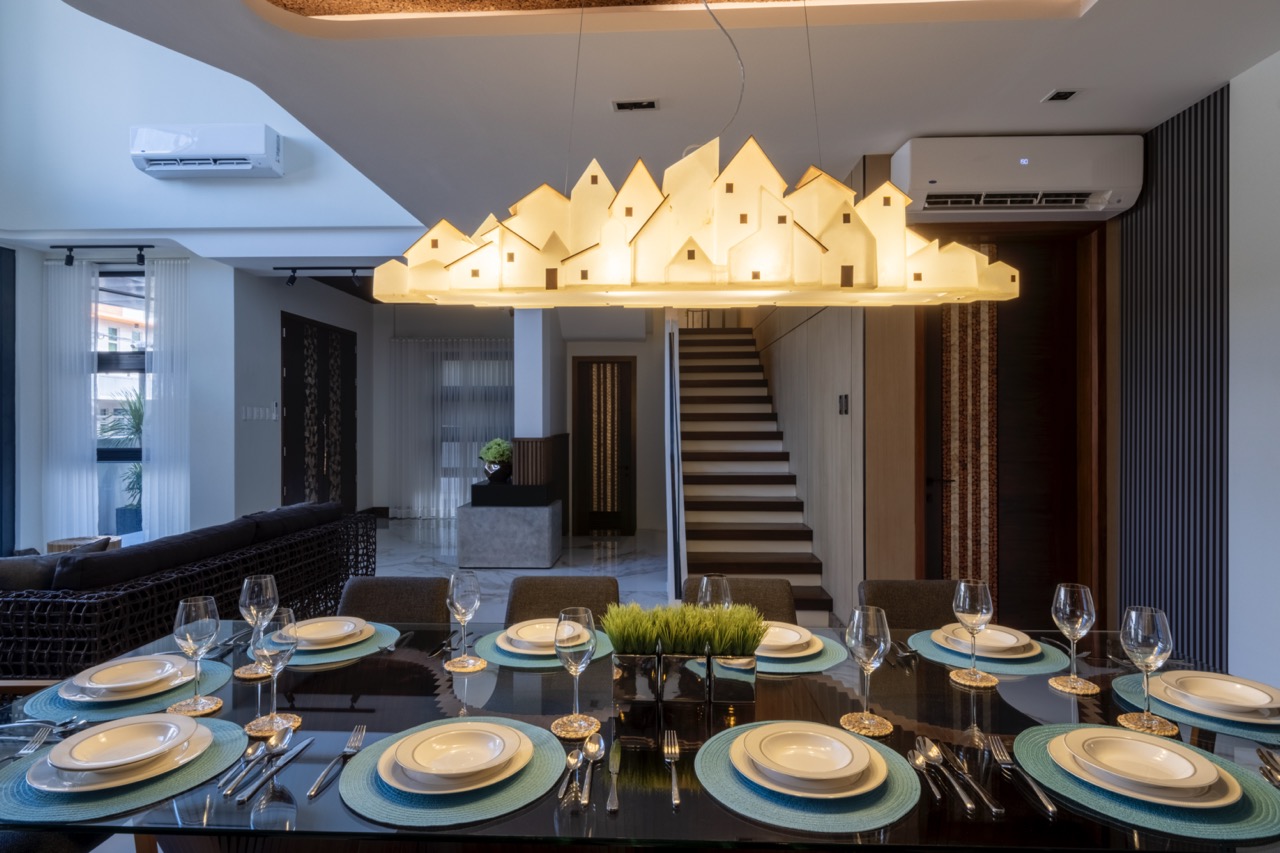
Once you lay out your base, the next step is to set the placemats. Acting as a second layer of table protection, these are usually made of thick materials to absorb spills and heat. You can choose from textile, vinyl, silicone, cork, wood, or even metal to suit your style and dining needs.
They also help to clearly designate each person’s space at the table. In addition, placemats ensure that everyone knows where to place their utensils, napkins, and other items. This not only helps to maintain order, but also contributes to a sense of formality and etiquette. More importantly, they can serve as decorative accents on their own, as they come in a variety of colors and patterns.
Advertisement
To ensure a more hygienic and mannerly dining, add table napkins. In Western tablescaping, their standard placement is on the left of the dinner plate. However, you can put them on the right or on the place itself depending on your preference.
Set the Tableware
Naturally, tablescaping isn’t complete without a stunning set of tableware to tie it all together.
In creating an elevated table setting, however, there are more tableware pieces than regular plates, cutlery, and glasses we use everyday. In fact, there are specific utensils to use for every course you serve. They are categorized in three, namely, dinnerware, flatware, and drinkware.
Advertisement
Although it’s ideal to have a complete set of everything to ensure a cohesive look, you can always experiment with mixing different styles if it achieves the aesthetic that you want.
Dinnerware
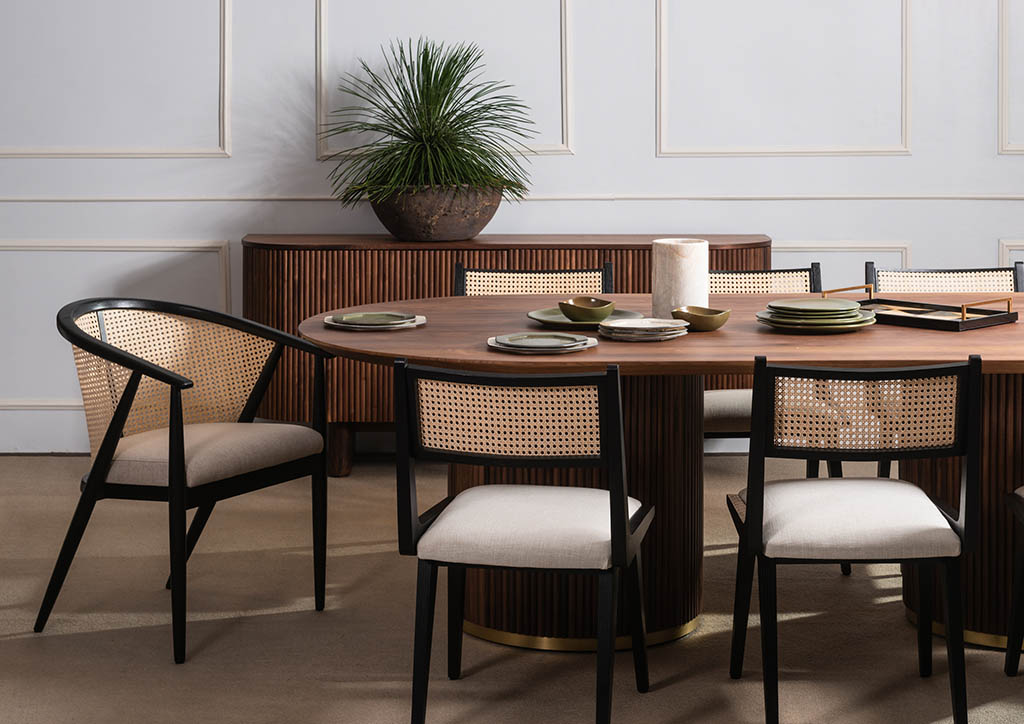
This includes plates, bowls, and serving dishes essential to portion, display, and enjoy meals. These dinnerware pieces are arranged according to the usual sequence of courses for a seamless dining experience.
Charger Plate. It’s a large, decorative plate placed under the dinner plate to act as its base. Usually made of porcelain, ceramic, or metal with apparent design and patterns, it adds an extra layer of elegance to the table setting. While not strictly necessary, charger plates can enhance the visual appeal of a table setting and create a more sophisticated atmosphere.
Advertisement
Dinner Plate. Placed above the charger is the dinner plate, used for serving the main course. While it’s smaller than the base plate, it’s generally larger than other plates used at the table.
Side Plates. Set around the dinner plate, side plates are smaller plates that keep other dishes or food components distinct from the main course. You can have them for appetizers, salads, breads, sauces, and desserts. Additionally, it adds a touch of flair to the table setting due to its delicate size and versatile design.
Soup Bowl. At the top of the dinner plate is the soup bowl, which provides a suitable vessel for enjoying soup. It has a wider, rounded base to retain the heat and a slightly flared rim to prevent spills. As the top piece, it completes the visually appealing and organized stack of dinnerware on the table.
Advertisement
Flatware
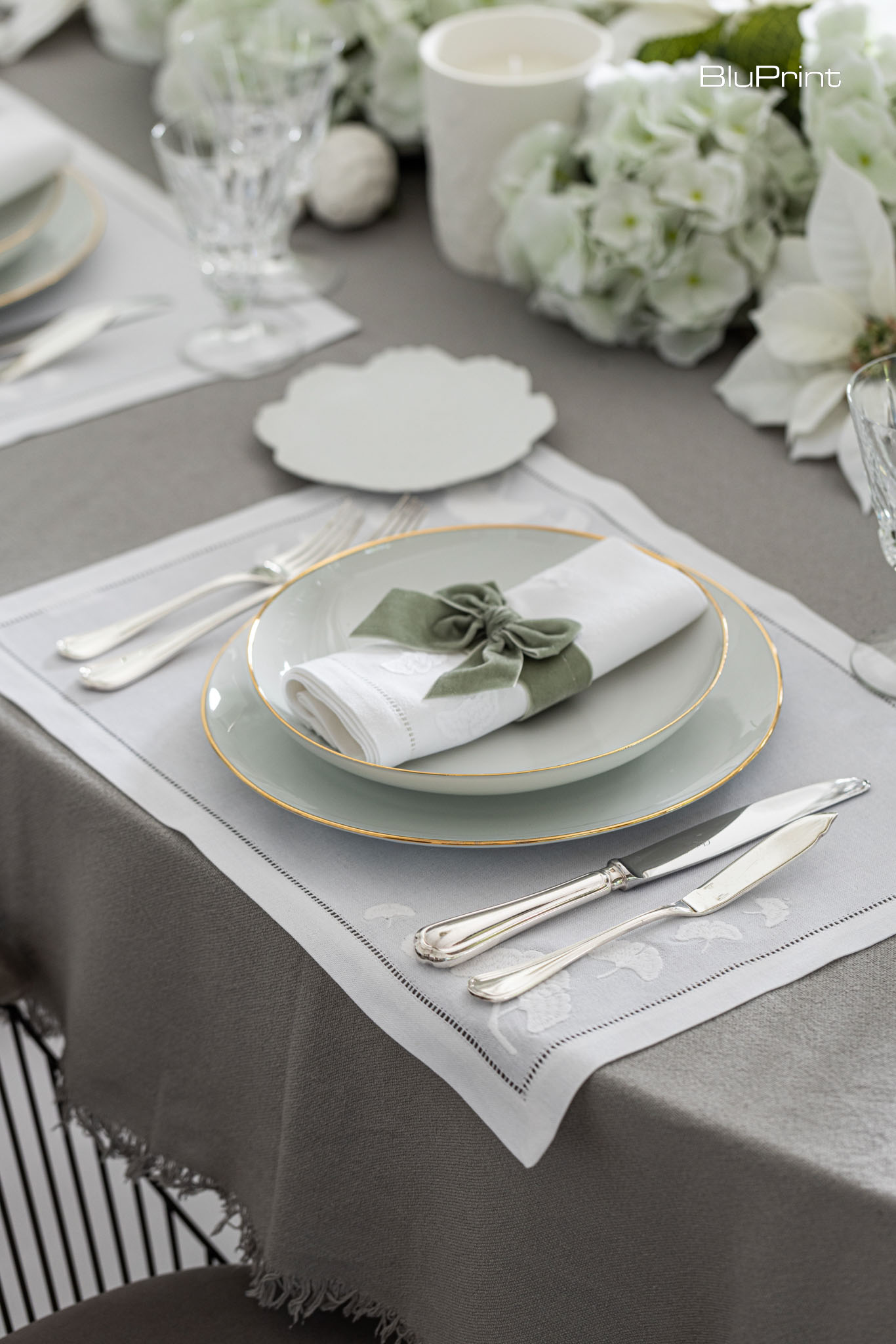
Flatware refers to utensils likes forks, spoons, and knives. And there are different kinds of cutlery for specific purposes.
Knives
Knives are perhaps the most versatile pieces of flatware. Typically placed to the right of the dinner plate, they come in various shapes and sizes, each designed for a specific purpose.
Dinner Knife. As the largest knife, it’s mainly for cutting and slicing main courses.
Advertisement
Steak Knife. With a shorter, slender, serrated edge, it’s the perfect knife to cut through the tough fibers of meat.
Fish Knife. It’s a specialized utensil with a flat blade and blunt tip to gently cut through the flesh of the fish.
Paring Knife. A small, versatile knife with a short, curved blade, ideal for peeling, slicing, and chopping fruits and vegetables.
Advertisement
Butter Knife. Distinguished by a rounded blade and short handle, butter knives are commonly for soft foods and spreads.
Dessert Knife. Often with serrated or scalloped blades, dessert knives are for cutting cakes and pastries.
Forks
Forks, with their slender handle and pronged tines, are mainly for spearing and lifting food. Contrary to knives, forks usually occupy the left side of the dinner plate.
Advertisement
Dinner Fork. It’s the largest fork, having four parallel and evenly spaced tines, perfect for eating main courses.
Salad Fork. A small fork, with two slightly shorter and closer together tines, used for eating salads.
Fish Fork. Smaller than a dinner fork, a fish fork is flat-bladed with a blunt end and two wider and flatter prongs, used for eating fish.
Advertisement
Dessert Fork. More delicate than other forks, it has fewer, wider, and slightly curved tines to scoop up dainty desserts.
Spoons
Primarily used to scoop up soft solids and stir liquids or mixtures, spoons are the basic utensil, particularly when serving Filipino meals. Similar to knives, they are on the right side of the dinner plate.
Soup Spoon. Characterized by a large, deep bowl and a long handle, it’s designed to hold a generous amount of soup or other liquid foods.
Advertisement
Dinner Spoon. As the largest spoon in a standard table setting, it can accommodate larger portions served during the main course.
Tea Spoon. Significantly smaller than other spoons, it’s the ideal utensil for handling small quantities of beverages (like tea) and food.
Serving Spoon. Larger than a standard spoon, a serving spoon has a longer handle able to hold generous amounts of food.
Dessert Spoon. Smaller than a dinner spoon, a dessert spoon has a rounded bowl and a shorter handle to delicately scoop a sweet course.
Drinkware
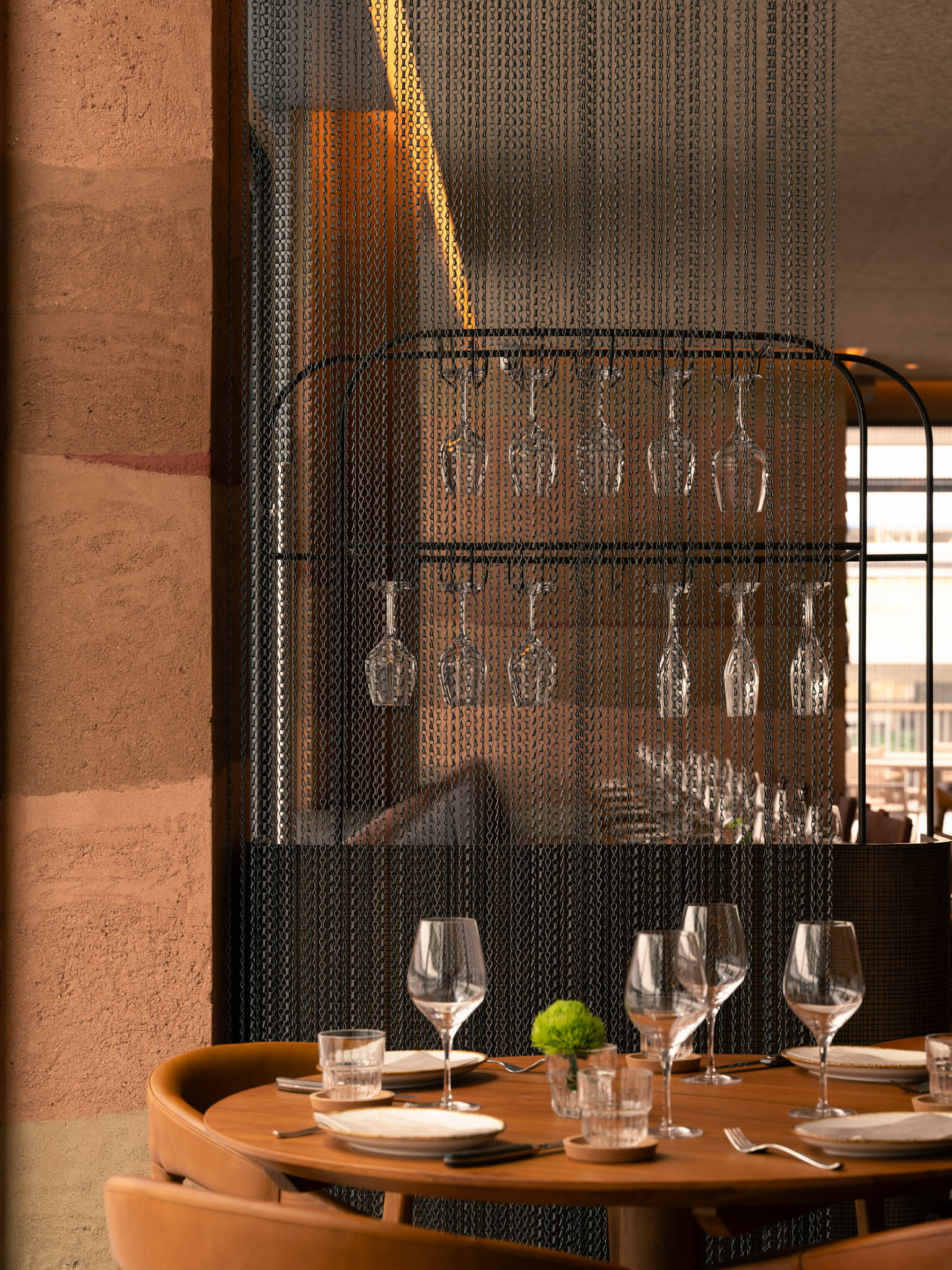
To serve your refreshing beverages, you need to prepare a variety of drinkware. Whatever you’re having, there’s a perfect glass or cup to complement your choice.
Water Glass. Typically tall and slender, often with a straight or slightly tapered shape, water glasses have a simple design often with minimal embellishments. They’re also usually larger than other glasses to accommodate more liquid.
Wine Glass. With the variety of wine available, they may vary in shape depending on the beverage type. The shape of the glass can influence how the wine is aerated and perceived by the drinker. Red wine glasses are typically larger and have a wider bowl to allow the wine to breathe. Meanwhile, white wine glasses are smaller and have a narrower bowl to preserve the wine’s aromatics.
Coffee and Teacups. These drinkware have a handle for comfortable grip and a wider bowl for easier stirring. Sometimes, they’re complemented with a saucer for placing a teaspoon or a small plate of biscuits. Their only slight difference is that teacups are generally smaller than coffee cups.
Finalize Tablescaping with Decorative Accents
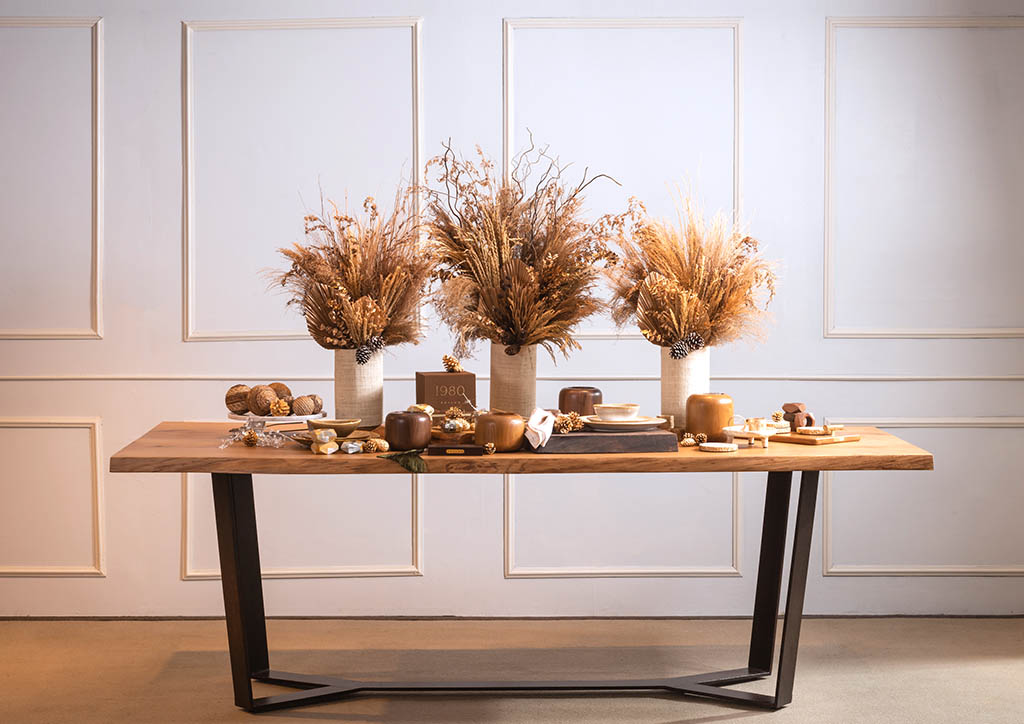
Adding decorative accents is the final part of tablescaping where you can be really creative. This allows for creating a striking focal point for the table, making it more appealing and inviting. On top of that, it helps in building the atmosphere you’re going for and fully justifies your design choices from the tablecloth down to tableware.
There aren’t many rules in this phase other than ensuring the appropriate scale and proportions of accents to table’s size. Oversized decor can overwhelm a small table, while tiny ornaments may get lost on a large one. But more importantly, each component should fit like pieces of a puzzle.
Adhere to a Theme
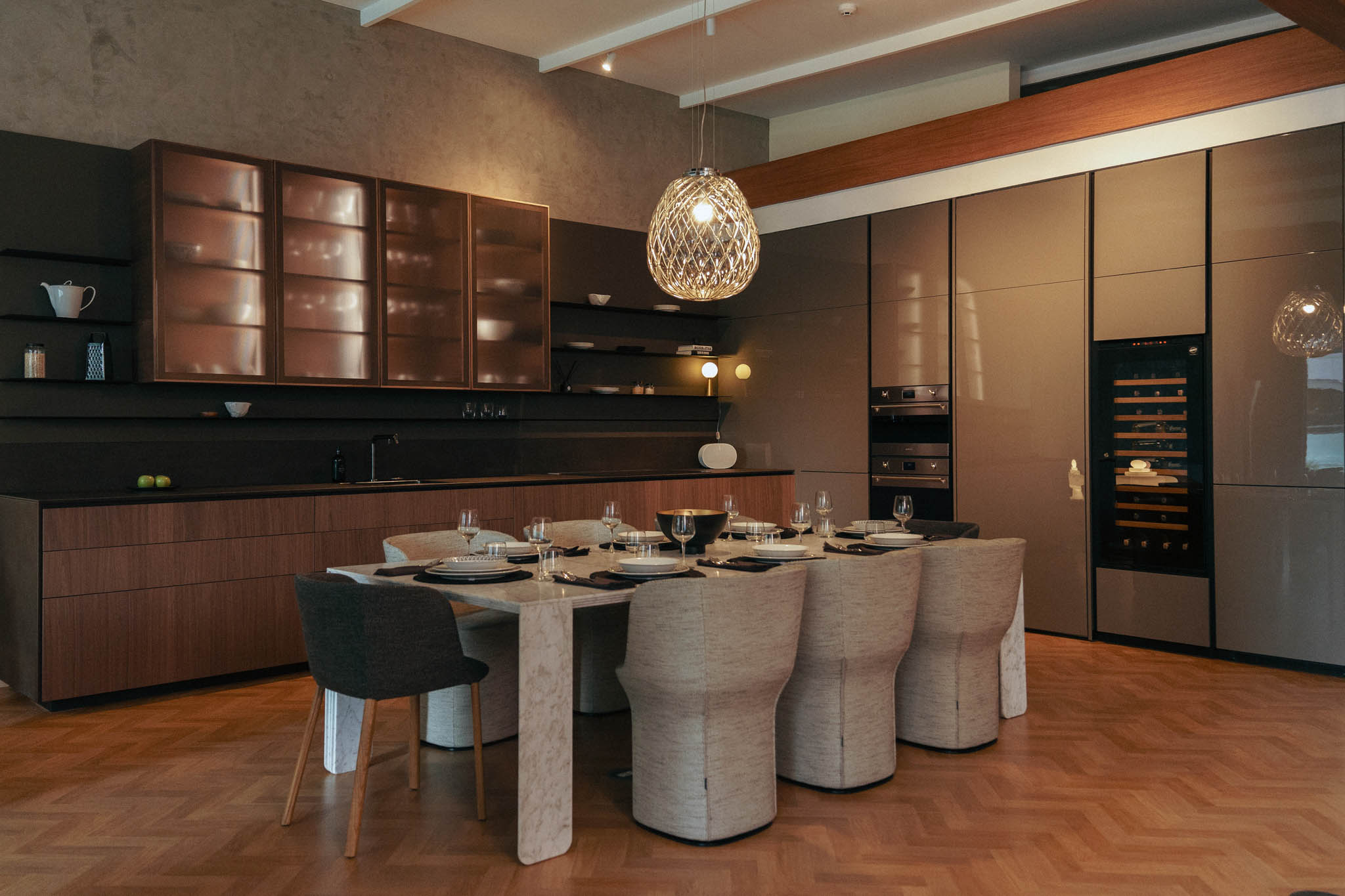
It’s important to stick to a central theme to guarantee that every single detail is tied together. You can make your table decor casual, formal, or festive, align it with a specific season, or let your personal taste rule.
In doing so, you can establish a cohesive color scheme and overall design. Moreover, you won’t get lost or confused on what elements to add since you have a basis and guide to start with.
In a vintage-themed Christmas dinner, for example, staying with classic colors like red, green, and gold already shows the vibe of the table decor. Add handmade elements like knitted placemats paired with vintage china and you’ve set the desired mood.
Pick a Centerpiece
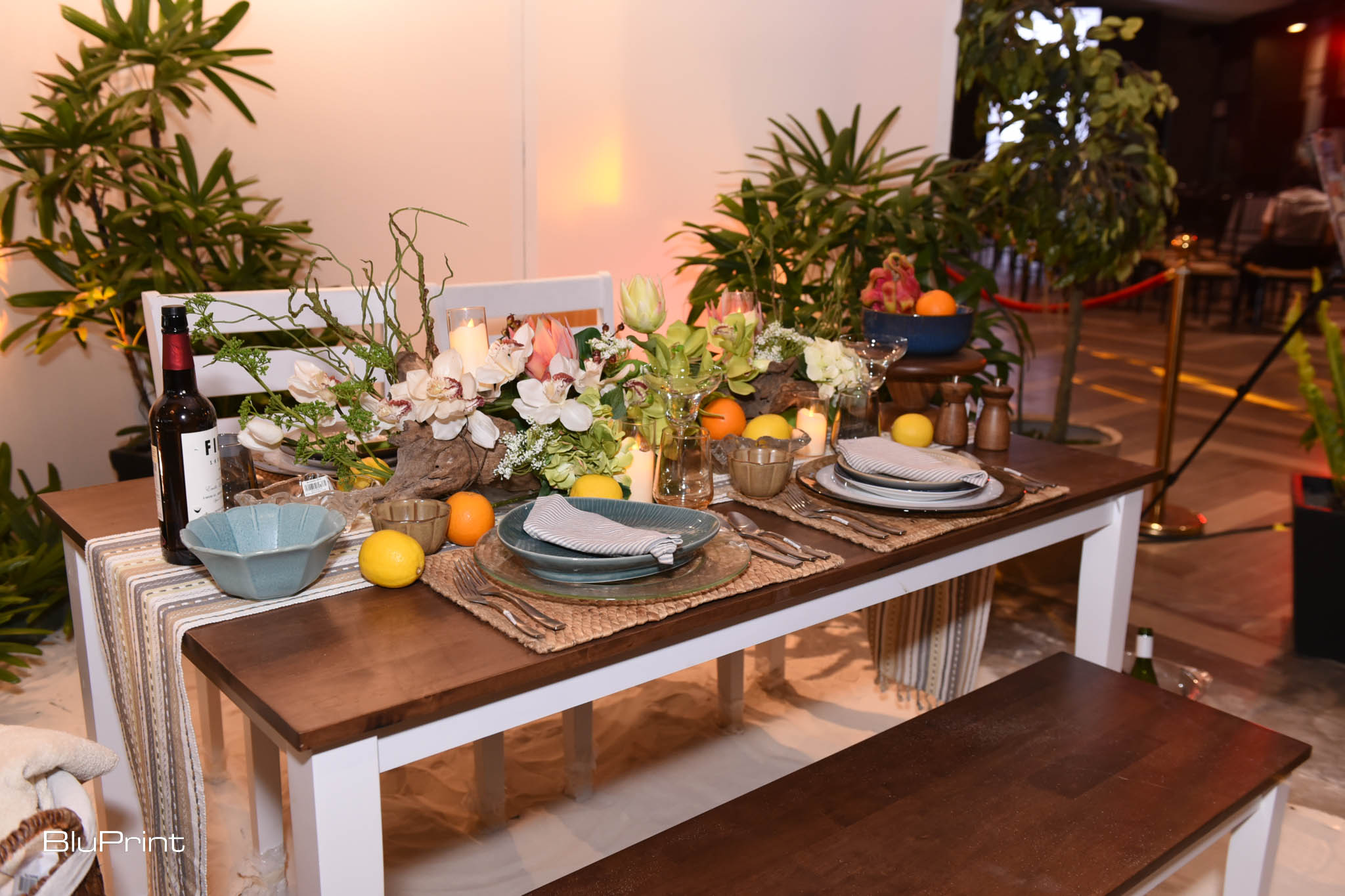
The theme will also help you determine the right centerpiece. Apart from providing a focal point, it also serves as a visual anchor for tablescaping. Since it’s the first thing people notice, picking the appropriate centerpiece helps establish balance and harmony. Despite varying textures and patterns from other table decor surrounding it, this prominent detail can unify the entire table setting.
You can choose from fresh or dried botanicals, vases, figurines, or anything that will set the tone for your desired tablescaping. Better if you can find ways to combine two or three of these centerpieces for a more eye-catching look.
Light the Table Up
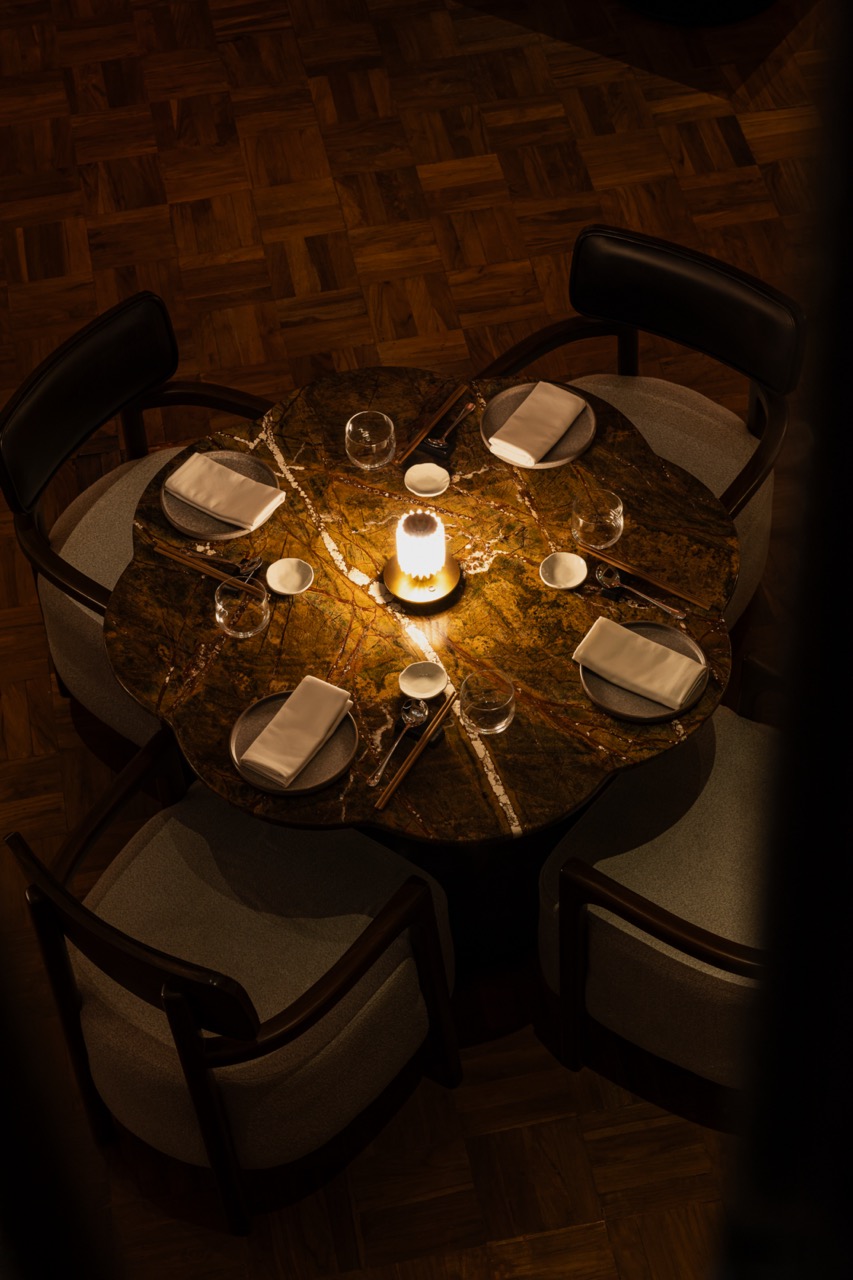
To fully establish the mood, don’t forget to add candles, lanterns, string lights, or any kind of lighting you like. Illuminating the table not only highlights other design elements but also creates the right atmosphere during the meal.
In fact, you can also make them your table centerpiece as they can create interesting glows, patterns, and shadows. Plus, lights can immediately grab attention and draw the eye to specific details of the table.
For instance, placing the string lights along the middle of the table emphasizes the furniture’s length. Meanwhile, a single, large lantern at the center equally shines on all decorative elements around it.
Tablescaping doesn’t have to be a daunting and complex task during special occasions and gatherings. Understanding the basics alone can transform your dinner table into a beautiful and inviting space. Remember that the goal is to create an enjoyable dining experience and savor the moments shared with loved ones. And sometimes, going back to the basics is the most effective way to achieve that.
Read more: Tablescape Ideas from Kultura for Sustainable Thanksgiving

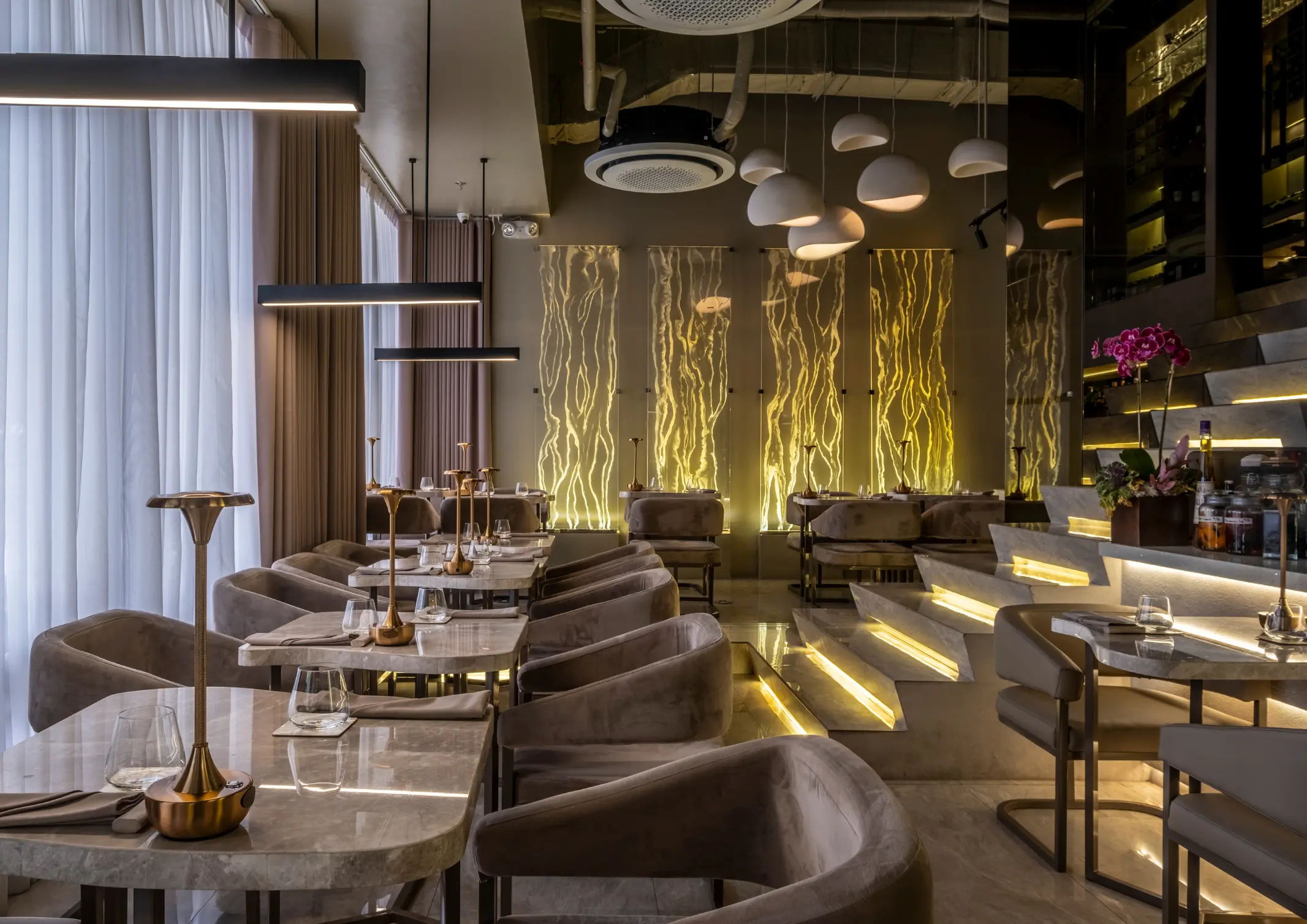
From the moment a diner steps through the door, each detail shapes how a meal is experienced. Restaurant design has evolved, with architects and culinary professionals collaborating to create built spaces that are as intentional as the menu itself. The spatial atmosphere acts as an additional ingredient that can define the culinary experience. Taupe and […]

With climate change and global warming, the Philippine climate is in constant evolution. Consequently, it is important for Filipinos to have living spaces that respond to the local environment. In this article, BluPrint lists down Filipino architects who are reimagining the tropical house, aligning the built and natural environment. BAAD Studio Principal architects Benjee Mendoza […]

Ventilation involves the introduction of outdoor air into a room, providing occupants with their needs. Proper ventilation allows for the moderation of internal temperatures, the creation of better airflow, the dilution of carbon dioxide to acceptable levels, and the removal of contaminants. This addresses health risks associated with indoor air pollution, such as respiratory problems […]

WORLDBEX 2026, running from March 12 to 15, 2026, proves itself as the Philippines’ leading construction and design expo as it wrapped its 29th edition. It drew together 1,000 local and international exhibitors under one theme, “Building Opportunities: Sustaining Lives.” Organized by Worldbex Services International (WSI), in support of the ABS-CBN Foundation Inc., the event […]

Located near the equator, factors such as heat and humidity are the norm in the Philippines. This tropical climate has shaped the development of architecture in the country. As Leandro V. Locsin stated: “The first consideration of the Filipino builder and certainly the most evident in his architecture, which is after all an outgrowth of […]

Download this month's BLUPRINT magazine digital copy from:



Subscribe via [email protected]