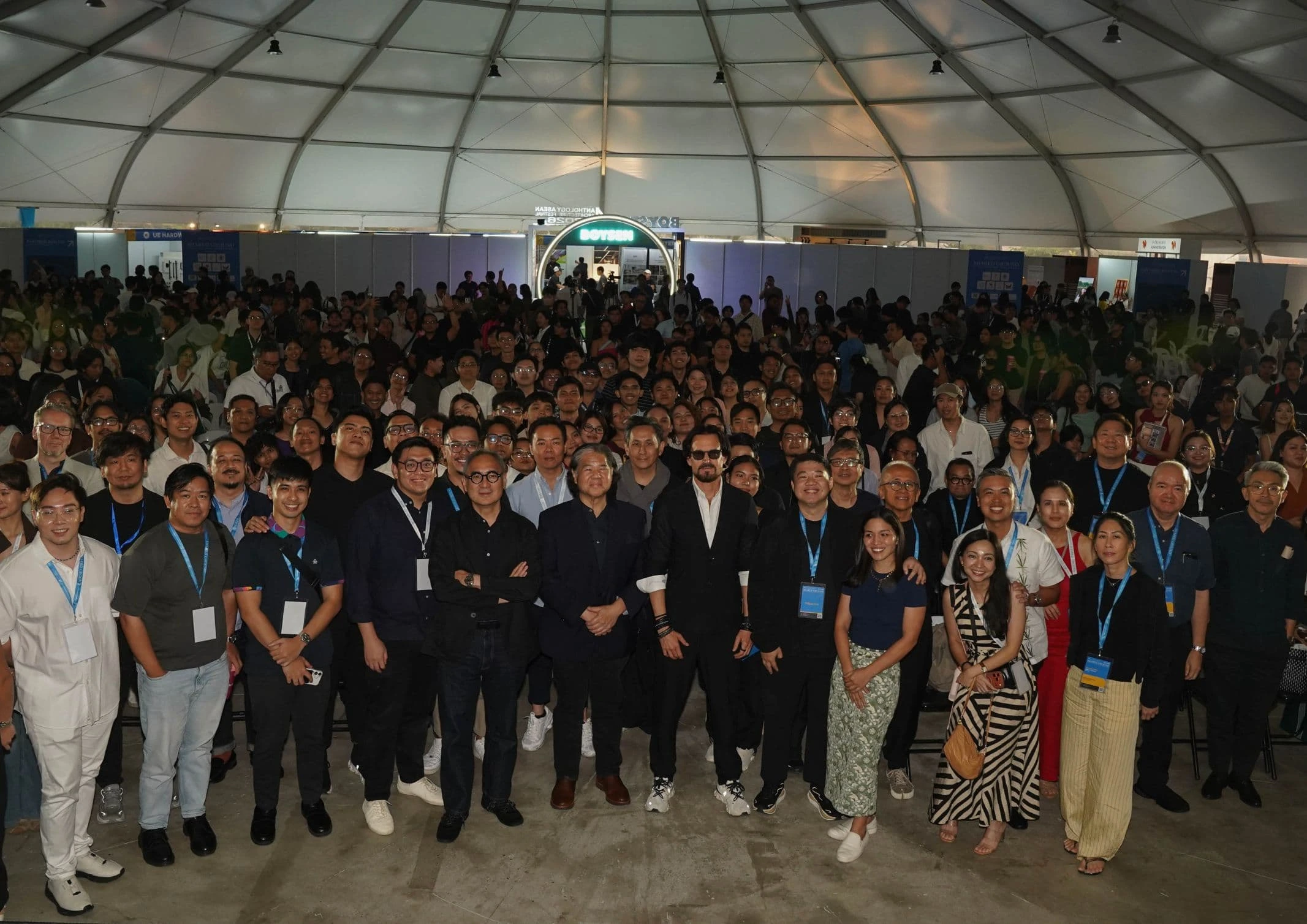
The seventh edition of the Anthology ASEAN ArchitectureArchitectureThe art and science of designing and constructing buildings, structures, and spaces that are functional, safe, and aesthetically pleasing. It encompasses the planning, design, materials, and techniques used to createGo to Architecture Glossary Festival brought together over 4,000 delegates from across the Philippines and Southeast Asia for three […]
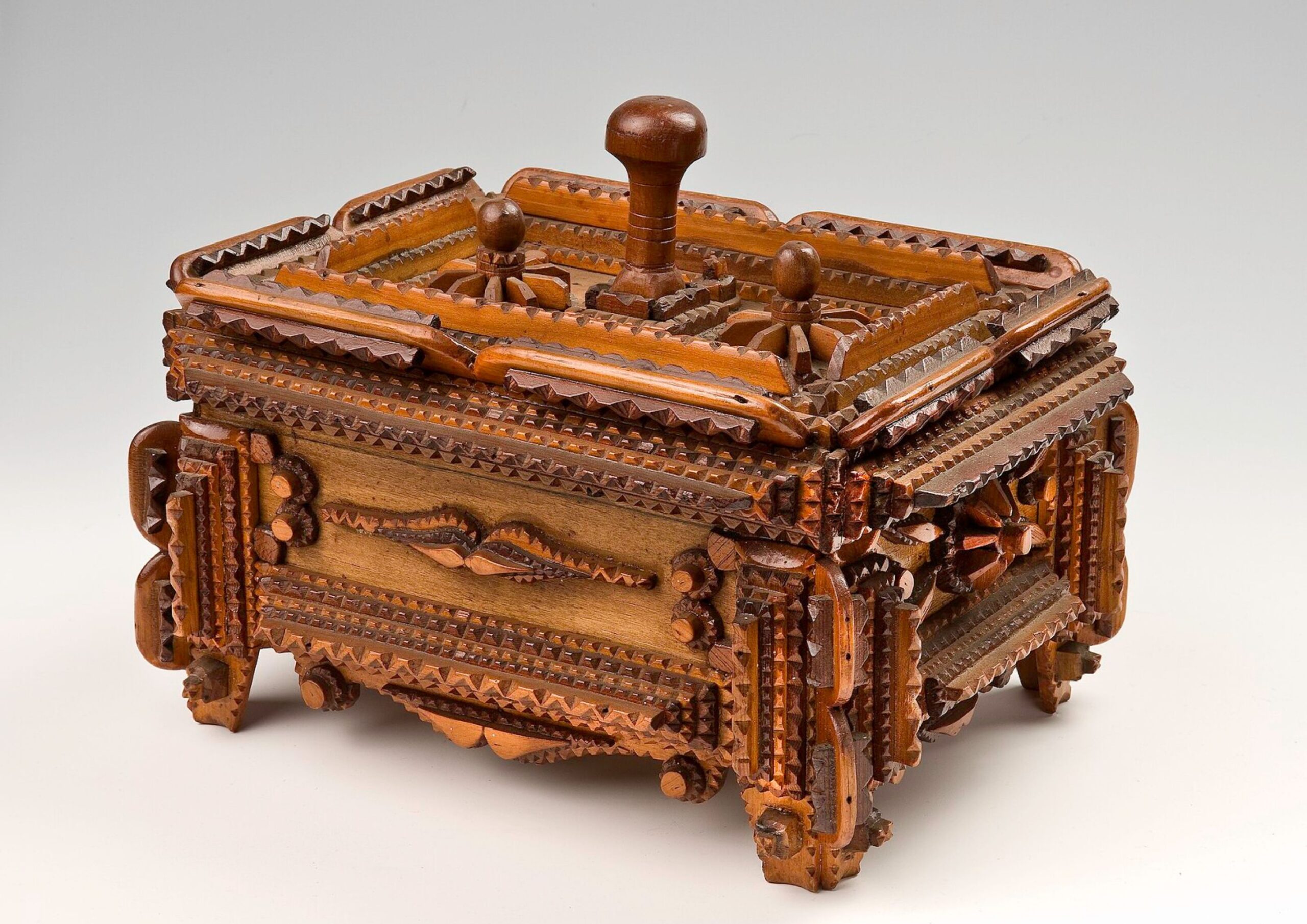
Tramp Art: The Beauty of Unique Upcycled Folk Decor



Tramp art is a folk art style characterized by the use of layered and carved wood, often from discarded materials like cigar boxes and packing crates. It typically features intricate geometric patterns and decorative motifs, with pieces often fashioned into frames, boxes, and furniture. Originating in the late 19th to early 20th centuries, tramp art reflects the resourcefulness and creativity of its makers.
Reclaimed Origins
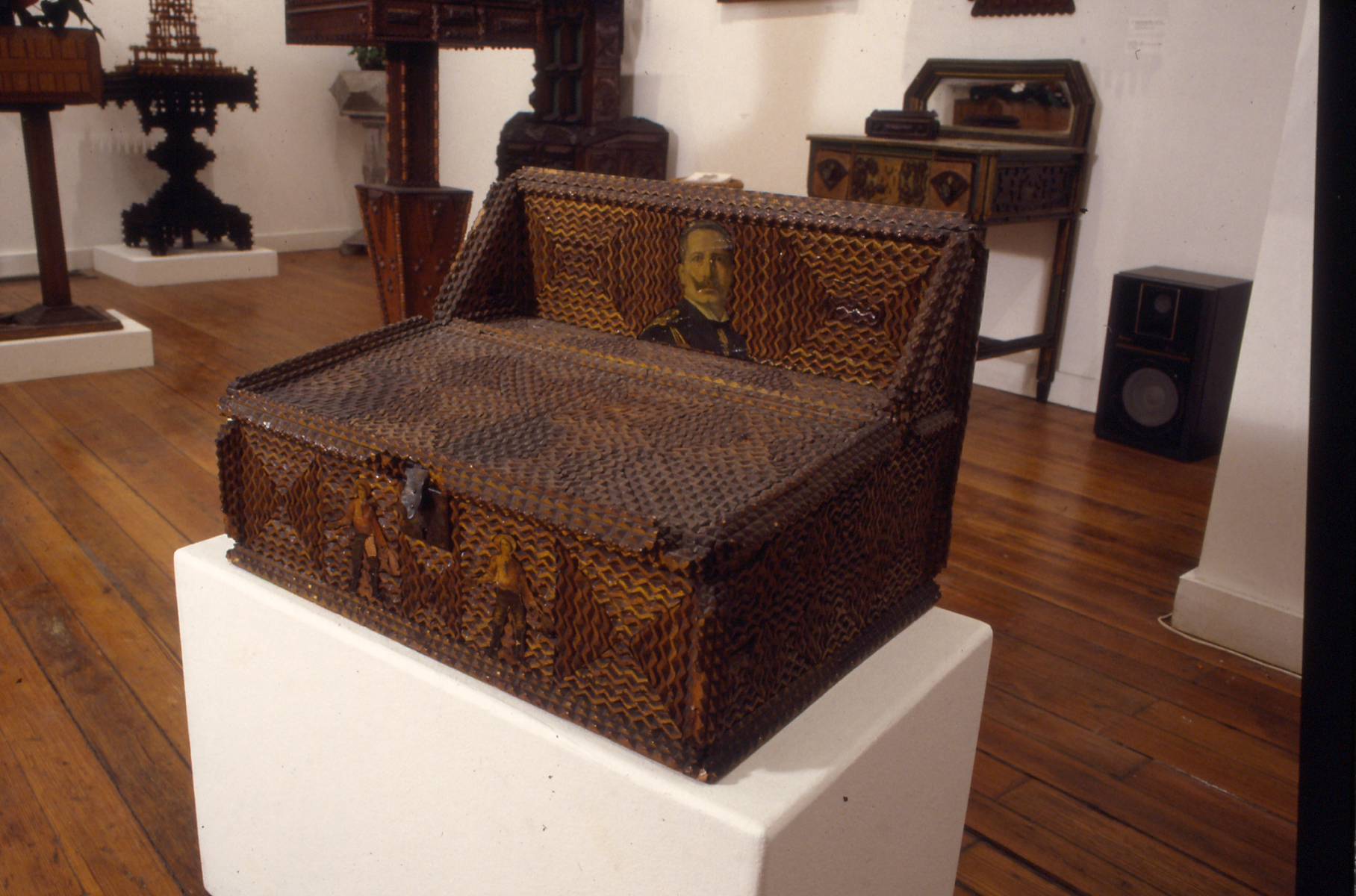
UpcyclingUpcyclingThe creative reuse of discarded materials or objects to make products of higher value or quality than the original. In design, upcycling transforms salvaged wood, scrap metal, textiles, glass, andGo to Upcycling Glossary has undeniably gained popularity as part of sustainable interior design. And tramp art reemerged amidst the eco-friendly movement. From the hands of unrecognized resourceful laborers, disposed objects found new life as eye-catching items.
Its striking geometric designs are achieved through careful chip or notch carving and layering techniques using glue, nails, or Crown of Thorns joinery. The most common results of this folk art form are boxes, frames, mirrors, and larger furniture like dressers.
The abundance of wood cigar boxes in the mid-19th century provided a catalyst for the development of tramp art. While practiced worldwide, this artisanal form flourished in the United States during the Great Depression as a response to scarcity.
Given that this rustic folk art was primarily created by peasants and proletarians, it was generally undervalued during its time. The craft involved men, women and children, resulting in a vast quantity of pieces whose origins are now difficult to trace.
It wasn’t until 1959 that this type of woodwork was finally named “tramp art” by Frances Lichten in her Pennsylvania FolkLife article. While widely adopted, the label is a misnomer. Though tramps practiced it, they weren’t its pioneers.
Despite the little recognition given before, there were standout artisans who marked a significant identity for this unsung art form. John Martin Zubersky made the sunflower corner design popular while John Fran Zadzora crafted the heart-embellished wall pockets.
Now, tramp art has evolved from humble beginnings into a celebrated, enduring artwork, connecting artists, collectors, enthusiasts, and homeowners.
Tramp Art’s Worth Today
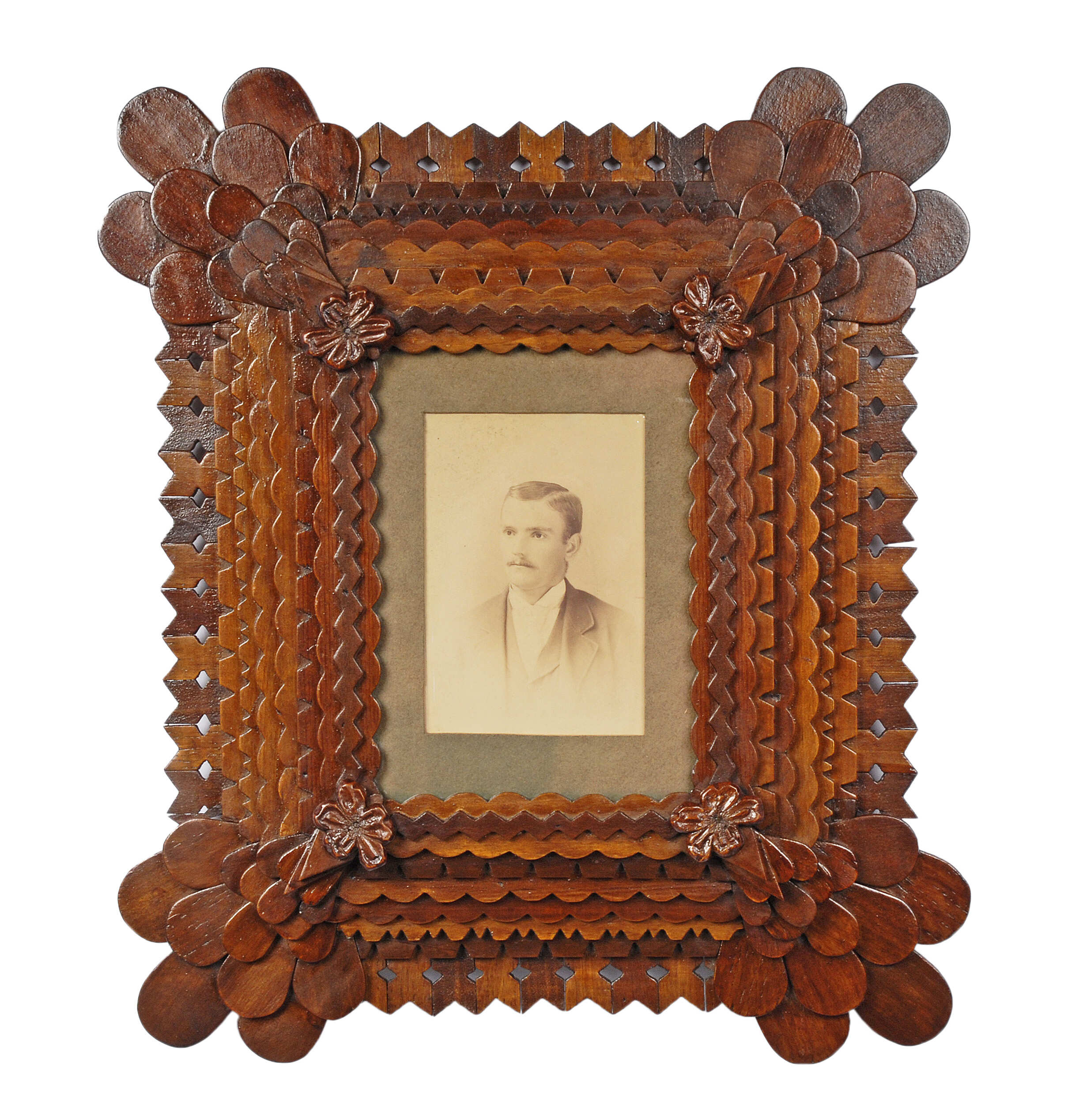
While tramp art declined in popularity during the mid-20th century as economic conditions improved, it experienced a resurgence in modern times.
Helaine Fendelman’s 1975 book, Tramp Art: An Itinerant’s Folk Art, became the reference for the first American Folk Art Museum show dedicated to the craft. This, along with the Museum of International Folk Art’s 2017 exhibit, firmly established tramp art in the mainstream art world.
However, due to limited documentation about specific artists, putting a price tag on this folk woodwork is challenging. Antique collector Jennifer L. Prince suggests that carving complexity significantly impacts price—elaborate carvings mean higher values. Additionally, larger pieces like tables, chests, and beds are generally more valuable than smaller items because of their rarity.
Along with these factors, there are also telltale signs indicating whether they’ll be expensive or not. In terms of condition, well-preserved pieces with minimal wear and tear can be more costly. Meanwhile, restored pieces might be cheaper, unless the restoration is of exceptional quality.
Moreover, older pieces generally command higher prices due to scarcity and historical significance. To spot authentic pieces, tramp art scholar Clifford Wallace reveals the distinct details you should look for. First, it should have imperfections in its patterns. He explained that mass produced tramp art often looks flawless with uniform and smooth edged cavings. On the other hand, original tramp art typically have visible tool marks and uneven carvings and are also generally darker in color.
It’s important to note these signs to ensure you’re giving the right worth for the tramp art you’re buying.
Tramp Art in Contemporary Homes
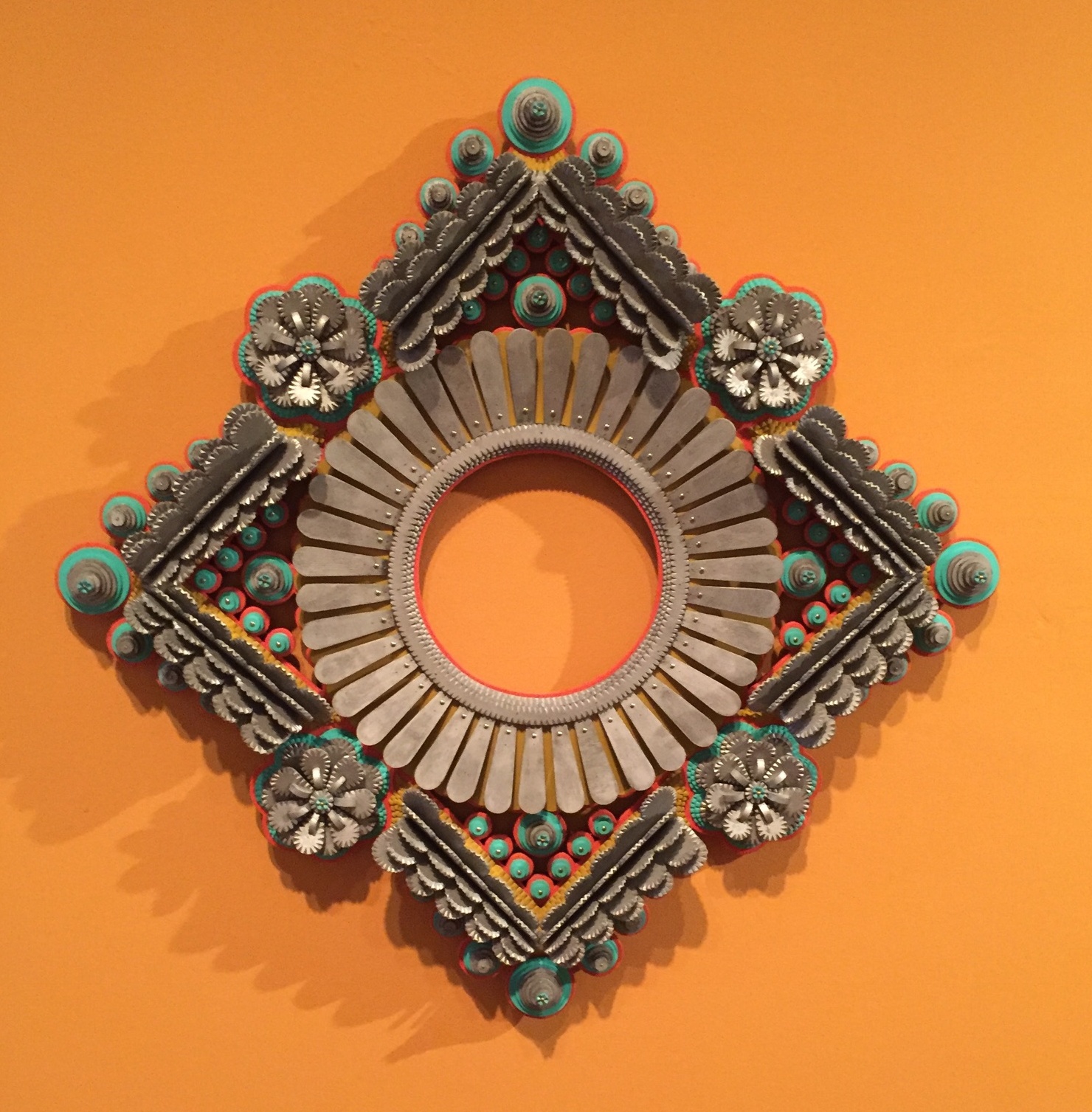
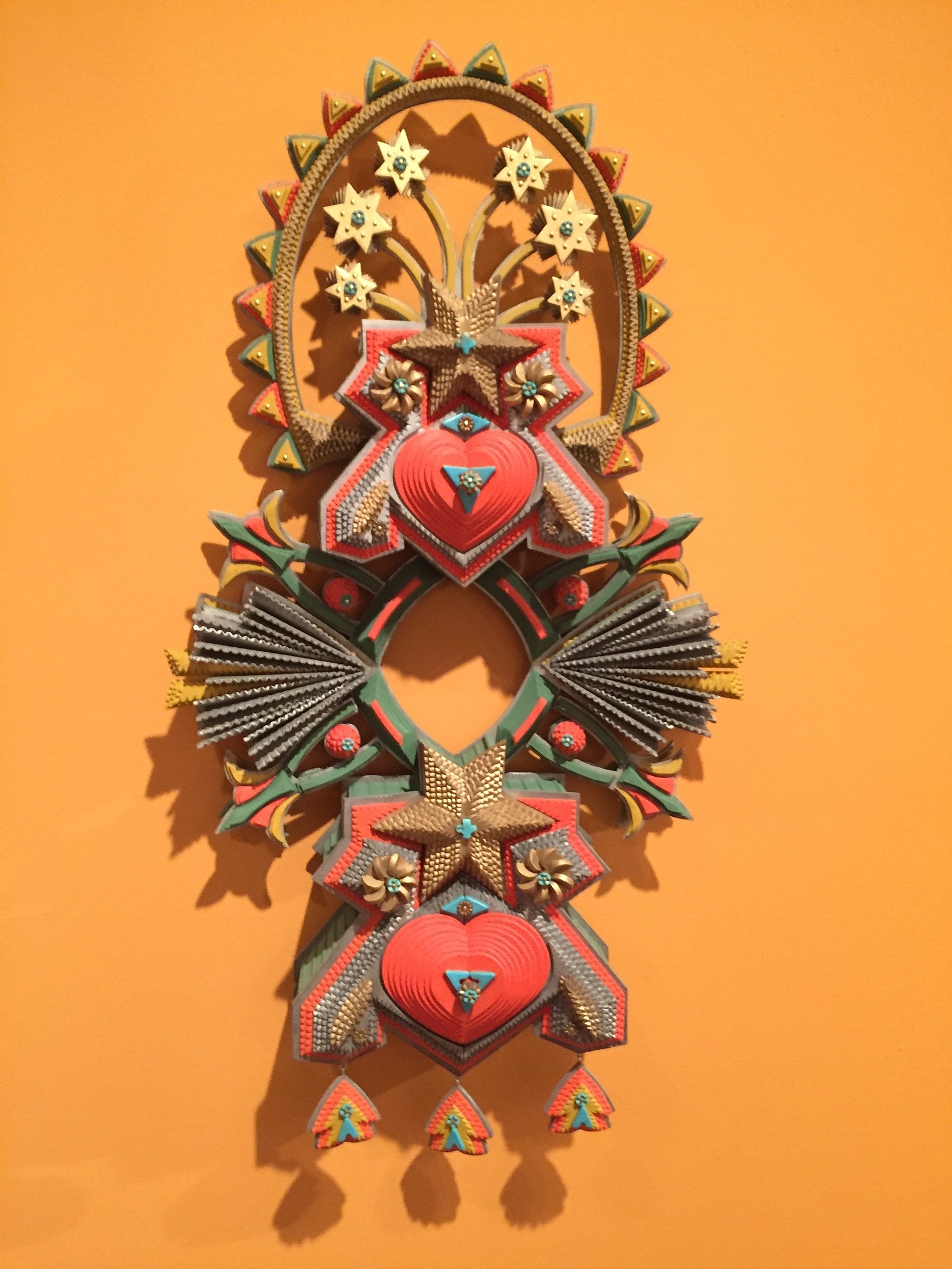
Tramp art has evolved from humble upcycled decor for utilitarian and decorative purposes into a coveted design statement. Its rustic charm, infused with history and artistry, tells stories of resourcefulness and craftsmanship. And this unique character has earned it a place of honor in contemporary homes.
On the surface, it may appear imposing due to its complex design regardless of its size. But its organic contrast makes various interior styles, from minimalist, to bohemian, and industrial, more interesting. The juxtaposition of rough-hewn wood and intricate carvings against sleek lines or industrial elements creates a captivating tension that adds depth and character to any space.
However, making it a statement piece can be easy to overdo. Interior designer Killy Scheer recommends creating a visual hierarchy when using tramp art to prevent a clashing design. You can make it the focal point by displaying it alone or dedicating a wall to all your tramp art collection. But you can also integrate it as an accessory like tabletop decor or functional storage like vases and jewelry boxes.
In addition, tramp art, while considered an antique, is incredibly versatile and can seamlessly blend with traditional, modern, and eclectic aesthetics.
Tramp art, once a mere product of necessity, now resonates with contemporary values of sustainability and creativity. It’s a testament of ingenuity and the human spirit’s ability to create beauty from adversity. As we embrace a more conscious and environmentally aware future, this kind of upcycled decor stands as a timeless symbol of resourcefulness and artistic expression, deserving celebration and preservation.
Read more: Cafe Curtain Trend: The Return of a Classic Window Treatment
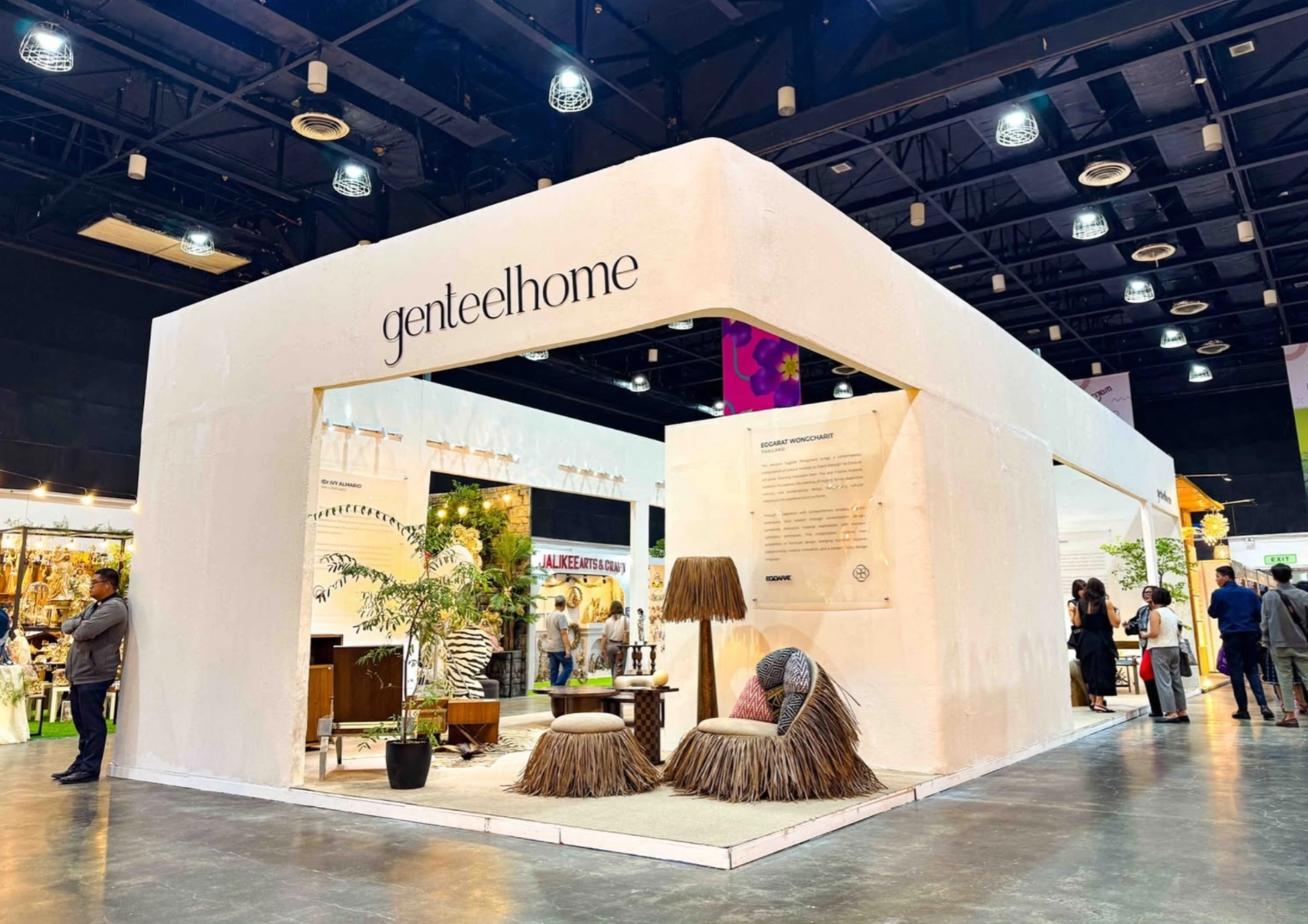
Bigkis is the act of binding. In Tagalog, the word can refer to something used to bind or encircle, as well as a bundle formed by tying several separate elements together. Figuratively, it can also mean a bond, union, or unity. The meanings move from the physical act of joining things together to the connection […]
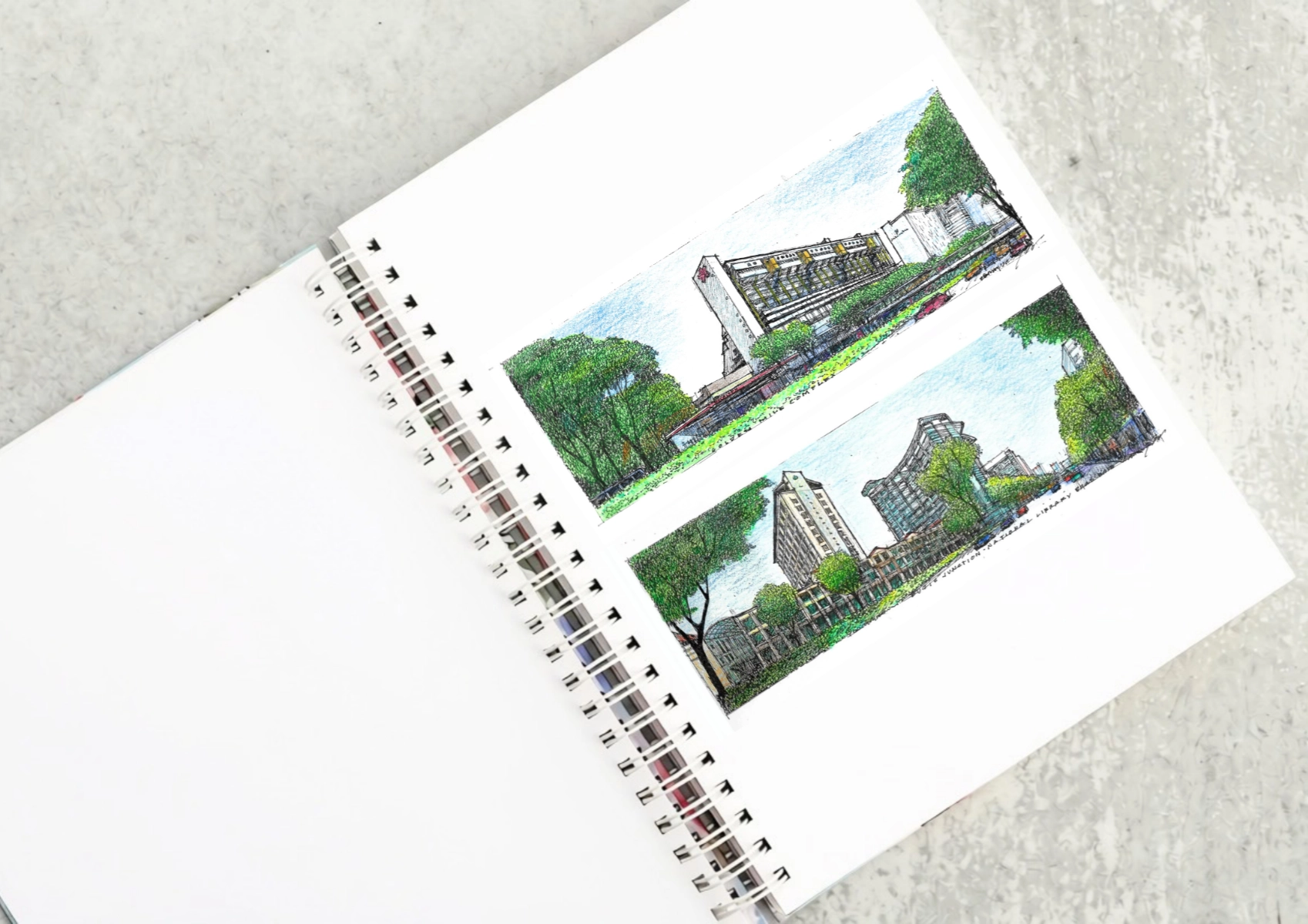
Two sketches of Singapore connect BluPrint Editor in Chief Paulo G. Alcazaren’s personal and professional history with Shared Ground: ArchitectureArchitectureThe art and science of designing and constructing buildings, structures, and spaces that are functional, safe, and aesthetically pleasing. It encompasses the planning, design, materials, and techniques used to createGo to Architecture Glossary of Care, Culture, […]
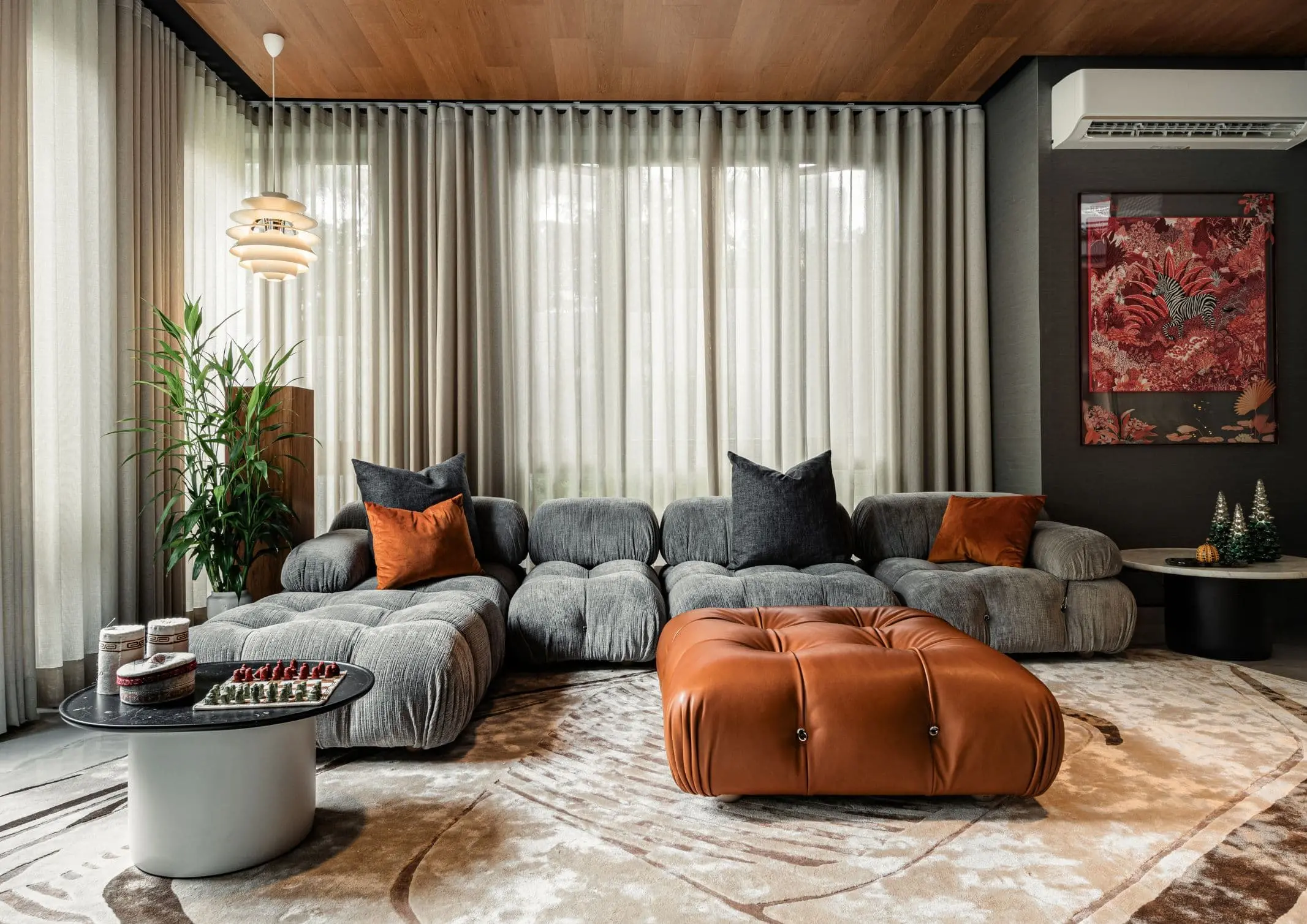
Some have become household names – Coleman, Oster, and KitchenAid – products that have found their way into Filipino kitchens, homes and family routines. In home furnishings, brands such as B&B Italia, Ethan Allen, Sub-Zero, Miele, SieMatic, Louis Poulsen, Hunter Douglas, Tempur, and Technogym, have helped shape the way Filipinos live. From everyday essentials to […]

In a way, designers are the modern-day soothsayers and prophets. They design for the future, predicting how a room, a house, a building or a whole city will be used by people. They foresee how users will interact with a space, conjure exact shades of colors to elicit specific behavior and arrange furniture to build […]
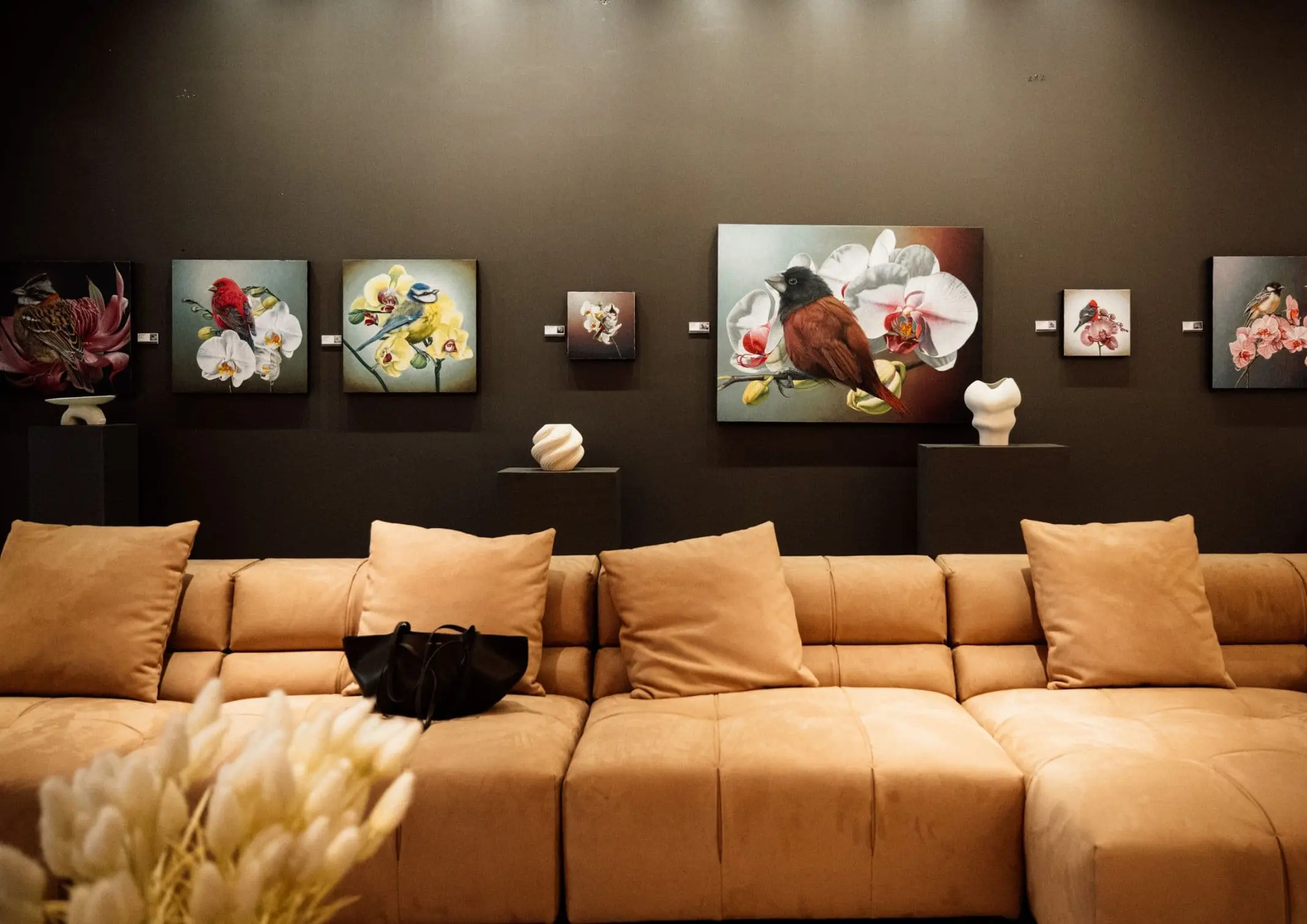
Art and furniture are often selected separately, yet their relationship can shape how a room looks and feels. The collaboration between Hooga and Galerie Joaquin explores how these elements can work together, bringing contemporary artworks into furnished residential settings at Hooga’s showroom in Uptown Mall, Bonifacio Global City. For Hooga, which curates furniture, lighting, and […]
Read the issues.

Collect the volumes.

Recommended Video
Tap to Unmute
Unmute
0:00
0:00