The seventh edition of the Anthology ASEAN ArchitectureArchitectureThe art and science of designing and constructing buildings, structures, and spaces that are functional, safe, and aesthetically pleasing. It encompasses the planning, design, materials, and techniques used to createGo to Architecture Glossary Festival brought together over 4,000 delegates from across the Philippines and Southeast Asia for three […]
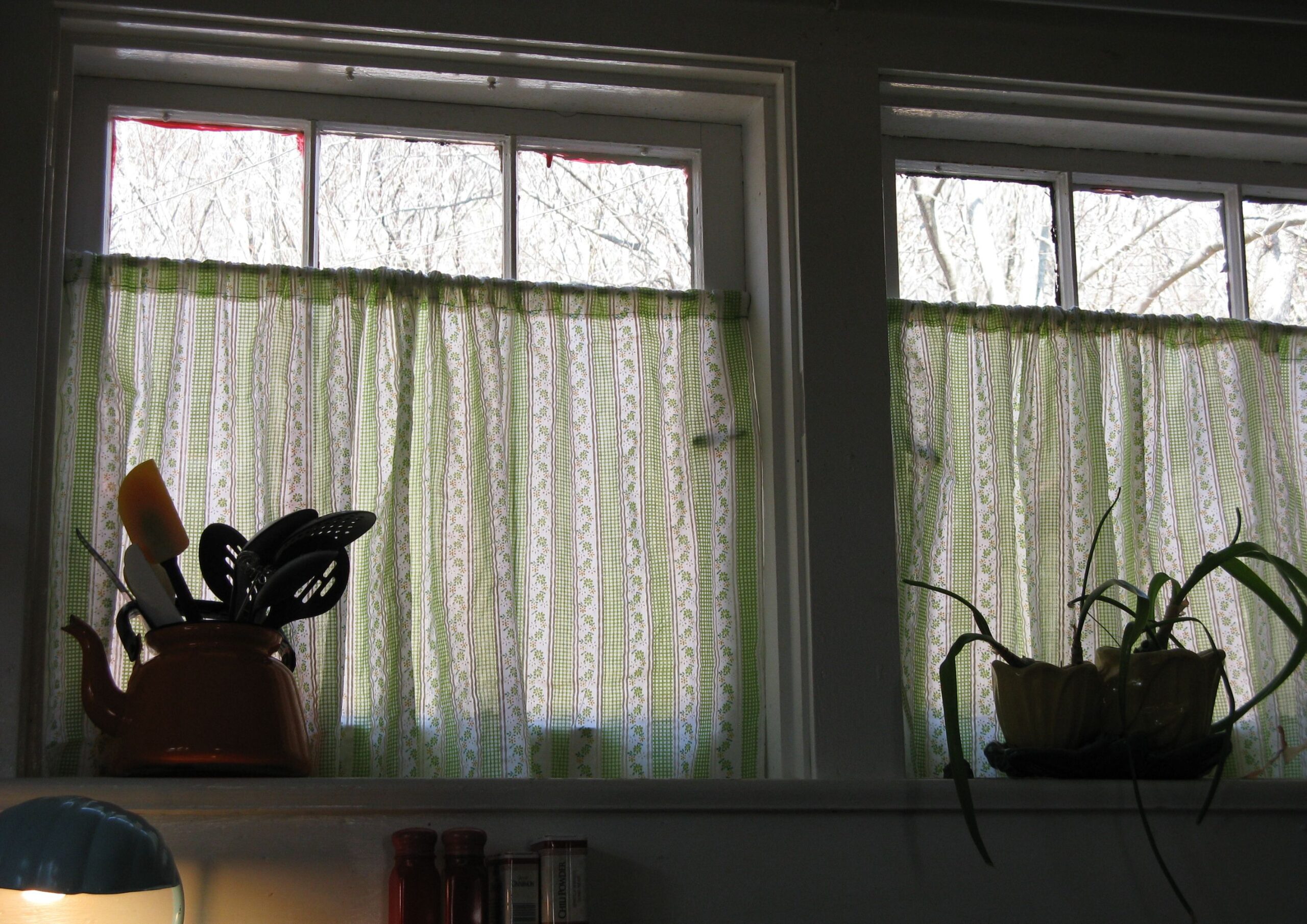
Cafe Curtain Trend: The Return of a Classic Window Treatment



Cafe curtains, also known as tier curtains, cover the lower portion of a window while leaving the upper part exposed to natural light. Popular for their simple yet elegant style, cafe curtains are usually made from lightweight fabrics like cotton, linen, or sheer voile and come in plain, patterned, laced, or ruffled designs to suit various interior styles.
Why Are Cafe Curtains Designed That Way?
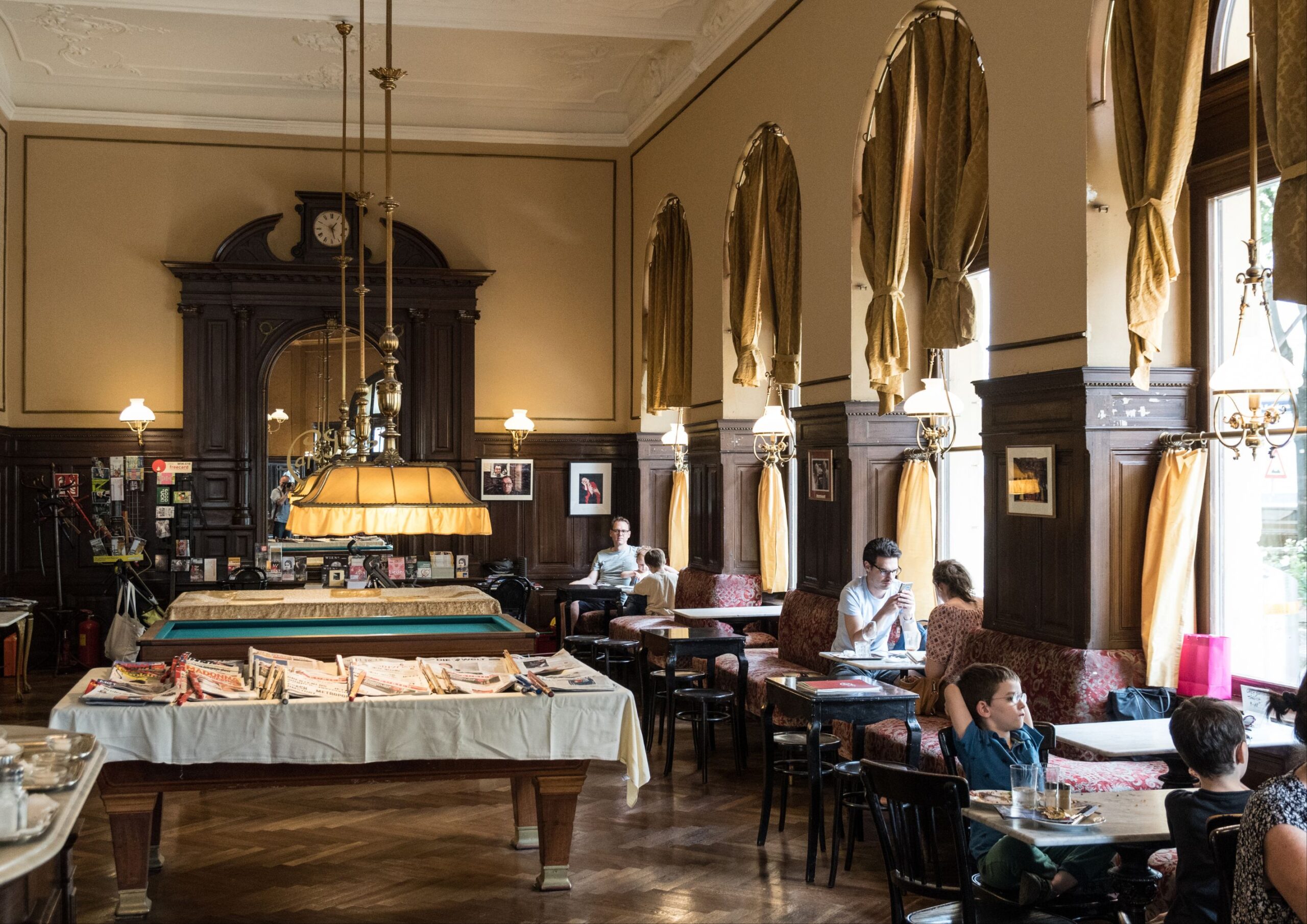
You’ve likely seen them adorning kitchens, bathrooms, and dining areas. But these short-length vintage decor goes a long way back in history for their versatile function.
Originating in the 19th century, cafe curtains were a staple in cafes and bistros around Vienna, Austria to provide privacy for patrons enjoying their meals and coffee without completely blocking out natural light. This practical solution eventually spread across Europe, becoming a defining feature of French cafes and English country homes.
Although a tried-and-true favorite particularly for farmhouse and cottagecore styles, cafe curtains’ recent resurgence is a byproduct of the cafecore trend. As people get drawn into recreating coffee nooks at home, this vintage window treatment now finds its way in modern homes today.
Interior designers even regard this quaint trend as the perfect finishing touch for this emerging interior designInterior DesignThe discipline of planning and shaping interior spaces for function, comfort, safety, and beauty. It covers layout, lighting, materials, finishes, furniture, and color, and in the Philippines is a licensedGo to Interior Design Glossary. And they weren’t wrong how these miniature curtains effortlessly elevate the space into a cozy and inviting haven.
More than a Window Treatment
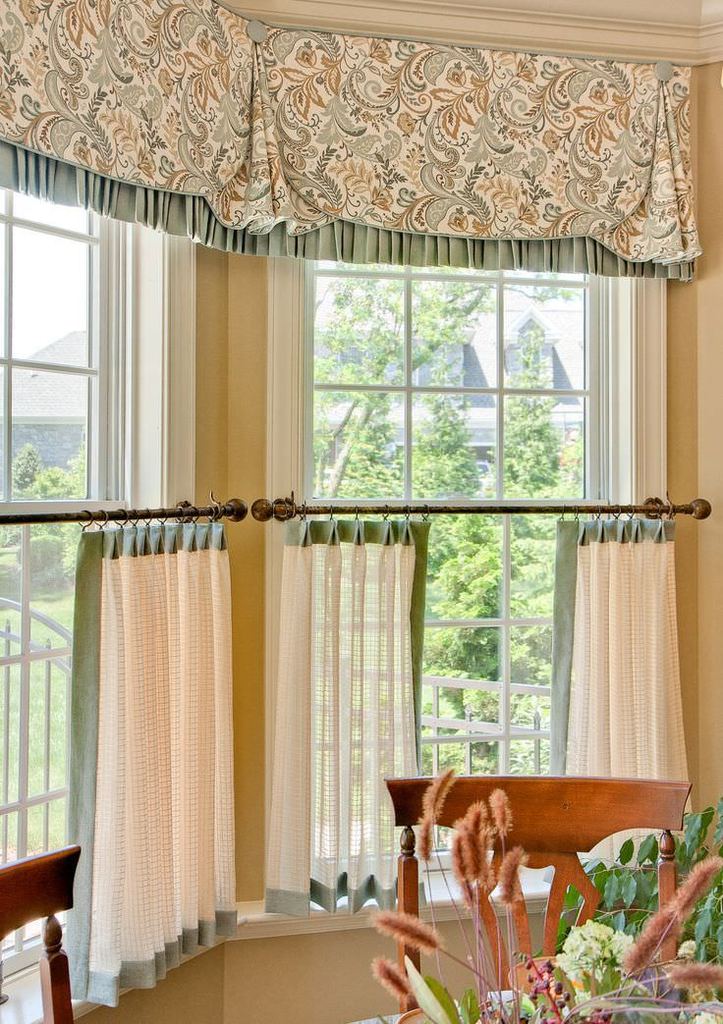
Originally designed for windows, cafe curtains offer versatile applications for zoningZoningThe regulation of land use by local governments, dividing areas into zones such as residential, commercial, industrial, and institutional. Zoning ordinances control building height, density, setbacks, and permitted activities. InGo to Zoning Glossary spaces.
Covering a window with cafe curtains can visually delineate a space without the need for physical walls or partitions. This is ideally applicable in open floor planFloor PlanA scaled drawing showing a building's layout as seen from above, as if sliced horizontally at roughly waist height. It maps rooms, walls, doors, windows, circulation, and fixed furniture, helpingGo to Floor Plan Glossary layouts and small studio apartments.
For example, using sheer curtains on a kitchen window can soften the transition between the kitchen and dining area, creating a distinct yet open feel.
You can further use cafe curtains as the focal point to frame a specific view or emphasize the window’s architectural details. Whether you have a breathtaking garden view or unique window trim, cafe curtains can elevate these elements and make them the star of your home’s interior.
Furthermore, their soft, flowing fabric is a good replacement for traditional cupboard doors. You can easily hang them in front of open shelves and cabinets and change them according to your mood. This allows you to hide clutter but also preserve a sense of light and space.
The adaptability of cafe curtains makes them a beloved choice for homeowners, allowing for customization, creativity, and functionality.
How to Add Cafe Curtains
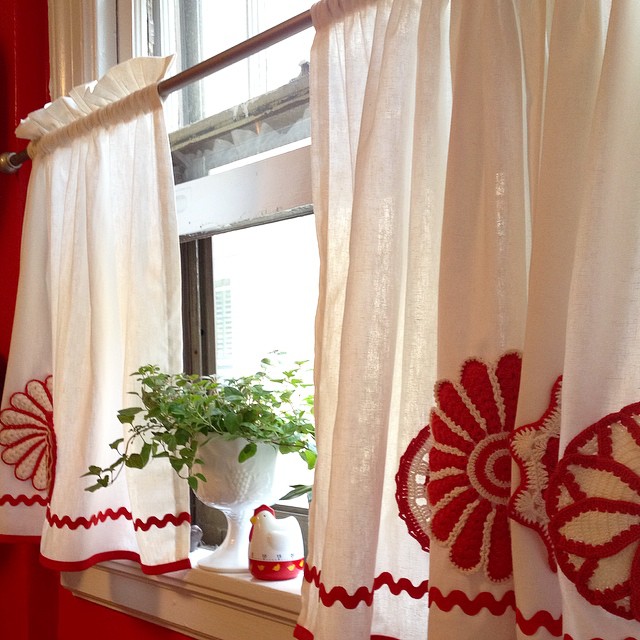
Cafe curtains have evolved beyond their traditional kitchen and dining room confines. Here’s how to harness their potential in different areas of your home.
Select the Right Fabric
Similar to other window treatments, cafe curtains offer a wide range of fabric options. Popular choices include cotton, linen, and sheer voile, but your selection should be guided by your desired ambiance, functionality, and decor.
For light and airy spaces, opt for traditional fabrics like cotton and linen. Conversely, if you envision a cozy and intimate atmosphere, consider warmer fabrics like velvet, acrylic, jute, hemp, or rattanRattanA flexible, climbing palm native to tropical Asia, whose strong, lightweight canes are woven and bent into furniture, baskets, and lighting. The Philippines, especially Cebu, is renowned for rattan craftsmanship,Go to Rattan Glossary.
If privacy is a concern, opt for thicker fabrics or those with blackout lining for additional privacy. Consider your room’s orientation and natural light levels when making your choice—sheer fabrics allow ample light to enter, while heavier ones can help to dim the room.
In terms of decor, select a fabric that complements your room’s overall color scheme for a unified look. If you’d like to introduce a contrasting accent, familiar patterns like stripes or florals can add a touch of personality.
Know the Appropriate Hardware
Even the hardware influences the look and feel of cafe curtains in a space. However, comfort comes first in this aspect to ensure the curtains function smoothly and effortlessly.
Tension rods are a budget-friendly and hassle-free option, perfect for renters. Installation is simple—expand the rod to fit your window, and securely place it between the walls.
Mounted rods, on the other hand, offer a more permanent and polished appearance. Although it requires drilling into the wall to secure the brackets, you can choose from a wide range of styles, materials, and finishes to complement your window and overall room design.
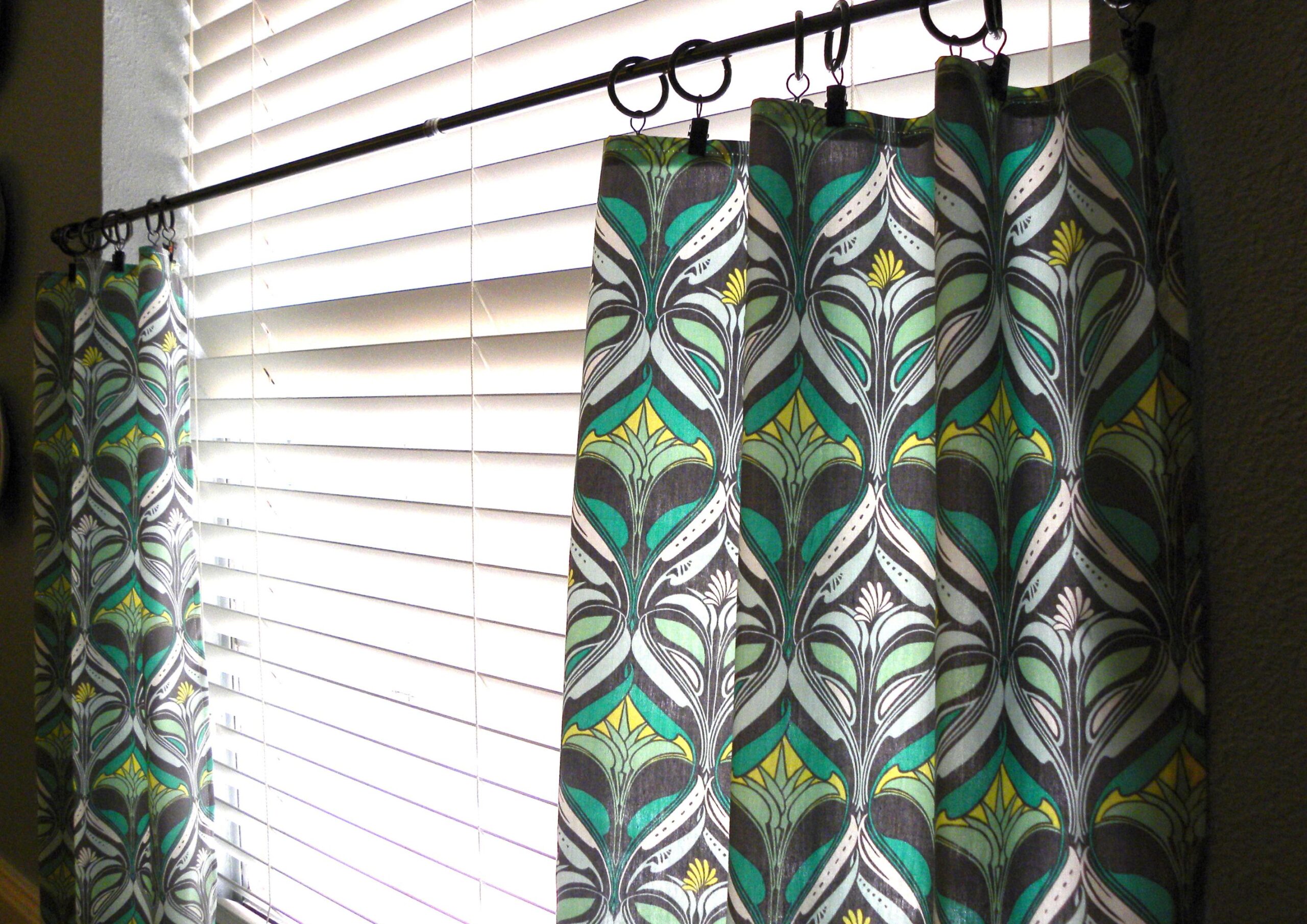
Classic metal rings or decorative clip-ons are accessories that not only add a decorative touch but also make it easier to open and close your curtains. All you have to do is thread them onto your chosen rod or attach clips to the curtain panels.
Style Them
One important thing to remember is that cafe curtains aren’t standalone window treatments. So, to truly harness their potential, you need to style them.
Layer cafe curtains with other window treatments like blinds or shades to easily adjust to your preference and interior requirements. For example, use cafe curtains during daytime for a filtered light and lower the blinds at night for complete darkness.
Customize your cafe curtains with tiebacks, tassels, or ribbons to match your style and add elegance or playfulness.
Most importantly, give your room a unique and personalized look and mix and match different fabrics and patterns. You can create a bold statement with contrasting patterns or opt for a more subtle approach with complementary textures.
The resurgence of the cafe curtain trend signifies a shift towards embracing a vintage and functional decor in contemporary homes. As the boundaries between kitchen and living areas blur, cafe curtains emerge as a versatile design element that can effortlessly adapt to evolving interior trends.
Read more: French Provincial Style: An Ultimate Guide to Blending Comfort and Elegance

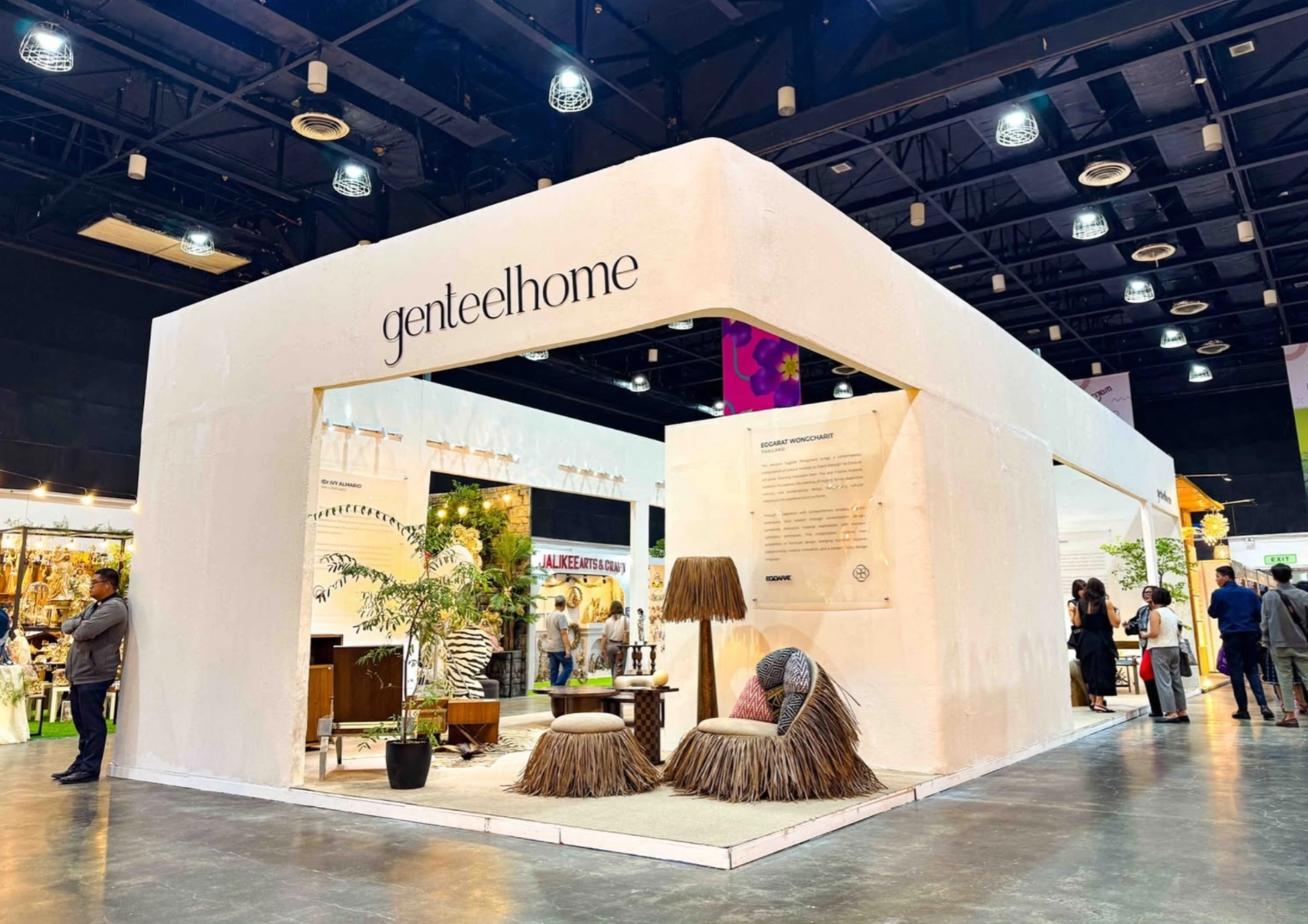
Bigkis is the act of binding. In Tagalog, the word can refer to something used to bind or encircle, as well as a bundle formed by tying several separate elements together. Figuratively, it can also mean a bond, union, or unity. The meanings move from the physical act of joining things together to the connection […]

Two sketches of Singapore connect BluPrint Editor in Chief Paulo G. Alcazaren’s personal and professional history with Shared Ground: ArchitectureArchitectureThe art and science of designing and constructing buildings, structures, and spaces that are functional, safe, and aesthetically pleasing. It encompasses the planning, design, materials, and techniques used to createGo to Architecture Glossary of Care, Culture, […]
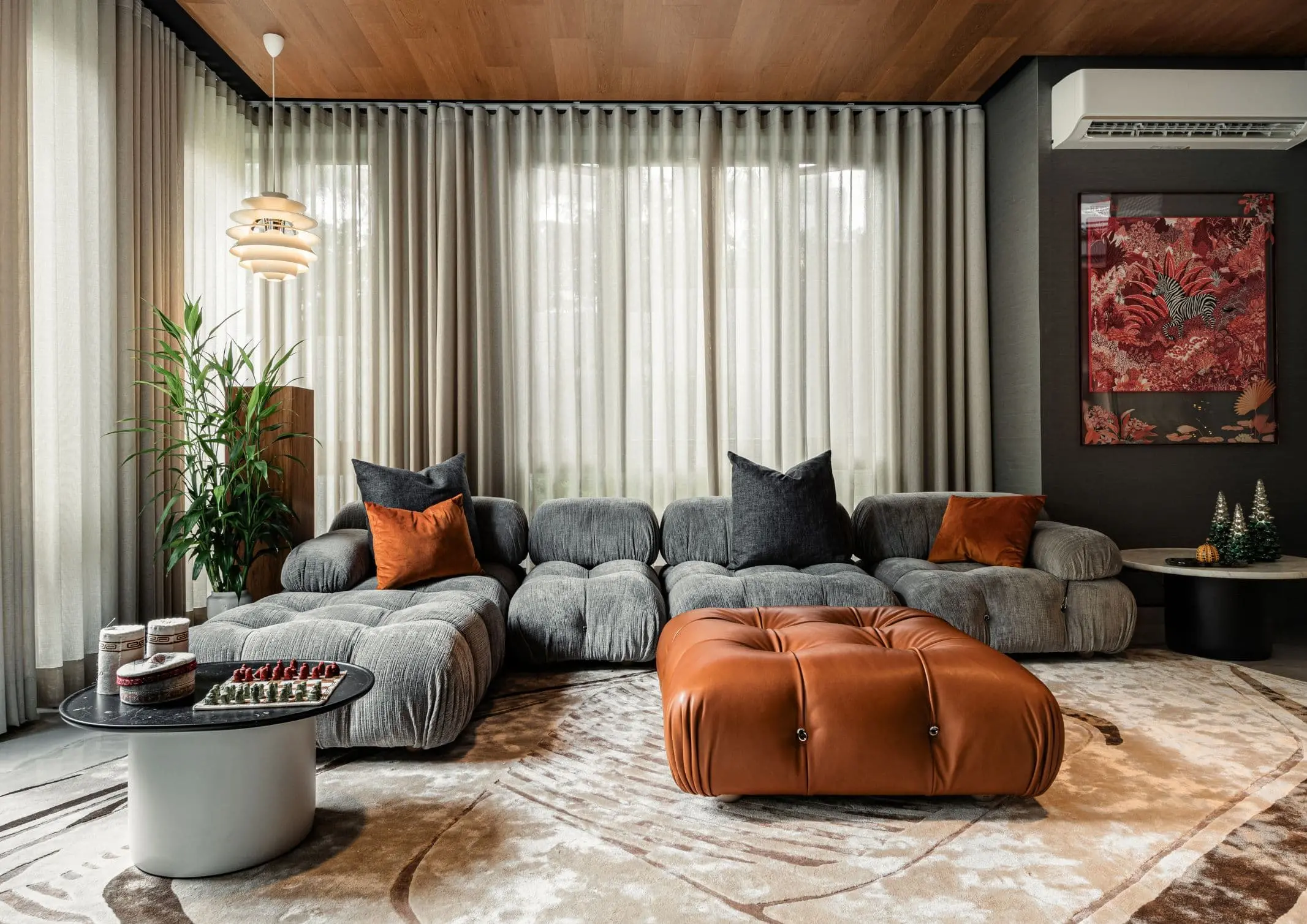
Some have become household names – Coleman, Oster, and KitchenAid – products that have found their way into Filipino kitchens, homes and family routines. In home furnishings, brands such as B&B Italia, Ethan Allen, Sub-Zero, Miele, SieMatic, Louis Poulsen, Hunter Douglas, Tempur, and Technogym, have helped shape the way Filipinos live. From everyday essentials to […]

In a way, designers are the modern-day soothsayers and prophets. They design for the future, predicting how a room, a house, a building or a whole city will be used by people. They foresee how users will interact with a space, conjure exact shades of colors to elicit specific behavior and arrange furniture to build […]
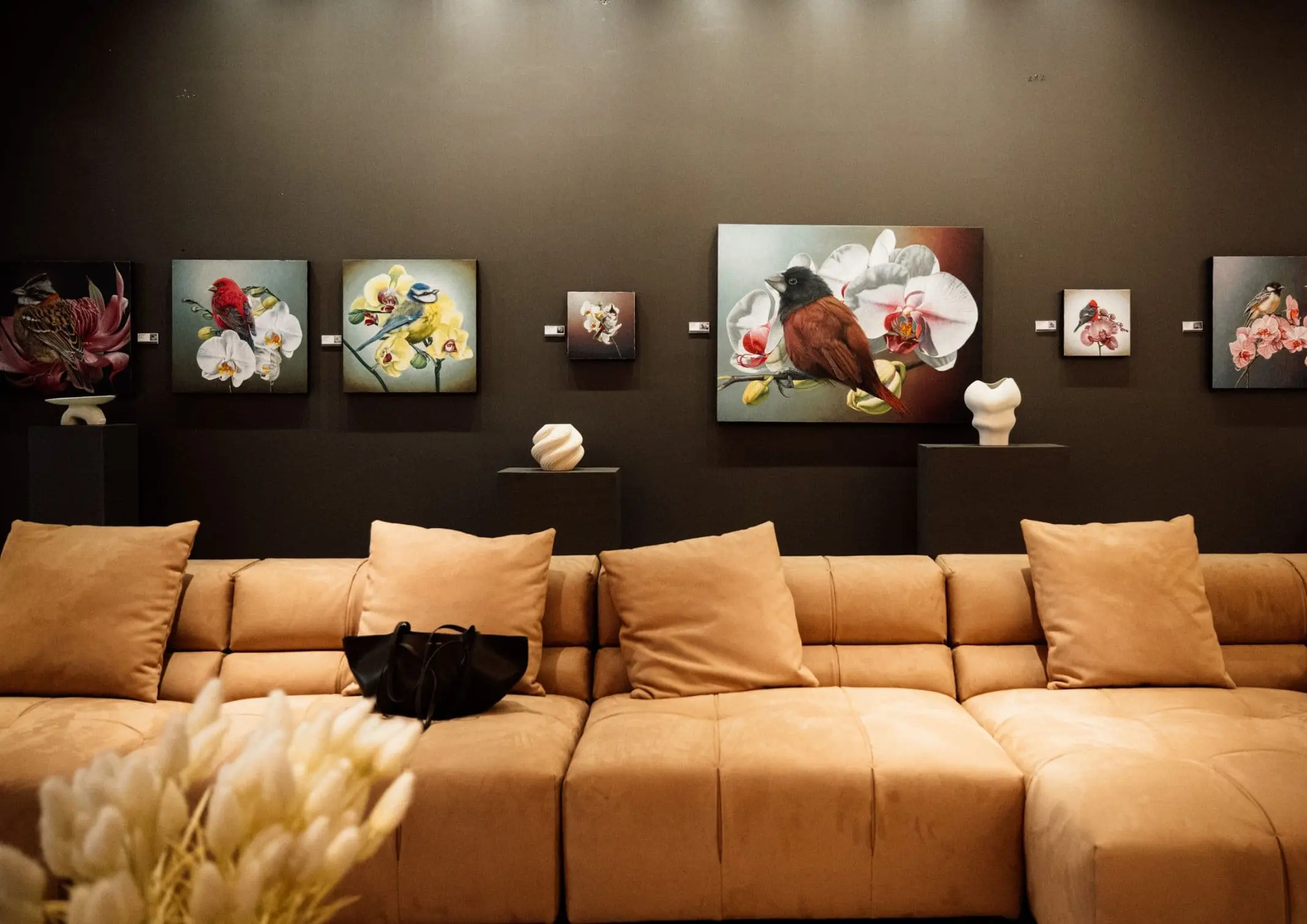
Art and furniture are often selected separately, yet their relationship can shape how a room looks and feels. The collaboration between Hooga and Galerie Joaquin explores how these elements can work together, bringing contemporary artworks into furnished residential settings at Hooga’s showroom in Uptown Mall, Bonifacio Global City. For Hooga, which curates furniture, lighting, and […]
Read the issues.

Collect the volumes.

Recommended Video
Tap to Unmute
Unmute
0:00
0:00