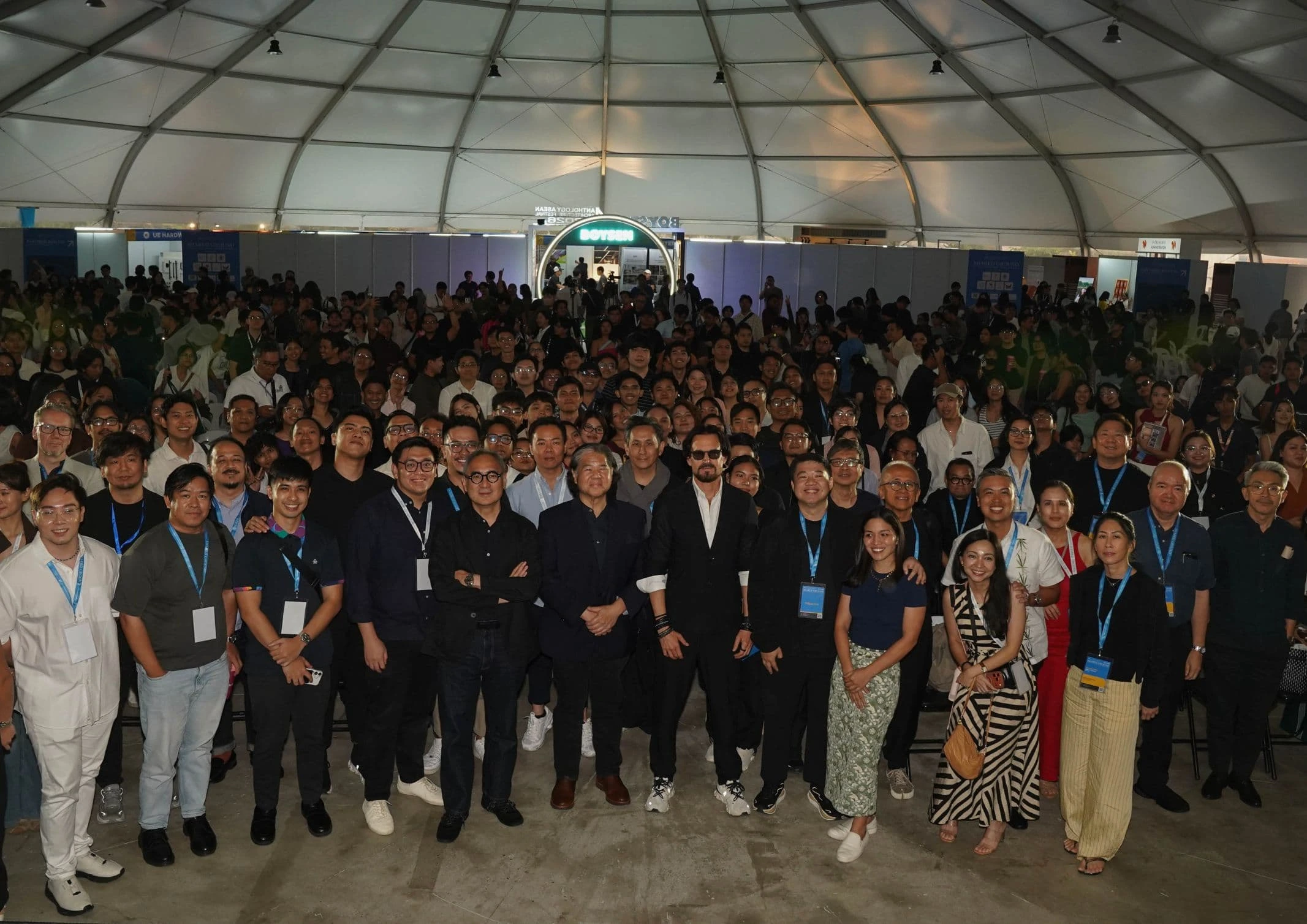
The seventh edition of the Anthology ASEAN ArchitectureArchitectureThe art and science of designing and constructing buildings, structures, and spaces that are functional, safe, and aesthetically pleasing. It encompasses the planning, design, materials, and techniques used to createGo to Architecture Glossary Festival brought together over 4,000 delegates from across the Philippines and Southeast Asia for three […]
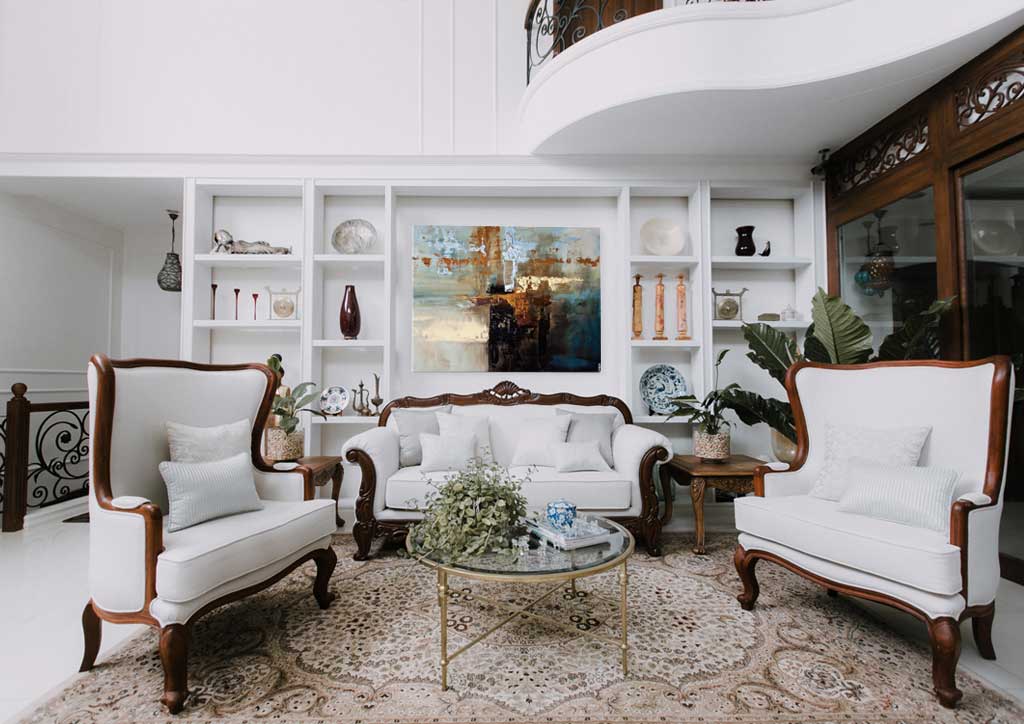
French Provincial Style: An Ultimate Guide to Blending Comfort and Elegance



The French Provincial style possesses an enduring appeal characterized by natural materials, soft hues, and rustic vintage home decor. Its ability to create spaces that are both luxurious and inviting, reminiscent of summertimes in the Provence region, has solidified its status as a timeless classic. And with the growing desire for nature-inspired living, this style’s rustic and elegant allure continues to be more coveted for modern interiors.
From Provence with Rustic Luxury
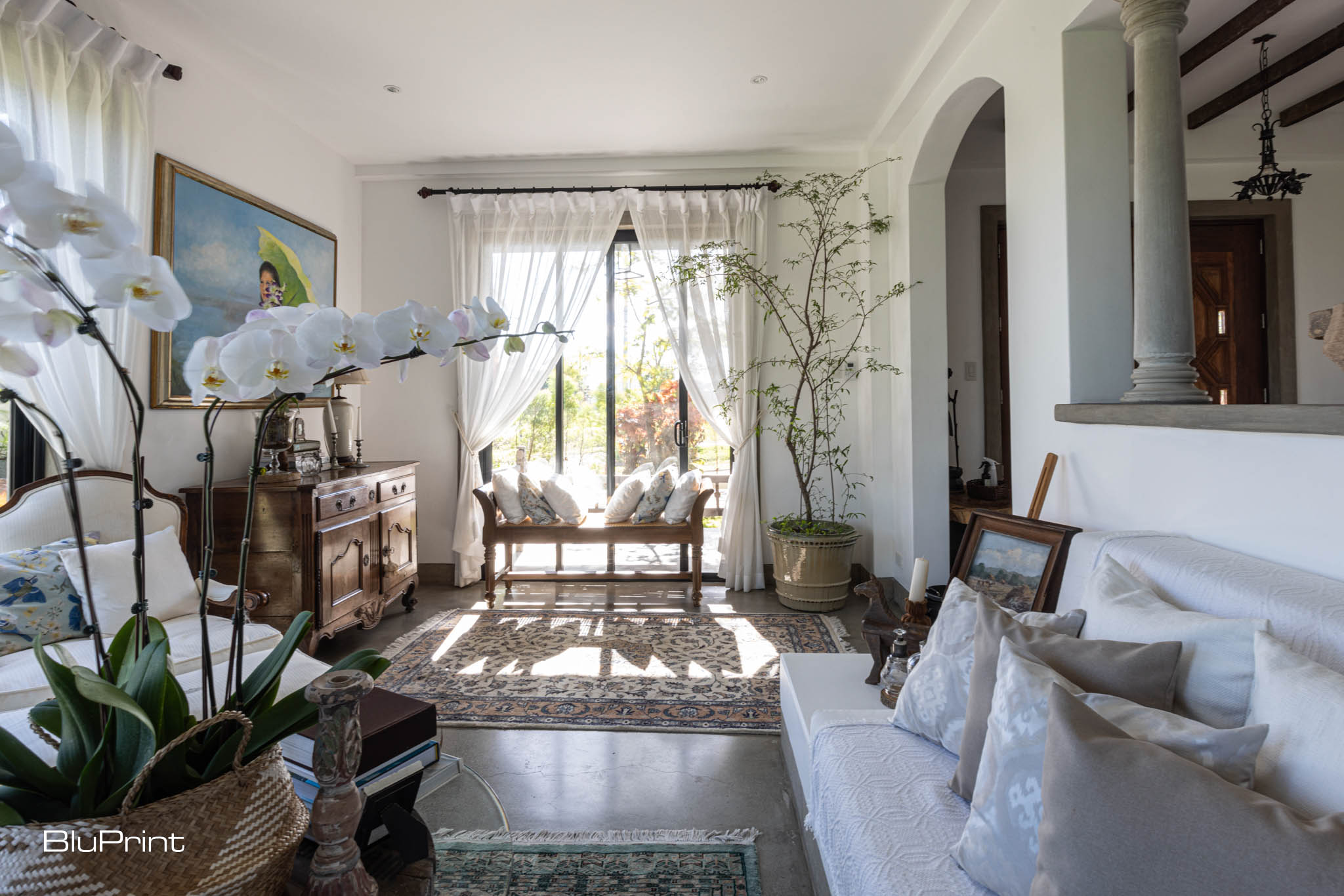
Popularized in the 17th century, the French Provincial style was heavily influenced by Versailles Palace‘s grand design during King Louis XIV’s time. Then, it began to appear in rural homes when Southern French craftspeople started emulating the ornate furniture sold in Paris.
Post World War I, American soldiers carried this style back to the United States after seeing and admiring its cozy and luxurious design. This introduction sparked a wave of enthusiasm, propelling it to prominence through the work of Architect Frank J. Foster. Despite declining in the 1930s, it reemerged in the 1960s and has been a consistent design preference since then.
Fundamentals of French Provincial Style
Due to modern adaptations, recreating its look can be quite confusing. However, returning to its core elements preserves the original rustic and elegant character. Let’s delve deeper into the fundamentals of French Provincial style to fully capture its essence in your home.
Soft Color Palette
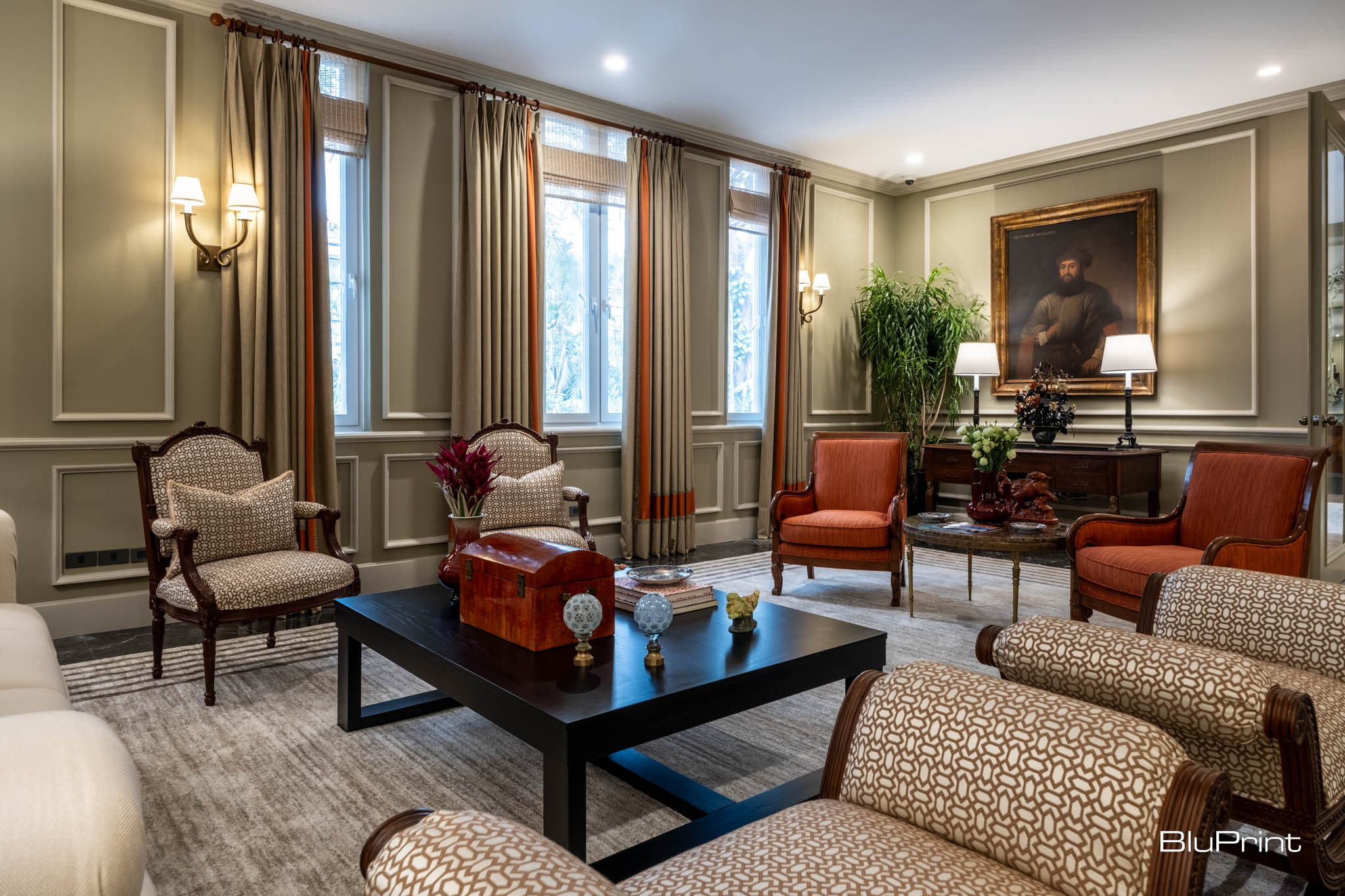
To evoke the tranquility of the Provence region, stick to gentle and subtle neutral tones. Cream, ivory, and soft gray form the foundation for more complex decor you’ll add later. Aside from working in harmony with natural materials, these colors also make a timeless and versatile backdrop to various design preferences. If you’re aiming for a modern twist, having a neutral canvas allows for endless possibilities.
Apply them on negative spaces like walls, ceilings, and floors to ensure your decor stands out. For a more cohesive and comforting atmosphere, incorporate them in anchor pieces like sofas, rugs, and curtains.
Besides neutral tones, the style’s palette includes subtle accents of soft blue and pink, muted green, and lavender. These secondary colors are perfect for minor details like throw pillows, ceramics, and artwork, as well as for incorporating classic French Provincial elements such as toile and pastoral landscapes. Remember to use them sparingly to avoid overwhelming the neutral base.
Distressed Natural Materials
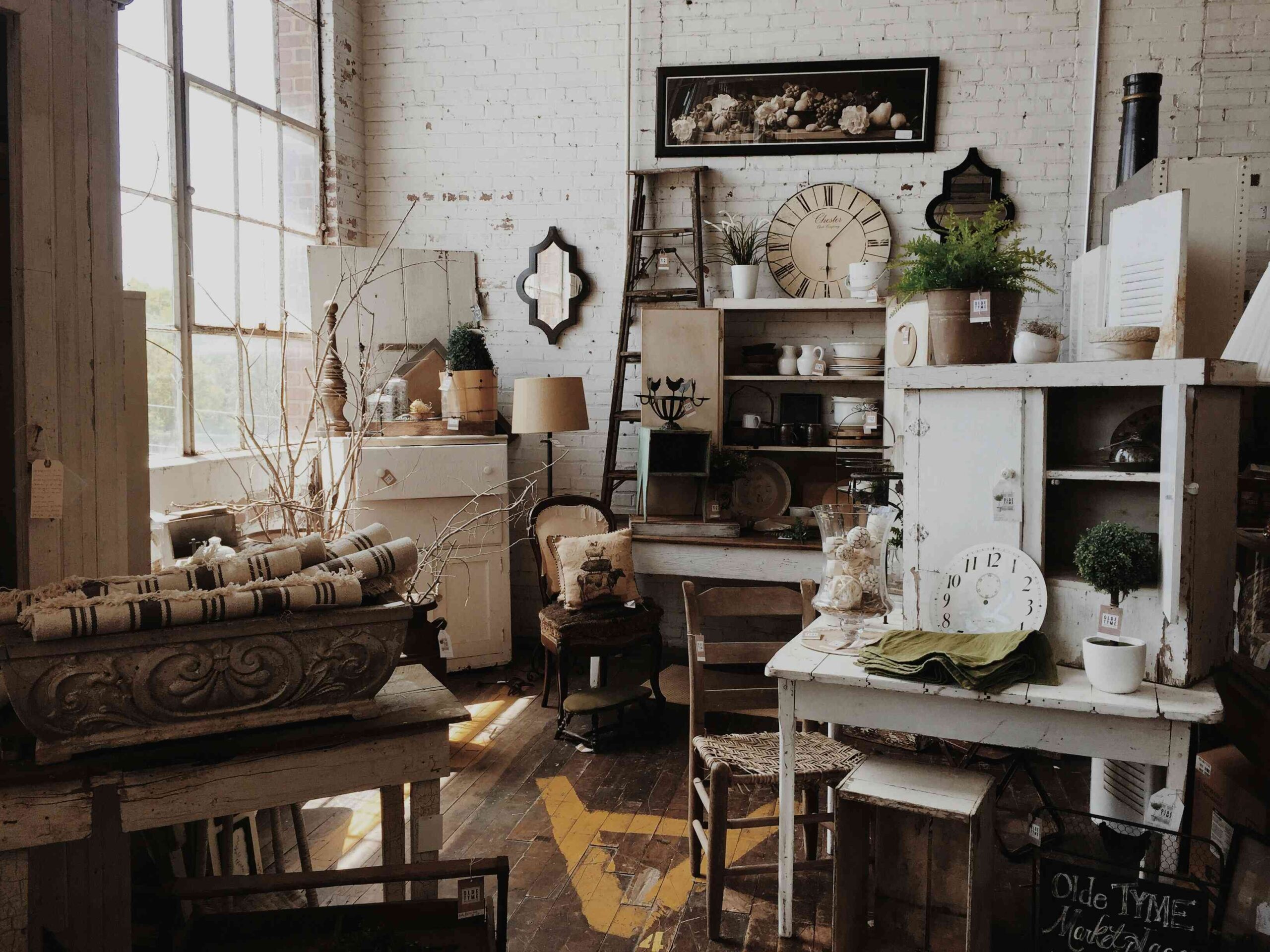
Despite having luxurious origins, perfecting the French Provincial style lies in incorporating imperfections. This is typically showcased in distressed natural materials, which add history and character essential to its rustic aesthetic.
Wood, as this style’s cornerstone, is often reclaimed or repurposed to imbue a distinctive patina. Wooden furniture and decorative accents with sanding marks, chipped paint, or other signs of age and wear further establish your home’s authenticity. You can do the light distressing yourself, or choose wood materials that age gracefully like oak and pine.
Stone introduces a grounding, earthy quality to the space thanks to its natural irregularities in shape and rich color variations. Its cool, tactile surface additionally provides a refreshing contrast to the warmth of the wood. Whether used on floors or countertops, this natural material brings a sense of permanence and durability. Opt for limestone, travertine, slate, and sandstone that remain functional while enhancing their distinct imperfections over time.
Wrought iron is a quintessential option with its sturdy yet delicate curves and patterns. This can make up your bed frames, chandeliers and smaller light fixtures, and decorative accents like plant stands and wall art. And over time, the natural oxidation develops either a silvery or darker layer, known as patina, which adds to the piece’s visual interest.
Antique and Vintage Items
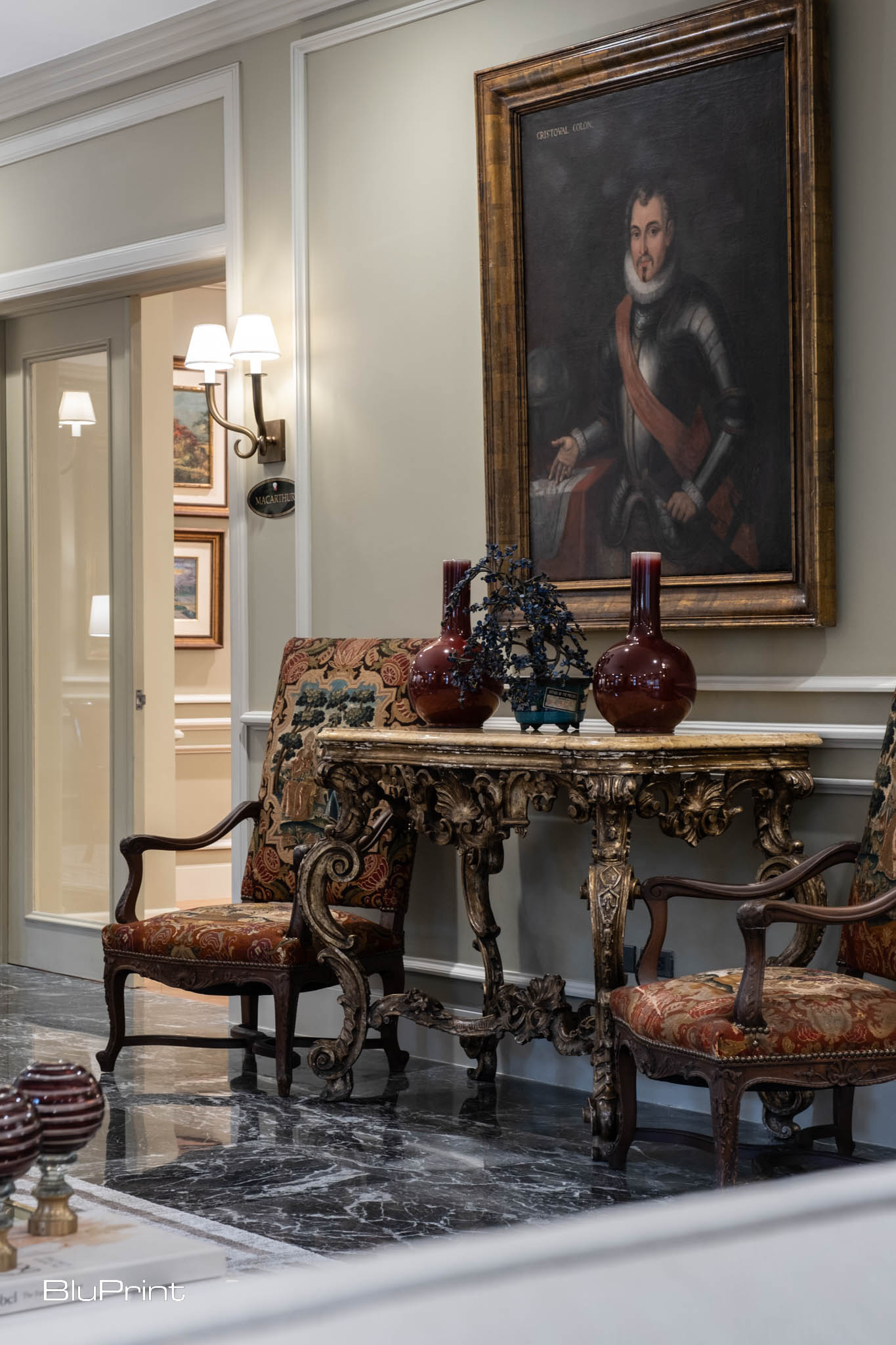
French Provincial style thrives on a blend of classic elegance and rusticity, often found in antique and vintage pieces. However, not all items embody its true aesthetic. To help you identify and select the right ones, look for these key characteristics.
French Provincial furniture tends to have gentle curves and rounded edges. Although cabriole legs are a common detail, straight legs with carved details or turned spindles can also be found in this style. Ornate hardware like copper, bronze, and brass handles and pulls additionally define its trademark features. And if it has floral motifs and gilded accents, you’ve stumbled upon a truly exquisite piece.
For decor, look for toile prints. But they can also have floral, mythological, or garland carvings. Sometimes, they have subtle nods to faith shown in crucifixes, saint statuettes, or religious scenes. Furthermore, scraps of lace, damask, ribbon trims, and tassels in pillows, lamp shades, or framed artwork also work with a French Provincial style.
But to truly ensure the pieces’ authenticity, consider tracing their origin and age. Along with these key characteristics, this will prove if you really found antique or vintage items.
French Provincial style, while brimming with distinct qualities, offers surprising adaptability. By blending the comfort of the French countryside with the elegance of its grand origins, it creates a harmonious design that resonates with modern sensibilities. And this coexistence between old and new is what makes French Provincial so enduring. It embraces the past without shying away from evolution, perfectly suited for today’s discerning homeowners seeking a home that feels both timeless and undeniably modern.
Read more: Tiny Art Trend and Its Big Impact on Interiors
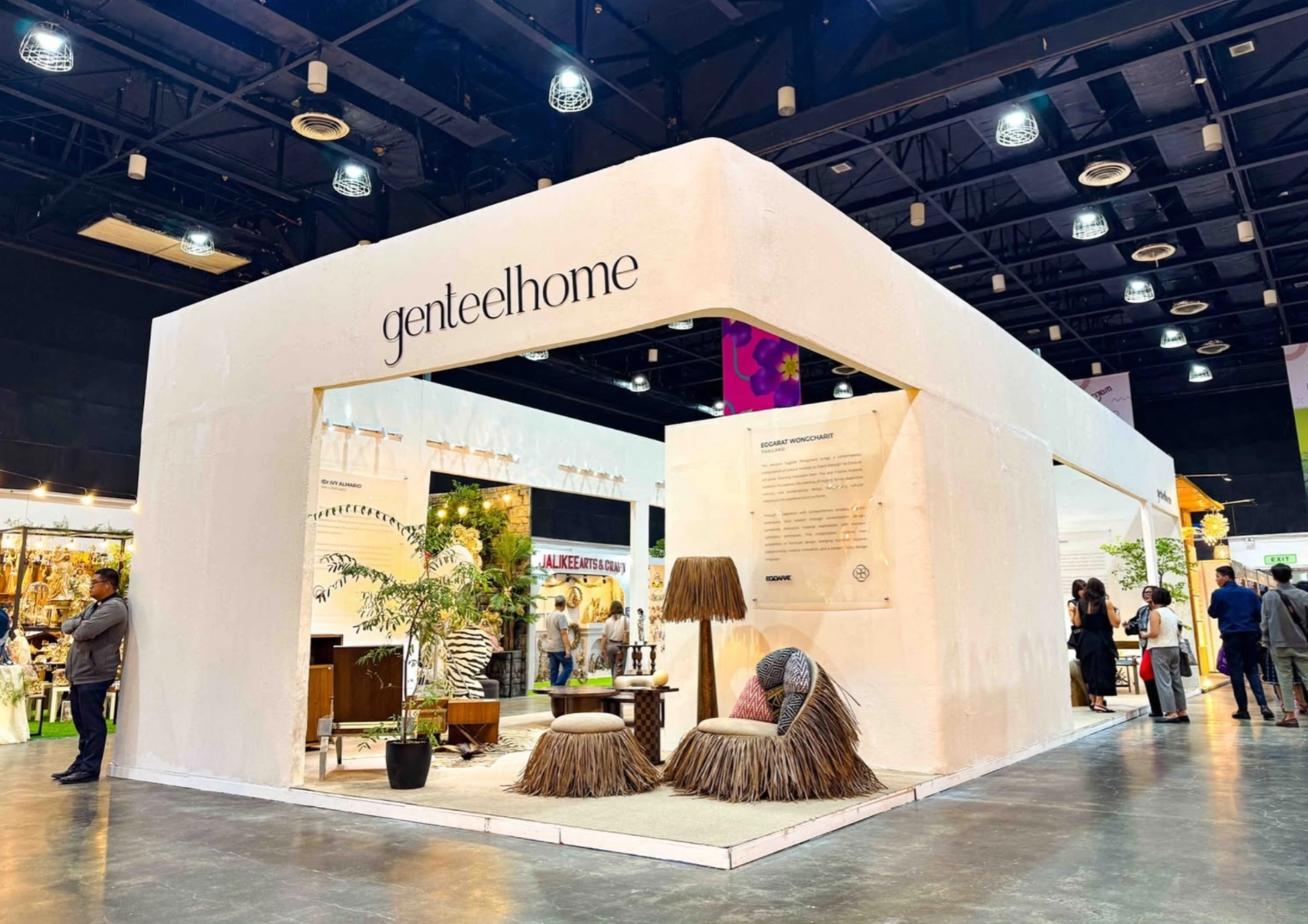
Bigkis is the act of binding. In Tagalog, the word can refer to something used to bind or encircle, as well as a bundle formed by tying several separate elements together. Figuratively, it can also mean a bond, union, or unity. The meanings move from the physical act of joining things together to the connection […]
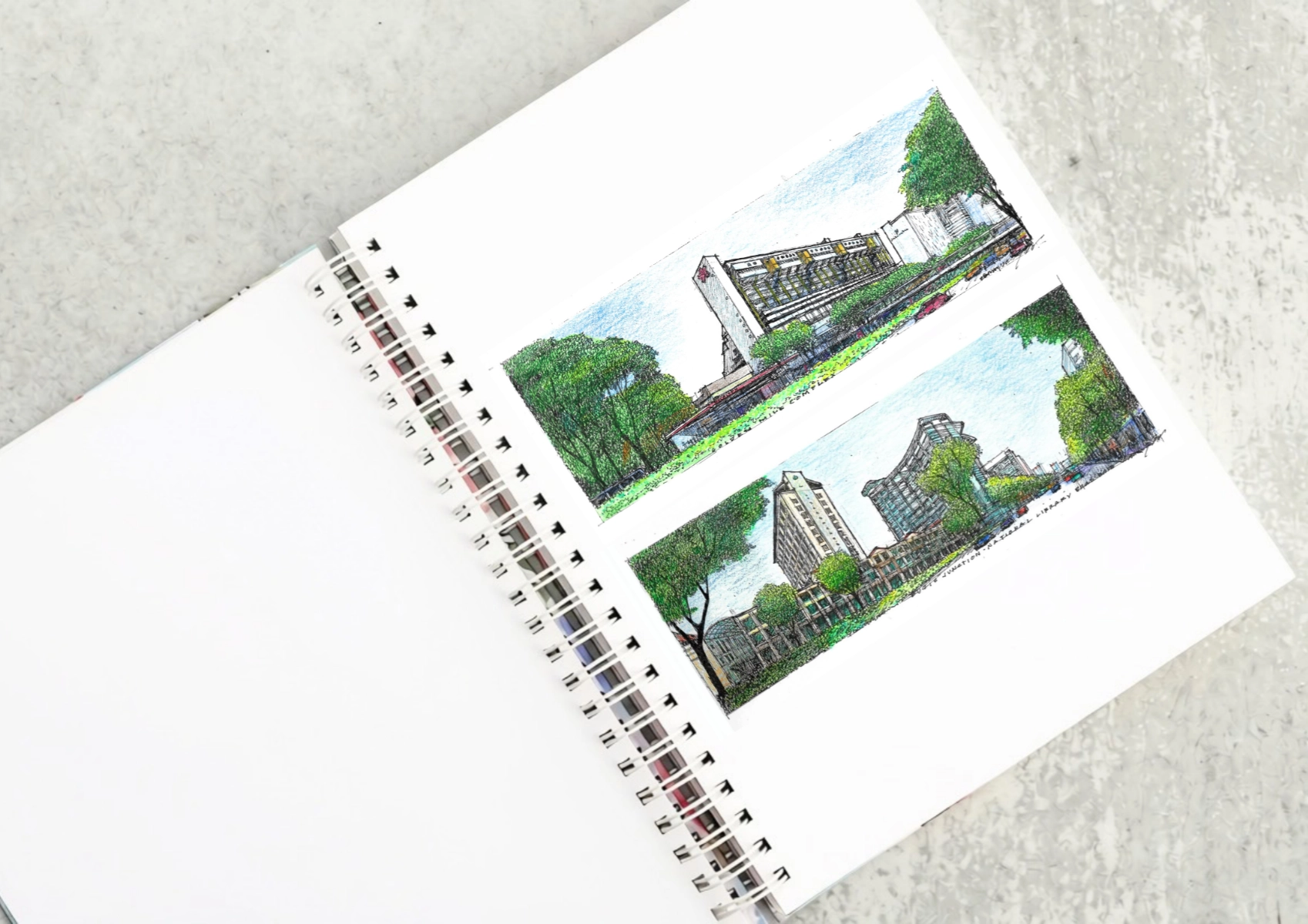
Two sketches of Singapore connect BluPrint Editor in Chief Paulo G. Alcazaren’s personal and professional history with Shared Ground: ArchitectureArchitectureThe art and science of designing and constructing buildings, structures, and spaces that are functional, safe, and aesthetically pleasing. It encompasses the planning, design, materials, and techniques used to createGo to Architecture Glossary of Care, Culture, […]
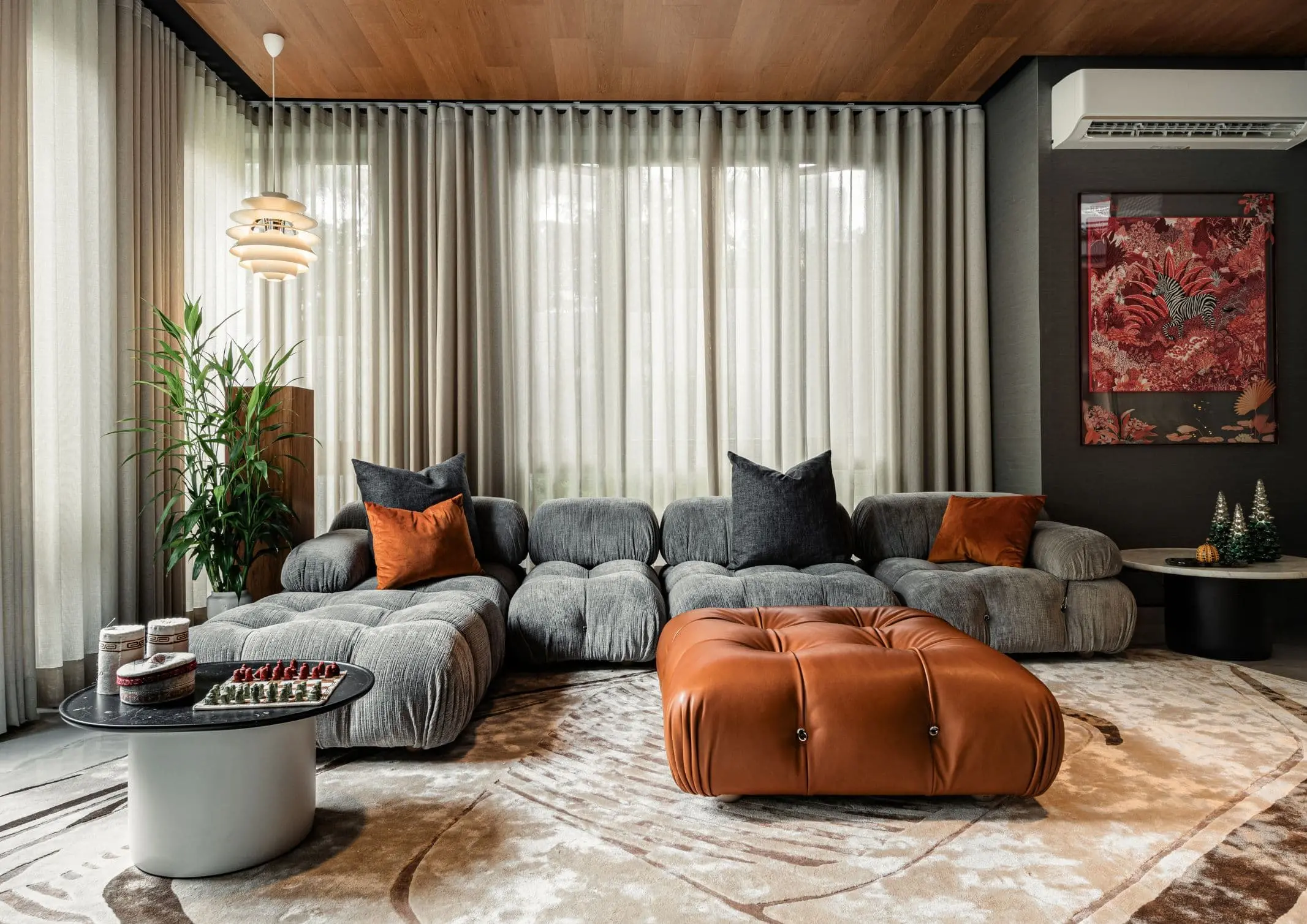
Some have become household names – Coleman, Oster, and KitchenAid – products that have found their way into Filipino kitchens, homes and family routines. In home furnishings, brands such as B&B Italia, Ethan Allen, Sub-Zero, Miele, SieMatic, Louis Poulsen, Hunter Douglas, Tempur, and Technogym, have helped shape the way Filipinos live. From everyday essentials to […]
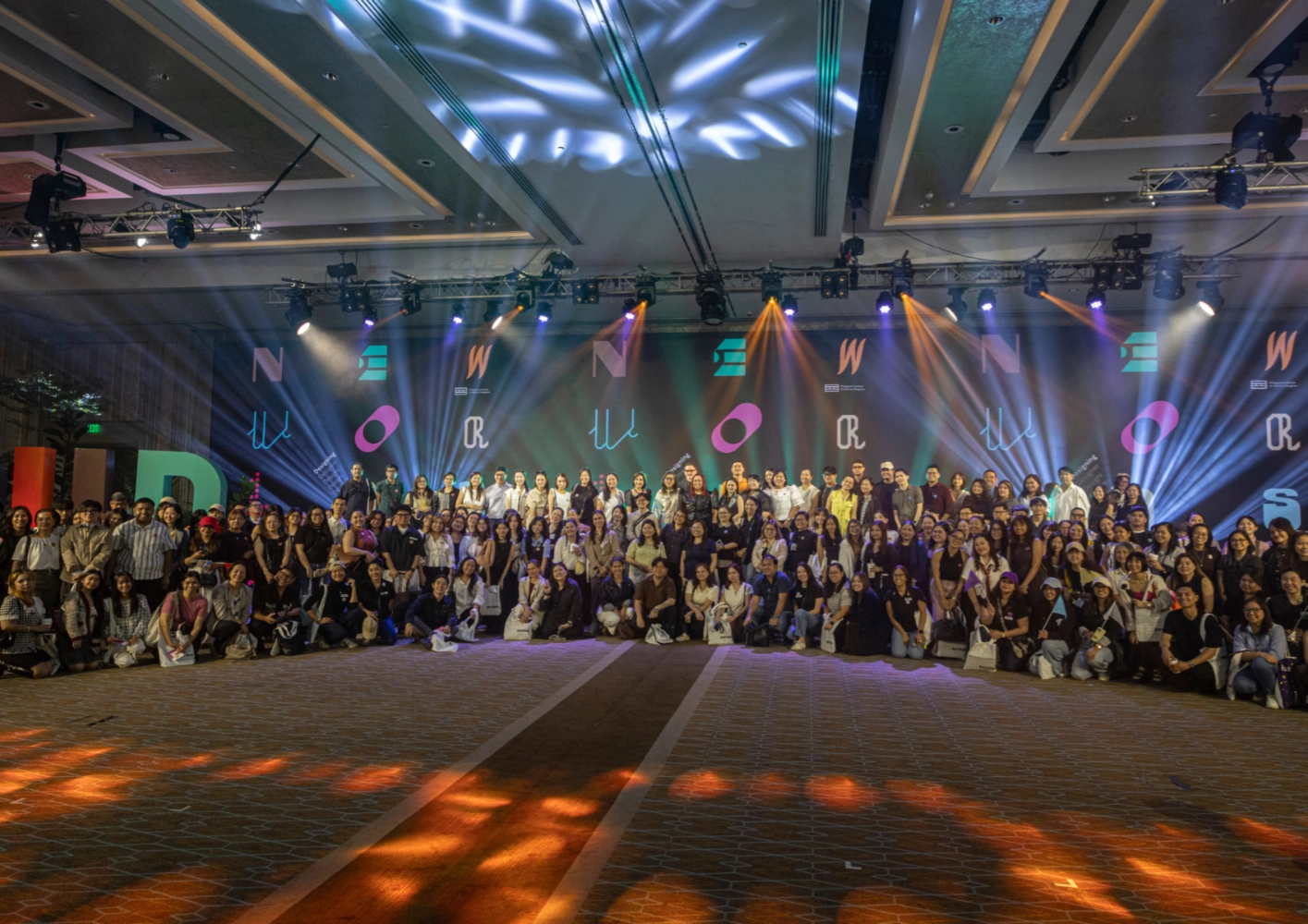
In a way, designers are the modern-day soothsayers and prophets. They design for the future, predicting how a room, a house, a building or a whole city will be used by people. They foresee how users will interact with a space, conjure exact shades of colors to elicit specific behavior and arrange furniture to build […]
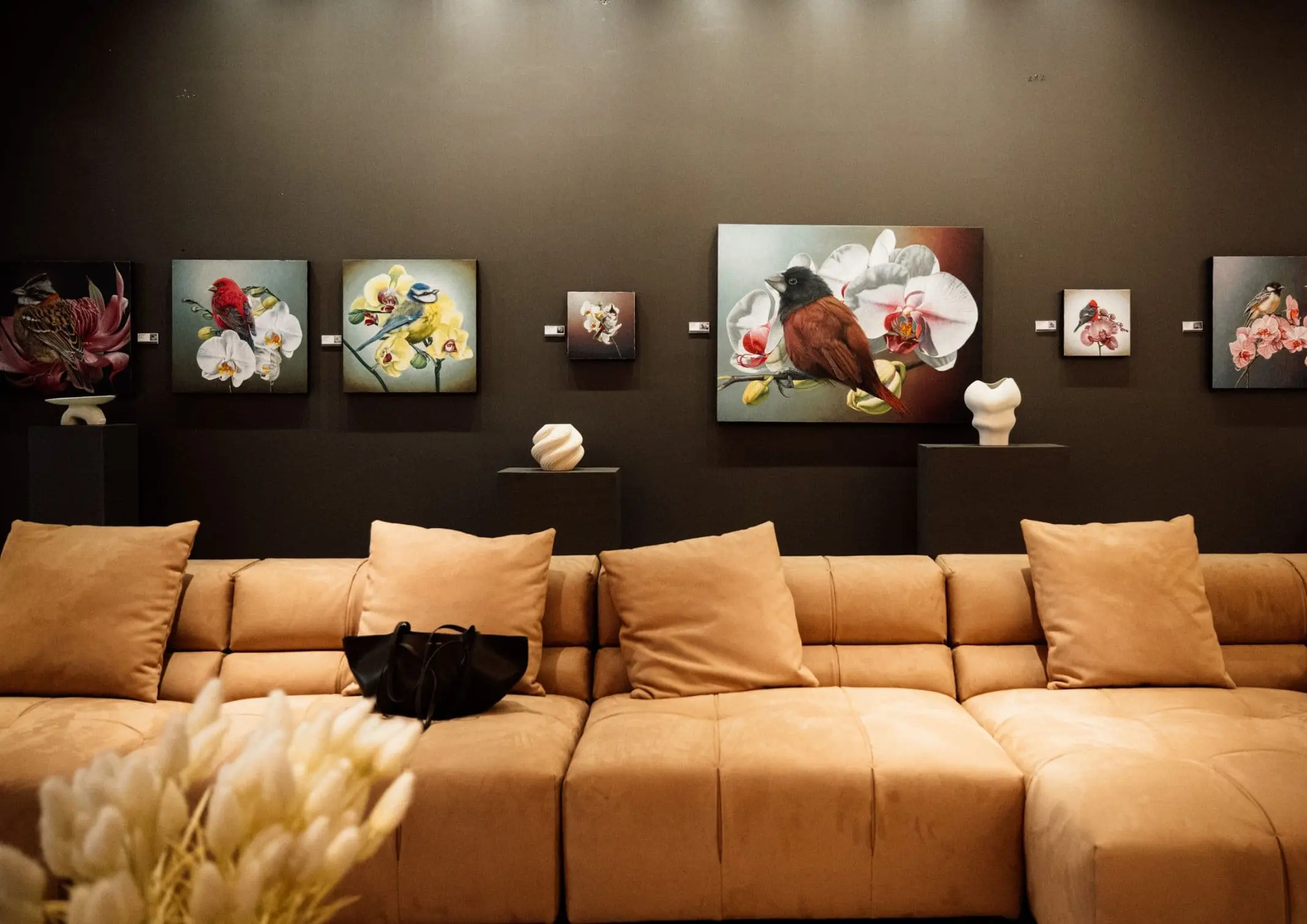
Art and furniture are often selected separately, yet their relationship can shape how a room looks and feels. The collaboration between Hooga and Galerie Joaquin explores how these elements can work together, bringing contemporary artworks into furnished residential settings at Hooga’s showroom in Uptown Mall, Bonifacio Global City. For Hooga, which curates furniture, lighting, and […]
Read the issues.

Collect the volumes.

Recommended Video
Tap to Unmute
Unmute
0:00
0:00