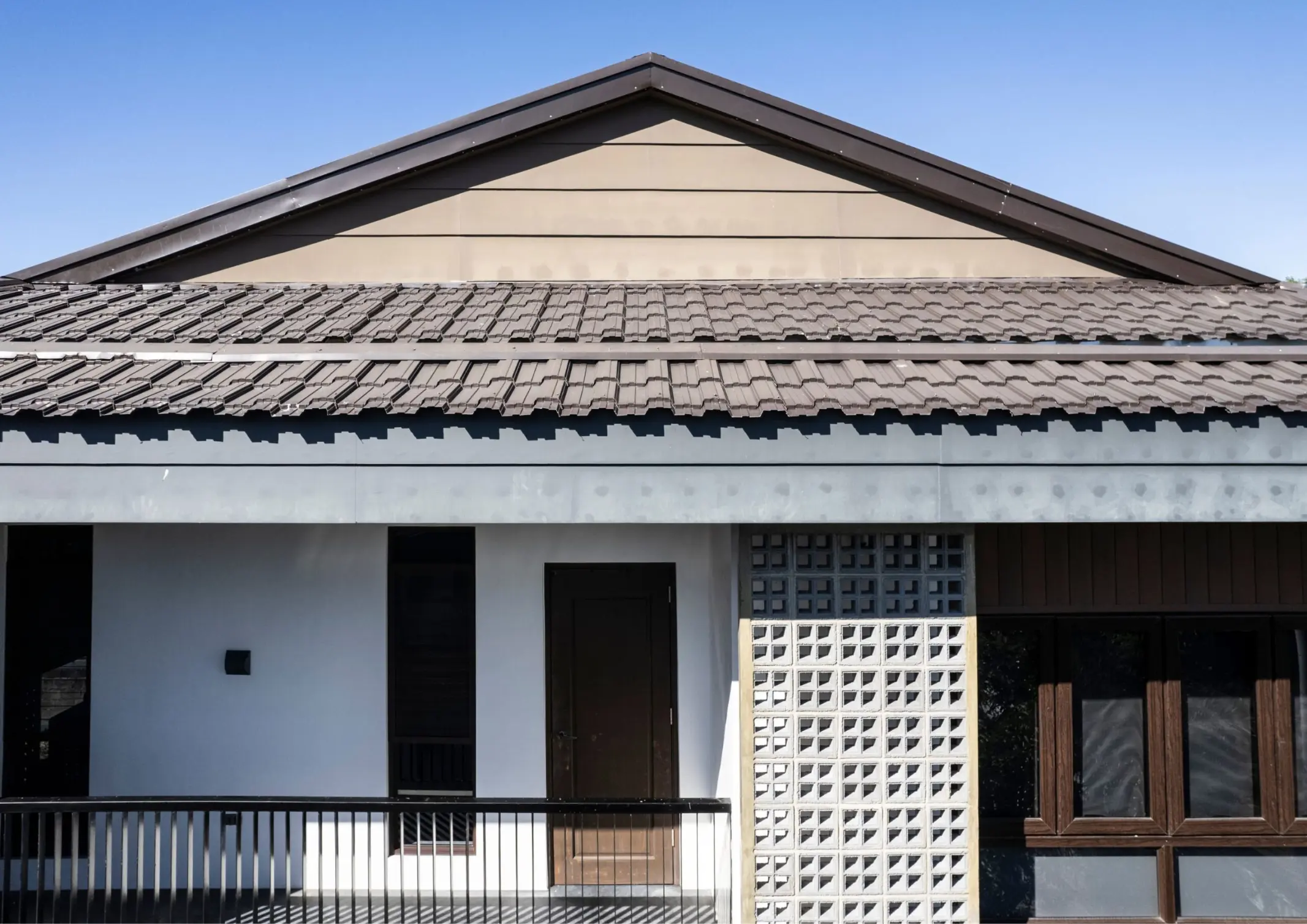
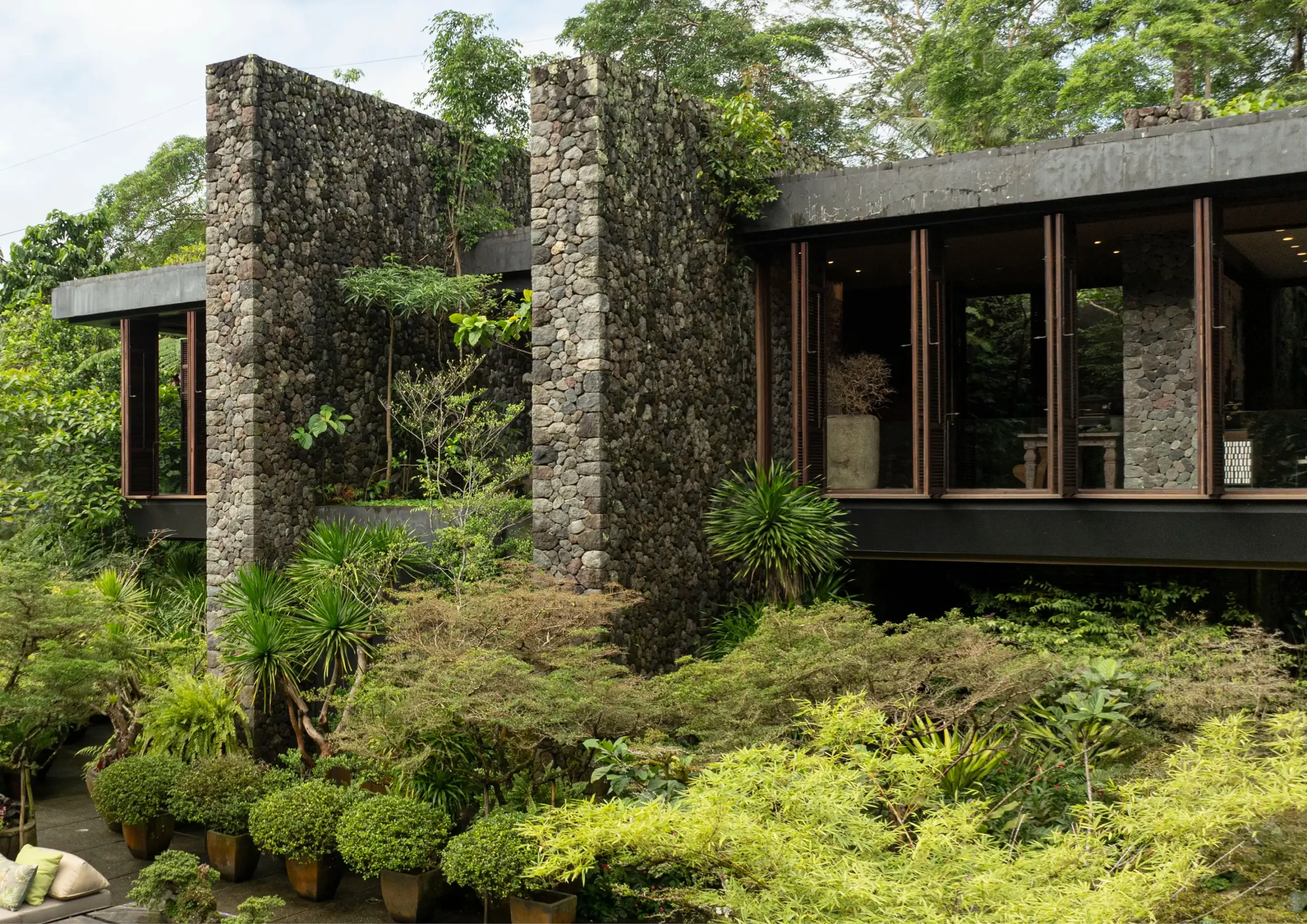
Nature has always been an integral part of human life. Even as urbanizcation and technology continuously shape our world, our innate connection to nature grows stronger at the same time. In interiors, this is usually in the form of biophilic design—a conscious effort to bring the outdoors in and create spaces that promote well-being and sustainability. That’s why this guide is here to show you the four simple ways of incorporating natural elements into your home.
Allow in Some Natural Light
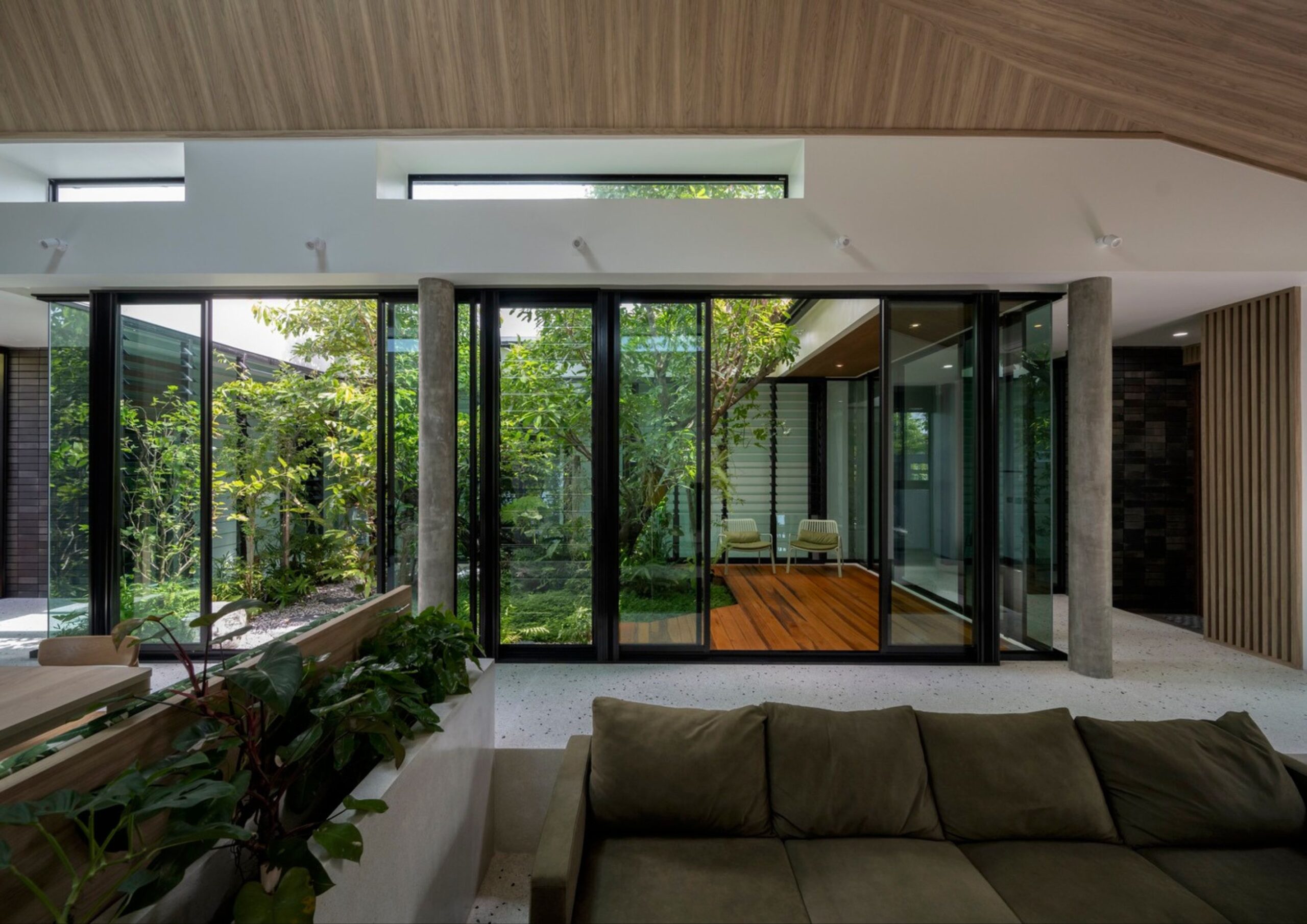
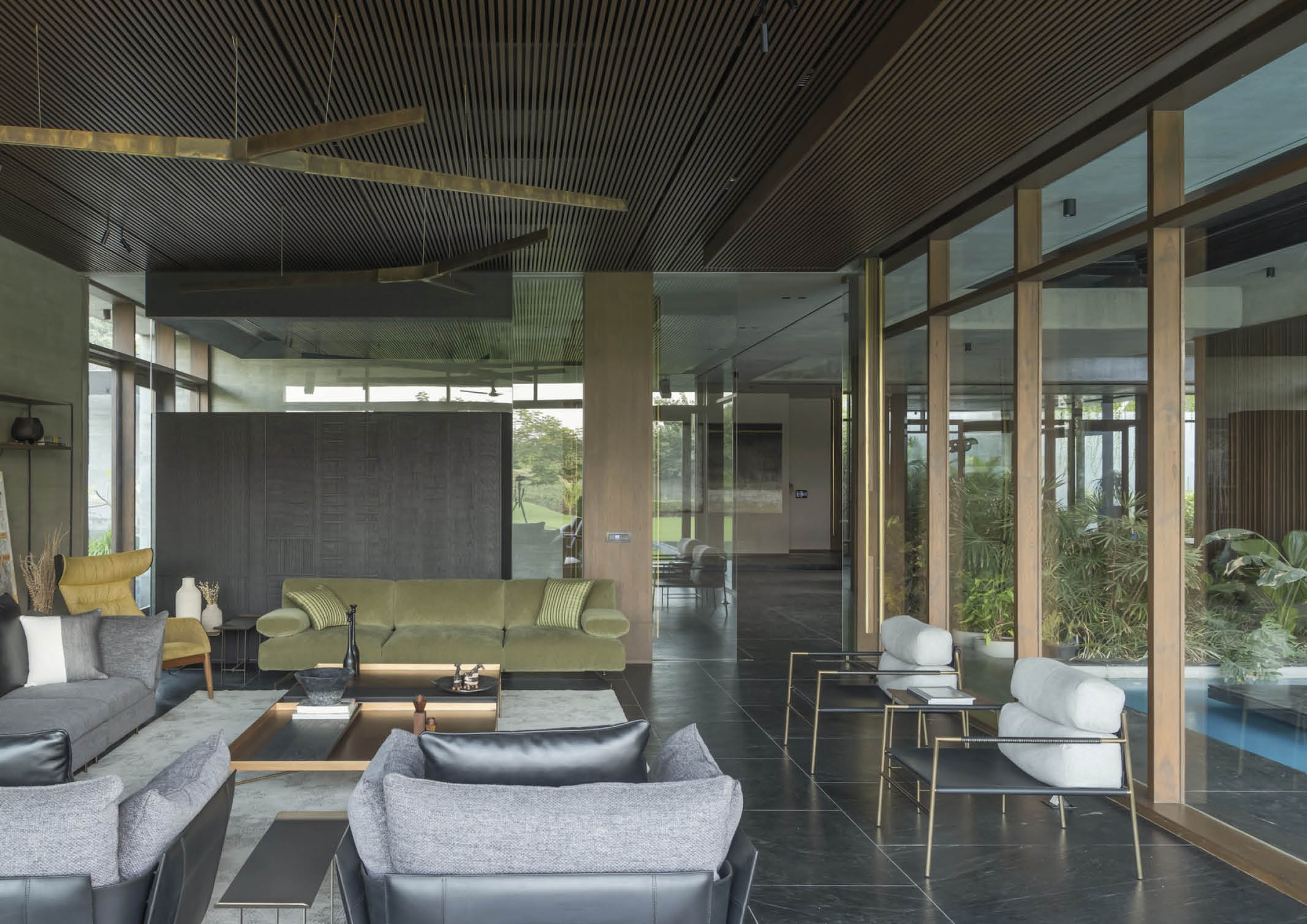
Photo by Kitty Bunag
Natural light can work wonders in transforming a room into a bright and inviting space. And to further optimize this in your home, you can explore these design techniques and modifications.
Light Window Treatments. Opt for white or light-colored curtains, sheers, or blinds to let in plenty of natural light while keeping your space private. These delicate window treatments diffuse light and create an airy feel as they let sunlight to filter through.
Mirrors. Mirrors make a space feel bigger by reflecting light and creating the illusion of depth. When placed strategically, they bounce natural and artificial light around the room, brightening dark corners and making the space appear more open and airy. Mirrors also visually extend the space by reflecting walls, furniture, and decor, giving the impression of more room than there actually is. For maximum impact, experiment with a large mirror or a collection of smaller mirrors.
Advertisement
Light-Colored Walls and Ceilings. Light colors reflect sunlight. When applied on large surfaces like walls and ceilings, these colors cause natural light to bounce around the room, distributing it evenly. White is a classic choice, but you can also opt for soft pastels and neutrals.
Strategic Furniture Placement. Avoid obstructing windows with larger furniture pieces like sofas, bookshelves, or entertainment centers. Instead, position them perpendicular to the windows to allow light to reach deeper into the room. For smaller pieces like side tables, you can utilize corners to further free up wall space.
Integrate Biophilic Colors
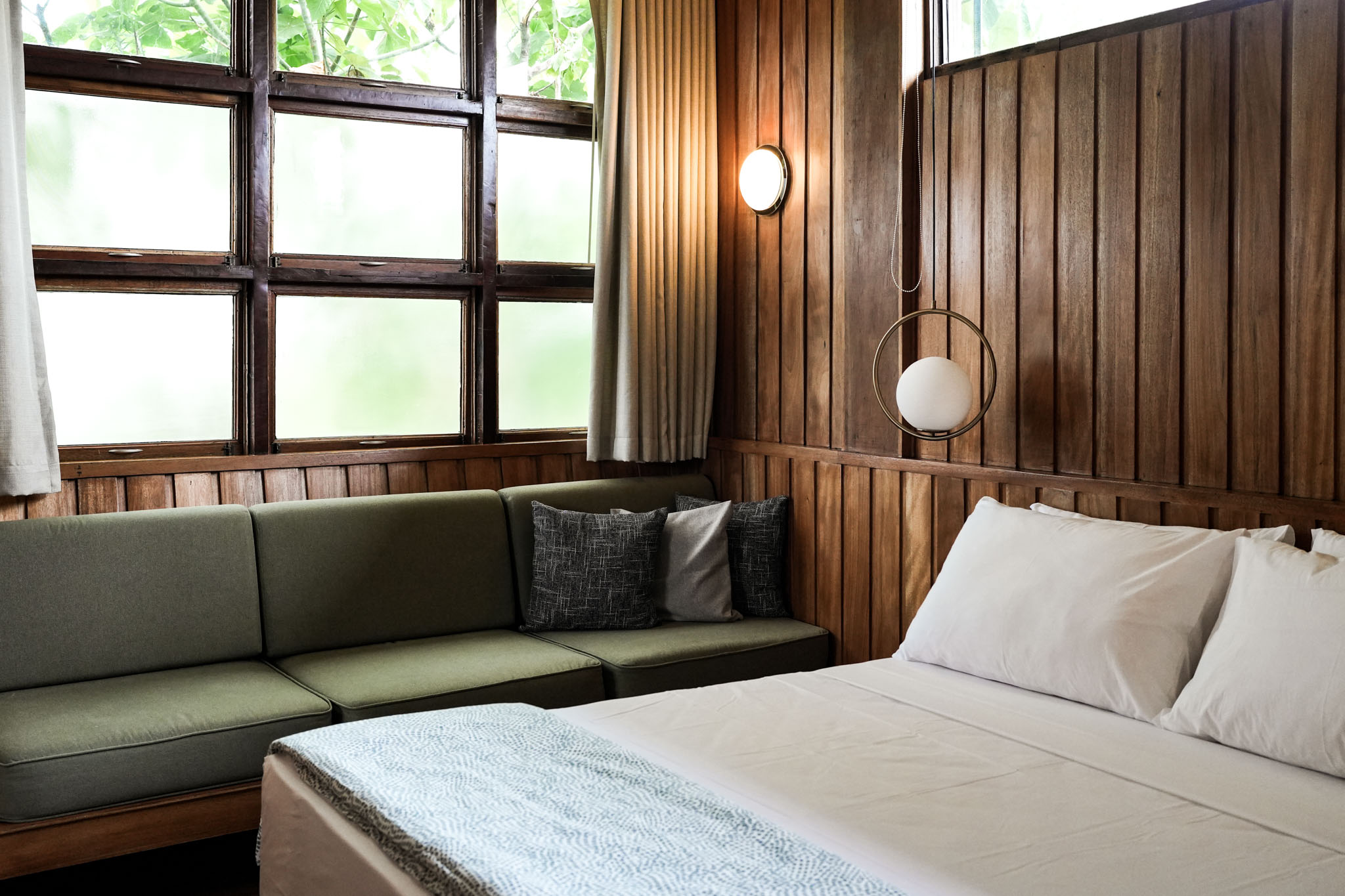
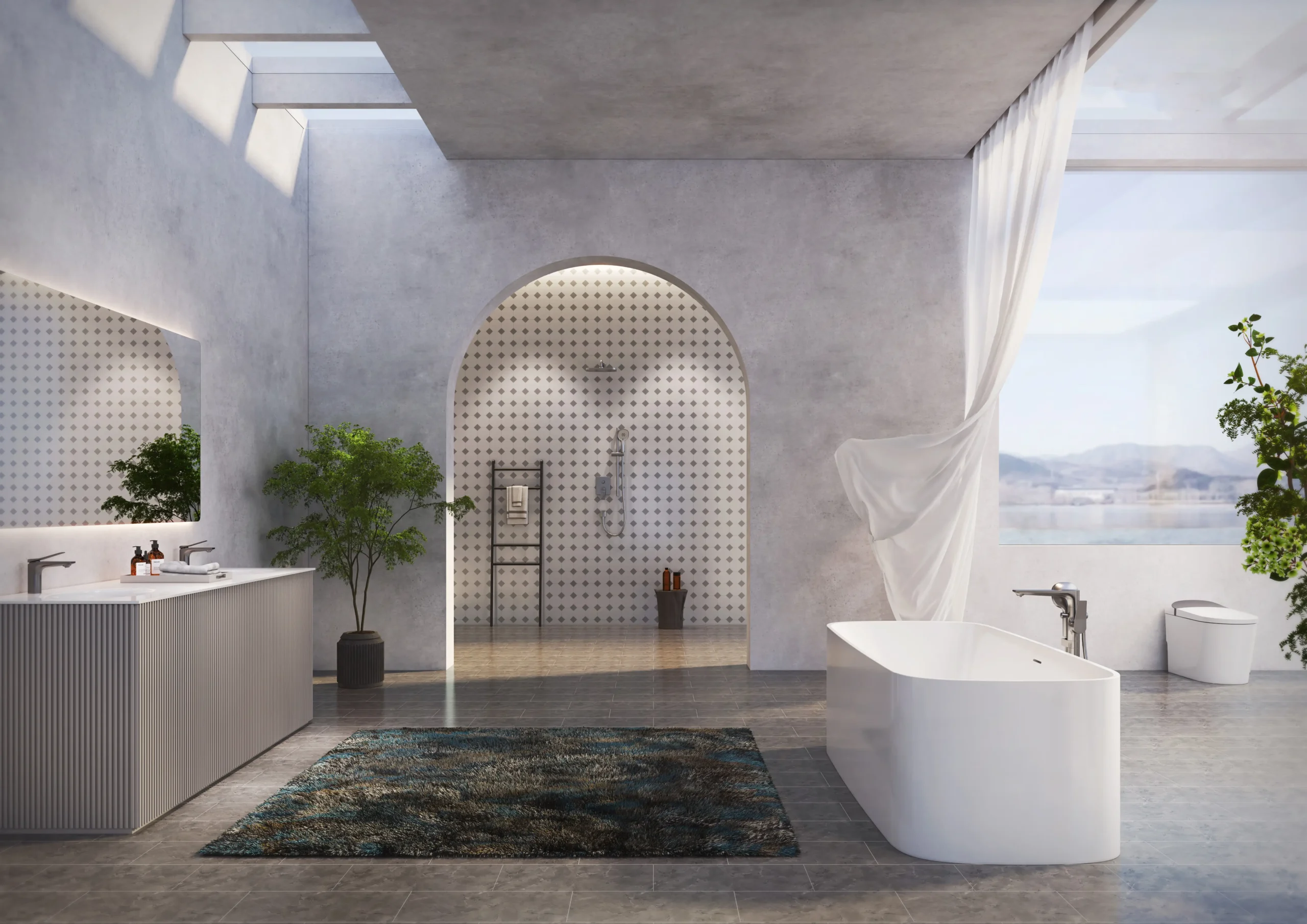
Photo by Do Sy
Even if you lack typical natural elements like wood pieces or indoor plants, biophilic colors can still evoke a visual and emotional connection to nature. The trick is to build a color scheme inspired by the scenic views of natural landscapes.
Advertisement
Begin with earth colors as the base. Soft browns, taupes, olives, sandy beiges, soft whites, and light grays mimic the hues of soil, rock, and vegetation. Simply mimicking nature’s abundant colors helps establish familiarity and balance in your space. These colors also anchor the interior to provide a solid foundation for introducing more vibrant hues and contrasting elements in the future. Earth tones can be used extensively throughout a space, such as on walls, floors, and anchor furniture pieces. But they can also serve as a versatile base for fabrics and decorative items.
After forming your base color, it’s time to introduce vibrant pops of other nature-inspired hues. Accent colors introduce a palette beyond the earthy tones, incorporating colors like blue, yellow, orange, and red. You may use them to highlight specific areas of the room like accent walls or awkward corners. They can also be on smaller items such as rugs, artwork, throw pillows or lamps.
Add Natural Scents
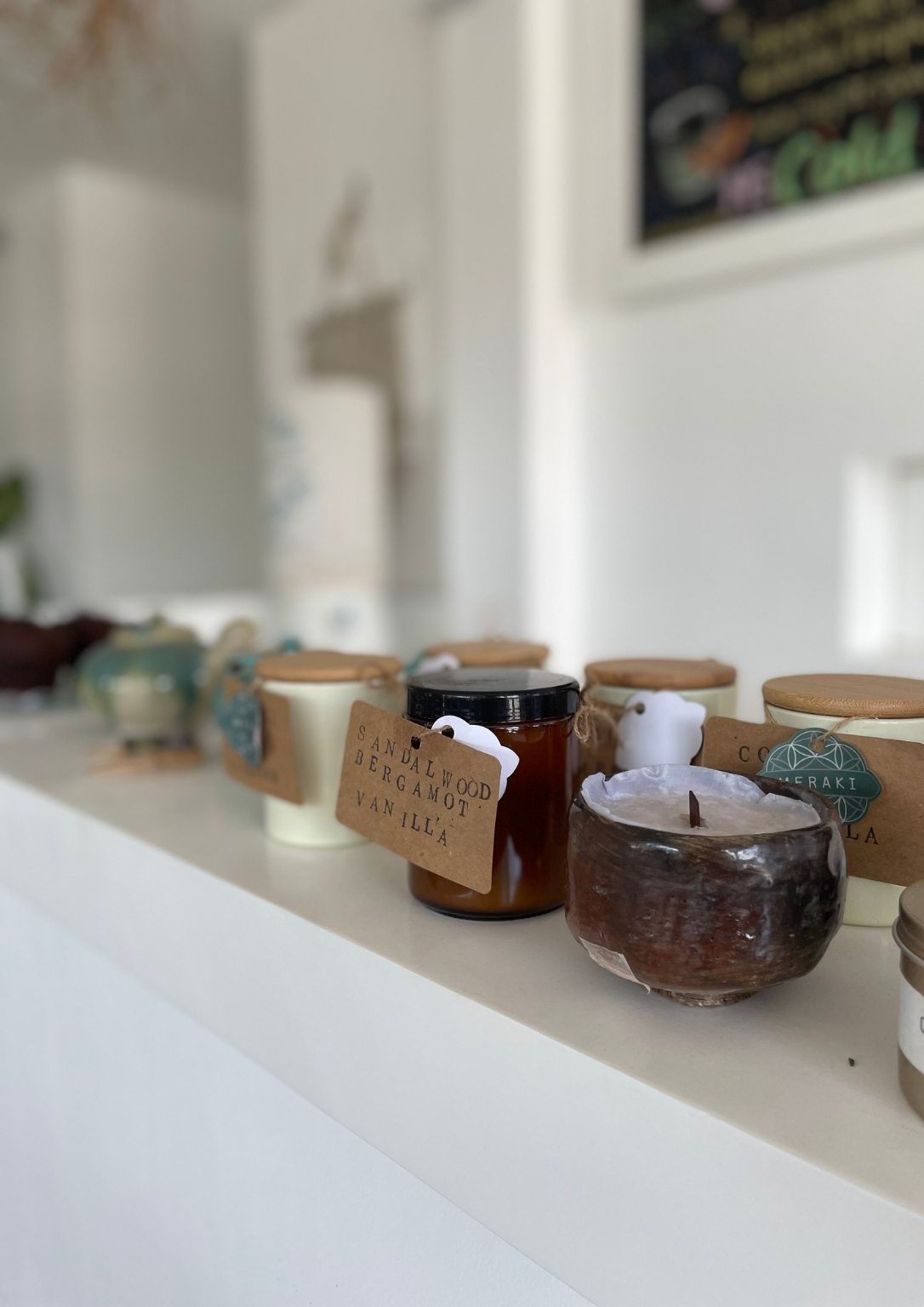
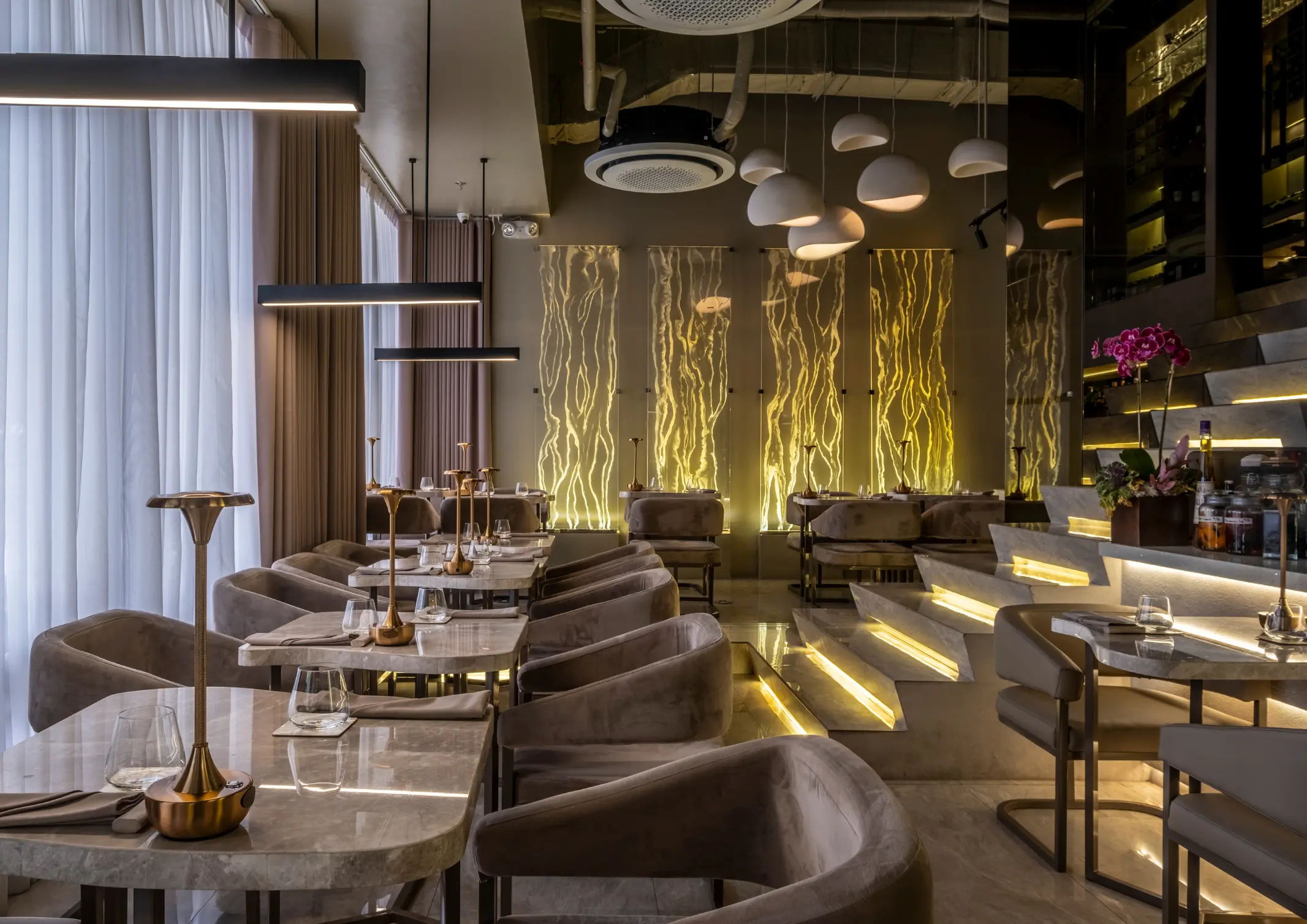
Photo courtesy of Carisa Magno and The Beachbaby Cafe
Aside from tangible natural elements, incorporating natural scents is another simple way to bring biophilic design’s essence into your home. These aromas not only stimulate memories, emotions, and senses but also induce a soothing atmosphere.
Advertisement
The most natural approach to this is arranging fresh plants and flowers arranged in bouquets or simply placing them in vases. They can be herbs like rosemary, mint, and basil or fragrant blossoms such as roses, lavender, and jasmine.
But if you want scents that last longer, opt for scented candles made of natural wax or essential oils with citrus, floral, woody, or herbal fragrances.
Layer Your Current Natural Materials
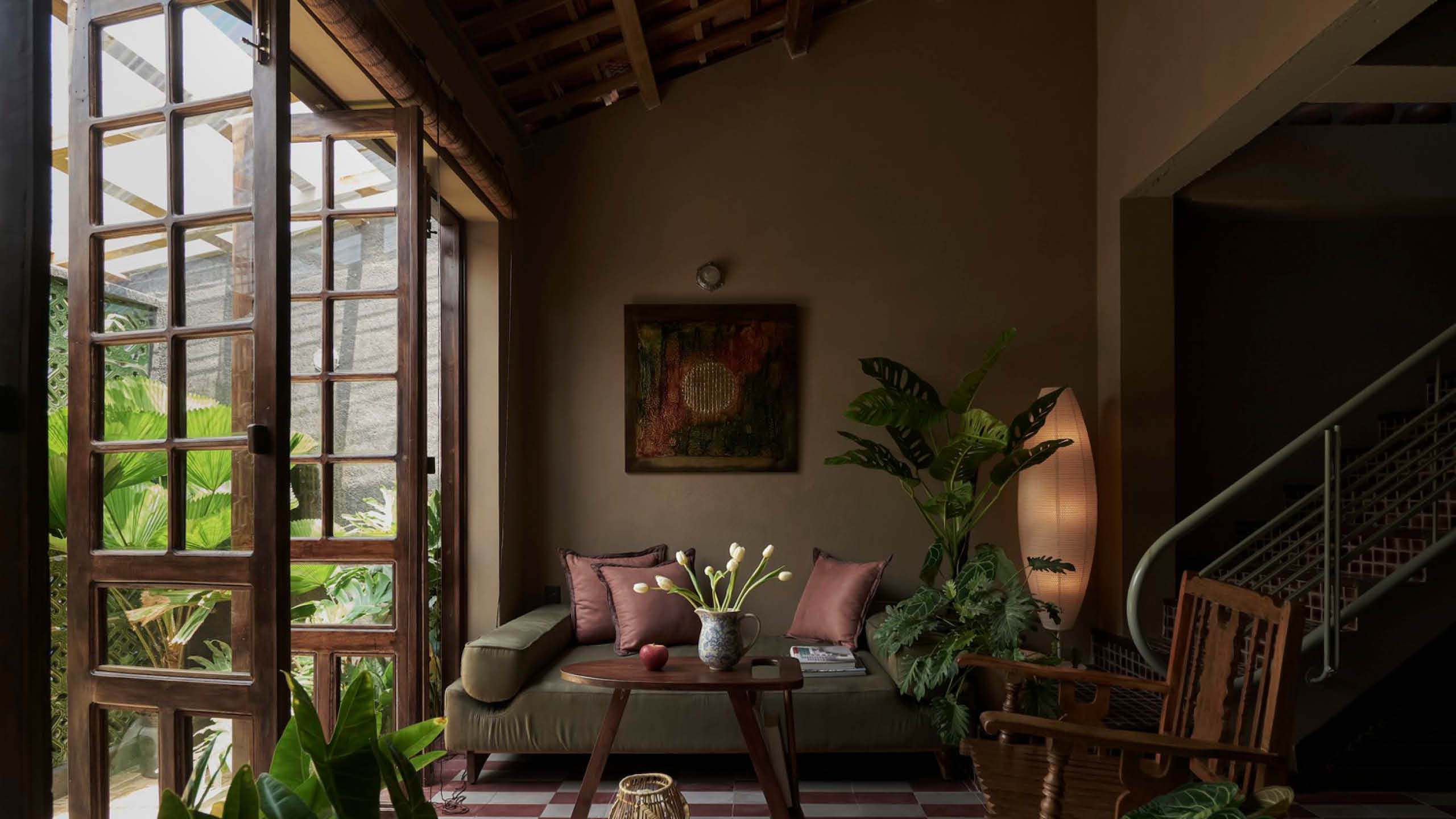
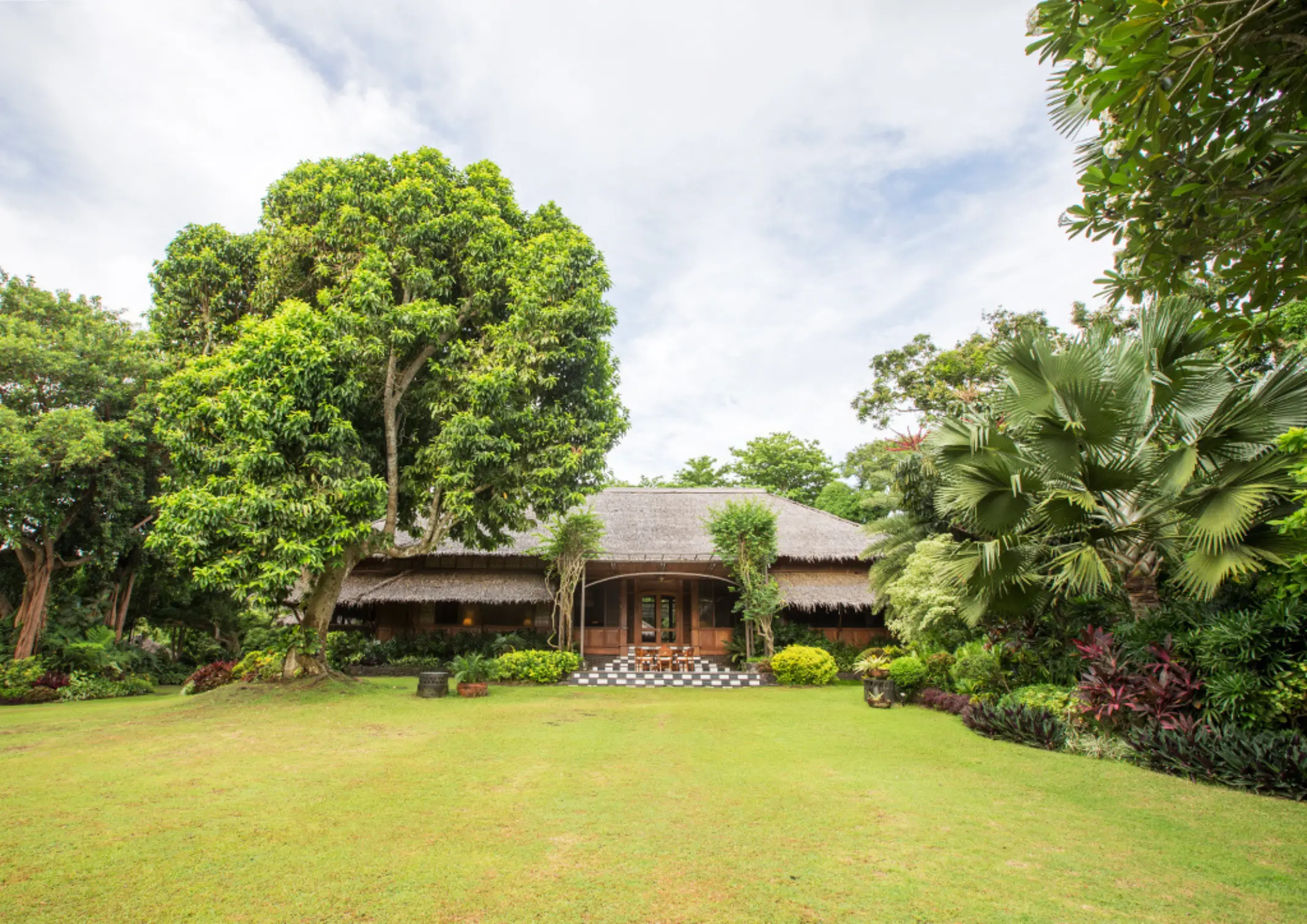
Photo from MODO Designs
You might already have items and areas in your home made of wood, stone, metal, textile, clay, and plants. While these pieces are a great start, effectively incorporating natural elements requires a more layered approach. And there are three common techniques to do that.
Advertisement
Textural Contrast. This applies to similar and different types of natural materials. For example, you may pair a spalted maple coffee table with polished walnut stools. Or choose chandeliers and lighting fixtures with alabaster stone or ornate metal detailing.
Color Play. This can be achieved by manipulating colors within similar materials or through mixing different materials with similar or varying palettes. For instance, you may utilize warm oak for flooring and dark cedar furniture or display aluminum decor with gold, silver, and copper accents. You may also decorate a room with stone, wood, textiles, and ceramics with different shades of white. Contrarily, you can experiment in incorporating different natural materials with different colors, too.
Scale and Proportion. This is the key to building a harmoniously and visually pleasing interior despite having diverse natural materials. Large-scale pieces typically serve as the room’s focal point and either creates balance or hierarchy among other items. A large woven rattan rug can be balanced by wool ottomans. Meanwhile, a low-lying leather sofa and metal side tables with clay vases can complement and support massive wooden wall art.
Advertisement
There are multitudes of ways to incorporate natural elements into your home. But it doesn’t have to be as complex as a full-scale botanical garden to embody a biophilic design. With these four simple ways, you can equally encapsulate a deeper connection to nature within your living space.
Modern bathrooms are no longer purely functional spaces. Increasingly, they are being designed as environments that support cleanliness, ease, and quiet restoration within the home. As daily life becomes more demanding and health awareness continues to rise, homeowners are beginning to expect more from the spaces where daily rituals begin and end. For architects and […]
From the moment a diner steps through the door, each detail shapes how a meal is experienced. Restaurant design has evolved, with architects and culinary professionals collaborating to create built spaces that are as intentional as the menu itself. The spatial atmosphere acts as an additional ingredient that can define the culinary experience. Taupe and […]
With climate change and global warming, the Philippine climate is in constant evolution. Consequently, it is important for Filipinos to have living spaces that respond to the local environment. In this article, BluPrint lists down Filipino architects who are reimagining the tropical house, aligning the built and natural environment. BAAD Studio Principal architects Benjee Mendoza […]
Ventilation involves the introduction of outdoor air into a room, providing occupants with their needs. Proper ventilation allows for the moderation of internal temperatures, the creation of better airflow, the dilution of carbon dioxide to acceptable levels, and the removal of contaminants. This addresses health risks associated with indoor air pollution, such as respiratory problems […]
WORLDBEX 2026, running from March 12 to 15, 2026, proves itself as the Philippines’ leading construction and design expo as it wrapped its 29th edition. It drew together 1,000 local and international exhibitors under one theme, “Building Opportunities: Sustaining Lives.” Organized by Worldbex Services International (WSI), in support of the ABS-CBN Foundation Inc., the event […]
Located near the equator, factors such as heat and humidity are the norm in the Philippines. This tropical climate has shaped the development of architecture in the country. As Leandro V. Locsin stated: “The first consideration of the Filipino builder and certainly the most evident in his architecture, which is after all an outgrowth of […]