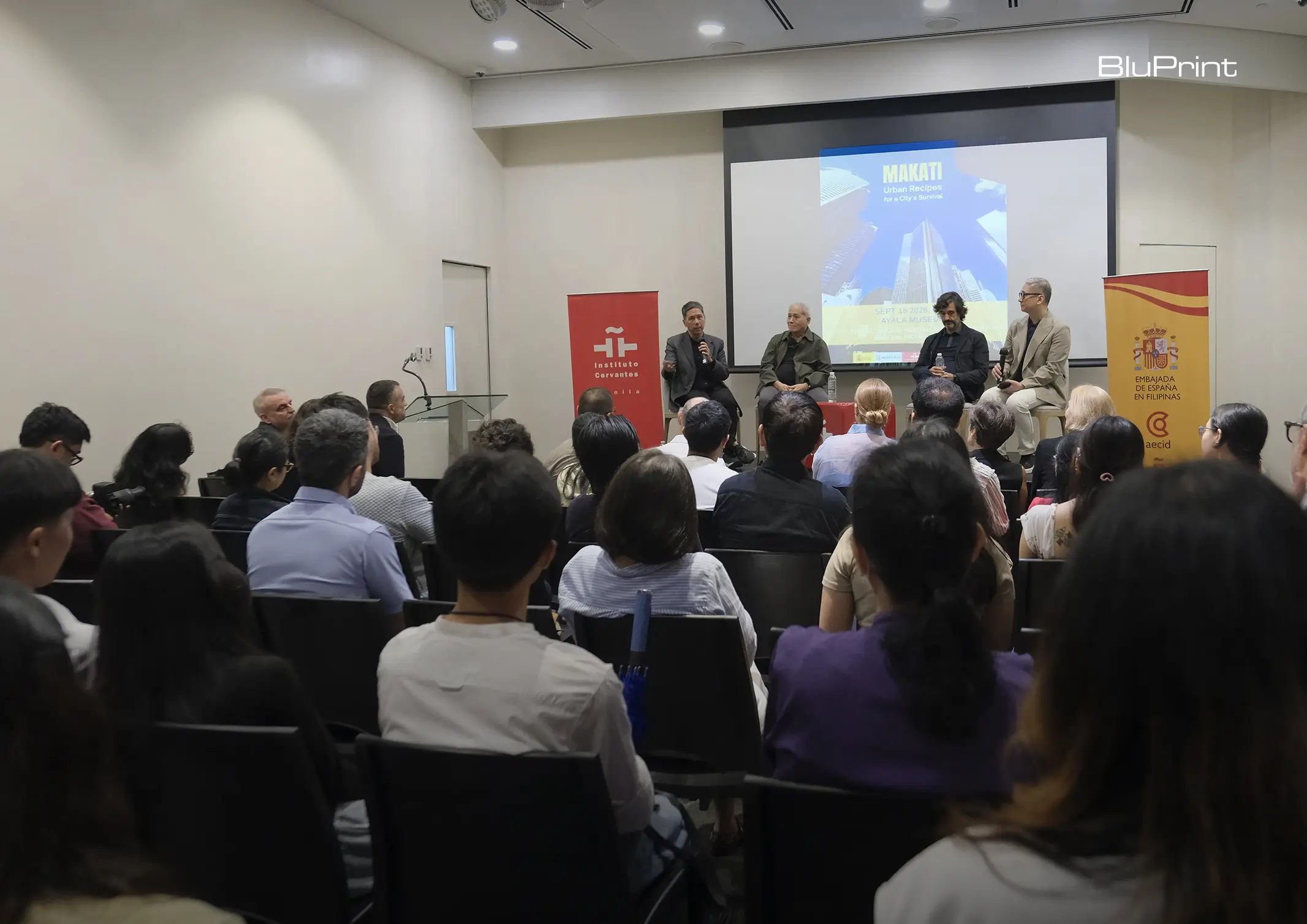
How can better-planned cities create the conditions for more creative, livable, and resilient urban environments? “Makati Urban Recipes for a City’s Survival,” a colloquium held at the Ayala Museum on September 15, brought together architects and practitioners from the fields of urbanism and the creative economy to discuss how design, planning, and collaboration can address […]
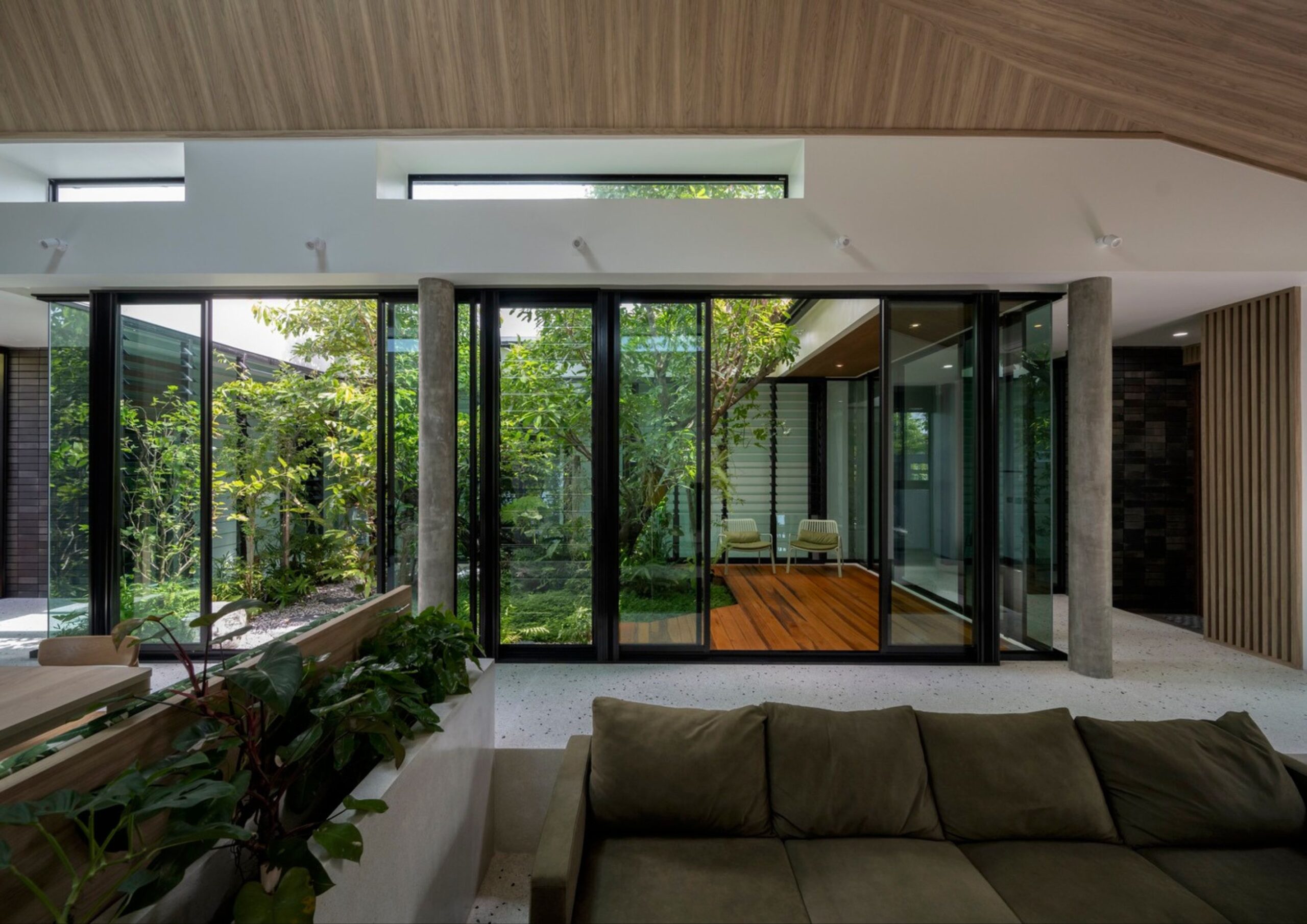
4 Ways to Incorporate Natural Elements into Your Home



Nature has always been an integral part of human life. Even as urbanizcation and technology continuously shape our world, our innate connection to nature grows stronger at the same time. In interiors, this is usually in the form of biophilic designBiophilic DesignAn approach that strengthens the connection between people and nature within the built environment. It uses daylight, natural ventilation, plants, water, organic forms, and natural materials to improve wellbeing, focus,Go to Biophilic Design Glossary—a conscious effort to bring the outdoors in and create spaces that promote well-being and sustainability. That’s why this guide is here to show you the four simple ways of incorporating natural elements into your home.
Allow in Some Natural Light
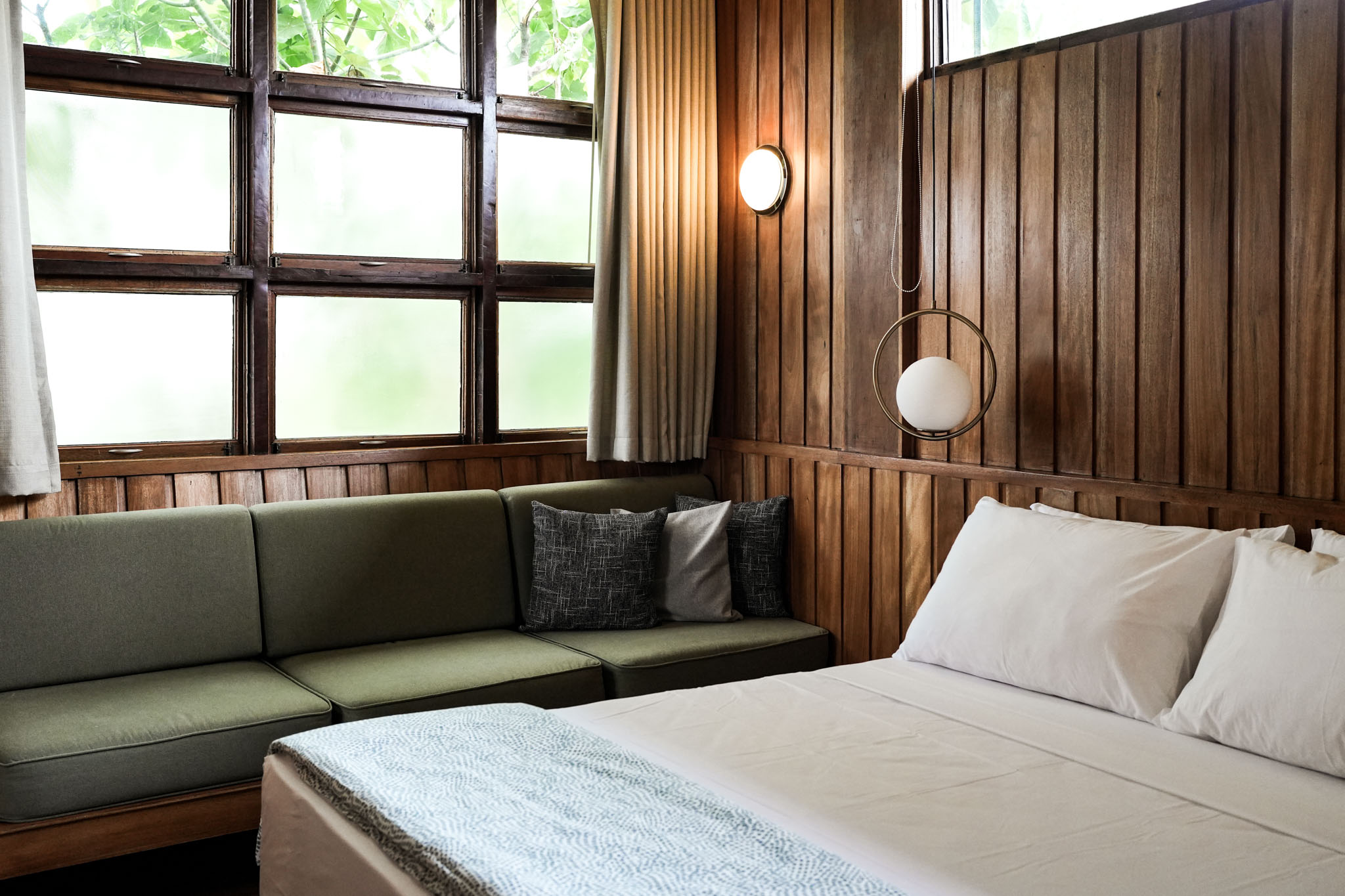
Natural light can work wonders in transforming a room into a bright and inviting space. And to further optimize this in your home, you can explore these design techniques and modifications.
Light Window Treatments. Opt for white or light-colored curtains, sheers, or blinds to let in plenty of natural light while keeping your space private. These delicate window treatments diffuse light and create an airy feel as they let sunlight to filter through.
Mirrors. Mirrors make a space feel bigger by reflecting light and creating the illusion of depth. When placed strategically, they bounce natural and artificial light around the room, brightening dark corners and making the space appear more open and airy. Mirrors also visually extend the space by reflecting walls, furniture, and decor, giving the impression of more room than there actually is. For maximum impact, experiment with a large mirror or a collection of smaller mirrors.
Light-Colored Walls and Ceilings. Light colors reflect sunlight. When applied on large surfaces like walls and ceilings, these colors cause natural light to bounce around the room, distributing it evenly. White is a classic choice, but you can also opt for soft pastels and neutrals.
Strategic Furniture Placement. Avoid obstructing windows with larger furniture pieces like sofas, bookshelves, or entertainment centers. Instead, position them perpendicular to the windows to allow light to reach deeper into the room. For smaller pieces like side tables, you can utilize corners to further free up wall space.
Integrate Biophilic Colors
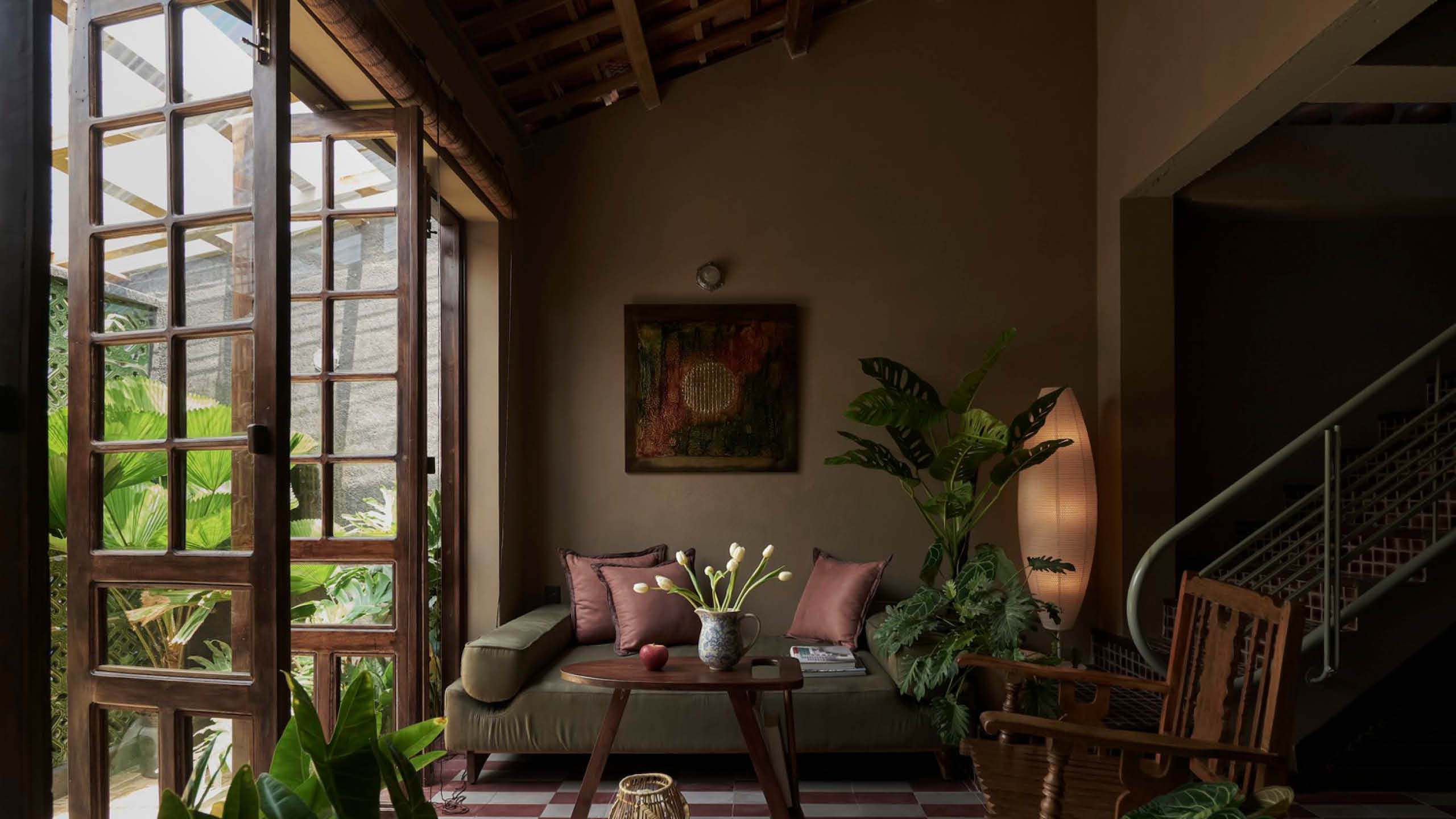
Even if you lack typical natural elements like wood pieces or indoor plants, biophilic colors can still evoke a visual and emotional connection to nature. The trick is to build a color scheme inspired by the scenic views of natural landscapes.
Begin with earth colors as the base. Soft browns, taupes, olives, sandy beiges, soft whites, and light grays mimic the hues of soil, rock, and vegetation. Simply mimicking nature’s abundant colors helps establish familiarity and balance in your space. These colors also anchor the interior to provide a solid foundation for introducing more vibrant hues and contrasting elements in the future. Earth tones can be used extensively throughout a space, such as on walls, floors, and anchor furniture pieces. But they can also serve as a versatile base for fabrics and decorative items.
After forming your base color, it’s time to introduce vibrant pops of other nature-inspired hues. Accent colors introduce a palette beyond the earthy tones, incorporating colors like blue, yellow, orange, and red. You may use them to highlight specific areas of the room like accent walls or awkward corners. They can also be on smaller items such as rugs, artwork, throw pillows or lamps.
Add Natural Scents
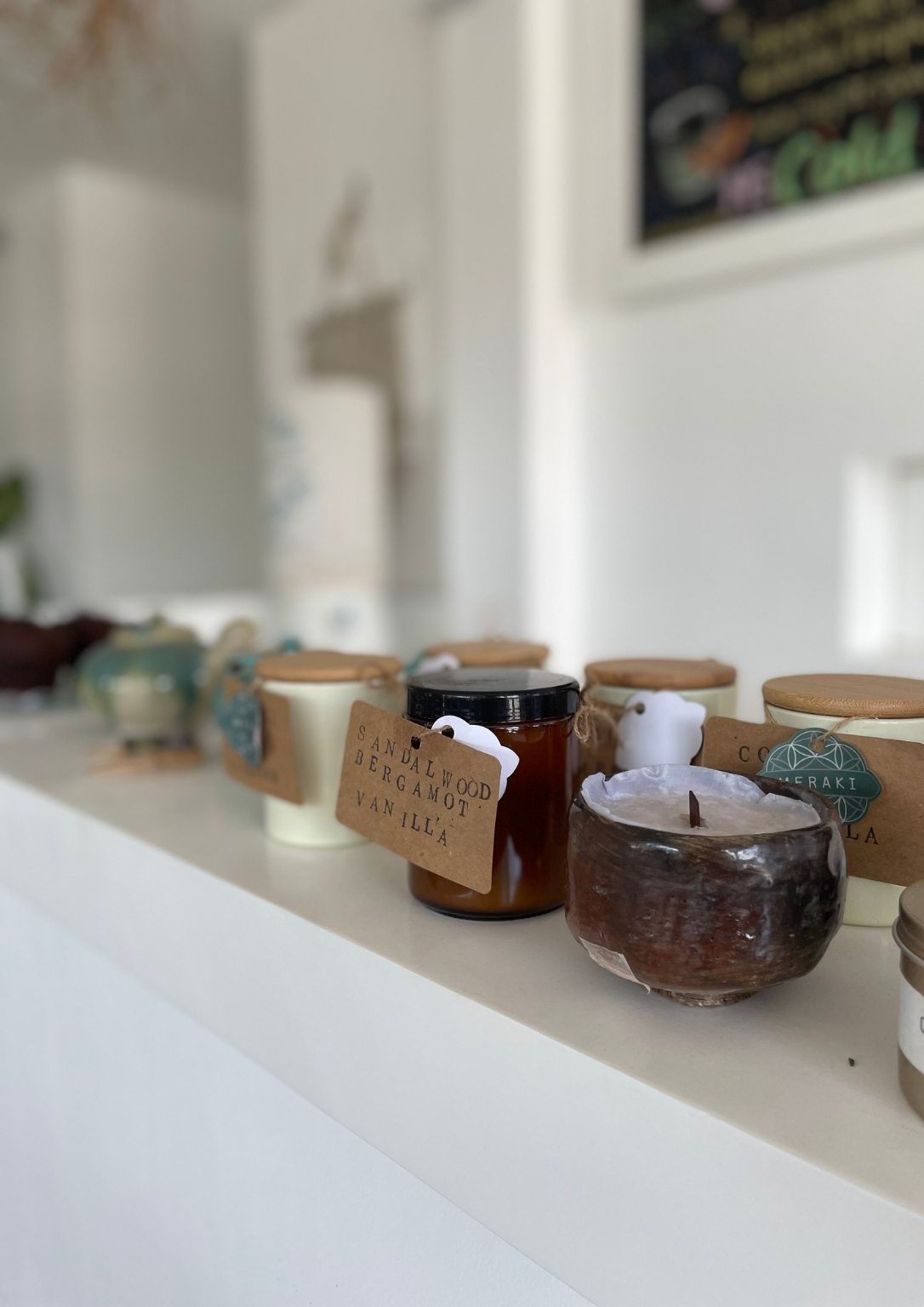
Aside from tangible natural elements, incorporating natural scents is another simple way to bring biophilic designBiophilic DesignAn approach that strengthens the connection between people and nature within the built environment. It uses daylight, natural ventilation, plants, water, organic forms, and natural materials to improve wellbeing, focus,Go to Biophilic Design Glossary’s essence into your home. These aromas not only stimulate memories, emotions, and senses but also induce a soothing atmosphere.
The most natural approach to this is arranging fresh plants and flowers arranged in bouquets or simply placing them in vases. They can be herbs like rosemary, mint, and basil or fragrant blossoms such as roses, lavender, and jasmine.
But if you want scents that last longer, opt for scented candles made of natural wax or essential oils with citrus, floral, woody, or herbal fragrances.
Layer Your Current Natural Materials
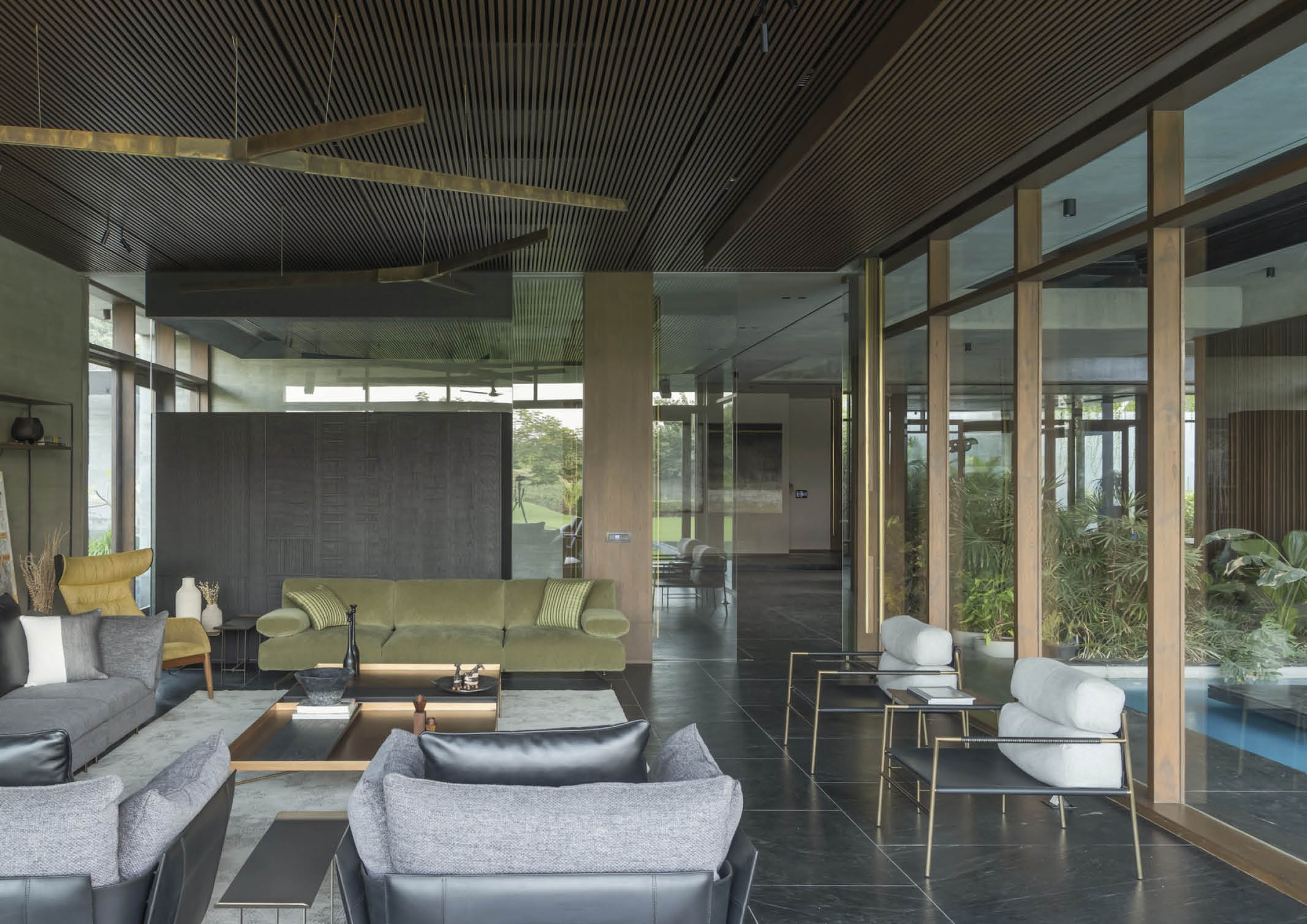
You might already have items and areas in your home made of wood, stone, metal, textile, clay, and plants. While these pieces are a great start, effectively incorporating natural elements requires a more layered approach. And there are three common techniques to do that.
Textural Contrast. This applies to similar and different types of natural materials. For example, you may pair a spalted maple coffee table with polished walnut stools. Or choose chandeliers and lighting fixtures with alabaster stone or ornate metal detailing.
Color Play. This can be achieved by manipulating colors within similar materials or through mixing different materials with similar or varying palettes. For instance, you may utilize warm oak for flooring and dark cedar furniture or display aluminum decor with gold, silver, and copper accents. You may also decorate a room with stone, wood, textiles, and ceramics with different shades of white. Contrarily, you can experiment in incorporating different natural materials with different colors, too.
Scale and Proportion. This is the key to building a harmoniously and visually pleasing interior despite having diverse natural materials. Large-scale pieces typically serve as the room’s focal point and either creates balance or hierarchy among other items. A large woven rattanRattanA flexible, climbing palm native to tropical Asia, whose strong, lightweight canes are woven and bent into furniture, baskets, and lighting. The Philippines, especially Cebu, is renowned for rattan craftsmanship,Go to Rattan Glossary rug can be balanced by wool ottomans. Meanwhile, a low-lying leather sofa and metal side tables with clay vases can complement and support massive wooden wall art.
There are multitudes of ways to incorporate natural elements into your home. But it doesn’t have to be as complex as a full-scale botanical garden to embody a biophilic designBiophilic DesignAn approach that strengthens the connection between people and nature within the built environment. It uses daylight, natural ventilation, plants, water, organic forms, and natural materials to improve wellbeing, focus,Go to Biophilic Design Glossary. With these four simple ways, you can equally encapsulate a deeper connection to nature within your living space.
Read more: Ultimate Guide to Best Sustainable Fabrics for a Greener Home
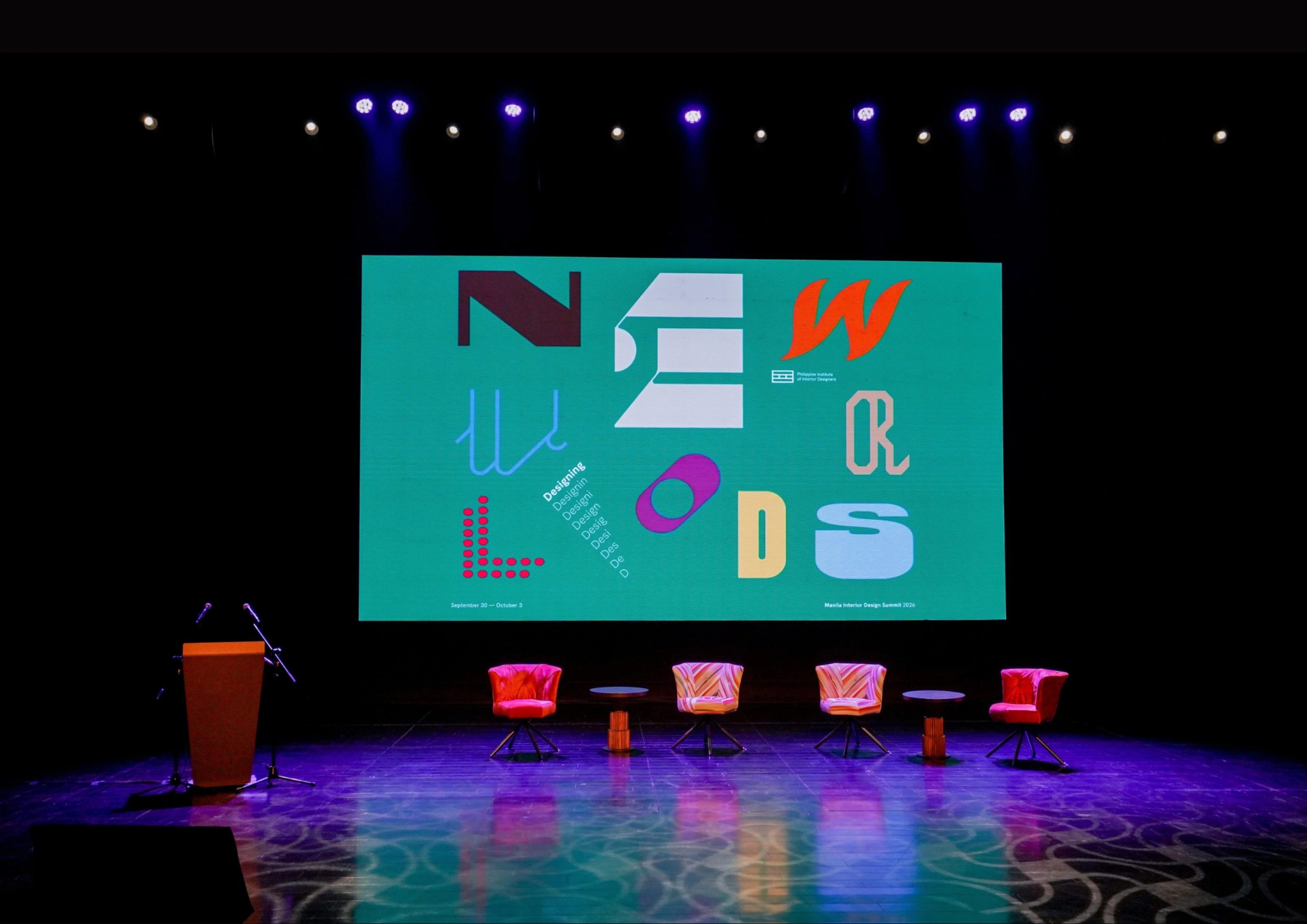
The fourth Manila Interior DesignInterior DesignThe discipline of planning and shaping interior spaces for function, comfort, safety, and beauty. It covers layout, lighting, materials, finishes, furniture, and color, and in the Philippines is a licensedGo to Interior Design Glossary Summit (MIDS) brought together more than 300 delegates for four days of conversations, exhibitions, and design […]
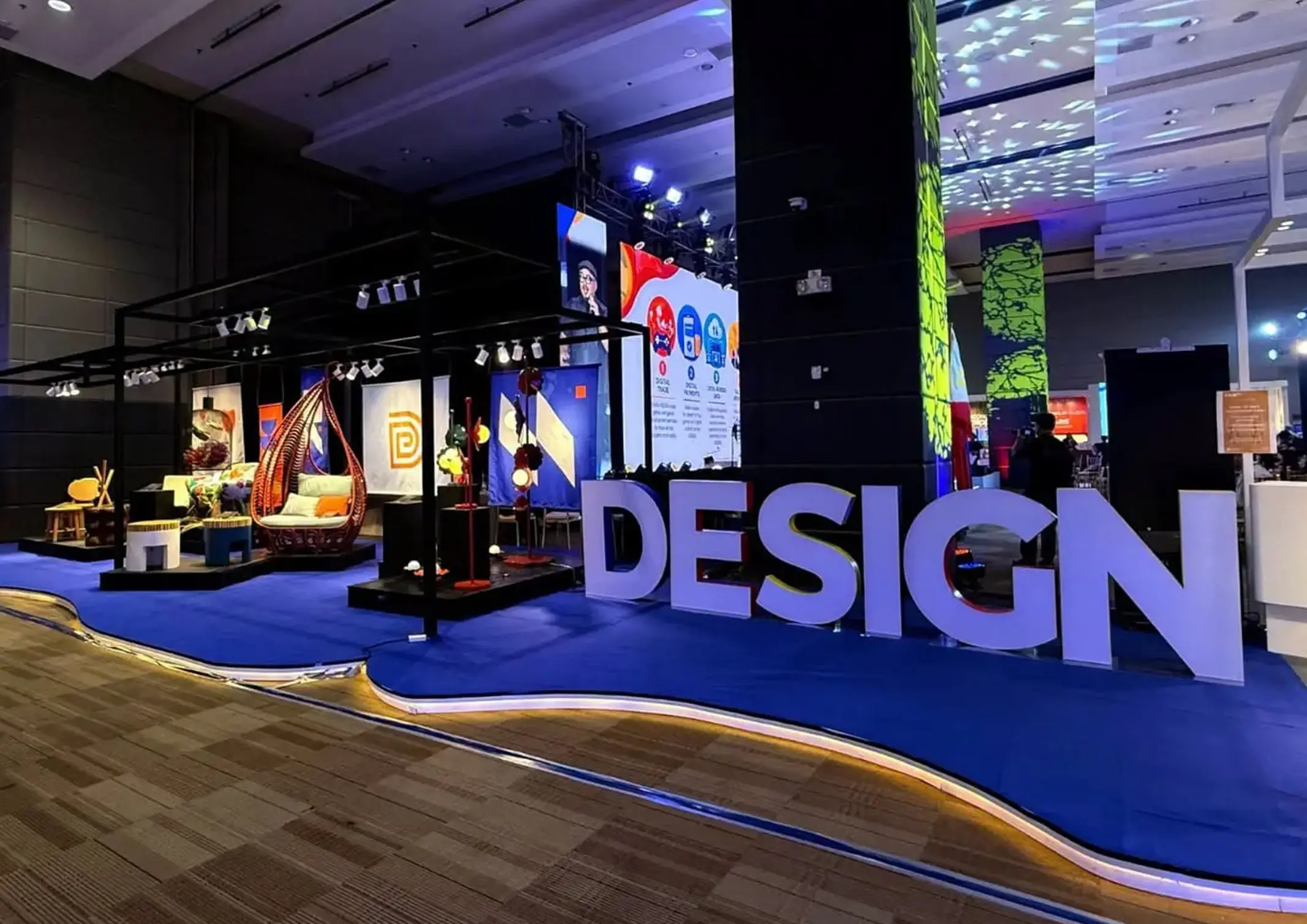
Held at the SMX Convention Center Aura in Taguig City, the first ASEAN Creative Industries Expo by Malikhaing Pinoy (ASEAN MPEx) features nine creative domains, including design, visual arts, digital interactive media, and performing arts. Organized by the Department of Trade and Industry (DTI), the event includes exhibitions, cultural performances, industry talks, and pitching sessions […]
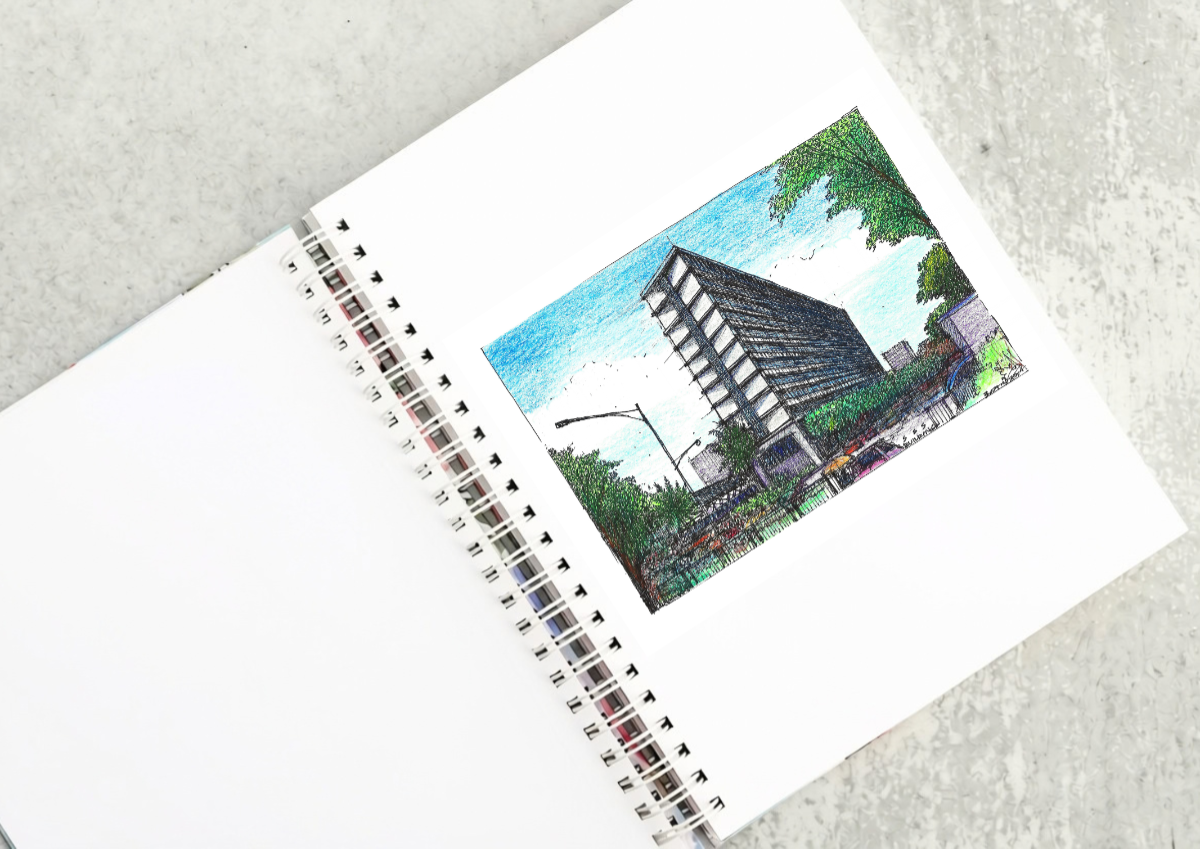
The SSS Building as an Expression of Civic Modernism My favorite modernist landmark in Quezon City is the SSS building on East Avenue. Designed by National Artist for ArchitectureArchitectureThe art and science of designing and constructing buildings, structures, and spaces that are functional, safe, and aesthetically pleasing. It encompasses the planning, design, materials, and techniques […]

Archie G. Carrasco, Chairman and CEO of AGC Power Holdings Corp. (AGC PHC), has been named to The BoF 500 Class of 2026 under the Media category, joining The Business of Fashion’s global community of individuals shaping the fashion industry. Carrasco is among 100 new members from 33 countries and 48 nationalities selected for the […]
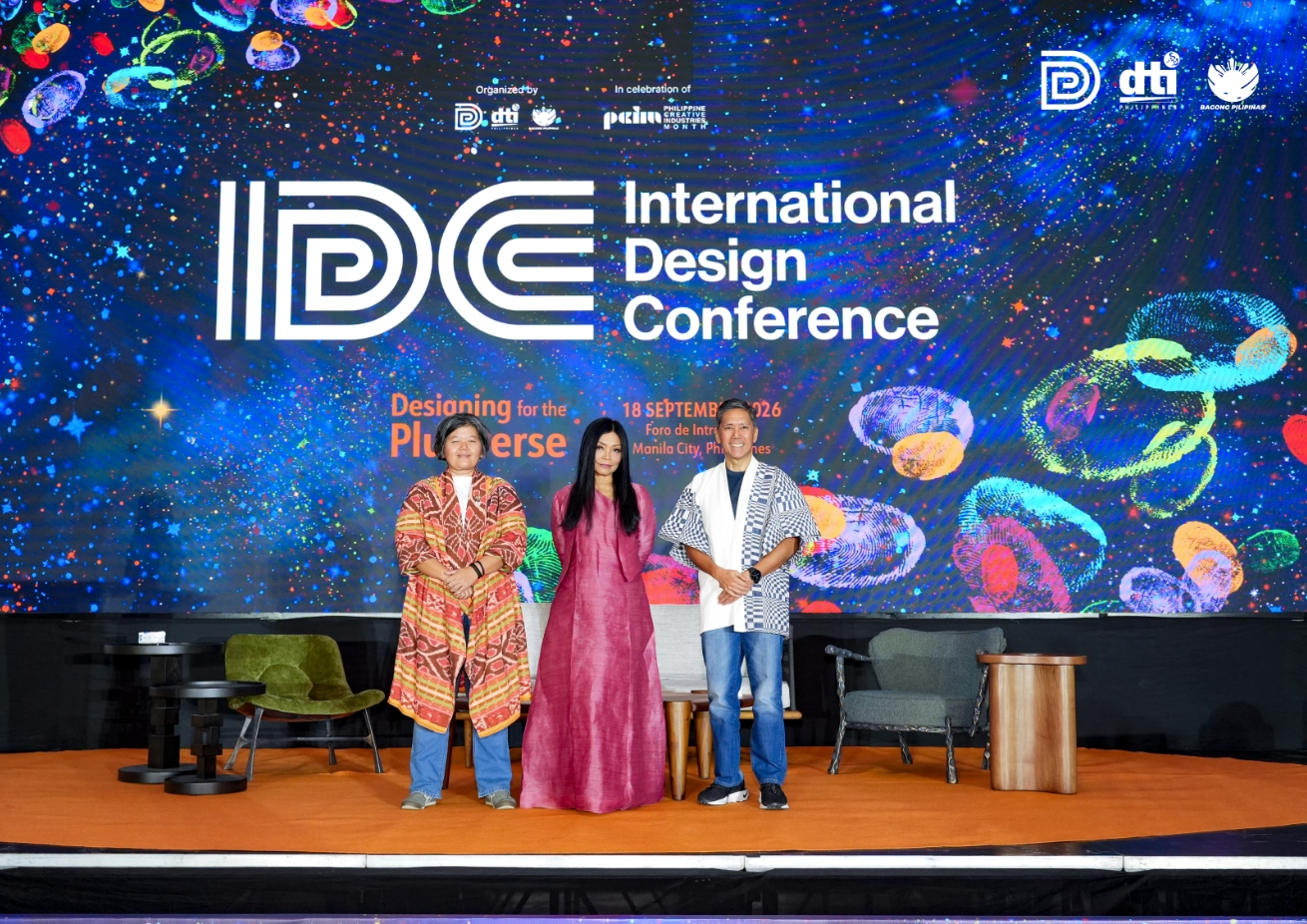
Culture in design does not always announce itself through a recognizable motif, material, or symbol. It can also be embedded in the relationships designers build, the knowledge they listen to, the materials they choose, and the decisions they make in response to communities and their environments. This distinction emerged throughout the 2026 International Design Conference […]
Read the issues.

Collect the volumes.

Recommended Video
Tap to Unmute
Unmute
0:00
0:00