Contemporary design refers to the constantly evolving design trends of today. With the power to design our built environments, architects have been experimenting with various architectural approaches. Whether that is through unconventional forms or the integration of smart technologies, BluPrint lists down Filipino architects who are defining contemporary architecture. Deo Alam Architect Deo Alrashid Alam […]
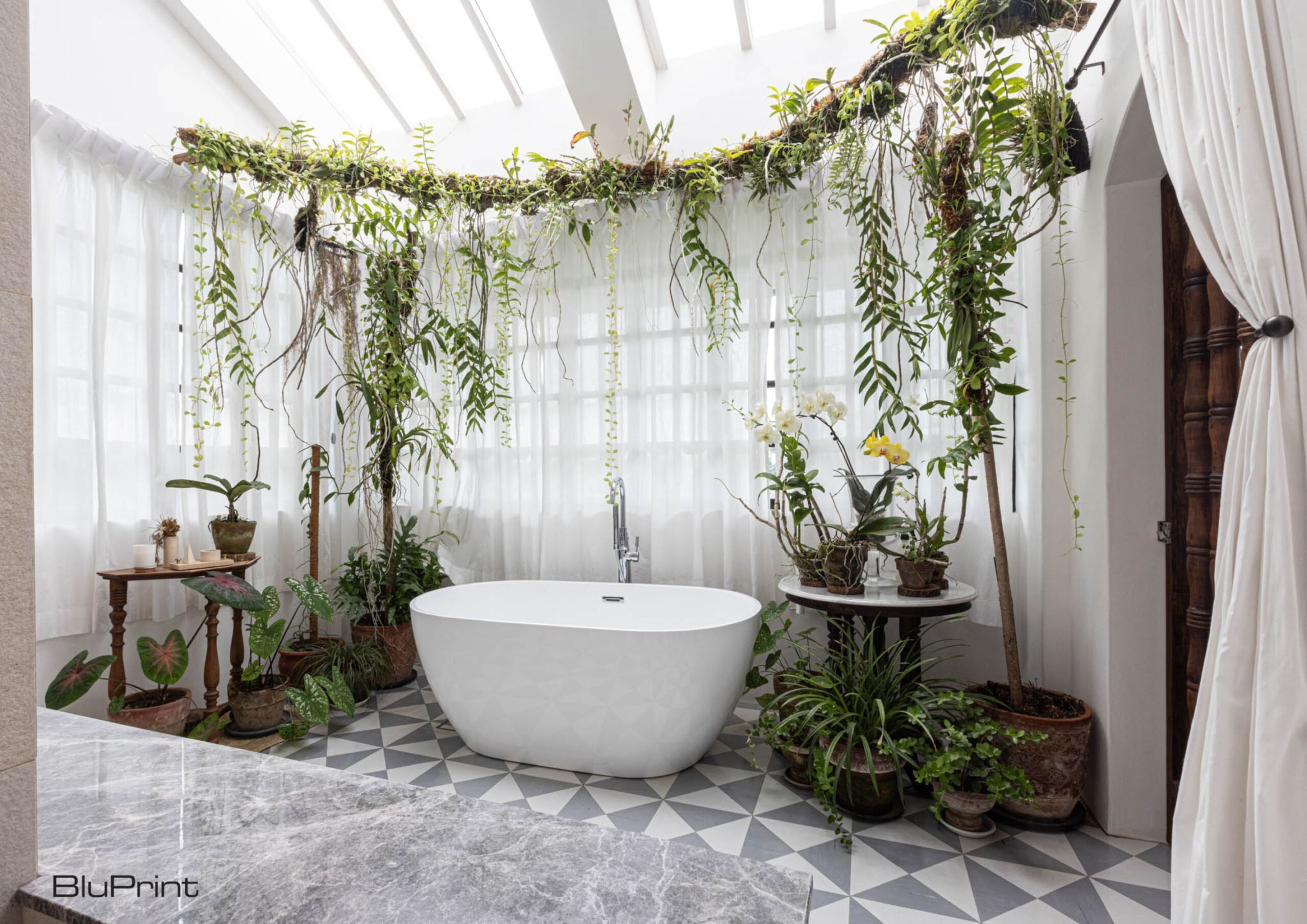
Indoor Climbing Vines: Your Ultimate Guide to Growing an Indoor Jungle



When watching post-apocalyptic and historical drama movies, you’ll likely notice abandoned or old establishments covered with climbing vines. And there’s an undeniable beauty in these spaces reclaimed by nature. Although this inevitable occurrence happens naturally over a long period of time, did you know you can make it happen within a shorter time frame?
You don’t have to wait ages or leave your home unattended to achieve this old-world look. You can grow climbing vines not just in your home’s exterior, but indoors, too.
Cutting off Branching Misconceptions
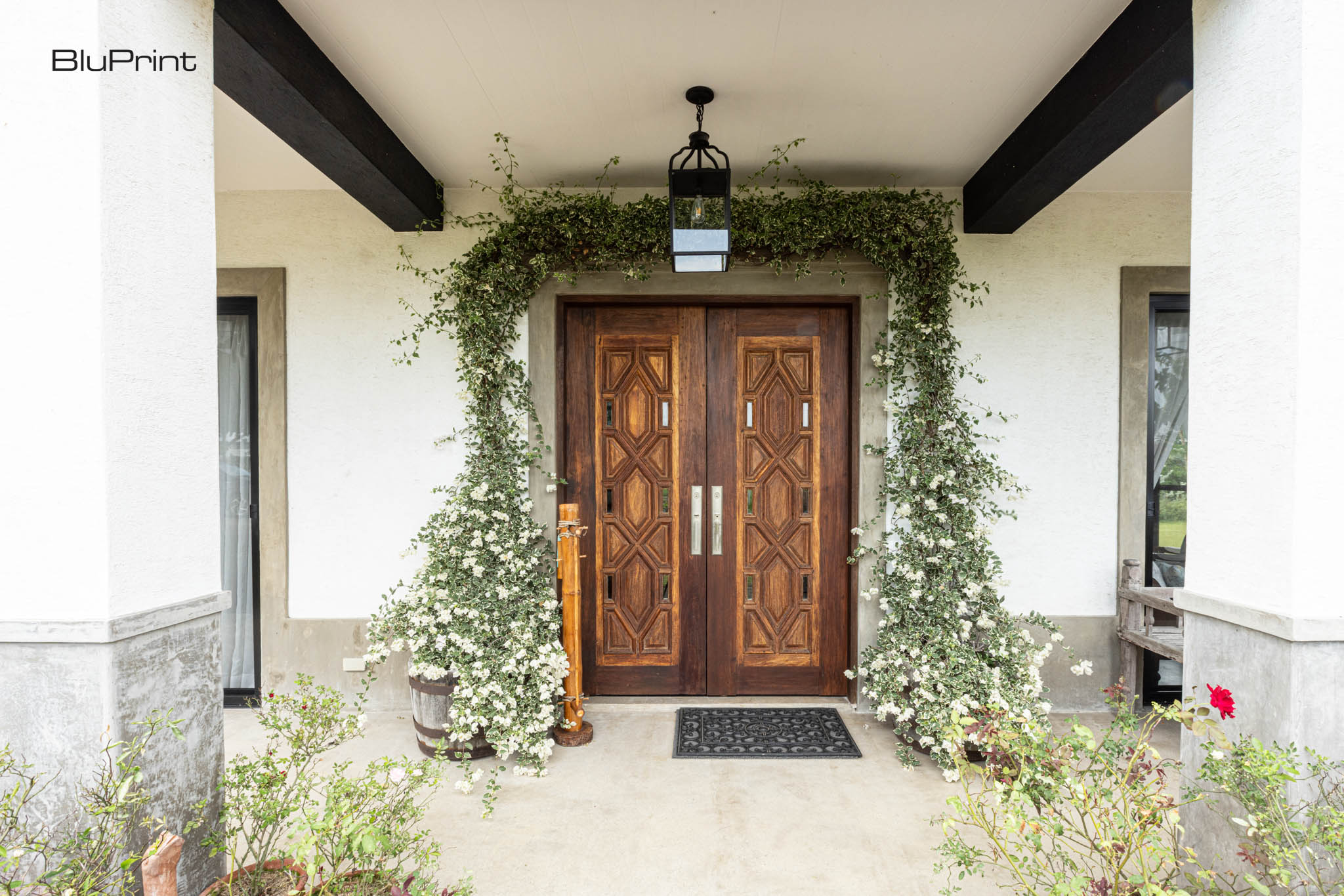
Like most unfamiliar and unconventional practices, there are myths surrounding climbing vines in interiors.
Advertisement
Since climbing vines are commonly seen adorning outer walls, some believe they can only thrive in houses built on fertile ground. This misconception fuels the idea that growing them intentionally in high-rise apartments, with no access to soil, is impossible. However, these resilient plants can flourish in pots and planter boxes specifically designed for indoor spaces. Freestanding or wall-mounted planters with trellis inserts or coir poles can perfectly do the job. But heavier regular pots with enough drainage holes are also good alternatives.
Another misbelief about growing indoor vines is they weaken the walls by clinging tightly and building up moisture as they spread. While it is true for partitions made of wood and vinyl, vines can propagate longer on brick, stucco, and concrete surfaces. Aside from pots and planters, these stronger wall materials create a suitable condition for vines to thrive indoors. But this leads to another presumption, which is vines’ invasive ability.
Given the right environment, some think vines could be difficult to maintain. As they grow, there’s a myth that they can take over the entire space and block out natural light. And this is assumed to cause bad indoor air quality, which can attract bugs and pests. Plus, they require constant repotting since their roots expand along with their foliage. Although these are not entirely false, worst circumstances will most likely happen if you treat vines improperly. It all starts with the type of vine you will choose and how you will train them to grow in your house.
Advertisement
Type of Climbing Vines to Grow
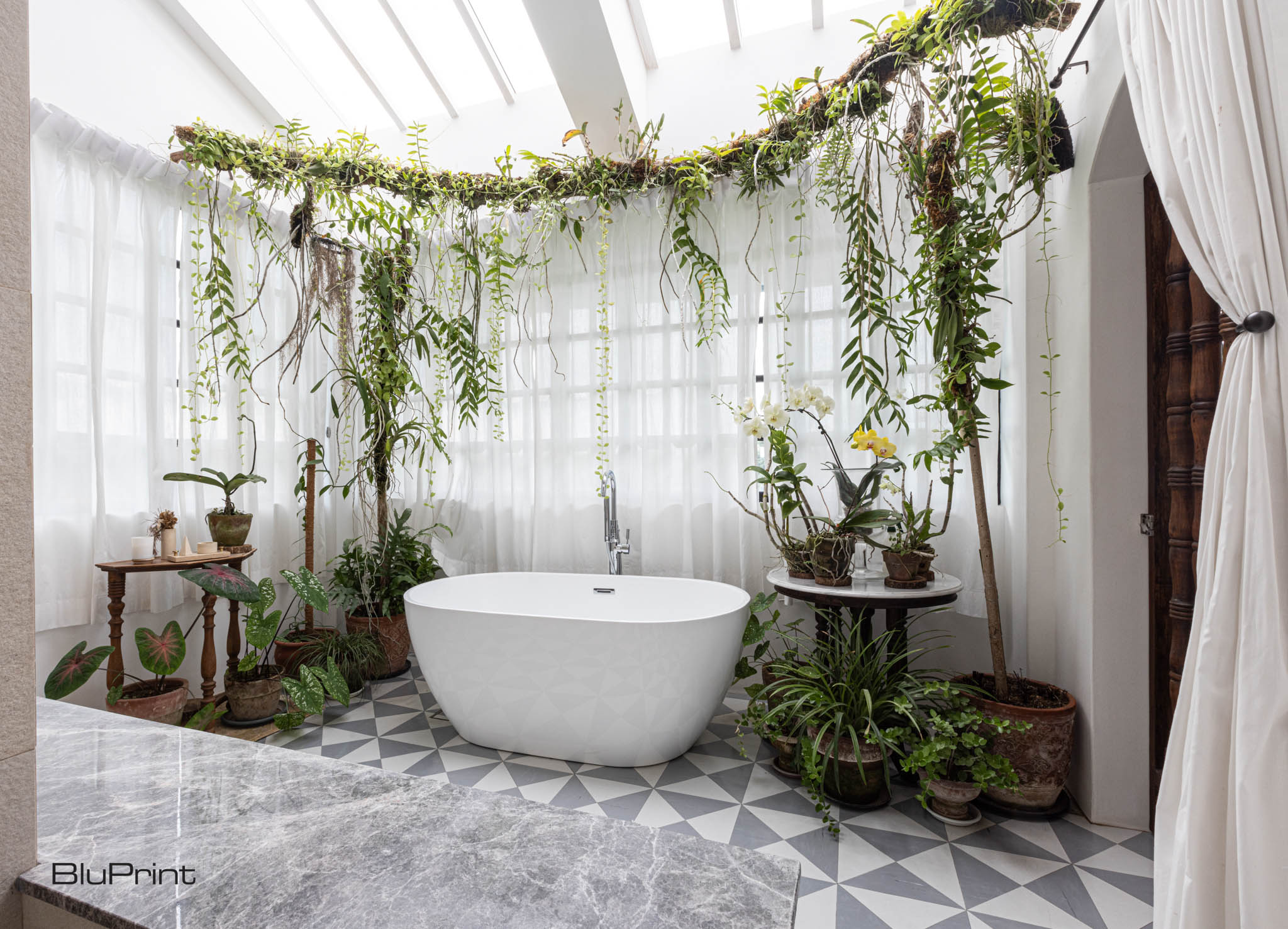
Just like with choosing indoor plants, there are certain climbing vines that are particularly well-suited for thriving indoors. Below are the most common types you can choose from.
Bougainvillea
Of all the common climbing vines indoors, bougainvilleas stand out as the most colorful. Their papery bracts come in pink, purple, orange, red and white, adding variation and vibrance to the space. Their fast-branching shoots can quickly fill up a space and are easily trained using a trellis or similar support structure. Additionally, they can tolerate some neglect since it can withstand moderate to high humidity and direct sunlight. Large, well-lit spaces are bougainvilleas’ most ideal environment. But for smaller interiors, you can choose a dwarf variety to not overwhelm the house.
Philodendron Cordatum
Along with their eye-catching heart-shaped leaves and bronze stem tones, philodendron cordatum have aerial roots. These are specialized climbing roots that branch out from the stem to readily cling to support structures. Unlike some climbing vines that can grow very aggressively, these plants have a moderate growth rate. They can also tolerate a little amount of natural light, making them ideal for limited and enclosed spaces.
Advertisement
Pothos
Similar to bougainvillea, pothos grow and climb fast even from a hanging pot or moss pole. This versatility allows them to easily match your aesthetic or suit your space limitations. In addition to their decorative appeal, these climbing vines are NASA-approved natural air purifiers that can remove formaldehyde and benzene. They can also survive moderate to humid temperatures. So, rooms with east or west-facing windows make the perfect conditions for them.
Ceropegia Woodii
Also known as string of hearts, ceropegia woodii is a succulent climbing vine capable of surviving bright, warm places. Like philodendron cordatum, this climbing vine’s heart-shaped leaves add a touch of whimsy and charm to your indoor space. Their long, slender stems can also wrap around even in thin supports, which makes their moderate growth manageable. They are adaptable in a range of light conditions so they can thrive in limited or dimmer indoors spaces.
String of Turtles
As the name suggests, the string of turtles brings a unique aesthetic due to its small, coin-shaped tortoise shell-like leaves. While they lack strong climbing mechanisms, their trailing stems can be gently guided by clipping or tying them to a support structure. With their resilience and slow-growing, limited mature size, they can occupy almost any space in your house.
Advertisement
And to ensure you won’t mistakenly grow the invasive kinds, avoid vigorous climbing vines like English ivy, trumpet vine, wintercreeper, and wisteria.
Training Climbing Vines Indoors
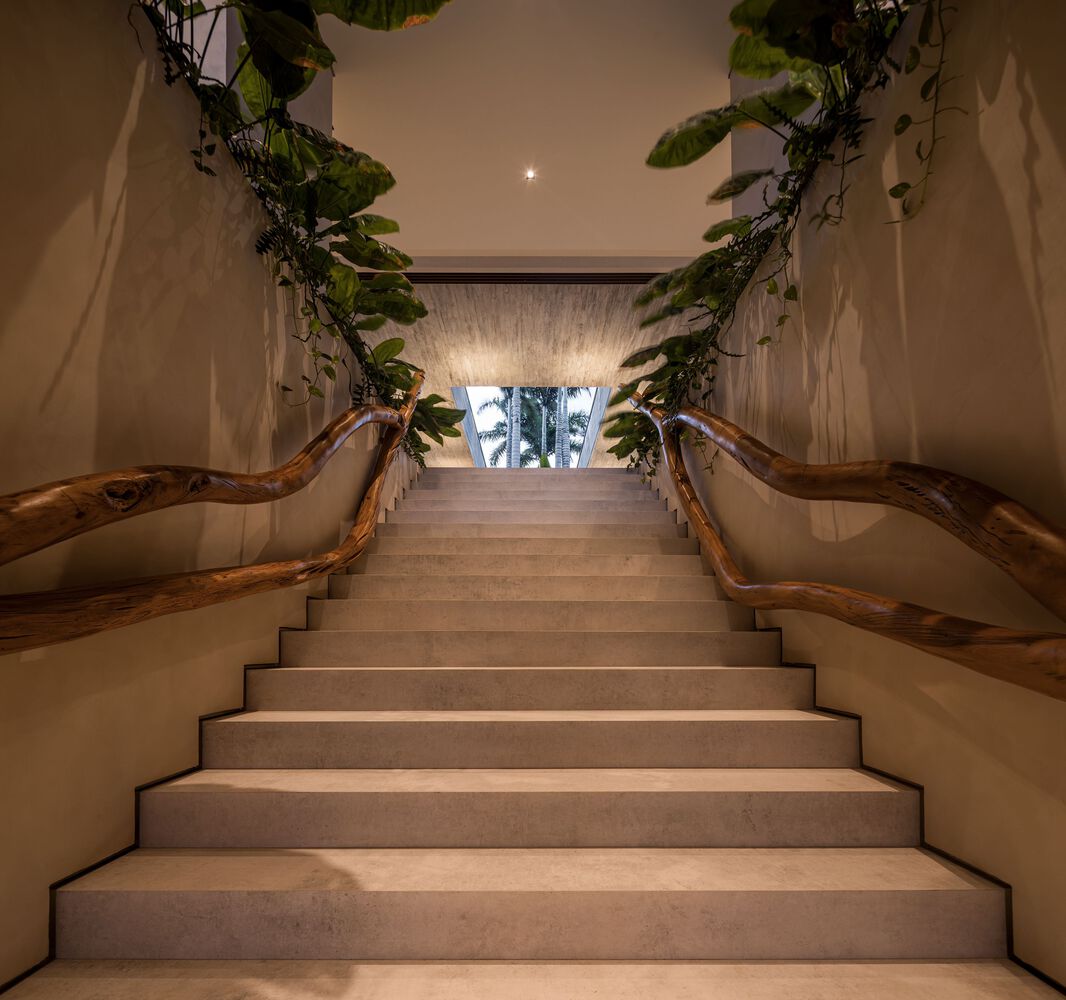
While they may look tangled and messy outdoors, you can create a visually appealing indoor jungle. Here’s how to grow stubborn vines and transform them into a stunning display.
Choose the Right Climbing Vine
Using the guide above, select which type of vine works best for you. If you have ample places and time to grow them, opt for lush, persistent growers like bougainvillea and pothos. For smaller spaces, vines with smaller and finer leaves like philodendron cordatum, ceropegia woodii, and string of turtles can give that same run-down look. These low-maintenance vine types are also perfect for busy plant parents. But if you want a hint of color and variation, choose bougainvillea, philodendron cordatum, or string of turtles.
Advertisement
Select the Most Ideal Location
More than considering which part of your house they will look best, it’s important to consider the nature of your chosen indoor vine. Aside from their size, first study their water, soil, air, and temperature requirements. If they need bright, indirect sunlight to thrive, place them near east and west-facing windows with sheer curtains. If you choose fast-growing vines that need larger support structures, avoid putting them in areas with high foot traffic like the kitchen, living room, and entryways. For double purpose climbing vines, you can grow them in spaces that need privacy or visual interest like bedrooms, hallways, and empty corners.
Apply Appropriate Training
Once you decide the type of climbing vine and location you want, it’s time to train them properly. Citing the nature of your chosen vine again, pick the type of soil they need. For high maintenance vines, you can include peat moss, orchid bark, and coir in the mix to retain moisture. Low maintenance indoor vines can thrive in the same soil mix, but you can opt for pre-mixed potting soil readily available in the market.
The fun part lies in the versatility of how you will guide these vines to grow. You can train them upwards, downwards, or in whatever direction you like. For a dramatic floor-to-ceiling effect, position your potted vine directly on the floor next to your chosen support structure. Then, as the vine grows, weave its tendrils or stems upward, coaxing them to cling to the support as they ascend.
Advertisement
The same goes if you want to start from the ceilings, but opt for sturdy hanging planters instead. But if you’re feeling a little creative, plant the roots on mounted planters and position them on the wall with a support structure shaped in the look you want to achieve.
However, even when planted and firmly trained, climbing vines always tend to branch out in a different direction. So, pruning them will maintain the shape and orientation you envisioned them to grow.
Climbing vines indoors can’t only exist in exteriors of overgrown buildings. With the right knowledge, you can cultivate a wild and cascading “reclaimed” aesthetic without the wait.
Advertisement
Read more: Ikigai Is the Design Philosophy That Reflects Your Purpose

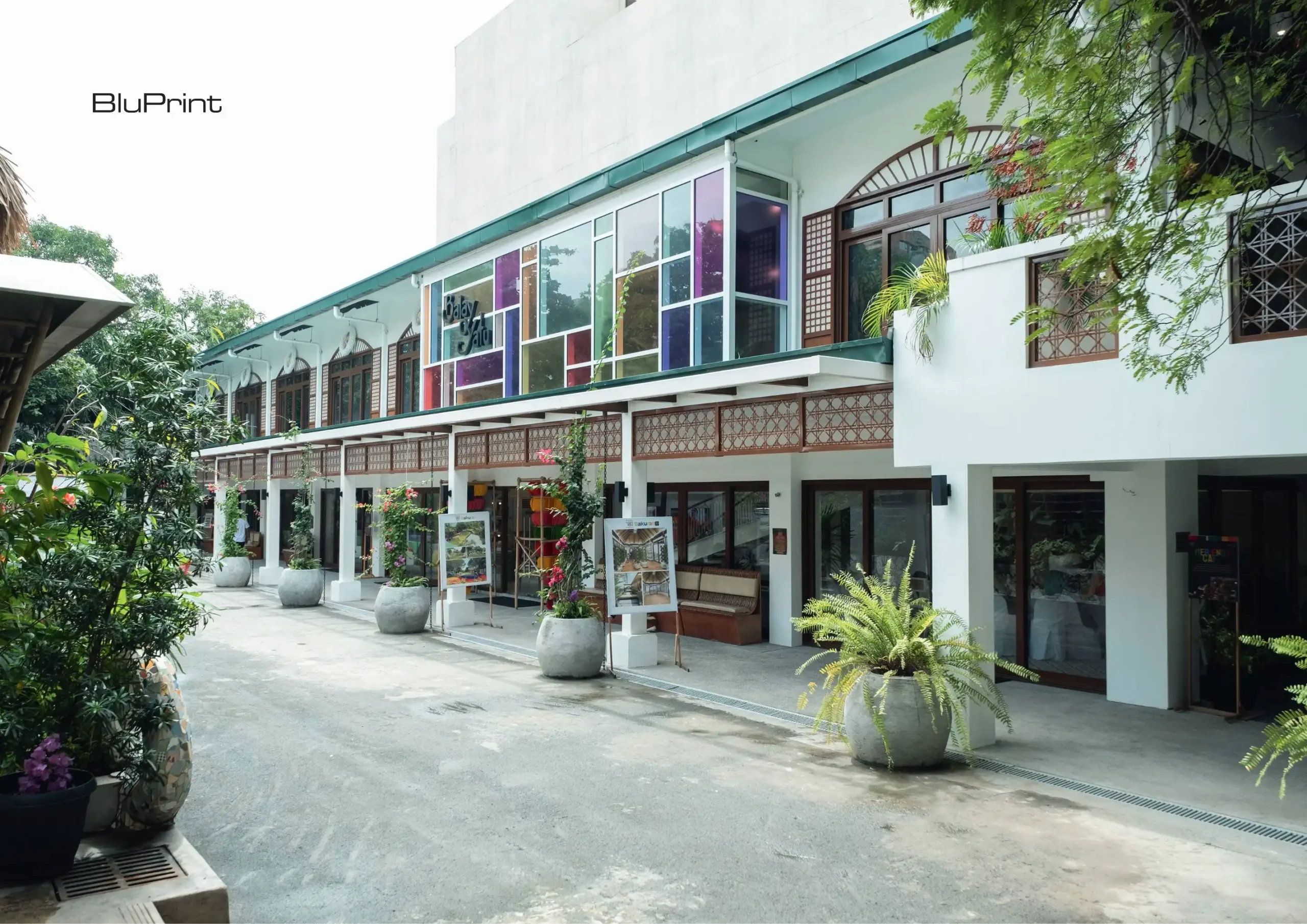
In the Philippines, adaptive reuse gained traction during the 1970s with the rise of conservation and environmental preservation movements. It offered an architectural solution that reuses existing spaces to fit modern needs. Across the country, several projects demonstrate how this approach is being applied—transforming heritage structures into active spaces for culture, hospitality, and community life. […]
Advertisement
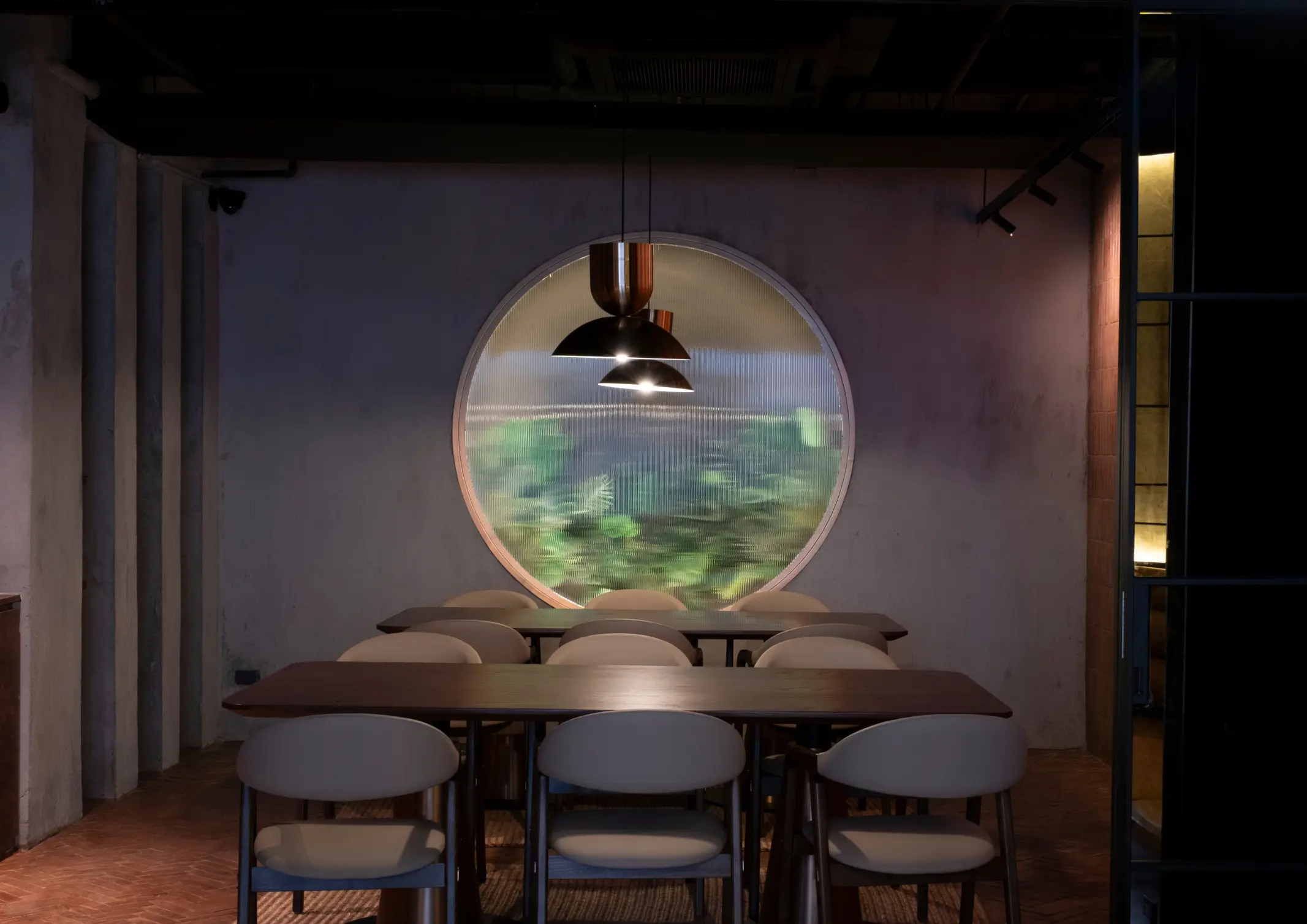
From residential spaces to civic structures, lighting dictates the mood of a space. It controls the visual dynamics of an interior, serving as a guiding tool that highlights key design elements, including materials and textures. Related Reading: Lampscaping: How to Light up Your Home like a Pro Regulating the Mood: Natural and Artificial Light in […]
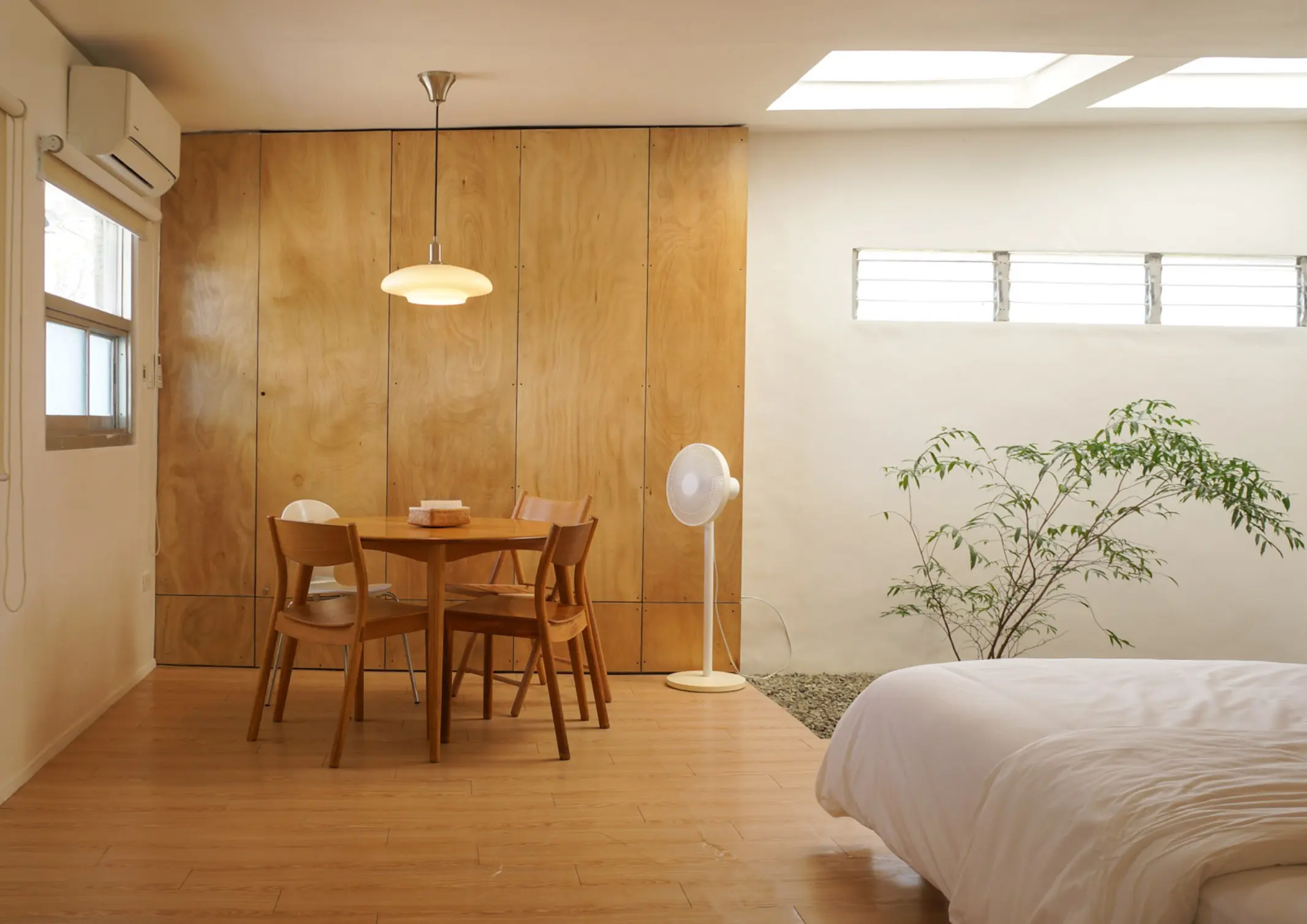
More and more Filipinos are flocking to condominium communities. Often tucked within busy city centers, condo living acts as a small respite from urban chaos. Faced with the challenge of transforming a cramped condominium into a warm living space, BluPrint lists condo interior design ideas that can maximize each square foot of small spaces. Purposeful […]
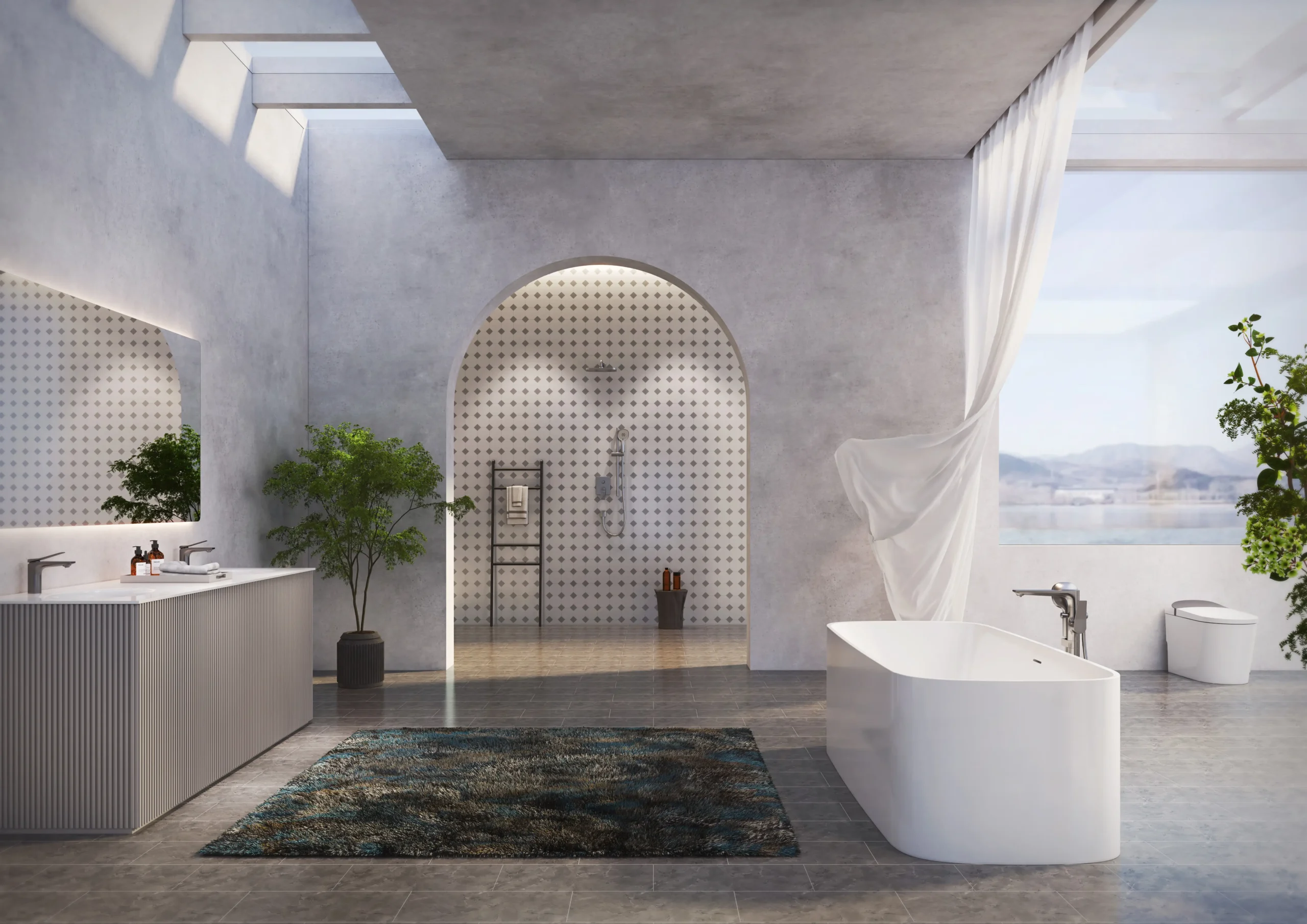
Modern bathrooms are no longer purely functional spaces. Increasingly, they are being designed as environments that support cleanliness, ease, and quiet restoration within the home. As daily life becomes more demanding and health awareness continues to rise, homeowners are beginning to expect more from the spaces where daily rituals begin and end. For architects and […]
Advertisement
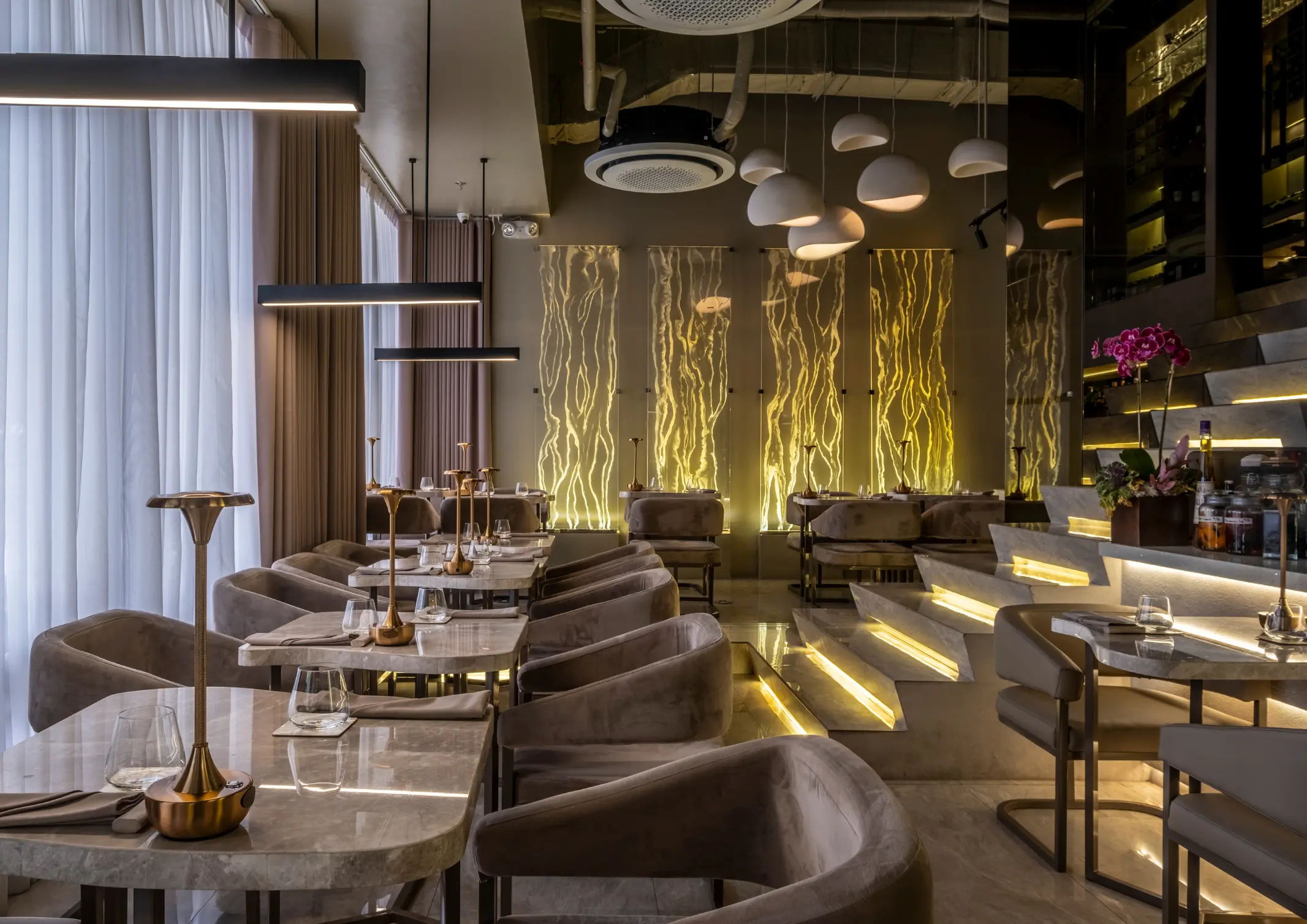
From the moment a diner steps through the door, each detail shapes how a meal is experienced. Restaurant design has evolved, with architects and culinary professionals collaborating to create built spaces that are as intentional as the menu itself. The spatial atmosphere acts as an additional ingredient that can define the culinary experience. Taupe and […]

Download this month's BLUPRINT magazine digital copy from:



Subscribe via [email protected]