The seventh edition of the Anthology ASEAN ArchitectureArchitectureThe art and science of designing and constructing buildings, structures, and spaces that are functional, safe, and aesthetically pleasing. It encompasses the planning, design, materials, and techniques used to createGo to Architecture Glossary Festival brought together over 4,000 delegates from across the Philippines and Southeast Asia for three […]
Grandmacore: How to Create a Nostalgic, Personalized Home



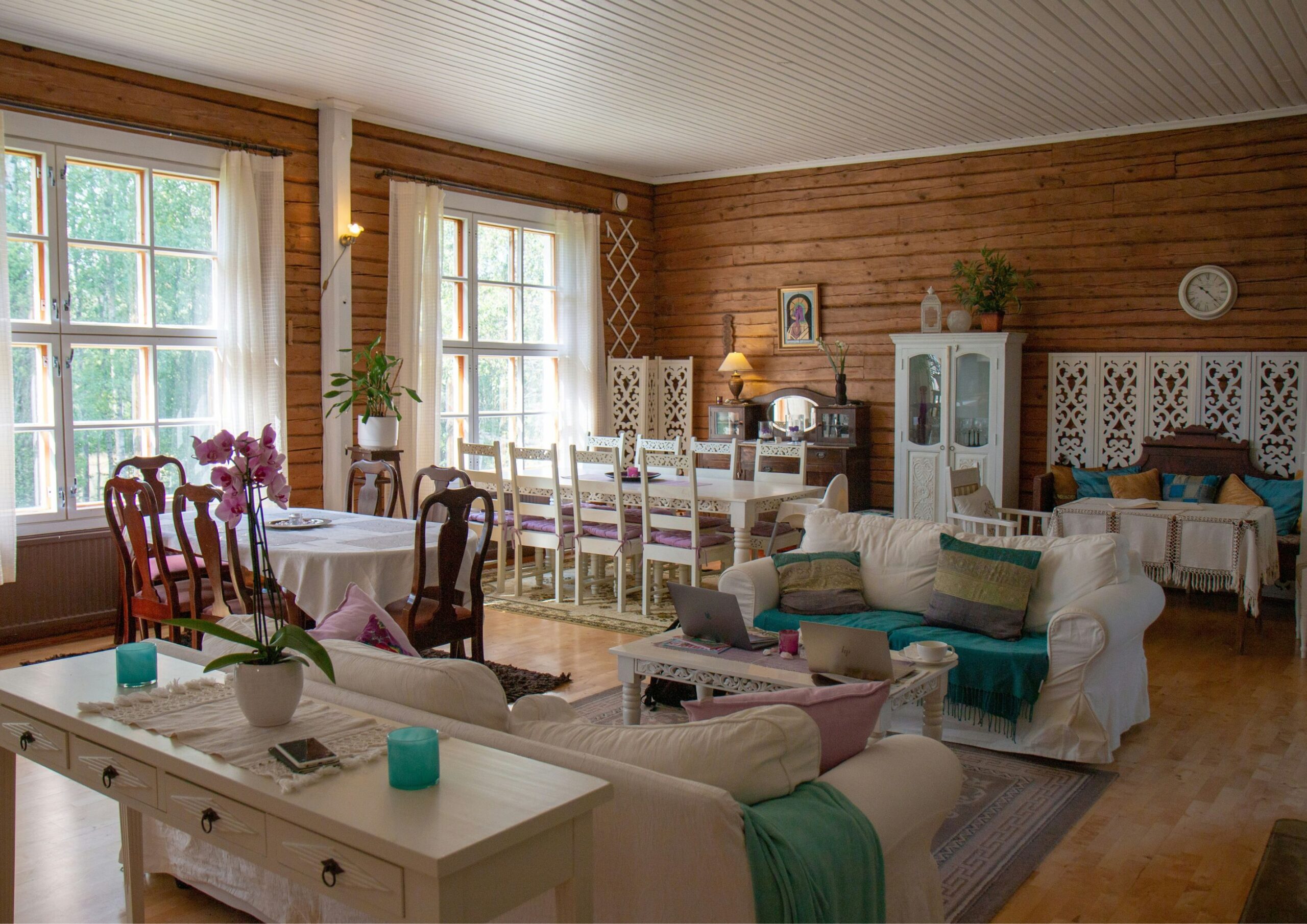
Walking into your grandma’s house often brings a rush of warmth, nostalgia, and comfort. The familiar scent of home-cooked meals, the cozy, well-worn furniture, and the little knick-knacks that have accumulated over the years all create a sense of security and belonging. This is the essence of grandmacore, an interior designInterior DesignThe discipline of planning and shaping interior spaces for function, comfort, safety, and beauty. It covers layout, lighting, materials, finishes, furniture, and color, and in the Philippines is a licensedGo to Interior Design Glossary trend that celebrates the comforting and heartfelt details reminiscent of your grandmother’s home.
Similar to trends like bookshelf wealth and dopamine decorating, this style emphasizes timeless and sentimental pieces. It embraces vintage furniture, floral patterns, hand-knit blankets, and heirloom pieces, creating spaces that feel lived-in and loved. It’s about creating an environment that evokes feelings of warmth, care, and timeless beauty. To bring the same personal and nostalgic feel to your home, here’s everything you need to know about grandmacore.
What Sets Grandmacore Apart?
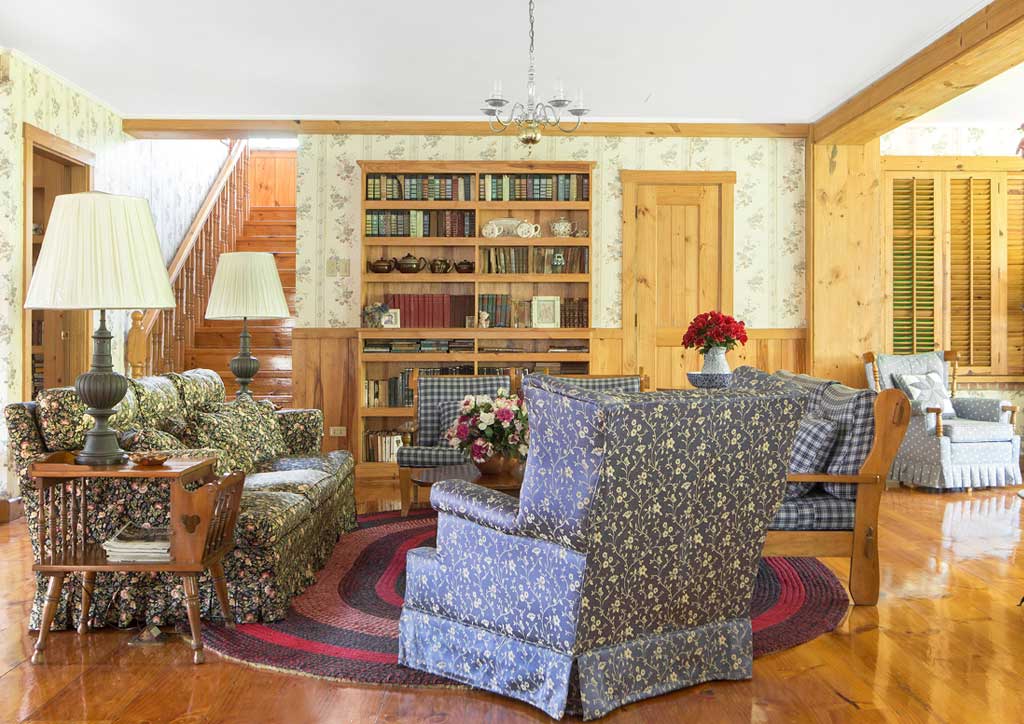
Coined by Gen Zs on TikTok, grandmacore is the fresh take to a rather mature, feminine aesthetic called “granny chic.” While granny chic leans towards a polished and elegant look, grandmacore embraces a more casual and playful appeal.
Due to its homey and sentimental qualities, you might think grandmacore is similar to other designs embracing a personalized approach. But this trending style distinguishes itself with its comforting, lived-in feel characterized by handmade items and family heirlooms. At its core, it’s a celebration of the familiar, bespoke, and cherished objects.
Unlike other styles, grandmacore is less strict with the things you include and gives you more freedom to decorate according to your liking. In fact, it also involves slow decorating for a more thoughtful curation of your home.
Since it’s never about getting everything right and settled immediately, symmetry and perfection aren’t part of the picture. You’re allowed to experiment, embrace quirks, and make changes along the design process. In this way, you can truly infuse personal touches and make your space uniquely yours.
But Does It Need to Look Old?
The answer is yes… and no.
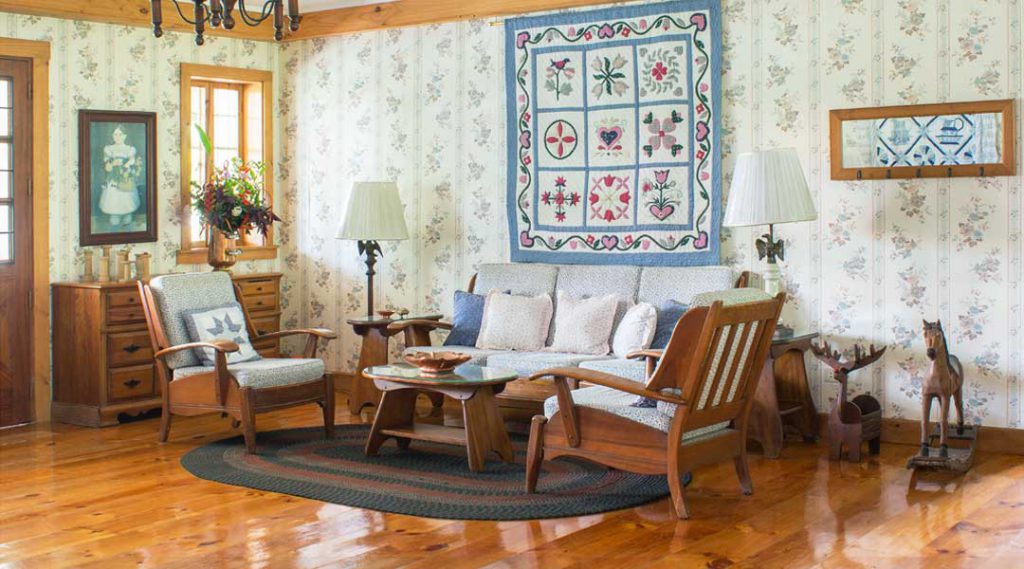
For starters, antiques, vintage items, and secondhand finds are all grandmacore staples. Whether they’re distressed dressers, patinated ceramics, laced or ruffled fabrics, or hand-me-down trinkets, these old and used objects define the lived-in nature of this style.
However, it also allows you to incorporate newer decor as long as they mean something to you. They could be travel souvenirs, recent gifts, or even DIY projects that reflect your passion and interests.
The important thing is that nothing should feel too extravagant or overly polished. As much as possible, everything around you makes you feel comfortable and happy.
How to Design a Grandmacore Interior
Compared to other interior styles with heavy inspirations, grandmacore is a very easy and chill approach. Since you don’t have to imitate a specific era or adhere to precise rules, you can freely personalize your space. Here are some of the basics to get you started.
Soft Colors and Patterns
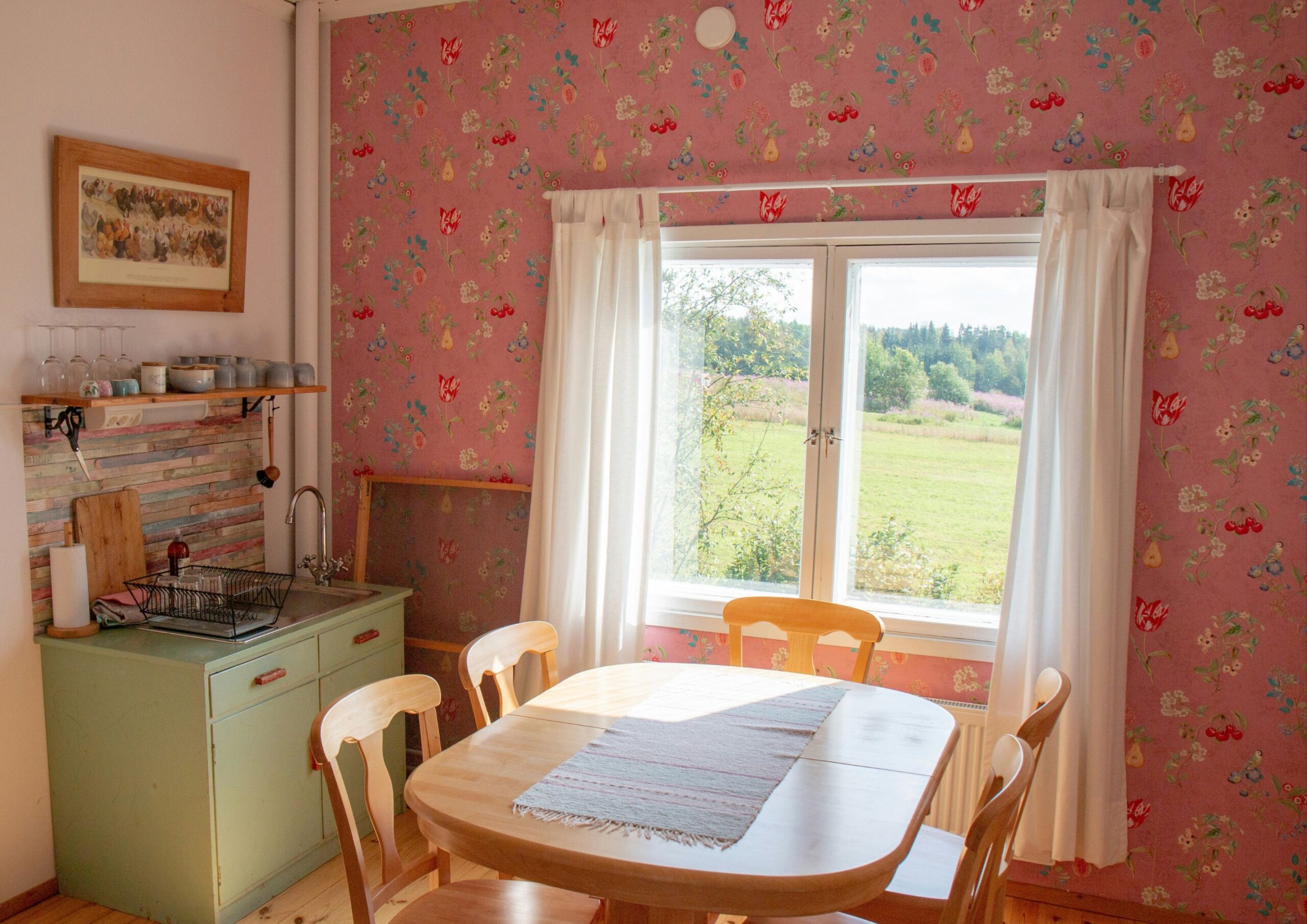
Colors and patterns largely contribute to establish the hallmark nostalgia and warmth of a grandmacore home.
Pastels like blush pink, lavender, mint green, and soft yellow should be the star of the interior. And they further create a dreamy ambiance when paired with light neutrals like cream, beige, and ivory. Aside from providing a calm base, these colors also help other elements’ textures and details to stand out. You can incorporate minimal darker or striking hues, but these softer colors should appear more evident.
As for patterns, they’re usually seen in wallpapers, textiles, tableware and accessories like lampshades and cushions. So, it’s important to choose softer designs to match the base colors.
Florals are the most recognized patterns, varying from delicate and romantic to bold or vibrant, depending on your desired effect. For subtle patterns, opt for gingham, polka dots, and stripes since they’re easier to pair and appear more understated. You can also introduce patterns through laces and crochets, especially in doilies, curtains, and tablecloths to add a touch of handmade character.
Traditional and Overstuffed Furniture
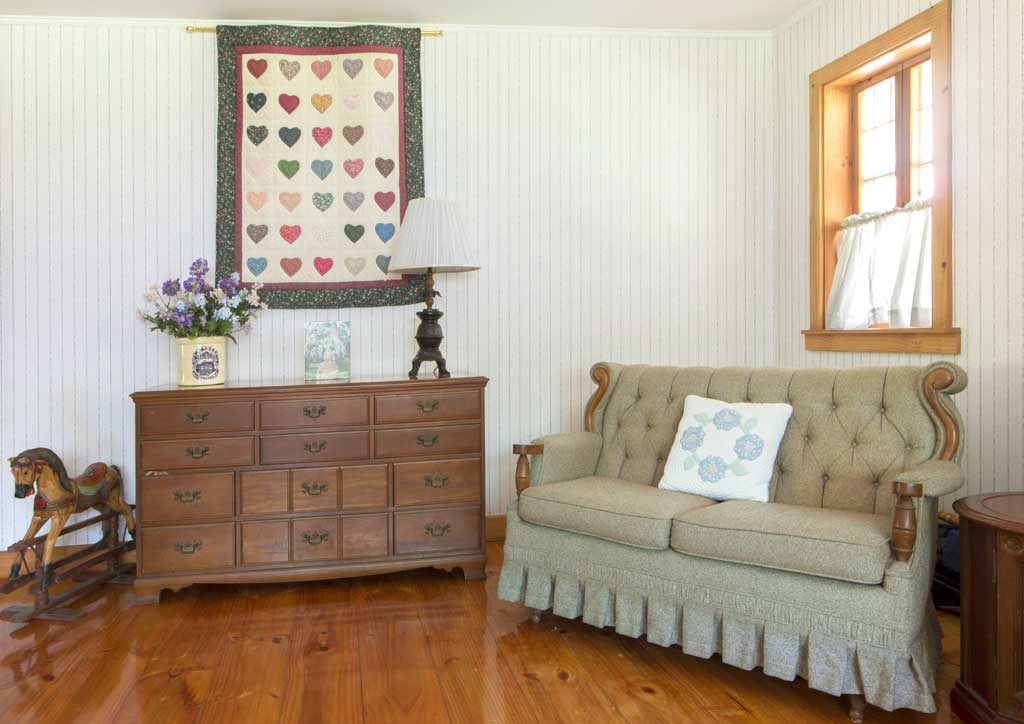
According to interior designer Emma Beryl, modern, minimalist furniture doesn’t belong in a grandmacore interior. She describes it as “too streamlined,” deviating from the eclectic nature of this aesthetic.
Better to choose furniture with curves, intricate designs, spindles, and worn patina to truly mirror the antique and vintage characteristics. And since comfort is also a top priority of grandmacore, oversized sofas, plush armchairs, and plenty of cushions are essential.
You’re also allowed to mix and match materials like wood, metal, and stone to achieve a more playful look. For instance, you can pair a nice wrought iron coffee table with vintage wooden lounge chairs.
Old and New Collections
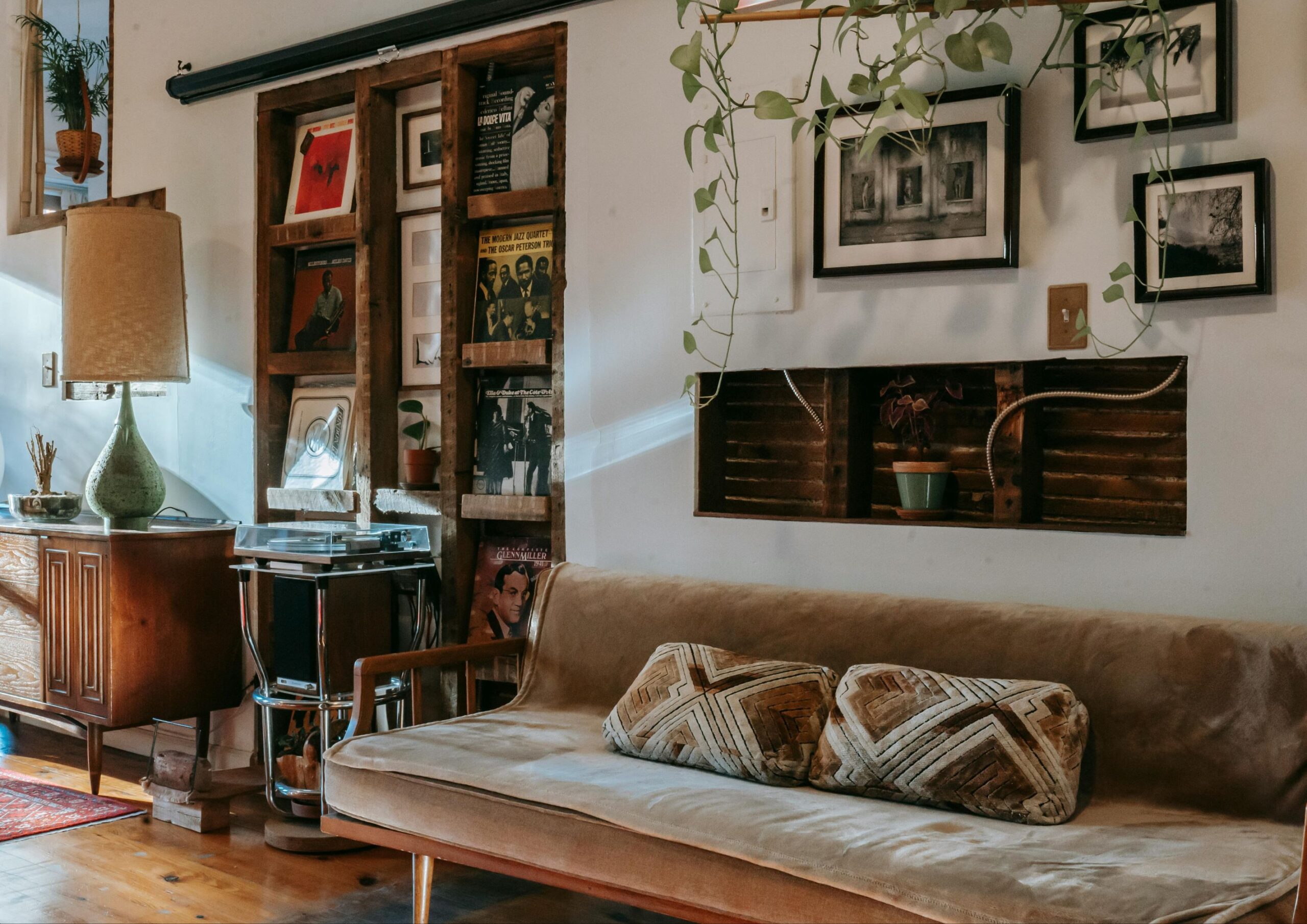
To prevent your space from feeling too outdated, combine your old collections with newer items.
You can start by adding your thrift finds and other aged objects like heirlooms and photographs to set the room’s overall tone and direction. Remember that it’s okay to start small. One or two antique, vintage, or secondhand items can already make a big impact.
Then, you can build upon these pieces with modern accents. This could be anything from contemporary artwork to sleek lighting fixtures, or other elements from modern interior styles.
And to further add personality, display your other collections showcasing your pursuits like books, botanicals, vinyls, and figurines. As you slowly build your grandmacore home, those various items might spark ideas for DIY projects and other modern elements.
Building a diverse collection takes time. So, there are plenty of possibilities to explore and experiment with the things you currently have.
Grandmacore may be another design trend. But its philosophy invites us to rediscover the value of personal history and tangible connections in our living spaces. In an era of fast-paced consumerism, this style encourages us to create deeply meaningful and nostalgic homes in a slow and intentional manner.
Read more: The Latest Bathroom Trends You Need to Know for a Modern Makeover
Bigkis is the act of binding. In Tagalog, the word can refer to something used to bind or encircle, as well as a bundle formed by tying several separate elements together. Figuratively, it can also mean a bond, union, or unity. The meanings move from the physical act of joining things together to the connection […]
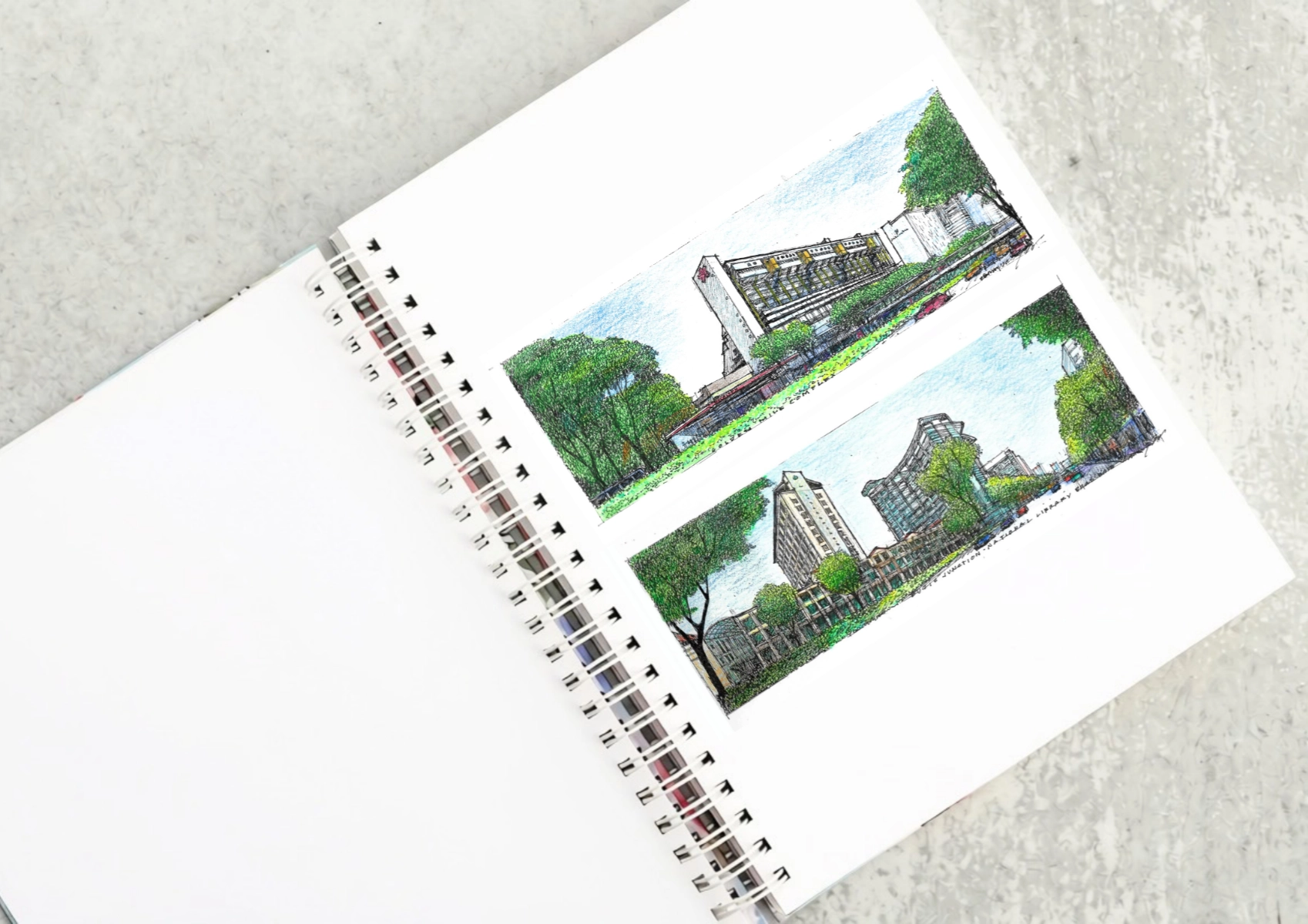
Two sketches of Singapore connect BluPrint Editor in Chief Paulo G. Alcazaren’s personal and professional history with Shared Ground: ArchitectureArchitectureThe art and science of designing and constructing buildings, structures, and spaces that are functional, safe, and aesthetically pleasing. It encompasses the planning, design, materials, and techniques used to createGo to Architecture Glossary of Care, Culture, […]
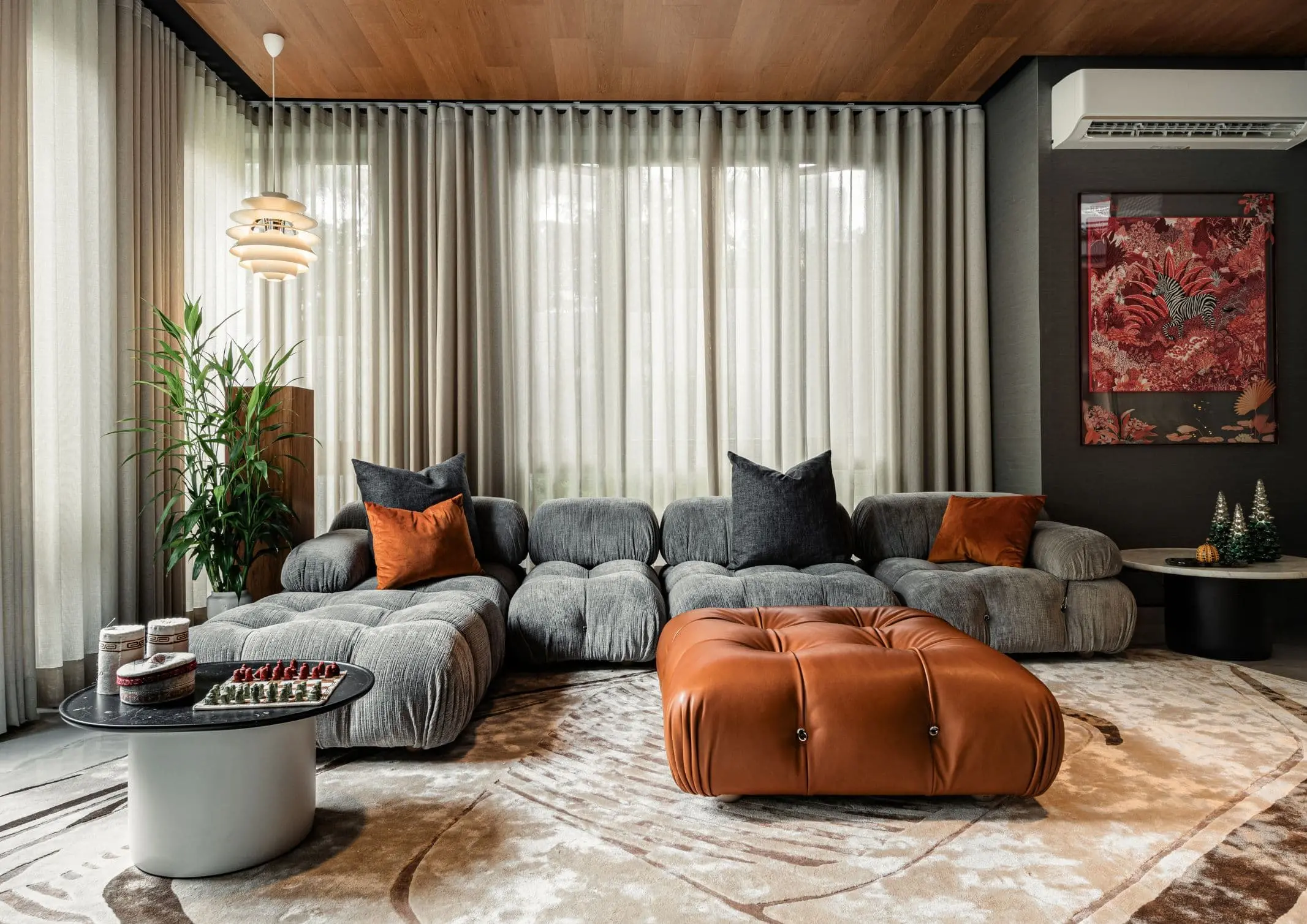
Some have become household names – Coleman, Oster, and KitchenAid – products that have found their way into Filipino kitchens, homes and family routines. In home furnishings, brands such as B&B Italia, Ethan Allen, Sub-Zero, Miele, SieMatic, Louis Poulsen, Hunter Douglas, Tempur, and Technogym, have helped shape the way Filipinos live. From everyday essentials to […]

In a way, designers are the modern-day soothsayers and prophets. They design for the future, predicting how a room, a house, a building or a whole city will be used by people. They foresee how users will interact with a space, conjure exact shades of colors to elicit specific behavior and arrange furniture to build […]
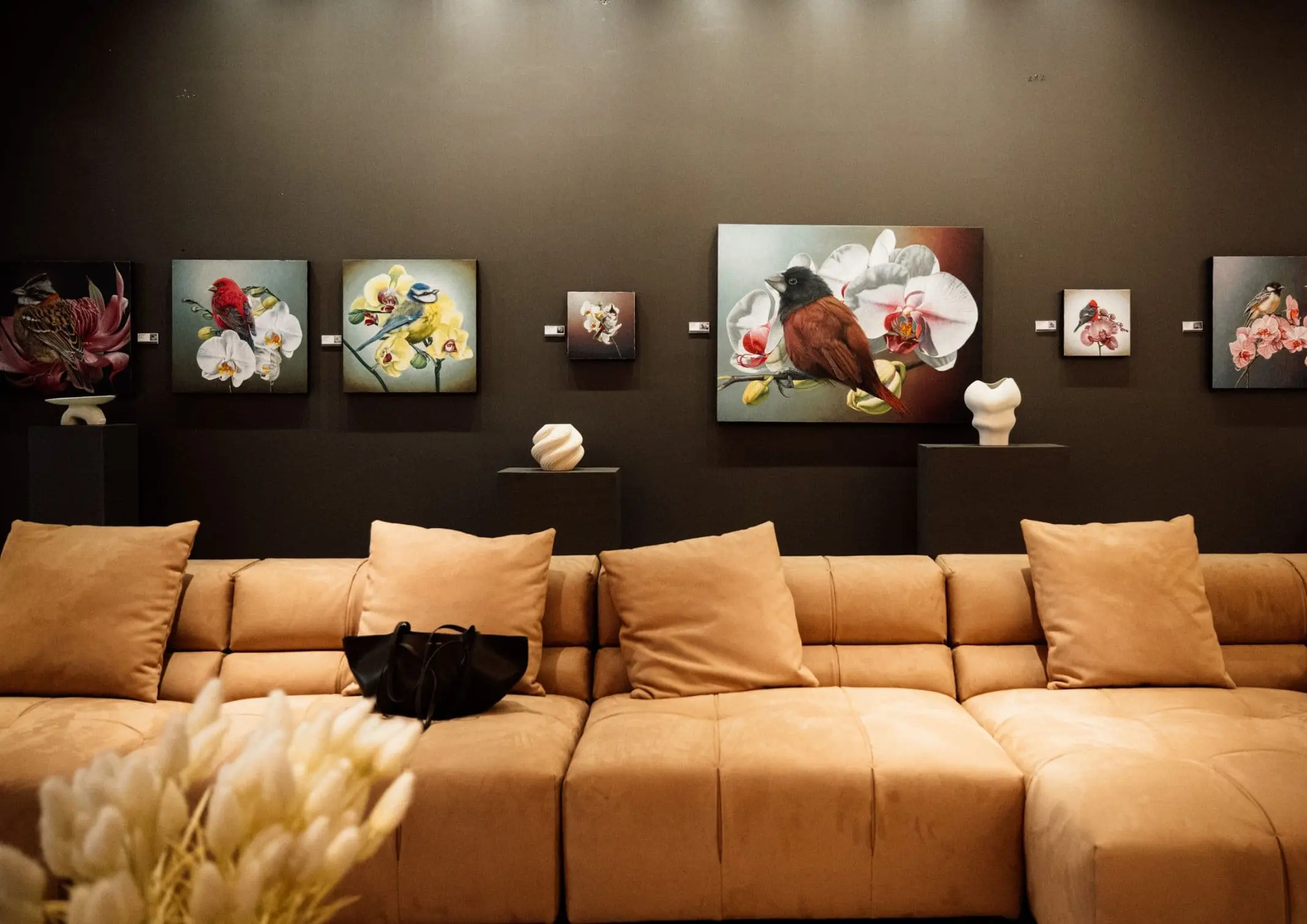
Art and furniture are often selected separately, yet their relationship can shape how a room looks and feels. The collaboration between Hooga and Galerie Joaquin explores how these elements can work together, bringing contemporary artworks into furnished residential settings at Hooga’s showroom in Uptown Mall, Bonifacio Global City. For Hooga, which curates furniture, lighting, and […]
Read the issues.

Collect the volumes.

Recommended Video
Tap to Unmute
Unmute
0:00
0:00