Bigkis is the act of binding. In Tagalog, the word can refer to something used to bind or encircle, as well as a bundle formed by tying several separate elements together. Figuratively, it can also mean a bond, union, or unity. The meanings move from the physical act of joining things together to the connection […]
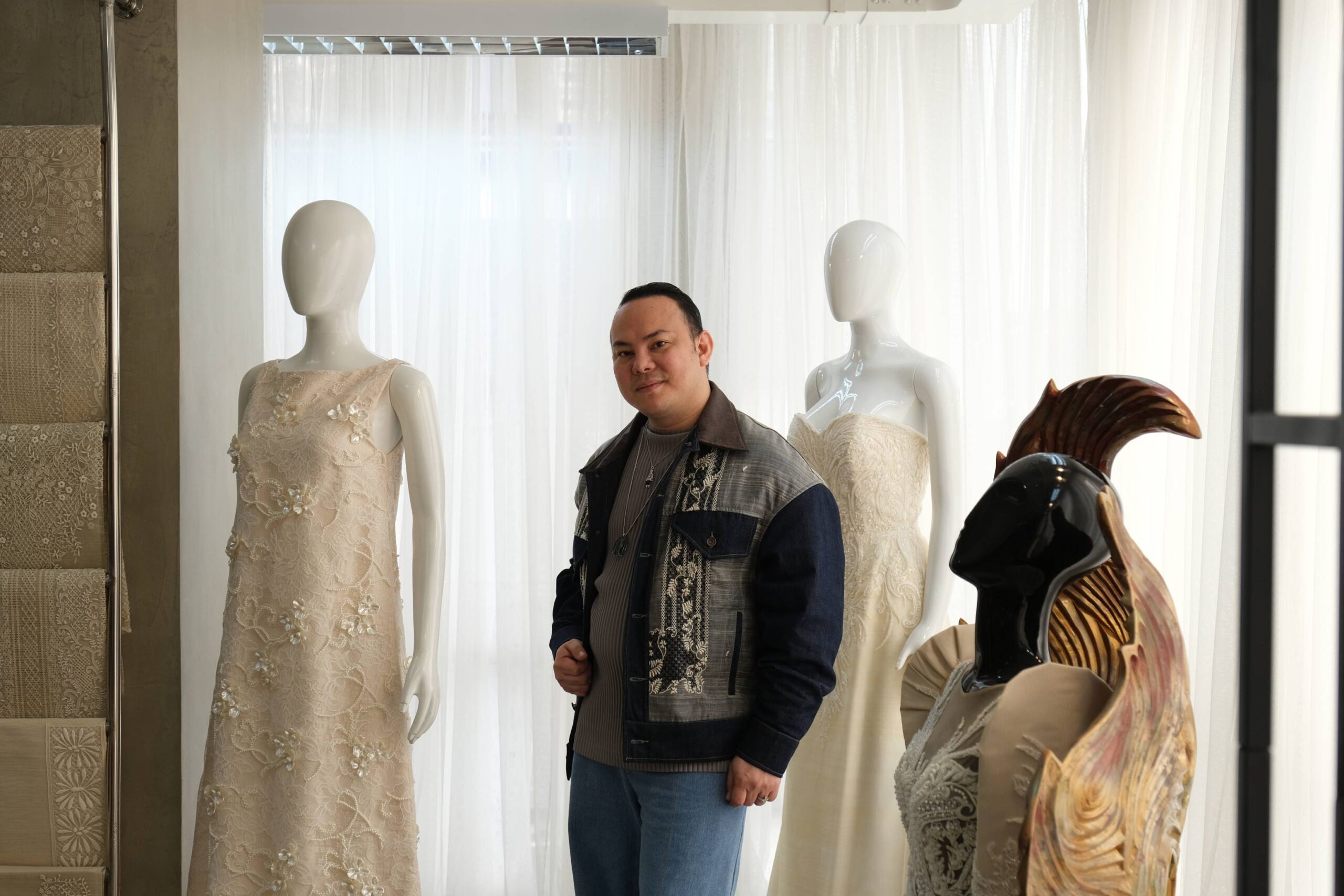
Designer Jor-El Espina Opens New Studio, Shop in Makati



Esteemed Filipino designer Jor-El Espina opened their new design studio and their first permanent shop in the country, located in Makati. The Jor-El Espina Atelier, on the 7th floor of One Corporate Plaza, gives the celebrated brand a convenient and accessible place for its clients to congregate towards.
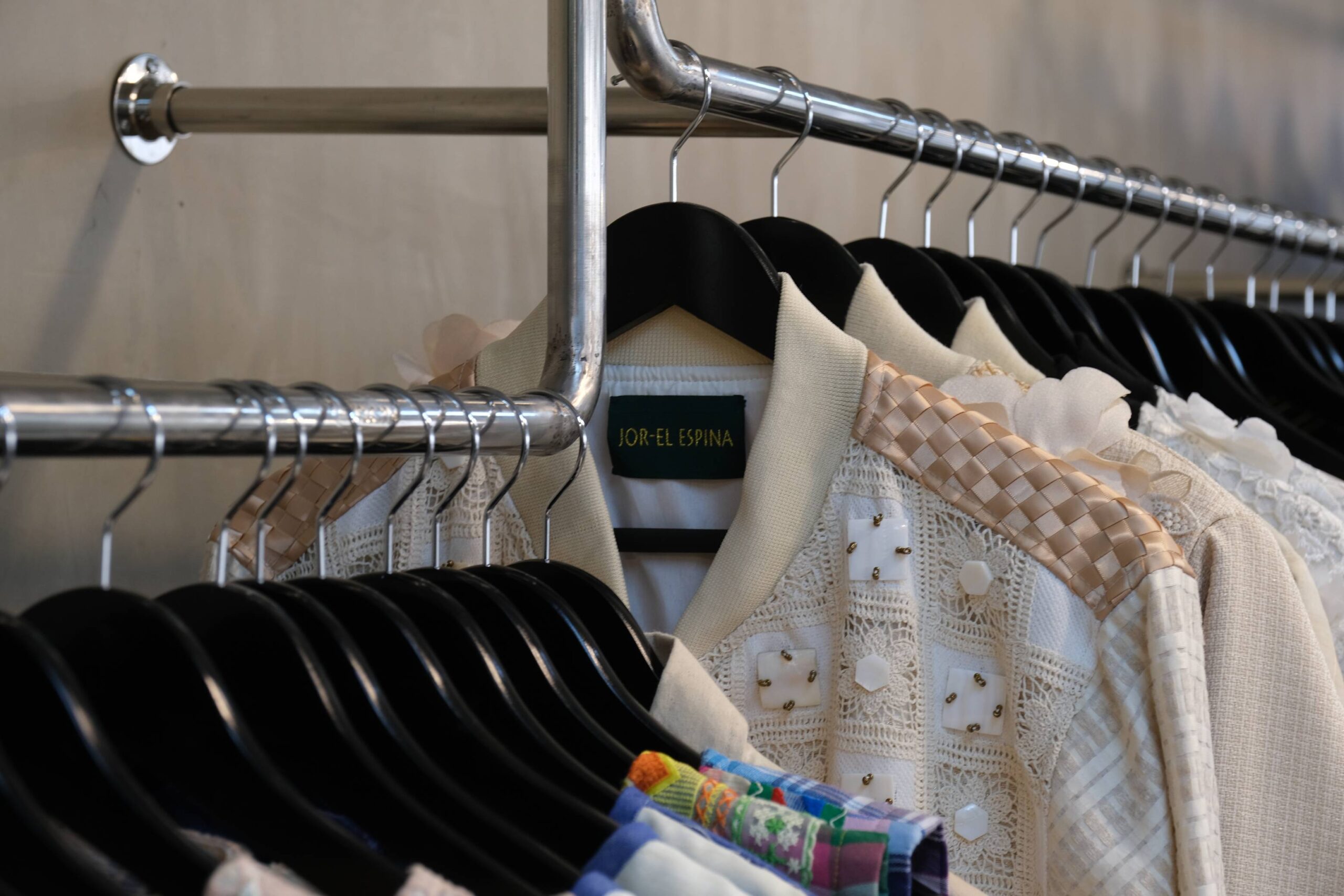
The atelier and design shop contains many of the latest collections from Espina, from modern interpretations of traditional bridal dresses to his newly-launched 2025 collection to the retail, ready-to-wear versions of his modern takes on the Filipiniana.
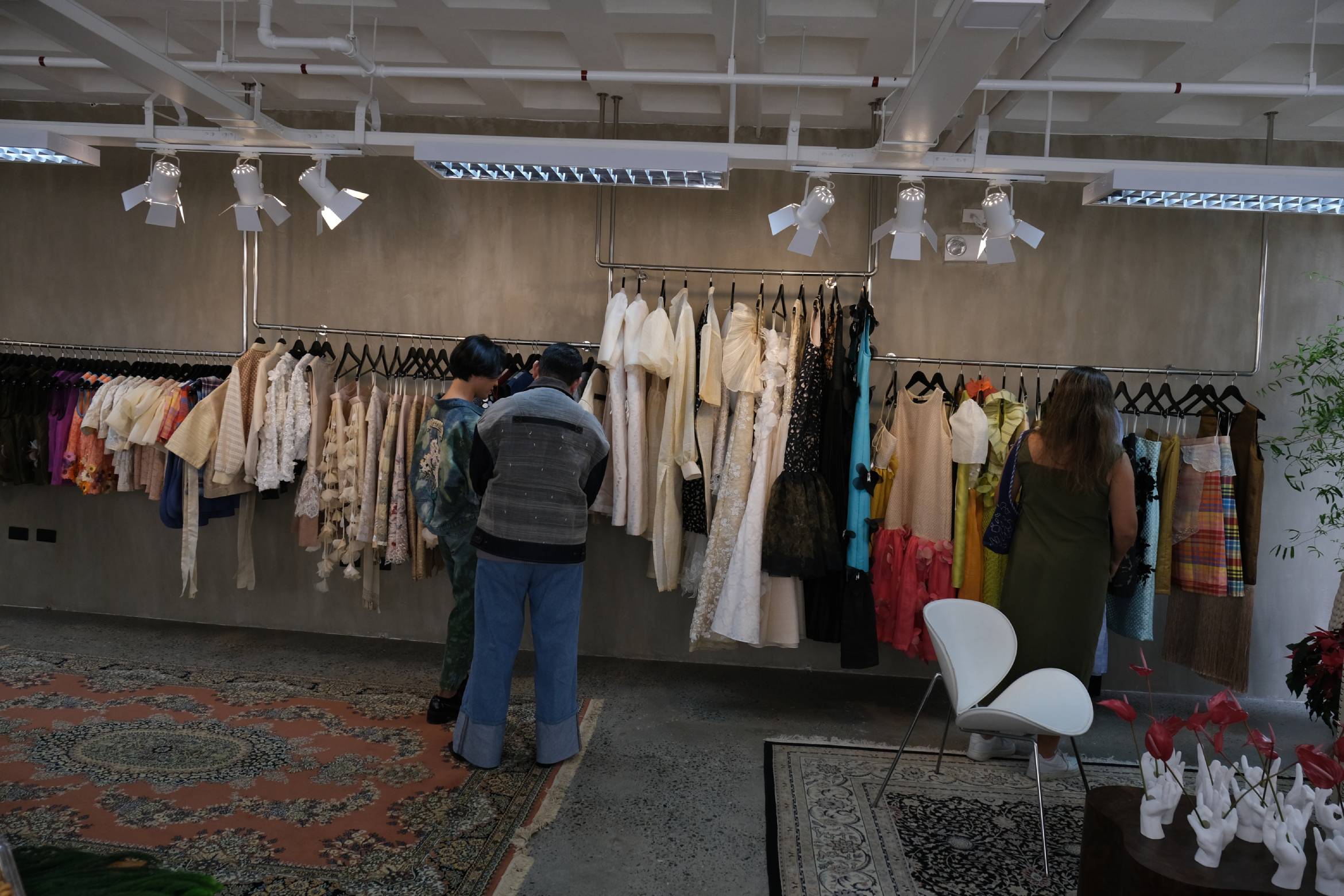
“This is a part of our growth as a brand to open a design house; our first design house in Manila. For the past years, most of our stores are in the mall and it’s all pop up, so it’s nice to open a store in time for the holidays,” Espina said about the store.
Atelier Interior: Minimalist Design and Piña Fabric Display
For Jor-El Espina, the atelier serves more than a place that sells his designs. Rather, it functions as a creative space where clients can participate in the crafting of his innovative modern designs.
“The atelier allows us to engage more personally with all our patrons–offering a deeper connection with our craft, story, and commitment to contemporary Filipino design,” he said in a statement. “We wanted it to feel intimate yet aspirational, a reflection of the women who wear our pieces.”
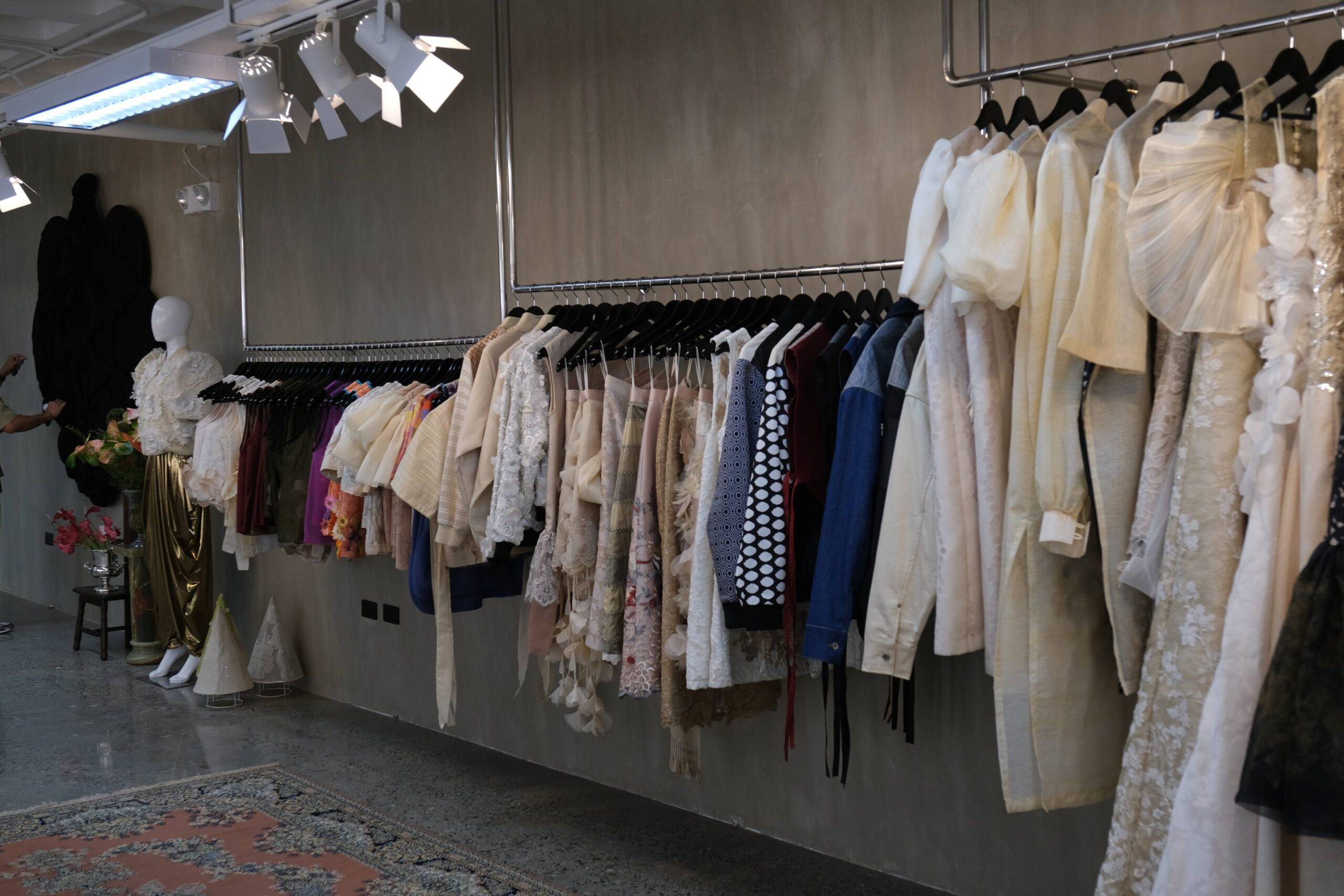
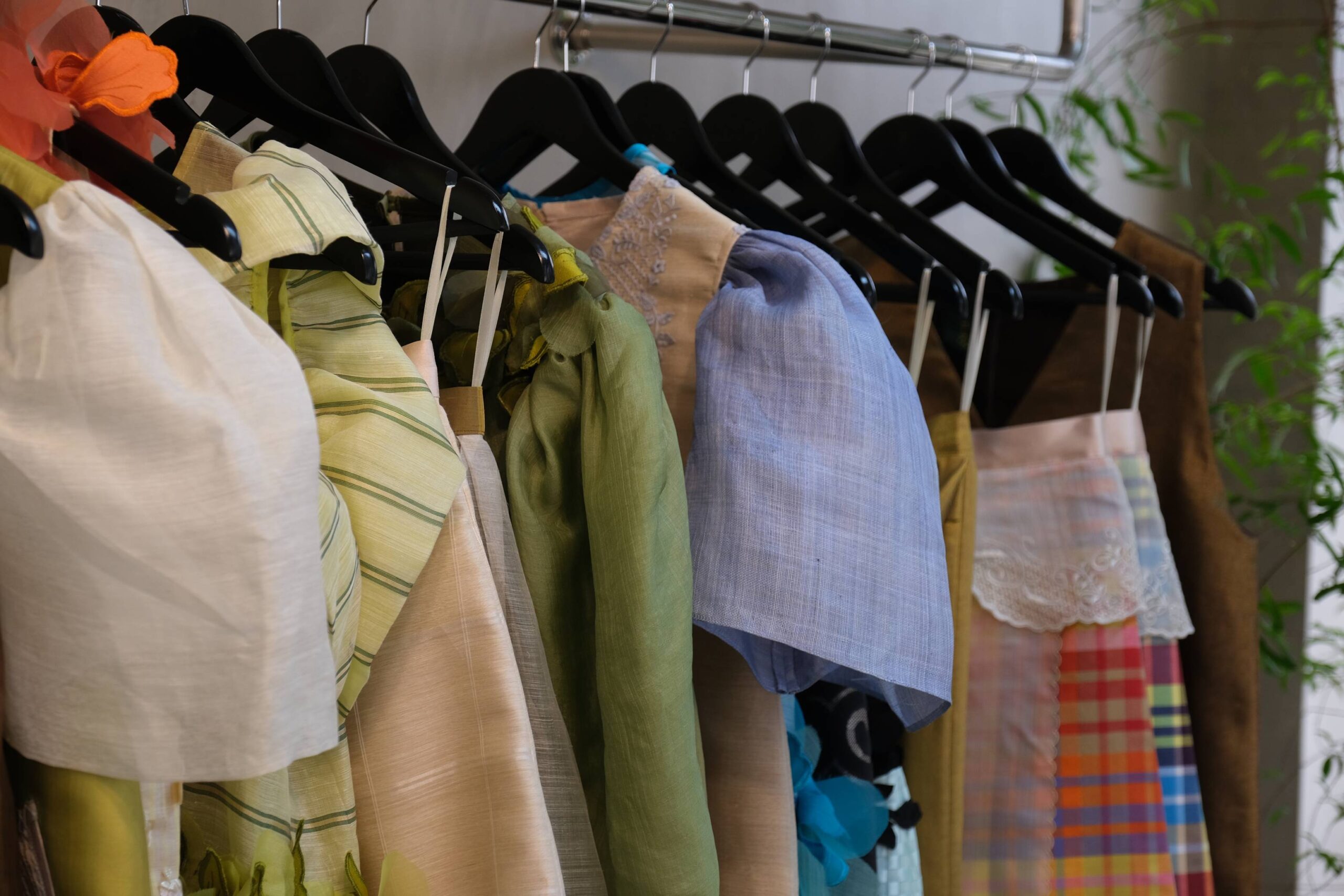
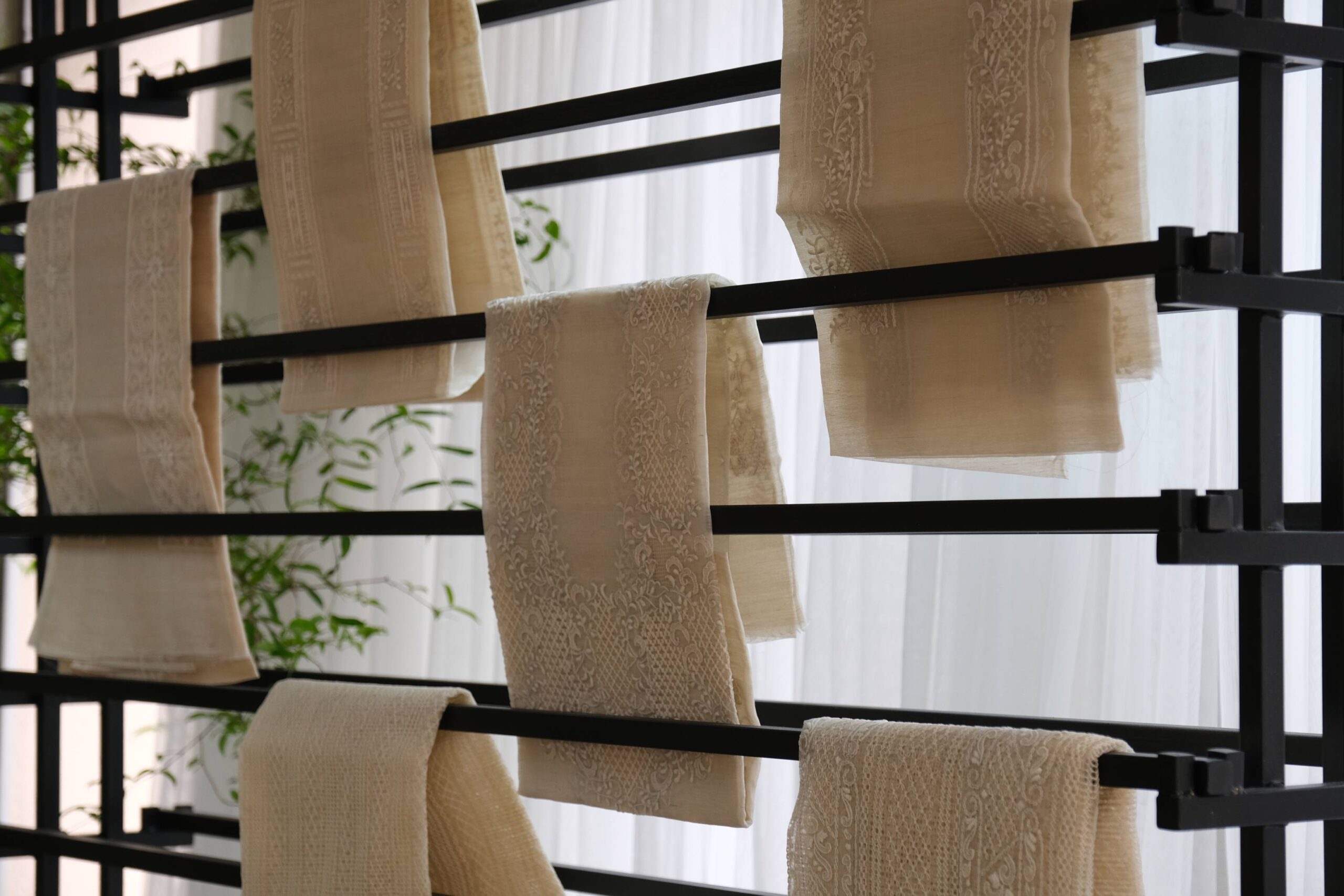
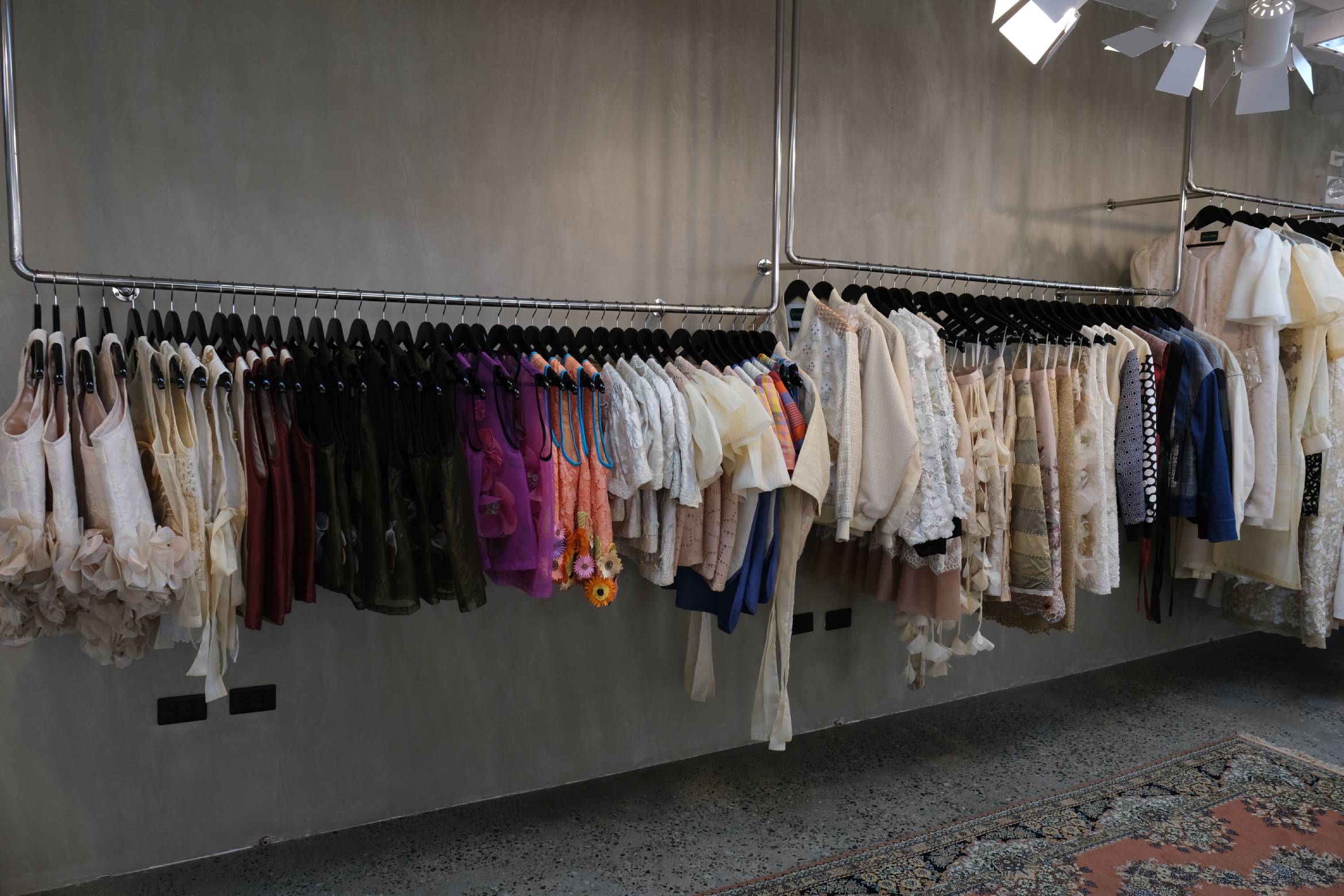
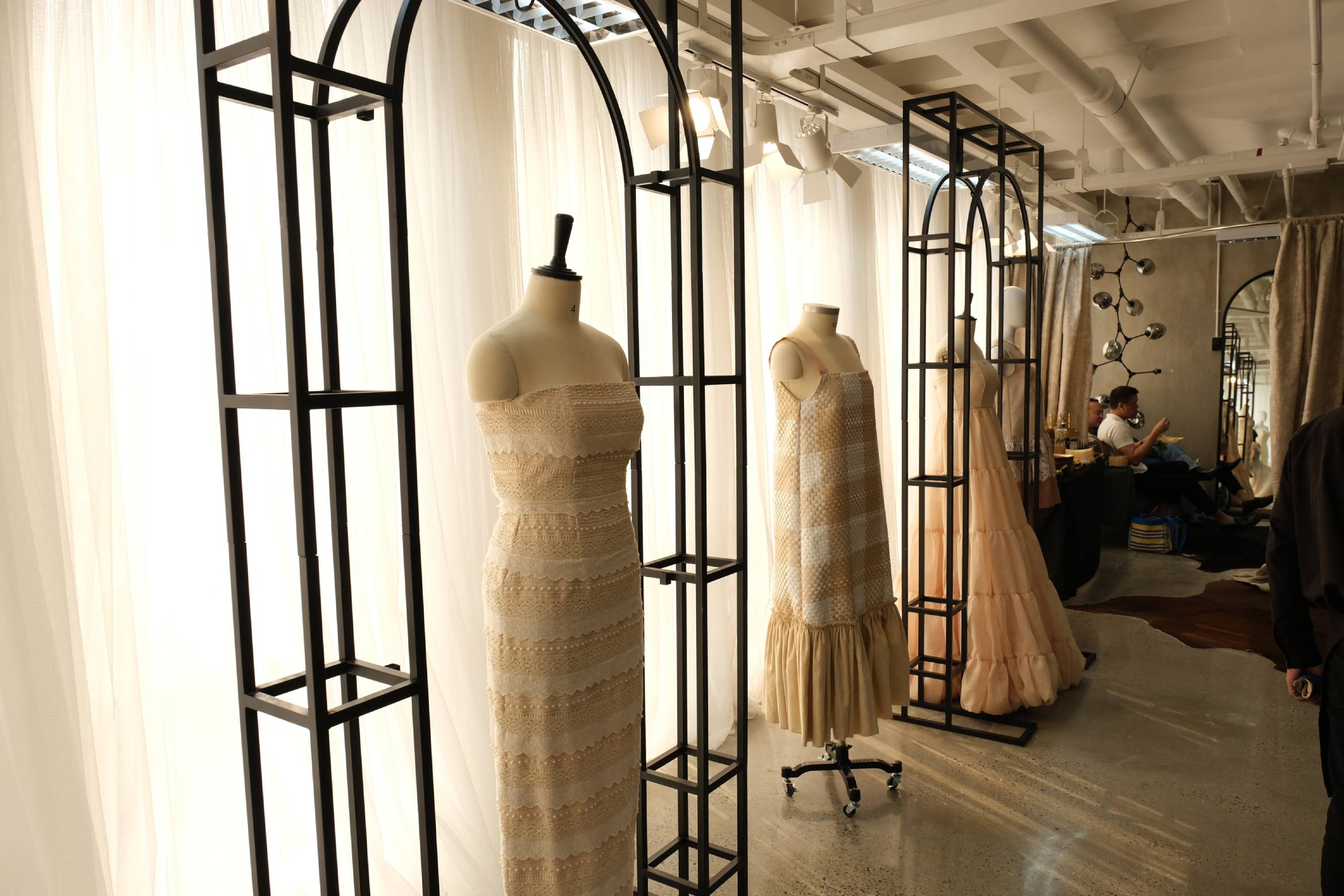
The space is designed with a sparse minimalist aesthetic. Shelves of piña fabric showcase the intricate embroidered designs within the clothes. Small touches like vases of flowers compliment the largely-white design and add a more open, lived-in feeling conductive for creative work.
“I’d like to think of our atelier as a sanctuary for local creativity and elegance,” Espina said.
How Silk Ribbon and Bobbin Lace Techniques Modernize Traditional Piña Craft
Espina’s collections give viewers a perspective of how modern fashion integrates the traditional designs of the past. Some of his dresses, for example, utilize a banig basket design for the torsos, using handmade silk ribbons and bobbin lace to create a softer interpretation of the past.
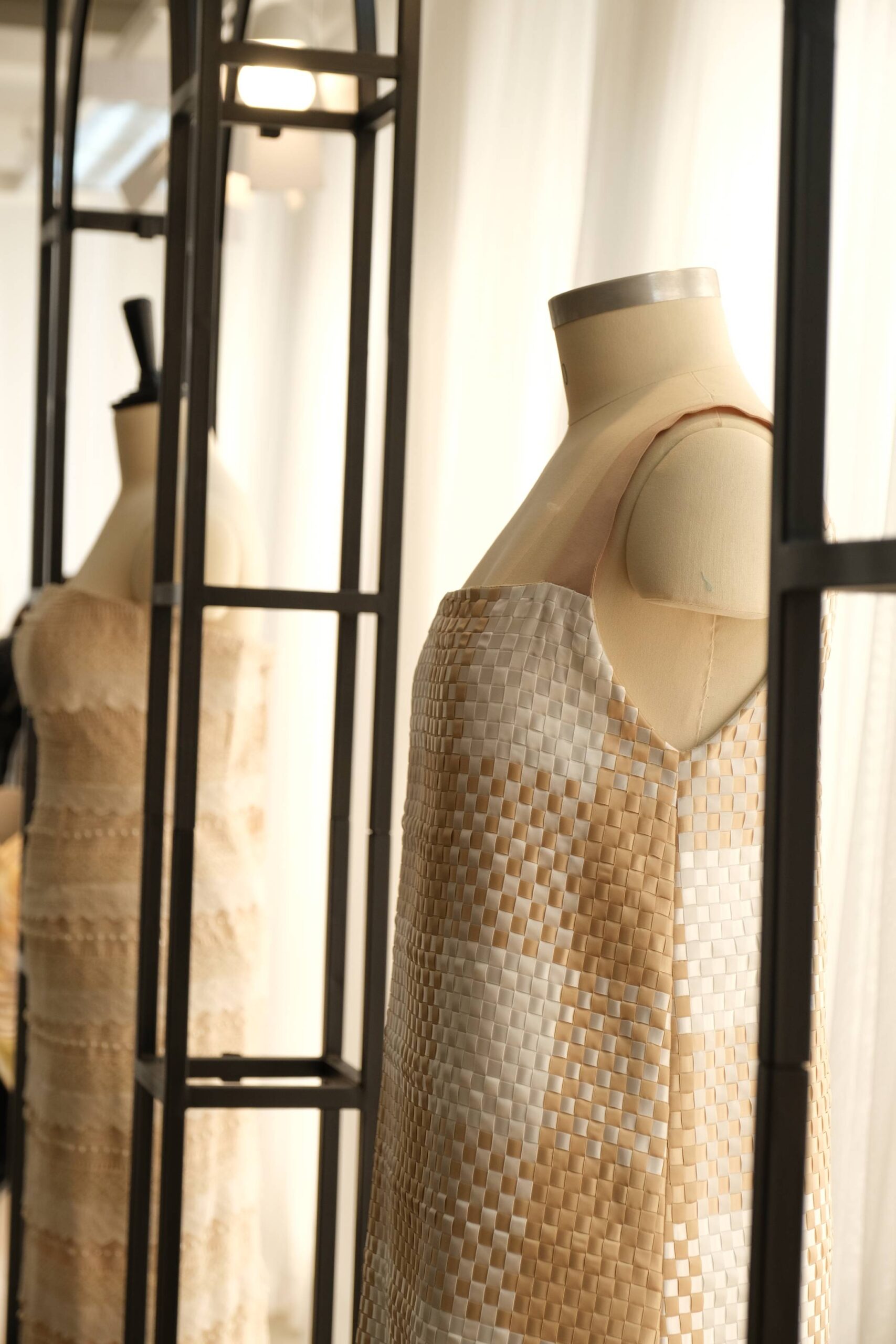
Others, of course, use locally-sourced piña fabric, dyed naturally to give an authentic Filipino look whilst adapting it to the needs of our time. The piña serves as one of the central fabrics in Jor-El Espina’s works, populating his latest collection as well as designs like a layered bridal ball skirt.
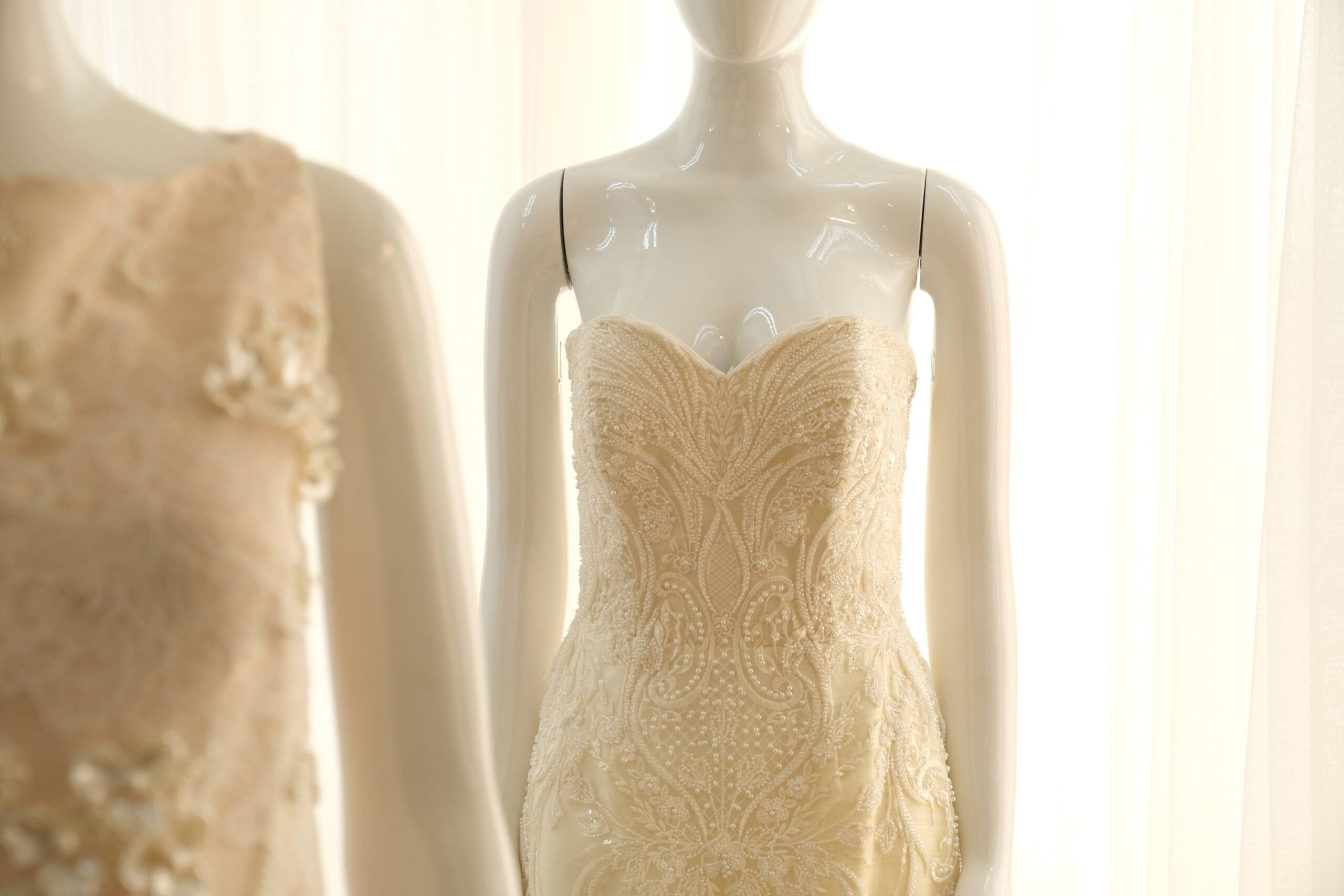
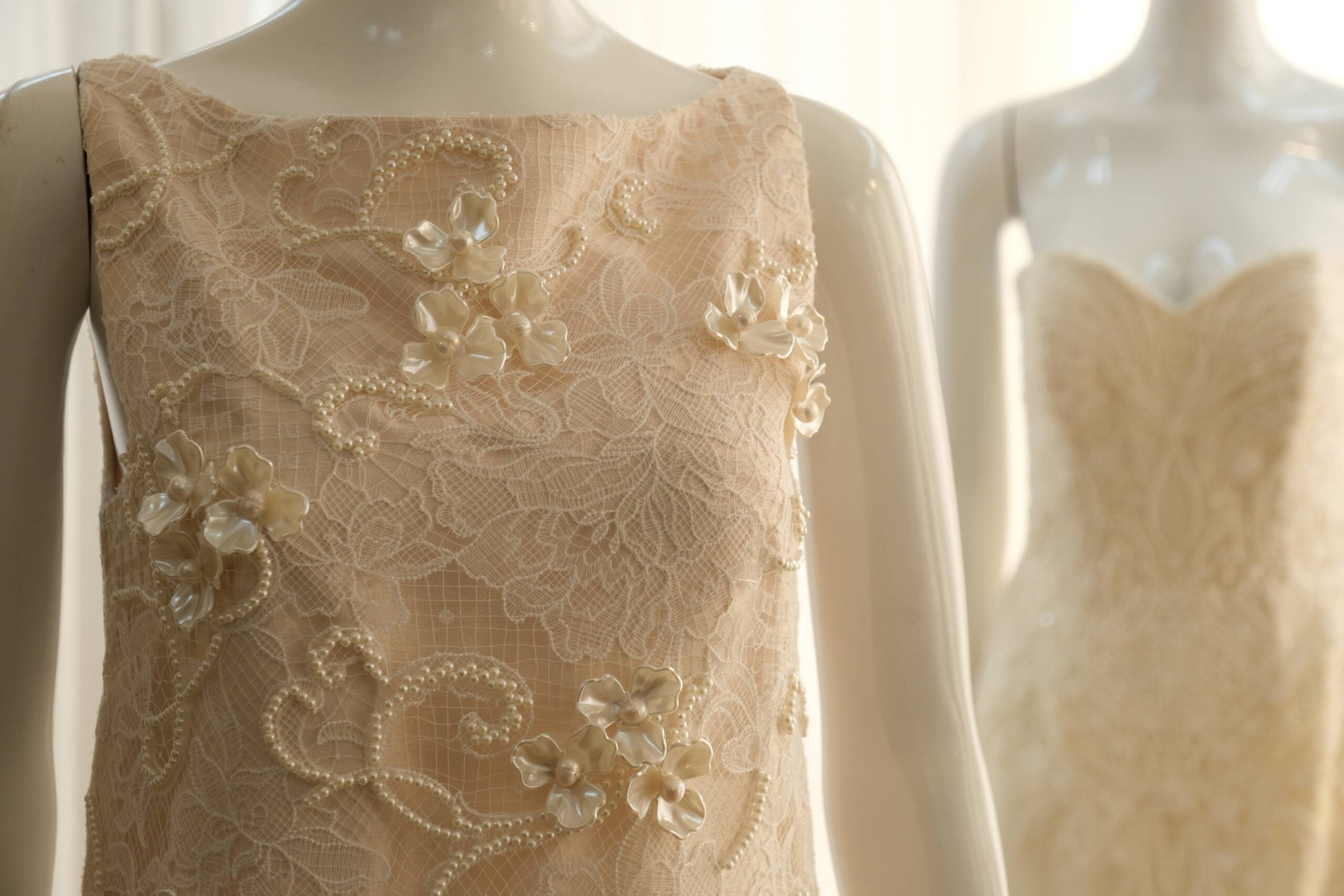
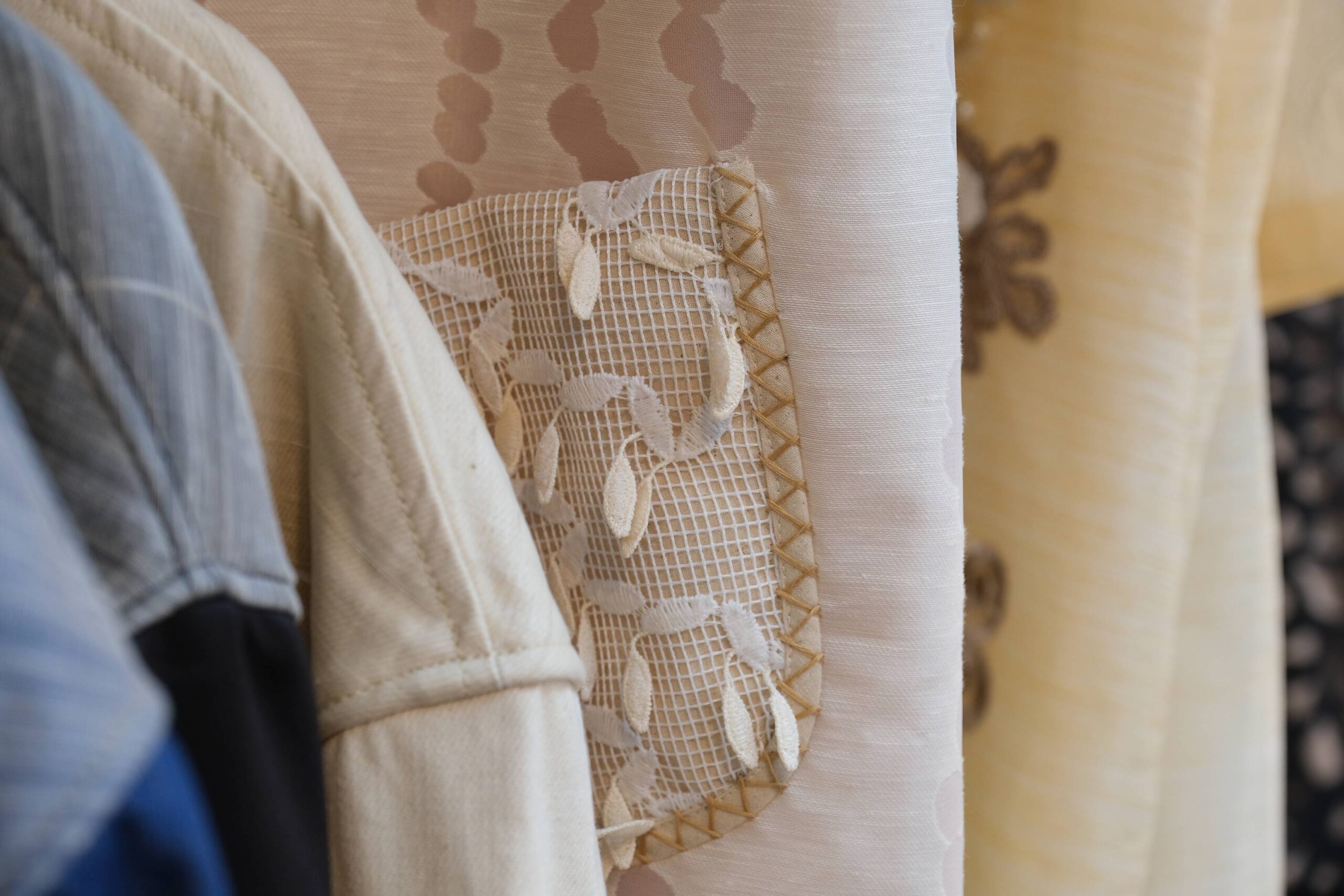
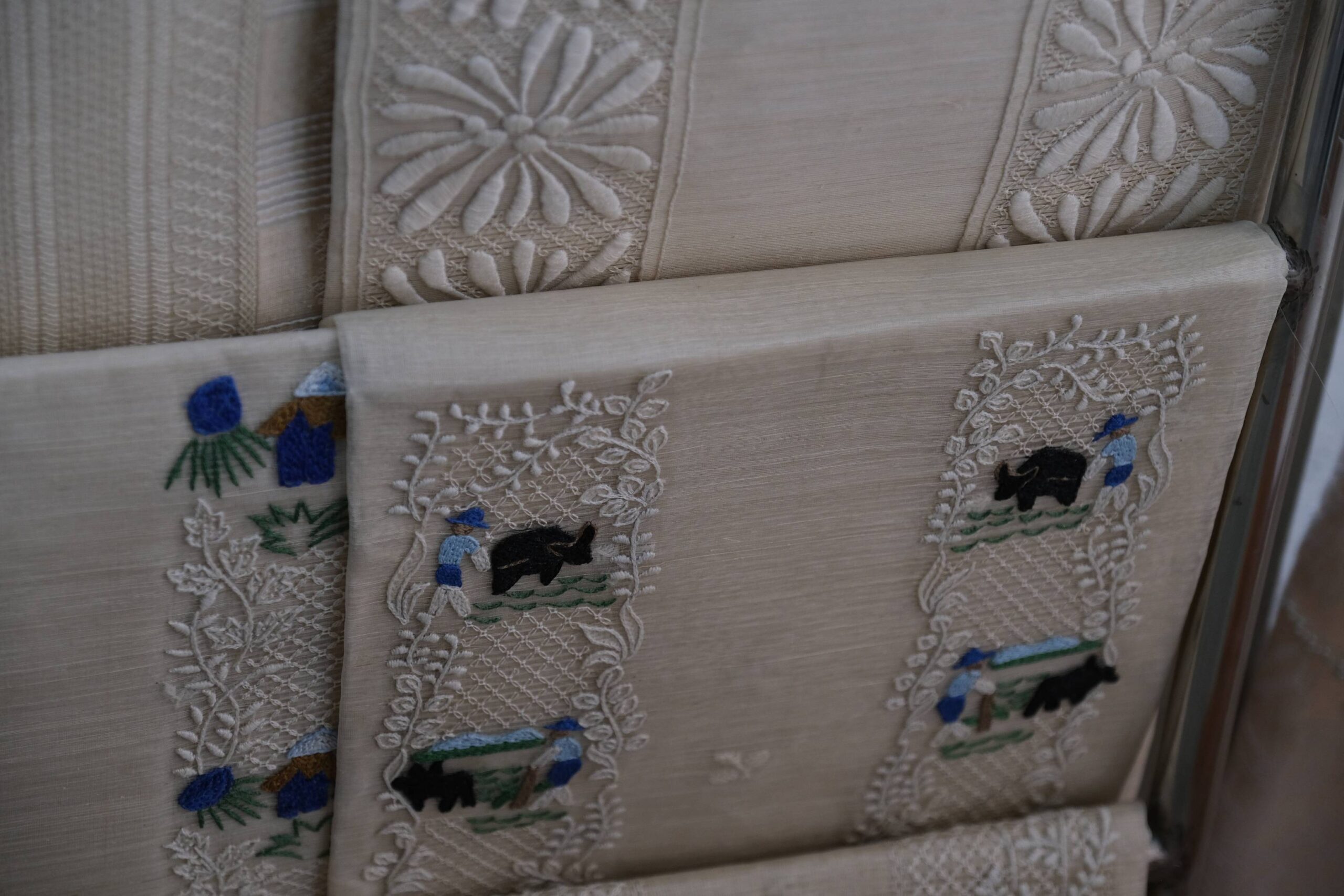
“As you can see, the piña fabric is very traditional. Well, as you can see, the silhouette is really modern itself. That’s—the material itself can be—you can specify it as a Filipiniana, but this is a modern take on it,” he said.
Design Adaptability: Modern Filipiniana for Every Occasion
That adaptability is key to the appeal of Jor-El Espina and his designs. He crafts a modern take on the dress that wouldn’t look out of place in formal events, allowing a melding of today’s comforts without sacrificing fidelity to the past.
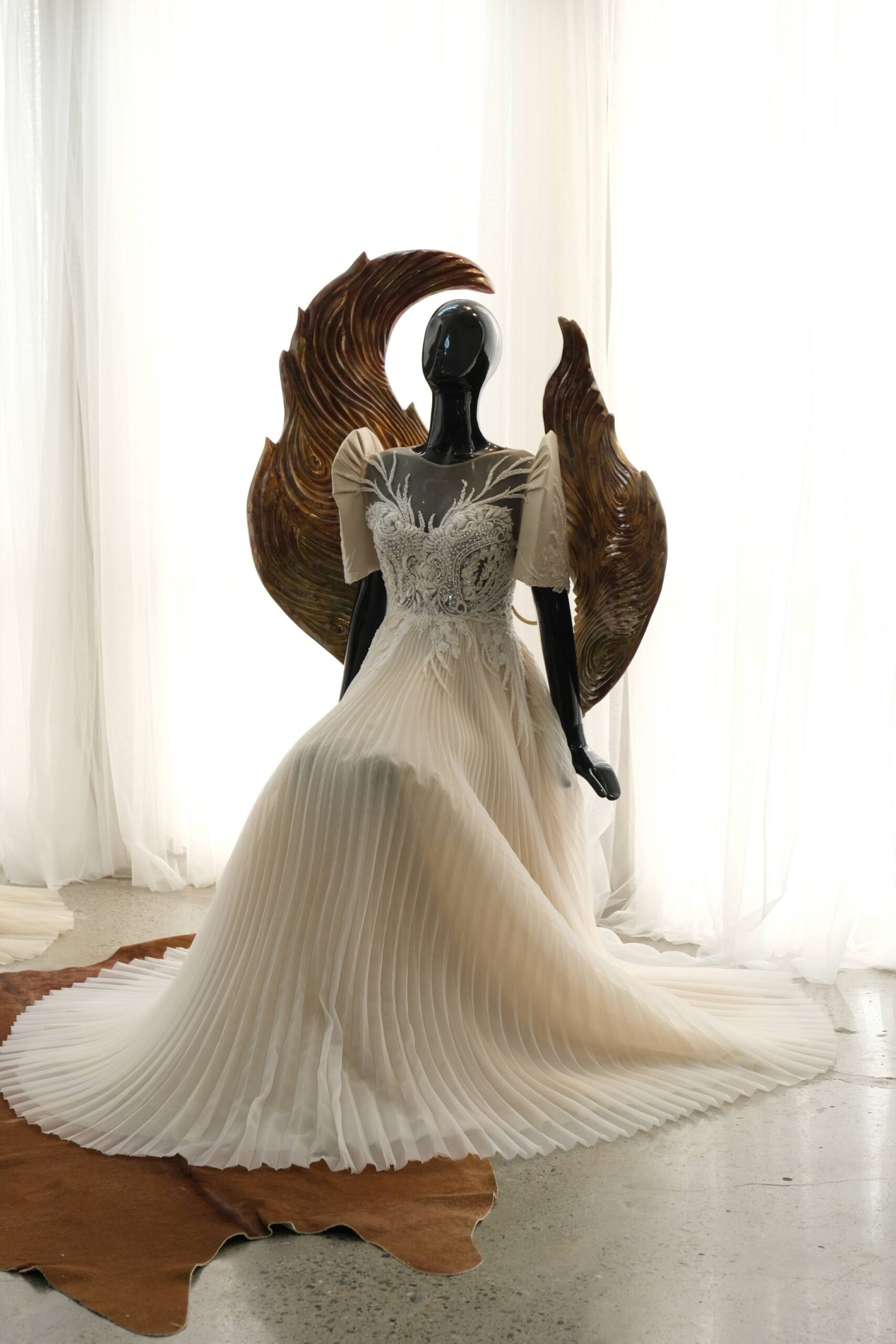
“Nowadays, you can wear this as a modern Filipiniana. Right now, [people] require a lot of modern Filipiniana outfits. So here’s my share of it,” he said. “Yeah, it’s very modern that you can use it for formal events and casual events.
“We’re very true to our aesthetic. It’s always a contemporary Filipiniana.”
Jor-El Espina Atelier is open from 10am to 8pm. Customers can book appointments for the store through contacting this number: 0931-127-2802.
Photos by Ed Simon.
Related reading: Suit It Up Manila Gives You Another Reason To Dress Your Best
Frequently Asked Questions
Jor-El Espina Atelier is located on the 7th floor of One Corporate Plaza in Makati, marking the designer’s first permanent design house and retail space in the country after years of operating primarily through mall pop-ups.
The atelier uses a sparse, largely white minimalist interior, with shelving that displays piña fabric and embroidered detailing, intended to create an intimate yet aspirational environment for clients engaging directly with the design process.
Piña fabric is a traditional Philippine textile woven from pineapple leaf fibers; Espina uses it, often naturally dyed, as a central material across his collection, including layered bridal ball skirts and modern Filipiniana silhouettes.
Espina pairs traditional references — such as banig basket-inspired torso construction and piña fabric — with modern techniques like silk ribbon and bobbin lace, producing contemporary Filipiniana silhouettes suited to both formal and casual wear.
Clients can view and purchase Espina’s collections, including bridal and ready-to-wear Filipiniana pieces, in a space designed for closer engagement with the brand’s craft; the atelier operates 10am–8pm by appointment.
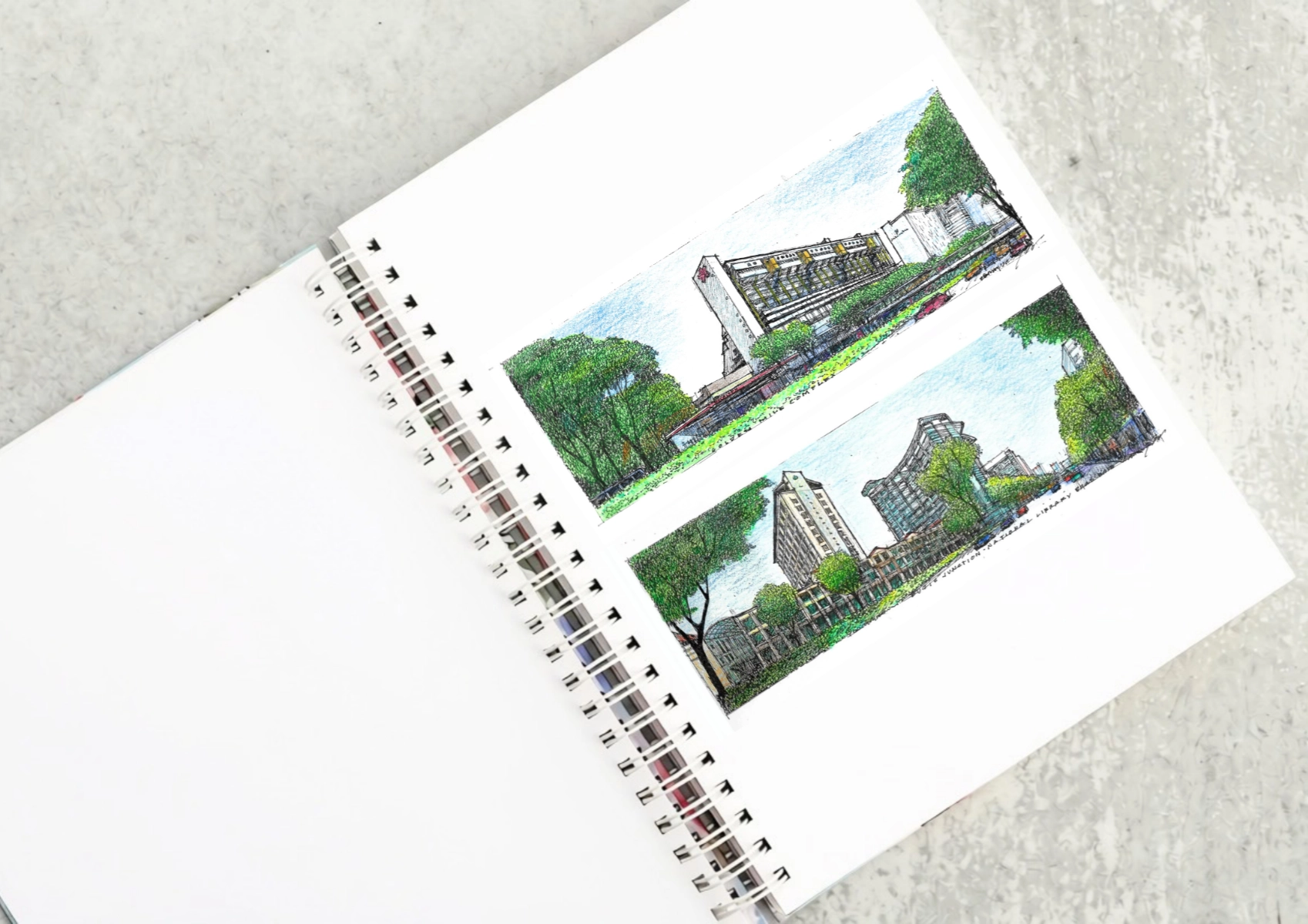
Two sketches of Singapore connect BluPrint Editor in Chief Paulo G. Alcazaren’s personal and professional history with Shared Ground: ArchitectureArchitectureThe art and science of designing and constructing buildings, structures, and spaces that are functional, safe, and aesthetically pleasing. It encompasses the planning, design, materials, and techniques used to createGo to Architecture Glossary of Care, Culture, […]
In a way, designers are the modern-day soothsayers and prophets. They design for the future, predicting how a room, a house, a building or a whole city will be used by people. They foresee how users will interact with a space, conjure exact shades of colors to elicit specific behavior and arrange furniture to build […]
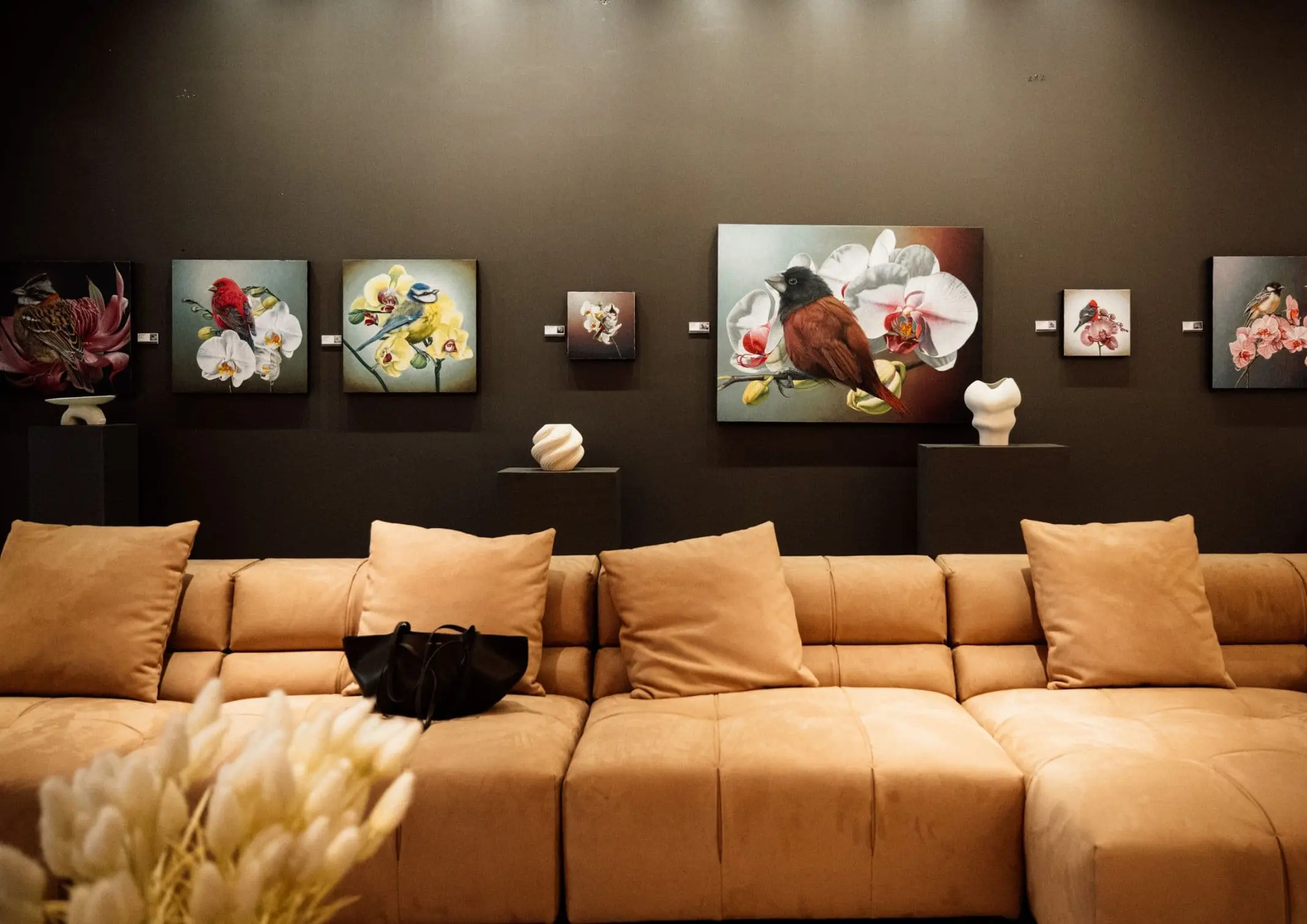
Art and furniture are often selected separately, yet their relationship can shape how a room looks and feels. The collaboration between Hooga and Galerie Joaquin explores how these elements can work together, bringing contemporary artworks into furnished residential settings at Hooga’s showroom in Uptown Mall, Bonifacio Global City. For Hooga, which curates furniture, lighting, and […]
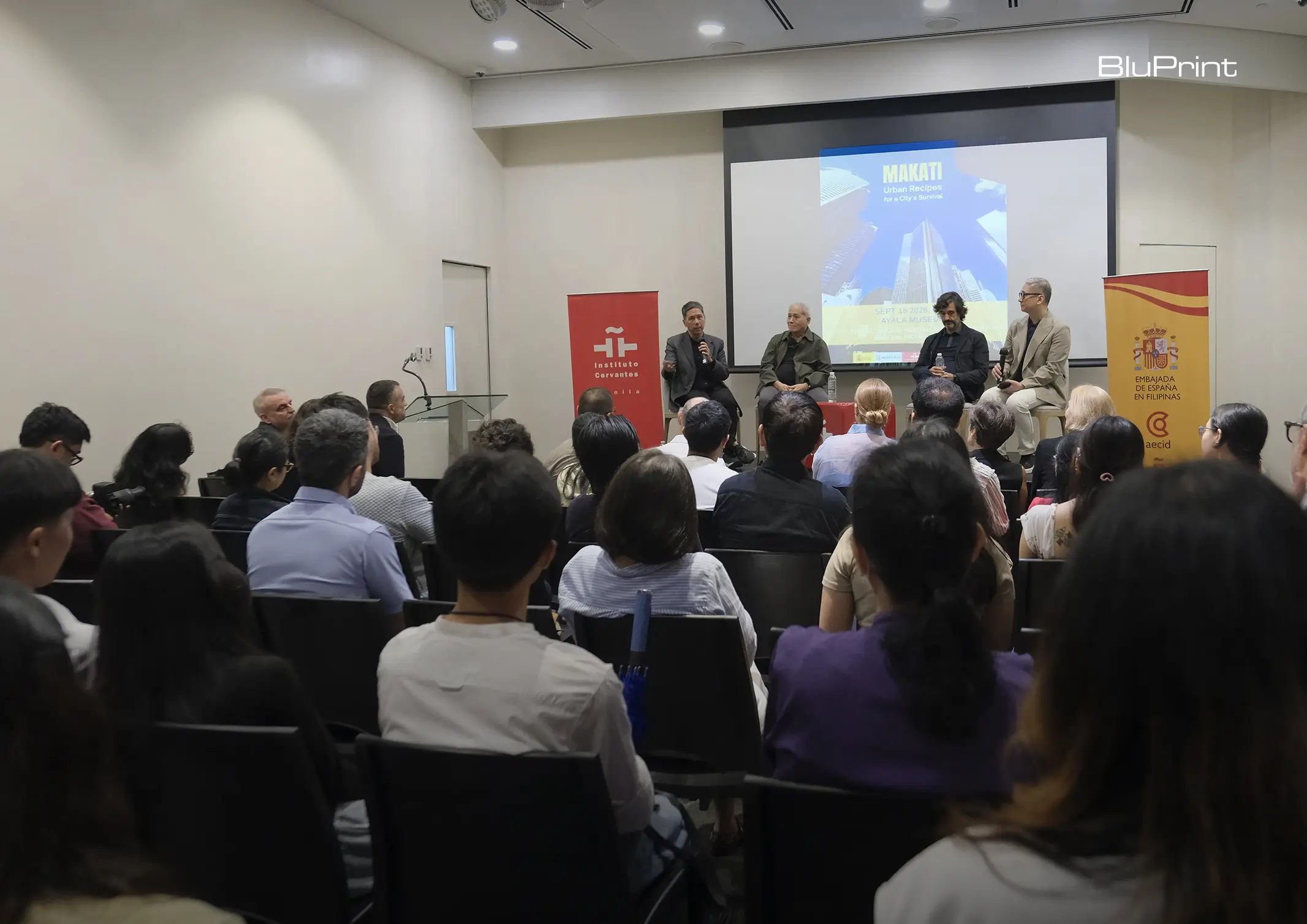
How can better-planned cities create the conditions for more creative, livable, and resilient urban environments? “Makati Urban Recipes for a City’s Survival,” a colloquium held at the Ayala Museum on September 15, brought together architects and practitioners from the fields of urbanism and the creative economy to discuss how design, planning, and collaboration can address […]
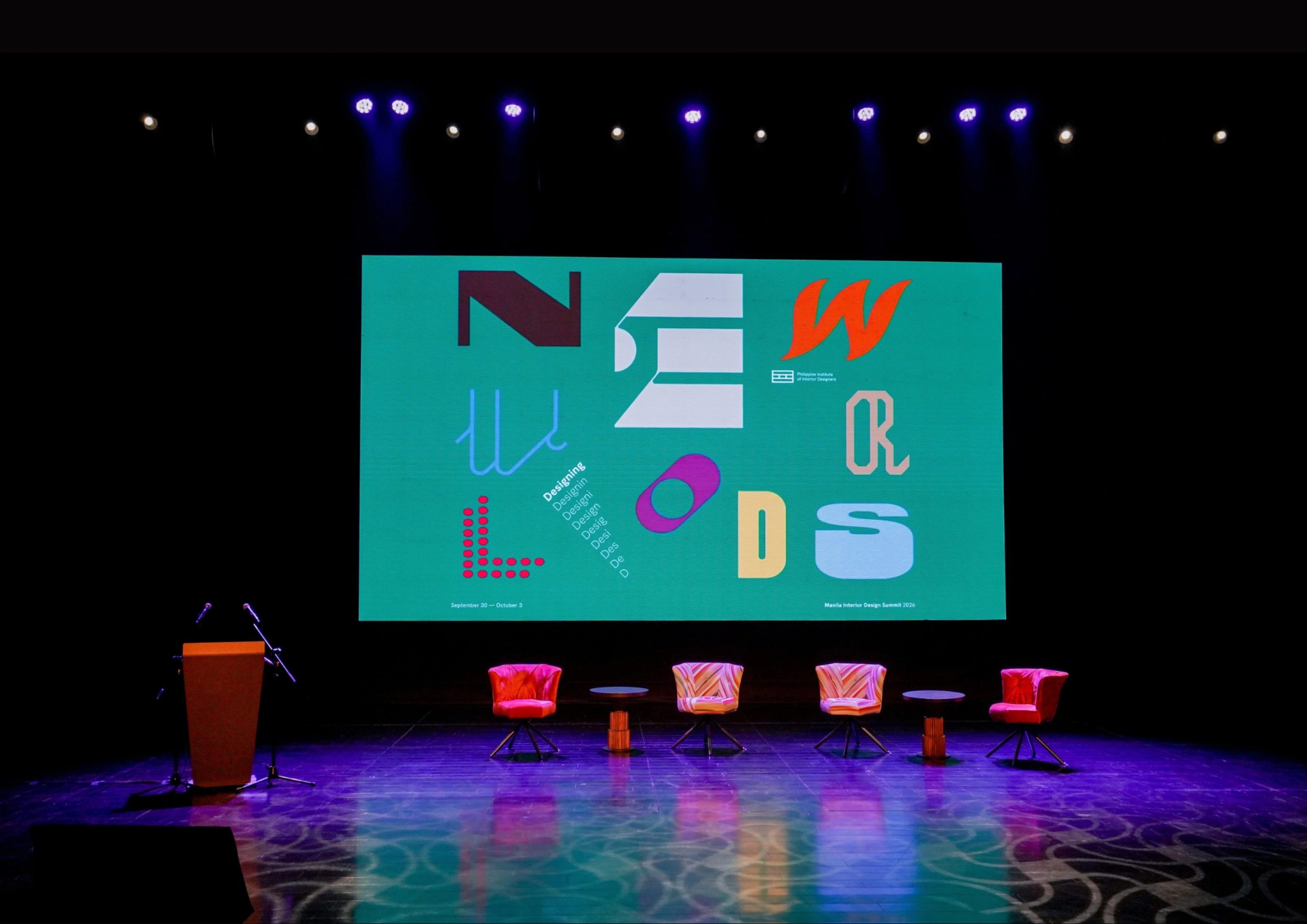
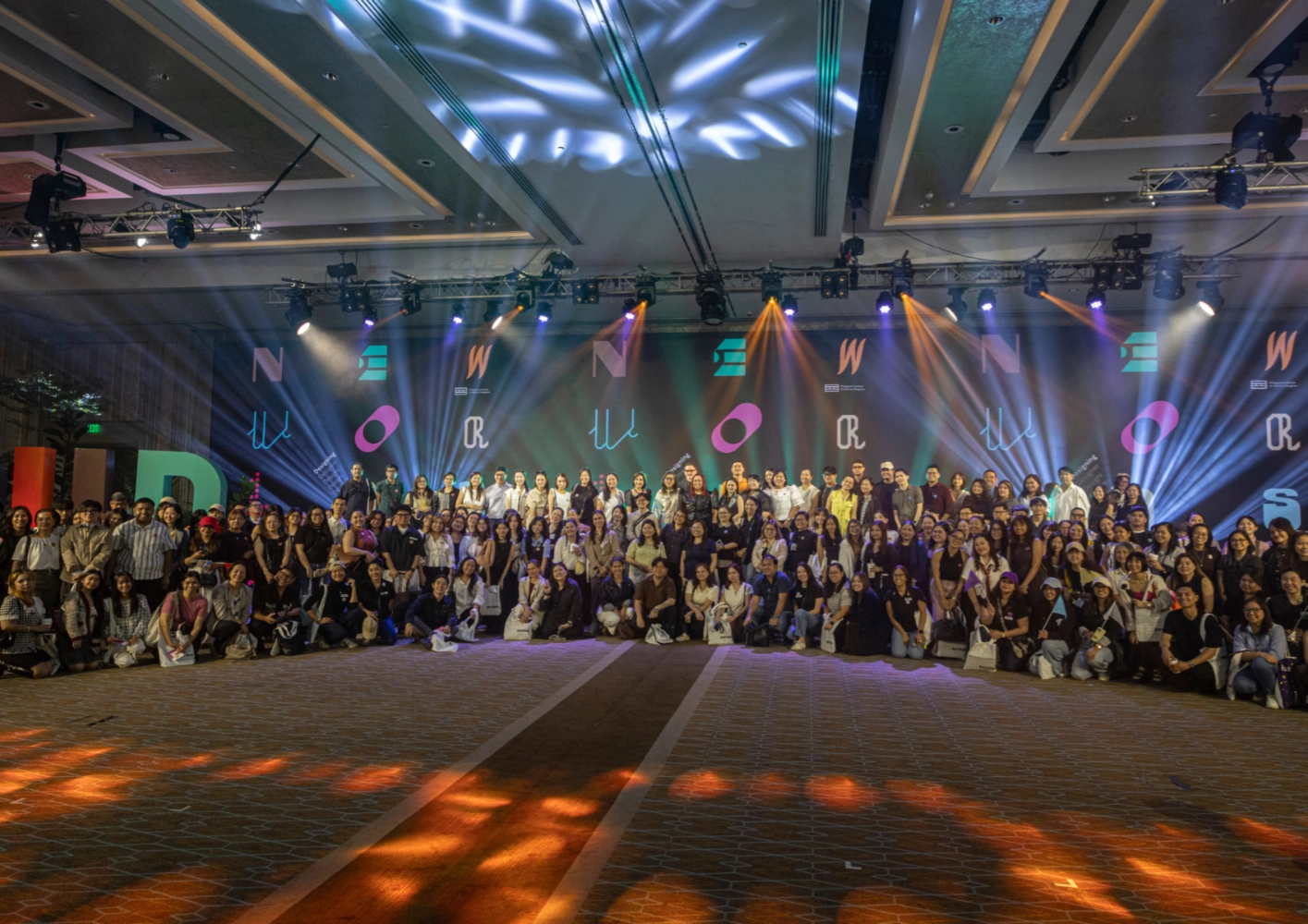
The fourth Manila Interior DesignInterior DesignThe discipline of planning and shaping interior spaces for function, comfort, safety, and beauty. It covers layout, lighting, materials, finishes, furniture, and color, and in the Philippines is a licensedGo to Interior Design Glossary Summit (MIDS) brought together more than 300 delegates for four days of conversations, exhibitions, and design […]
Read the issues.

Collect the volumes.

Recommended Video
Tap to Unmute
Unmute
0:00
0:00