Bigkis is the act of binding. In Tagalog, the word can refer to something used to bind or encircle, as well as a bundle formed by tying several separate elements together. Figuratively, it can also mean a bond, union, or unity. The meanings move from the physical act of joining things together to the connection […]
Pro-Palestinian Students and Faculty Arrested for Protests



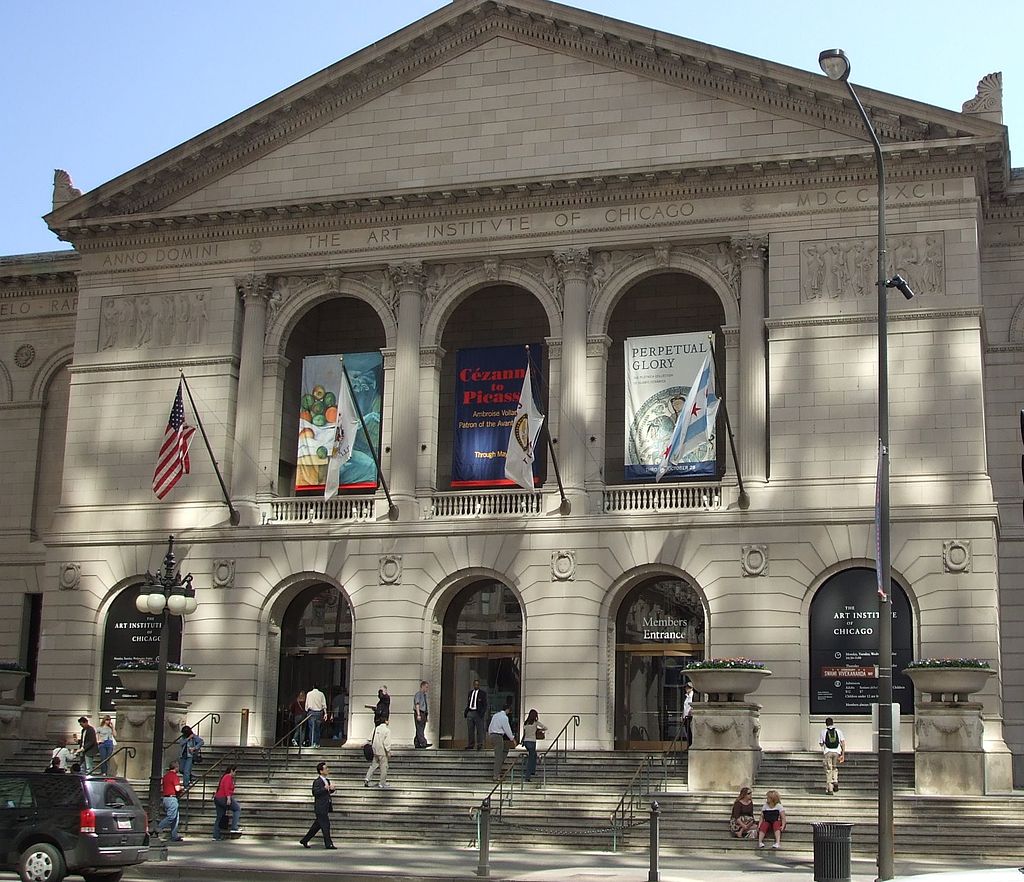
The police forcibly evicted protesting pro-Palestinian students and faculty members from their encampment at the Art Institute of Chicago on Saturday as they camped out in the school grounds calling for the school to condemn Israel’s actions against Palestine.
The eviction came after the administration of the Art Institute negotiated with the protesters for five hours to leave the North Lawn of the school where they set up the encampment. The administration reportedly offered them an alternate location, and promised that no one would be suspended if they relocated to this area.
After the negotiations to leave failed, the school requested the police to remove the protestors from the garden. The school claimed that some of the protestors “shoved a security officer and stole their keys to the museum, blocked emergency exits and barricaded gates.”
The police arrested 68 protesters and charged them for trespassing. Organizers of the protest, The People’s Art Institute, said in a statement that the police have yet to process any of the protesters and that many of the students and faculty members have been deprived of food and water.
Encampments for Divestment
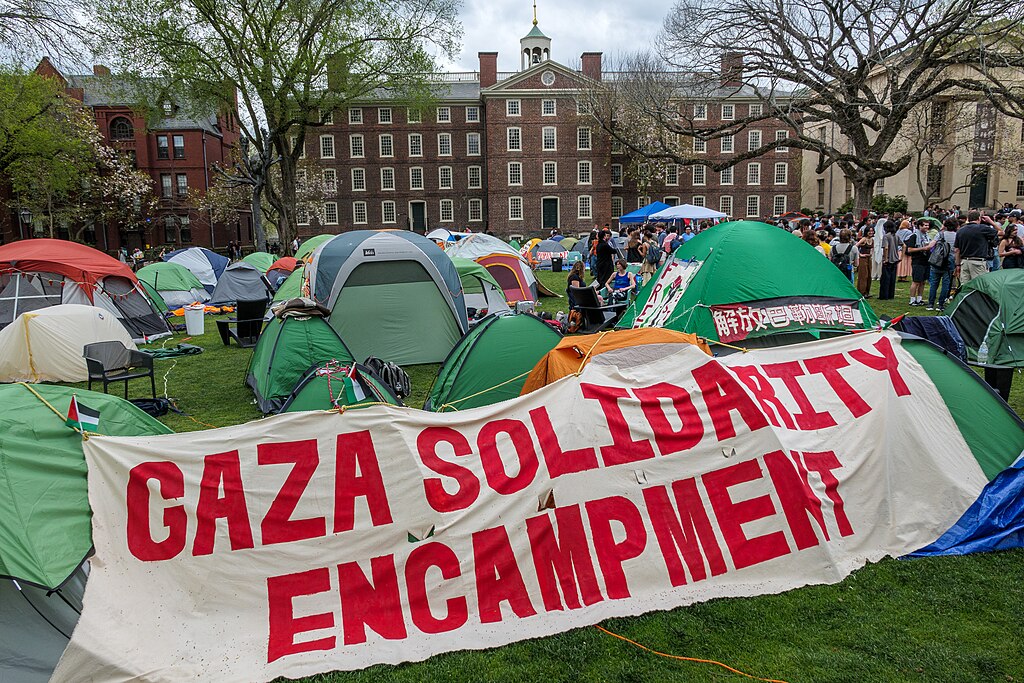
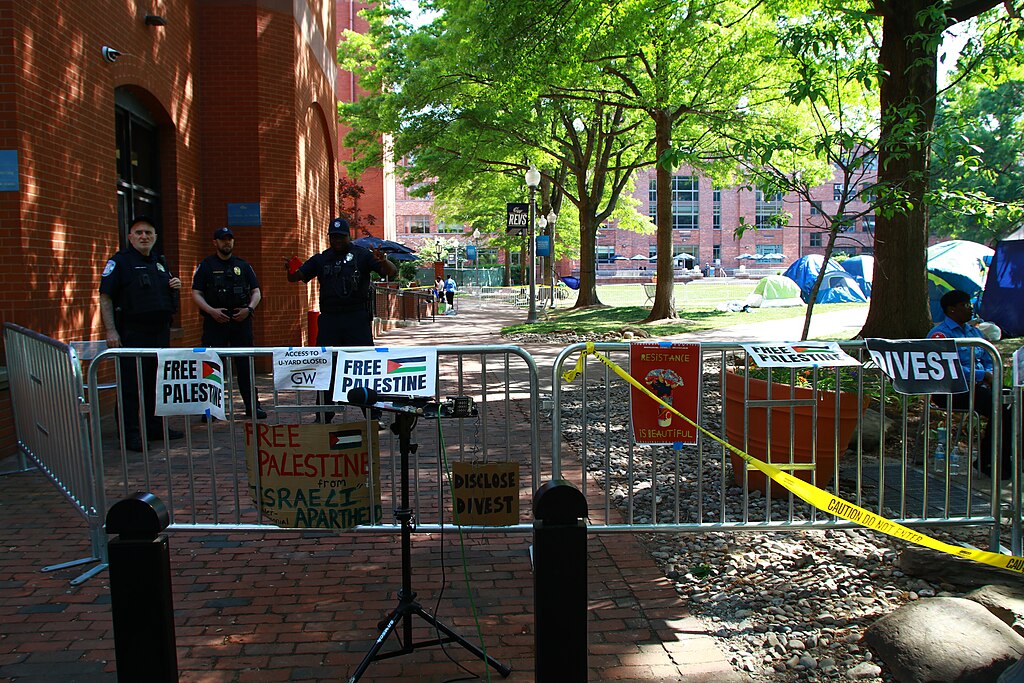
This new development comes as students across the United States have started peaceful encampments in their universities demanding that the schools divest from Israeli and Israel-supporting companies.
The pro-Palestinian protests intensified after the administration of Columbia University in New York condemned the encampments. After they publicly refused to divest from Israel, they pushed the police to forcibly evict the students. Police officers in riot gear swarmed into Colombia’s Hamilton Hall on Friday, May 2, breaking into the building from the second floor and brutally arresting 109 students involved in the encampment. Many students were also threatened with suspension or expulsion for participating in the protests.
A similar protest and outcome also happened on April 30 at the University of Texas. Over 79 students and other protesters were rounded up and arrested on the orders of Texas Gov. Greg Abbott.
While the student protesters denounced the violence done upon them, many universities’ administrations like Columbia accused the protesters of antisemitism and violence. This prompted the United States Congress to push for an antisemitism bill that prevents people from criticizing or attacking Israel.
President Joe Biden himself condemned the protests as chaotic and refused to change his position in the Israel-Palestine conflict. In a statement to the press, he said, “Dissent is essential for democracy. But dissent must never lead to disorder.”
Wider Scope of the Israeli-Palestinian Conflict
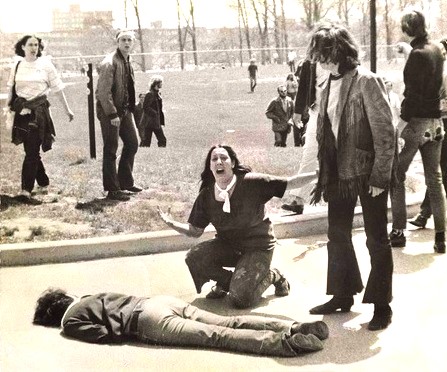
The eviction and arrest of protesters in Chicago also comes at the 54th anniversary of the Kent State massacre. Four students died there after the National Guard in Ohio opened fire to a student protest against the Vietnam War. The student killings eventually turned the tide against the war and prompted the Nixon administration to leave Vietnam.
The encampments also come in the context of the civilian response of the United States’ involvement in the Israeli-Palestinian conflict. That conflict killed more than 30,000 Palestinians in Gaza so far in widespread bombing operations after 1,100 Israelis were killed by Hamas on October 7.
Despite allegations of war crimes and ethnic cleansing against Palestinians, the United States government has refused to condemn Israel for their indiscriminate Gaza bombings. The government has also authorized Israel to receive more funding for bombs and other weapons.
Related reading: ‘Alburoto’: Recontextualizing Labor Rights as a Women’s Issue
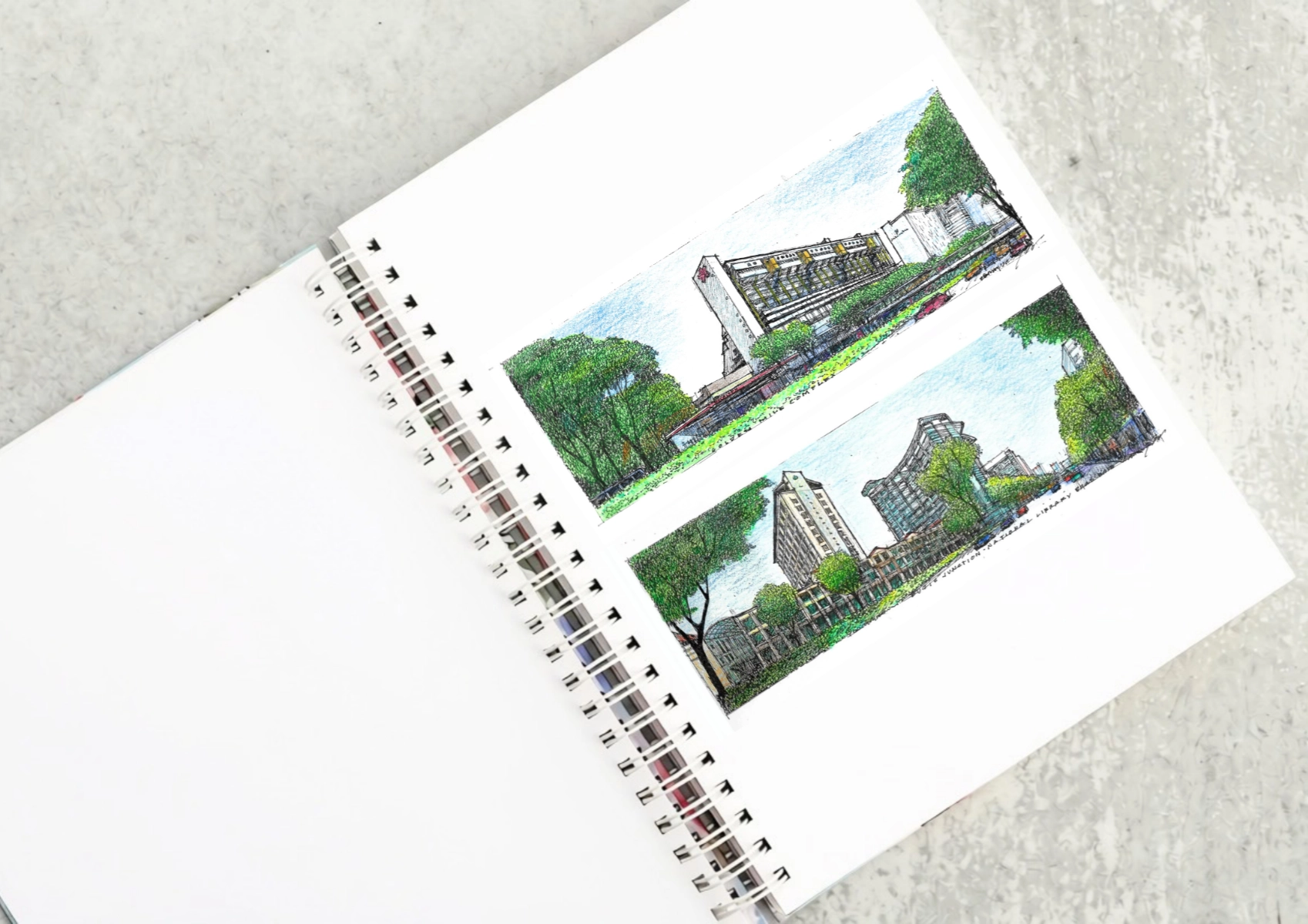
Two sketches of Singapore connect BluPrint Editor in Chief Paulo G. Alcazaren’s personal and professional history with Shared Ground: ArchitectureArchitectureThe art and science of designing and constructing buildings, structures, and spaces that are functional, safe, and aesthetically pleasing. It encompasses the planning, design, materials, and techniques used to createGo to Architecture Glossary of Care, Culture, […]

Some have become household names – Coleman, Oster, and KitchenAid – products that have found their way into Filipino kitchens, homes and family routines. In home furnishings, brands such as B&B Italia, Ethan Allen, Sub-Zero, Miele, SieMatic, Louis Poulsen, Hunter Douglas, Tempur, and Technogym, have helped shape the way Filipinos live. From everyday essentials to […]
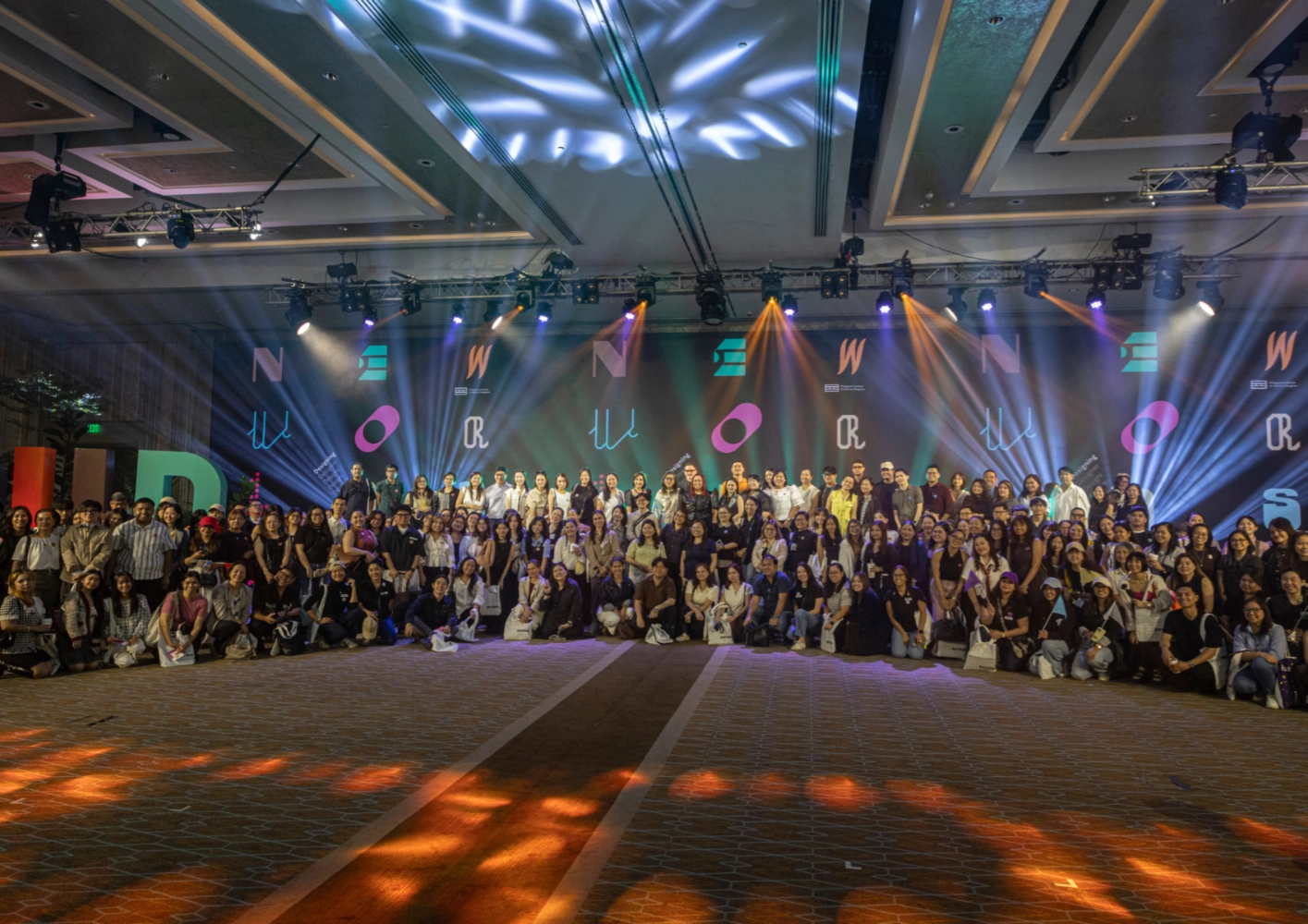
In a way, designers are the modern-day soothsayers and prophets. They design for the future, predicting how a room, a house, a building or a whole city will be used by people. They foresee how users will interact with a space, conjure exact shades of colors to elicit specific behavior and arrange furniture to build […]
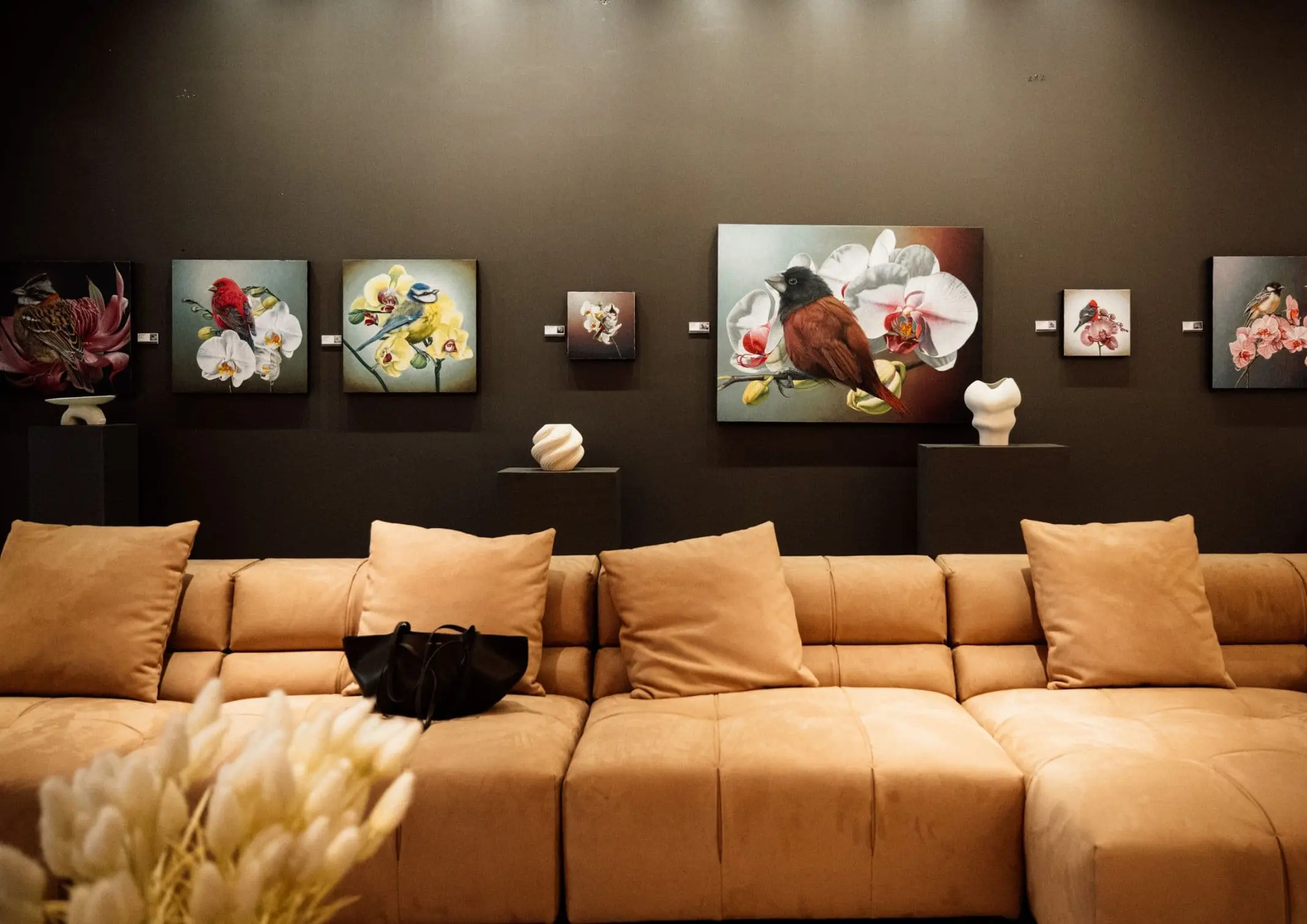
Art and furniture are often selected separately, yet their relationship can shape how a room looks and feels. The collaboration between Hooga and Galerie Joaquin explores how these elements can work together, bringing contemporary artworks into furnished residential settings at Hooga’s showroom in Uptown Mall, Bonifacio Global City. For Hooga, which curates furniture, lighting, and […]
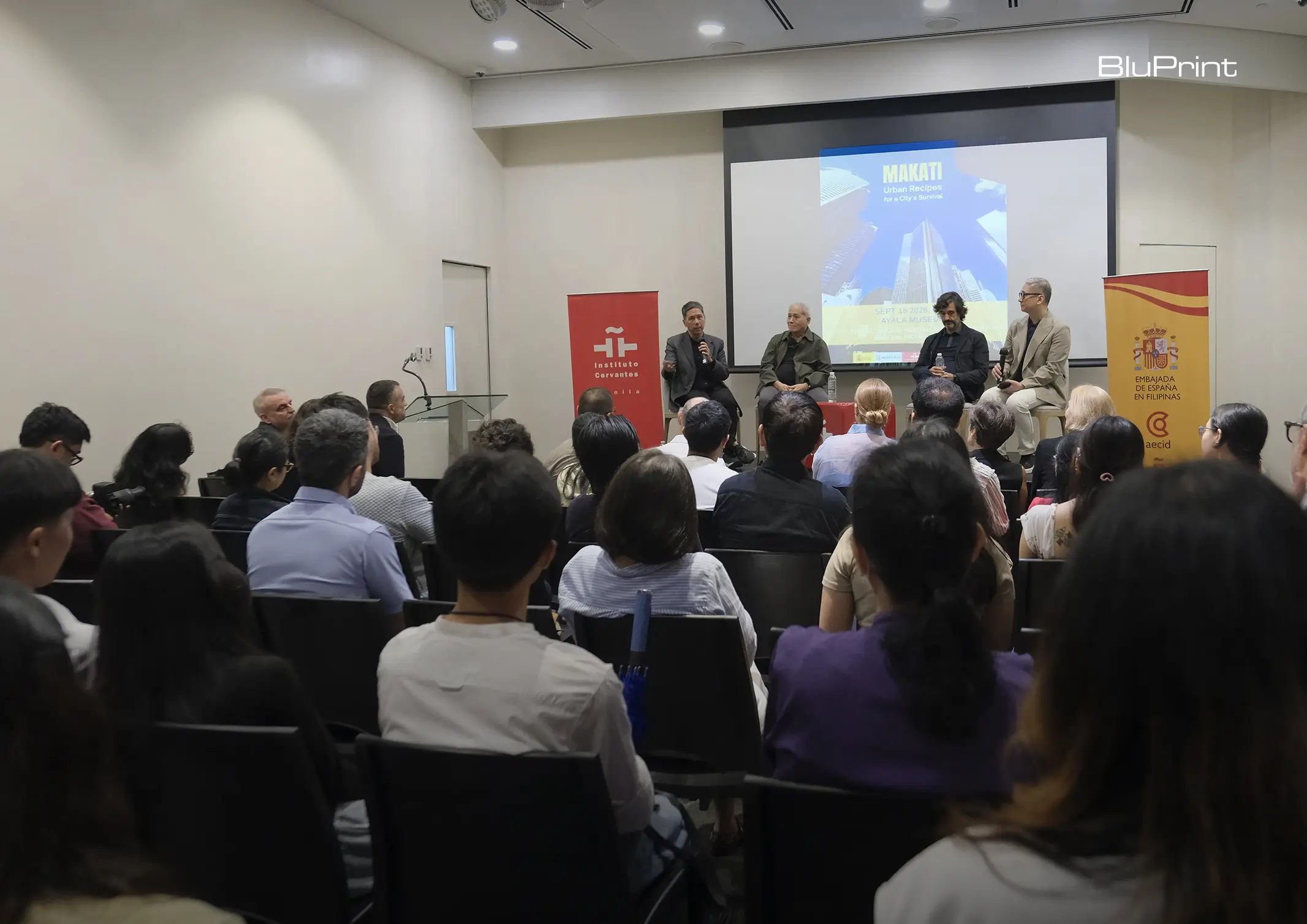
How can better-planned cities create the conditions for more creative, livable, and resilient urban environments? “Makati Urban Recipes for a City’s Survival,” a colloquium held at the Ayala Museum on September 15, brought together architects and practitioners from the fields of urbanism and the creative economy to discuss how design, planning, and collaboration can address […]
Read the issues.

Collect the volumes.

Recommended Video
Tap to Unmute
Unmute
0:00
0:00