“Buildings only become architectureArchitectureThe art and science of designing and constructing buildings, structures, and spaces that are functional, safe, and aesthetically pleasing. It encompasses the planning, design, materials, and techniques used to createGo to Architecture Glossary when they are shared,” said William Ti Jr., founder of the Anthology Festival and WTA Architecture and Design Studio, […]
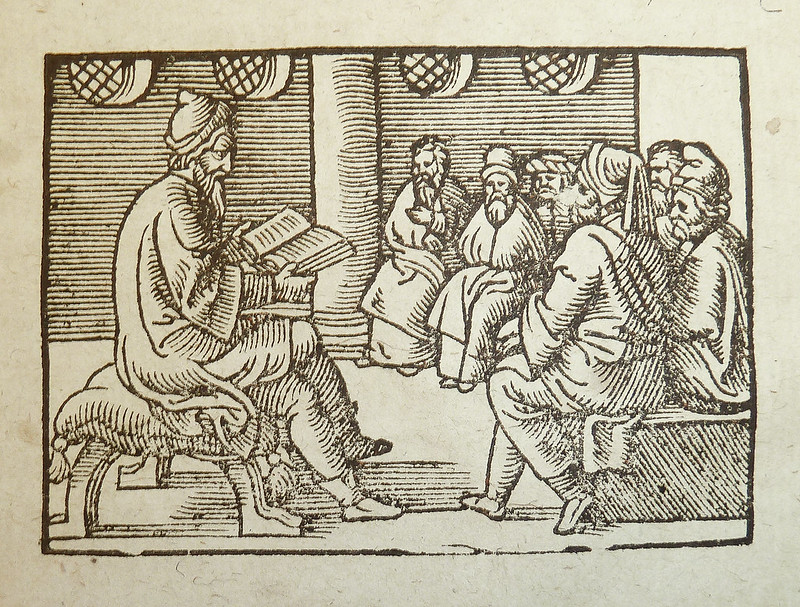
Expert Forger of German Renaissance Woodcuts Sentenced to Four Years



Earl Marshawn Washington, an art forger who scammed collectors for decades by selling woodcuts purported to be by German Renaissance artists, was sentenced to four years for fraud.
The government sentenced the 61-year-old artist after pleading guilty to conspiracy to commit wire fraud and mail fraud. Washington was ordered to pay $203,240.90 in restitution fees, and will have a supervised release term of three years after his release.
Washington sold woodcuts he had carved himself—an art form known as xylography—for years. He sold them by claiming they were acquired by his fake great grandfather Earl Mack Washington, and later on targeted foreign nationals for his work.
His 32-year-old then-wife and Hungarian national Zsanett Nagy was also charged with wire fraud, mail fraud, and money laundering. She was sentenced to two years by the court, and ordered to pay $107,000 in restitution fees. She also might be deported back to Hungary for her crimes.
Creating a Fake Artist
Washington was considered a skilled artist himself by many people, including the prosecutors of the case. However, he had utilized his skills to create woodcut crafts he claimed were owned by his great grandfather, little-known artist Earl Mack Washington.
Early in his career, he sold his xylography under that claim. He further claimed that his great grandfather was also acquaintances with artists such as painter Rockwell Kent and graphic artist M.C. Escher, and that he had acquired some of their works through that. He sold prints of these woodcuts online on sites like eBay with prices ranging from $20 to $350.
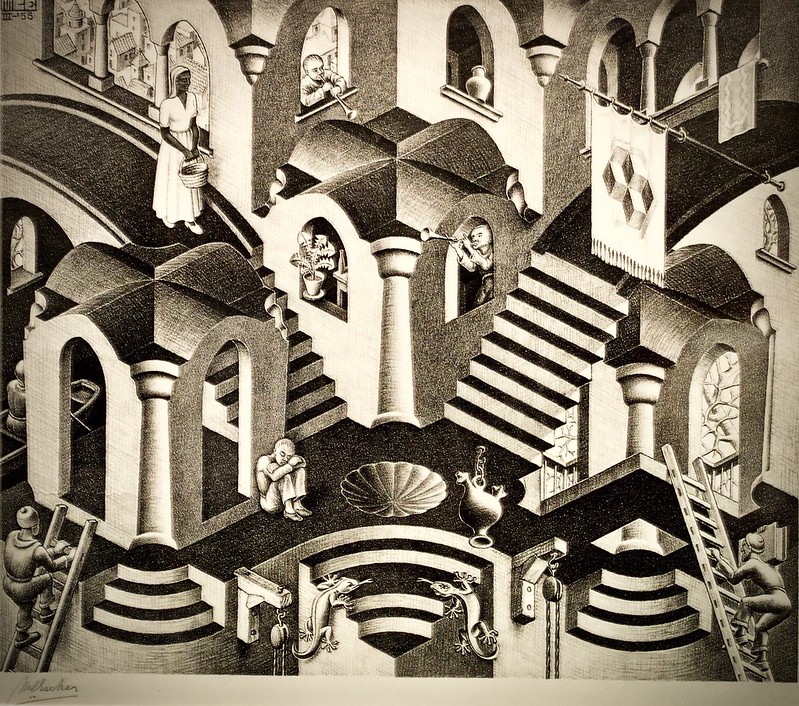
By 2004, the estate of M.C. Escher filed a criminal fraud complaint against him after they found Washington sold forged artwork he attributed to Escher. An ex-girlfriend of his also wrote a statement saying that Washington tried to recruit her for his scam.
Washington admitted to creating hundreds of woodblocks by that point, but continued to claim his great grandfather existed, despite art historians finding no evidence of him. He attempted to exhibit some of his grandfather’s works in the past, but was rebuffed after he was unable to produce enough evidence of their authenticity.
Renaissance Scamming
Later on, he started selling xylography under the username “River Seine,” claiming that they were made from Renaissance-era woodblocks dating back to the 15th century. He shifted his scam towards these types of woodblocks so he could charge customers higher prices.
He recruited his wife Nagy in the scam. Buyers would direct their cash to a bank account in Nagy’s name, who would then withdraw the money.

Washington claimed the xylography works came from woodcuts of German masters such as Hans Holbein and Albrecht Dürer, and sold the prints for thousands of dollars. He had scammed people successfully for years with these claims, including $118,810 from a physician in Pennsylvania and $85,000 from French nationals.
He was investigated by the FBI Art Crime unit for years. Finally, he and Nagy were arrested in January 2023, for multiple fraud charges, including separate bank fraud charges for Washington. He pleaded guilty to conspiracy to commit wire fraud and mail fraud in July 2023 in exchange for lenient sentencing.
Washington’s work is still available for purchase online through the website Invaluable.
Related reading: Russian Billionaire Charged Double for Artwork, Accuses Sotheby’s of Fraud
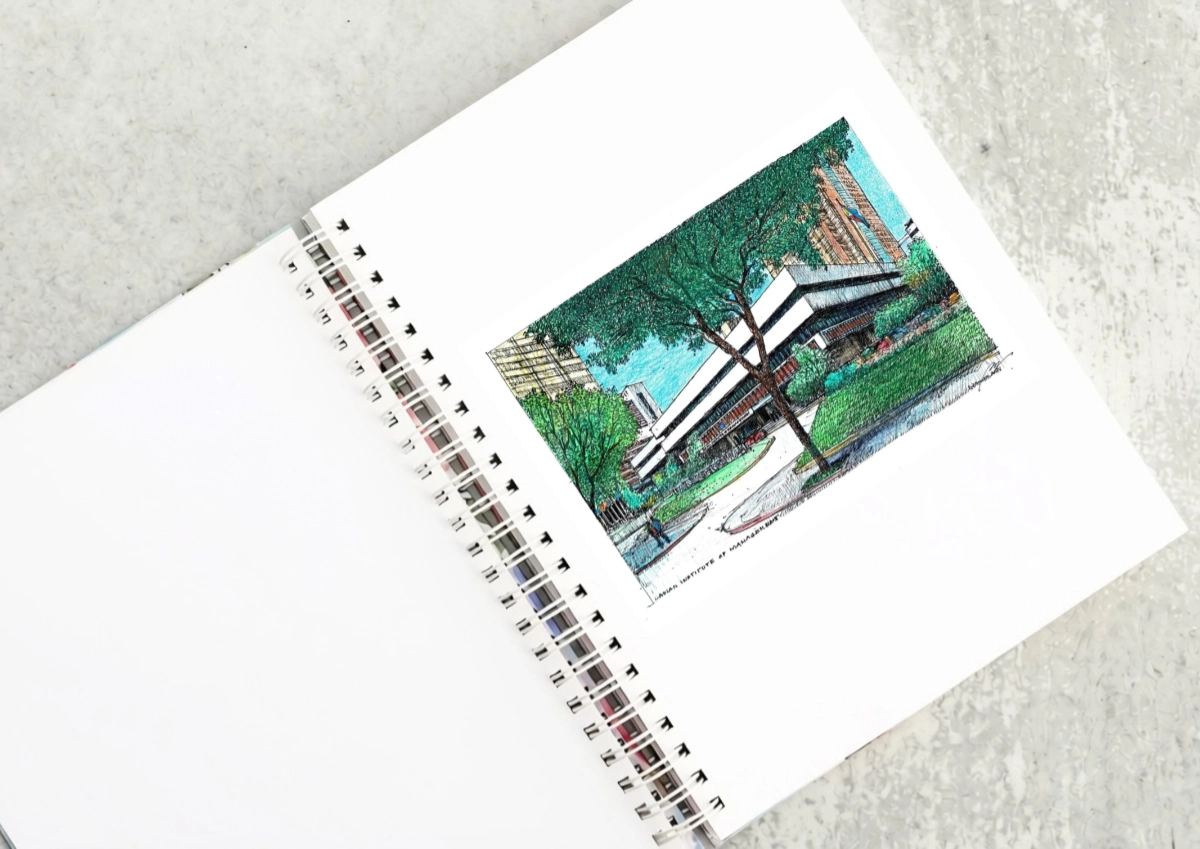
A Filipino Interpretation of Modernist Architecture Unlike the rest of Makati today, the northern end of Paseo de Roxas in Makati is anchored by a low complex rather than a tall skyscraper. This is the elegant Asian Institute of Management, designed by architect Gabriel Formoso and completed in 1971. In my opinion, the building is […]
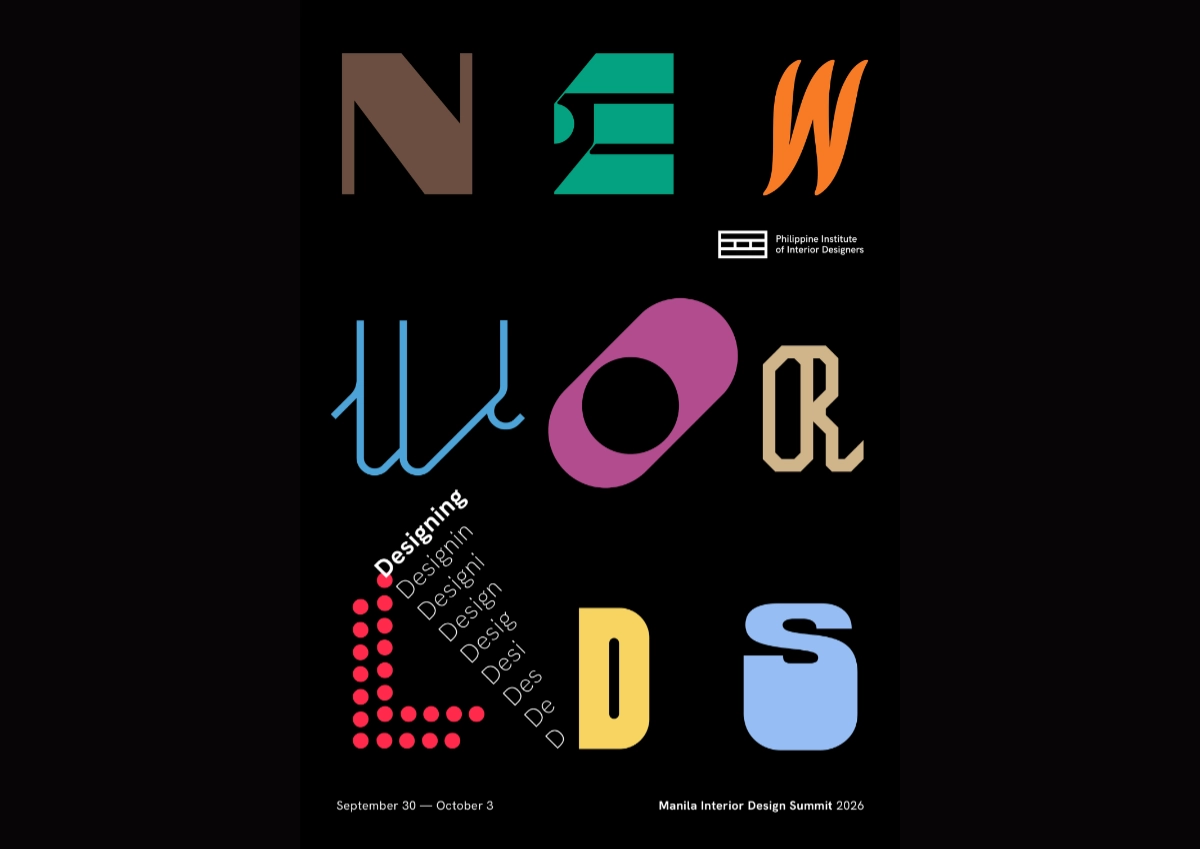
“Thailand has claimed urban creativity and livability. Singapore has institutional design leadership. Indonesia is emerging as a design hub. Vietnam is moving into design innovation. And the Philippines? Its position is not weak. It is simply unclaimed.” For IDr. Cecil Ravelas, National President of the Philippine Institute of Interior Designers (PIID), the challenge is not […]
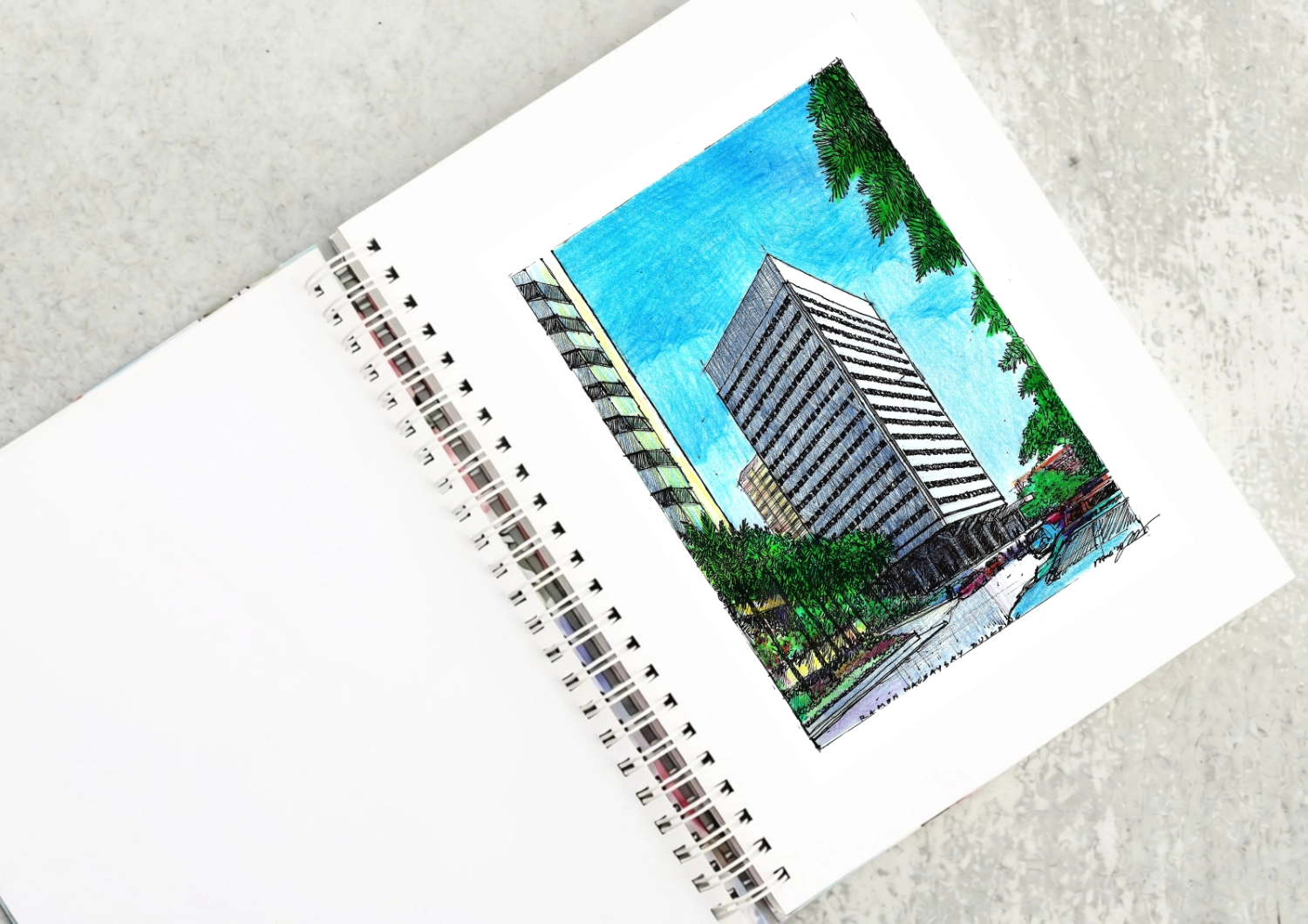
The Ramon Magsaysay Center as a Modernist Landmark Driving down Roxas boulevard from Rizal Park, what will catch your eye is the most elegant modernist structure in the country, the Ramon Magsaysay Center. Most established Filipino architects put it in their top ten lists of favorite buildings. It was designed by Alfredo J. Luz, who […]

Rinna Soriano’s favorite part of her work is sanding. At her workbench, she stays focused, following the grain, adjusting to changes in its direction. Narra, she has learned, can have interlocking grain. A piece of mango once proved particularly difficult until a worker explained that she had reached the point where a branch once grew […]
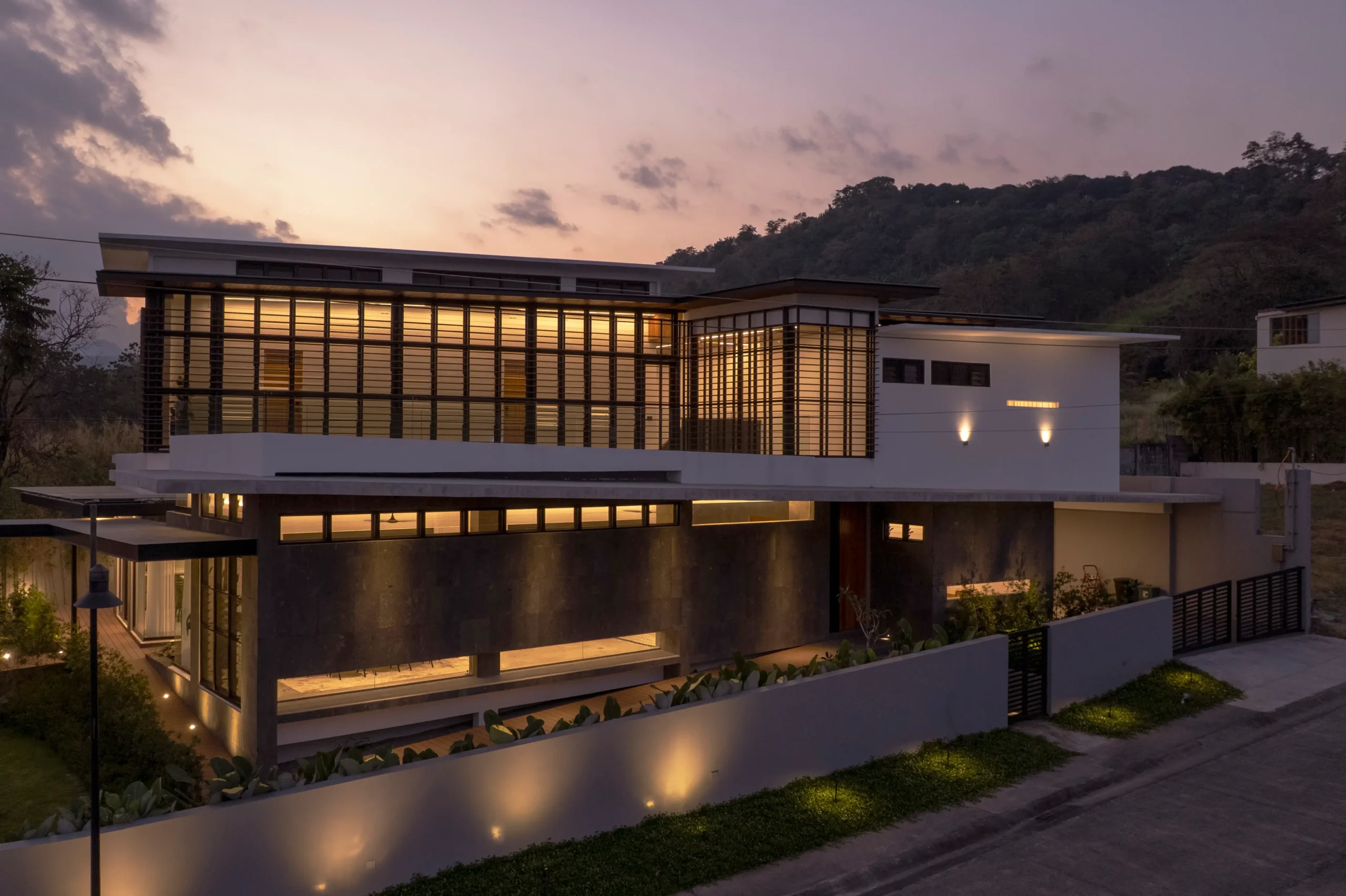
Filipino architectureArchitectureThe art and science of designing and constructing buildings, structures, and spaces that are functional, safe, and aesthetically pleasing. It encompasses the planning, design, materials, and techniques used to createGo to Architecture Glossary has long been associated with indigenous materials and vernacular design strategies, from bamboo and timber construction to jalousie windows, generous spaces, […]
Read the issues.

Collect the volumes.

Recommended Video
Tap to Unmute
Unmute
0:00
0:00