Bigkis is the act of binding. In Tagalog, the word can refer to something used to bind or encircle, as well as a bundle formed by tying several separate elements together. Figuratively, it can also mean a bond, union, or unity. The meanings move from the physical act of joining things together to the connection […]
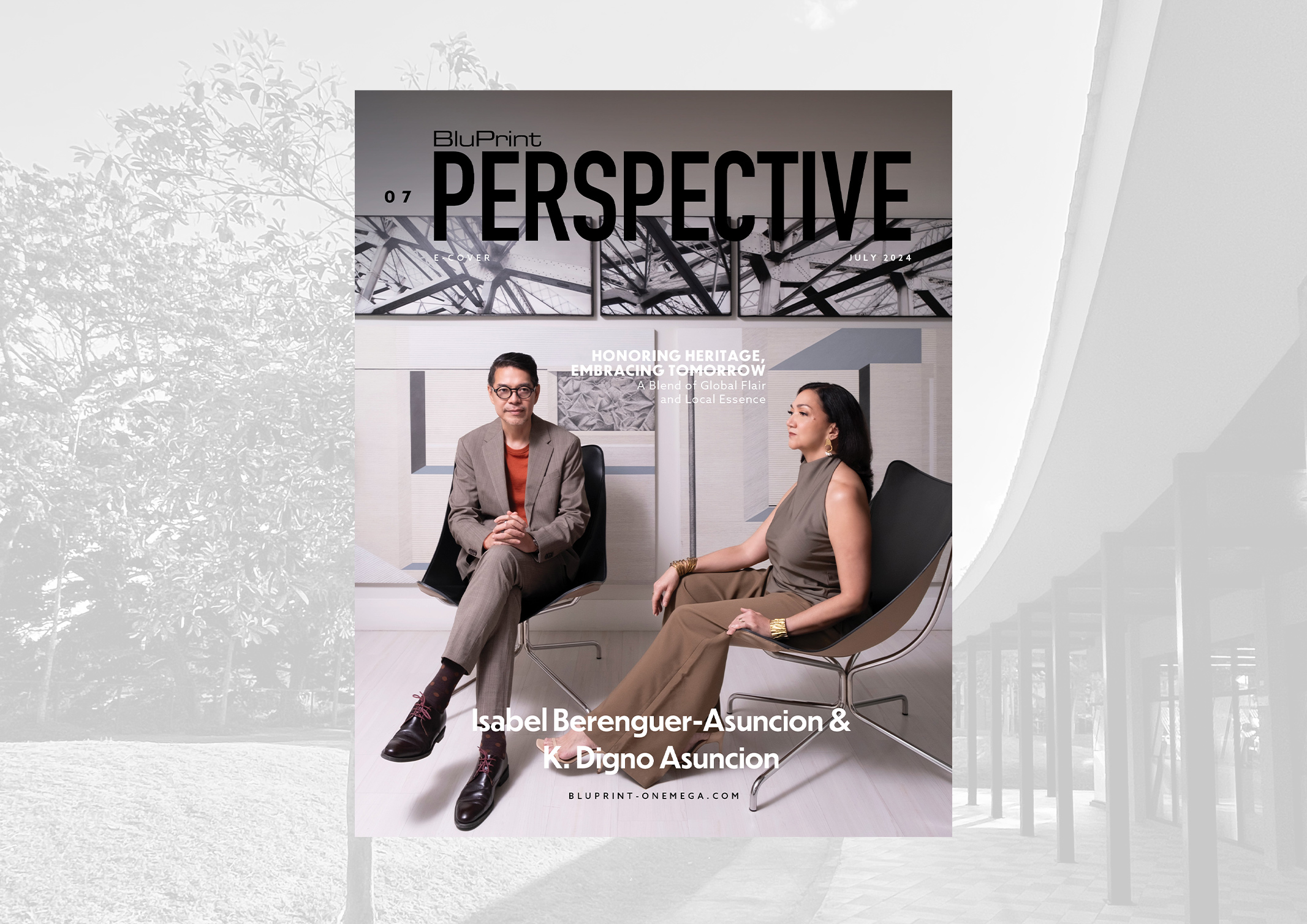
Contours of Innovation: Ding Asuncion and Isabel Berenguer-Asuncion’s Architectural Odyssey



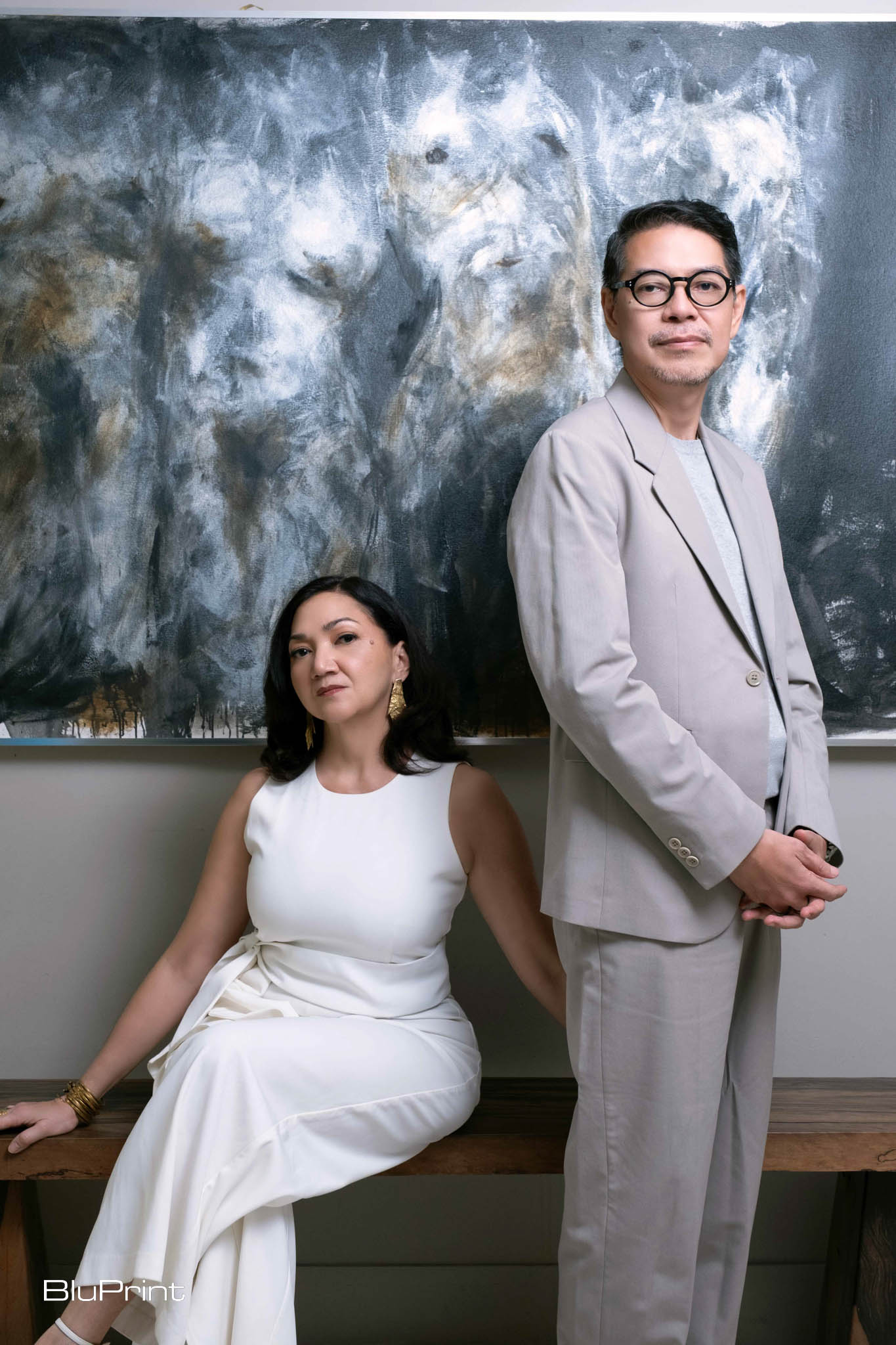
In the ever-evolving architectural landscape of the Philippines, Asuncion Berenguer Inc. (ABI) emerges as a trailblazer, seamlessly merging global sophistication with local heritage. At the heart of this dynamic firm are its principal designers, Ding Asuncion and Isabel Berenguer-Asuncion. Their remarkable journey from the vibrant streets of Hong Kong to the culturally rich cities of the Philippines has imbued their work with a unique perspective. Leveraging their extensive international experience, they craft modern built environments that pay homage to Filipino traditions and values. Through their visionary leadership, ABI has redefined the architectural narrative, creating spaces that resonate with both innovation and cultural authenticity.
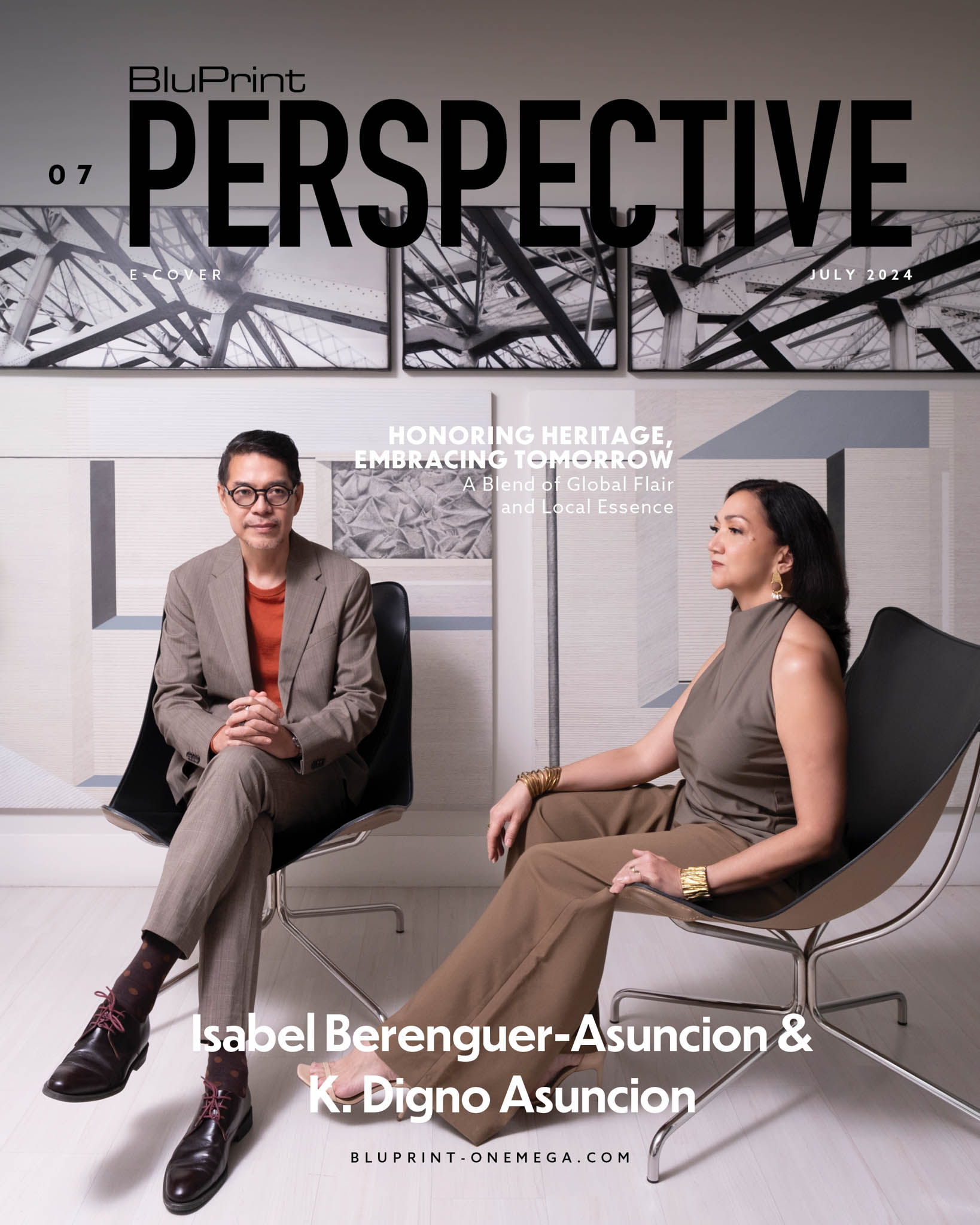
The Visionaries Behind ABI
Ding Asuncion and Isabel Berenguer-Asuncion are not just architects; they are storytellers who weave narratives through concrete, glass, and steel. With extensive experience across continents, they bring a unique blend of international aesthetics and local sensibilities to their designs. Their journey is one of passion, perseverance, and an unyielding commitment to excellence.
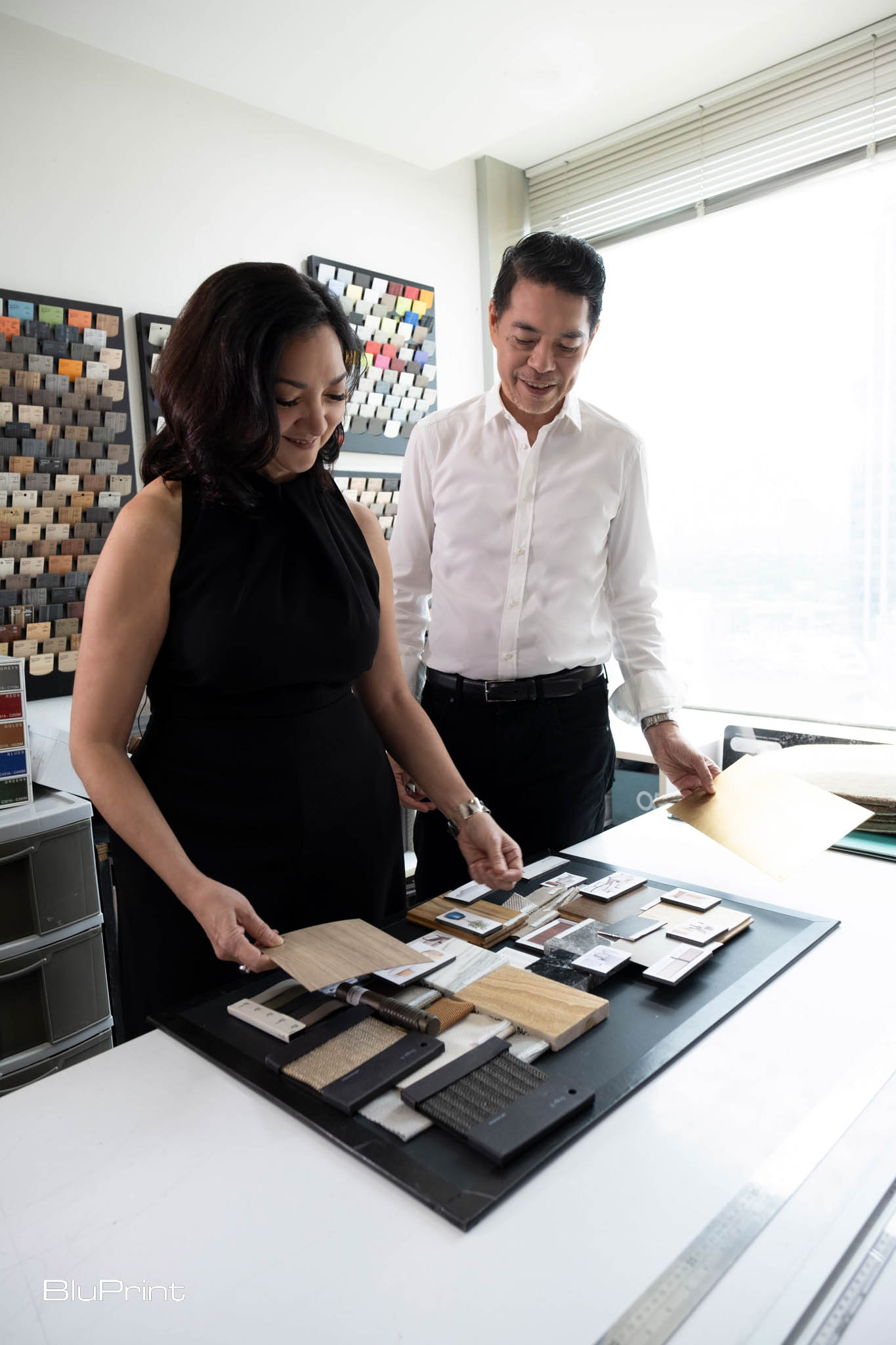
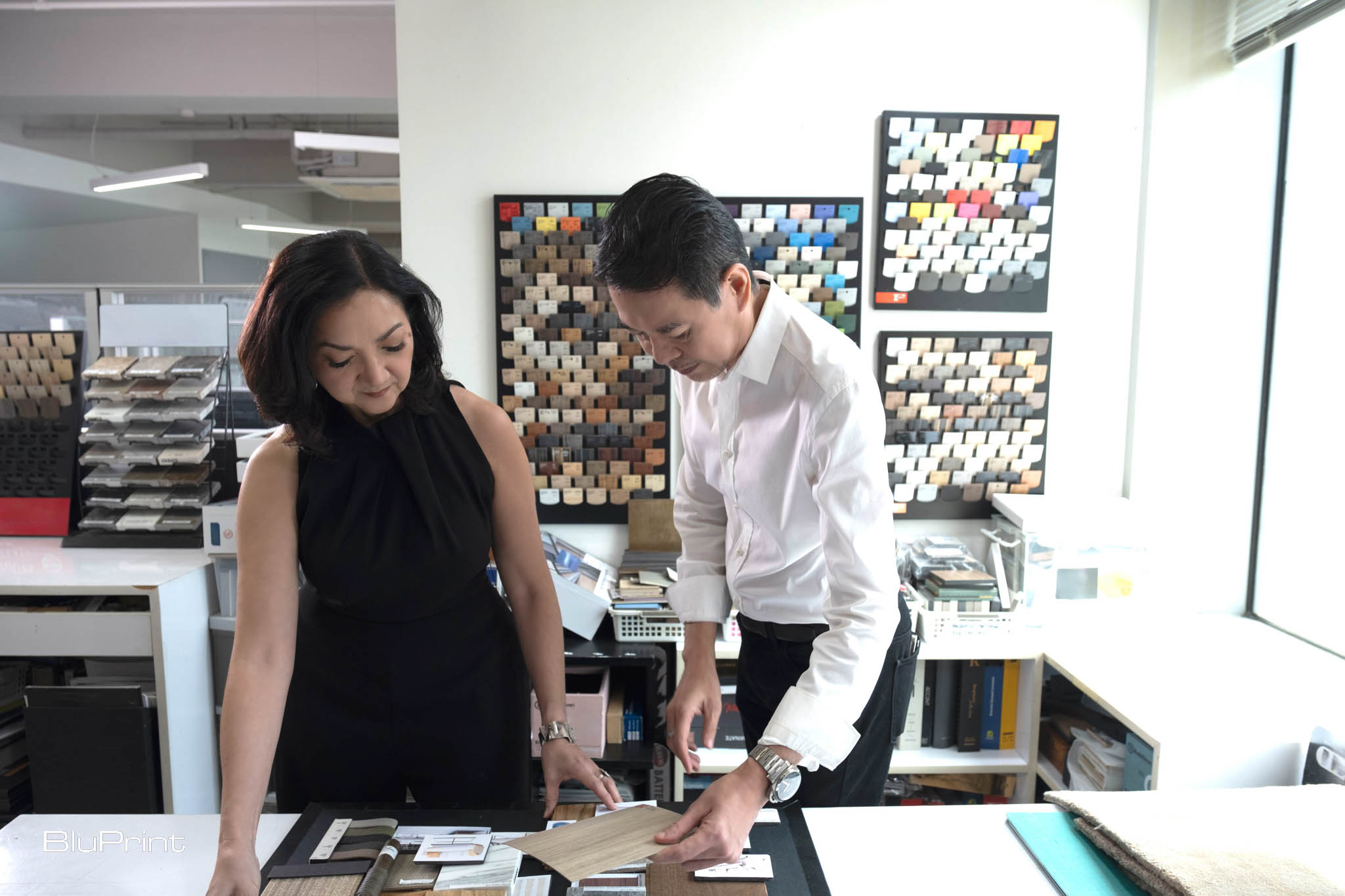
In an interview with BluPrint, Ding recounted their early days. “We both went to Hong Kong immediately after university. Hong Kong was thriving with numerous projects, unlike Manila back in 1986, during the revolution. Work was scarce, and many architects sought opportunities abroad,” he narrated. Isabel added, “He went to Hong Kong ahead of me and would write letters about the exciting work he was doing. Eventually, I joined him, and we stayed for five to seven years.”
From Global Inspiration to Local Innovation
The Asuncions’ time in Hong Kong was pivotal. “We were exposed to international design and materials we’d never seen in Manila. The budgets of our clients allowed us to explore finishes and techniques we had only dreamed of,” Ding recalled. He also emphasized the collaboration with diverse nationalities as they brainstormed with architects who had immense experience, enriching their understanding of architectureArchitectureThe art and science of designing and constructing buildings, structures, and spaces that are functional, safe, and aesthetically pleasing. It encompasses the planning, design, materials, and techniques used to createGo to Architecture Glossary and interior design.
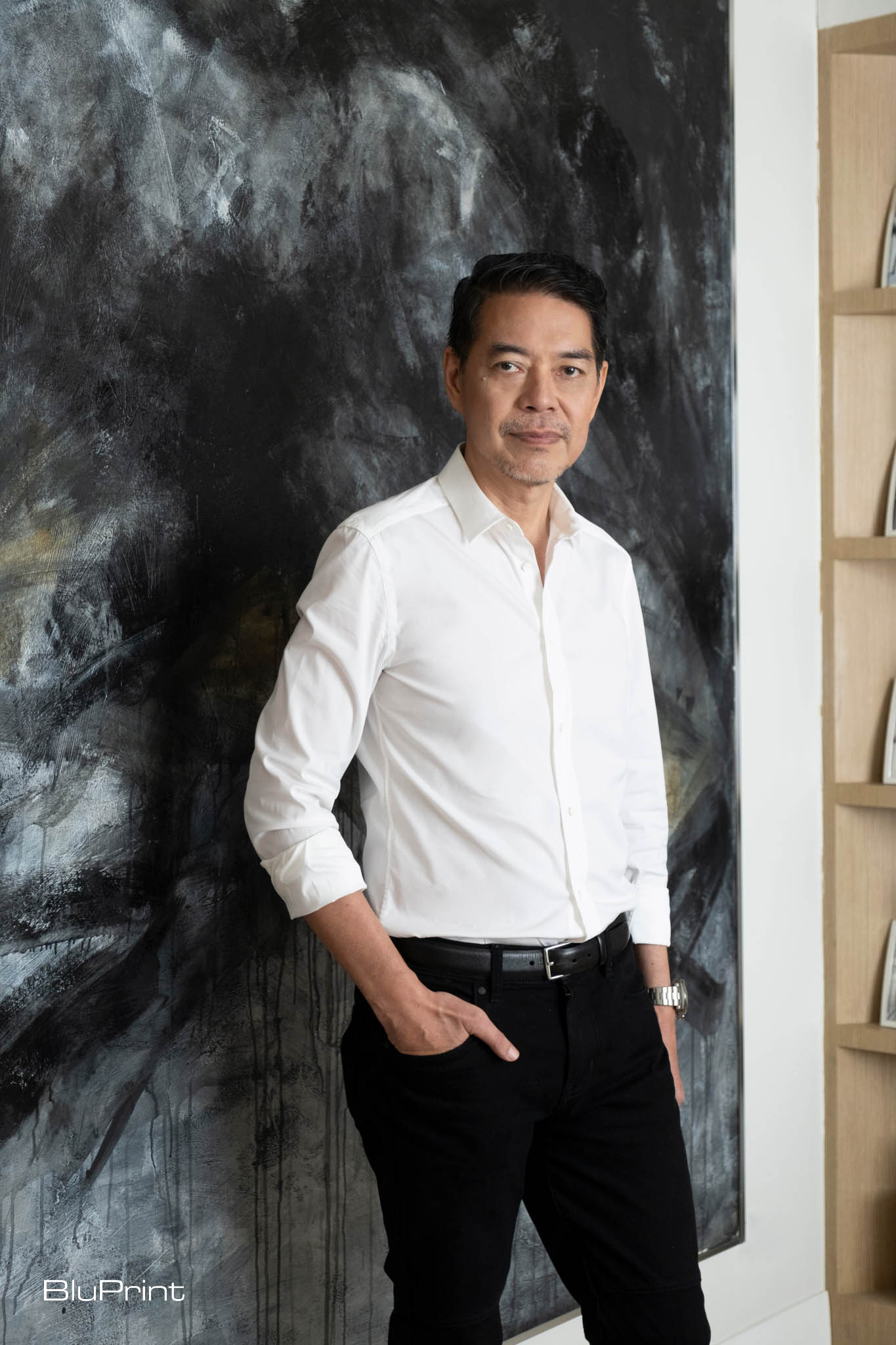
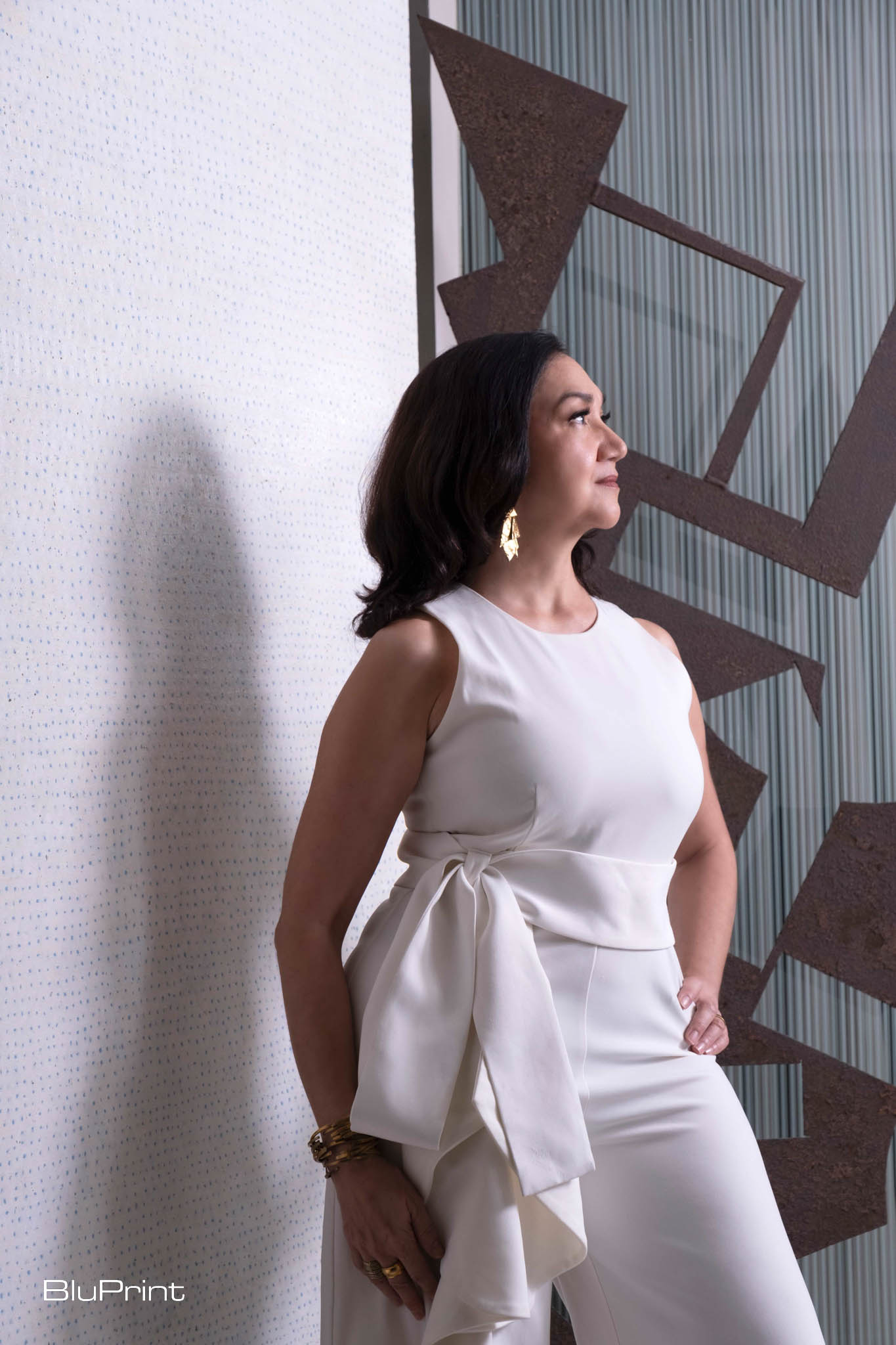
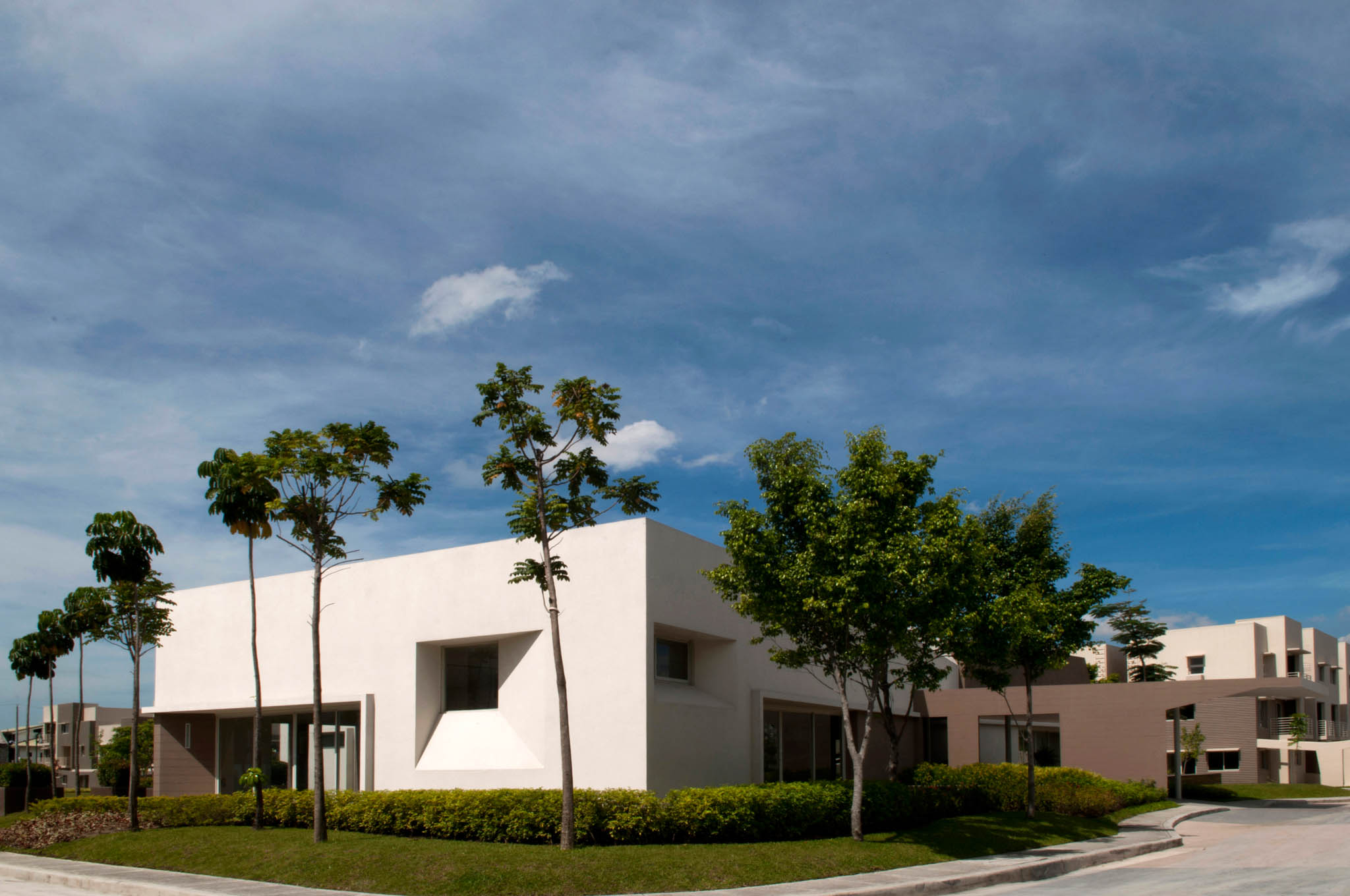
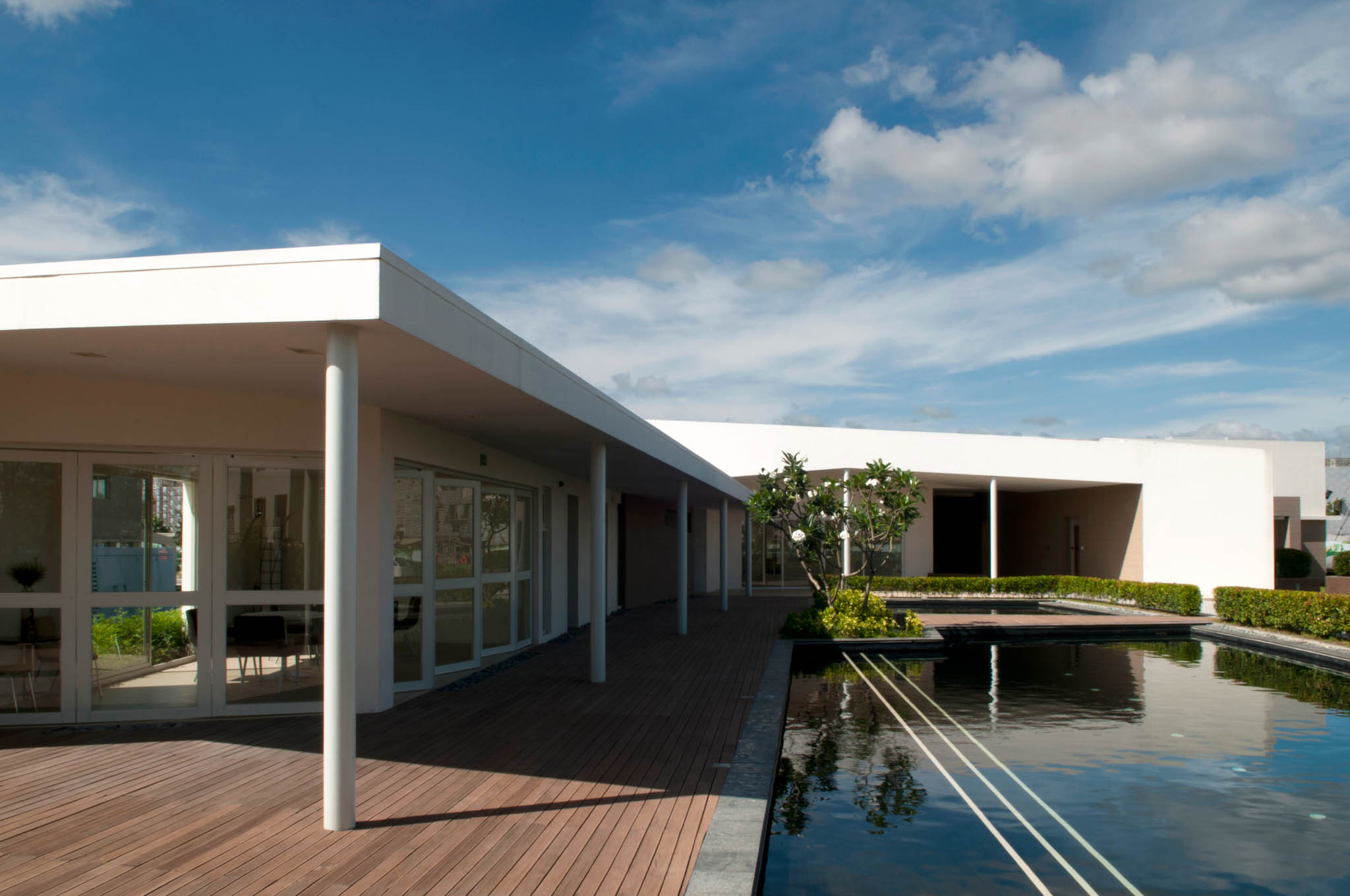
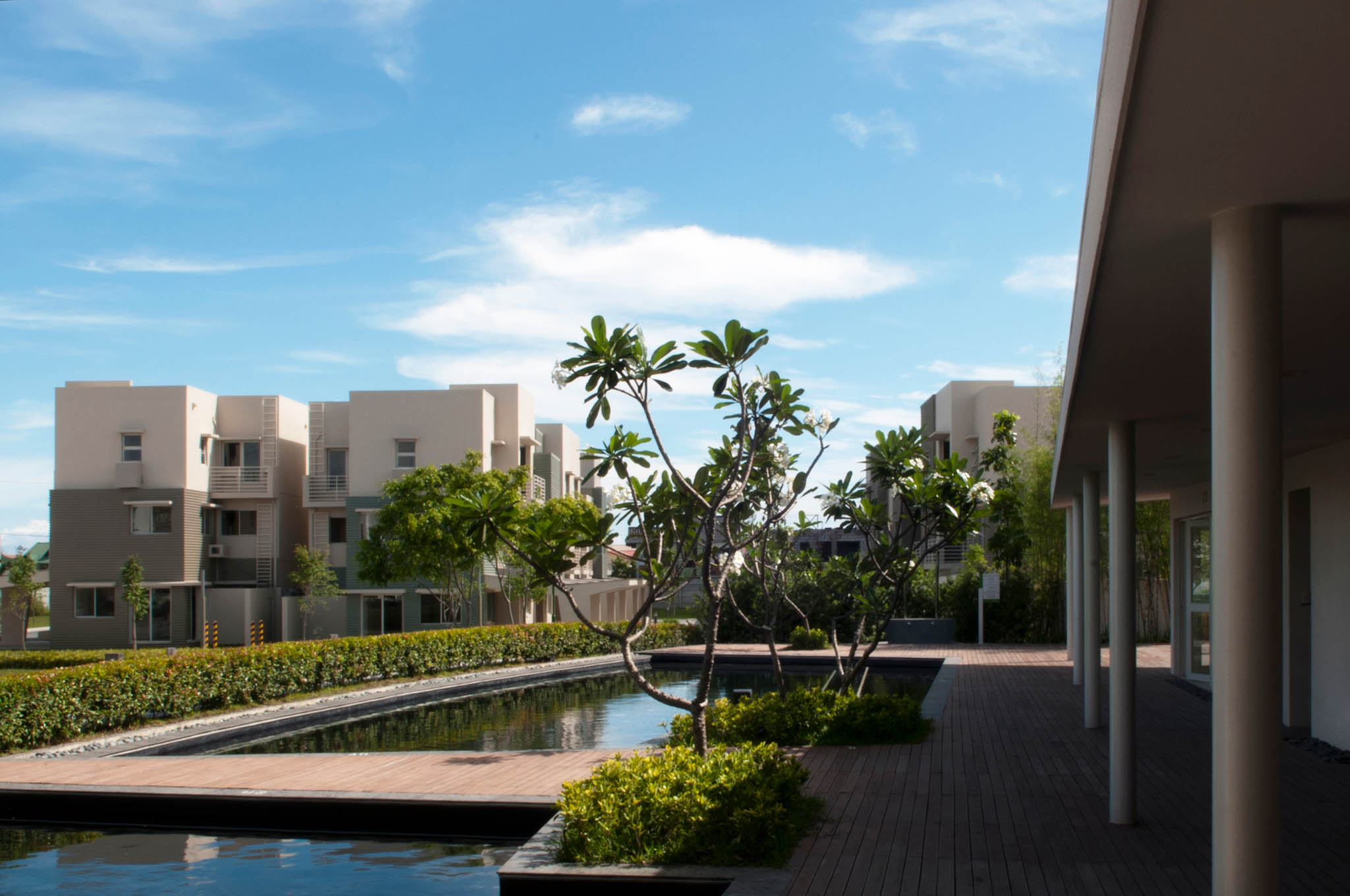
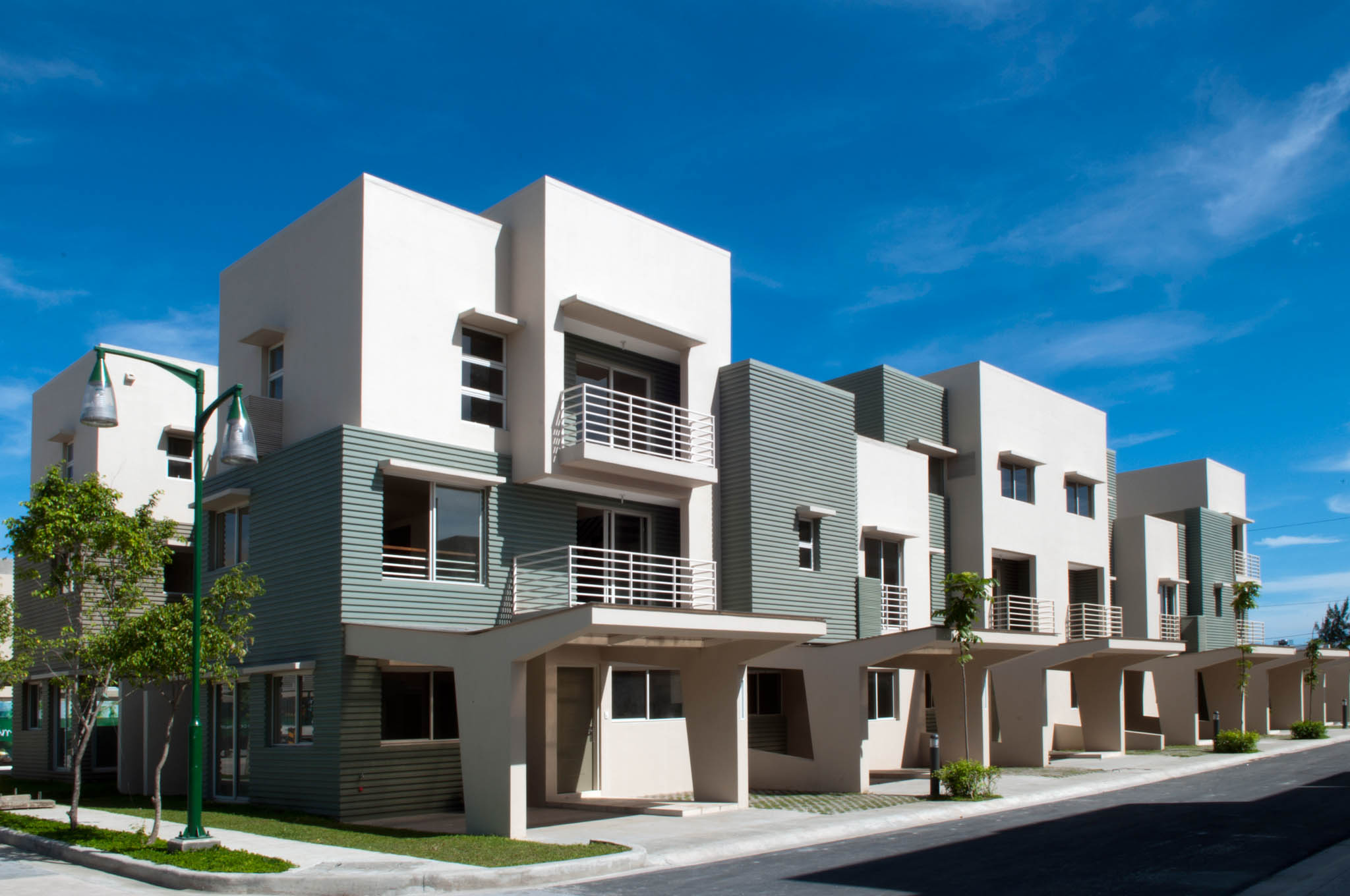
By 1995, the couple decided to return to Manila, driven by a desire to raise their family in their homeland. Ding joined Bell Corporation, working on designs for Tagaytay Highlands, while Isabel founded ABI in 1997. “Starting ABI gave us the flexibility we needed to balance work and family life,” Isabel noted. Initially focusing on residential projects, ABI’s portfolio soon expanded to include hospitality, retail, corporate, and institutional projects.
Signature Projects: A Testament to Excellence
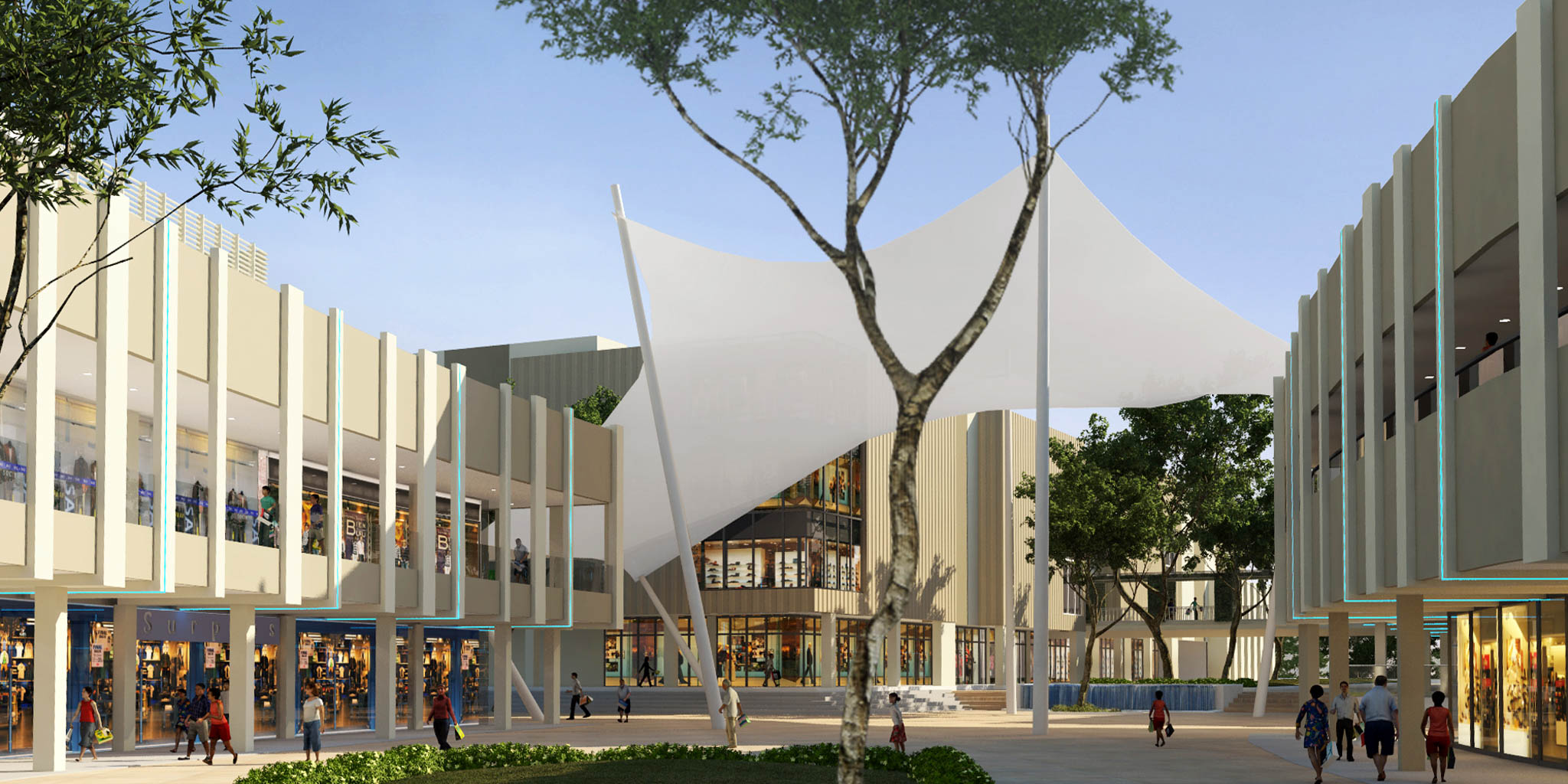
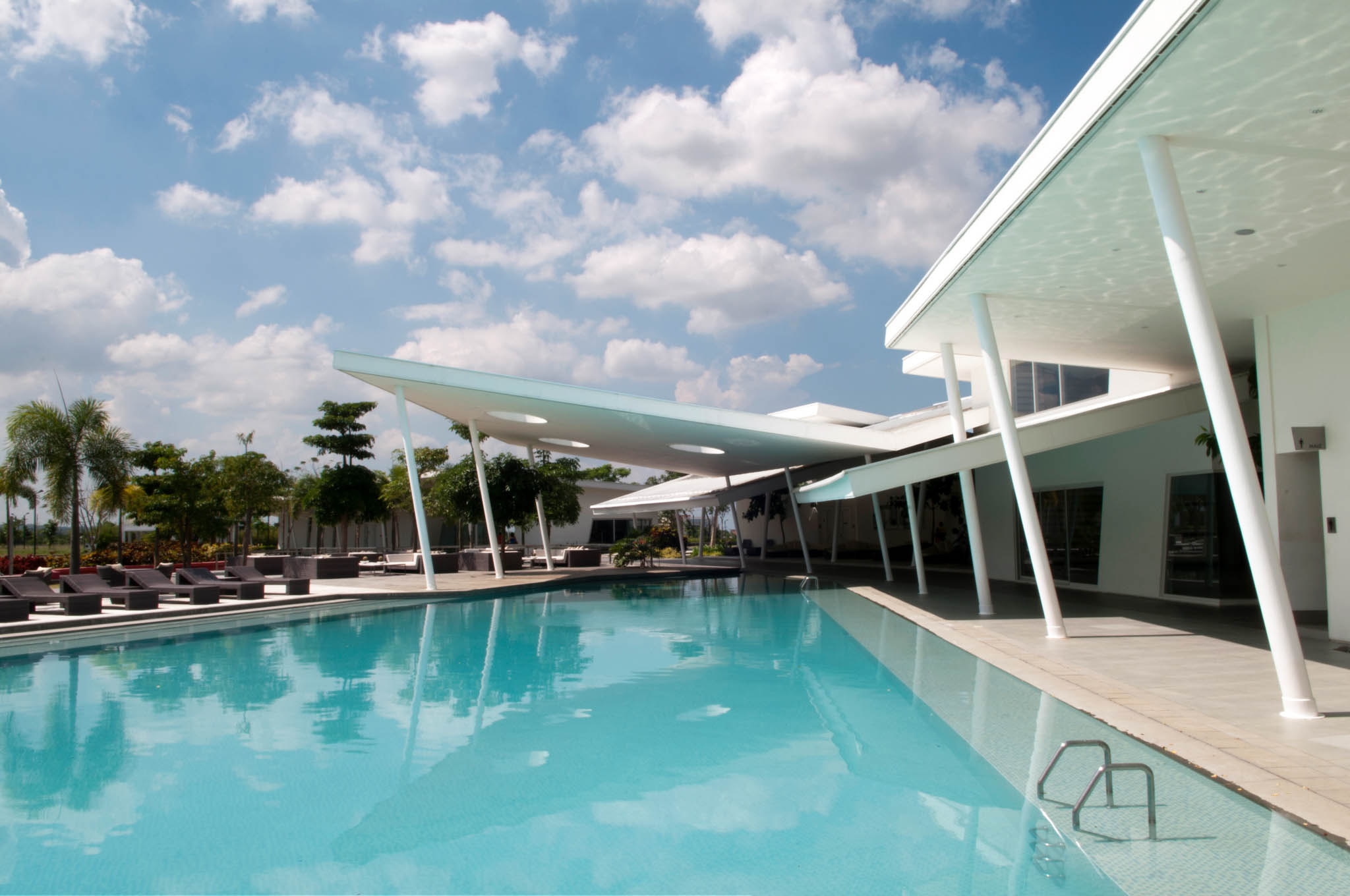
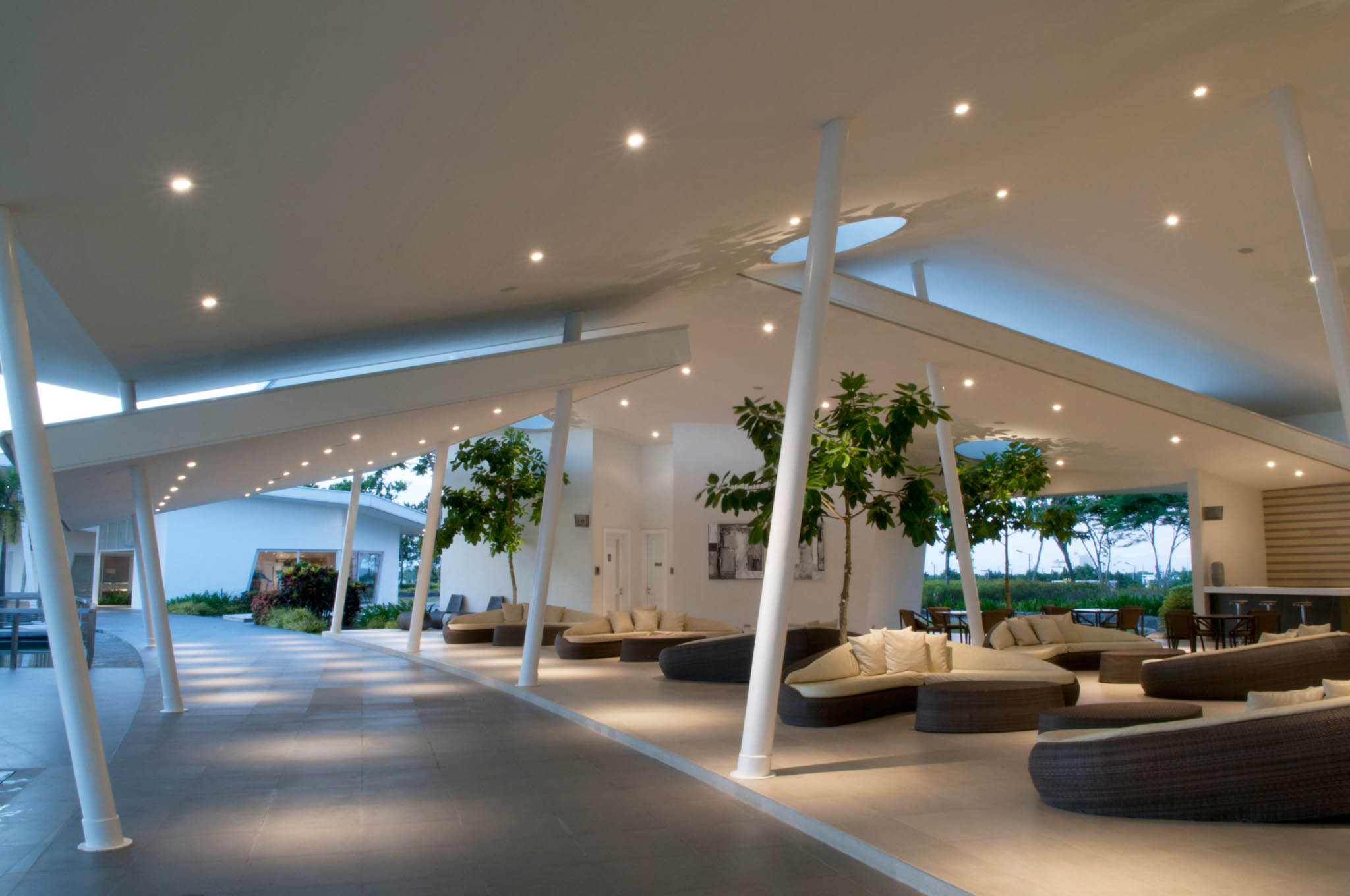
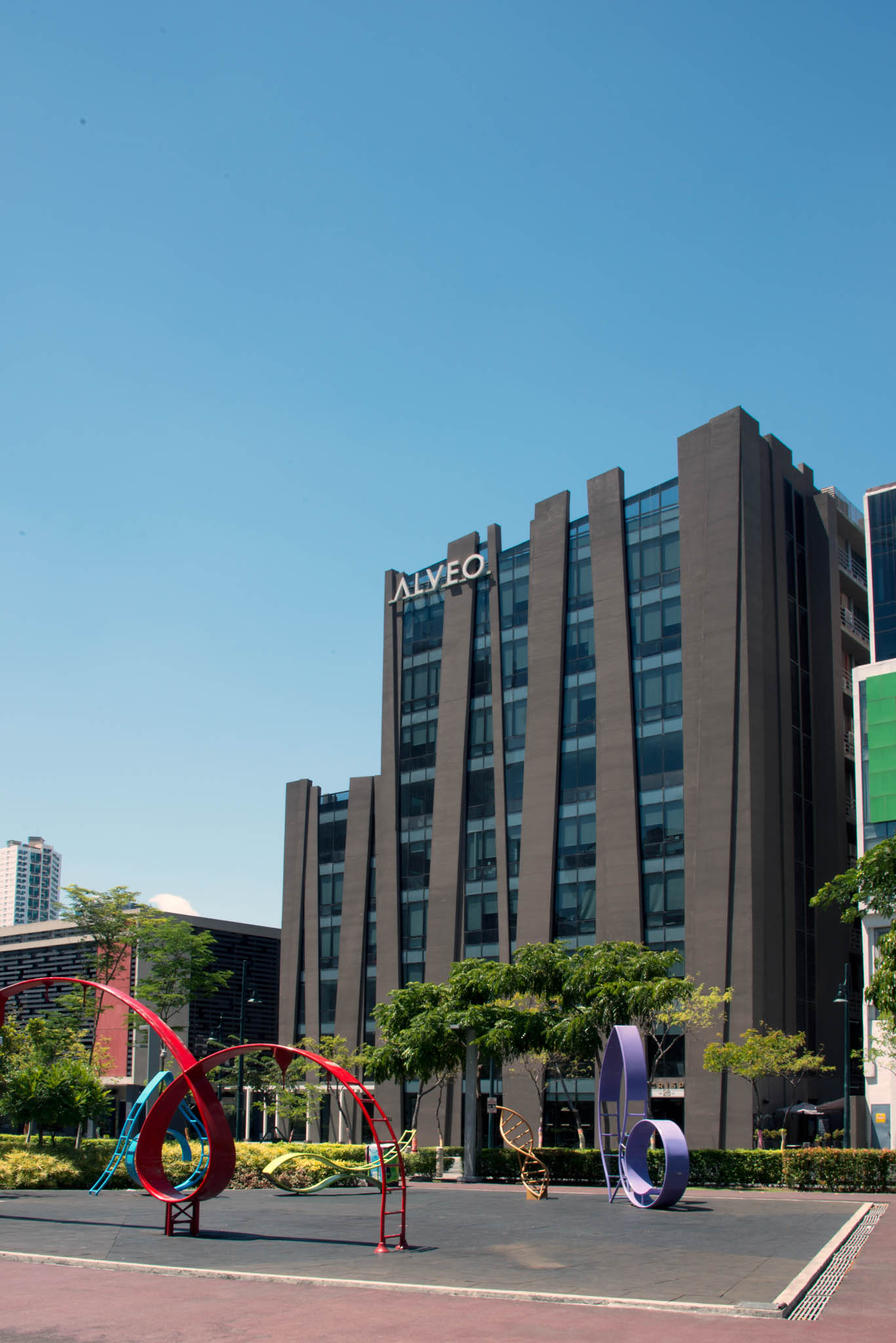
Ayala Malls Solenad, Laguna: A blend of nature and urban convenience, the mall is a testament to ABI’s commitment to sustainable architecture. The team created a space that harmonizes with its natural surroundings, offering a refreshing shopping experience.
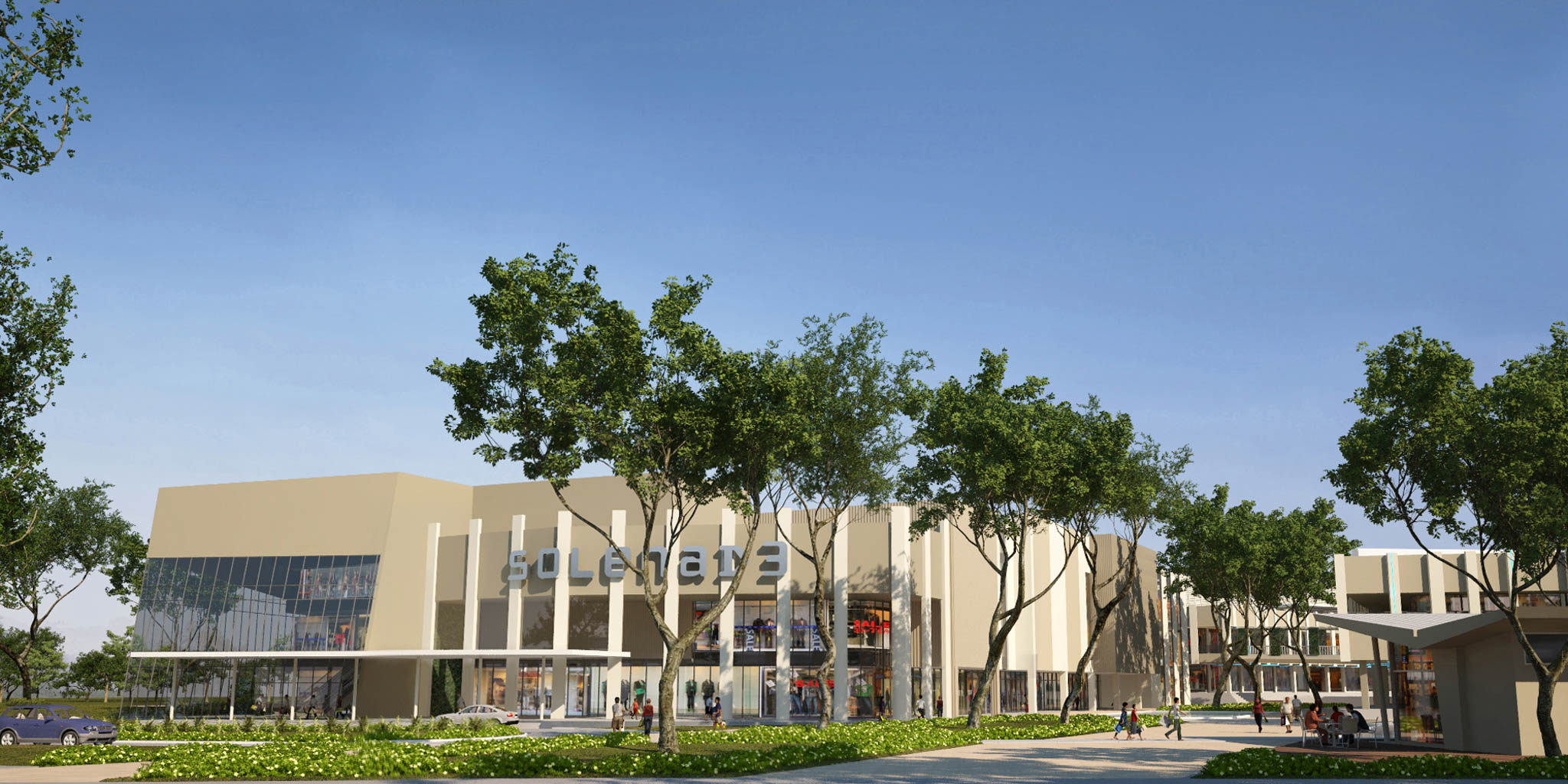
Ayala Malls Vermosa, Cavite: With a focus on community and lifestyle, the establishment showcases ABI’s ability to create multifunctional spaces that cater to diverse needs. The design seamlessly integrates leisure, retail, and dining.
Crafting the Future
Asuncion Berenguer Inc. is not just about building structures; it’s about creating environments that enhance the quality of life. The principal designers’ journey from global metropolises to the vibrant cities of the Philippines is a story of innovation, adaptation, and relentless pursuit of excellence. Each project is a milestone in their mission to redefine the architectural landscape of the Philippines, one iconic structure at a time.
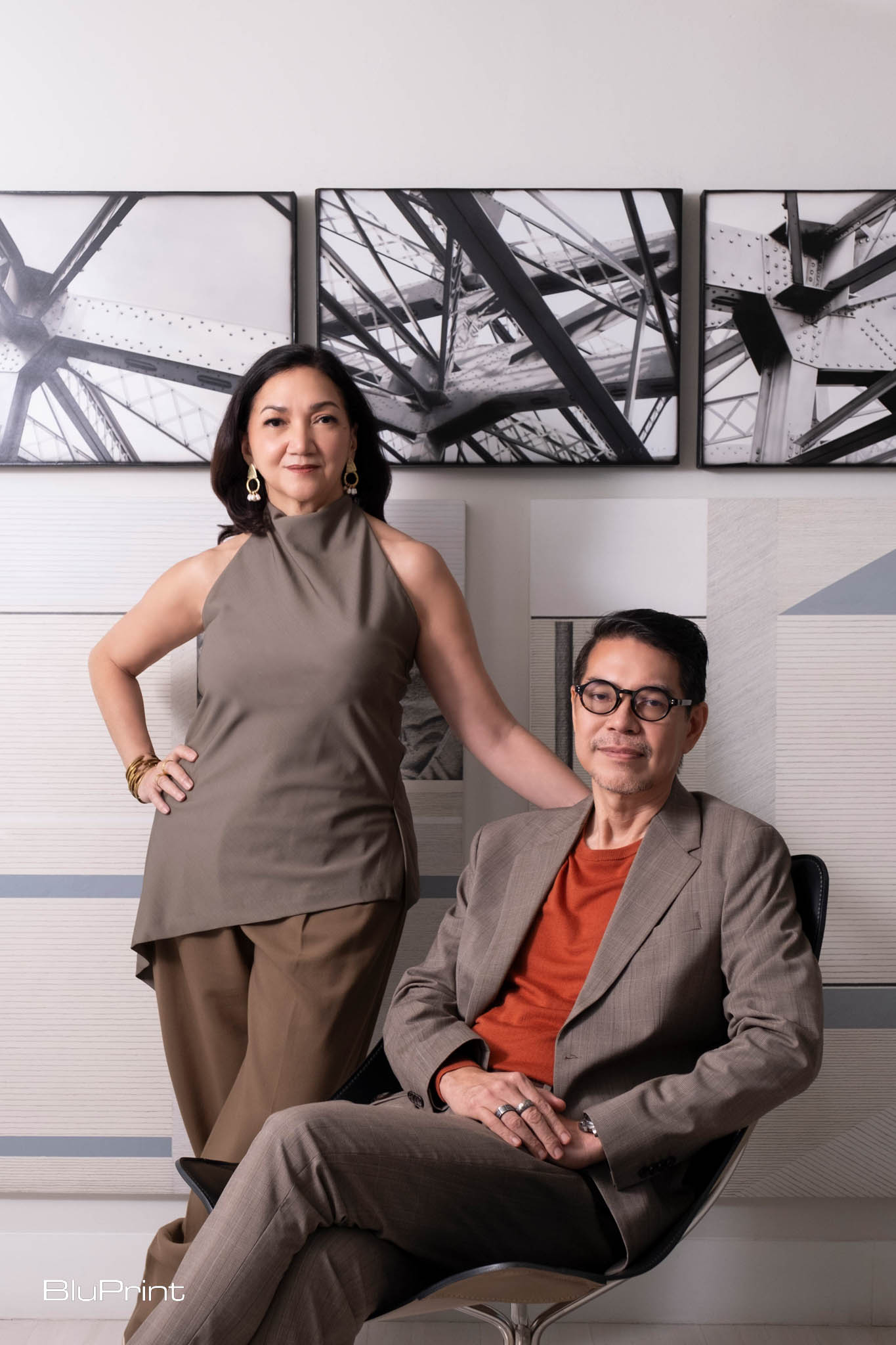
The Asuncions have brought a meticulous attention to detail and a disciplined approach to documentation from their time in Hong Kong. Isabel shared, “Every corner, every termination is carefully considered. The aesthetics come naturally to Filipinos, but it’s the discipline and consistency in delivery that we’ve honed over the years.”
Balancing Global Influence and Local Identity
When asked about the integration of local traditions and practices in modern architecture, Ding emphasized, “Tropical design principles are ingrained in our culture at ABI. We deal with the hot summers and rainy seasons, ensuring our designs are both functional and sustainable.” Isabel added, “Understanding the local climate and cultural values is crucial.” To them, it’s not just about aesthetics but also about how people live and interact with their environment.
Their international experience has taught them the importance of innovation and experimentation. Ding noted, “In Hong Kong, we learned to look beyond limitations and explore creative solutions within budget constraints.” Isabel highlighted the importance of local crafts and artisanal elements, saying, “Incorporating local art into modern design adds a unique identity and sustainability to our projects.”
The Road Ahead
With numerous projects on the horizon, ABI’s future looks promising. The principal designers continue to draw inspiration from their global experiences and explore the international landscape, ensuring that each new project is a step forward in their journey of architectural innovation. As they blend international trends with local flavors, the built environments they create stand as symbols of progress, culture, and sustainability.
Isabel reflected on the importance of maintaining cultural identity in a globalized world, “It’s reassuring to see younger generations appreciating local crafts and art. It gives us confidence that our culture won’t fade away. Even in modern designs, there is a distinct Filipino touch.”
In the ever-evolving world of architecture, Asuncion Berenguer Inc., led by its visionary principal designers, remains a beacon of creativity and excellence. Their journey is far from over, and with each new endeavor, they continue to shape the future of the Philippines’ urban landscape.
Credits
Sittings Editor: Geewel Fuster
Photographer: Ed Simon
Videographer: JR Ramirez
Video Editor: Chelsea Coniega
Creative Direction: Jehd Francisco
Hair & Makeup for both personalities: Mary Ann Parba assisted by Sharmaine Manalo
Stylist: JM Gumatay
Shoot coordination: Mae Talaid
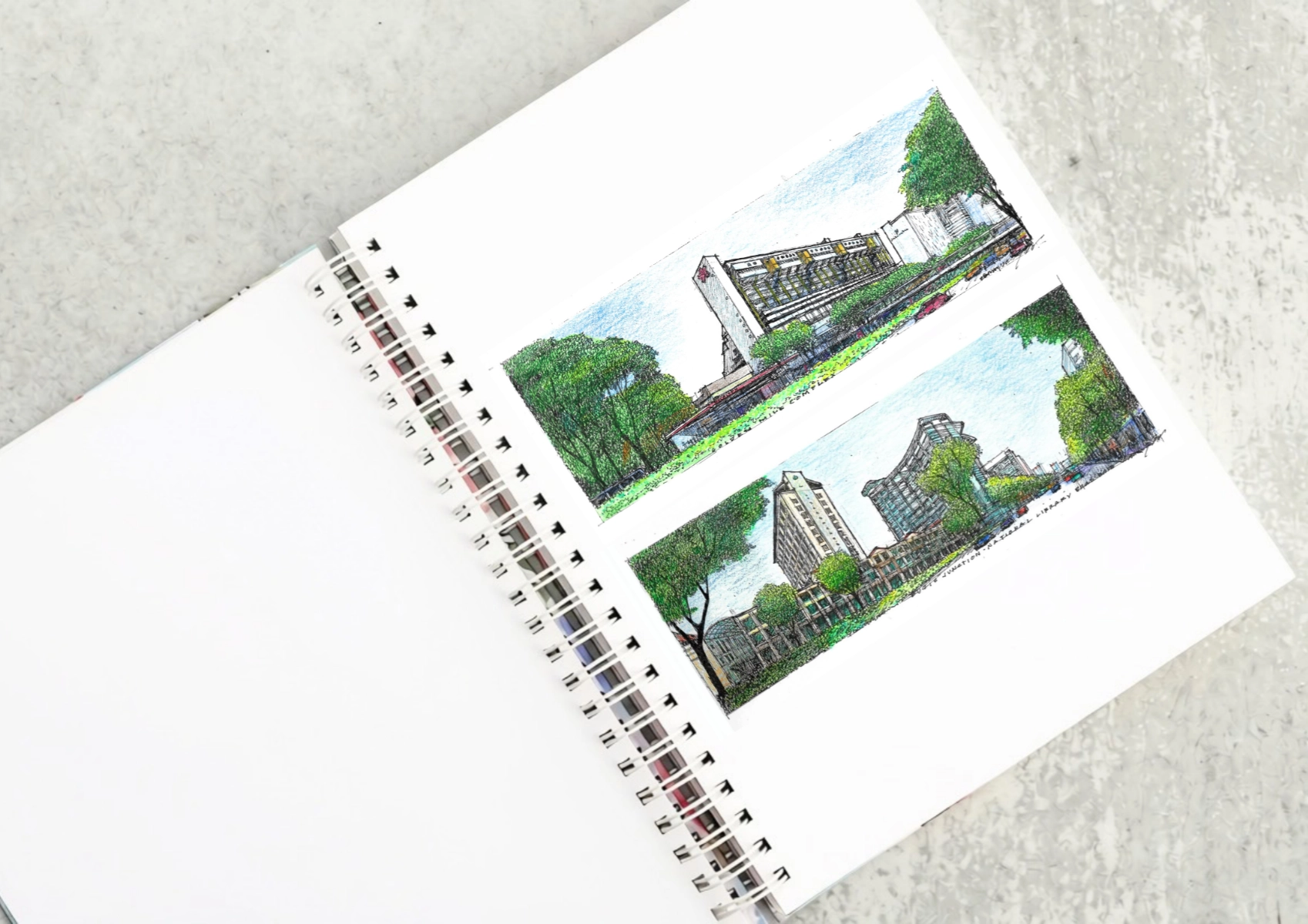
Two sketches of Singapore connect BluPrint Editor in Chief Paulo G. Alcazaren’s personal and professional history with Shared Ground: ArchitectureArchitectureThe art and science of designing and constructing buildings, structures, and spaces that are functional, safe, and aesthetically pleasing. It encompasses the planning, design, materials, and techniques used to createGo to Architecture Glossary of Care, Culture, […]
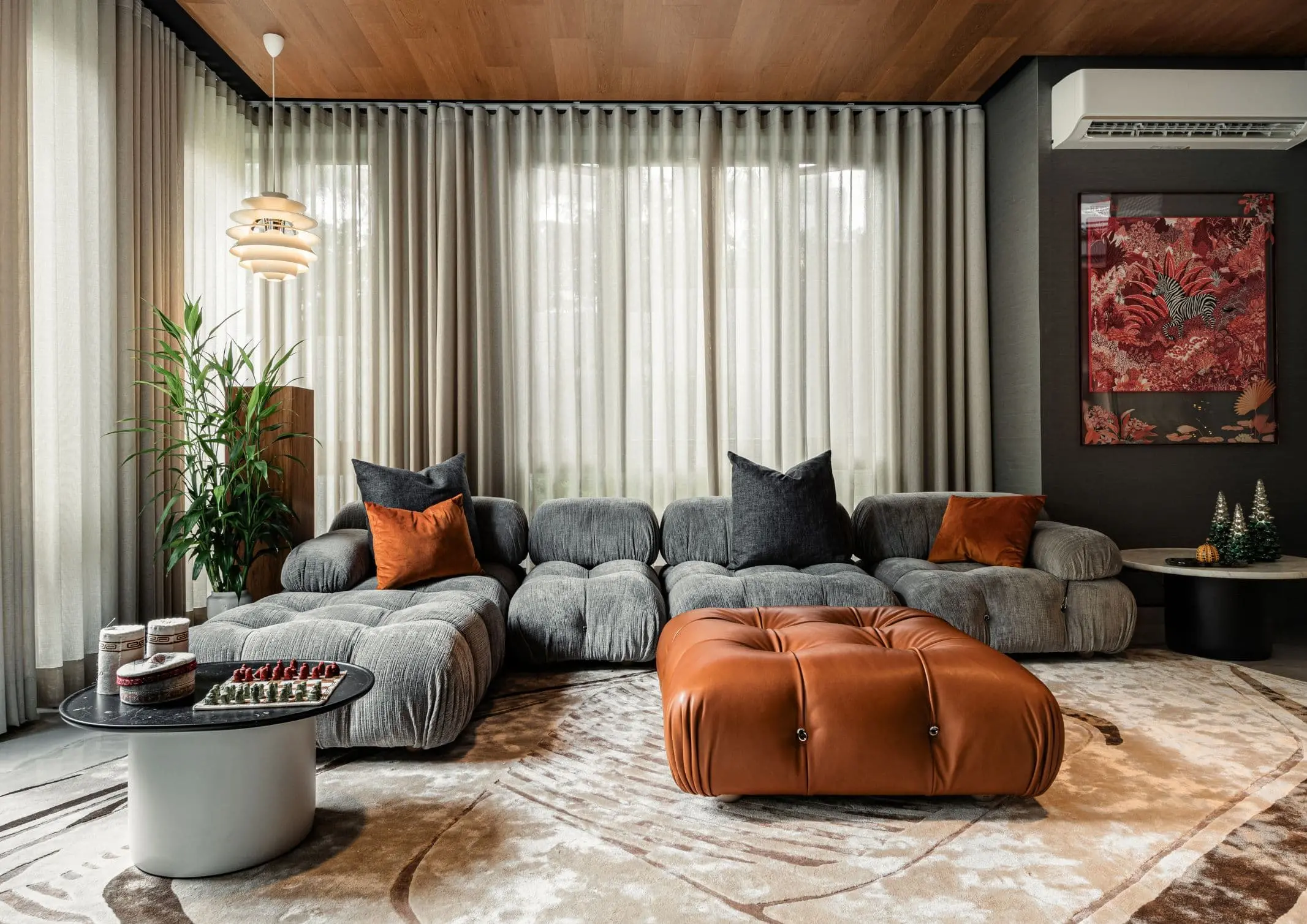
Some have become household names – Coleman, Oster, and KitchenAid – products that have found their way into Filipino kitchens, homes and family routines. In home furnishings, brands such as B&B Italia, Ethan Allen, Sub-Zero, Miele, SieMatic, Louis Poulsen, Hunter Douglas, Tempur, and Technogym, have helped shape the way Filipinos live. From everyday essentials to […]
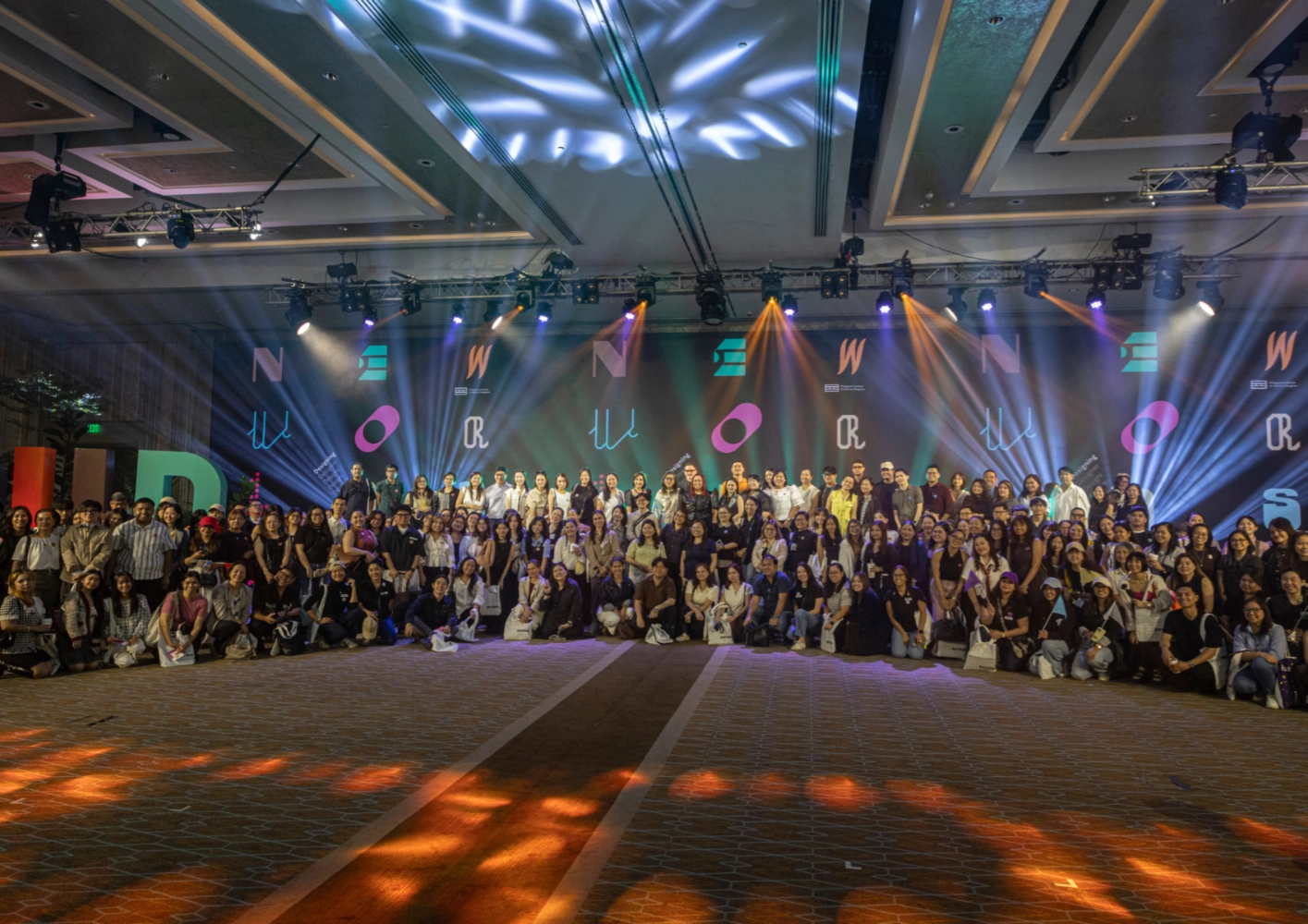
In a way, designers are the modern-day soothsayers and prophets. They design for the future, predicting how a room, a house, a building or a whole city will be used by people. They foresee how users will interact with a space, conjure exact shades of colors to elicit specific behavior and arrange furniture to build […]
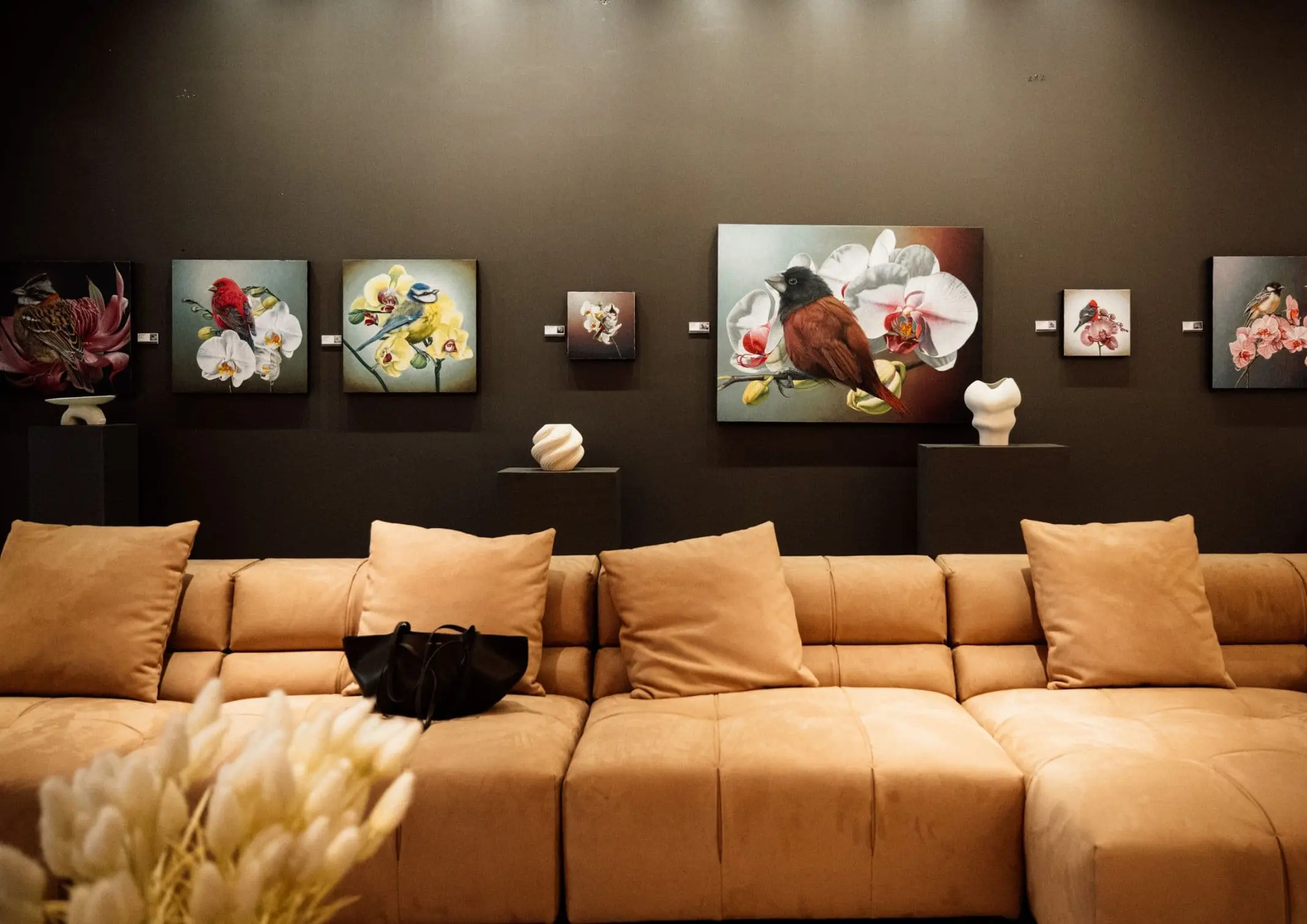
Art and furniture are often selected separately, yet their relationship can shape how a room looks and feels. The collaboration between Hooga and Galerie Joaquin explores how these elements can work together, bringing contemporary artworks into furnished residential settings at Hooga’s showroom in Uptown Mall, Bonifacio Global City. For Hooga, which curates furniture, lighting, and […]
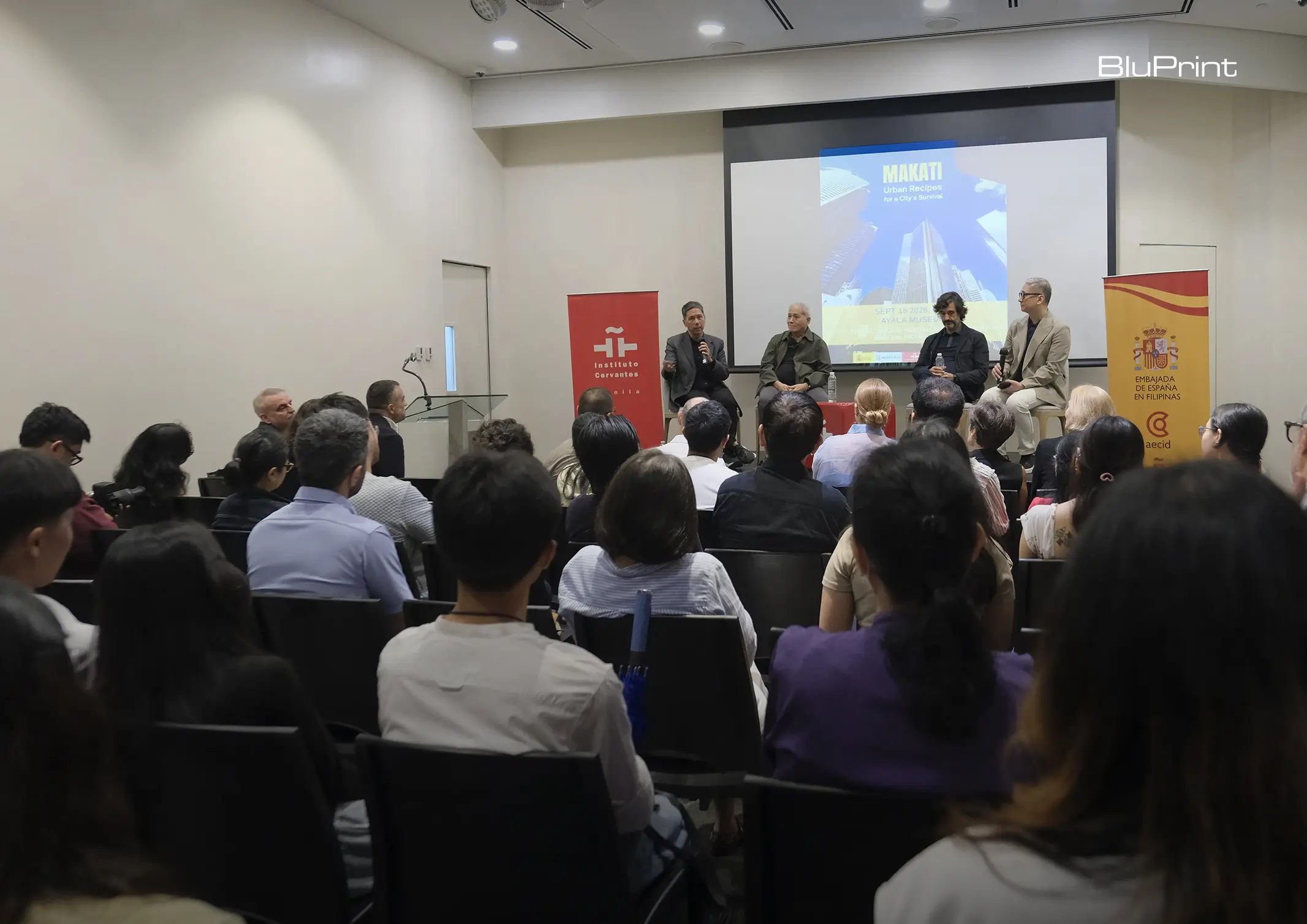
How can better-planned cities create the conditions for more creative, livable, and resilient urban environments? “Makati Urban Recipes for a City’s Survival,” a colloquium held at the Ayala Museum on September 15, brought together architects and practitioners from the fields of urbanism and the creative economy to discuss how design, planning, and collaboration can address […]
Read the issues.

Collect the volumes.

Recommended Video
Tap to Unmute
Unmute
0:00
0:00