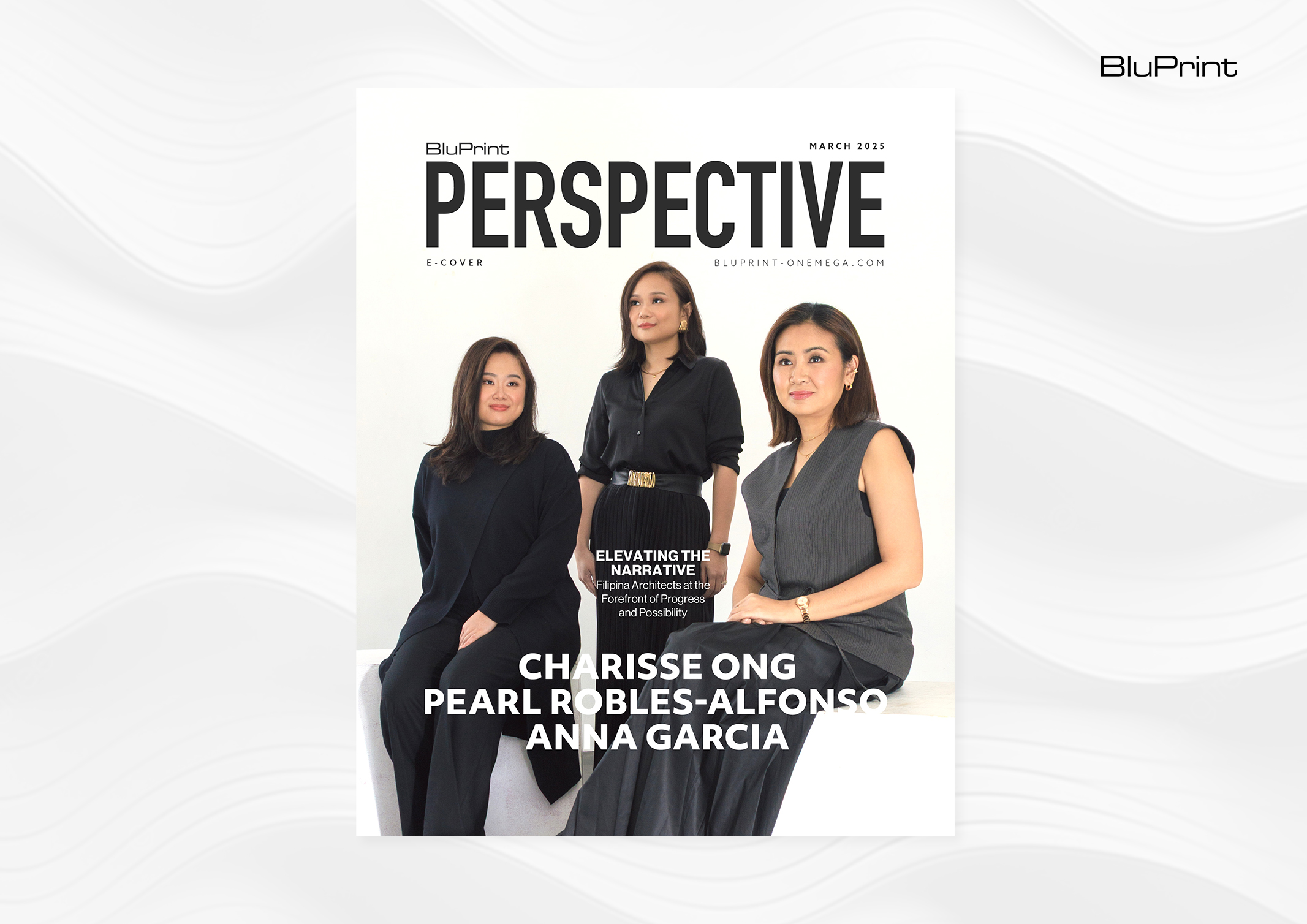
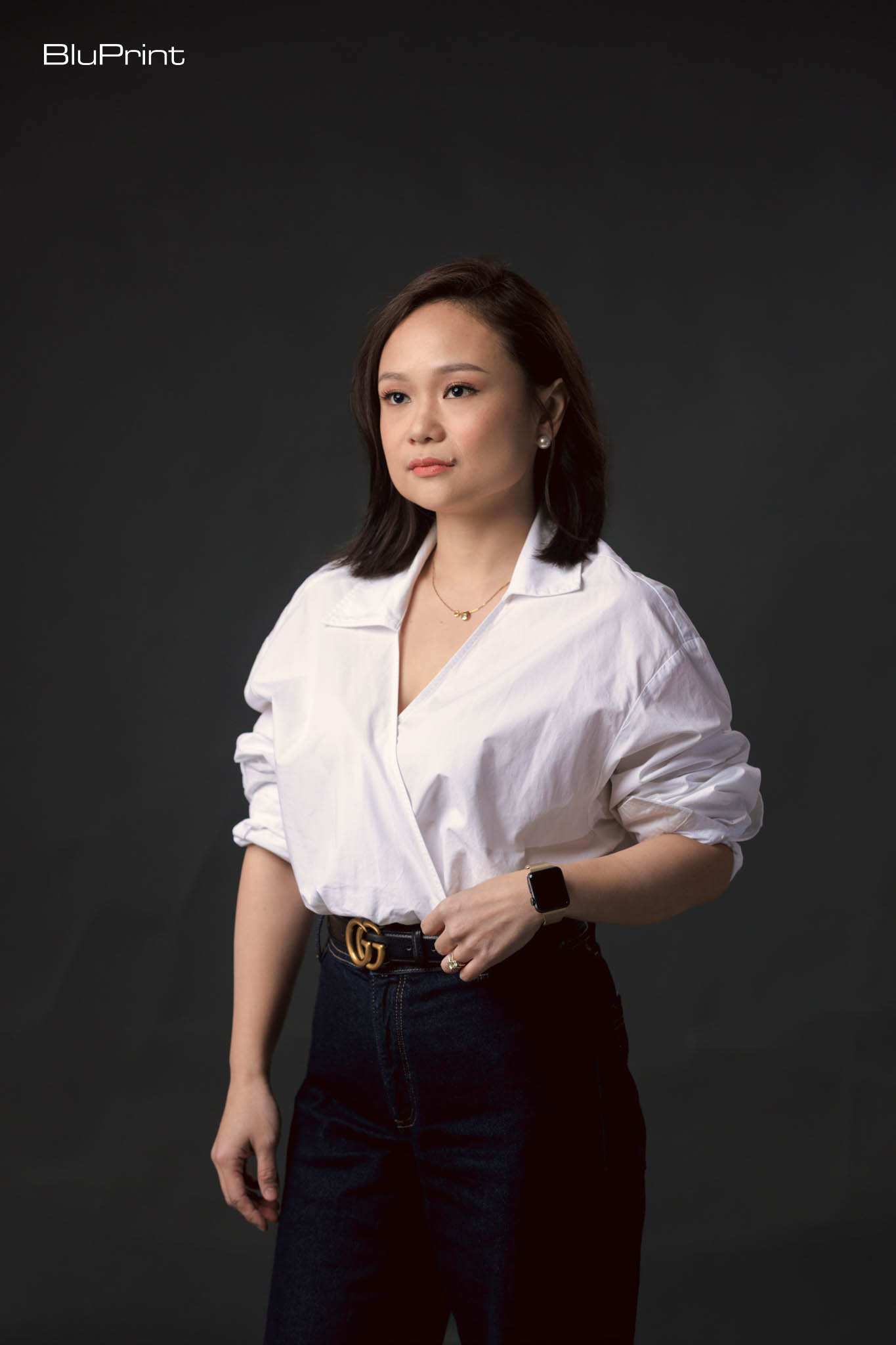
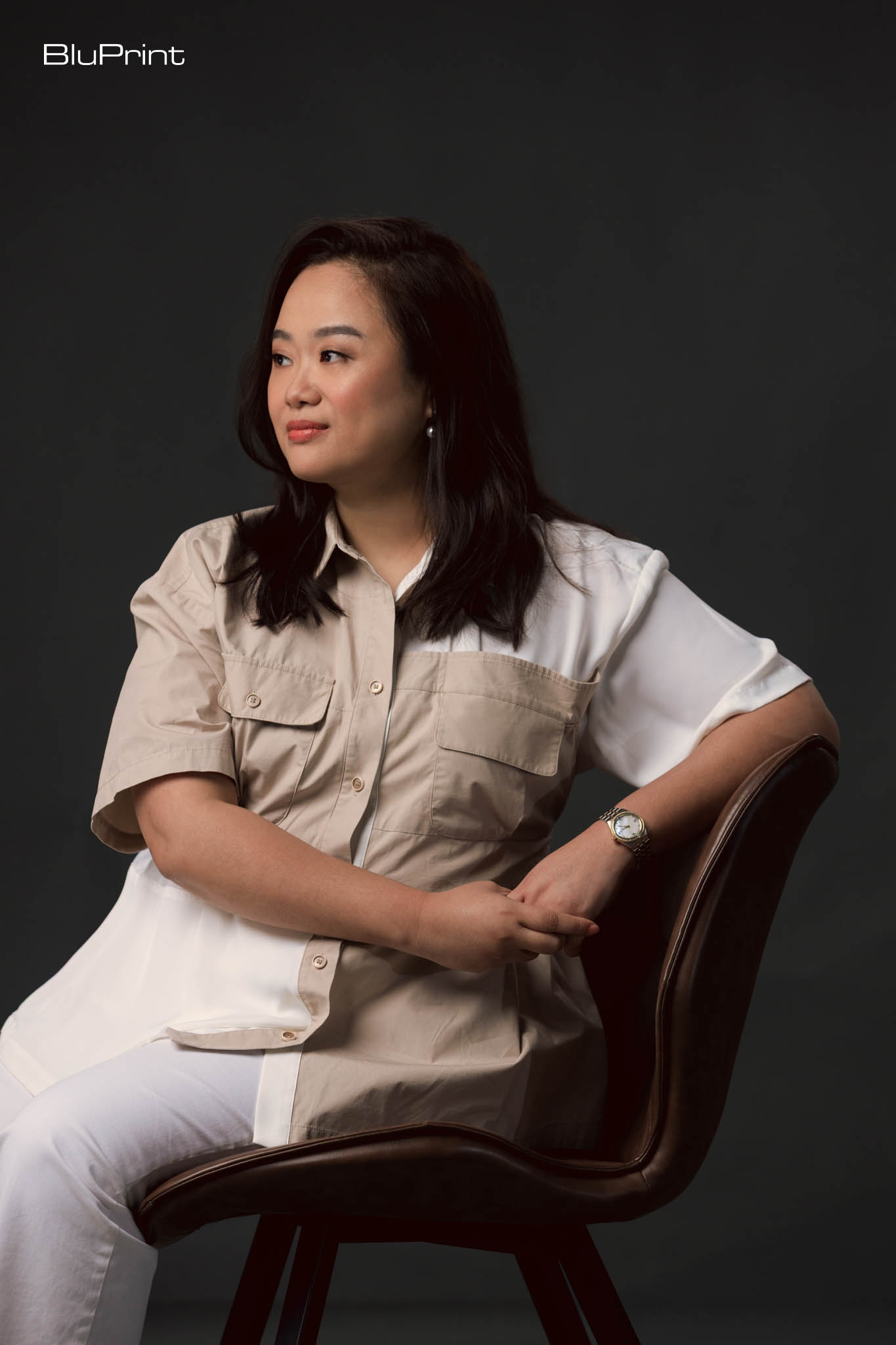
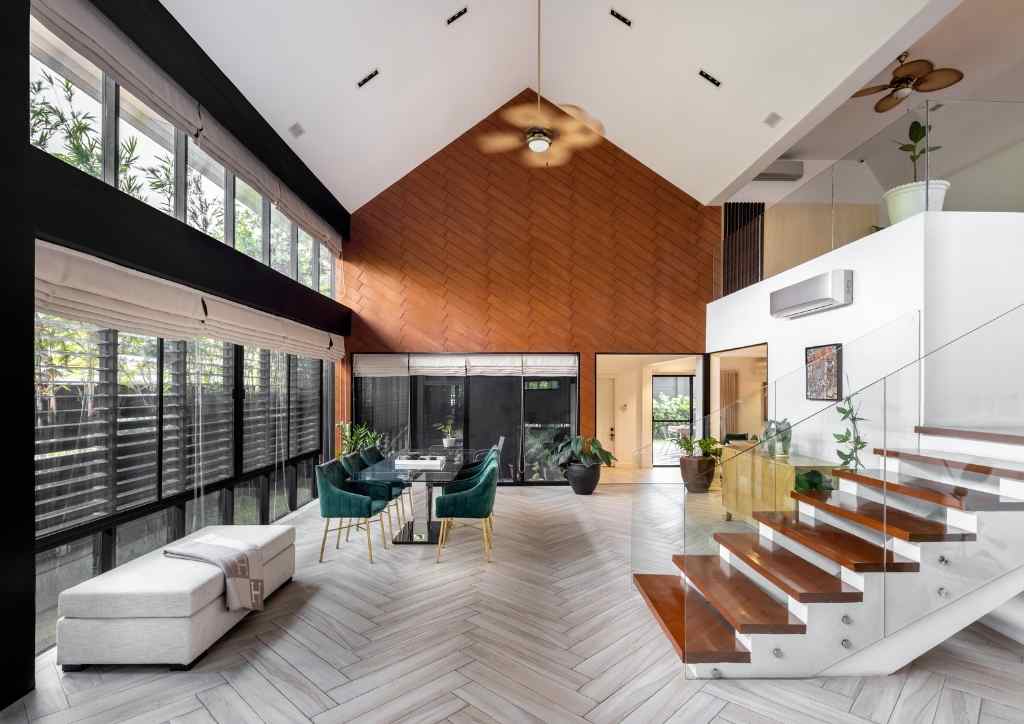
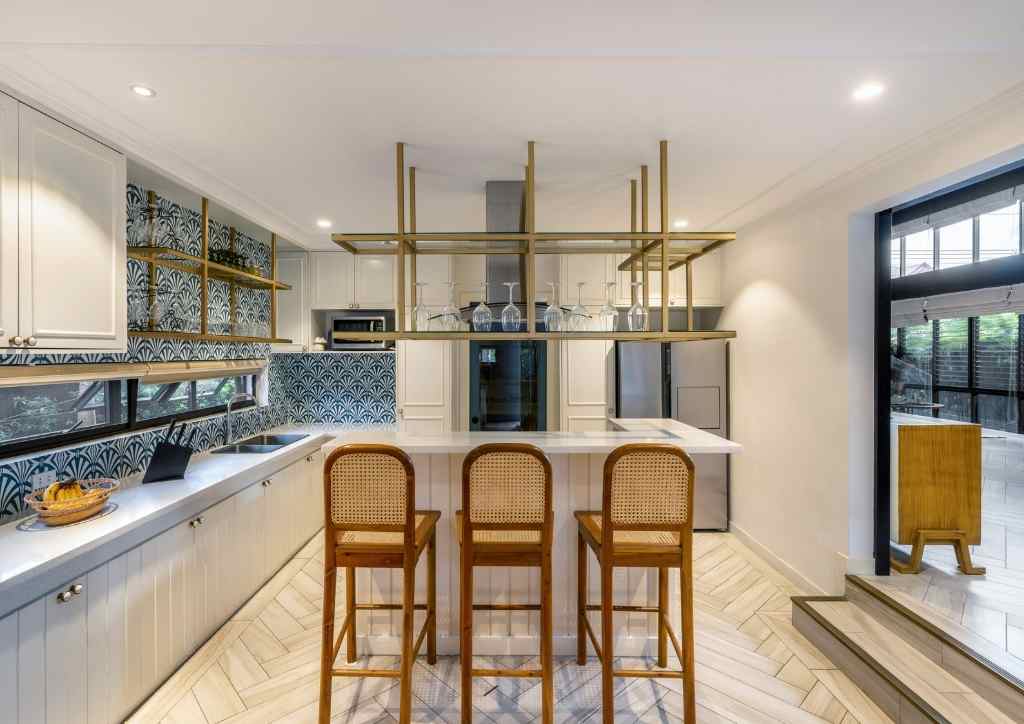
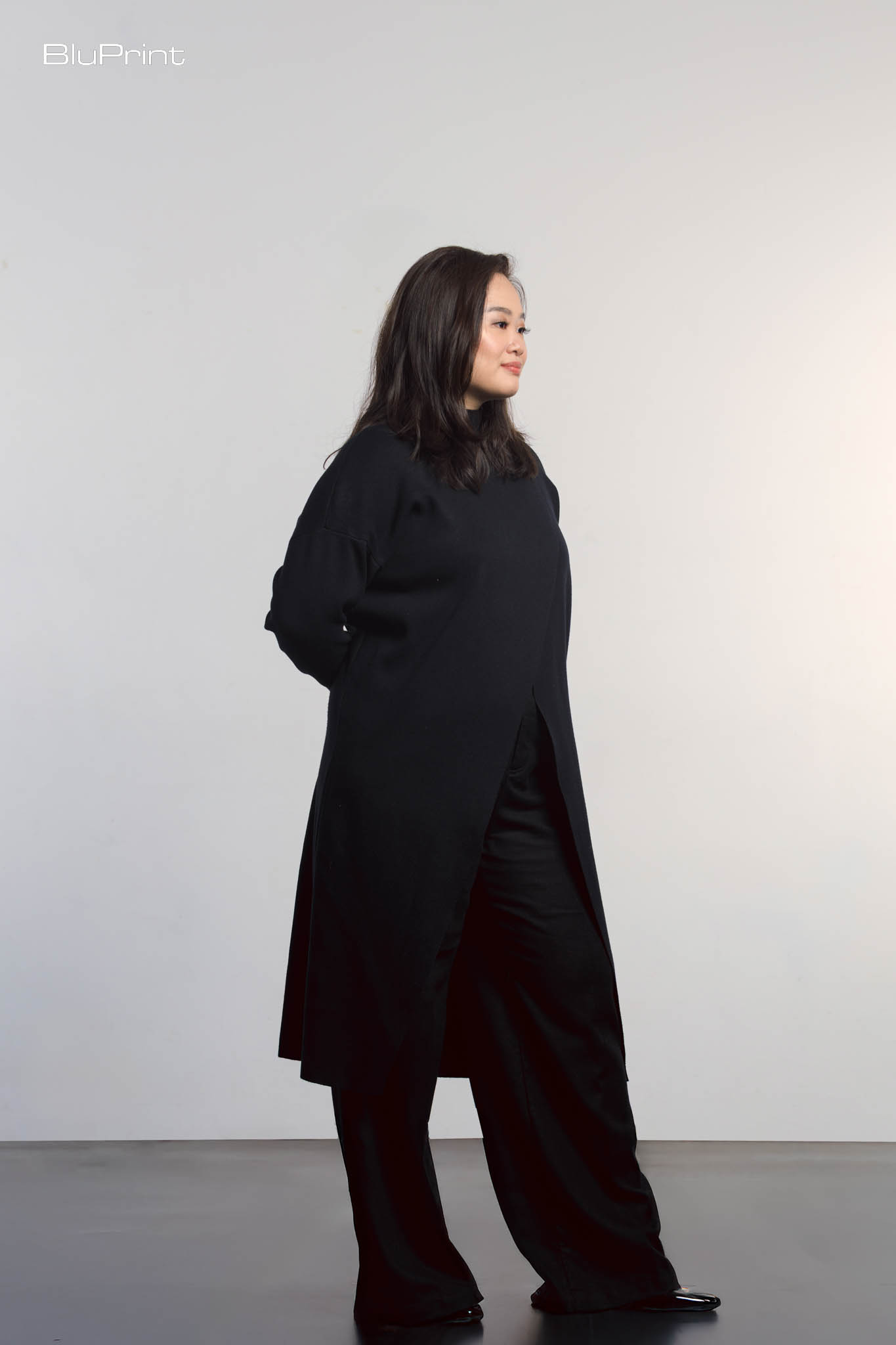
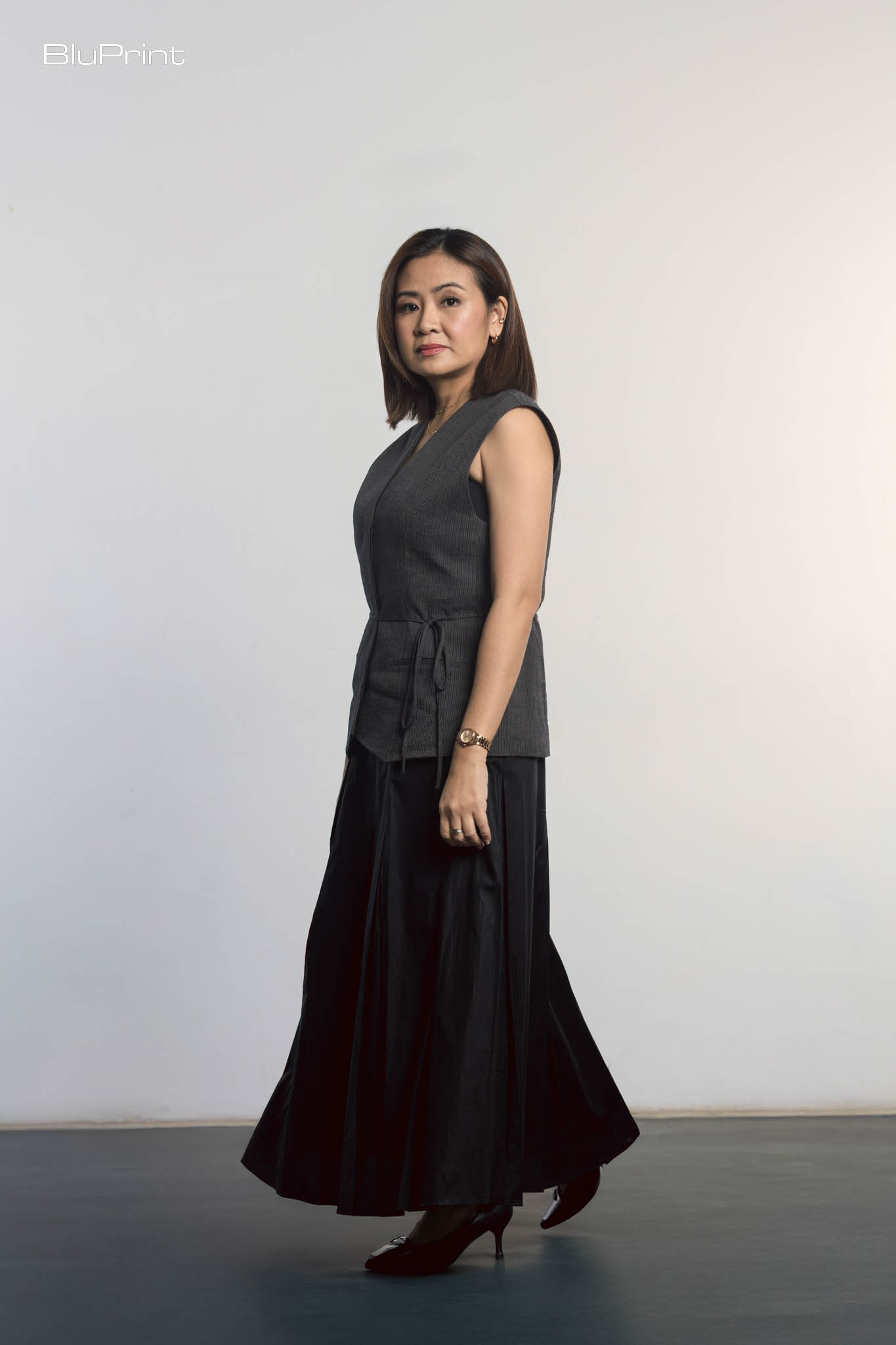
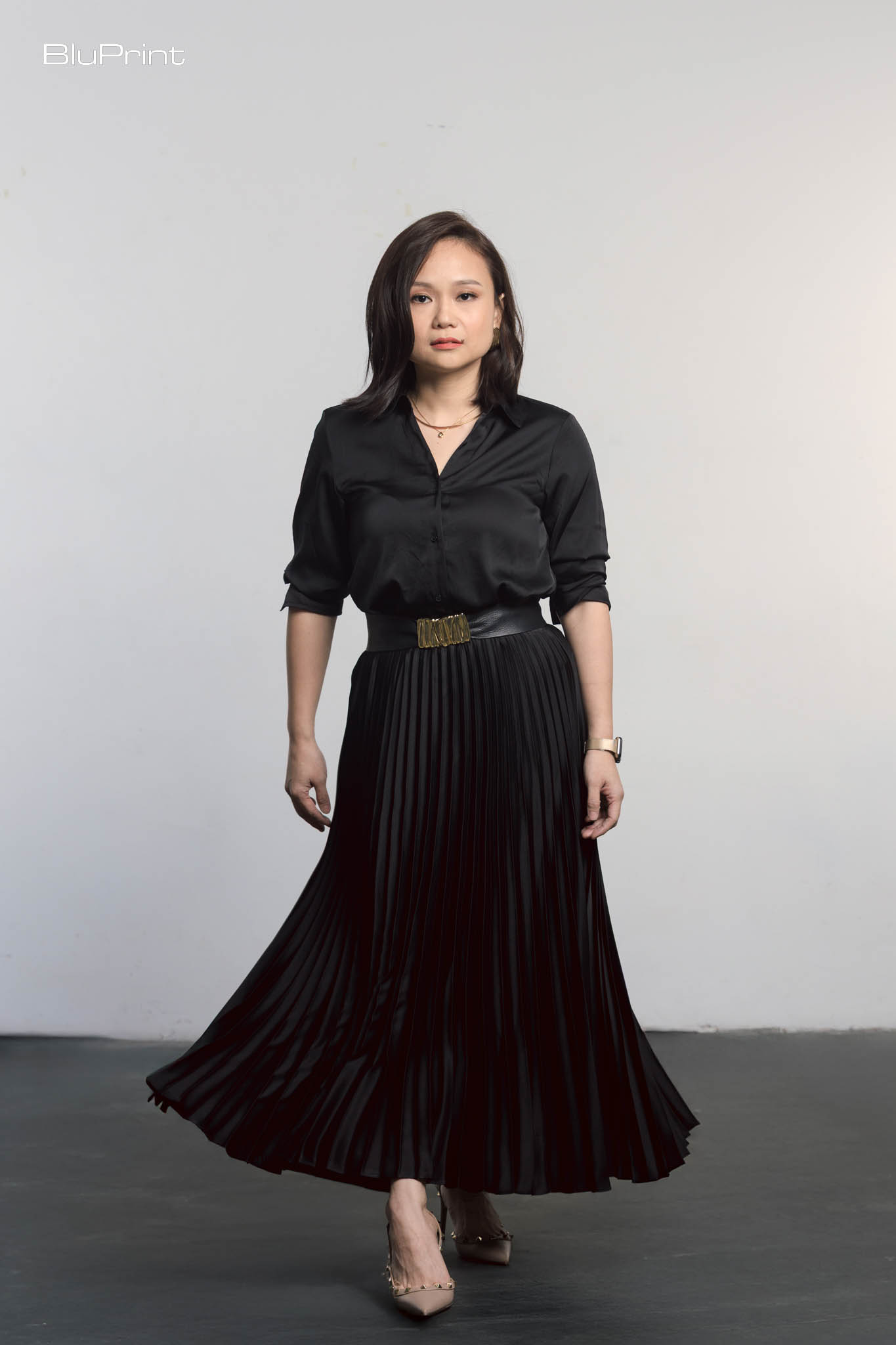
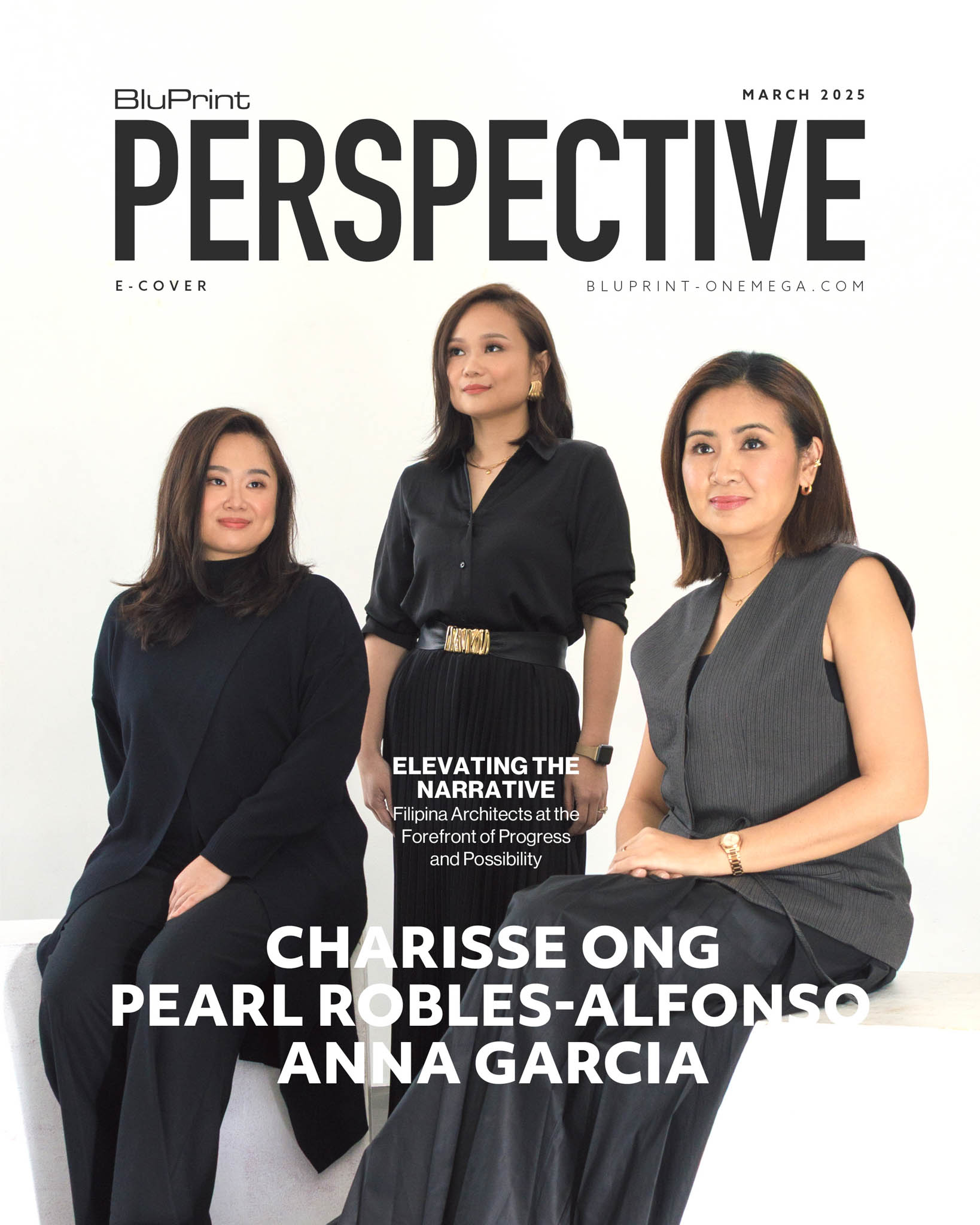
Philippine architecture has long been a male-dominated field, but a new generation of Filipina architects is redefining the industry with their vision, resilience, and dedication to their craft. Architects Anna Garcia, Charisse Ong, and Pearl Robles-Alfonso each bring a unique perspective to design—whether through historical preservation, bold material experimentation, or innovative spatial solutions.
Their journeys reflect a shift in the profession, where women are not just participating, but leading. They shape spaces that honor culture, challenge conventions, and push creative boundaries. In this feature, we explore their experiences, insights, and the impact they continue to make in their chosen field.
By breaking barriers and leading with both vision and grit, these architects exemplify the evolving role of women. They bring their own brand of strength and mastery alongside their unique perspectives and purpose.
Advertisement
Triple Threat
Through their respective firms, these three women helm projects that respond to function and aesthetics. And by doing so, they challenge conventional norms through design. Their work reflects a keen sensitivity to context, culture, and community. This is evident in their approach to designing human-centric spaces, fostering mentorship within the profession, and integrating sustainability and local craftsmanship into contemporary architecture.
Sculpting Spaces
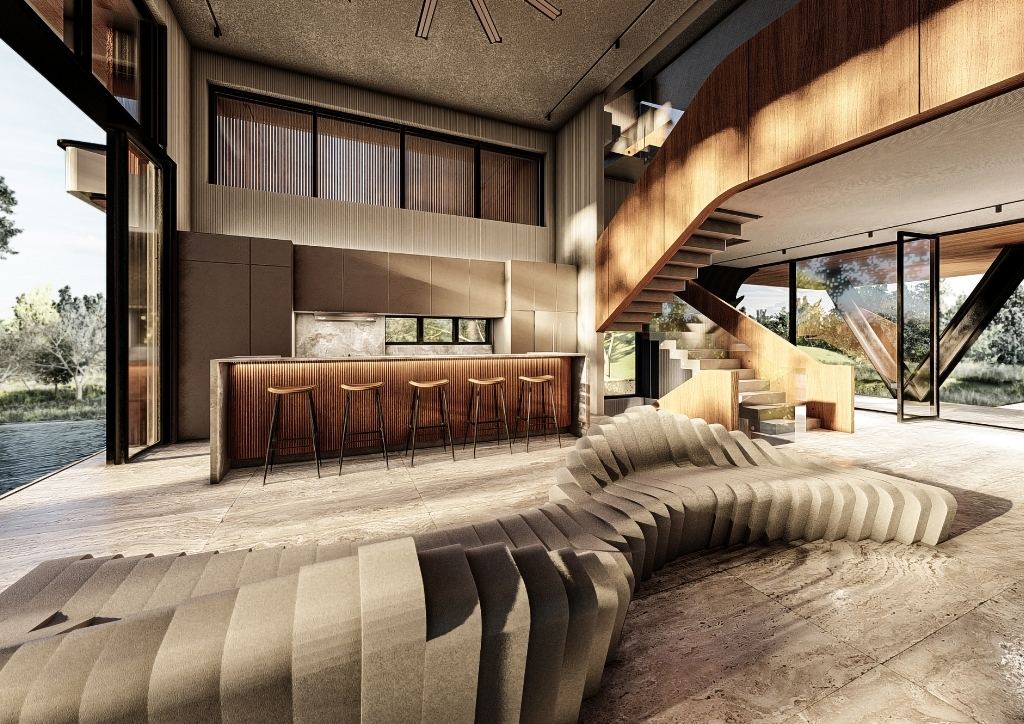
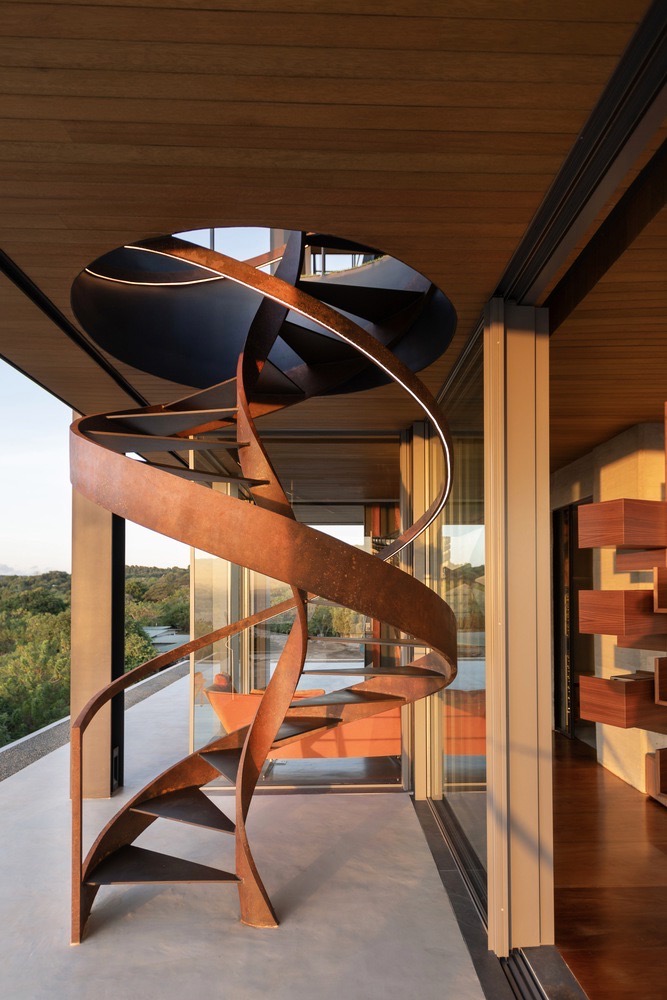
Anna Garcia co-founded Gaga Design House with her partner, Miguel Garcia. As one of two principal architects, her work is characterized by a strong sculptural identity. Her structures subvert conventional shapes and embrace fluidity, contrast, and movement.
She’s responsible for bold architectural expressions, where form, materiality, and spatial relationships come together to create immersive and dynamic environments. A recurring theme in Gaga’s work is the interplay of organic and geometric elements.
Advertisement
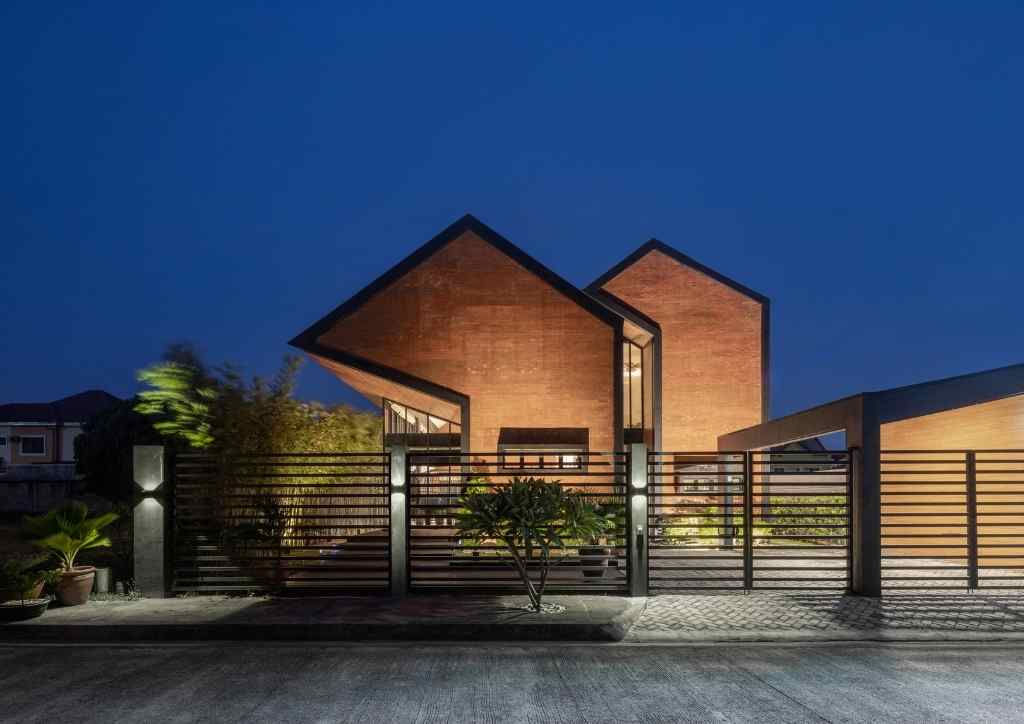
You see it in projects like Bo House, where smooth, flowing curves define the structure. Camber House, which experiments with angles and volumes, evokes a sense of balance and motion. In contrast, the Brick House in Pampanga takes a more structured approach, using strong material contrasts and industrial textures to create a striking presence in its landscape.
Gaga emphasizes experiential architecture that encourages interaction, discovery, and engagement with the environment. Features like sunken lanais, catwalks, and expansive openings blur the lines between indoor and outdoor spaces, reinforcing a connection to nature.
Weaving Heritage into Contemporary Design
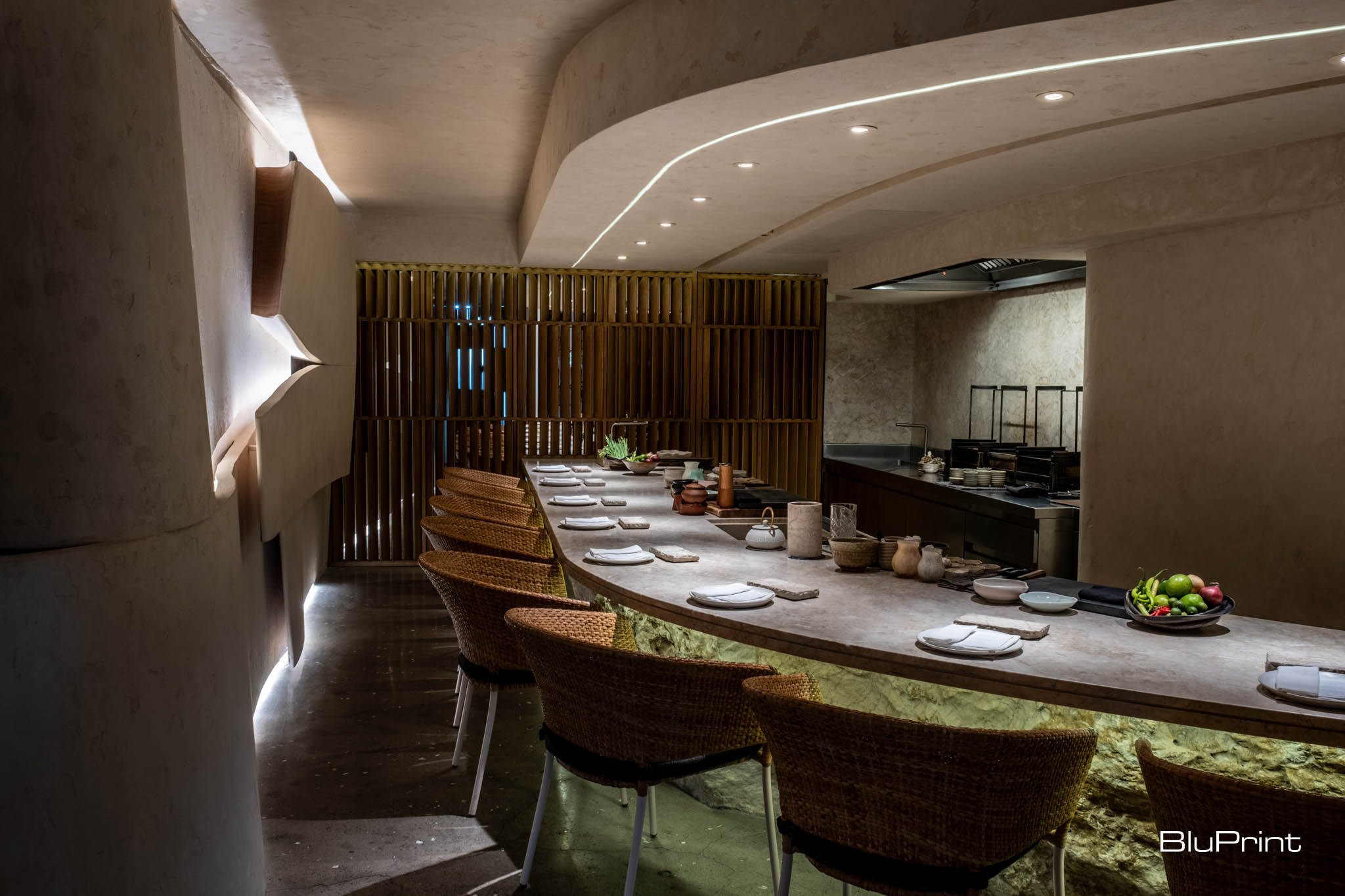
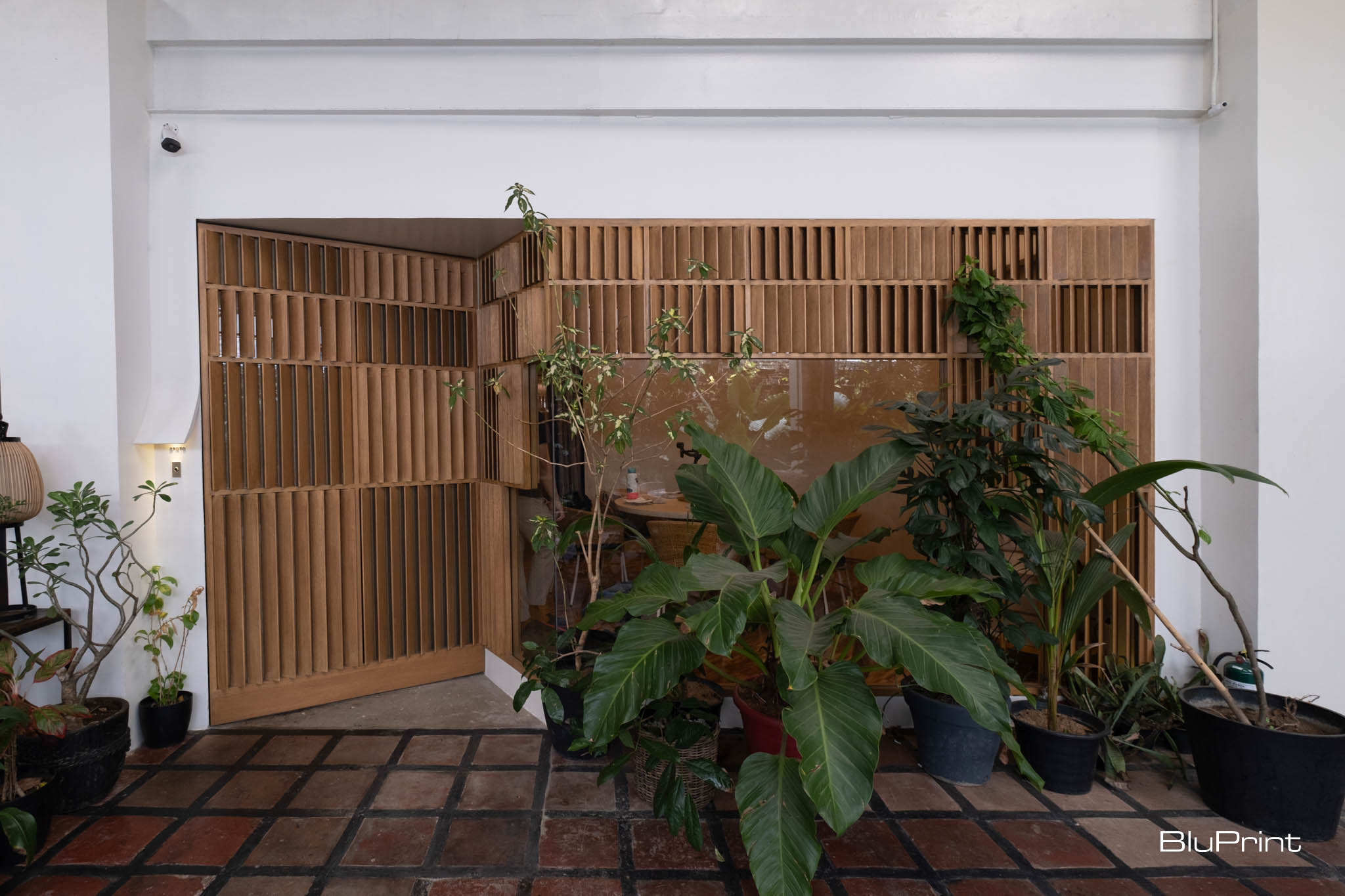
Charisse Ong is the principal architect of Studio Ong, a firm she leads alongside her sister, IDr. Coleen Ong. Their thoughtful and innovative approach to design seamlessly blends local cultural heritage with contemporary sensibilities. Their projects reflect a deep respect for local materials, craftsmanship, and storytelling, resulting in spaces that feel both rooted and forward-thinking.
Advertisement
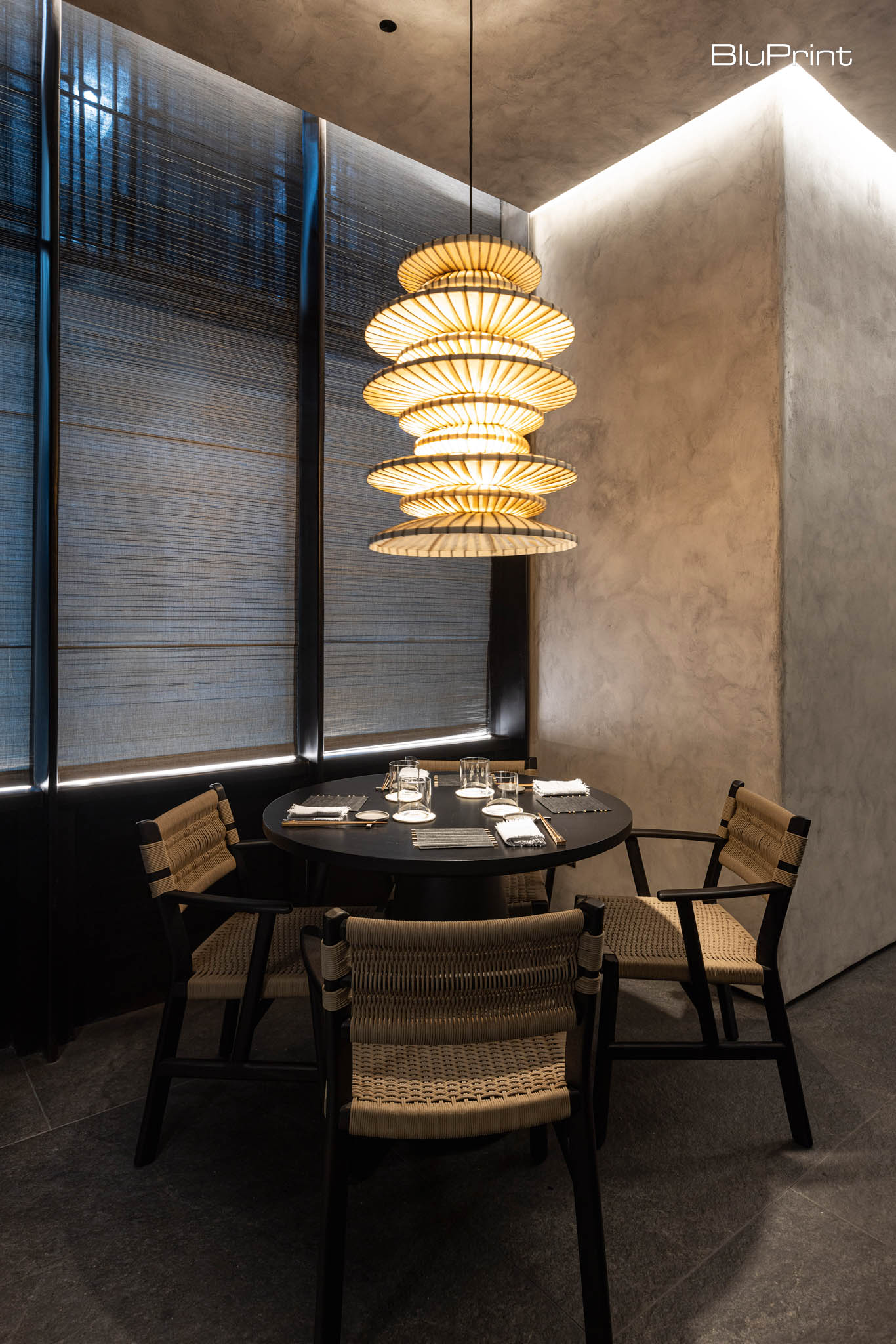
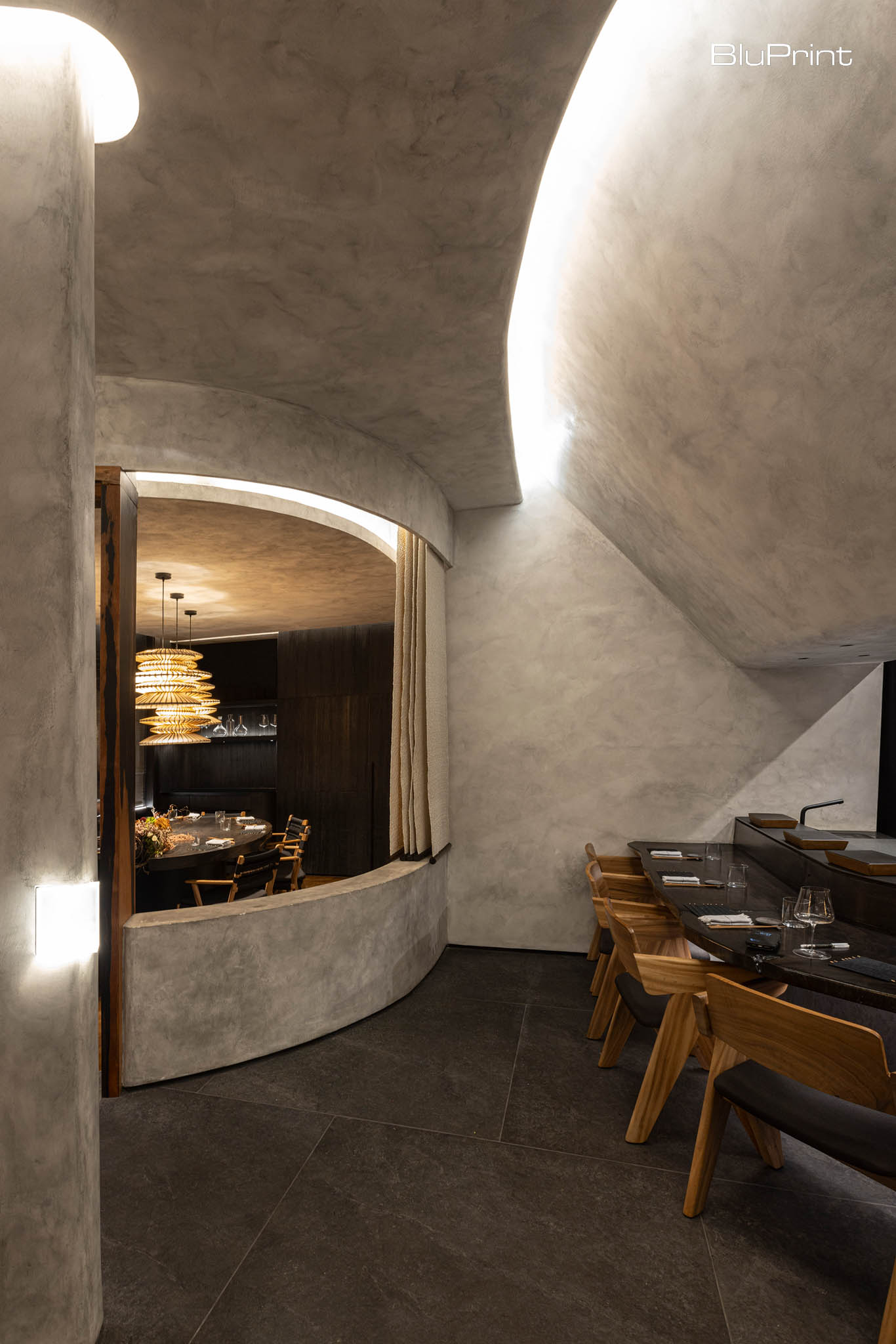
A defining characteristic of their work is the careful integration of Filipino identity and artisanal techniques—whether in the Filipinas Heritage Library, where Art Deco elements meet modern functionality, or in Inatô, where natural textures like banana peel walls and oyster-shell floors create an immersive dining experience. Their attention to materiality is also evident in Iai, a restaurant that embodies the philosophy of precision and mindfulness through a subdued palette and locally woven accents.
Studio Ong’s designs foster community and engagement, transforming spaces into experiences. Their work elevates local narratives, proving that innovation and tradition can coexist harmoniously in architecture and interiors.
Modern Living within the Local Context
As co-founder and Principal Architect of 8×8 Design Studio Co., Pearl Robles-Alfonso brings her expertise in design and project management to ensure that each project aligns with the studio’s vision. Her leadership helps shape the firm’s creative direction while fostering collaboration within the team and with clients.
Advertisement
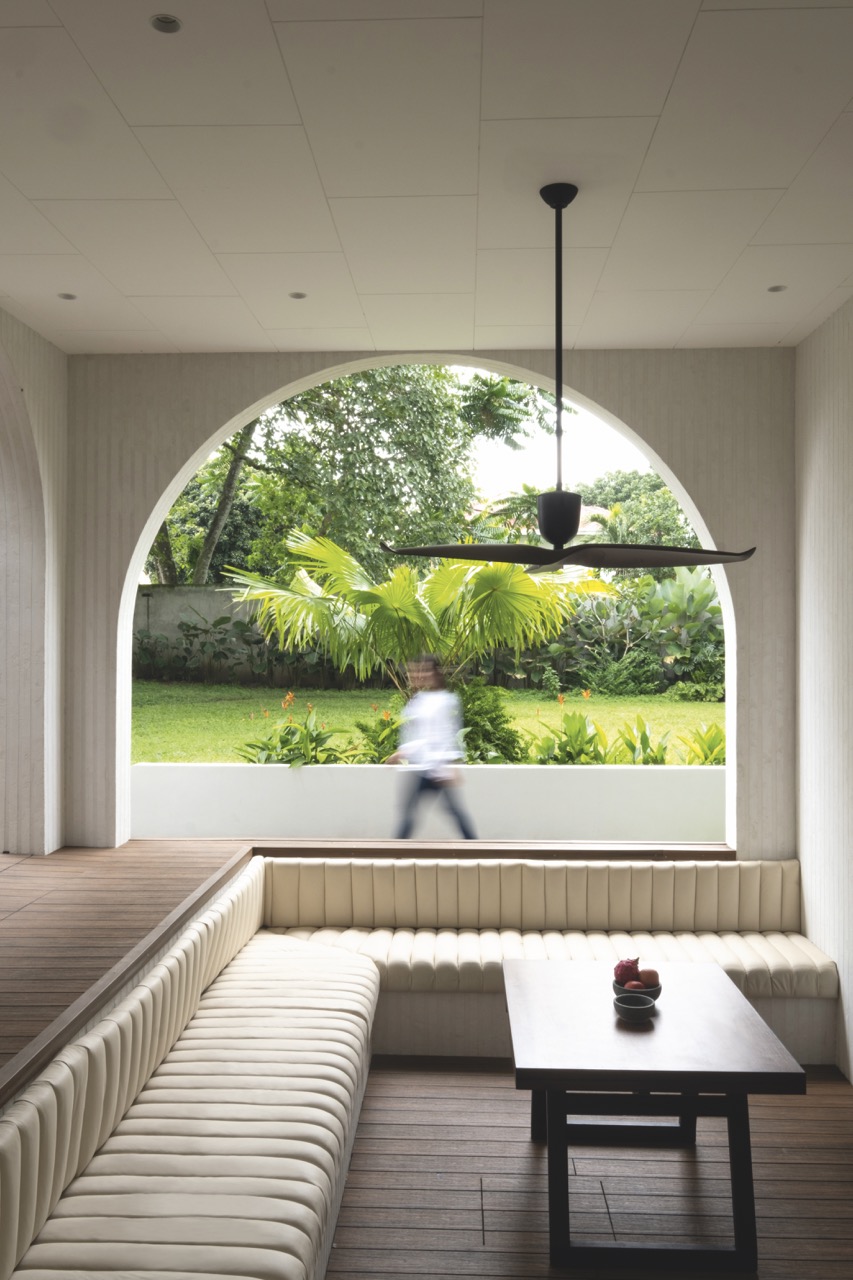
Together with her partner and spouse, Adrian Alfonso, 8×8 creates spaces that seamlessly integrate modern living with local context. Their work consistently demonstrates a deep sensitivity to natural landscapes and cultural heritage, balancing contemporary aesthetics with timeless design principles.
COI PH by 8×8 Design
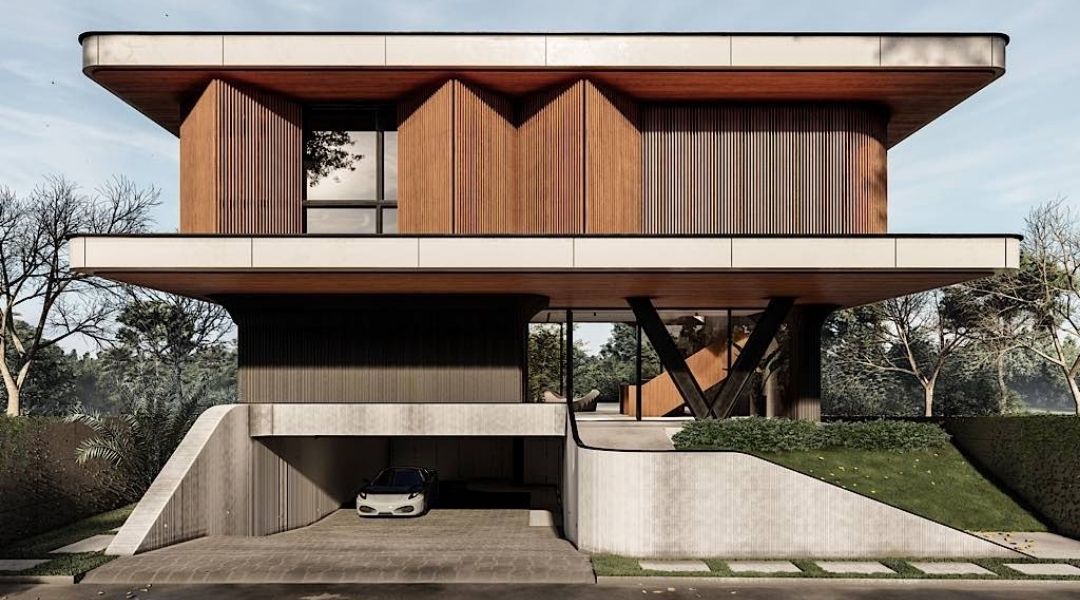
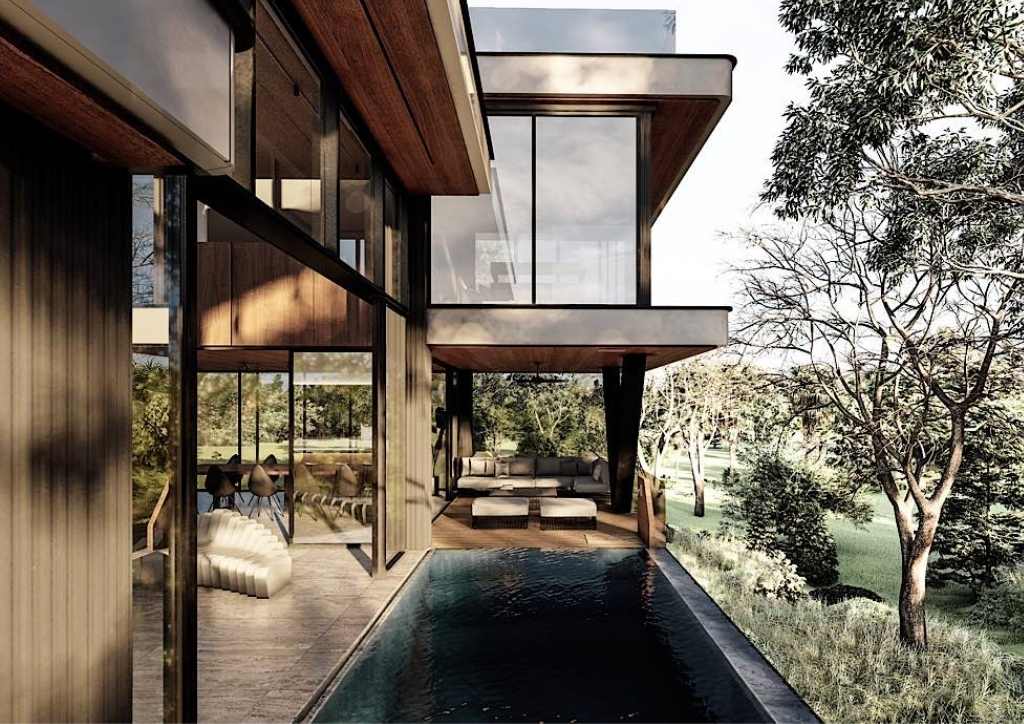
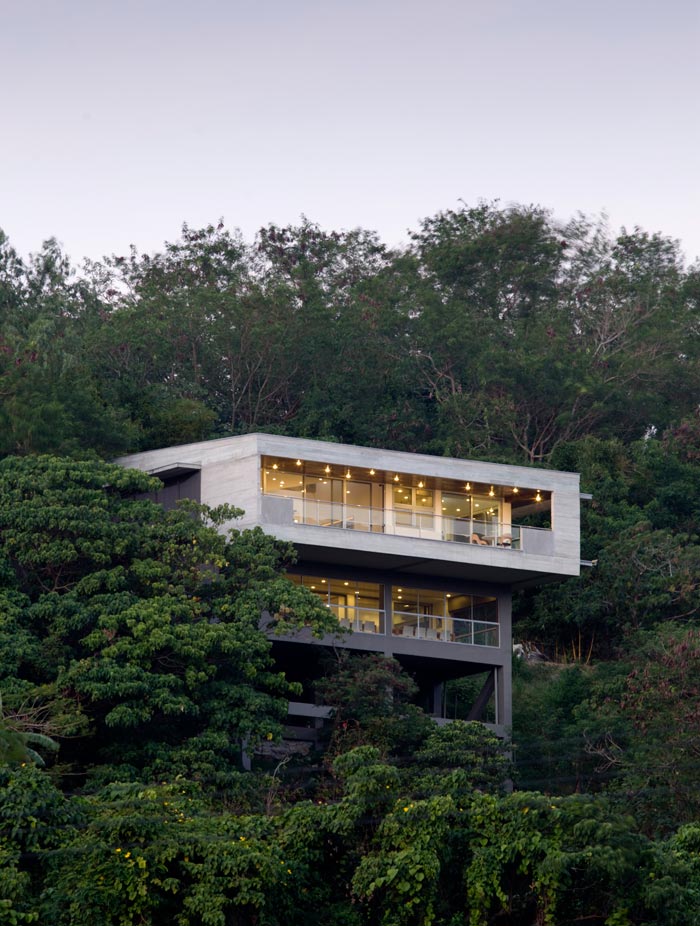
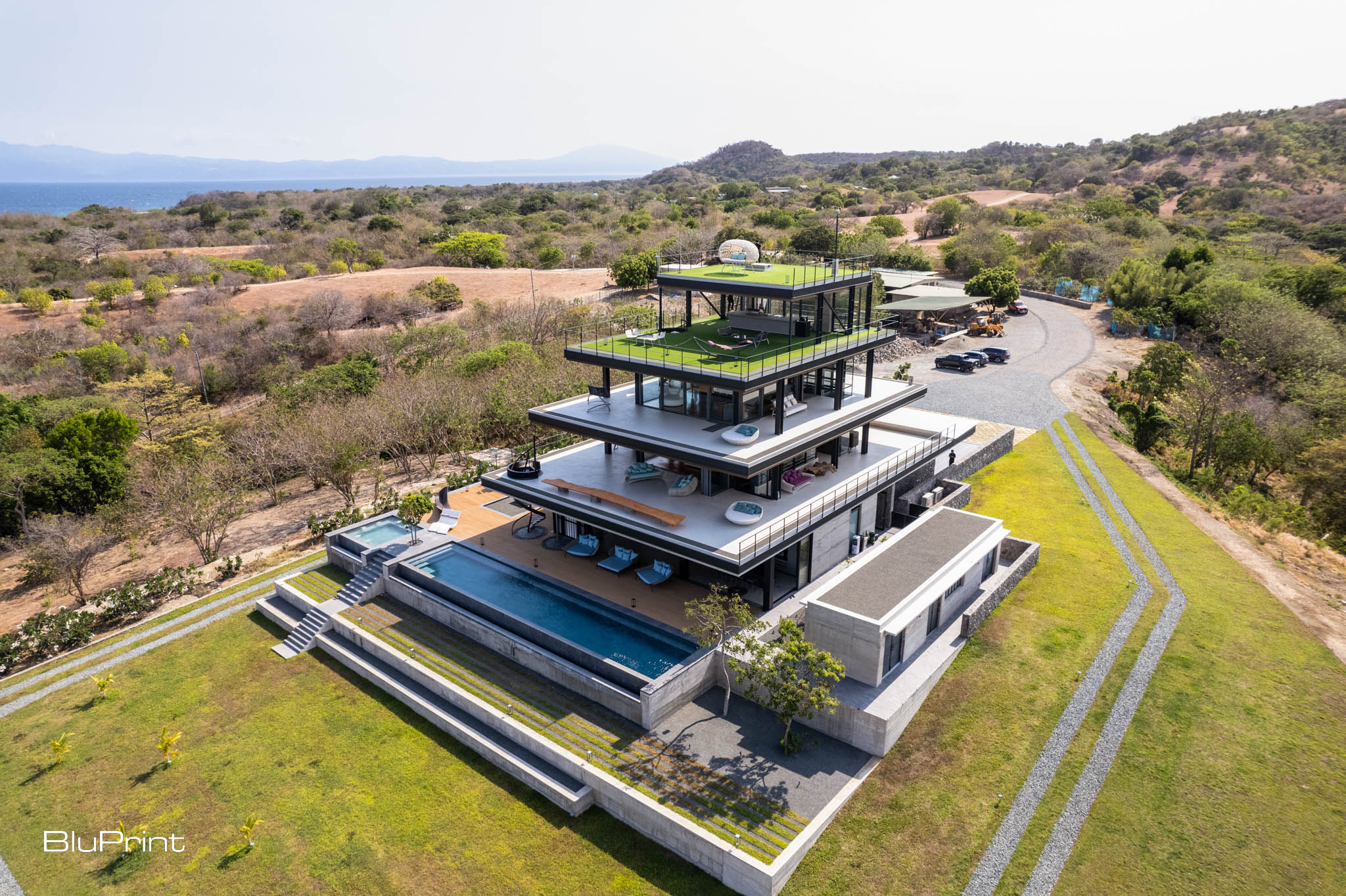
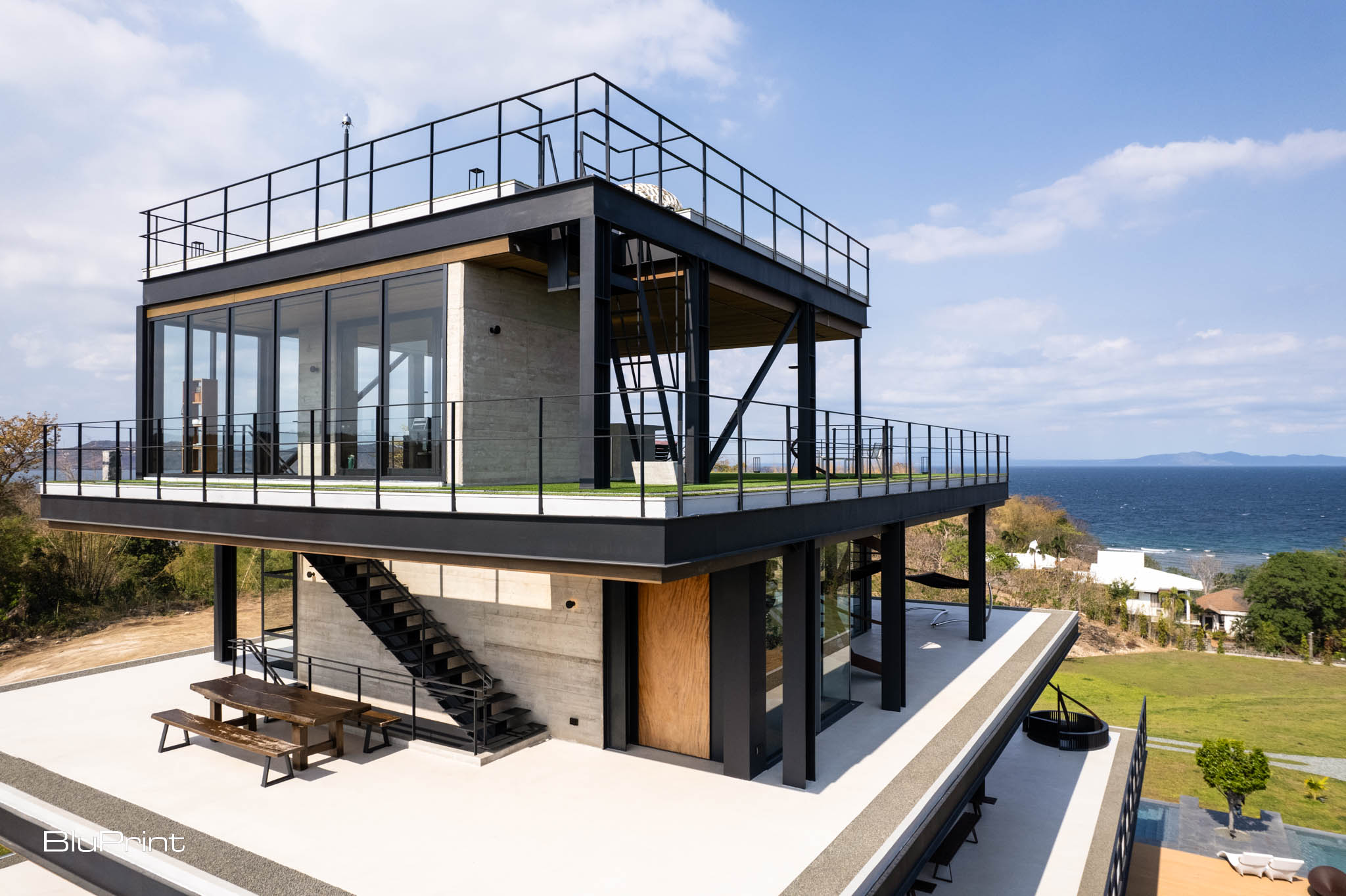
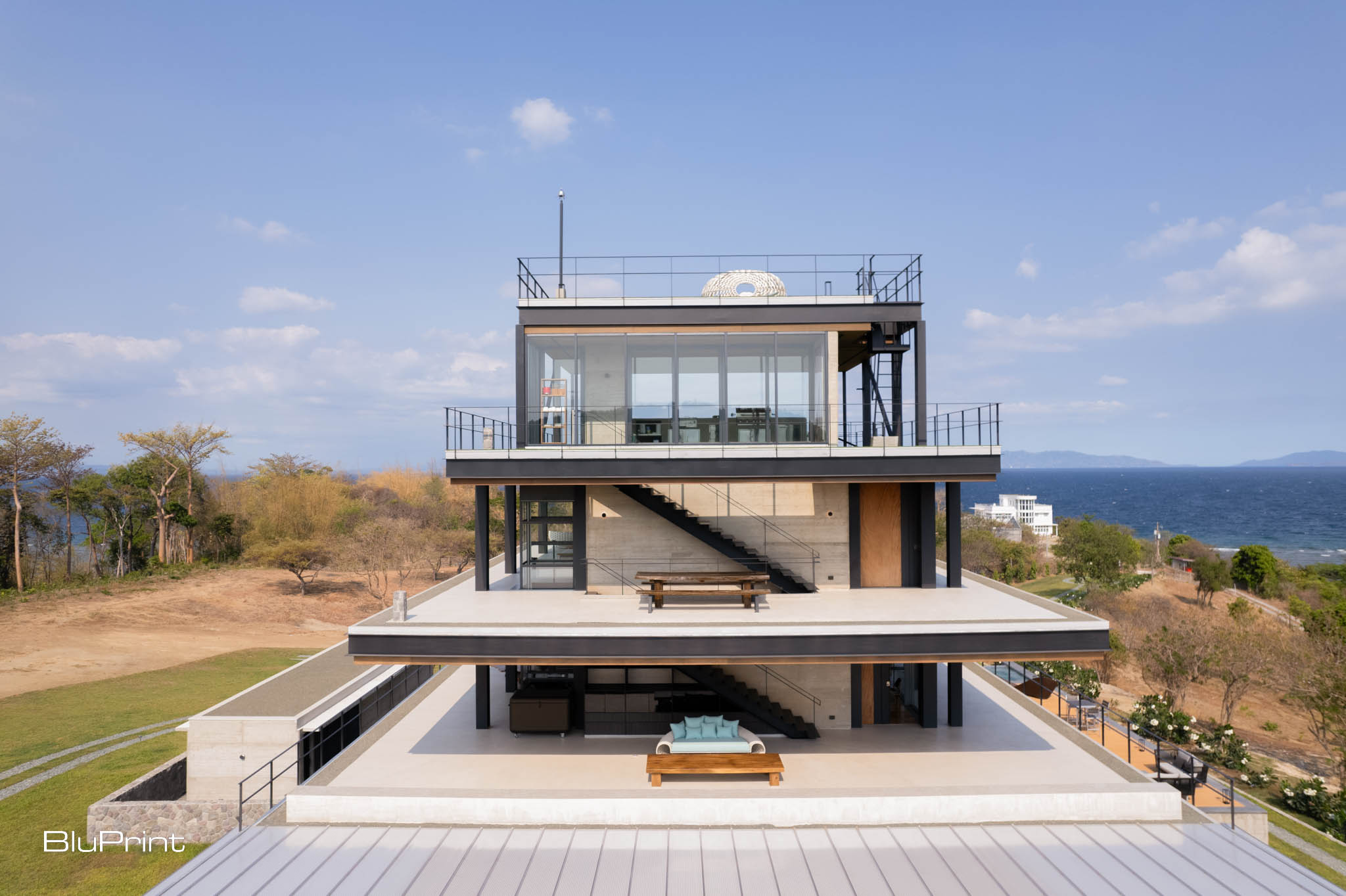
8×8 Design Studio Co’s MV House became an exercise in exploring vertical configurations, and how to take advantage of its dream setting, with its views of majestic Mt. Makiling, a city skyline and a lake from afar.
Across their residential and commercial projects, they employ a thoughtful approach to space-making, prioritizing openness, fluidity, and harmony with the environment. They often embrace elevated structures that take advantage of natural topography, frame scenic views, and foster a seamless indoor-outdoor connection.
Challenging Gender Norms
For Filipina architects, breaking into the industry comes with its own set of challenges that men simply don’t contend with; from earning respect in project negotiations to navigating biases about their capabilities. Pearl Robles-Alfonso shared her perspective on being a woman in a traditionally male-dominated field.
Advertisement
“Filipinos, by culture and by religion, we’re actually quite conservative,” she observes. “And we’re traditionally a patriarchal society. So Filipinas in the industry… we have to be assertive in a way, so that we can be present and visible. But most of the time, it’s being mistaken as being aggressive rather than being assertive.”
Similarly, Anna Garcia started her career in a construction firm, where she often found herself having to prove her worth. “I learned a lot from that construction firm,” she shares. “And I was able to apply all the learnings in our firm, but it was really hard for me to adjust in the beginning. It was hard for me to fit in in that male-dominated industry.
“I had to learn their language and evolve from a shy girl to a very relentless, compelling, and confident architect,” Garcia recalls. “I had to back it up with research and all the knowledge so I can really get their respect.”
Advertisement
“You doubt yourself, you doubt your capabilities,” adds Robles-Alfonso. “And then you feel like any achievement relates to luck or because you’re being helped by others. And it became a roadblock.”
She also pointed out how traditional gender norms continue to shape perceptions. “Whenever we meet new clients, they initially assume that my partner and husband, Adrian, he’s the architect and I’m an interior designer. So there’s nothing wrong with that, of course, but it’s an automatic impression that I am not the architect, but I’m the interior designer.”
Even in professional settings, she noticed how biases subtly play out. “When we go to conferences or meetings and we have to bring our children, they somehow see me first as a mom rather than as an architect.”
Advertisement
Shifting Perceptions
However, the Philippines has made significant strides in embracing Filipina architects. In recent years, more women have been taking on leadership roles in firms and academia.
Charisee Ong, for instance, considers herself fortunate to have entered architecture at a time when women are more widely accepted in the field. Reflecting on her journey, she shared, “I realized that growing up, I never felt like it was inferior to be a woman… I entered the industry that way and with that mindset… I just did my own thing, and day by day, just do your work, improve on your craft…”
Her upbringing played a crucial role in shaping her confidence and approach to her career. “I realized that growing up with three sisters, our dad never made us feel like ‘babae ka’… Things have changed now, and the reality also means that everybody has to do their part, both male and female. So I guess I was lucky to be brought up that way, and it was really never in my head growing up that women couldn’t do what men could.”
Advertisement
The differing experiences of Garcia, Robles-Alfonso, and Ong highlight the evolving landscape of the Philippine architecture industry for women. While challenges such as gender biases, societal expectations, and the need to prove one’s expertise still persist, their journeys also reveal meaningful progress.
Practice Makes Progress
Garcia’s hands-on approach to construction, Robles-Alfonso’s navigation of workplace perceptions and motherhood, and Ong’s confidence in an increasingly diverse industry illustrate the shifting dynamics in architecture. Although obstacles remain, these Filipina architects demonstrate that more women are breaking barriers, gaining leadership roles, and reshaping the profession, proving that progress—while gradual—is undeniably taking place.
Having been part of the academe, Ong has observed a significant shift in gender representation within architecture schools. “I believe we have 70% women in school now… but society does have to change how they think. If there is something to change, it’s really just actually taking out that stigma about women just staying at home. I think we’ve reached a point where we’ve proven ourselves.”
Advertisement
Likewise, Garcia finds herself in a position to become a mentor to the next generation of female architects. “We’re almost 80% girls in the firm,” she notes about Gaga Design House. Recognizing the importance of representation, she embraces the responsibility of guiding and empowering young women in architecture.
A Filipina’s Touch
While biases still exist, there is growing recognition of the unique perspectives that women bring to design, particularly in creating spaces that balance functionality with human-centric and cultural sensitivity.
“By default, men have this image that they do the functional side of things,” Robles-Alfonso notes. “And then the female only contributes to the warmth and aesthetic. But I can say that female architects can do both. We can do functional, we can do structural, and we can also bring warmth and aesthetics.”
Advertisement
Garcia credits her upbringing and Filipino heritage for influencing her design approach. “As a Filipina architect who grew up with a Kapampangan mother, she taught me different ways of doing a recipe—so all the ingredients are there, different ingredients trying to do just one dish. In a way, I was able to apply that mindset to design, and it was easier for me to really mix and match different architectural styles.”
In addition, Ong’s deep appreciation for Filipino culture and materiality is prominent in her work. “So being a Filipino first and foremost, and living in this beautiful country, we offer a lot of beautiful and unique things, like materiality, the local culture that we have. Also living abroad, I saw how much they appreciated what we have that we also just take for granted.
“We have to take pride in that,” Ong states. “But as a Filipina architect, [we bring] even more an added value, because we think of things holistically. So we just don’t think of the design that looks aesthetically pleasing. We think of the functionality down to the upkeep in the end. So all these things we juggle, even in the early phases of the design. And this is what I believe our clients appreciate from us.”
“Filipino culture is deeply rooted in community,” Robles-Alfonso observes. “We tend to do family-centric spaces that are open and inclusive. Since we’re family-oriented and we’re community-oriented, we tend to do spaces that would invite more gatherings.”
She also reflected on the Philippines’ unique cultural influences. “We are a multicultural society. We’ve been colonized by both the East and the West, and I feel like, as a Filipino, it’s quite unique because we’ve been influenced richly by different kinds of cultures… I think that’s our edge as compared to architects in other countries, because we can bring different perspectives to the table.”
Visibility, Mentorship, and Growth
While the number of women in architecture is steadily increasing, the industry still has room to grow in fostering an environment where women can thrive. Creating opportunities for mentorship, visibility, and professional growth is essential in paving the way for future generations.
“Architecture on its own is very masculine,” Robles-Alfonso states. “So being a mom and being an architect at the same time… there’s always this guilt that I cannot perform 100% to either. The best way is to surround myself with people who truly support and uplift and empower me. And that brings me so much confidence in what I do and in the craft that I chose. It takes a village.”
“I think we should feature more Filipino architects,” Garcia posits. “So that the younger ones can be more aware that, oh, there are so many Filipina architects out there trying to change the perspective of Filipino architecture. I think this is the best way to really encourage other women to become architects— putting their names out there, showcasing them more, and just changing that mindset that architecture is all about male architects.”
“Of course, barriers still exist,” Robles-Alfonso notes. “We cannot deny that. But I guess having exposure in features such as this is actually a big contribution in terms of exposing what a female architect can achieve in this industry.”
“Nowadays, I feel like there’s so much social pressure with social media and just how fast the world is moving,” Ong acknowledges. “But one thing I reflected on is that we never really made that affect us. You just have to stay true to yourself, trust the process of evolving yourself as well, and really enjoy it. Because being an architect is still the best job in the world for me.”
Elevating the Narrative
For these three Filipina architects, architecture is their vocation. It extends beyond designing spaces to shaping communities, preserving cultural identity, and challenging industry norms. At its core, their work is about creating meaningful, human-centered environments that honor both innovation and heritage. Their unique perspectives give rise to fresh ideas, broadening the scope of architectural practice to inspire the next generation of women in architecture to forge their own paths.
“Theodore Roosevelt said, ‘Comparison is the thief of joy,’” shares Robles-Alfonso. “So don’t compare or measure your success to others’ success… It will only rob you of happiness and joy and your passion for what you do. You have to create your own parameters. You have to create your own measure of success. And I think if you start that, you’ll truly see your own goals and you’ll enjoy your journey.”
“I know it’s a cliché, but you have to love the sacrifice,” Garcia asserts. “Speaking as a mother, of course, sometimes it’s hard to balance things. Sometimes you have to choose between taking care of your child or finishing up a project. You have to love the sacrifice, or at least get used to it, because I feel like success feels like a week, but getting there—the sacrifice, the journey—feels like a year.”
“We’re so lucky to be able to choose to do what we do every day, and to be able to help a lot of people,” Ong declares. “So first is really to commit and to choose this profession, not as a job, but as a vocation. Once you do that and you’re sure about that, just focus on the craft and just go all the way. It’s hard, but it’ll be harder if you don’t like what you do.”
Art Fair Philippines 2026 gathered art enthusiasts and collectors in Makati for one of the country’s leading showcases of contemporary Philippine art. Designed by Nazareno/Lichauco, the fair moved to Circuit Corporate Center One in Ayala Circuit, marking a new chapter in its spatial identity. Across its booths and projects, the fair positioned contemporary Philippine art […]
Ronald Ventura is one of the most recognizable figures in Southeast Asian contemporary art. Since his first solo exhibitions in the 2000s, Ventura has become known for his signature multi-layered paintings. Featuring hyperrealism, cartoons, graffiti, and other recurring motifs, hisworks—from paintings to sculptures—are pluralistic in both form and material. Throughout his career, his art has […]
As the built environment evolves, the role of the architect demands reconsideration. For Jose Siao Ling, Co-Founder and Principal Architect of Jose Siao Ling & Associates (JSLA Architects), the role extends far beyond being a licensed professional who designs and oversees construction. By championing ethical practice, ISO-certified systems, and mentorship-driven leadership, he built a firm […]
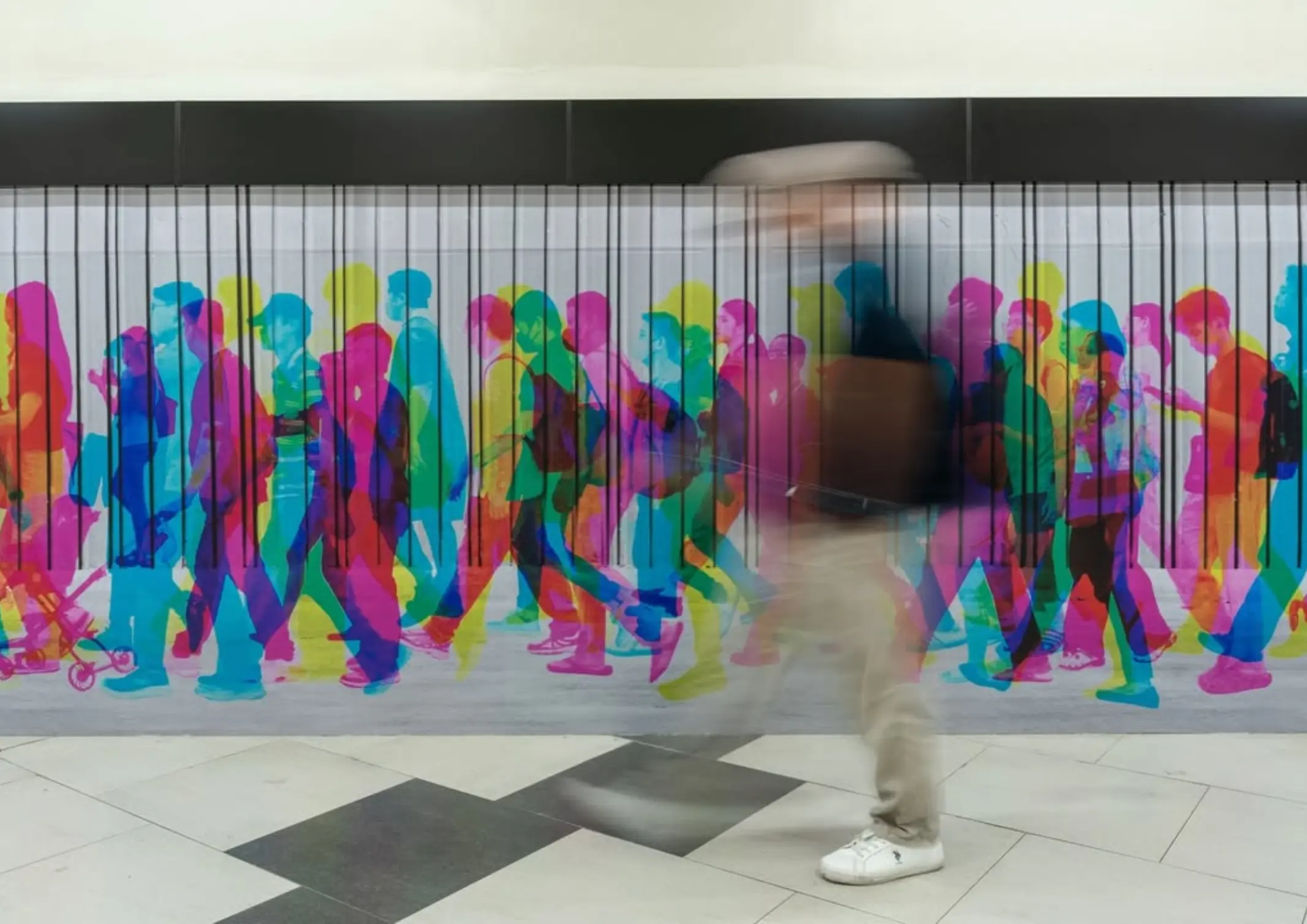
Public spaces in Metro Manila are often defined by movement rather than pause. People in transit hurry through; the underpass is a shortcut, not a place to stop. Underground, the installation by photography group FotomotoPH, reimagined the Paseo Underpass as a visual experience. FotomotoPH is a Philippine-based photography collective dedicated to promoting, exhibiting, and fostering […]
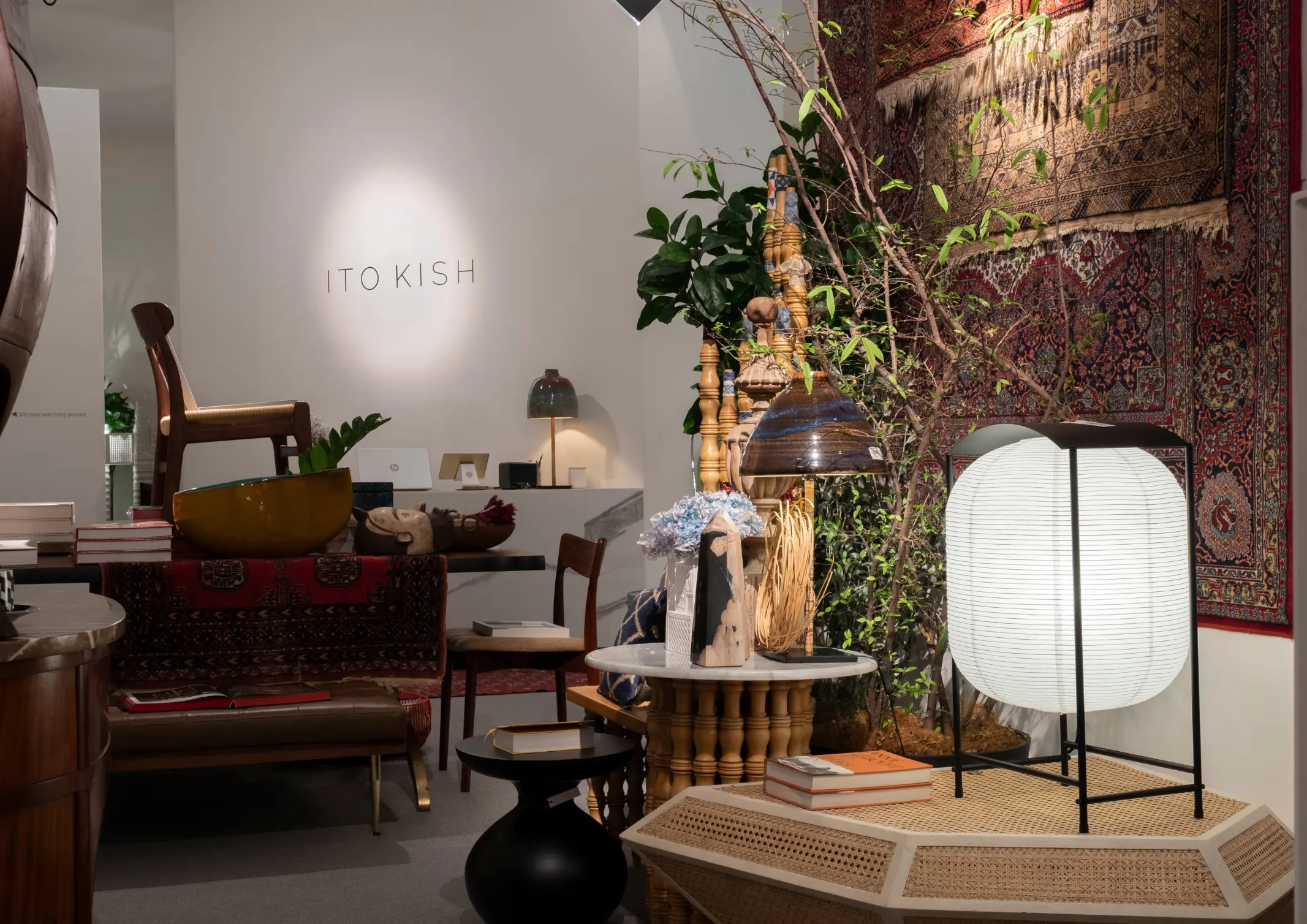
Born and raised in San Pablo City, Laguna, Ito Kish made a name for himself through residential and commercial design, as well as curatorial work. This new season, built on the idea of Filipino Culture Meets Global Curiosity, unfolds both as a composed showroom environment and a new collection shaped by stillness and balance. A […]
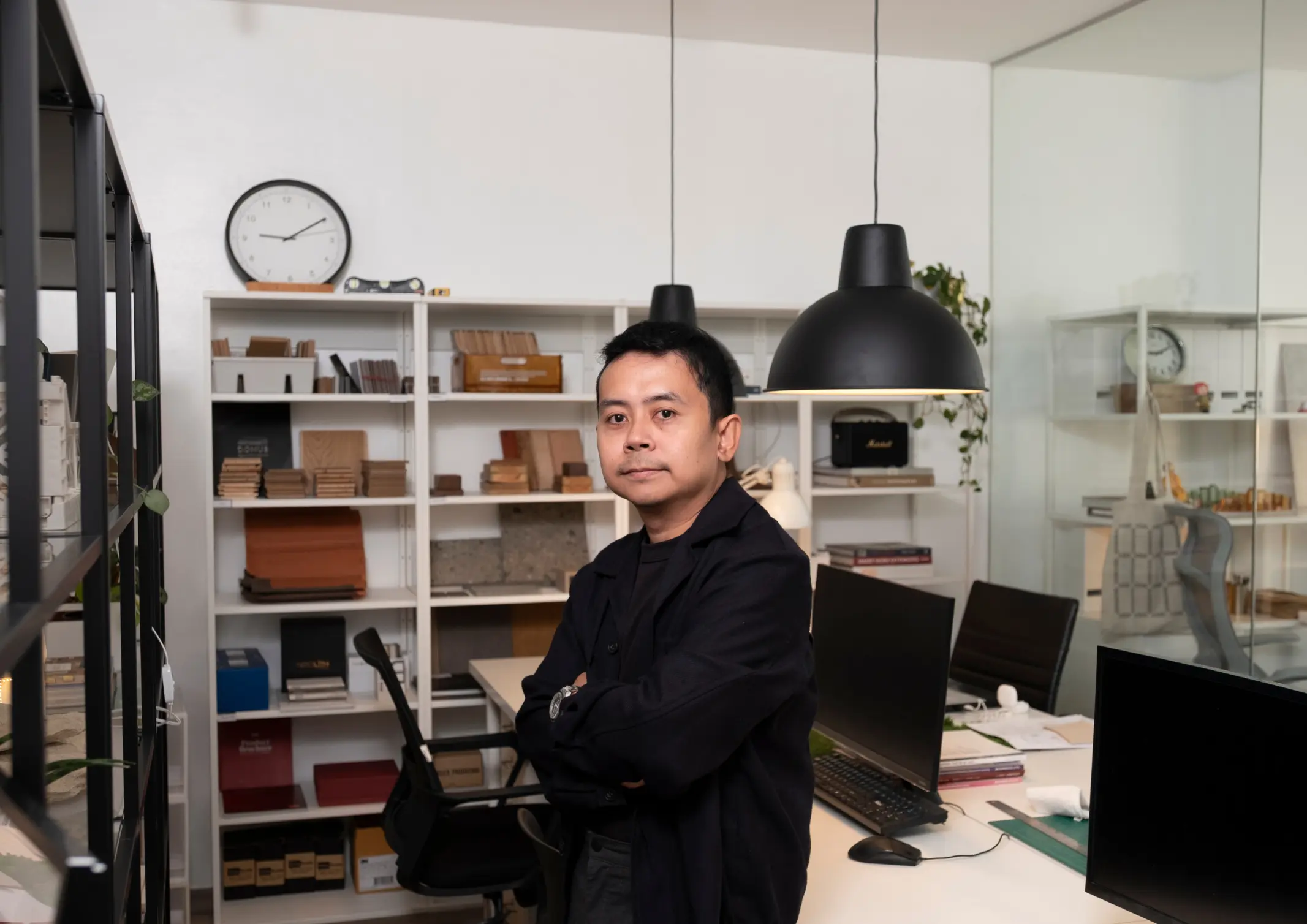
Breaking through in their respective careers is a daunting task for any young professional. For Architect Pierre Briones, architecture has always been an intentional pursuit. Having spent much of his childhood around construction sites, Briones’s environment shaped his interest in architecture, including his fascination with how structures and buildings are built. “Choosing architecture was never […]
Download this month's BLUPRINT magazine digital copy from: