Bigkis is the act of binding. In Tagalog, the word can refer to something used to bind or encircle, as well as a bundle formed by tying several separate elements together. Figuratively, it can also mean a bond, union, or unity. The meanings move from the physical act of joining things together to the connection […]
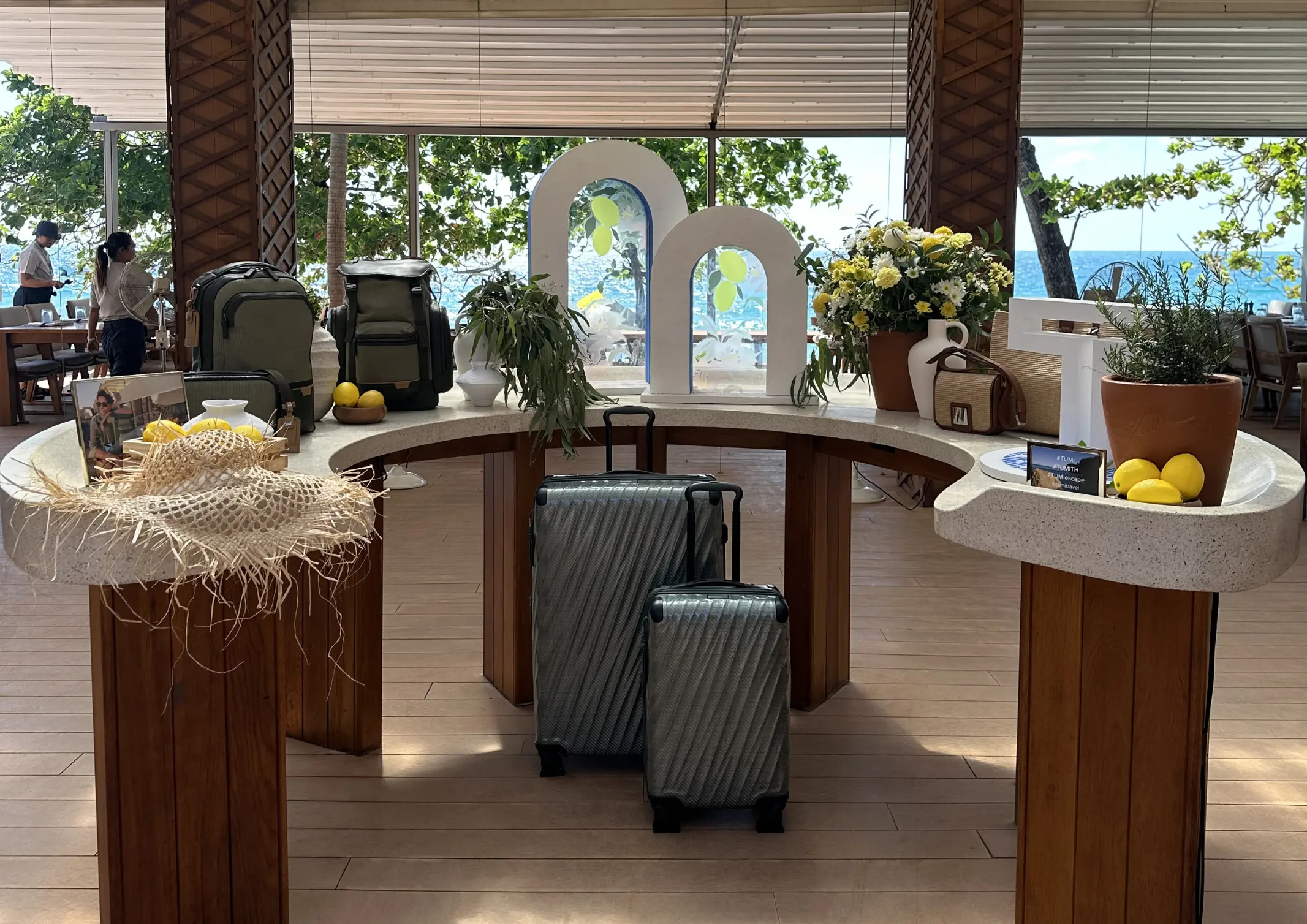
TUMI’s 19 Degree Collection: Evolving an Icon Through Design, Material, and Movement



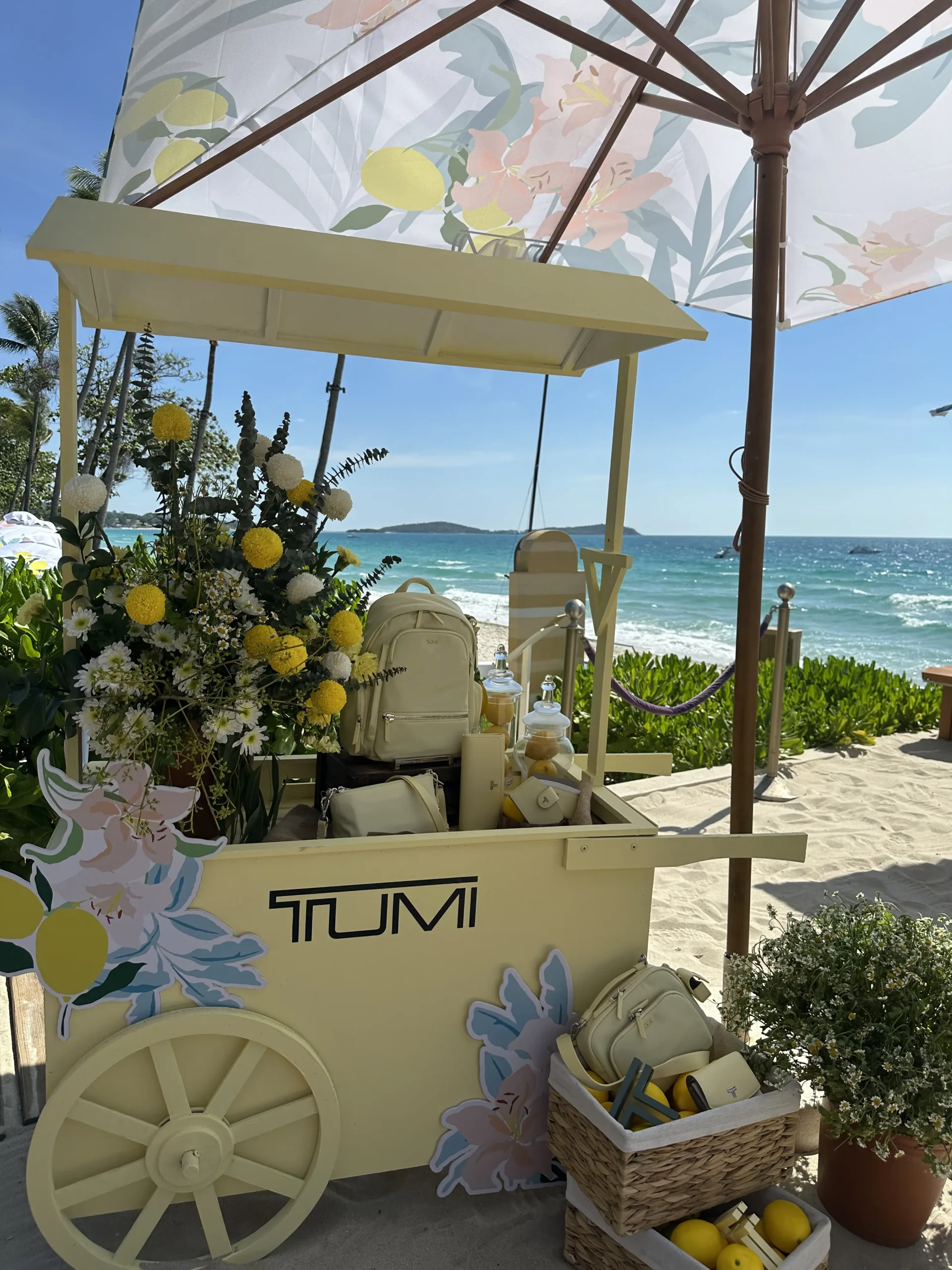
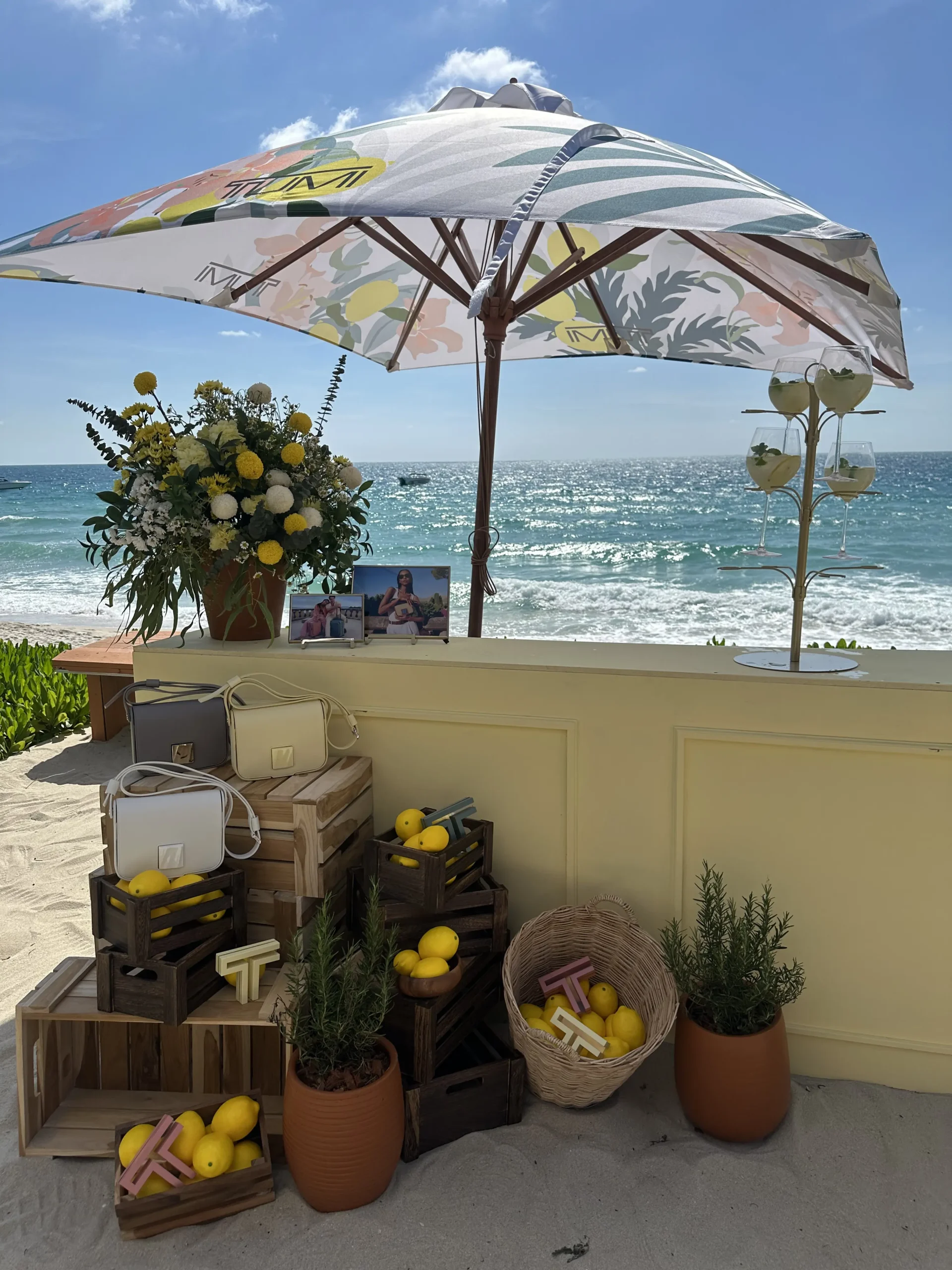
TUMI launched its Spring/Summer 2026 “Mediterranean Escape” collection during an event in Koh Samui, Thailand, held from March 28 to 30. Global Creative Director Victor Sanz positioned the 19 Degree collection as a system of design—where art, engineering, fashion, and function are resolved into a single, recognizable form.
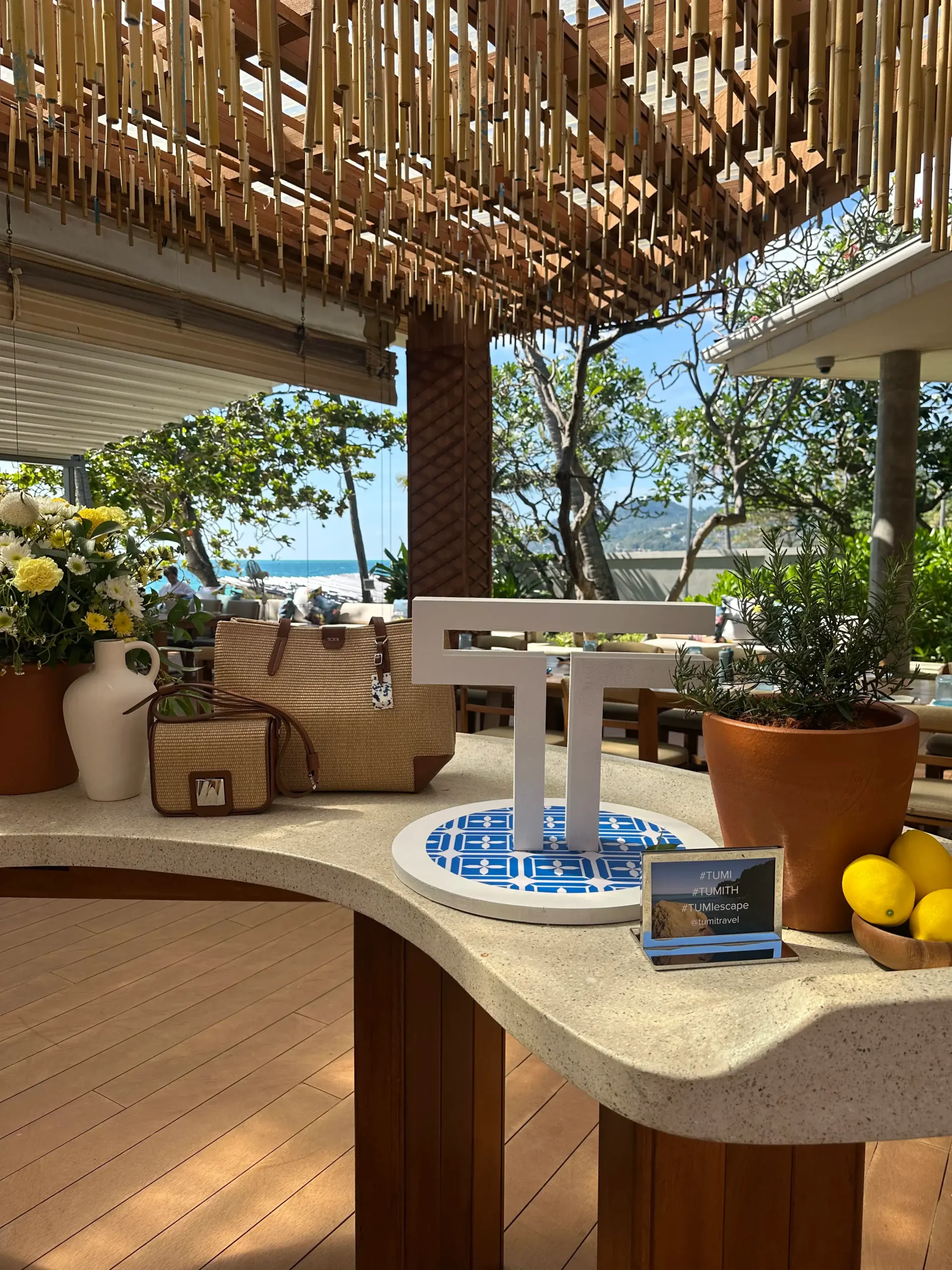
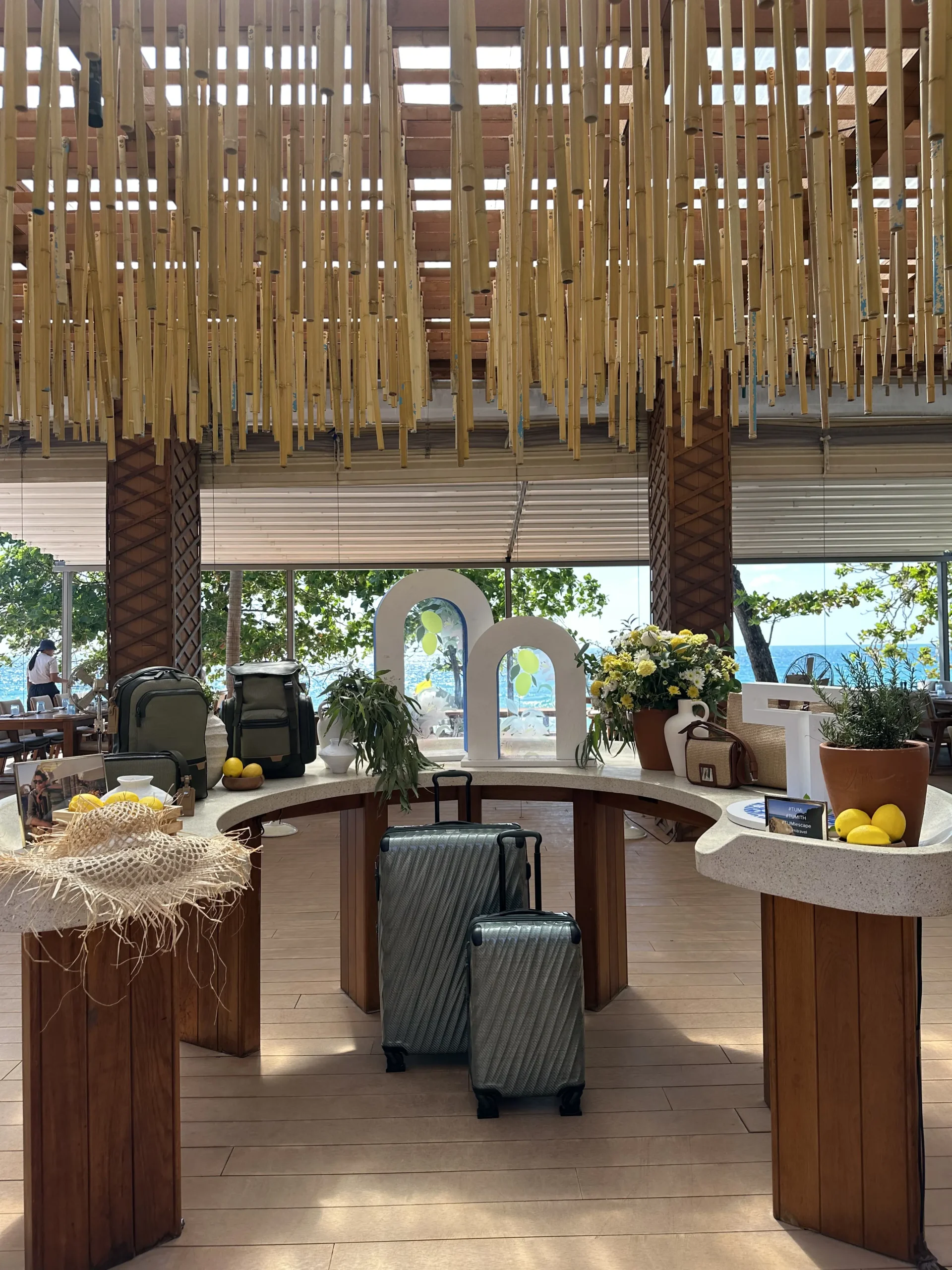
The 19 Degree collection remains one of TUMI’s most defined design languages, evolving through careful adjustments rather than reinvention.
“We were very prescriptive about every rib, every angle, every transition,” Sanz shared, emphasizing how each decision contributes to how light moves across the surface and how the object performs in motion.
Balancing Identity, Form, and Performance
At the core of the 19 Degree collection is its ribbed structure—each line set at a precise 19-degree angle, forming the basis of both its visual identity and structural system.
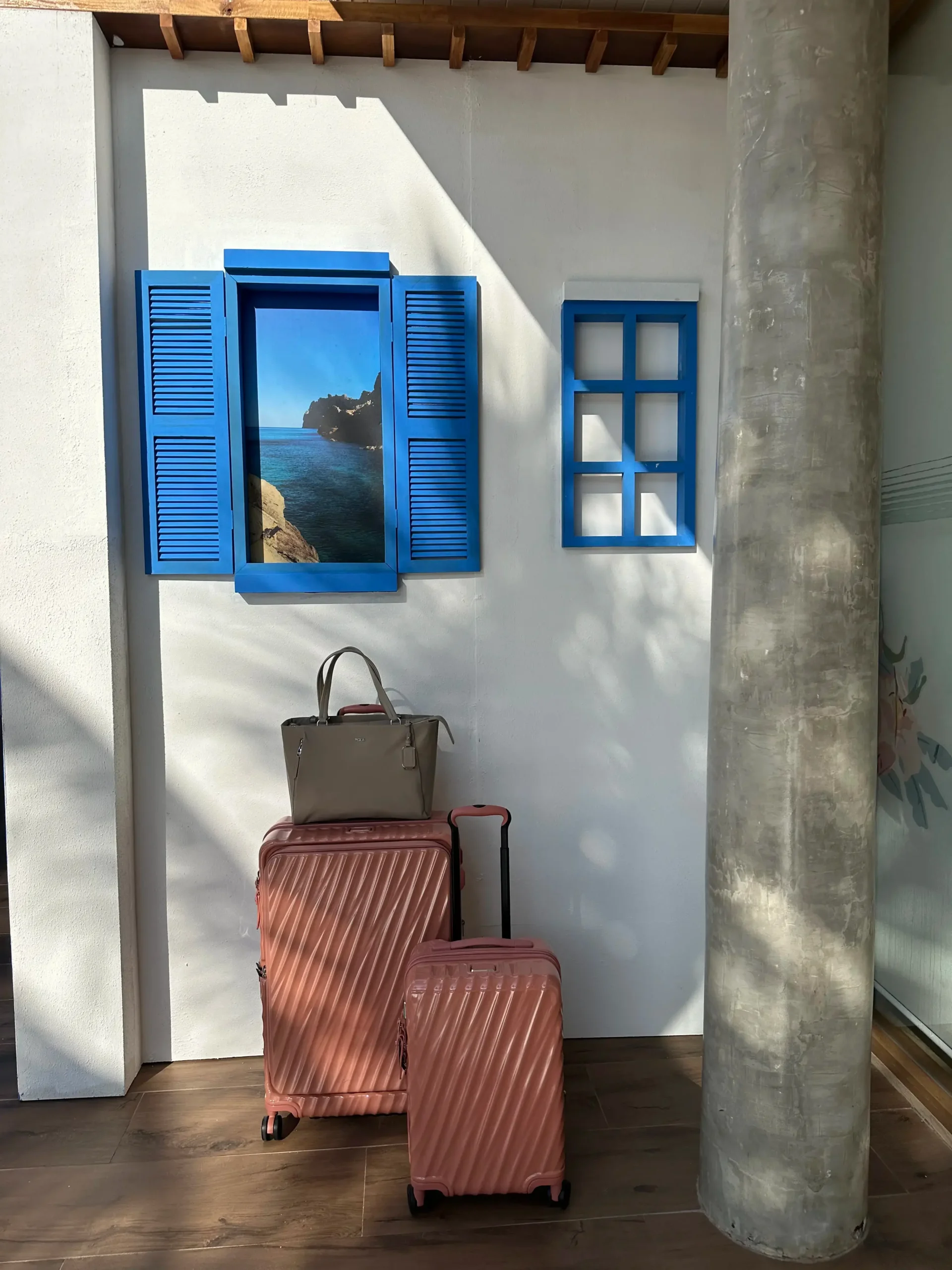
Equally important is how the ribs are interrupted. Rather than running continuously from top to bottom, they are intentionally broken to guide the eye across the form—producing a visual rhythm that shifts as the user moves.
As the collection expands across formats—from hard-shell luggage to backpacks, shoulder bags, and smaller accessories—this rib system becomes the unifying design code. The goal, according to Sanz, is immediate recognition: each piece should read as part of the same family, regardless of scale or function. “People should be able to pick it up immediately. They shouldn’t be looking at it and saying, ah, is that something else?”
Material evolution follows the same logic. The collection has moved from aluminum to polycarbonate to lightweight technical materials, with each iteration introducing new performance capabilities without compromising its visual identity.
Read More: Travel Size: Easy Feng Shui Tips for Vacation Homes
Translating Mediterranean Warmth into Design
Rather than treating “Mediterranean warmth” as a purely visual reference, TUMI approaches it as a layered system of color, material, and context.
For Sanz, color plays a primary role—greens, yellows, and terracotta tones evoke place and mood, allowing users to associate the object with a specific atmosphere. But the translation extends beyond the palette.
“We create these beautiful marketing campaigns that are showing it in context. It’s transporting people there very quickly because the product is only one side of the storytelling,” Sanz continued.
He went on further to say that the environment, the messaging, and how the product is experienced complete that narrative.
This approach positions the collection not just as an object, but as part of a broader sensory experience—where design, environment, and use are interconnected.
Material Innovation and Technical Resolution
Introducing new textures, such as raffia-inspired finishes, required resolving performance and durability at a technical level. Sanz noted that this is the hard part—ensuring that, for a brand built on durability, every new material meets the same standards.
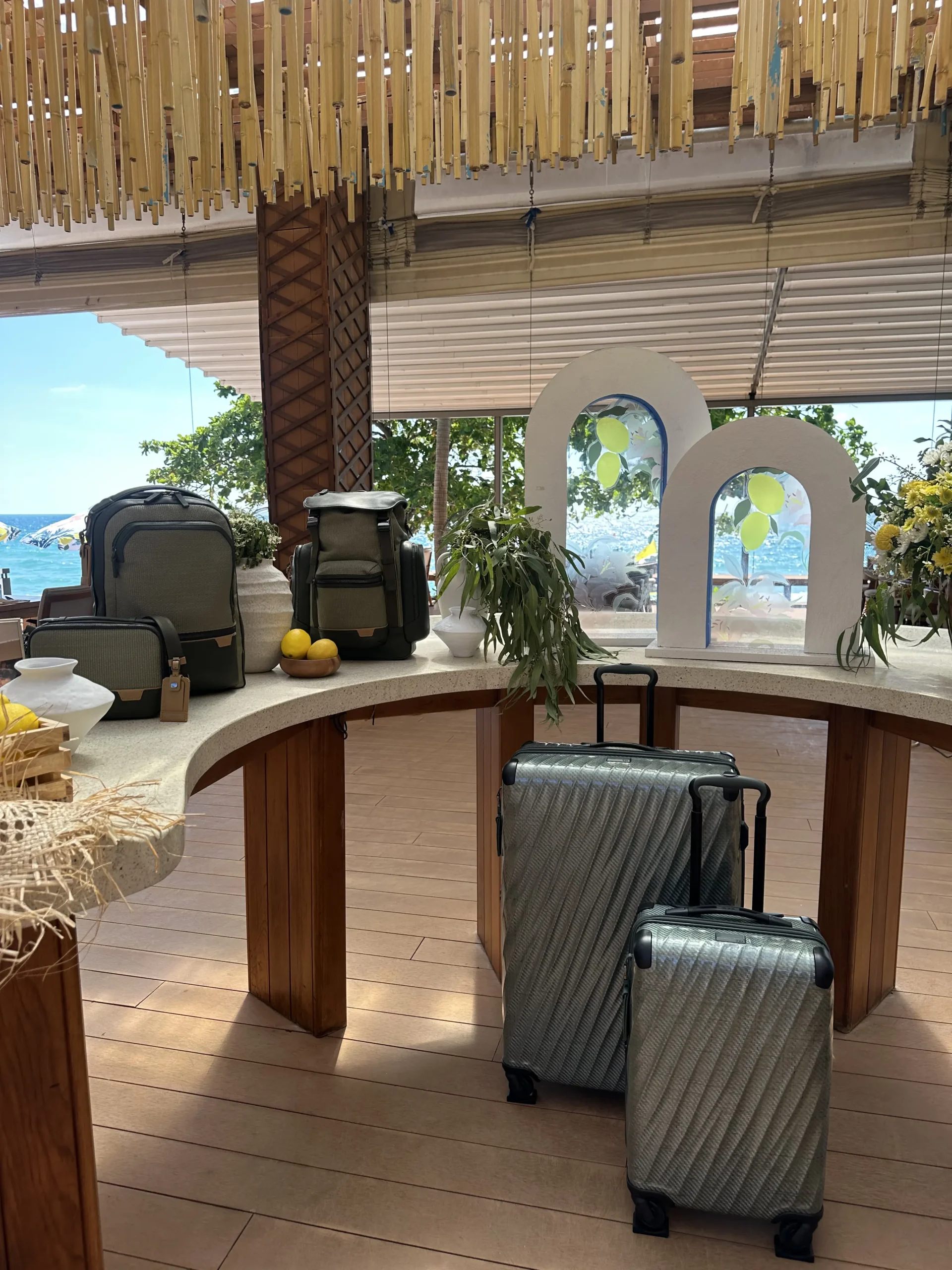
To achieve this, TUMI analyzes high-wear areas and reinforces them with more durable materials, such as leather at corners and base points. At the same time, base materials are treated and engineered to improve strength, ensuring that expressive finishes do not compromise longevity.
The result is a collection where surface experimentation and structural performance are developed in tandem—rather than as separate considerations.
Read More: Likhang Filipino Exhibition Halls: A New Era for Philippine Design and Craftsmanship
Designing for the Journey
For Sanz, the success of the collection is ultimately measured not by the object itself, but by how it supports the act of travel. Functional features such as Front Access are integrated as part of the design system, extending usability without disrupting the overall form.
“I want people to remember their trip. I don’t want them to worry about the luggage and whether it broke or whether they had an issue. I want them to say, wow, because of this, my trip was as easy as possible,” he said.
Read More: This Travel Essentials Store Is Inspired by the Garden of Eden
Frequently Asked Questions
The 19-degree angle is a precise structural system that defines both the visual identity and the rib architecture of the collection. This specific angle is engineered to control how light reflects across the surface and how the object performs under the stress of motion during travel.
TUMI maintains consistency by using the signature 19-degree rib system as a unifying design code across hard-shell luggage, backpacks, and accessories. By intentionally breaking the rib lines to create a visual rhythm, the brand ensures each piece is immediately recognizable as part of the same aesthetic family.
Mediterranean warmth is translated through a layered system of terracotta, green, and yellow tones that evoke a specific regional atmosphere. This sensory approach combines a sun-drenched color palette with textures like raffia-inspired finishes to connect the product to the context of a Mediterranean escape.
TUMI ensures durability by reinforcing high-wear areas, such as corners and base points, with premium leather while technically engineering the base materials for maximum strength. This dual approach allows for surface experimentation with new textures without compromising the brand’s rigorous performance and longevity standards.
The Front Access feature is a functional design integration that provides users with easy, immediate entry to their belongings without disrupting the overall form of the luggage. This innovation is part of a “human-centric” design philosophy aimed at making the journey as seamless and worry-free as possible.
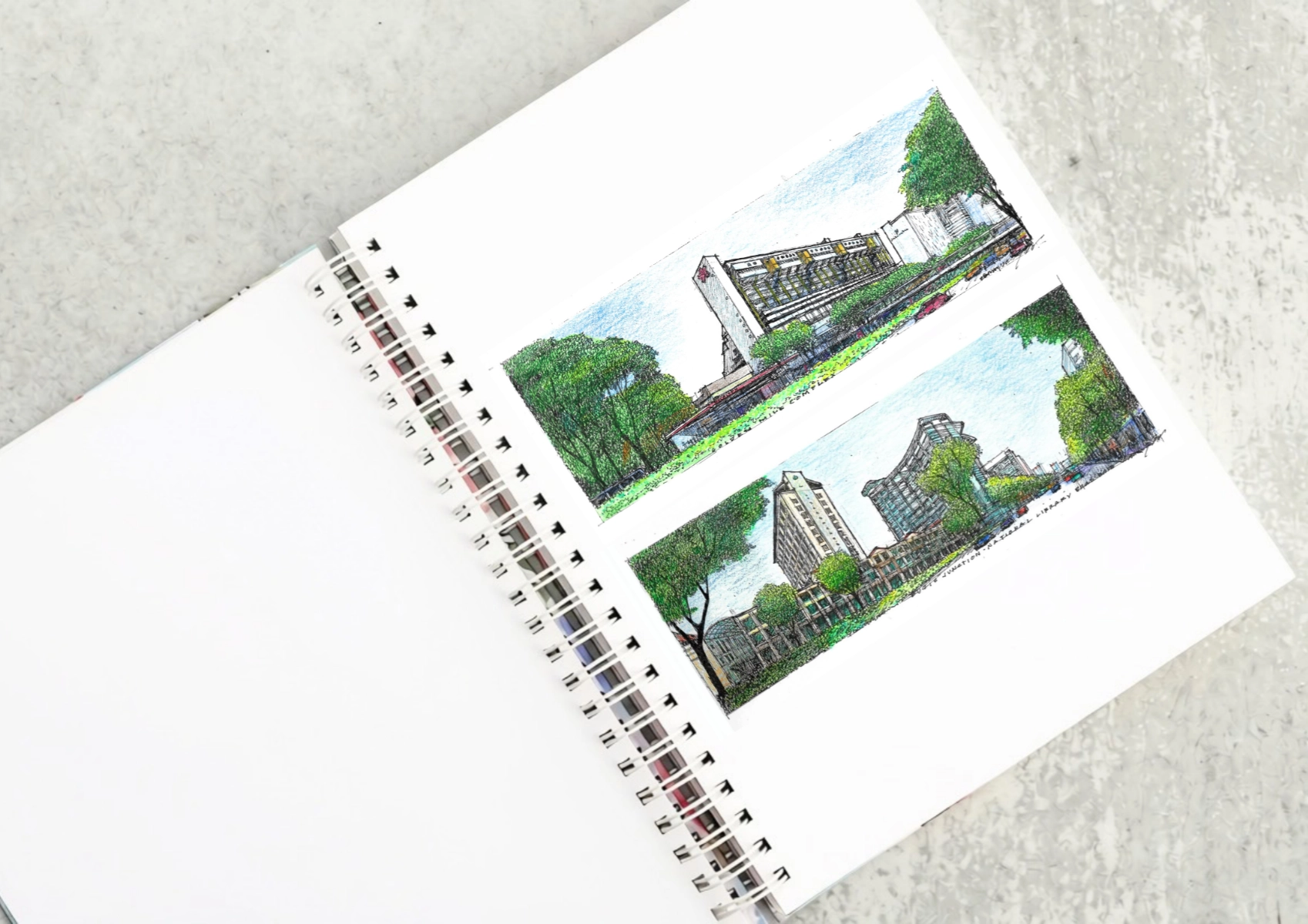
Two sketches of Singapore connect BluPrint Editor in Chief Paulo G. Alcazaren’s personal and professional history with Shared Ground: ArchitectureArchitectureThe art and science of designing and constructing buildings, structures, and spaces that are functional, safe, and aesthetically pleasing. It encompasses the planning, design, materials, and techniques used to createGo to Architecture Glossary of Care, Culture, […]
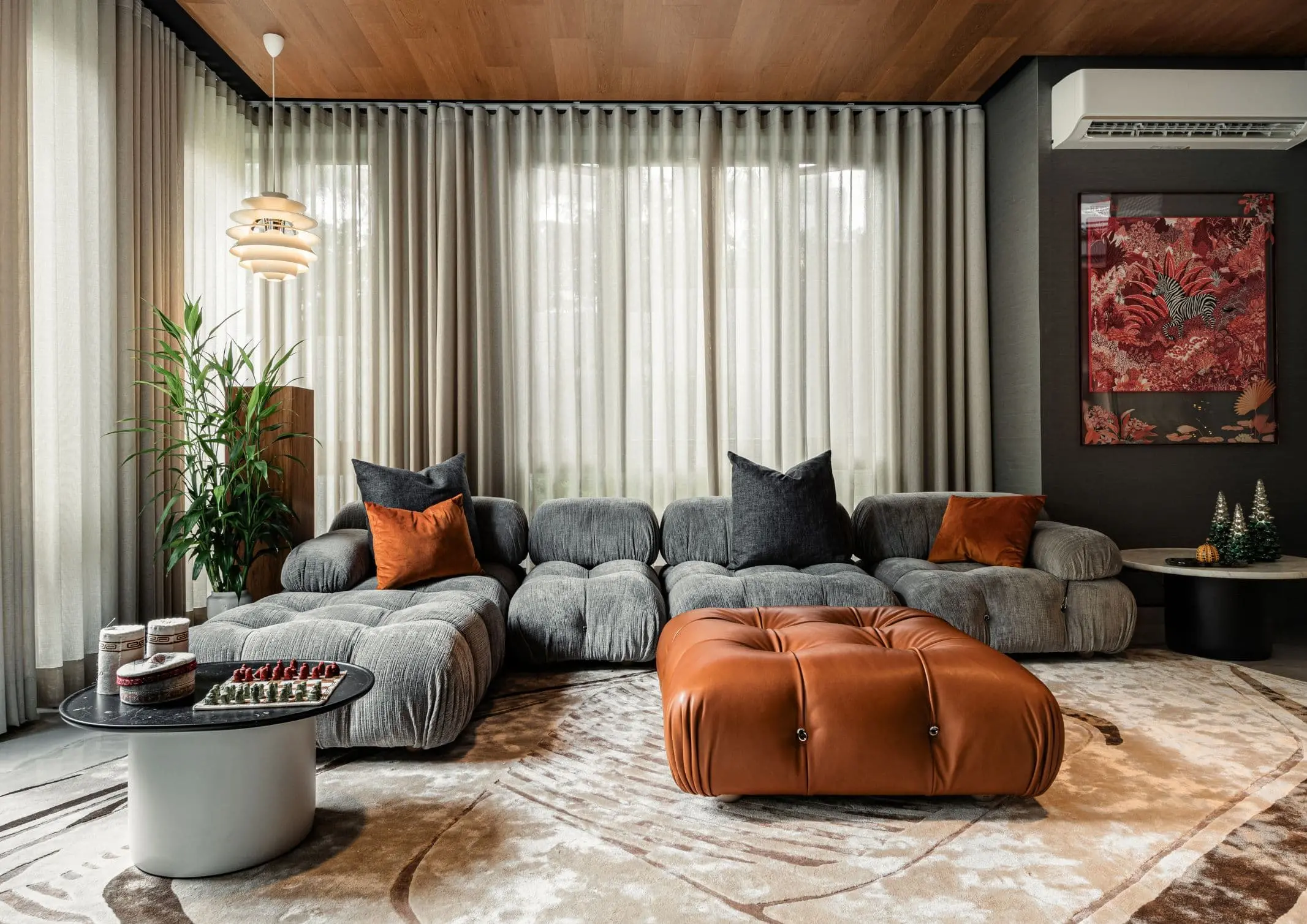
Some have become household names – Coleman, Oster, and KitchenAid – products that have found their way into Filipino kitchens, homes and family routines. In home furnishings, brands such as B&B Italia, Ethan Allen, Sub-Zero, Miele, SieMatic, Louis Poulsen, Hunter Douglas, Tempur, and Technogym, have helped shape the way Filipinos live. From everyday essentials to […]
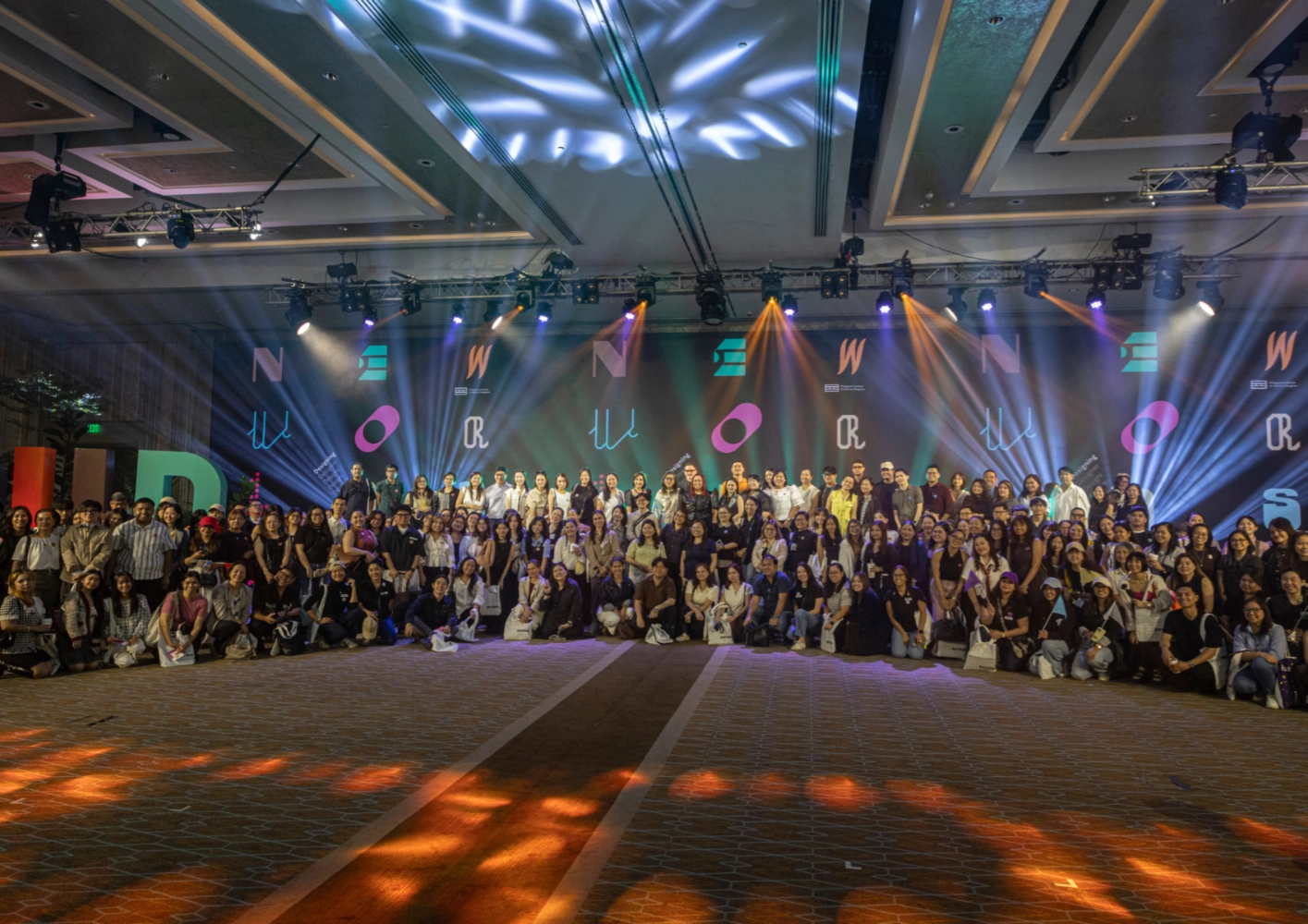
In a way, designers are the modern-day soothsayers and prophets. They design for the future, predicting how a room, a house, a building or a whole city will be used by people. They foresee how users will interact with a space, conjure exact shades of colors to elicit specific behavior and arrange furniture to build […]
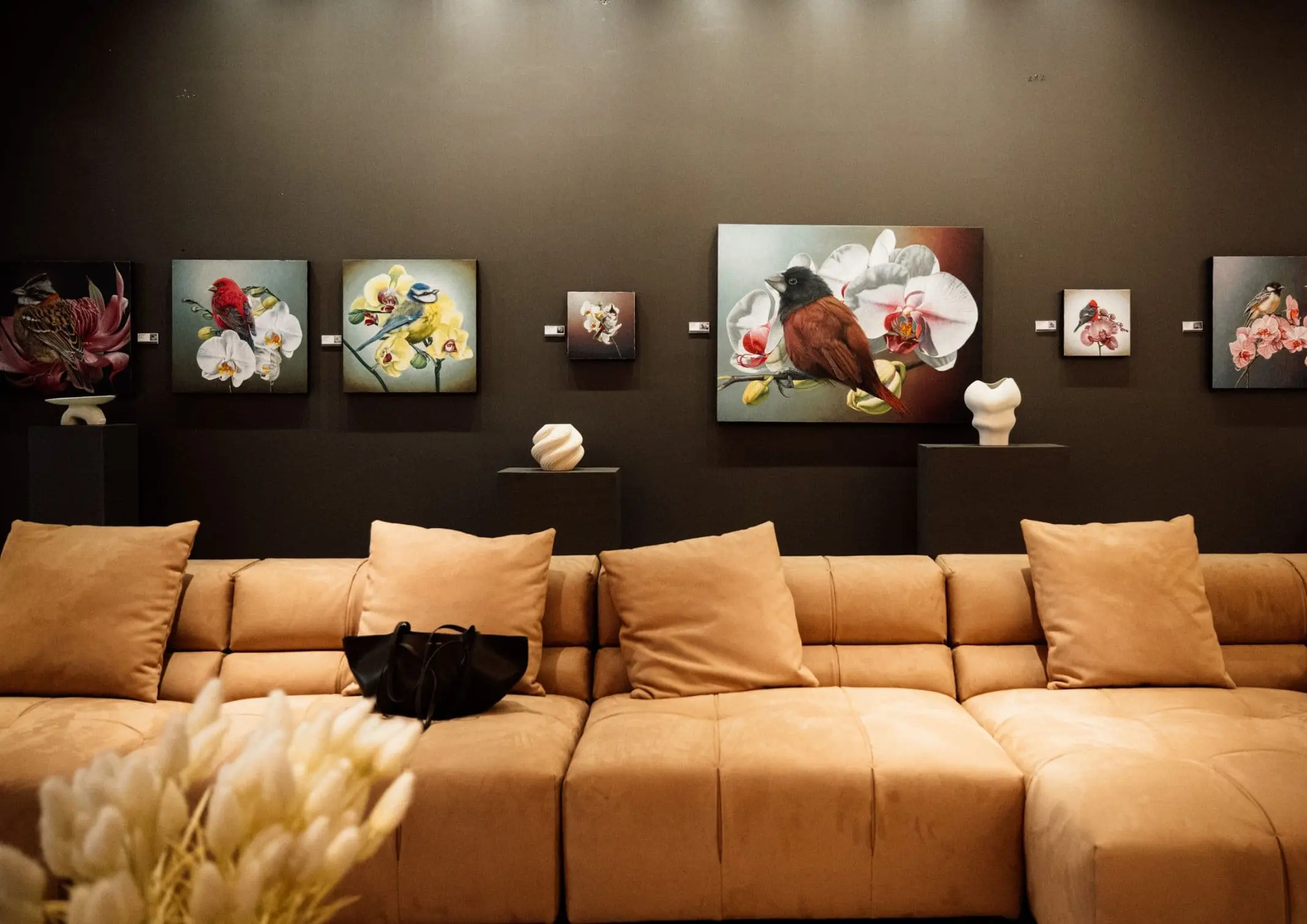
Art and furniture are often selected separately, yet their relationship can shape how a room looks and feels. The collaboration between Hooga and Galerie Joaquin explores how these elements can work together, bringing contemporary artworks into furnished residential settings at Hooga’s showroom in Uptown Mall, Bonifacio Global City. For Hooga, which curates furniture, lighting, and […]
Read the issues.

Collect the volumes.

Recommended Video
Tap to Unmute
Unmute
0:00
0:00