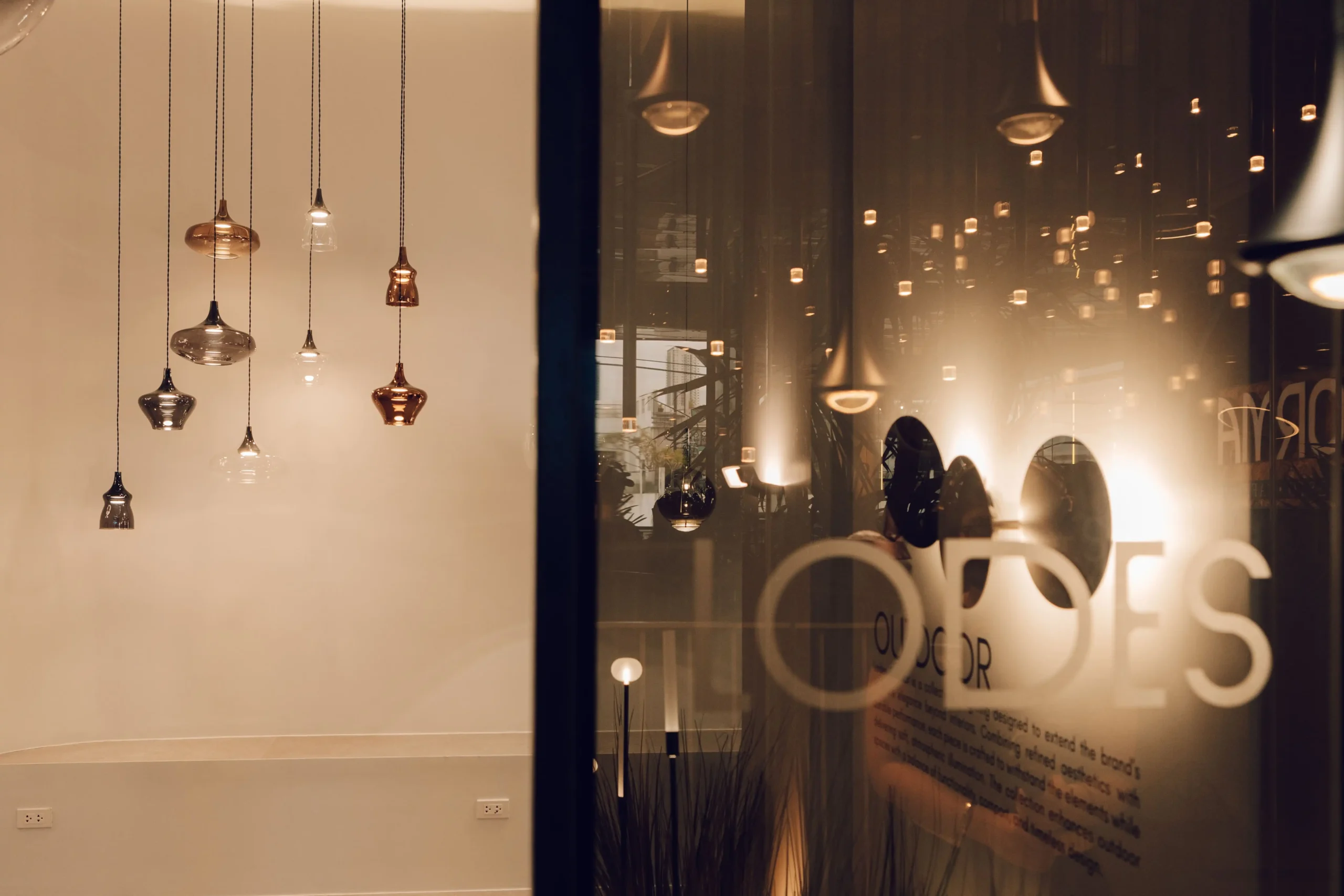
In a curated setting at the The Tile Gallery showroom, architects, designers, and media guests were transported into the immersive world of Italian contemporary lighting brand Lodes, where light illuminated the space through sculptural forms and innovative materiality. The Language of Light event presented a selection of Lodes’ established collections alongside new releases, revealing the […]
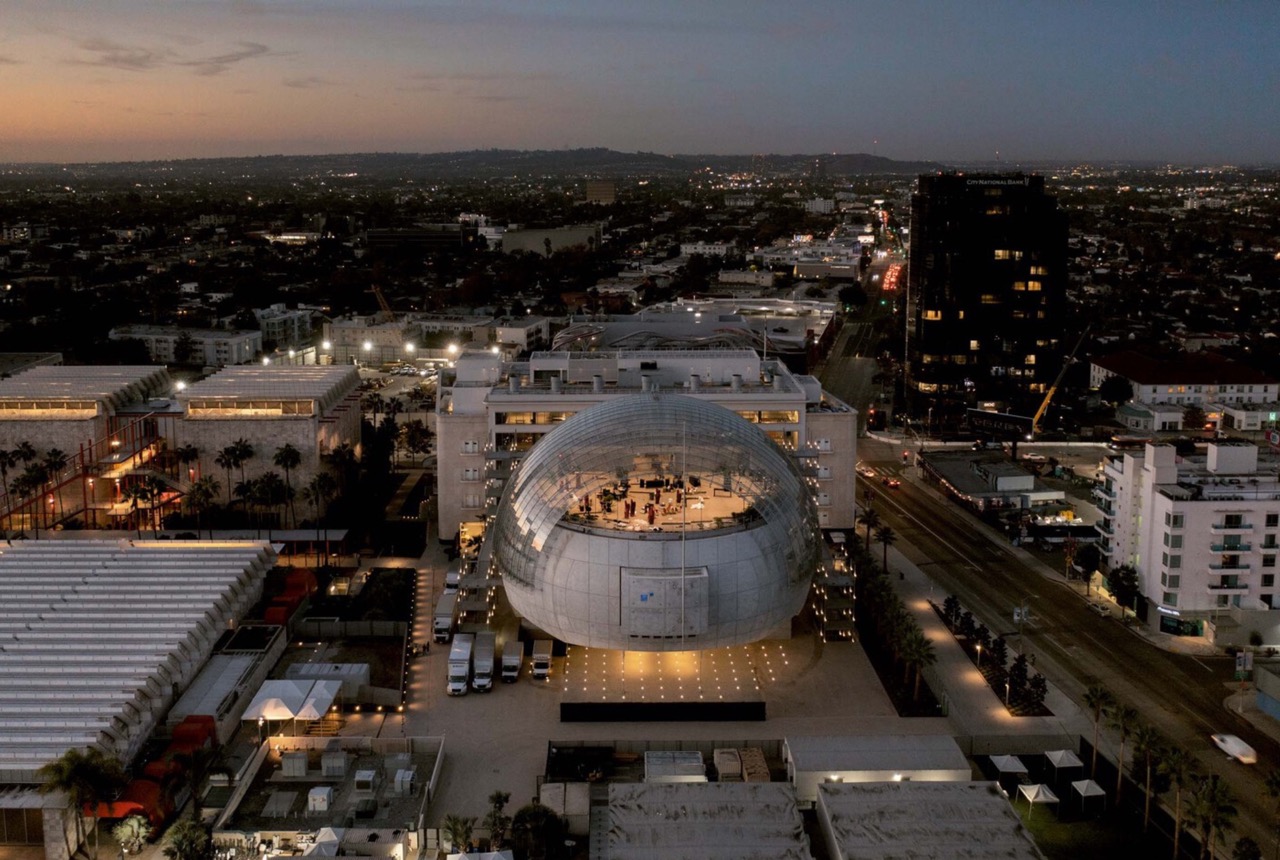
Academy Museum of Motion Pictures: A Cinematic Journey



Recommended Video
Tap to Unmute
Unmute
0:00
0:00
The Academy of Motion Picture Arts and Sciences is an iconic institution in the global entertainment industry. Within the heart of Hollywood, the museum pays homage to the art and science of cinema. Designed by Pritzker Prize winner Renzo Piano, the project houses a breadth of experiences for its visitors to interact and appreciate the work and impact of film. It sits within a 300,000 square foot campus in the Miracle Mile district.
Conservation and Modernization
The museum can be classified under the Streamline Moderne style. Alongside the historic Saban Building, a futurist sphere floats above as it cantilevers from the original structure. This harmonious fusion of old and new forms a compelling narrative. It’s comparable to the evolution of the film industry and the stories that unfolded thanks to this medium.
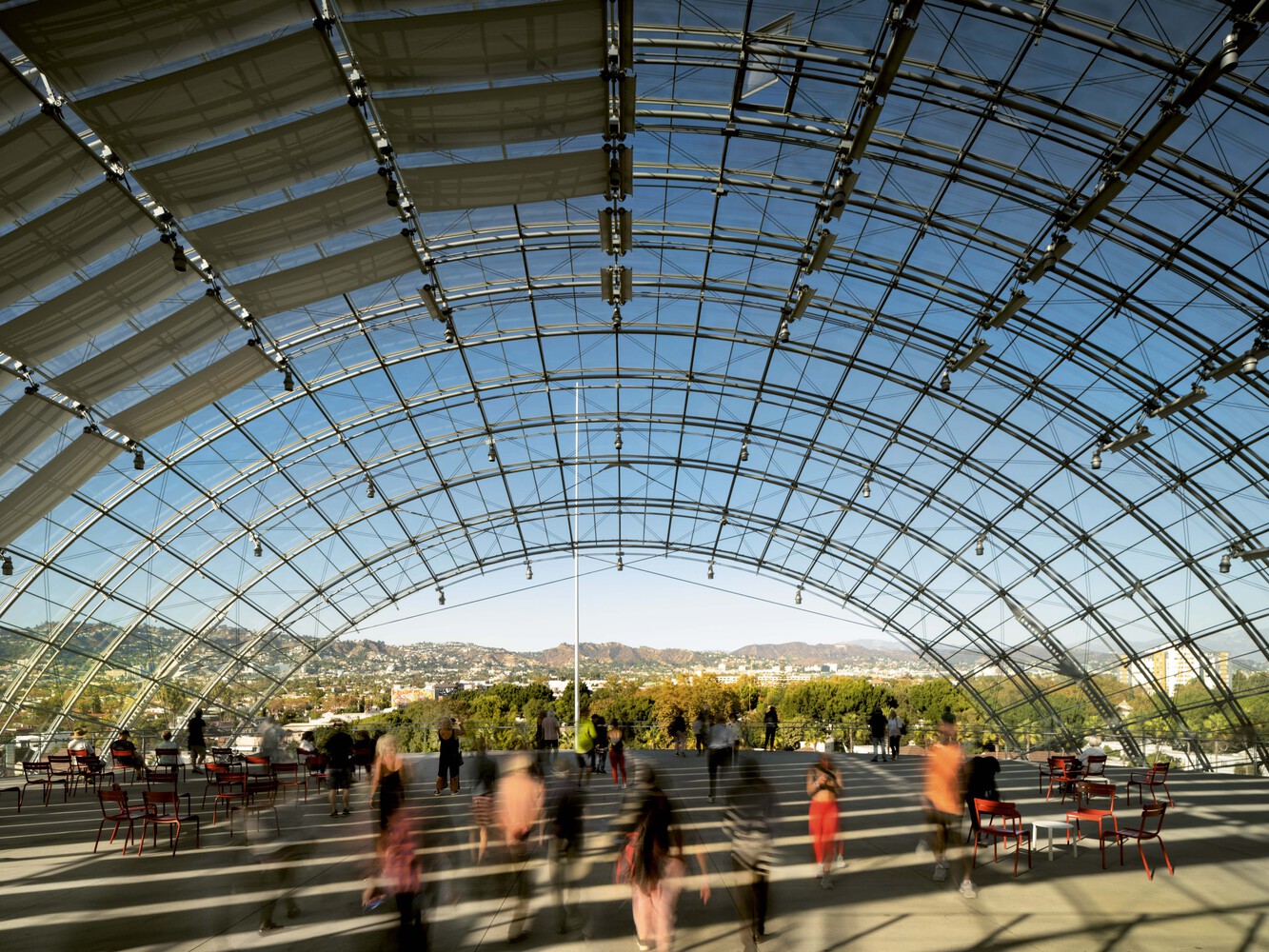
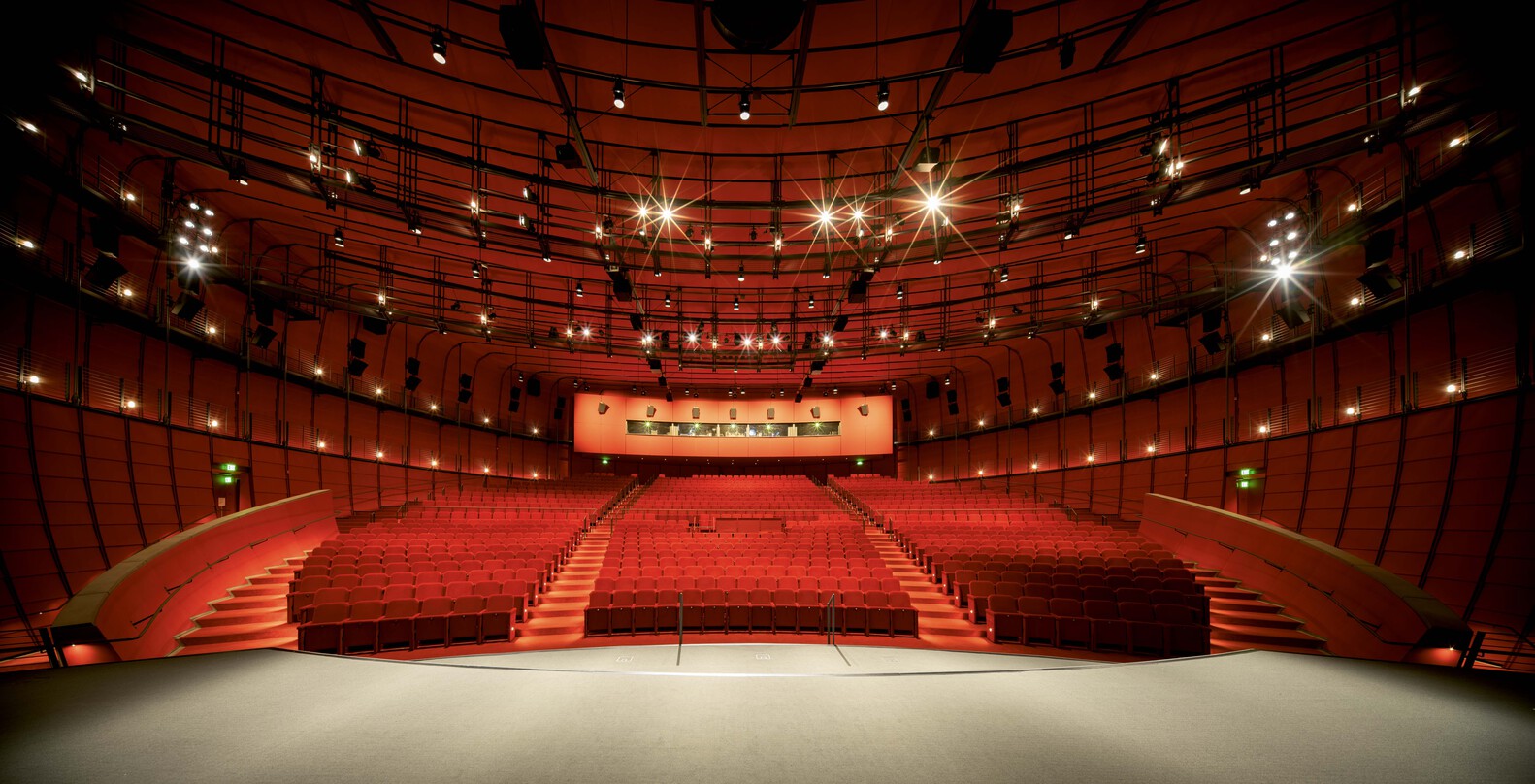
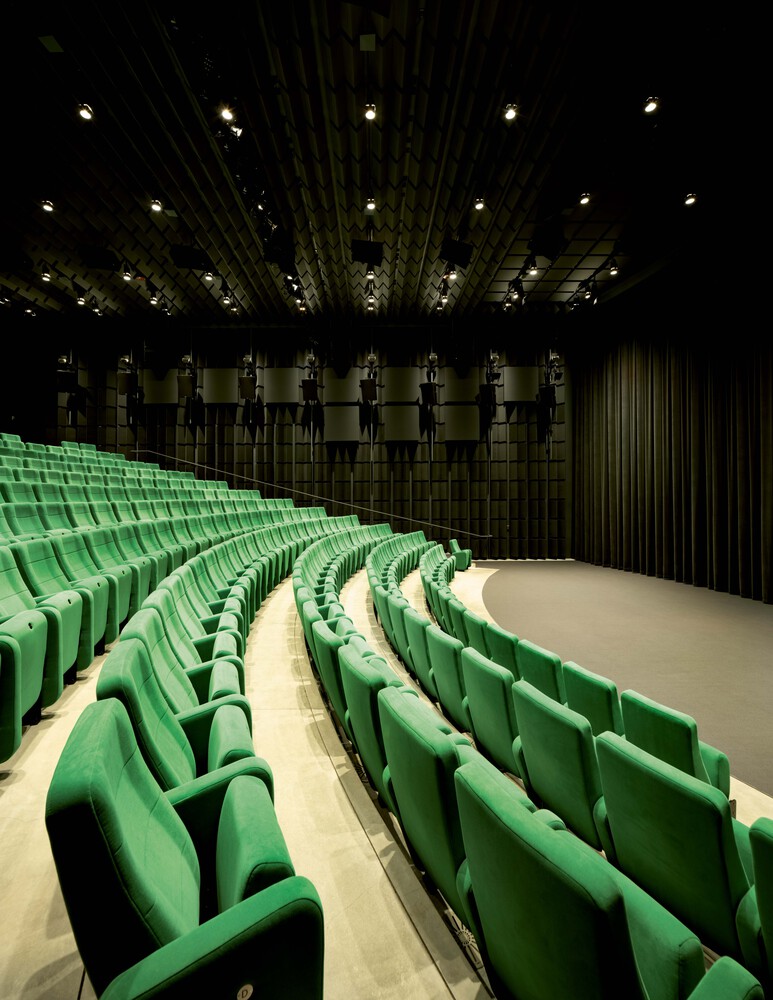
Inside, the state-of-the-art David Geffen Theater and Ted Mann Theater act as central venues for film showings and other grand productions of entertainment. Outside, The Dolby Family Terrace opens up to vistas that overlook the nearby Hollywood Hills and iconic Hollywood Sign.
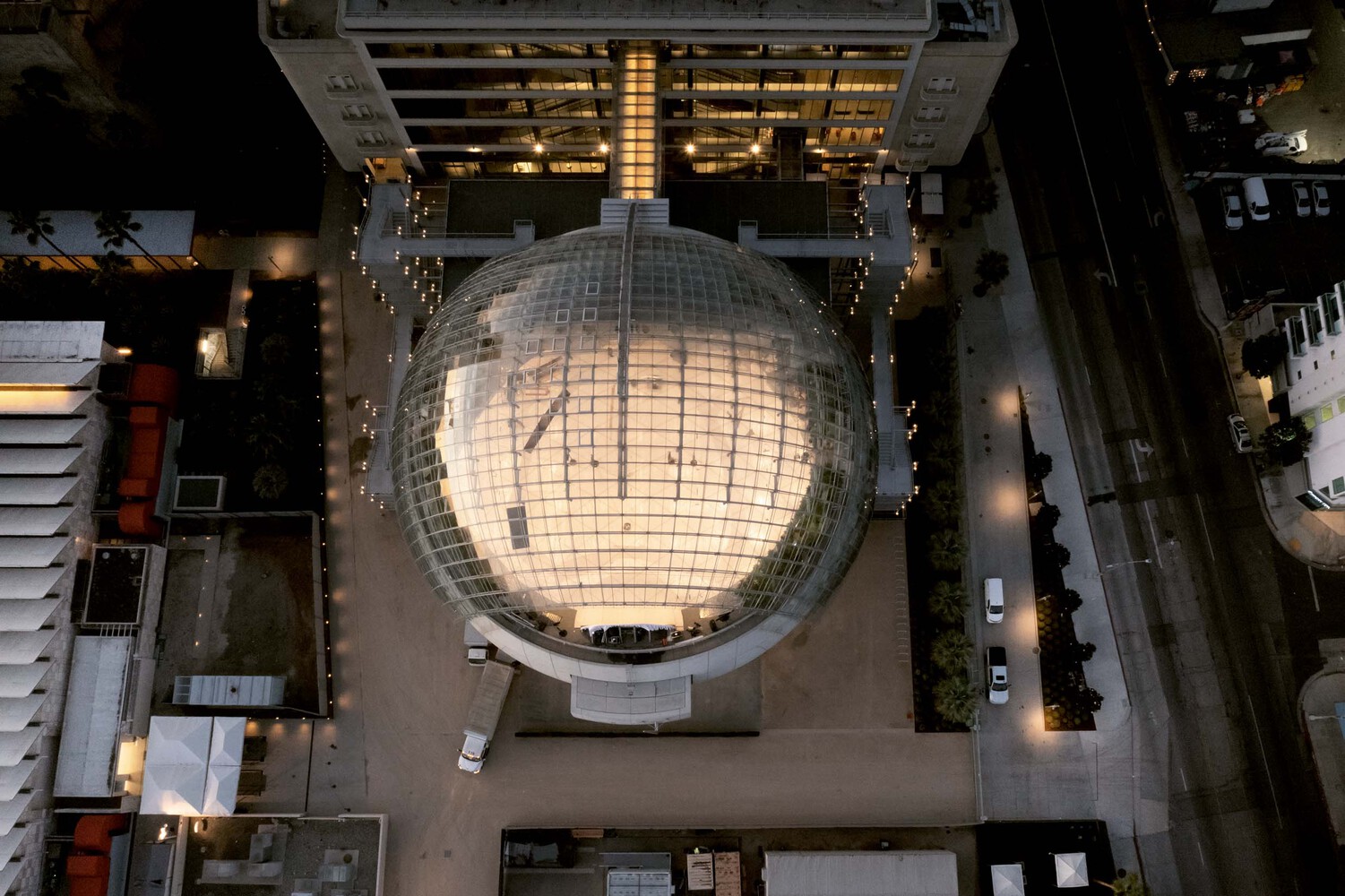
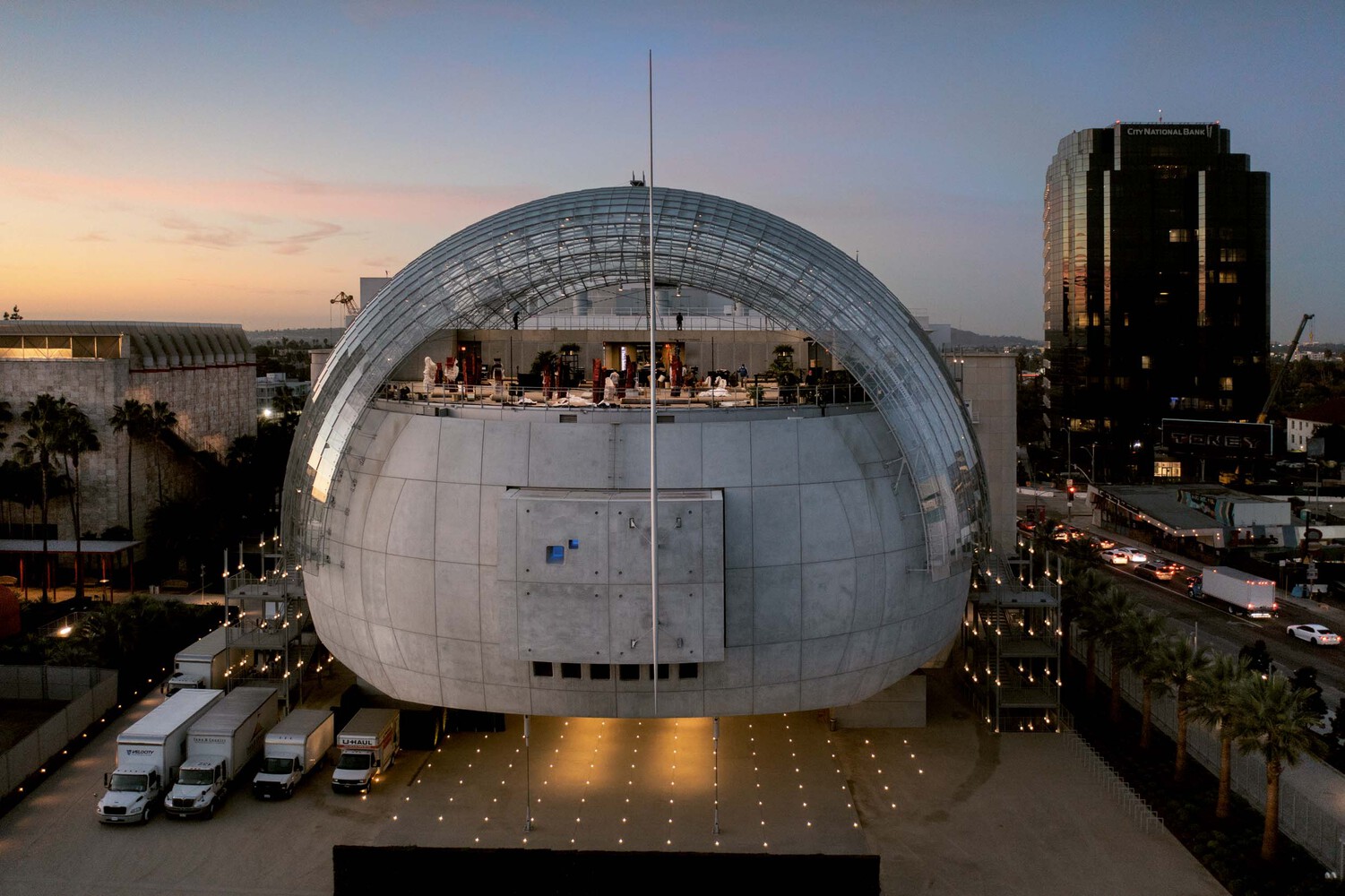
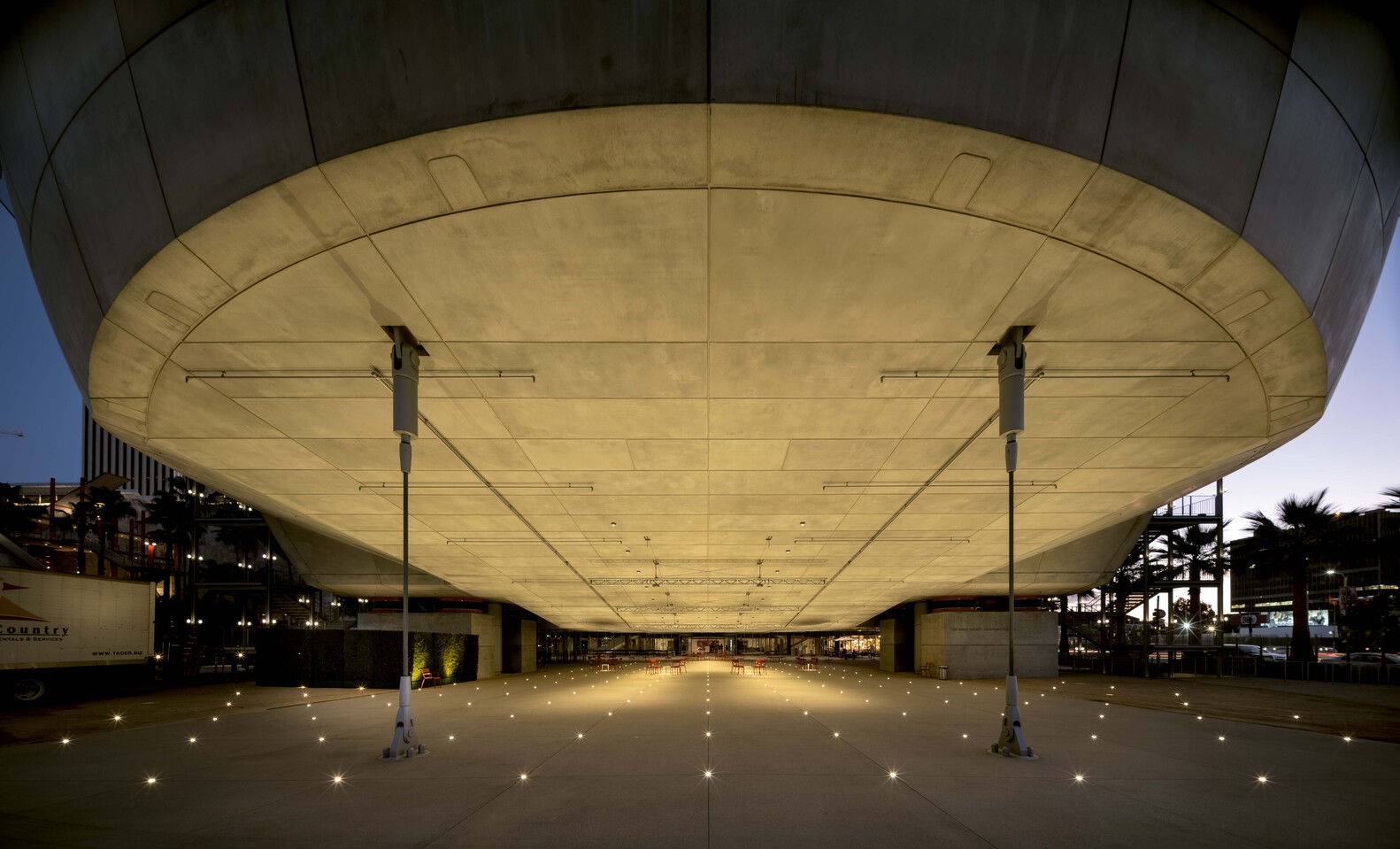
Looking back towards the past, the golden age of Hollywood pertains to the early to mid 20th century period of American filmmaking. The Academy Museum pays tribute to this era through its restoration, headed by John Fidler of the Saban Building, named after its primary benefactor. The building’s iconic gold-tiled cylinders were preserved with the original tiles sourced from Italy.
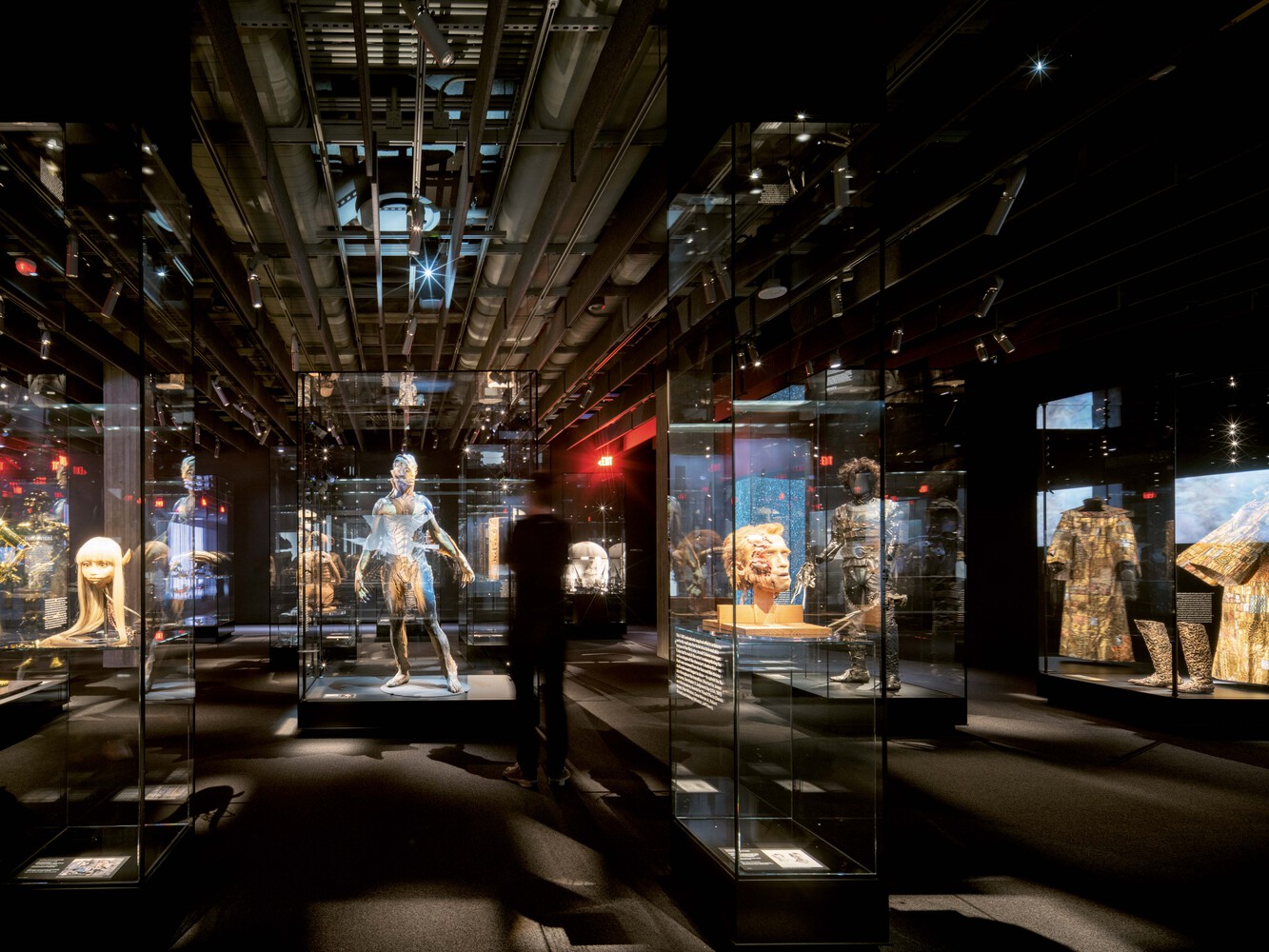
The museum also contains a wide variety of immersive exhibits strewn across expansive galleries. A collection of iconic movie memorabilia, whether it be from E.T. or Hitchock’s screenplays, reflects upon the cultural impact of moving pictures. Interactive installations are filled with diverse aspects of the cinematic arts. Costumes, sounds, lighting, and special effects immerse one into the magic of movie making.
Filming Towards the Future
The Academy Museum commits itself towards creating a positive impact within its context. In terms of sustainability, the building is accredited with a gold rating from the LEED system. Energy-efficient lighting and the use of recycled materials minimizes the building’s environmental impact.
Its subscription to sustainable practices, alongside conservation efforts, further strengthens its position as an environmentally responsible structure. This includes endeavors such as waste and consumption reduction, amenities for alternative modes of transportation, green education content, and automated fixtures
Socially, the museum extends itself outwards as it creates new public spaces and pathways. These open areas serve the surrounding Los Angeles County Museum of Art (LACMA) campus. It extends along the present axes of movement of LACMA and allows visitors to freely enjoy other exhibits in the area.
Lights, Camera, Action!
The Academy Museum of Motion Pictures commits itself to preserving Hollywood’s legacy. It offers visitors the opportunity to encounter cinema and entertainment in a holistic manner, whether it be looking at the past or towards the future. The project’s sustainability and integration with public spaces positions it as a major destination for movie enthusiasts and tourists alike.
Read more: San Agustin Museum: A Legacy of Love in Art and Architecture
Photo credit: Nic Lehoux
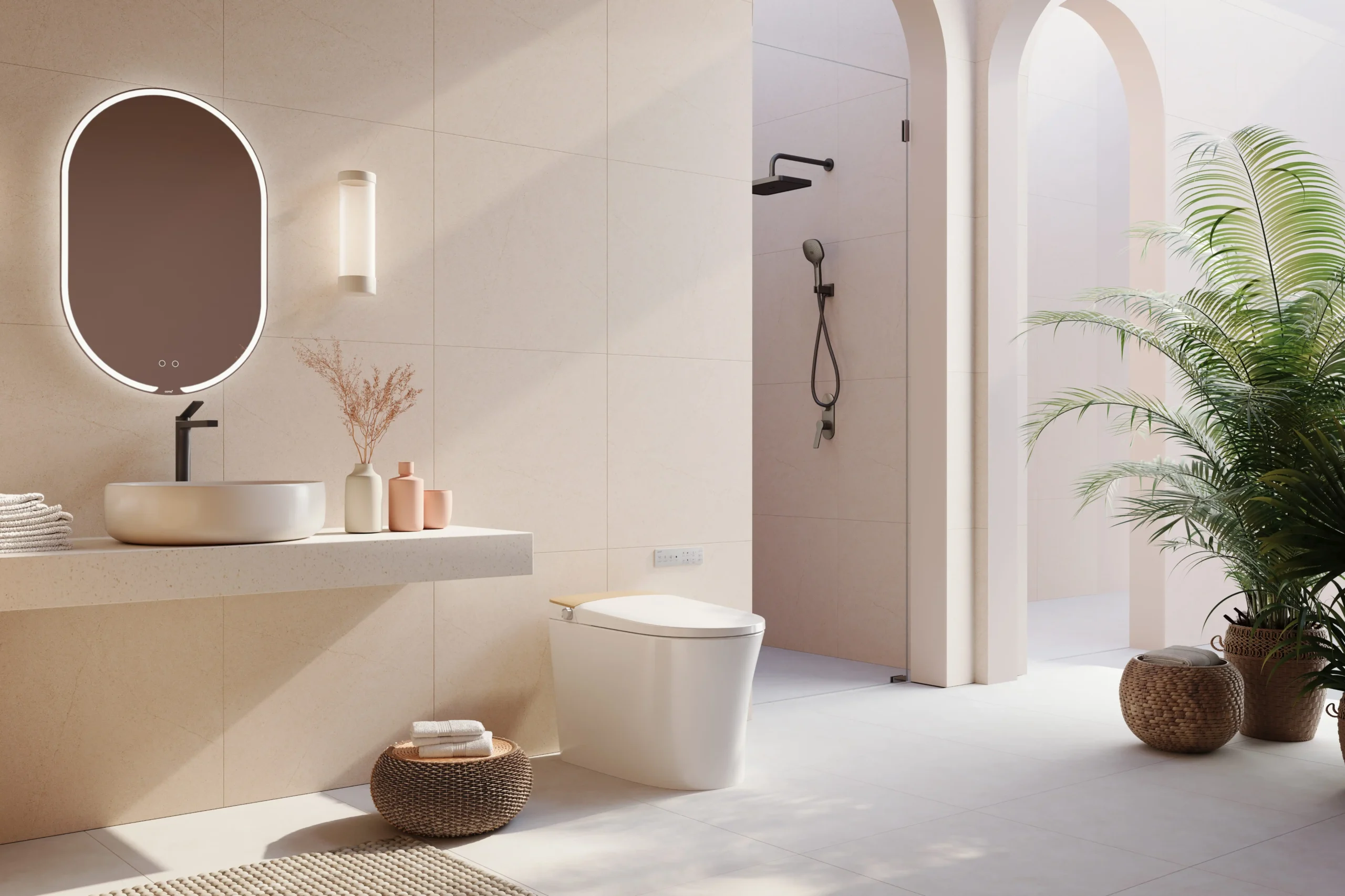
Once defined primarily by function, the bathroom is now becoming a space that reflects personal lifestyles. As broader design aspirations change in response, so do expectations of the products that shape these spaces. From customizable fixtures to touchless technologies, today’s bathroom solutions are increasingly designed around the way people live. COTTO’s KLIRR Collection highlights several […]
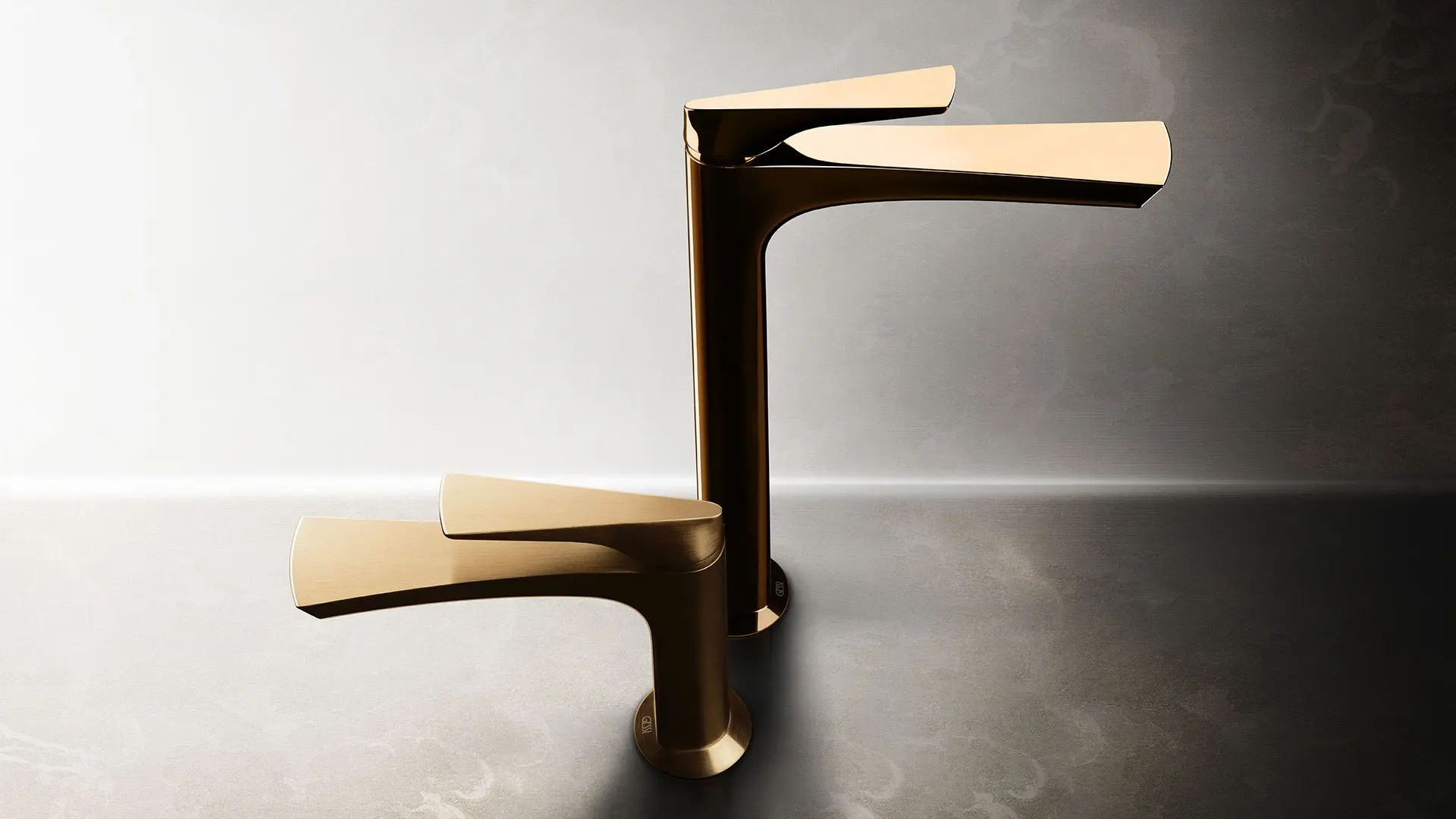
Many people only notice good design when it is absent. A faucet that splashes too far, feels awkward in the hand, or sits slightly out of alignment can disrupt a routine in ways that are subtle yet persistent. These are small irritations, but they reveal a larger truth: the objects used every day often have […]
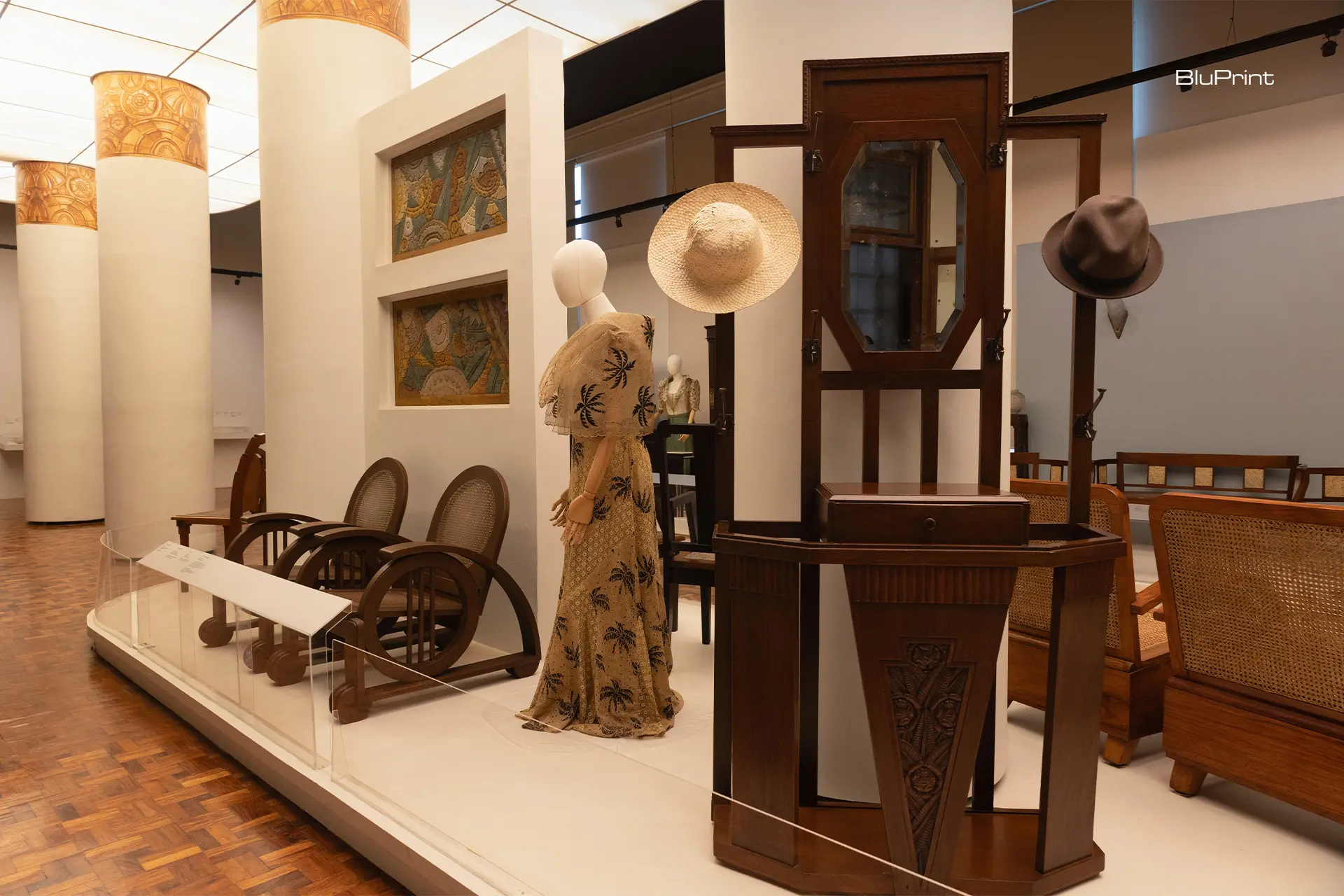
Running from November 27, 2025, to May 31, 2026, the exhibition traces how Art Deco moved from global design movement to localized expression through Philippine architecture, furnishings, fashion, and everyday life. The National Museum of Fine Arts’ Art Deco: Modernity and Design in the Philippines 1925-1950 explored the history of the Art Deco style in […]
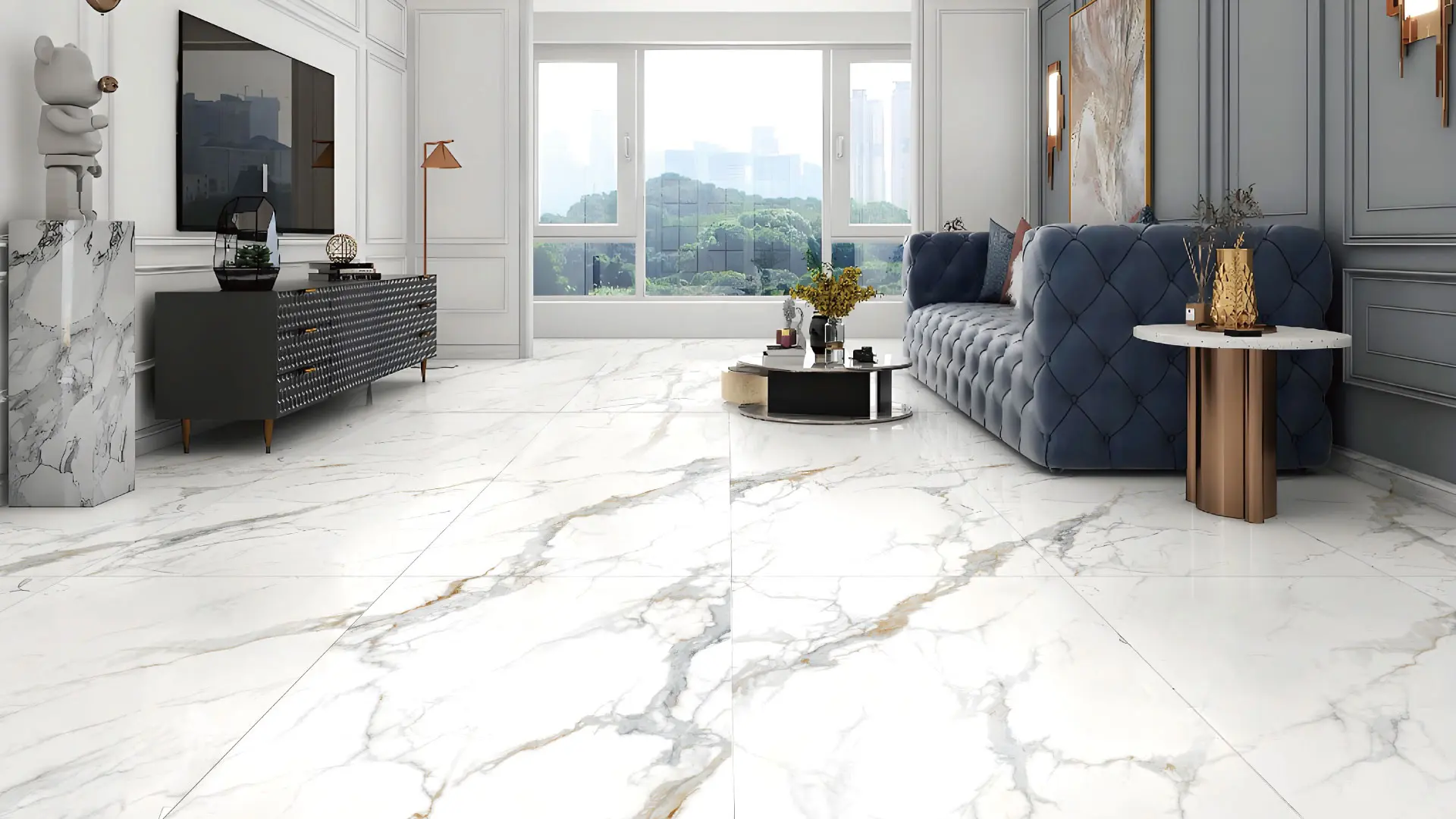
Flooring can profoundly influence how a space is experienced. Long before furniture and finishes are introduced, the floor establishes a visual field that shapes movement, light, and proportion. This is where large-format tiles are particularly effective. By reducing the number of grout lines across a floor or wall, they create a more continuous surface. The […]
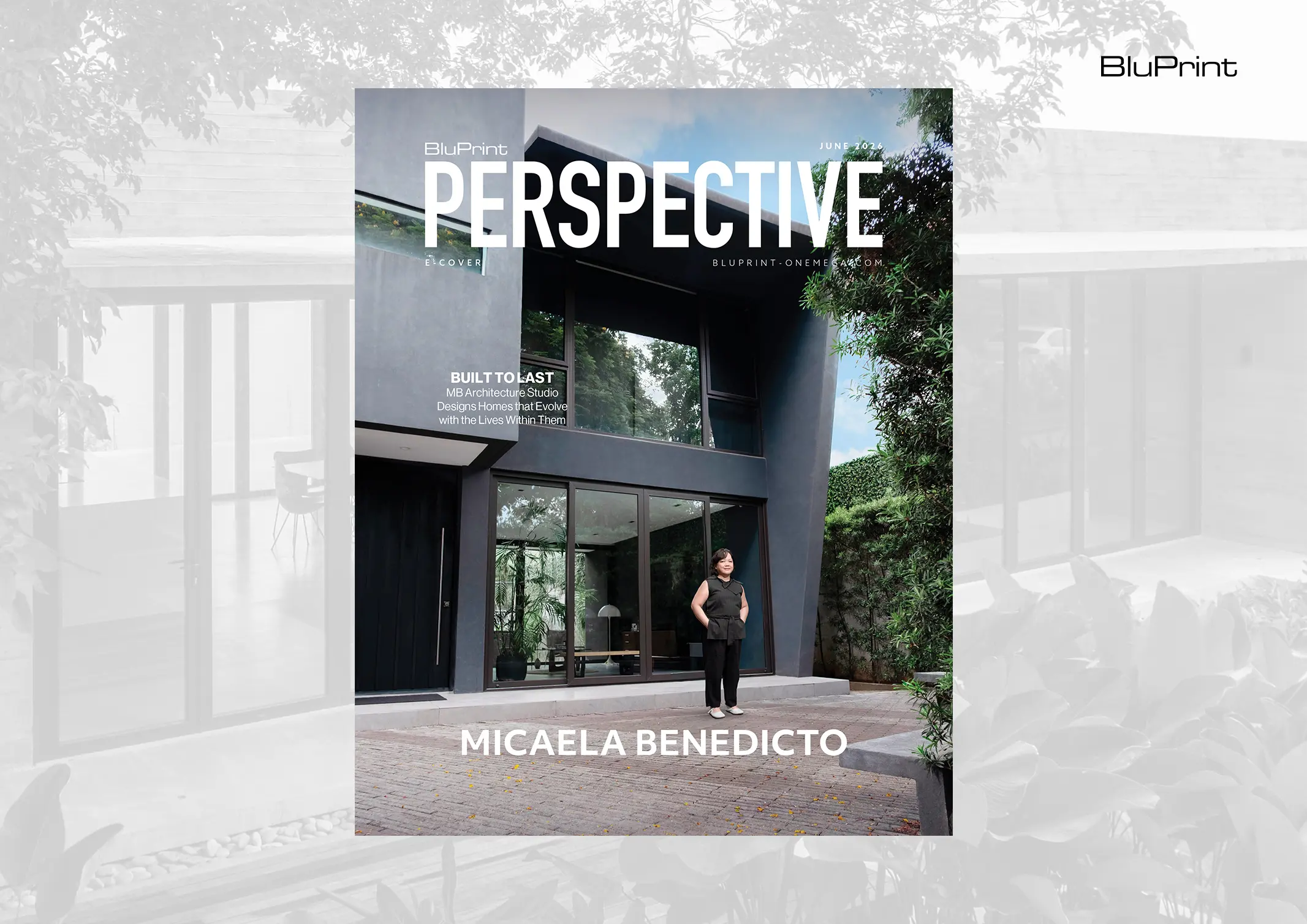
Since setting up her design firm, MB Architecture Studio, in 2007, Ar. Micaela Benedicto has built a diverse portfolio of architectural projects. Her works, whether residential or commercial, showcase a distinct spatial quality, “I like to create things that can go from something static to something that is alive and reactive,” Benedicto states. “In creating […]
Download this month's BLUPRINT magazine digital copy from:



Subscribe via [email protected]