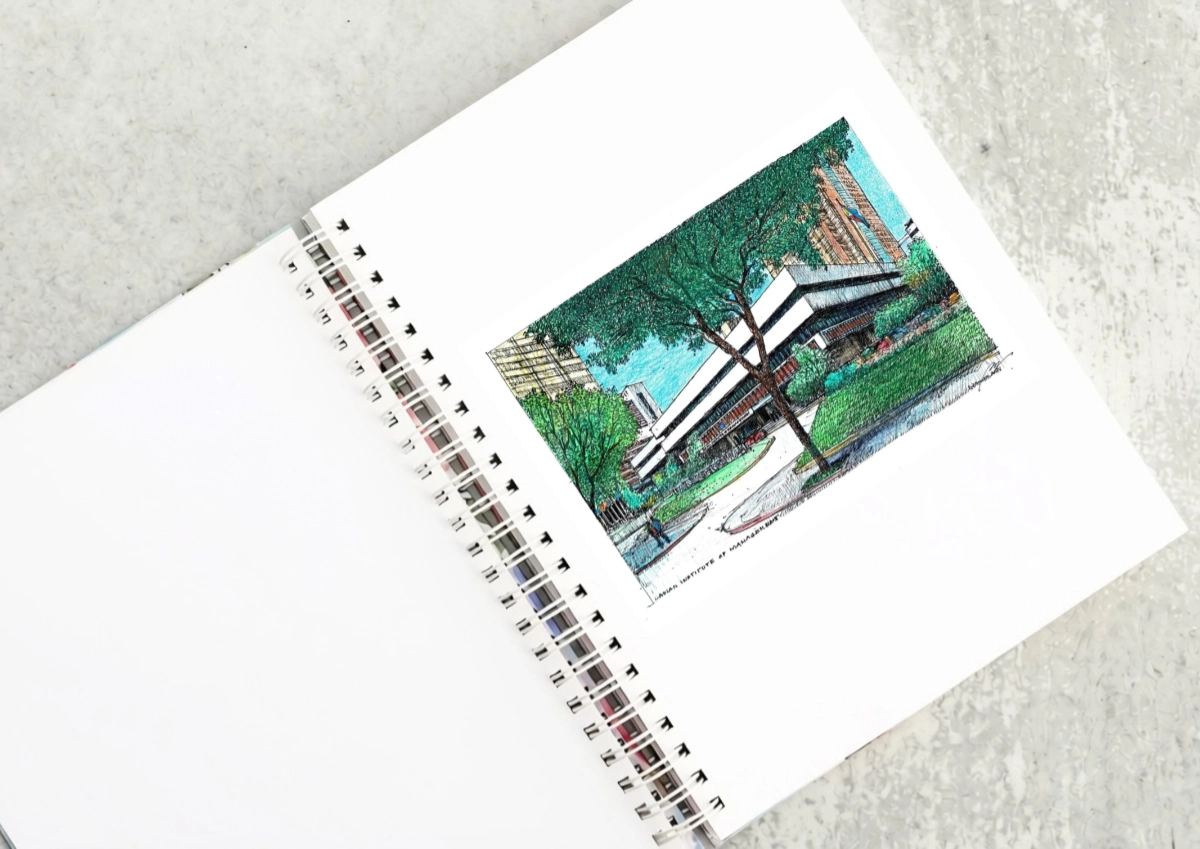
A Filipino Interpretation of Modernist Architecture Unlike the rest of Makati today, the northern end of Paseo de Roxas in Makati is anchored by a low complex rather than a tall skyscraper. This is the elegant Asian Institute of Management, designed by architect Gabriel Formoso and completed in 1971. In my opinion, the building is […]
The Ultimate Furniture Solution Guide for Small Spaces



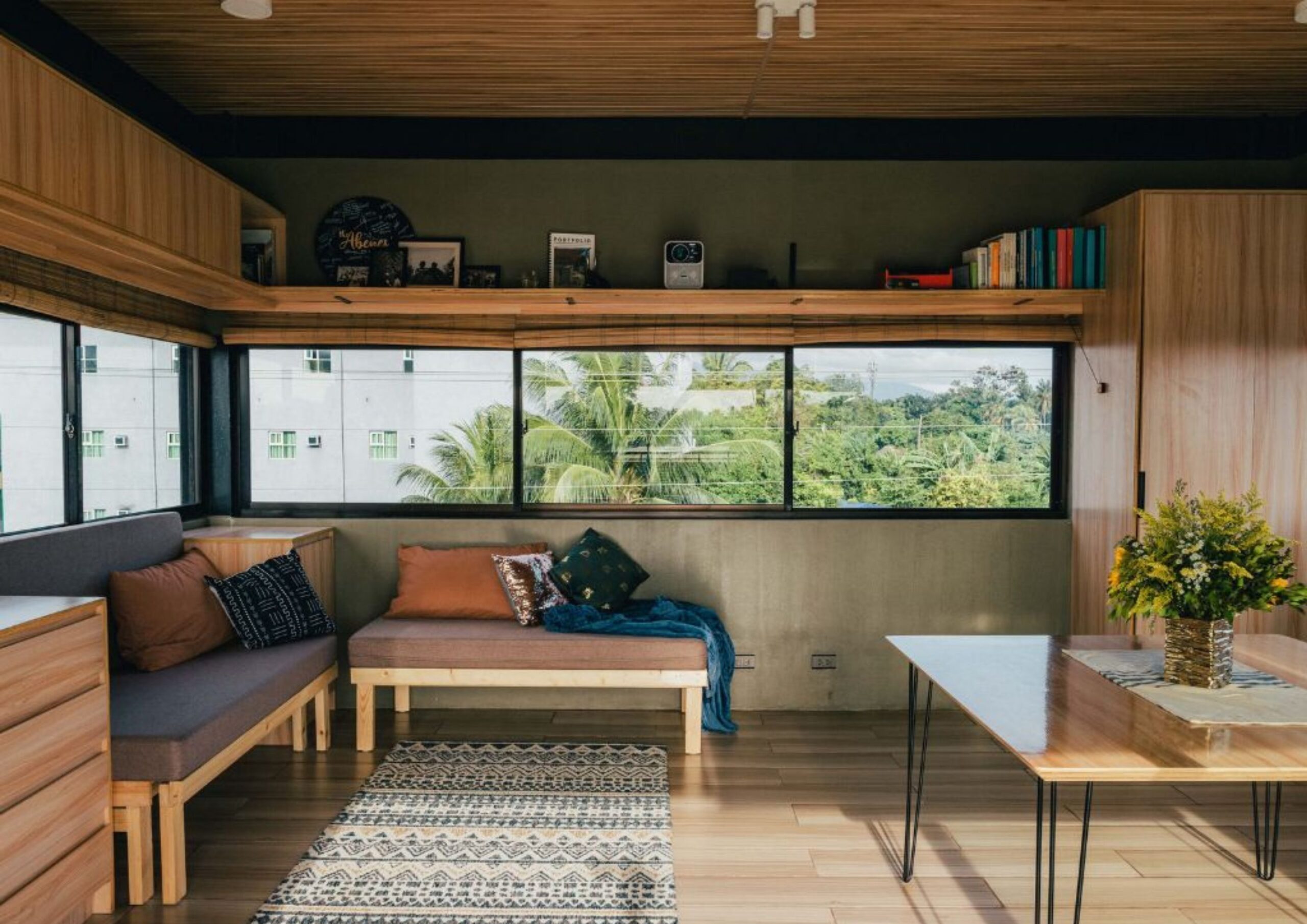
One of the common misconceptions when it comes to small spaces is that you need to stick solely to miniature furniture design. While downsizing might be necessary, larger pieces can still have a place in your home. This guide reveals strategic furniture selections and placements you can do to maximize every inch in your tiny flat.
Multifunctional Furniture
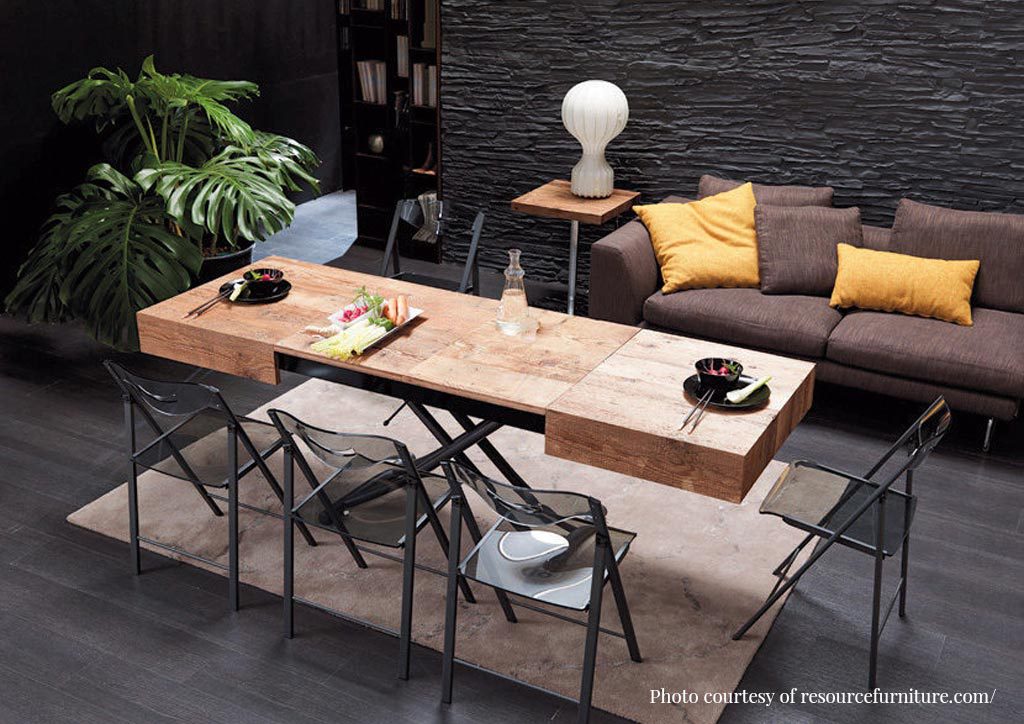
Among the standard furniture solutions for small spaces are multifunctional pieces. These items typically go above and beyond their traditional roles to give you more functionality per square meter. They can be classified as convertible, integrated, storage-savvy, and stackable/nesting furniture, offering various ways to maximize your space.
Convertibles are furniture designs that transform to serve different purposes. With only a few adjustments, they can adapt to your needs, freeing up valuable floor space and creating a more versatile living environment. From Murphy beds and futons, to convertible workstations, and lift-top and extendable tables, these clever designs allow you to seamlessly switch between functions without sacrificing style or comfort.
Integrated furniture, on the other hand, combines the functionalities of multiple furniture types into a single, cohesive unit. They maximize vertical space by utilizing walls and corners for storage and functionality, minimizing the number of individual pieces on display. Shelving units with built-in desks or seating nooks, dressers with built-in vanities, and headboards with integrated nightstands are some prime examples.
Storage savvy furniture incorporates discreet or hidden compartments for smaller items, keeping clutter out of sight. Unlike convertibles, these ingenious pieces don’t need to transform to fulfill their dual purpose. Ottomans, benches, sideboards, and coffee tables with secret storage offer practical solutions for maintaining a tidy living space.
For those who value flexibility and efficiency, nesting and stackable furniture consist of pieces that fit together in a space-saving manner, making them ideal for small spaces. And you can neatly tuck them away when not in use. You can often see this design in stackable chairs, nesting tables, storage bins, and desks.
Opt for Skinny, Not Small
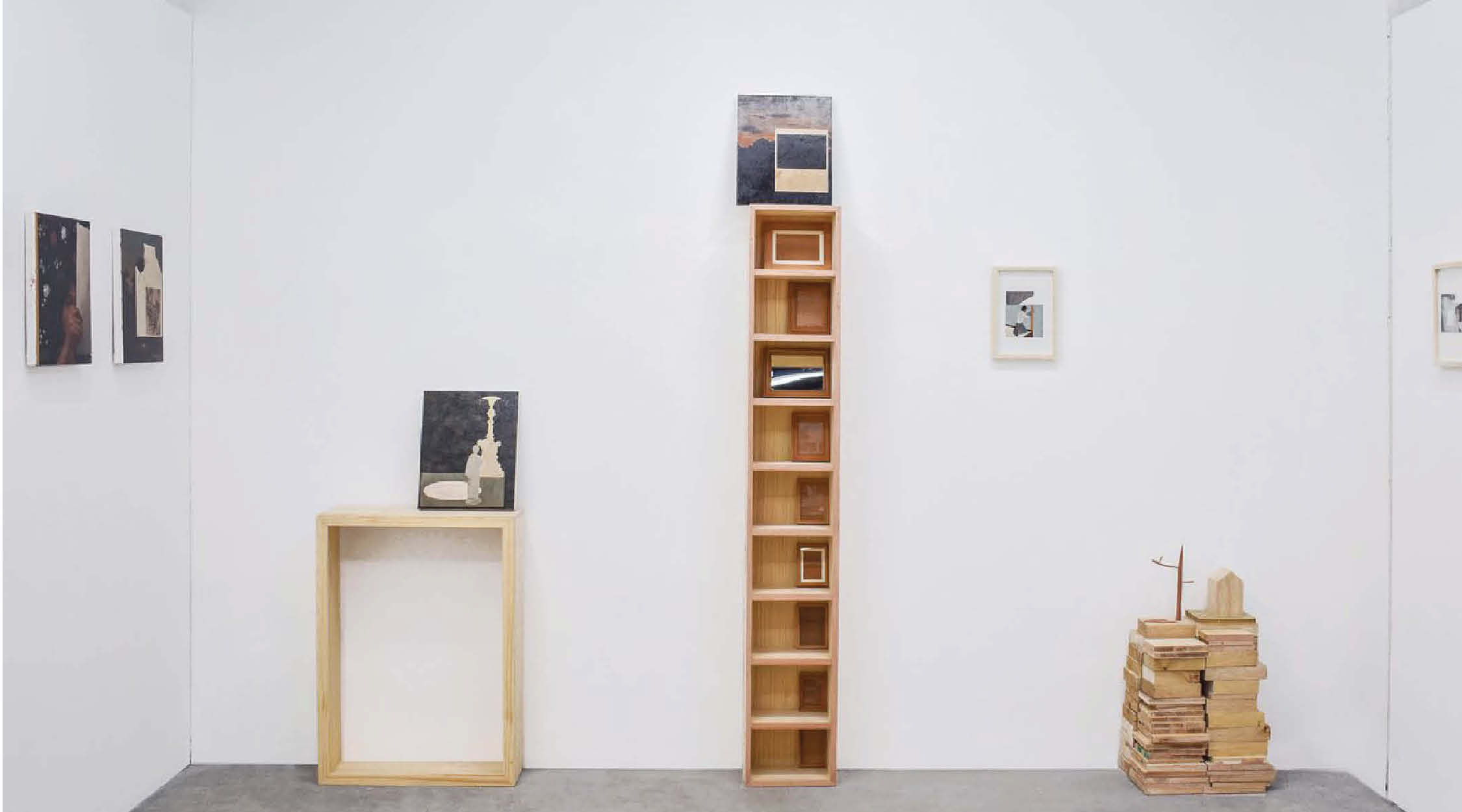
Instead of thinking small for your limited space, go for skinny furniture designs that have a minimal footprint. Characterized by clean lines, slender legs, and a taller structure, this furniture solution ensures your space still feels open and less crowded. Maintaining a slim profile additionally prioritizes verticality over sprawl. So, you can maintain a sleek and airy appearance unlike with wider or bulkier pieces that make your space look cramped.
Choose height over width, particularly for bookshelves. A tall, narrow bookshelf offers ample storage for books and decorative items without dominating the room’s visual space. This allows a more spacious feel and avoids the boxy look of a wider, low-lying bookshelf visually shrinking the room.
Even naturally bulky furniture like sofas and dining tables can look more streamlined with this approach. For sofas, opt for those with narrow armrests and legs. Better if the legs are exposed to slightly elevate the body.
On the other hand, look for dining tables with a slender base. Pedestal tables with a single central support or tables with thin, tapered legs offer excellent space-saving benefits. If you occasionally need more seating, consider an expandable dining table with a butterfly leaf that extends the surface area when needed, and maintains a skinny silhouette when not in use.
Tuck Furniture to the Edges
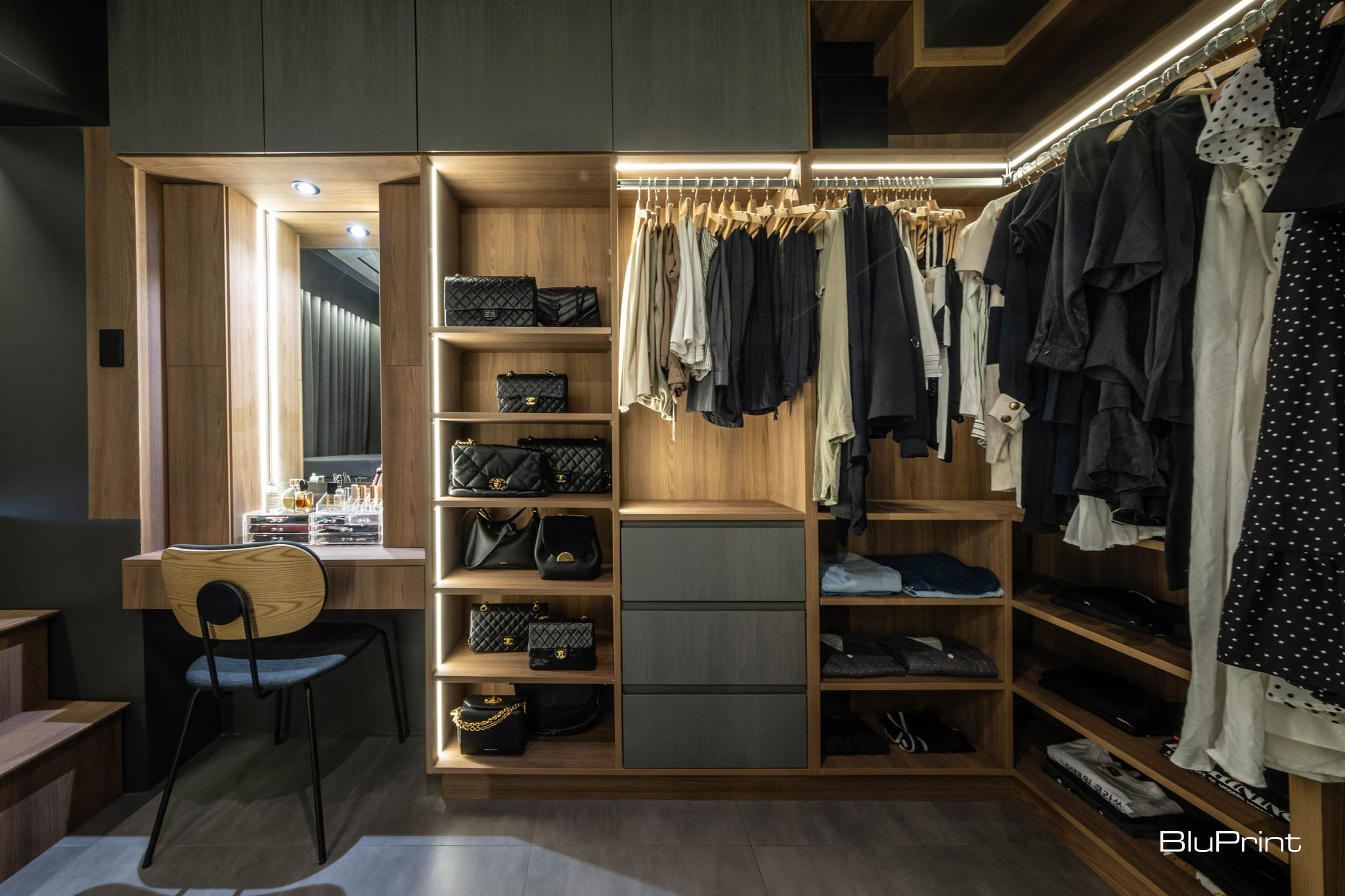
Don’t be afraid to push your furniture to the edges. This involves strategically placing furniture pieces close to walls or around the perimeter of the room. As it eliminates obstacles, this furniture solution creates a clear zone in the center of the space for a smoother flow of traffic.
Placing furniture against the wall helps maximize floor area, improve traffic flow, and define functional zones, such as a living or dining area. This makes better use of available space, and simplifies cleaning by providing easier access to the floor.
However, it extends beyond merely tucking furniture to the edges. Aside from floor furniture, wall-mounted solutions transform walls from blank expanses into functional assets. Consider installing floating shelves and cabinets, wall-mounted TV stands, and fold-down desks to further maximize vertical space.
Scale Furniture Design Properly
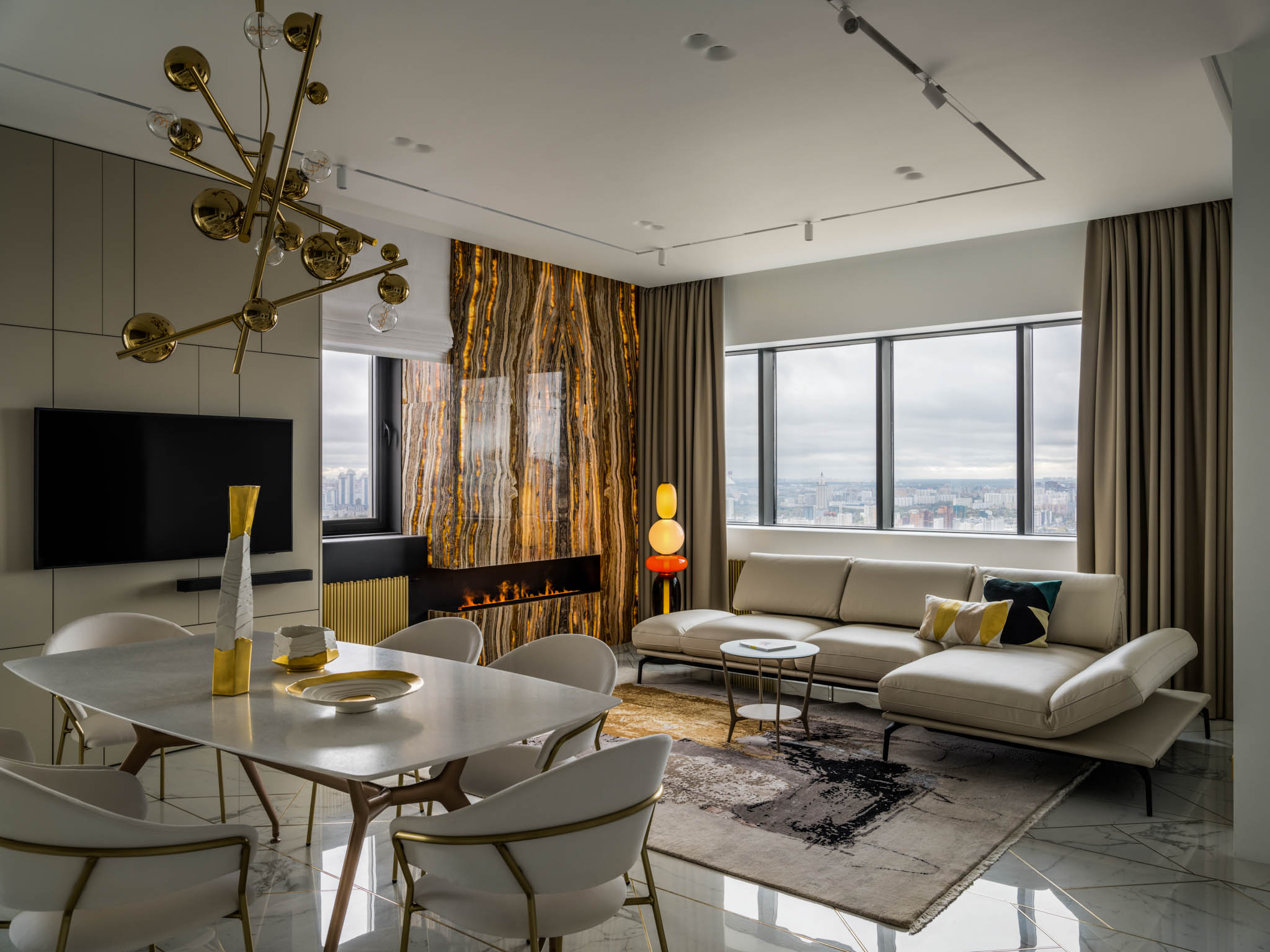
Mixing large furniture designs with small ones can give a balanced and visually interesting look in your small space. The key is to choose well-proportioned pieces in neutral tones or in color close to the negative spaces’ hue.
Create a focal point with a statement piece like a stylish sofa or a unique armchair. These can set the tone for the room and add visual interest. However, to maintain balance, pair it with smaller items that complement its design.
Introduce visual intrigue by incorporating pieces of varying heights. Imagine a low-profile sofa paired with a taller, slender bookshelf to create a dynamic flow in the room.
Furthermore, blending their colors with walls, ceilings, and floors prevents the furniture from visually dominating the room and maintaining a sense of airiness. But to prevent them from looking too sterile, add textural interest through throws, cushions, or area rugs.
Maximizing a small space goes beyond just downsizing everything. With a creative approach and these furniture solutions, you can unlock the full potential of every inch, optimized for both comfort and aesthetics.
Read more: How to Clean Wood Cabinets and Make Them Shine
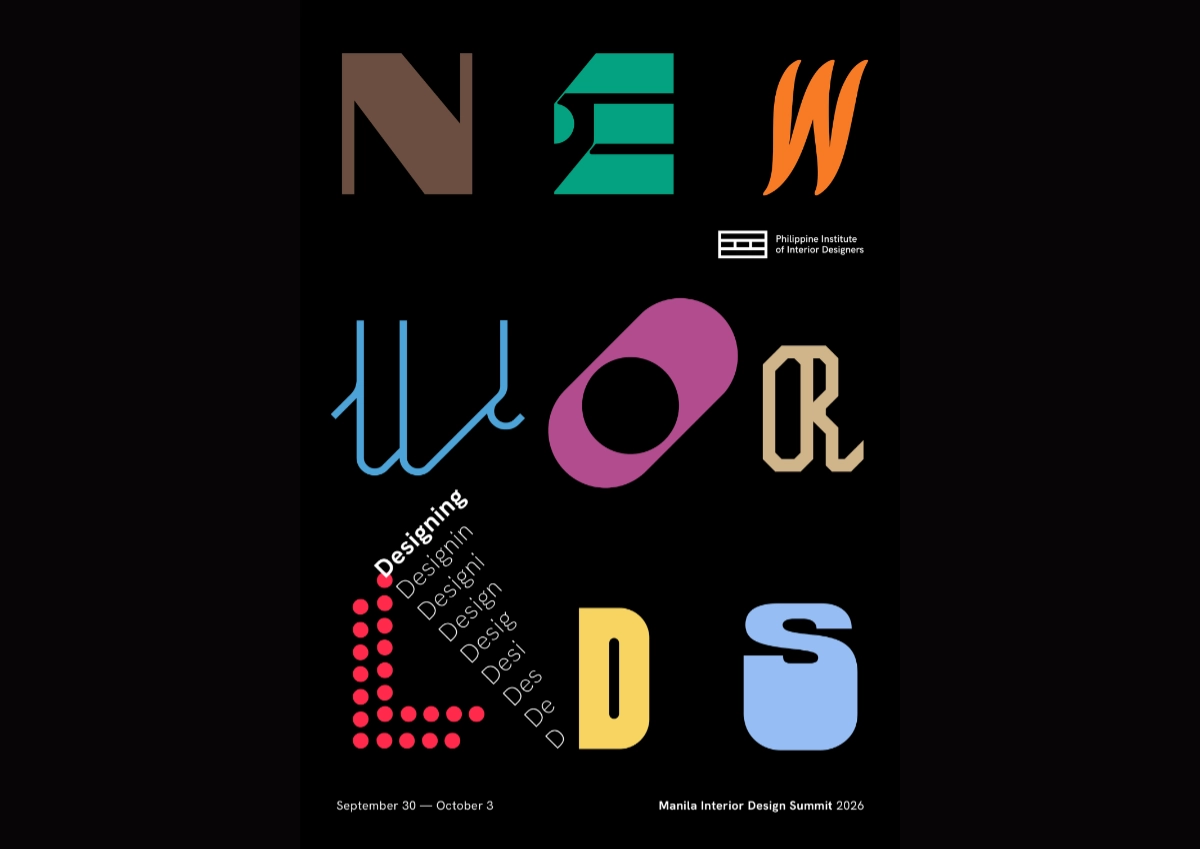
“Thailand has claimed urban creativity and livability. Singapore has institutional design leadership. Indonesia is emerging as a design hub. Vietnam is moving into design innovation. And the Philippines? Its position is not weak. It is simply unclaimed.” For IDr. Cecil Ravelas, National President of the Philippine Institute of Interior Designers (PIID), the challenge is not […]
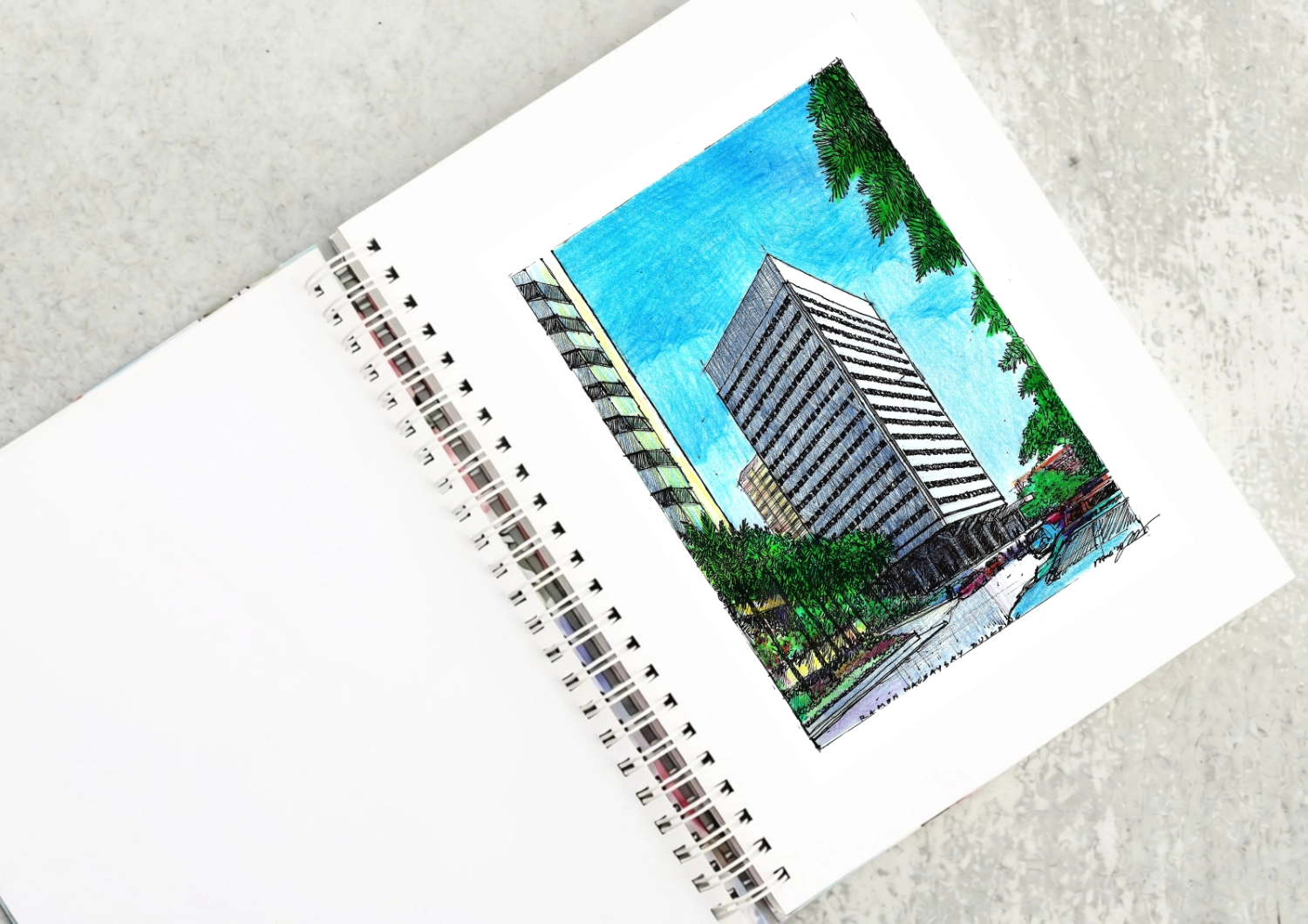
The Ramon Magsaysay Center as a Modernist Landmark Driving down Roxas boulevard from Rizal Park, what will catch your eye is the most elegant modernist structure in the country, the Ramon Magsaysay Center. Most established Filipino architects put it in their top ten lists of favorite buildings. It was designed by Alfredo J. Luz, who […]

Rinna Soriano’s favorite part of her work is sanding. At her workbench, she stays focused, following the grain, adjusting to changes in its direction. Narra, she has learned, can have interlocking grain. A piece of mango once proved particularly difficult until a worker explained that she had reached the point where a branch once grew […]
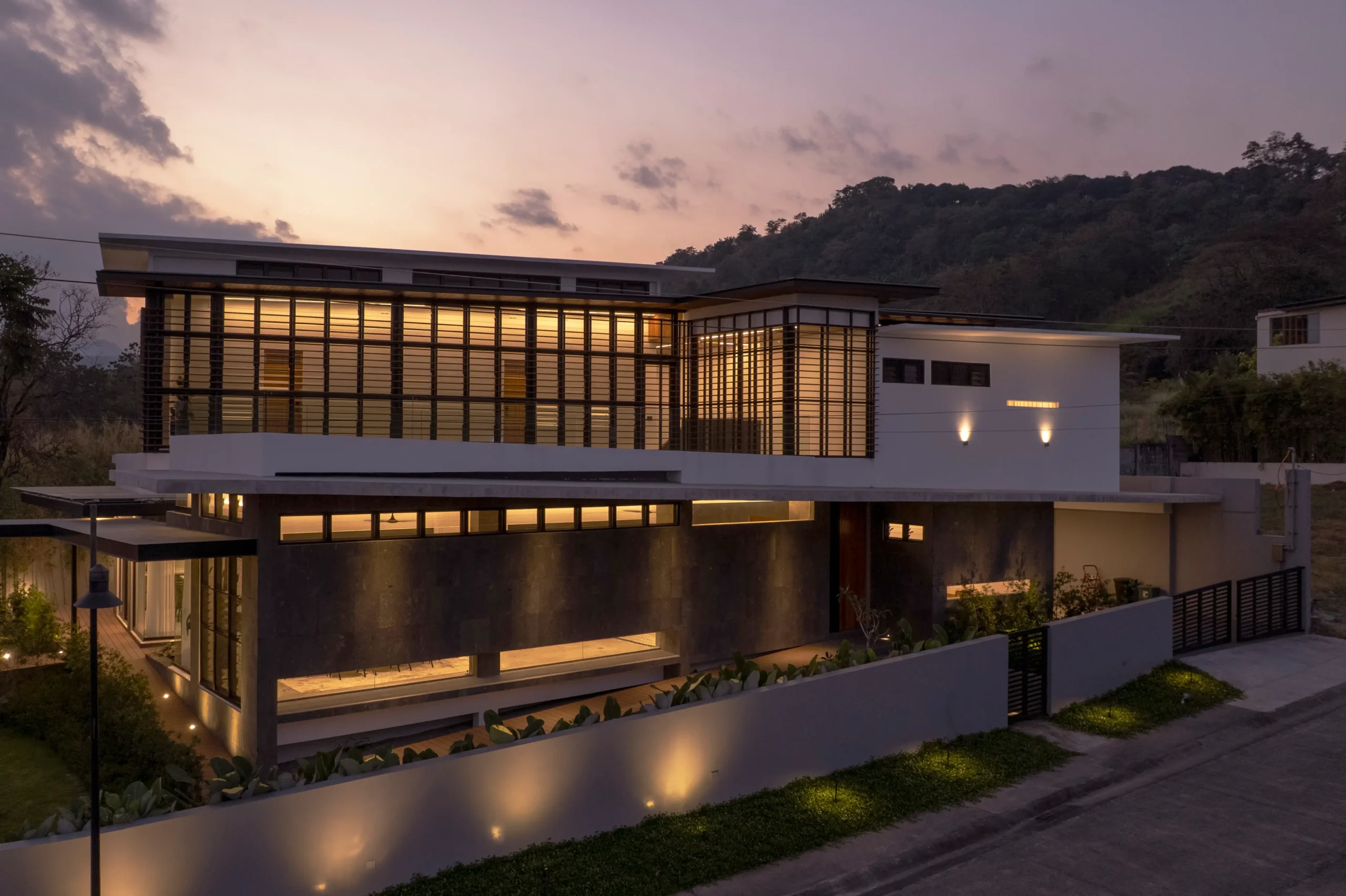
Filipino architectureArchitectureThe art and science of designing and constructing buildings, structures, and spaces that are functional, safe, and aesthetically pleasing. It encompasses the planning, design, materials, and techniques used to createGo to Architecture Glossary has long been associated with indigenous materials and vernacular design strategies, from bamboo and timber construction to jalousie windows, generous spaces, […]
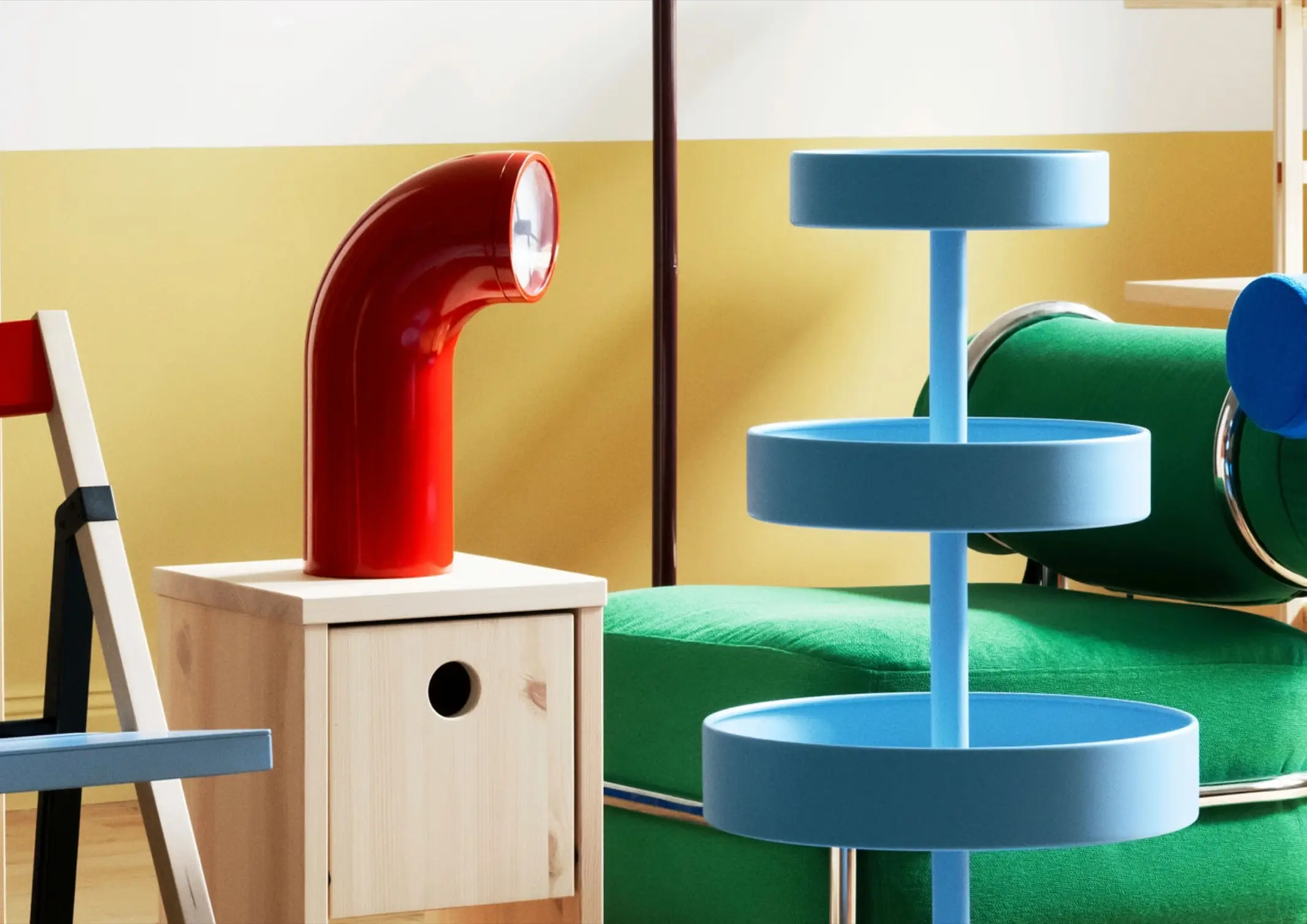
A chair does not always prescribe how to sit in it. A lamp can be more than a source of light. A clock can be more than a way to tell the time.These small departures from convention are at the center of IKEA PS 2026. The latest iteration of IKEA’s experimental PS series comprises more […]
Read the issues.

Collect the volumes.

Recommended Video
Tap to Unmute
Unmute
0:00
0:00