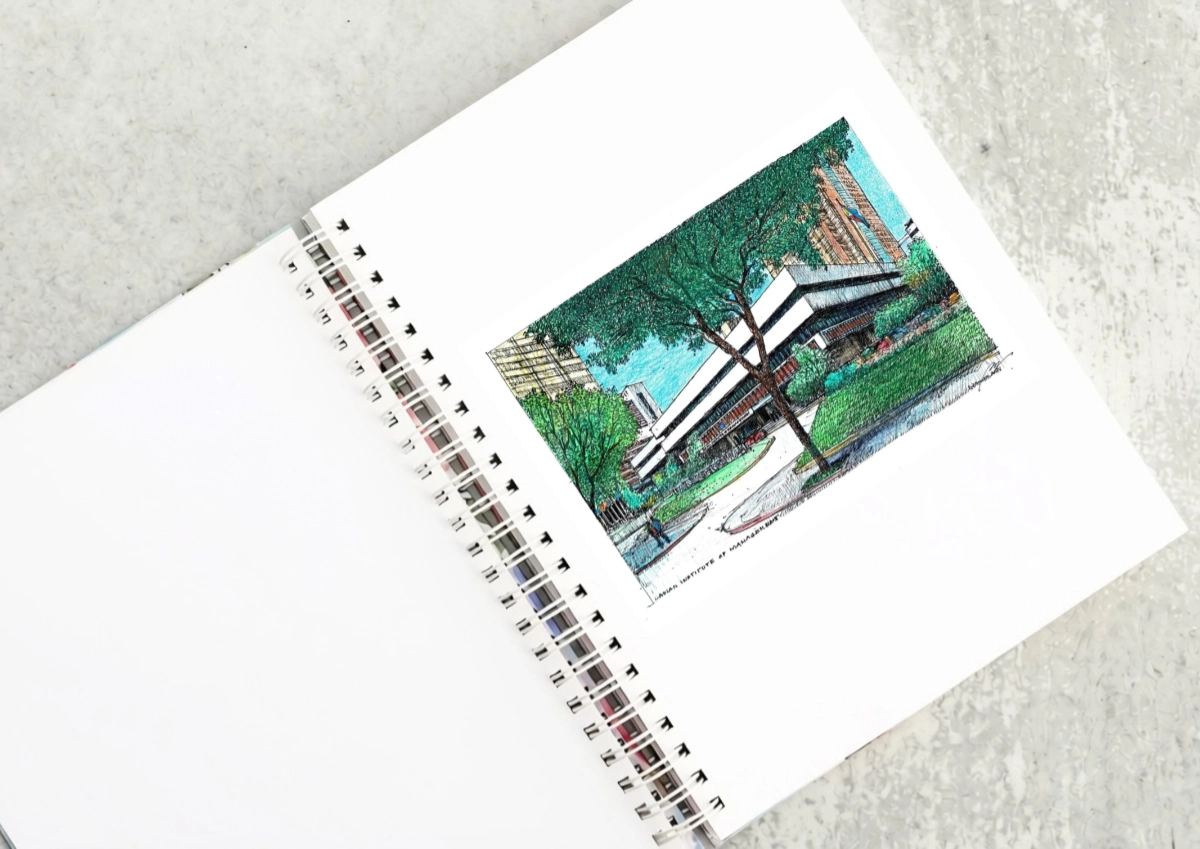
A Filipino Interpretation of Modernist Architecture Unlike the rest of Makati today, the northern end of Paseo de Roxas in Makati is anchored by a low complex rather than a tall skyscraper. This is the elegant Asian Institute of Management, designed by architect Gabriel Formoso and completed in 1971. In my opinion, the building is […]
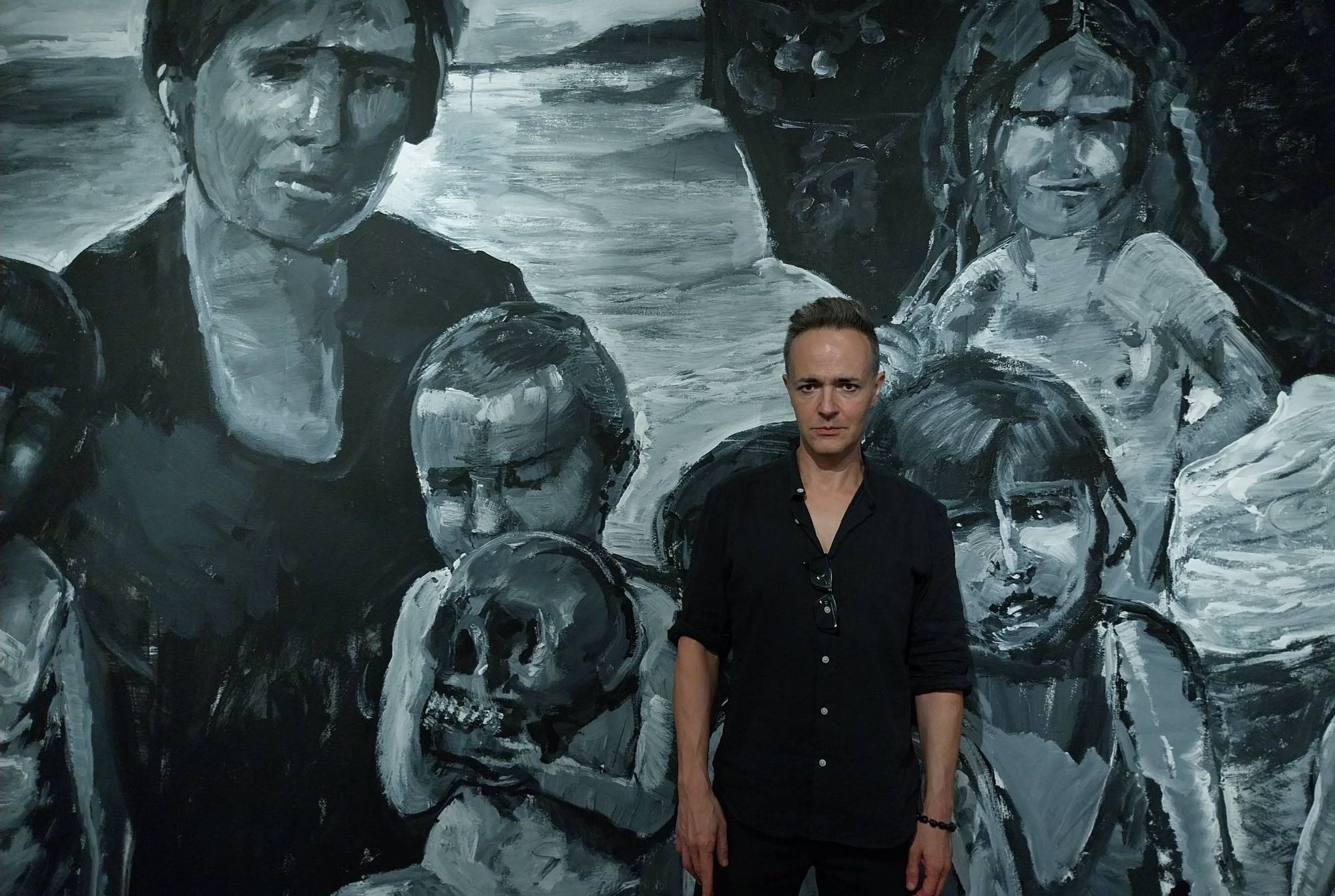
‘Project Belonging’: Enrique Marty Unveils the Hidden Layers of Family



Project Belonging: From There to Here is a two-part art exhibit curated by Kristine Guzmán for the Ateneo Art Gallery. The two exhibits, featuring artwork from Spanish artist Enrique Marty and Filipino-Australian artists Isabel and Alfredo Aquilizan, explore the idea of finding our place in society and how it shapes an individual’s self-perception.
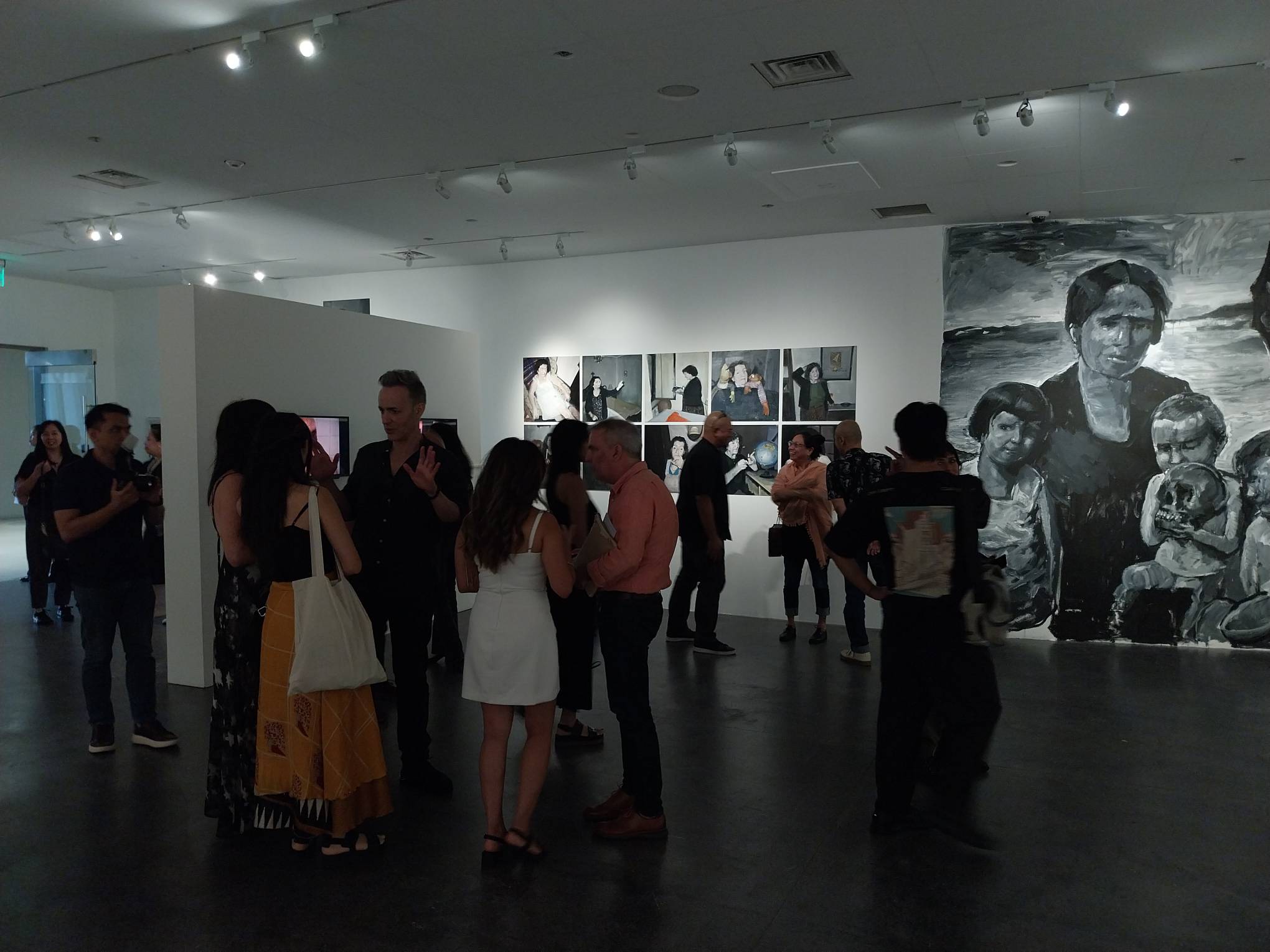
The first leg of the project, The Foreign in the Familiar, features Marty’s works that distort the traditional portrayal of family and domesticity, revealing its darker aspects and their impact on our community. The exhibit also includes three works by the Aquilizans.
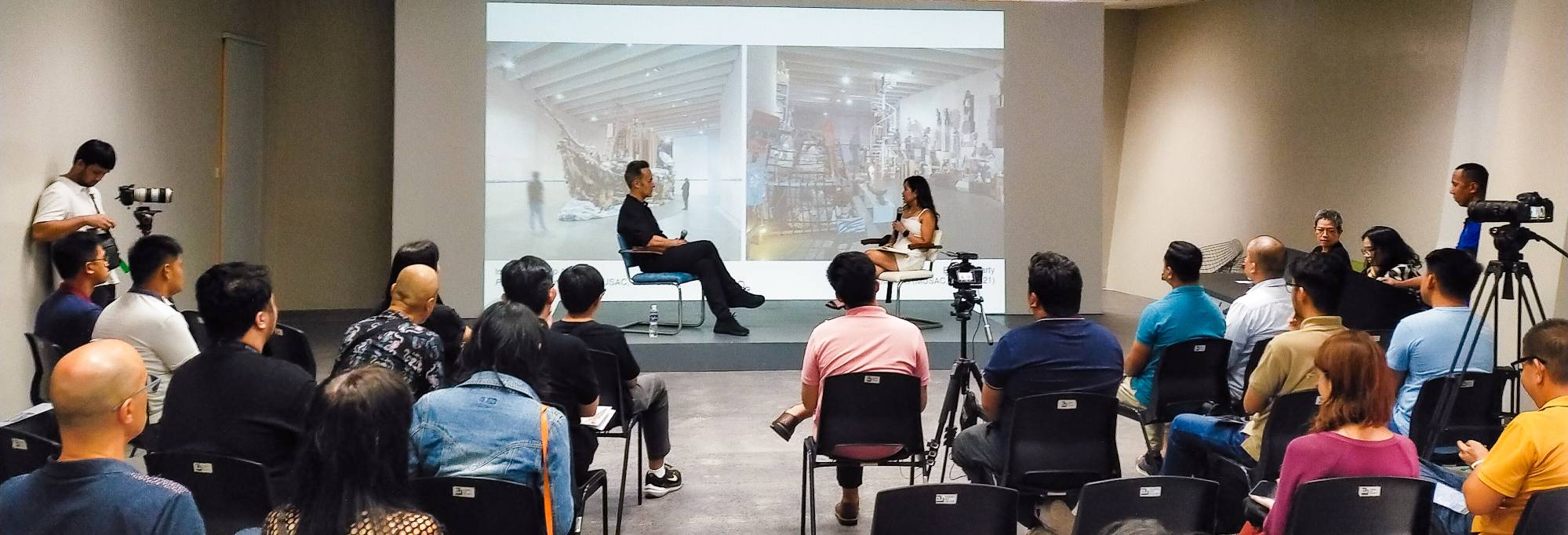
A two-hour talk accompanied the exhibit’s opening where Marty and Guzmán discussed the artistic process behind some of Marty’s works and elaborated the project’s goals.
Portraying the Imperfections of Family
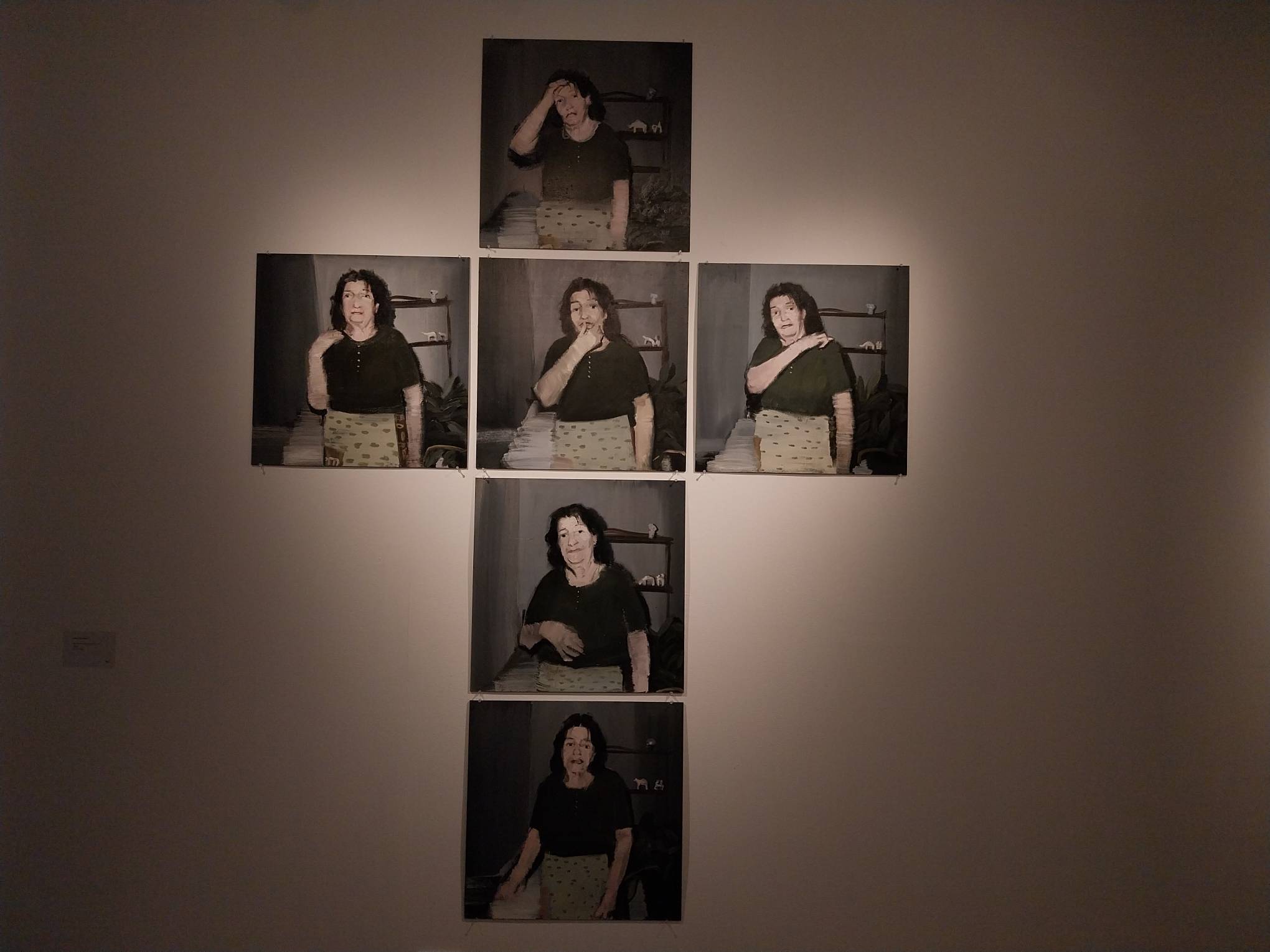
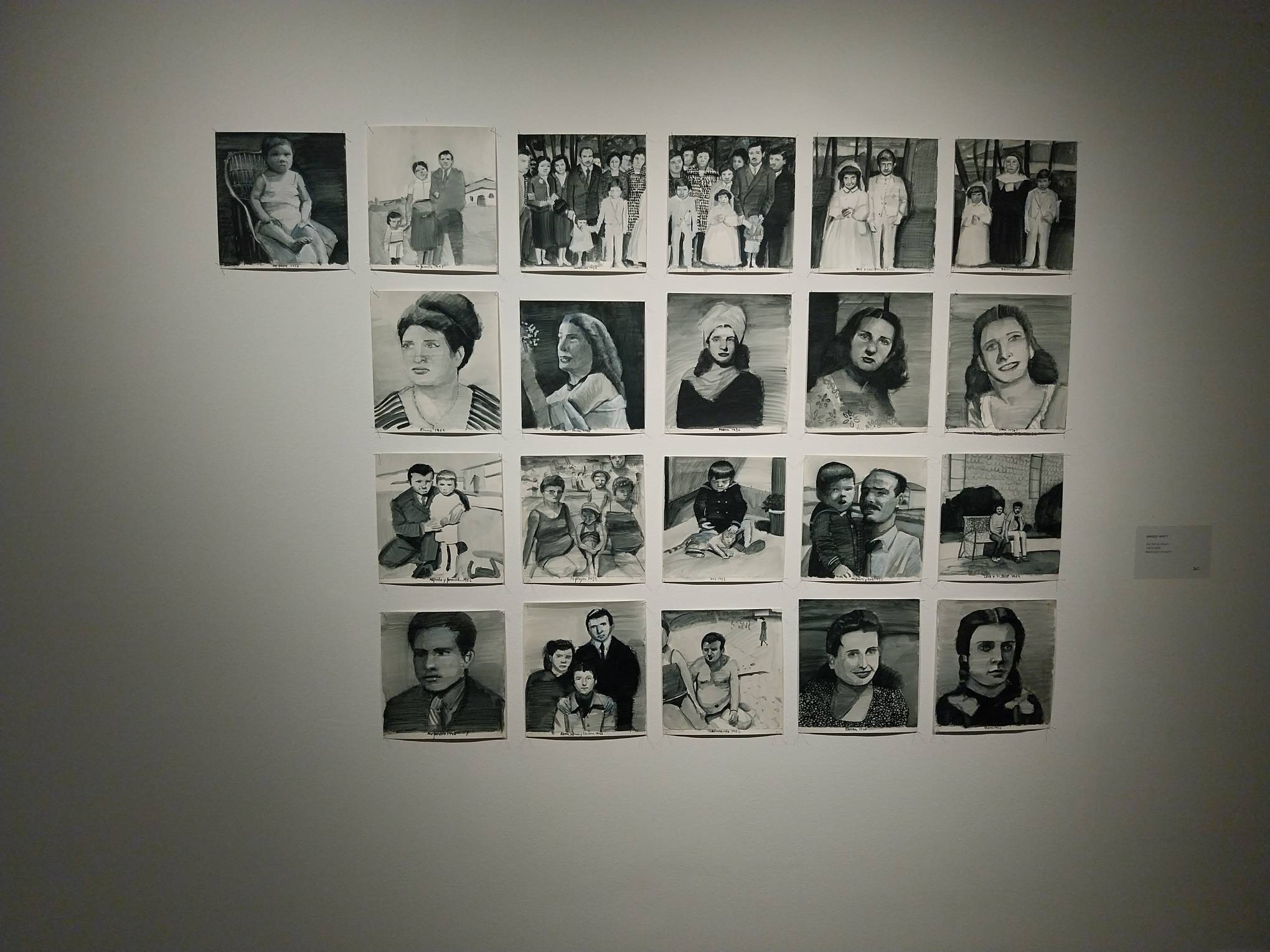
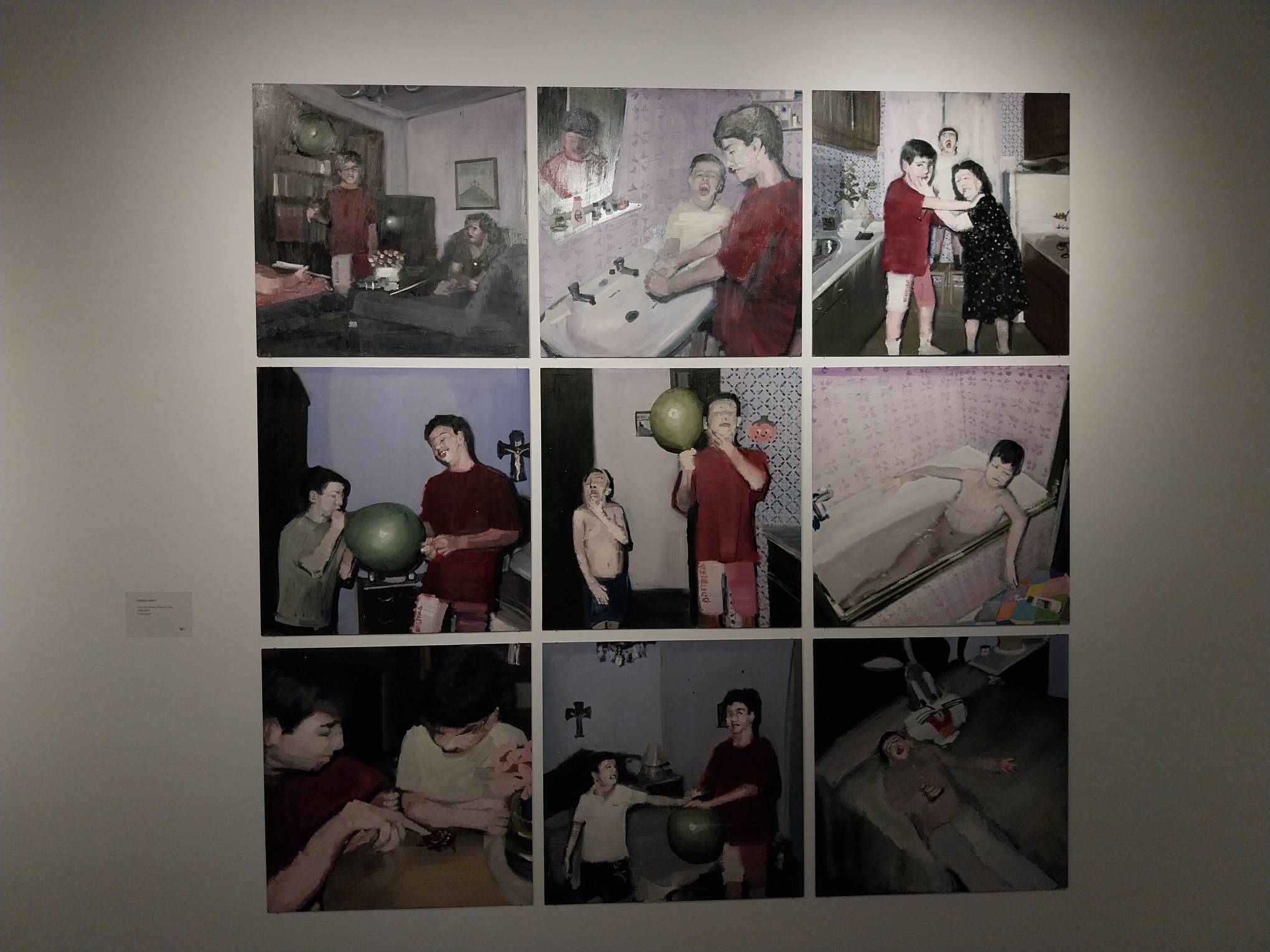
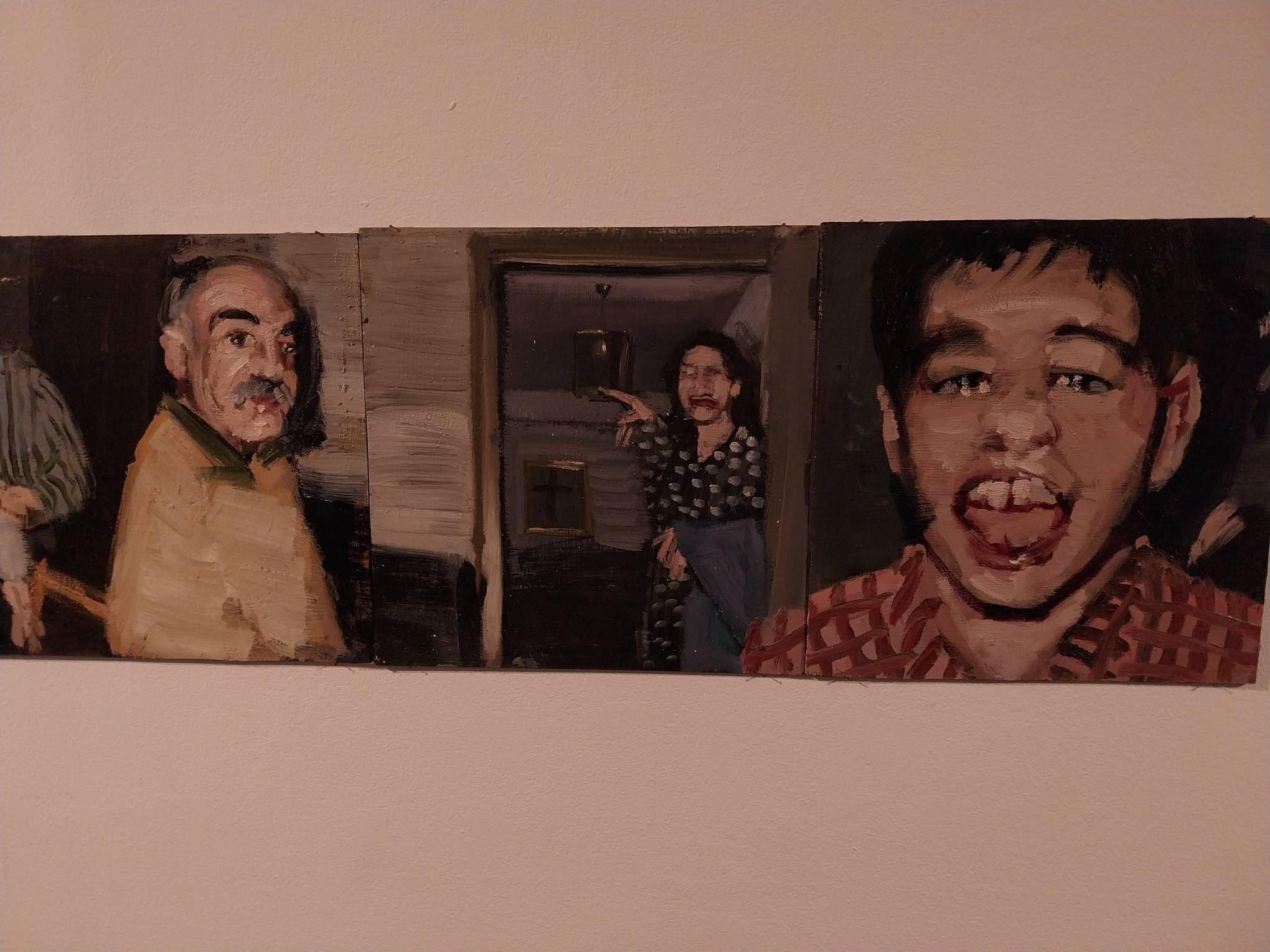
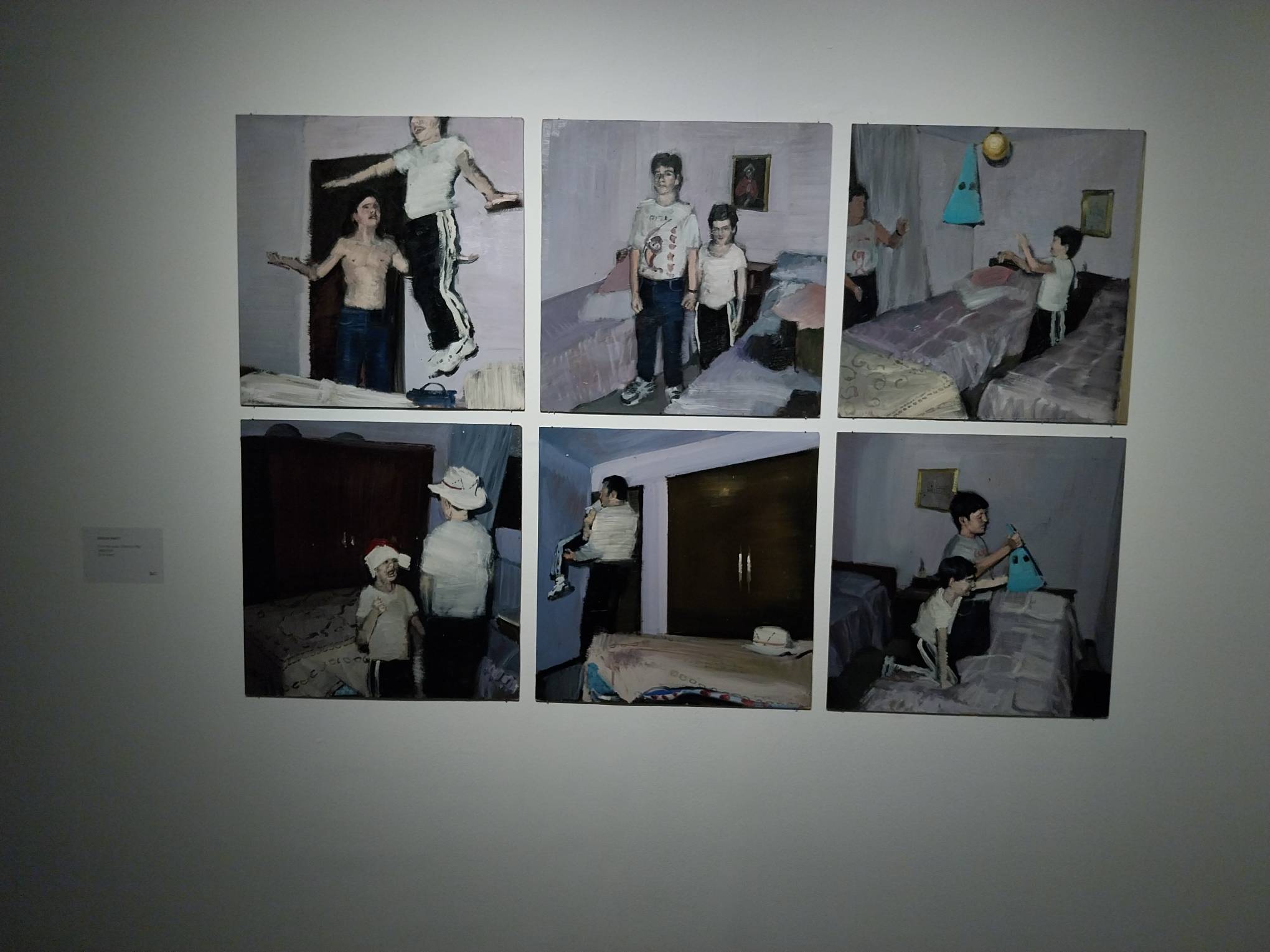
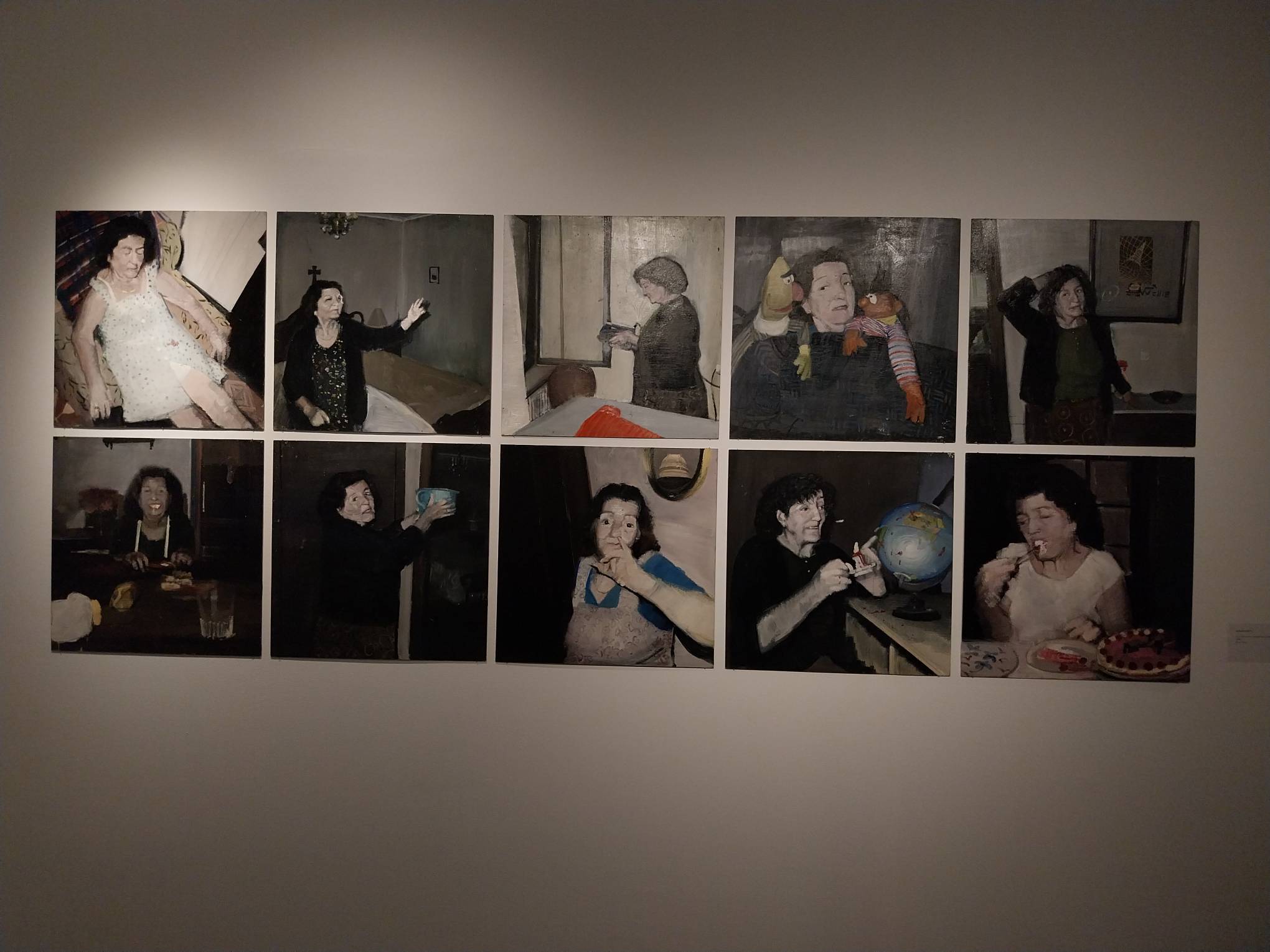
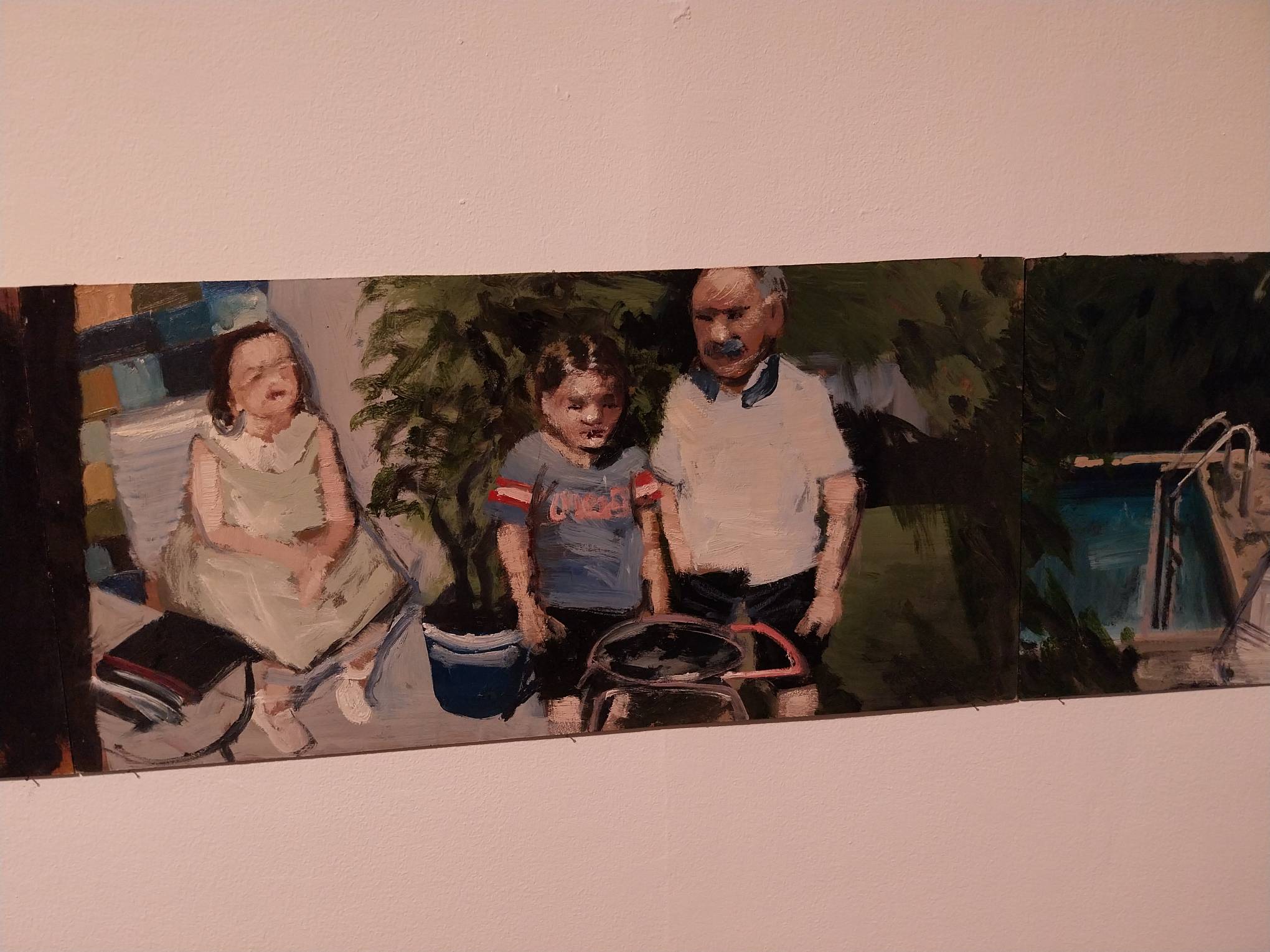
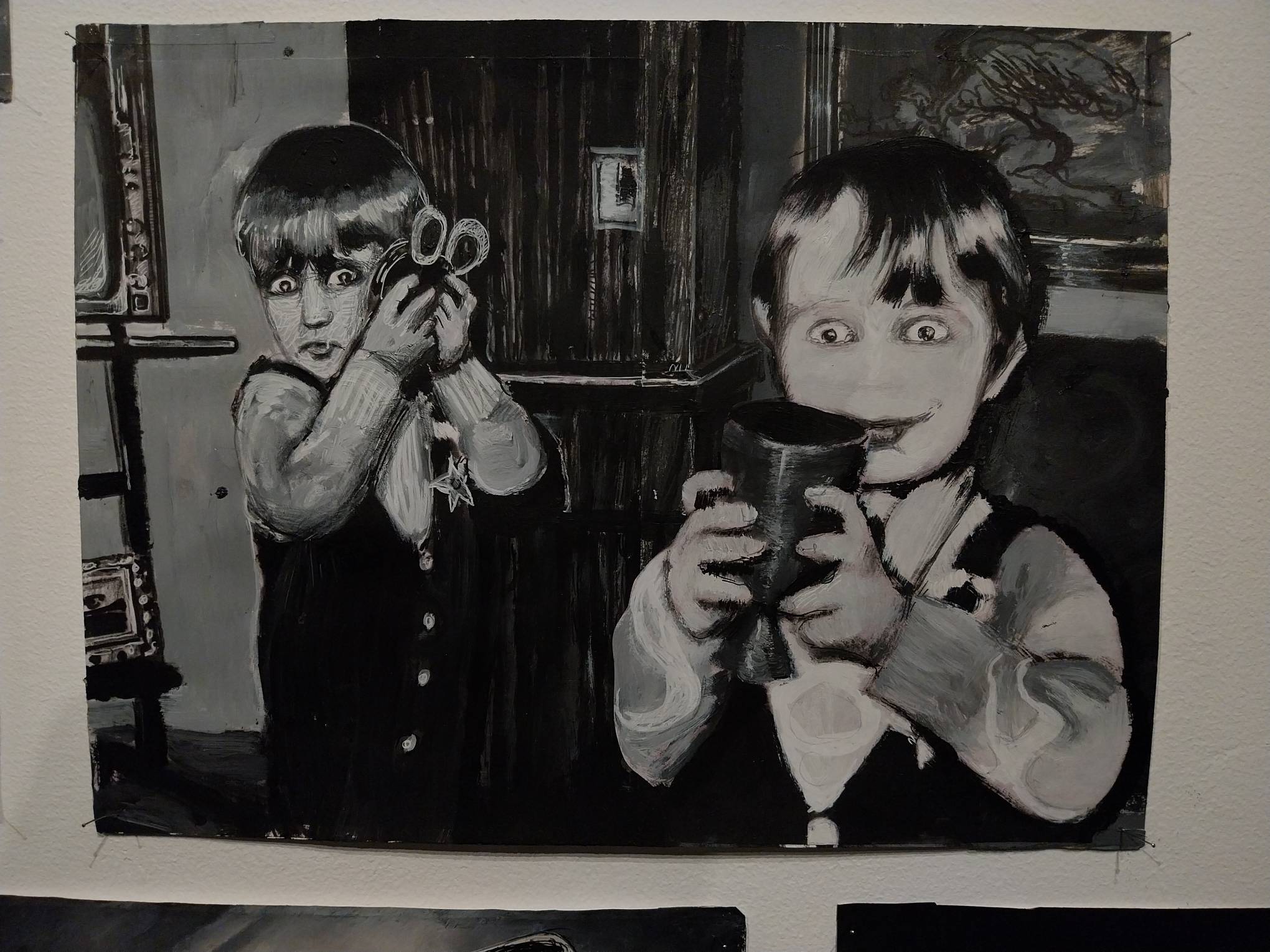
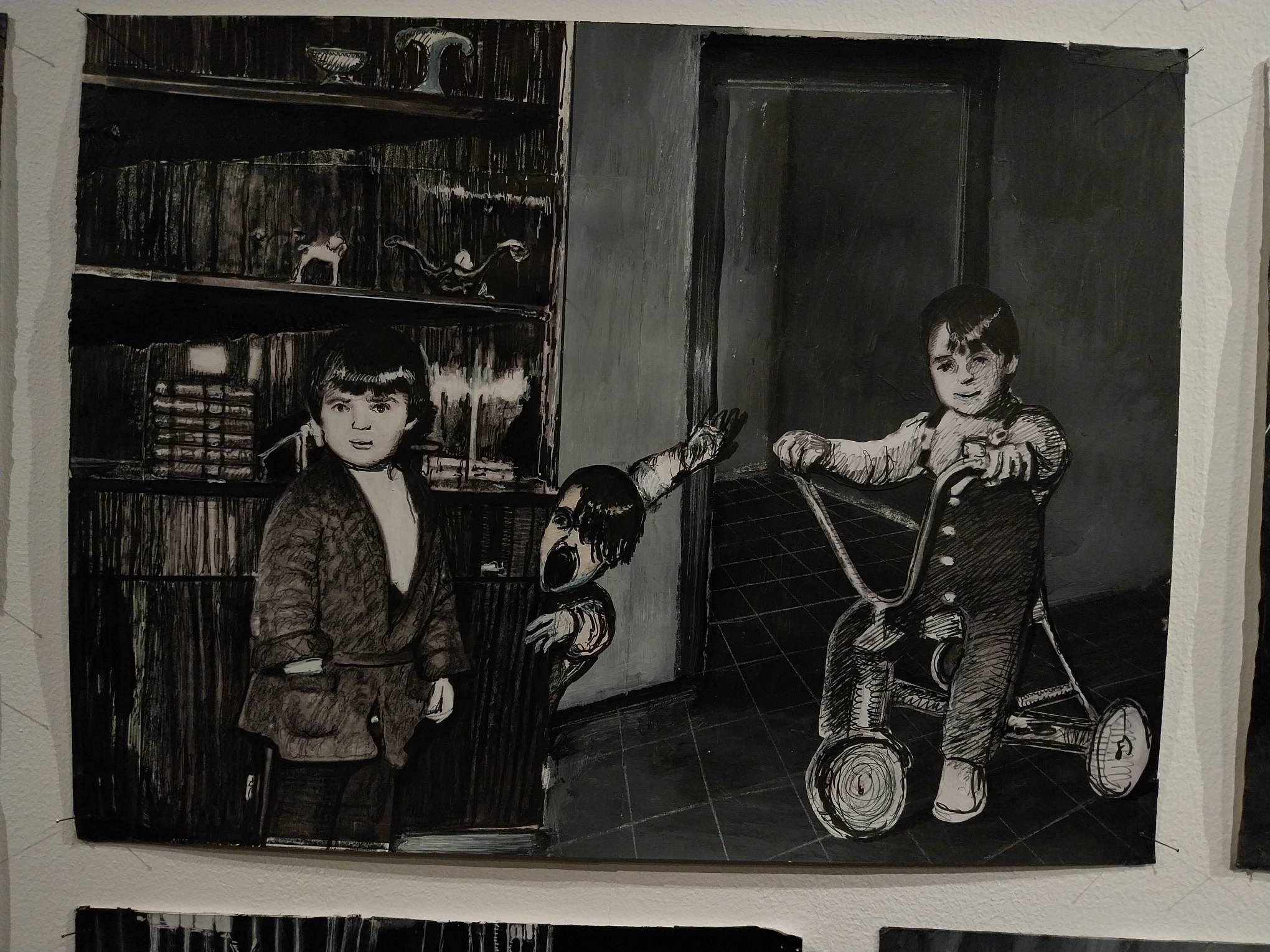
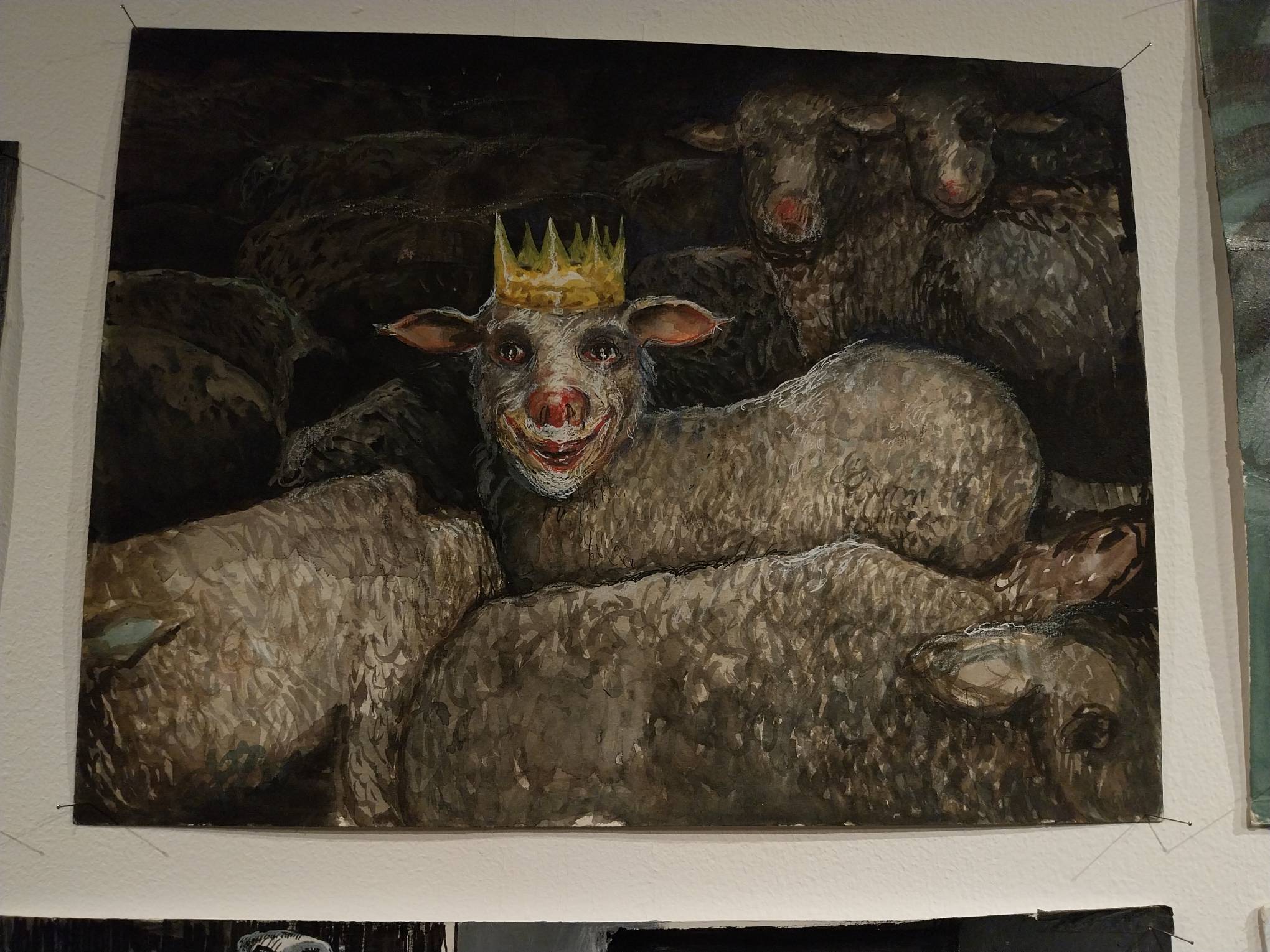
For The Foreign in the Familiar, many of the works by Enrique Marty, such as “Children’s Play,” “Old Family Album,” and “La Familia,” depict his family engaging in various domestic activities. His subjects’ exaggerated facial features or the smudging of different parts of the painting create an uncanny effect that contrasts with the realism of his method.
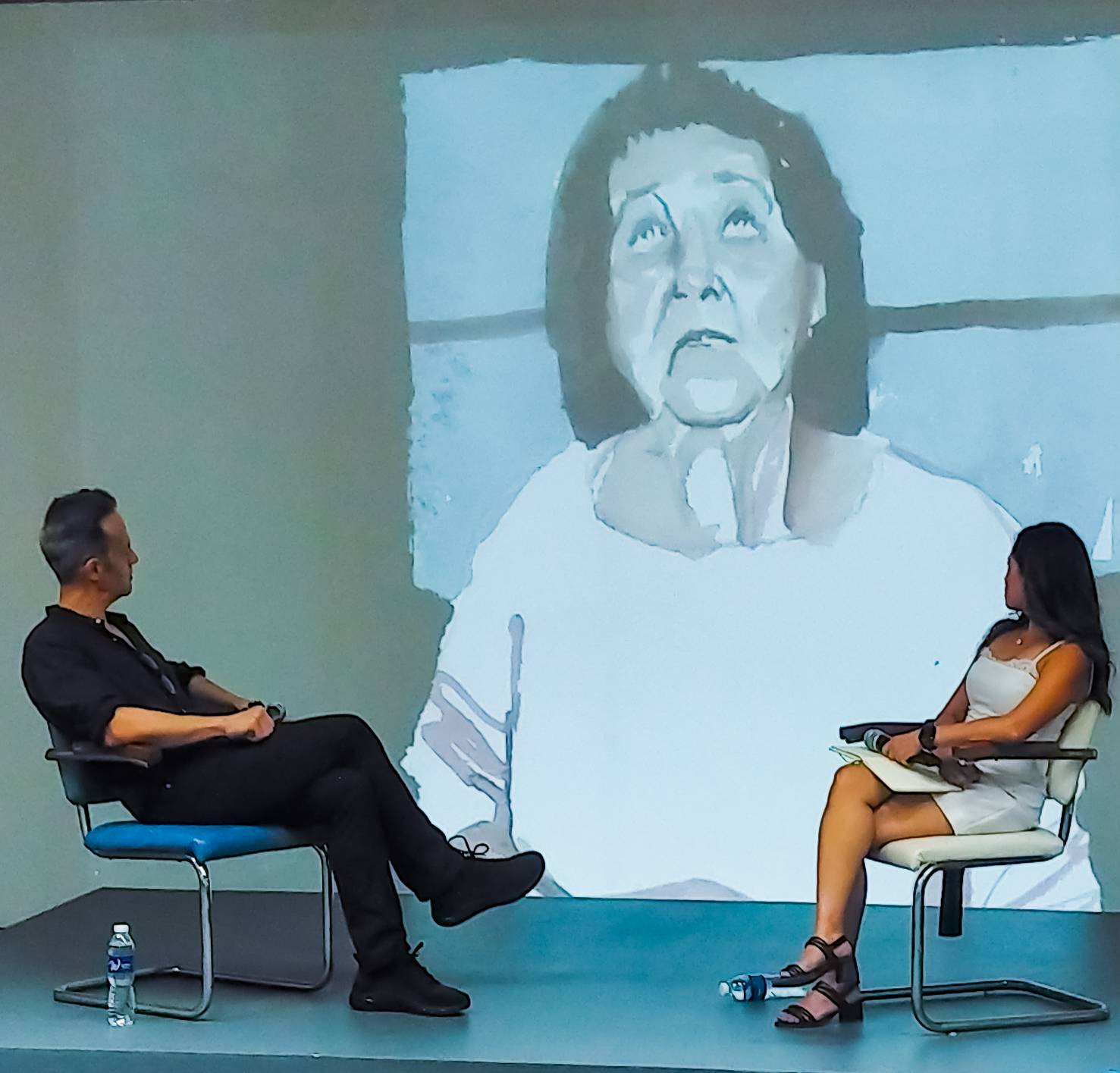
Marty shares that his biggest muses during that time period were his parents, though his father was reluctant to model for him at first. “Superwoman crossing herself,” for example, is a series of paintings of his mother doing the sign of the cross. Pieces like these not only capture intimate, everyday moments but also reflect the deeper emotional connections within his family. Marty’s portrayal of them goes beyond mere representation; it delves into the complexities of their personalities and the profound impact they had on his creative journey.
Exorcism of the Past
“I started this project as a way of exorcism, of trying to deal with the relation with my family,” Marty said of his early work. “They have characteristics that make them, let’s say, not the average family. And I found it a favorite tool to start with, the family. I think the family is a very important symbol, it’s a symbol because everybody has a family. It’s something that you cannot avoid.”
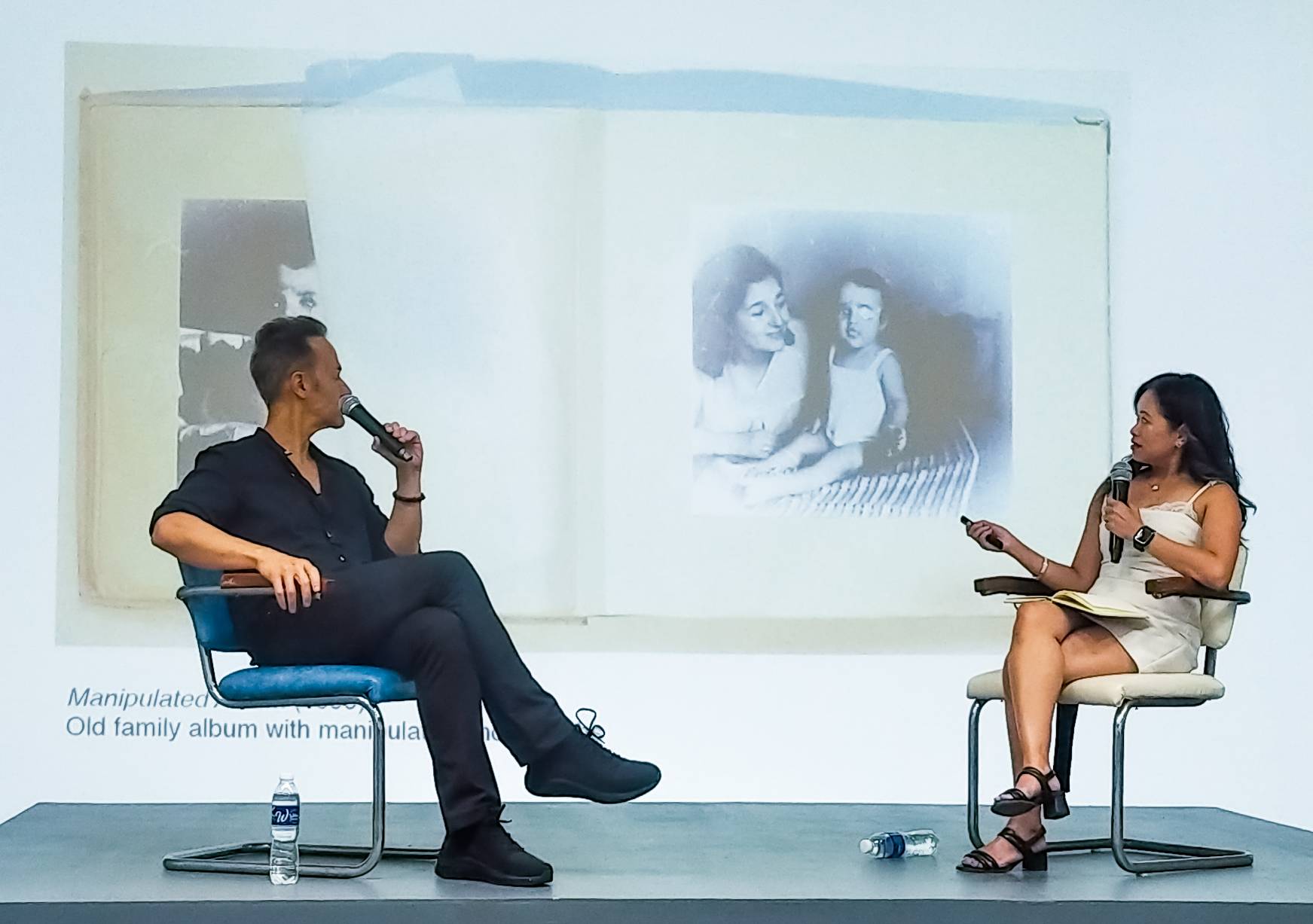
A lot of his early works utilized a methodology he called “snap painting,” where he starts with a Polaroid picture of the scene before painting it in a short span of time. “Snap painting, because I introduced the process, and the process has to be very fast,” he said. “Like, sometimes, I say that, for one painting, it took me 20 minutes. Normally, it’s one day, some hours, but I used to do it very fast. It was almost like a performance.”
Showing the Dark Side of Society
Project Belonging also included a series of videos by Marty. Here, his artistic approach infuses a sinister tone into everyday settings, emphasizing the underlying malevolence found in our daily lives.
One depicts a woman wearing a Joker mask and holding a knife, while another portrays a half-naked man with a menacing expression, his face covered in corpse-like makeup. A woman dances in a living room bathed in red light. They all happen in places that we are familiar with—the kitchen, the bathroom, the living room.
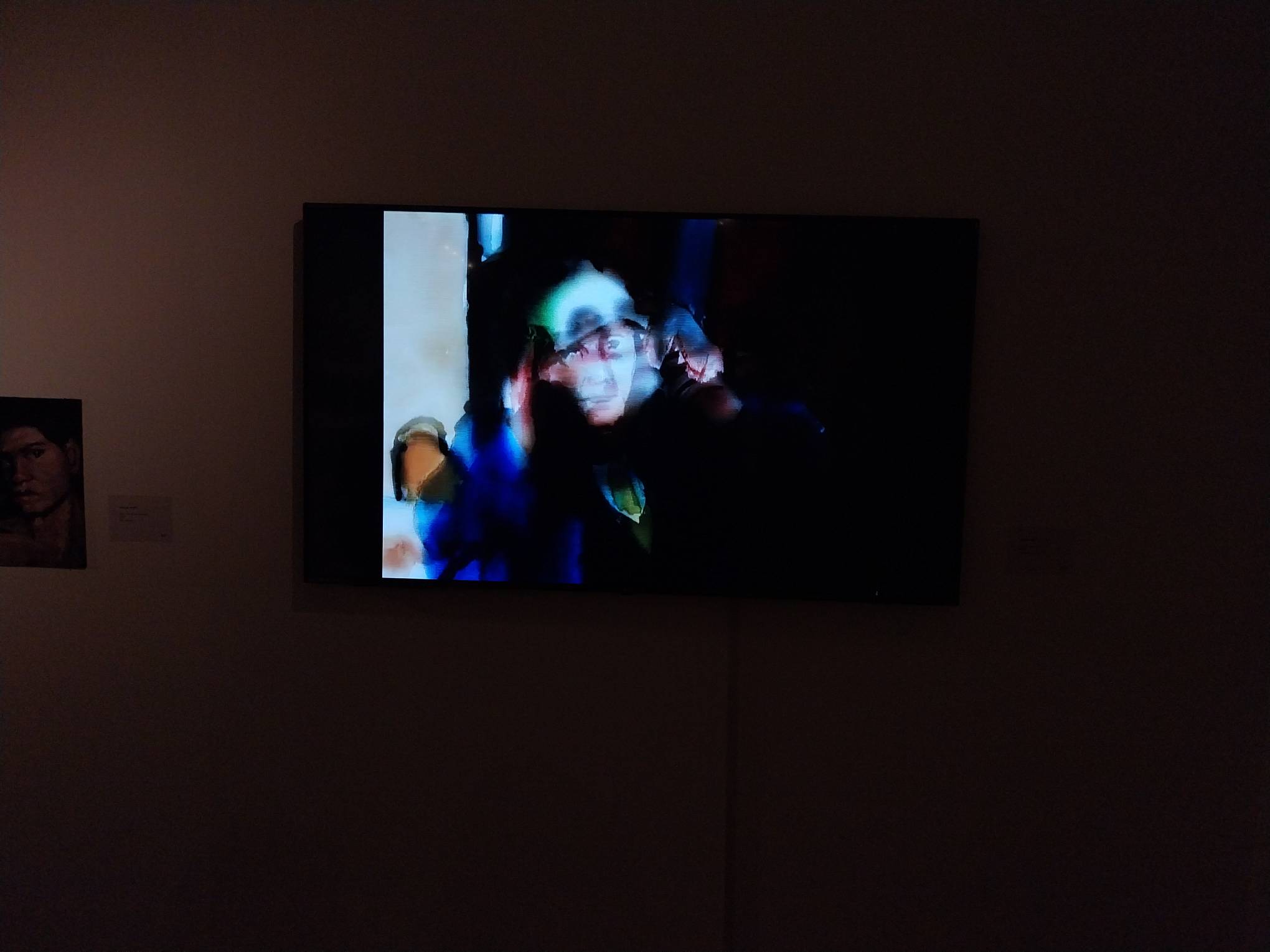
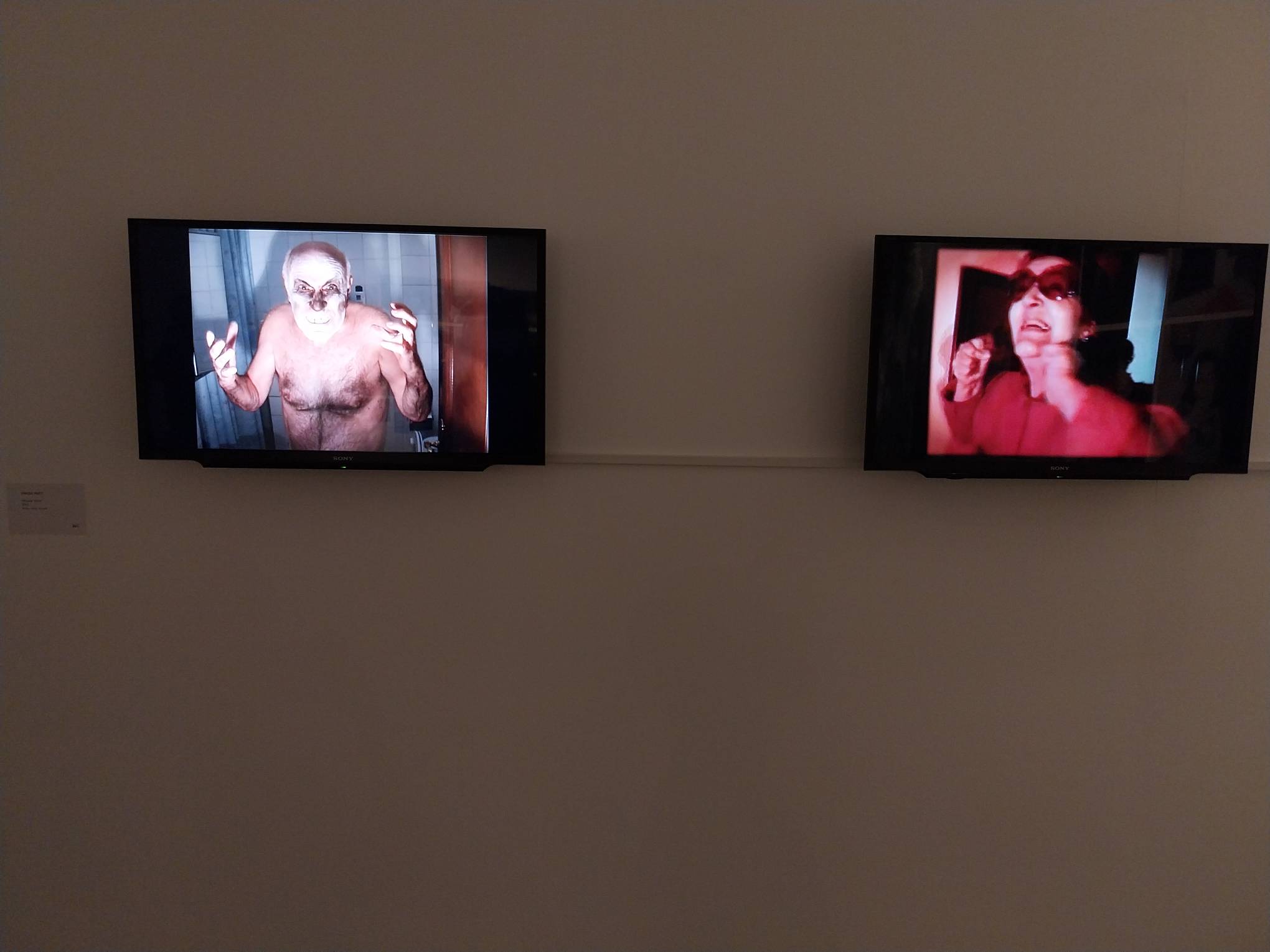
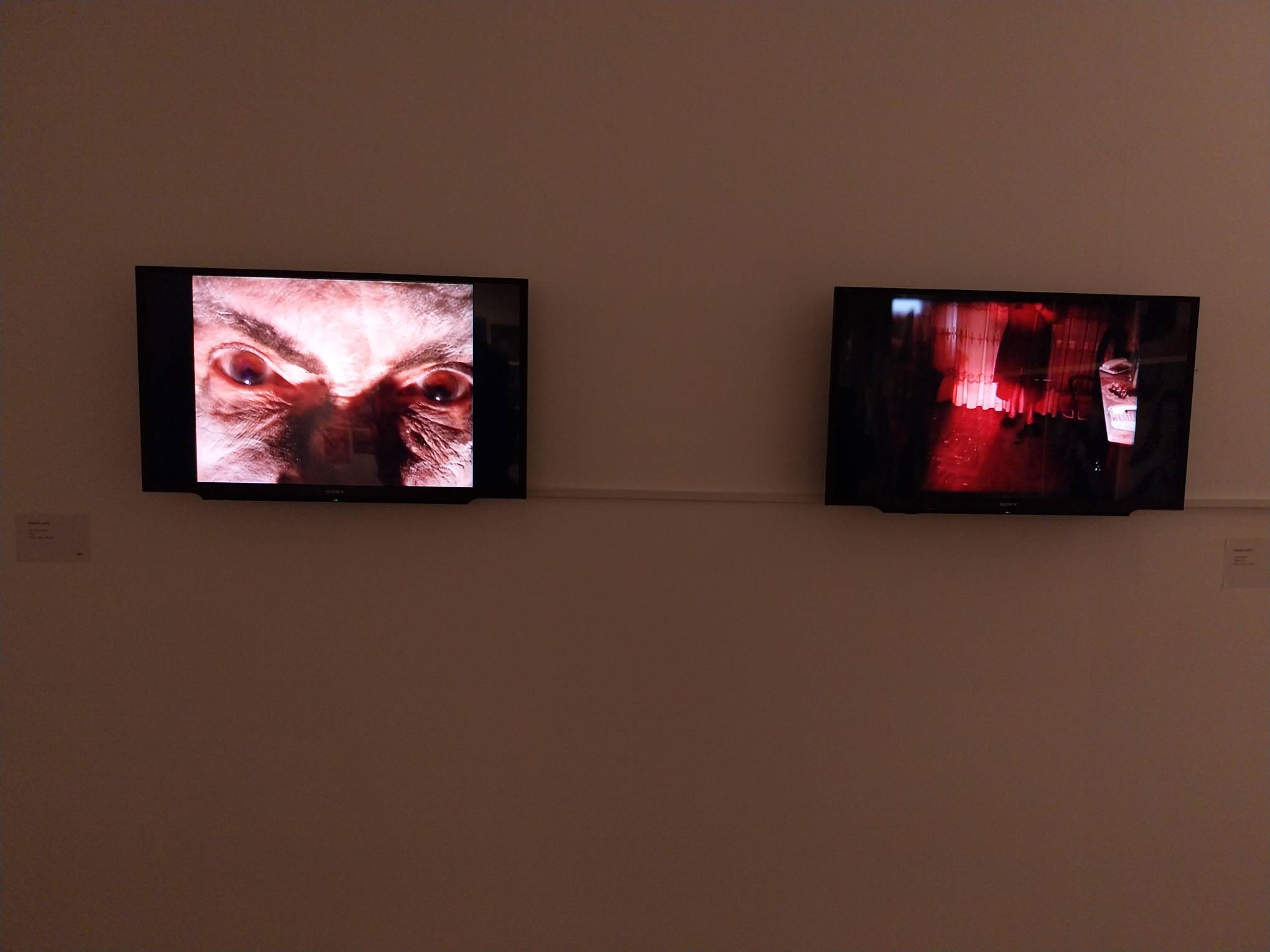
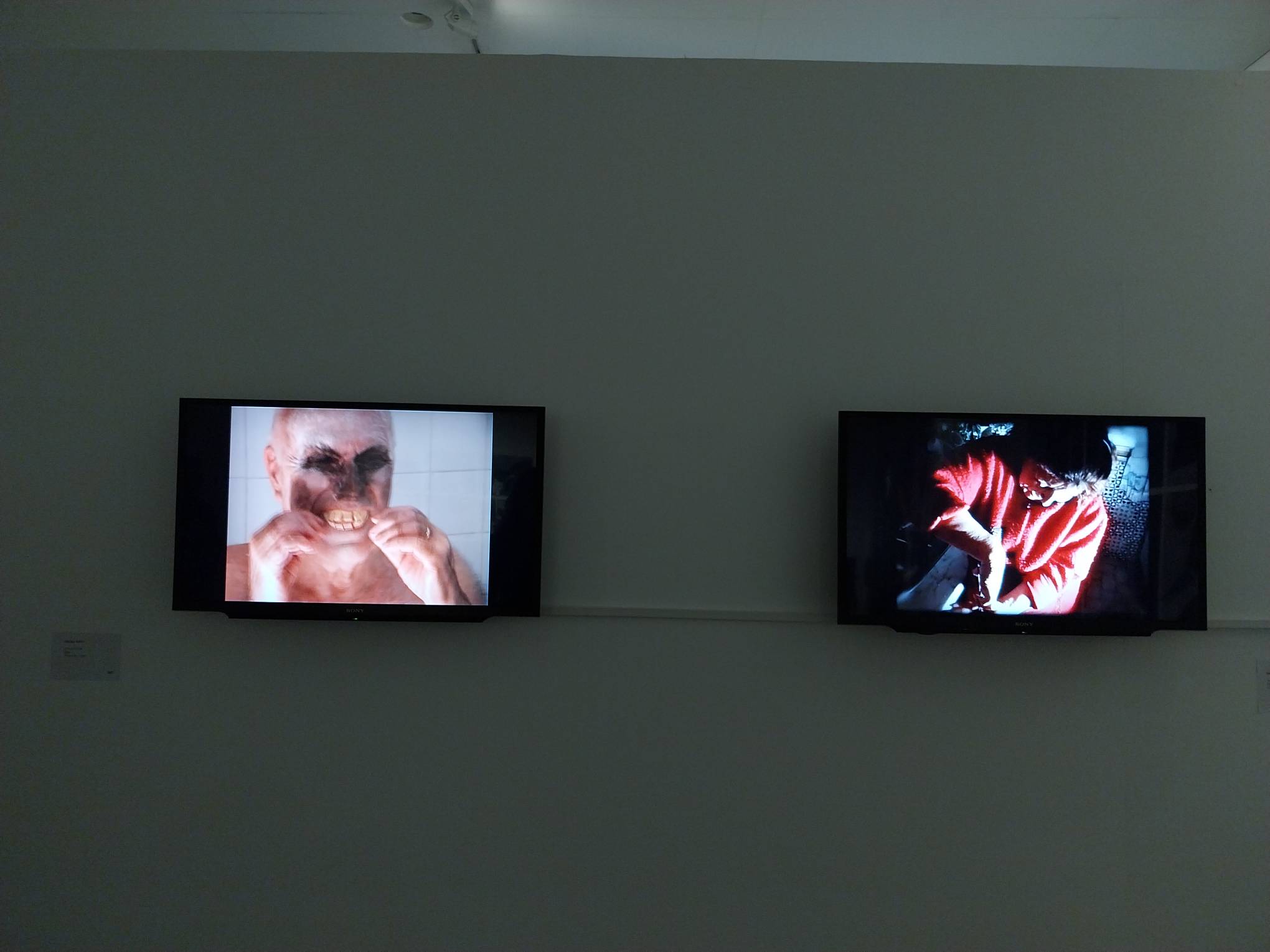
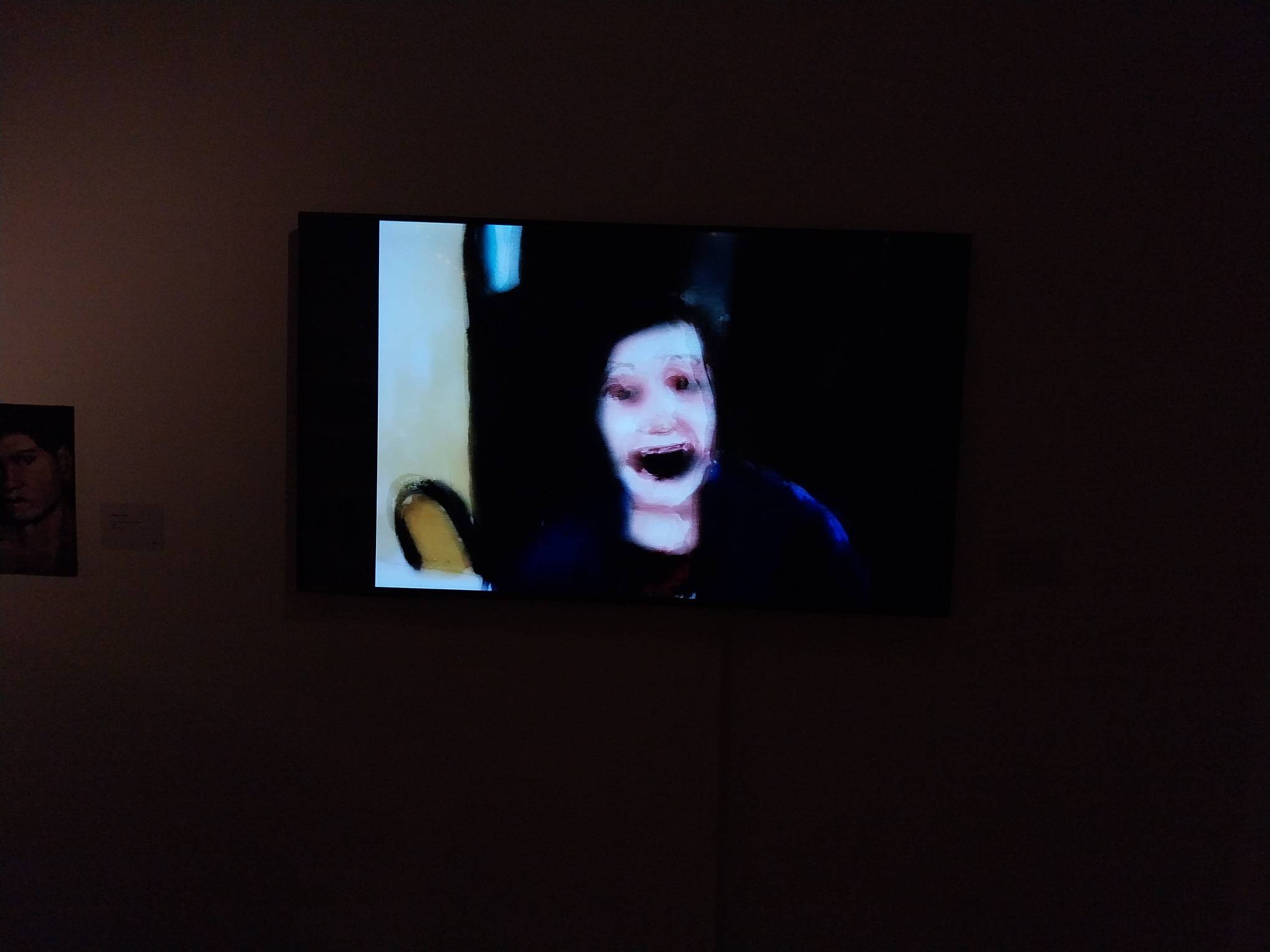
Marty evokes a sense of horror within the domestic setting that feels almost Lynchian, revealing that the monsters we fear often reside within ourselves. His work suggests that it doesn’t take much to uncover these hidden fears. By placing ordinary people in familiar spaces, he exposes the grotesque emotions lurking beneath the surface, making reality itself seem unsettling.
Crafting Our Own Realities
“Enrique’s process is more of a segregation process,” Guzmán said, describing the artist’s style. “He uses his memory, images from his own family, and makes snippets of his own reality.”
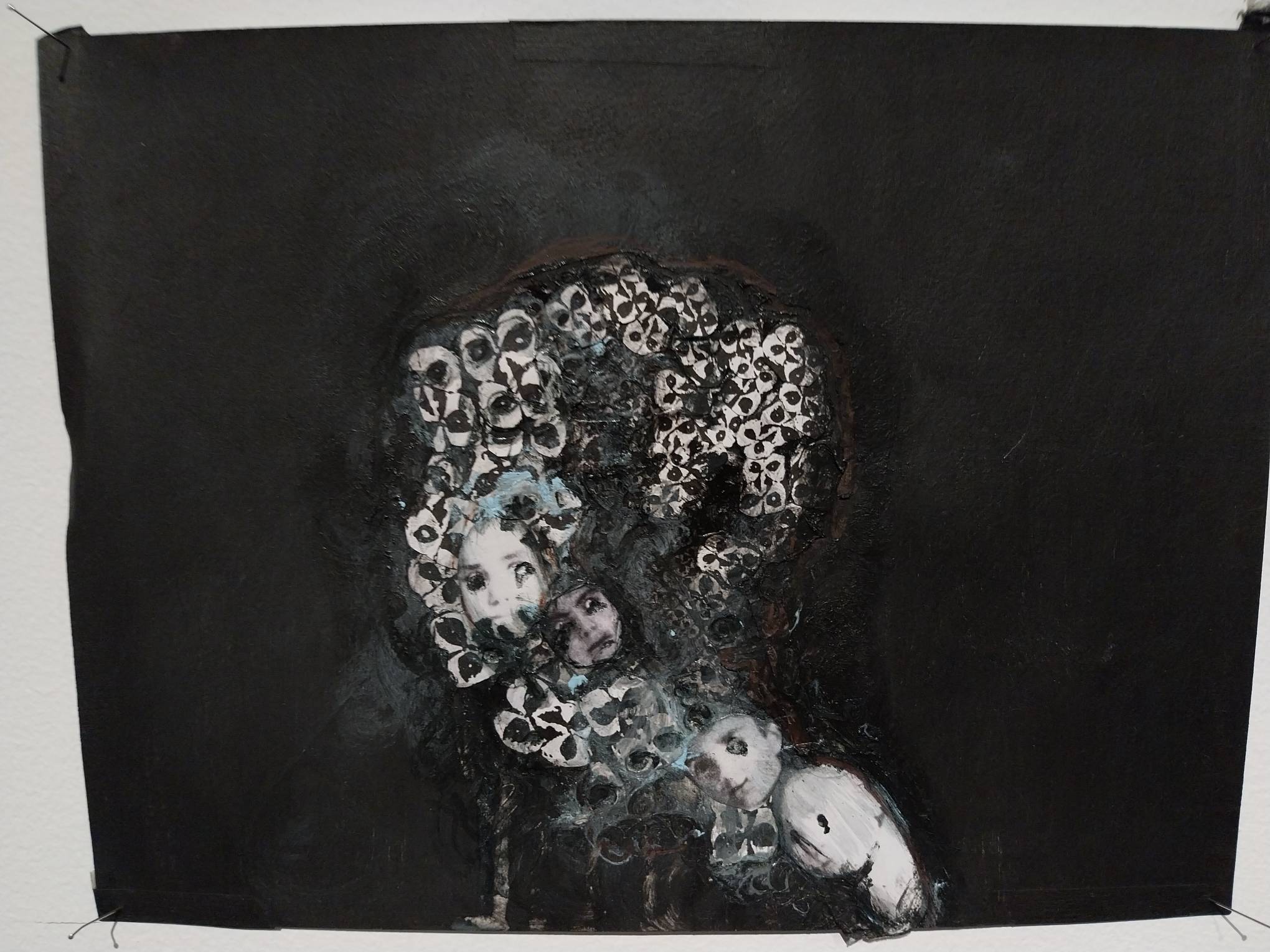
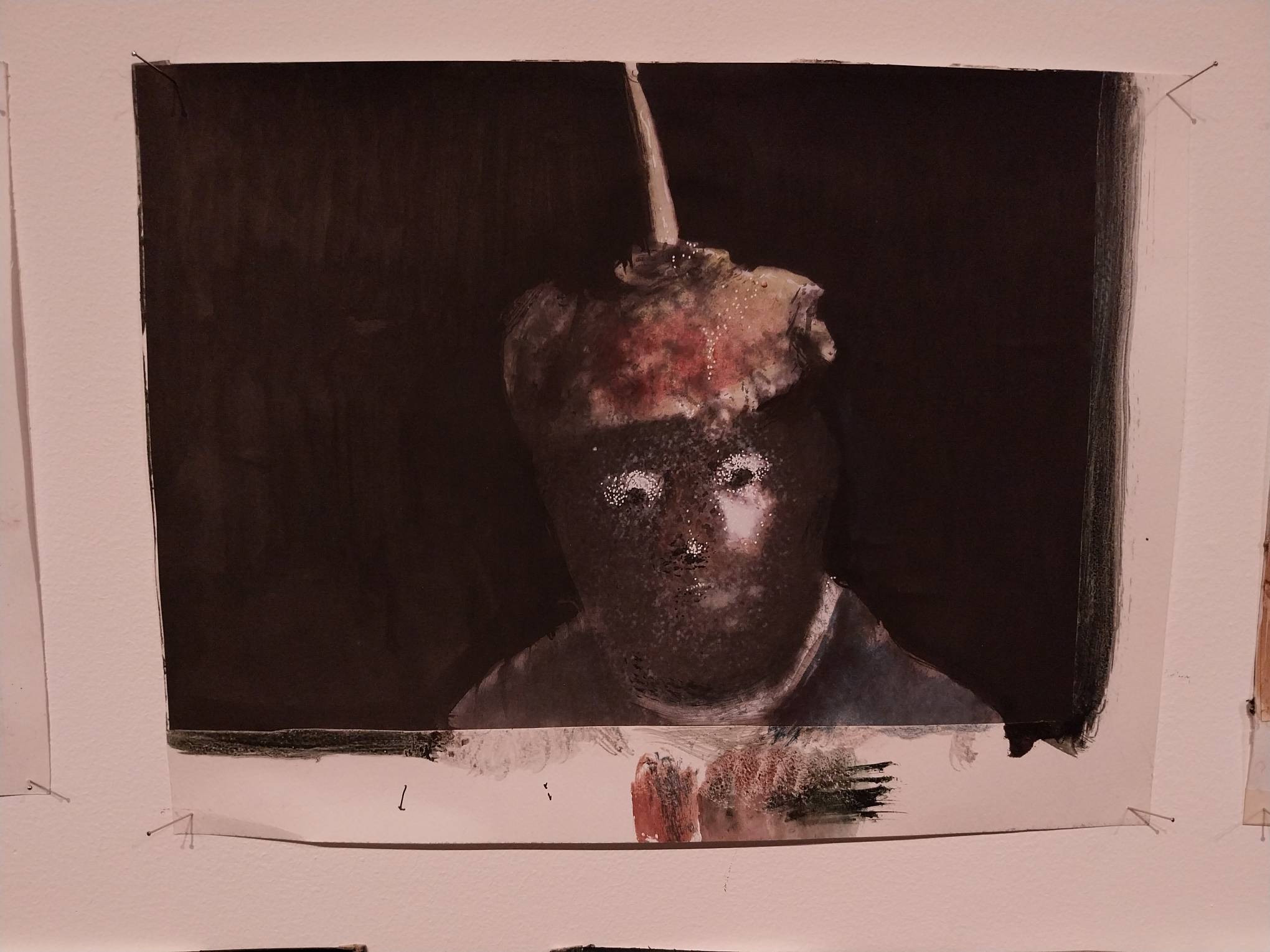
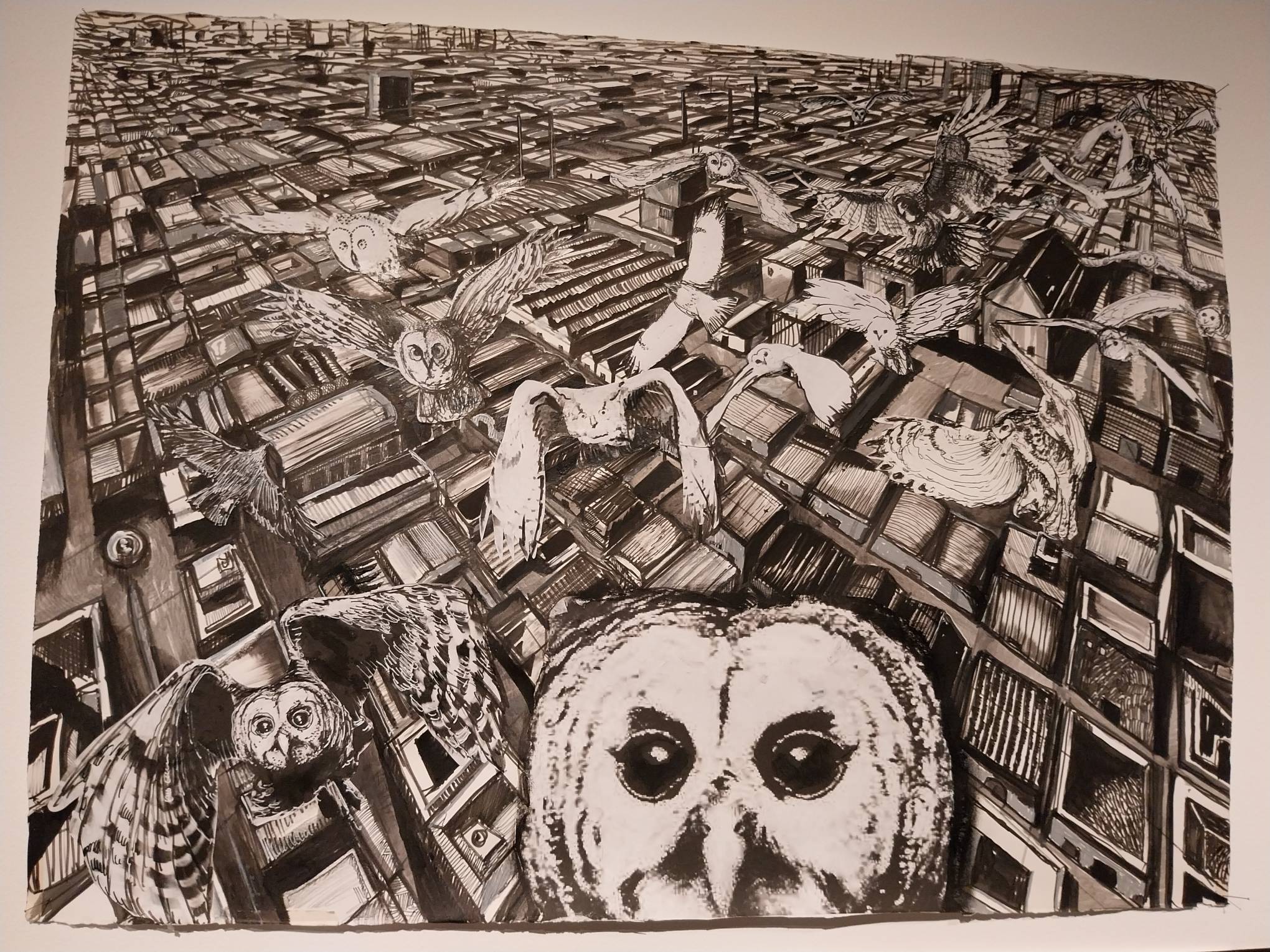
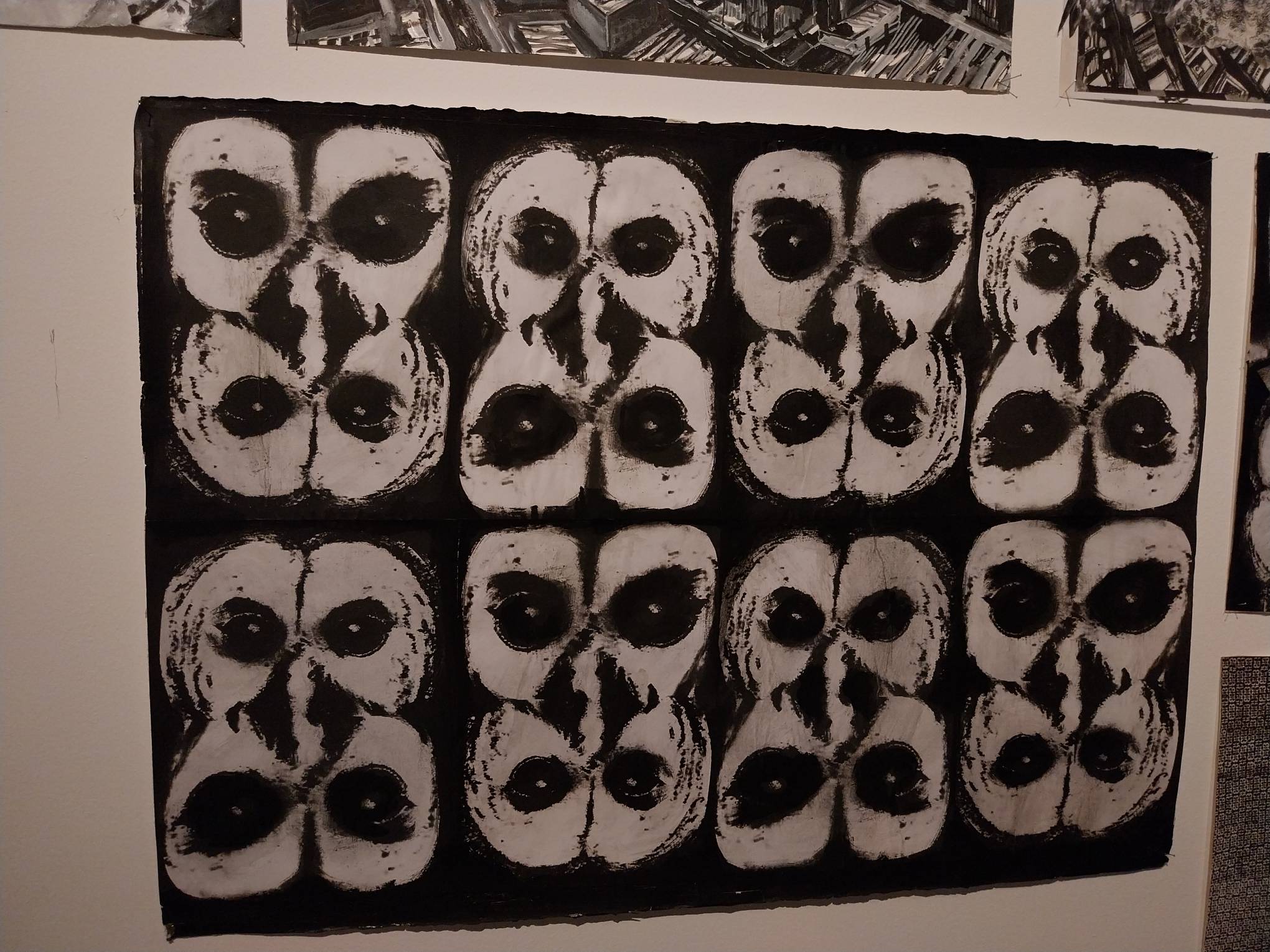
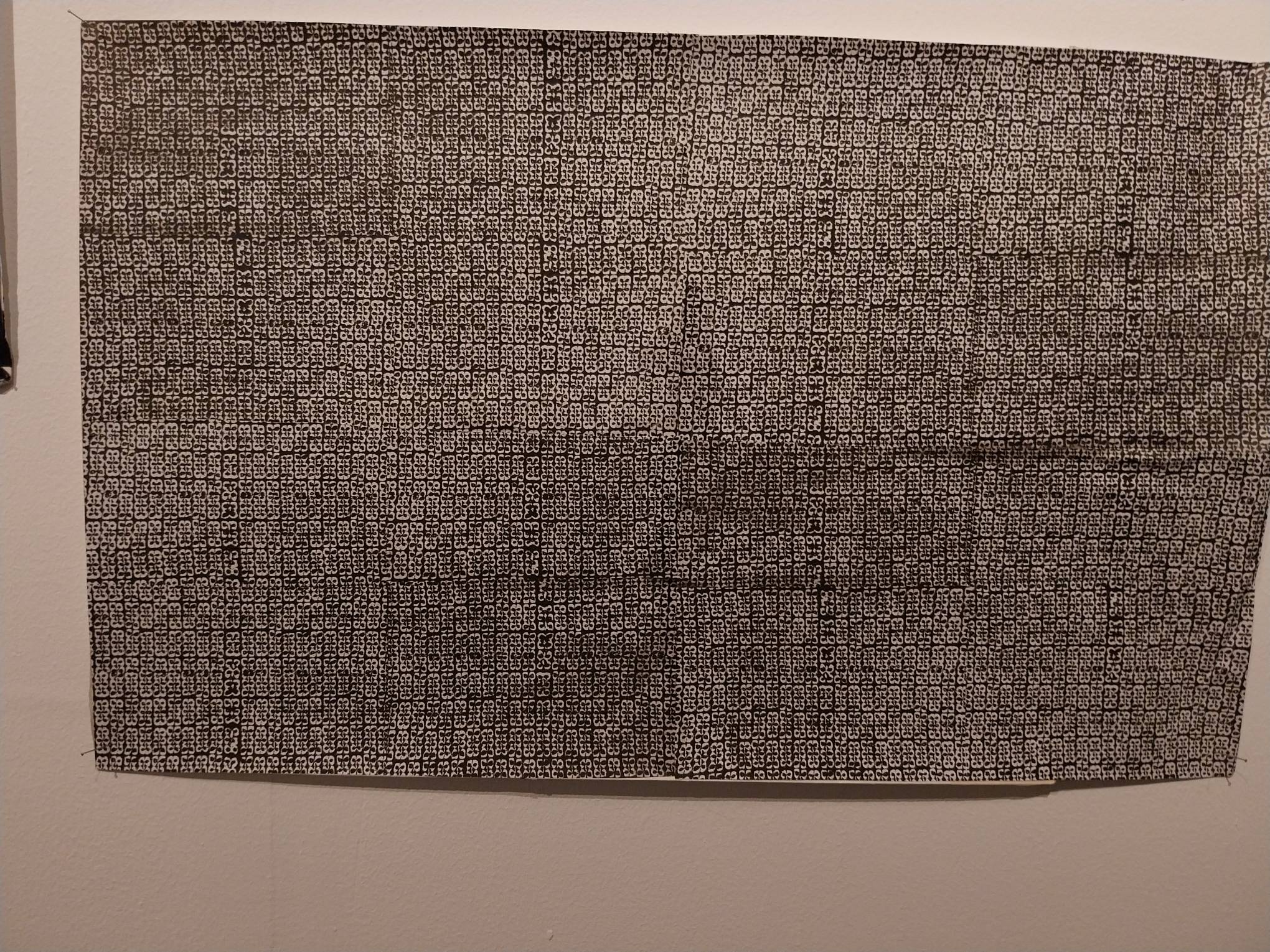
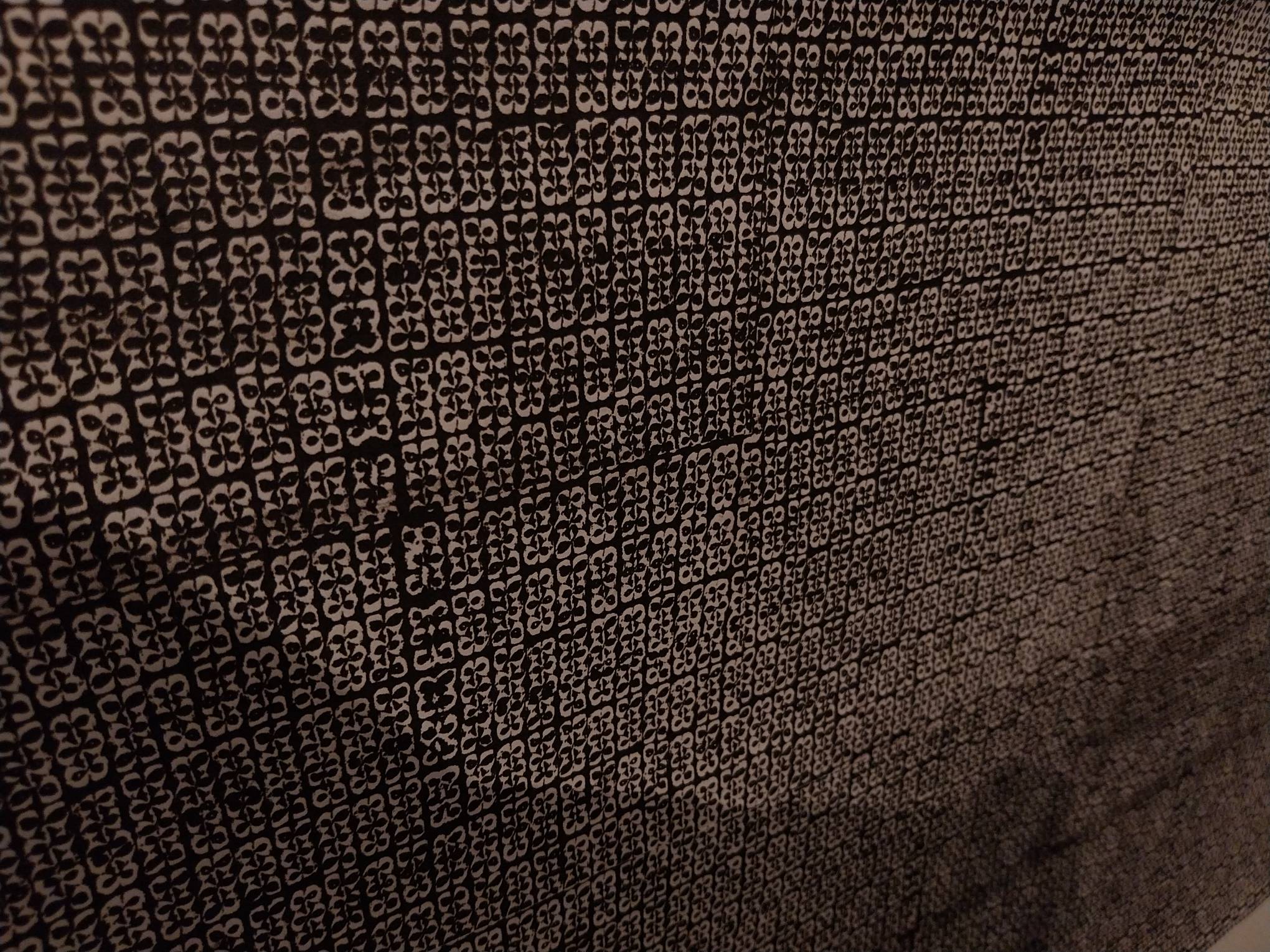
Even the works not centered on family convey a sense of despair. His series featuring owls are particularly dark and eerie. One piece feels especially unsettling, as the entire canvas is filled with tiny owl faces, almost blending into the background in a way that heightens the unease.
Hope in Community
And yet, there lies hope within Project Belonging. While Enrique Marty’s work explores despair within the family unit, the Aquilizans highlight the togetherness within it. This core difference between their work comes from their different backgrounds. the Aquilizans wield their experience as migrants to Australia to find the similarities hidden within found objects of our day-to-day lives.
The Aquilizans’ contribution to the exhibit feature small trinkets and everyday items compressed into a box reminiscent of the care packages that OFWs send to their loved ones. These seemingly disparate objects—clothes, DVDs, hangers, clocks, Tupperware—come together to form a unified representation of the meaning of family.
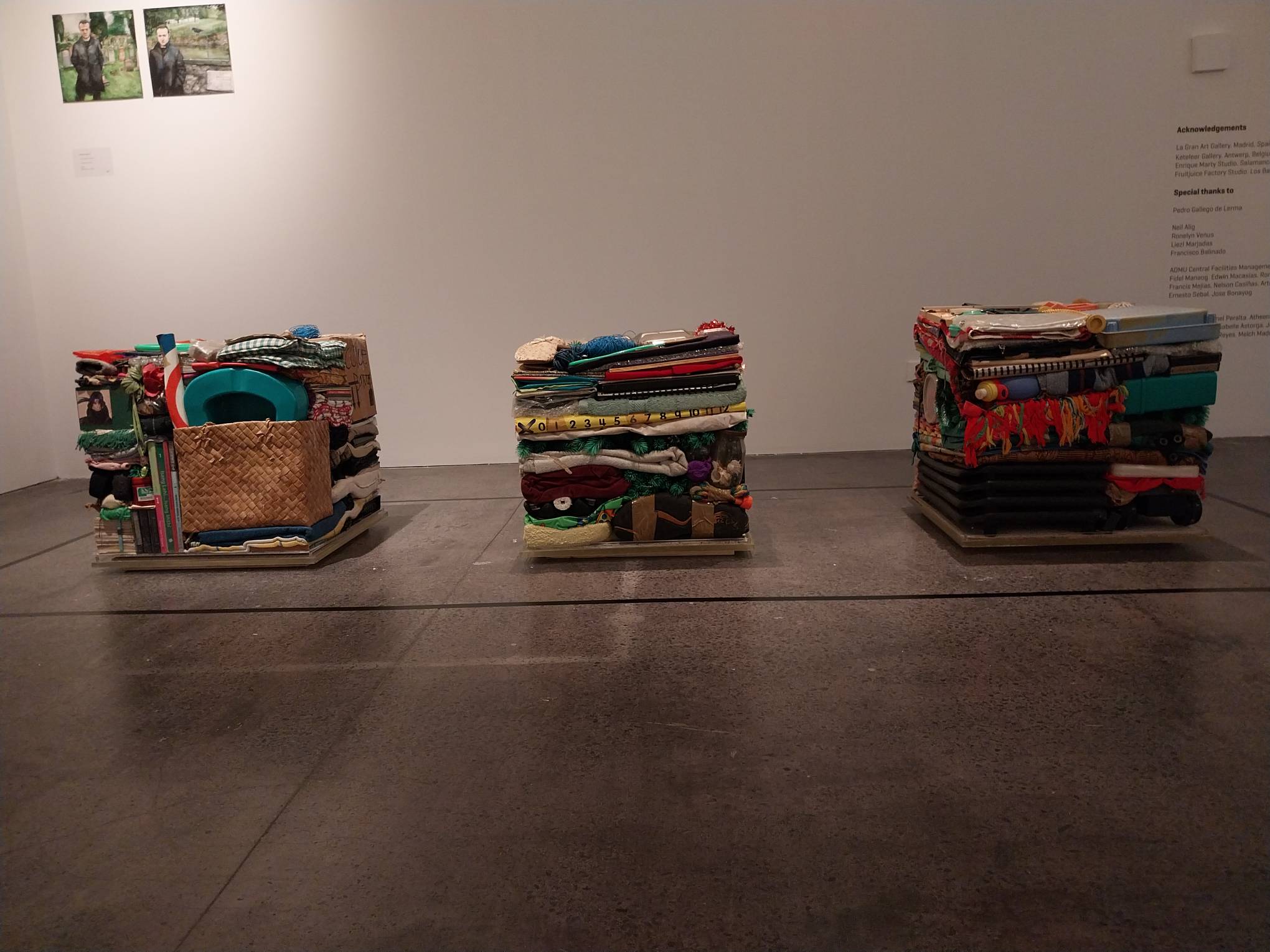
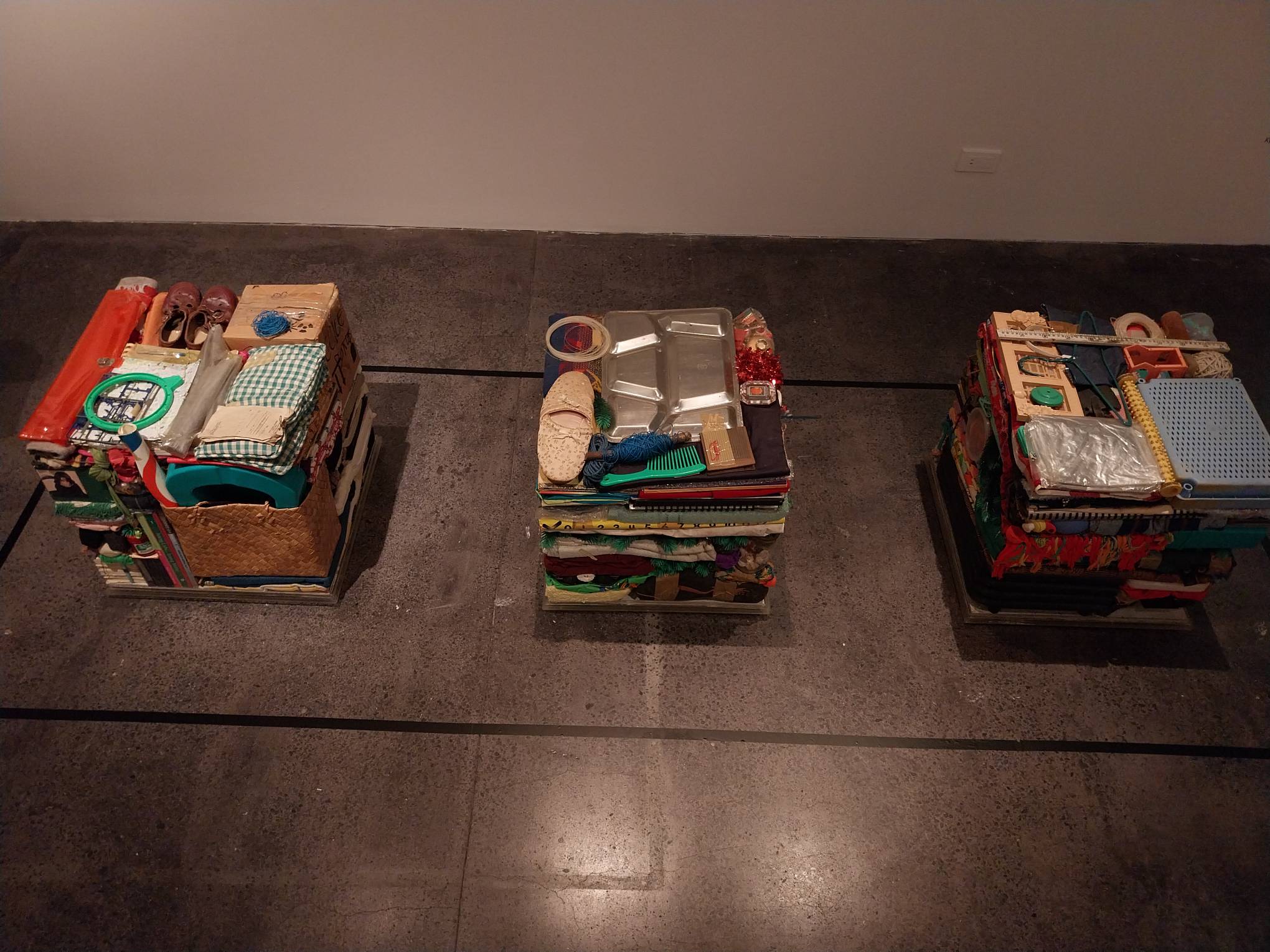
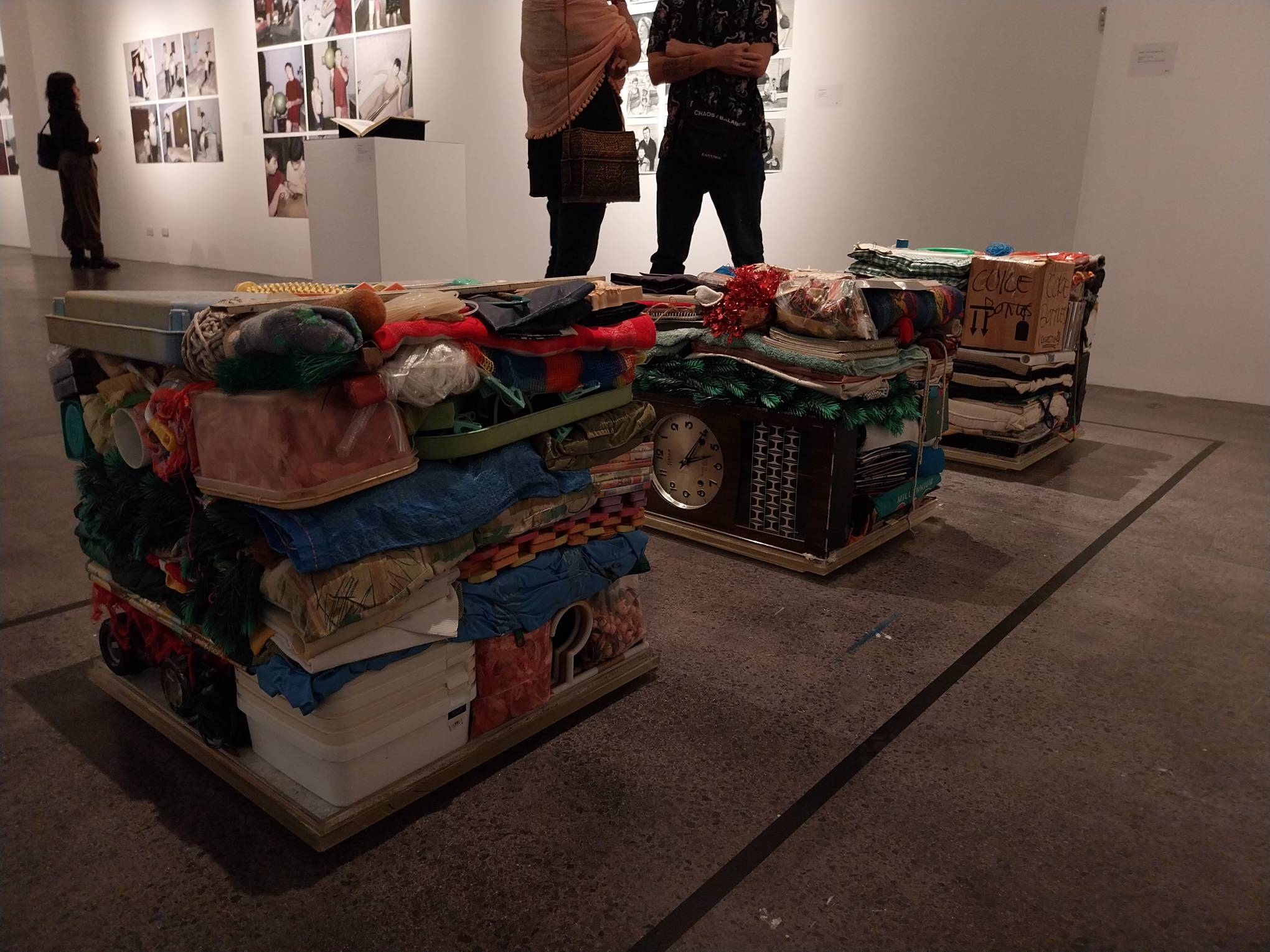
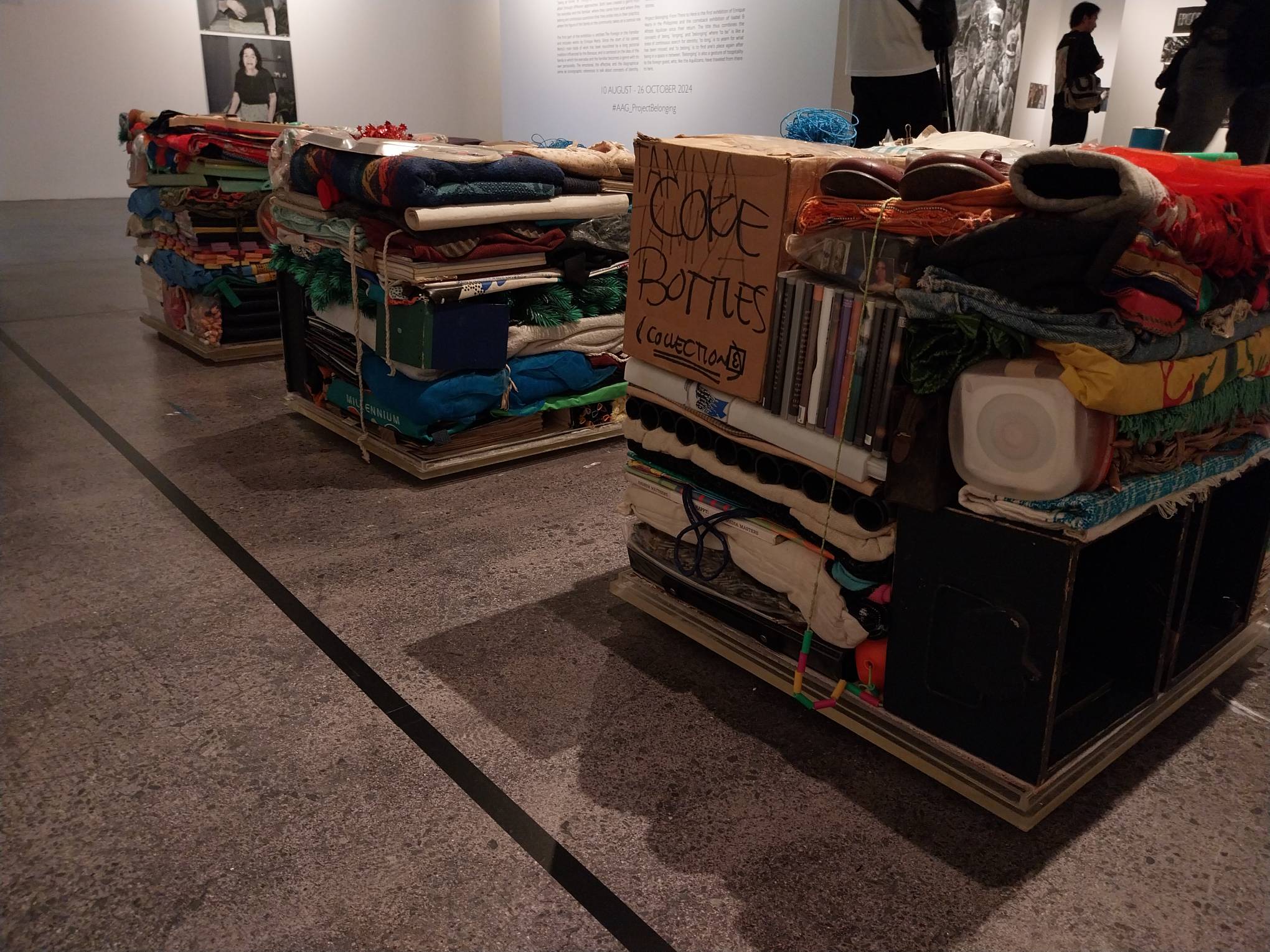
“The Aquilizans deal with it through the topic of integration,” Guzmán said about their work. “They use materials that they borrow from other people and integrate it into one whole.”
Hope in Despair
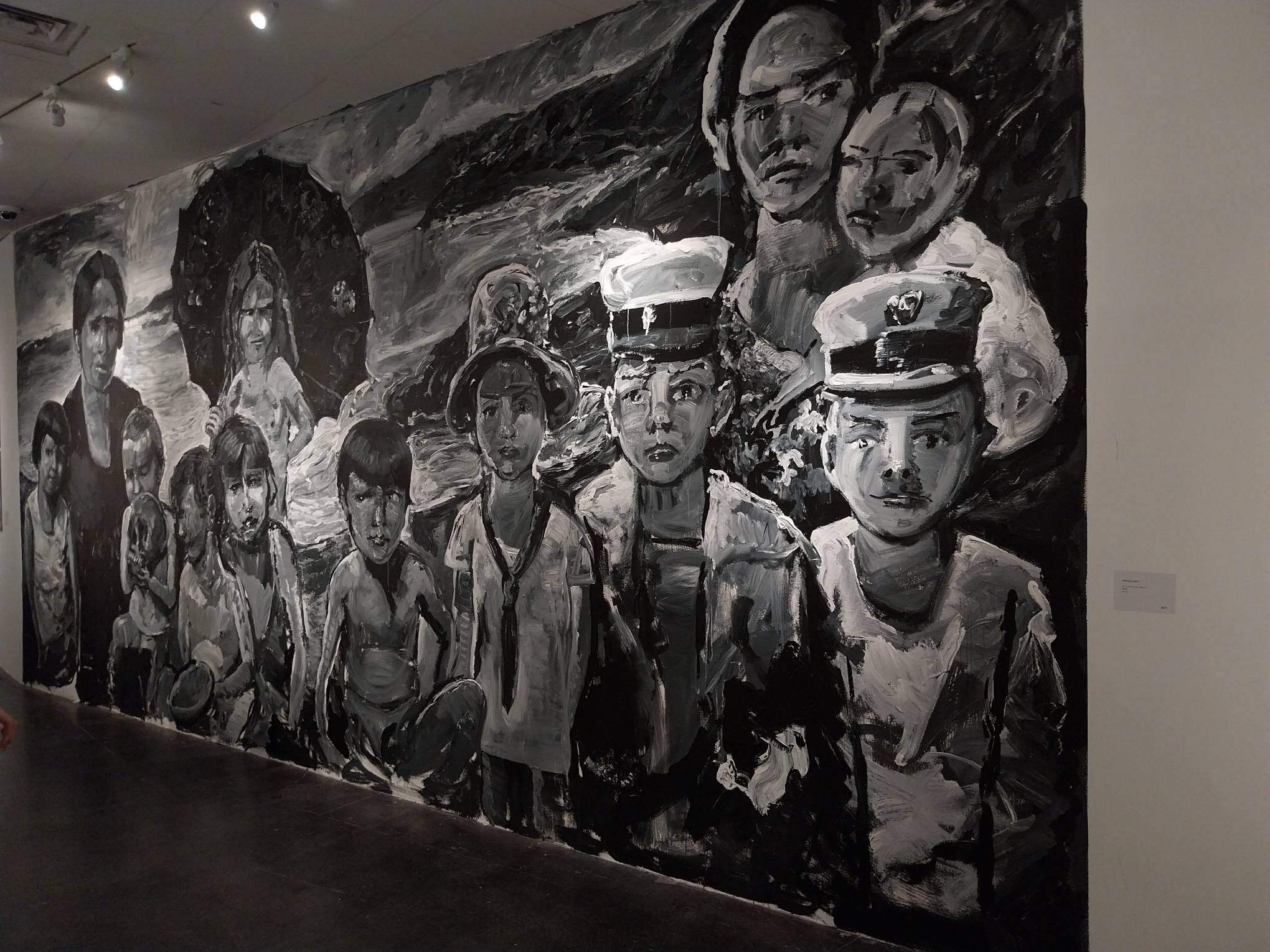
Meanwhile, Enrique Marty ended up creating a new work for the exhibit after one of his artworks had shipping problems before the start of the exhibit. The monochrome mural, painted directly onto the gallery wall, portrays a group of children and two adults posing by the sea.
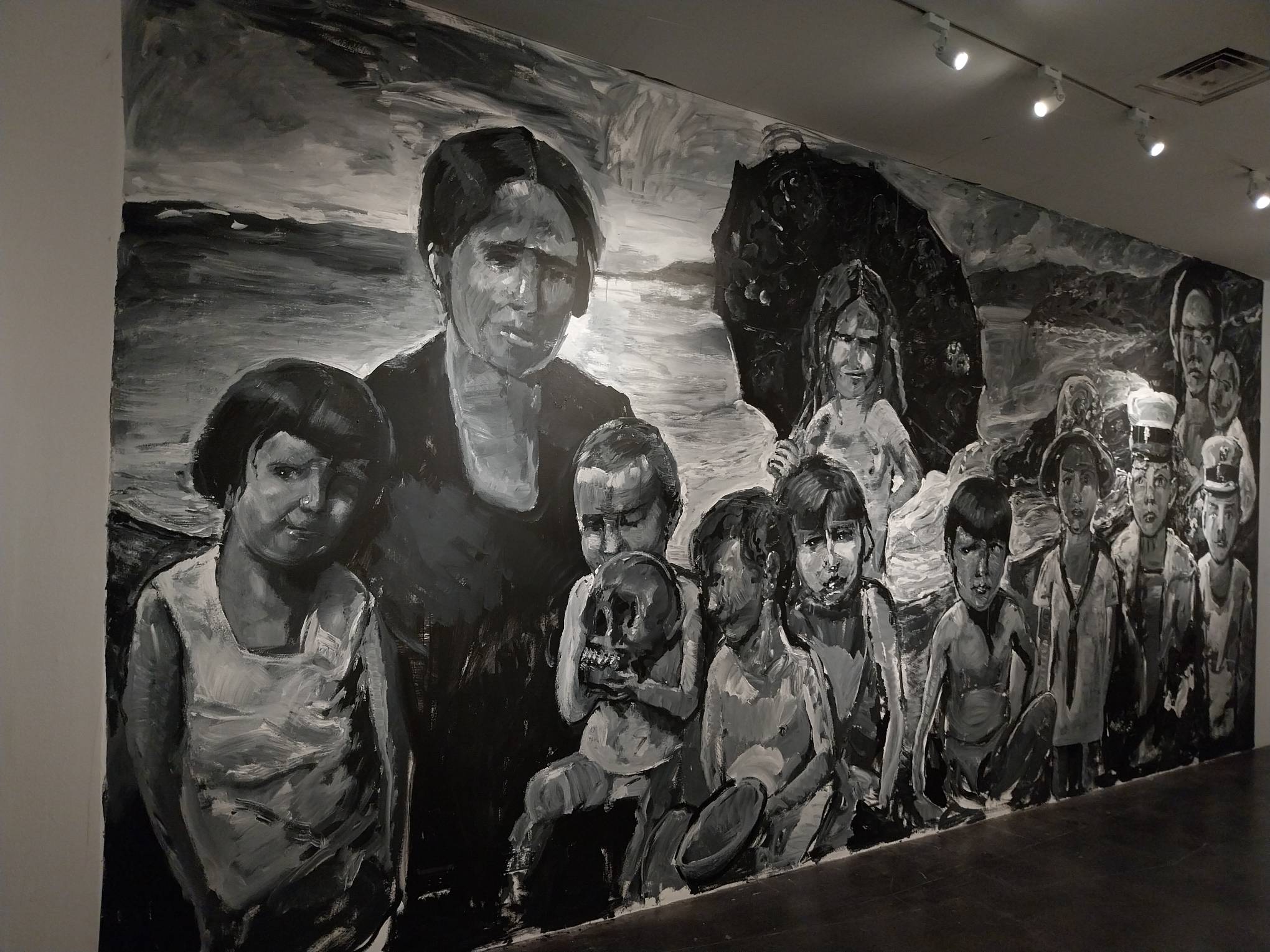
Marty’s style is both rough and detailed, as he nails each person’s facial expression. They all possess this sense of individuality, with each subject able to stand out. It’s impressively expressive and detailed given the limited time in which it was created.
The first part of Project Belonging: From There to Here explores the communities we build, capturing the uniqueness of each individual and how these differences merge to form a sense of togetherness. The project emphasizes diverse perceptions of family, showing how these varied identities come together to create a community, even when they diverge from the mainstream.
Related reading: ‘Matrix II’: Representing the Varieties of the Filipina Experience Today
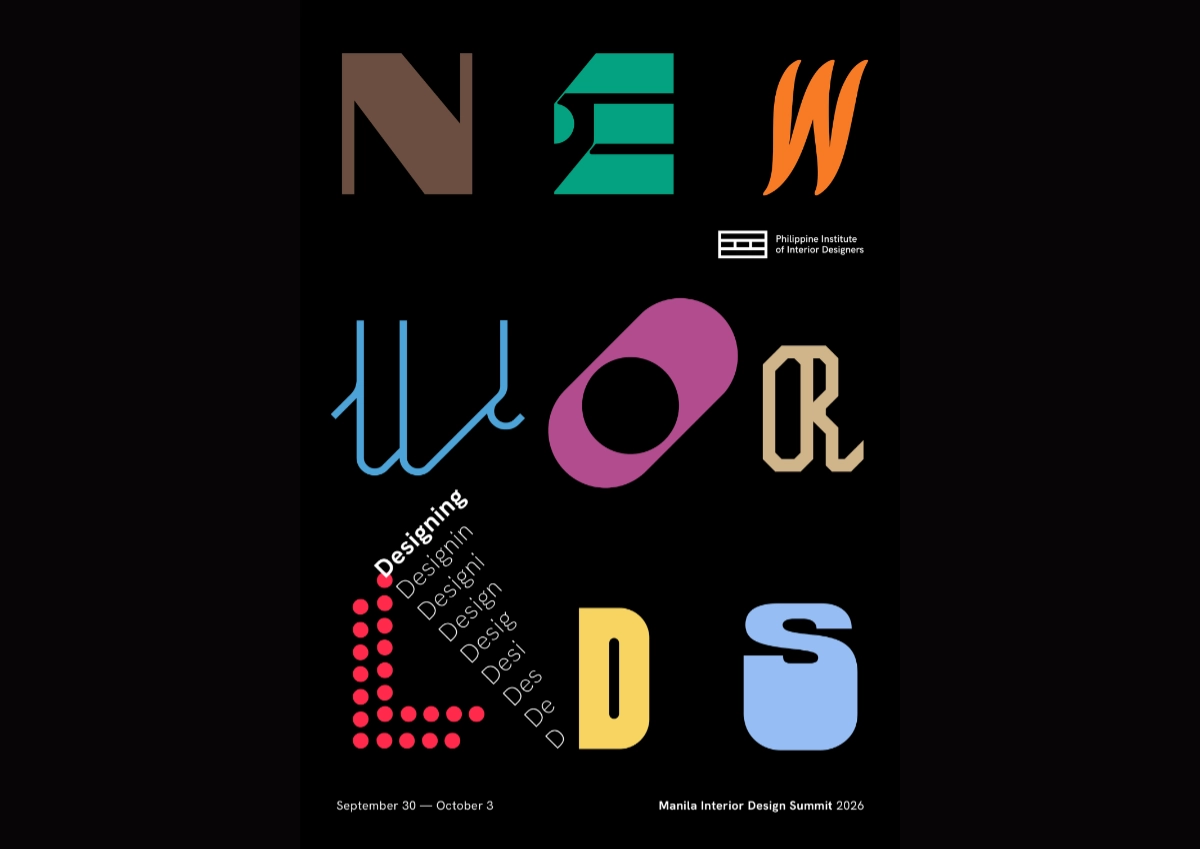
“Thailand has claimed urban creativity and livability. Singapore has institutional design leadership. Indonesia is emerging as a design hub. Vietnam is moving into design innovation. And the Philippines? Its position is not weak. It is simply unclaimed.” For IDr. Cecil Ravelas, National President of the Philippine Institute of Interior Designers (PIID), the challenge is not […]
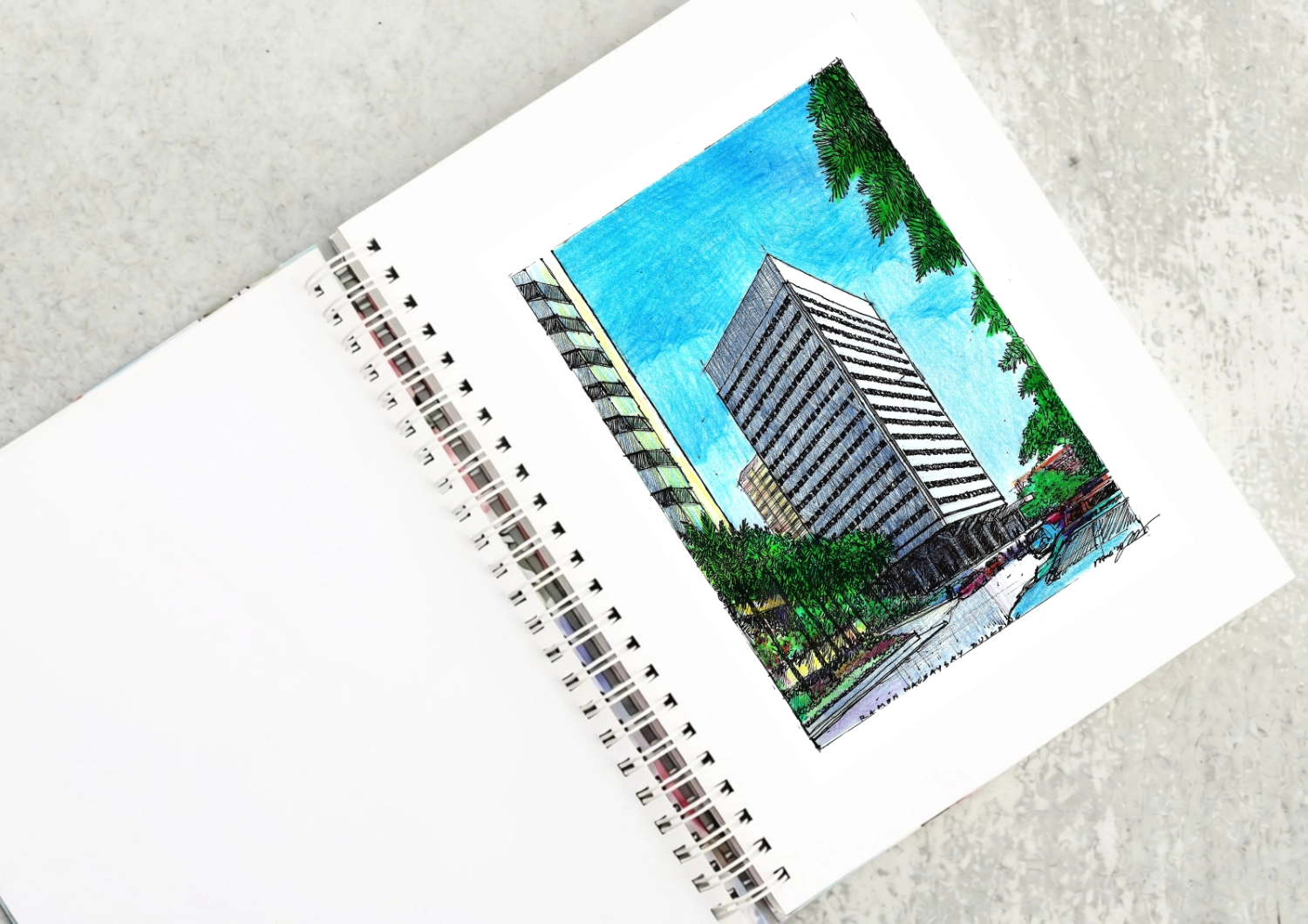
The Ramon Magsaysay Center as a Modernist Landmark Driving down Roxas boulevard from Rizal Park, what will catch your eye is the most elegant modernist structure in the country, the Ramon Magsaysay Center. Most established Filipino architects put it in their top ten lists of favorite buildings. It was designed by Alfredo J. Luz, who […]

Rinna Soriano’s favorite part of her work is sanding. At her workbench, she stays focused, following the grain, adjusting to changes in its direction. Narra, she has learned, can have interlocking grain. A piece of mango once proved particularly difficult until a worker explained that she had reached the point where a branch once grew […]
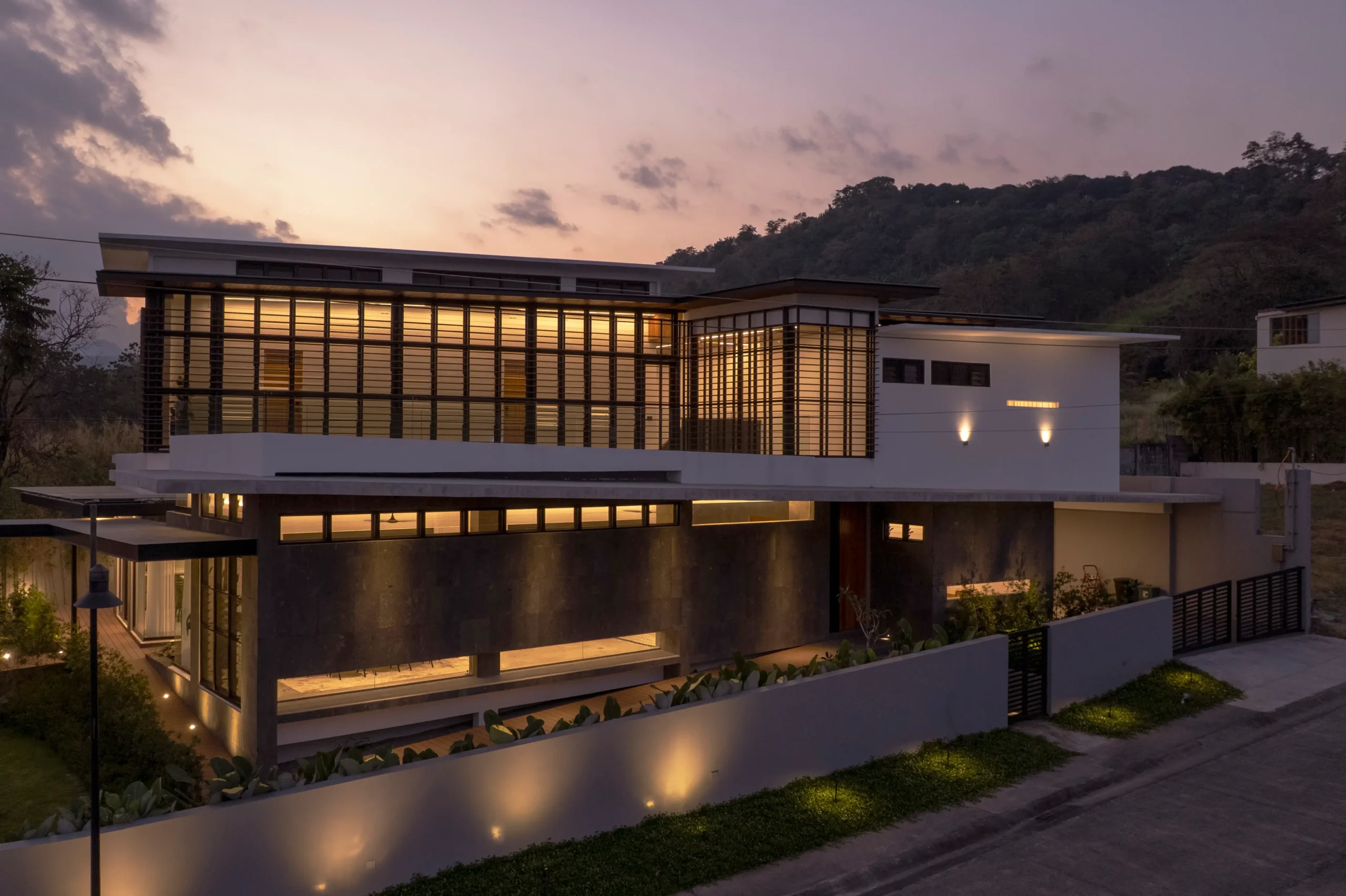
Filipino architectureArchitectureThe art and science of designing and constructing buildings, structures, and spaces that are functional, safe, and aesthetically pleasing. It encompasses the planning, design, materials, and techniques used to createGo to Architecture Glossary has long been associated with indigenous materials and vernacular design strategies, from bamboo and timber construction to jalousie windows, generous spaces, […]
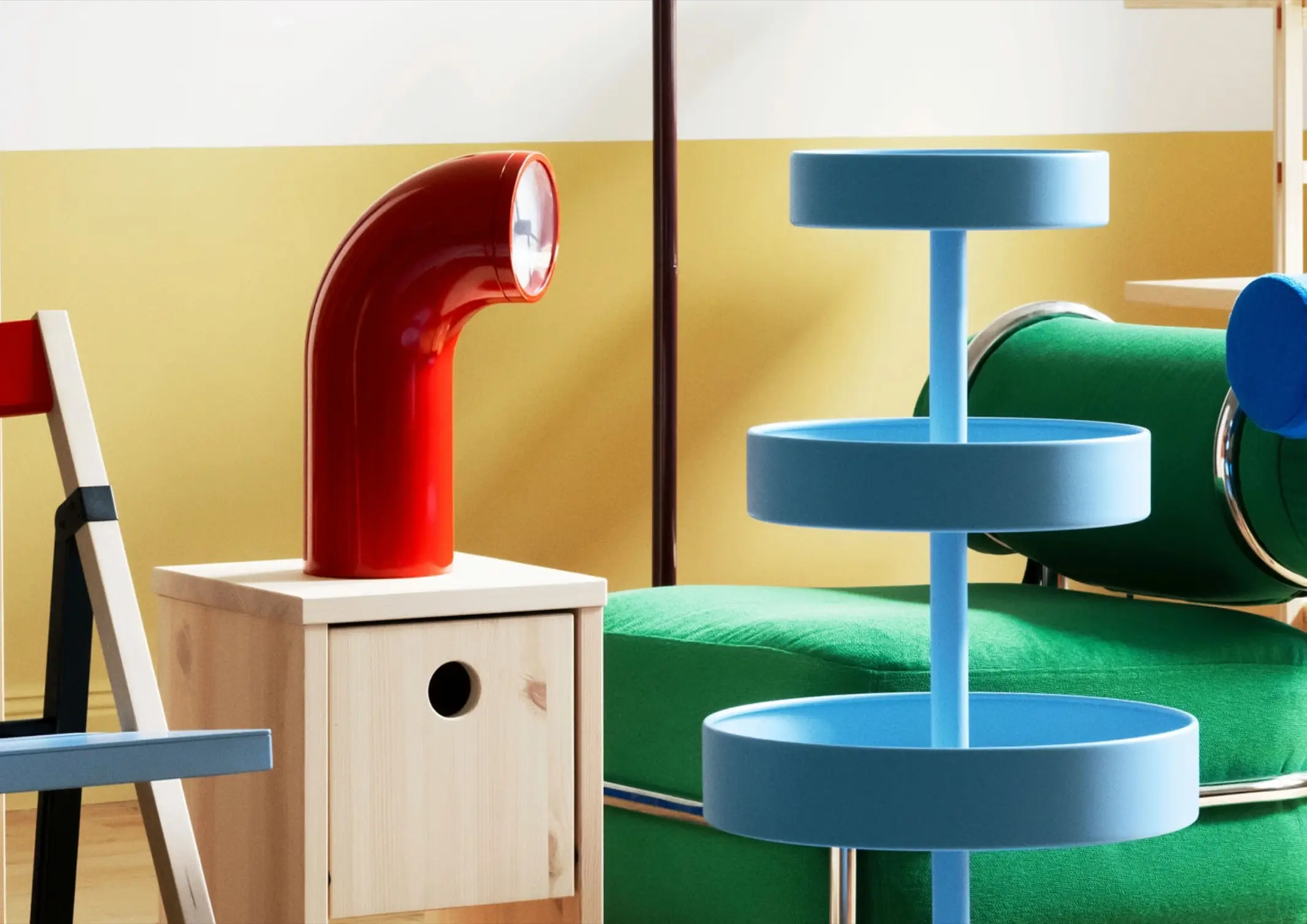
A chair does not always prescribe how to sit in it. A lamp can be more than a source of light. A clock can be more than a way to tell the time.These small departures from convention are at the center of IKEA PS 2026. The latest iteration of IKEA’s experimental PS series comprises more […]
Read the issues.

Collect the volumes.

Recommended Video
Tap to Unmute
Unmute
0:00
0:00