A kitchen is one of the hardest-working spaces in a home. It must withstand daily wear, changing routines, evolving technologies, and shifting lifestyle needs while remaining visually coherent within the larger architectural narrative. While every project has its own requirements, experienced designers often return to a similar set of considerations when evaluating a kitchen. Here […]
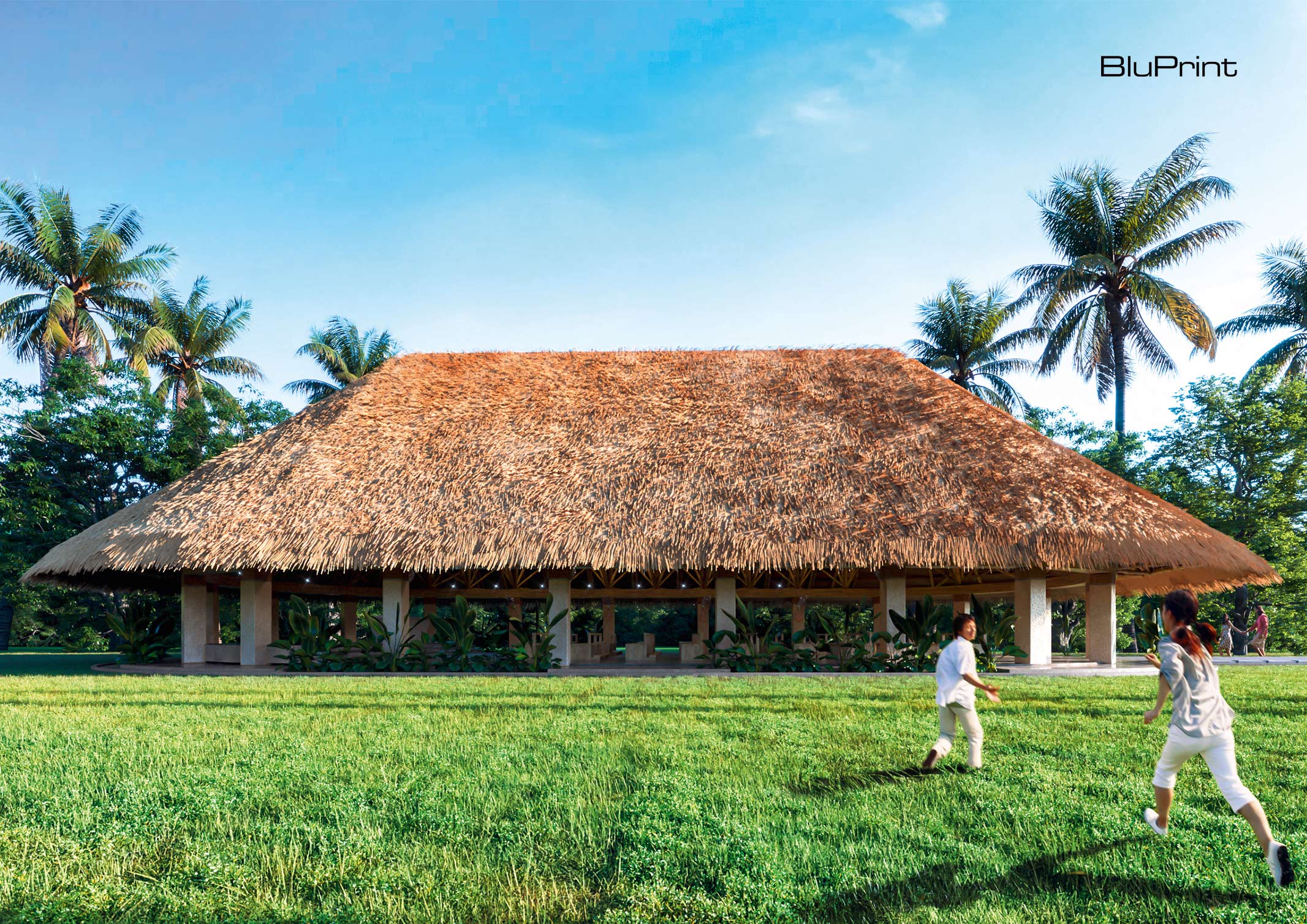
The Architecture of Change: New Innovations You Need to Know



The future is filled with uncertainty, as it can be molded by anything and everything. Planners inherently have to speculate how the present conditions of today will unfold tomorrow. Three pioneering firms—Sangay Architects, ESCA, and Cali Architects—demonstrate how embracing these changes can lead to organic opportunities, new ways of creating, and the possibilities in how we shape our lives.
Sangay Architects’ Modernization of Natural Materials
The integration of natural materials holds potential for wider adoption in urban environments. In the Philippines and other places in the world, bamboo proves to be a versatile material. Bamboo’s raw form is often linked to tropical settings because of its rugged and natural aesthetic, making it seem incompatible with modern urban landscapes. Christian Salandanan, Principal Architect of Sangay Architects, however, challenges this perception. The firm’s specialization and expertise elevates this traditional material by showcasing its unique sophistication. By studying bamboo’s benefits and limitations, Sangay Architects can use it in a purposeful manner.
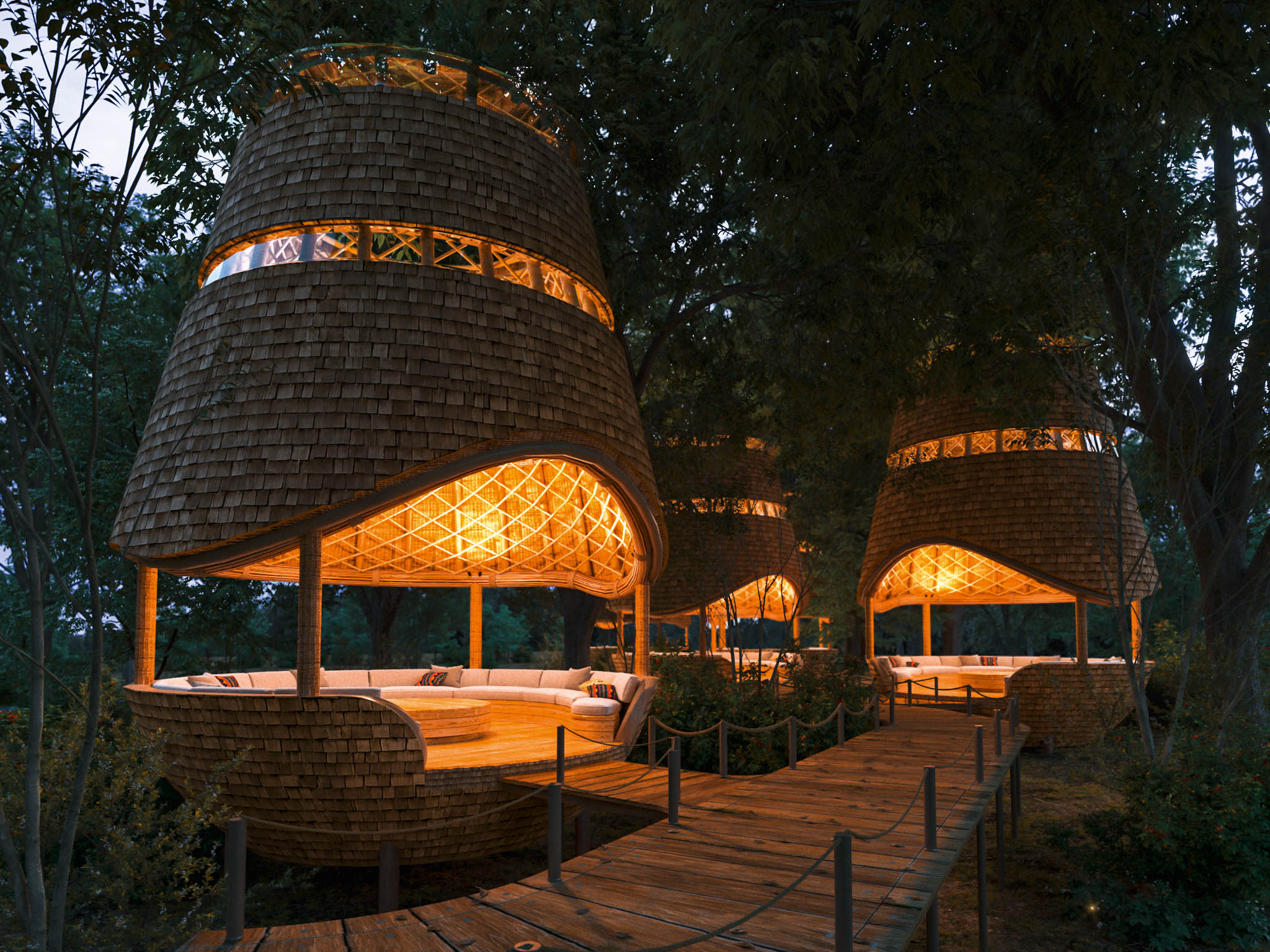
To integrate bamboo to modern and urban settings, it needs to be protected and conditioned first, as it is an organic material. This treatment process will allow it to withstand the elements, or else it would rot. But the effort is worth it, as bamboo offers a unique visual flavor, which Salandanan integrates into their designs. Their firm’s work displays a compelling fusion of modern materials in juxtaposition with this tropical timber. Their nuanced approach highlights its best qualities while adjusting to what spatial requirements call for.
ESCA’s Push for Global Competitiveness
Technological advancements continually reshape design processes. The introduction of AutoCAD decades ago revolutionized drafting, transitioning from manual techniques to computer-aided design. The adoption of this tool was met with initial resistance but eventually has now become synonymous with the practice.
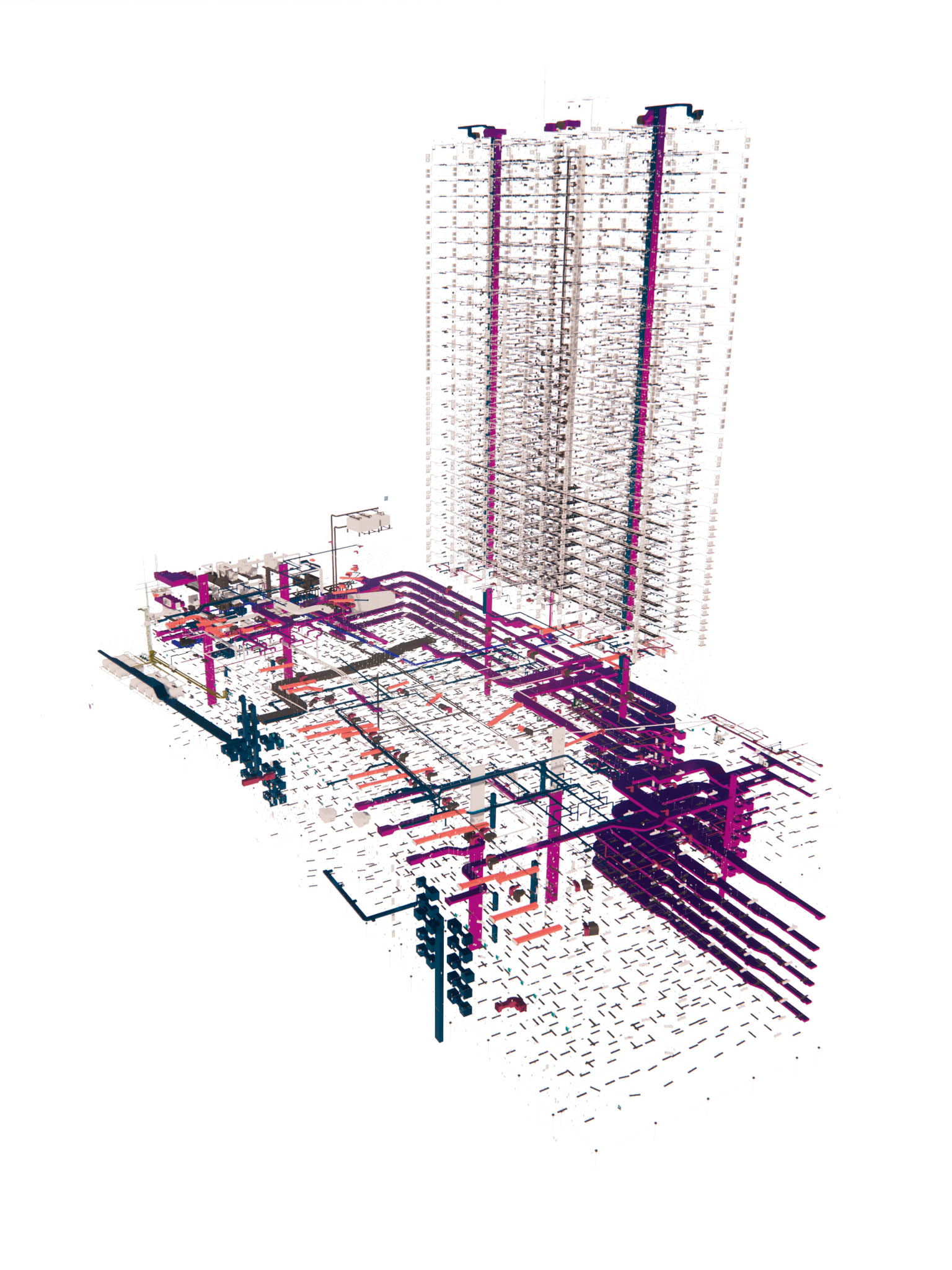
This pattern now repeats with Building Information Modeling (BIM), which transcends traditional CAD by creating dynamic, information-rich models instead of static drawings. By its merits, it is now an international standard (ISO 19650) that is often required in other countries such as the United States, Singapore, and the United Kingdom.
Ernesto de Castro, ESCA Engineering’s founder and president, champions these innovations as their firm specializes in BIM implementation in the Philippines—a revolutionary shift in how we conceive, build, and manage structures. The firm promotes its use locally and offers training to numerous companies across the country for its widespread adoption.
Cali Architects’ Inspired Forms of Change
The emergence of new cities and widespread infrastructure presents a new frontier for Filipino architecture. Across the archipelago, different environments, local conditions, and stylistic requirements bring about a plethora of contexts that designers have to adapt to.
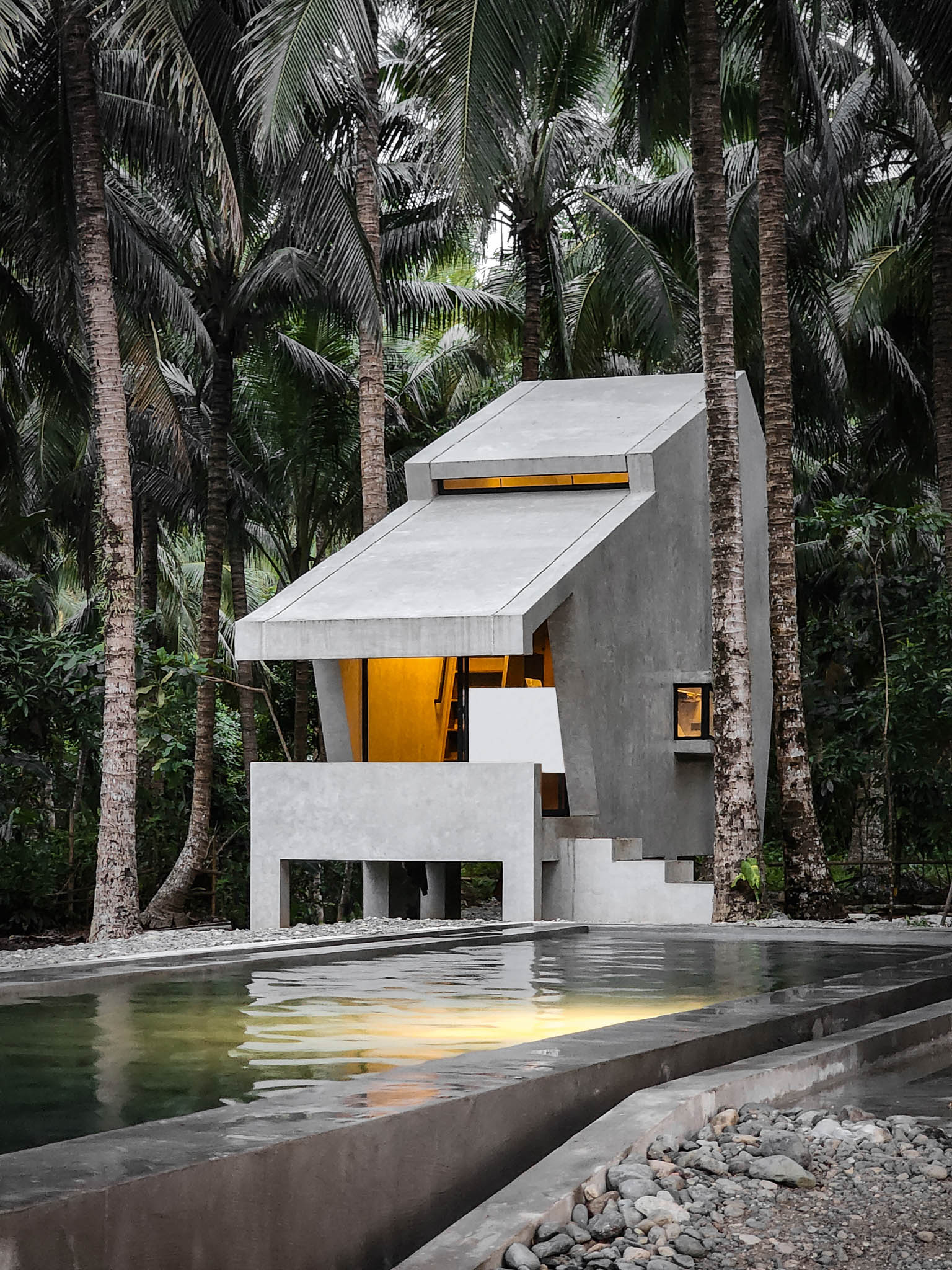
Amon Cali, Principal Architect of Cali Architects, shares how these changes have shaped his practice of architecture. The firm considers how architecture is a combination of art and real estate. Reflecting on his experiences, Cali shares that both elements of popular culture and practical realities nurtured his fascination with the high art of building design. Fashion runway shows, with their avant-garde backdrops, inspired his understanding of how spaces can amplify human presence. In conjunction, the need for shelter and what it can offer drives Cali Architects’ approach to spatial design.
Based in Baguio City, the firm primarily works in rural settings throughout the country. Whether it be summits above the clouds or by the shores of the Pacific, their designs adapt and offer a bold vision for provincial life and what these unique environments can offer us.
Creating Tomorrow, Today
The future of design emerges as a synthesis of seeming opposites between societal forces of tradition, modernity, natural, and digital. This holistic approach and perspective point toward a bright future – where sustainability becomes not just a goal but a natural outcome, technology enhances rather than replaces creativity, and spaces are created not just to be occupied, but to be lived with.
Read the full feature on The Architecture of Change by ordering your copy of BluPrint Volume 2, available via the sarisari.shopping website, Shopee, and Lazada. E-magazines are available for download via Readly, Press Reader, and Magzter.
Images courtesy of the respective firms.
Read more: Ezra Viniti Resort: Embracing Nature
Frequently Asked Questions
Sangay Architects elevates bamboo from its traditional rural roots by applying rigorous treatment and conditioning processes to the organic timber. This allows the material to withstand urban elements and rot, enabling a sophisticated fusion of “tropical timber” with modern building materials to meet contemporary spatial requirements.
Building Information Modeling (BIM) is a dynamic, information-rich modeling process that has replaced static CAD drawings as the international standard (ISO 19650). ESCA Engineering leads the push for BIM in the Philippines to ensure global competitiveness, as this technology is now a mandatory requirement for major projects in countries like Singapore and the United Kingdom.
Cali Architects focuses on the intersection of “high art” and practical real estate, designing structures that respond to diverse local conditions—from the highlands of Baguio to the shores of the Pacific. Their approach is heavily influenced by avant-garde aesthetics, such as fashion runway backdrops, to create spaces that amplify human presence within rural landscapes.
Similar to how AutoCAD transitioned the industry from manual drafting to computer-aided design, BIM represents a shift from 2D drafting to managing a building’s entire lifecycle through data. It allows for better conceiving, building, and managing of structures, which ESCA identifies as essential for the Philippines to meet modern international construction standards.
The “Architecture of Change” is defined by a synthesis of traditional materiality (bamboo), advanced digital technology (BIM), and cultural shifts in how spaces are occupied. The goal is a future where sustainability is a natural outcome and technology serves to enhance human creativity rather than replace it, resulting in spaces that are truly lived in.
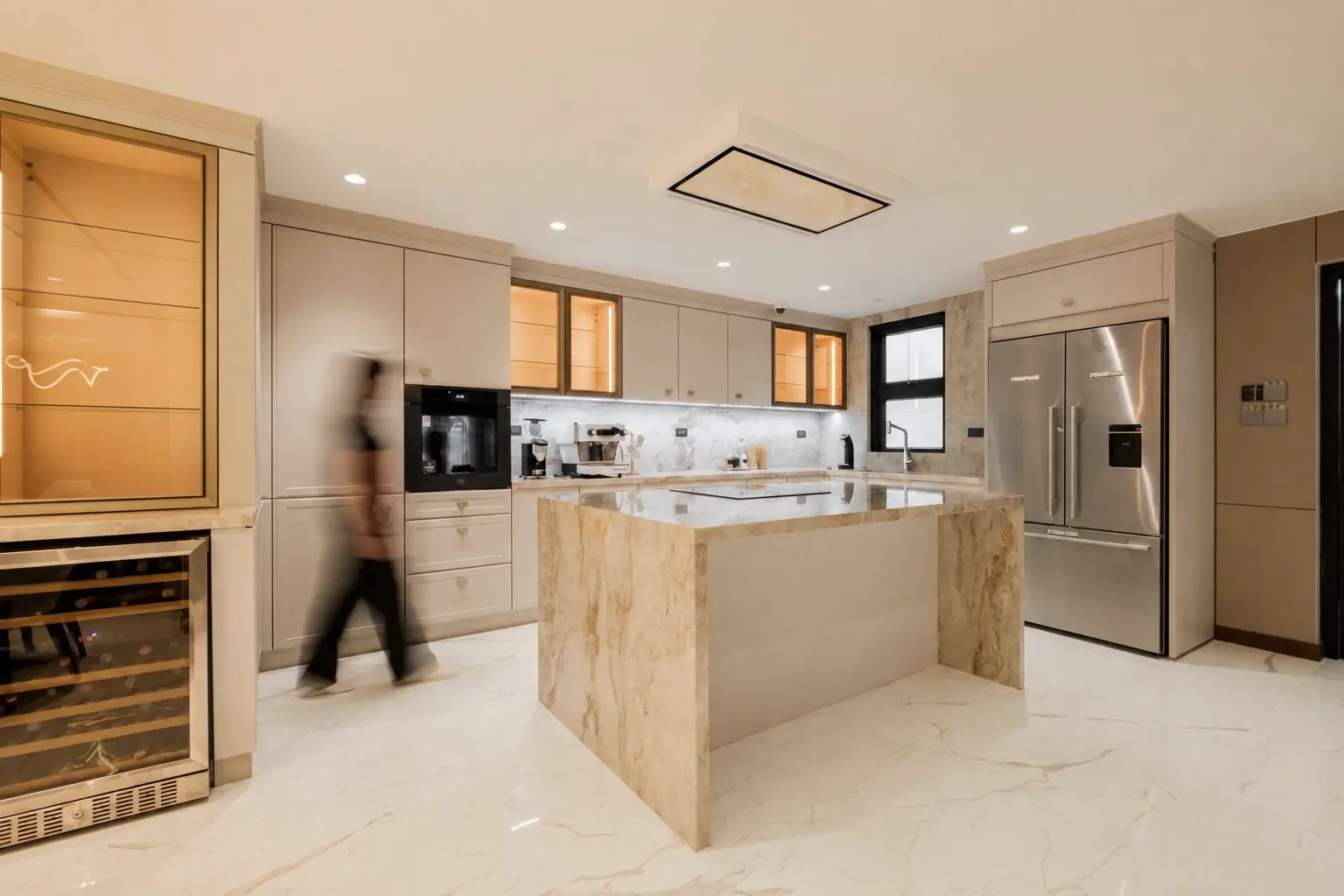
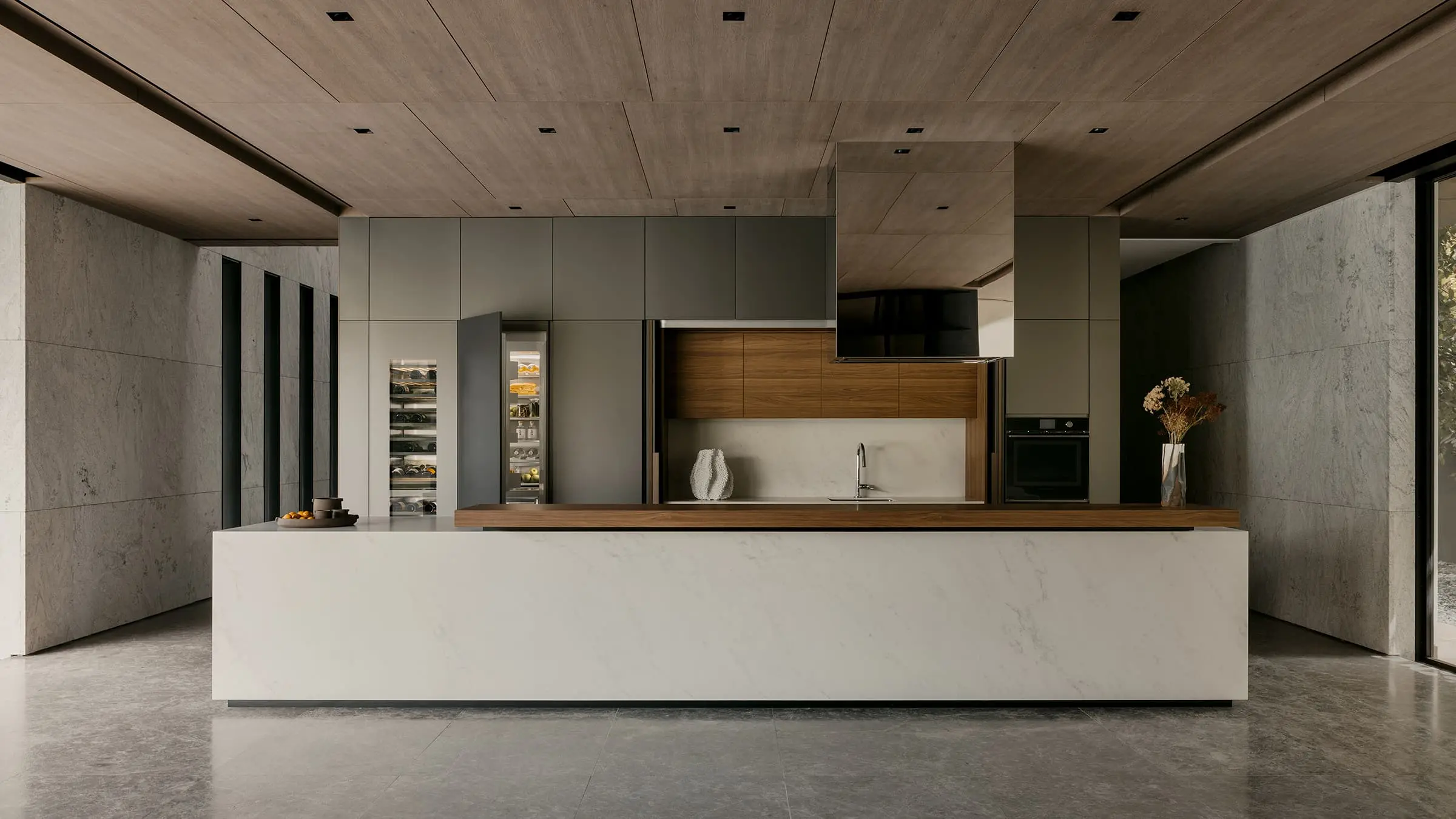
The modern kitchen has evolved beyond its traditional role as a place for preparing meals. It is the heart of the home – a space where daily rituals unfold, conversations linger and the rhythm of everyday life takes shape. As open-plan living continues to redefine residential design, the kitchen is no longer a separate room, […]
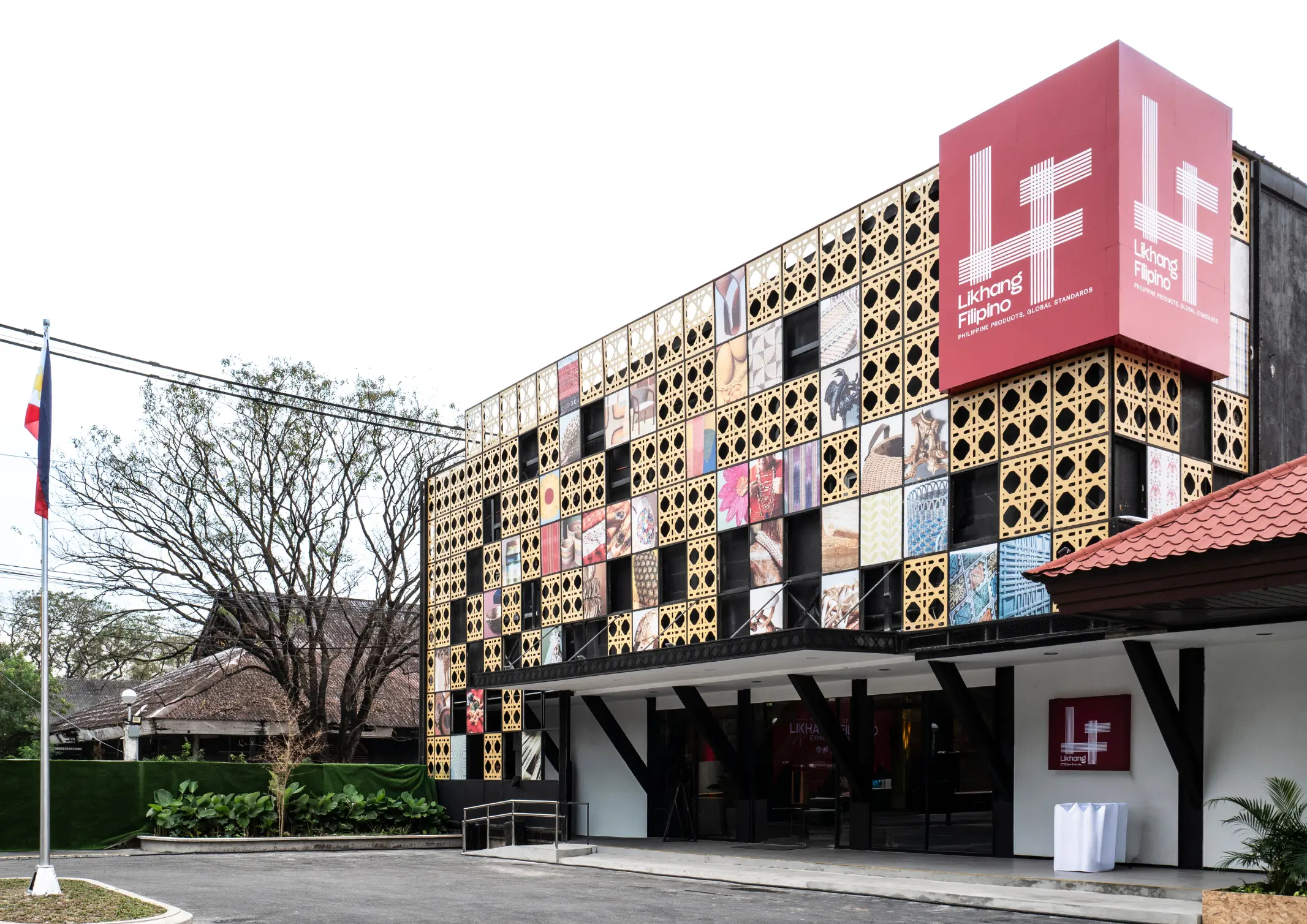
Likhang Filipino stands on the former site of the PhilTrade Center along Roxas Boulevard in Pasay City, a landmark that once symbolized the Philippines’ export ambitions and introduced Filipino craftsmanship to international audiences. Originally inaugurated in 1979, the PhilTrade Center was conceived as a national showcase for Philippine exports, with its longitudinal form and sloping […]
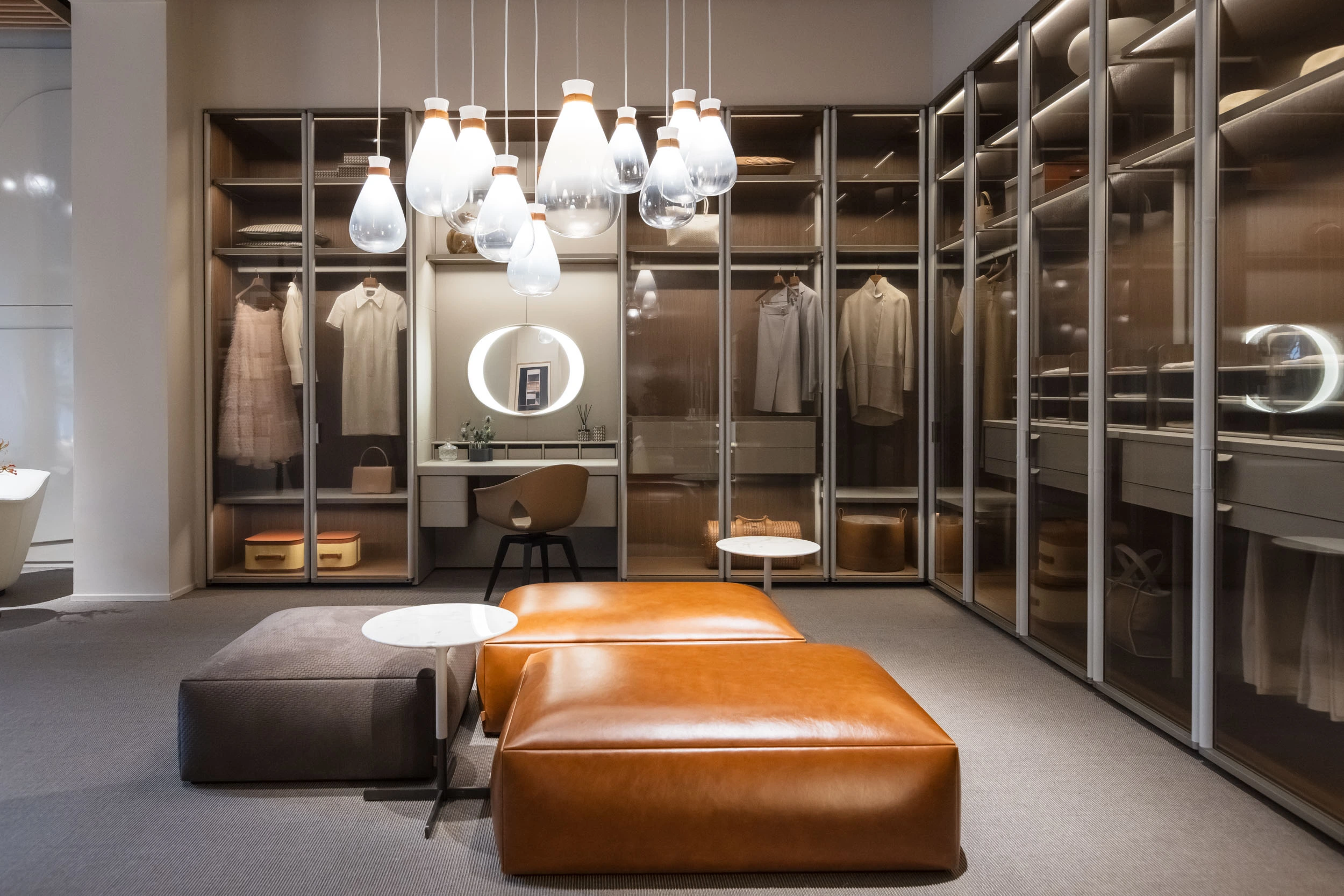
Presented during Milano Design Week 2026 at Palazzo Gallarati Scotti, Poltrona Frau’s flagship store in Milan, the “True Over Time” Collection celebrates one of the brand’s most enduring values: authenticity. More than a matter of craftsmanship or material quality, durability is understood as a design’s ability to preserve its meaning over time, remaining relevant across […]
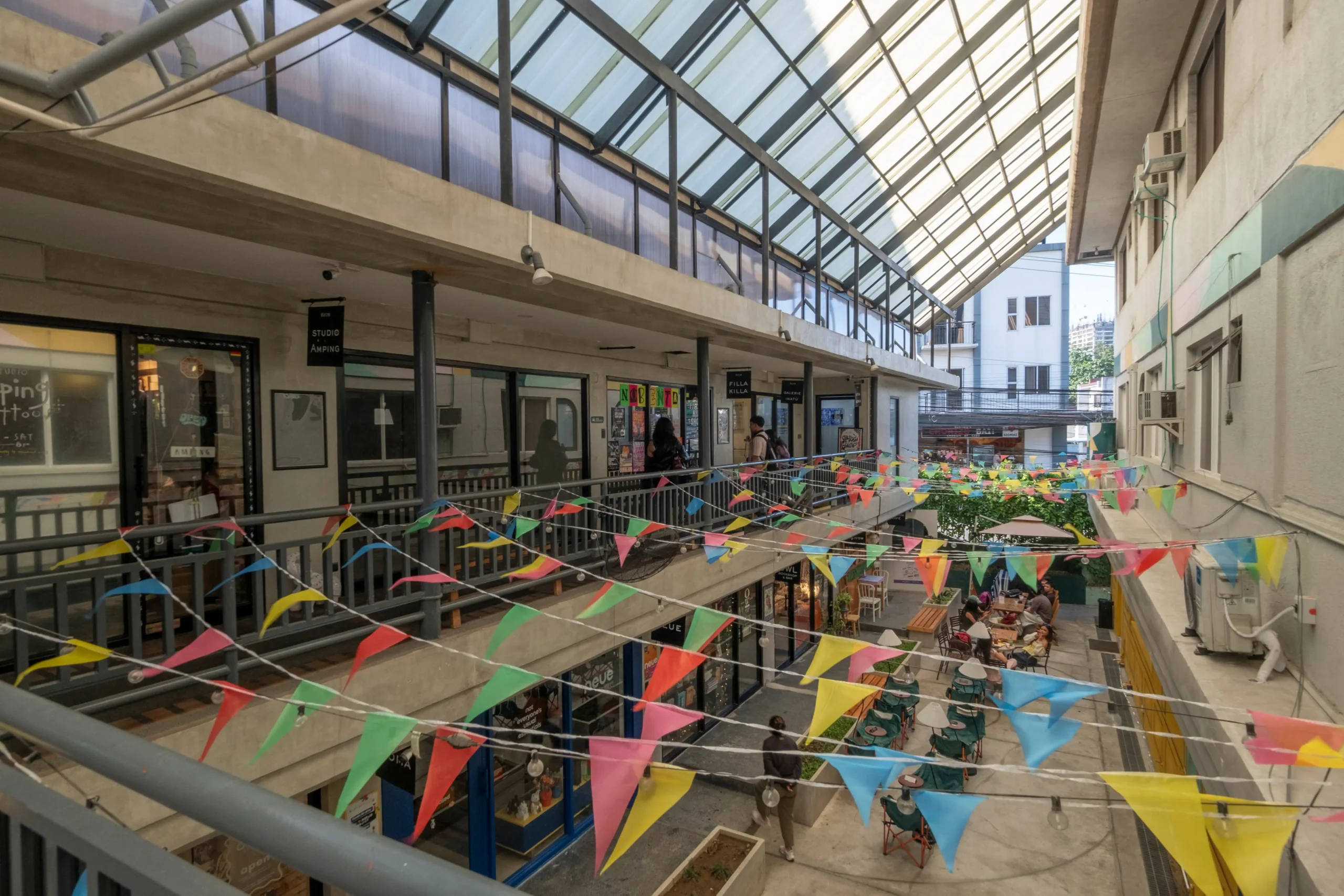
Within a two-building commercial complex organized around a central courtyard, an unexpected layout unfolds. The shops are small and quaint, uniformly sized, and directly face one another like apartment units. This is Atúa. Related Reading: Creative Placemaking: Designing Public Spaces that Reflect Shared Memory What used to be a functioning hotel in the early 1990s, […]
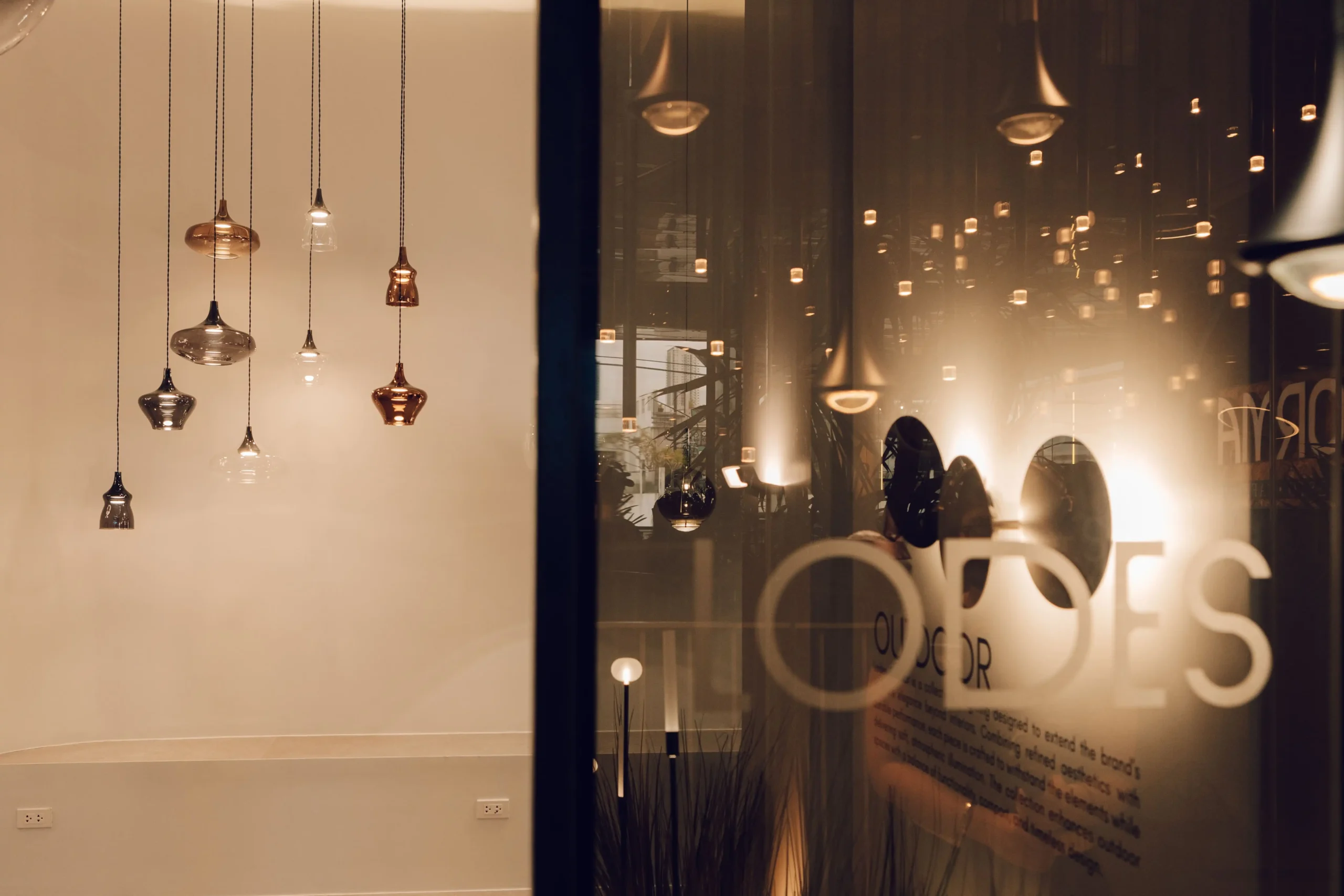
In a curated setting at the The Tile Gallery showroom, architects, designers, and media guests were transported into the immersive world of Italian contemporary lighting brand Lodes, where light illuminated the space through sculptural forms and innovative materiality. The Language of Light event presented a selection of Lodes’ established collections alongside new releases, revealing the […]
Download this month's BLUPRINT magazine digital copy from:



Subscribe via [email protected]
Recommended Video
Tap to Unmute
Unmute
0:00
0:00