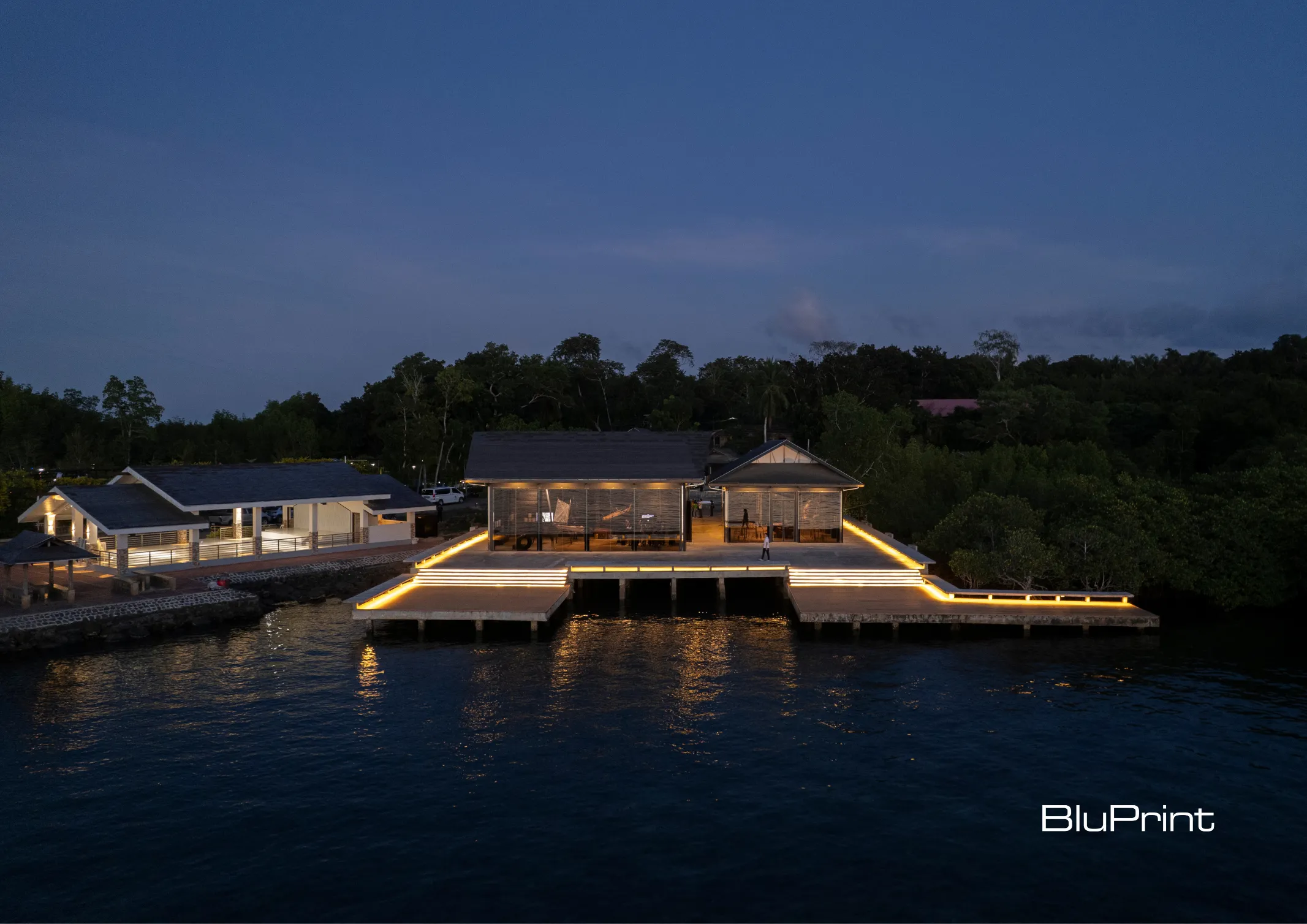
A museum tells stories, not only through the artifacts it houses, but also through the spaces that bring them together. And Basilan’s first museum, Museo Pantán, does just that. Located along the coast of Fuego-Fuego Beachfront, the building embraces its coastal landscape, offering an architectural expression of the city’s culture and relationship with its surroundings. […]
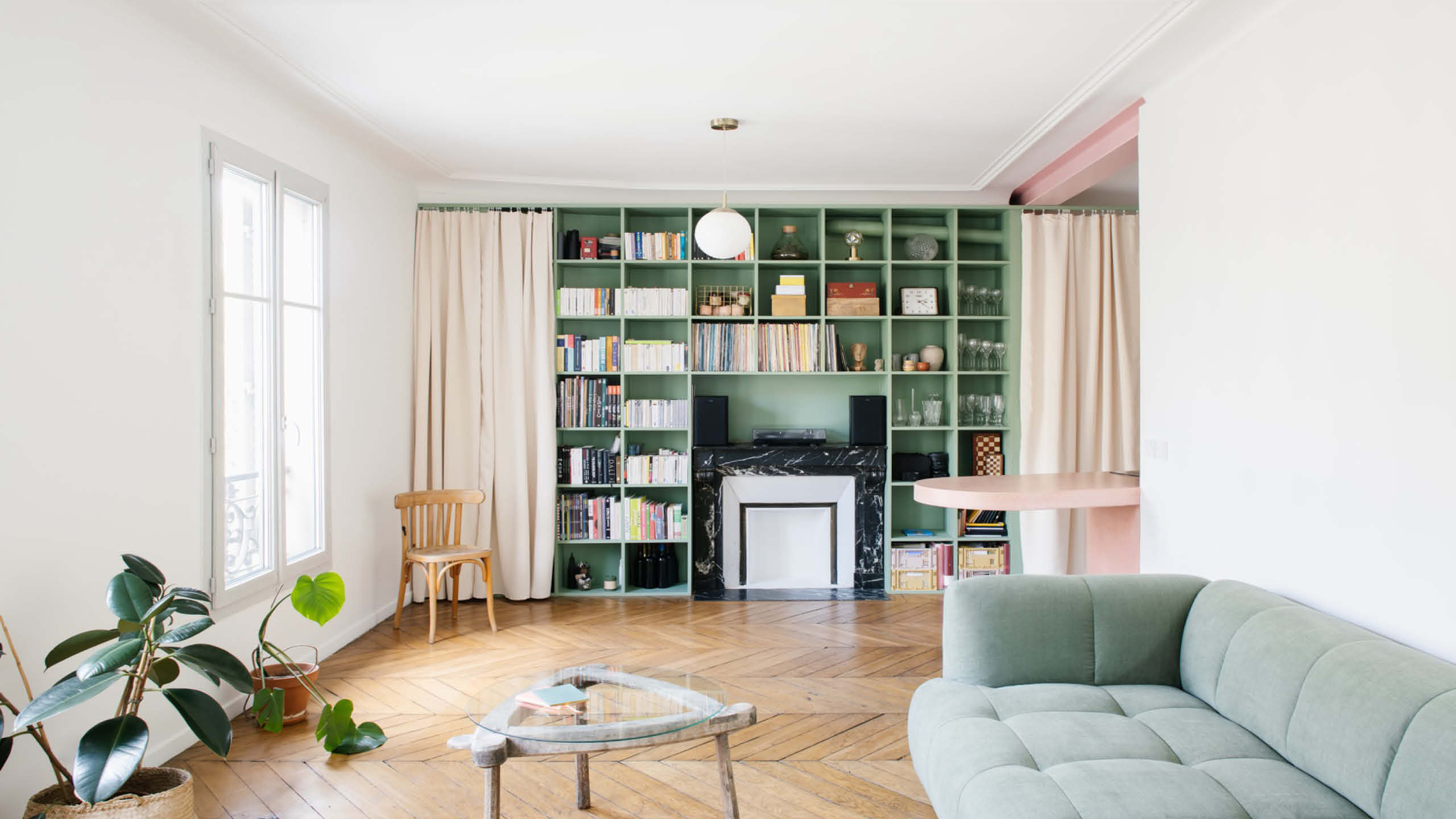
How to Stylishly Add Green Colors to Filipino Homes: A Guide by Nix Alañon


Lately, there has been an active online discussion surrounding the extensive use of green colors in Filipino homes. Why this particular hue has captured the hearts of homeowners across the archipelago is a question that has sparked countless threads, theories, and even memes. So, we’re diving deep into this popular trend with designer Nix Alañon to explore its potential motivations and creative applications.
What’s Behind the Green Code?
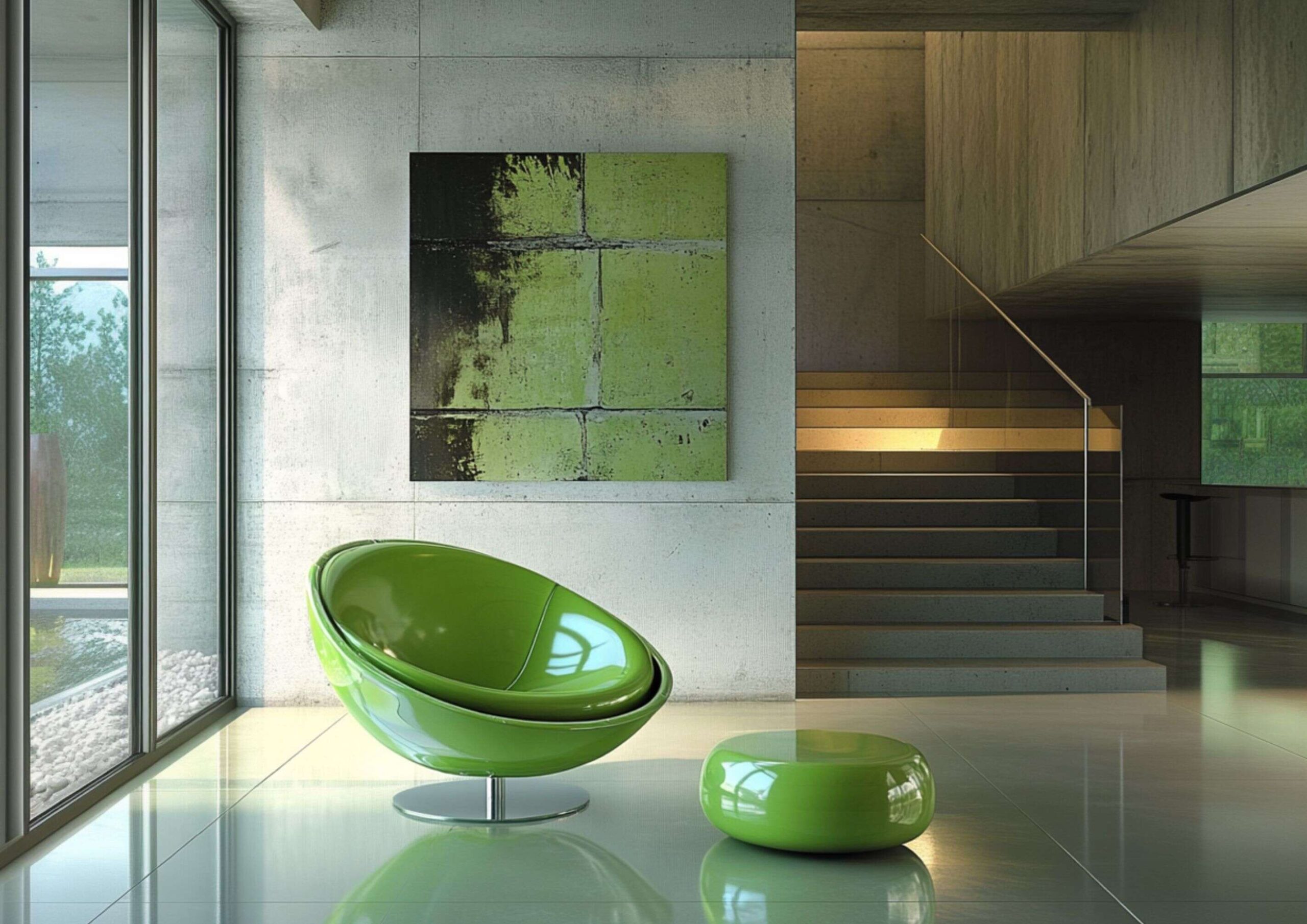
From urban centers to rural areas, home designs with a single dominant shade of green are a common sight. This is typically seen in wall treatments, roofs, furnishings, and decorative accents. And for many Filipinos, brighter tones hold more significant appeal.
Among the most common choices are neon and mint green due to practical, psychological, and culturally imbued factors. One of the reasons for their popularity is their affordability since green pigments are generally easier and less expensive to produce than other colors.
Homeowners also believe that green colors bring prosperity because they’re closely affiliated with money. But one can additionally link this phenomenon to Filipinos’ maximalist tendencies.
Green, particularly its vibrant forms, is naturally eye-catching. And a generous application throughout a home contributes in establishing a sense of abundance and aesthetic impact. This perfectly aligns with our penchant for creating memorable and visibly rich spaces.
For Alañon, alternatively, the easiest explanation for this trend is green’s inherent connection to nature. He explained that Filipinos have an innate inclination to it because it mirrors the Philippines’ tropical environment. This deep-seated association results in green being perceived as fresh and calming.
However, rather than overwhelming a space with solid greens, the designer suggests that there are more balanced and strategic ways to achieve its visual and emotional effects.
Expert Techniques to Use Green Colors
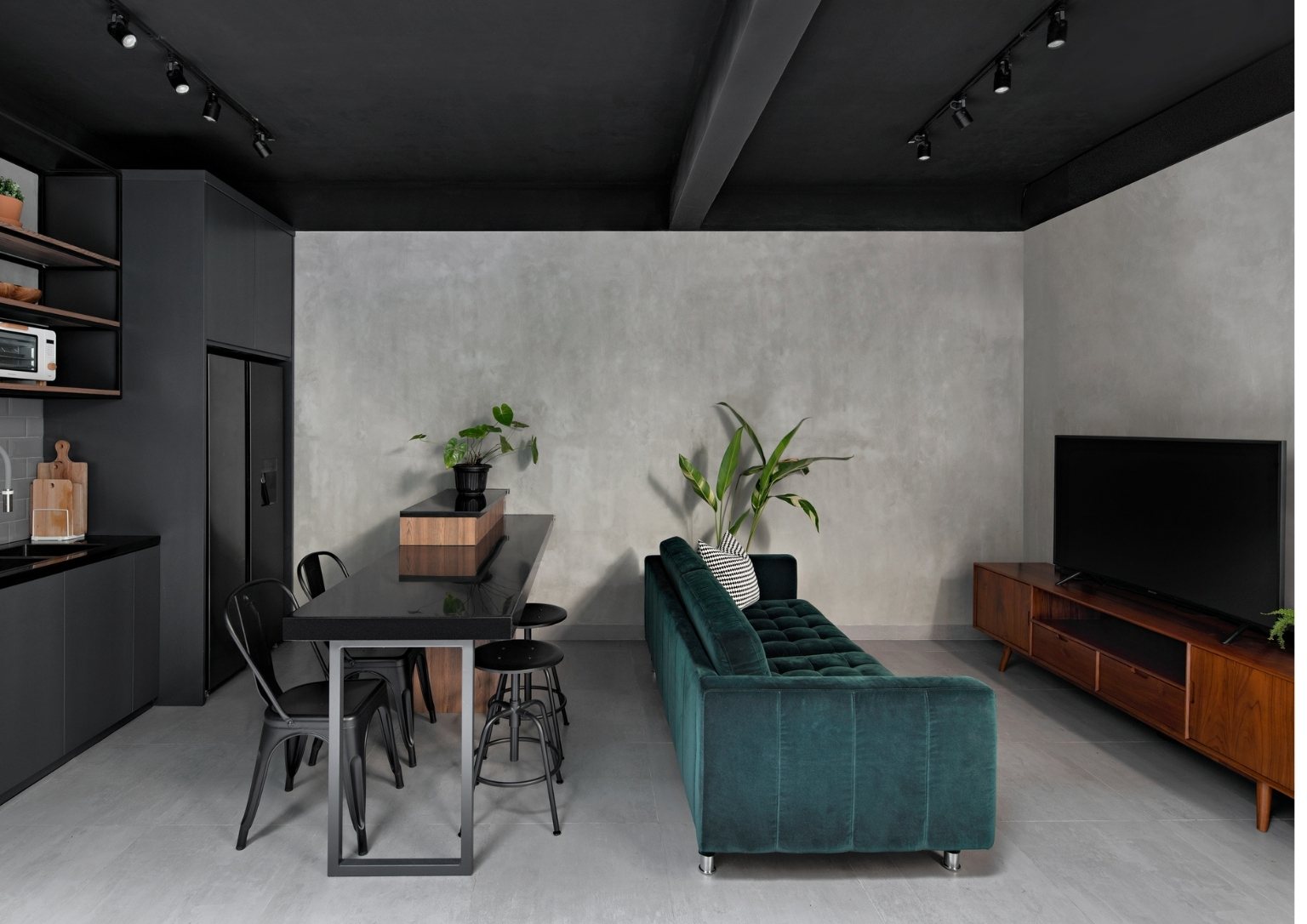
Alañon clarified that incorporating green in homes is not exclusive to paints. There are multiple methods to apply this hue that go beyond merely covering surfaces with artificial pigments.
1) Explore Smaller Green Elements
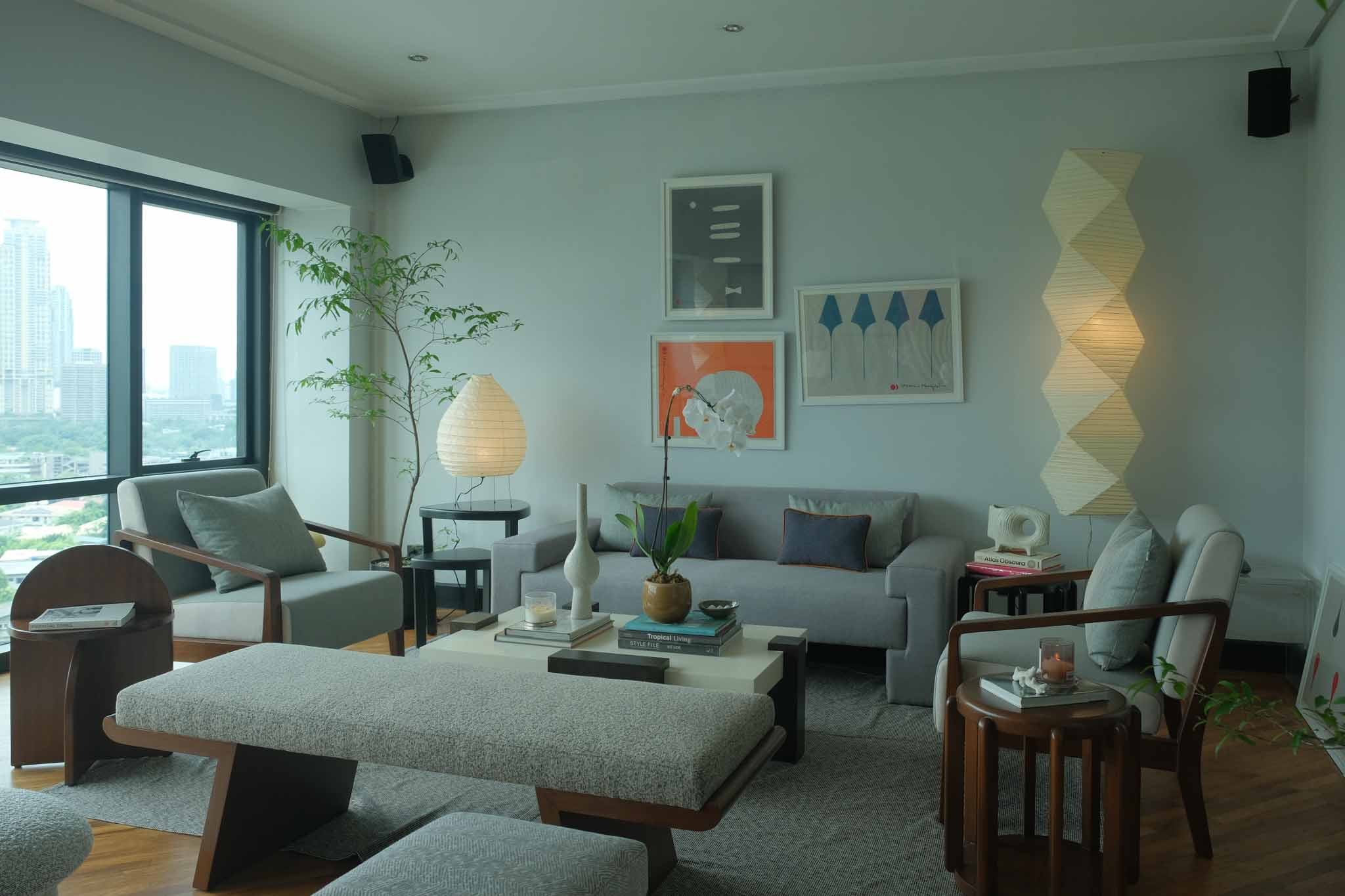
Before you consider going all-out on your walls and larger negative spaces, the designer advises to start with smaller accents. In this way, you can gauge your comfort level with the color and gradually build a relaxing atmosphere without committing to a full-scale transformation.
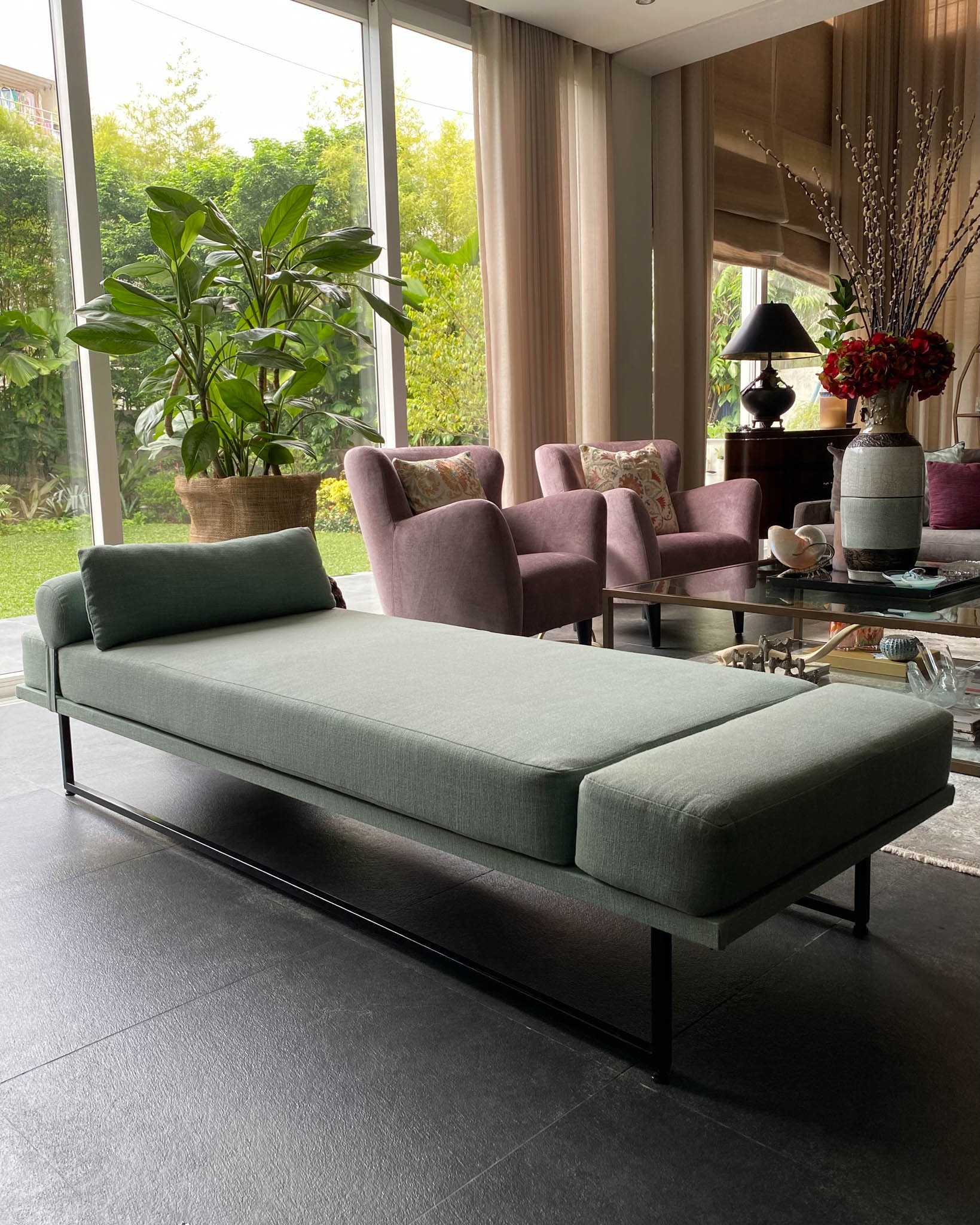
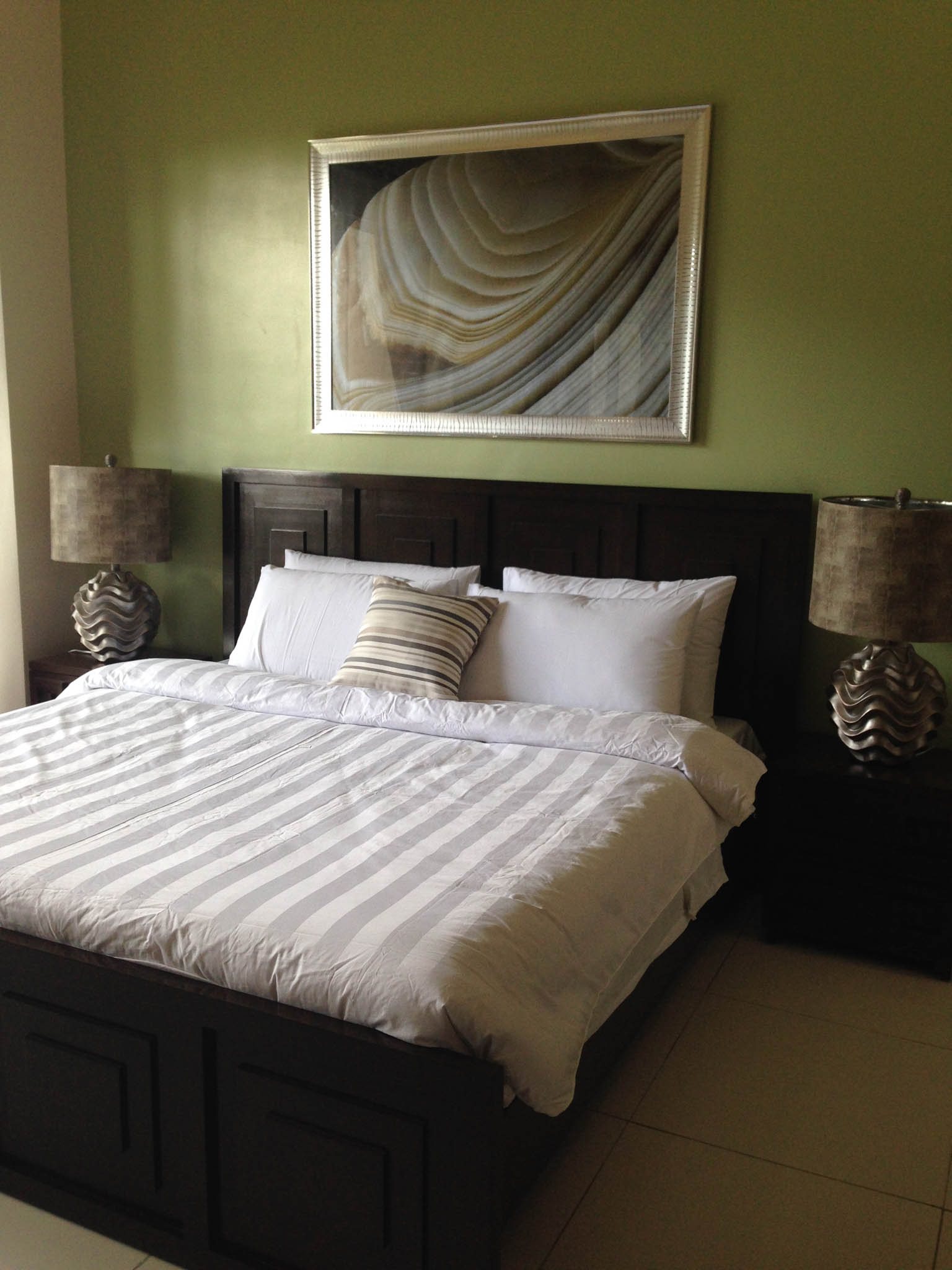
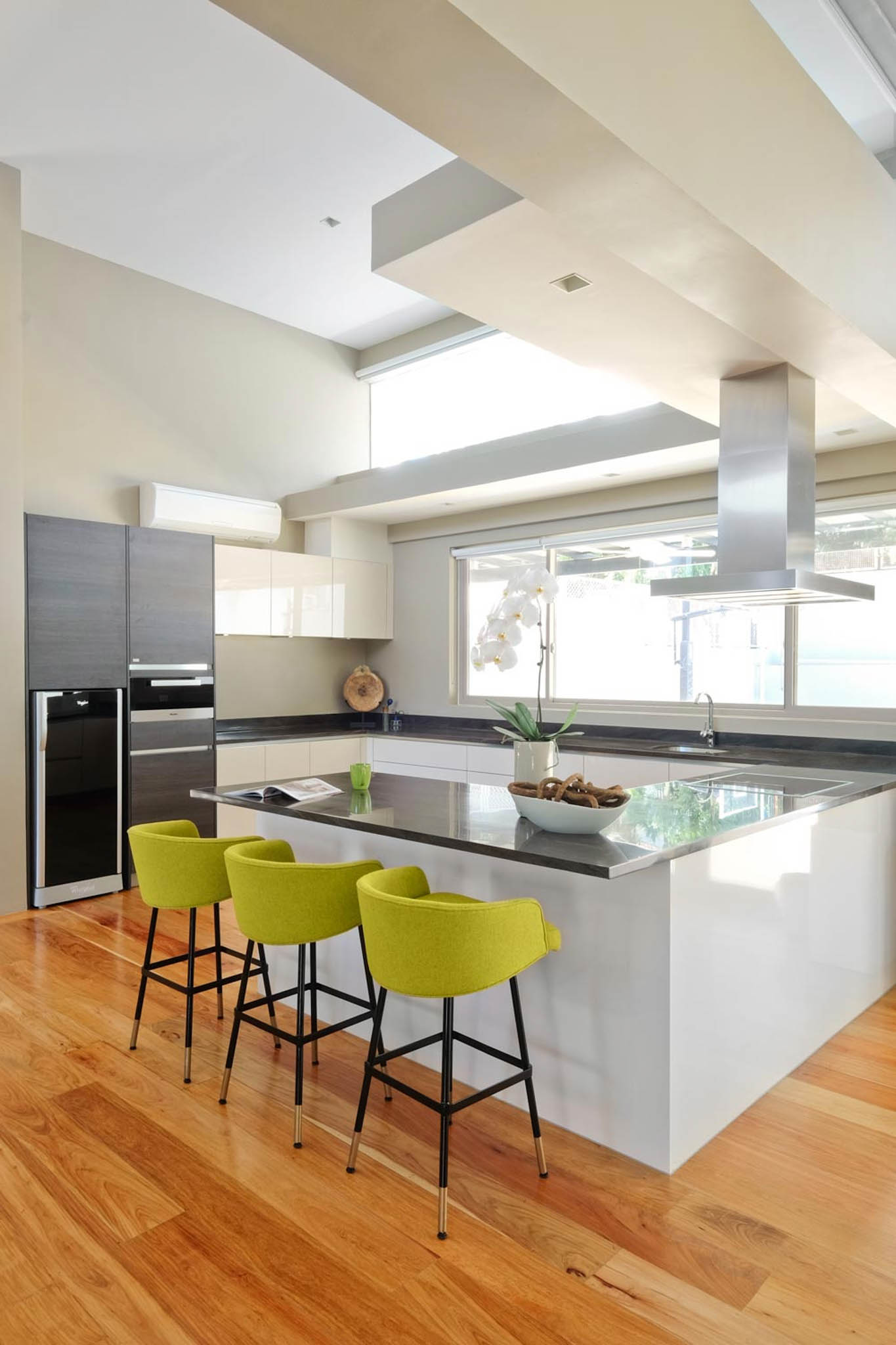
“A green accent wall, upholstery, statement chair, or even accessories would be enough. Sometimes even having actual plants to accent on the table or a simple [indoor] tree can do wonders for your space. It doesn’t always have to mean a full green color transformation,” Alañon suggests.
2) Introduce Different Shades and Tones
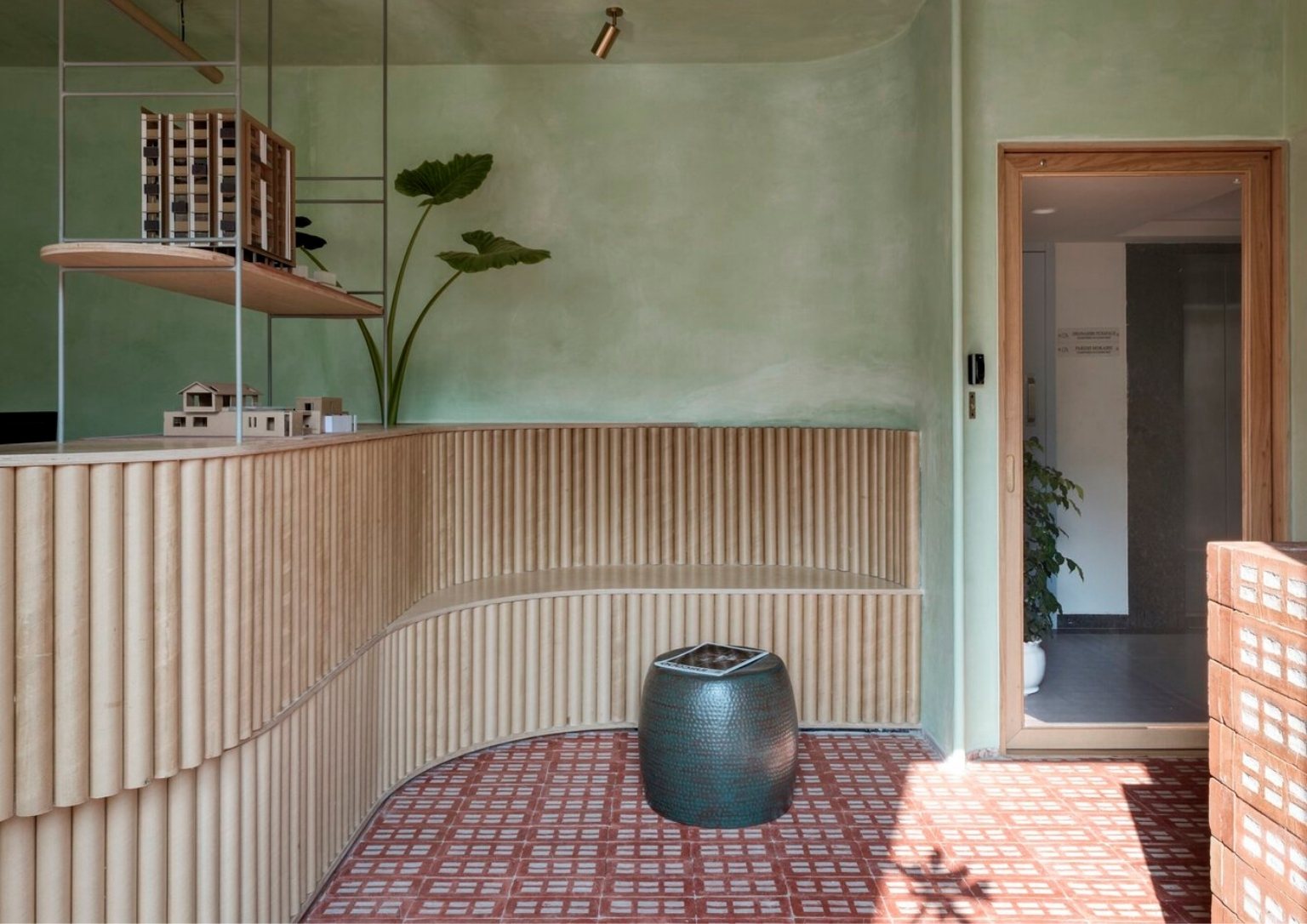
Contrary to the trend’s general interpretation, Alañon does not recommend using green colors in liberal amounts. However, if you take this direction, he encourages varying shades and tones to create a better monochromatic design.
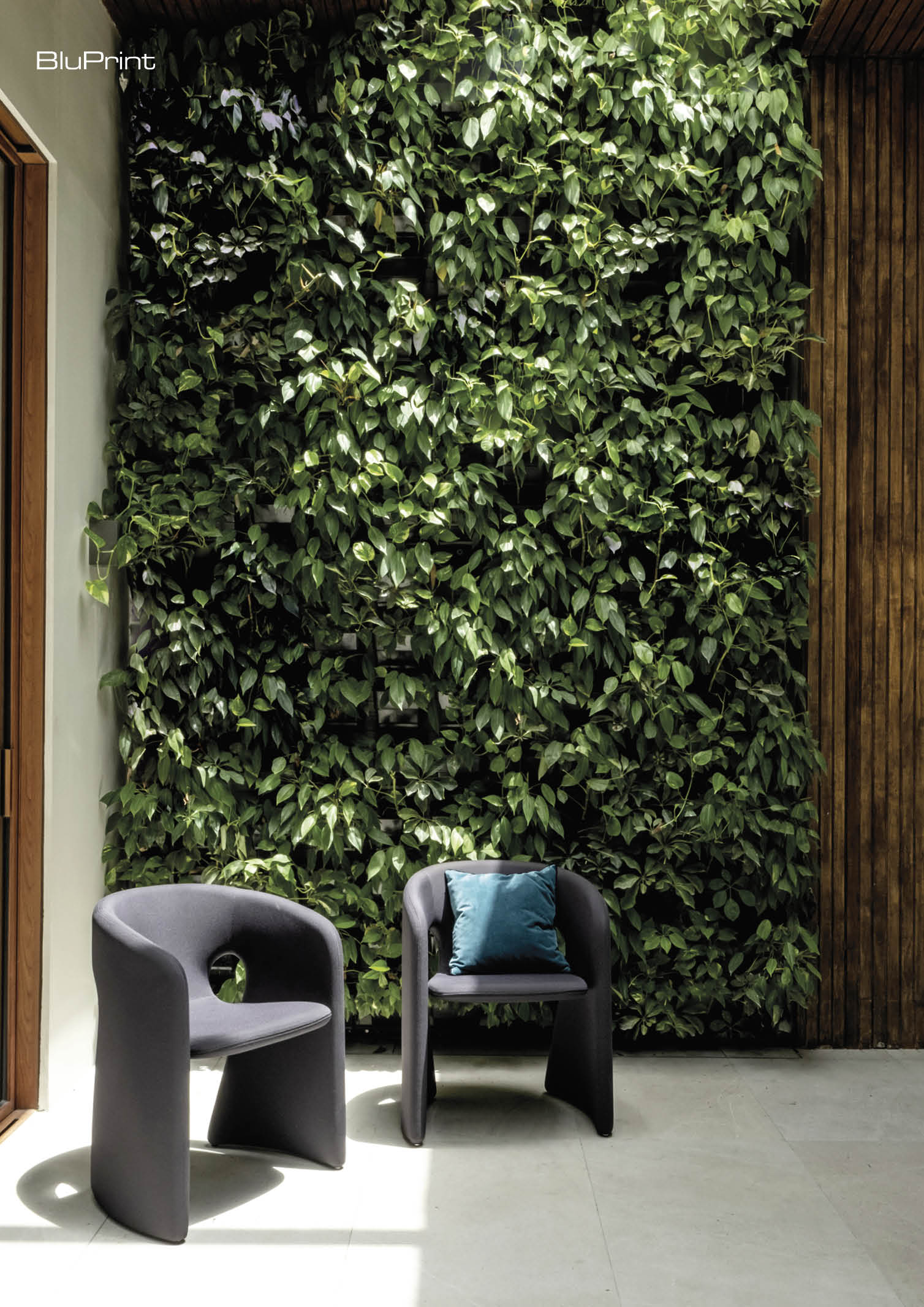
A good place to start is with versatile neutral shades like sage, moss, and celadon green. He also recommends using hunter and emerald green if you want a more saturated yet elegant feel. Blue green, on the other hand, can also be an interesting option to subtly incorporate an analogous color.
But the designer emphasizes that the ideal green palette is a matter of personal taste. And by carefully layering your chosen color palette, you can create a far more interesting space than a room with a flat, monotonous green.
3) Distribute Green Throughout the Space
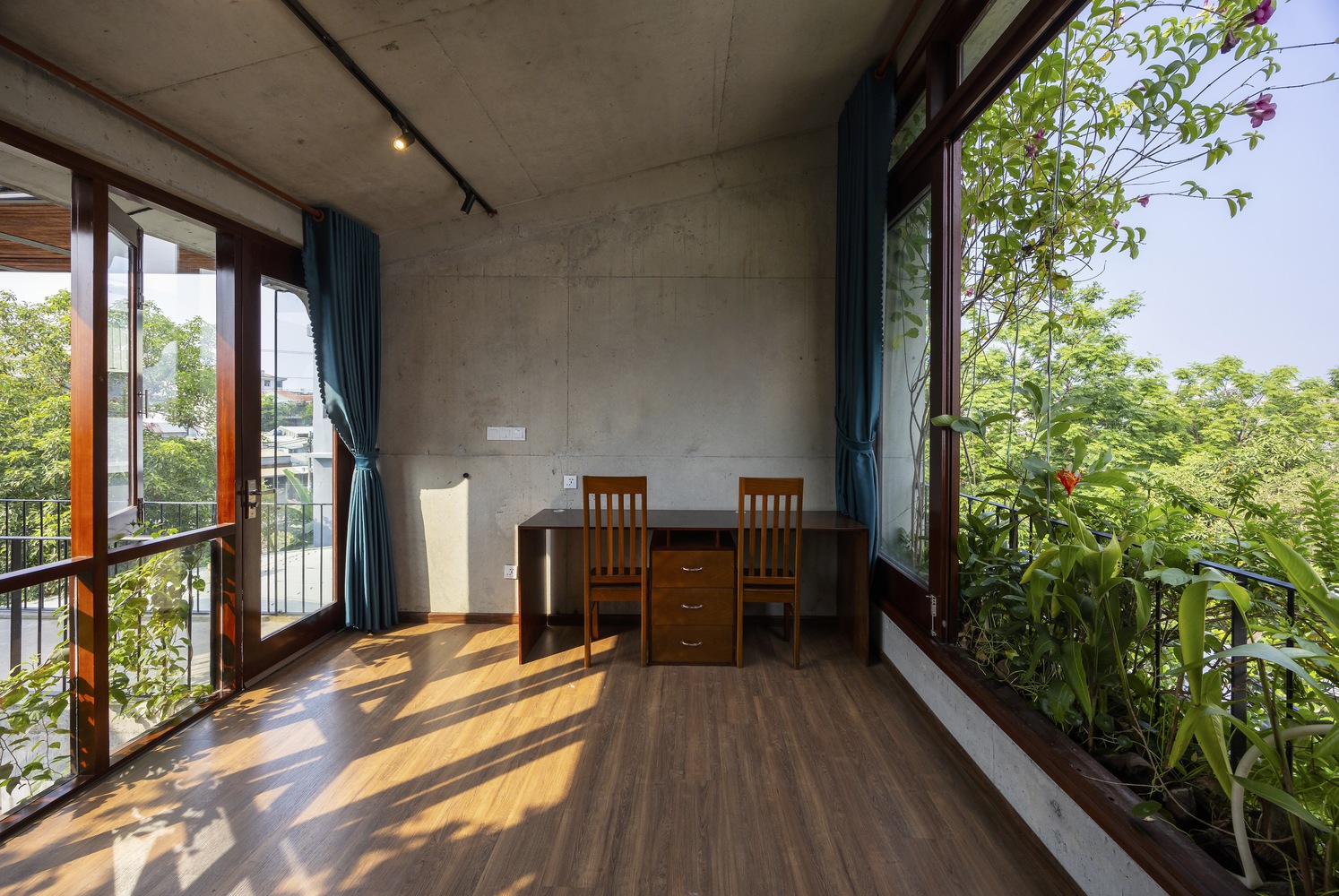
The Phoenix Home Interiors founder specifically noted that when designing a home, “your eye has to travel.” This means green colors should be carefully scattered and balanced throughout the space. In any case, refrain from putting them all in one side or corner to avoid a concentrated, unbalanced look.
“It has to be unified from one corner to the other, from lower to higher portions. So, your eye moves around and it’s not condensed in one space,” Alañon states.
Green Colors Through Fleeting Trends
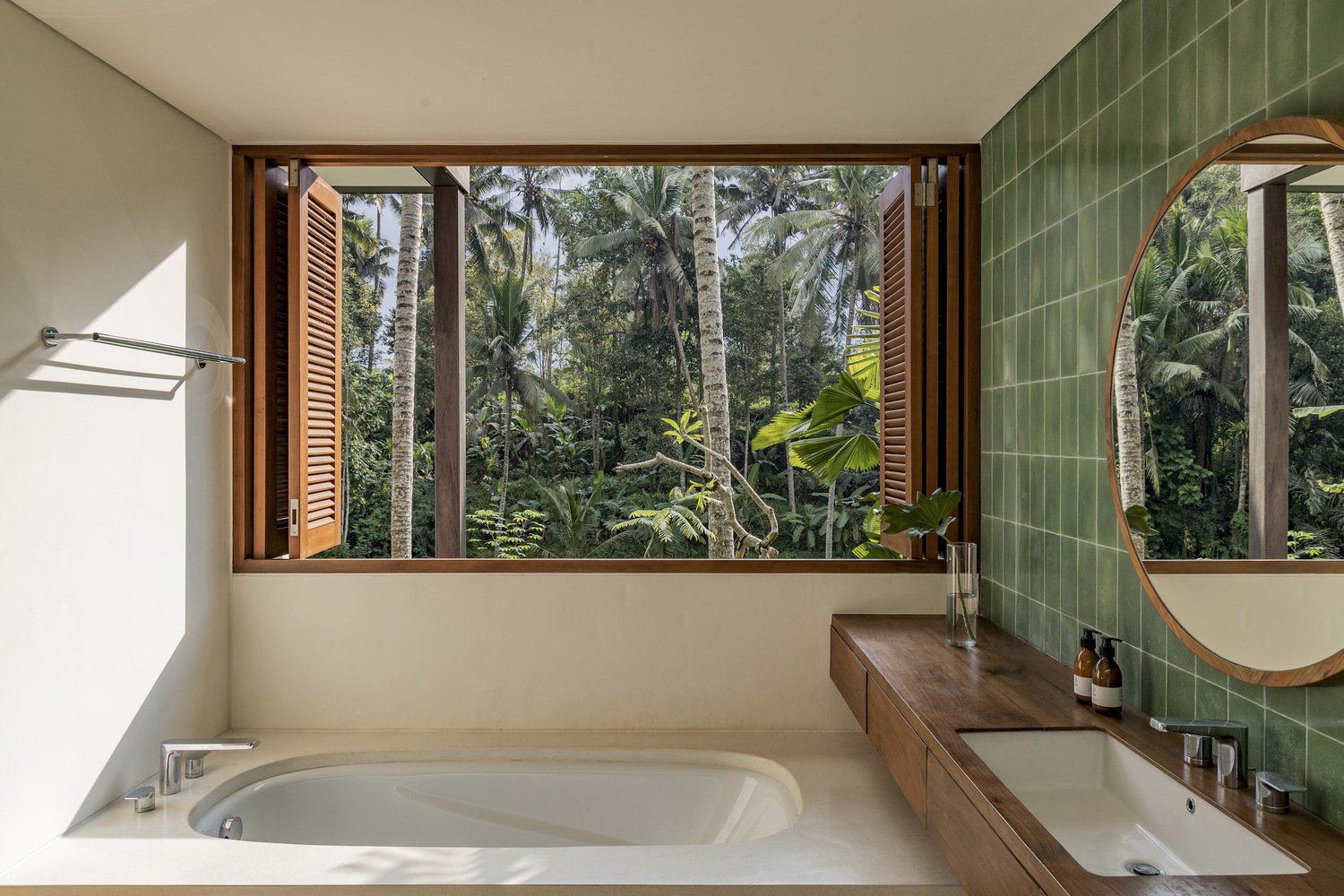
Alañon contends that this design trend in Filipino homes validates the timelessness of green colors. He believes that even if the current surge of green-dominated spaces subsides, these versatile hues’ appeal and relevance will continue.
Moreover, he notes that green seamlessly integrates into a wide range of design styles, particularly those rooted in tropical aesthetics prevalent in the Philippines. In his view, unless a space has an ultra-modern, minimalist design that eschews color altogether, green will consistently remain a viable and adaptable choice for any home.
“Green is one of the most accessible colors to use. Because you can just go outside, get a plant and that for one is already a green color that would automatically enhance your space. Green will always be on trend and feel good in any space. So, it’s one color that I would highly recommend to stick with,” Alañon closes.
Read more: Mocha Mousse: JJ Acuña’s Hot Take on Pantone’s 2025 Color of the Year
Frequently Asked Questions
The popularity of green in the Philippines stems from a mix of affordability, psychology, and culture. Green pigments are often less expensive to produce, making the paint more accessible. Psychologically, many homeowners associate green with prosperity and money, while the use of vibrant neon or mint tones aligns with Filipino maximalist tendencies, creating an eye-catching sense of abundance and aesthetic impact.
The “Green Code” refers to the common sight of a single, dominant shade of green used across walls, roofs, and furnishings. Designer Nix Alañon explains that this trend is rooted in an innate connection to nature, as the color mirrors the Philippines’ lush tropical environment. This association makes green a naturally appealing choice for those wanting to bring a fresh and calming atmosphere into their living spaces.
Nix Alañon suggests starting with smaller elements rather than a full-room transformation. Using green for an accent wall, upholstery, or a statement chair allows you to test your comfort level. Additionally, introducing actual indoor plants or a small tree is a natural way to add the hue. The goal is to balance the color so it enhances the space rather than saturating it in a flat, monotonous way.
For a more balanced and elegant palette, Alañon recommends versatile neutral shades such as sage, moss, and celadon. For those who prefer deeper, more saturated colors, hunter green and emerald green are excellent choices that provide a sophisticated feel. Layering different tones and even subtle blue-greens can create a rich, monochromatic design that offers more visual interest than a single solid color.
According to Alañon, “your eye has to travel” when designing a space, meaning colors should be balanced and unified from one corner to the other. To avoid a concentrated or unbalanced look, refrain from placing all green elements in one area. By scattering the hue across different heights and sections of the room, you create a cohesive environment where the color feels like a natural part of the overall design.
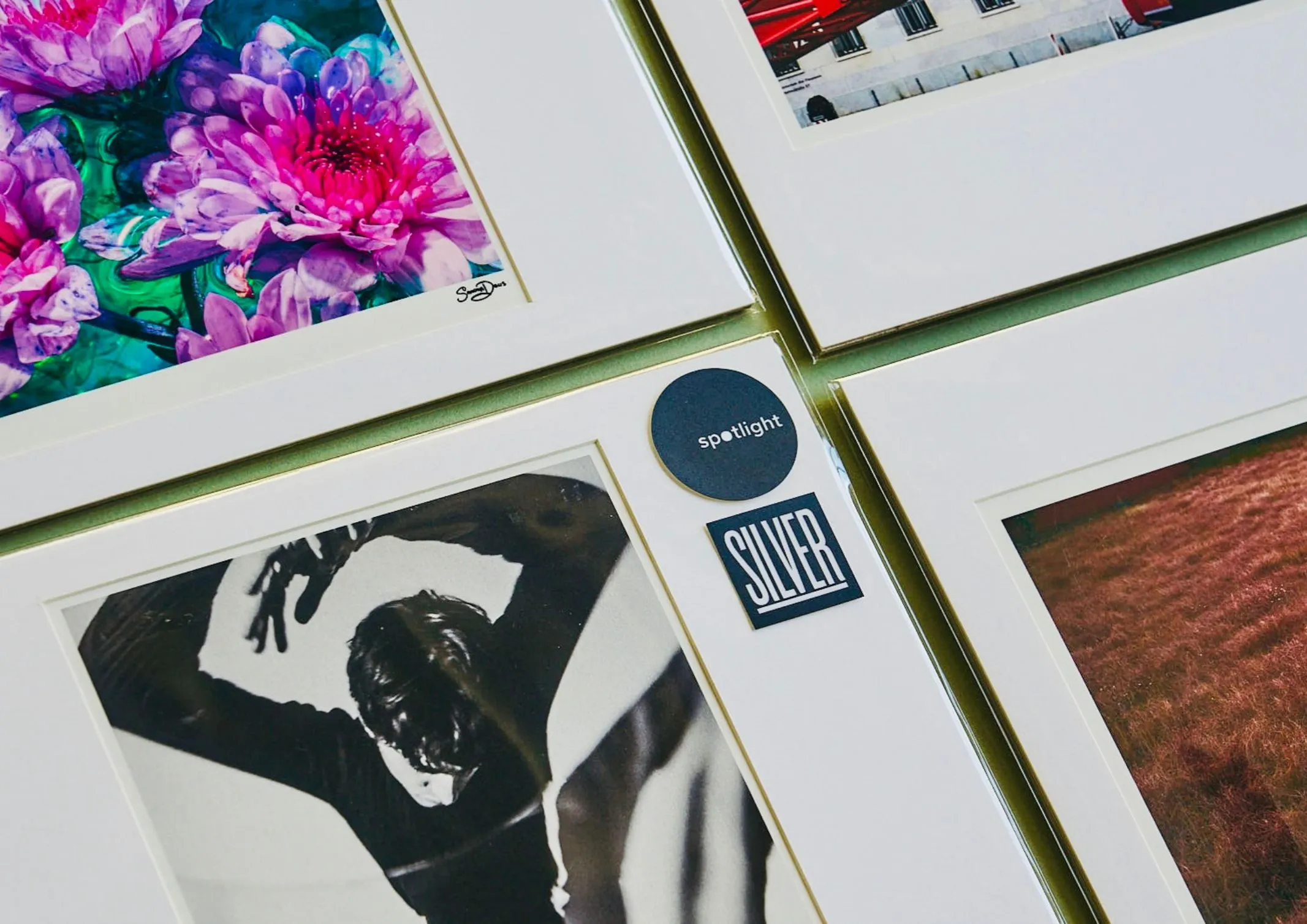
Art has a way of changing how we experience a space. A photo, in particular, can tell stories without relying on words. Through the way a subject is framed, how light falls across a scene, or which details are brought into focus, an image communicates its own perspective of the world. These visual decisions form […]
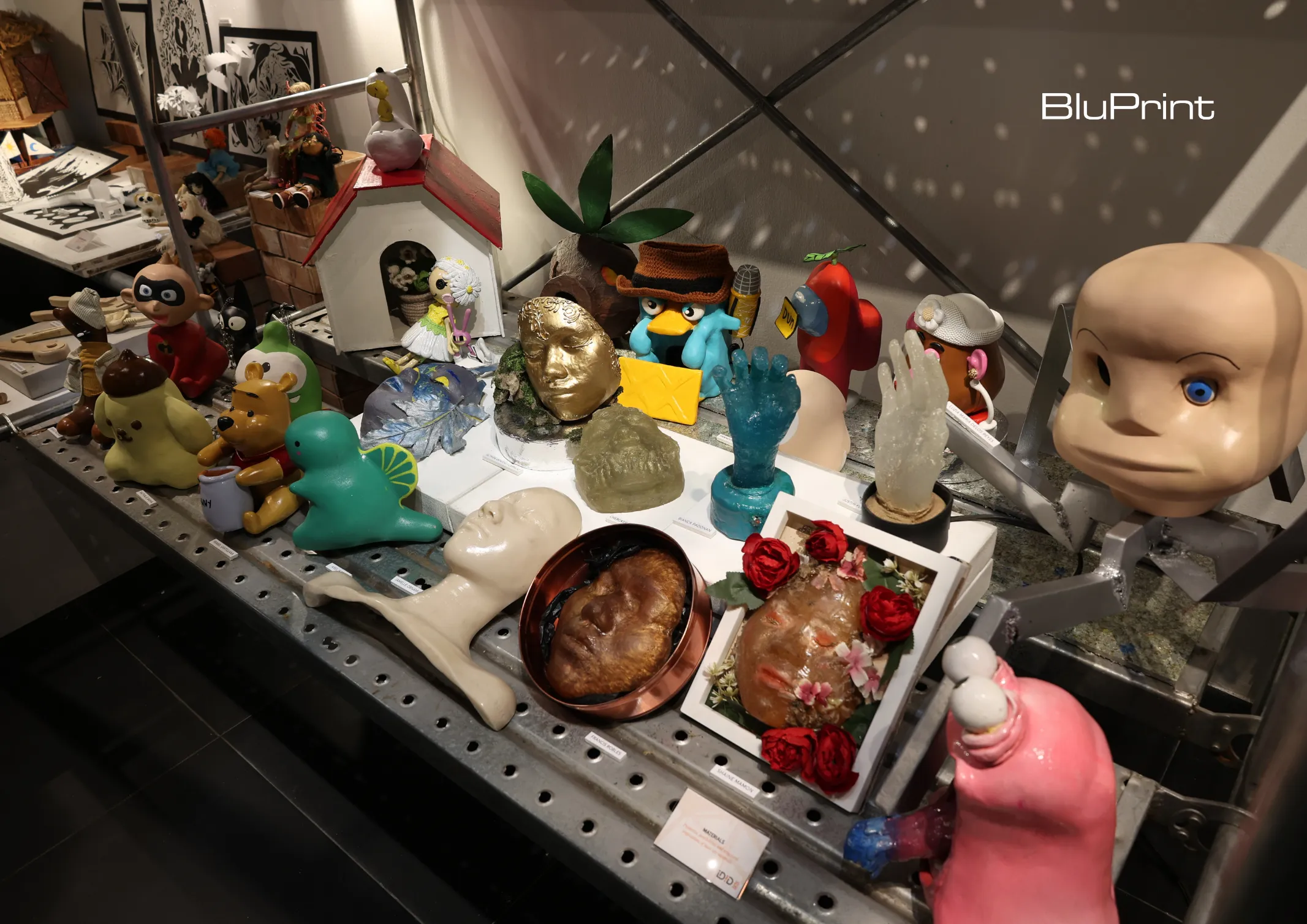
Design is not limited to the creation of finished objects. It is also a process of experimentation, problem-solving, and exchanging ideas across disciplines. This approach to making took center stage at the 2026 edition of MakersCon Philippines, held from November 12 to 13 at the University of the Philippines (UP) Fine Arts Gallery (Parola) in […]
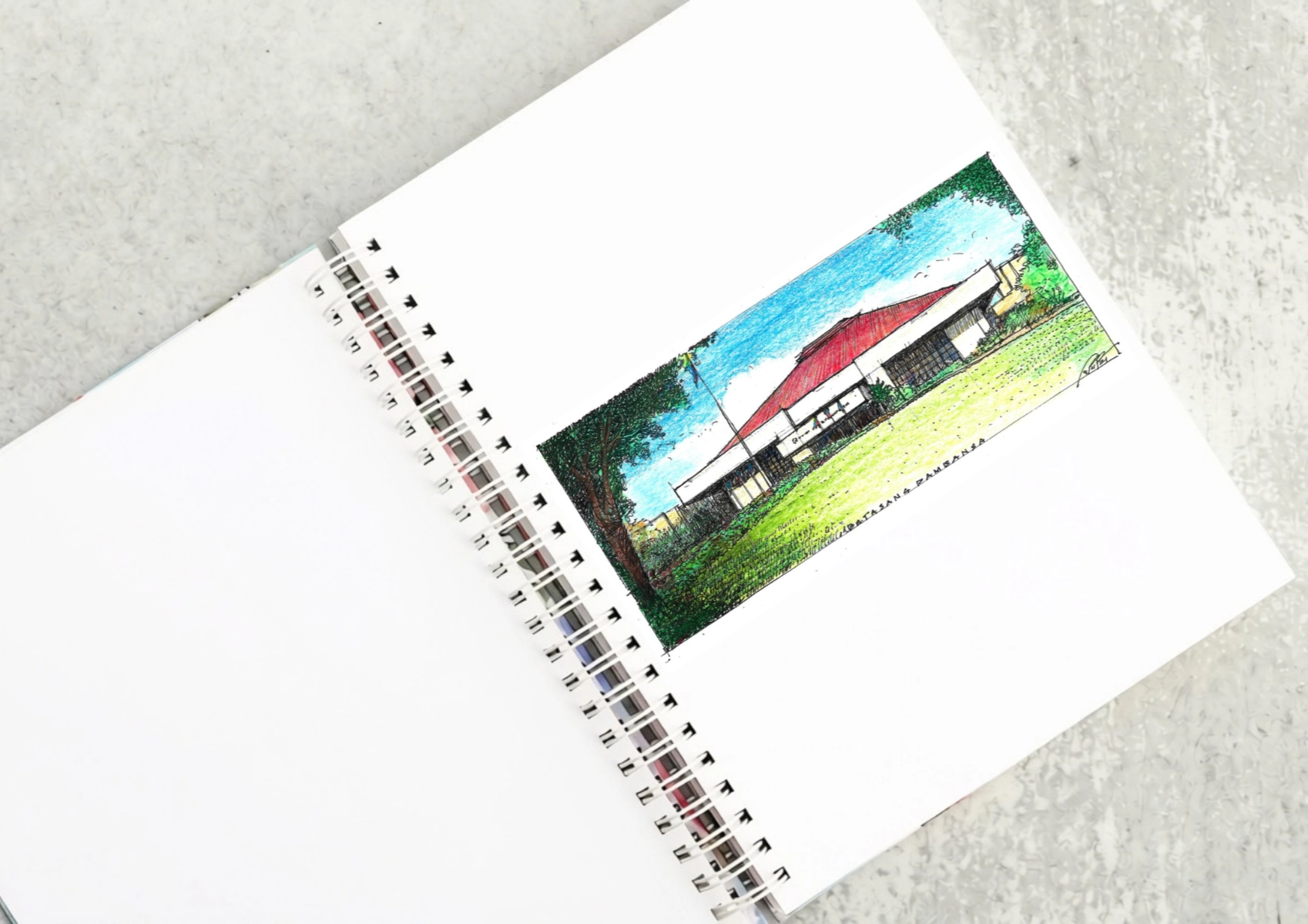
The Batasang Pambansa as a Landmark of Philippine Civic Architecture The congress of the Republic of the Philippines is housed in a complex in Quezon City. It was the first and only of the three main branches of the government to move to what was, for a period, the capital of the Philippines. The Batasang […]

In a curated event presented by Focus Global Inc. and co-hosted by BluPrint, Technogym unveiled its Sand Stone Collection to the Philippine market at Bigger Pictures in Mandaluyong City. The launch brought together over 100 guests, including architects, designers, and media representatives, for an introduction to the collection and its approach to fitness equipment. The […]
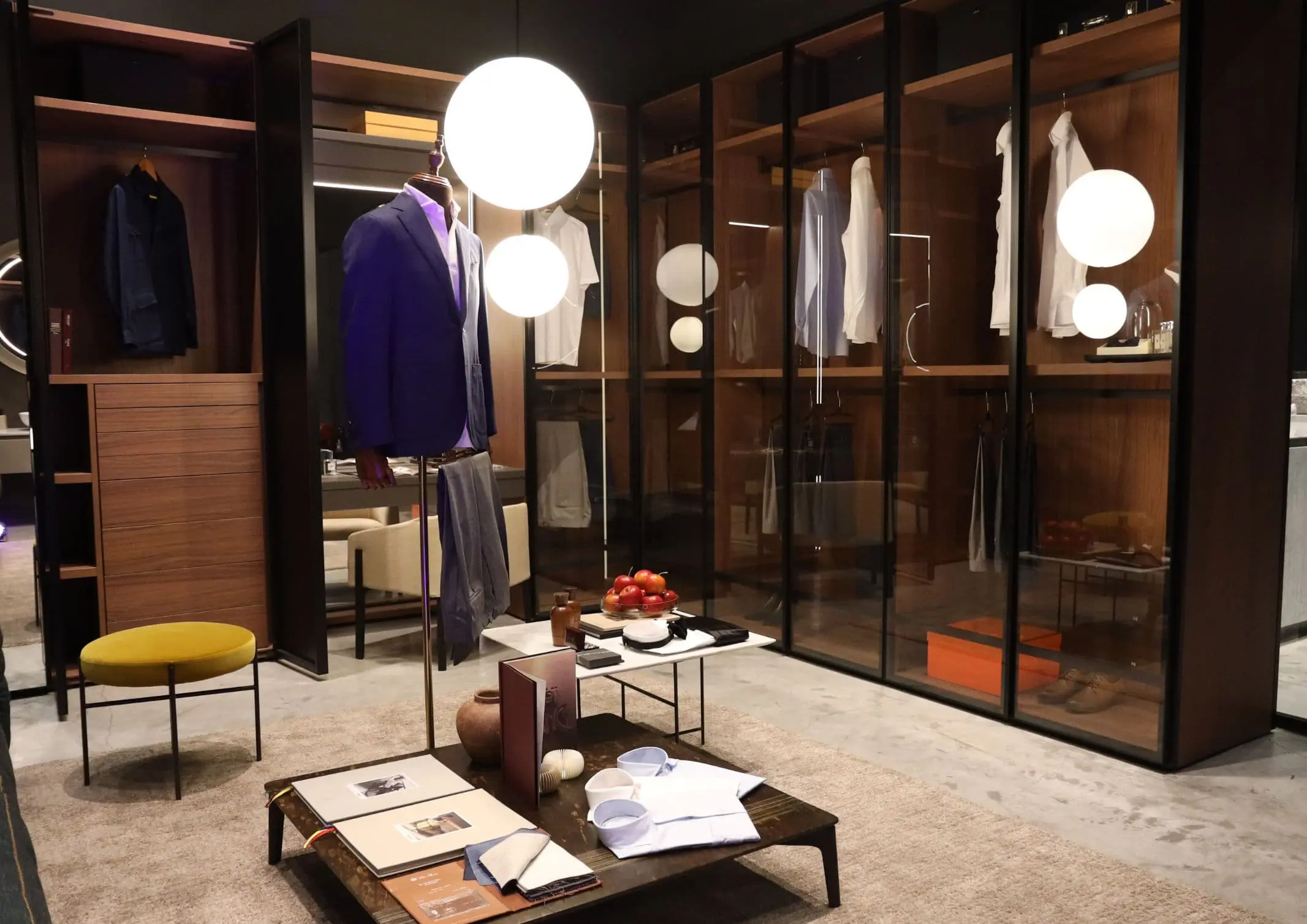
The principles behind a well-designed home are not unlike those behind a tailored garment. Both begin with an understanding of the individual, balancing proportion, material, and function to create something suited to its user. This shared approach informed “The Art of Bespoke,” an event hosted by Boffi | DePadova and Focus Global Inc., in collaboration […]
Read the issues.

Collect the volumes.

Recommended Video
Tap to Unmute
Unmute
0:00
0:00