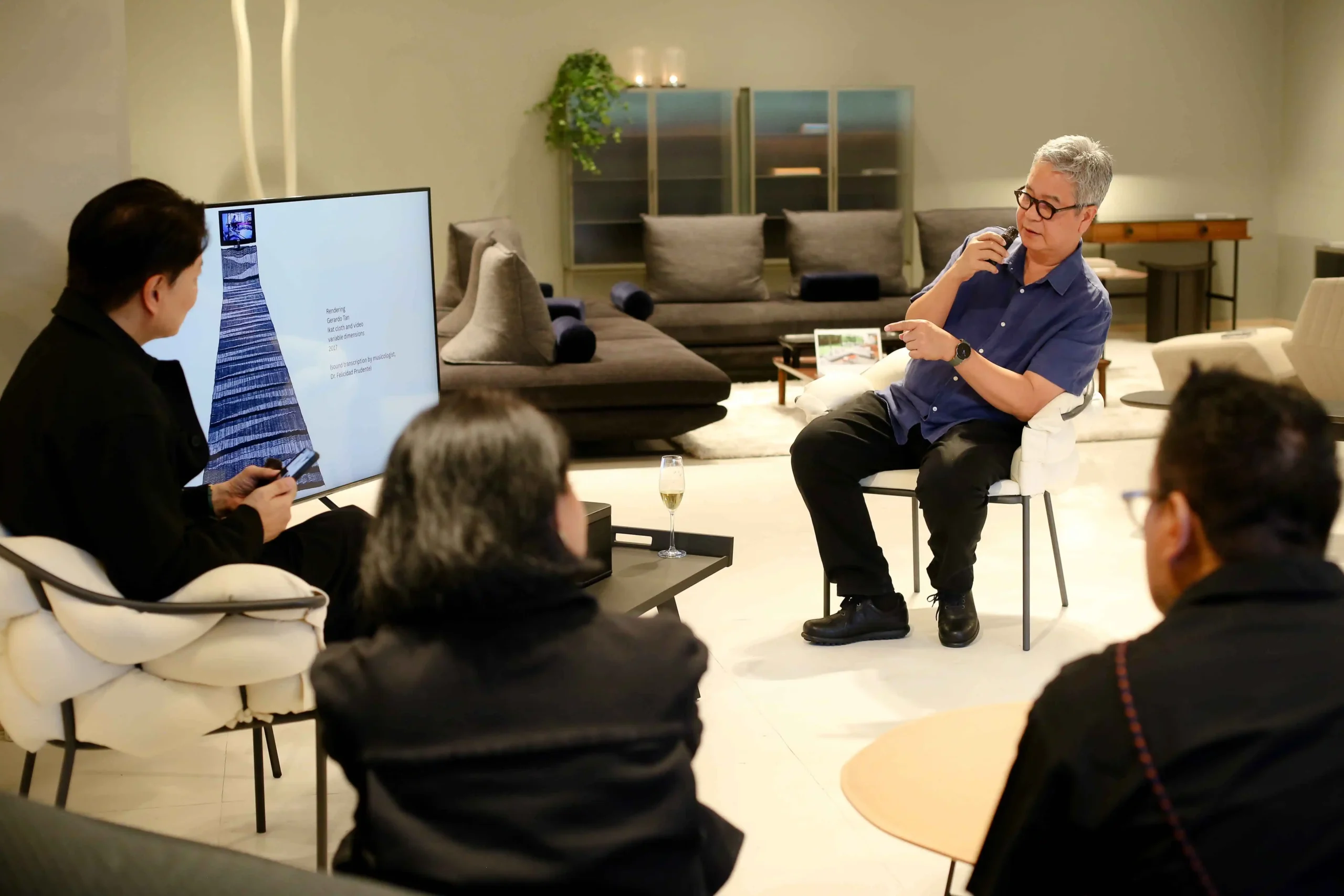
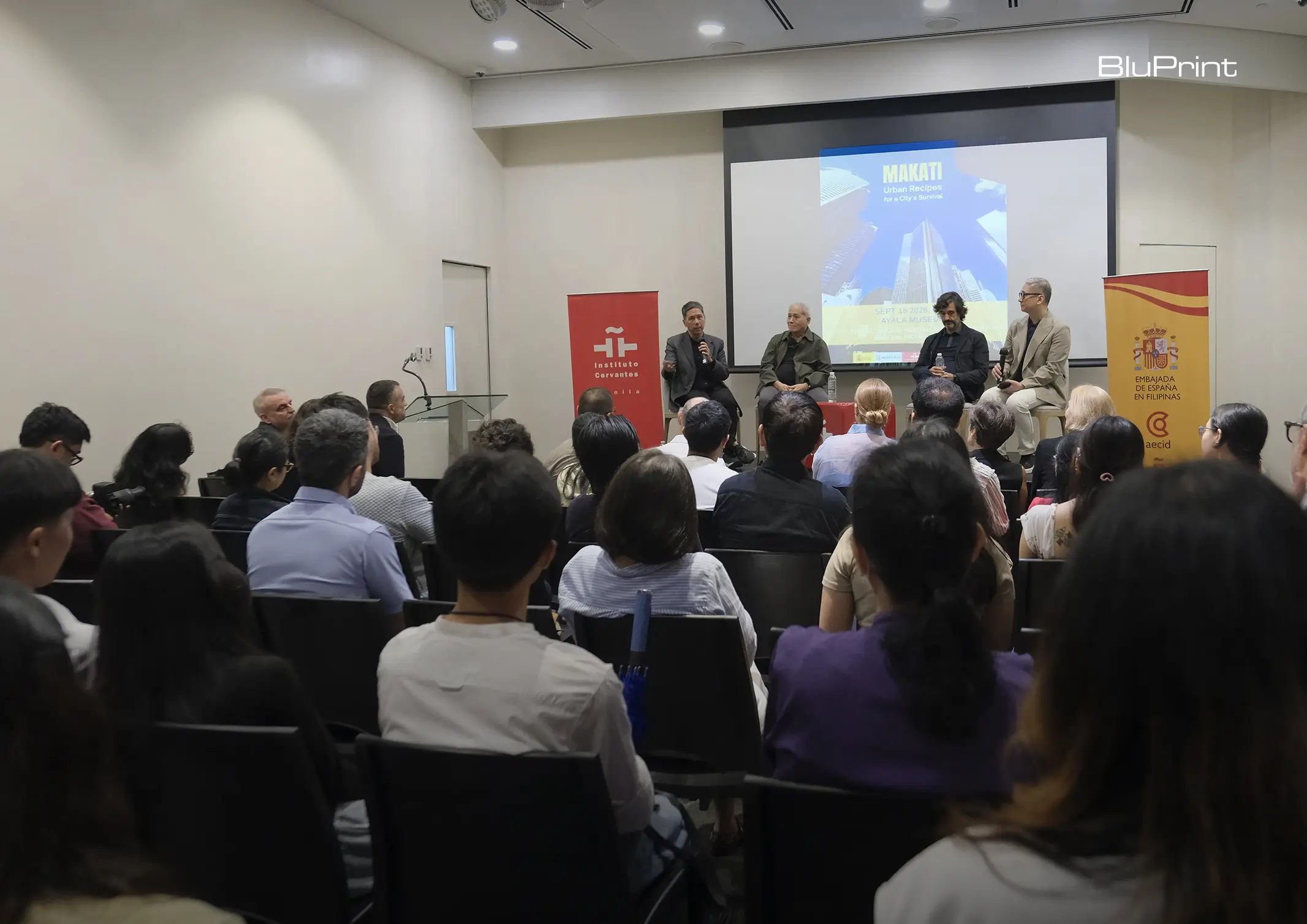
How can better-planned cities create the conditions for more creative, livable, and resilient urban environments? “Makati Urban Recipes for a City’s Survival,” a colloquium held at the Ayala Museum on September 15, brought together architects and practitioners from the fields of urbanism and the creative economy to discuss how design, planning, and collaboration can address […]
Philippine Artists We Got To Know This Year: BluPrint Year-End 2025



Art, more than anything, is deeply human in its triumph and flaws. While everyone aims for perfection, what makes art compelling is how it showcases the deep, individual traits that affect every artist working today. Many Philippine artists working today have such a profound trove of influences and talent that one cannot help but marvel at every piece they create.
For our year-end roundup of the art scene, we showcase some of the interviews we’ve done for the year that hopefully spotlights the past and the future of this country’s art scene as a whole. These interviews exemplify the aspects of artistry that put our humanity front and center and how our different ideas coalesce together to solidify our cultural identity as a whole.
Regardless of how humanity progresses, the love felt for art will remain solidly, achingly personal.
Joe Bautista, the Returning Pioneer
One of the Philippine artists profiled in our inaugural BluPrint Art publication, Joe Bautista, is an important but seemingly unsung figure in the influential “Shop 6” art scene. His art challenges our traditional ways of viewing art, veering into unspoken political subtexts as it delves into more conceptual ideas that elitist perspectives have pushed aside.
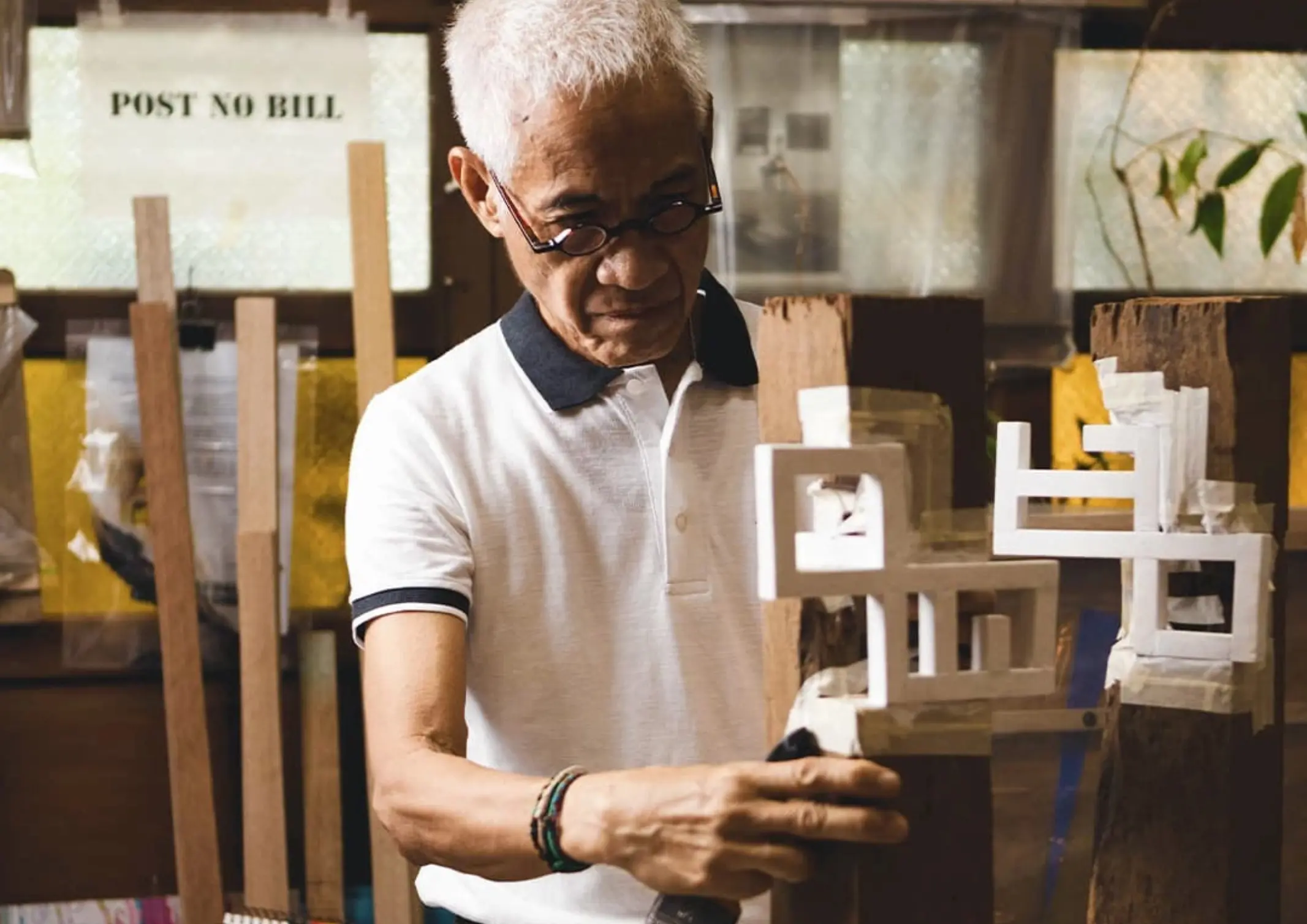
“From the conceptual provocations of Shop 6 to the subversive commentary hidden in Frigidaire, Joe Bautista’s legacy is one of fearless exploration. His journey—from a radical young artist who challenged the establishment, to a quiet hiatus, to his recent return—is a powerful affirmation of a persistent creative spirit,” BluPrint’s Caryll Ong wrote in her profile of the artist.
Read more: Joe Bautista: ‘Kutong Lupa’ and His Audacious Return
Thea Quiachon, the Architect-Turned-Artist
One of the more interesting younger artists working in the art scene today, Quiachon creates uniquely textured paintings made through techniques that she largely learned from her days in architectureArchitectureThe art and science of designing and constructing buildings, structures, and spaces that are functional, safe, and aesthetically pleasing. It encompasses the planning, design, materials, and techniques used to createGo to Architecture Glossary.
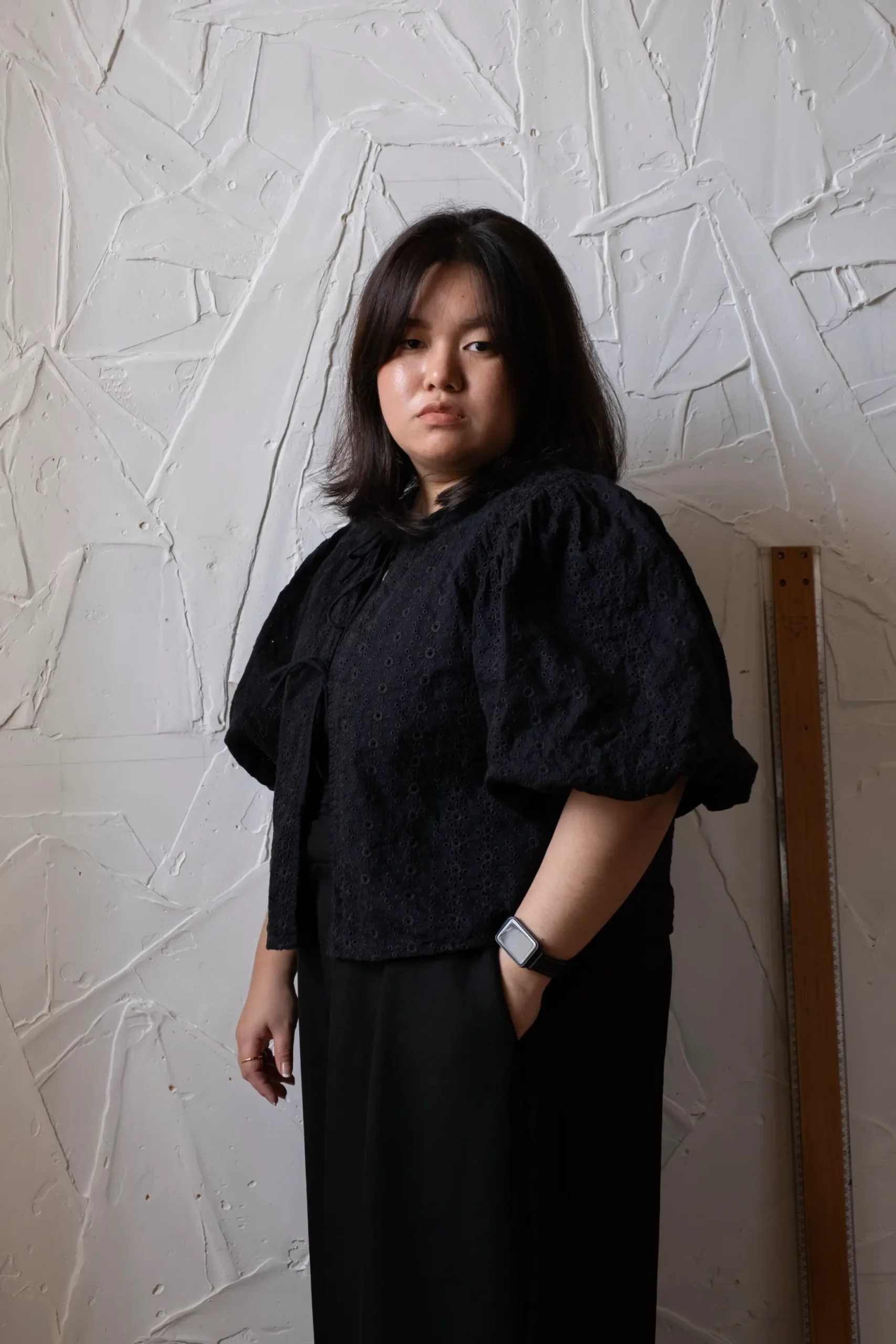
The abstract, faceless figurines that comes from scale figures in architectural sketches, the impasto method that allows for the texture of stone in her work, the monochromatic look that makes it striking to look at from a distance and close-up; all of it derives from her past, and becomes her way of self-expression, of digging into the emotions that bubble up from within.
“I like capturing moments,” she said. “It’s just a moment, like it’s not the entirety of the story. You capture something at that given time and then I tend to focus on it and that’s how I make my concepts. Like you pause the people on the move.”
Read more: Thea Quiachon Makes Material Art of Abstract Emotions
Abraham Reyes, the Gem Artist
Reyes, as an artist, stands out by recontextualizing gems and precious stones in an art context, allowing enthusiasts to see them as part of nature, a part of our world today.
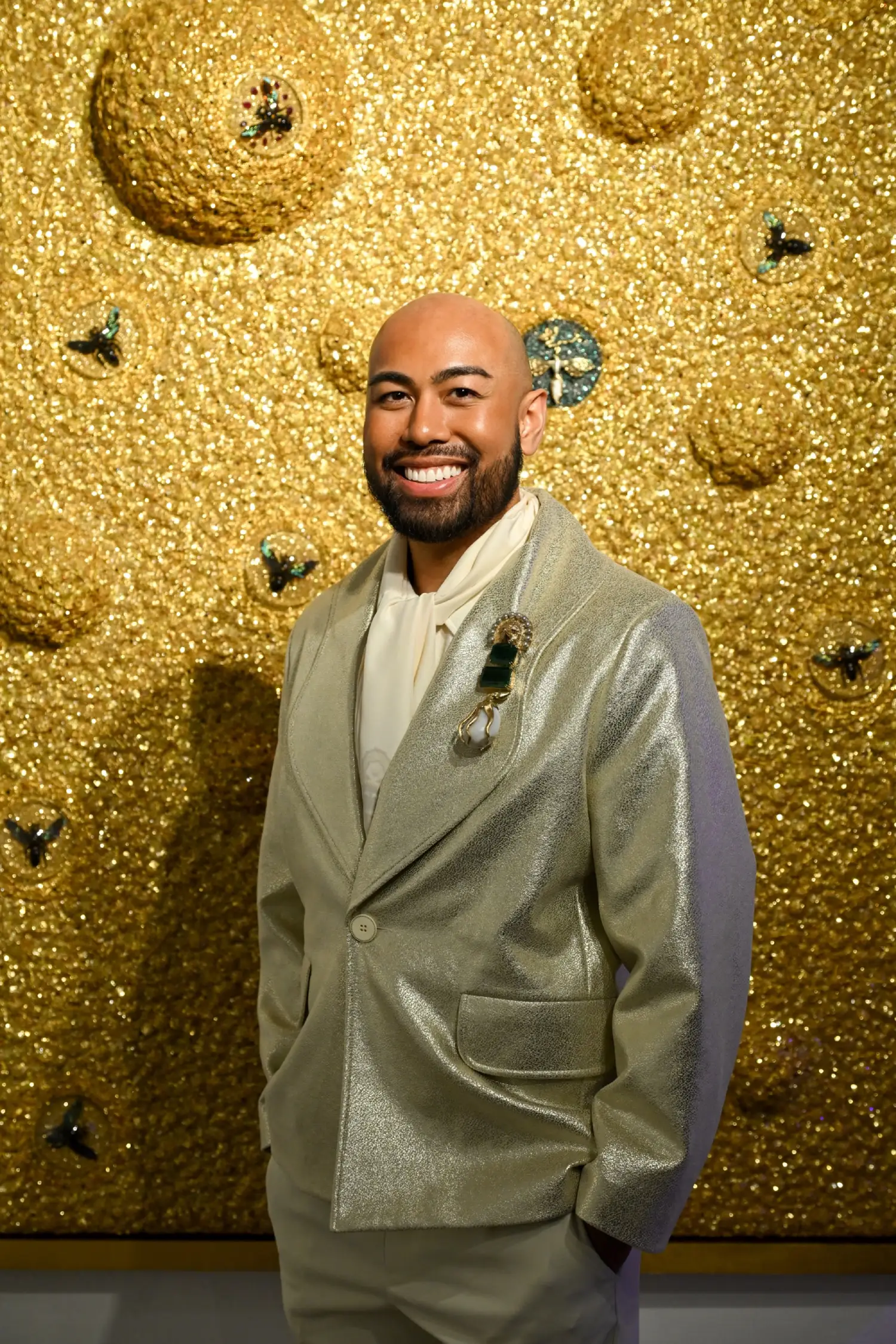
A lot of his work highlights the natural sensibilities of gems, questioning the standards we impose upon them in society. For example, one of his signature works, “The Giga Pearl,” is allegedly the largest authenticated pearl in existence. He shows it to people in its unadulterated form, as a statement of the relationship our world has with beauty and how that can diverge from our society’s standards.
“It’s all about rethinking how gems are displayed and enjoyed,” Reyes said. “As an artist, it’s important to think outside the box, to challenge what’s been traditionally accepted as beautiful or valuable.”
Read more: Abraham Reyes: The Gem Collector and Artist Crafts Authenticity in Beauty
Lee Paje, the Deconstructionist
eatsleepdreamwork, Lee Paje’s most recent exhibition at MO_Space, focused more on the labor of artists rather than the typical topics of its transcendent nature. A collection of her work over the past few decades, the multimedia showcase immerses the viewer in her day-to-day life, exemplifying the work that goes into creating art with others.
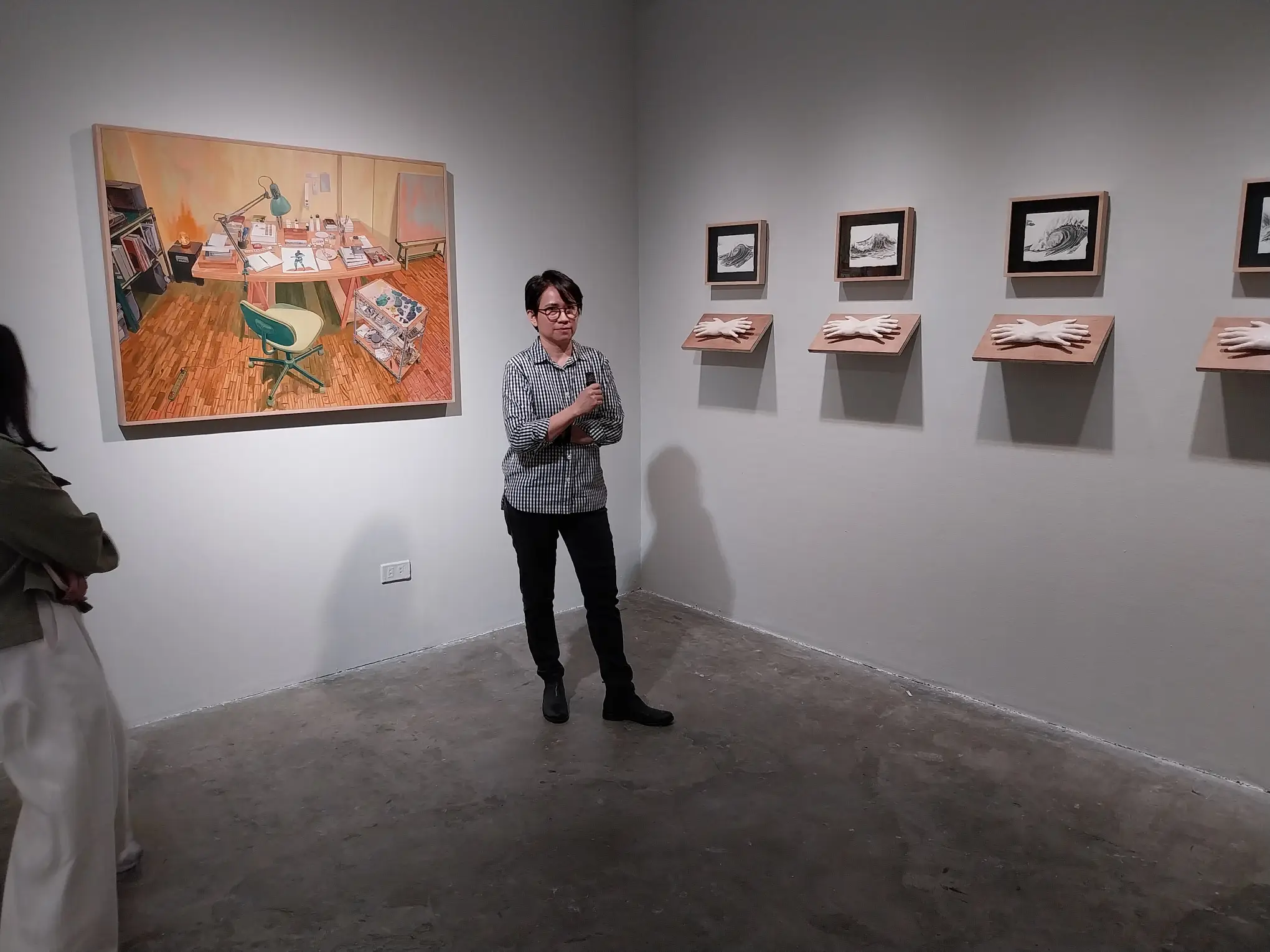
She utilizes a bevy of methods toward these goals, from paintings and sculptures to a fragmented video mosaic of different activities happening simultaneously. It’s a dynamic and self-conscious investigation of how one does art, especially as the veil of daily life pierces through the ideals of the artist again and again to no end.
“I noticed that a year is no longer divided into days, weeks, and months,” she said. “It has become more about the projects, the work that needs to be finished, and the deadlines to meet. Everything revolves around making. The passing of time is marked by moments of making, which are then intertwined with the banality of everyday routines. I noticed how the cyclical nature of time and routines coincides with making.”
Read more: Lee Paje Demythisizes the Artistic Process in ‘eatsleepdreamwork’
Chalk Zaldivar, the Satirist
Not a lot of satirical material about the art world currently exists—typically, most collectors and art enthusiasts are unwilling to invest in such navel-gazing—so Chalk Zaldivar stands out because of how sharp and silly his artwork tends to be about pop culture in general, and the art world as a whole.
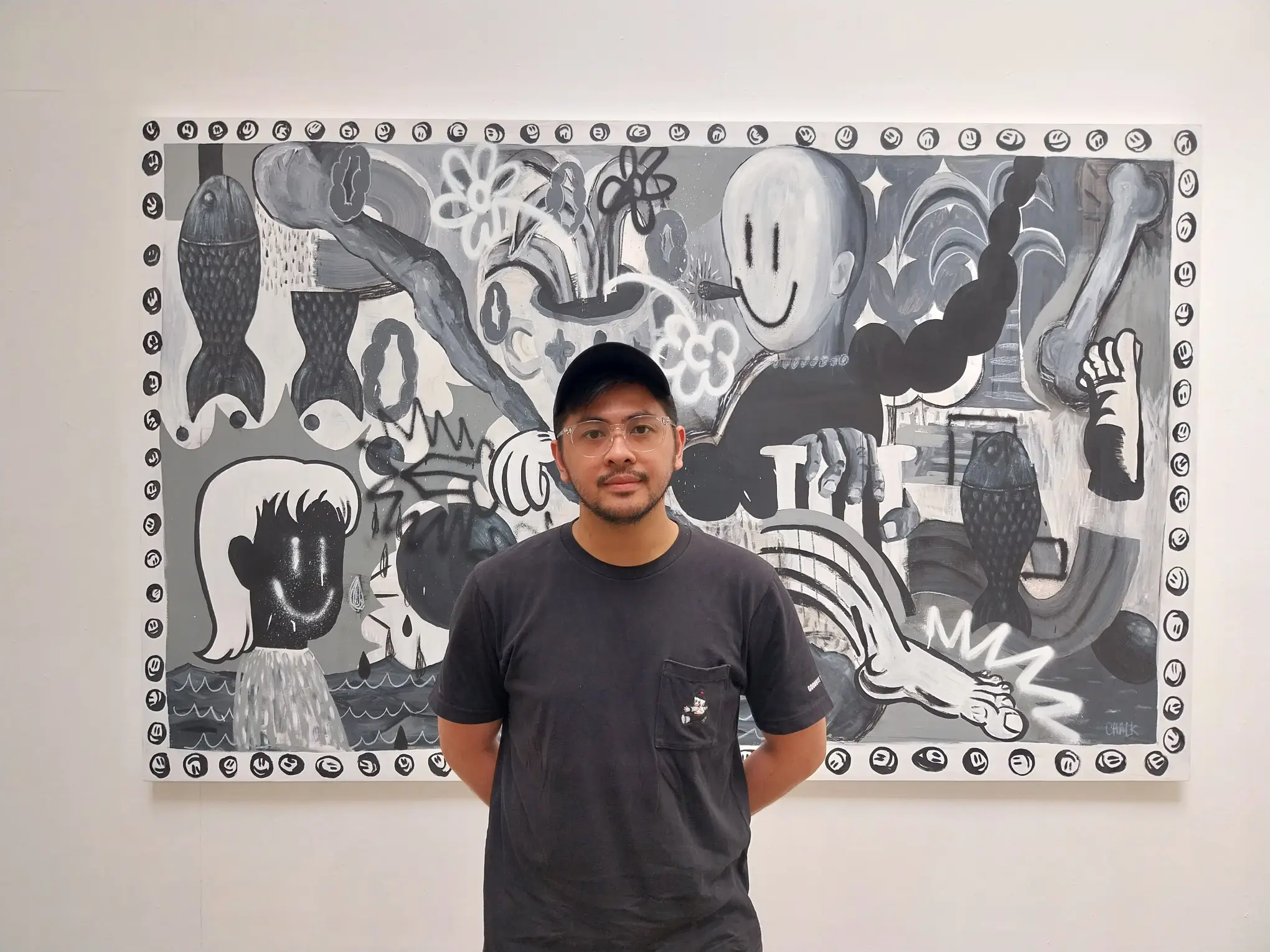
His most recent solo exhibition, State of the Art, contains some of the most pointed barbs and jokes about the pretentions of artists and the art world in recent memory. From a white canvas with “Launder Your Money Through Me” spray-painted across it, to a mocking series of trophies that decry how awards are based more on connections than the merit of the art itself, Zaldivar’s incisiveness cuts through the idle chatter of industry people at large to say something honest about our local scene as a whole.
“It seems fun to talk about, you know, but no artist is willing to cross the line,” he added. “So since no one’s talking about it, [I] might as well add it naman din. And at least it creates conversation about the topic, makes people reassess it.”
Read more: Chalk Zaldivar Fashions a Pointed Satire of Today’s Art Scene
Hanna Pettyjohn, the Migrant Artist
The daughter of esteemed local ceramic artists Jon and Tessy Pettyjohn, Hanna’s own path in life took her to different places around the world. She utilizes different mediums, from painting to sculpture and ceramics, as a way of exploring her unique perspective of life in different ways.
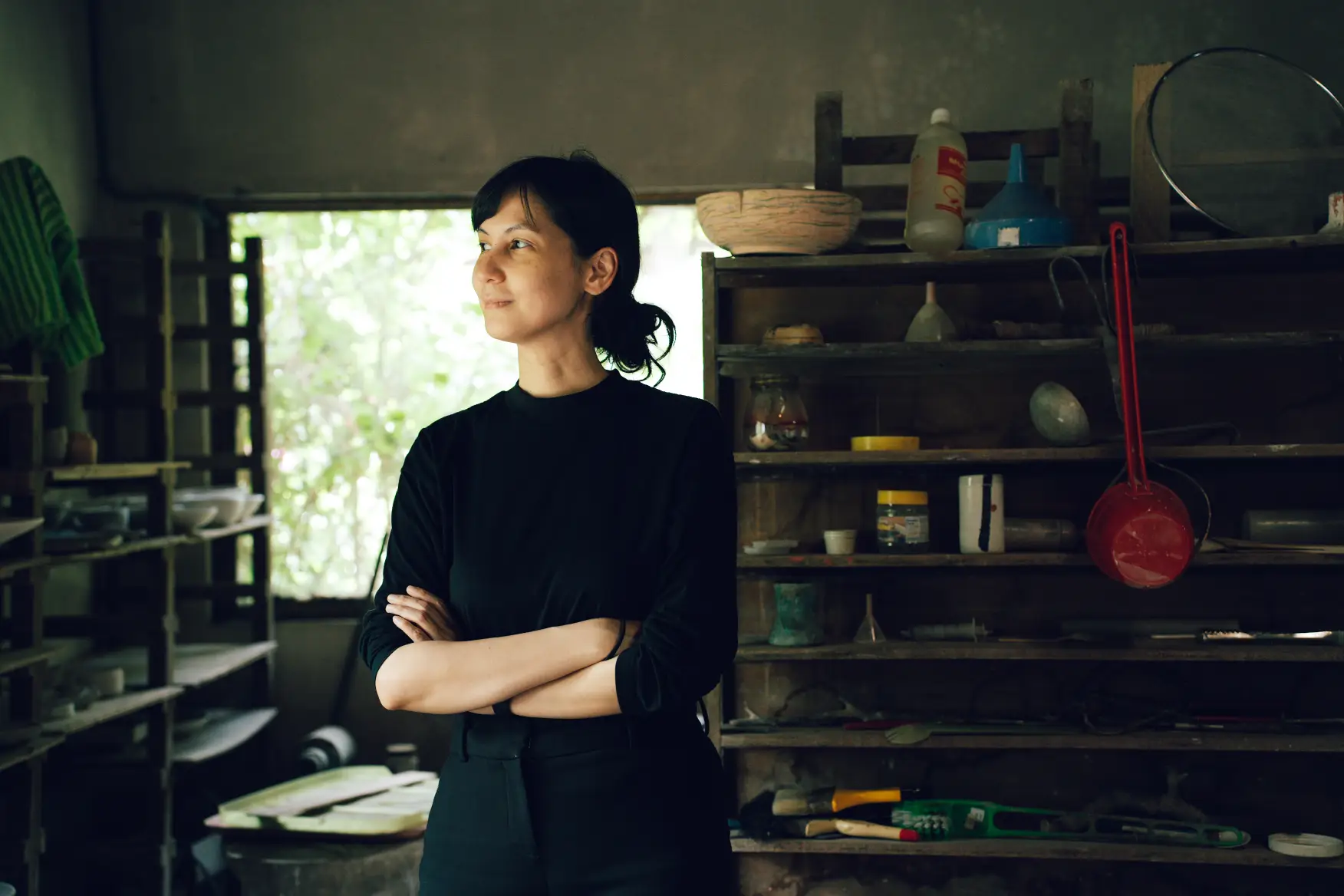
Her story as a migrant to the United States is central to much of her artwork, as she seeks to define her place in the world. Typically a painter, Hanna’s recent collaboration with her father Jon has her working with ceramics to reflect on her past and look toward the future of her craft. It’s a collaboration that has encouraged her to seek out new mediums to explore as a way of telling her stories as best as she can in the future.
“I think I like the idea that someone like me as a painter could find this connection,” Hanna added. “And it would be nice if other people could also just not have an attitude of ‘I’m not a ceramicist, so I’m not gonna try it.’ There’s a lot you can do. And that would be nice if people feel like they want to explore also.”
Read more: Jon and Hanna Pettyjohn: Bridging the Multigenerational Spirit of Artistry
Different Views and Approaches, Same World
Philippine artists have continued to evolve in strange and unpredictable ways, changing with the waves of time and culture as they work to understand the self and the environment we’re all in. As the art scene continues to lurch forward, hope springs eternal that enlightenment will not just come to the artists, but also to our community as a whole; that new layers of the Filipino spirit will be unlocked as we continue to explore.
Photos by Elle Yap, Ed Simon, and Kim Santos.
Related reading: Disability Architecture: Ar. Jaime Silva on the Push for Accessible Spaces
Frequently Asked Questions
Quiachon, an architect-turned-artist, applies structural principles to the canvas. Technically, she utilizes the impasto method—applying paint in thick, heavy layers—to replicate the rough texture of stone. Her subjects are often “faceless figurines” derived from architectural scale figures (the small people drawn in blueprints to show proportion). By capturing these “paused moments” in a monochromatic palette, she creates a tactile, three-dimensional experience out of abstract emotions.
In her exhibition eatsleepdreamwork, Lee Paje used a multimedia approach to shift the focus from the “finished masterpiece” to the daily labor of making. Technically, she organized her exhibition around a fragmented video mosaic that showed simultaneous activities—painting, sculpting, and mundane household routines. This “self-conscious investigation” highlights that an artist’s time is measured not by days or weeks, but by project deadlines and the repetitive, cyclical nature of studio work.
Abraham Reyes challenges the traditional luxury-market view of precious stones by presenting them as unadulterated natural sculptures. His most famous piece, “The Giga Pearl” (the world’s largest authenticated pearl), is displayed in its organic, non-spherical form. Technically, Reyes advocates for “thinking outside the box” by refusing to cut or polish stones into standard jewelry shapes, instead using them as a medium to discuss the relationship between nature’s raw beauty and society’s artificial standards of value.
Chalk Zaldivar uses conceptual subversion to critique the pretensions of the local art scene. His technical execution is deliberately blunt:
Spray-Paint Text: Using street-art techniques on high-end gallery canvases (e.g., “Launder Your Money Through Me”) to mock the relationship between art and finance.
Symbolic Trophies: Creating series of awards that sarcastically “decry” how the art industry rewards connections over merit.
By using “pointed barbs” and a “sharp, silly” aesthetic, Zaldivar turns the gallery space into a mirror that forces the industry to reassess its own elitist behavior.
As a migrant artist, Hanna Pettyjohn uses a blend of painting, sculpture, and ceramics to explore themes of displacement and heritage. While primarily a painter, her 2025 collaboration with her father, Jon Pettyjohn, involved a technical shift into high-fire ceramics. This multidisciplinary approach allows her to express the “cyclical nature” of her history—merging the fluid, emotional truths of painting with the grounded, geological permanence of clay to define her place in a globalized world.
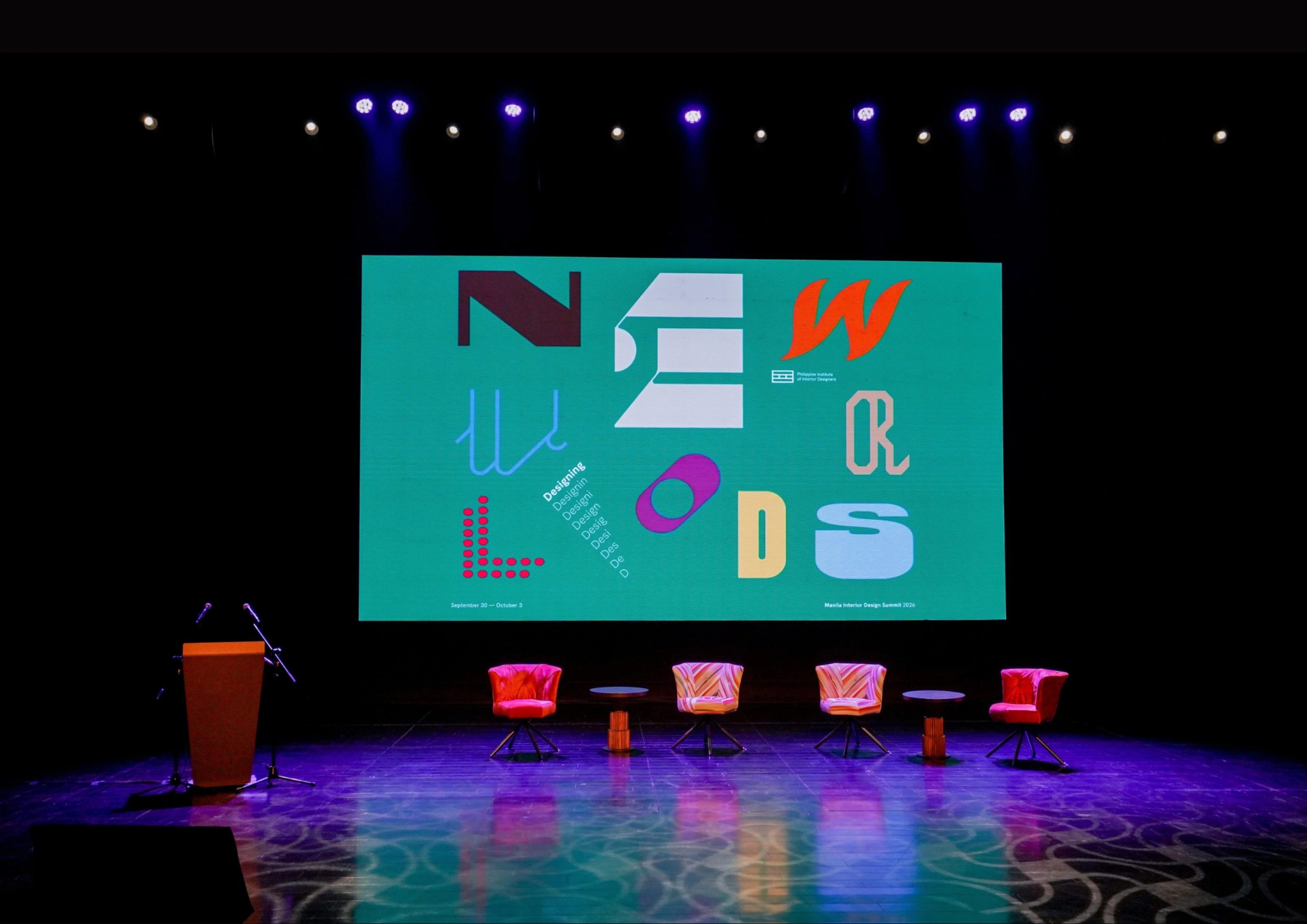
The fourth Manila Interior DesignInterior DesignThe discipline of planning and shaping interior spaces for function, comfort, safety, and beauty. It covers layout, lighting, materials, finishes, furniture, and color, and in the Philippines is a licensedGo to Interior Design Glossary Summit (MIDS) brought together more than 300 delegates for four days of conversations, exhibitions, and design […]
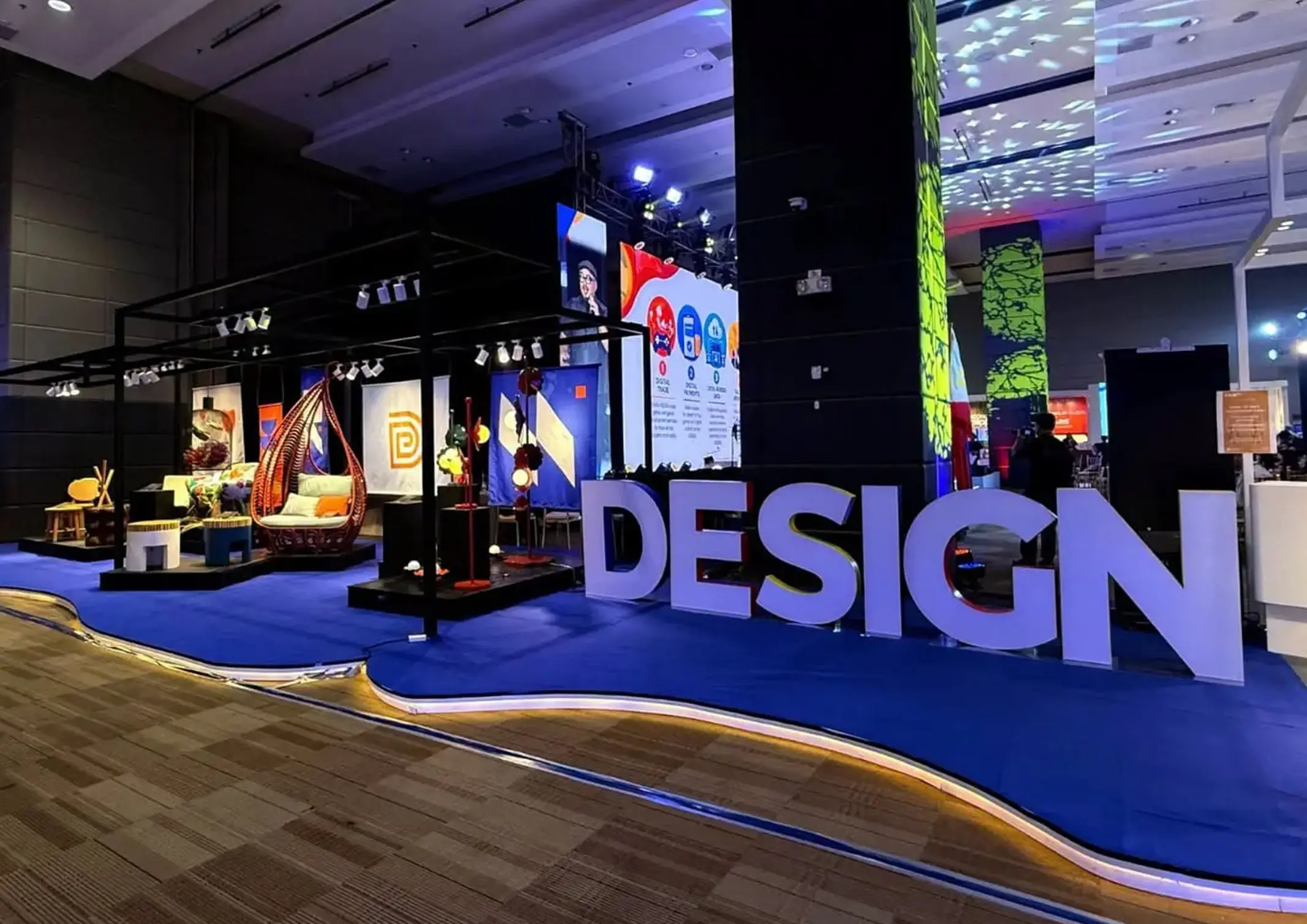
Held at the SMX Convention Center Aura in Taguig City, the first ASEAN Creative Industries Expo by Malikhaing Pinoy (ASEAN MPEx) features nine creative domains, including design, visual arts, digital interactive media, and performing arts. Organized by the Department of Trade and Industry (DTI), the event includes exhibitions, cultural performances, industry talks, and pitching sessions […]
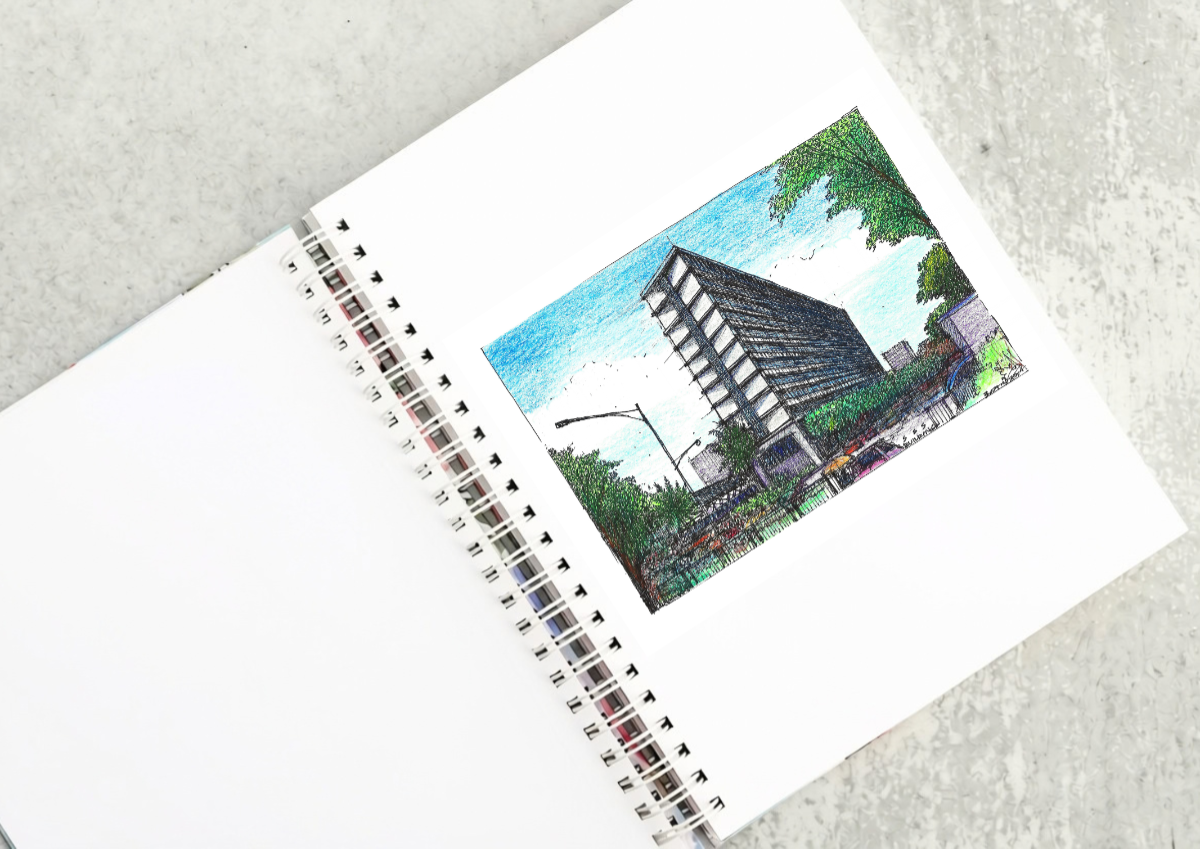
The SSS Building as an Expression of Civic Modernism My favorite modernist landmark in Quezon City is the SSS building on East Avenue. Designed by National Artist for ArchitectureArchitectureThe art and science of designing and constructing buildings, structures, and spaces that are functional, safe, and aesthetically pleasing. It encompasses the planning, design, materials, and techniques […]

Archie G. Carrasco, Chairman and CEO of AGC Power Holdings Corp. (AGC PHC), has been named to The BoF 500 Class of 2026 under the Media category, joining The Business of Fashion’s global community of individuals shaping the fashion industry. Carrasco is among 100 new members from 33 countries and 48 nationalities selected for the […]
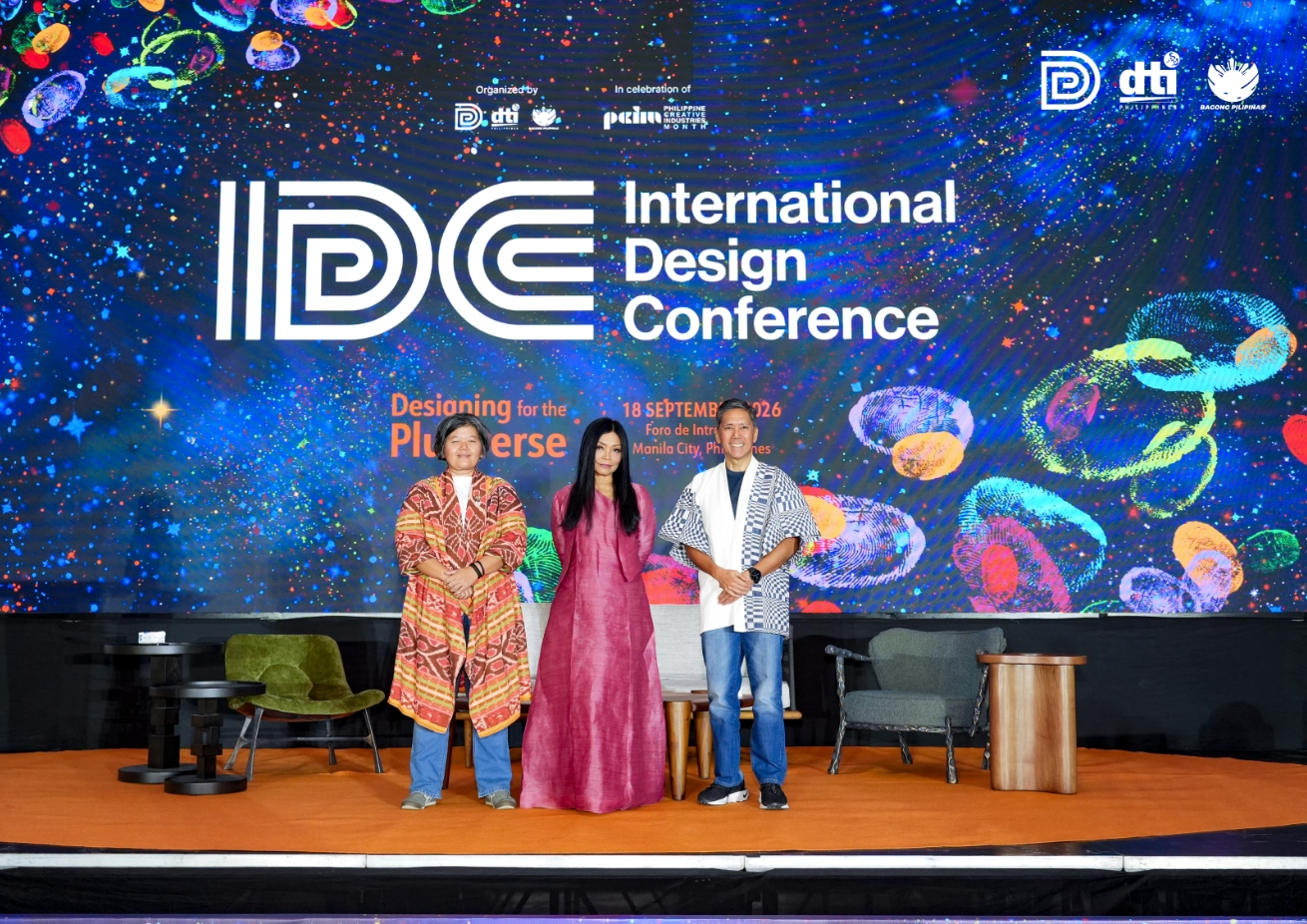
Culture in design does not always announce itself through a recognizable motif, material, or symbol. It can also be embedded in the relationships designers build, the knowledge they listen to, the materials they choose, and the decisions they make in response to communities and their environments. This distinction emerged throughout the 2026 International Design Conference […]
Read the issues.

Collect the volumes.

Recommended Video
Tap to Unmute
Unmute
0:00
0:00