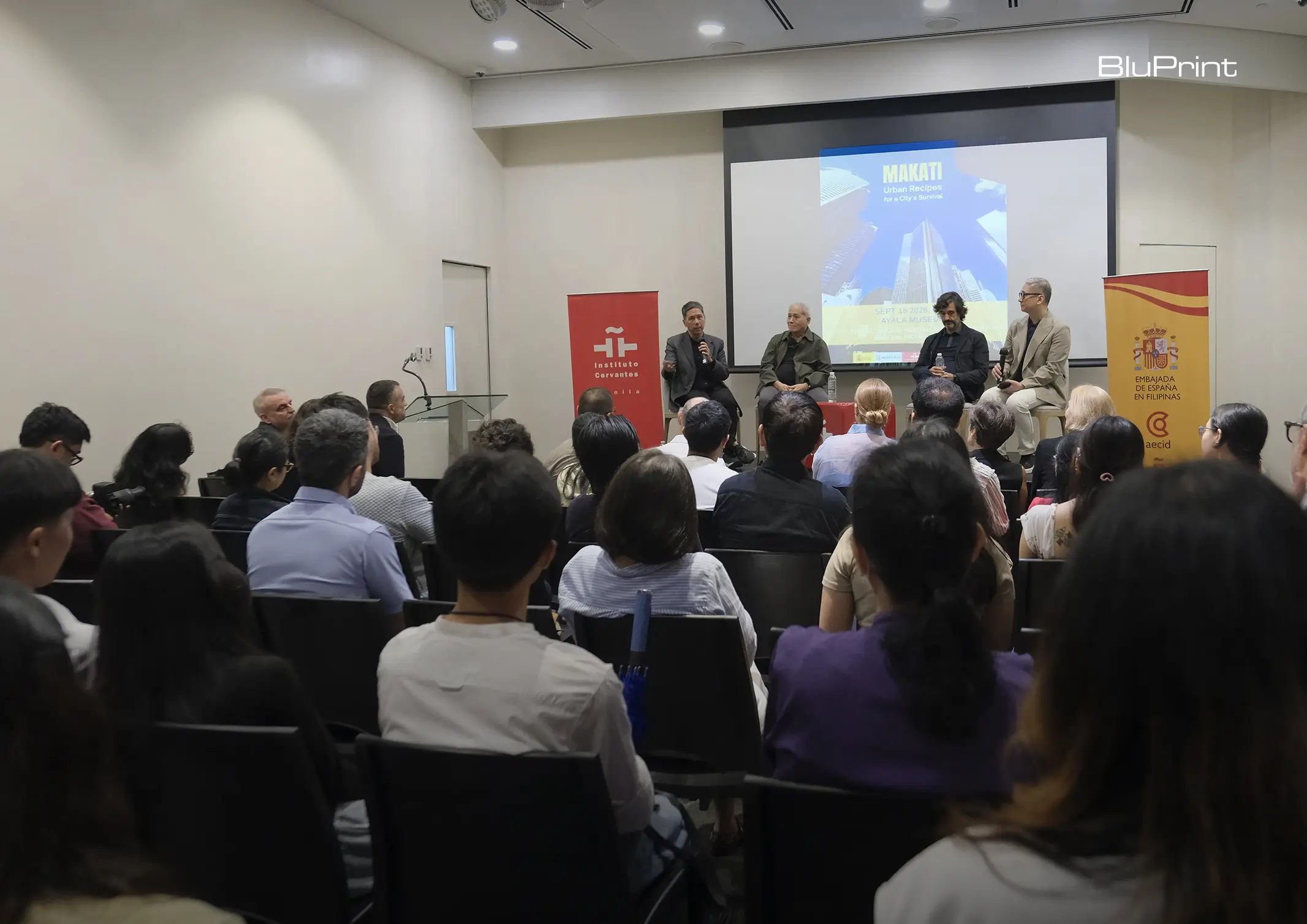
How can better-planned cities create the conditions for more creative, livable, and resilient urban environments? “Makati Urban Recipes for a City’s Survival,” a colloquium held at the Ayala Museum on September 15, brought together architects and practitioners from the fields of urbanism and the creative economy to discuss how design, planning, and collaboration can address […]
Abraham Reyes: The Gem Collector and Artist Crafts Authenticity in Beauty



As an artist, Abraham Reyes stands out from a crowded local art scene with his choice of medium: gems and pearls recontextualized in imaginative ways. While these work as finery for most people, Reyes sees them as a means for storytelling for our world today. An atypical method, but one that he yields effectively.
His recent exhibition, Beneath the Surface, utilizes gems to ponder and redefine their place in our world. It probes the stereotypes that we grew up with in terms of what precious stones are, and then presents us with new ideas that emphasize the importance of these precious stones today.
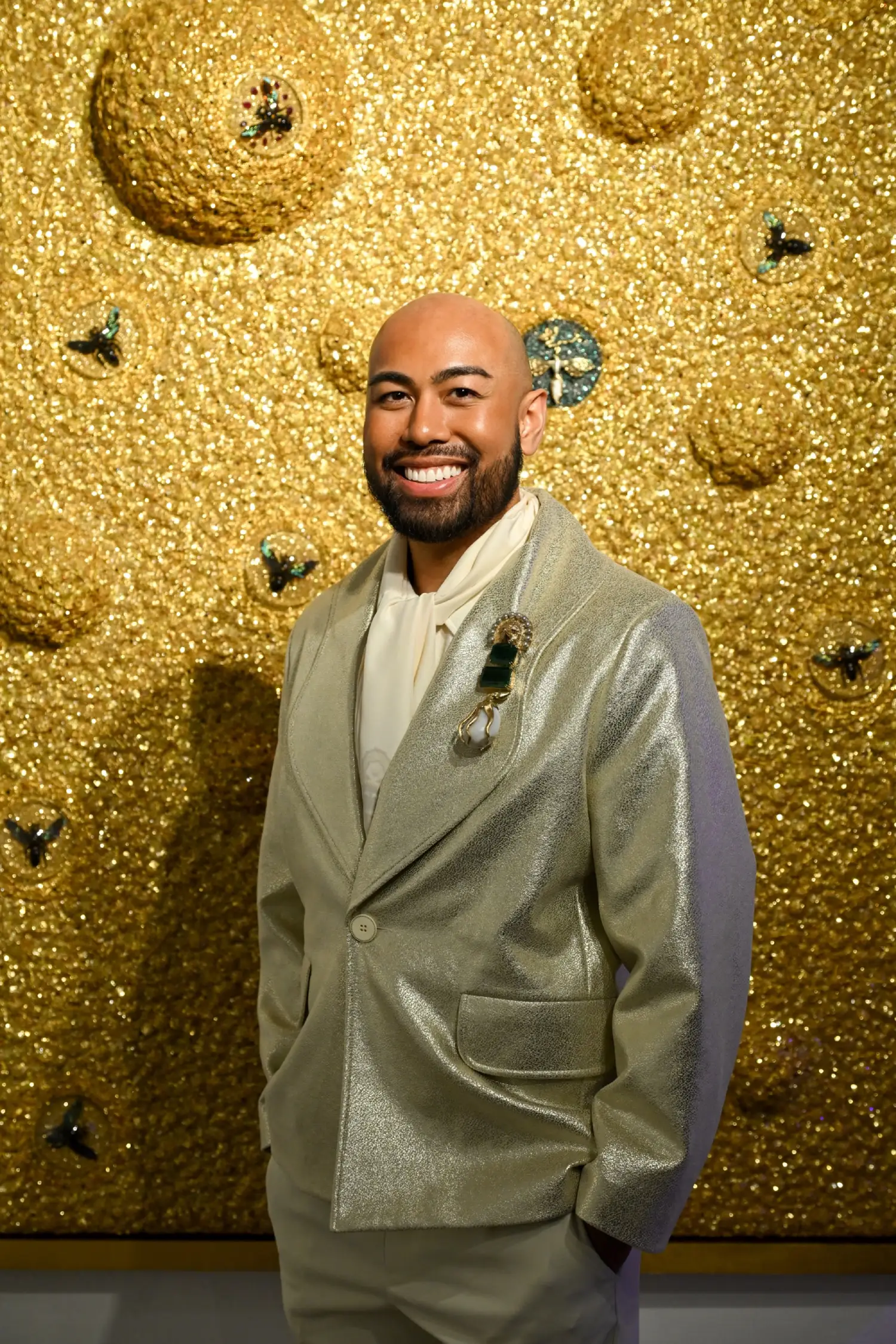
In an interview with BluPrint, Reyes describes how he started in the practice of using jewelry in art, the hidden potential for social commentary through the medium, and the necessity of striking down beauty standards in our society today.
The Attraction of Gems
Abraham Reyes’s interest in gem collection started when he was introduced to it by his godmother at young age. It ended up feeding a passion towards the practice. Over the years, he collected many types of precious stones, including natural wild pearls. Eventually, he felt like these items, which he had “kept in banks and vaults for safekeeping,” were too precious to not be shown to the world.
“I realized these pieces were far too beautiful to be hidden away,” he said. “I started to rethink how gems are used—not just as treasures to be stored or used in jewellery, but as art that could be appreciated and enjoyed every day. My goal became to create art that celebrates the natural wonders and rich culture of the Philippines.”
His interest focused on the natural look of precious stones like pearls. Gems are often shaped into familiar, polished forms. But Reyes finds the raw, natural variations in their shapes and sizes far more compelling. His art practice focuses on presenting these unaltered qualities to an art audience.
“For me, highlighting the authenticity of how each gemstone appears in nature is crucial,” he said. “We’ve been taught to value pearls and gems based on certain standards and what’s typically considered acceptable. To me, the most precious and beautiful objects come from the wild, from nature, and this belief fuels my artistic approach. It’s about showcasing these gems in a way that honours their natural beauty and uniqueness.”
Telling Stories Through Gems and Metalwork
Beneath the Surface exemplifies that ethos behind Reyes’s artistic practice well. The exhibit explores the idea of rarity as a theme: what do we define as rare? What types of rarity does society value and why? It probes the beauty standards that even gems undergo, and questions why these standards have been imposed upon us as a society.
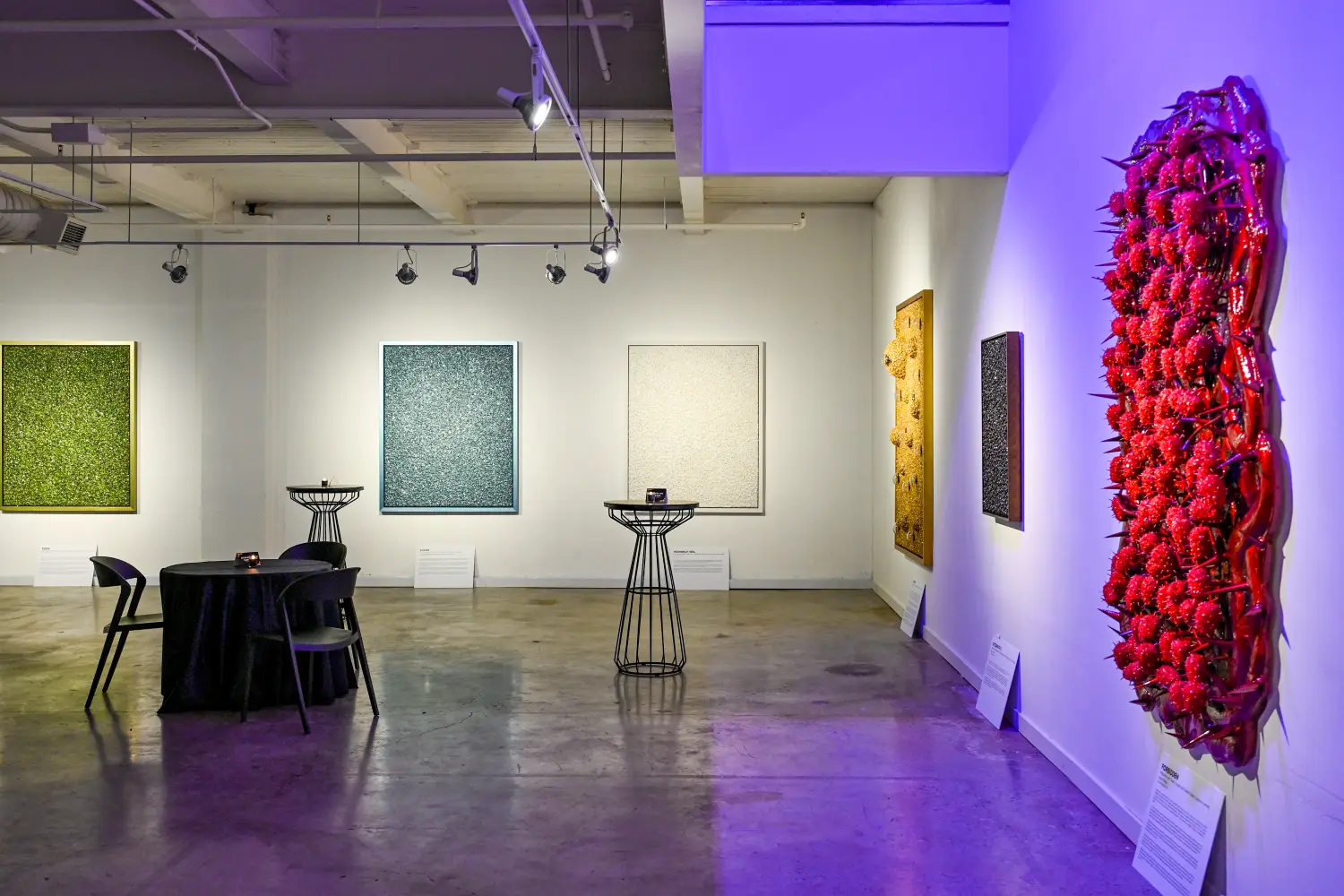
“I specifically work with natural wild pearls and natural gems, both rough and faceted, because I see beauty in them in their original, unaltered forms,” he said. “It’s about showcasing these gems in a way that honours their natural beauty and uniqueness.”
‘Sacred Beauty’ and Colonialism
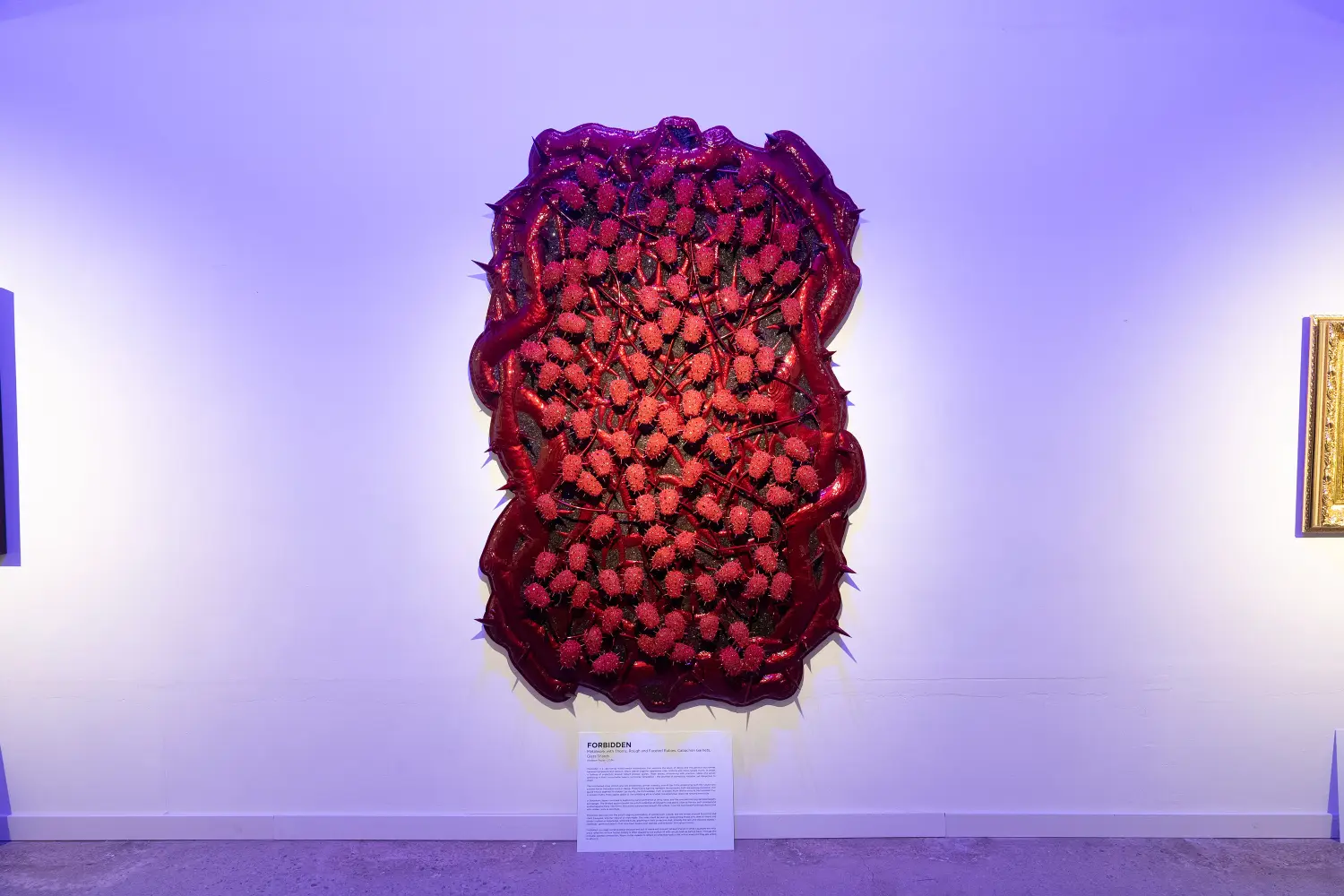
This theme of rarity manifests itself in the exhibit in different ways. For example, the Sacred Beauty series has Reyes making a coat-of-arms akin to the kind of iconography used by the Spanish. He combines them with gems that are retrofitted to look like hearts, harkening towards religious symbols.
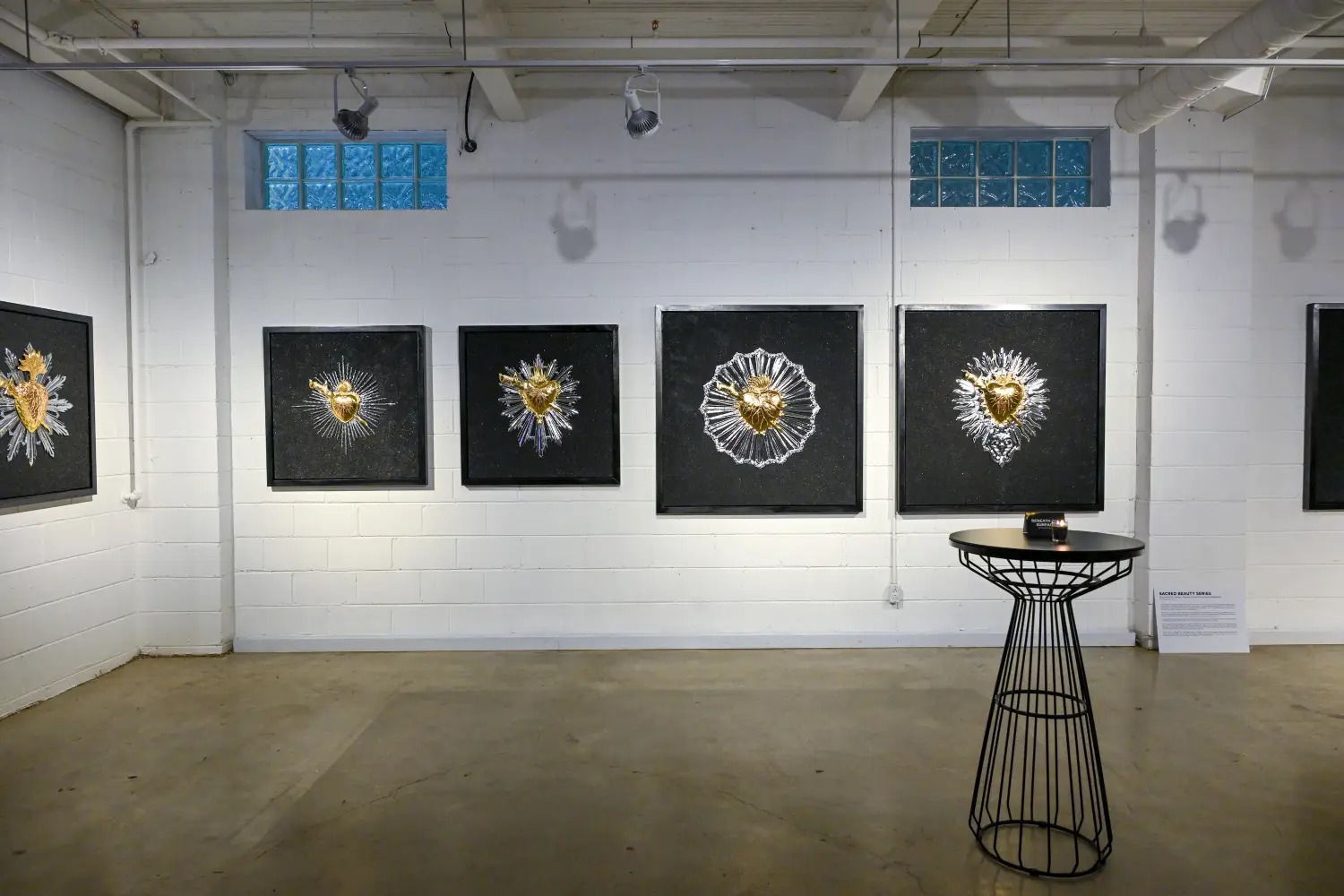
“In ‘Sacred Beauty,’ I wanted to explore the contrasts that come from our history, how colonization, religion, and indigenous culture all mix together to shape what we see as beauty today. I use symbols like the sacred heart, which in religious tradition represents divine love and faith, but I also wanted to show the pain and resilience that came with colonization.
“The fiery rubies and soft pearls as the veins are there to show both strength and vulnerability, and the swords piercing the hearts represent the sacrifice, but also the ongoing fight to hold onto our heritage.”
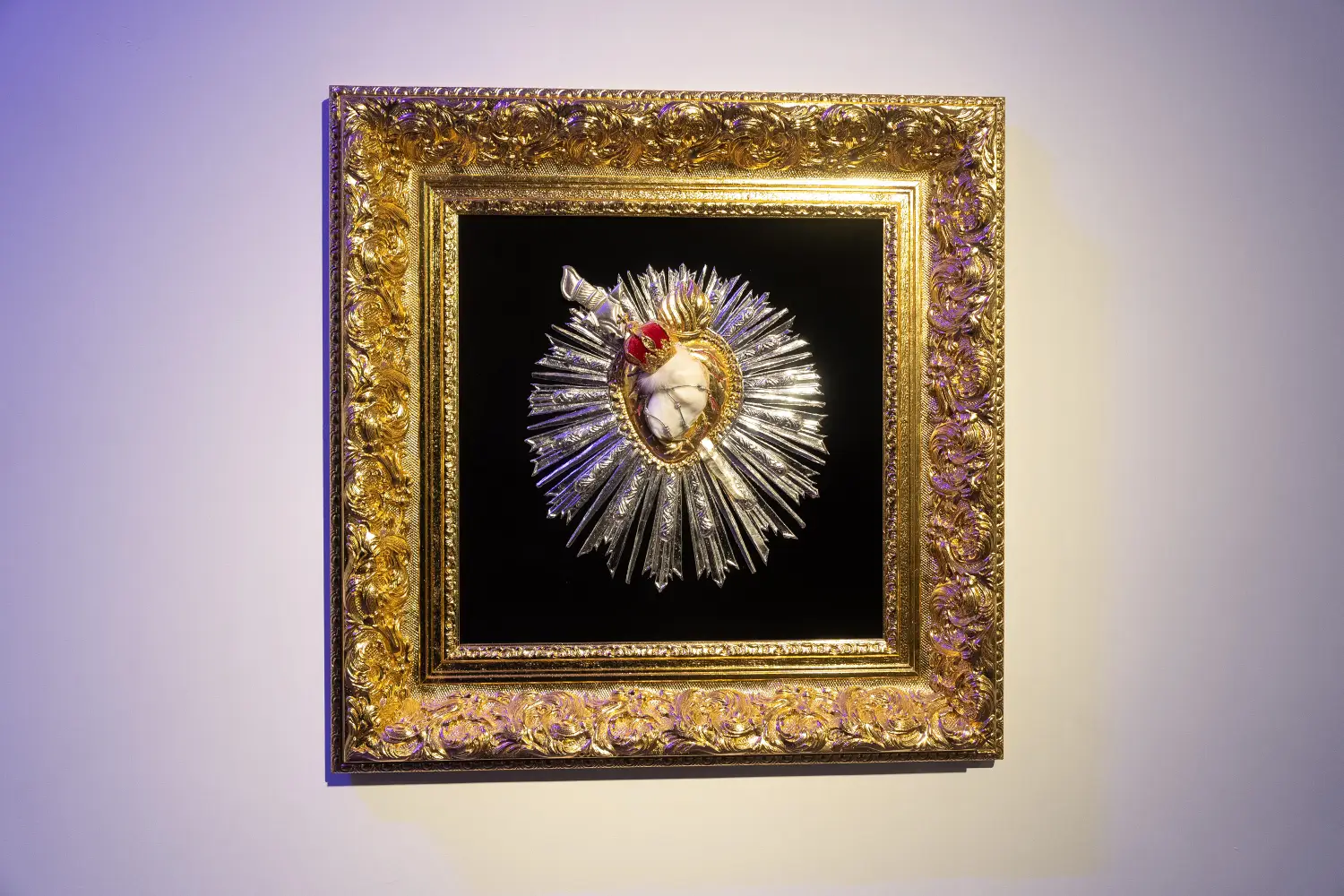
“Sacred Beauty” does not exist as a repudiation of colonialism, even if Reyes acknowledges its negative effects. Instead, it functions as a celebration of Filipino resilience, of how the core of our country’s identity survives even as we undergo the cultural violence that our colonizers wrought upon us.
“What I’m trying to say is that while colonization did impose new ideals on us, it didn’t erase our cultural strength,” he said. “There’s a beauty in how we’ve survived and adapted, and I think that’s something Filipinos today continue to reckon with. We honour our history, but we also question how it shapes us. It’s not just about the pain of the past; it’s about recognizing the resilience, the beauty, and the grace that came from it.”
‘The Giga Pearl’ and Natural Beauty
The most interesting and eye-catching work Reyes made, however, is “The Giga Pearl.” Utilizing what Reyes claimed is the “largest authenticated pearl in the world,” he wanted to use its form as a way of celebrating the distinctive beauty of wild pearls around the world.
The unique thing about “The Giga Pearl” is how it doesn’t look like how we see pearls in the media. In its unadulterated form, it looks like a giant pebble or a large white stone. With how jewelry tends to reform and curate the shape of gems, this artwork is a marvel all on its own by showing what a wild gem looks like.
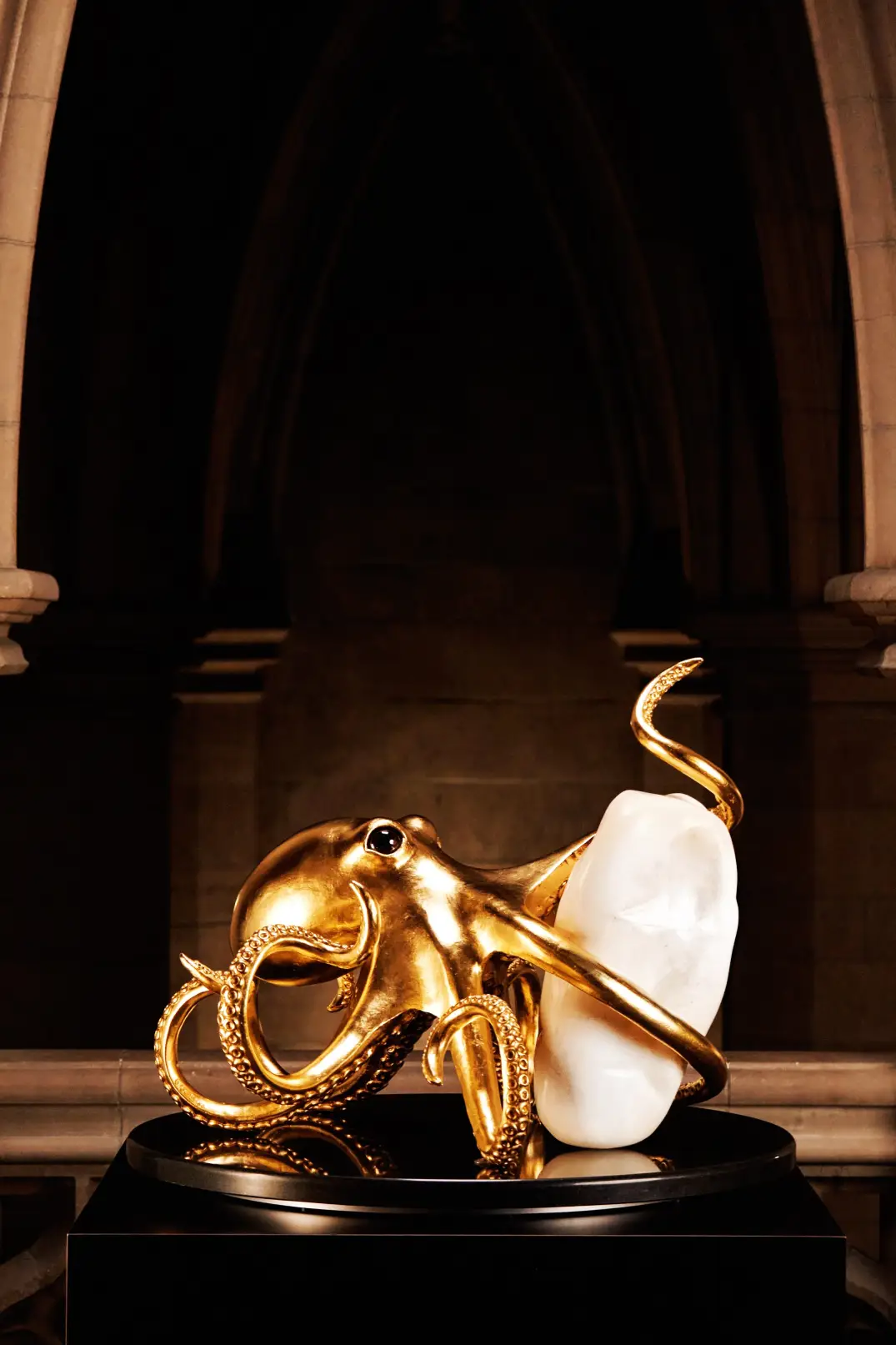
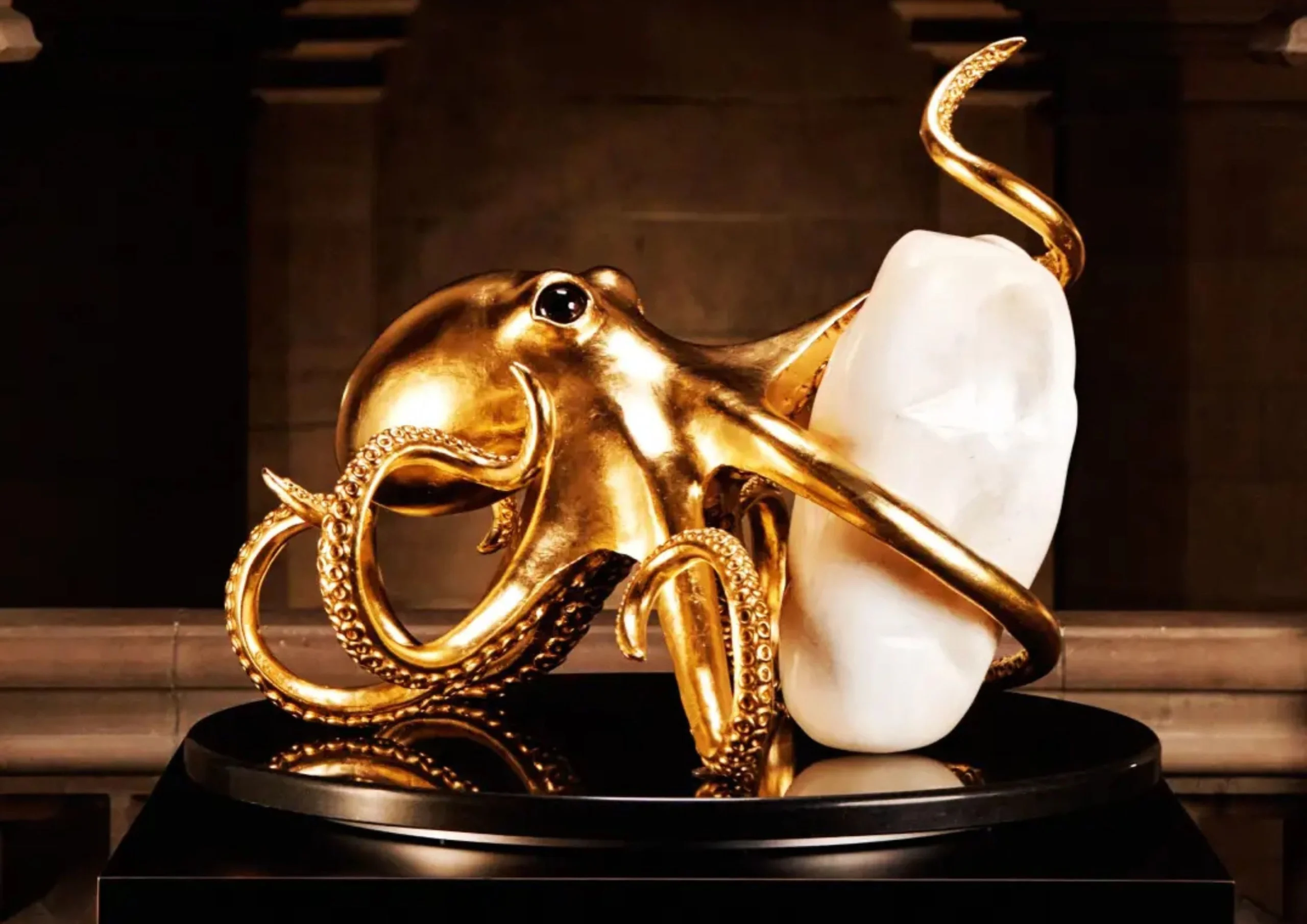
For this work, Abraham Reyes also commissioned the golden sculpture of an octopus that wraps its tentacles around a pearl. Made by Bethany Krull, it’s meant to symbolize “the intricate relationship between nature, beauty, and the ocean.”
“Ultimately, through the Giga Pearl and pearls and gems used in my artworks, I aim to celebrate the richness of Filipino culture and heritage, showcasing the incredible bounty of our land and reinforcing the prestige of our natural wonders,” he said.
Finding Unique Stories in Gemworks
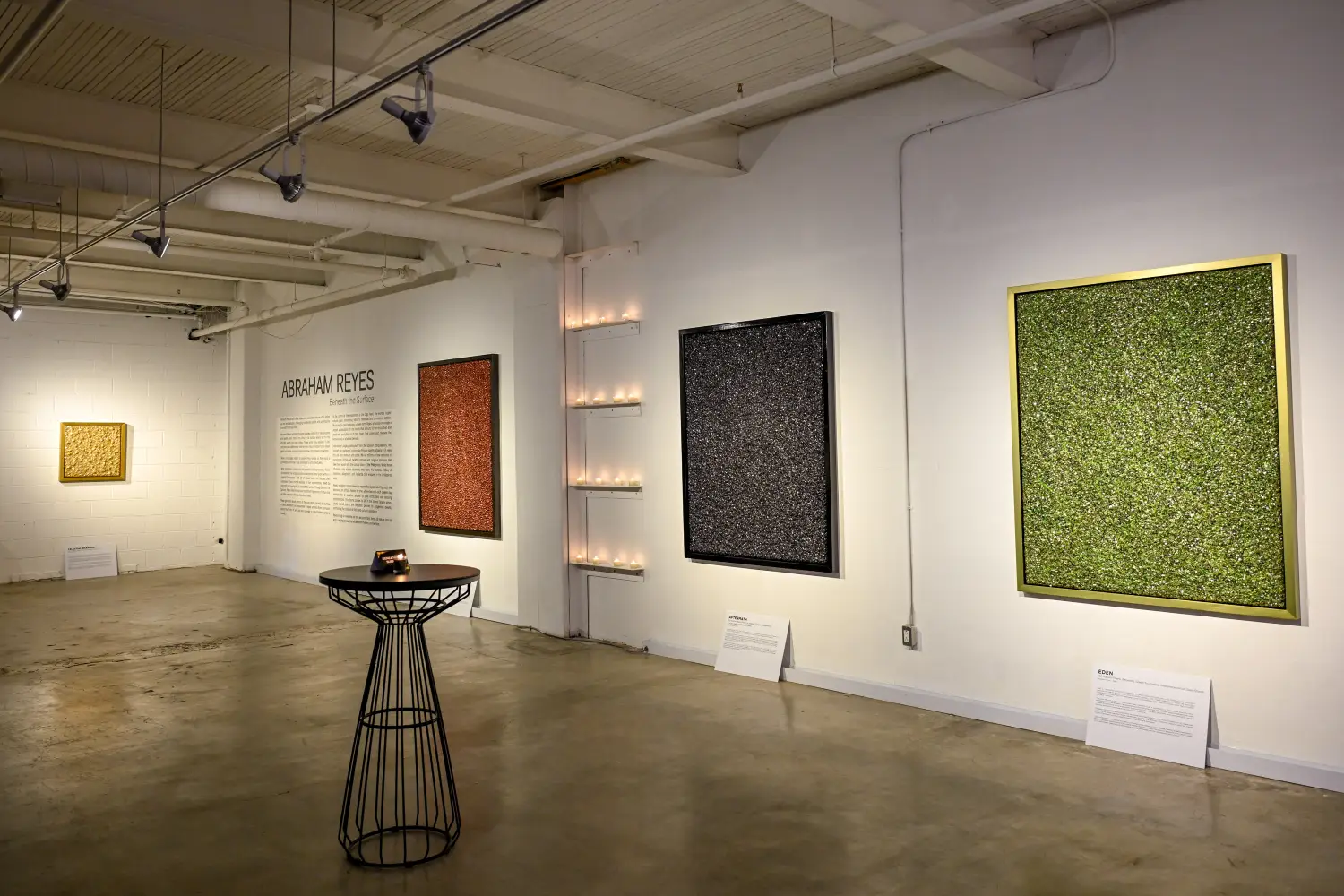
Beneath the Surface and Abraham Reyes’s work in general showcases the kind of unique stories that can exist from the different mediums we use in art. Something like gems and pearls unlocks ideas and concepts of history that might not be readily available in traditional formats like painting and sculpture. It broadens our perspective of culture and crafts new openings for artworks that reinterpret who we are as individuals, as a people, and as a society.
“It’s all about rethinking how gems are displayed and enjoyed,” Reyes said. “As an artist, it’s important to think outside the box, to challenge what’s been traditionally accepted as beautiful or valuable.”
Photos provided by the artist.
Related reading: Antiques and Antiquities: Abraham Reyes Art on Decorating with Aged Pieces
Frequently Asked Questions
Reyes distinguishes himself by using natural gems and wild pearls as primary storytelling tools rather than mere finery. Unlike traditional jewelers who polish and shape stones into symmetrical forms, he focuses on the raw, unadulterated beauty of gemstones to challenge established beauty standards. By recontextualizing these precious materials into imaginative artworks, he transforms objects typically hidden in vaults into accessible pieces of cultural and social commentary.
The exhibition explores the concept of rarity and questions the arbitrary beauty standards imposed on precious stones by society. Reyes probes why certain gems are valued over others, using rough and faceted natural materials to highlight the authenticity of their original forms. The collection encourages viewers to rethink what they define as “precious,” shifting the focus from commercial value to the unique, natural narratives found in the wild.
This series utilizes iconography like the sacred heart and coat-of-arms to explore the intersection of Spanish colonization, religion, and indigenous resilience. By combining fiery rubies and soft pearls, Reyes symbolizes the contrast between vulnerability and strength, representing the “cultural violence” of the past alongside the endurance of Filipino identity. The work serves as a celebration of how local heritage has adapted and survived despite the imposition of foreign ideals.
“The Giga Pearl” features what is claimed to be the largest authenticated pearl in the world, presented in its natural, pebble-like form rather than a curated sphere. Accompanied by a golden octopus sculpture by Bethany Krull, the piece highlights the intricate relationship between the ocean and natural beauty. It acts as a centerpiece for Reyes’s mission to showcase the prestige of the Philippines’ natural wonders and the bounty of its land.
Reyes aims to challenge traditional perceptions of value by encouraging an appreciation for the unique and the “unfiltered” in nature. He uses his art to celebrate Filipino heritage and resilience, proving that mediums like gemworks can unlock historical and cultural insights that traditional painting or sculpture might miss. Ultimately, his work is a call to think outside the box and find beauty in authenticity rather than perfection.
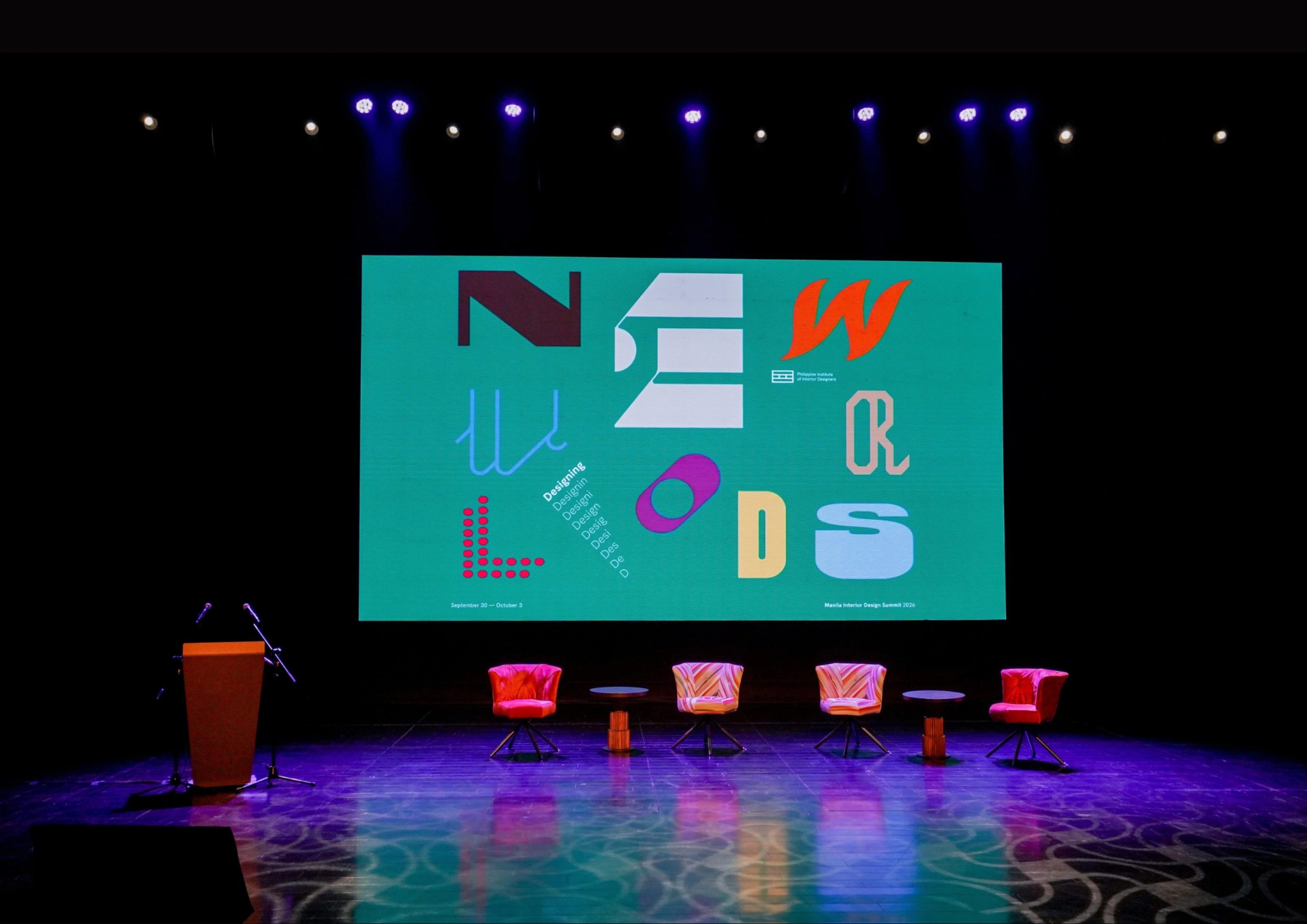
The fourth Manila Interior DesignInterior DesignThe discipline of planning and shaping interior spaces for function, comfort, safety, and beauty. It covers layout, lighting, materials, finishes, furniture, and color, and in the Philippines is a licensedGo to Interior Design Glossary Summit (MIDS) brought together more than 300 delegates for four days of conversations, exhibitions, and design […]
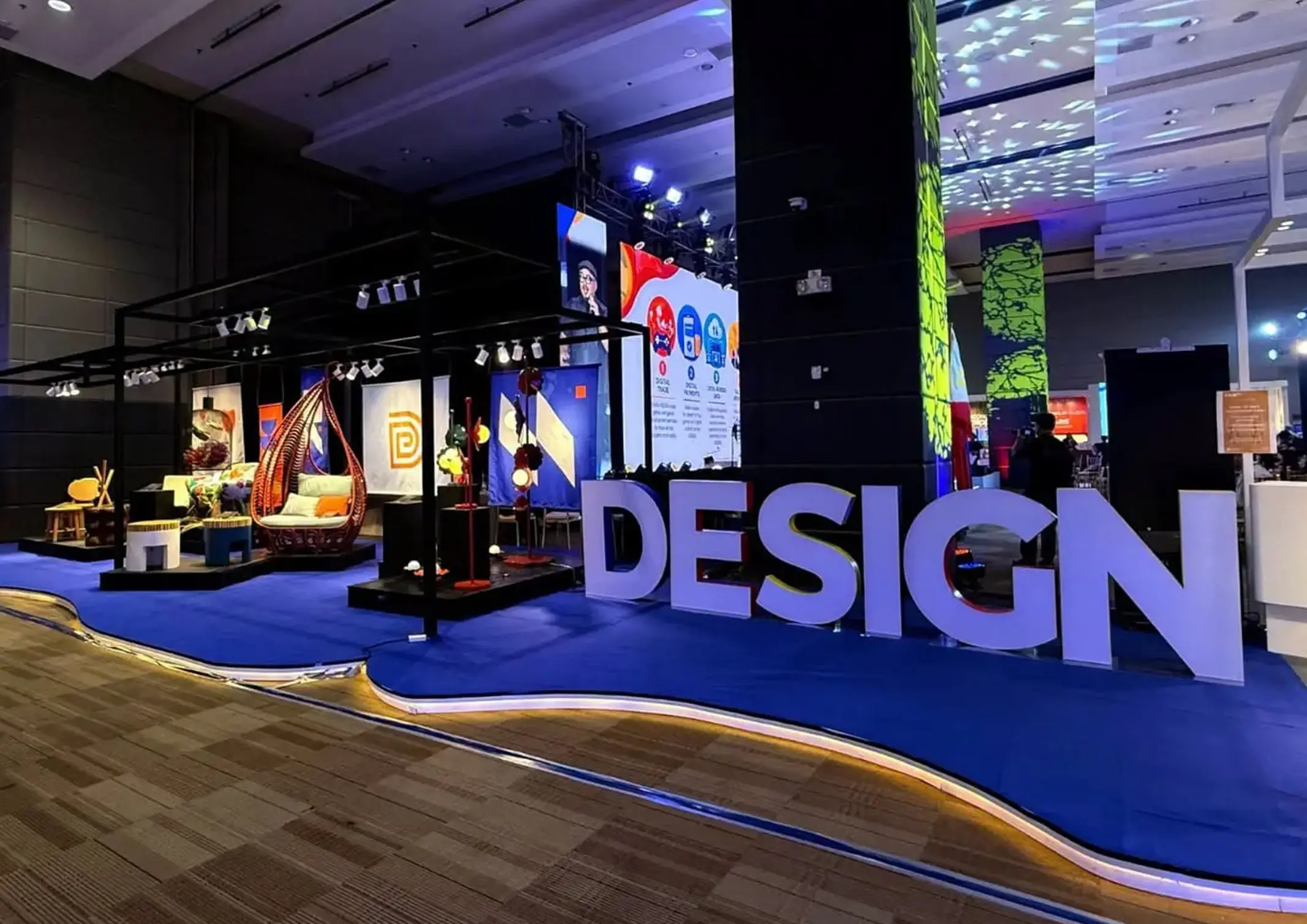
Held at the SMX Convention Center Aura in Taguig City, the first ASEAN Creative Industries Expo by Malikhaing Pinoy (ASEAN MPEx) features nine creative domains, including design, visual arts, digital interactive media, and performing arts. Organized by the Department of Trade and Industry (DTI), the event includes exhibitions, cultural performances, industry talks, and pitching sessions […]
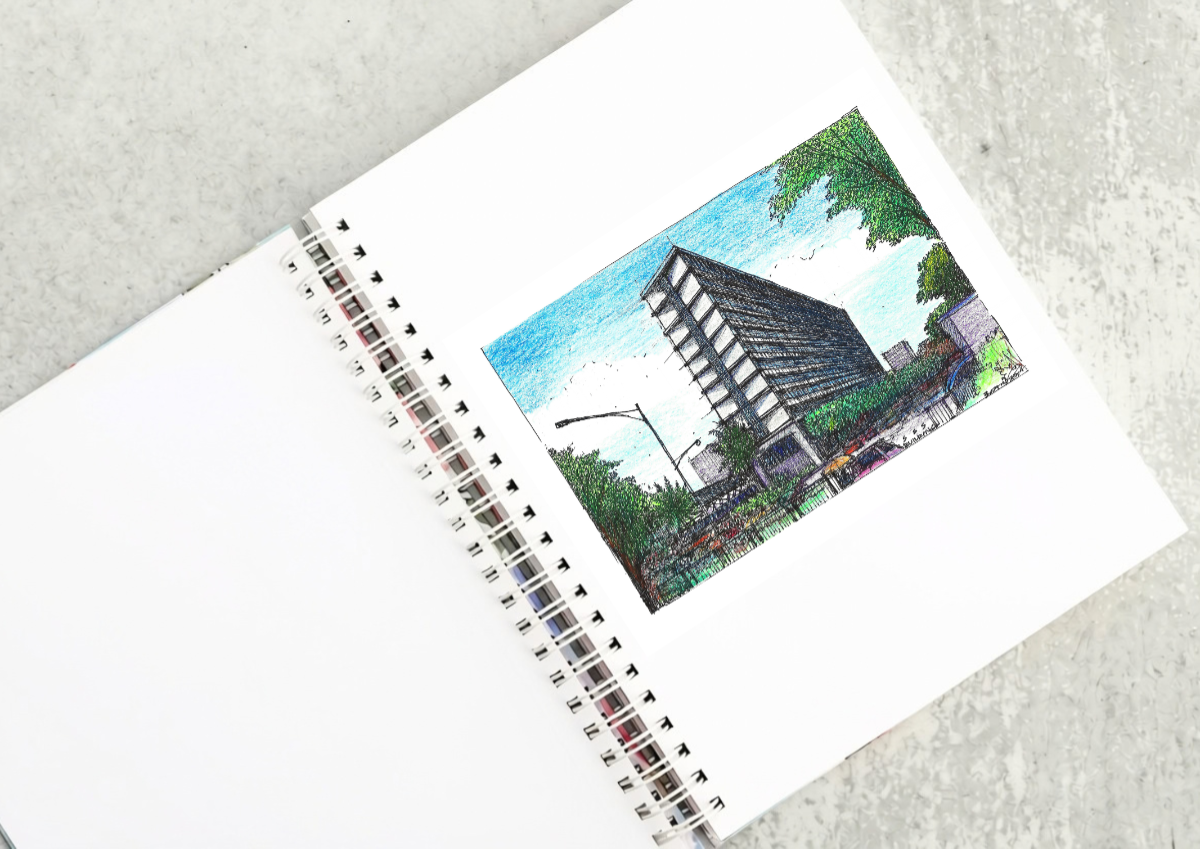
The SSS Building as an Expression of Civic Modernism My favorite modernist landmark in Quezon City is the SSS building on East Avenue. Designed by National Artist for ArchitectureArchitectureThe art and science of designing and constructing buildings, structures, and spaces that are functional, safe, and aesthetically pleasing. It encompasses the planning, design, materials, and techniques […]

Archie G. Carrasco, Chairman and CEO of AGC Power Holdings Corp. (AGC PHC), has been named to The BoF 500 Class of 2026 under the Media category, joining The Business of Fashion’s global community of individuals shaping the fashion industry. Carrasco is among 100 new members from 33 countries and 48 nationalities selected for the […]
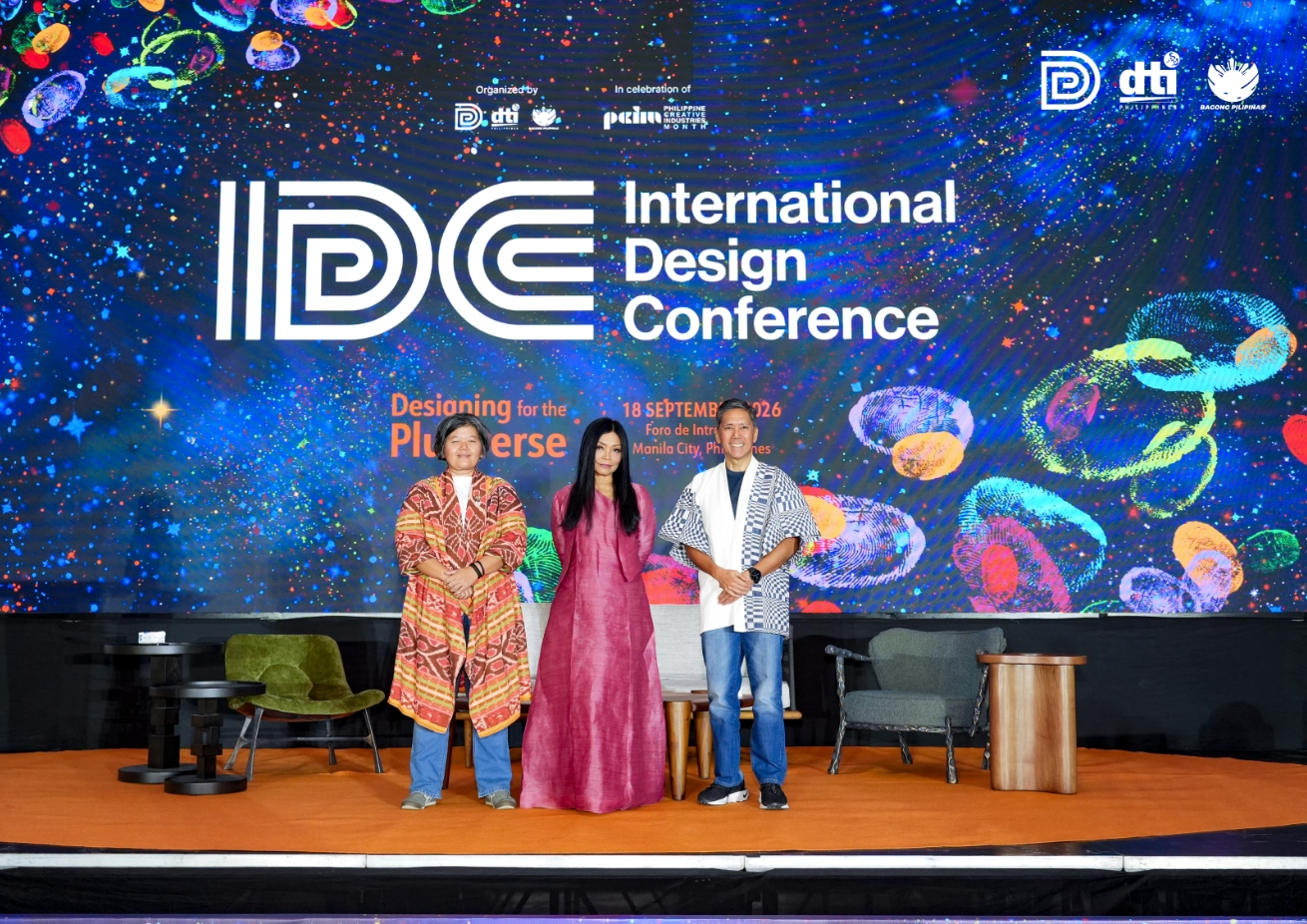
Culture in design does not always announce itself through a recognizable motif, material, or symbol. It can also be embedded in the relationships designers build, the knowledge they listen to, the materials they choose, and the decisions they make in response to communities and their environments. This distinction emerged throughout the 2026 International Design Conference […]
Read the issues.

Collect the volumes.

Recommended Video
Tap to Unmute
Unmute
0:00
0:00