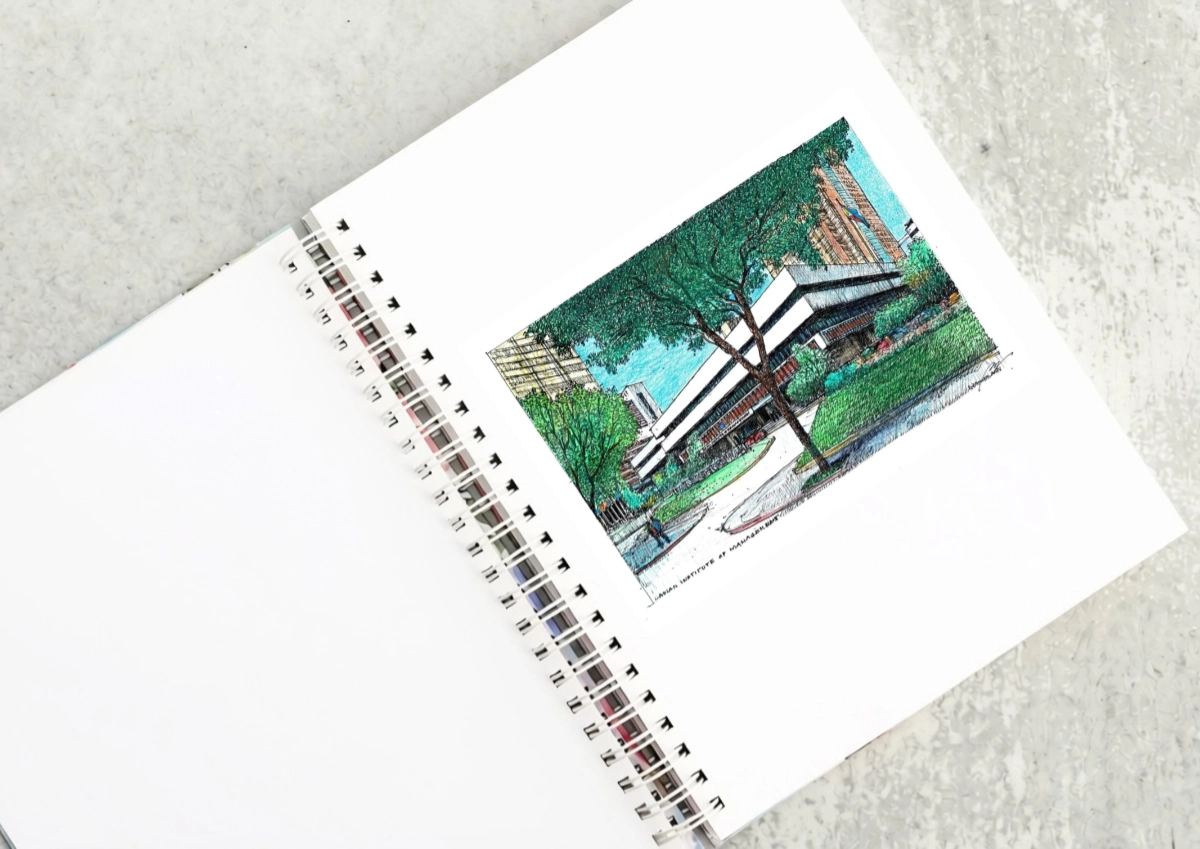
A Filipino Interpretation of Modernist Architecture Unlike the rest of Makati today, the northern end of Paseo de Roxas in Makati is anchored by a low complex rather than a tall skyscraper. This is the elegant Asian Institute of Management, designed by architect Gabriel Formoso and completed in 1971. In my opinion, the building is […]
The Philippines at WAF: A Growing Presence in Global Architecture



The World Architecture Festival (WAF) has announced its 2026 shortlist, with several Filipino practices earning recognition across a diverse range of categories. Across civic architectureArchitectureThe art and science of designing and constructing buildings, structures, and spaces that are functional, safe, and aesthetically pleasing. It encompasses the planning, design, materials, and techniques used to createGo to Architecture Glossary, interiors, landscape, and future projects, this year’s selection reflects the breadth of work emerging from the Philippines and the continued participation of Philippine firms on one of the profession’s most respected international platforms.
Since its founding in 2008, WAF has distinguished itself through a live jury format, in which shortlisted architects present and defend their projects before an international panel. More than a design competition, the festival tests a practice’s ability to communicate its ideas before a live jury of architects and industry experts, making a shortlist placement a significant achievement in itself.
While the festival culminates in a series of awards, its significance extends beyond the winners, offering a forum where ideas, approaches, and built work are evaluated as part of a global architectural conversation.
Rather than viewing this year’s shortlist as a standalone achievement, it is worth considering what it represents within a broader trajectory. Over the past decade, Filipino practices have returned to WAF with increasing consistency, earning recognition across a growing range of project types and, in some cases, receiving top honors. The 2026 shortlist is the latest chapter in that story, reflecting how Philippine architectureArchitectureThe art and science of designing and constructing buildings, structures, and spaces that are functional, safe, and aesthetically pleasing. It encompasses the planning, design, materials, and techniques used to createGo to Architecture Glossary continues to engage with an international audience while responding to local contexts.
A Decade of Philippine Participation at WAF
The significance of the 2026 World ArchitectureArchitectureThe art and science of designing and constructing buildings, structures, and spaces that are functional, safe, and aesthetically pleasing. It encompasses the planning, design, materials, and techniques used to createGo to Architecture Glossary Festival (WAF) shortlist extends beyond the projects selected this year. It reflects more than a decade of Philippine participation in one of architecture’s most respected international festivals. Over time, Filipino practices have returned to WAF with consistency, earning recognition across a diverse range of project types.
Philippine participation at WAF began with the country’s first shortlisted project by Leandro V. Locsin Partners. More than marking a national first, it demonstrated that projects rooted in local climate, culture, and context could stand alongside those of leading international practices. It established a foothold that succeeding generations of Filipino architects would continue to build on.
That momentum became more evident as firms began returning with new projects rather than making one-off appearances. Among the most consistent has been WTA Architecture and Design Studio, whose multiple shortlisted projects and award-winning work demonstrated that Philippine participation had become sustained rather than occasional. The firm’s recognition reached a milestone when Horizon Manila received the WAFX Project of the Year award, one of the country’s strongest performances at the festival to date.
Over time, Philippine representation at WAF also broadened. The 2026 shortlist demonstrates the maturity and diversity of contemporary architectural practice in the Philippines.
Which Philippine projects and practices made the 2026 WAF shortlist?
The 2026 shortlist brings together first-time participants, established practices making new appearances, and firms returning to the festival after previous recognition. Taken together, the shortlisted projects reflect the changing landscape of Philippine
Sangay Architects
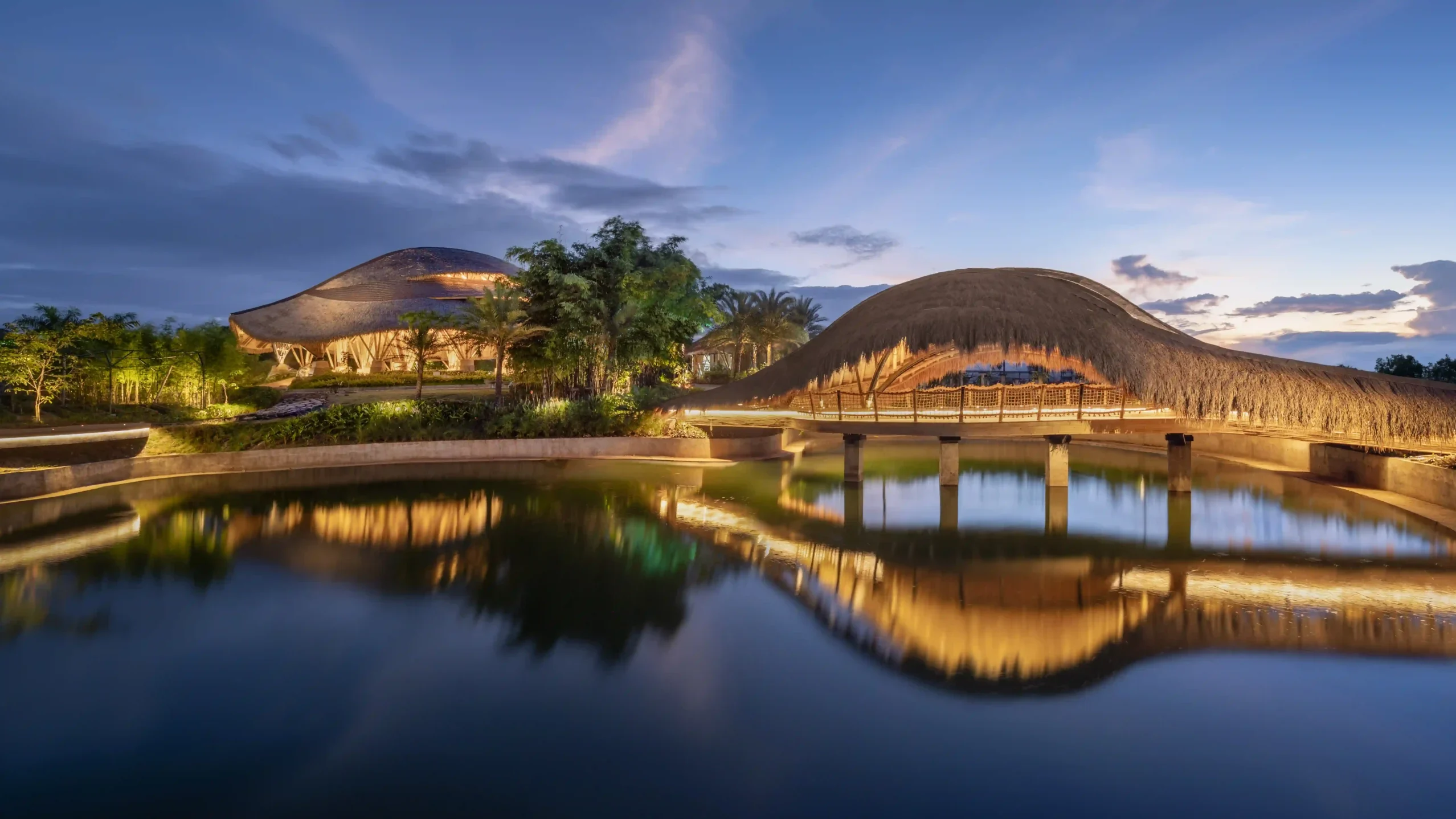
Kaway’an EcoPark
WAF Completed Buildings: Civic and Community and WAF Landscape
Kaway’an EcoPark by Sangay Architects, in collaboration with Ibuku Studio, was shortlisted in both the Civic and Community and Landscape categories at the 2026 World Architecture Festival, making it the only Philippine project recognized in multiple categories this year. Located in Bamban, Tarlac, the public destination explores the potential of bamboo architecture through a series of pavilions and open spaces integrated into the landscape. Marking Sangay Architects’ WAF debut, the project expands this year’s Philippine representation across both architecture and landscape categories.
Related Reading: Christian Salandanan: Leveraging Bamboo’s Sustainability and Resilience
Add Arch
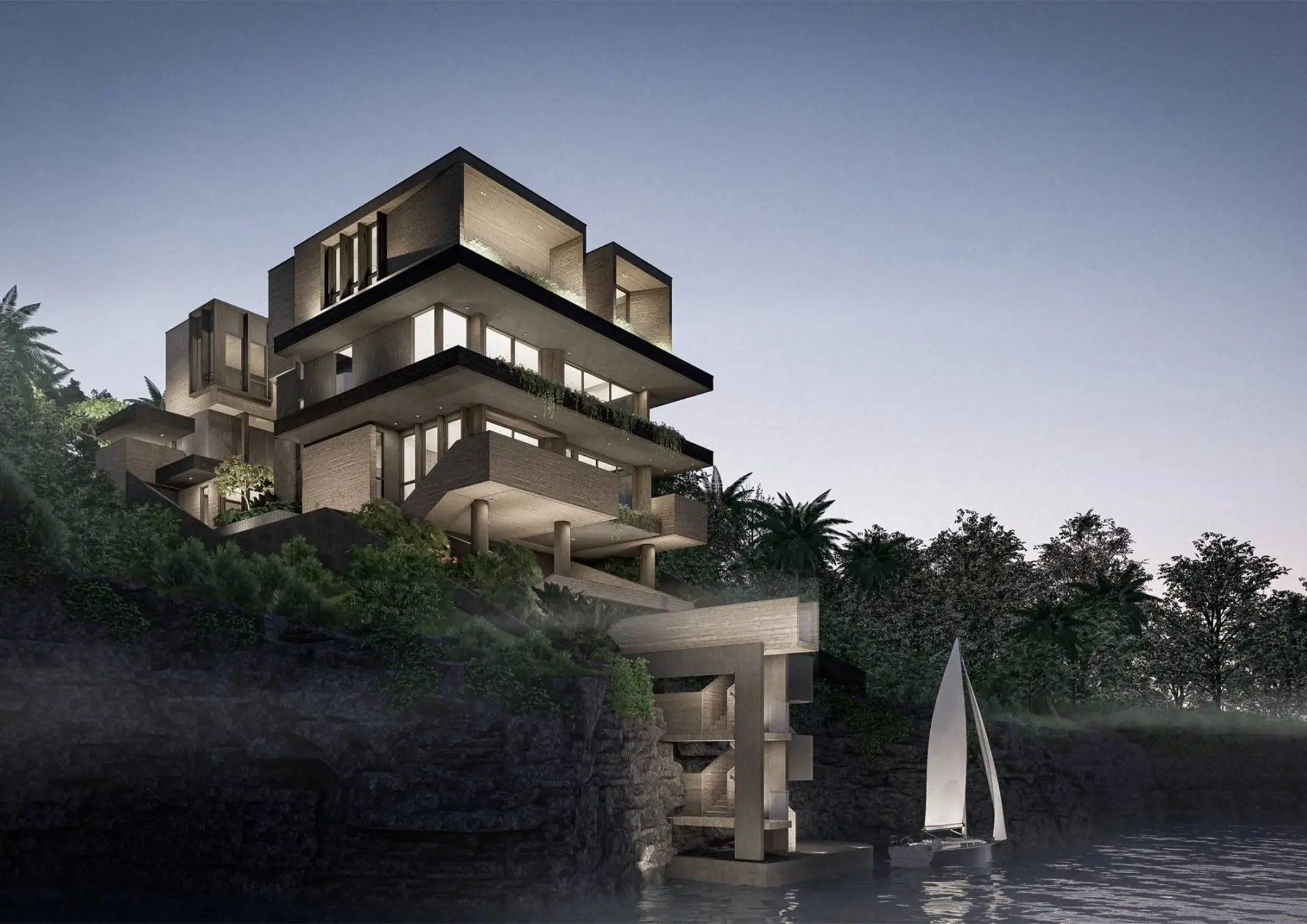
Strata House
WAF Future Projects: House
Strata House by Add Arch was designed for a steep cliffside site overlooking the West Philippine Sea. The proposal draws inspiration from the site’s layered rock formations, translating geological strata into its spatial organization and architectural form. The shortlist marks Add Arch’s WAF debut, expanding this year’s Philippine representation in the Future Projects programme while highlighting another emerging Filipino practice on the international stage.
Related Reading: WAF has a Student Competition that the PH already Won
Dominic Galicia Architects
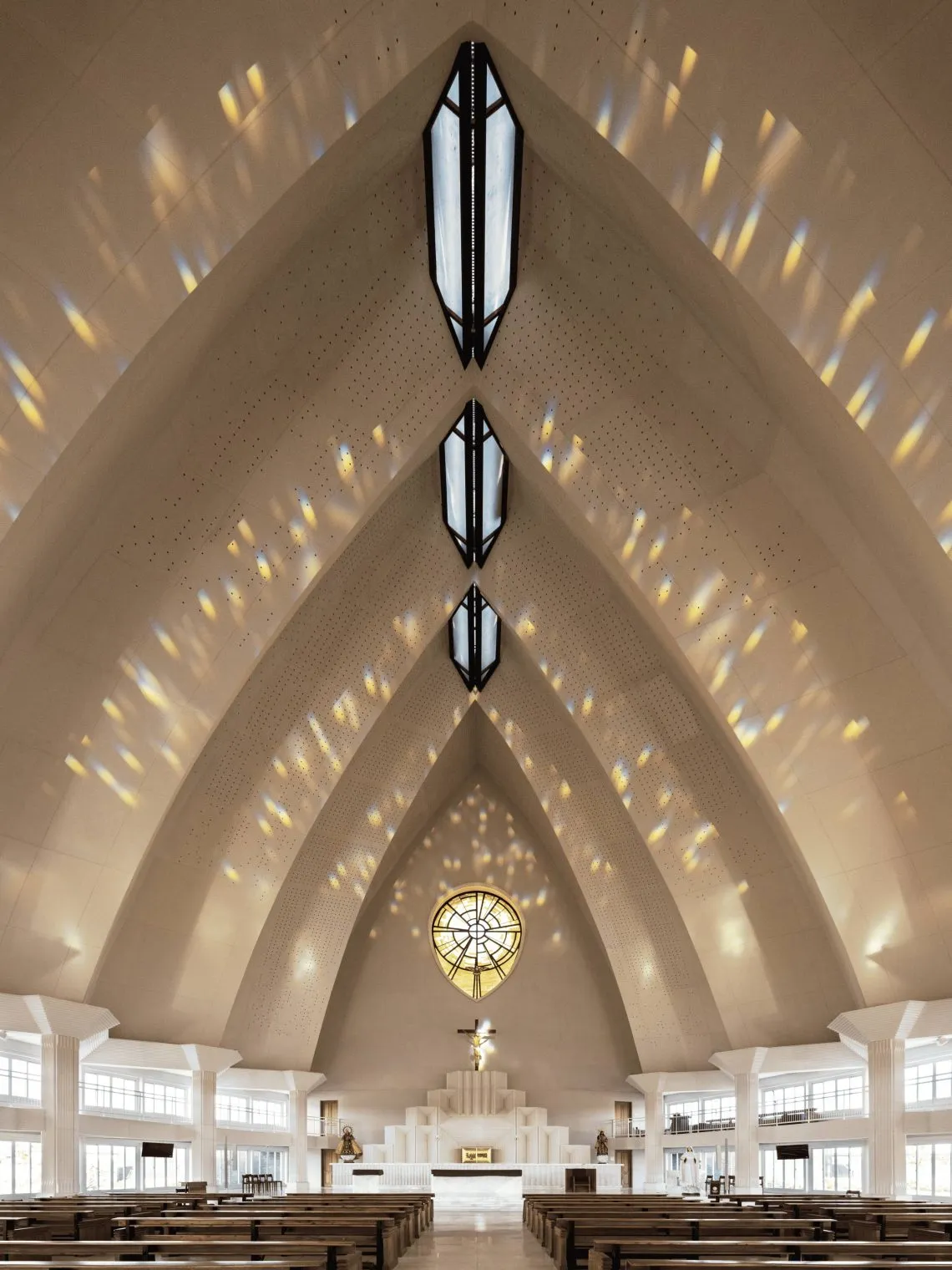
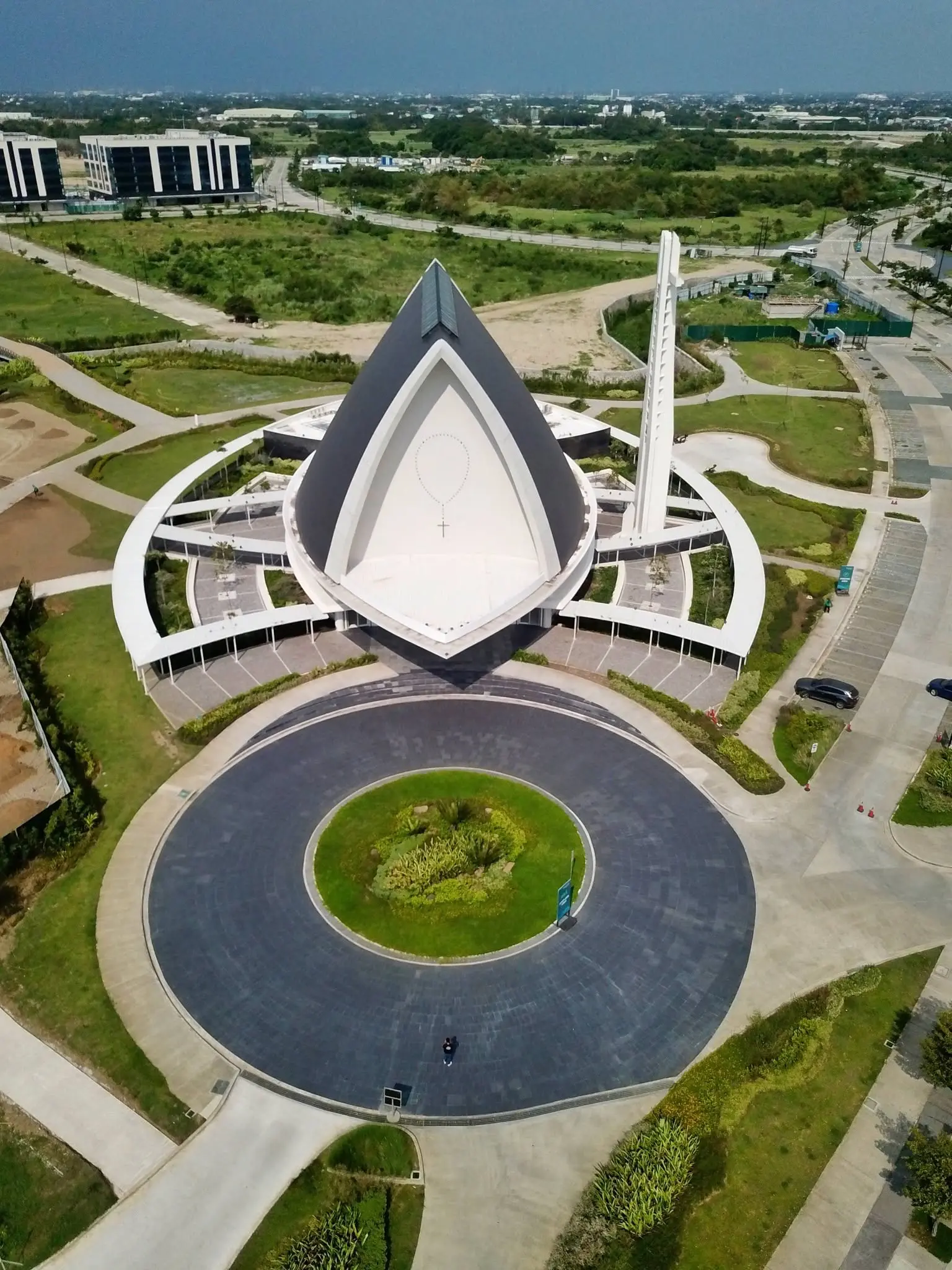
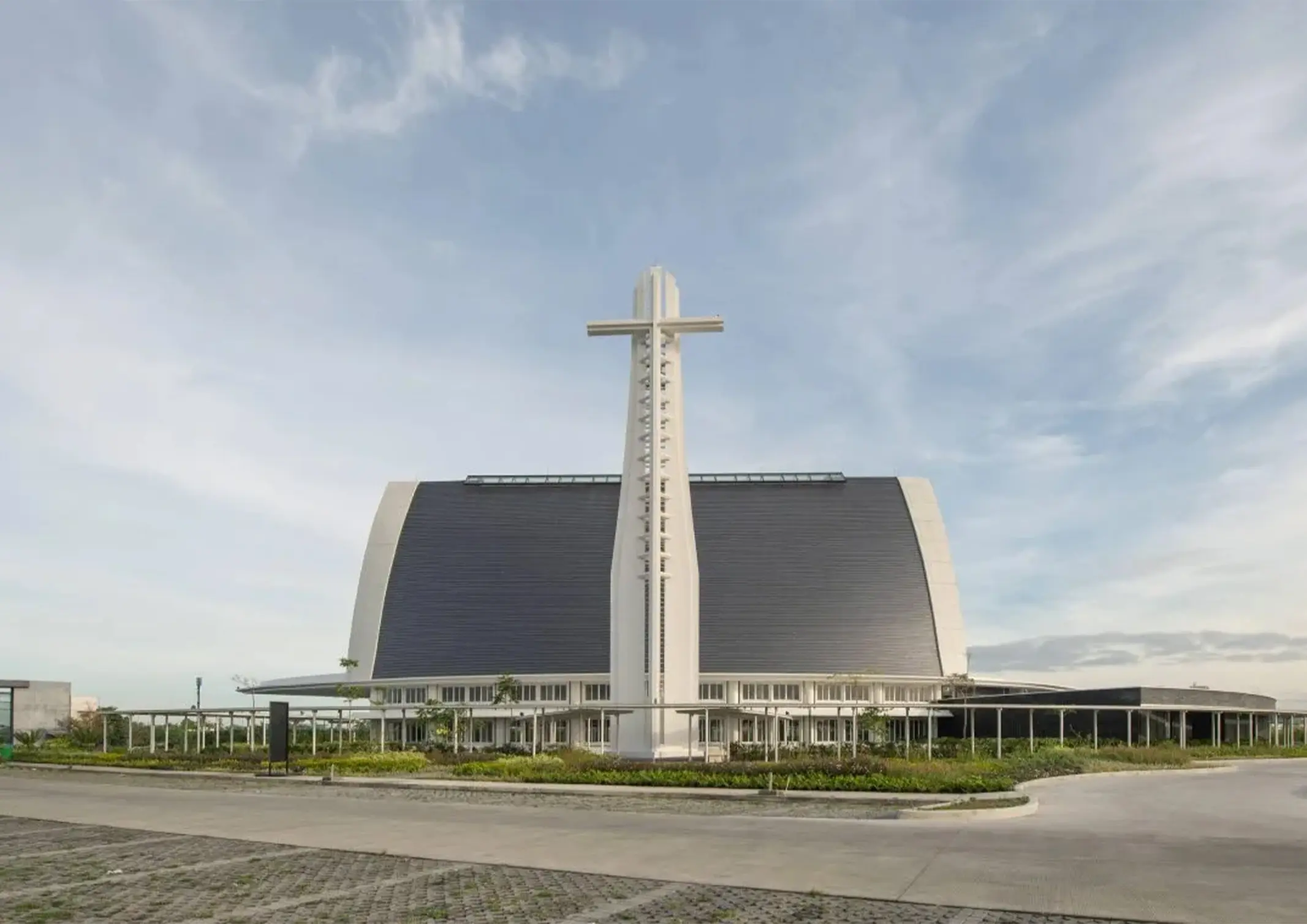
The Church of Our Lady of Mount Carmel
WAF Completed Buildings: Civic and Community
The Church of Our Lady of Mount Carmel in Evo City, Kawit, Cavite, was shortlisted in the Civic and Community category at the 2026 World Architecture Festival. Designed as a 1,000-seat Catholic church, the project draws on sacred geometry, light, and liturgical planning to shape spaces for worship and reflection.
The shortlist marks Dominic Galicia Architects’ return to WAF, bringing one of the Philippines’ most established architectural practices back to the festival and extending the country’s representation into contemporary ecclesiastical architectureArchitectureThe art and science of designing and constructing buildings, structures, and spaces that are functional, safe, and aesthetically pleasing. It encompasses the planning, design, materials, and techniques used to createGo to Architecture Glossary.
Related Reading: The Good in Tension: How Dominic Galicia Designs Beyond Time
MLA at Home
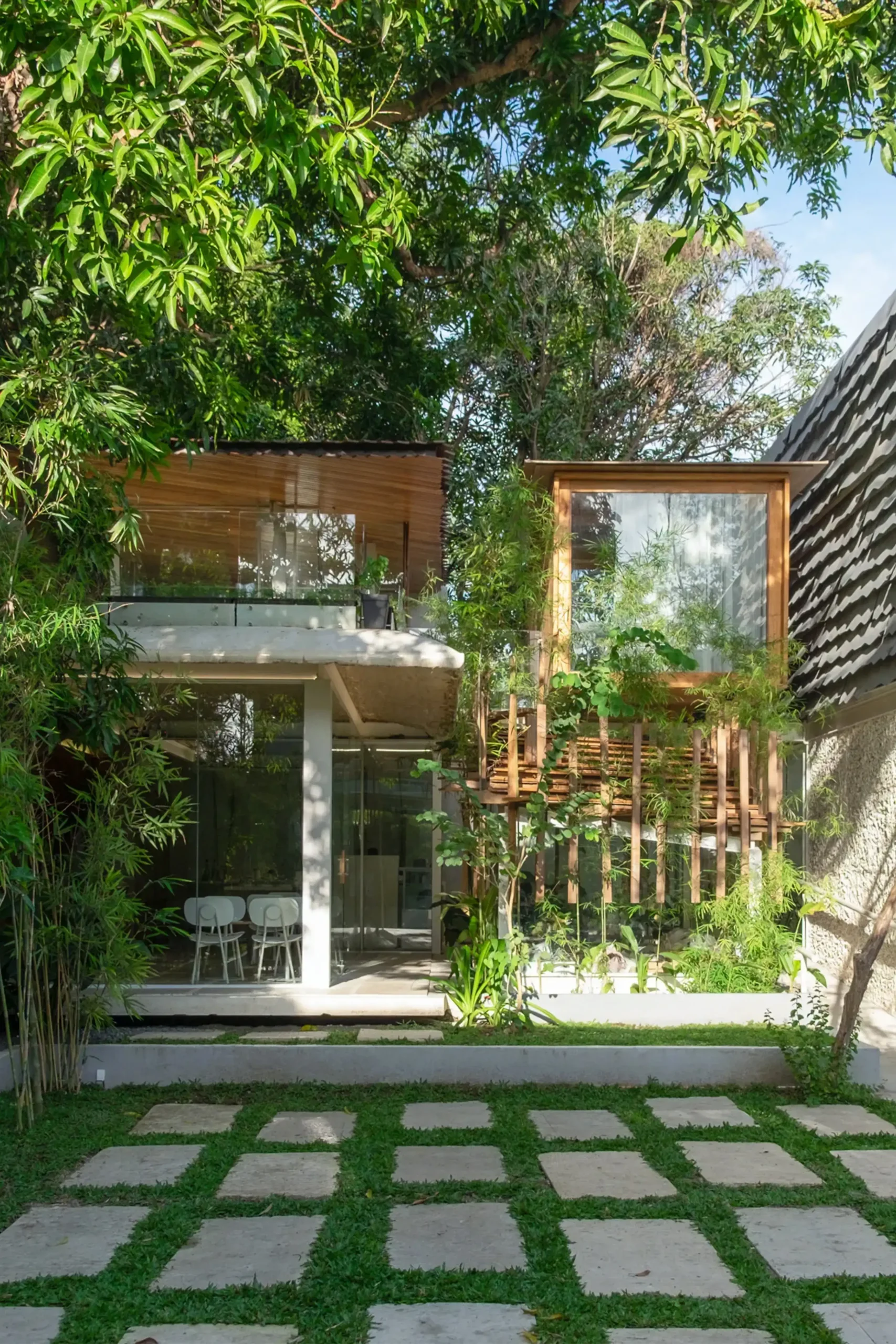
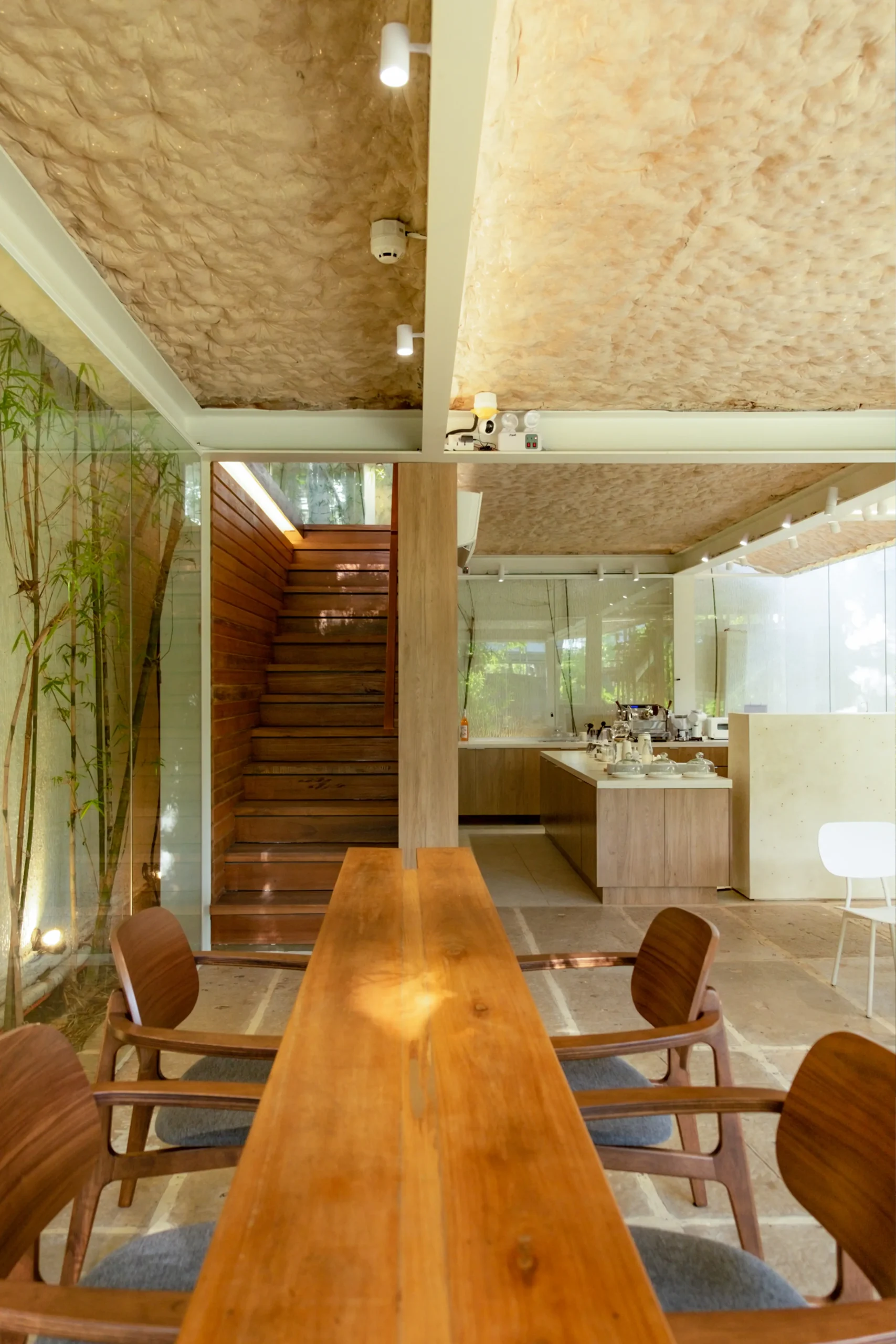
&Matcha Three Yards
WAF Interiors: Bars and Restaurants
&Matcha Three Yards by MLA at Home was shortlisted in the Bars and Restaurants category of the 2026 World ArchitectureArchitectureThe art and science of designing and constructing buildings, structures, and spaces that are functional, safe, and aesthetically pleasing. It encompasses the planning, design, materials, and techniques used to createGo to Architecture Glossary Festival Interiors awards. Located on a compact corner site in Davao City, the tea house is organized around a central open void that preserves existing trees while shaping the spatial experience around light, air, and landscape.
The project marks MLA at Home’s latest appearance at WAF and extends this year’s Philippine representation into the festival’s Interiors programme.
WTA Architecture and Design Studio
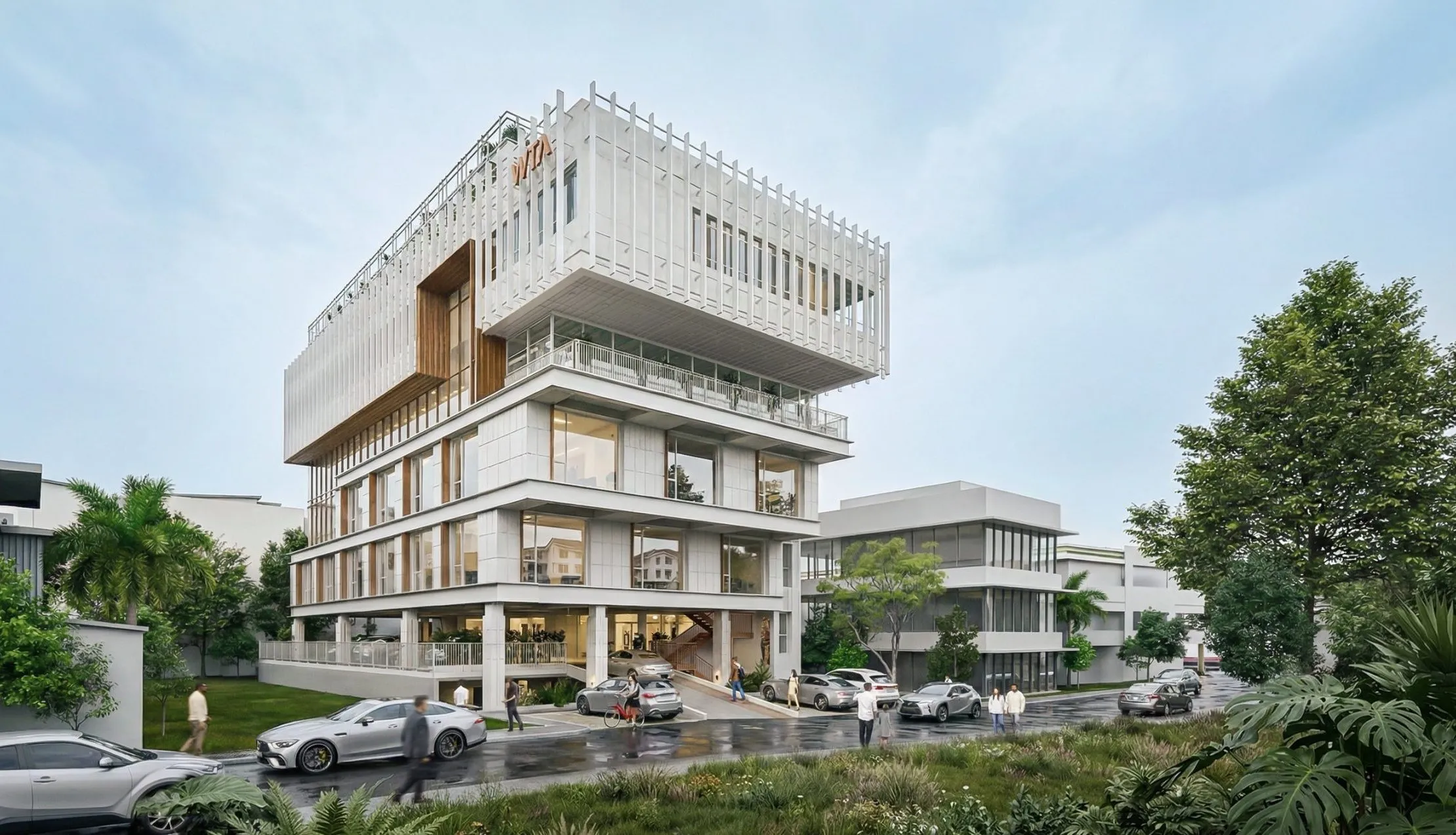
252 Ibuna
WAF Future Projects: Office
252 Ibuna by WTA ArchitectureArchitectureThe art and science of designing and constructing buildings, structures, and spaces that are functional, safe, and aesthetically pleasing. It encompasses the planning, design, materials, and techniques used to createGo to Architecture Glossary and Design Studio was shortlisted in the Future Projects: Office category at the 2026 World Architecture Festival. Conceived as “A Place for Architecture,” the proposed building reimagines the architecture studio as a vertical ecosystem where design practice, research, collaboration, and community life intersect, with interconnected workspaces organized around openness and exchange.
The shortlist continues WTA ArchitectureArchitectureThe art and science of designing and constructing buildings, structures, and spaces that are functional, safe, and aesthetically pleasing. It encompasses the planning, design, materials, and techniques used to createGo to Architecture Glossary and Design Studio’s longstanding presence at WAF while reinforcing the practice’s engagement with workplace design for the future on the international stage.
Related Reading: Crafting Future Cities: William Ti Reimagines Philippine Architecture to Build Better Human Environments
What the 2026 WAF Shortlist Says About Philippine Architecture
More than a list of finalists, the 2026 shortlist offers a snapshot of where Philippine architecture finds itself today. Across different scales, typologies, and approaches, the selected projects point to a profession confident in addressing local conditions while contributing to broader architectural discourse
Unlike many design awards, the World ArchitectureArchitectureThe art and science of designing and constructing buildings, structures, and spaces that are functional, safe, and aesthetically pleasing. It encompasses the planning, design, materials, and techniques used to createGo to Architecture Glossary Festival asks architects to present and defend their work before a live international jury, making it as much a forum for dialogue as it is a competition. In that sense, recognition begins long before the winners are announced. Each shortlisted project contributes to how Philippine architecture is understood internationally, placing local ideas, materials, and ways of building into conversation with practices from around the world.
Whether or not this year’s projects receive further honors, their presence at WAF reflects something more enduring than a successful awards cycle. It speaks to the steady evolution of Philippine architectural practice and its continuing participation in the global exchange of ideas.
About the World Architecture Festival
The World Architecture Festival (WAF) is an international architecture festival and awards program founded in 2008. It is known for its live jury format, where shortlisted architects present and defend their projects before an international panel of architects and industry experts. Covering categories across completed buildings, interiors, landscape, and future projects, WAF serves as a global platform for recognizing design excellence and advancing architectural dialogue across different contexts and cultures.
Frequently Asked Questions
The World Architecture Festival (WAF), founded in 2008, is a global architecture competition distinguished by its live jury format—shortlisted architects present and defend their projects before an international panel, making it as much a forum for critical dialogue as a design competition.
Four Philippine practices were shortlisted: Sangay Architects (Kaway’an EcoPark), Dominic Galicia Architects (The Church of Our Lady of Mount Carmel), MLA at Home (&Matcha Three Yards), and WTA Architecture and Design Studio (252 Ibuna), spanning civic, interiors, landscape, and future projects categories.
Kaway’an EcoPark, by Sangay Architects with Ibuku Studio in Bamban, Tarlac, is a bamboo-focused public destination of pavilions integrated into the landscape. It was shortlisted in both Civic and Community and Landscape categories, the only Philippine project recognized across two categories in 2026.
WTA Architecture and Design Studio has built a sustained WAF presence through multiple shortlisted and award-winning projects, including Horizon Manila, which received the WAFX Project of the Year award—one of the Philippines’ strongest results at the festival to date.
A WAF shortlist places a project before a live international jury, requiring architects to defend their design decisions directly. Recognition therefore begins at the shortlist stage itself, positioning Philippine ideas, materials, and building approaches within a global architectural conversation regardless of the final award outcome.
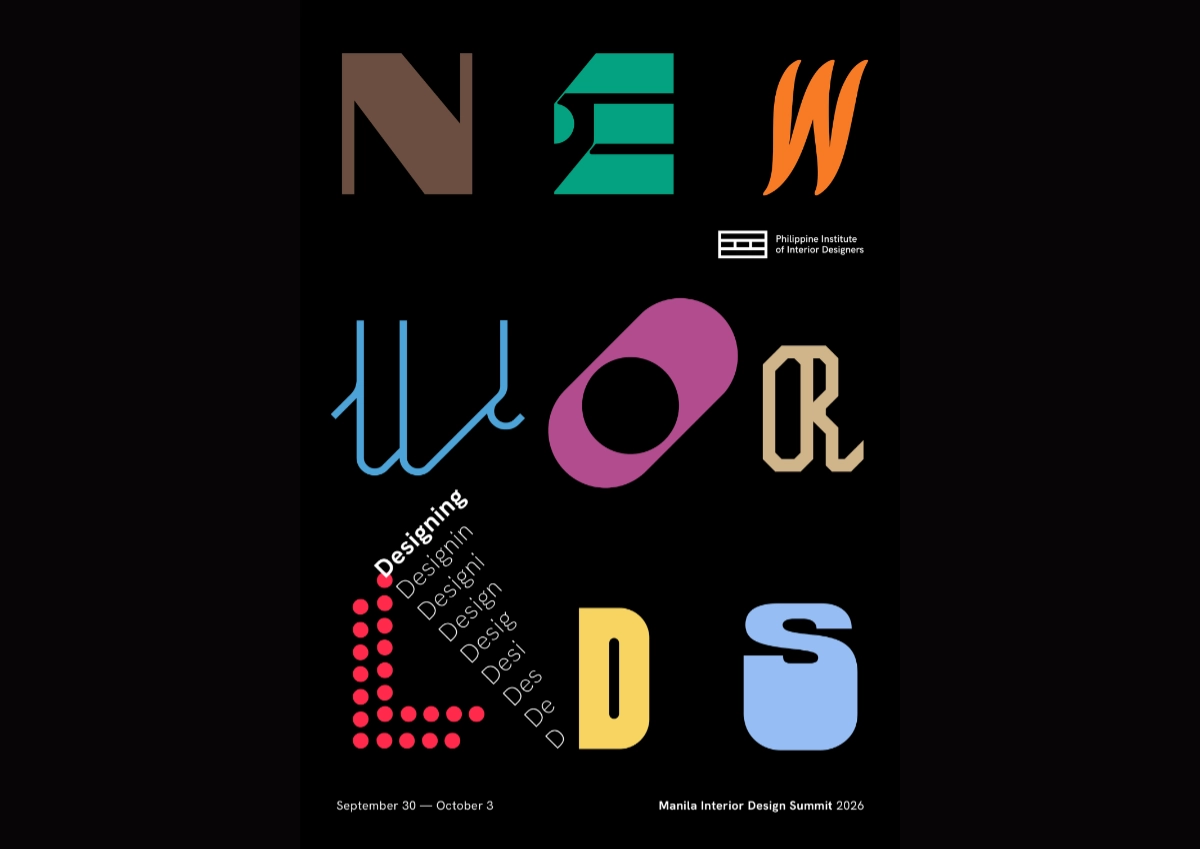
“Thailand has claimed urban creativity and livability. Singapore has institutional design leadership. Indonesia is emerging as a design hub. Vietnam is moving into design innovation. And the Philippines? Its position is not weak. It is simply unclaimed.” For IDr. Cecil Ravelas, National President of the Philippine Institute of Interior Designers (PIID), the challenge is not […]

The Ramon Magsaysay Center as a Modernist Landmark Driving down Roxas boulevard from Rizal Park, what will catch your eye is the most elegant modernist structure in the country, the Ramon Magsaysay Center. Most established Filipino architects put it in their top ten lists of favorite buildings. It was designed by Alfredo J. Luz, who […]

Rinna Soriano’s favorite part of her work is sanding. At her workbench, she stays focused, following the grain, adjusting to changes in its direction. Narra, she has learned, can have interlocking grain. A piece of mango once proved particularly difficult until a worker explained that she had reached the point where a branch once grew […]
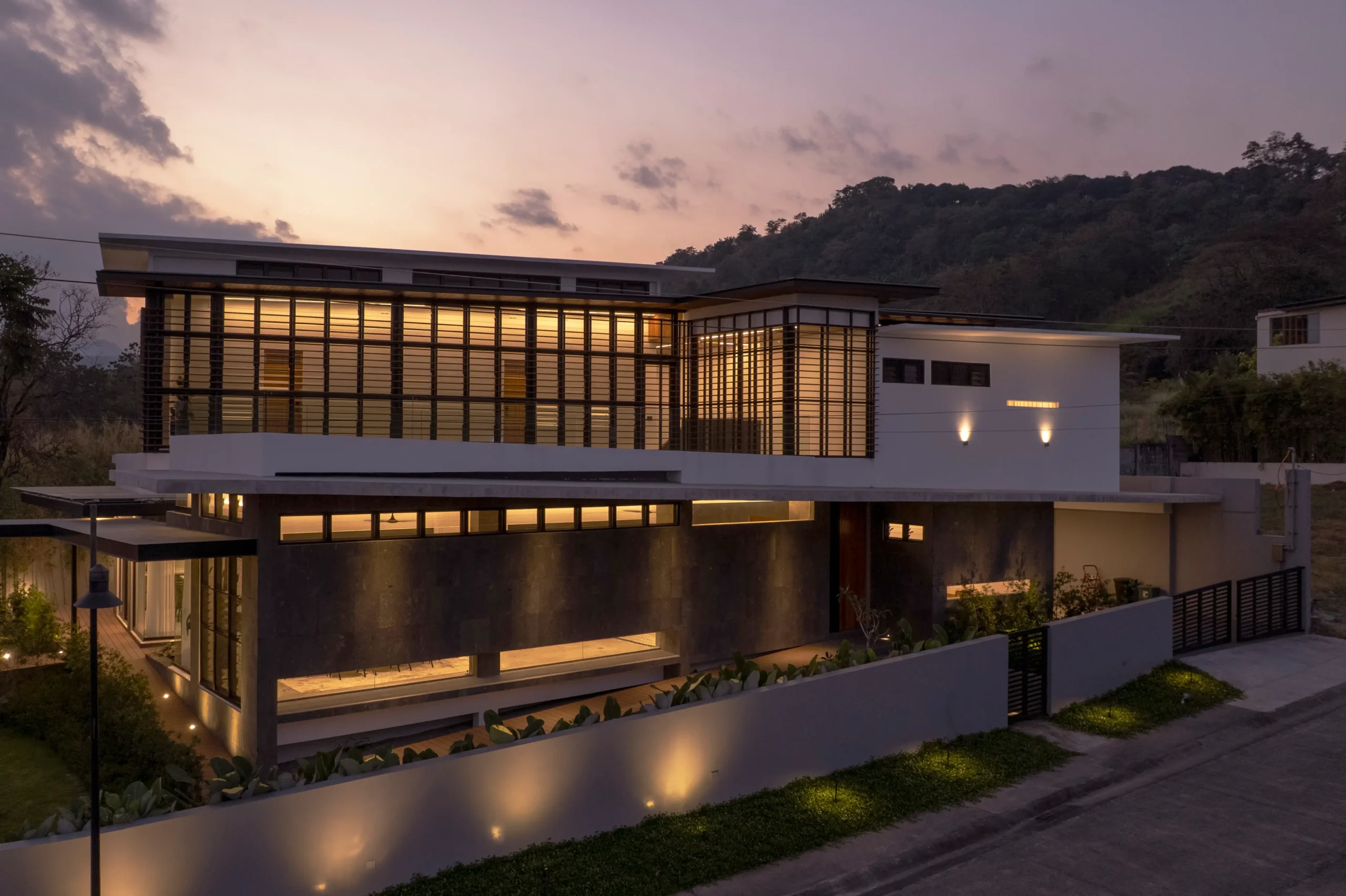
Filipino architectureArchitectureThe art and science of designing and constructing buildings, structures, and spaces that are functional, safe, and aesthetically pleasing. It encompasses the planning, design, materials, and techniques used to createGo to Architecture Glossary has long been associated with indigenous materials and vernacular design strategies, from bamboo and timber construction to jalousie windows, generous spaces, […]
Read the issues.

Collect the volumes.

Recommended Video
Tap to Unmute
Unmute
0:00
0:00