



Bigkis is the act of binding. In Tagalog, the word can refer to something used to bind or encircle, as well as a bundle formed by tying several separate elements together. Figuratively, it can also mean a bond, union, or unity. The meanings move from the physical act of joining things together to the connection […]
Over the years, BluPrint Magazine has been known as the ultimate design sourcebook for architectureArchitectureThe art and science of designing and constructing buildings, structures, and spaces that are functional, safe, and aesthetically pleasing. It encompasses the planning, design, materials, and techniques used to createGo to Architecture Glossary here in the Philippines and all over the Southeast Asian region. Started in the form of print media, the brand has continued to evolve and extend its influence in all forms to carry on with its purpose of bringing in new design ideas that are trendy, functional, and even sustainable. To further enhance this mission, BluPrint has ventured into Conversations with renowned professionals to give a wider and more tangible perspective on the how-tos and industry realities. Unlike the phrase #SoFarBehindSunday, these BluPrint Conversations that may have been posted years ago still convey truth and are continuously influencing.
Joseph Javier on Design Process
The Managing Principal Architect of Javier Design Studio Manila and one of the co-founding faculty of the ArchitectureArchitectureThe art and science of designing and constructing buildings, structures, and spaces that are functional, safe, and aesthetically pleasing. It encompasses the planning, design, materials, and techniques used to createGo to Architecture Glossary Program of the School of Design and Arts of Dela Salle–College of Saint Benilde Manila, now BENARCH, architect Joseph Javier tells us how he defines the design process. “Design process is the bridge between the act of designing and the act of solving the problem in the design exercise” shares Javier. As he continues, he said that there’s no right or wrong process, it’s only either an intelligent or a mediocre one. Also, an intelligent process solves the problem on many platforms and on many levels and merely finding out what your client’s needs is not process, its just getting their requirements.

In addition, Javier emphasizes that the way to learn the right design process is to simply learn how to listen. Hearing is different from listening. It is in listening that a good architect can identify the real underlying needs of the project and his own perceived need as the one who will lead the realization of the project.
Understanding Criticism in Design by Tobias Guggenheimer
Tobias Guggenheimer is the Swiss American principal architect of Tobias Guggenheimer Architect, PC, which was established in New York in 1991. In 2007, he also started a Philippine registered corporation in Manila named as Globareach Design Inc. He is not only an architect but also an educator. He taught architecture and interior design at Pratt Institute, Marymount College Campus of Fordham University, Parsons School of Design and the former dean of SoFA Design Institute in Makati. He is currently working in Guam practicing his field of expertise.

Ar. Tobias started the conversation by defining what is design. According to him, design is a process that needs to be evaluated and understood, and that’s where critique comes into play. He also differentiated the idea of criticism from the idea of critique. Critique is about understanding and interpretation. “Once you get in into the profession, we still need checks and balances, I think. For sure architects will professionally benefit and culture will benefit if there was more of that kind of interactive critical dialogue between architects” shares Guggenheimer. Lastly, his thoughts on who should be the critic, it is someone who should be an expert in critique, interpretation, and evaluation. Most importantly a critic should have a fair deep sense of understanding what the field is all about.
An Advocate of Modern Filipino Architecture, Royal Pineda
Royal Pineda is the President and CEO of Budji + Royal Architecture + Design, which is one of the Philippine’s lead advocates of modern Filipino architecture. He shares with BP his thoughts on “Why modern Filipino architecture and design?” First, he defined the movement as knowing the new lifestyle of the Filipino people.” It’s not just about the silhouettes and the use of traditional local materials that makes up Filipino architecture but its about learning the methods of today, the local lifestyle of today and even the possible future of it. Materials and shapes are only part of the ingredients, what really drives the movement is the people, it’s the people who defines what are their needs, what should surround them”, he goes on.
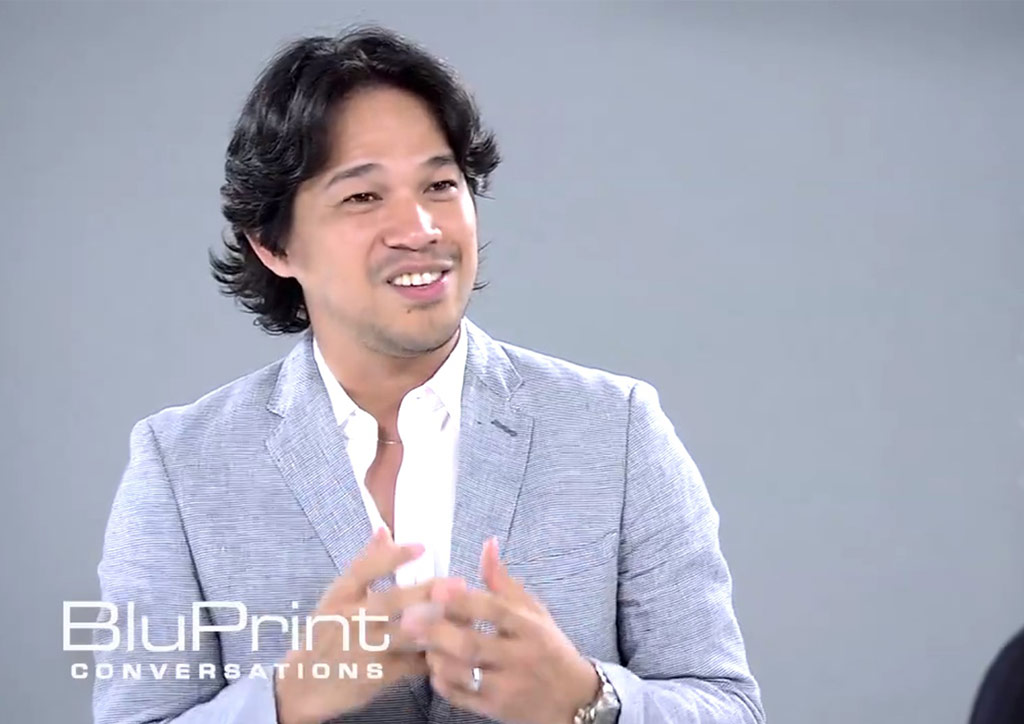
Furthermore, Royal explains, “For me, if I always refer to the Bahay KuboBahay KuboThe traditional Filipino house built from bamboo, wood, and nipa palm. Raised on stilts for ventilation and flood protection, with a steep thatched roof to shed heavy rain, it isGo to Bahay Kubo Glossary as the Filipino architecture, it will trap me to that silhouette. It will trap me to the character of the pitch roof, the ‘silong’ and all of that without modernizing it. Modernity is a transformation. Once you start addressing all these things that Filipinos of today are doing, the way they live, the way they celebrate their holidays, the way they spend their weekends, the way they live their daily lives, and of all these things, these will be the elements that will define modern Filipino architecture of today.”
To learn more about BluPrint Conversations, click on the link Bluprint Conversations
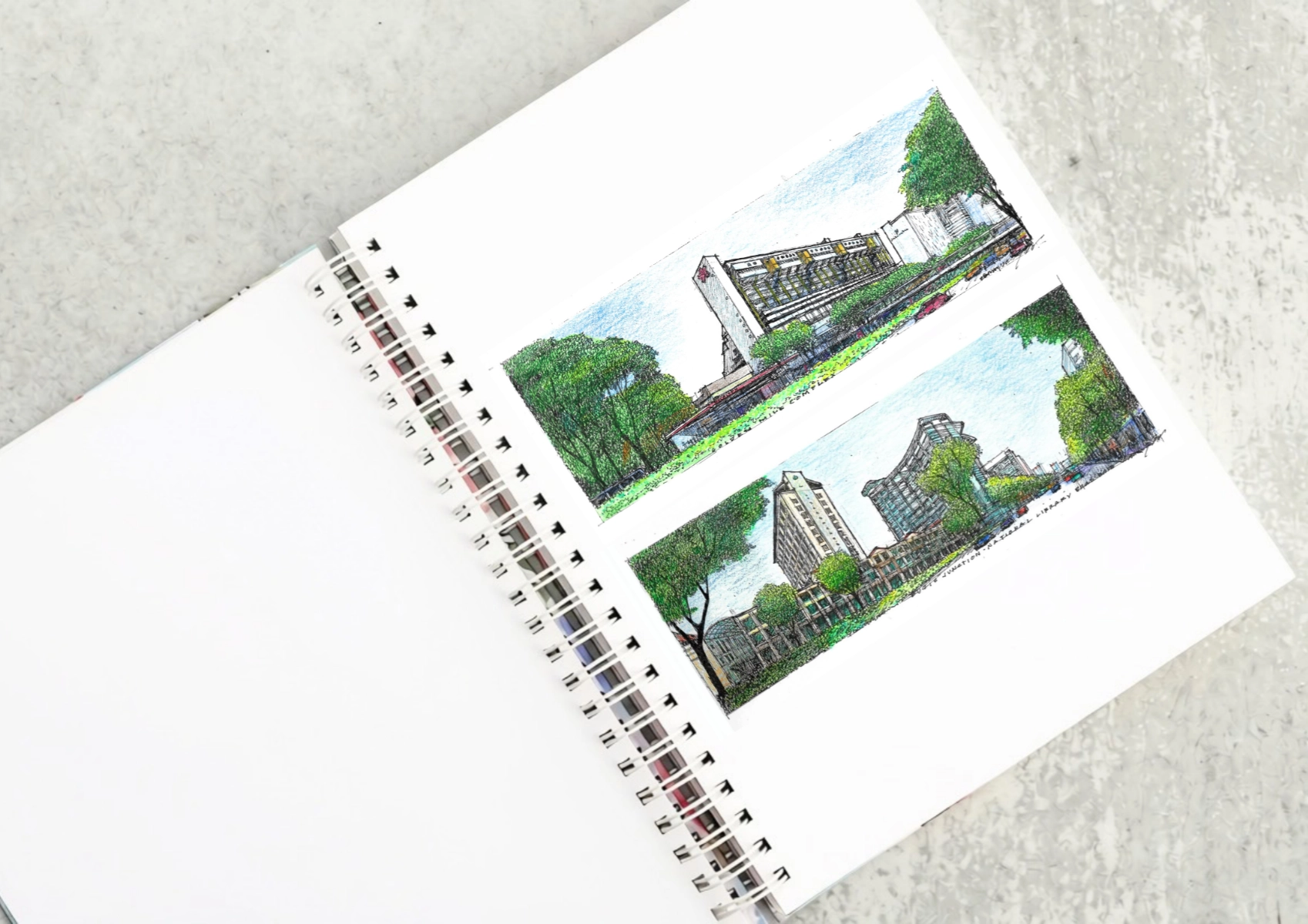
Two sketches of Singapore connect BluPrint Editor in Chief Paulo G. Alcazaren’s personal and professional history with Shared Ground: ArchitectureArchitectureThe art and science of designing and constructing buildings, structures, and spaces that are functional, safe, and aesthetically pleasing. It encompasses the planning, design, materials, and techniques used to createGo to Architecture Glossary of Care, Culture, […]
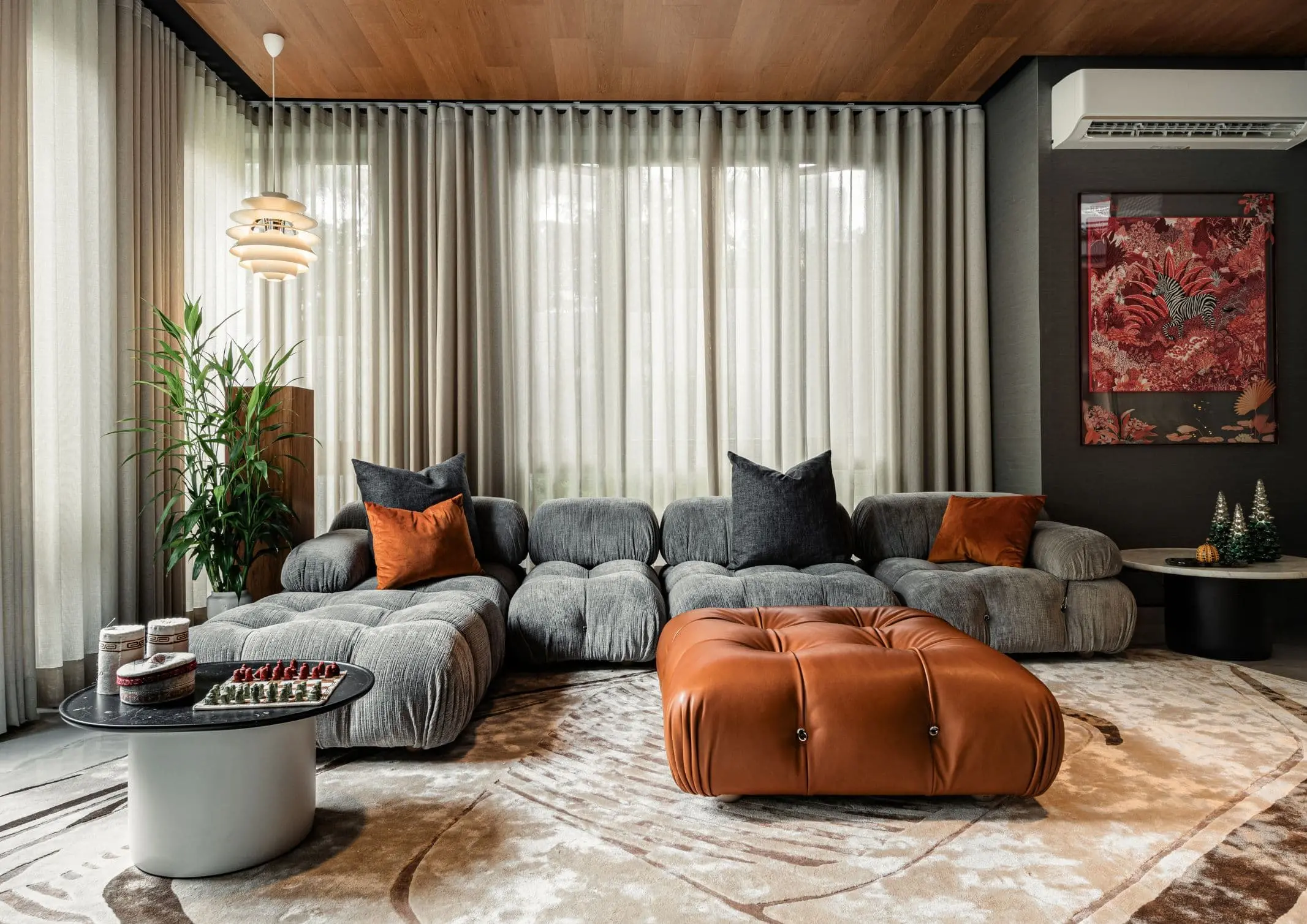
Some have become household names – Coleman, Oster, and KitchenAid – products that have found their way into Filipino kitchens, homes and family routines. In home furnishings, brands such as B&B Italia, Ethan Allen, Sub-Zero, Miele, SieMatic, Louis Poulsen, Hunter Douglas, Tempur, and Technogym, have helped shape the way Filipinos live. From everyday essentials to […]
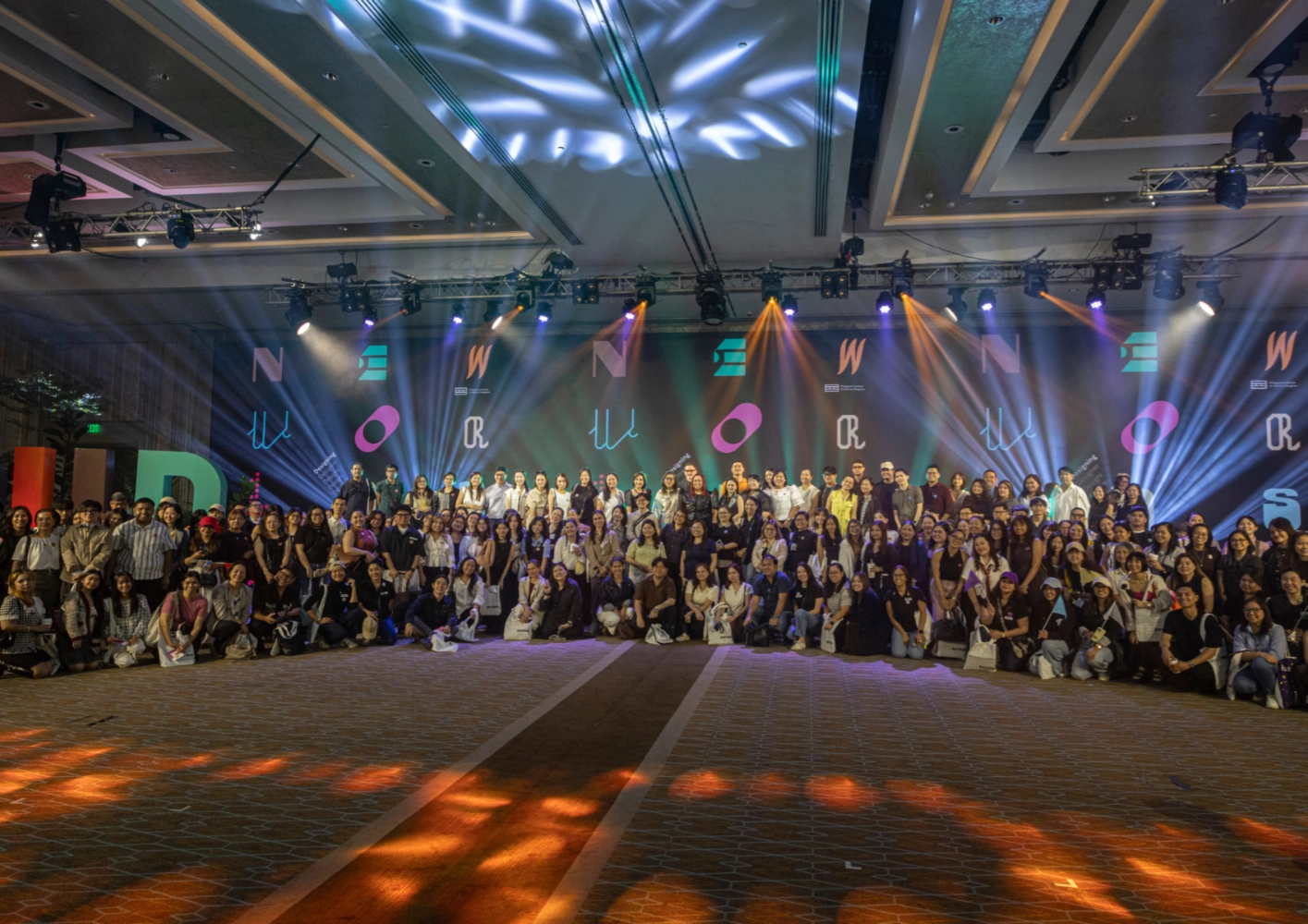
In a way, designers are the modern-day soothsayers and prophets. They design for the future, predicting how a room, a house, a building or a whole city will be used by people. They foresee how users will interact with a space, conjure exact shades of colors to elicit specific behavior and arrange furniture to build […]
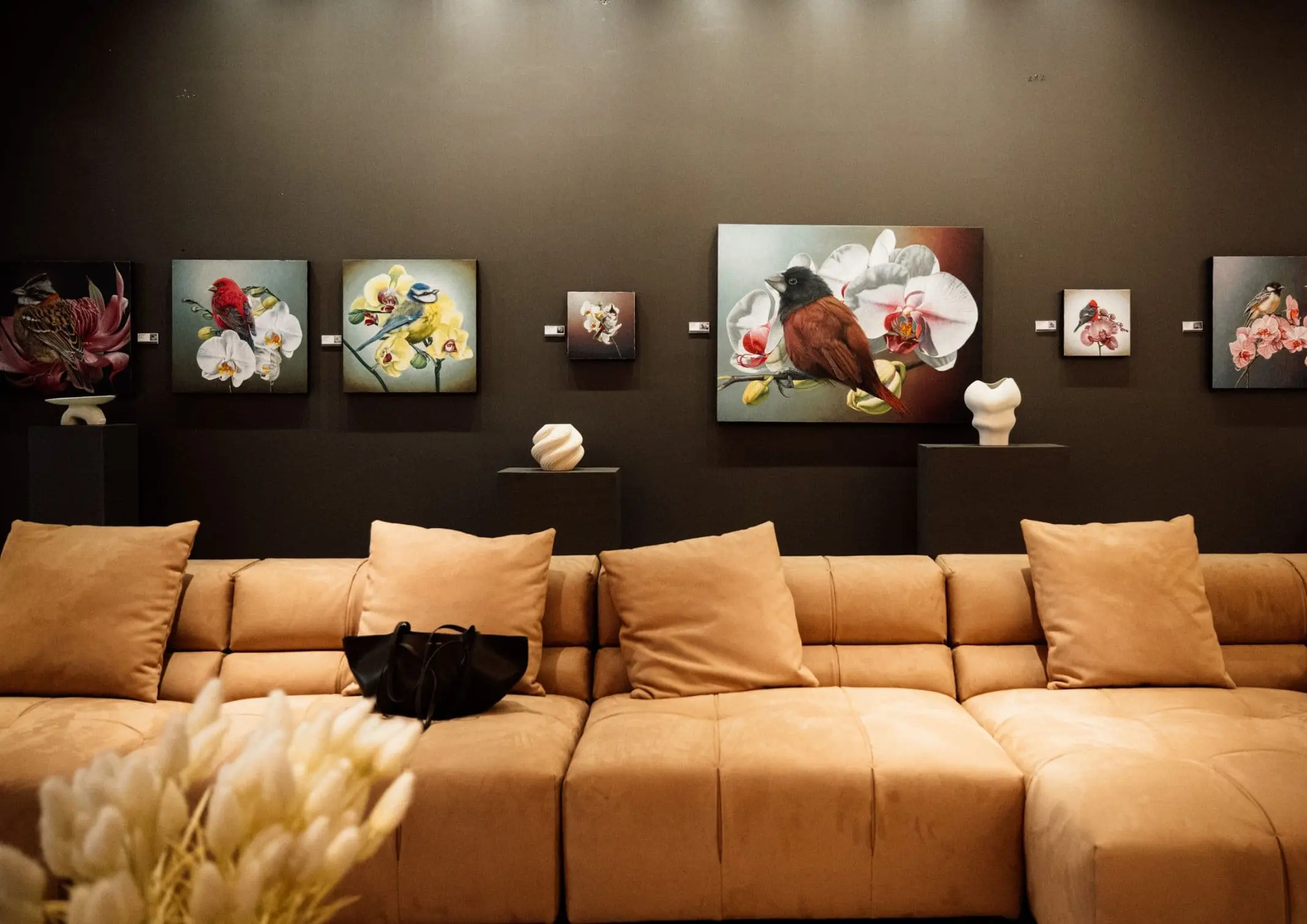
Art and furniture are often selected separately, yet their relationship can shape how a room looks and feels. The collaboration between Hooga and Galerie Joaquin explores how these elements can work together, bringing contemporary artworks into furnished residential settings at Hooga’s showroom in Uptown Mall, Bonifacio Global City. For Hooga, which curates furniture, lighting, and […]
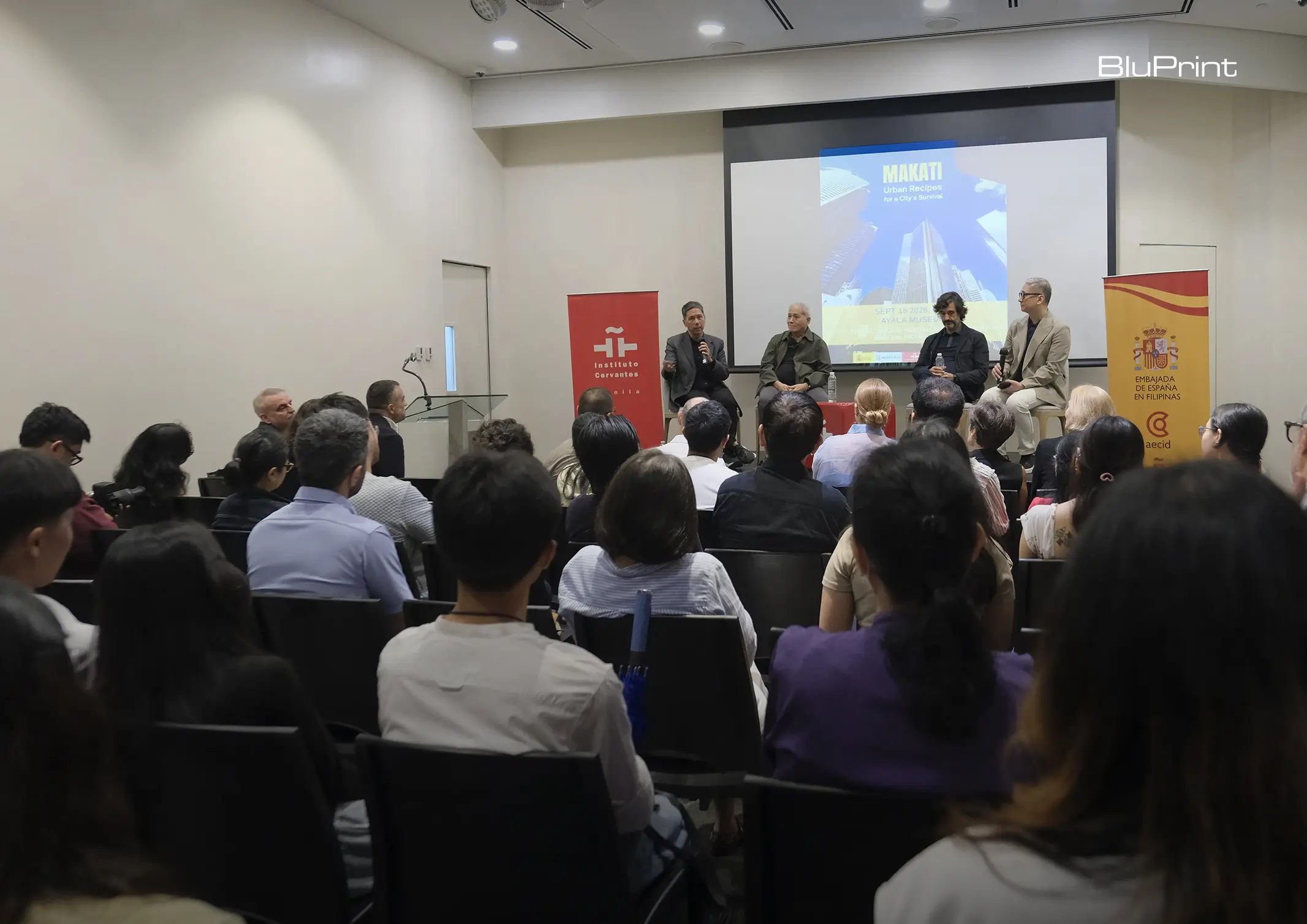
How can better-planned cities create the conditions for more creative, livable, and resilient urban environments? “Makati Urban Recipes for a City’s Survival,” a colloquium held at the Ayala Museum on September 15, brought together architects and practitioners from the fields of urbanism and the creative economy to discuss how design, planning, and collaboration can address […]
Read the issues.

Collect the volumes.

Recommended Video
Tap to Unmute
Unmute
0:00
0:00