Bigkis is the act of binding. In Tagalog, the word can refer to something used to bind or encircle, as well as a bundle formed by tying several separate elements together. Figuratively, it can also mean a bond, union, or unity. The meanings move from the physical act of joining things together to the connection […]
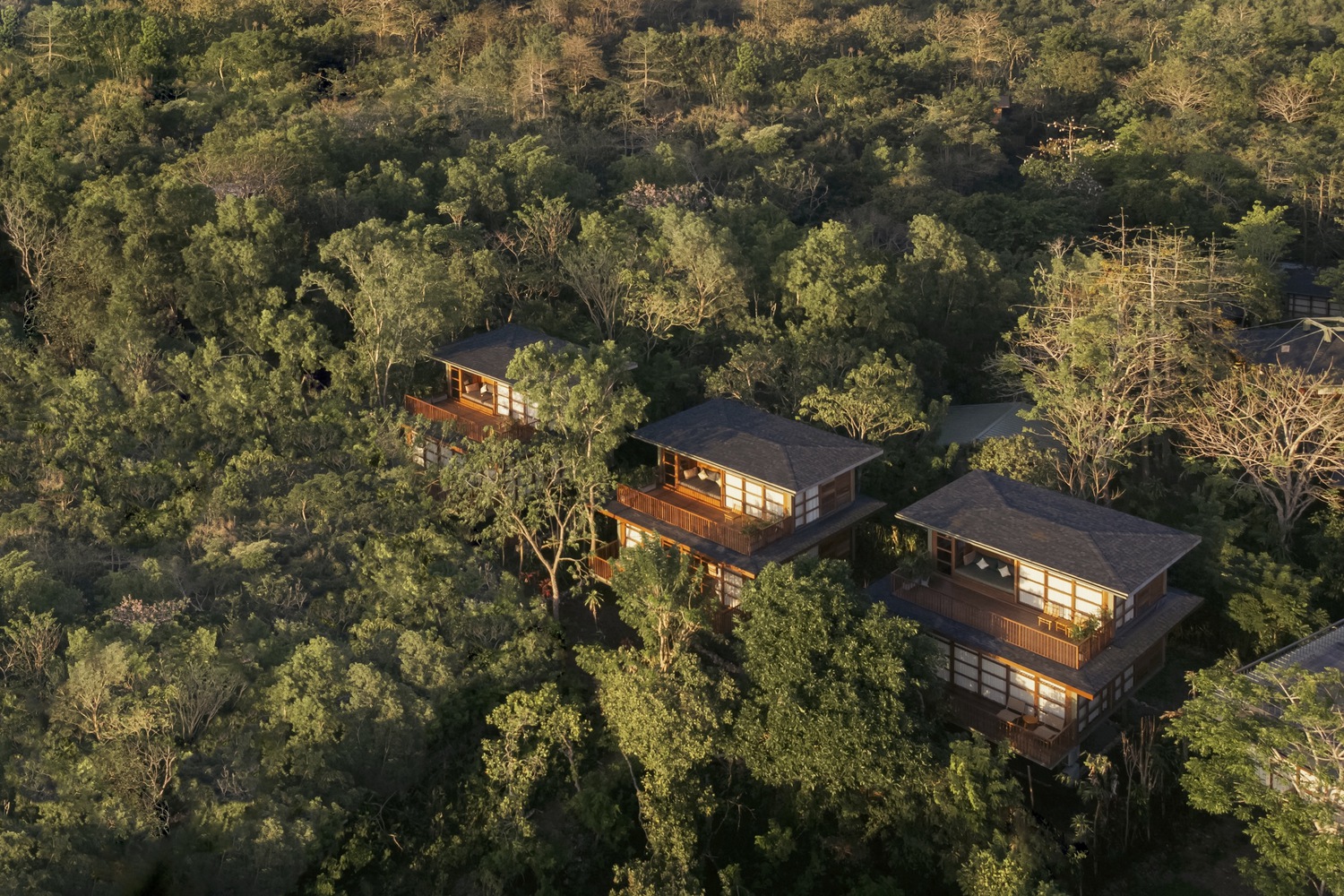
TreeHouse Villa: Tropical Living on a Whole New Level



Just like its name, Stilt Studios designed this resort in Bali to stand above the ground to preserve the surrounding natural beauty. Treehouse Villa is a complex made up of seven distinct units with modern designs that offer an immersive experience into the heart of Indonesia’s tropical jungle. The project does so in a manner that is nature-friendly to its location through an organized approach to sustainable designSustainable DesignAn approach to architecture and design that minimizes environmental impact while supporting human wellbeing over the long term. It considers energy, water, materials, waste, and site across a building's entireGo to Sustainable Design Glossary.
Elevating Resort Amenities
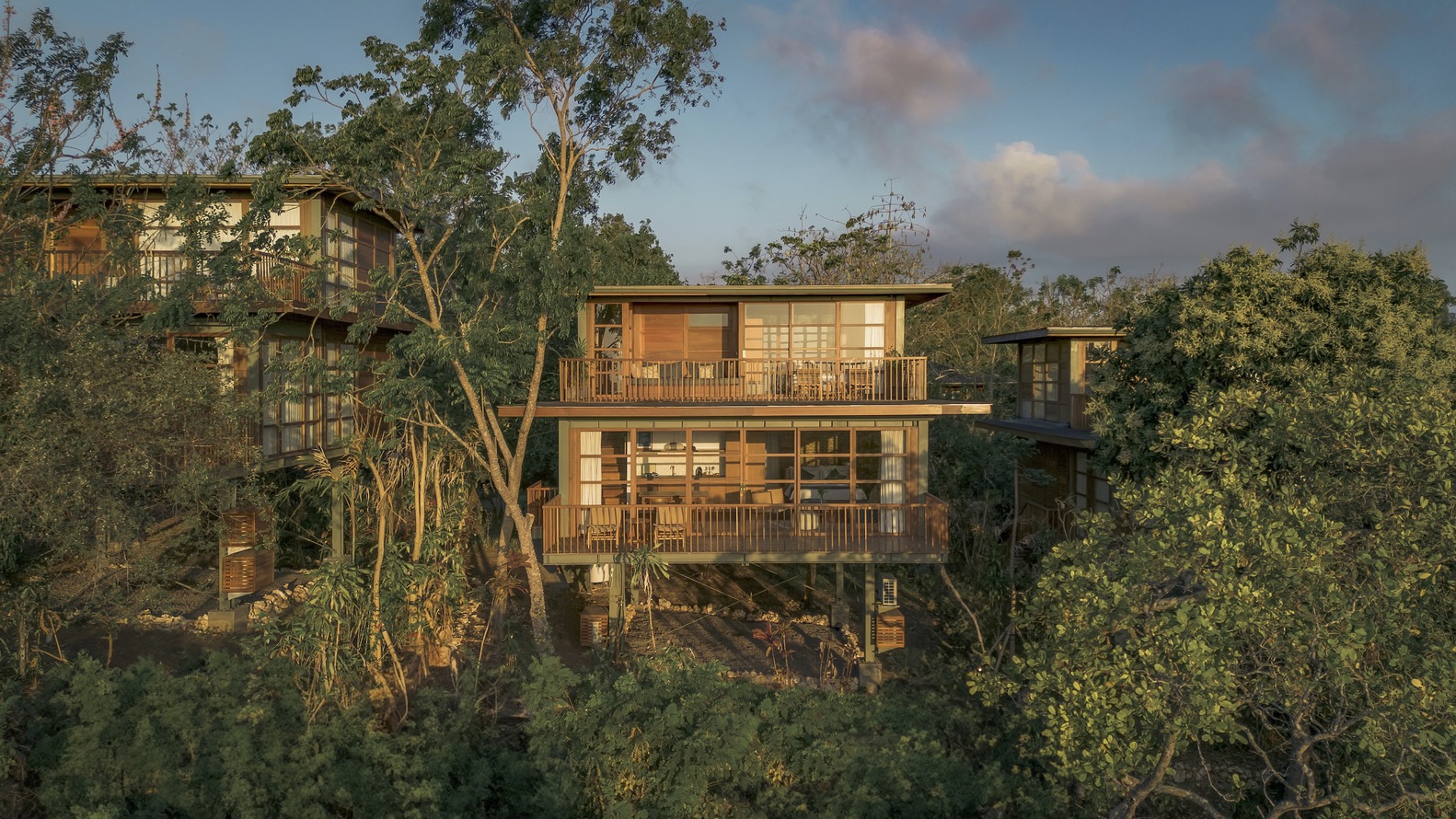
The Treehouse Villa elevates the user experience, literally and figuratively. The structure stands on steel stilts, decreasing its footprint without disturbing the ground below. Patterned from this rural design motif, the treehouse typology offers a unique position to enjoy nature with wide views facing the Indian Ocean and the location’s tropical gardens.
Stairs along the building’s outer perimeter act as the entrance while also vertically distinguishing the hierarchy of different levels. The rectangular and boxy form of each villa allows the stilt structural system to efficiently maximize the floor area. This creates a wider canopy underneath that provides shade and shelter. The building’s size tapers off as it soars upward, adding more visual interest with its extrusions and depth.
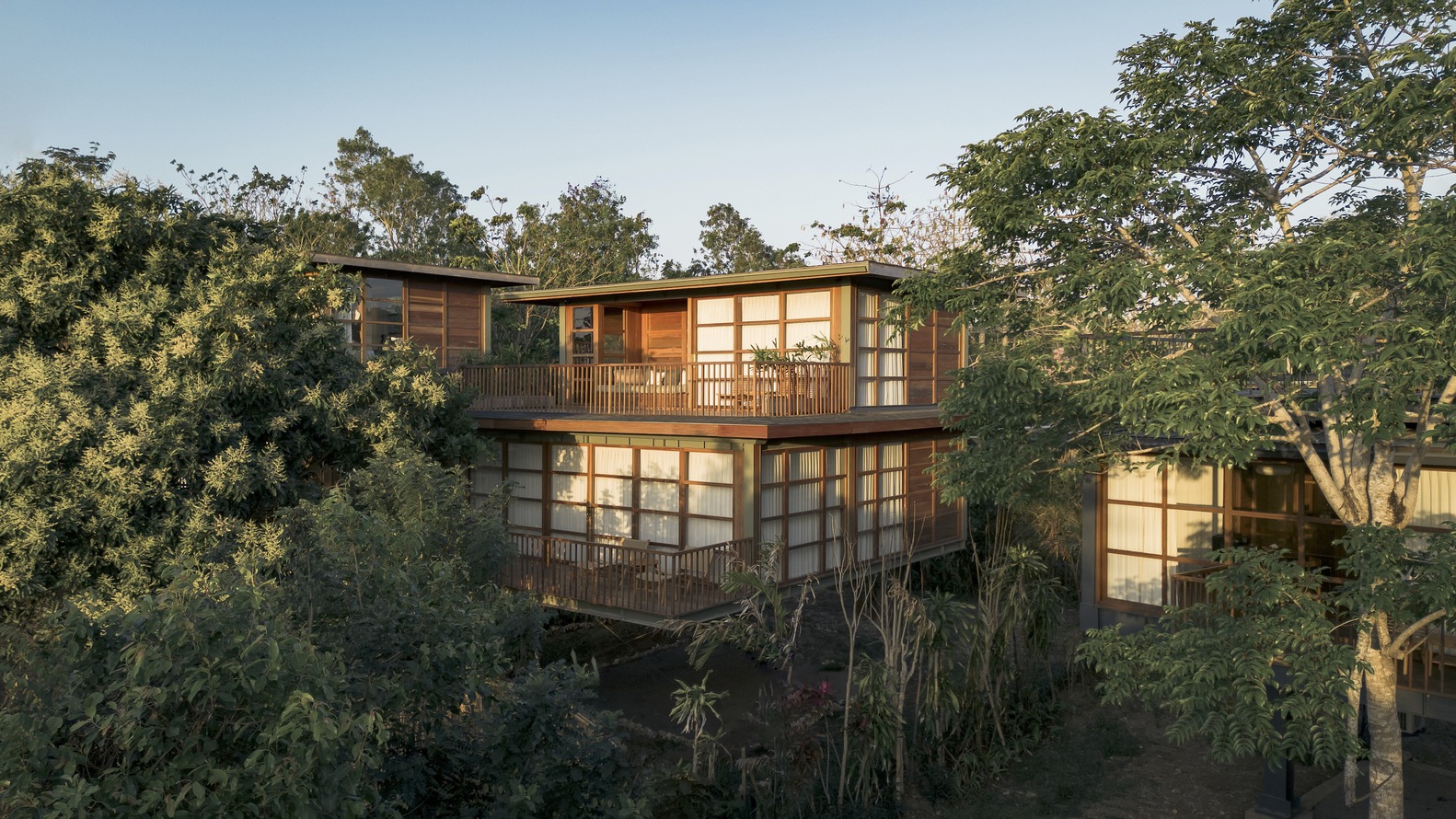
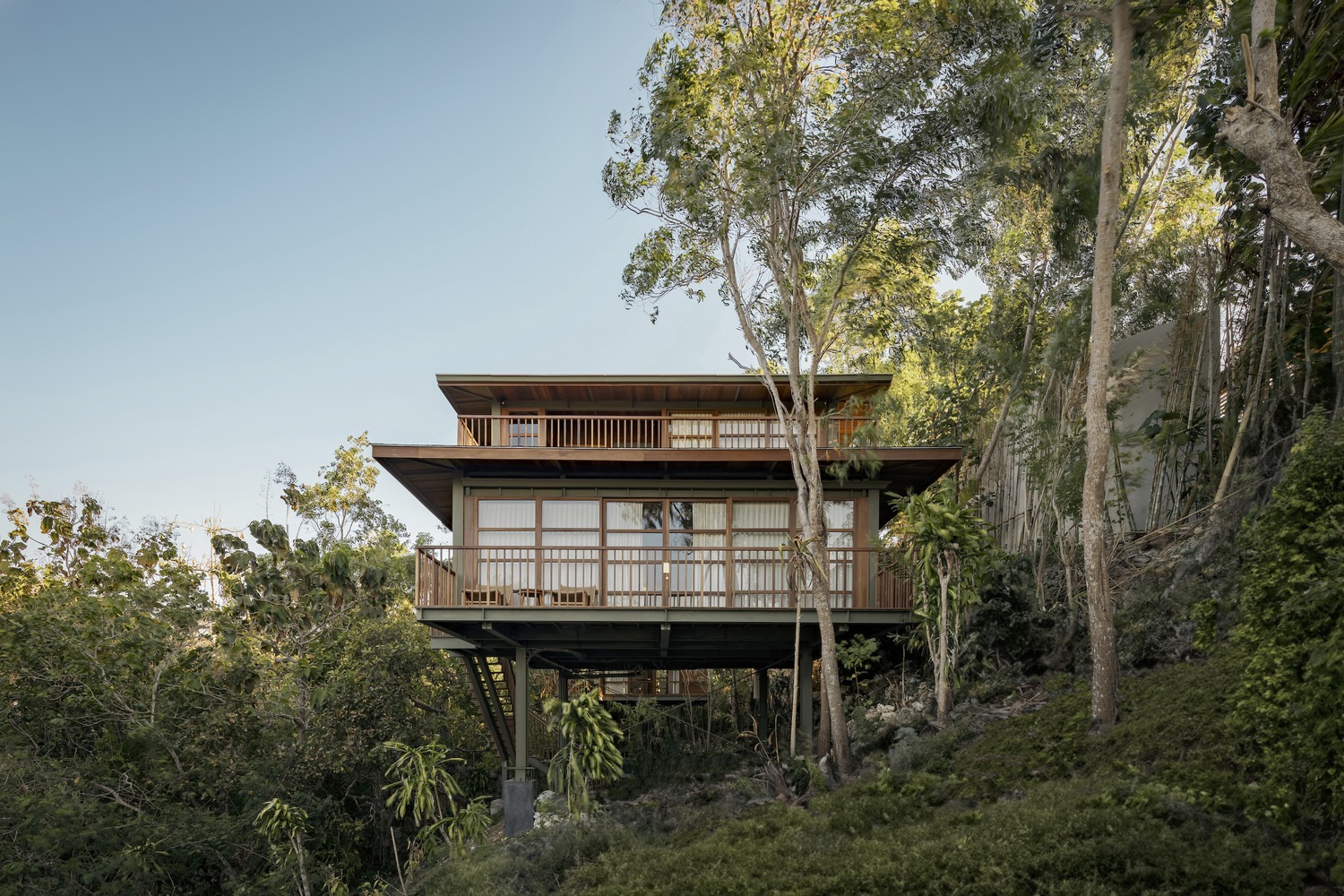
The project embodies openness as wide windows and expansive glazings reduce the friction between indoor and outdoor. A strong connection to nature is formed by its intimate positioning amongst the nearby trees. Wooden claddings, railings, and green painted steel elements are divided by the low sloped gray roofing the make up the exterior. Each floor has its own balcony, reflecting a clear bias for including outdoor space into the design.
Inside the Villa
An open plan layout provides a shared experience geared to a more relaxed state of living. This promotes an ease of movement between spaces, each with charming views of the surrounding landscape. The heart of the home lies on the first floor, where the living, dining, and kitchen merge into a central space. A readily accessible balcony extends the living area, offering a perfect spot to relax and enjoy the view. This cohesive flow between the interior spaces and the balcony naturally encourages social interaction.
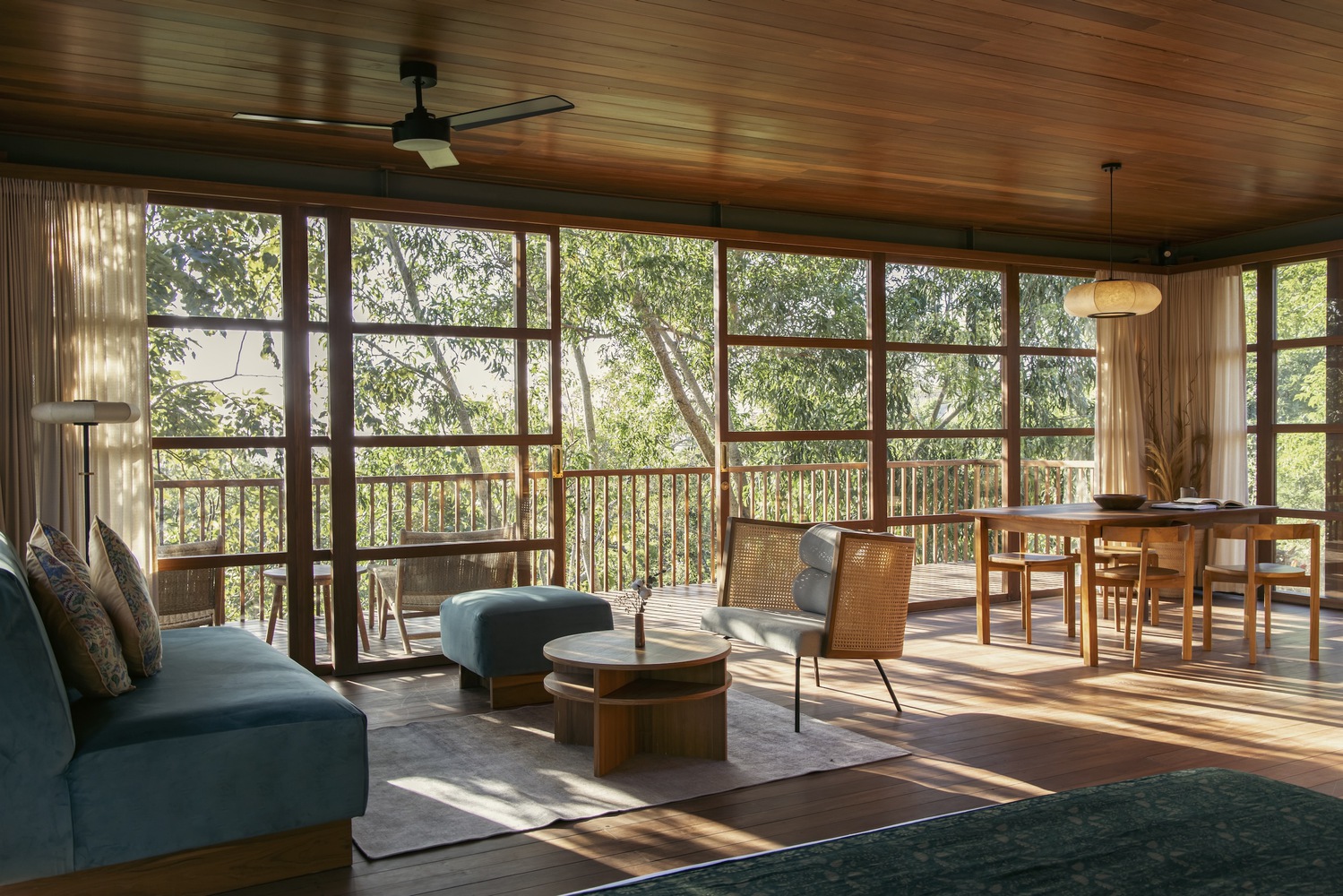
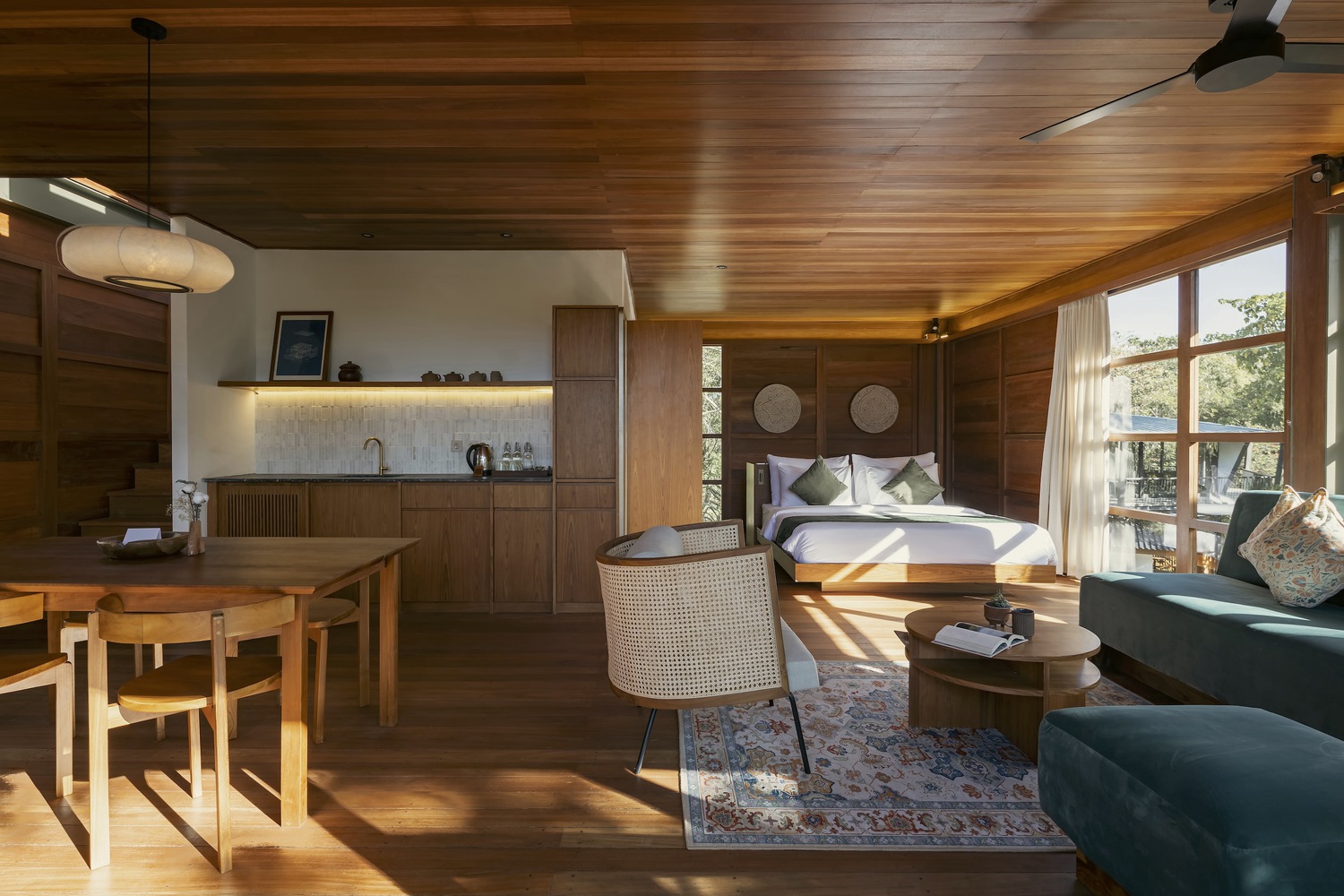
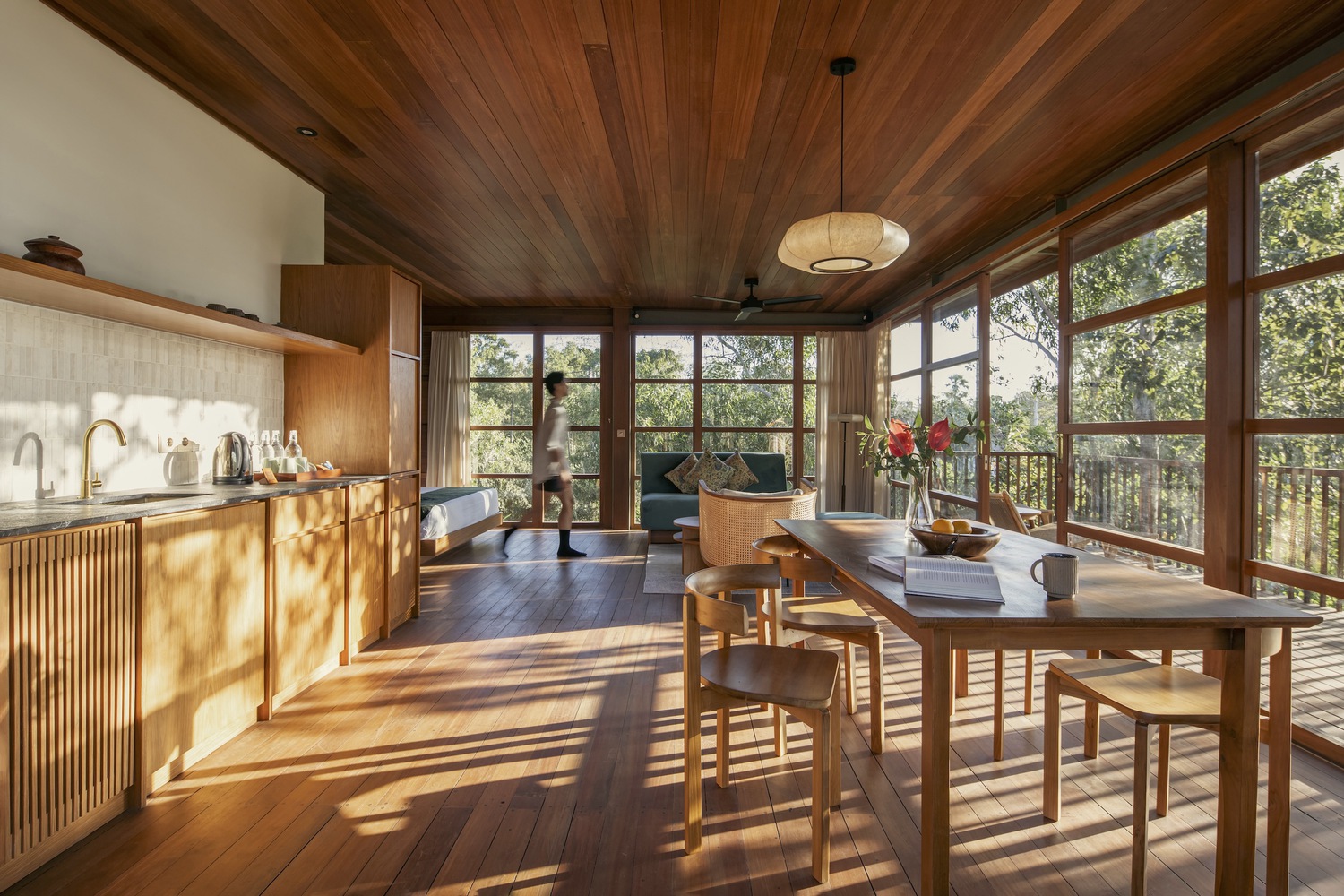
The bedroom on the second floor creates a more intimate set up by occupying the entire level. The villas showcase a thoughtful selection of furniture designed by the architects themselves. Wooden lounge chairs, dining chairs, and lamps create a cohesive look, complemented by the pops of green from the cushions. This deliberate effort blends the architectural style with the built-in amenities, striking a balance between comfort and aesthetics.
Sustainability from Root to Canopy
Stilt Studios’ commitment to sustainability is evident as seen in the origins of this project. Firstly, the use of prefabricated building components to build each structure makes it more eco-friendly. This method of construction reduces carbon emissions, speeds up the building process, and makes the materials more reusable in the future. Additionally, recycled plastic panels form the bathroom’s finishes.
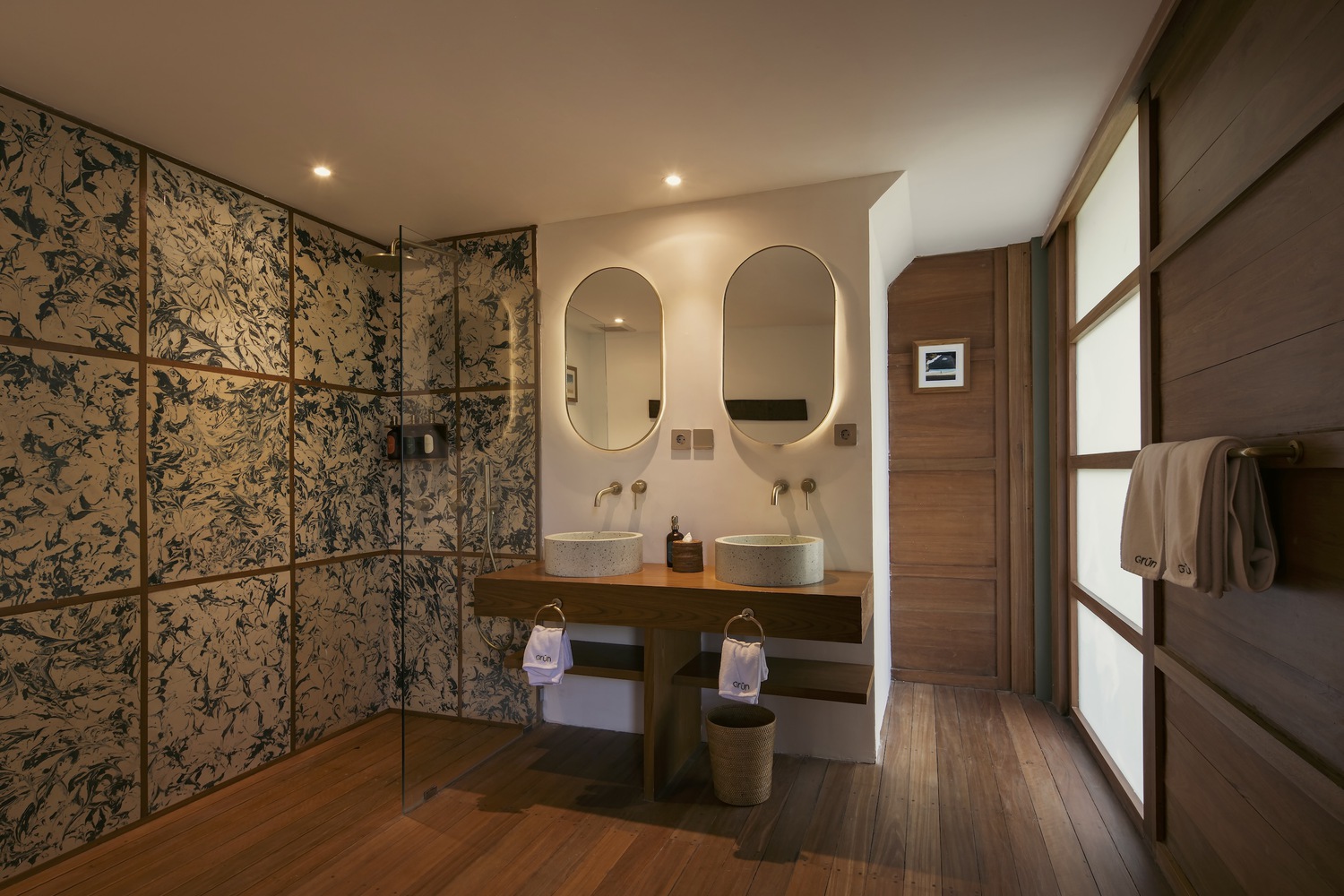
The building reduces consumption throughout its lifespan by taking advantage of the fresh air and sunlight; a welcome alternative to artificial lighting and air conditioning. Multiple strategically oriented openings enable cross ventilation, while wide eavesEavesThe lower edges of a roof that project beyond a building's exterior walls. Deep eaves are essential in tropical Philippine architecture, shielding walls and windows from intense sun and heavyGo to Eaves Glossary control both sunlight and rain.
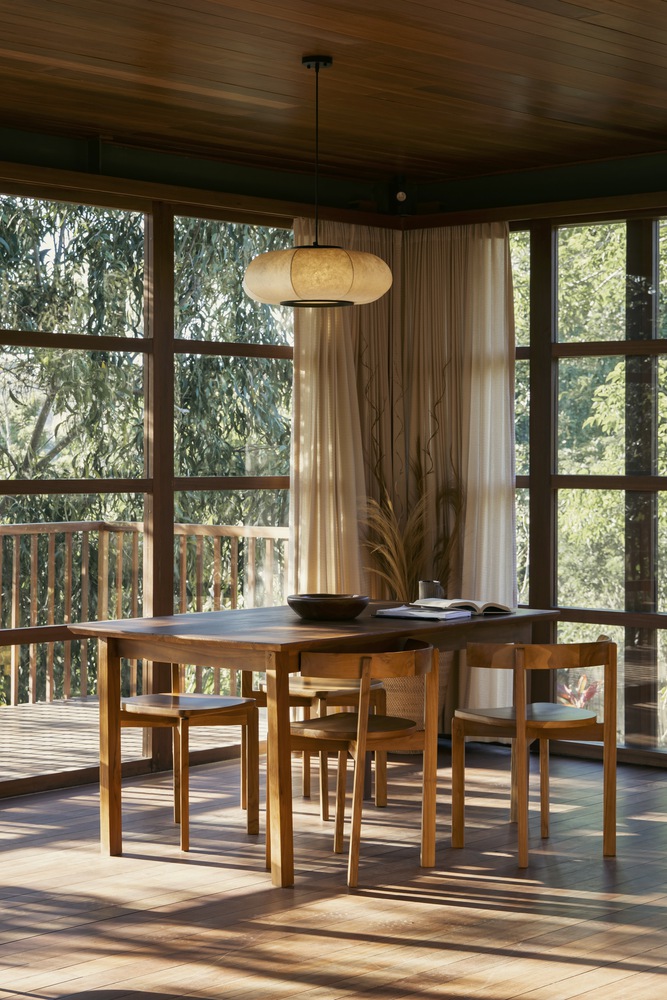
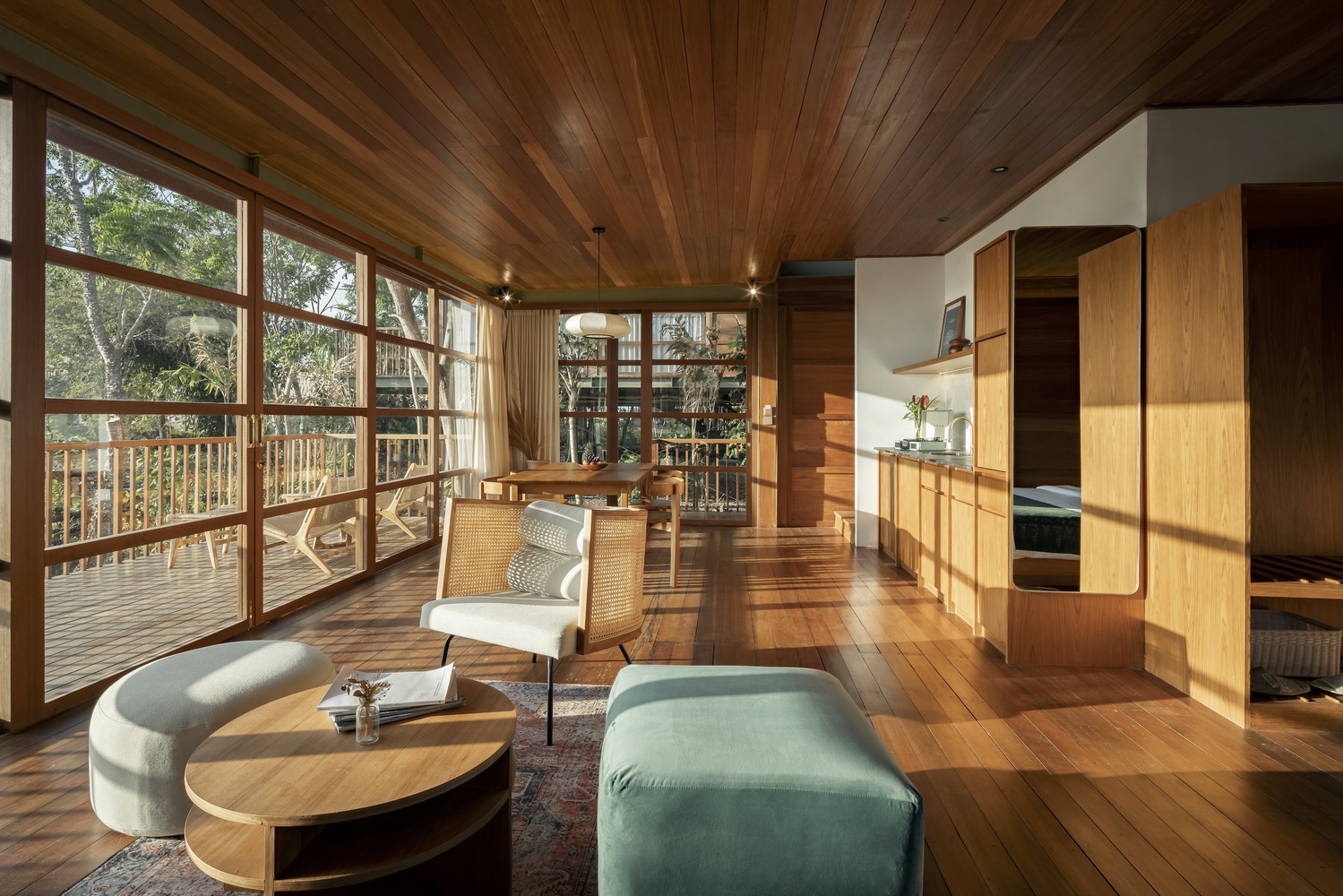
The use of natural material corresponds to what Indonesia’s products have to offer. Locally sourced honey-hued wood clad the exteriors with an organic charm that blends into the forest backdrop. Inside, the richly treated wooden floors, woven rattanRattanA flexible, climbing palm native to tropical Asia, whose strong, lightweight canes are woven and bent into furniture, baskets, and lighting. The Philippines, especially Cebu, is renowned for rattan craftsmanship,Go to Rattan Glossary, and banana paper allude to the craftsmanship of the region. This conscious choice of sourcing materials is a classic example of what it means to be inclusive and sustainable in a manner that evokes a profound sense of its place.
Standing Amongst the Trees
The Treehouse Villa clearly integrates with the natural tapestry formed by the surrounding tropical forests. Its stilt construction, eco-friendly design, and locally inspired tropes make it an accommodation that reflects the beauty Bali has to offer.
Read more: Kabana Treehouse: At One With Nature
Photo by Indra Wiras
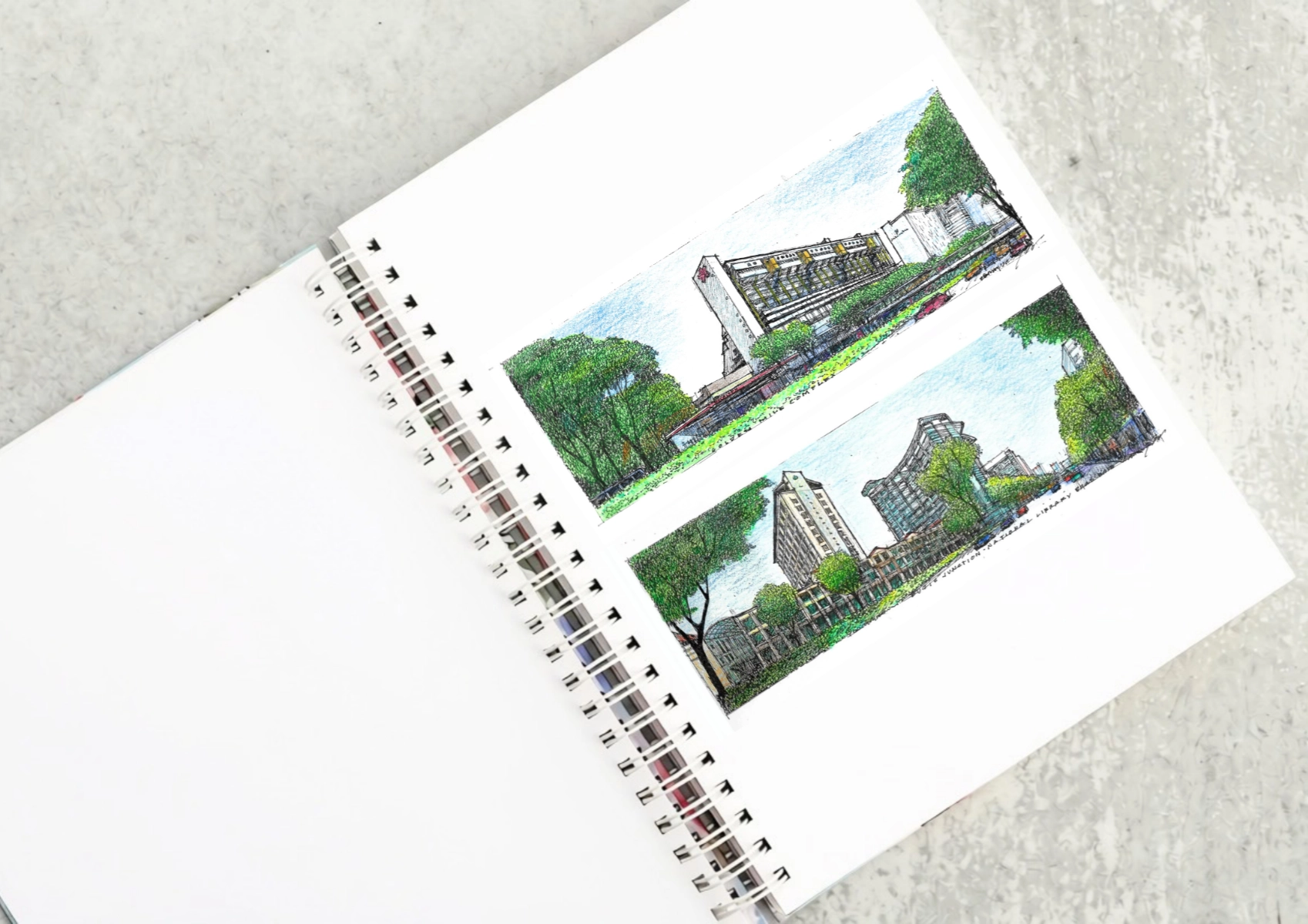
Two sketches of Singapore connect BluPrint Editor in Chief Paulo G. Alcazaren’s personal and professional history with Shared Ground: ArchitectureArchitectureThe art and science of designing and constructing buildings, structures, and spaces that are functional, safe, and aesthetically pleasing. It encompasses the planning, design, materials, and techniques used to createGo to Architecture Glossary of Care, Culture, […]
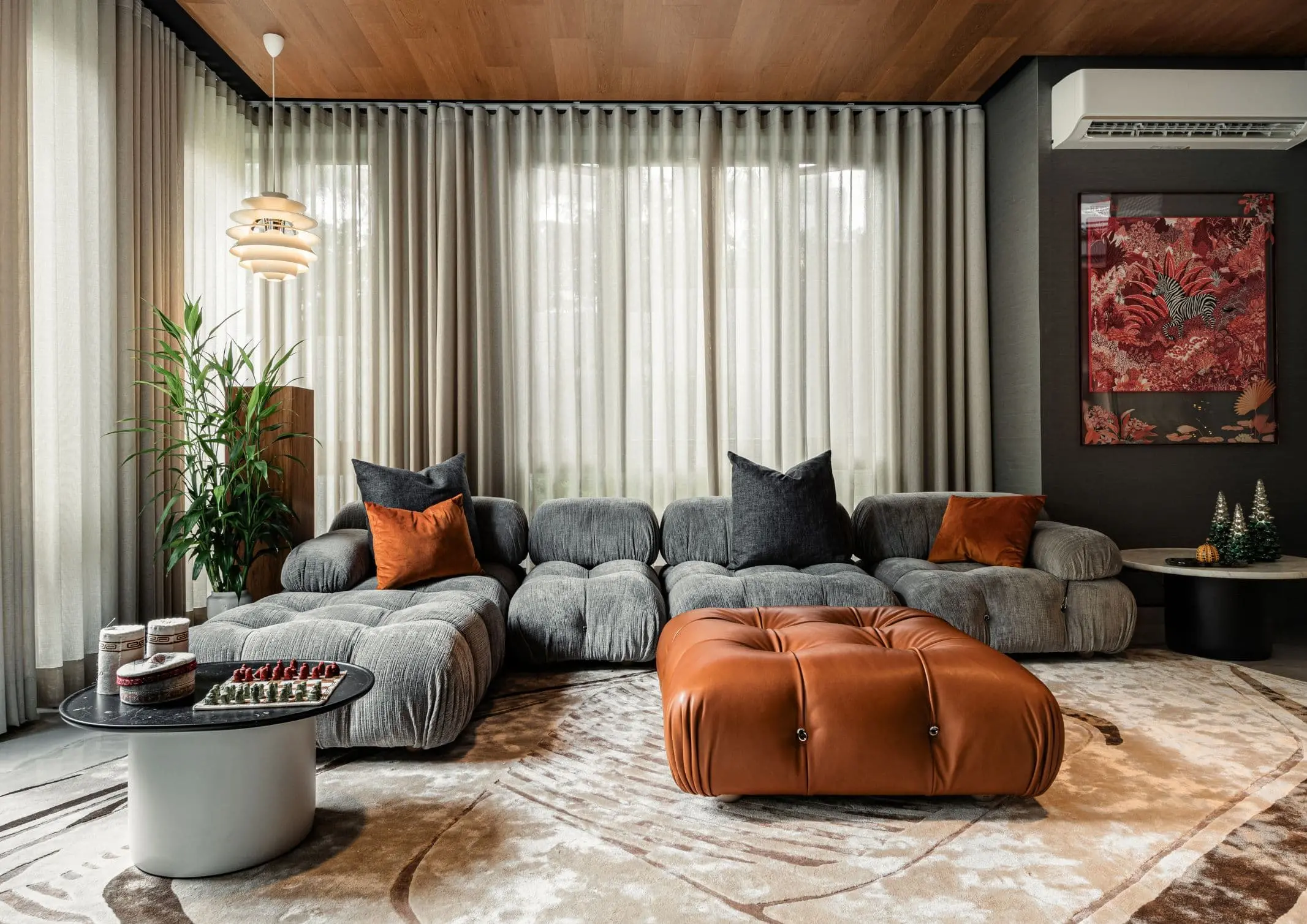
Some have become household names – Coleman, Oster, and KitchenAid – products that have found their way into Filipino kitchens, homes and family routines. In home furnishings, brands such as B&B Italia, Ethan Allen, Sub-Zero, Miele, SieMatic, Louis Poulsen, Hunter Douglas, Tempur, and Technogym, have helped shape the way Filipinos live. From everyday essentials to […]
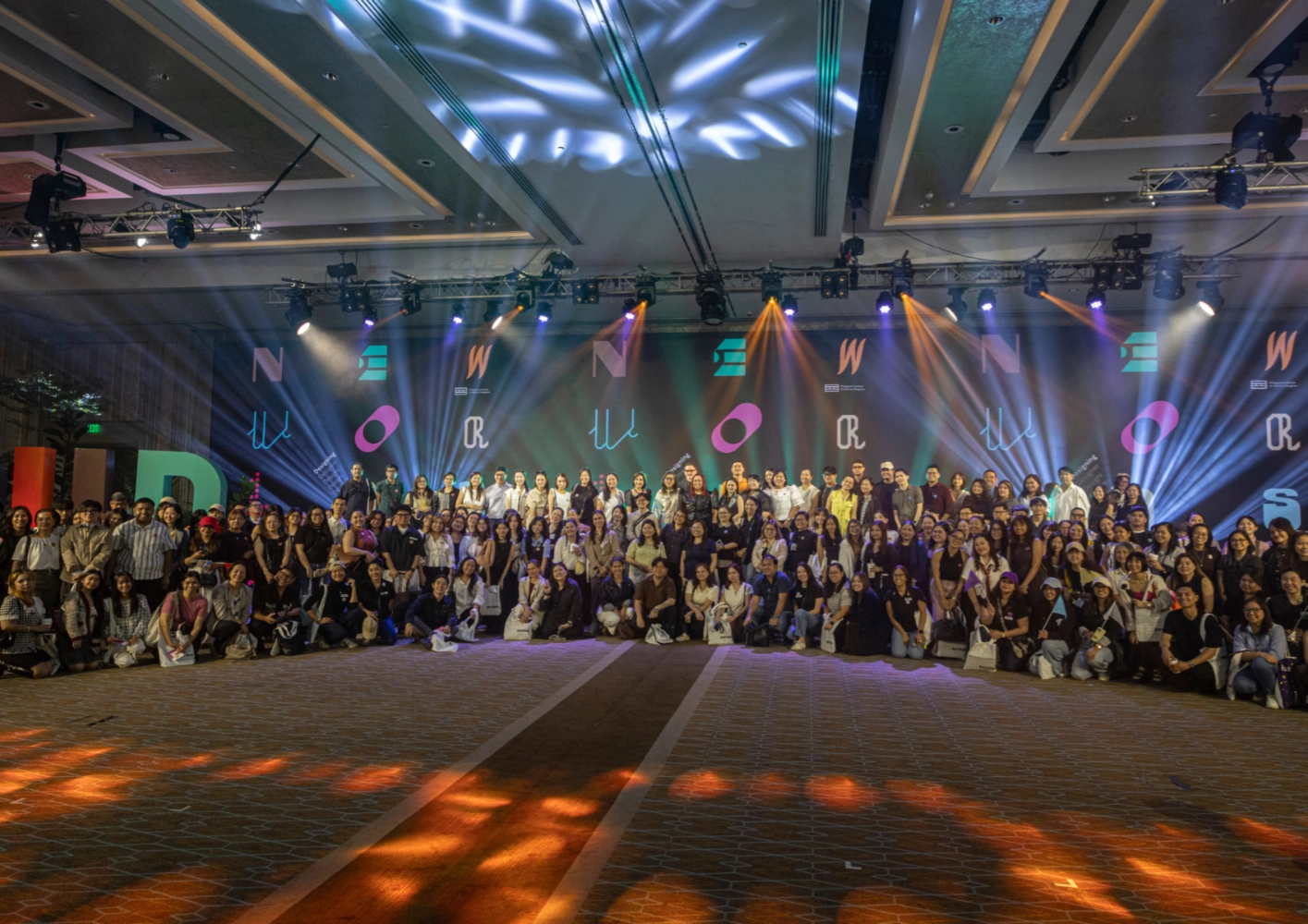
In a way, designers are the modern-day soothsayers and prophets. They design for the future, predicting how a room, a house, a building or a whole city will be used by people. They foresee how users will interact with a space, conjure exact shades of colors to elicit specific behavior and arrange furniture to build […]
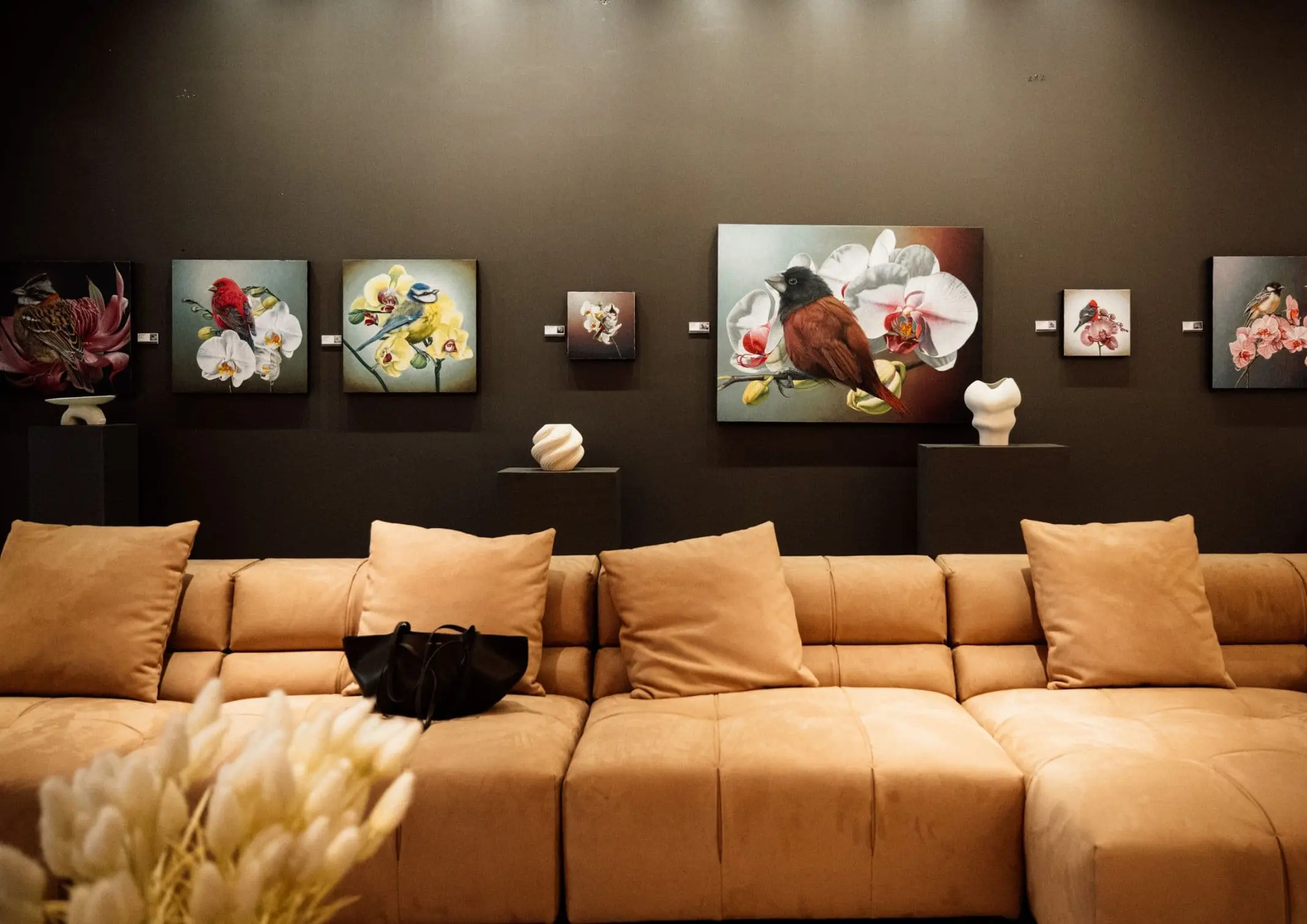
Art and furniture are often selected separately, yet their relationship can shape how a room looks and feels. The collaboration between Hooga and Galerie Joaquin explores how these elements can work together, bringing contemporary artworks into furnished residential settings at Hooga’s showroom in Uptown Mall, Bonifacio Global City. For Hooga, which curates furniture, lighting, and […]
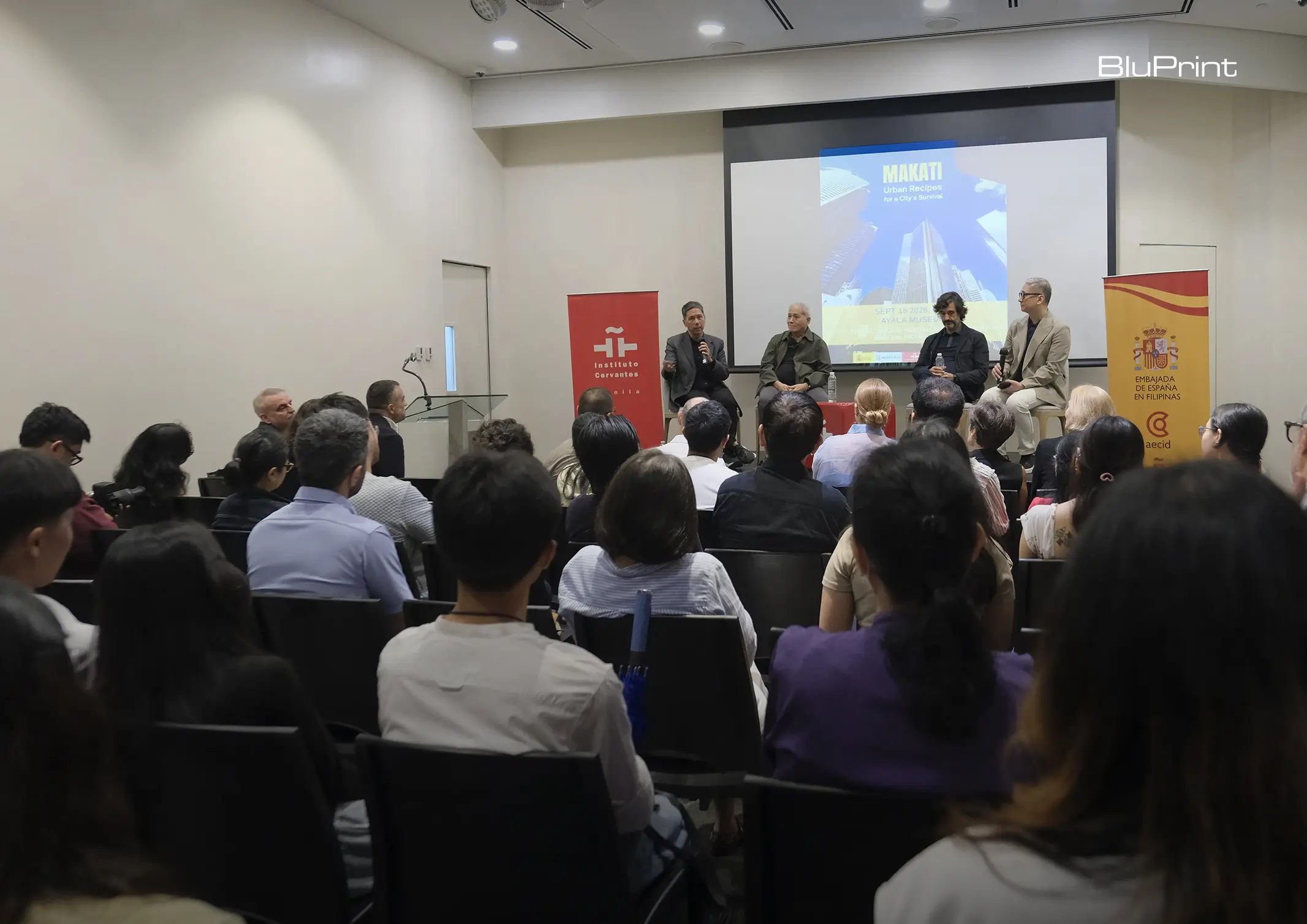
How can better-planned cities create the conditions for more creative, livable, and resilient urban environments? “Makati Urban Recipes for a City’s Survival,” a colloquium held at the Ayala Museum on September 15, brought together architects and practitioners from the fields of urbanism and the creative economy to discuss how design, planning, and collaboration can address […]
Read the issues.

Collect the volumes.

Recommended Video
Tap to Unmute
Unmute
0:00
0:00