Bigkis is the act of binding. In Tagalog, the word can refer to something used to bind or encircle, as well as a bundle formed by tying several separate elements together. Figuratively, it can also mean a bond, union, or unity. The meanings move from the physical act of joining things together to the connection […]
Daikin Launches New VRV Home Central Airconditioning System



Daikin’s latest innovation, the Variable Refrigerant Volume (VRV) Home Central Airconditioning (HCAC) system, is set to revolutionize residential air conditioning with enhanced functionality tailored for Filipino homeowners’ needs. Known for pushing the boundaries of air conditioning technology, the Daikin HCAC system goes beyond cooling to offer a holistic approach to indoor climate control, ensuring optimal comfort while addressing energy efficiency, humidity management, and smart connectivity. Here’s how the new HCAC system stands apart and caters to the demands of today’s discerning homeowners.
Advanced Climate and Moisture Control for the Ultimate Indoor Experience
At the heart of the Daikin HCAC system is their unique three-in-one climate control capability. Beyond standard temperature adjustment, HCAC integrates both humidity and airflow management. The system’s moisture control feature is particularly notable, offering homeowners peace of mind for preserving luxury items such as designer bags, shoes, and other valuables that can be susceptible to humidity damage. This precision control helps maintain an ideal indoor environment, ensuring comfort while protecting cherished belongings.
One of the primary concerns for homeowners today is energy efficiency, and Daikin’s VRV HCAC system addresses this directly with its Variable Refrigerant Volume (VRV) technology. Unlike traditional systems, the VRV technology allows for precise control of refrigerant flow to various parts of the home, optimizing energy usage and reducing waste. By balancing performance with efficient power use, Daikin’s VRV HCAC system can help homeowners achieve significant long-term savings on energy bills while lowering their carbon footprint.
Addressing Filipino Homeowners’ Unique Needs
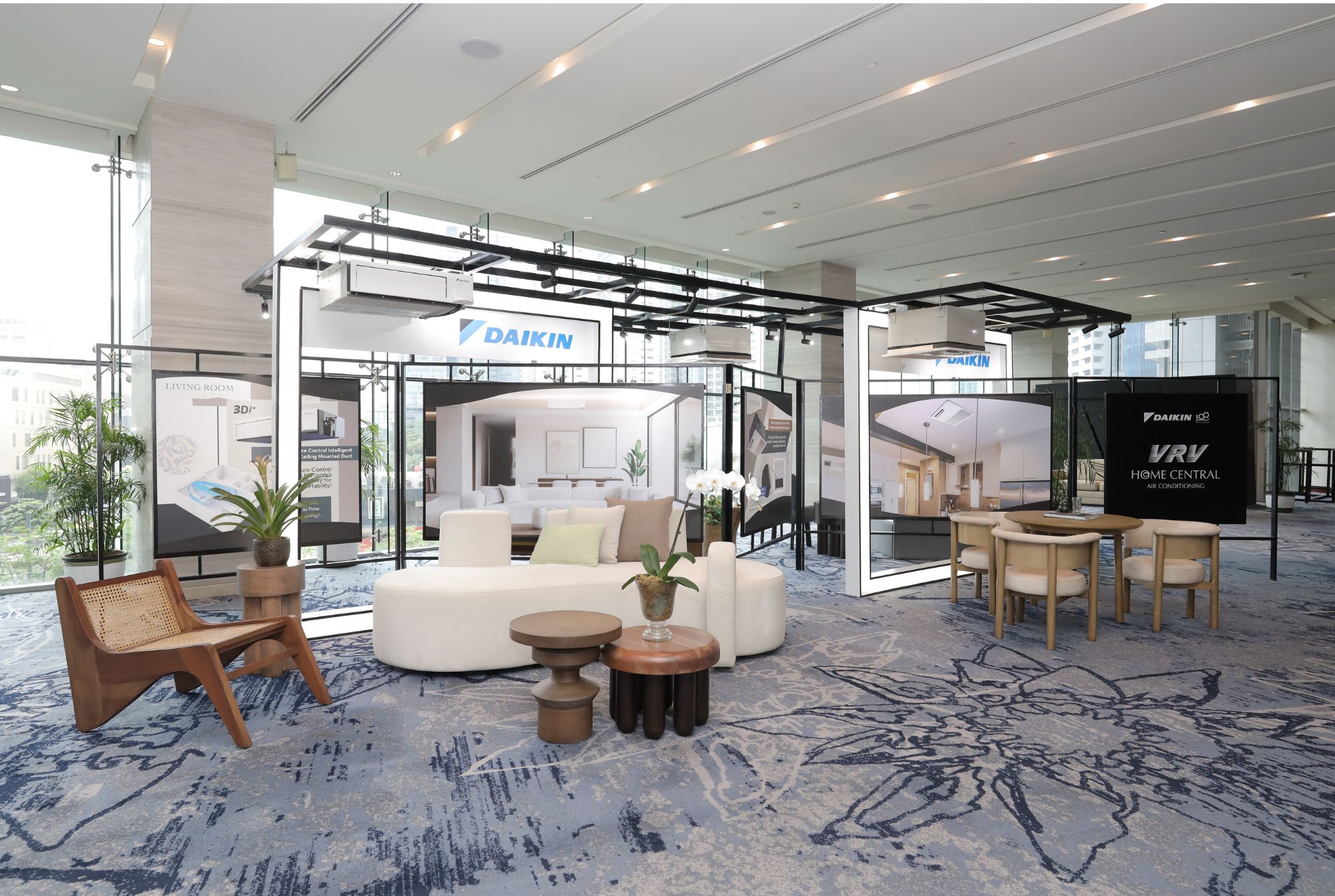
As homes become increasingly connected, Daikin has made sure that the VRV HCAC system is future-ready with smart home integrations. Using the Daikin REIRI Home controls, homeowners can monitor and manage their air conditioning system remotely via their smartphones or devices. This IoT-enabled feature provides unparalleled convenience, allowing users to adjust their settings, monitor indoor conditions, and manage energy consumption—all from their mobile devices.
Daikin’s VRVP HCAC system was developed with specific insights into the needs of Filipino homeowners, particularly those focused on the preservation of valuable items and maintaining ideal indoor air quality. For homeowners looking to invest in a more comprehensive solution than traditional split or window-type units, the HCAC system offers both practical functionality and peace of mind by maintaining ideal indoor climate conditions.
Seamless Integration for a Cleaner Aesthetic
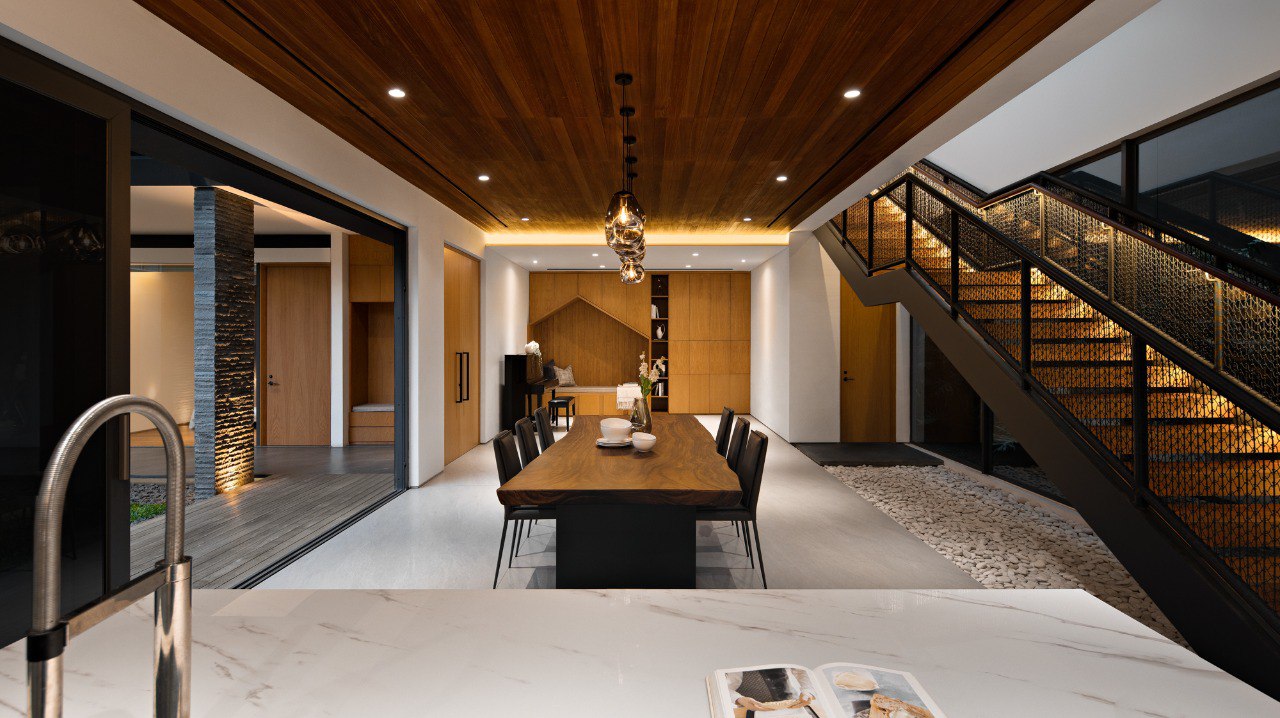
One of the standout benefits of the Daikin Home Central Airconditioning system is its ability to blend seamlessly into the home’s architectural design, offering a refined alternative to the often bulky and visually intrusive split-type and window-type units. HCAC removes the need for the multiple condensing units typically associated with these traditional systems, allowing homeowners and architects greater flexibility to achieve a cleaner, more cohesive aesthetic.
This system can be concealed within the ceiling or built into walls, minimizing visible equipment. With HCAC, condensing units and wiring are reduced, resulting in a cleaner exterior that preserves the visual integrity of the home’s façadeFaçadeThe exterior face of a building, particularly the principal front facing a street or public space. More than decoration, a façade shapes a building's identity and performance, managing light, heat,Go to Façade Glossary and outdoor spaces. This streamlined installation makes it an ideal choice for high-end residences where both functionality and appearance are priorities.
By offering this sleek, integrated option, Daikin’s HCAC system not only enhances indoor comfort but also preserves the architectural beauty of residential spaces.
A Commitment to Long-Term Value and Cost Efficiency
While HCAC offers advanced features, Daikin has kept the installation process straightforward. The system’s setup mirrors that of Daikin’s established VRV lineup, with a new three-pipe system specifically designed to enable its enhanced moisture control. Additionally, Daikin’s commitment to quality doesn’t stop at the point of purchase. The Daikin Air Solutions Shop oversees everything from pre-sales consultations to after-sales support, ensuring a seamless experience for homeowners.
For homeowners seeking a high-performance system that delivers both comfort and savings, HCAC stands as a worthwhile investment. Traditional air conditioning units often lack the ability to manage multiple rooms effectively, requiring higher energy usage for temperature uniformity. In contrast, Daikin’s HCAC, with its VRV system, distributes cooling with high efficiency, leading to lower energy consumption and reduced long-term costs.
Future Innovations on the Horizon

Daikin sees the HCAC system as part of a broader trend toward more sophisticated VRV systems in residential settings. Looking forward, Daikin anticipates increased demand for VRV technology in homes, with further developments likely to complement and expand upon the HCAC’s capabilities.
Daikin’s HCAC system represents a thoughtful response to the evolving needs of homeowners, offering robust performance, efficiency, and the added assurance of item preservation. With this launch, Daikin continues to lead in sustainable, user-centered air conditioning solutions, providing Filipino households with advanced control over their indoor environments. Whether it’s for comfort, energy efficiency, or protecting prized possessions, the HCAC system is designed to meet the demands of today and tomorrow.
Images courtesy of Daikin.
Read more: Genteelhome x Royal Pineda+: Championing Modern Filipino Craftsmanship

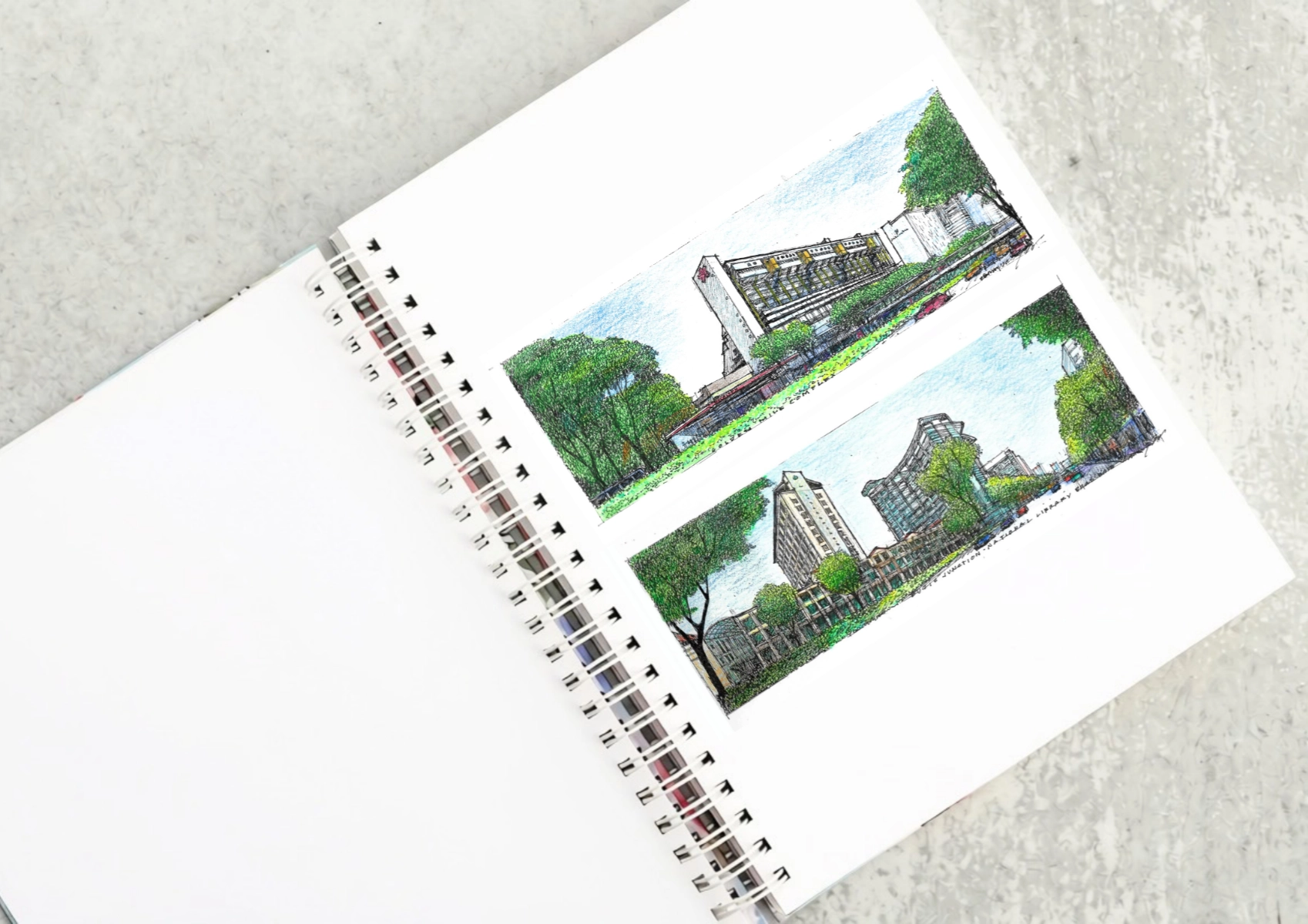
Two sketches of Singapore connect BluPrint Editor in Chief Paulo G. Alcazaren’s personal and professional history with Shared Ground: ArchitectureArchitectureThe art and science of designing and constructing buildings, structures, and spaces that are functional, safe, and aesthetically pleasing. It encompasses the planning, design, materials, and techniques used to createGo to Architecture Glossary of Care, Culture, […]
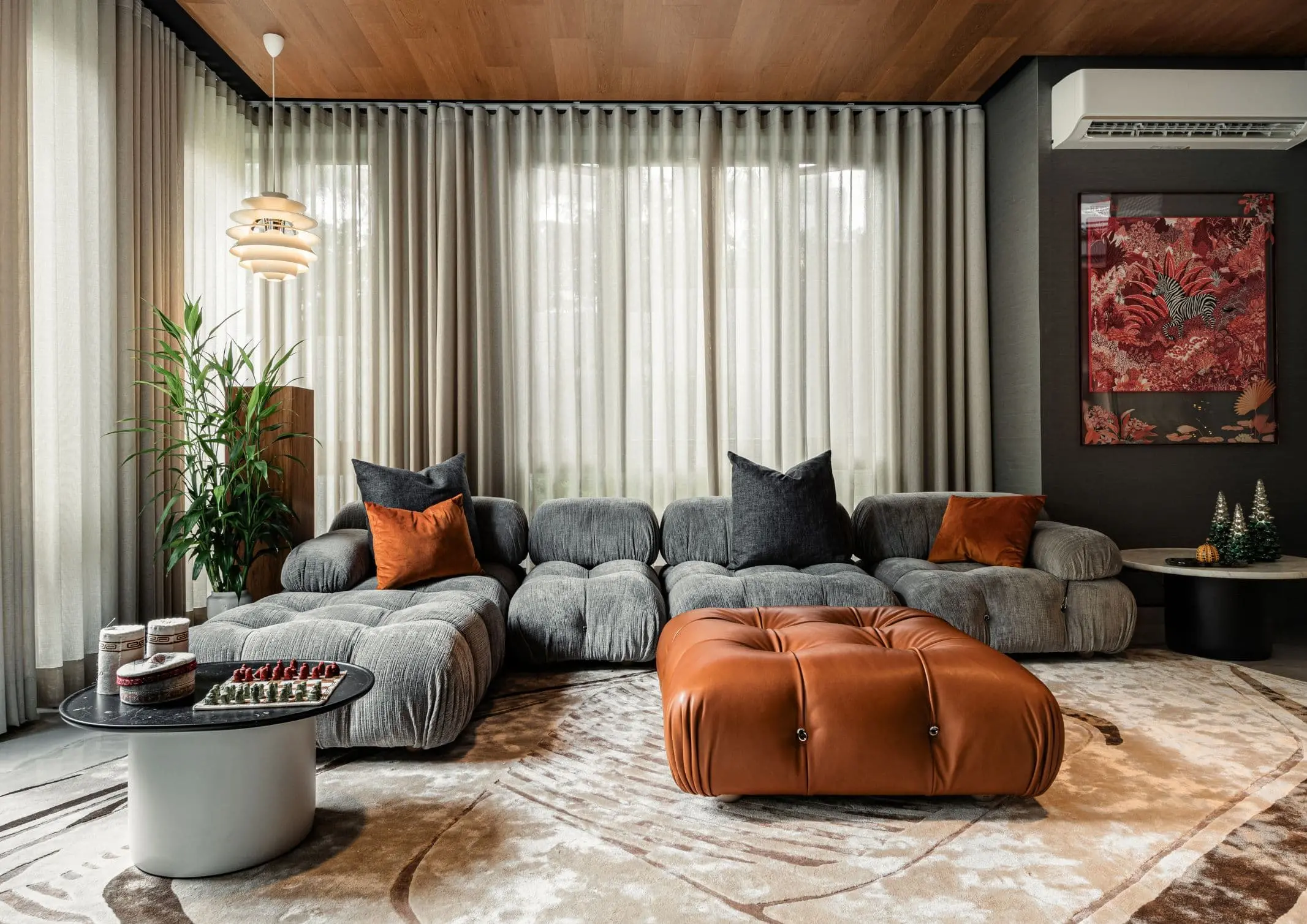
Some have become household names – Coleman, Oster, and KitchenAid – products that have found their way into Filipino kitchens, homes and family routines. In home furnishings, brands such as B&B Italia, Ethan Allen, Sub-Zero, Miele, SieMatic, Louis Poulsen, Hunter Douglas, Tempur, and Technogym, have helped shape the way Filipinos live. From everyday essentials to […]

In a way, designers are the modern-day soothsayers and prophets. They design for the future, predicting how a room, a house, a building or a whole city will be used by people. They foresee how users will interact with a space, conjure exact shades of colors to elicit specific behavior and arrange furniture to build […]

Art and furniture are often selected separately, yet their relationship can shape how a room looks and feels. The collaboration between Hooga and Galerie Joaquin explores how these elements can work together, bringing contemporary artworks into furnished residential settings at Hooga’s showroom in Uptown Mall, Bonifacio Global City. For Hooga, which curates furniture, lighting, and […]
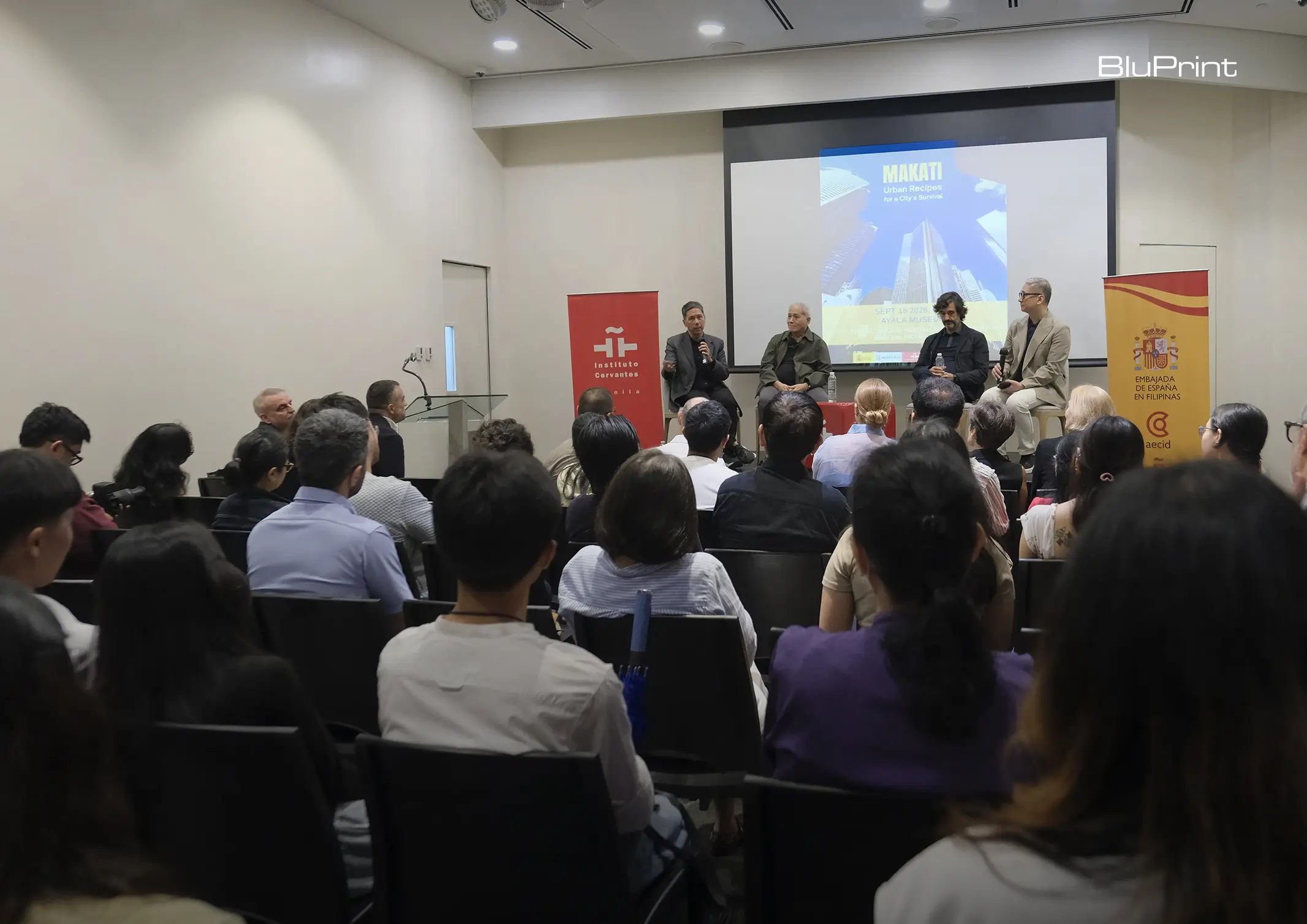
How can better-planned cities create the conditions for more creative, livable, and resilient urban environments? “Makati Urban Recipes for a City’s Survival,” a colloquium held at the Ayala Museum on September 15, brought together architects and practitioners from the fields of urbanism and the creative economy to discuss how design, planning, and collaboration can address […]
Read the issues.

Collect the volumes.

Recommended Video
Tap to Unmute
Unmute
0:00
0:00