Bigkis is the act of binding. In Tagalog, the word can refer to something used to bind or encircle, as well as a bundle formed by tying several separate elements together. Figuratively, it can also mean a bond, union, or unity. The meanings move from the physical act of joining things together to the connection […]
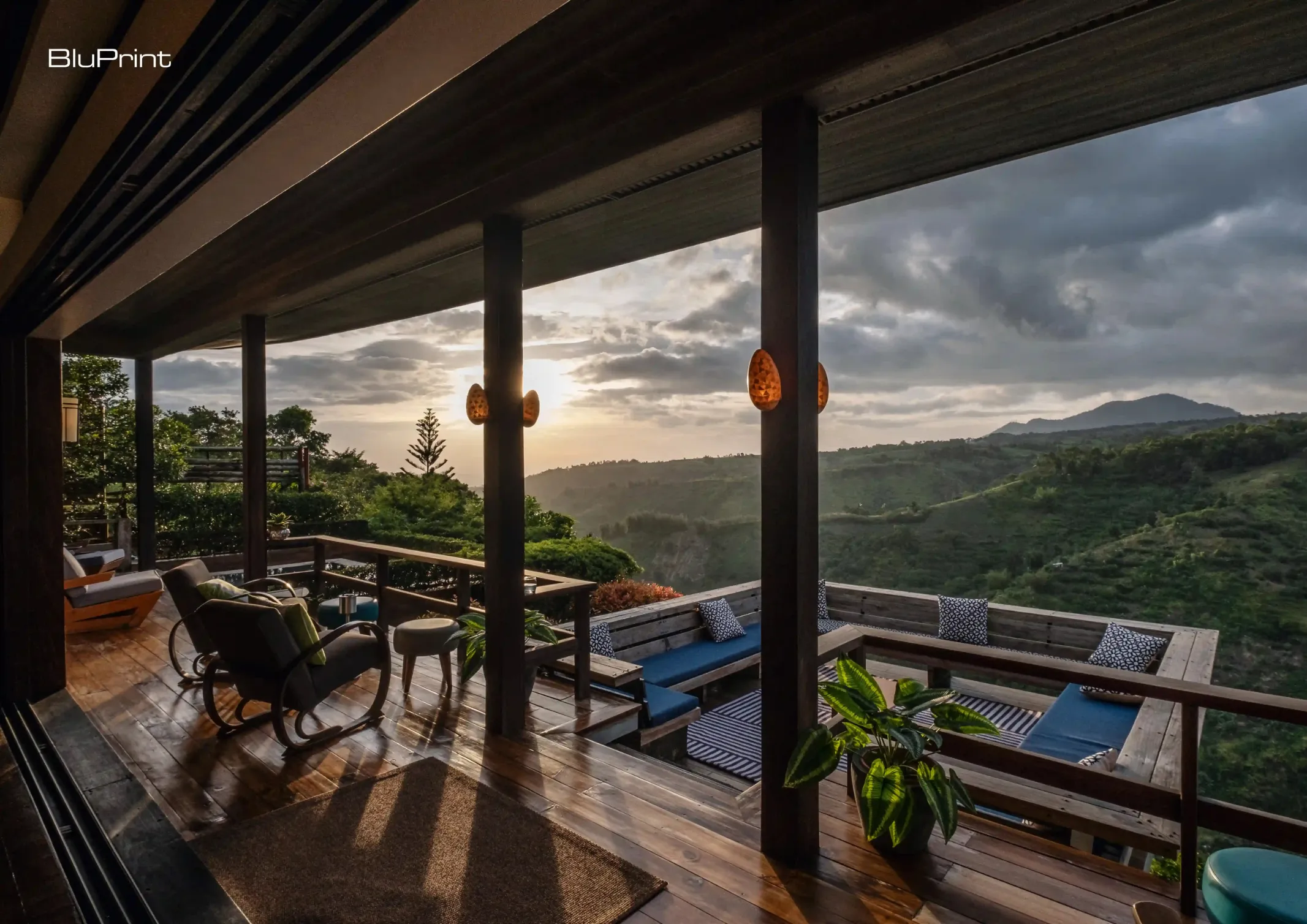
DSB House: A Place of Finding



“What we wanted was not so much a place of hiding, but a place of finding.” These words by the homeowner of the DSB House are illuminating despite their contradictory nature. Built on a cliff 4,000 feet above sea level in the outskirts of Bacolod, the house is easily an escapist’s dream, embraced by nature and sheltered from the worries of city life. Yet, while it cocoons its inhabitants, it leads them on a contemplative journey through its thoughtful architectureArchitectureThe art and science of designing and constructing buildings, structures, and spaces that are functional, safe, and aesthetically pleasing. It encompasses the planning, design, materials, and techniques used to createGo to Architecture Glossary, lighting design, and landscape design.
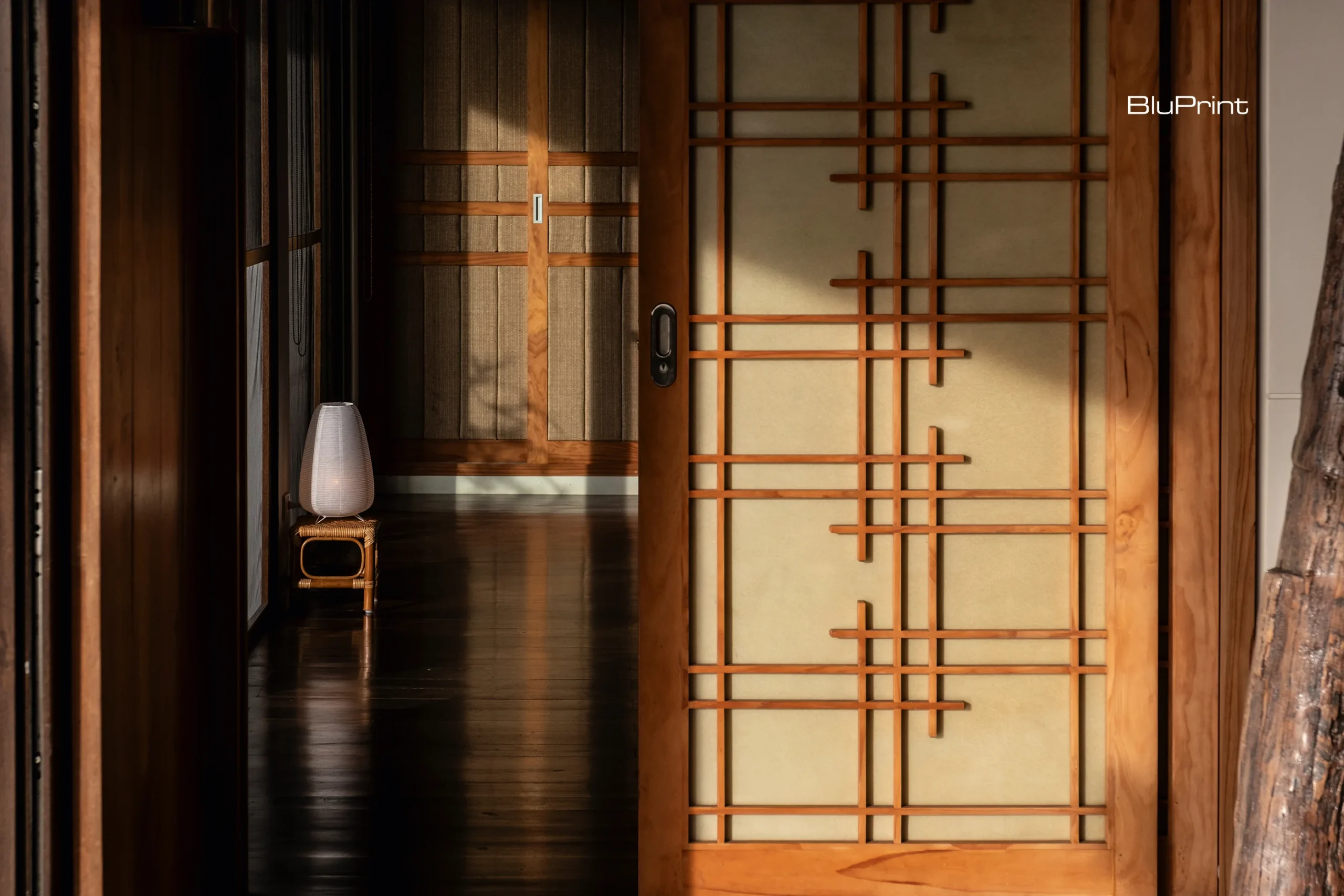
From the house’s aesthetic alone, one would assume the homeowners were of Japanese descent, with its gabled roof clearly taking inspiration from Buddhist temples and Shinto shrines. The design, however, is influenced by the tranquility they want each space to exude, which happens to align with the principles of Japanese architectureArchitectureThe art and science of designing and constructing buildings, structures, and spaces that are functional, safe, and aesthetically pleasing. It encompasses the planning, design, materials, and techniques used to createGo to Architecture Glossary.
Creating a place of quiet reflection and “capturing the beauty and feel of the mountains under any weather condition” to create a meditative sanctuary was the client’s most essential requirement, which the design team composed of architect Edwin Ordoñez, lighting designer Christine Sicangco of CSLDI, landscape designer Ted Lizares, and interior designers Yvette Benedicto and Sheila Yusay sought to achieve through careful collaboration. “We wanted the house to have versatility, functionality, and form—a space that would be wonderfully intimate in a fun and relaxing way,” says the homeowner.
A Path to Enlightenment
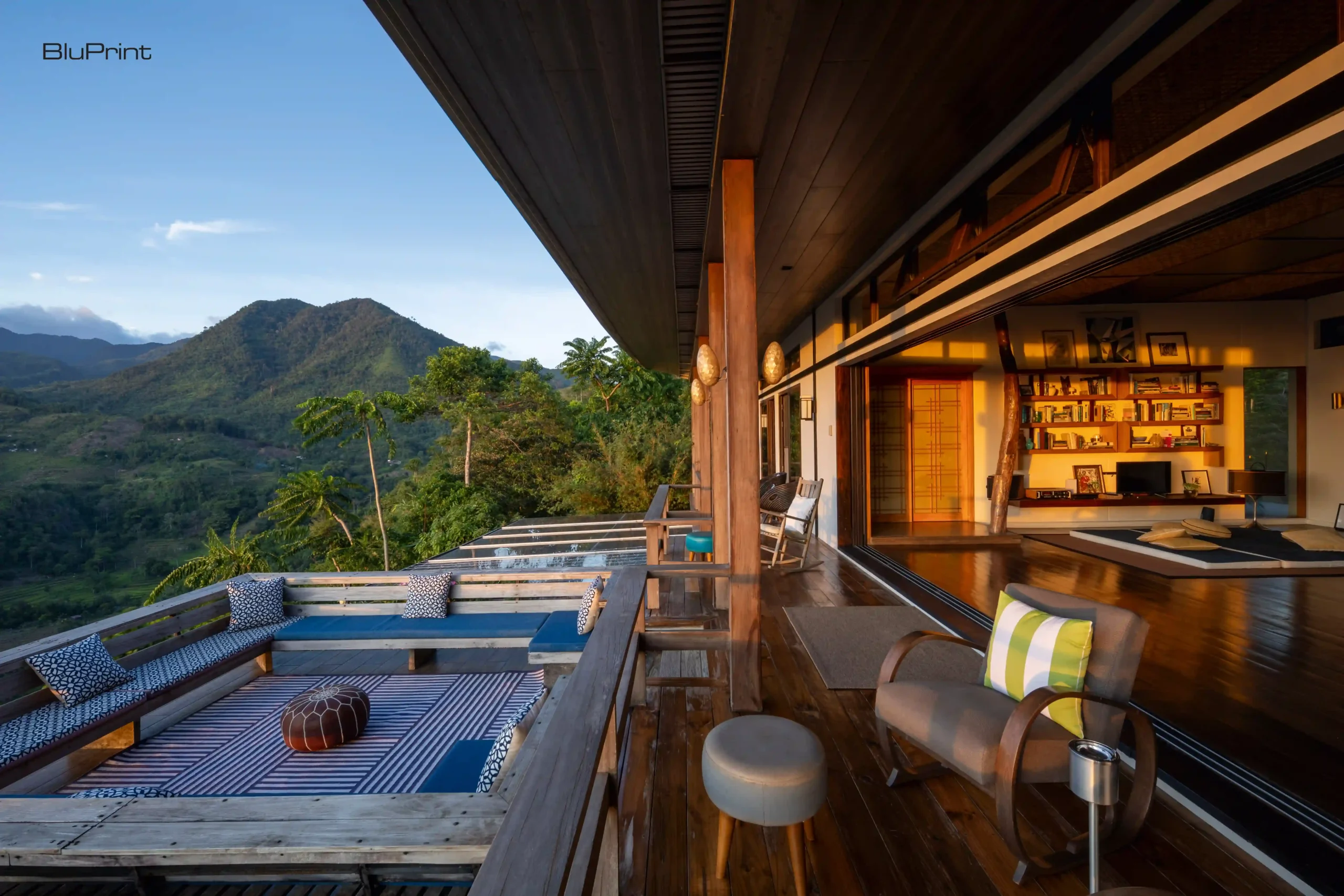
The conceptual framework of the DSB House sprouted from the landscape itself, specifically from the need to respect its natural terrain and for any architectural intervention to move with it as organically as possible.
The land is described by the homeowner as a “gigantic hole” that she didn’t want flattened or filled up to accommodate her house, so they chose the flattest plot of land on which to build on, which happened to be the cliffside area that provides an expansive view of the valley and mountains in the distance. The house only occupies a 200-square-meter footprint, with the abundance of pocket gardens and shrubbery taking up the rest of the lot.
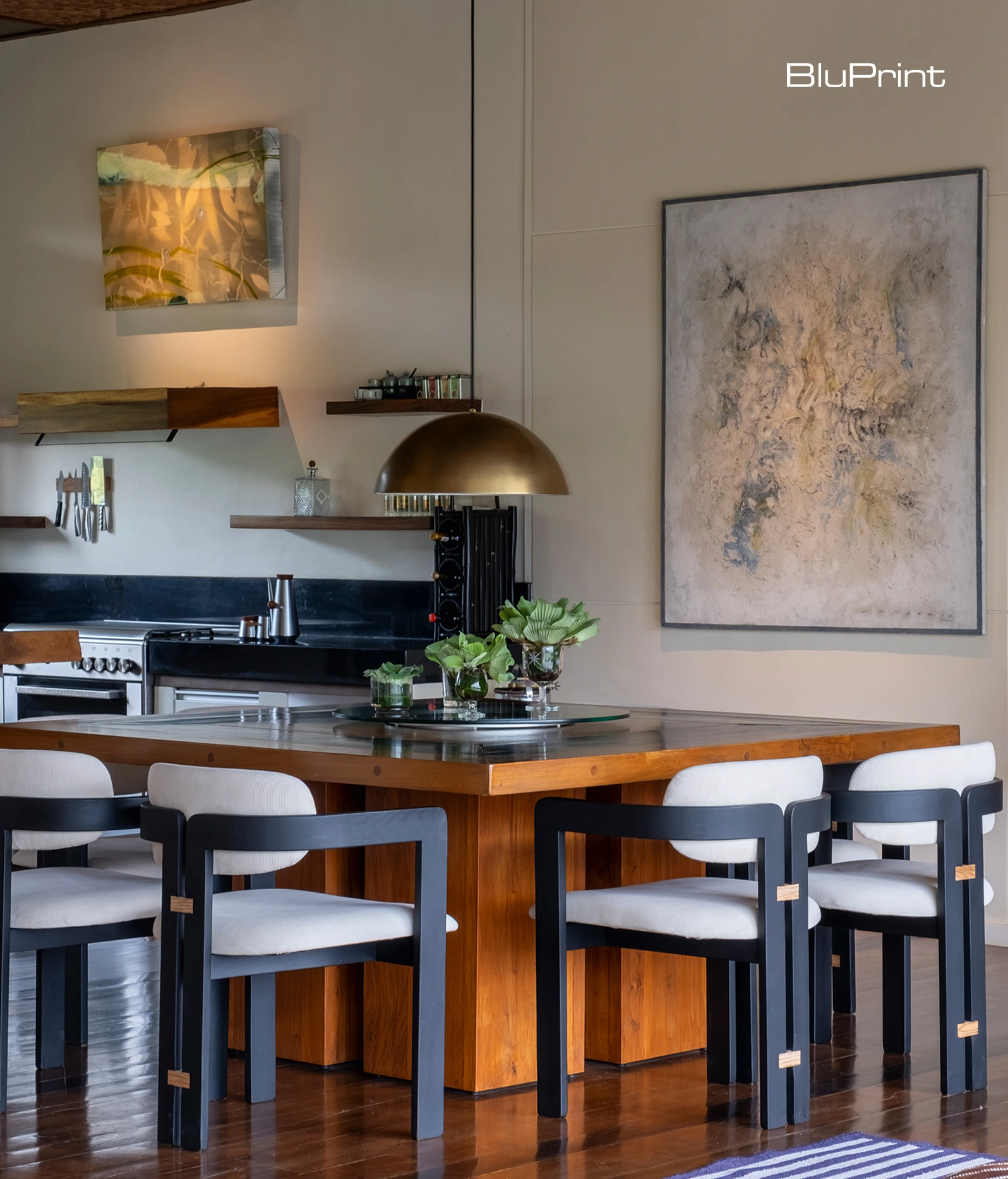
Orienting the house to frame the breathtaking view was a no-brainer, but any designer can simply build a structure on such a location and call it a day. For the DSB House to be an organic part of the landscape, there needed to be a harmonious union of architecture, light, and landscaping, where hardscape and softscape appear indistinguishable in both form and function.
This harmonious union is immediately felt in the journey—and yes, it is a journey—toward the main door, where one has to walk up over 60 steps that are walled in by escalating plots of vegetation. Walking up these steps can leave one out of breath, but the lushness and beauty of the landscaping can render visitors breathless as well, as though they were being led on a path to enlightenment.
Light Living
While its architecture and landscape design manage to make its users feel nature’s embrace, it is the lighting that completes the tranquil environment of the DSB House. The illumination of every leaf, surface, and step feels natural, with each wash of light painting a story that can change a person’s perspective. This cliffside house is proof that once everything is illuminated perfectly, we can easily find ourselves.
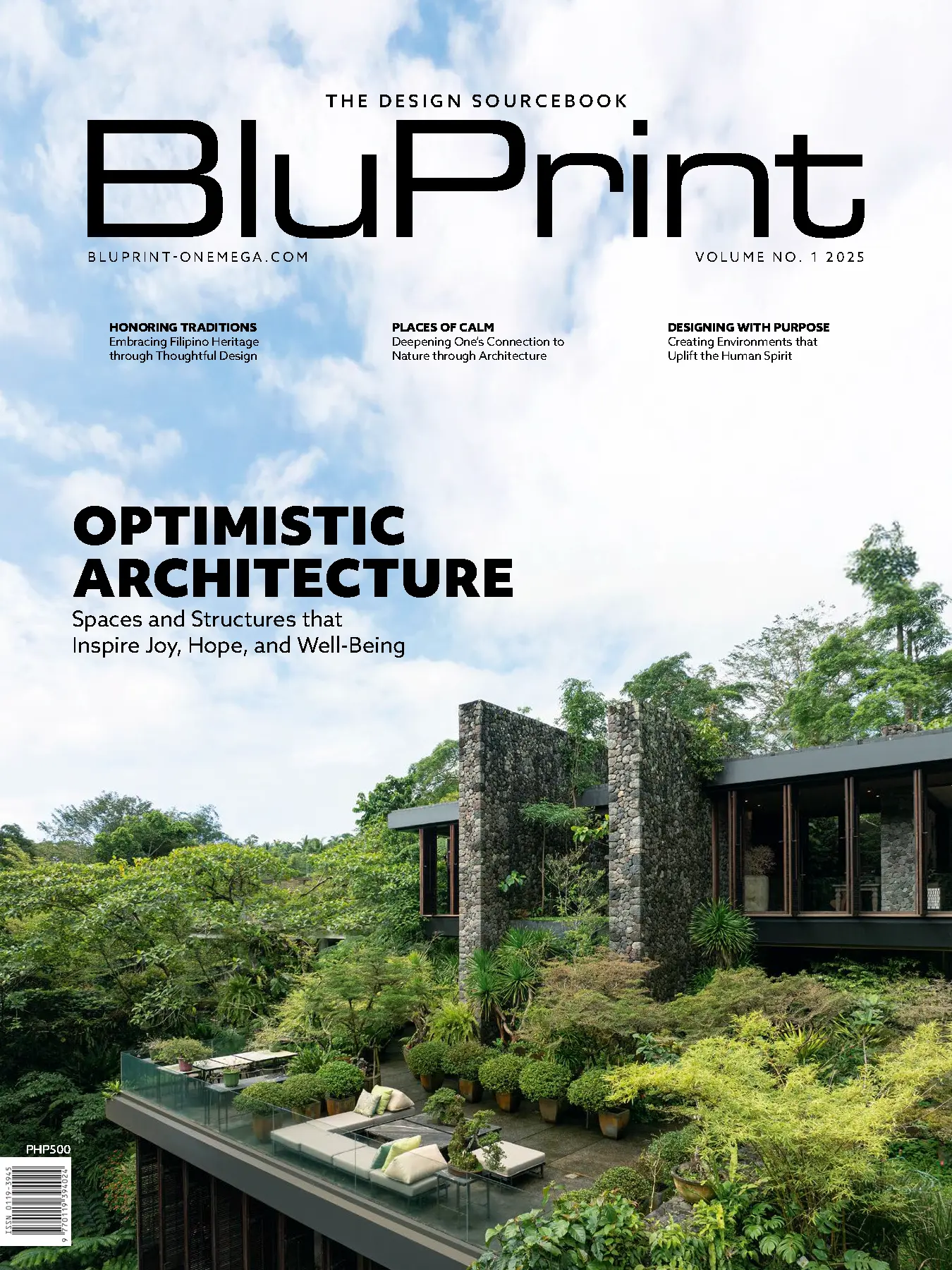
Read the full story by grabbing your copy of BluPrint Volume 1 2025, available at sarisari.shopping, Shopee, and Lazada.
E-magazines are available for download here or through Readly, Press Reader, and Magzter.
Photographed by Ed Simon.
Read more: Embracing Potential: Lewis House and Vessel Hostel
Frequently Asked Questions
Perched 4,000 feet above sea level on a cliffside near Bacolod, the DSB House is designed to embrace its natural terrain rather than flatten it. The structure occupies a modest 200-square-meter footprint, strategically placed on the flattest plot of the land to frame expansive views of the valley and mountains. This orientation allows the house to act as a meditative sanctuary that captures the shifting beauty of the mountain environment under various weather conditions.
The home features a striking gabled roof inspired by the architecture of Buddhist temples and Shinto shrines, giving it a distinct Japanese aesthetic. This design choice was driven by the homeowners’ desire for tranquility and quiet reflection, principles that naturally align with Japanese architectural traditions. The result is a structure that functions as a “place of finding,” guiding inhabitants on a spiritual and contemplative journey through its form.
The journey to the main door involves climbing over 60 steps walled in by escalating plots of lush vegetation, a design intended to mimic a transition from the mundane to the spiritual. This intentional climb forces a slower pace, allowing visitors to experience the “lived-in” textures and natural beauty of the site. The seamless integration of hardscape and softscape makes the architecture appear as an organic extension of the cliffside landscape.
Lighting designer Christine Sicangco utilized illumination to complete the house’s tranquil environment, ensuring that every leaf and surface contributes to a sense of peace. The lighting is crafted to feel natural, using washes of light to “paint a story” that shifts with the inhabitant’s perspective. This thoughtful illumination is key to the home’s identity as a place of discovery, helping users feel grounded and connected to their surroundings after dark.
The project was a multidisciplinary effort led by architect Edwin Ordoñez, in close collaboration with lighting designer Christine Sicangco (CSLDI) and landscape designer Ted Lizares. The interior spaces were curated by Yvette Benedicto and Sheila Yusay to ensure the home remained intimate and functional. This “careful collaboration” was essential in balancing the home’s versatility with its primary purpose as a fun, relaxing, and spiritually enlightening refuge.
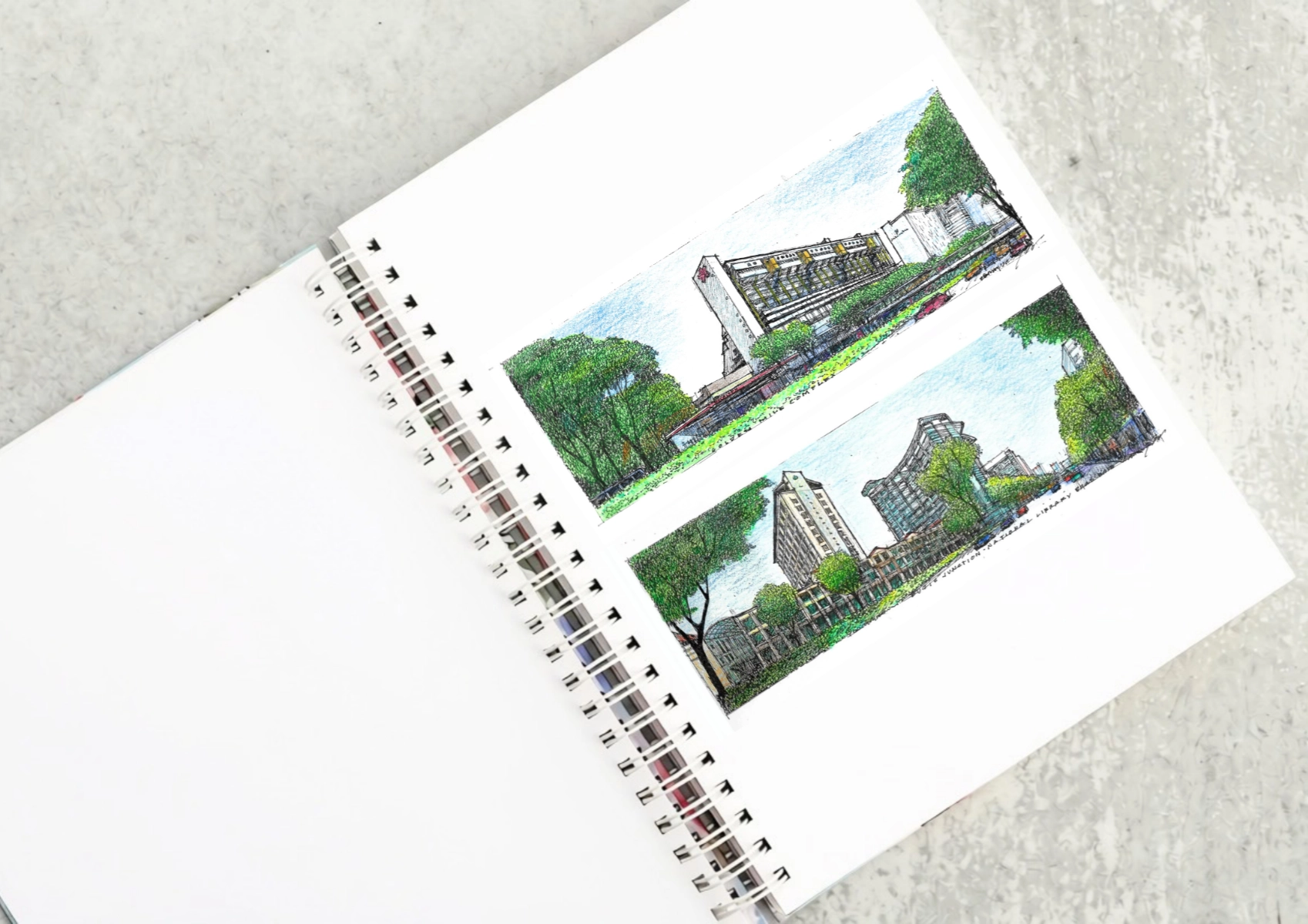
Two sketches of Singapore connect BluPrint Editor in Chief Paulo G. Alcazaren’s personal and professional history with Shared Ground: ArchitectureArchitectureThe art and science of designing and constructing buildings, structures, and spaces that are functional, safe, and aesthetically pleasing. It encompasses the planning, design, materials, and techniques used to createGo to Architecture Glossary of Care, Culture, […]
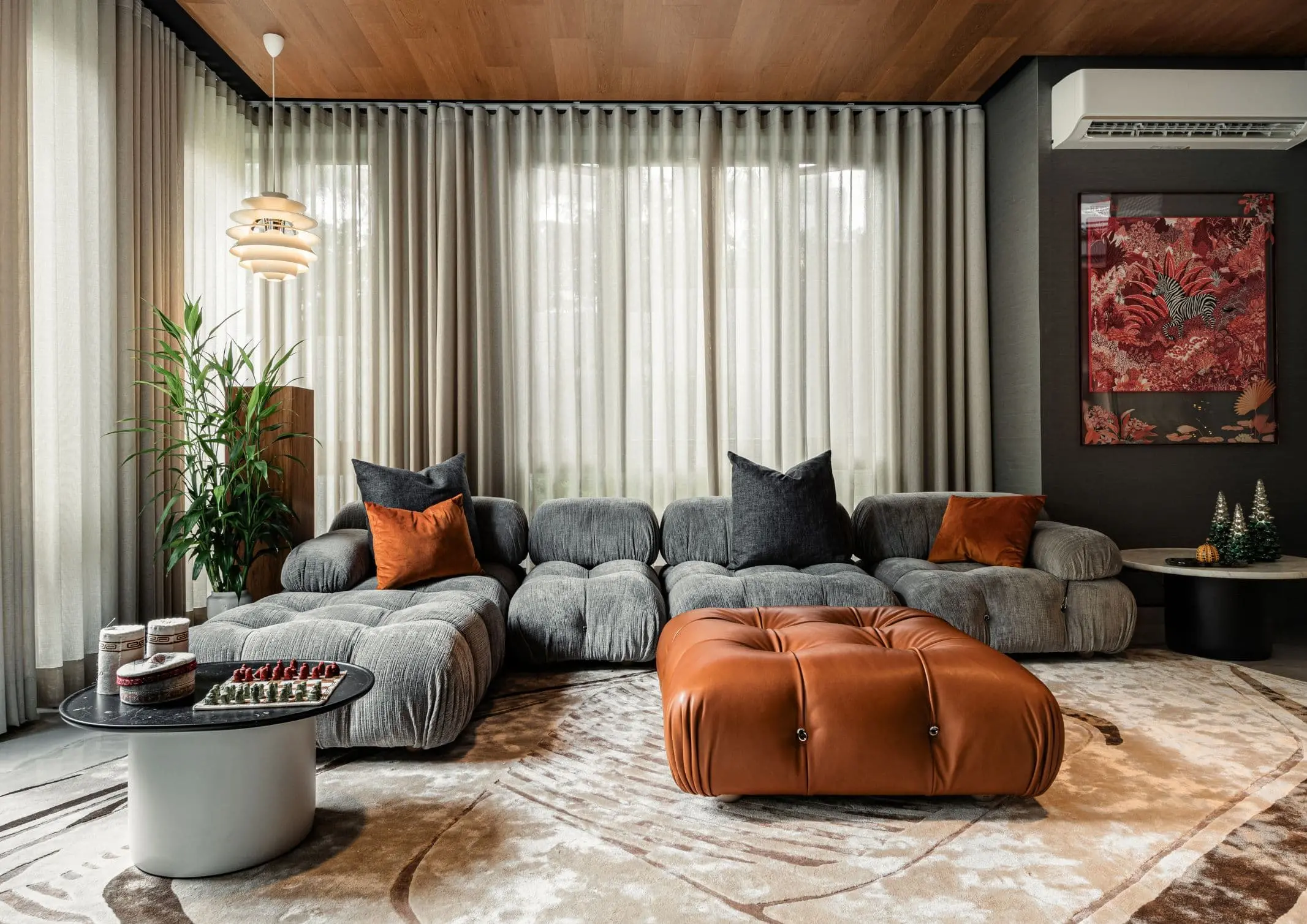
Some have become household names – Coleman, Oster, and KitchenAid – products that have found their way into Filipino kitchens, homes and family routines. In home furnishings, brands such as B&B Italia, Ethan Allen, Sub-Zero, Miele, SieMatic, Louis Poulsen, Hunter Douglas, Tempur, and Technogym, have helped shape the way Filipinos live. From everyday essentials to […]

In a way, designers are the modern-day soothsayers and prophets. They design for the future, predicting how a room, a house, a building or a whole city will be used by people. They foresee how users will interact with a space, conjure exact shades of colors to elicit specific behavior and arrange furniture to build […]
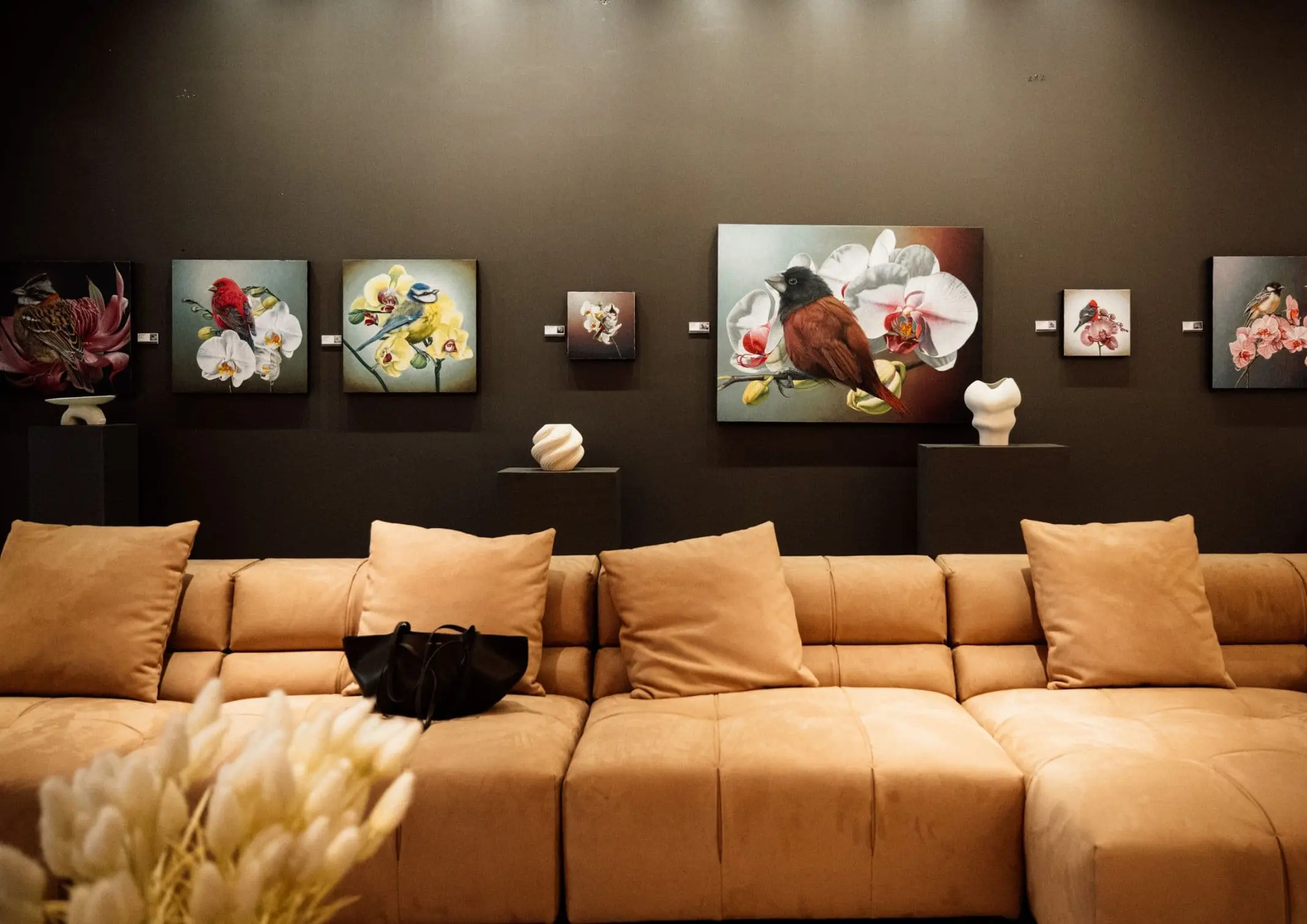
Art and furniture are often selected separately, yet their relationship can shape how a room looks and feels. The collaboration between Hooga and Galerie Joaquin explores how these elements can work together, bringing contemporary artworks into furnished residential settings at Hooga’s showroom in Uptown Mall, Bonifacio Global City. For Hooga, which curates furniture, lighting, and […]
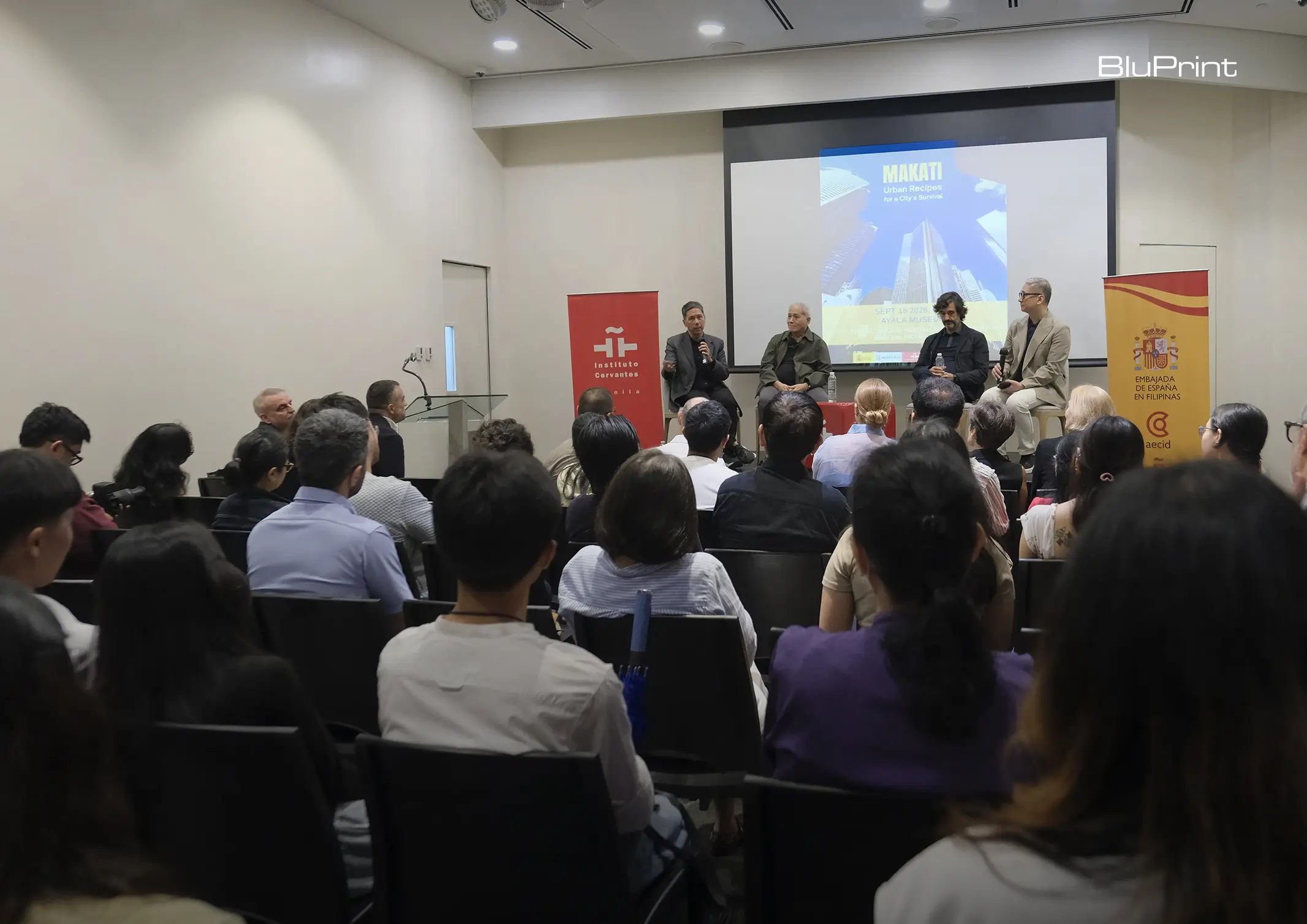
How can better-planned cities create the conditions for more creative, livable, and resilient urban environments? “Makati Urban Recipes for a City’s Survival,” a colloquium held at the Ayala Museum on September 15, brought together architects and practitioners from the fields of urbanism and the creative economy to discuss how design, planning, and collaboration can address […]
Read the issues.

Collect the volumes.

Recommended Video
Tap to Unmute
Unmute
0:00
0:00