Bigkis is the act of binding. In Tagalog, the word can refer to something used to bind or encircle, as well as a bundle formed by tying several separate elements together. Figuratively, it can also mean a bond, union, or unity. The meanings move from the physical act of joining things together to the connection […]
Embracing Potential: Lewis House and Vessel Hostel



The age-old question of whether the glass is half-full or half-empty serves as a well-worn metaphor for optimism and pessimism. The perspective of finding the best in things makes optimistic architectureArchitectureThe art and science of designing and constructing buildings, structures, and spaces that are functional, safe, and aesthetically pleasing. It encompasses the planning, design, materials, and techniques used to createGo to Architecture Glossary a matter of finding value in unexpected places. A confidence of hope and imagination that creates new possibilities in how our spaces are shaped and formed.
The practice of architects Buji Libarnes and Nikki Dela Paz-Libarnes showcases how design can unlock hidden potential in what others might overlook. Their work speaks to a consistent architectural narrative that invites people to experience their locality through transformation and adaptive reuseAdaptive ReuseThe practice of converting an old or disused building for a new purpose while keeping its structure and character. In the Philippines, it has turned heritage houses, warehouses, and factoriesGo to Adaptive Reuse Glossary. The designs reinvent and explore different aspects of the provincial towns within La Union, such as history and industry, transforming them into spaces of joy, hospitality, and well-being.
Lewis House: Repolishing an Old Gem
Oftentimes, architectural conservation is reserved for monumental structures of established national or cultural significance, such as old churches or works of national artists. But everyday buildings can also have their own merits as they quietly stand witness to the rhythms of daily life. Like precious gems that are only found in the dark, these modest structures can hold within them things that can be rediscovered and retold.
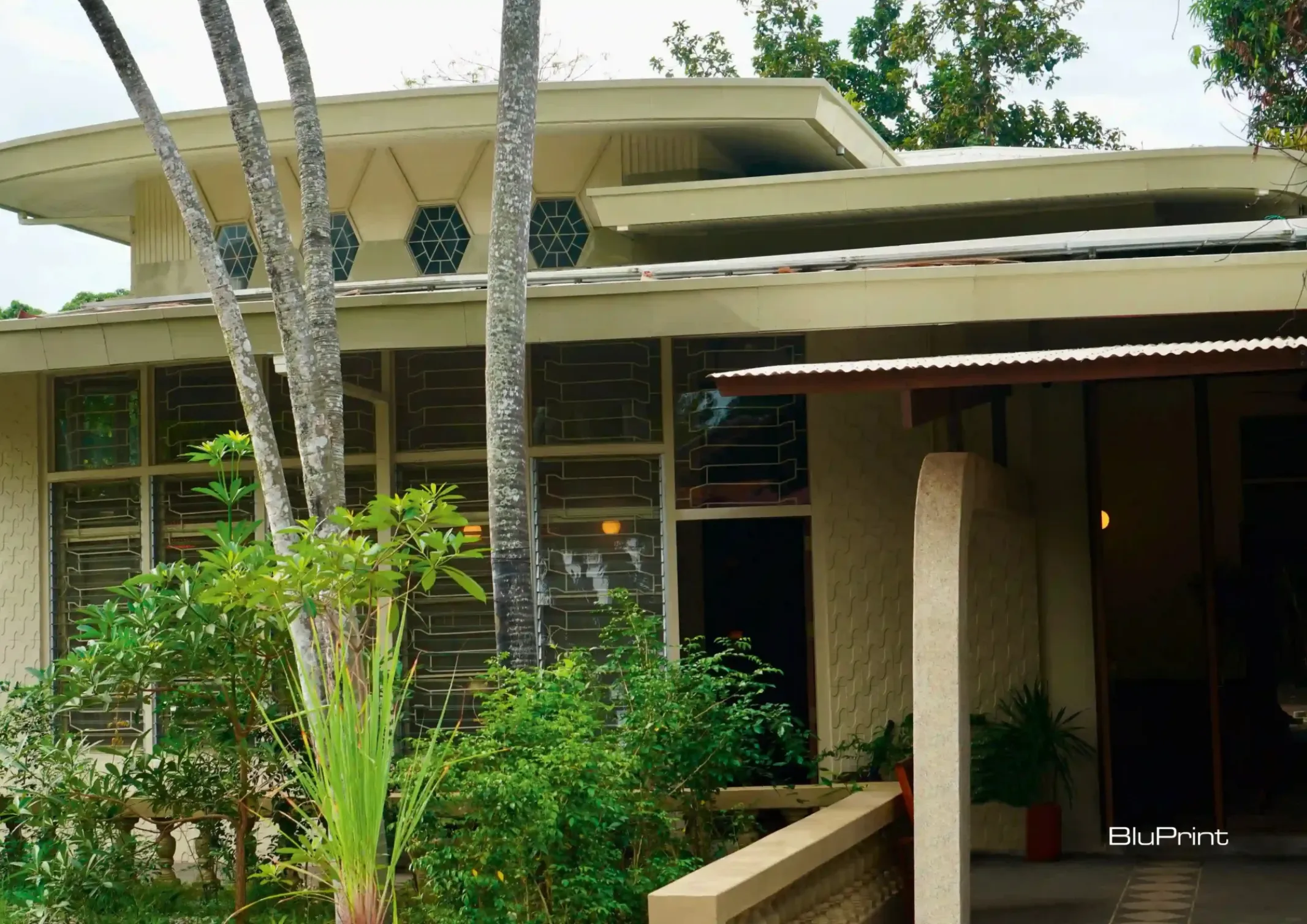
The Lewis House, originally built in 1960, was home to former Mayor Lewis of San Juan. “It has been part of the landscape of Ili Sur ever since,” the architects share. Familiar to locals, this home carries a sense of community significance and memory.
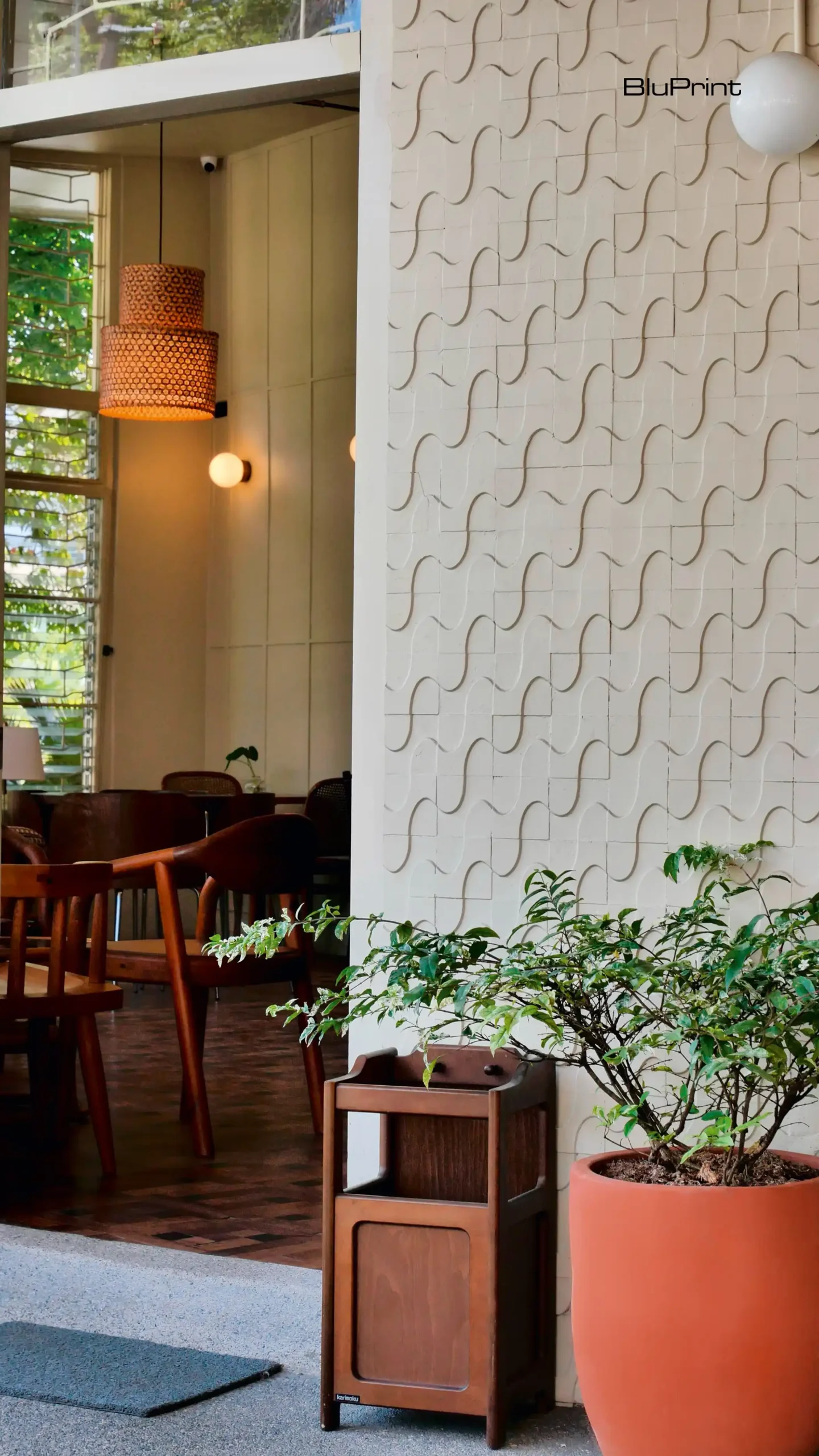
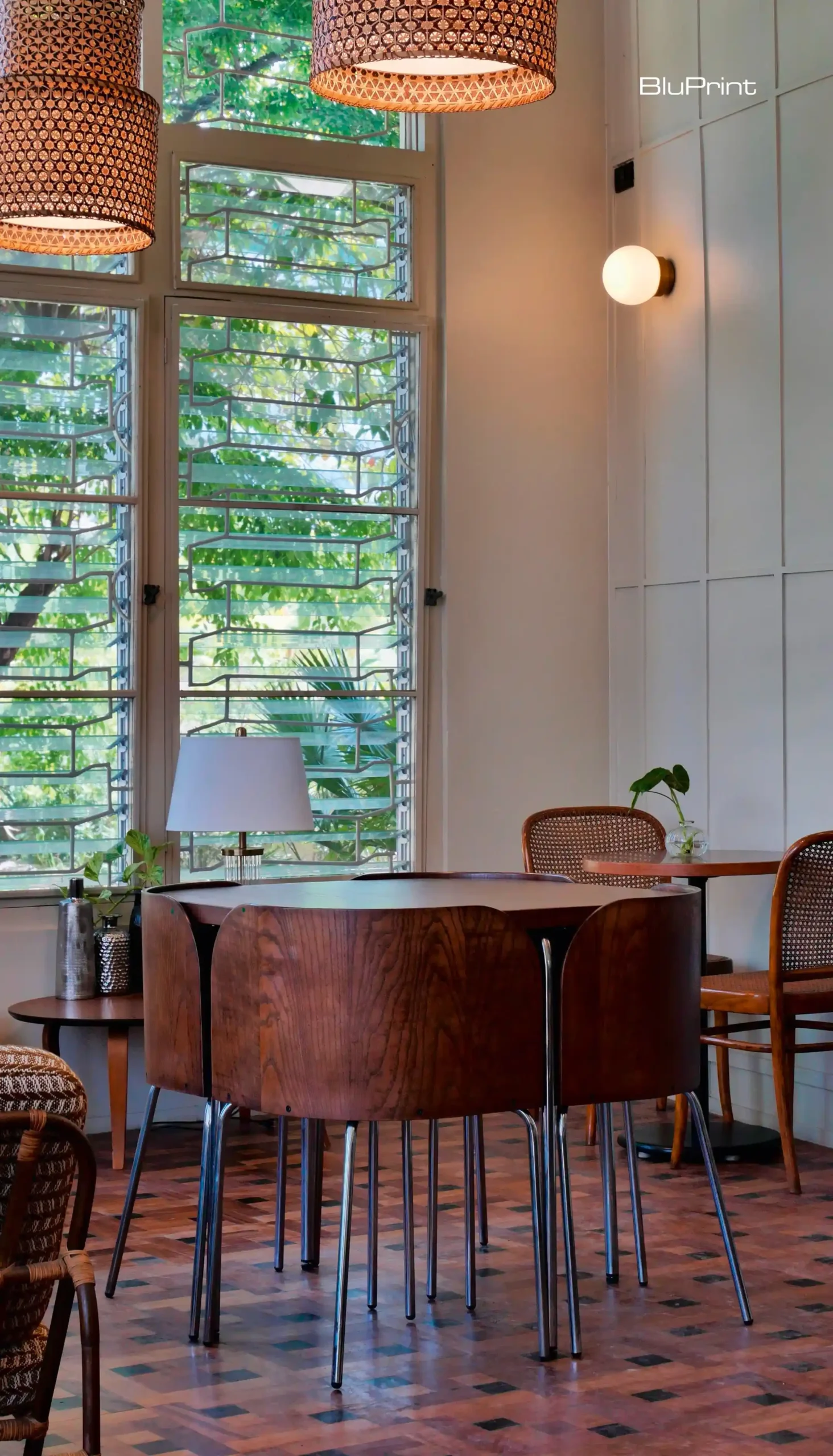
The architects reinvented this iconic home into a public space that brings people closer to the historical side of La Union. The renewal of this structure is a compelling example of how buildings can be rejuvenated by utilizing its uniqueness and retaining its spirit of authenticity. The designers embraced the characteristics that define the look of the original with touch-ups that accentuate and cohesively blend the modern with the classic. This project evokes nostalgia — a yearning for times of closer connections, slow-paced steps, and a more intimate relationship with nature.
Vessel Hostel: From Cargo to Comfort
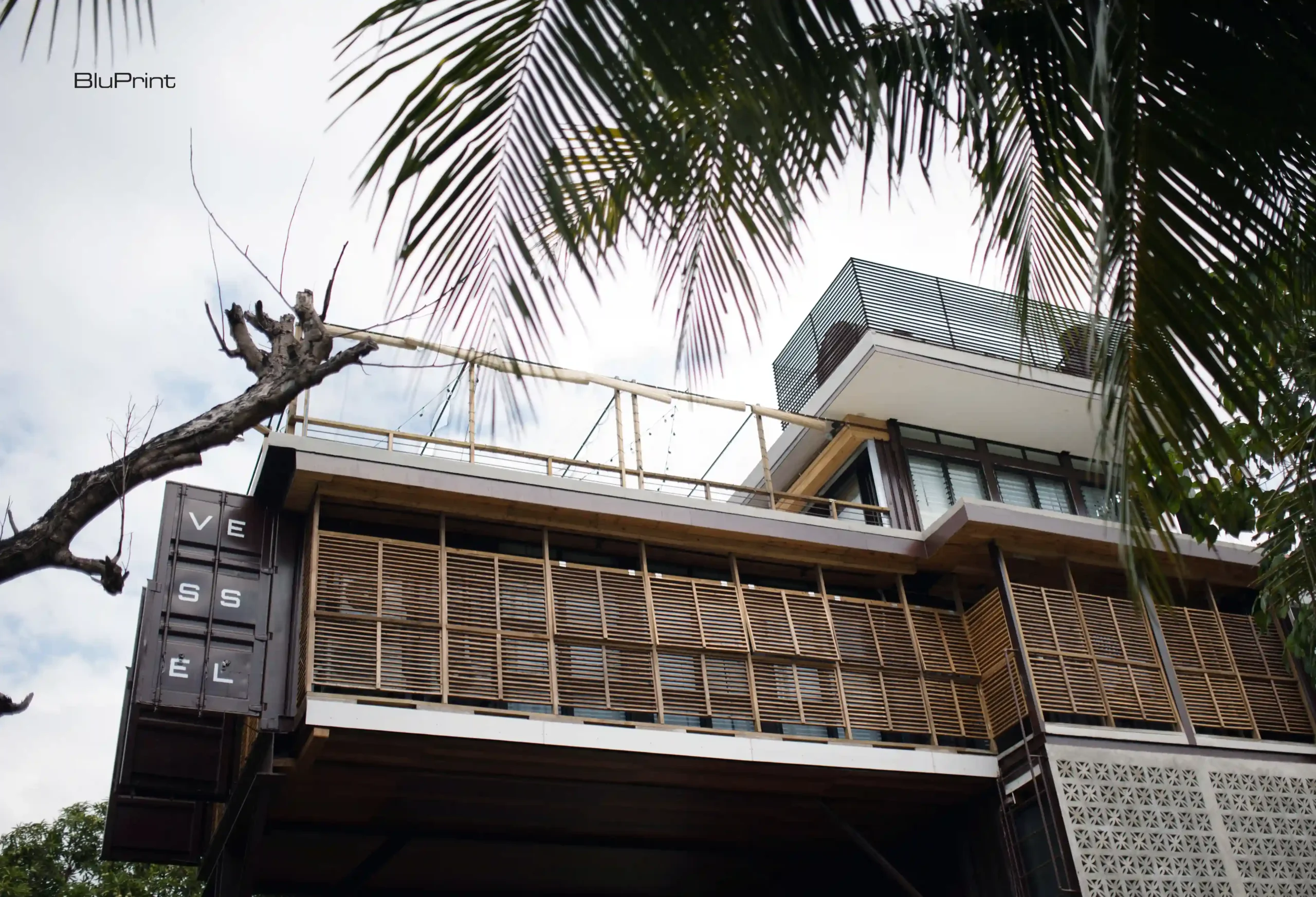
La Union’s coastline may be best known for its waves, but it is also historically a hotspot for maritime trade in the region. Shipping containers are always arriving at its ports, stacked and waiting for their next use. These steel boxes, designed to withstand long-haul transport across seas, are hardly associated with hospitality. With their cold and rigid exterior and uniform size, these units are built for function, not comfort.
Yet, in a compact lot shared with the architects’ private residence, these industrial units have been transformed into Vessel Hostel—a clever case of adaptive reuse that blends industrial minimalism with the easygoing spirit of a coastal retreat. Its story can be said to be a demonstration of finding possibilities within confines, like how an optimist looks for the best in whichever situation they may find themselves in.
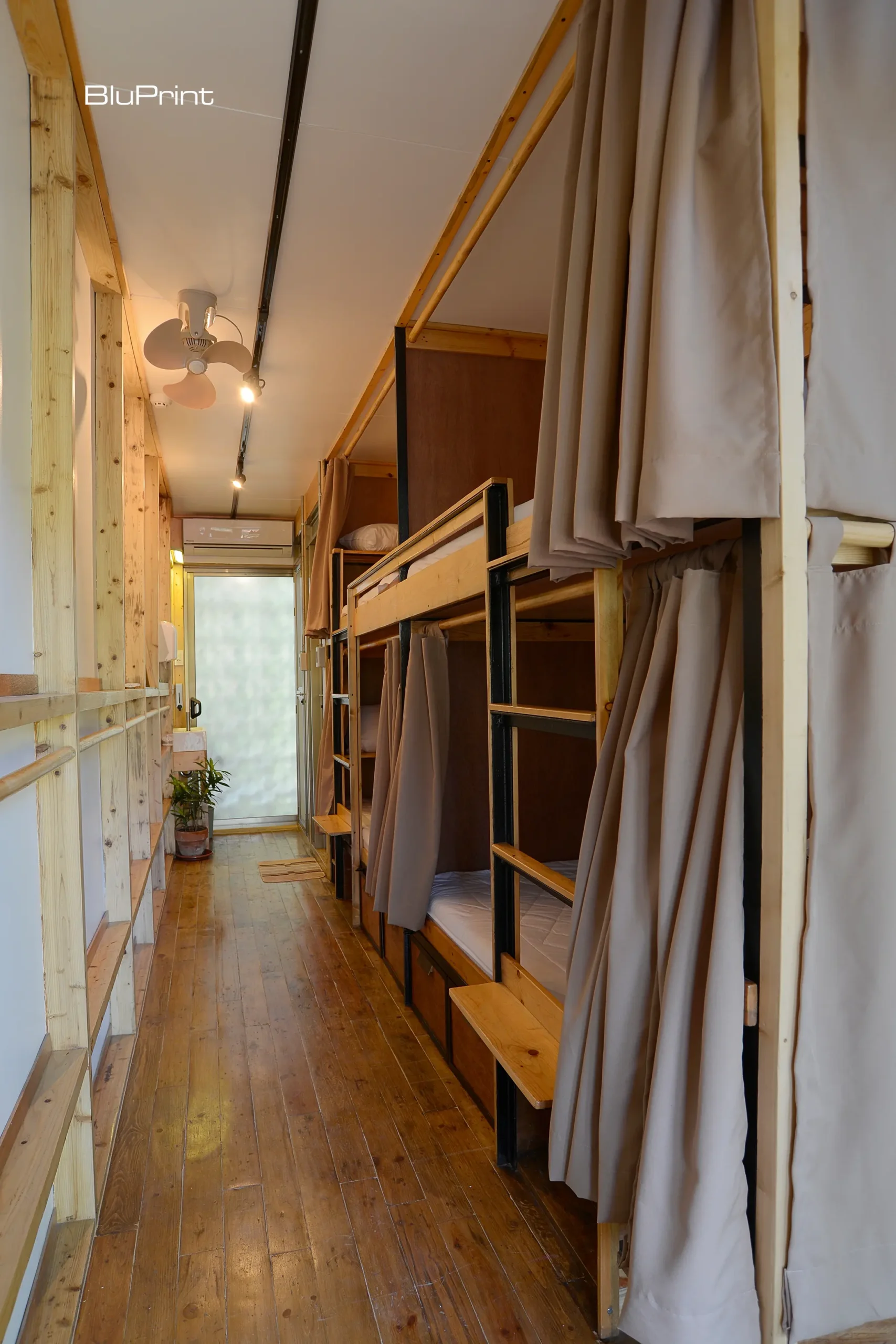
The project’s context created constraints where creativity could best flourish as it was originally an extension of the architect’s mid-century inspired bungalow. The spatial programming balances the needs of a private home with the requirements of a bustling hostel and even makes room for future expansion within the property.
Celebrating Fresh Perspectives
Architects Buji and Nikki’s work demonstrates how we engage with architecture and its pivotal role in shaping the landscape. Their ingenious designs celebrate local character, inspire bold ideas, and introduce imaginative solutions. It’s an approach to architecture that champions the power of optimism, looking beyond convention and seeing potential where others see constraint.
Read the full story by grabbing your copy of BluPrint Volume 1 2025, available at sarisari.shopping, Shopee, and Lazada.
E-magazines are available for download here or through Readly, Press Reader, and Magzter.
Photographed by Steve Jotham E. Hansen (Lewis House); Billy Gupita and Mark Ouano (Vessel Hostel).
Read more: Corner House: A Flourishing Dwelling
Frequently Asked Questions
Architects Buji Libarnes and Nikki Dela Paz-Libarnes utilize a philosophy of “optimistic architecture,” which focuses on finding value and hidden potential in unexpected places. Their work centers on urban renewal and adaptive reuse, transforming modest structures or industrial materials into spaces of joy and hospitality. By embracing the history and industry of La Union, they create designs that invite people to experience their locality through a lens of transformation and hope.
Originally built in 1960 for a former mayor, the Lewis House was treated as an everyday gem that held significant community memory. The architects chose to rejuvenate the structure by retaining its spirit of authenticity and blending modern “touch-ups” with its classic mid-century characteristics. This approach transformed the private residence into a public space that evokes nostalgia, encouraging visitors to reconnect with a slower pace of life and the historical side of La Union.
Vessel Hostel is constructed from repurposed shipping containers, a nod to La Union’s history as a maritime trade hub. While these steel boxes are typically associated with rigid industrial function, the architects transformed them into a comfortable, minimalist coastal retreat. The project demonstrates how creativity can flourish within tight confines, successfully balancing the industrial nature of the containers with the easygoing, hospitable spirit of a surf town.
The hostel was built on a compact lot that it shares with the architects’ own private mid-century bungalow. The design required careful spatial programming to ensure the privacy of the residence was maintained while accommodating the needs of a bustling hostel. This strategic layout even leaves room for future expansion, proving that constrained urban environments can be reimagined to support multi-functional and community-centric living.
Optimistic architecture champions the power of seeing potential where others see constraints, which is vital for the sustainable growth of provincial landscapes. By choosing adaptive reuse over demolition, architects Buji and Nikki inspire bold ideas that celebrate local character and history. Their work serves as a blueprint for how imaginative solutions can turn overlooked everyday buildings into invaluable assets for tourism, well-being, and cultural preservation.
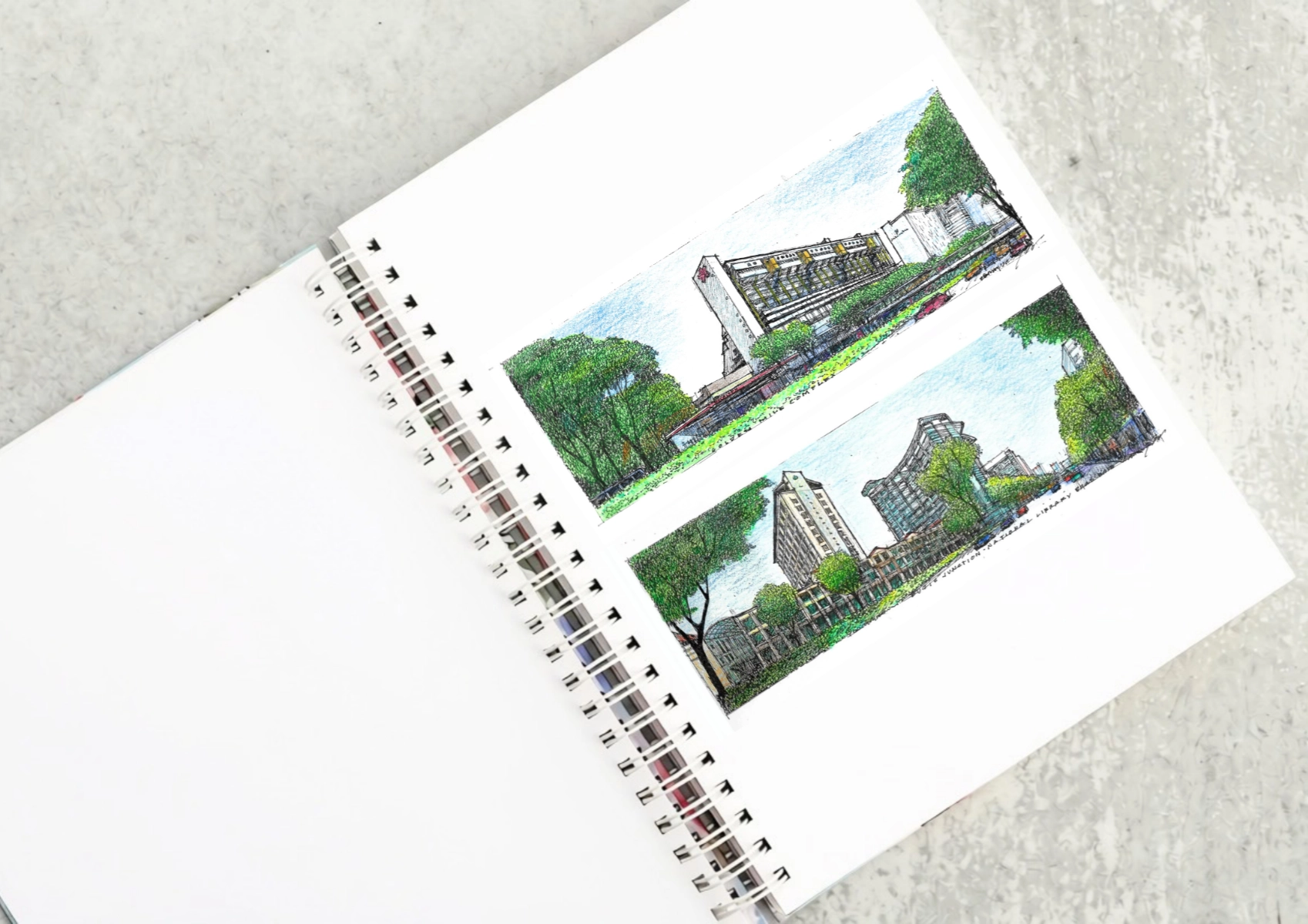
Two sketches of Singapore connect BluPrint Editor in Chief Paulo G. Alcazaren’s personal and professional history with Shared Ground: ArchitectureArchitectureThe art and science of designing and constructing buildings, structures, and spaces that are functional, safe, and aesthetically pleasing. It encompasses the planning, design, materials, and techniques used to createGo to Architecture Glossary of Care, Culture, […]
In a way, designers are the modern-day soothsayers and prophets. They design for the future, predicting how a room, a house, a building or a whole city will be used by people. They foresee how users will interact with a space, conjure exact shades of colors to elicit specific behavior and arrange furniture to build […]
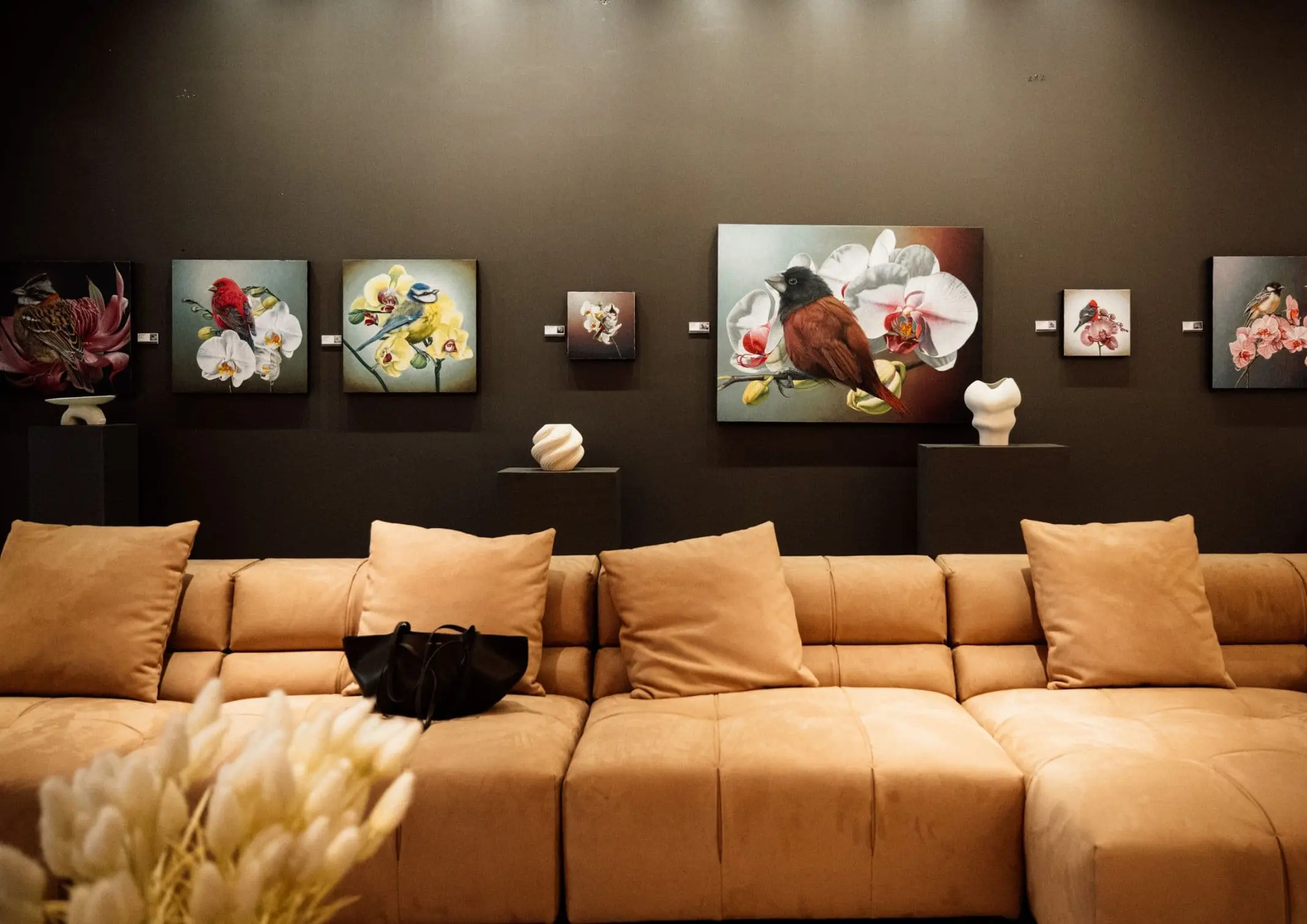
Art and furniture are often selected separately, yet their relationship can shape how a room looks and feels. The collaboration between Hooga and Galerie Joaquin explores how these elements can work together, bringing contemporary artworks into furnished residential settings at Hooga’s showroom in Uptown Mall, Bonifacio Global City. For Hooga, which curates furniture, lighting, and […]
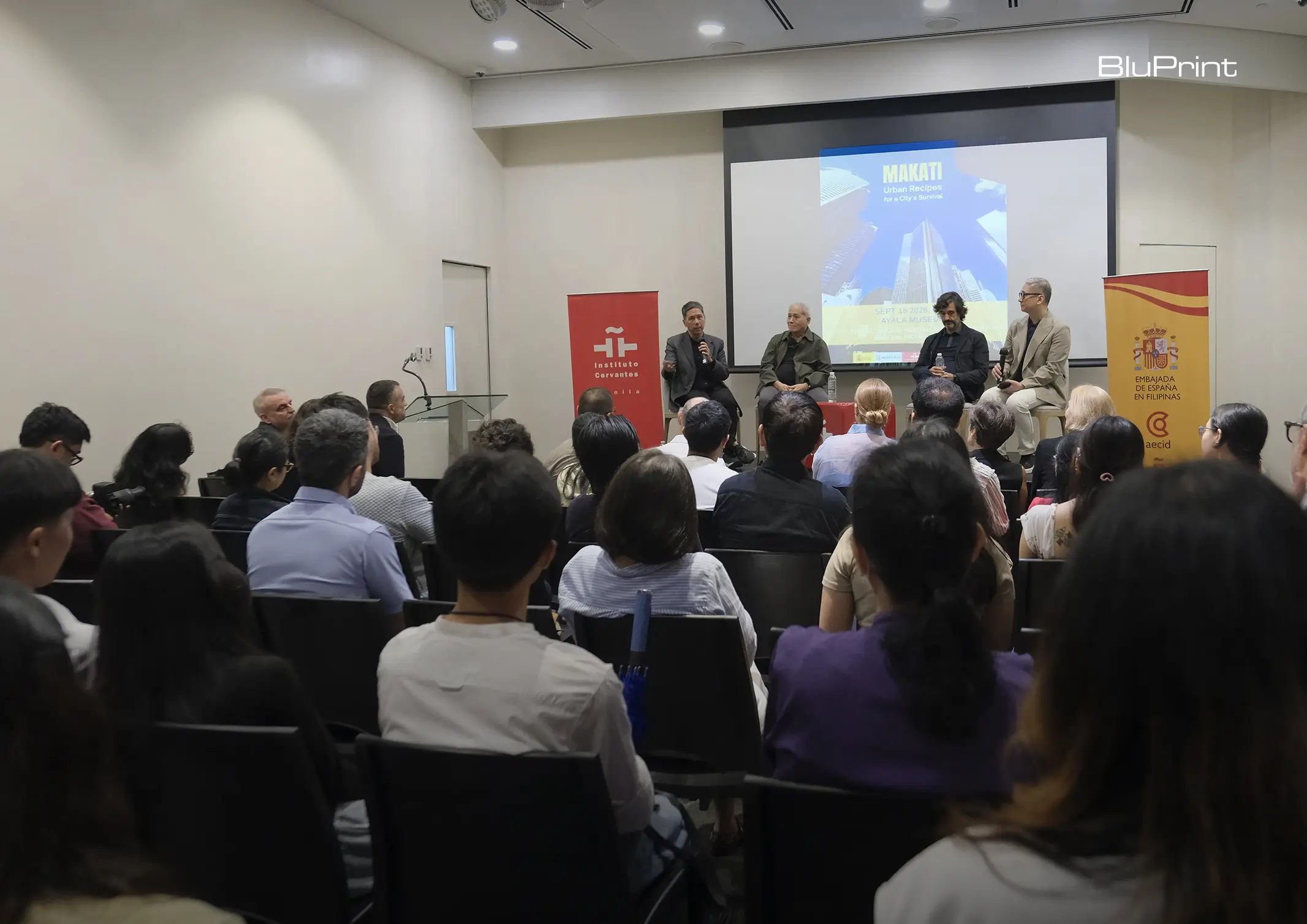
How can better-planned cities create the conditions for more creative, livable, and resilient urban environments? “Makati Urban Recipes for a City’s Survival,” a colloquium held at the Ayala Museum on September 15, brought together architects and practitioners from the fields of urbanism and the creative economy to discuss how design, planning, and collaboration can address […]
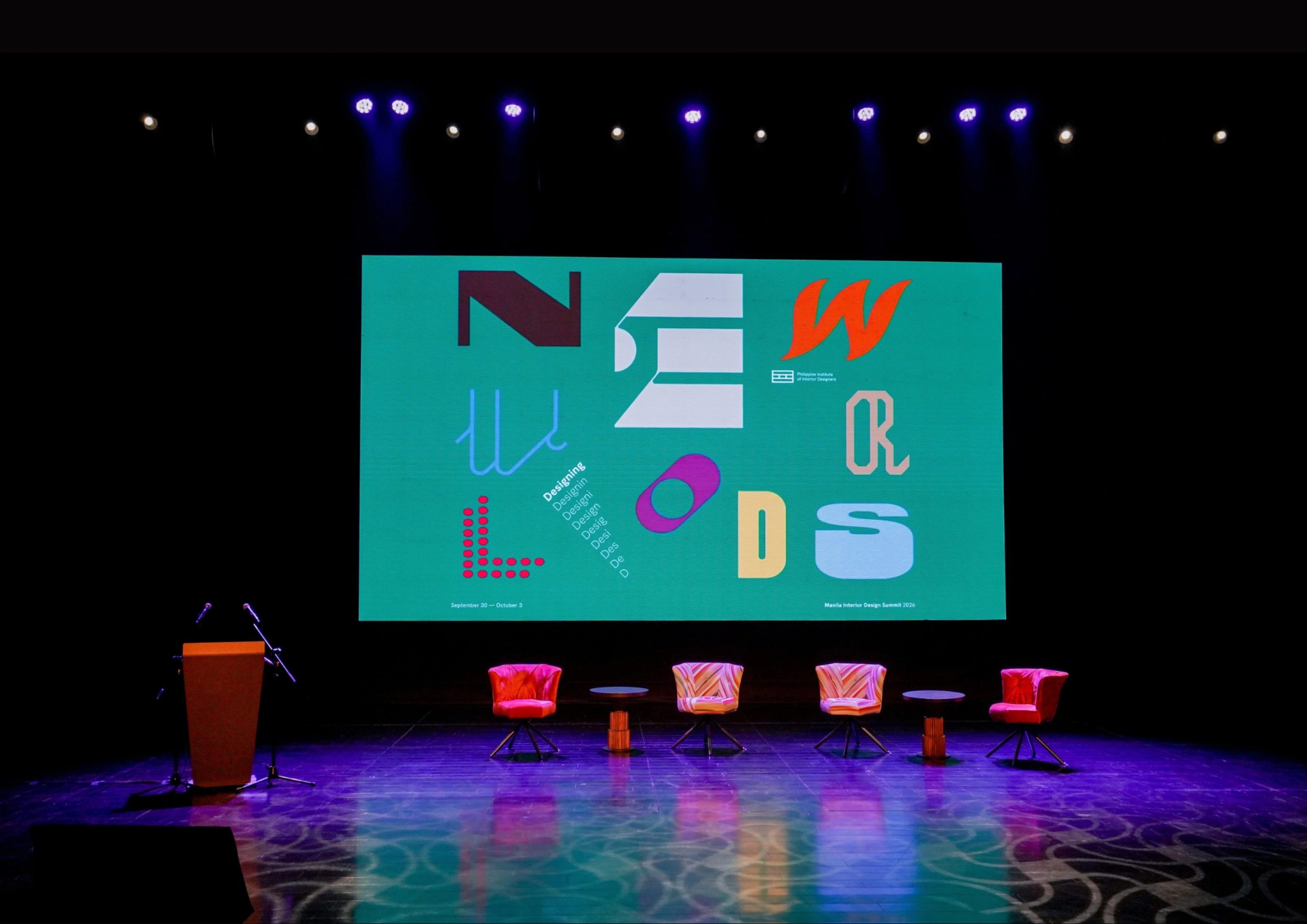
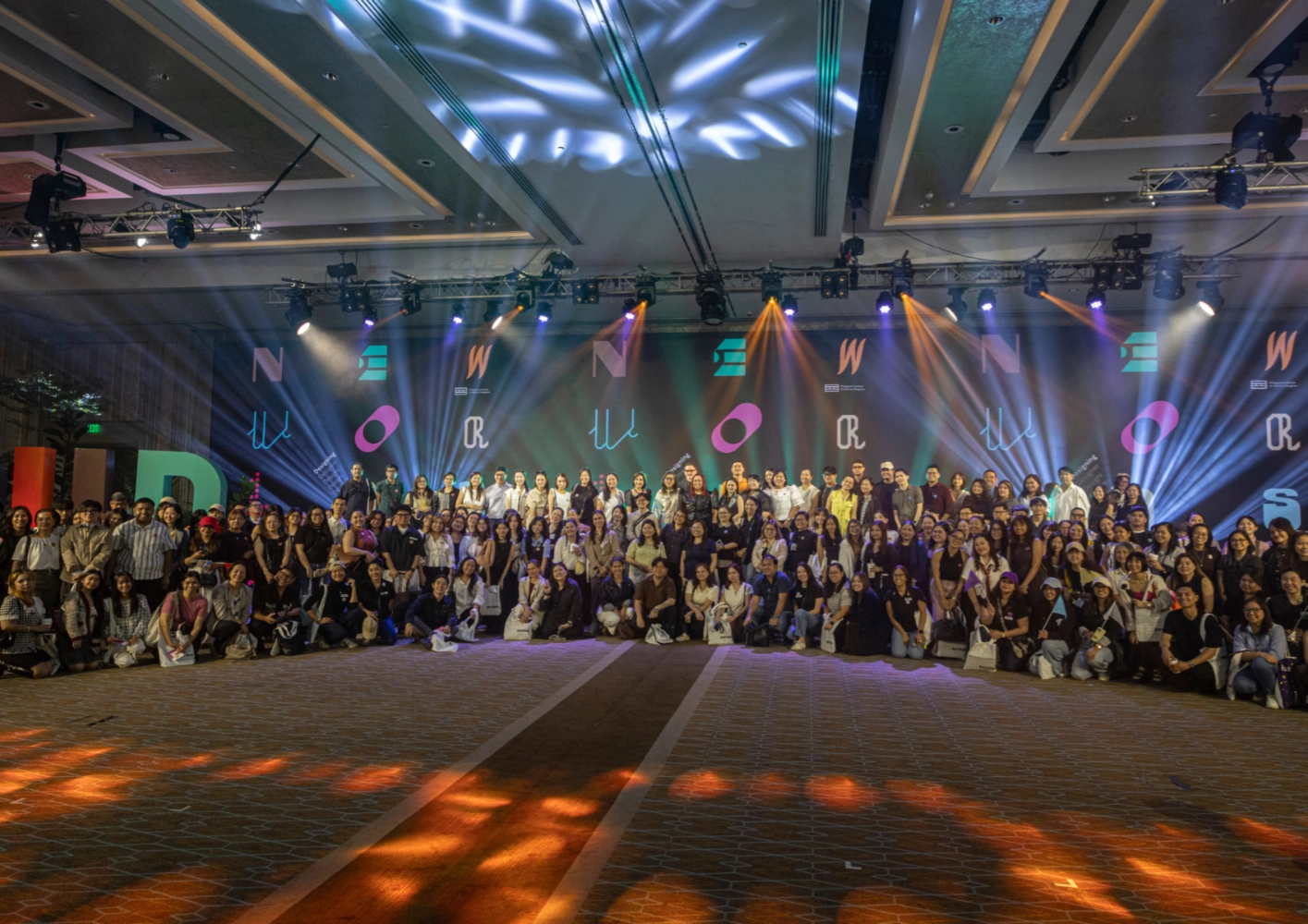
The fourth Manila Interior DesignInterior DesignThe discipline of planning and shaping interior spaces for function, comfort, safety, and beauty. It covers layout, lighting, materials, finishes, furniture, and color, and in the Philippines is a licensedGo to Interior Design Glossary Summit (MIDS) brought together more than 300 delegates for four days of conversations, exhibitions, and design […]
Read the issues.

Collect the volumes.

Recommended Video
Tap to Unmute
Unmute
0:00
0:00