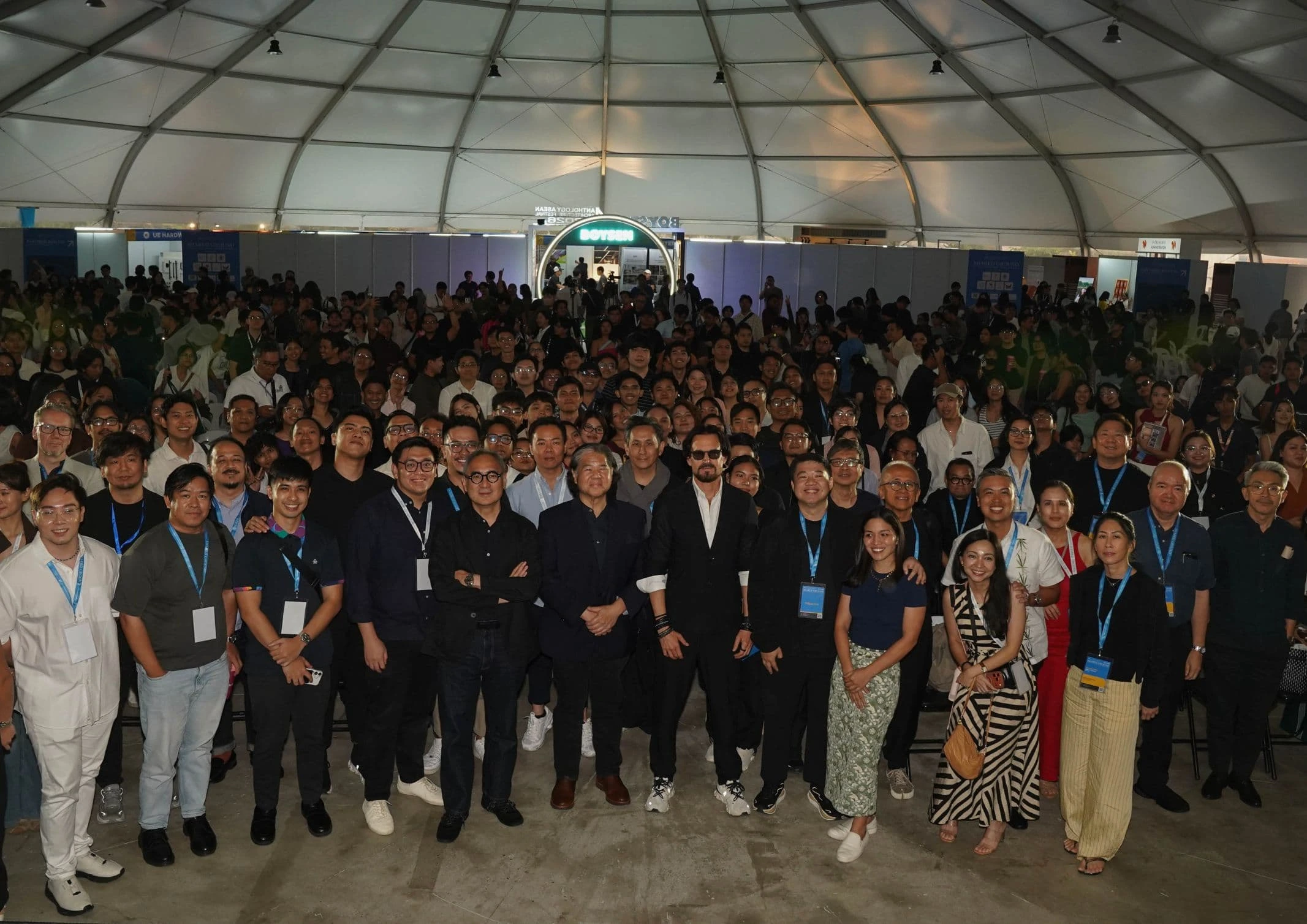
The seventh edition of the Anthology ASEAN ArchitectureArchitectureThe art and science of designing and constructing buildings, structures, and spaces that are functional, safe, and aesthetically pleasing. It encompasses the planning, design, materials, and techniques used to createGo to Architecture Glossary Festival brought together over 4,000 delegates from across the Philippines and Southeast Asia for three […]
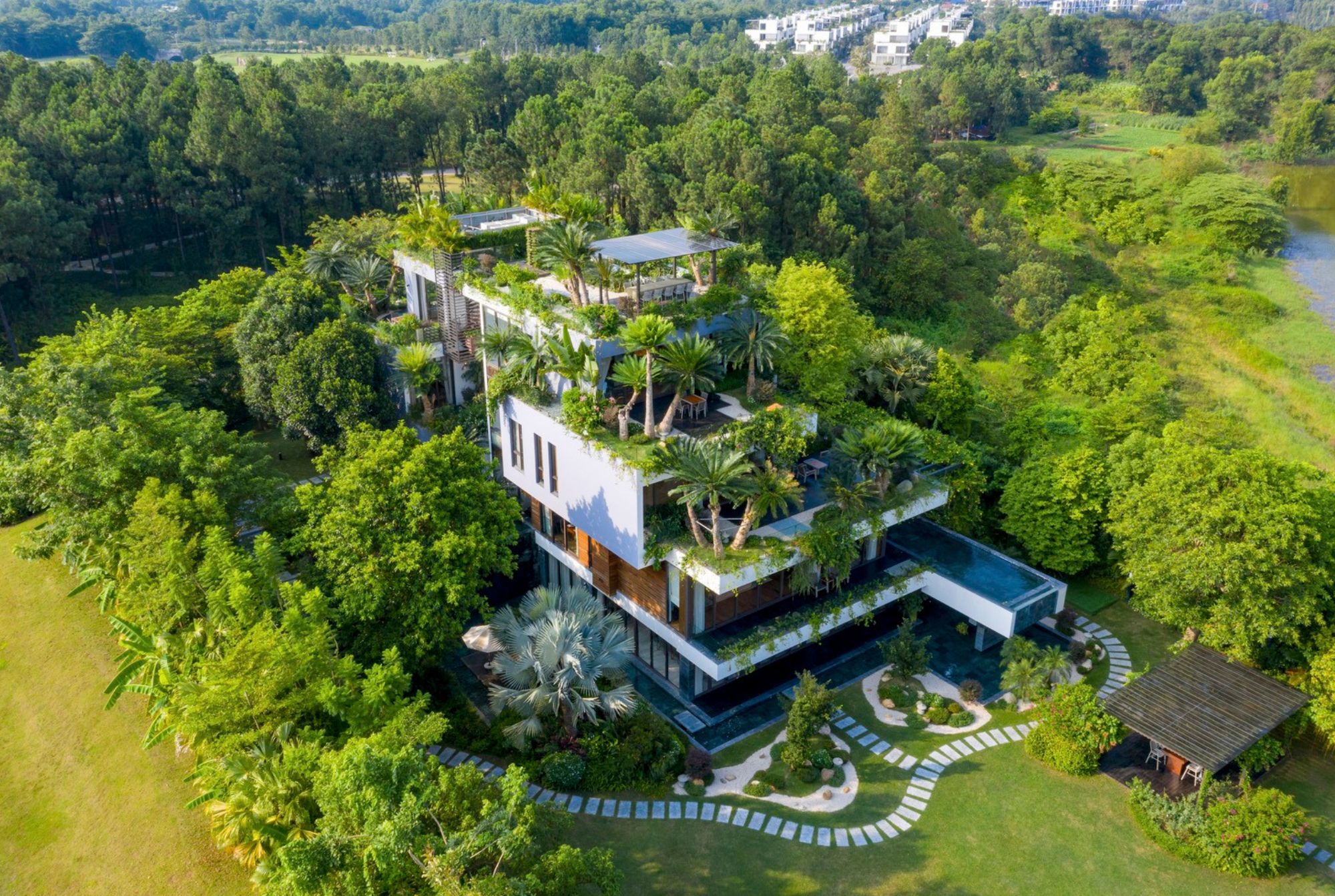
Legend Mansion Villa: A Residence Nestled in Its Green Environment



Grand luxurious housing are often notoriously imposing. Castles and mansions don’t build around the environment, they manipulate and exploit it. But places like Legend Mansion Villa show that this kind of thinking has changed towards something more symbiotic and nature-friendly.
Architect Nguyen Thuong Quan and his team at Flamingo ArchitectureArchitectureThe art and science of designing and constructing buildings, structures, and spaces that are functional, safe, and aesthetically pleasing. It encompasses the planning, design, materials, and techniques used to createGo to Architecture Glossary designed this sizable residential structure. The site stands in Phúc Yên, a provincial city in Northern Vietnam’s Red River Delta, a region known for its rich agricultural land.
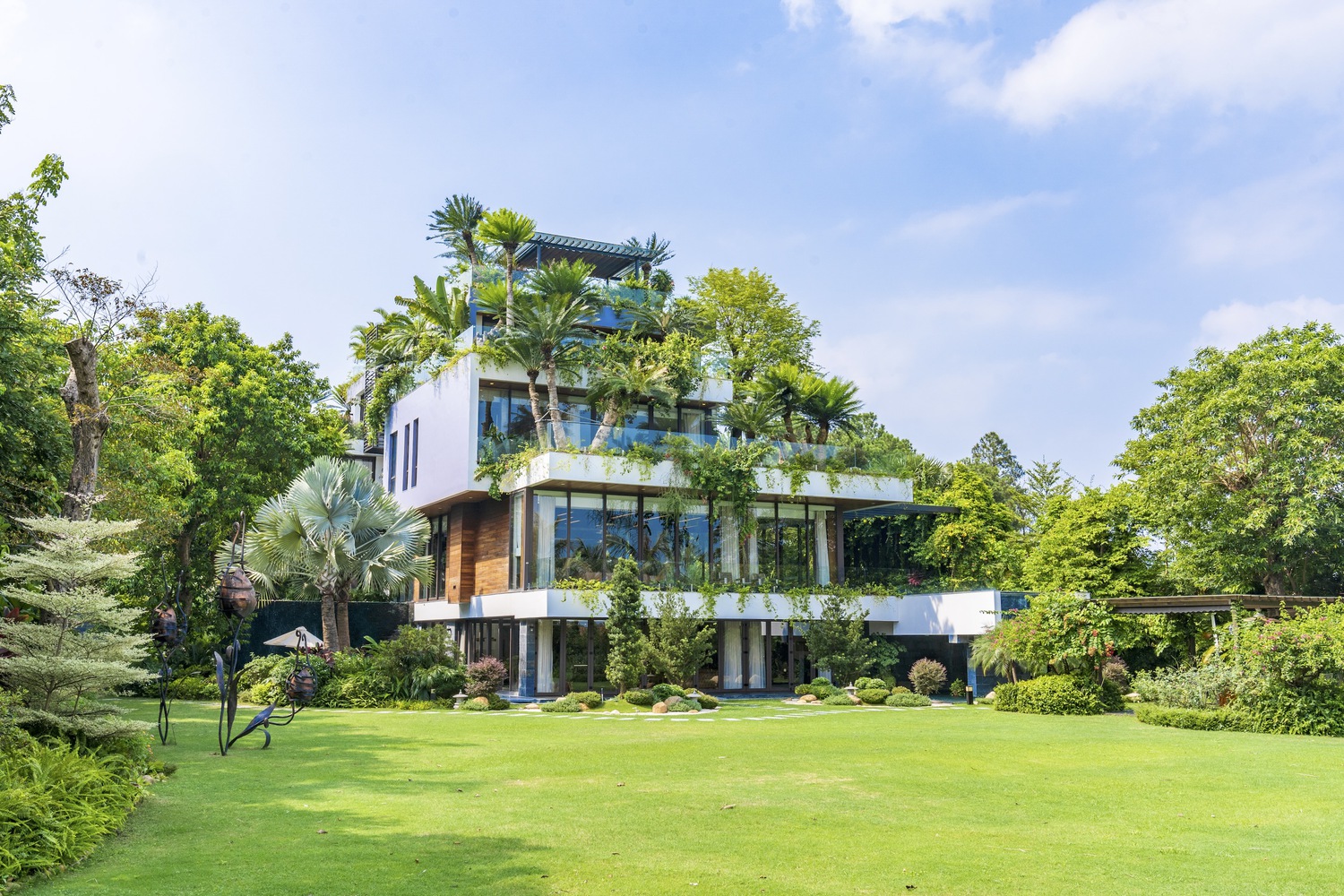
Situated in this lush setting, the project’s design aims for grandeur and modernity. It creates a free and open space surrounded by nature, reflecting a harmonious connection with its environment from the bottom up.
Stacked Accommodations
The villa is made up of three floors above ground and a semi-underground basement area, laid out almost like a ziggurat, with floors stacked on top of each other. Local materials help connect the structure to its environment, using a combination of reinforced concrete, stone brick, and unburnt brick for the walls and frame. Ceramic tiles, wooden beams, and terrazzo, comprise the floors and ceilings to create a comfortable surrounding.
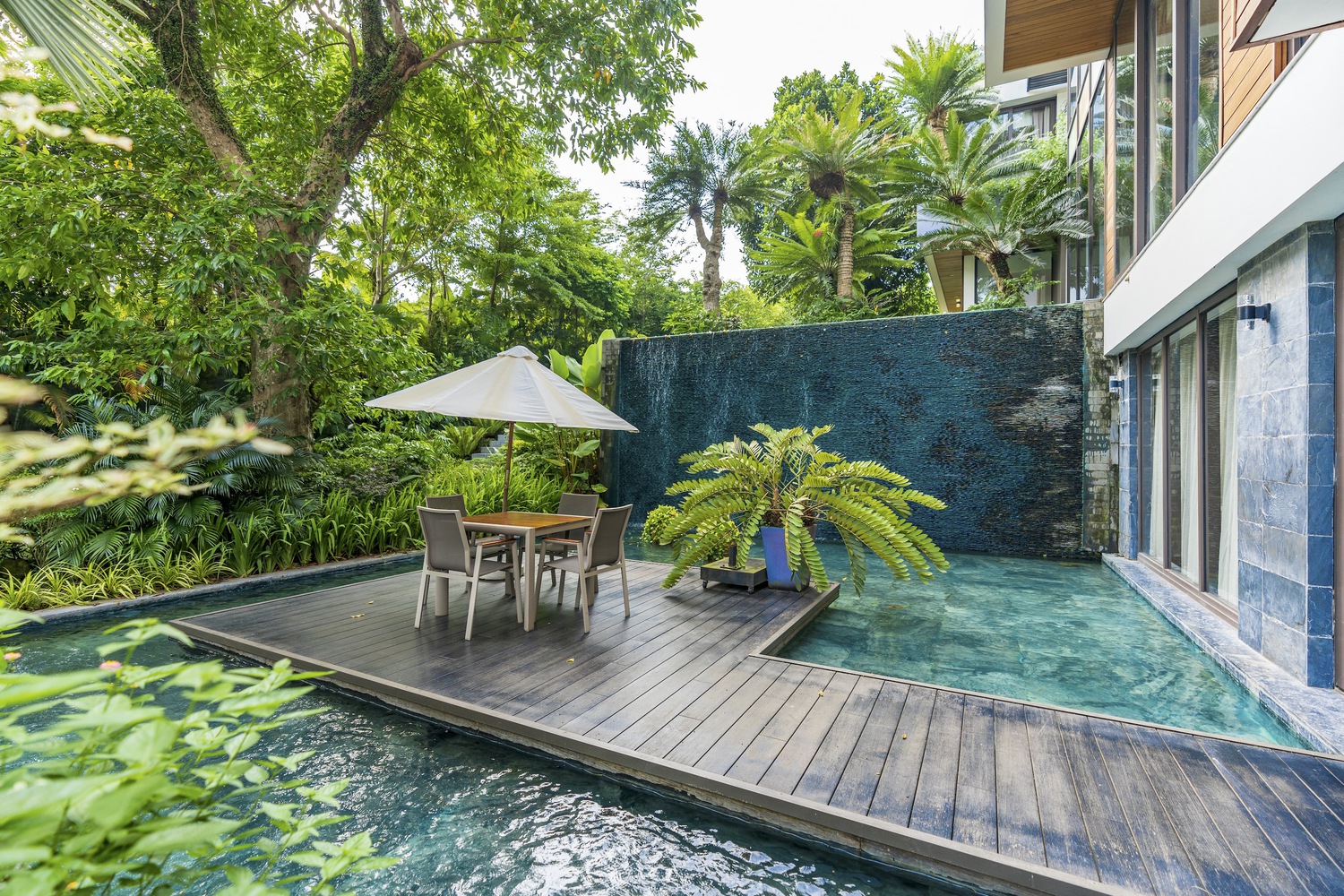
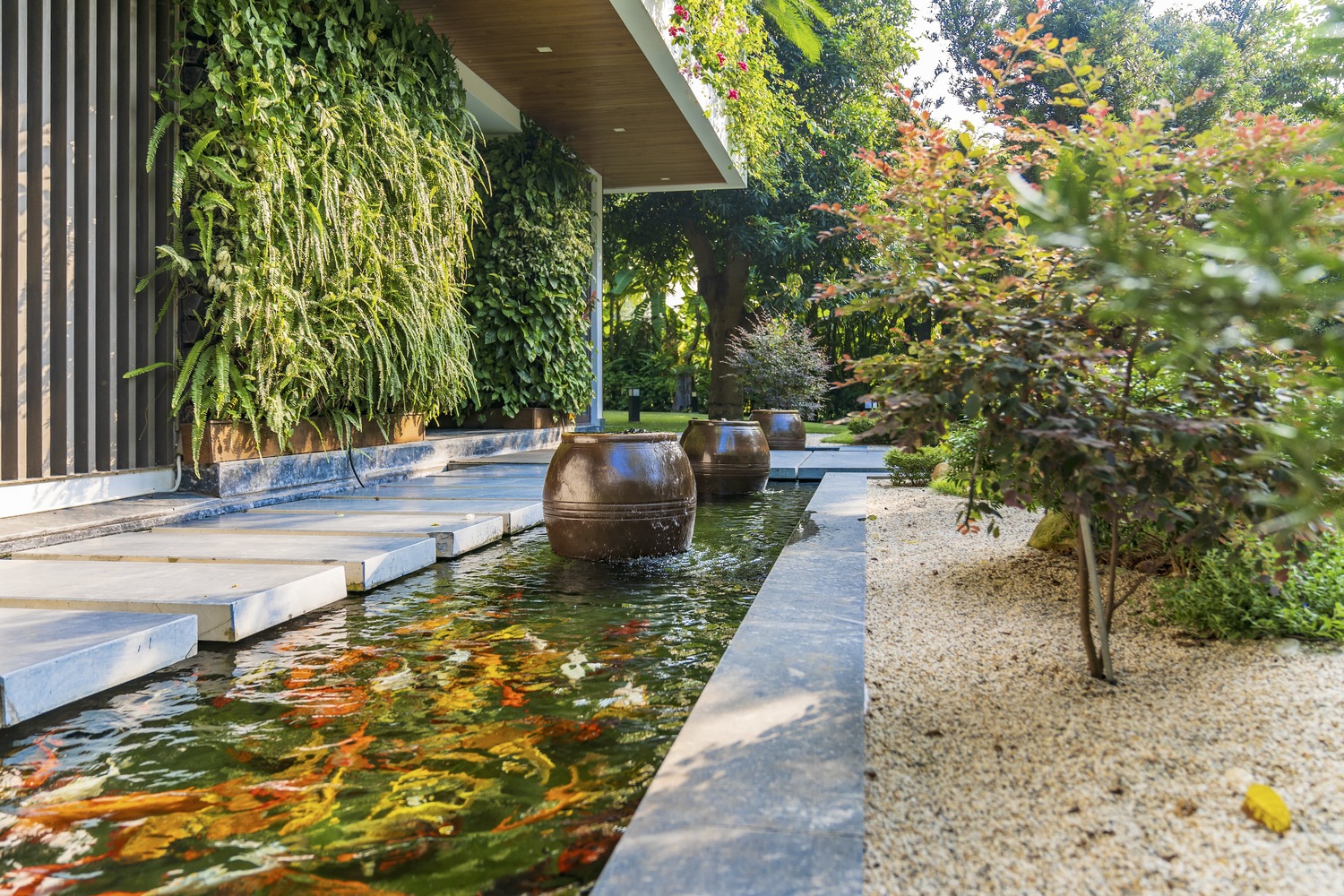
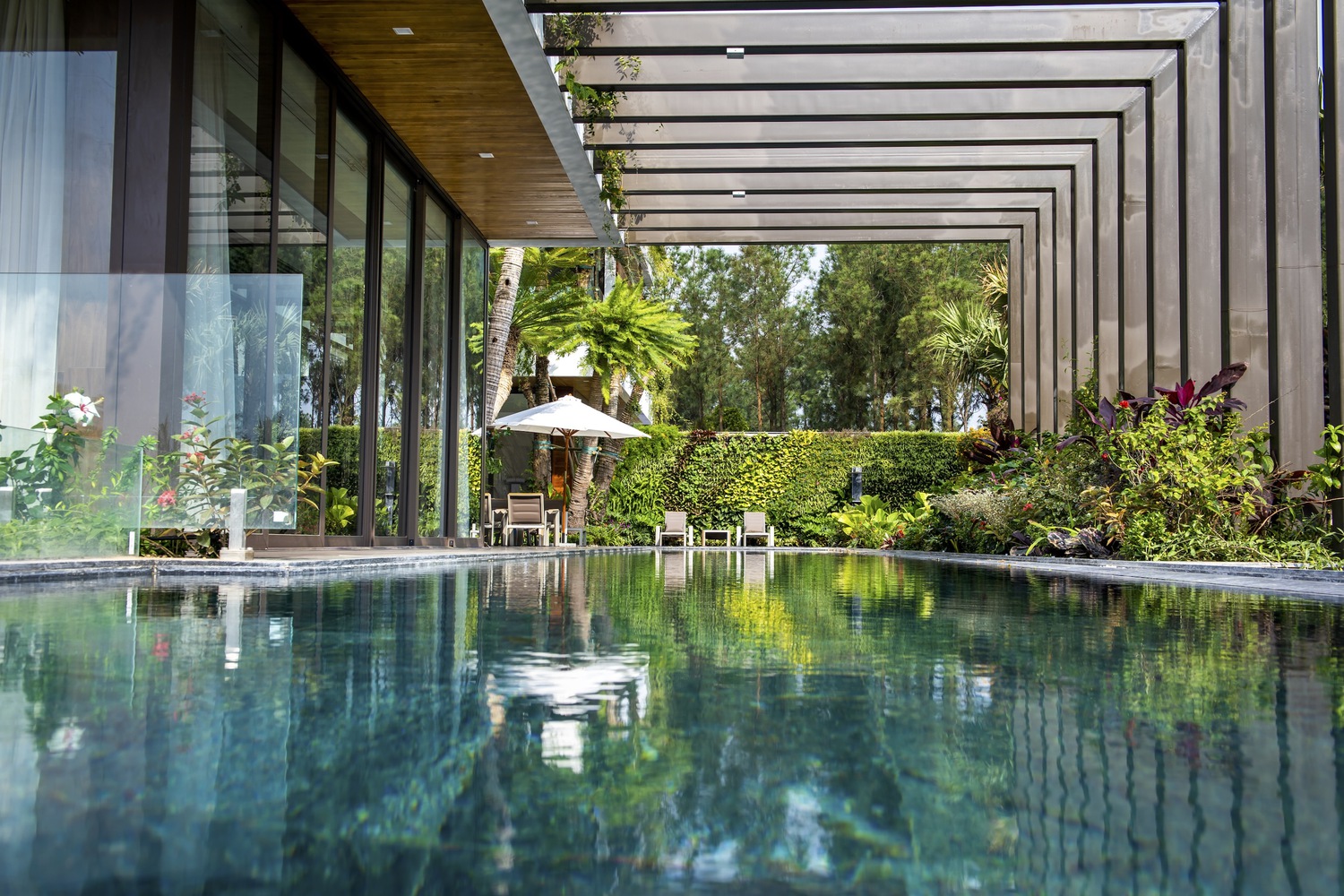
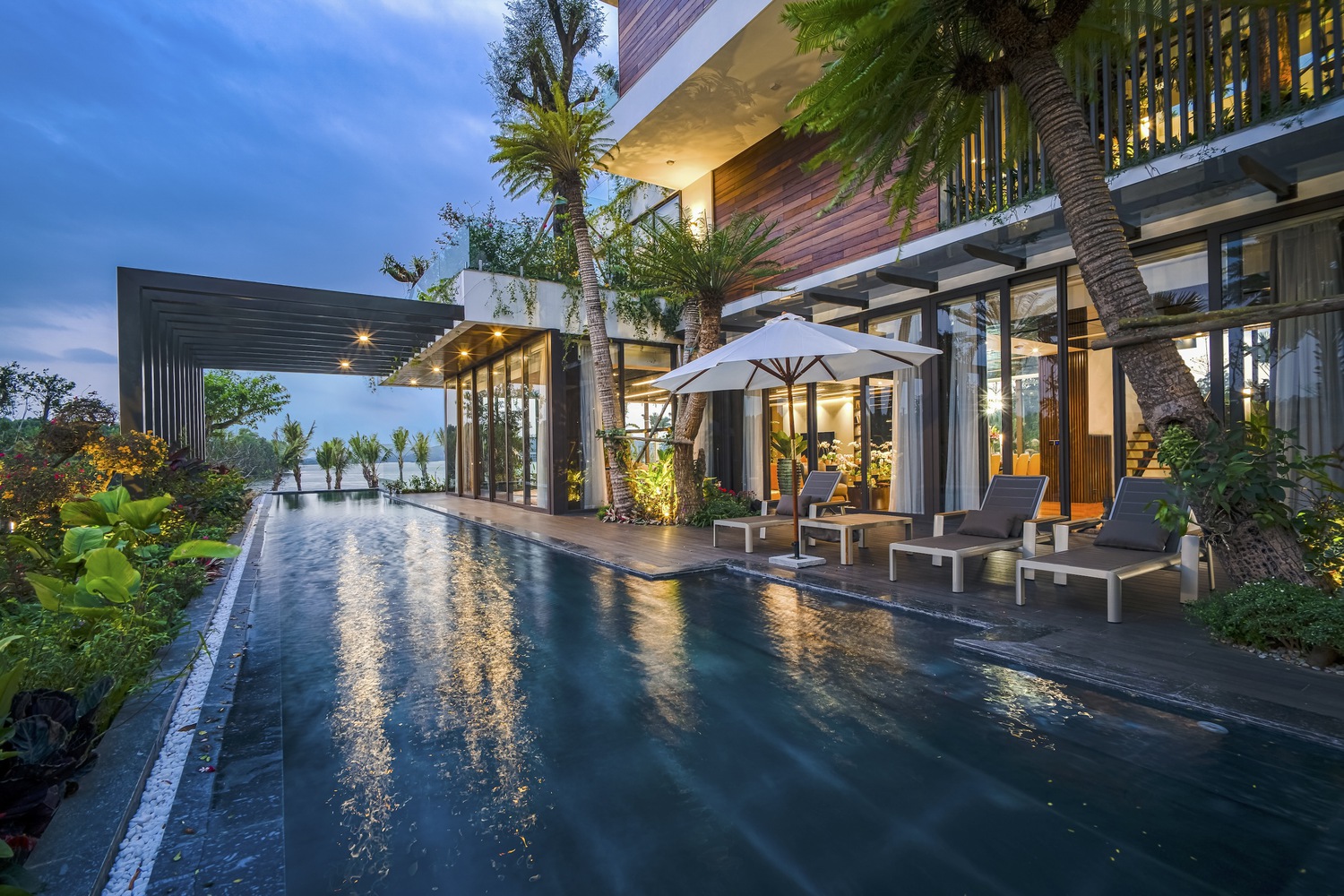
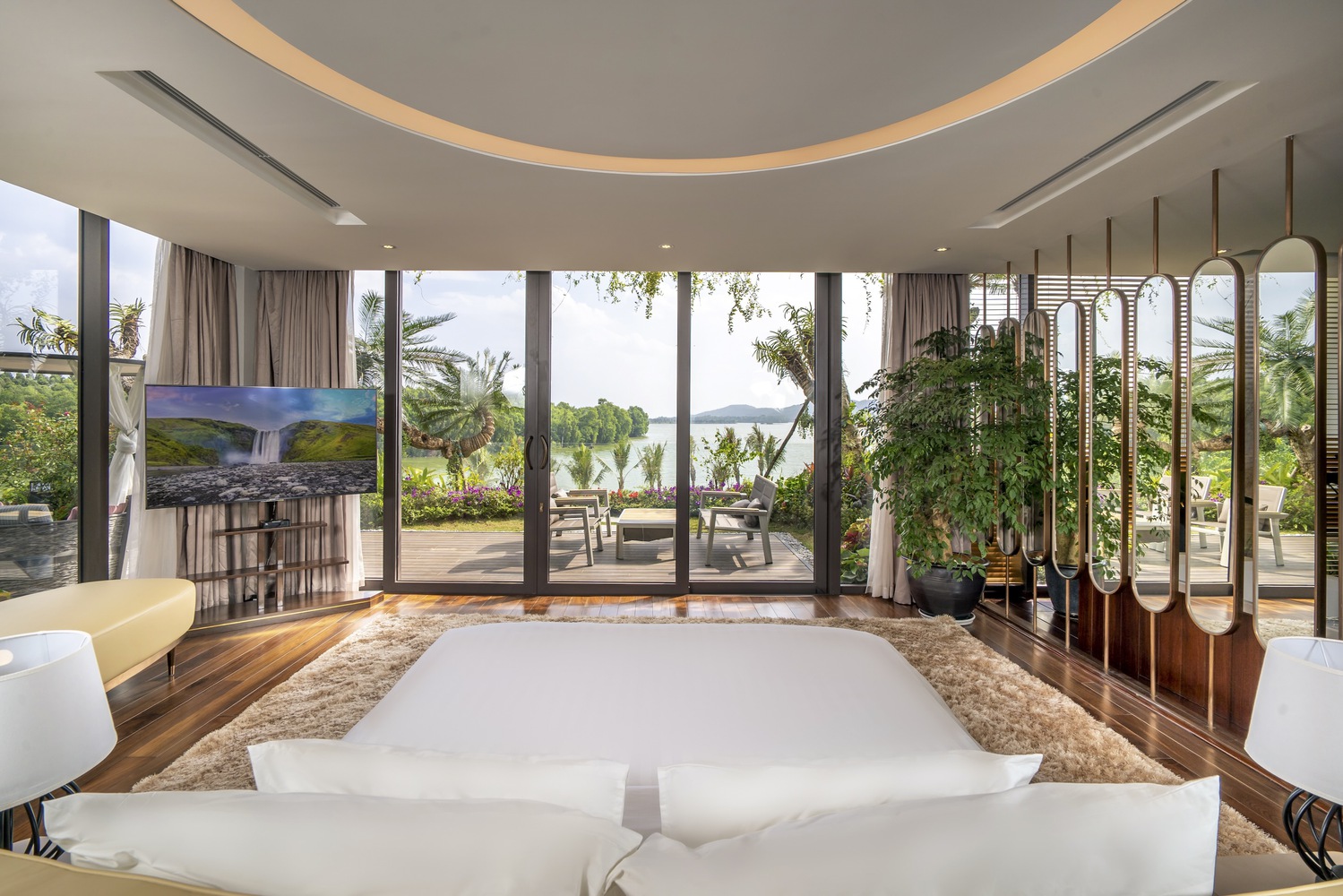
The kitchen, dining room, and generous living areas occupy the first floor, while most of the 5 bedrooms have an open design with generous glazing that brings the outside in. But beyond those living accommodations, the house consists of different entertainment and relaxation areas to accommodate every member of the family.
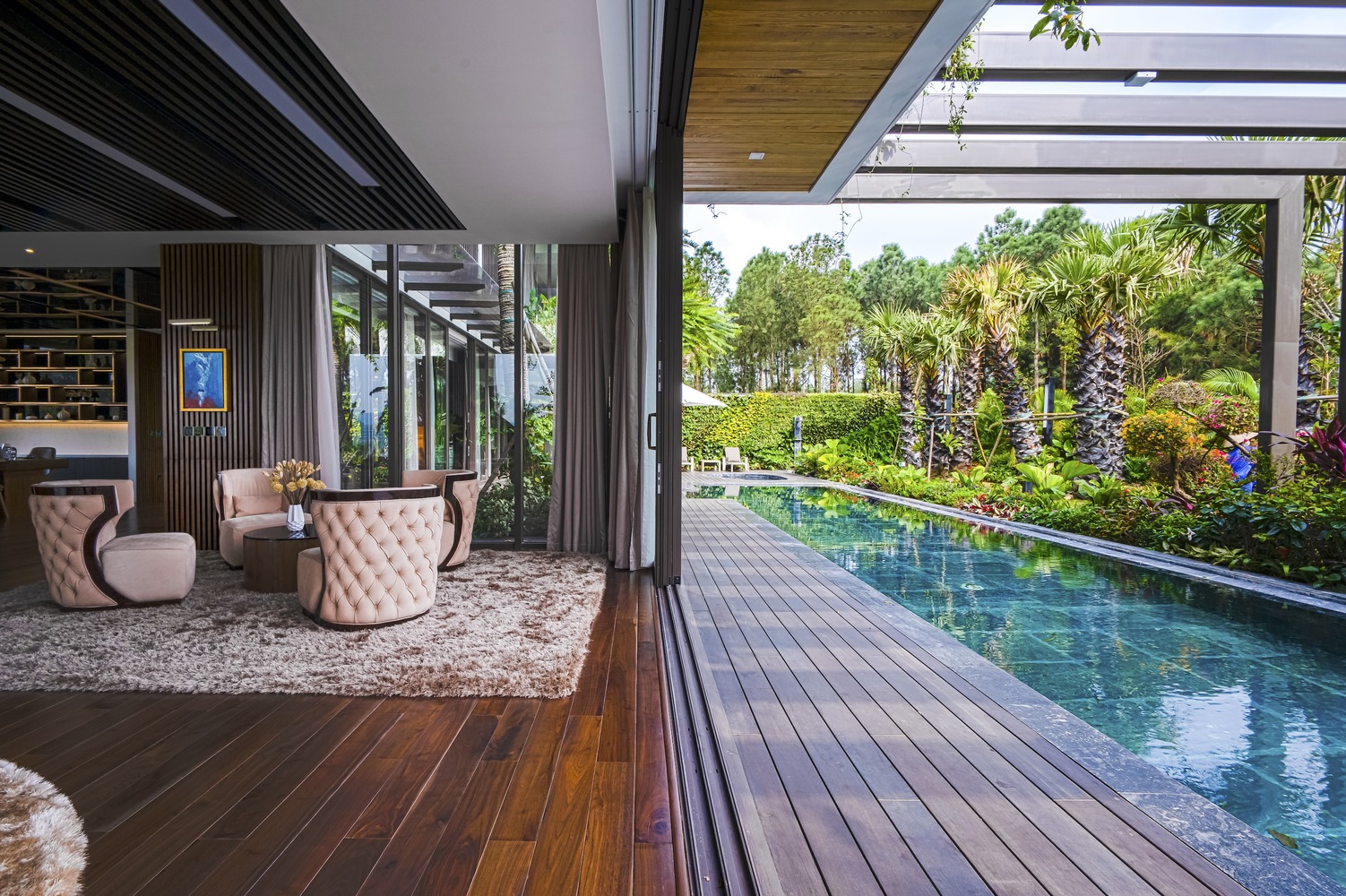
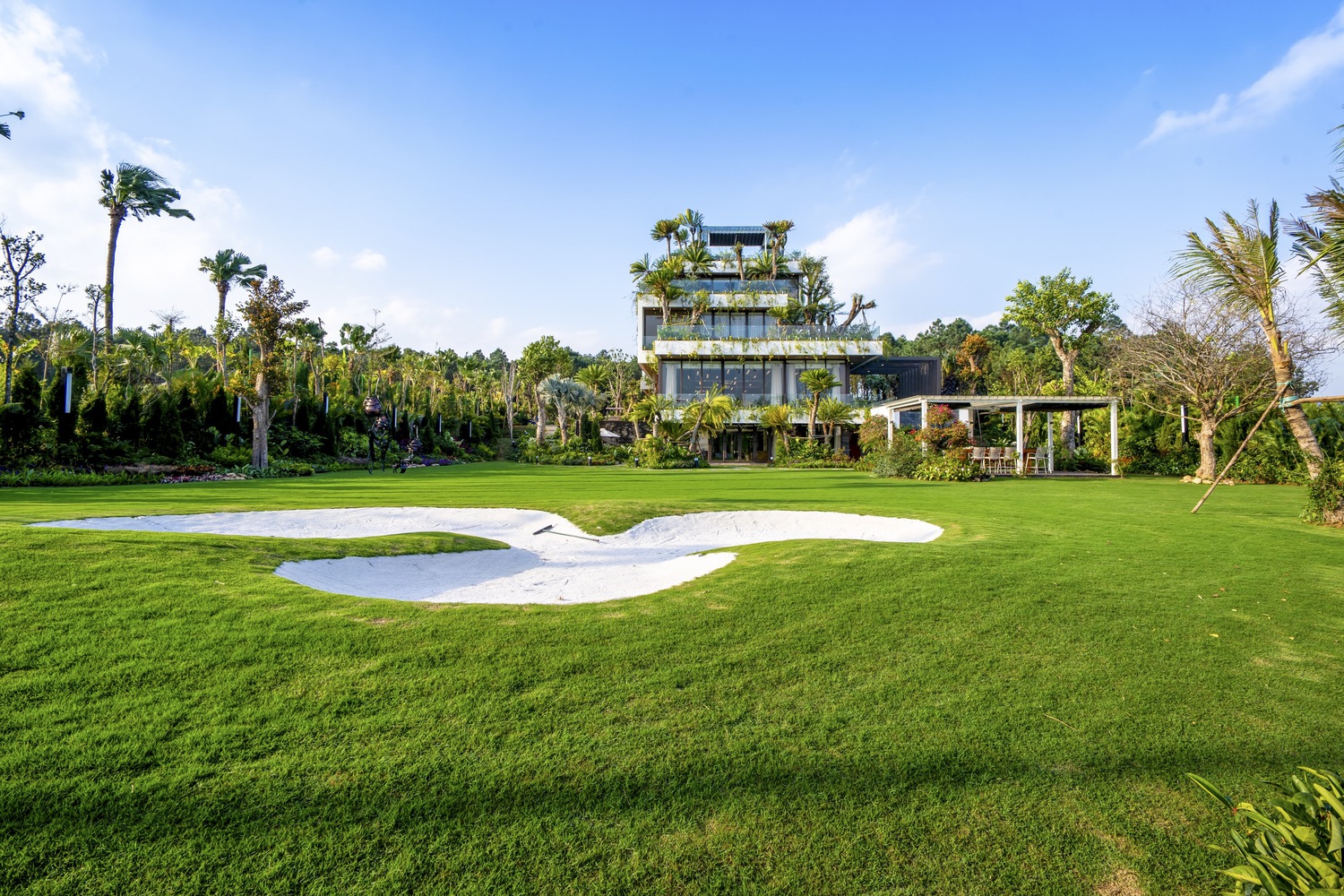
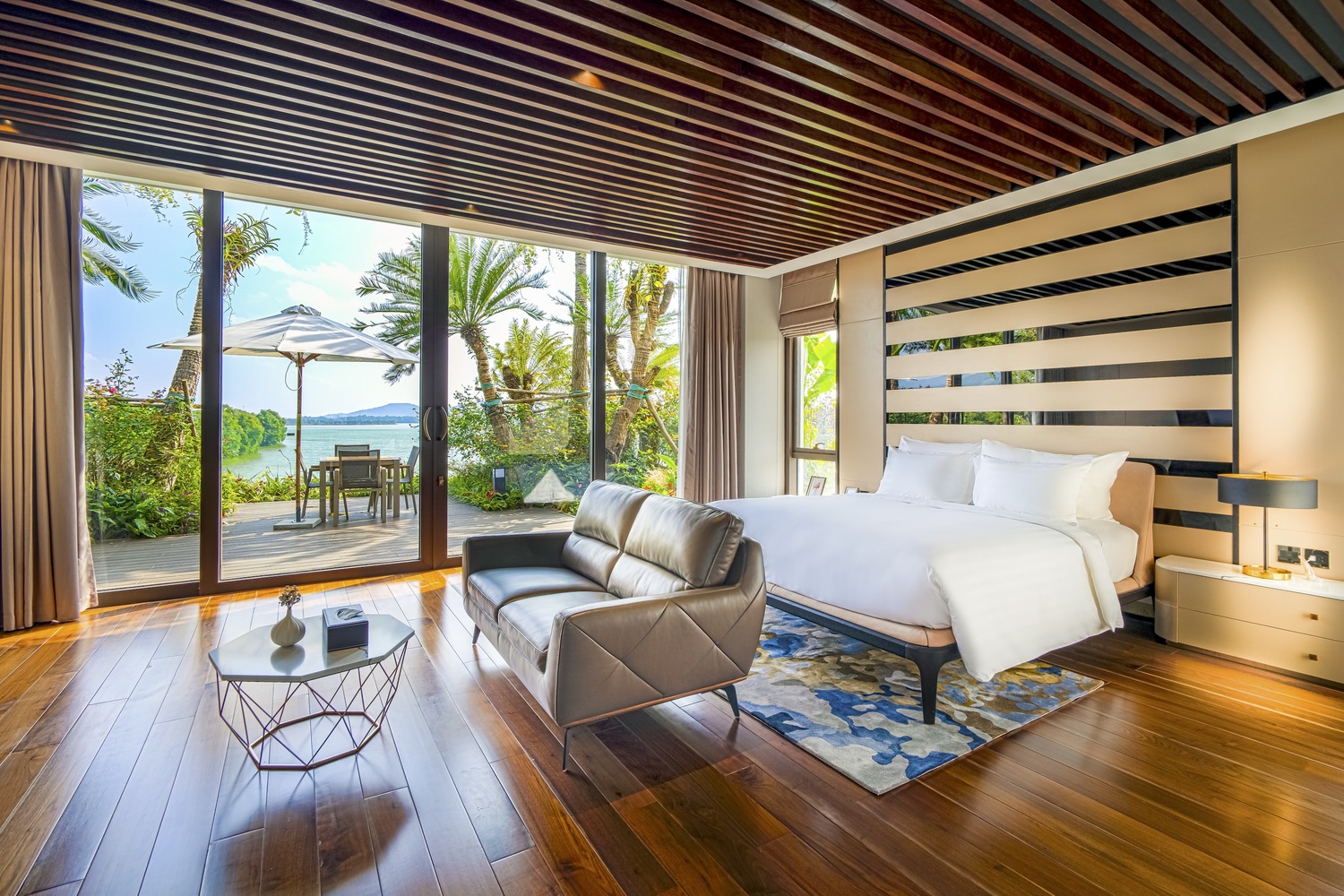
There’s a swimming pool and a spa on the first floor, while the third floor has an area for outdoor bathing and a skylight. And on the outside, the lush, well-cultivated yard has pavilions and a miniature golf course.
An Ideal Green Dwelling
Its multi-level design allows for a bountiful amount of greenery to reside within the house itself. Large portions of the the second and third floors are devoted greenery, including trees, flowers, and grasses. The roof also has a garden and a pavilion area, giving the home a look reminiscent of the Hanging Gardens of Babylon.
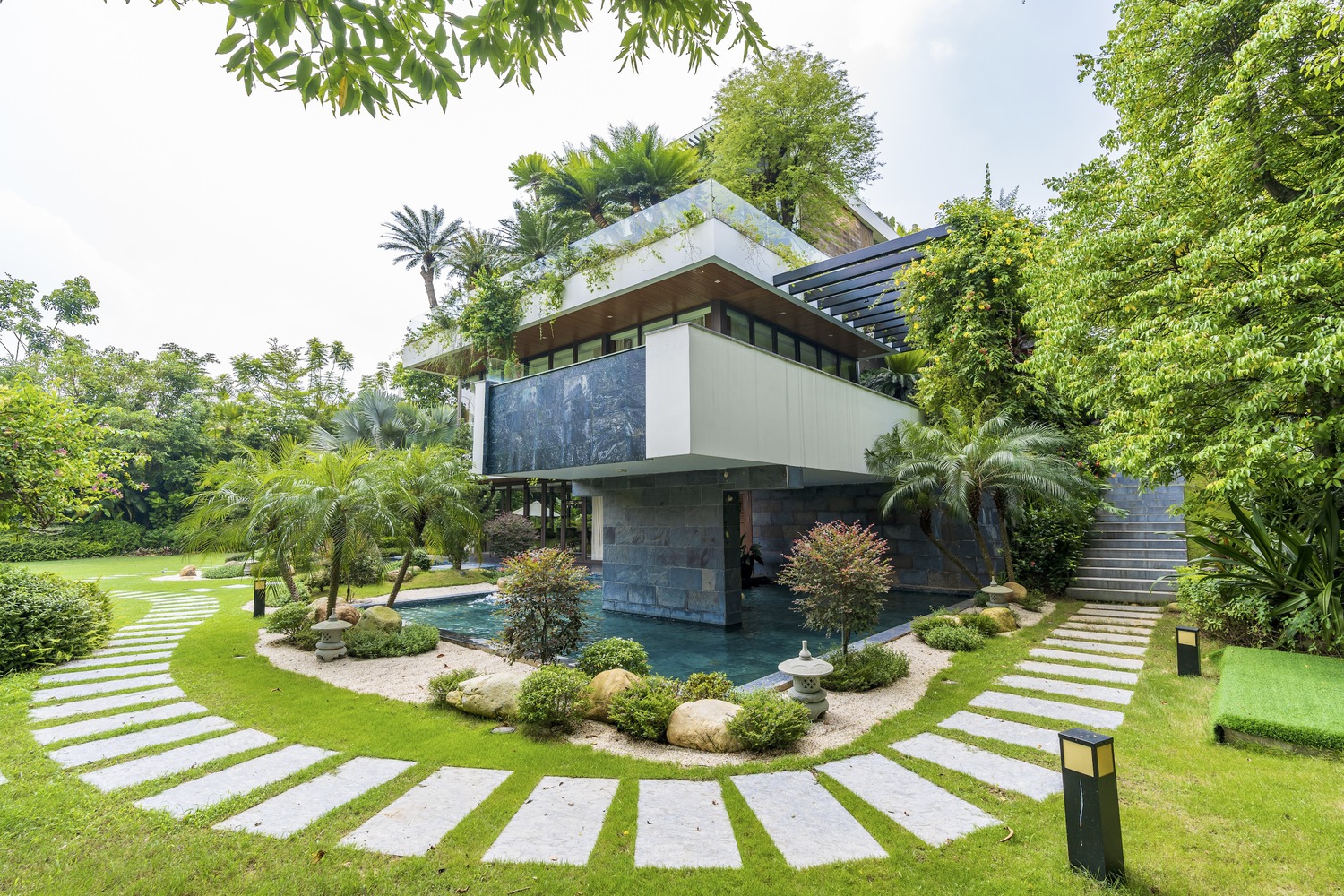
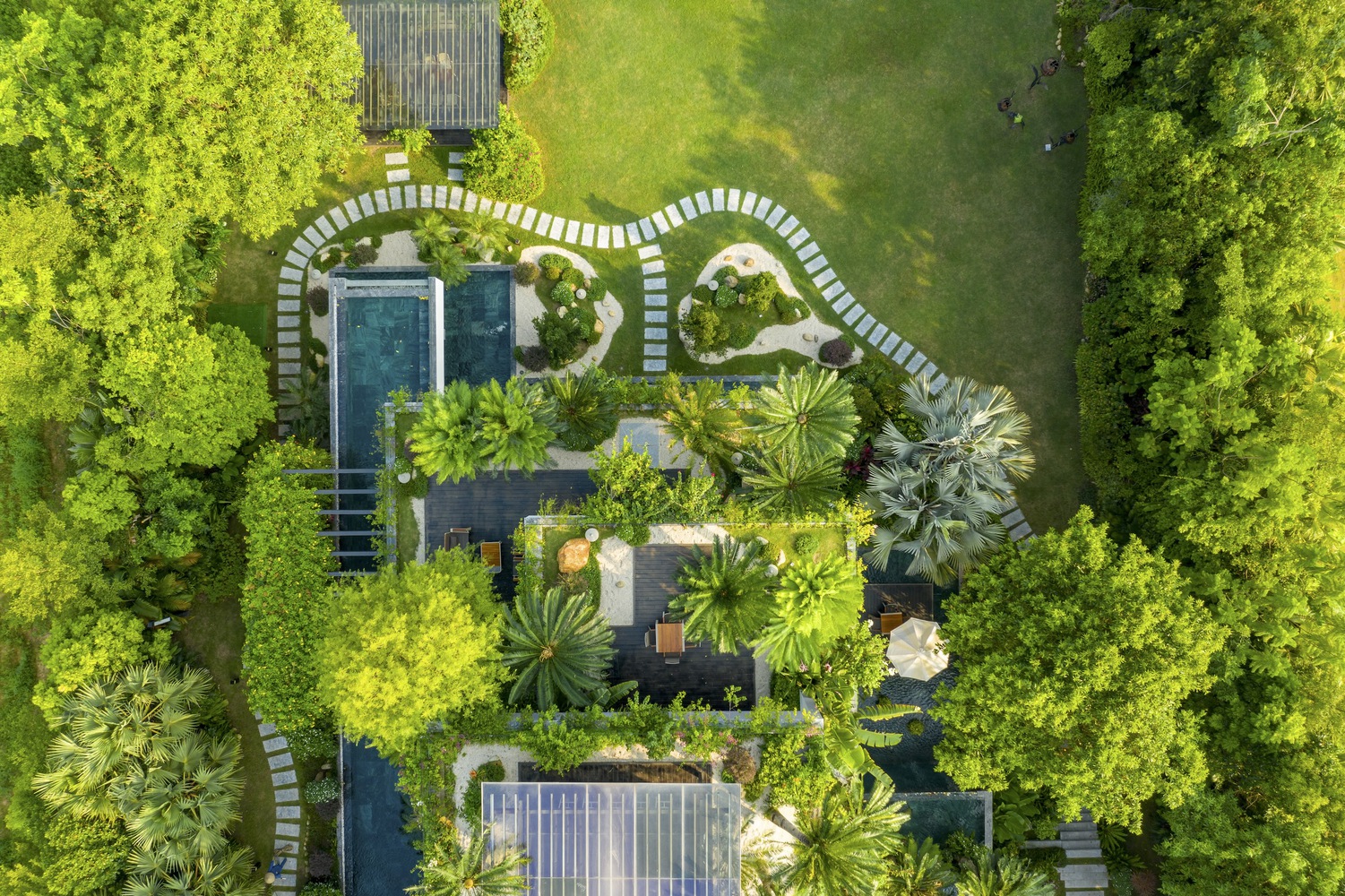
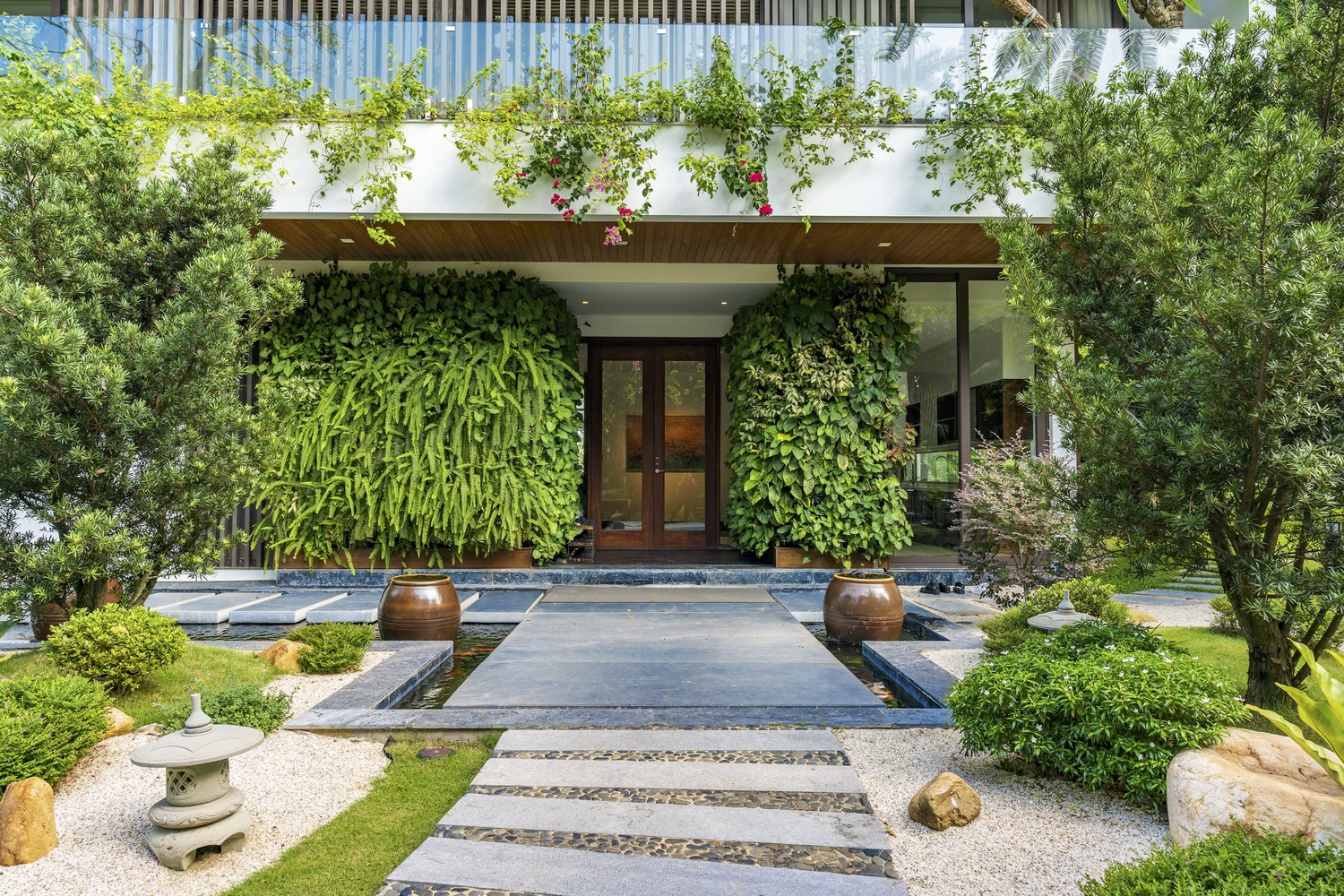
The architects utilized the gardens with intent. Aside from their aesthetic, they also reduce the amount of heat and noise. It also allows the house to blend well with the terrain, which creates a harmonious environment for its residents.
Legend Mansion Villa gives us a modern look at luxurious housing. It’s not just comfortable, but created to exist with its green surroundings, rather than against it. And as society moves forward, the hope will be that even the most luxurious residence thinks about its environmental impact from design to execution.
Photographed by Nghĩa Toản.
Related reading: This Fire-Red Indonesian Boarding House Reinvents the Co-living Experience
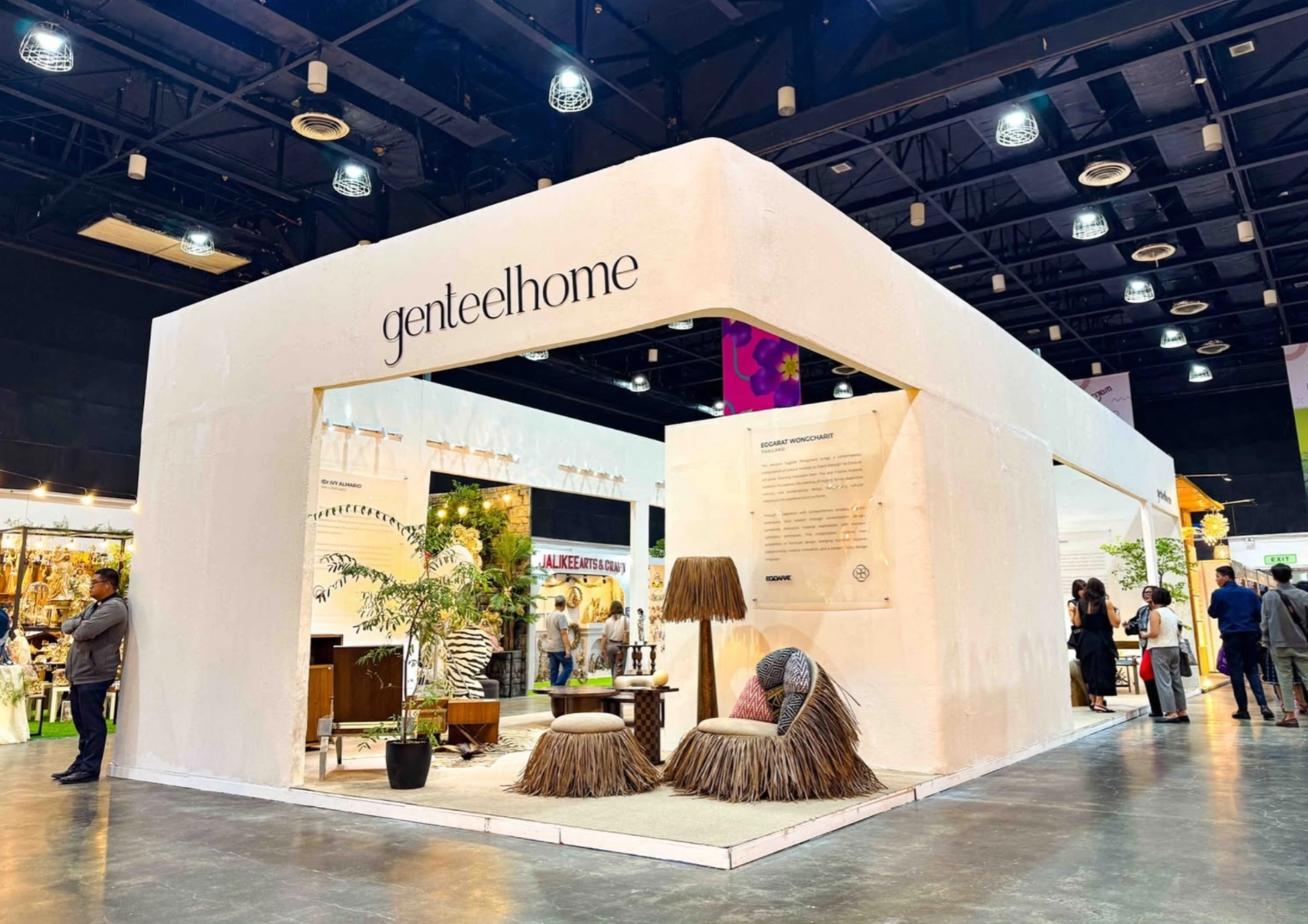
Bigkis is the act of binding. In Tagalog, the word can refer to something used to bind or encircle, as well as a bundle formed by tying several separate elements together. Figuratively, it can also mean a bond, union, or unity. The meanings move from the physical act of joining things together to the connection […]
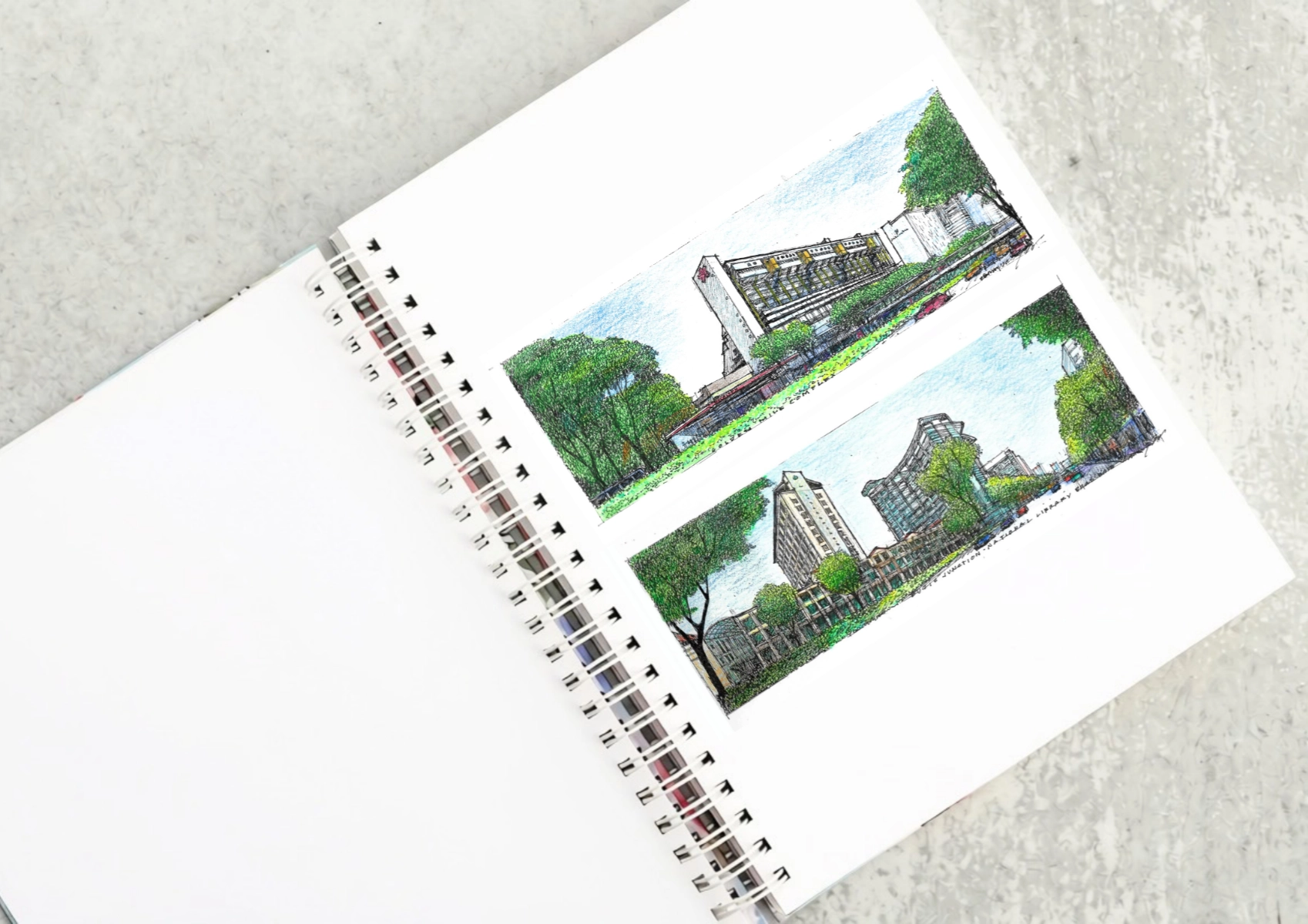
Two sketches of Singapore connect BluPrint Editor in Chief Paulo G. Alcazaren’s personal and professional history with Shared Ground: ArchitectureArchitectureThe art and science of designing and constructing buildings, structures, and spaces that are functional, safe, and aesthetically pleasing. It encompasses the planning, design, materials, and techniques used to createGo to Architecture Glossary of Care, Culture, […]
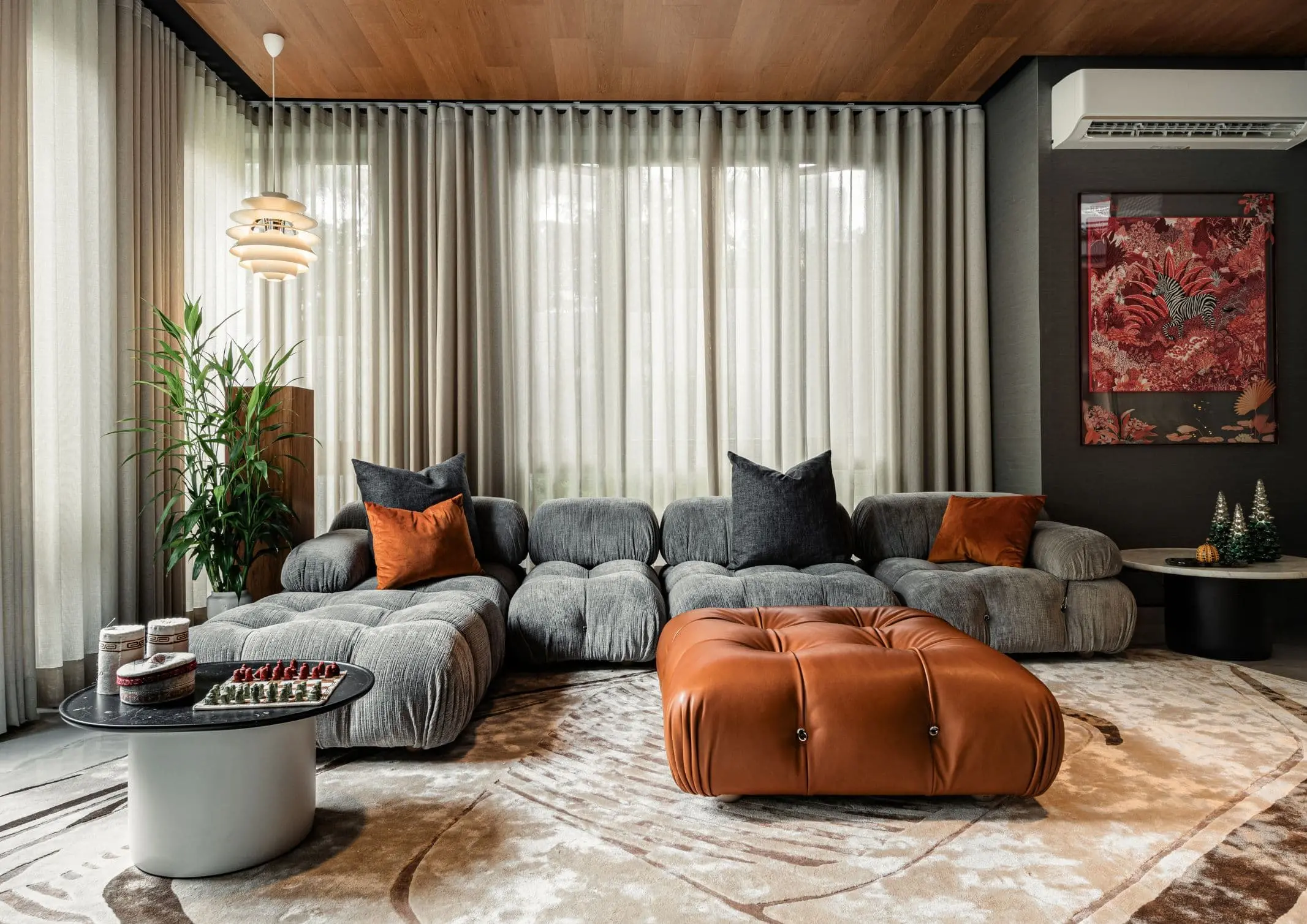
Some have become household names – Coleman, Oster, and KitchenAid – products that have found their way into Filipino kitchens, homes and family routines. In home furnishings, brands such as B&B Italia, Ethan Allen, Sub-Zero, Miele, SieMatic, Louis Poulsen, Hunter Douglas, Tempur, and Technogym, have helped shape the way Filipinos live. From everyday essentials to […]

In a way, designers are the modern-day soothsayers and prophets. They design for the future, predicting how a room, a house, a building or a whole city will be used by people. They foresee how users will interact with a space, conjure exact shades of colors to elicit specific behavior and arrange furniture to build […]
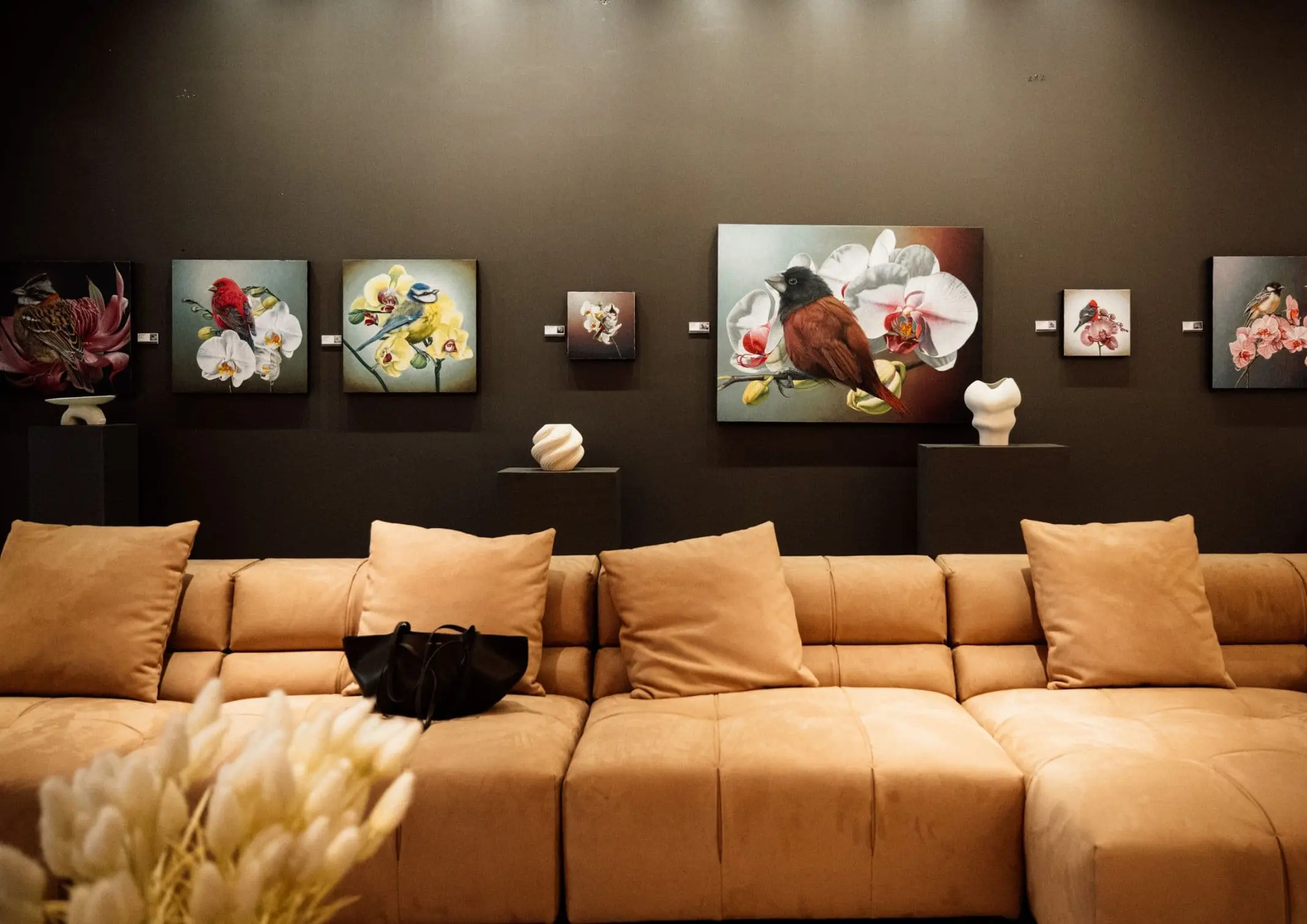
Art and furniture are often selected separately, yet their relationship can shape how a room looks and feels. The collaboration between Hooga and Galerie Joaquin explores how these elements can work together, bringing contemporary artworks into furnished residential settings at Hooga’s showroom in Uptown Mall, Bonifacio Global City. For Hooga, which curates furniture, lighting, and […]
Read the issues.

Collect the volumes.

Recommended Video
Tap to Unmute
Unmute
0:00
0:00