Bigkis is the act of binding. In Tagalog, the word can refer to something used to bind or encircle, as well as a bundle formed by tying several separate elements together. Figuratively, it can also mean a bond, union, or unity. The meanings move from the physical act of joining things together to the connection […]
SkyBlox Housing: Communal Co-Living Integrating Nature and the City



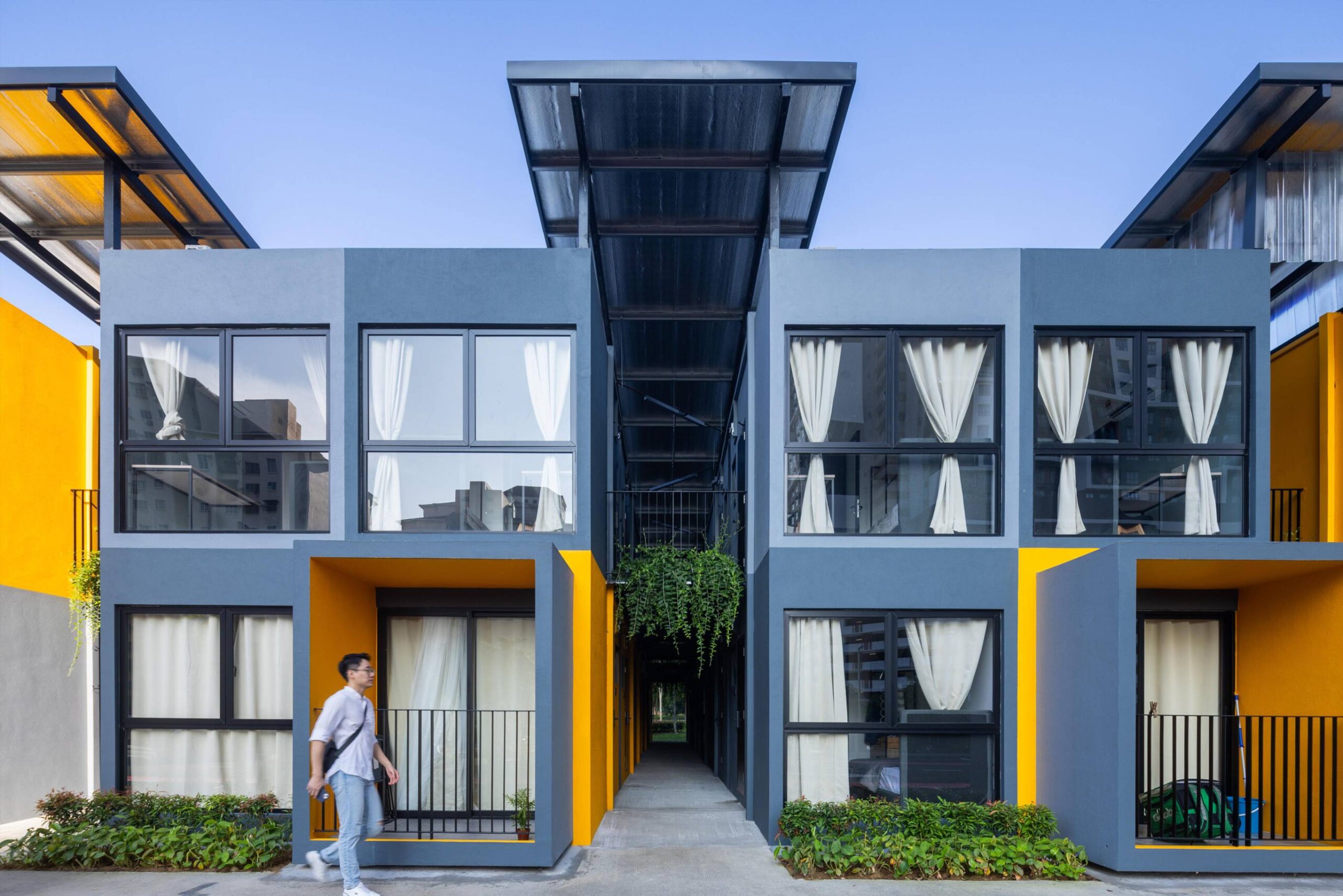
SkyBlox Housing, developed by Tan Kwon Chong Architect, crafts a forward-looking co-living facility designed to be a communal habitat for its residents. Built in Selangor, Malaysia, the project aimed to create an environmentally-friendly building that also uses modern day advancements for a more agreeable living situation around them. Its inventive architectureArchitectureThe art and science of designing and constructing buildings, structures, and spaces that are functional, safe, and aesthetically pleasing. It encompasses the planning, design, materials, and techniques used to createGo to Architecture Glossary combines soothing natural tones with sustainable urban infrastructure.
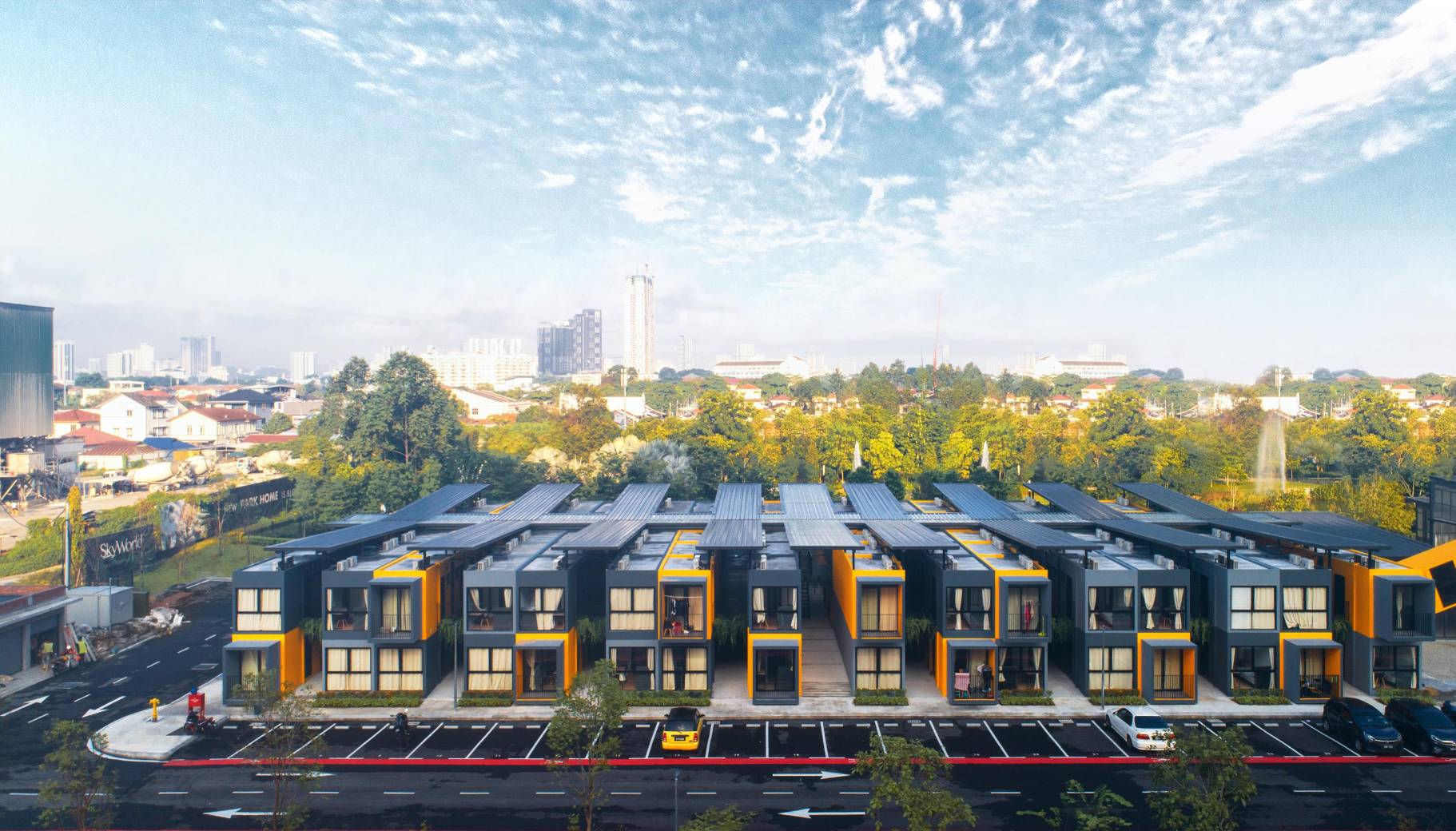
“Central to SkyBlox’s design philosophy is the creation of spaces that nurture a deep bond with the natural world, offering inhabitants a peaceful haven amidst the hustle and bustle of city life,” the architects shared.
Prefabricated and Sustainable
SkyBlox Housing’s facade is a blend of light and dark greys, with a striking yellow cantilevered prefab structure. The residential building comprises two floors of apartments and a large communal area at the center.
Its design aligns with the United Nations’ Sustainable Development Goals, utilizing prefabricated modular units to minimize environmental impact. Beyond that, the architects pushed for efforts to ensure energy-efficiency through the wide use of natural lighting and ventilation in the building.
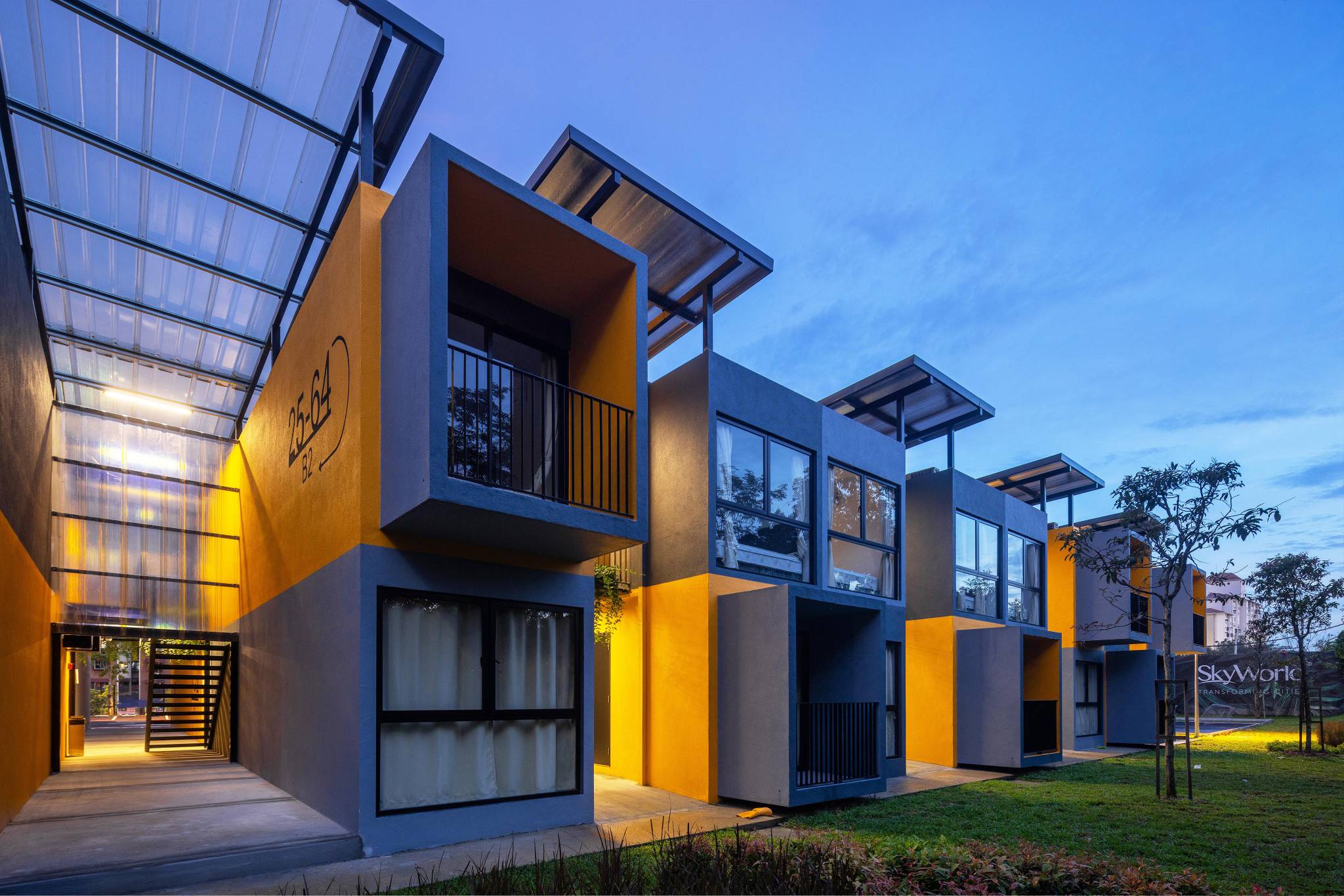
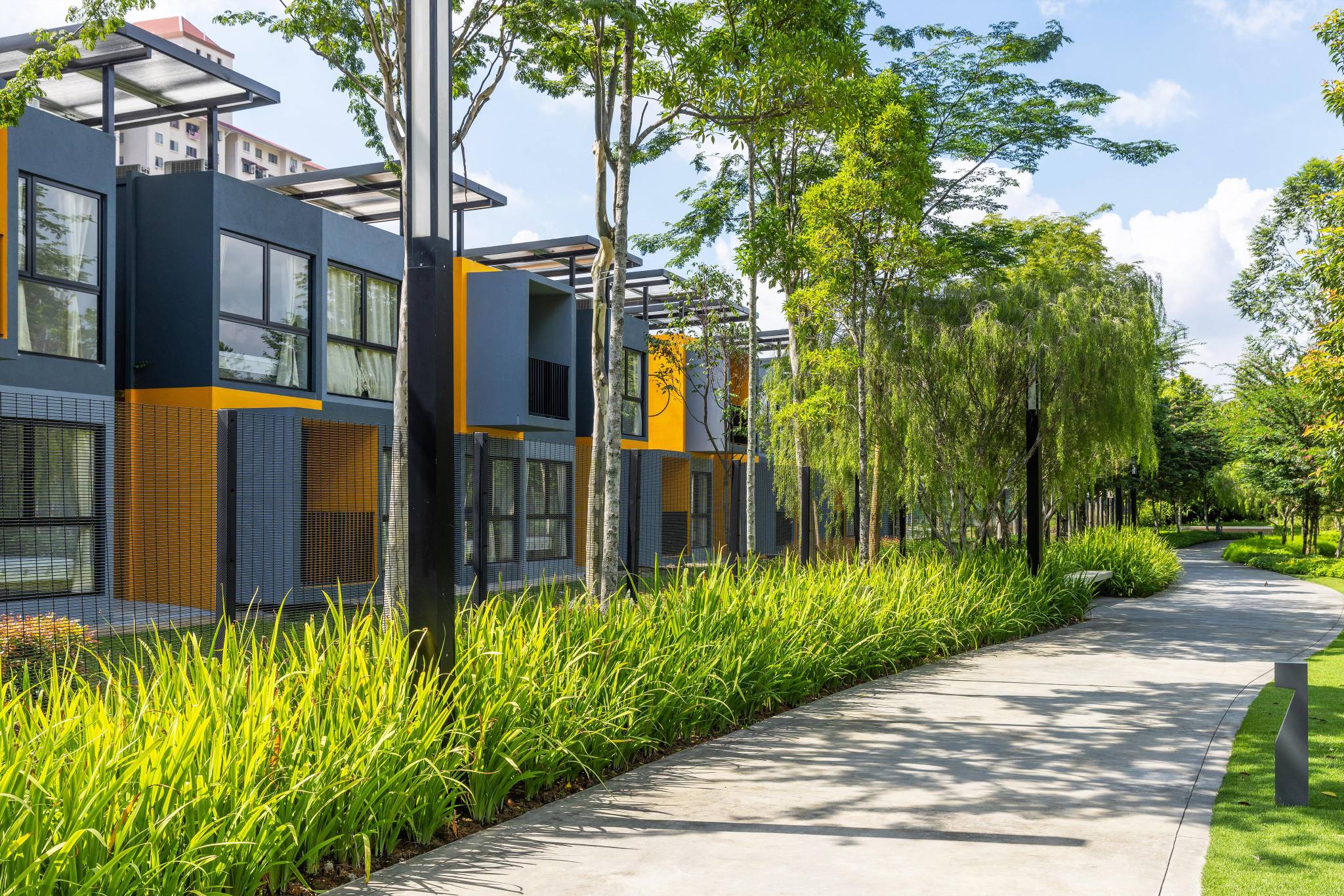
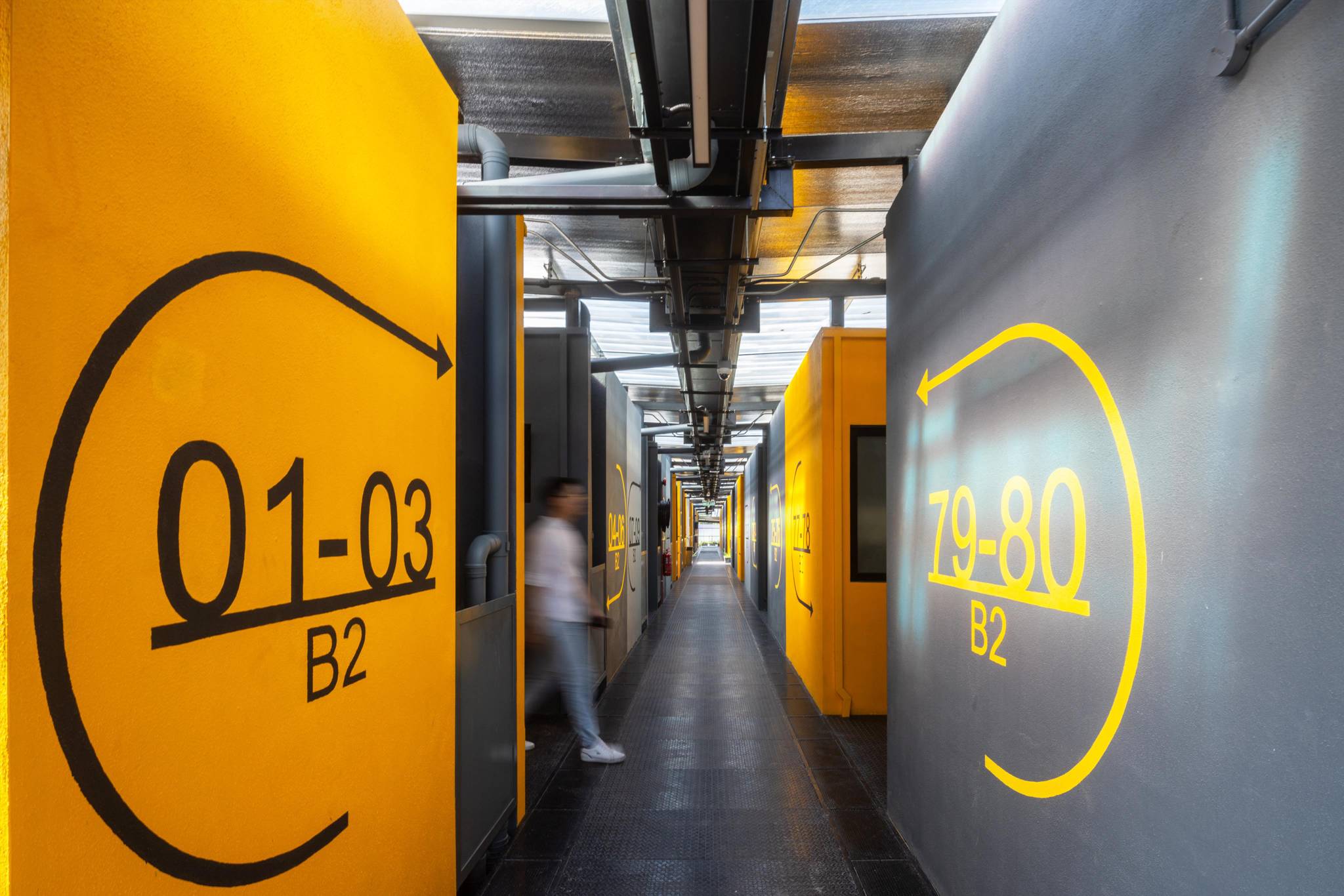
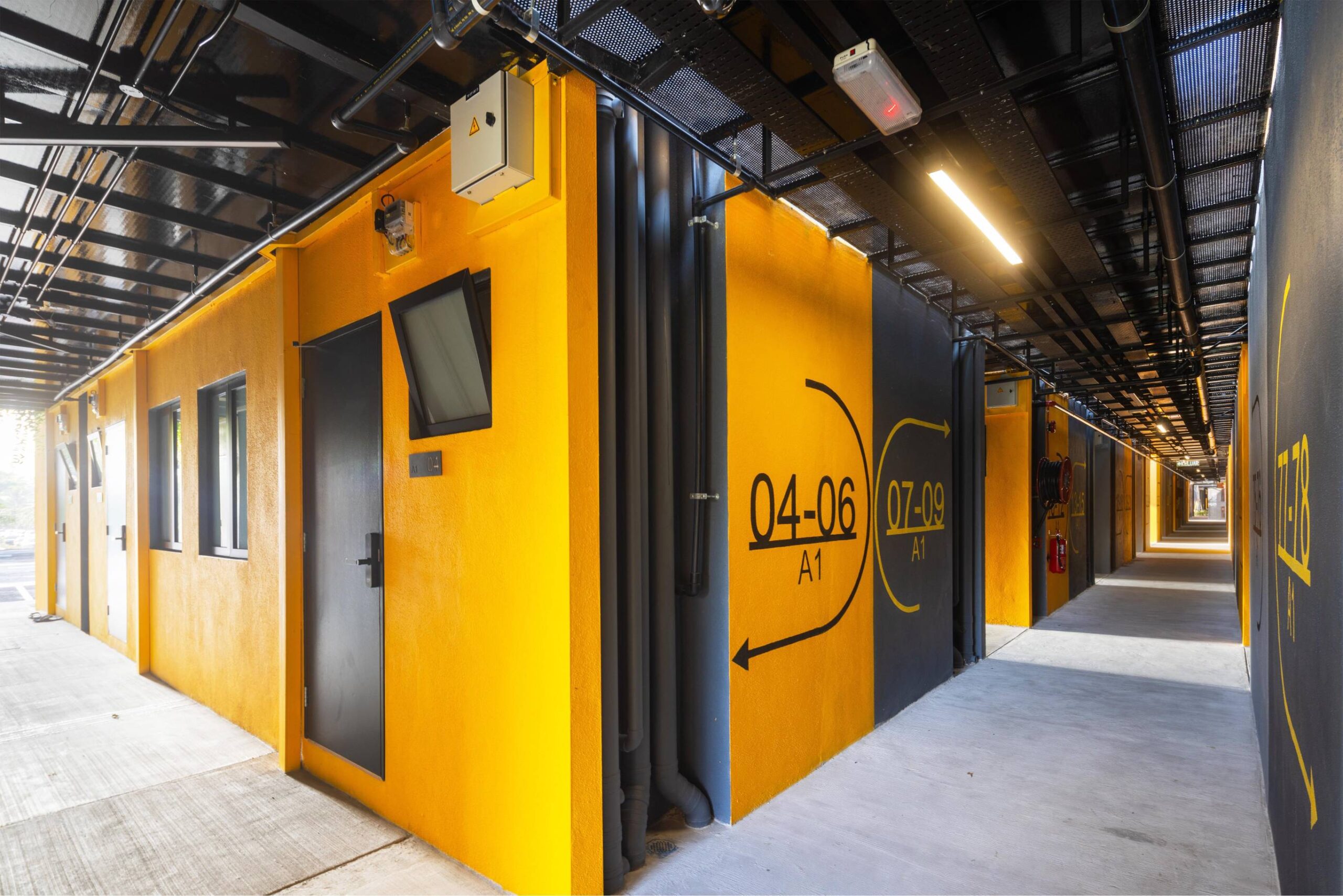
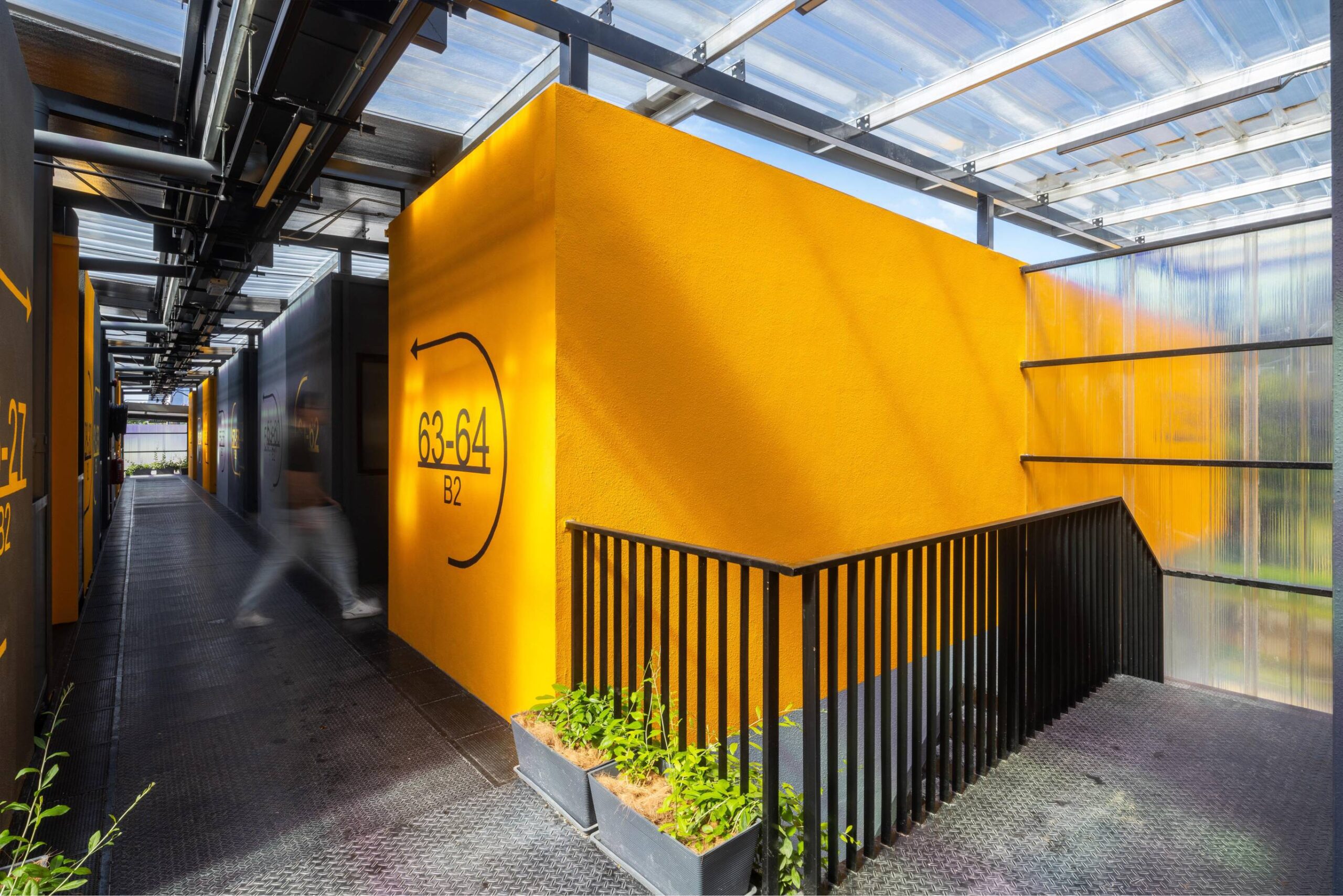
Each of the modular units are stacked in rows of two, with a corridor in between rooms for accessibility purposes. The complex can accommodate up to 500 residents across 320 co-living rooms ranging from 100 to 175 square feet. Each has a private bedroom and bathroom, while larger units also include a kitchen.
The design also includes green spaces surrounding the building. They planted trees and grass along the pathways and in front of the windowed areas to strengthen the residents’ connection with nature.
Building Communities Within Living Areas
For SkyBlox Housing, most of the nature-centric design touchpoints are found in the communal areas. It prominently features bare brick walls and timber, creating a rustic and warm ambiance that complements the lush surroundings. This introduces layers of visual depth while enhancing emotional well-being through natural light and plenty of greenery.
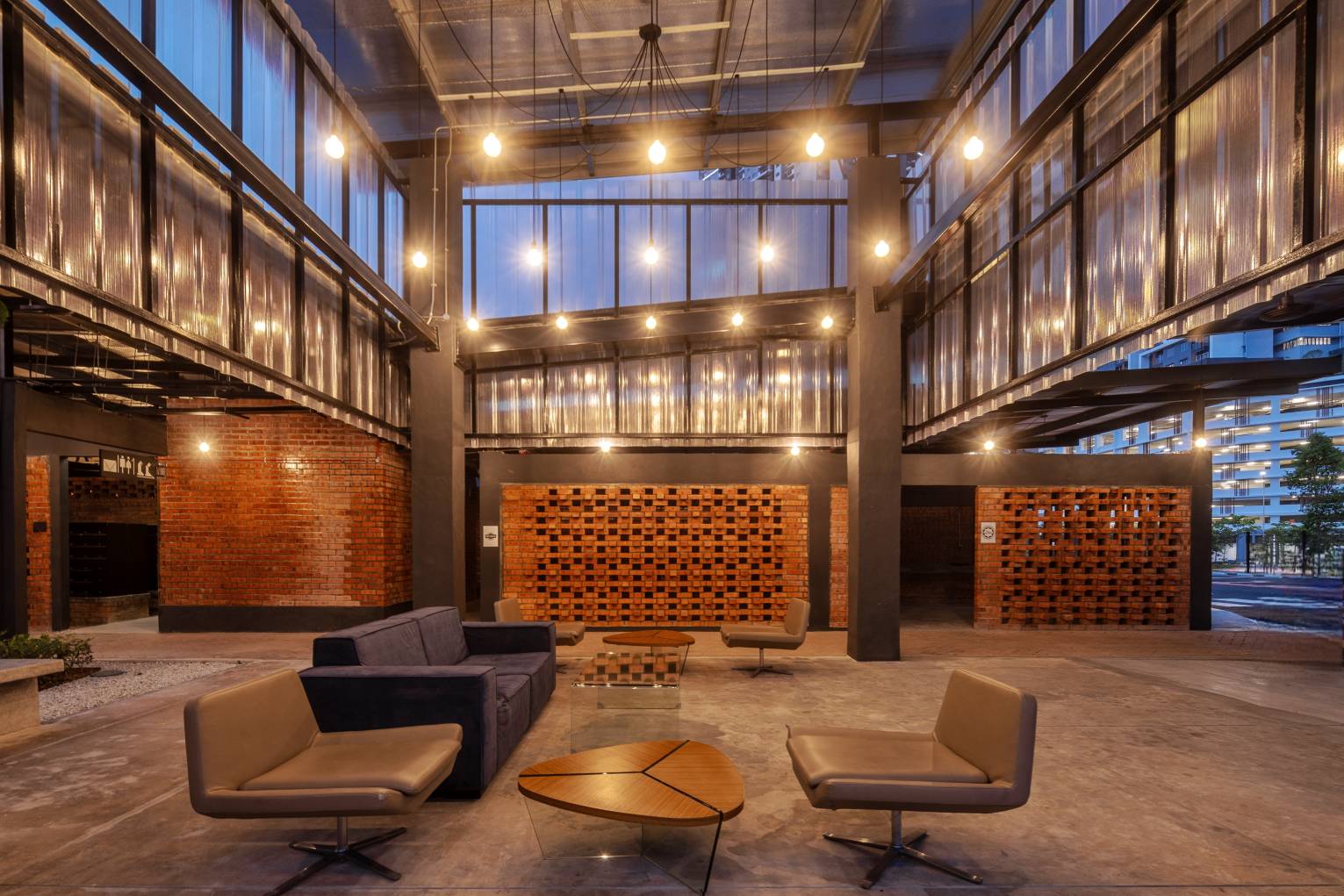
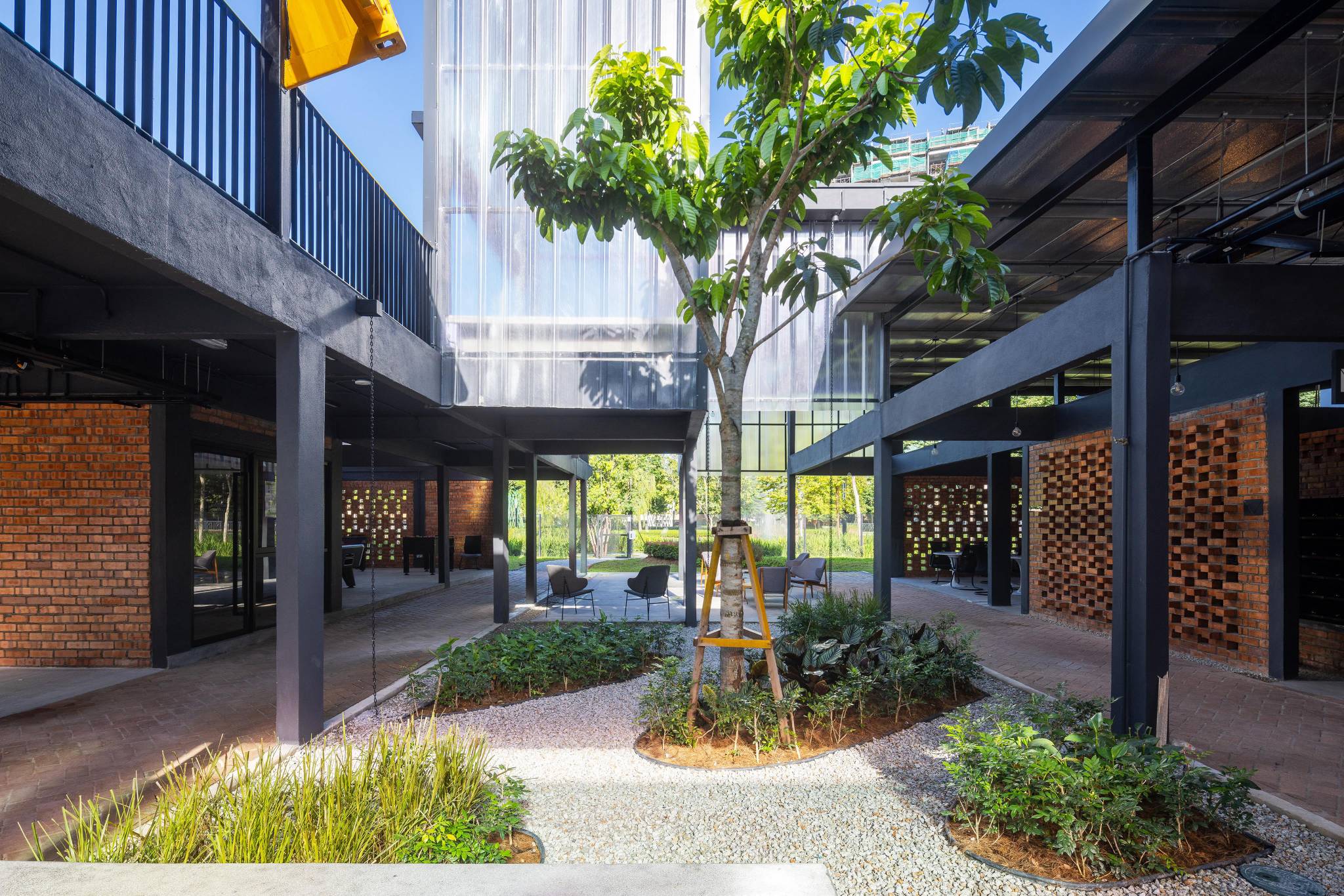
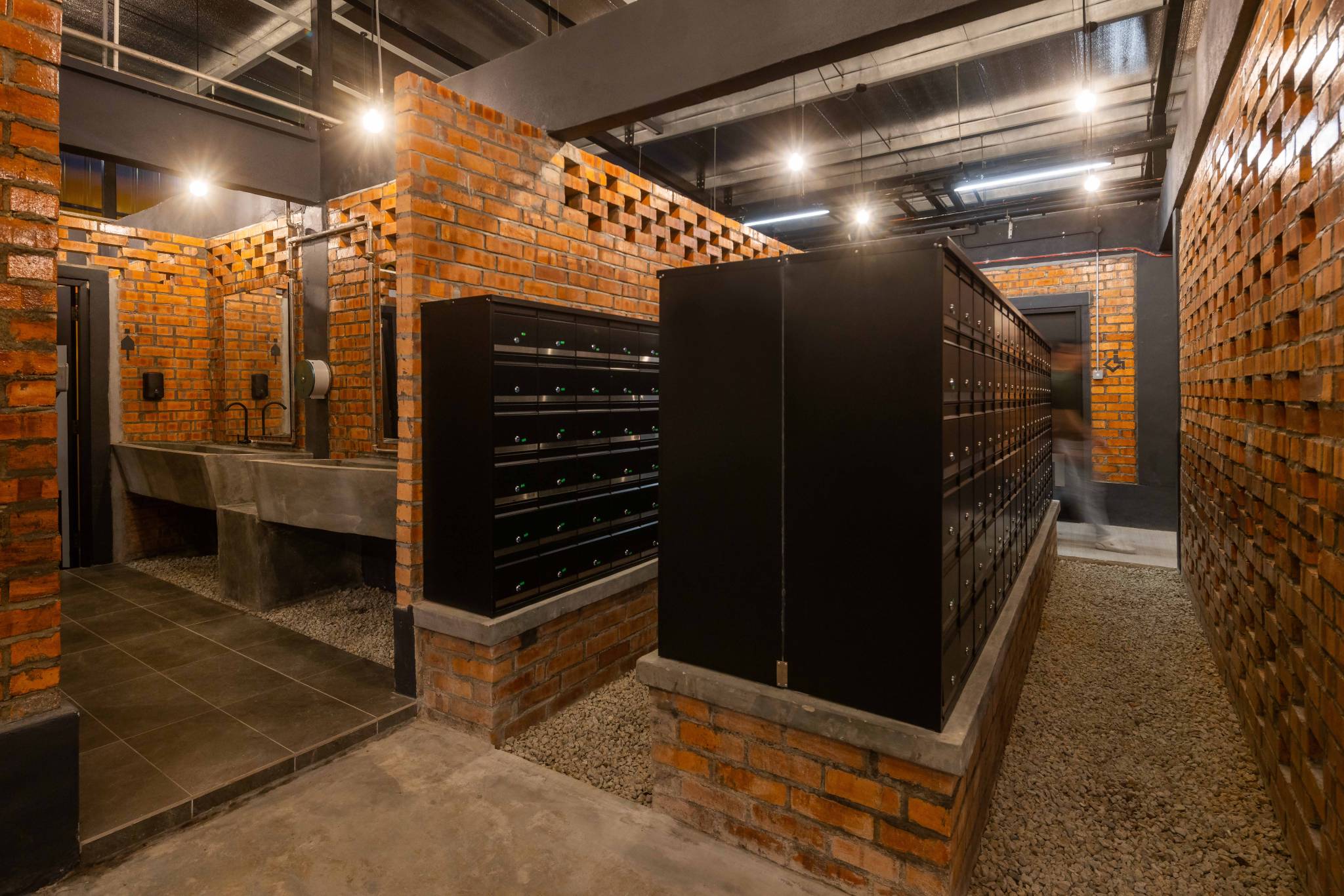
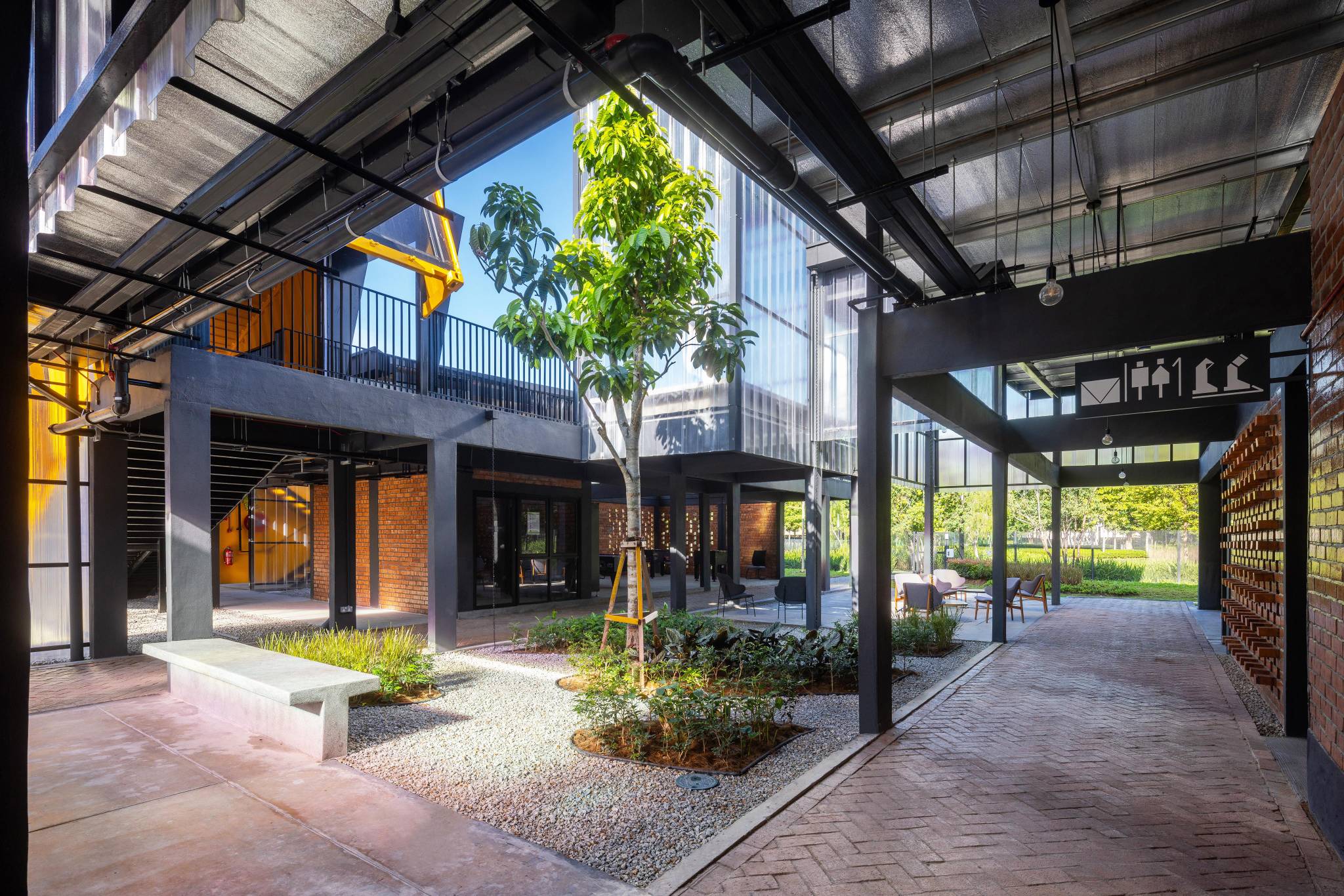
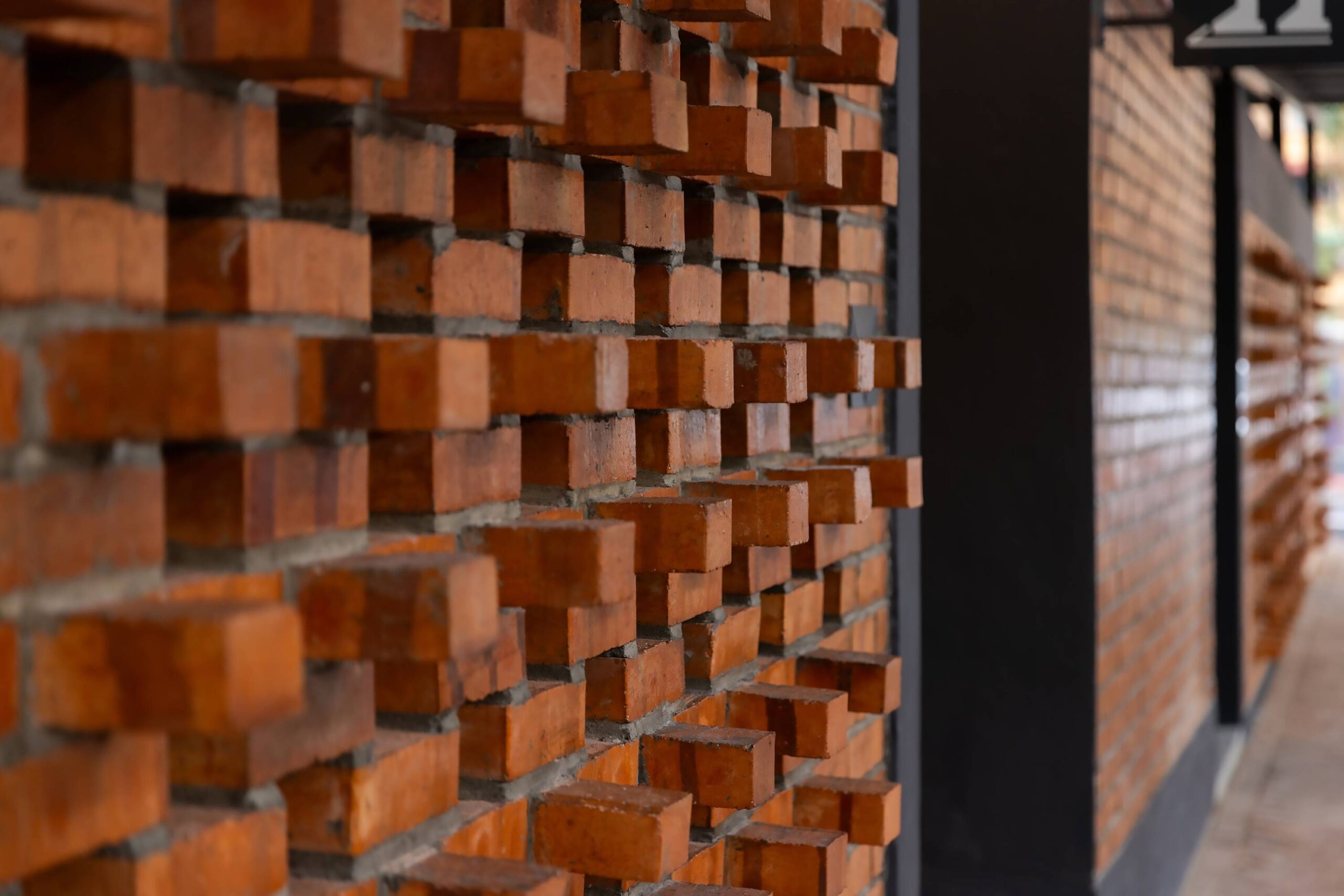
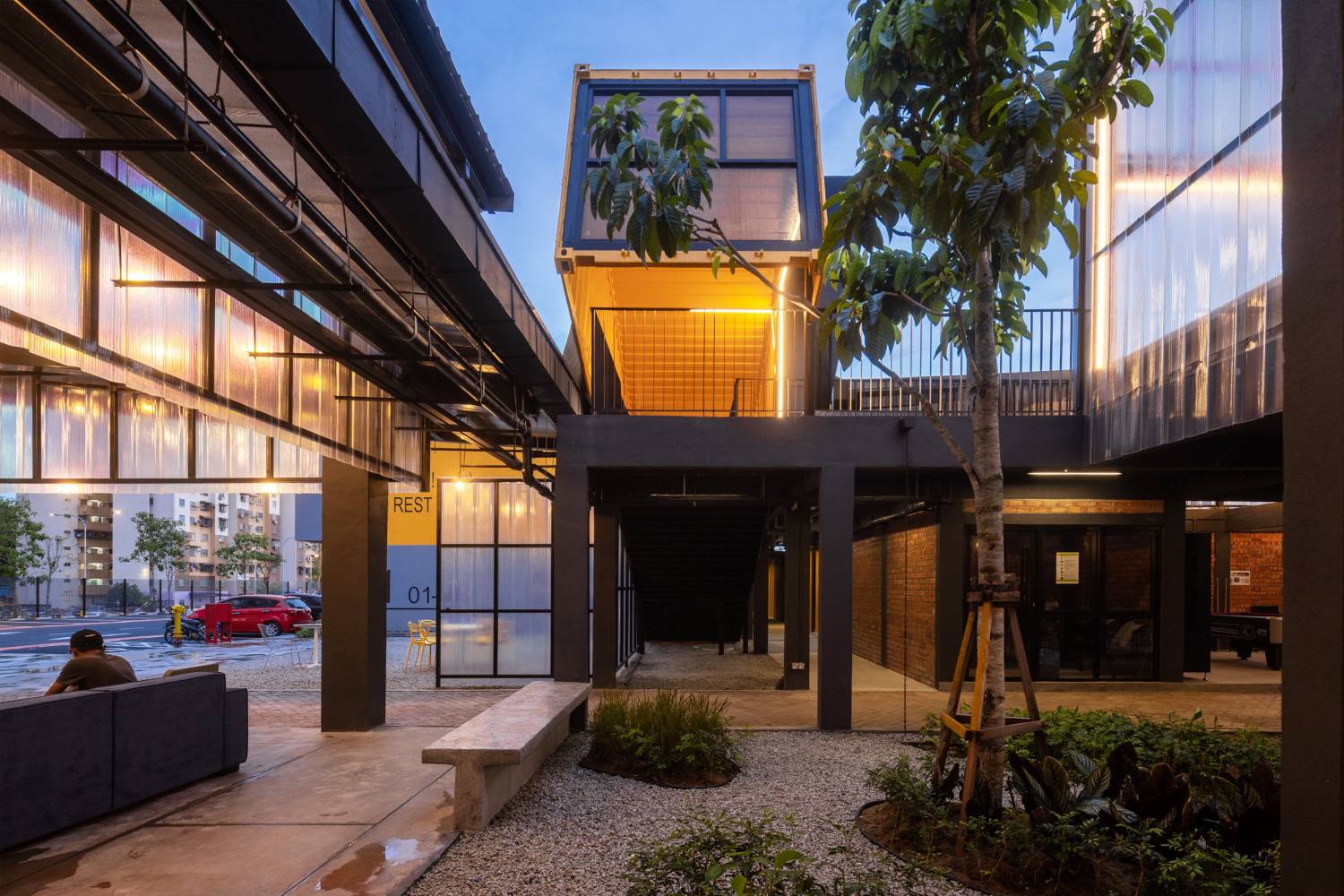
The open lobby area, dining area, open kitchen, laundry, and games lounge encourage social interaction among residents. Areas like the mail room and bathrooms also use the base brick walls combination.
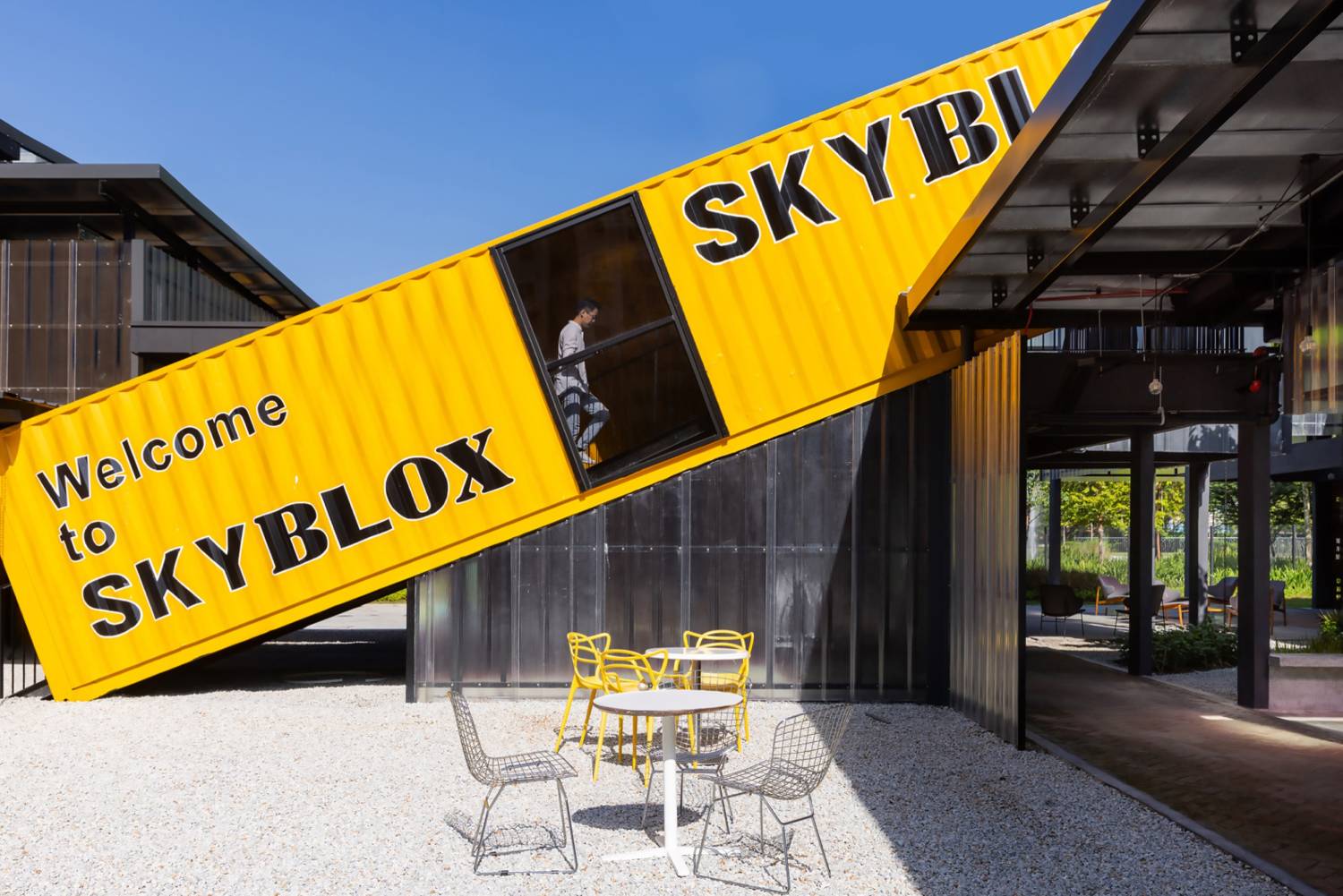
Its most eye-catching feature, however, is the yellow recycled shipping container used for the staircase. The unique, environmentally-friendly design adds vibrancy and cohesiveness to the overall look.
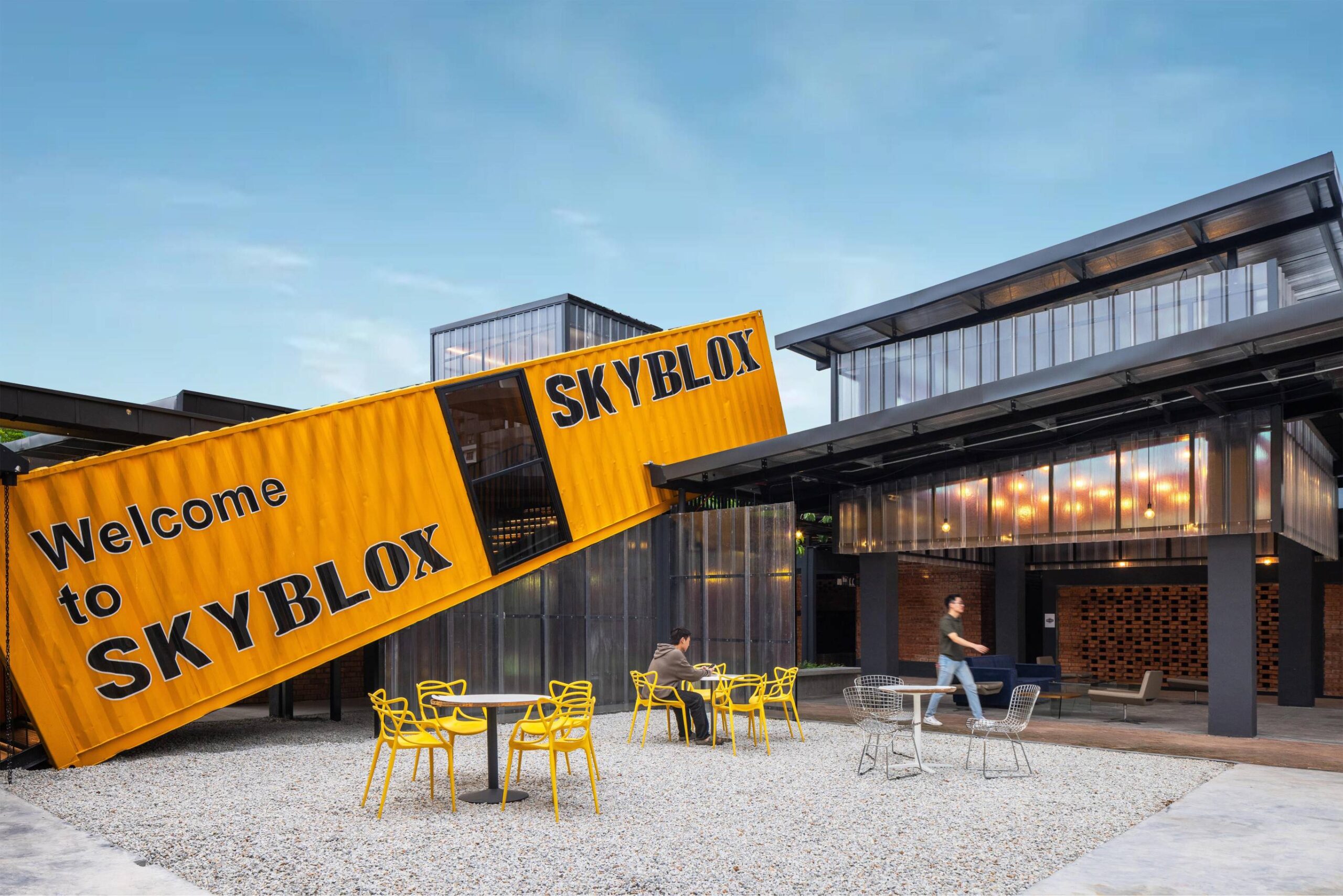
SkyBlox Housing shows the newer methods of construction in an environmentally-friendly light. It gives us the possibilities of creating sustainable architecture for the people. More than that, it presents the building as a place where people can build community within their small piece of land.
Related reading: This Fire-Red Indonesian Boarding House Reinvents the Co-living Experience
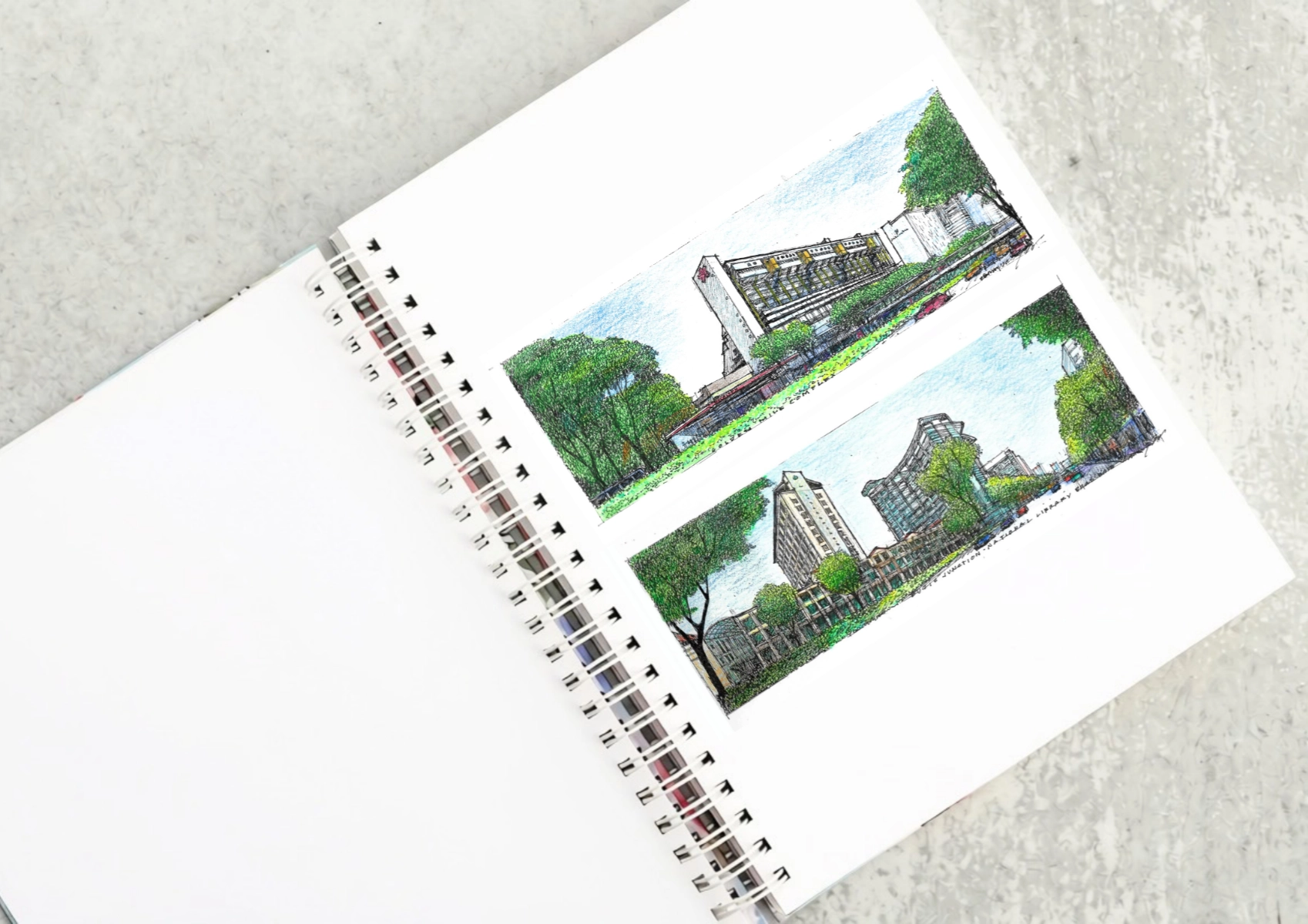
Two sketches of Singapore connect BluPrint Editor in Chief Paulo G. Alcazaren’s personal and professional history with Shared Ground: ArchitectureArchitectureThe art and science of designing and constructing buildings, structures, and spaces that are functional, safe, and aesthetically pleasing. It encompasses the planning, design, materials, and techniques used to createGo to Architecture Glossary of Care, Culture, […]
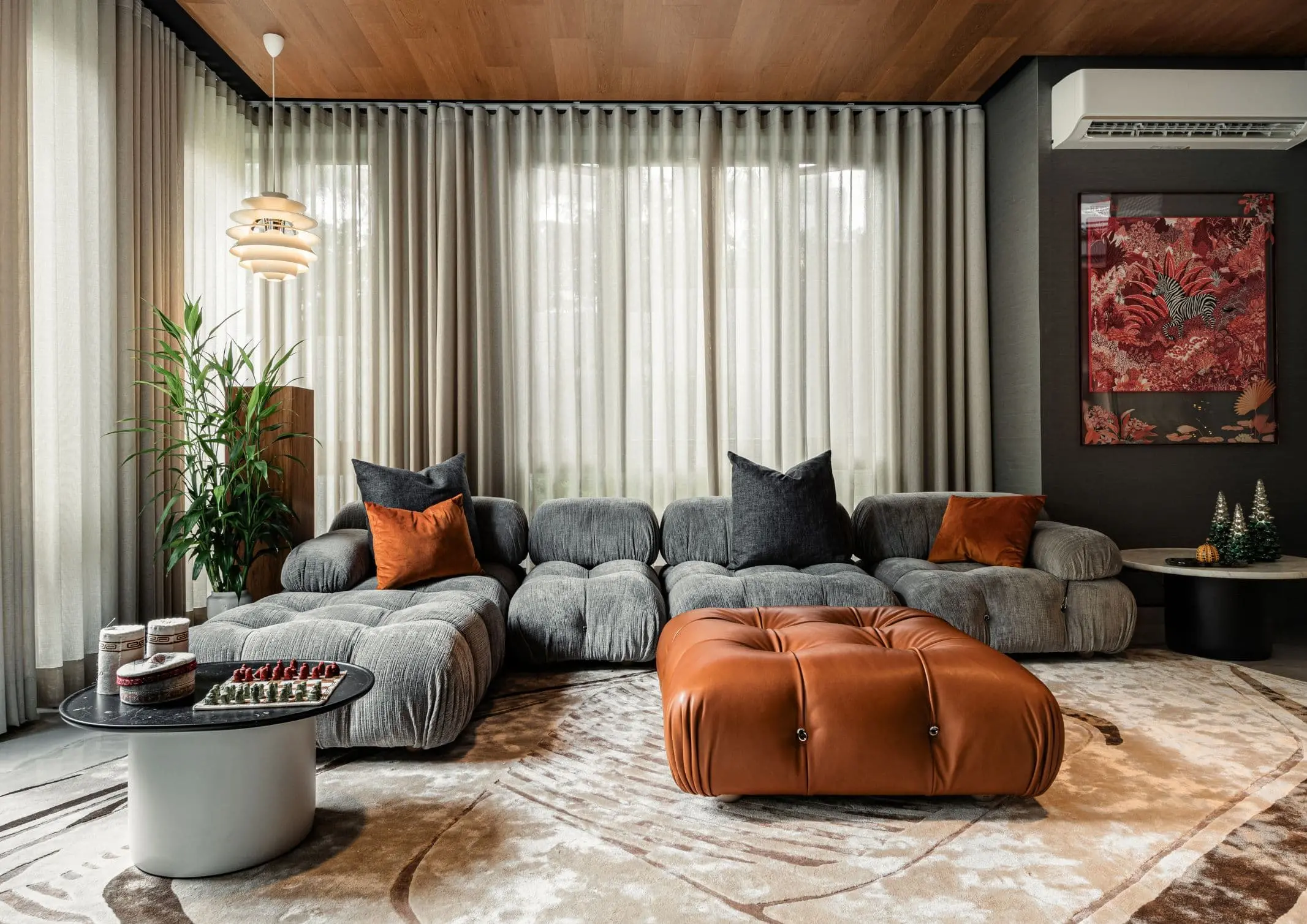
Some have become household names – Coleman, Oster, and KitchenAid – products that have found their way into Filipino kitchens, homes and family routines. In home furnishings, brands such as B&B Italia, Ethan Allen, Sub-Zero, Miele, SieMatic, Louis Poulsen, Hunter Douglas, Tempur, and Technogym, have helped shape the way Filipinos live. From everyday essentials to […]
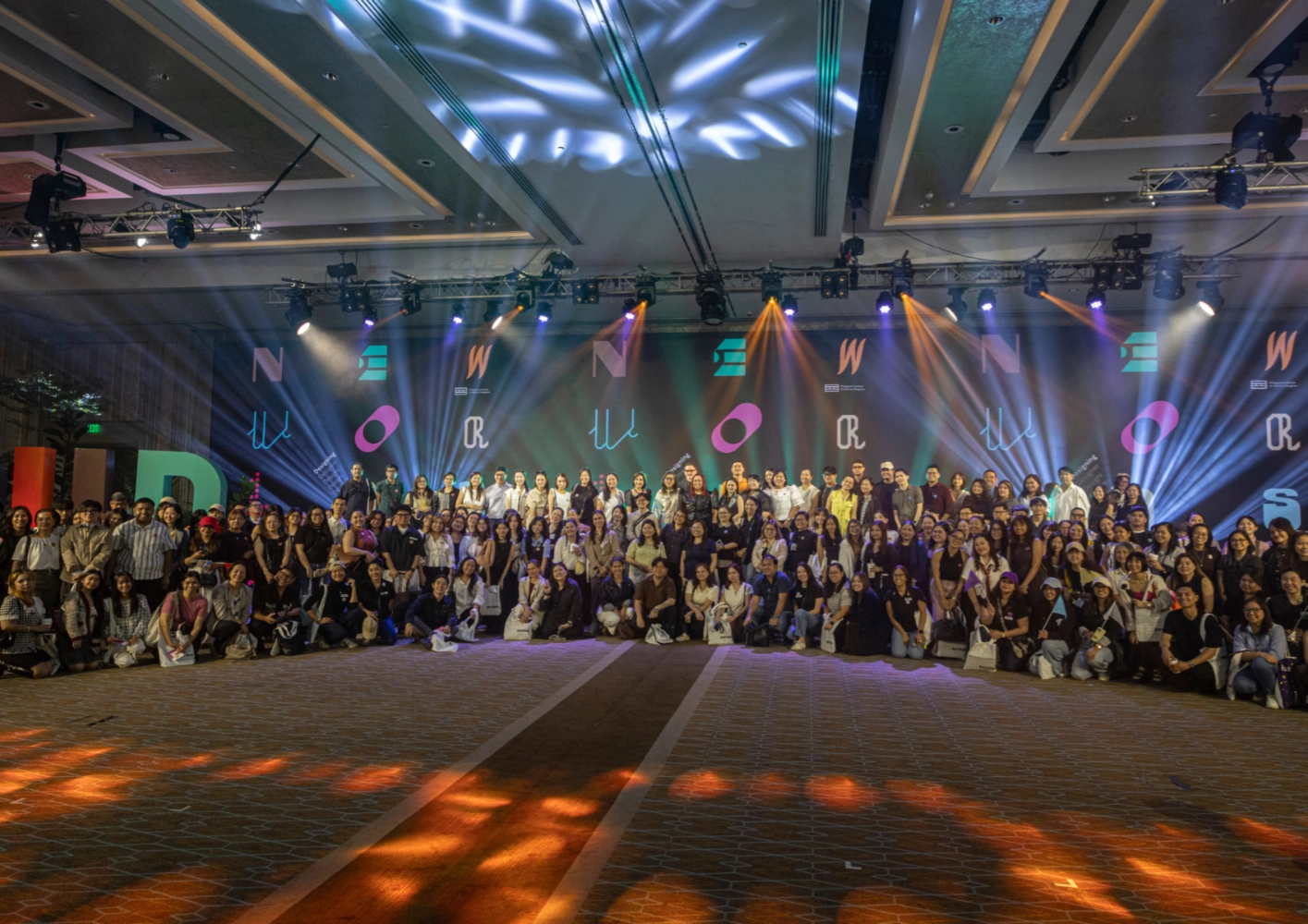
In a way, designers are the modern-day soothsayers and prophets. They design for the future, predicting how a room, a house, a building or a whole city will be used by people. They foresee how users will interact with a space, conjure exact shades of colors to elicit specific behavior and arrange furniture to build […]
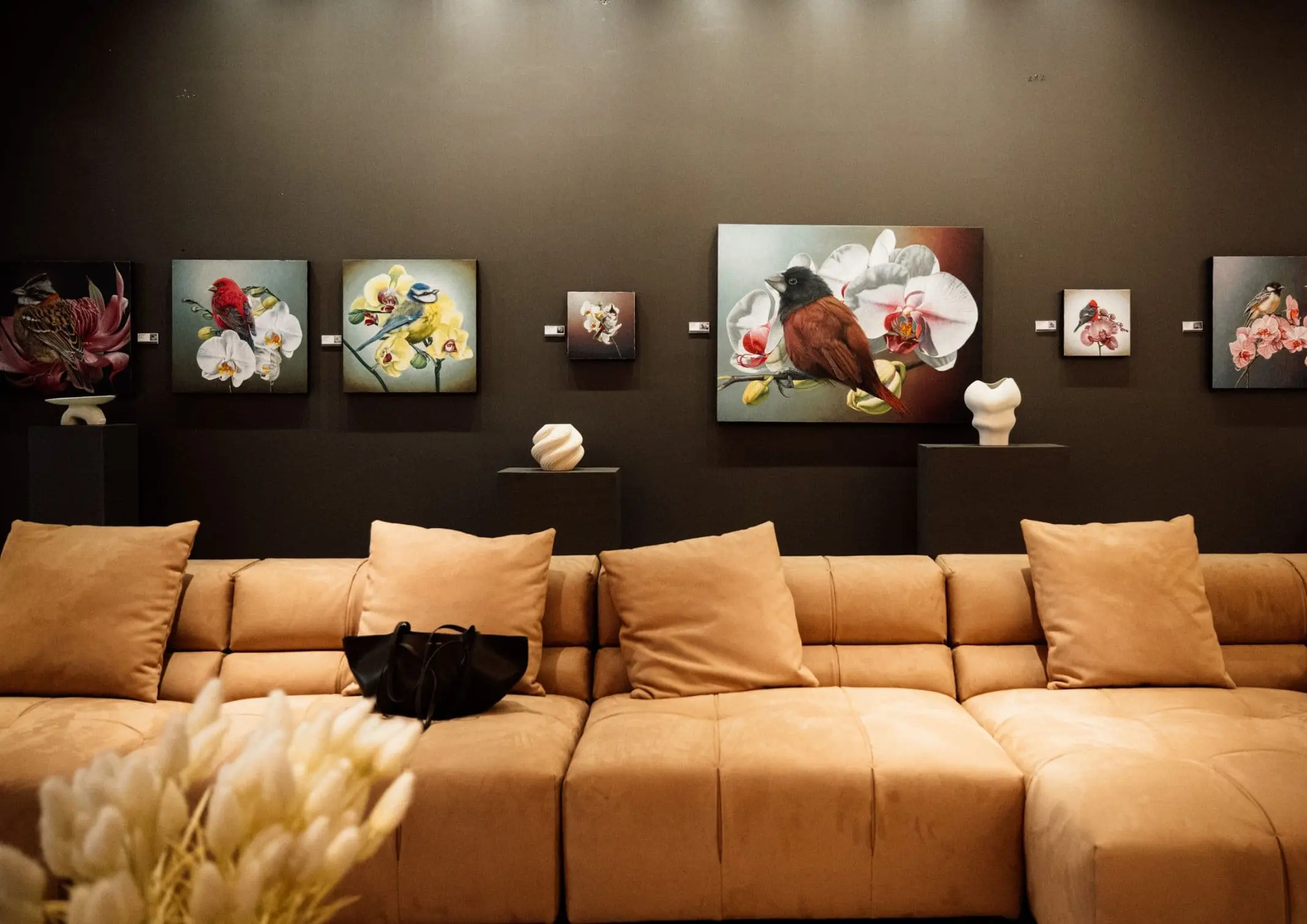
Art and furniture are often selected separately, yet their relationship can shape how a room looks and feels. The collaboration between Hooga and Galerie Joaquin explores how these elements can work together, bringing contemporary artworks into furnished residential settings at Hooga’s showroom in Uptown Mall, Bonifacio Global City. For Hooga, which curates furniture, lighting, and […]
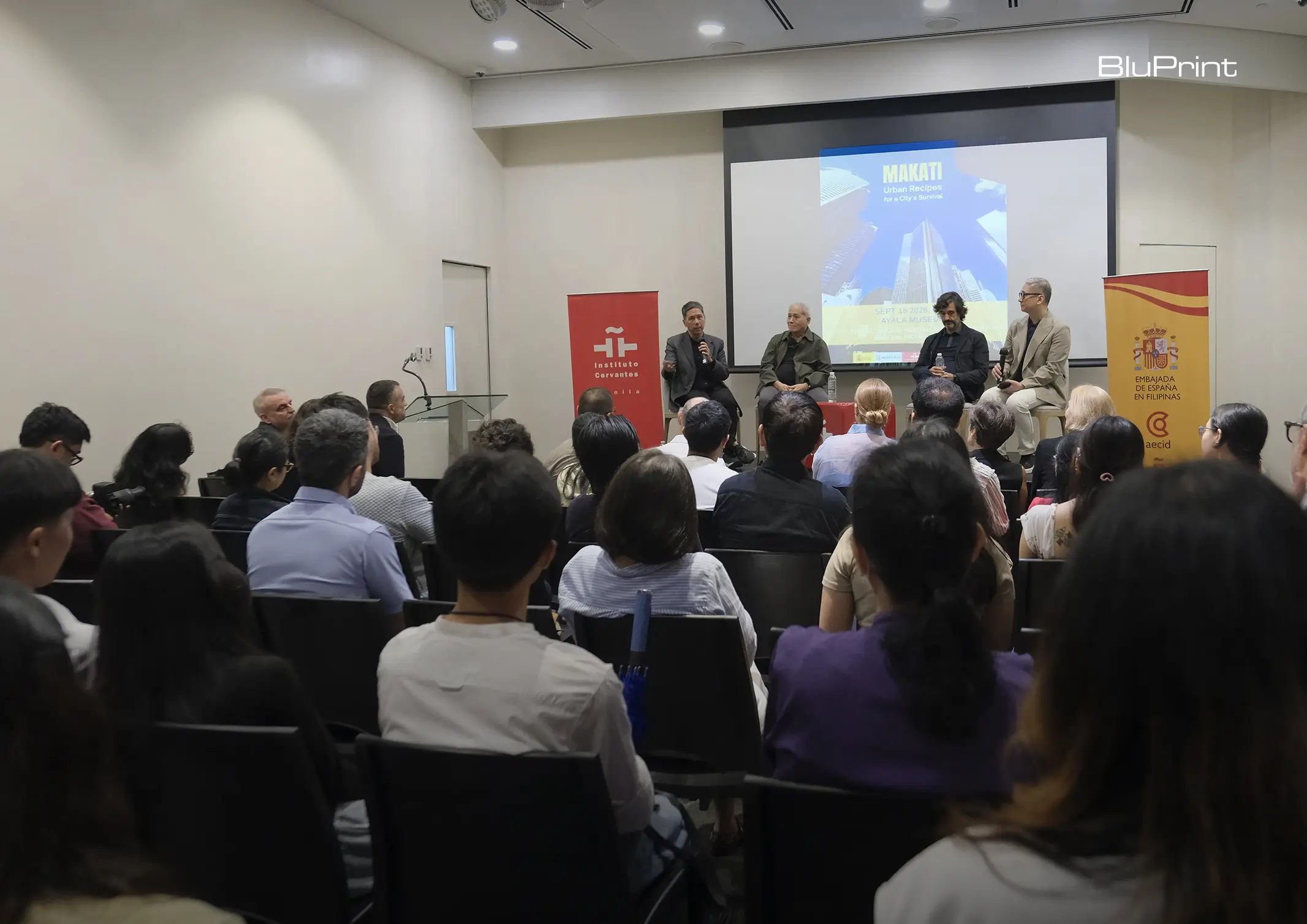
How can better-planned cities create the conditions for more creative, livable, and resilient urban environments? “Makati Urban Recipes for a City’s Survival,” a colloquium held at the Ayala Museum on September 15, brought together architects and practitioners from the fields of urbanism and the creative economy to discuss how design, planning, and collaboration can address […]
Read the issues.

Collect the volumes.

Recommended Video
Tap to Unmute
Unmute
0:00
0:00