Bigkis is the act of binding. In Tagalog, the word can refer to something used to bind or encircle, as well as a bundle formed by tying several separate elements together. Figuratively, it can also mean a bond, union, or unity. The meanings move from the physical act of joining things together to the connection […]
‘Echoes of Verdure’: Erikson Arcilla Magnifies the Minutiae of Trees



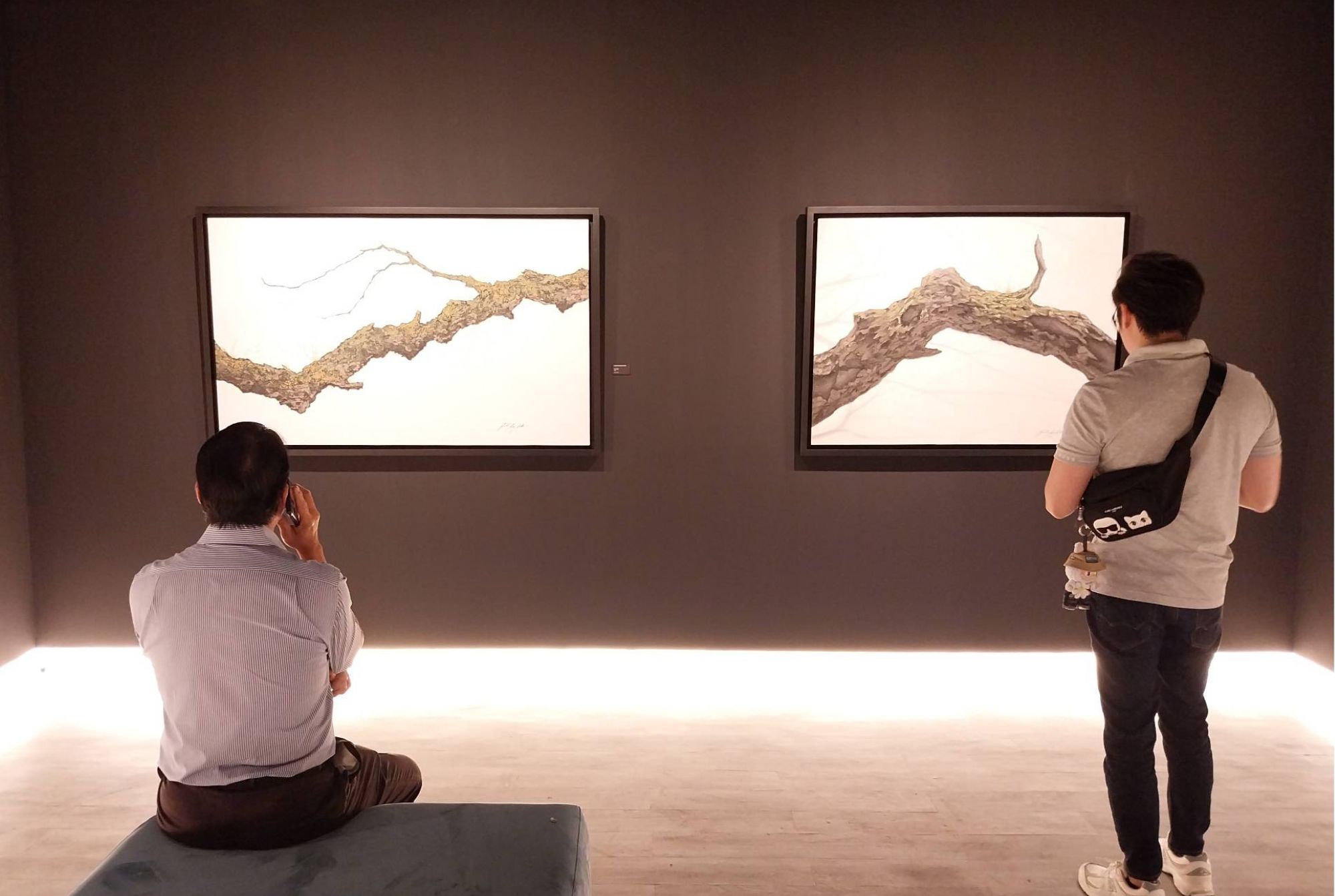
Echoes of Verdure by Erikson Arcilla captures the inherent poetry in the environment around us. Showing at Art Underground in San Juan, the exhibit attempts to capture the unique meditative feeling that such environmental images can give the audience. Arcilla aimed for tranquility, to give their audience time to reflect on the world around them.
“Through restrained backgrounds and a focus on organic forms,” the exhibit write-up said, “the works emanate a tranquil depth, urging viewers to engage with the subtle layers and tones. In this exhibition, nature’s whispers and gentle rhythms become an invitation to pause and reflect. It is a reminder of the timeless connection between life and decay, growth and stillness.”
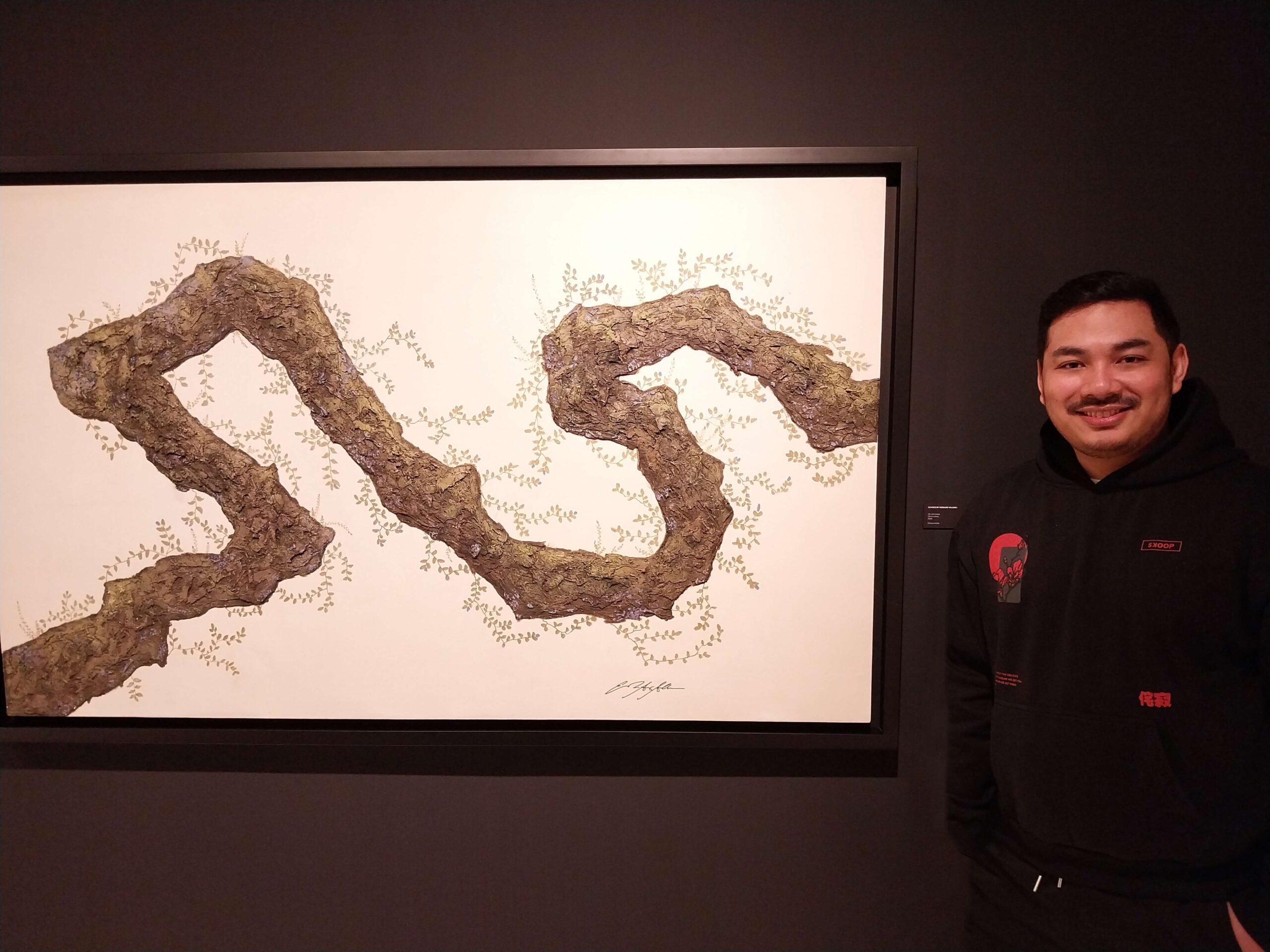
Arcilla’s works revolve around the environment and themes of ecology. For this one, he focused on tree branches, an aspect of nature that he sought to “delve in and magnify.”
“The show is about beauty with age, but how do I connect environmentalism to that?” he said. “That is why I focused on the branches, because branches are a perfect representation of how something ages, but at the same time it remains beautiful and even gets more beautiful as it ages.”
Techniques on Texture
For the works in Echoes of Verdure, its most interesting aspect is how tactile the branches look from afar and up close. One looks at the paintings and sees the bumps and bruises, the seemingly-peeling bark.
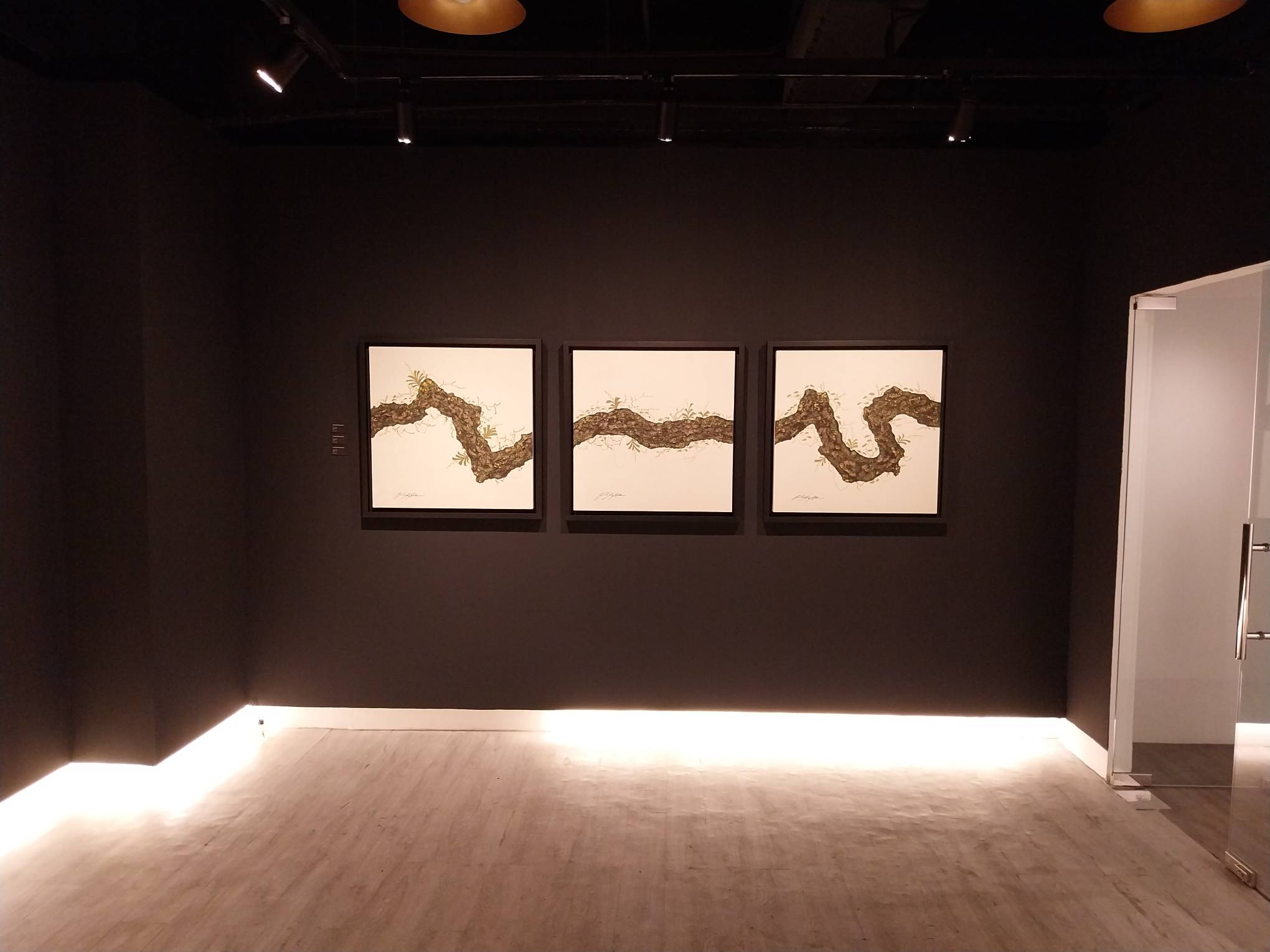
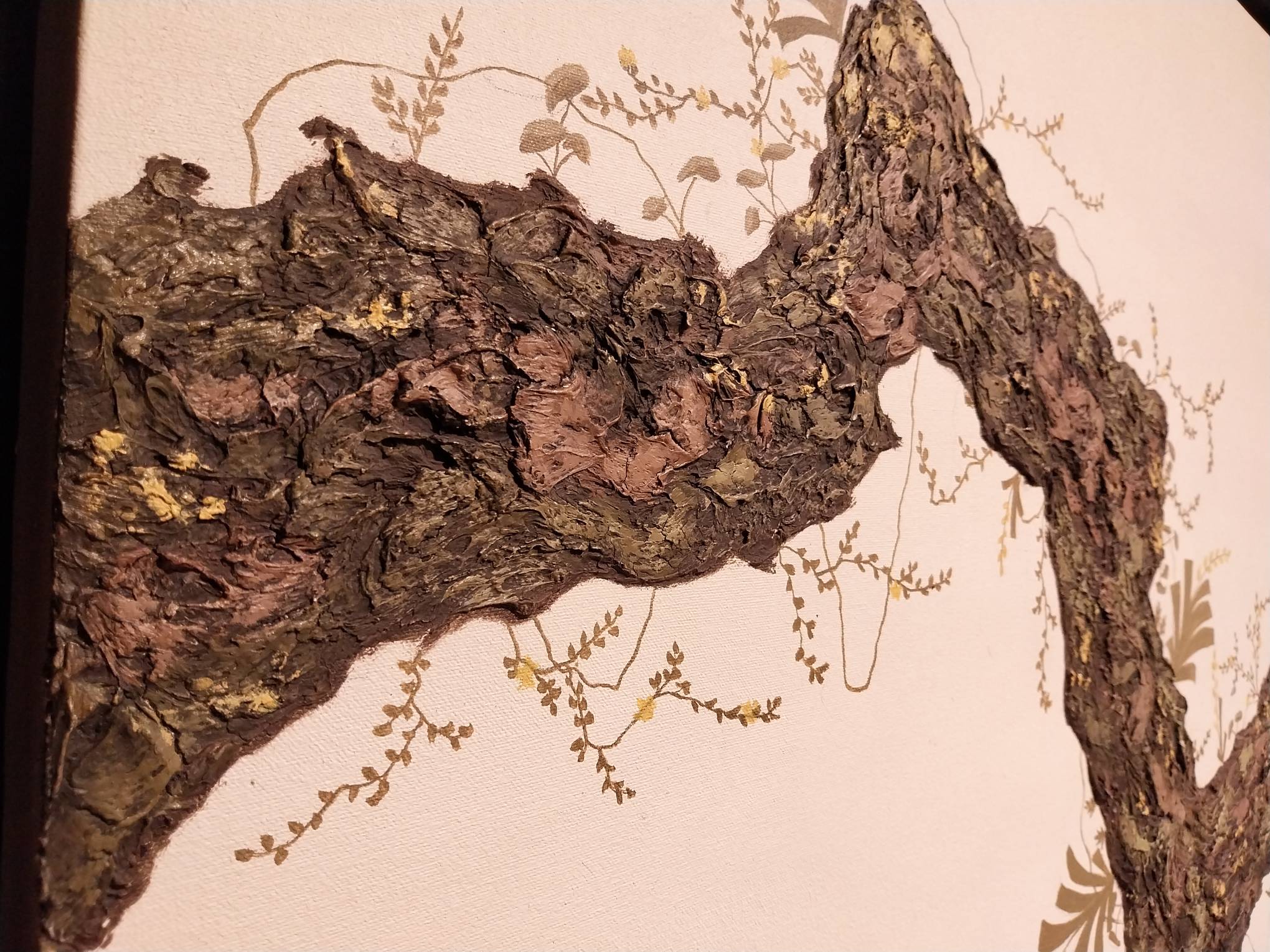
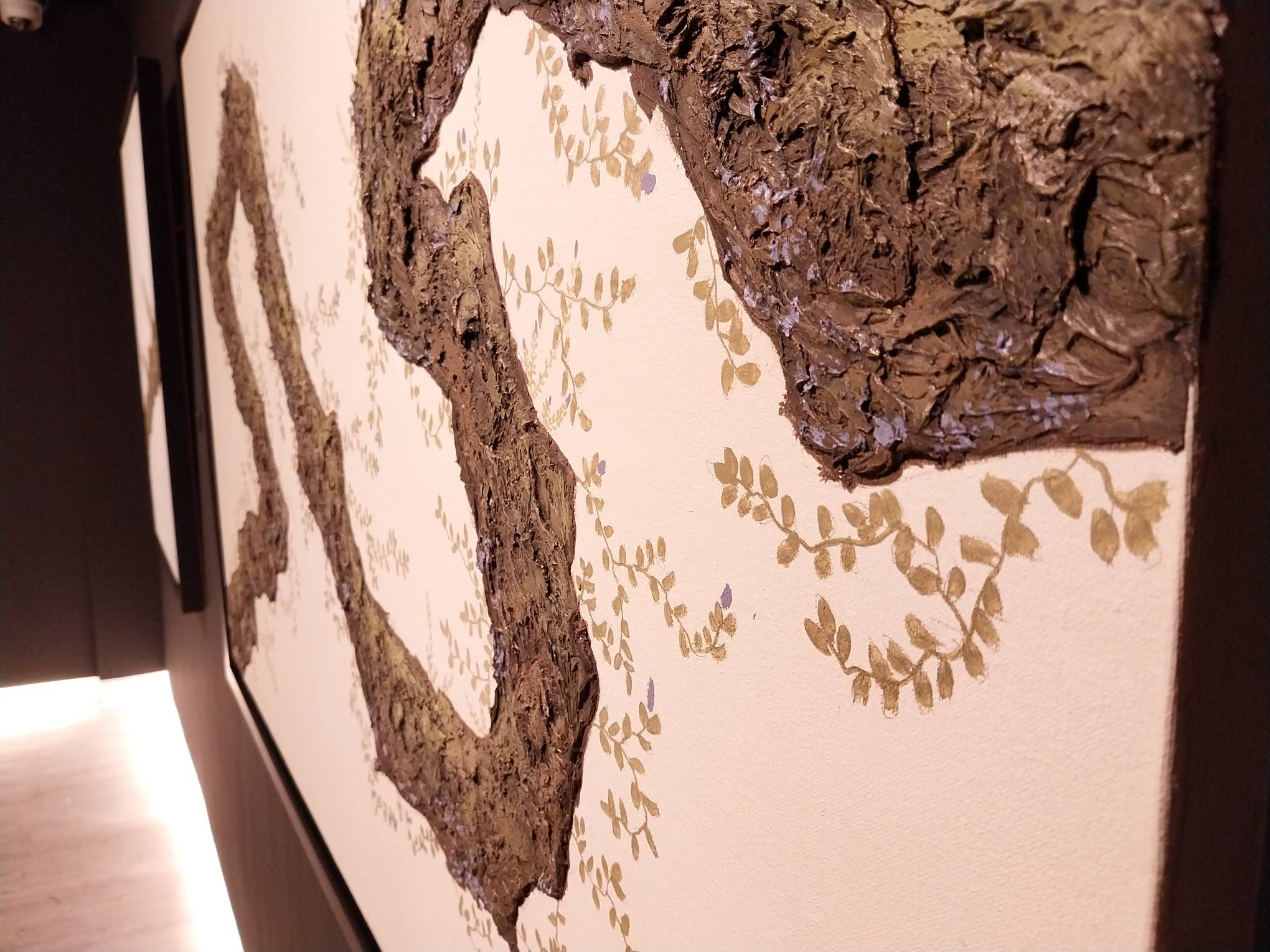
Erikson Arcilla contrasts the realistic verisimilitude of the bark in the tree branches with a very welcoming pastel background. He also adds vines, offshoots, and flowers close to the branches as additional visual texture to the image. From an artistic standpoint, the works feel three-dimensional in how it plays with the senses.
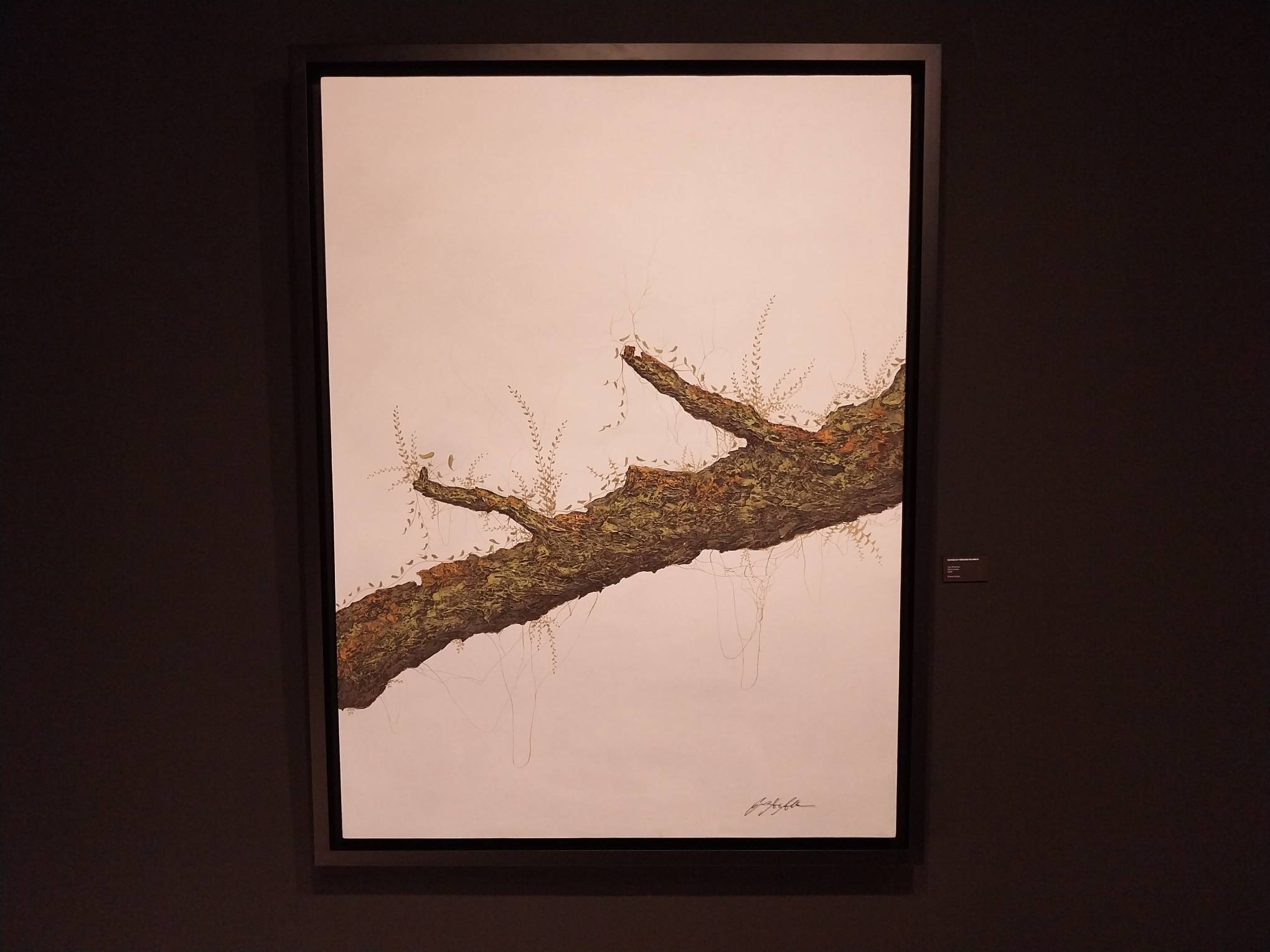
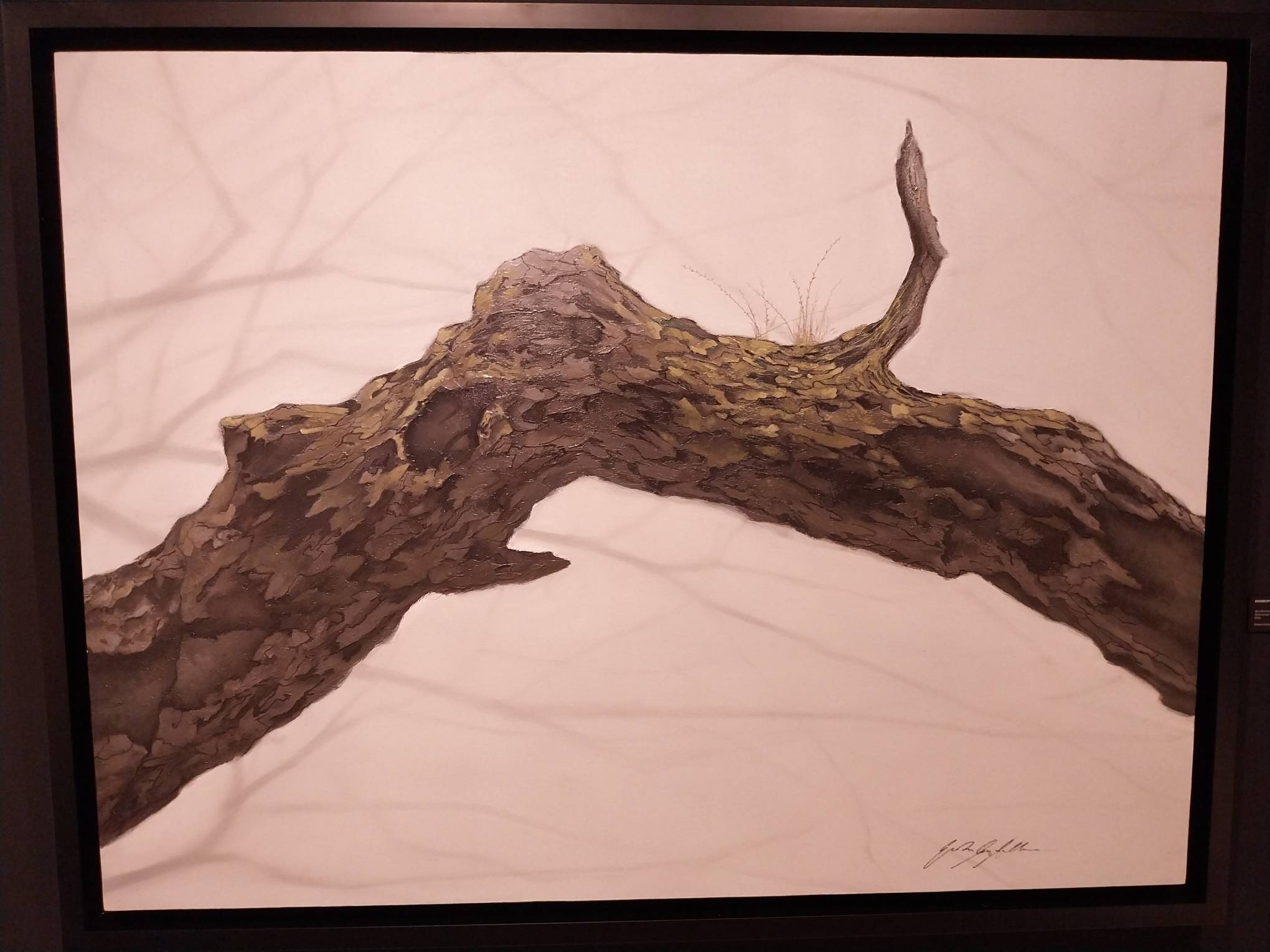
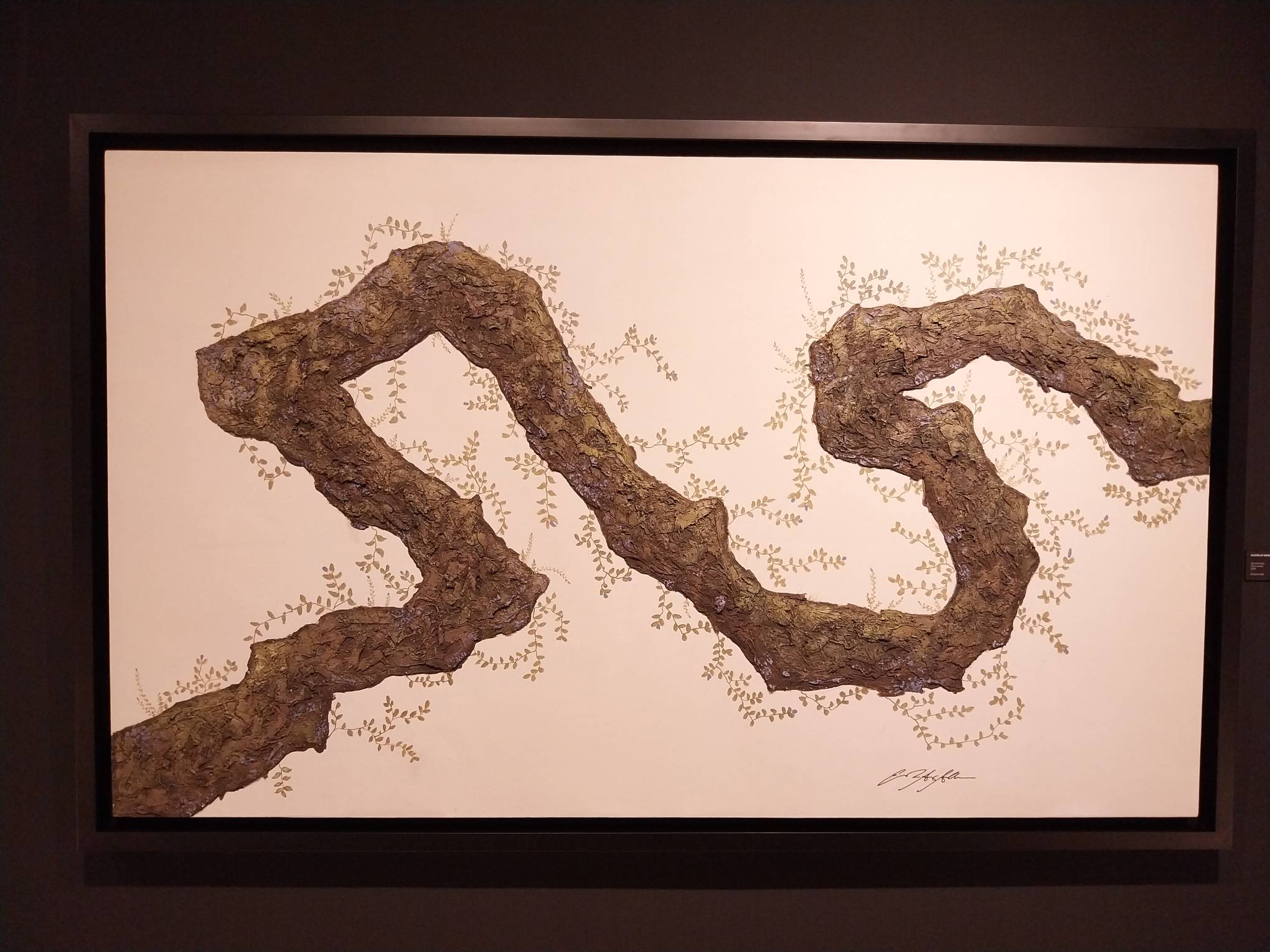
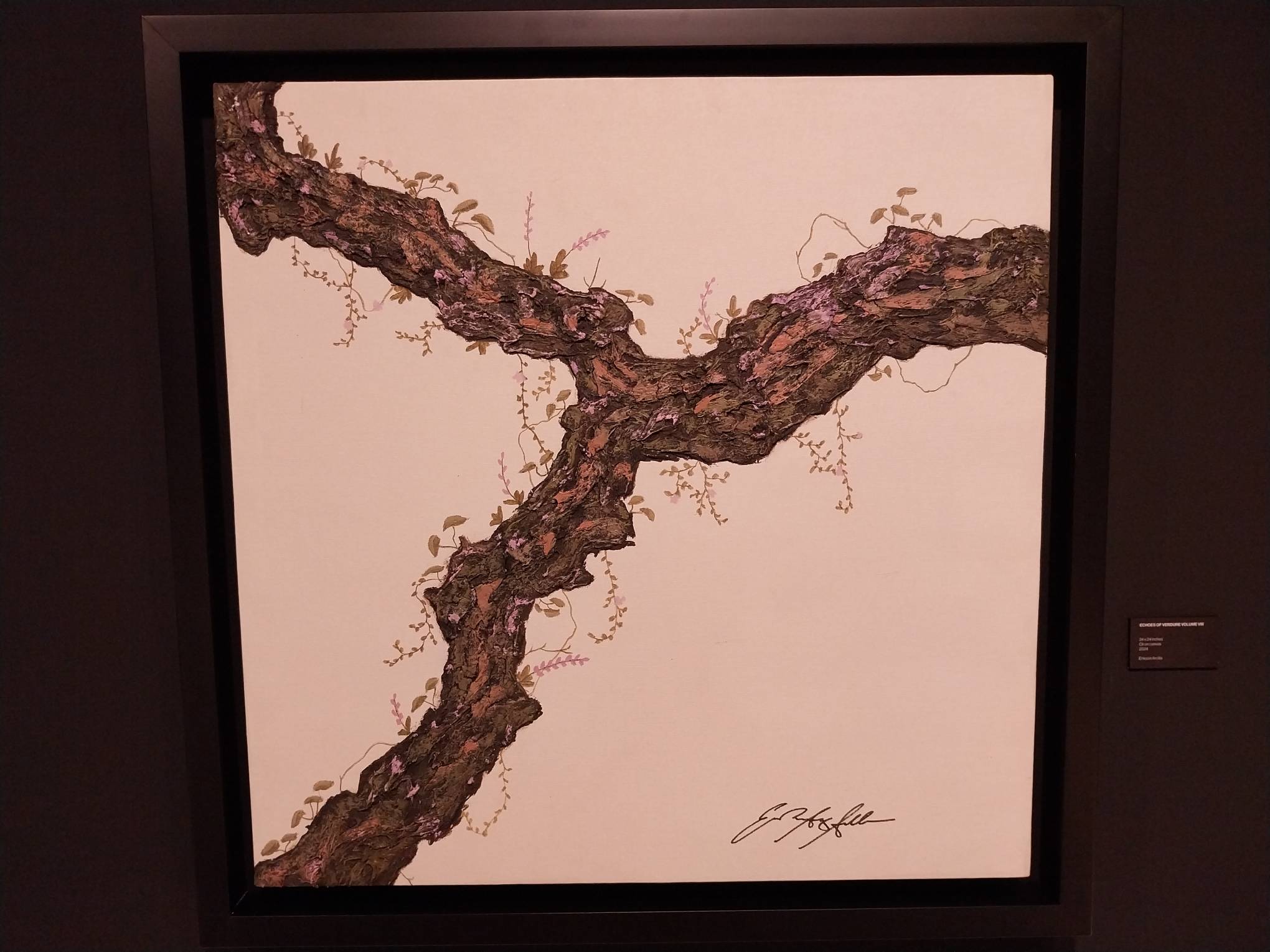
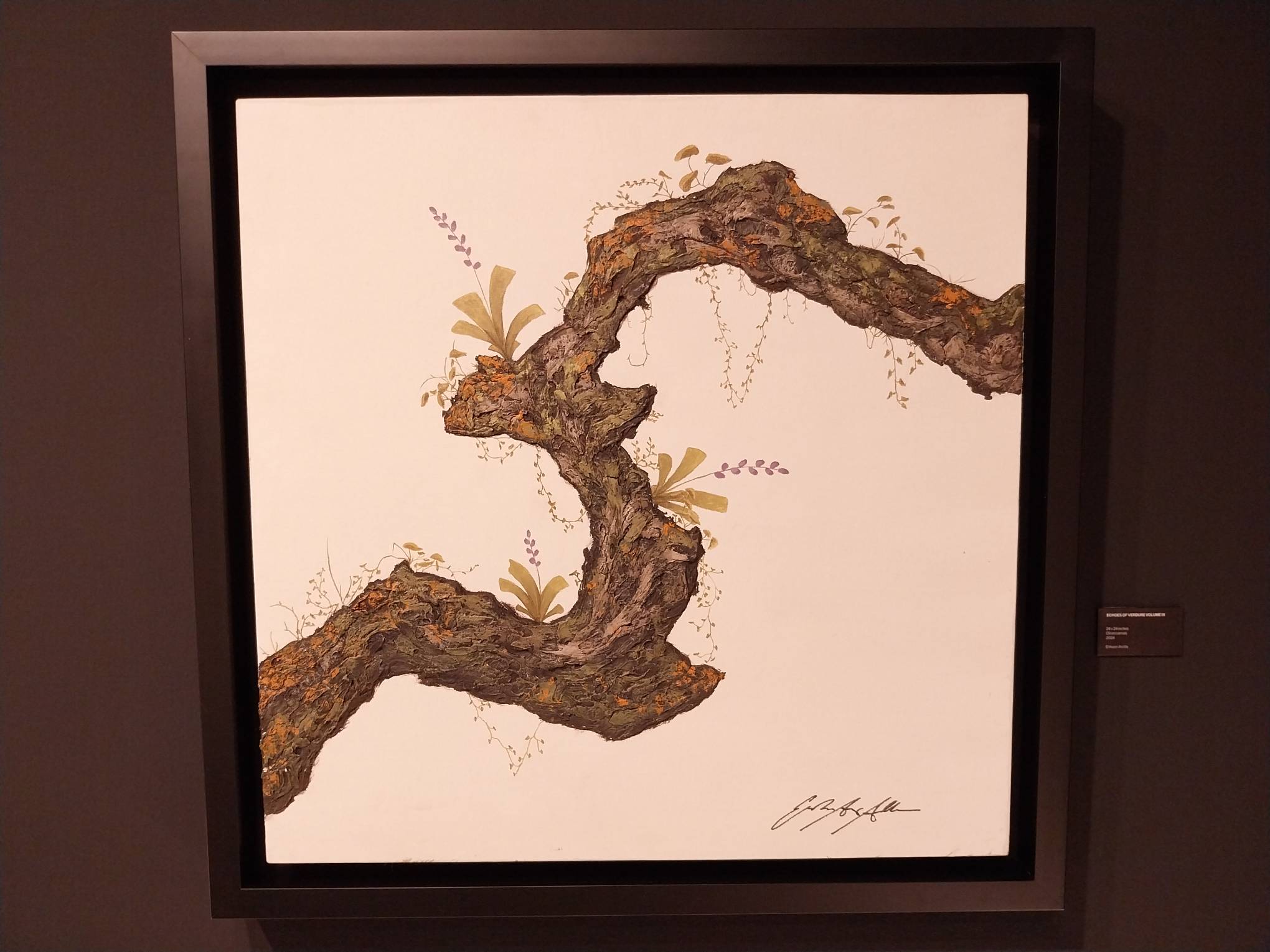
Arcilla said that he spent months developing a methodology to create realistic-looking branches with all the cracks in place without affecting the integrity of the painting. For Echoes of Verdure, he uses a combination of molding paste and plaster.
“It started with molding paste,” he said. “But molding paste will give you a rather flat [look], and it’s smooth. [The end product] is going to be a little too smooth. So, I discovered that if I use plaster of Paris in combination with molding paste, you actually end up with a bark-like texture that cracks without sacrificing durability.”
Uniqueness of Our Environment
The exhibit sought to really capture the transformative feeling of nature, especially within the smaller perspective of humanity in comparison. Nature spans centuries, a seemingly-endless span of majesty, in comparison to humanity’s smaller physical and temporal plane. It exemplifies the unique way that nature relaxes people, amplifying the tininess of humanity in comparison to everything else.
Interestingly enough, despite this feeling of majesty, Erikson Arcilla said that bonsai trees inspired some of the design of the exhibit.
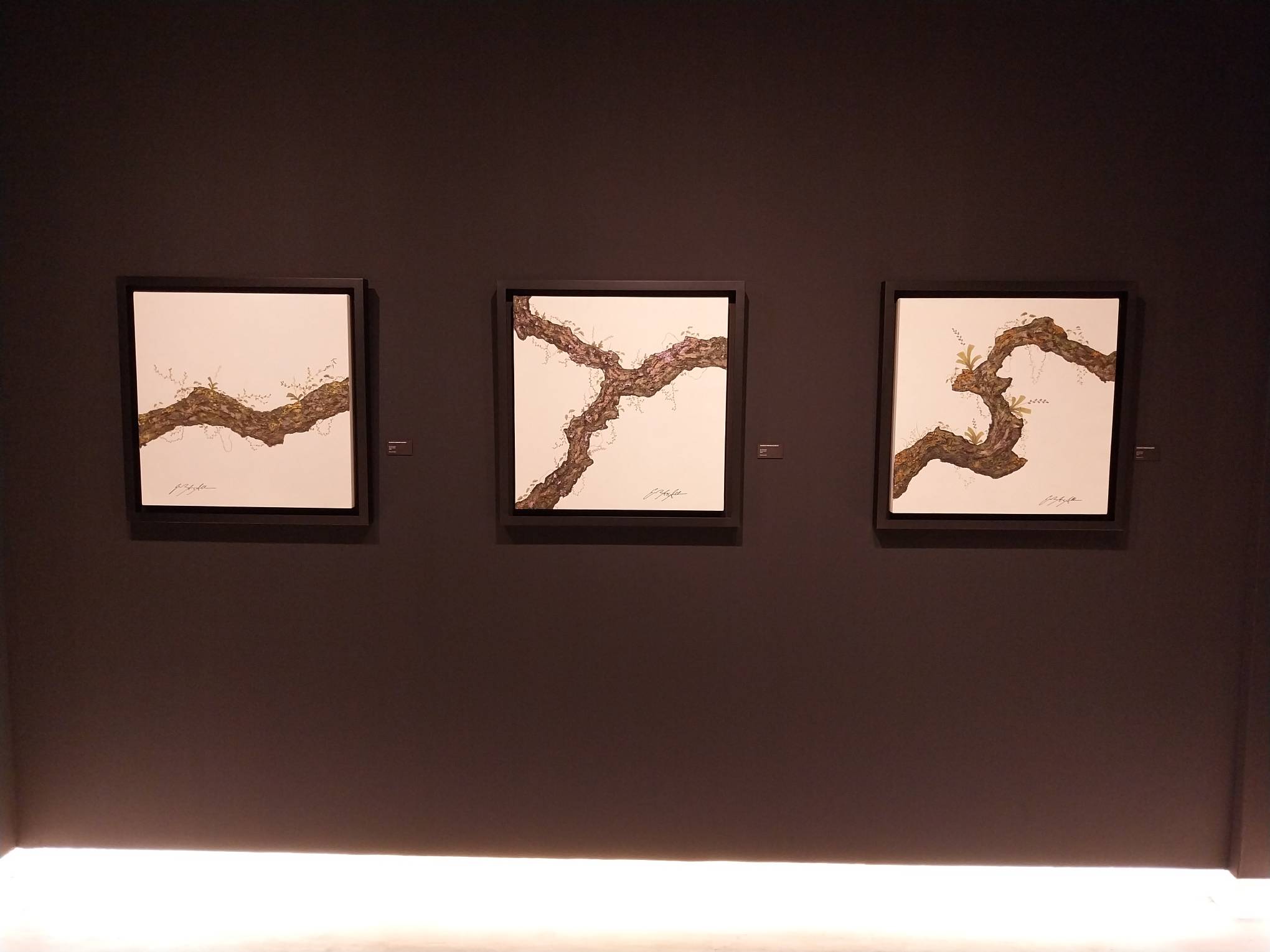
“I grew up with my dad doing bonsai,” he said. “So you’d see branches that are sort of wriggling? They’re not very natural in a way because you’d normally see branches that are straight like that one.”
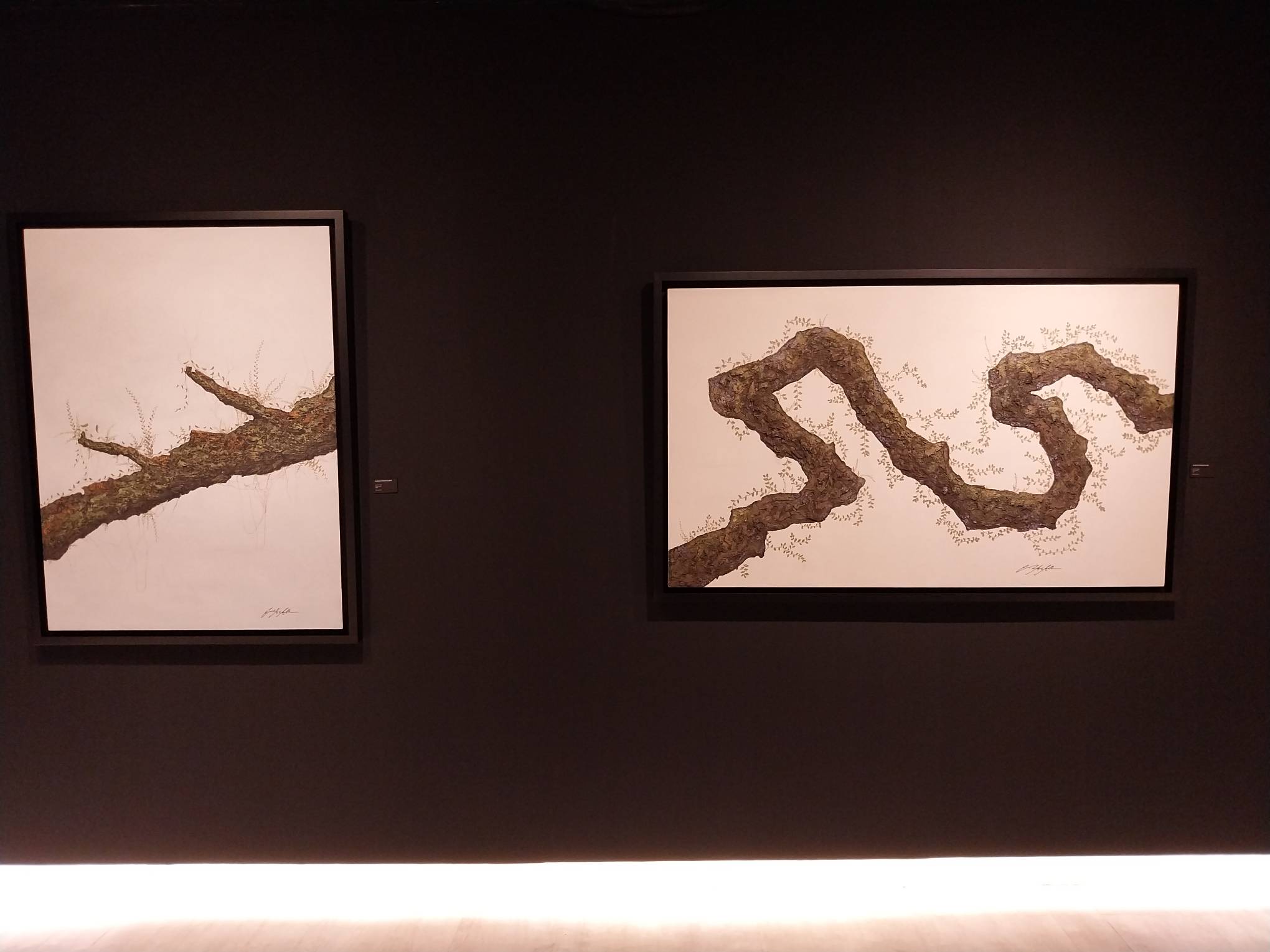
He connects these paintings like rivers, seemingly interconnected from one painting to another. From afar, it looks like they flow in and out of each other. He elaborated that while he did look up branches to follow for his work, his childhood memories and the specific technique and material of the plaster dictated the eventual look for each painting.
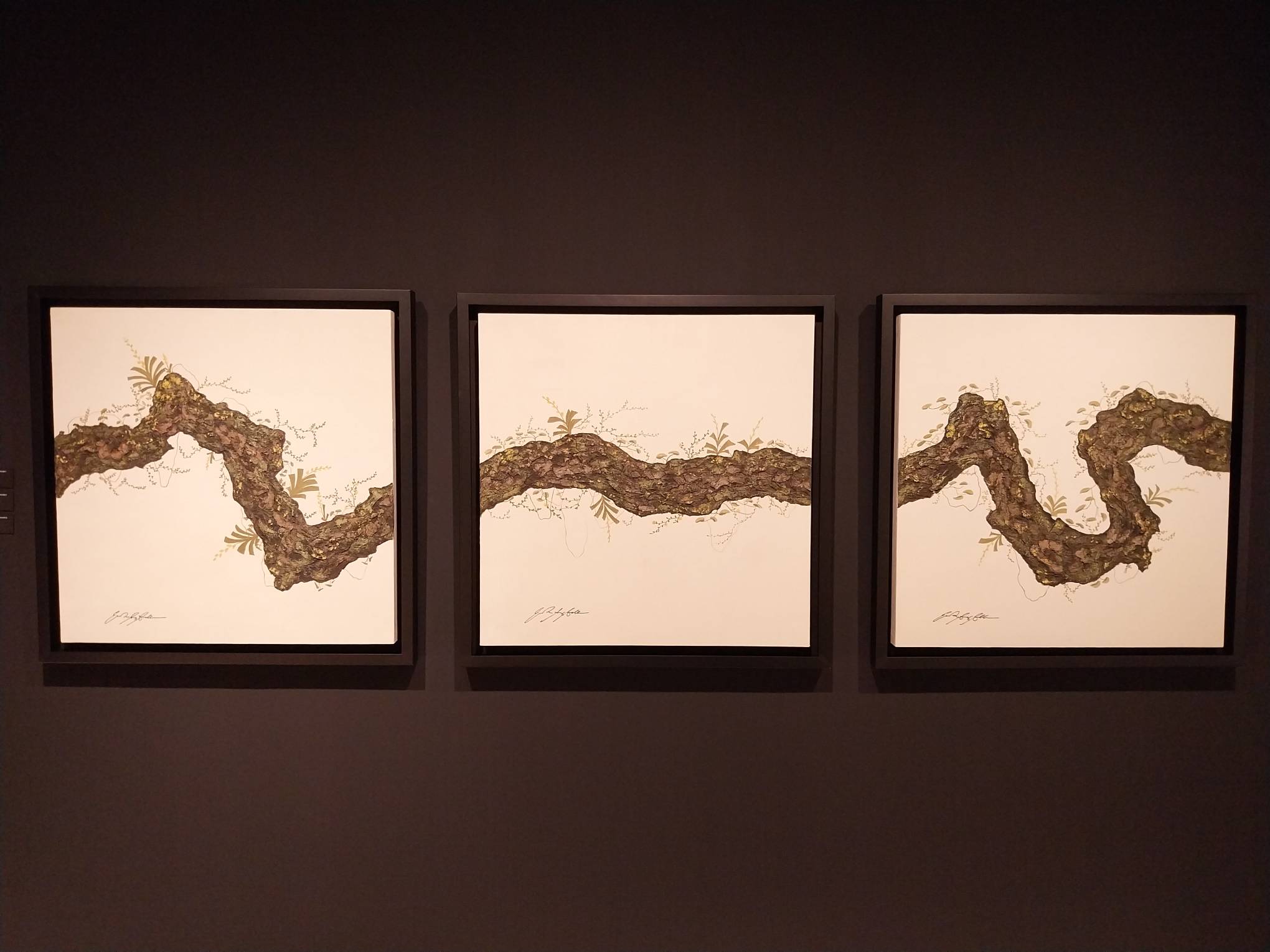
“While you start with a very specific image in mind, even with a reference, I did not get references for these. The branch will ultimately crack and form a very unique structure because you just cannot control how everything will crack in place,” he said.
As a collection of works, Echoes of Verdure exemplifies the ingenuity of the artist in renderingRenderingA realistic or stylized image that visualizes a proposed design before it is built. Produced with 3D modeling and visualization software, renderings show materials, lighting, furniture, and context, helping architectsGo to Rendering Glossary the world around them. As a document of beauty and stillness, it showcases the unique characteristics that make trees—and specifically tree branches—so refreshing and relaxing to the human eye.
Photos by Elle Yap.
Related reading: Tree House by The Lake: Revisiting a Past with Nature
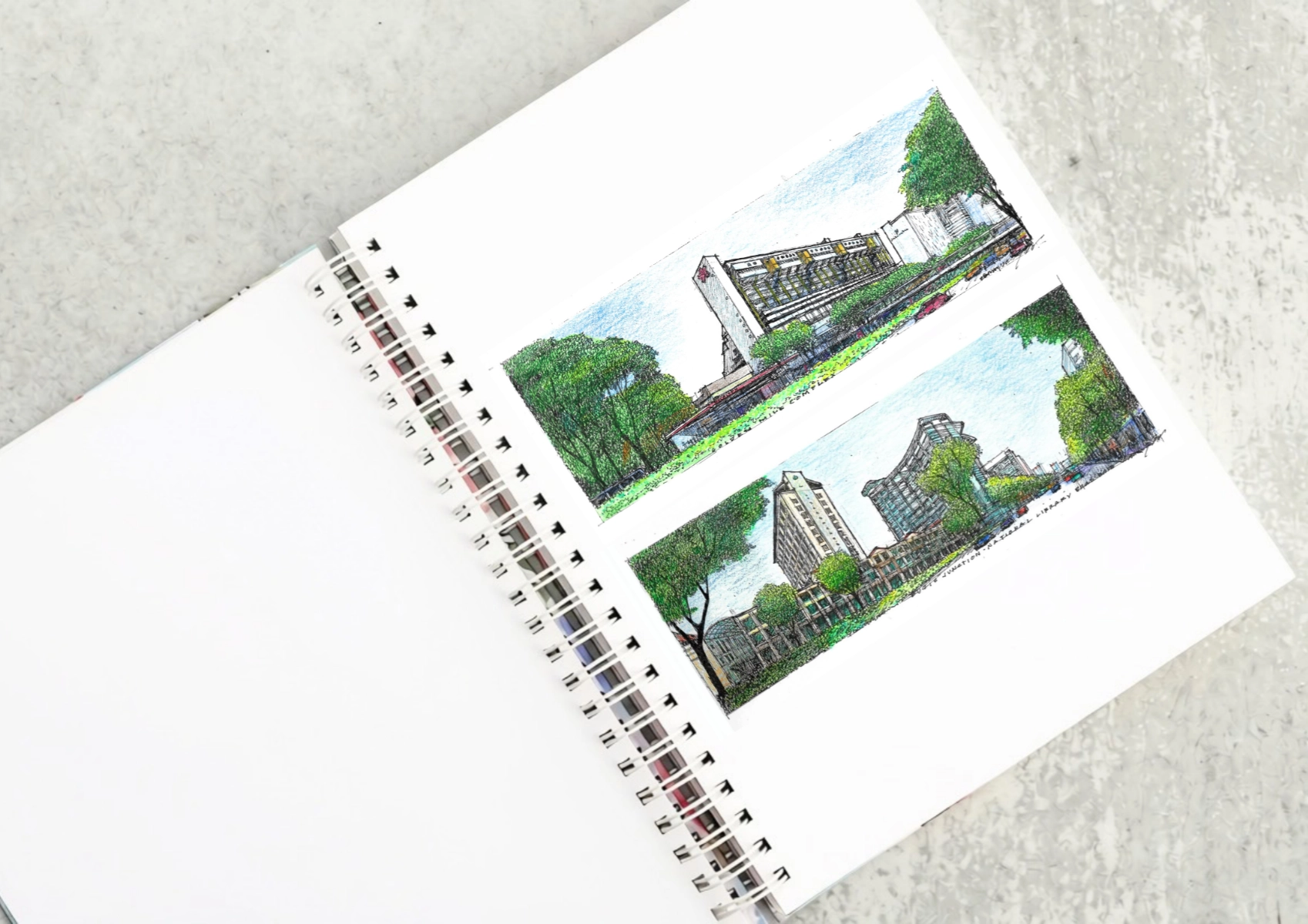
Two sketches of Singapore connect BluPrint Editor in Chief Paulo G. Alcazaren’s personal and professional history with Shared Ground: ArchitectureArchitectureThe art and science of designing and constructing buildings, structures, and spaces that are functional, safe, and aesthetically pleasing. It encompasses the planning, design, materials, and techniques used to createGo to Architecture Glossary of Care, Culture, […]

In a way, designers are the modern-day soothsayers and prophets. They design for the future, predicting how a room, a house, a building or a whole city will be used by people. They foresee how users will interact with a space, conjure exact shades of colors to elicit specific behavior and arrange furniture to build […]
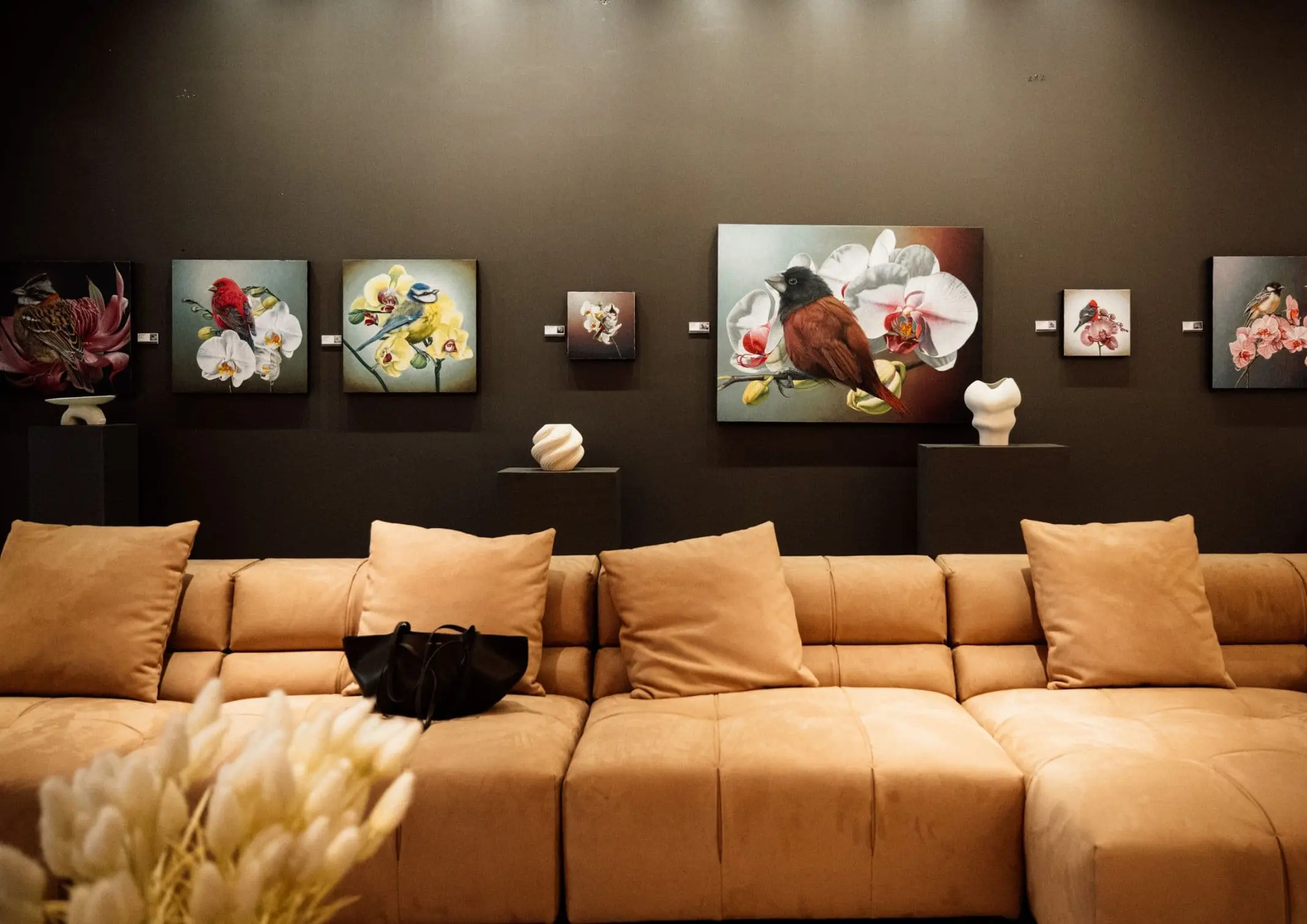
Art and furniture are often selected separately, yet their relationship can shape how a room looks and feels. The collaboration between Hooga and Galerie Joaquin explores how these elements can work together, bringing contemporary artworks into furnished residential settings at Hooga’s showroom in Uptown Mall, Bonifacio Global City. For Hooga, which curates furniture, lighting, and […]
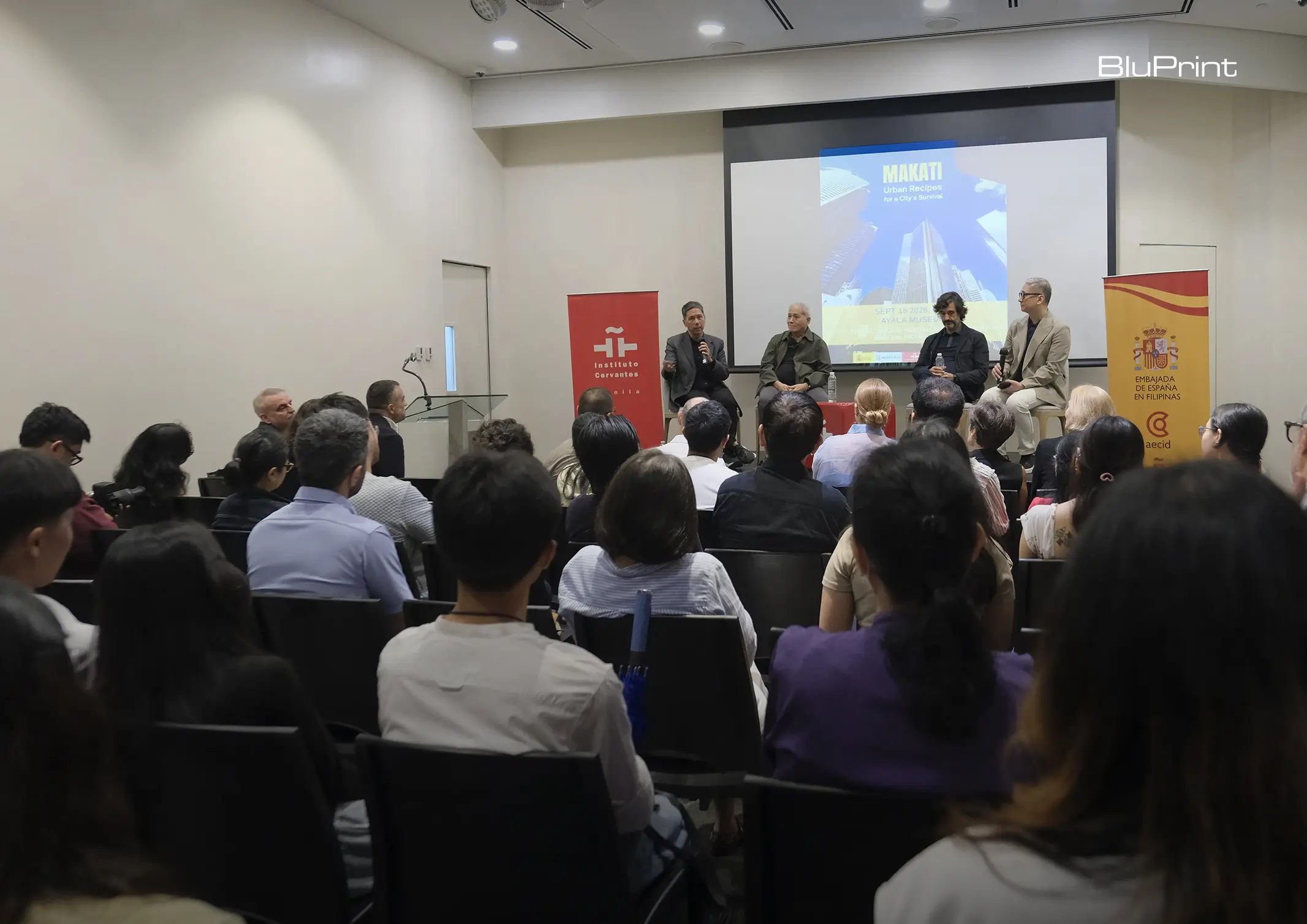
How can better-planned cities create the conditions for more creative, livable, and resilient urban environments? “Makati Urban Recipes for a City’s Survival,” a colloquium held at the Ayala Museum on September 15, brought together architects and practitioners from the fields of urbanism and the creative economy to discuss how design, planning, and collaboration can address […]
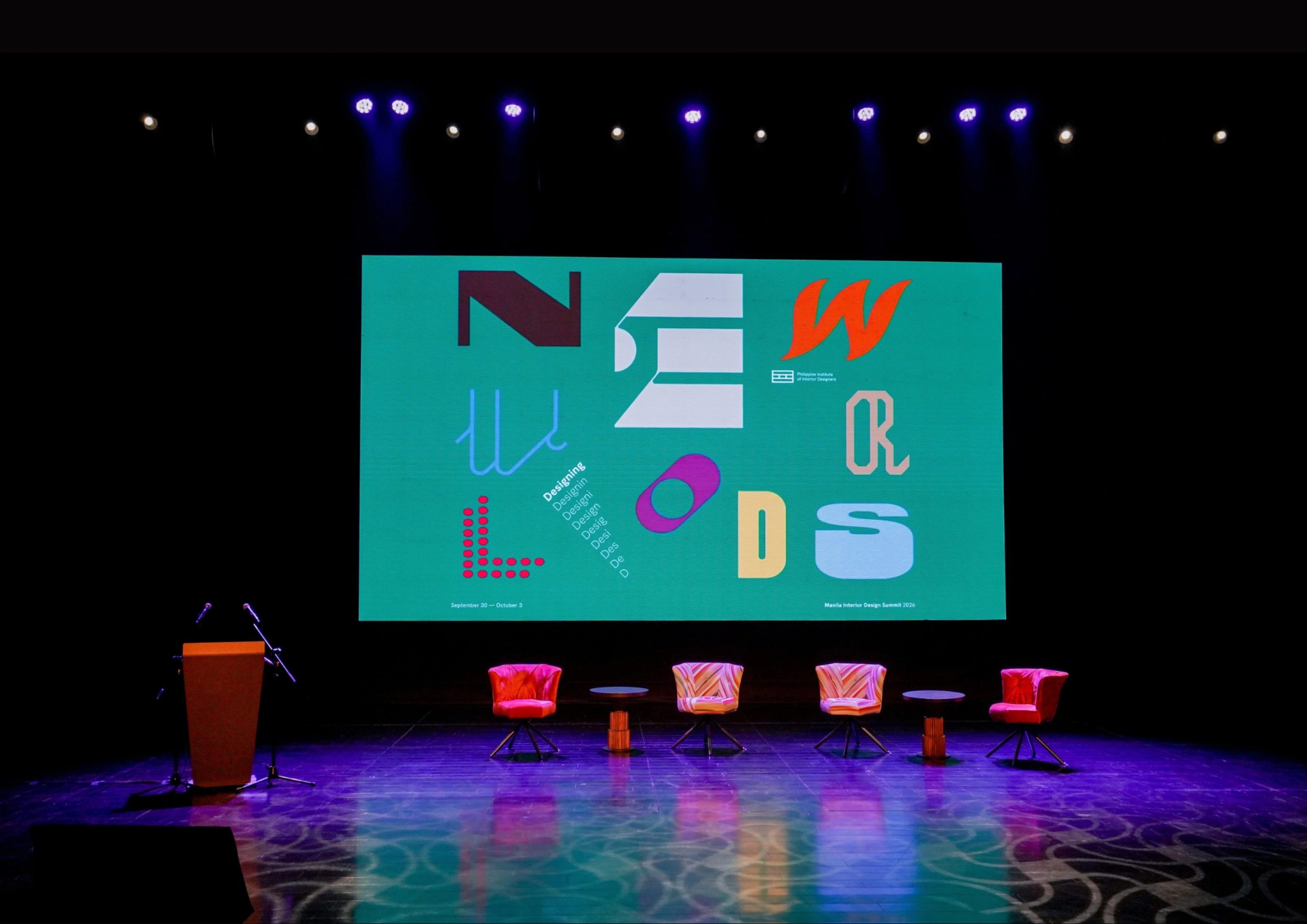
The fourth Manila Interior DesignInterior DesignThe discipline of planning and shaping interior spaces for function, comfort, safety, and beauty. It covers layout, lighting, materials, finishes, furniture, and color, and in the Philippines is a licensedGo to Interior Design Glossary Summit (MIDS) brought together more than 300 delegates for four days of conversations, exhibitions, and design […]
Read the issues.

Collect the volumes.

Recommended Video
Tap to Unmute
Unmute
0:00
0:00